

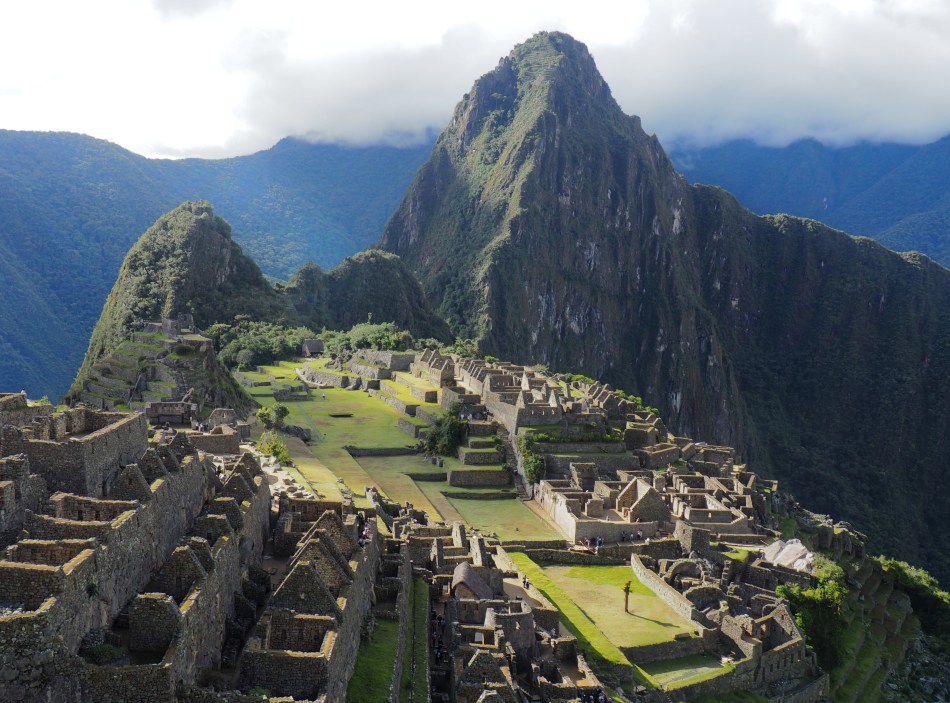
First of all, let me just say wow. Really and truly wow. What an amazing country and experience. We knew about Machu Picchu, of course, had heard of Lake Titicaca (for obvious and juvenile reasons) and had heard that Lima was a dangerous city. But that’s about it.
Then we discovered the Andean Explorer train which runs from Cusco to Arequipa and a few videos and web page reviews later we were hooked. So we built our itinerary around this train trip with the help of a representative from Belmond. And we were awestruck, from start to finish.
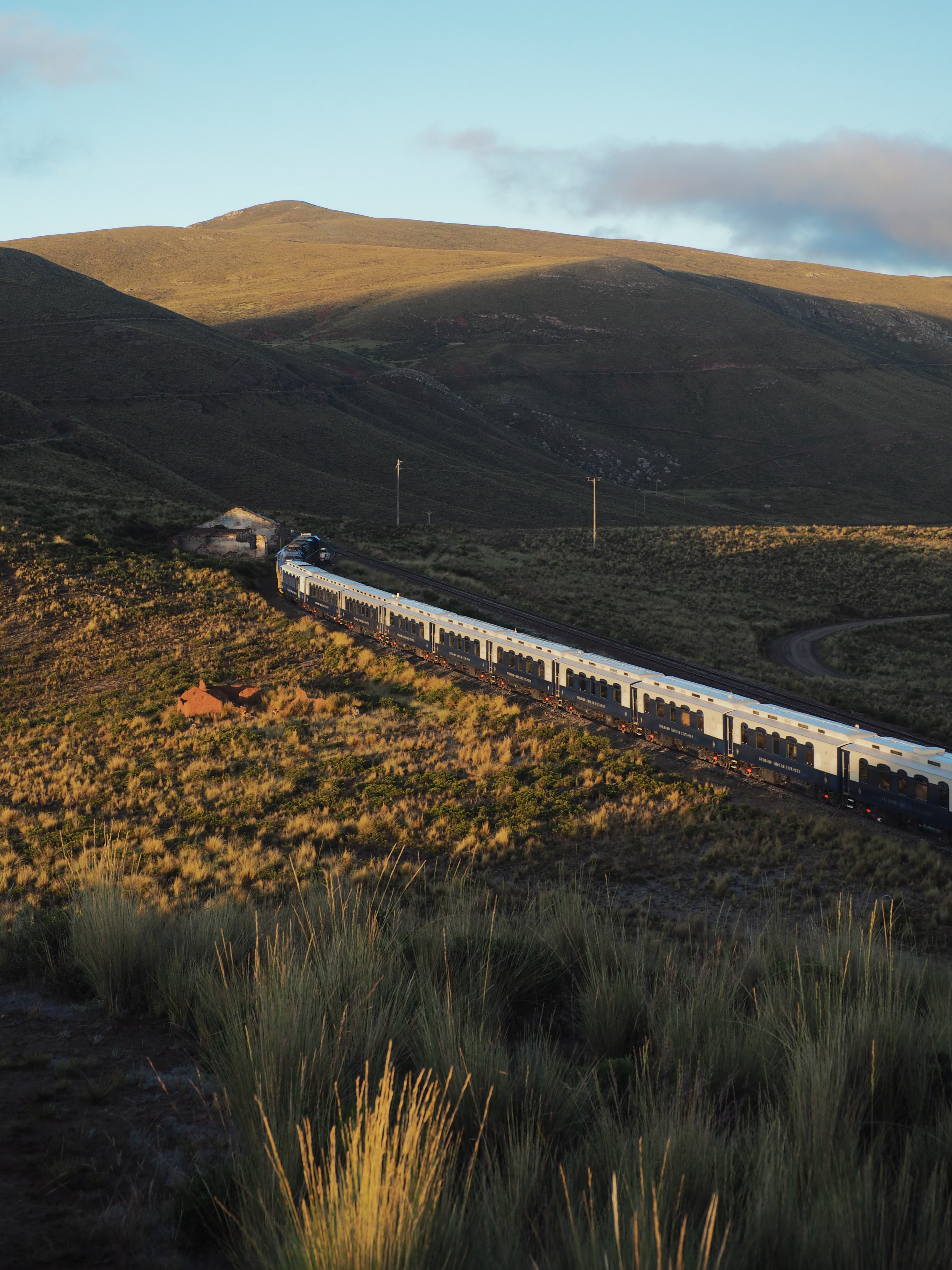
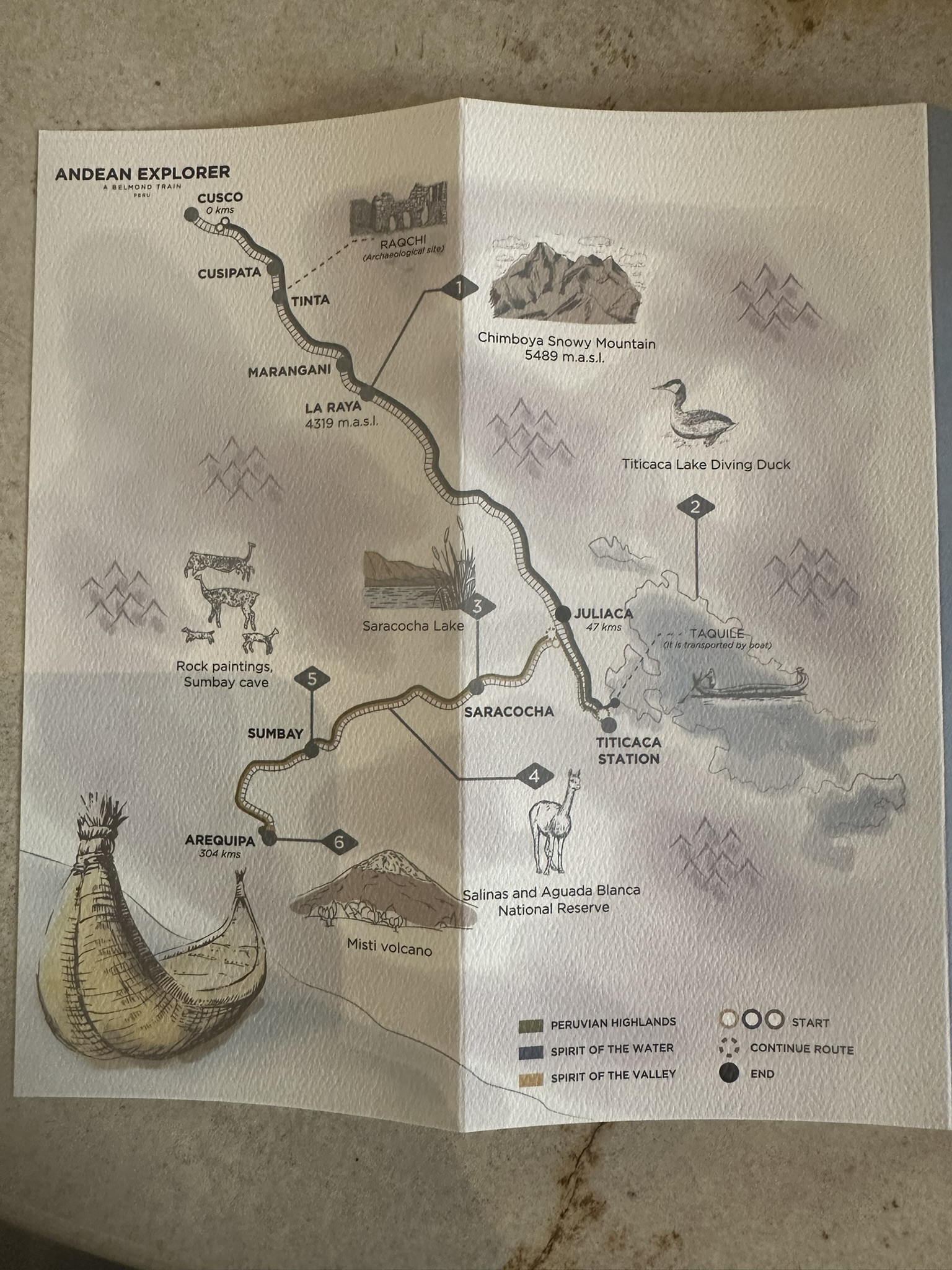
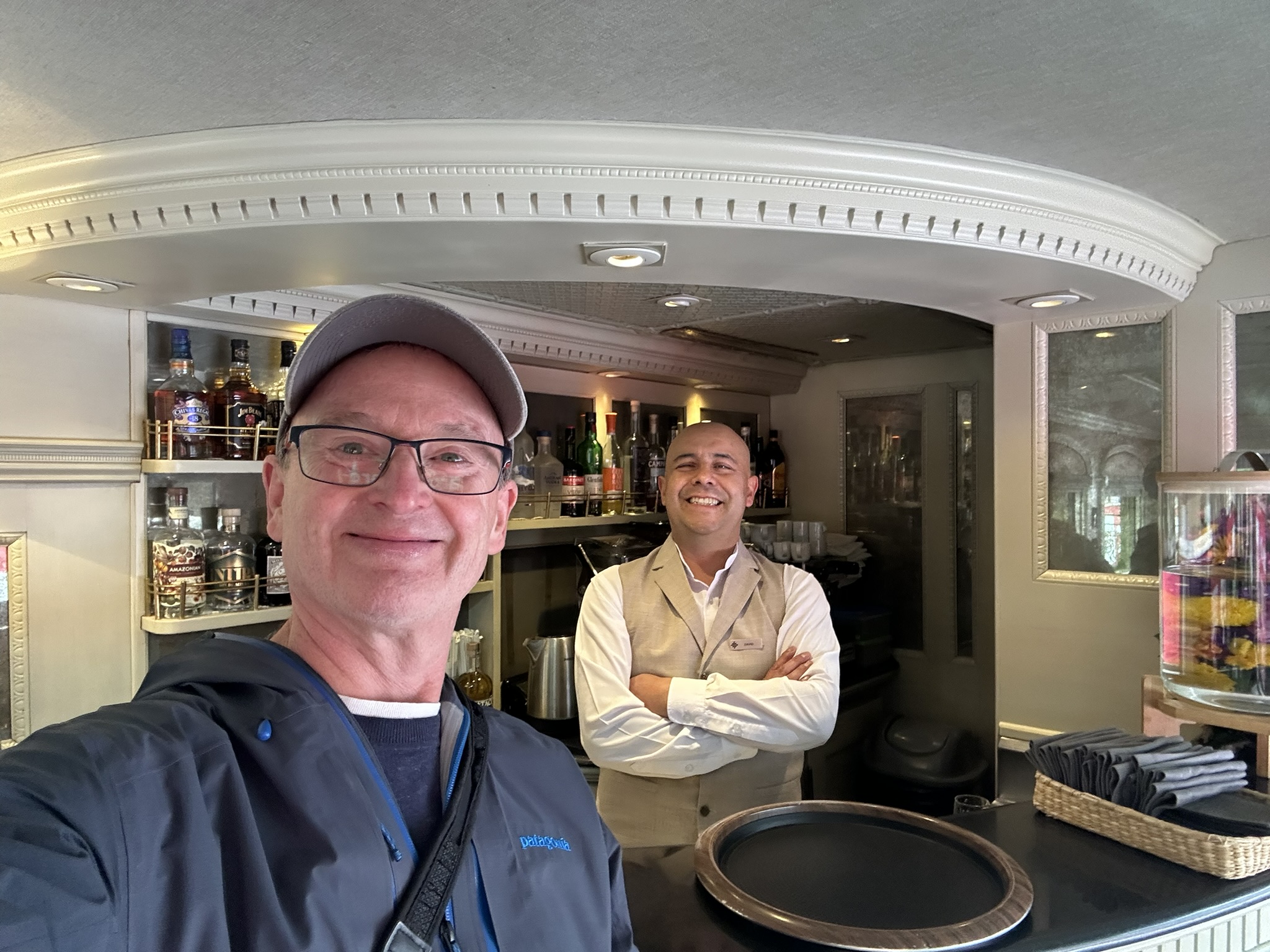

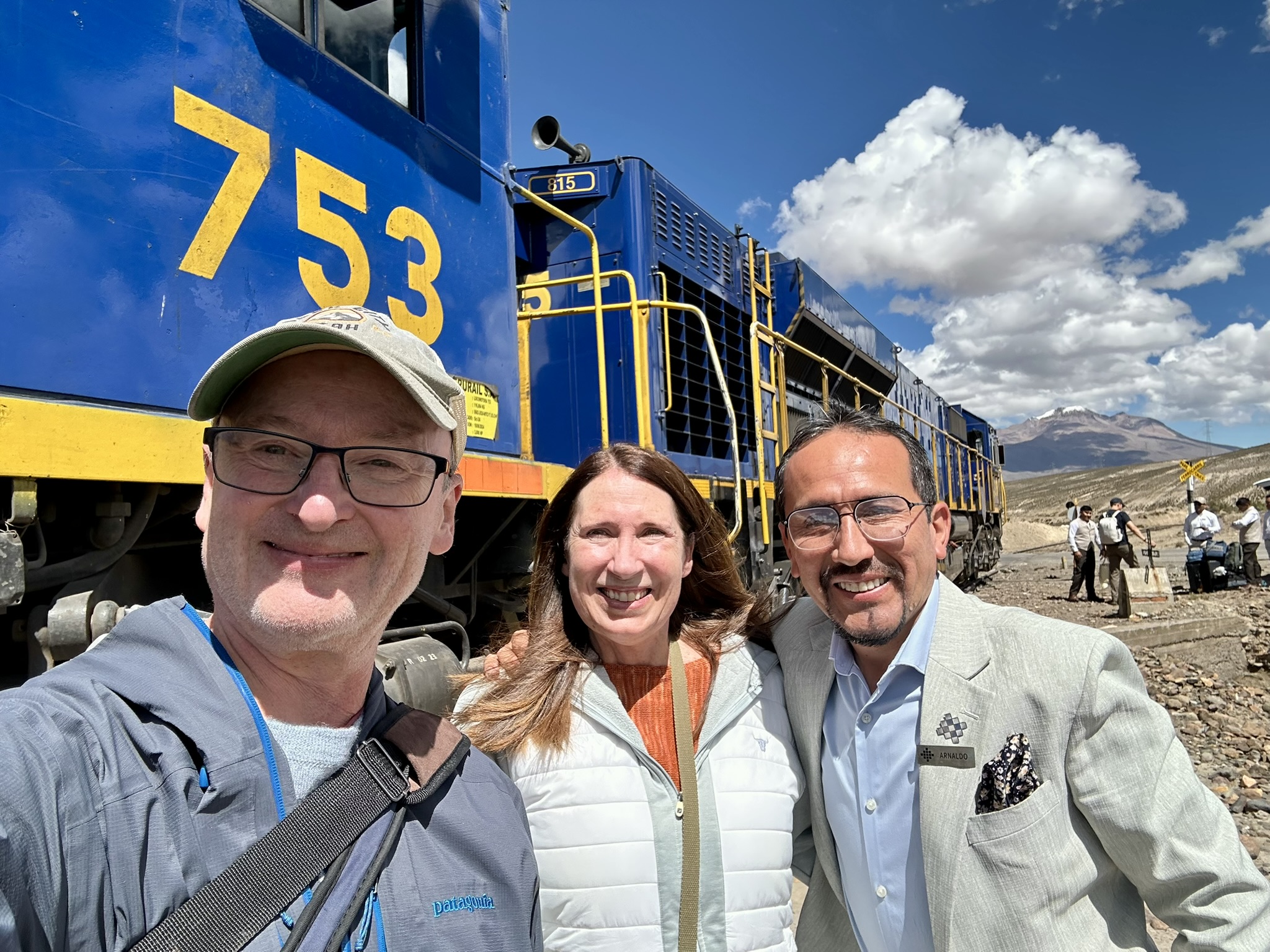
Scenes from the Andean Explorer
The food is incredible, the people friendly and kind and the scenery is hard to describe. The country has beaches and deserts, jungles and glaciers, cactus and lush valleys. It has huge cities and remote getaways. It is full of rich history, and most people are “mestizo” meaning they are descendants of both the native pre-Incan and Incan people and the Spanish who came in and took over.
We think Peru may be a bit undiscovered but, at risk of changing that, it is definitely a place we’d return and our experience made us excited to explore more of South America. So, if you’re thinking about a trip to Peru, here are our tips:
Food, drink, ice and toilets. First and foremost, be careful. This is not the first world. We are very (maybe exceedingly) careful with food. We want to try the local cuisine, but we also don’t want to log extra hours in el baño, so we take a LOT of precautions. For us, that meant not a single raw, uncooked vegetable or fruit we didn’t peel. This is, of course, the advice our terrifying visits with travel clinics doled out in advance (I’m not sure how any of those nurses who run those clinics ever leave the house). That said, we did avail ourselves of nearly every local type of cuisine including guinea pig (my sister continues to reference her pet “Patchy” in every conversation since, may Patchy continue to rest in peace) and alpaca (adorable yet delicious). But most of all, every bite we put in our mouths, regional specialty or not, was delightfully delicious.
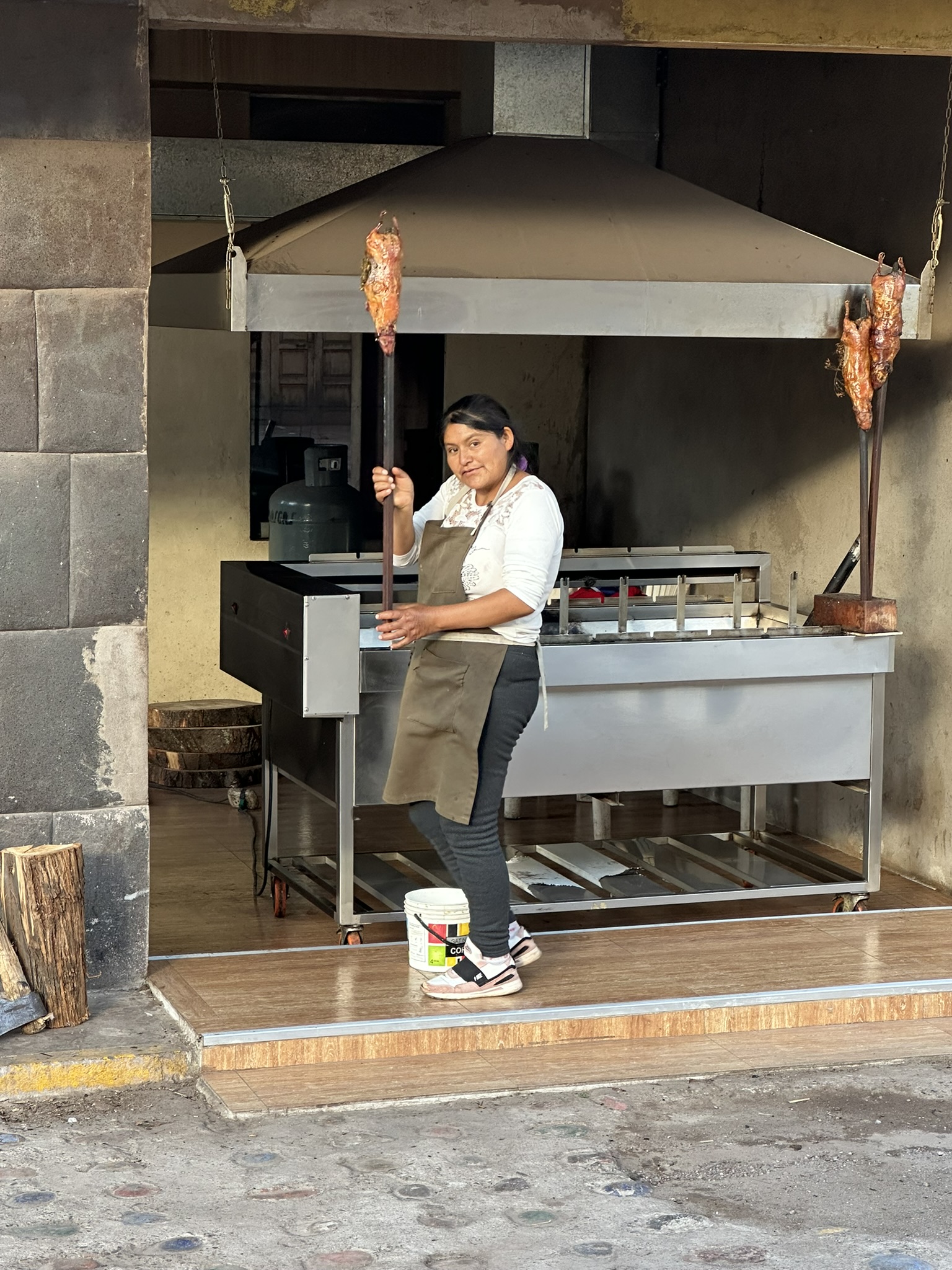
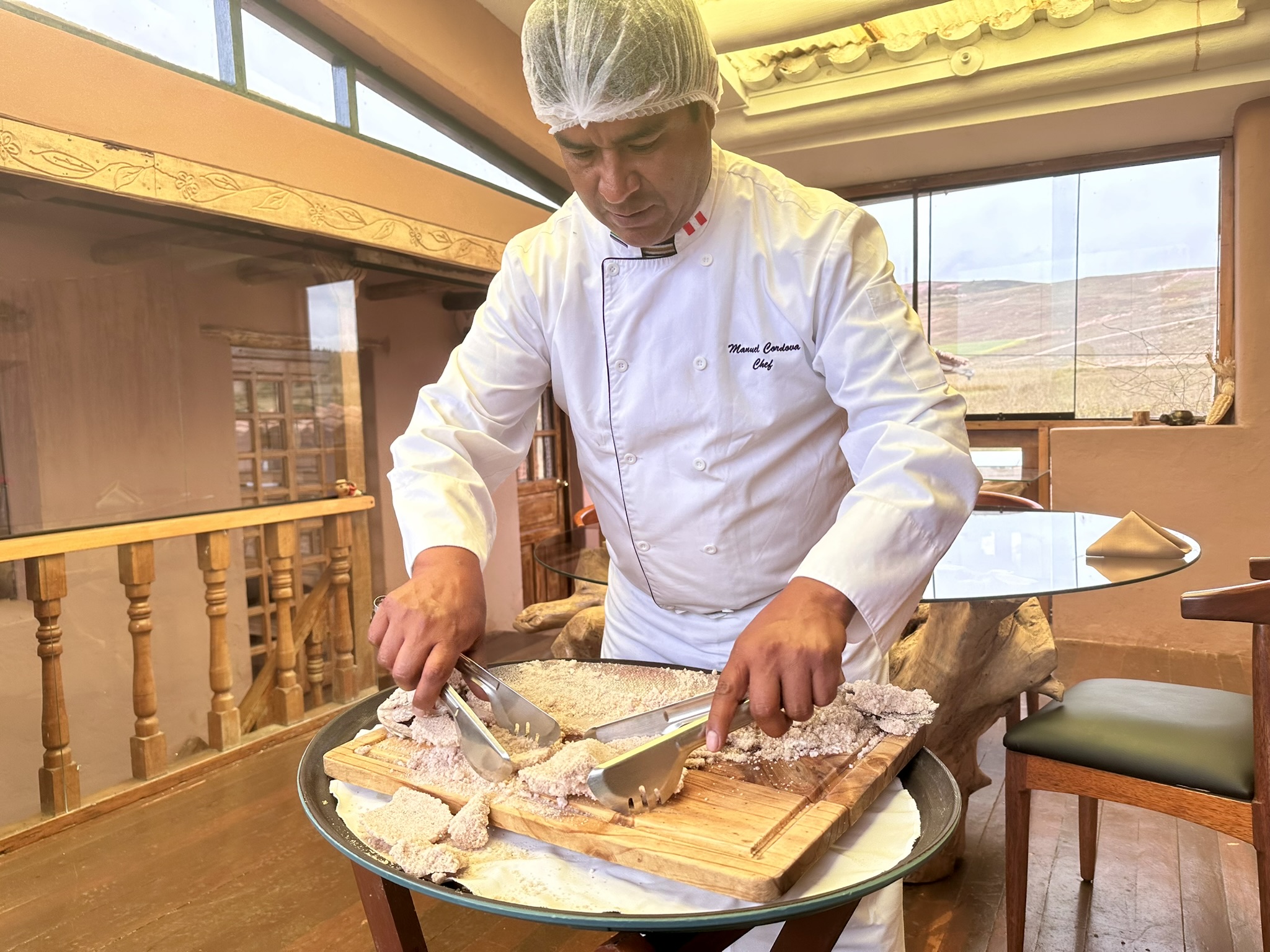
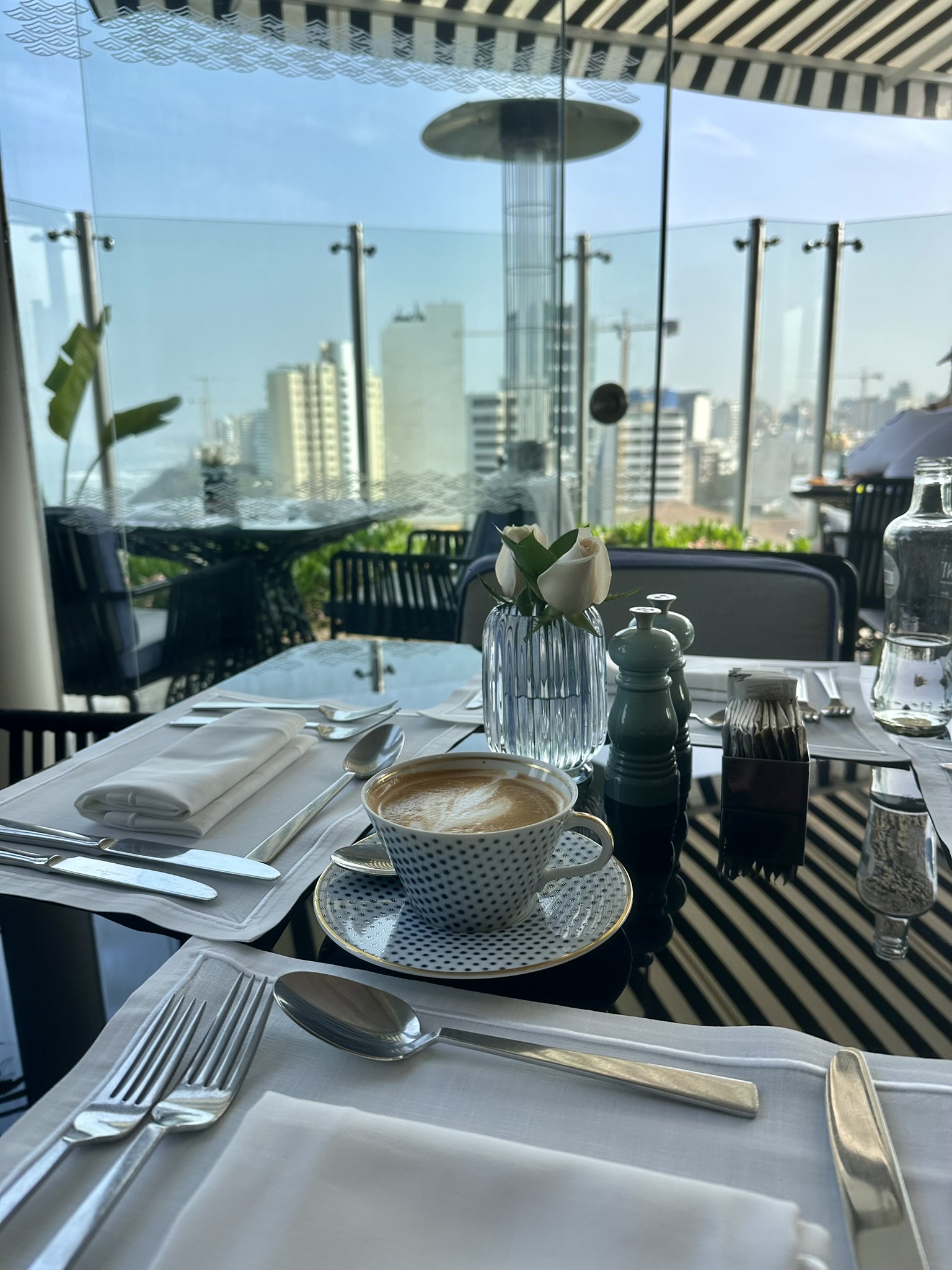
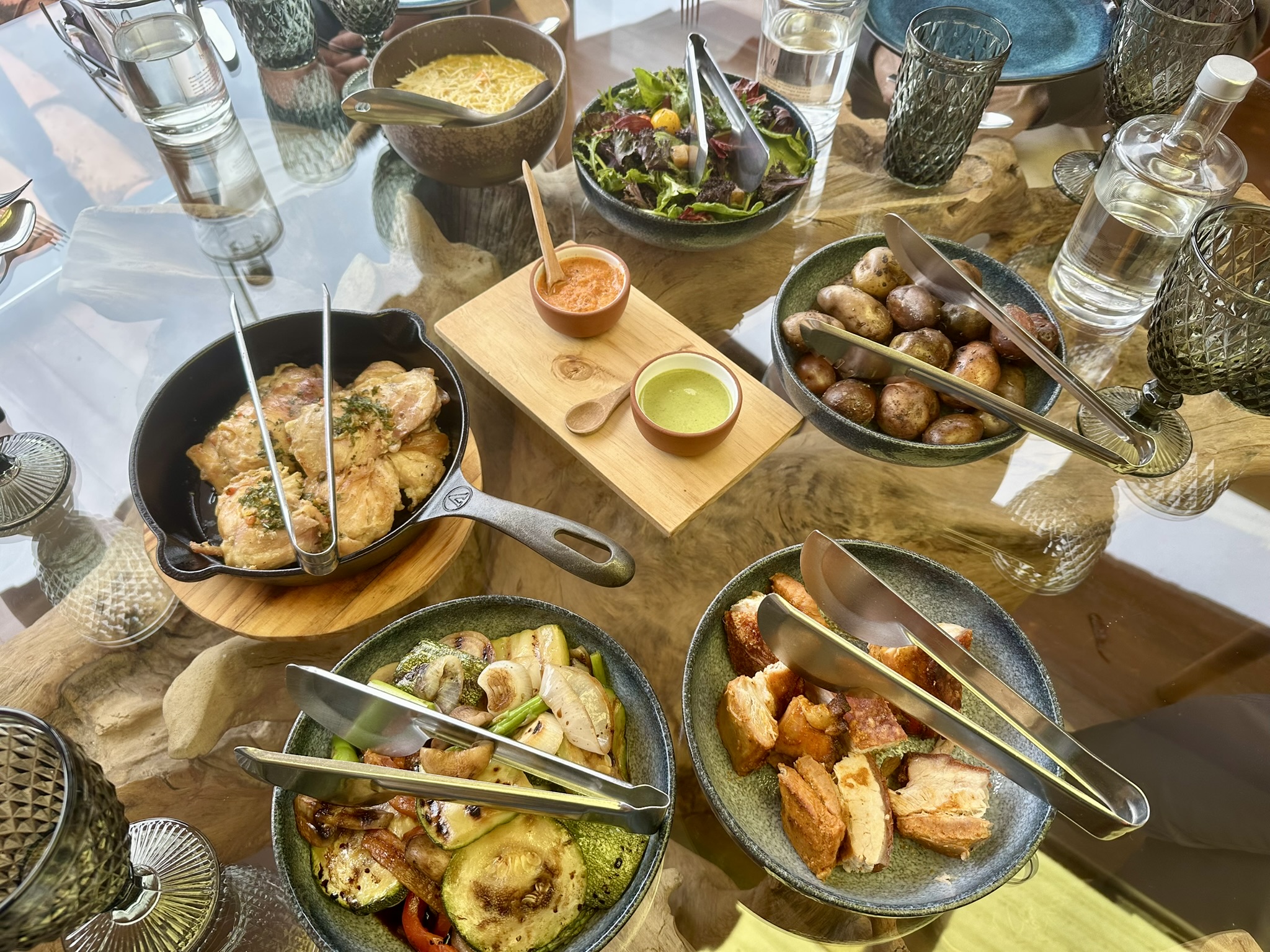
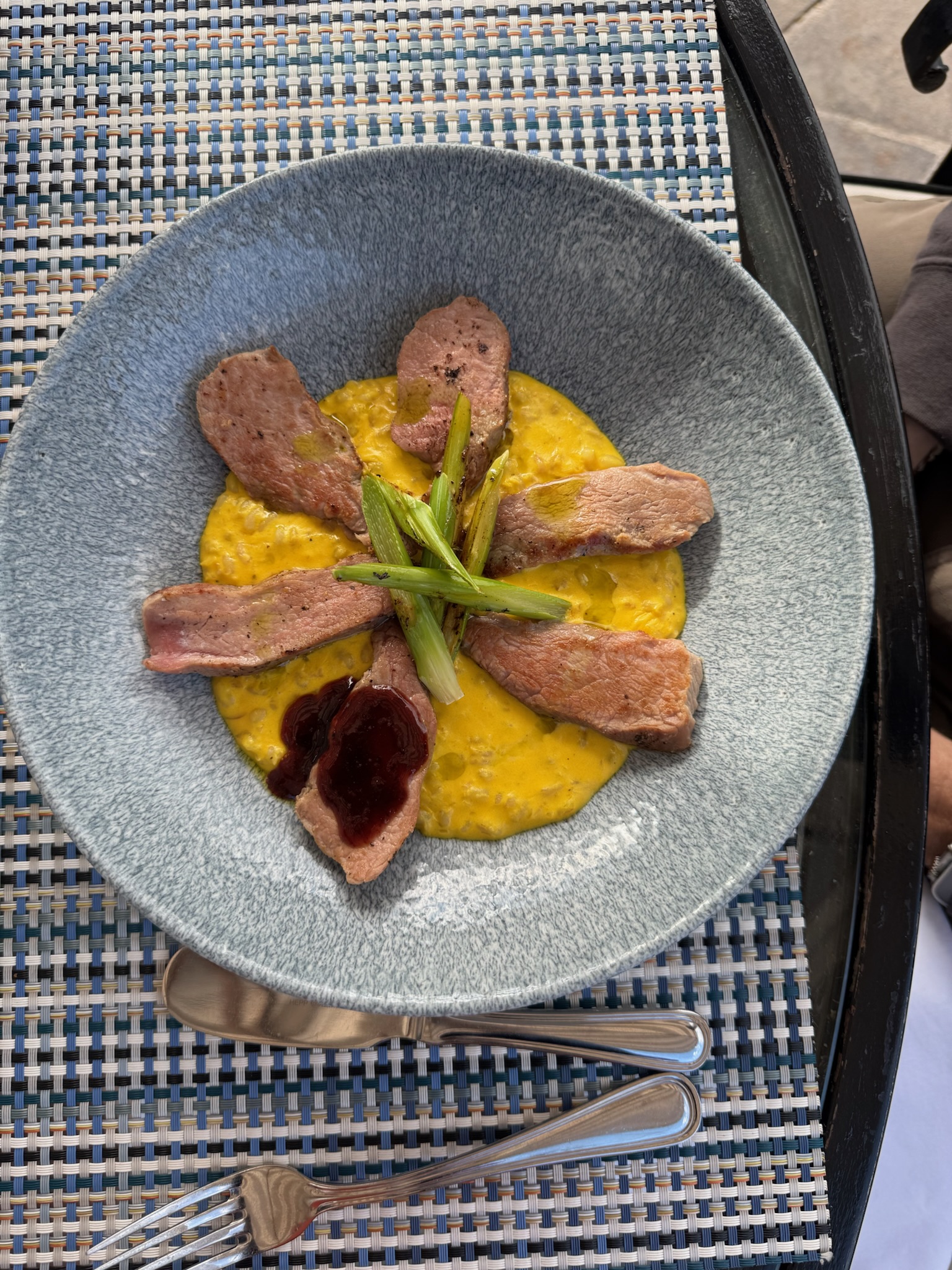
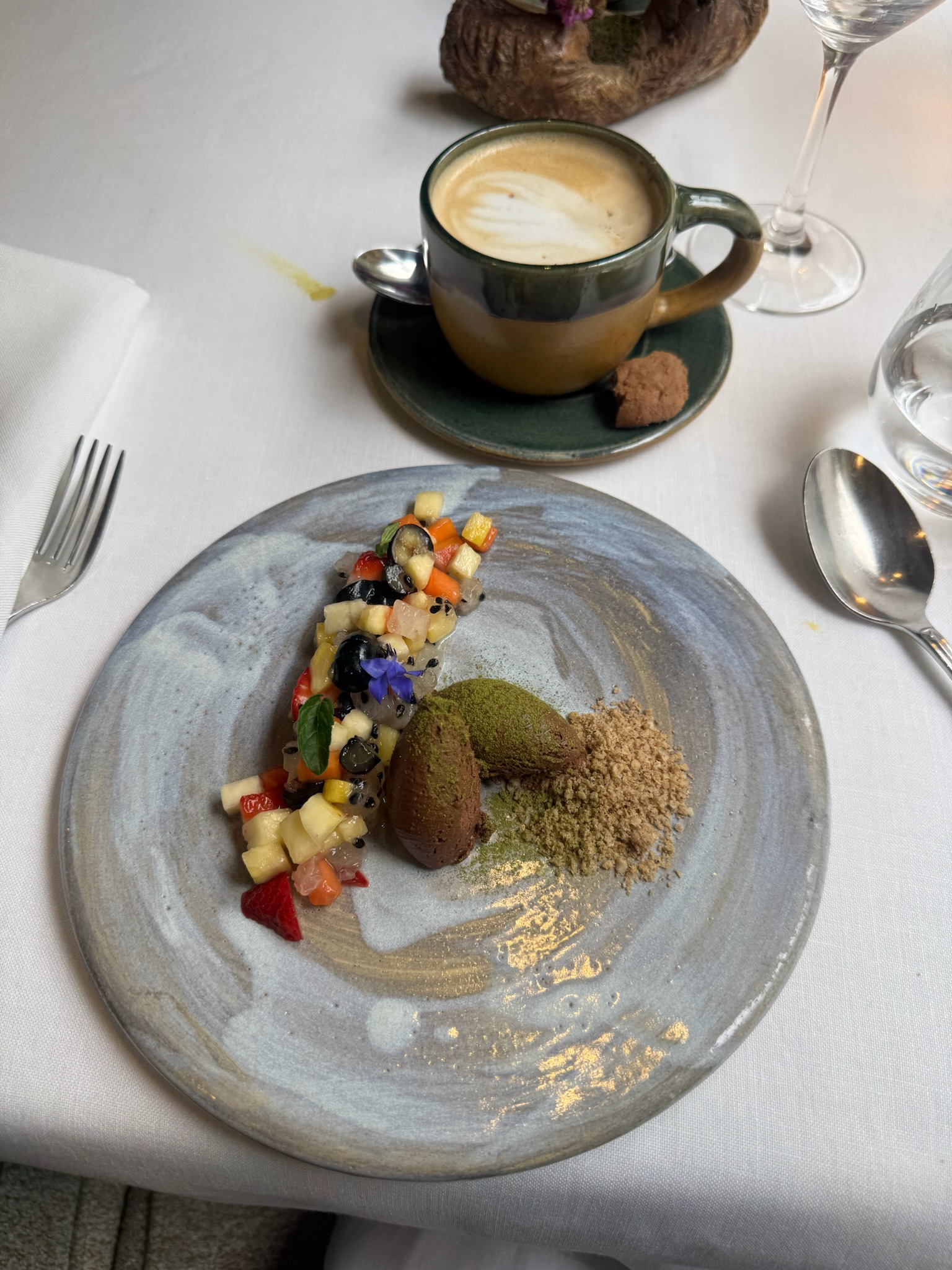
Following the same guidelines, we avoided ice in beverages for most of the trip and drank only bottled water (mostly sparkling) when not partaking of a glass of wine, beer or occasional Coke Zero (again, sin ice).
Lastly, what goes in must come out and toilets in Peru (public ones) rarely stock TP. So you may want to haul some tissues around with you in case of emergency. Additionally, Peruvian plumbing can’t handle paper products, so you’ll need to use the little bins placed next to toilets for your disposables. This is the case even in nice hotels.
Brushing your teeth. Avoiding tap water is not just for drinking anymore. Bottled water is copiously supplied for your ingestion and for your utilization for dental hygiene. Use it. No one drinks the tap water, not even the Peruvians.
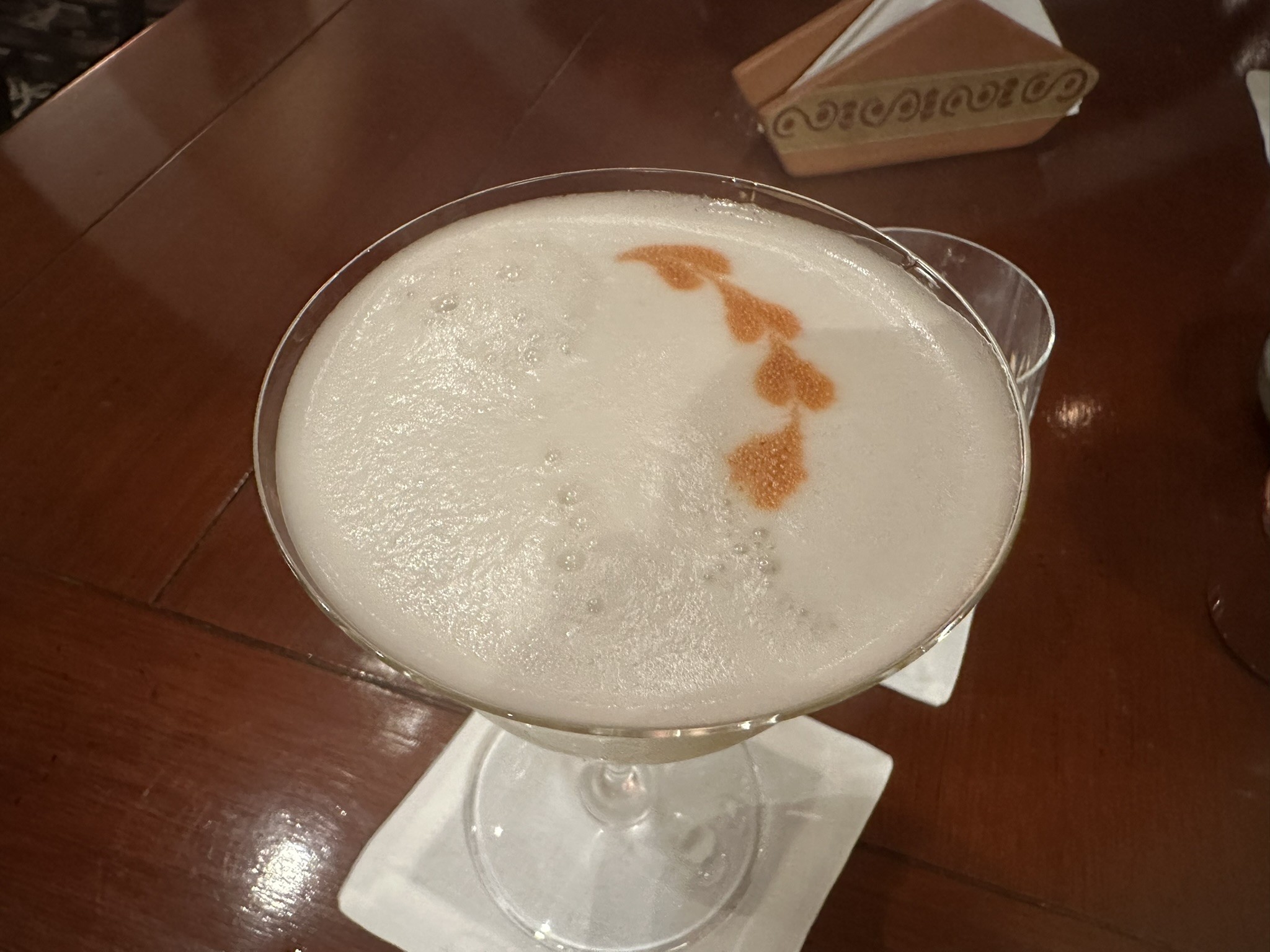
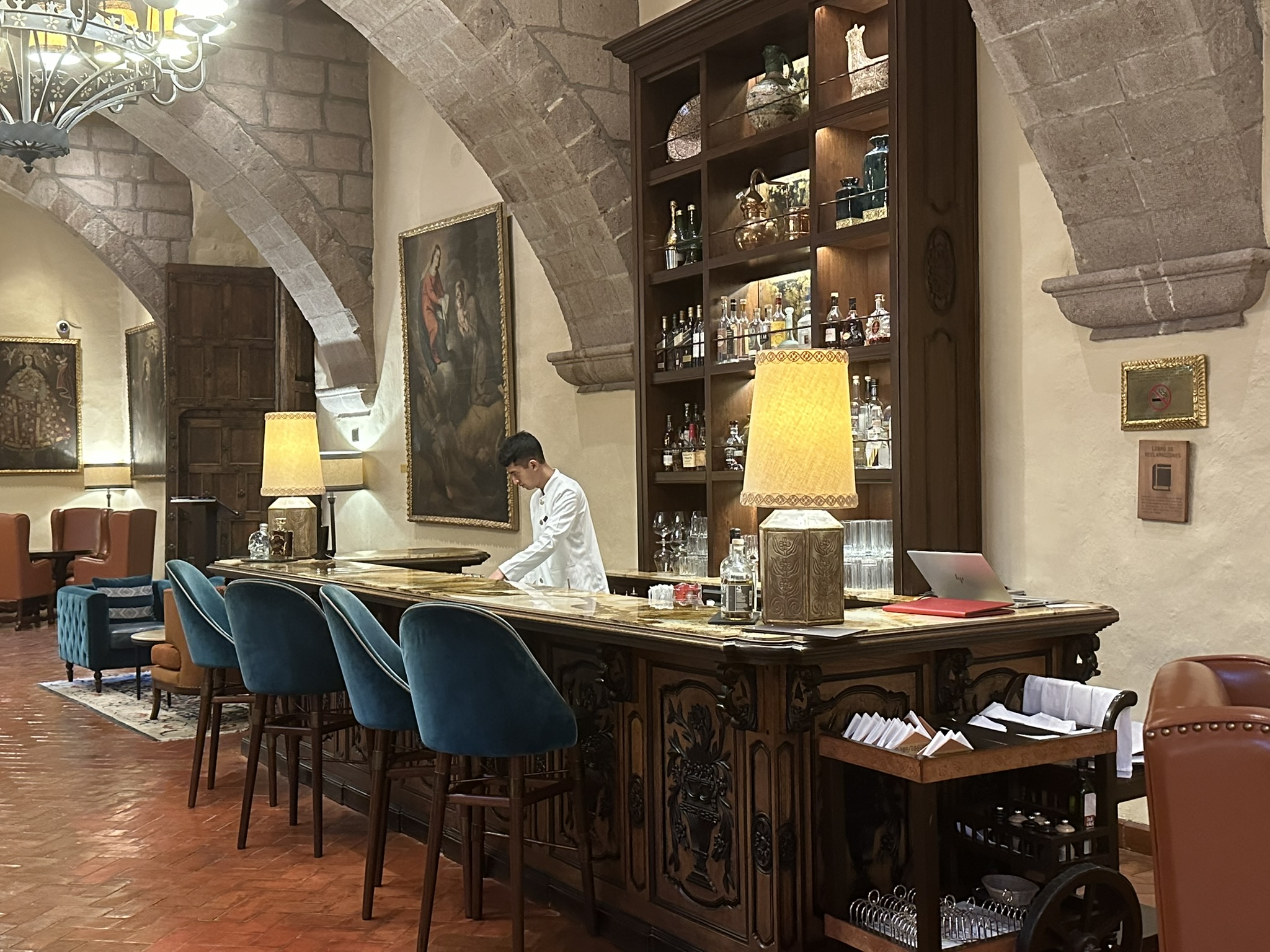
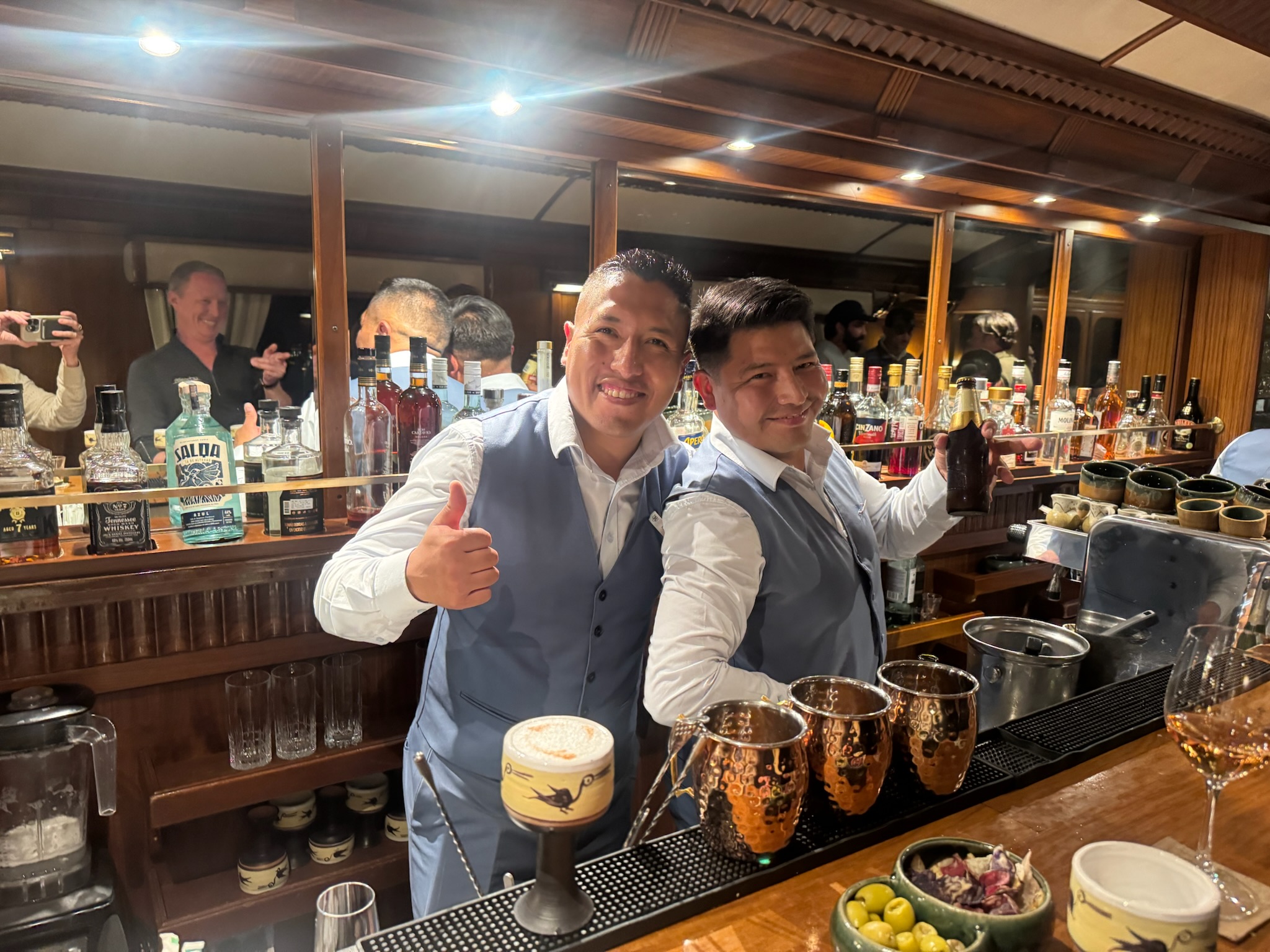
Pisco Sours. The ice exception we made was for the pisco sours. A delicious, margarita-like beverage made with lime juice, egg whites and the Peruvian liquor pisco. Delicious and powerful, most bartenders won’t let you order a third and for good reason. After two, it’s time to switch to something less potent. Incidentally, we only ordered them at our hotels which all assured us that filtered water was used to make the ice.
Tipping. In hospitality, tips are somewhat expected. 10 Peruvian soles (about $3.00) is expected for maids per day, 20 (about $6) for bellhops and more for tour guides and drivers, depending on the length of time and service provided. For waiters and waitresses, often there is 10% service charge added to your bill but best we could tell it isn’t for the waiter or waitress specifically but goes to all of the staff (we asked, and most told us it was a tax, but we (nor AI) didn’t totally believe them) so you may want to add another 10% or more to the bill if the service was exceptional. If you’re using a tour company, ask them for guidelines.
Altitude adjustment. The altitude is no joke. Lima is at sea level, but everywhere else we visited was much higher altitude. We started in the Sacred Valley which was at about 9,200 feet, Machu Picchu is at about 8,000, Cusco is 11,000, Lake Titicaca at 12,500, we spent a night on the train in the Andes at more than 15,000 feet and Arequipa sits at 7,600.
We came from Europe and sea level. So, we planned an extra day to acclimate. We booked a “free day” in the Sacred Valley where we could relax and enjoy our hotel without activities. For most of the trip, we were on the go, so we were glad to have this day to lay low both from an altitude and schedule perspective.
We drank lots of water and abstained from any alcohol in the run-up days and first days on the trip. We also took medication to help. Our doctor prescribed acetazolamide which we took as directed. We couldn’t get enough of the local muña mint tea, drank coca tea and chewed some coca leaves for energy (no cocaine buzz there, just a tingling in the mouth). I’m not sure what thing worked best or if it was a perfect cocktail of altitude adjustment assistance, but we had no problems.
Get a Guide. While Peru’s political climate is unstable, the country is nevertheless on the rise. Its economy is improving. Mining and agriculture are two of its top economic sectors but tourism isn’t far behind. The hospitality industry of Peru is bumping and those who work in it seem to know it. The service is exceptional.
We chose to have a guide throughout. They collected us from the airport, took care of transportation and arranged guides to show us around. Our company was expensive (and you could do it with a more budget option), but it wasn’t prohibitively so (think equivalent of a nice cruise). Additionally, nearly all of our meals and most of our alcohol was included in the pre-paid price so we only really had to fork over additional cash for a few meals, souvenirs and the aforementioned tips.
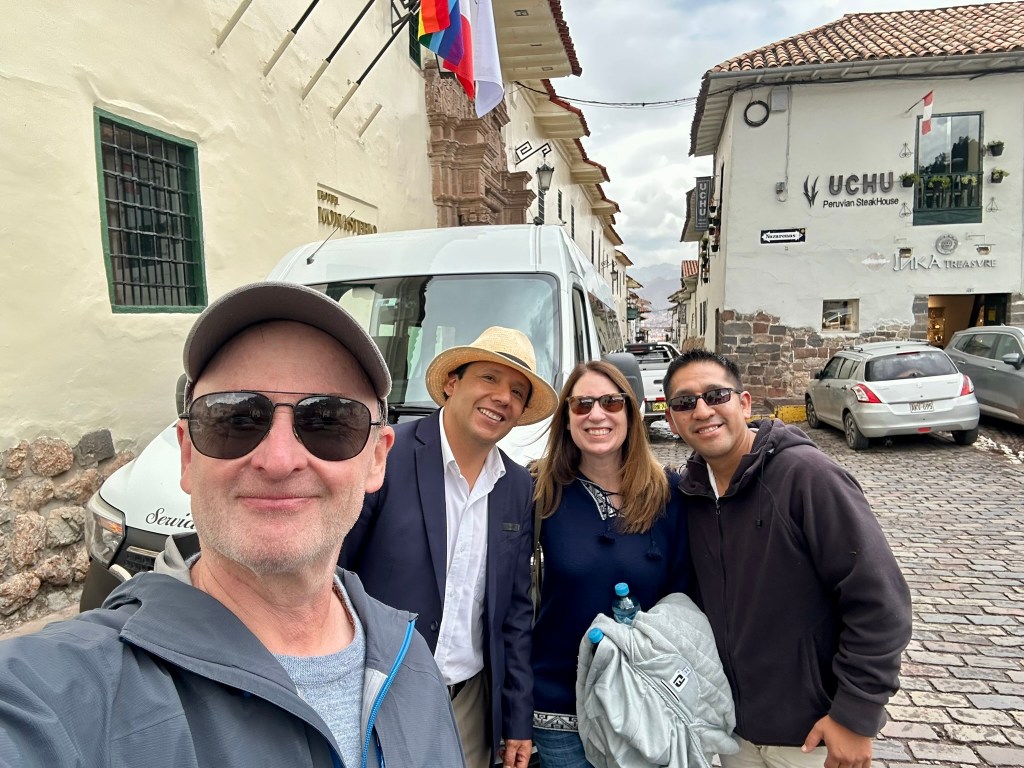
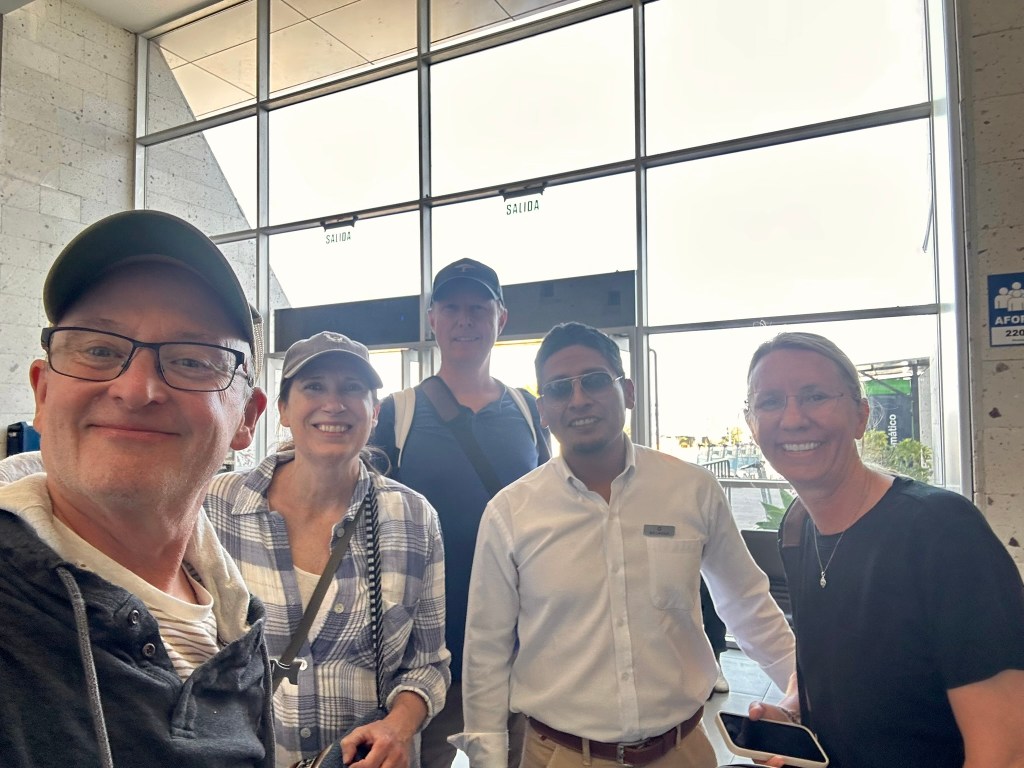
Our guides in all three places: central Peru from the Sacred Valley to Machu Picchu to Cusco (Luis), southern Peru from Colca Valley to Arequipa (Victor) and in Lima (Ada) were fantastic. You can contact them via the links tied to their names. We’d strongly recommend any and all of them.
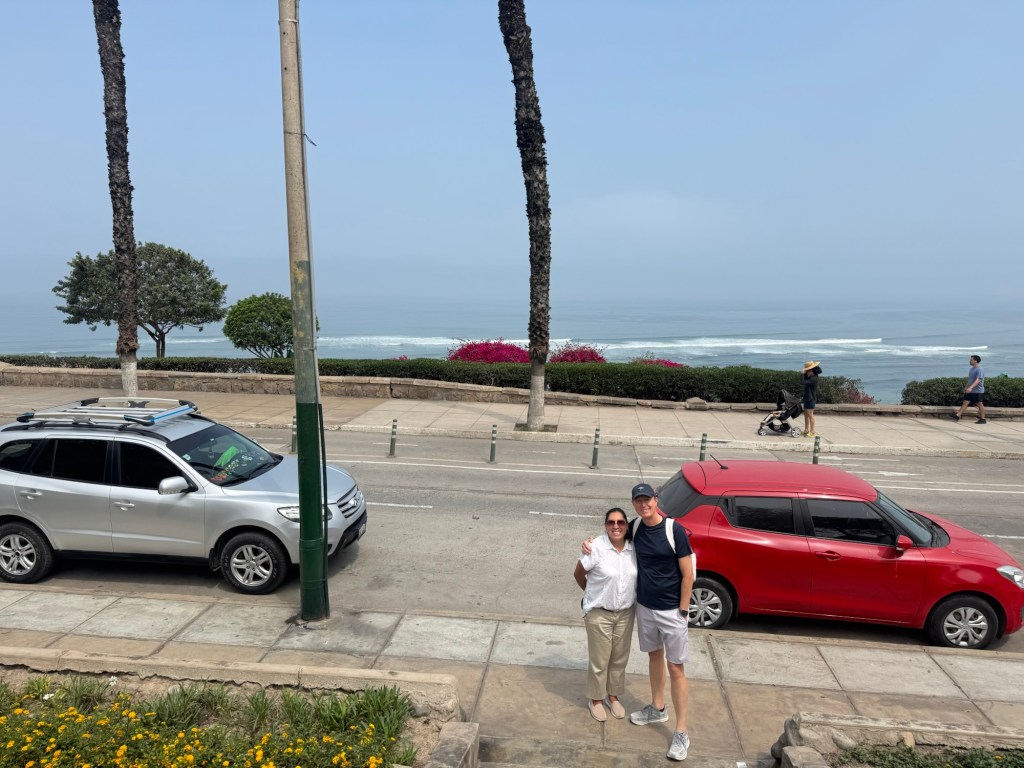
Safety. Lima is the purported to be one of the most dangerous cities in the world, but it didn’t crack the top 20 on a quick Google search while writing this post. I’d still be careful, however. We did not feel unsafe anywhere, but we also had guides and stayed in nice areas and in nice hotels. As with anywhere, use hotel safes for valuables, don’t carry a ton of cash and be mindful, but we had no issues.
Driving. Don’t. Seriously. Don’t. Traffic in Lima is horrifically bad. Drivers are aggressive and not just in the cities. Even as a pedestrian you are not given right of way. When we approached a crazy jam-up at a four-way intersection without a light or stop signs we asked why they were lacking and the response was, “well no one would stop anyway”. It’s nutso. Not quite Mad-Max-Road-Warrior level, but on the verge. I’ve driven all over North America and Europe and I wouldn’t drive in Peru. I was happy to sit back and watch the gorgeous Peruvian countryside whip by out the window from the back of our transport.
We cannot say enough good things about our experience in Peru. The food, culture, people, handcrafted textiles, pisco sours and history, the whole shooting match. We absolutely loved it and it made us excited to explore more of South America, and soon!


0 comments on “Travel Tips for Peru”