

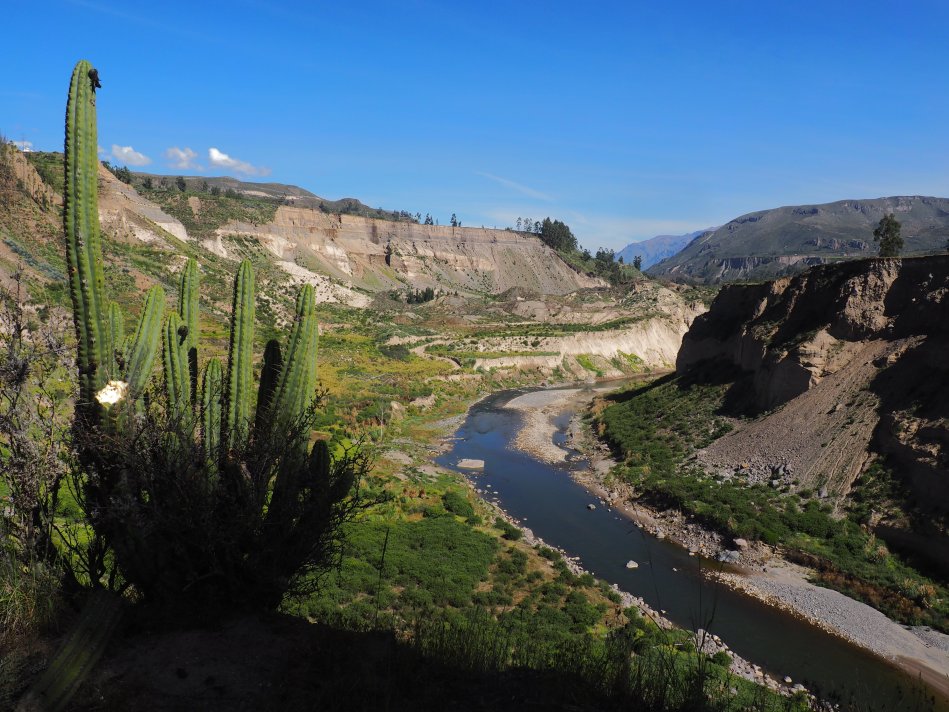
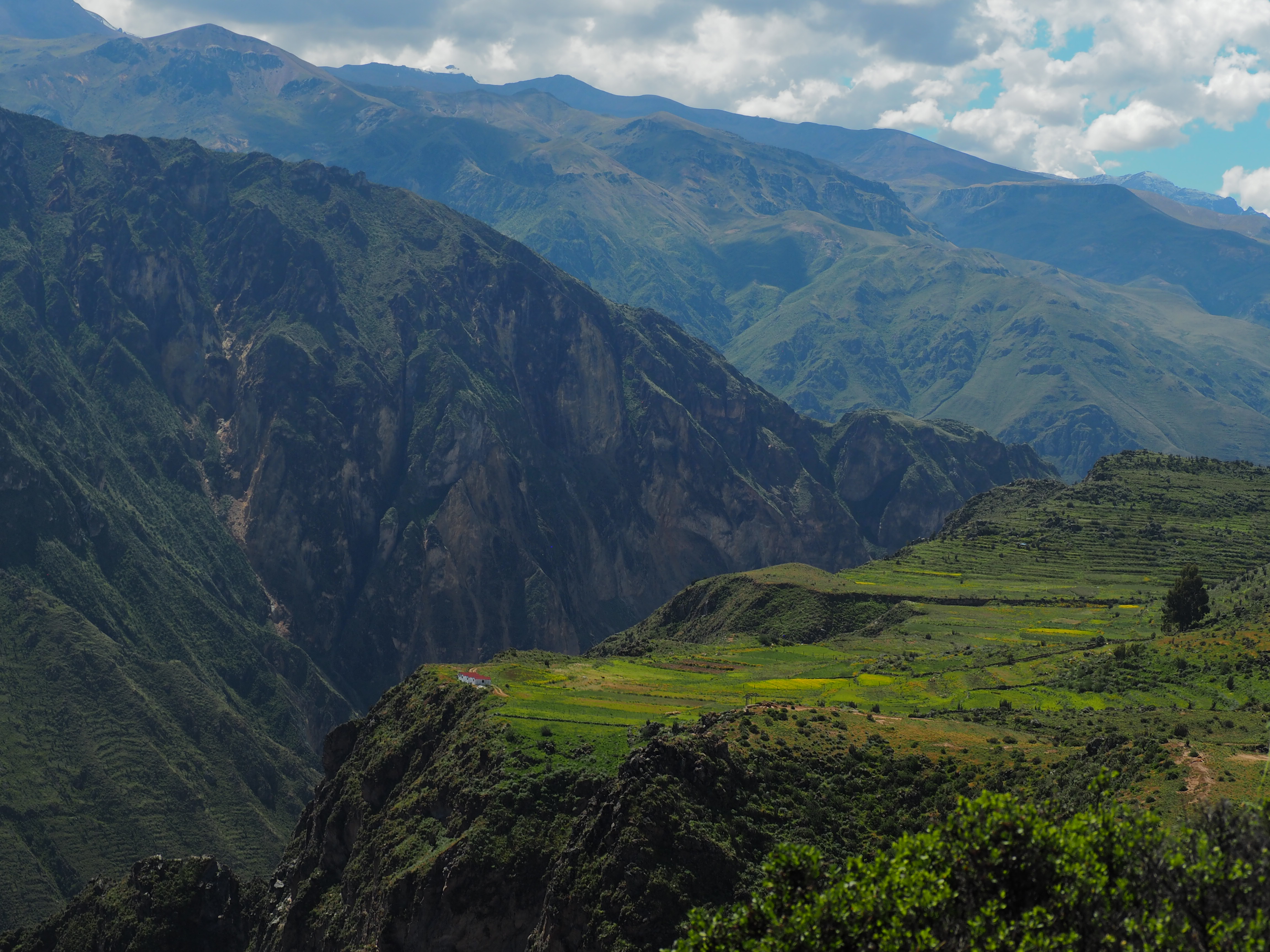
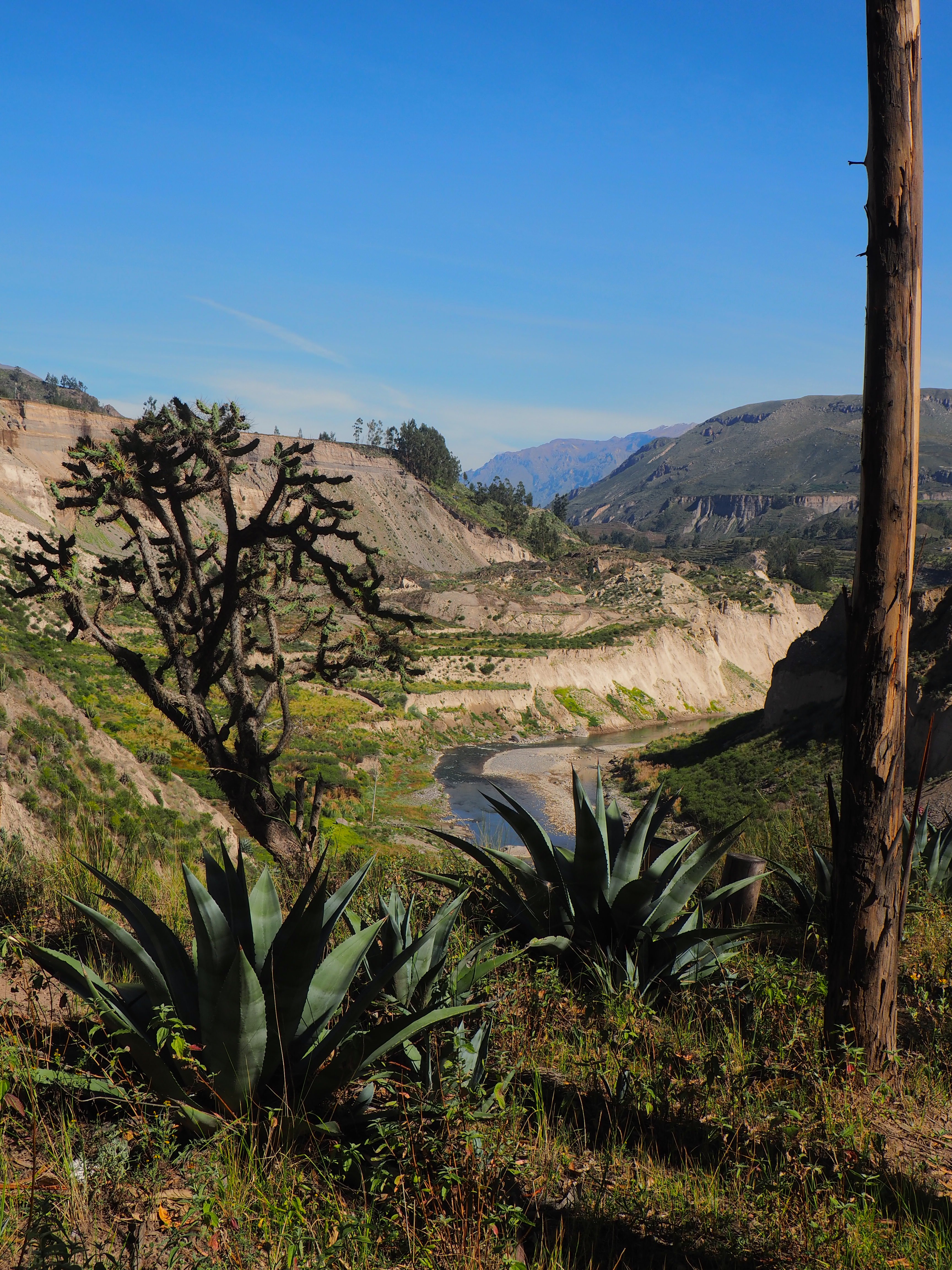
The Colca Canyon is one of Peru’s hidden gems. The Colca River cuts through plateaus and mountains, dividing farmland as it makes its way from the high Andes towards the Pacific Ocean. Despite its tranquil appearance and low-key feel, to have lived in the Colca Canyon of Peru is to have known natural and historical adversity.
History. Evidence of camelid-hunter gatherers here dates back to 6,000 BC and the settlers here came from what is now Bolivia between 900 BC and 200 AD. These people, the Cabanas and Collaguas allegedly were sprung from the volcanoes and worshipped these mountains as gods. They used tightly tied robes and wood boards to form the soft-skulled heads of babies into a volcano-mimicking conical shape that would make Dan Aykroyd and Jane Curtain proud.
The Wari people formed the first major civilization here around 600 AD. They built farming terraces and first accepted, then fought and then quasi-tolerantly cohabited with the Incas when they arrived in the 15th century. The Incas helped improve area agriculture by bringing irrigation systems into play, building roads and “colca” storage bins.
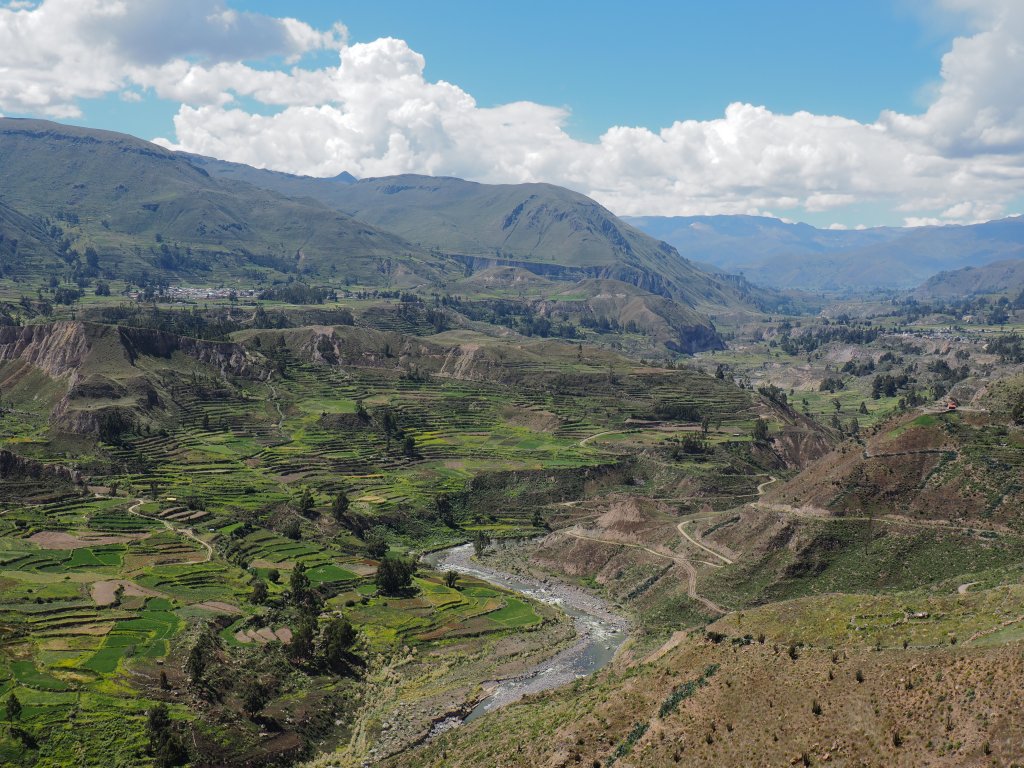
When the conquistadors arrived, the natives sided with them against the Incas (cohabitation not equaling harmony) but then were enslaved by the Spanish to work in the mines. The second largest silver mine in South America can be found in the Colca Valley. The Jesuits tried to help the locals against the Spanish but were eventually expelled from South America by the Spanish in 1767 leading to further native enslavement.
Camelid Society. If the humans in the valley had a rocky go, imagine being a vicuña. The vicuñas, unlike their relatively docile neighbors the llamas and alpacas, can be vicious. The alphas of the pack take on about 9 or so mates and they run in packs of about 80.
They will attack those who threaten them or their territory by going for the throat and the genitals. This includes their fellow camelids or humans, if the vicuñas outnumber them. Vicuñas are plentiful in number as you cross the high alpine desert plains of the Salinas y Aguadas Blancas preserve and into the canyon.
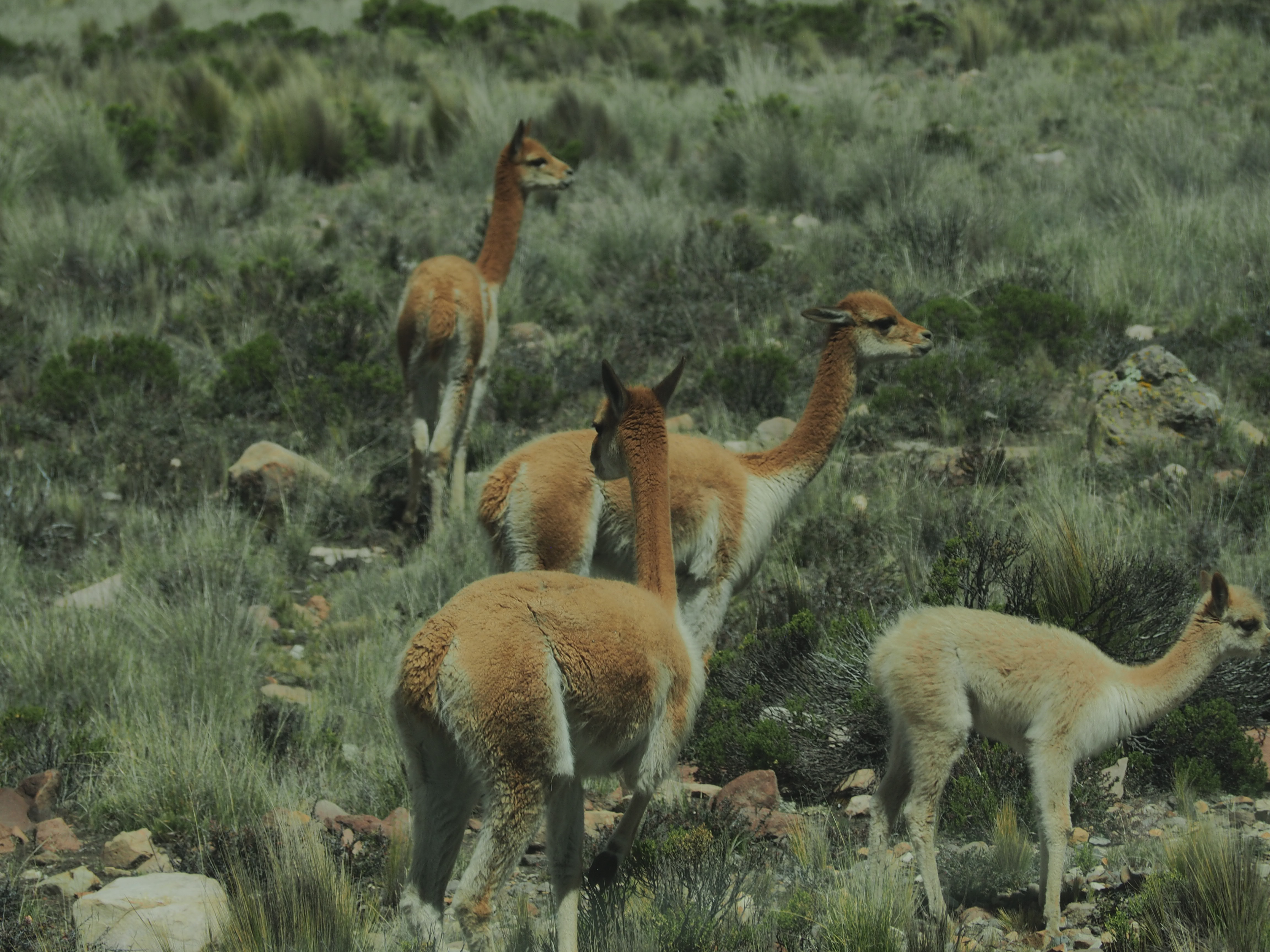
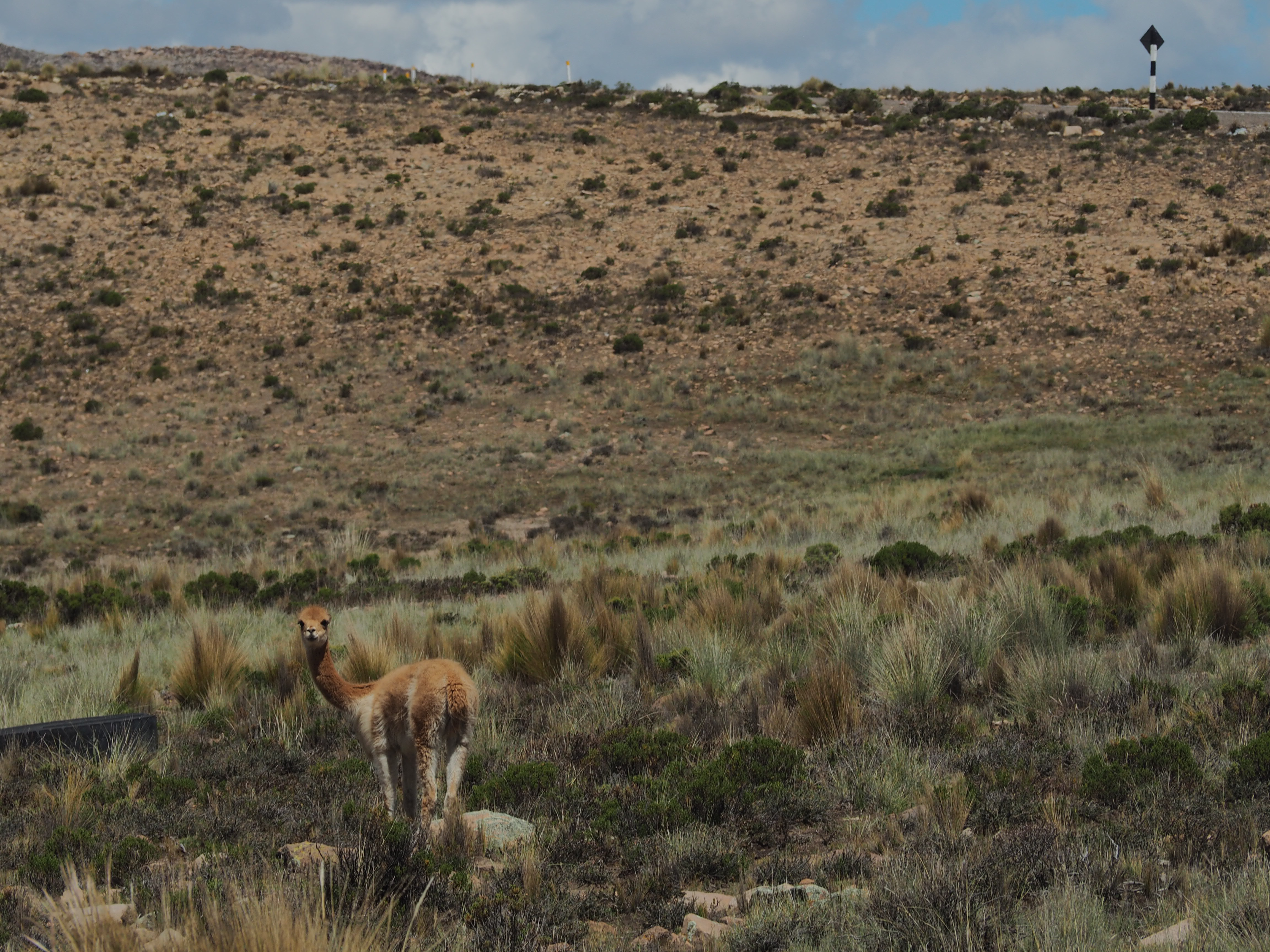
The vicuña is a protected species and hunting them or hitting one, even accidentally, with your car will cost you or even land you in jail. More heinous vicuña killings can land you in prison for up to 15 years. But their wool is coveted and, while killing them is illegal, capturing and shearing them is not.
The second most coveted wool in these parts is that of the guanaco. The guanaco is also an endangered species, and they are hard to find. Like the vicuña they run wild. Thousands of years ago, they migrated south from Canada.
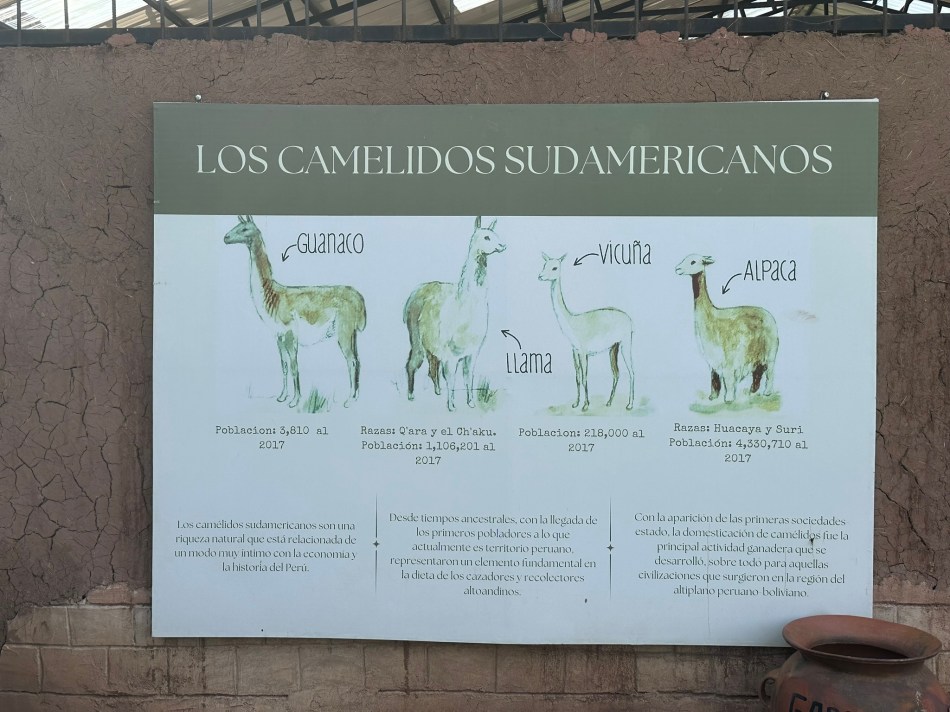
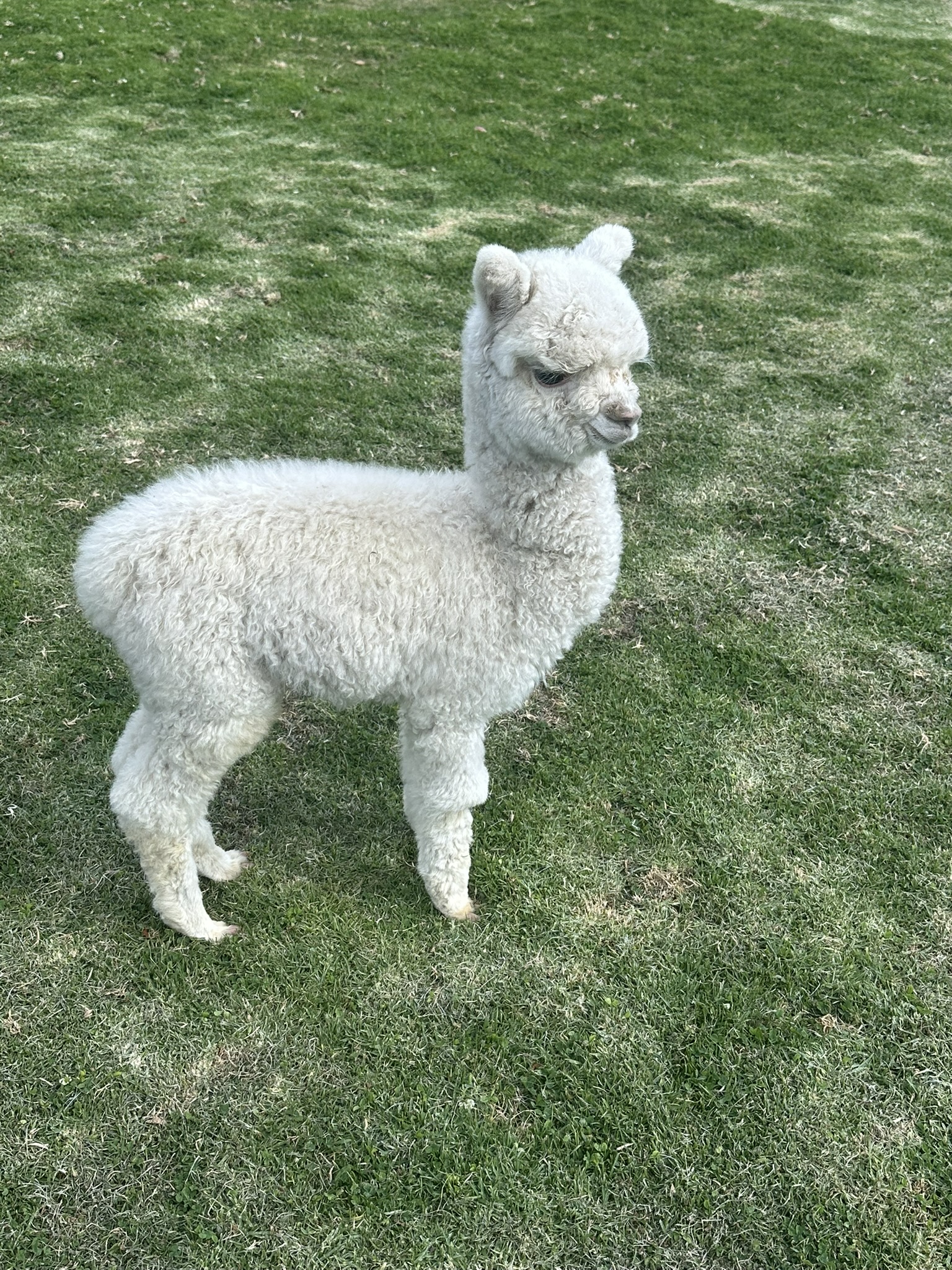
And where the guanaco is hard to spot, llamas (which can drink both sea and fresh water, incidentally) and alpacas are not. Many have been tamed, and there are plenty of opportunities to pet or feed them along the way.
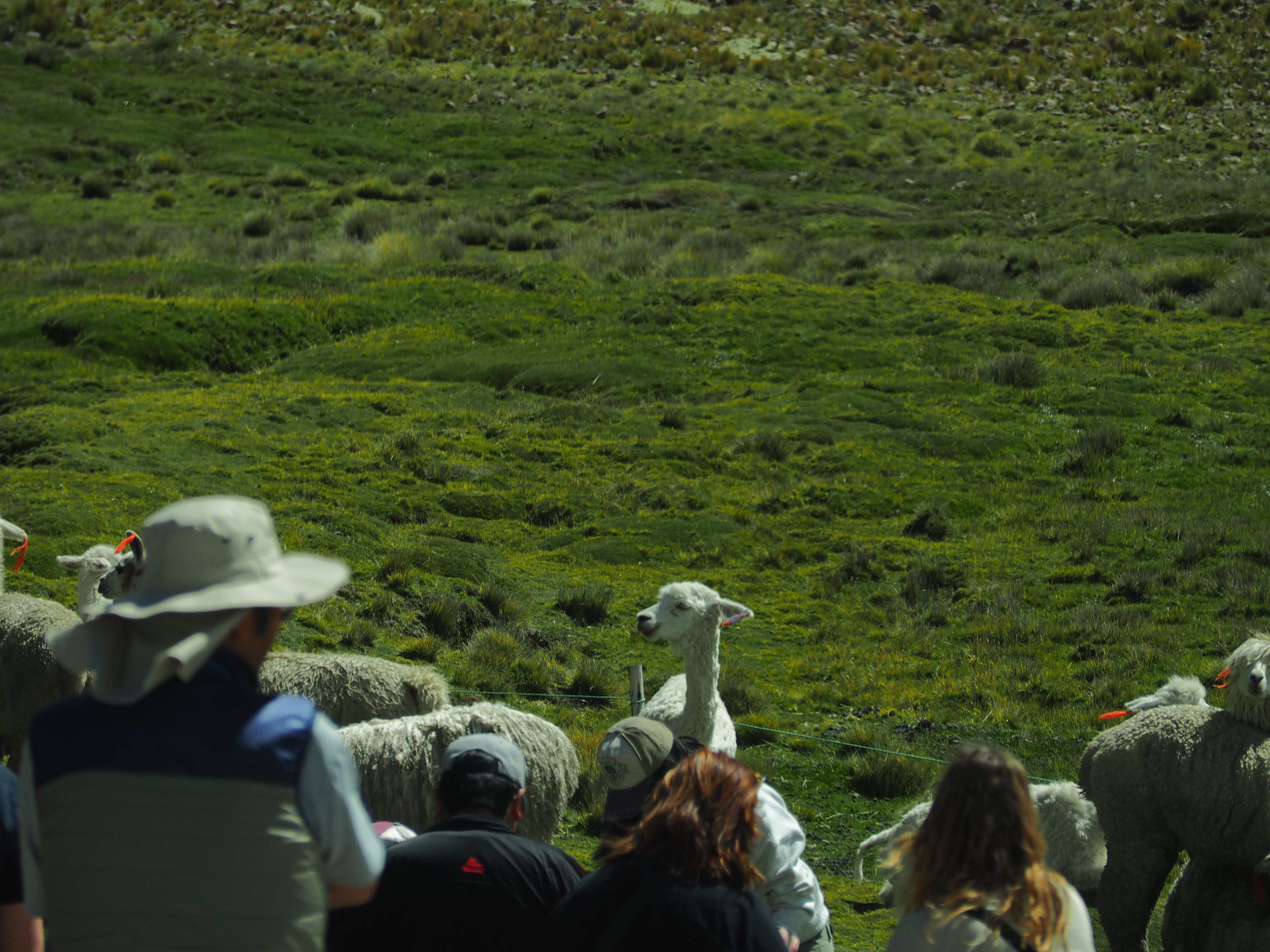
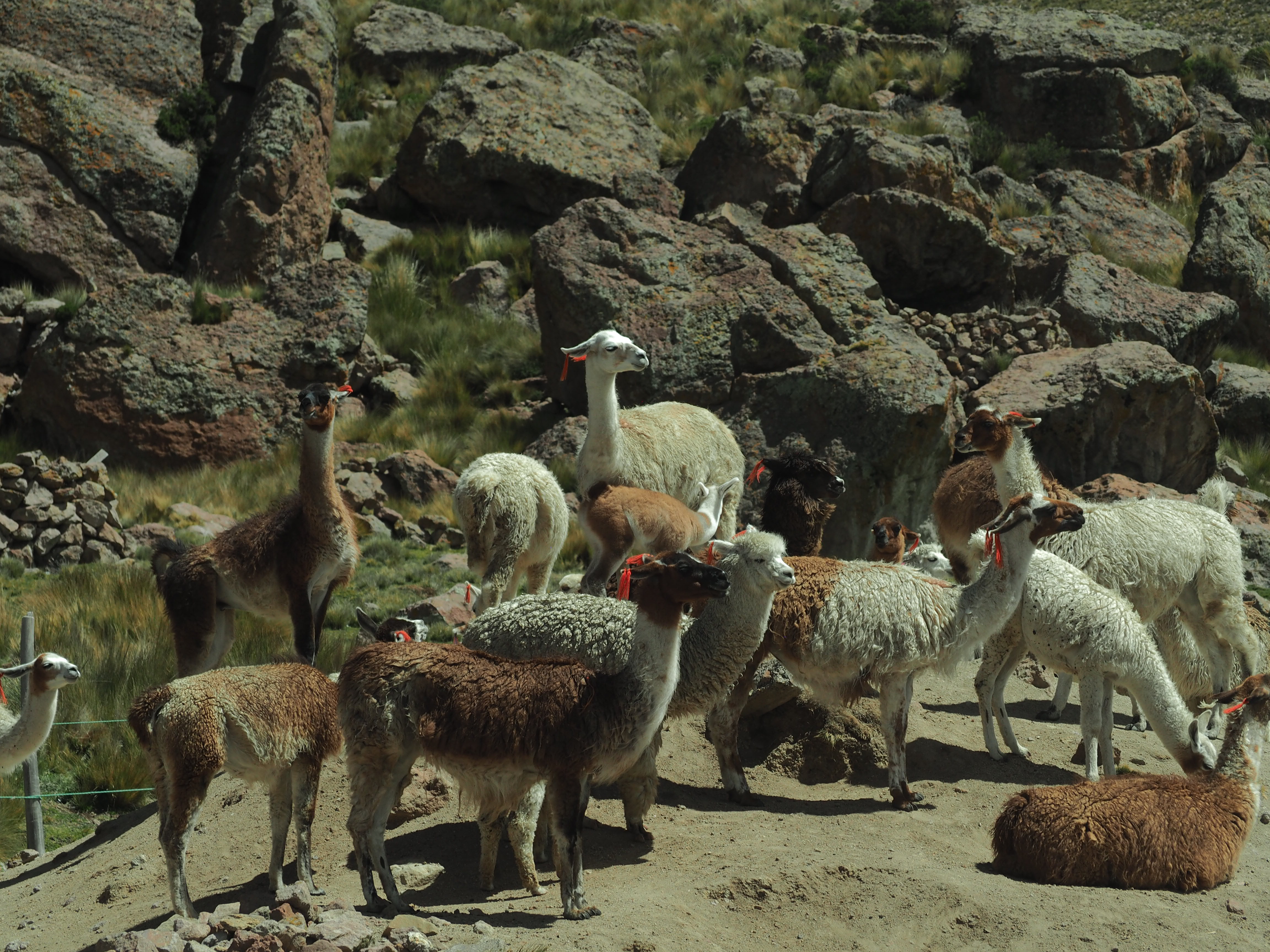
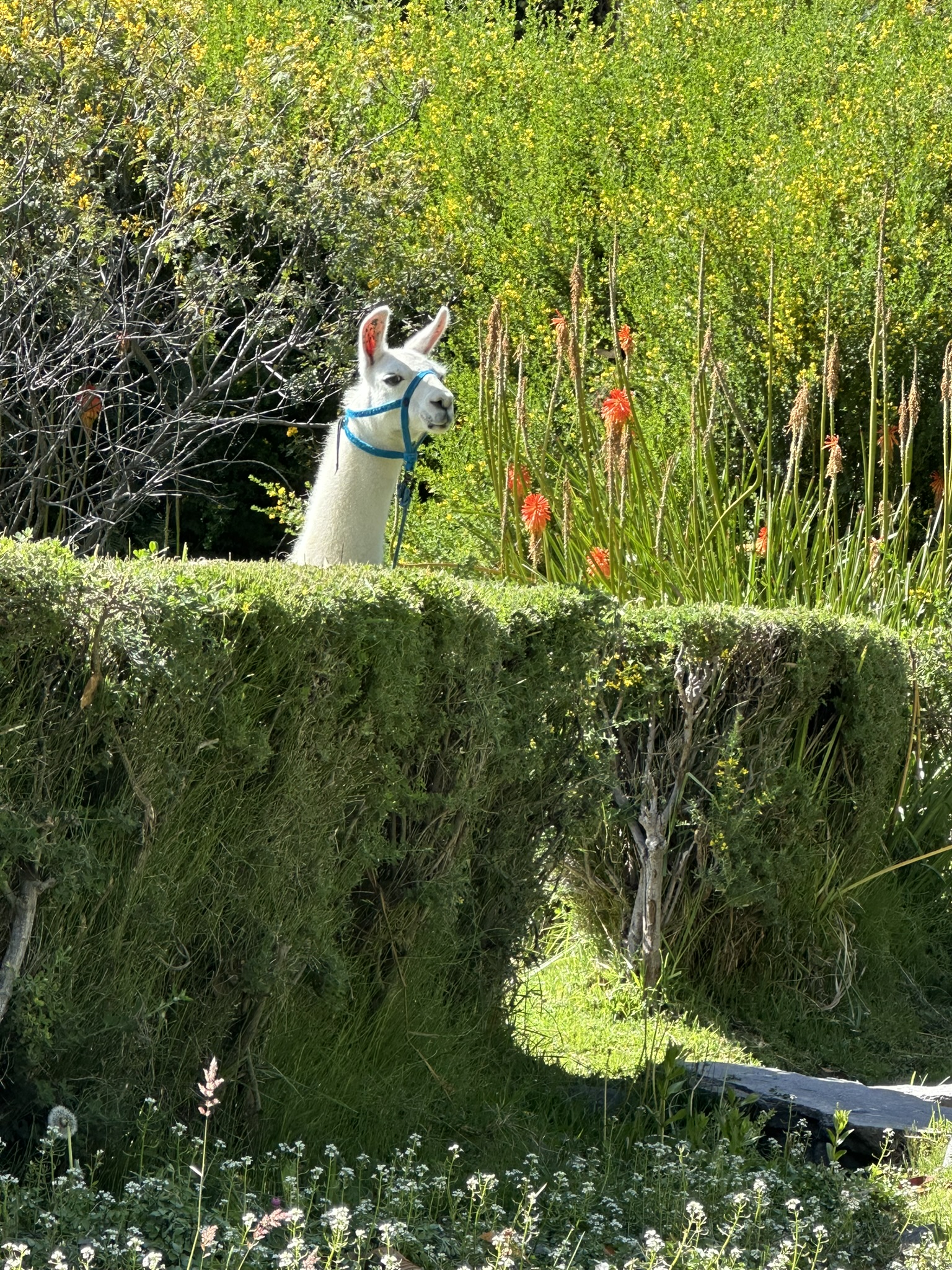
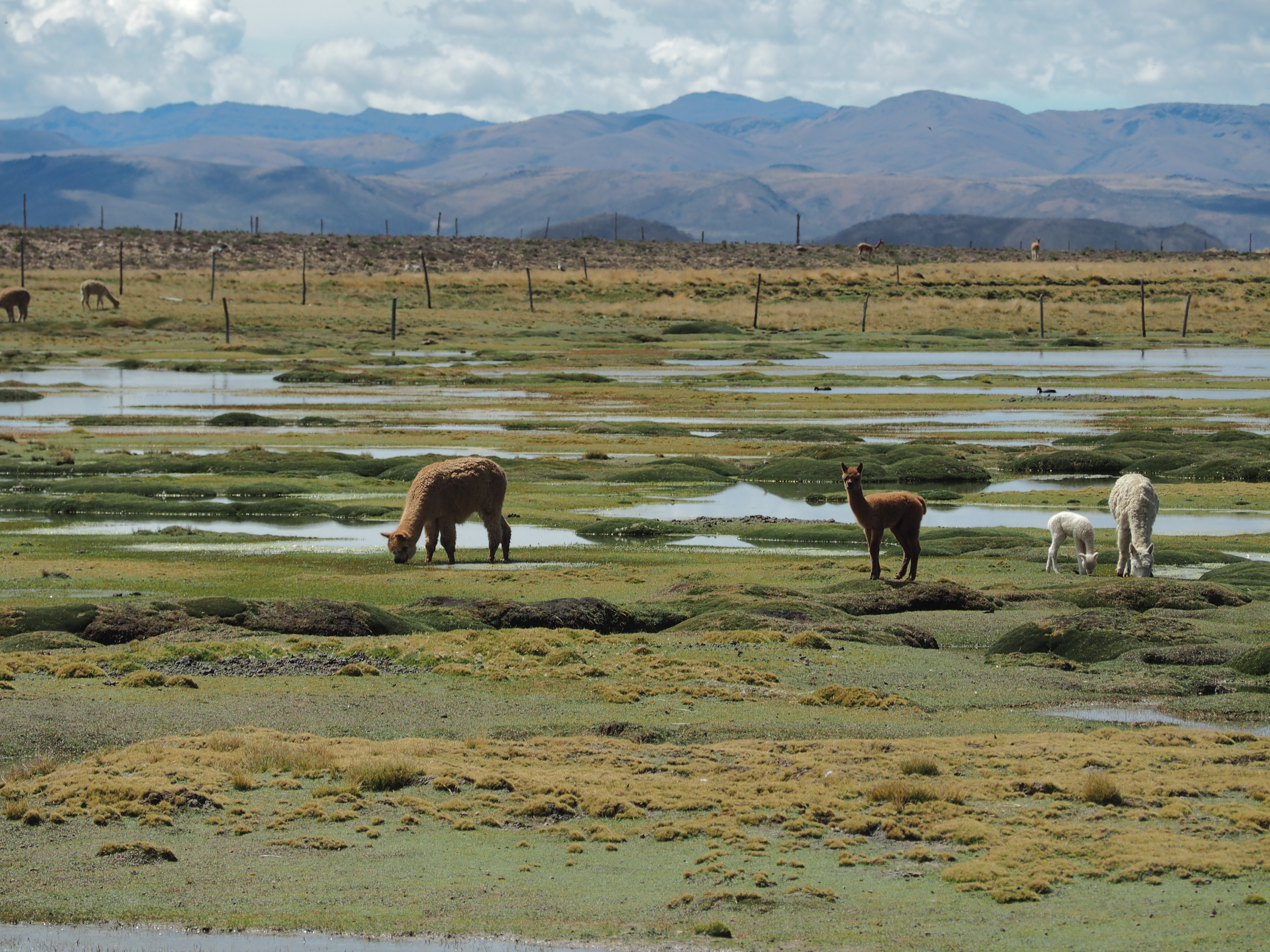
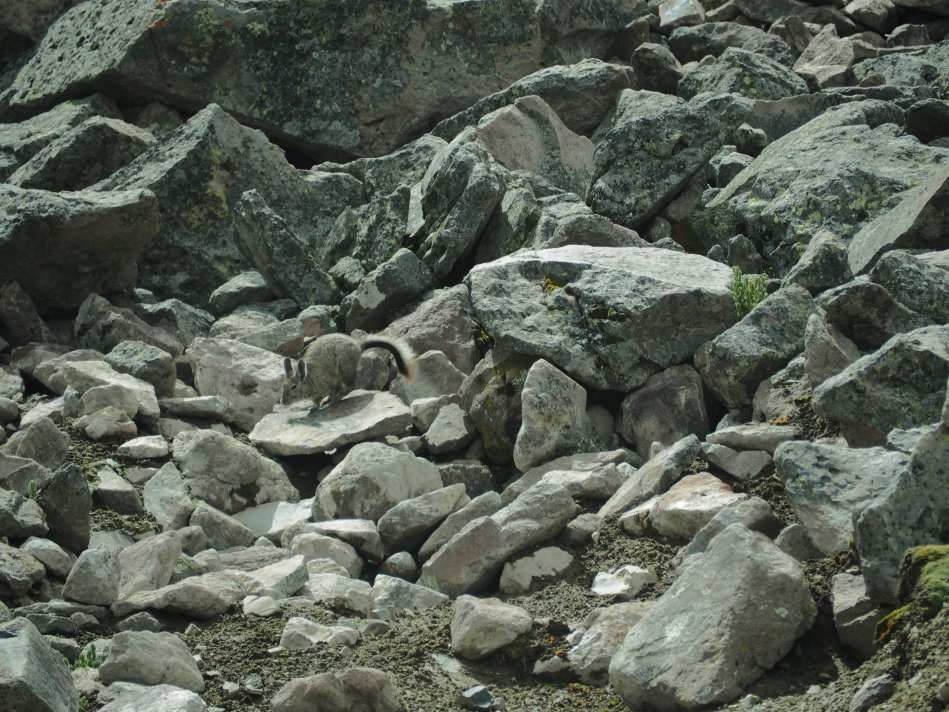
These parts are also home to lynx, fox and pumas and the viscacha, a large chinchilla relative with long rabbit ears and squirrel-like tails. The stuff of nightmares for musophobes.
The soaring condors. No trip to the Colca Canyon would be complete, however, without a visit to the Condor Cross.
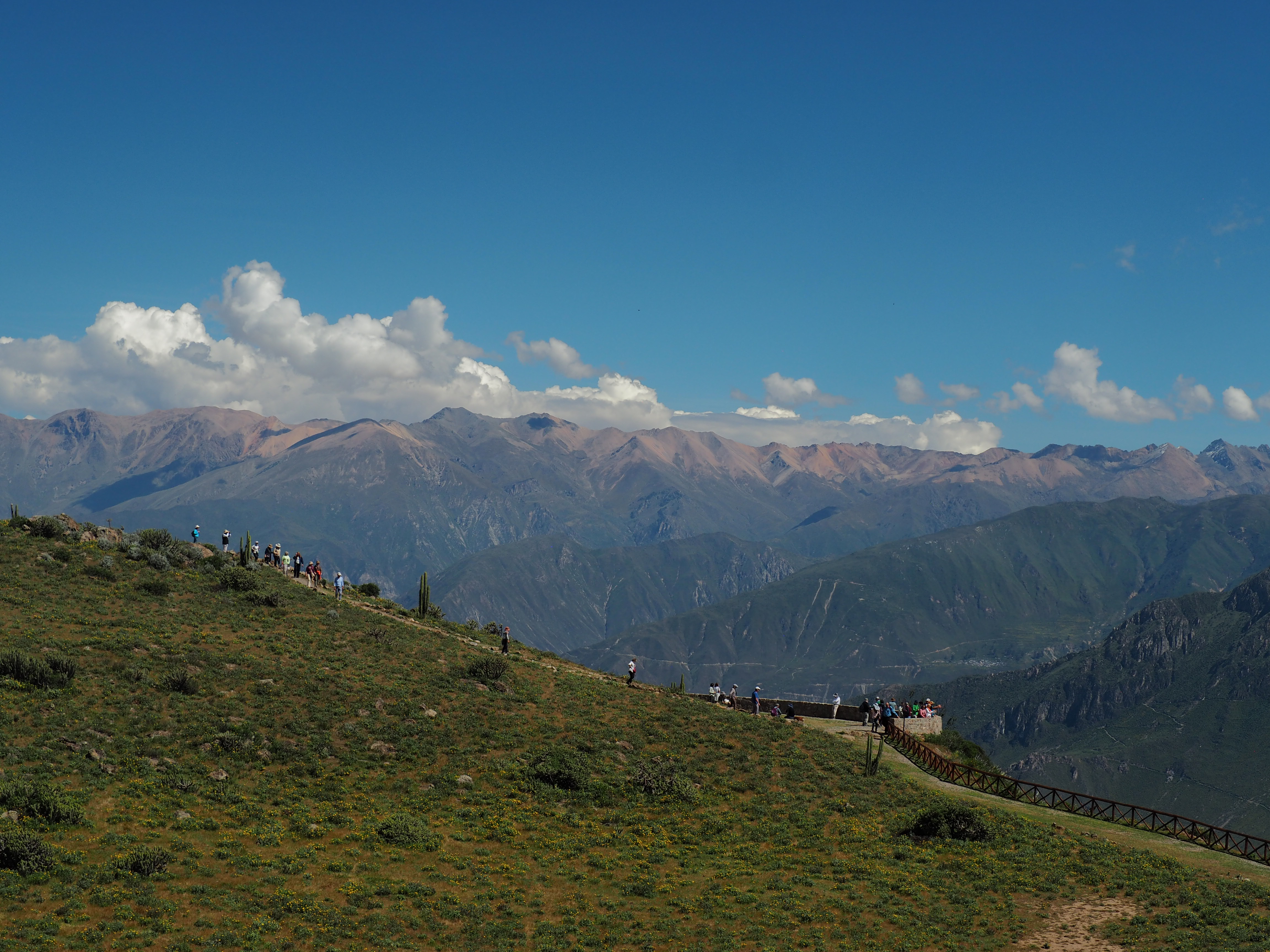
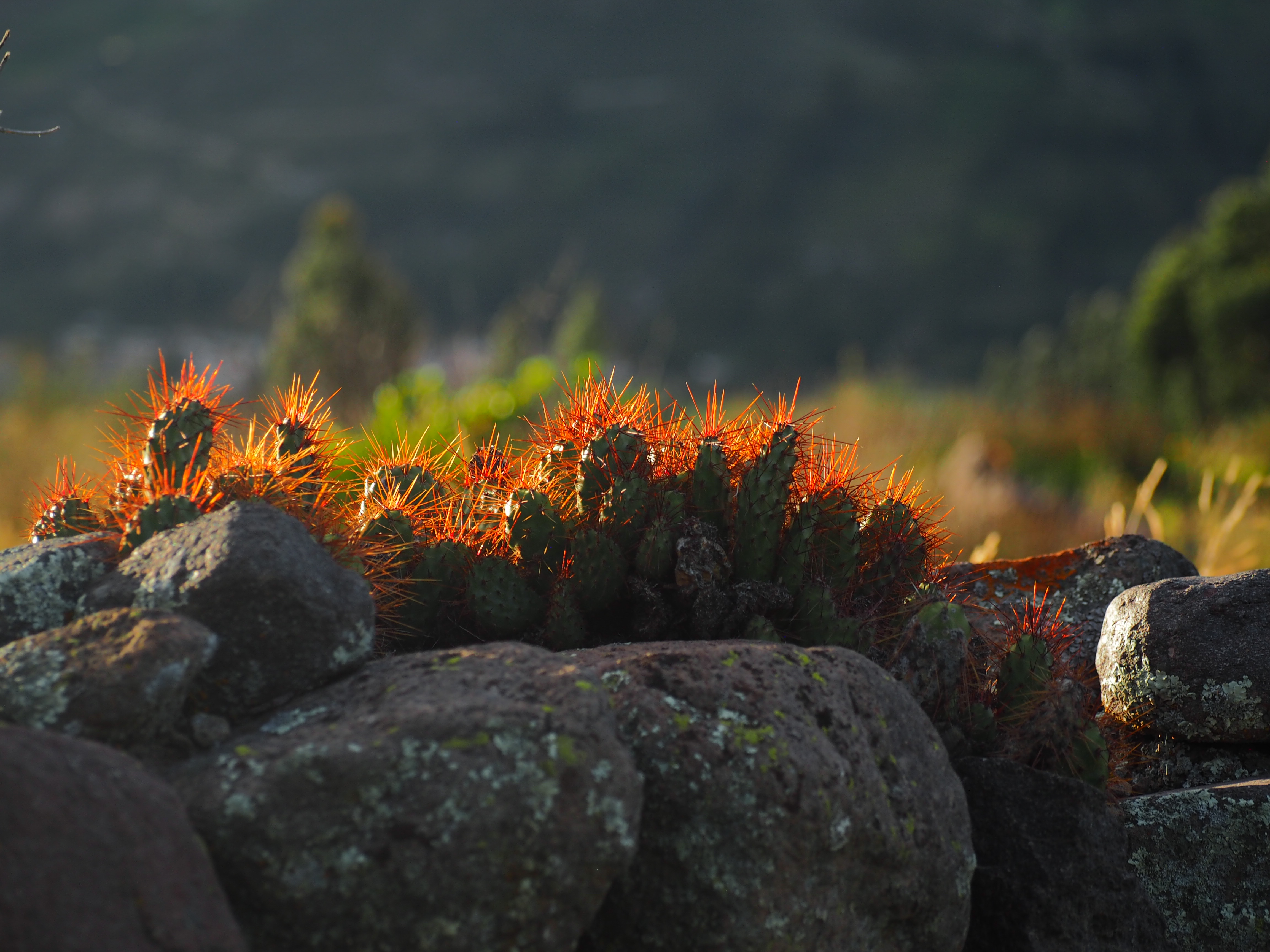
The Andean Condor soars above you at this lookout point high above the canyon. A winding, partly paved, bumpy and narrow road lined with tall high-alpine cacti delivers you to this stunning 12,000-foot high viewpoint where the condors put on a show every morning.
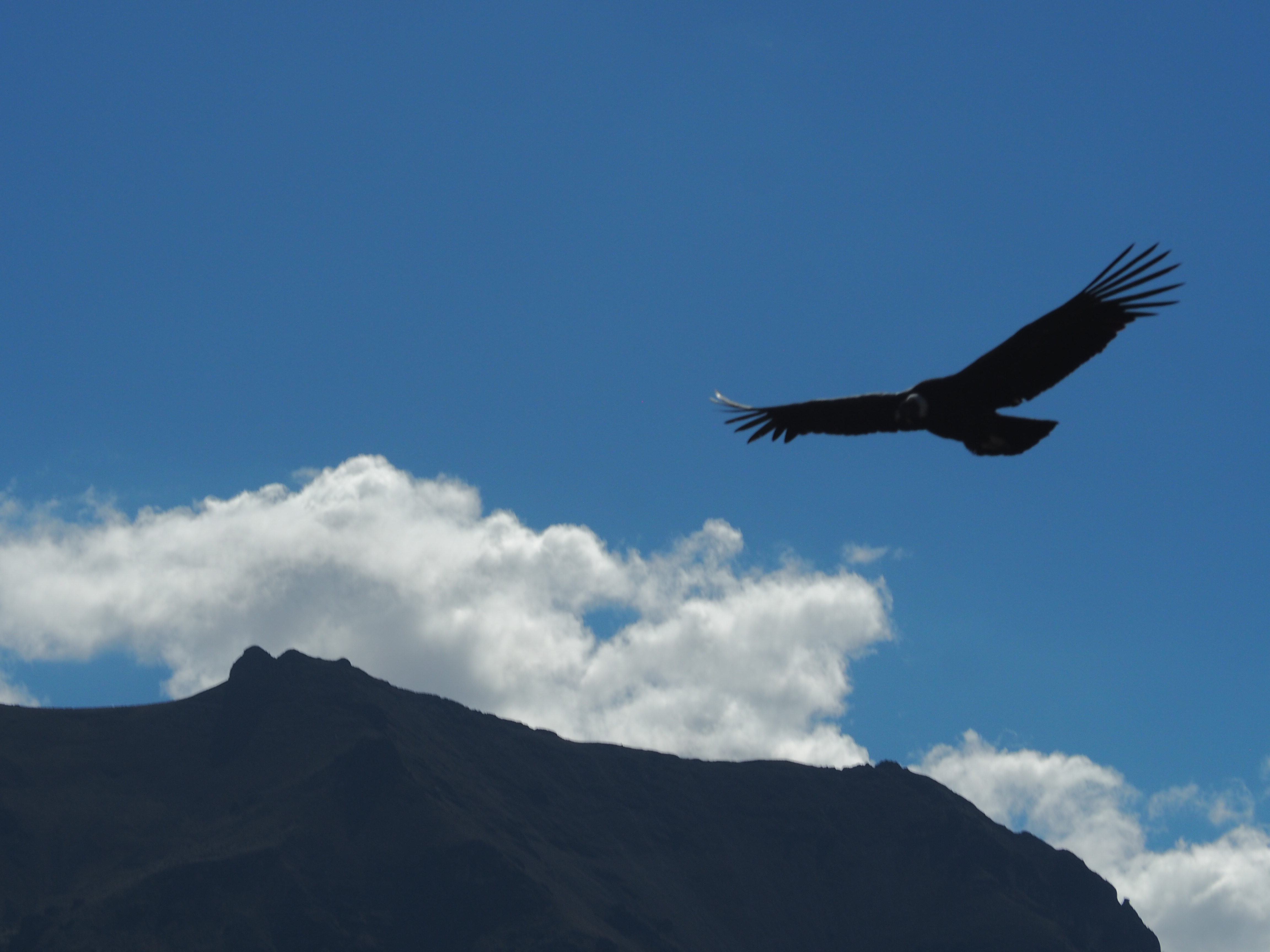
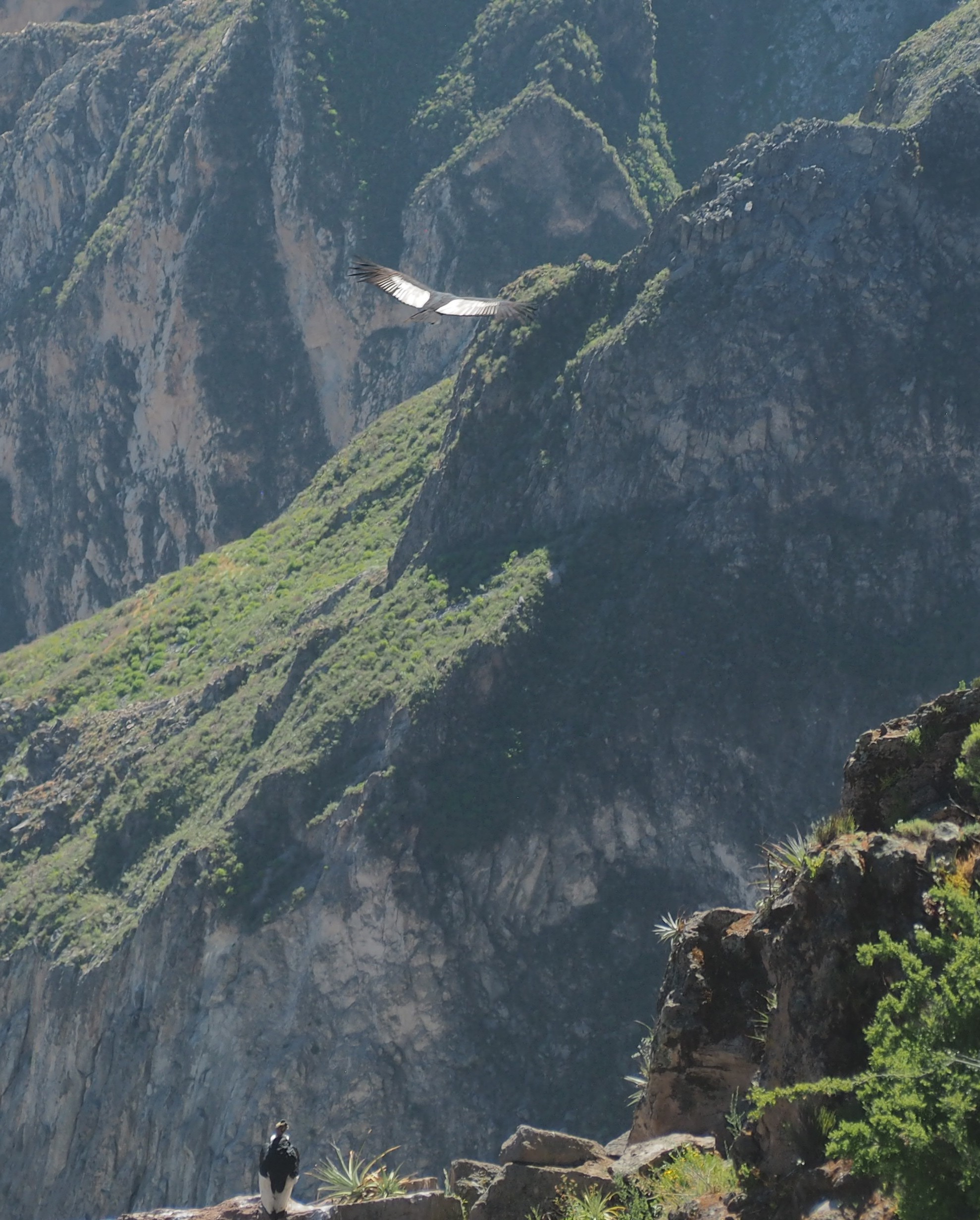
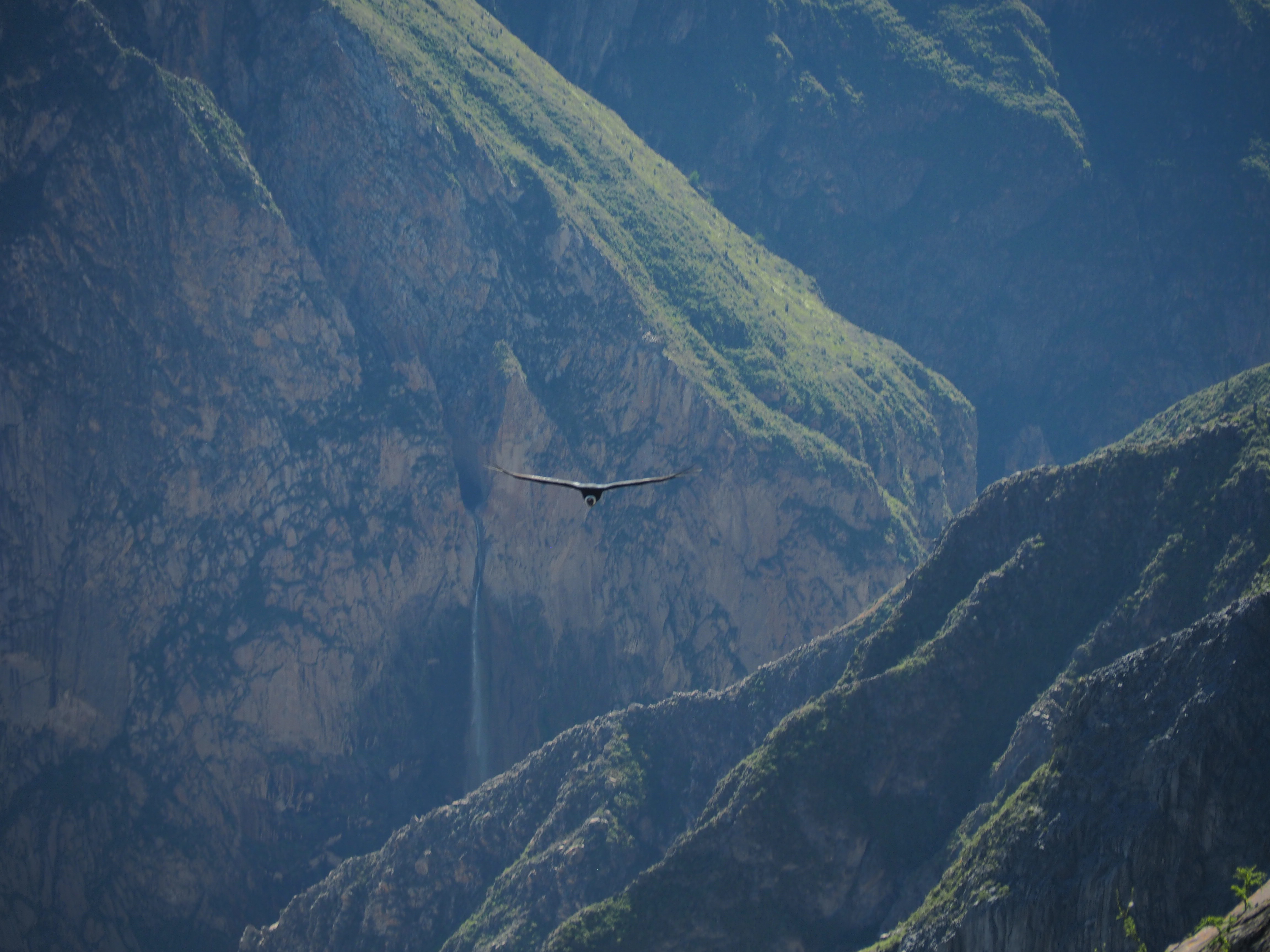
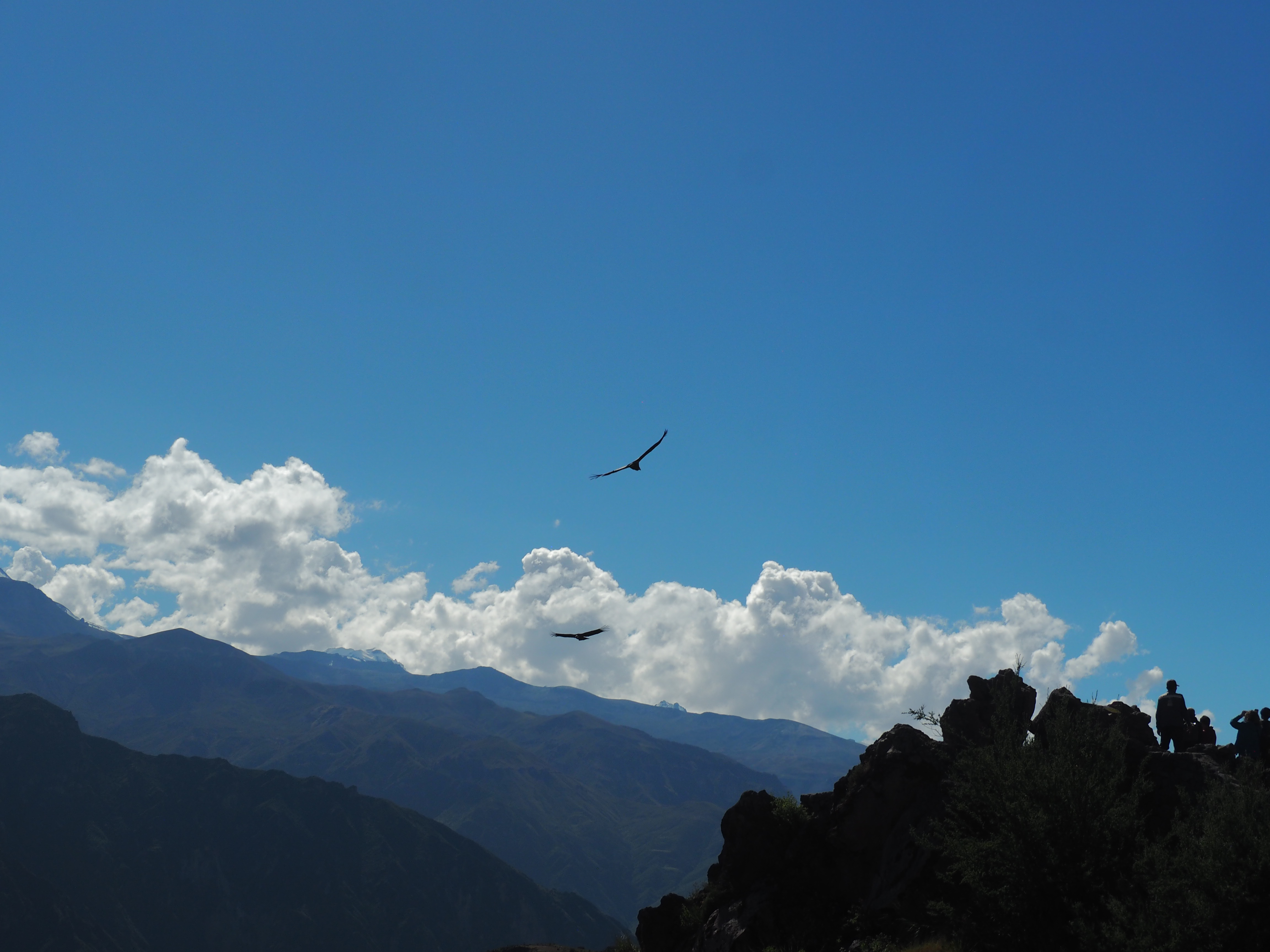
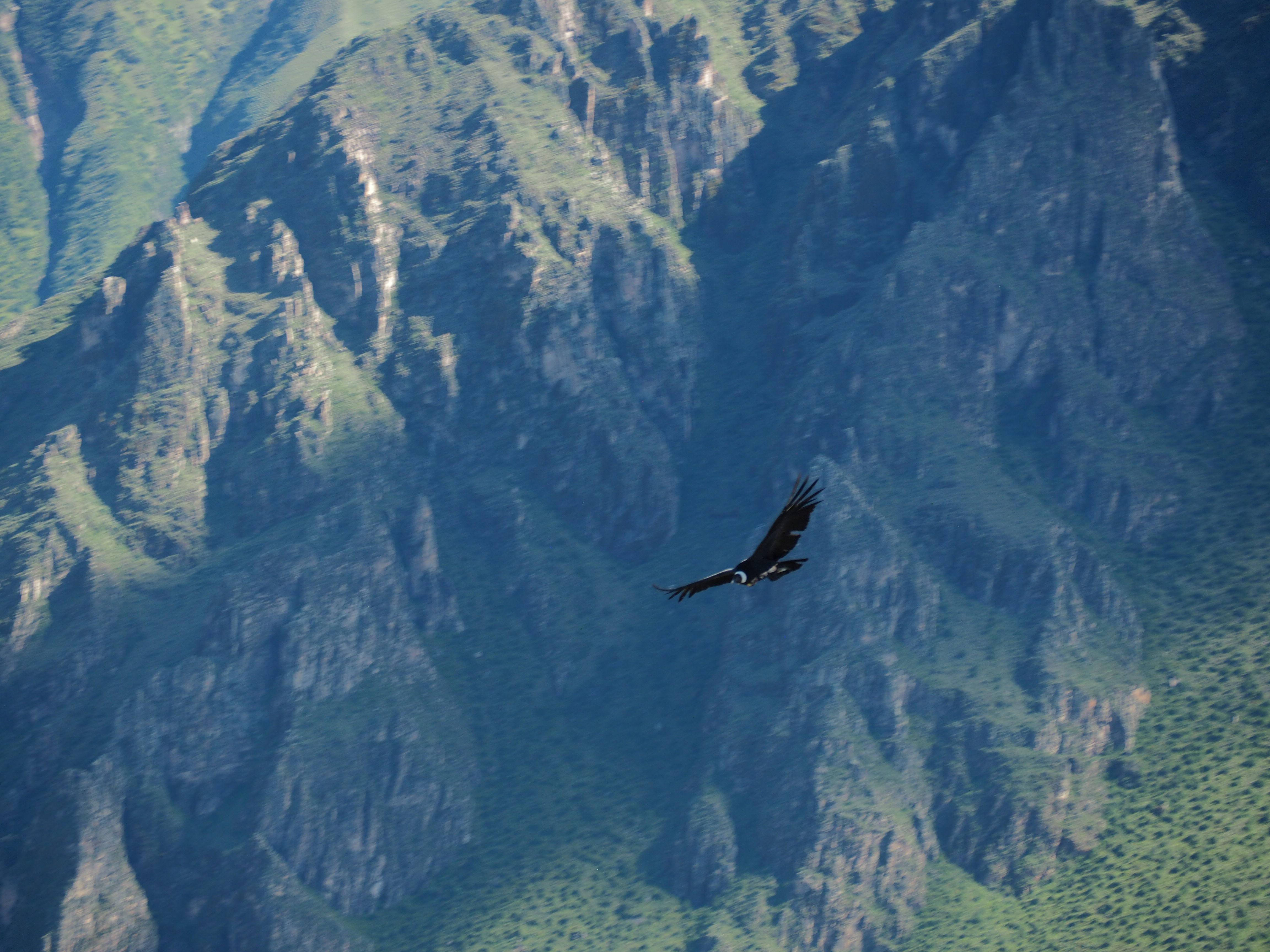
The Andean Condor is the second largest flying bird in the world (after the albatross) with a wingspan of up to 10 feet. They can live up to 85 years and feed on carcasses or creatures they kill. Like the vicuña, their plan of attack includes the family jewels and also the eyes. They even have a taste for seafood and will fly to the Pacific Ocean and back (a journey which takes about a week) to fill their gullets with fish to help feed their young.
But don’t think there’s no conflict here either, if your sibling is a twin brother only one of you is gonna make it. The weaker will be taken out but his stronger sib.
Land of fire. And as if the human, mammal and ornithological conflicts weren’t enough, the land is also unstable. There are about 120 volcanoes in this part of Peru and many of them are active. Life here can mean periodic destruction with lava, ash and earthquakes destroying whole villages from time to time. I doubt there are a ton of insurance companies lining up to write policies.
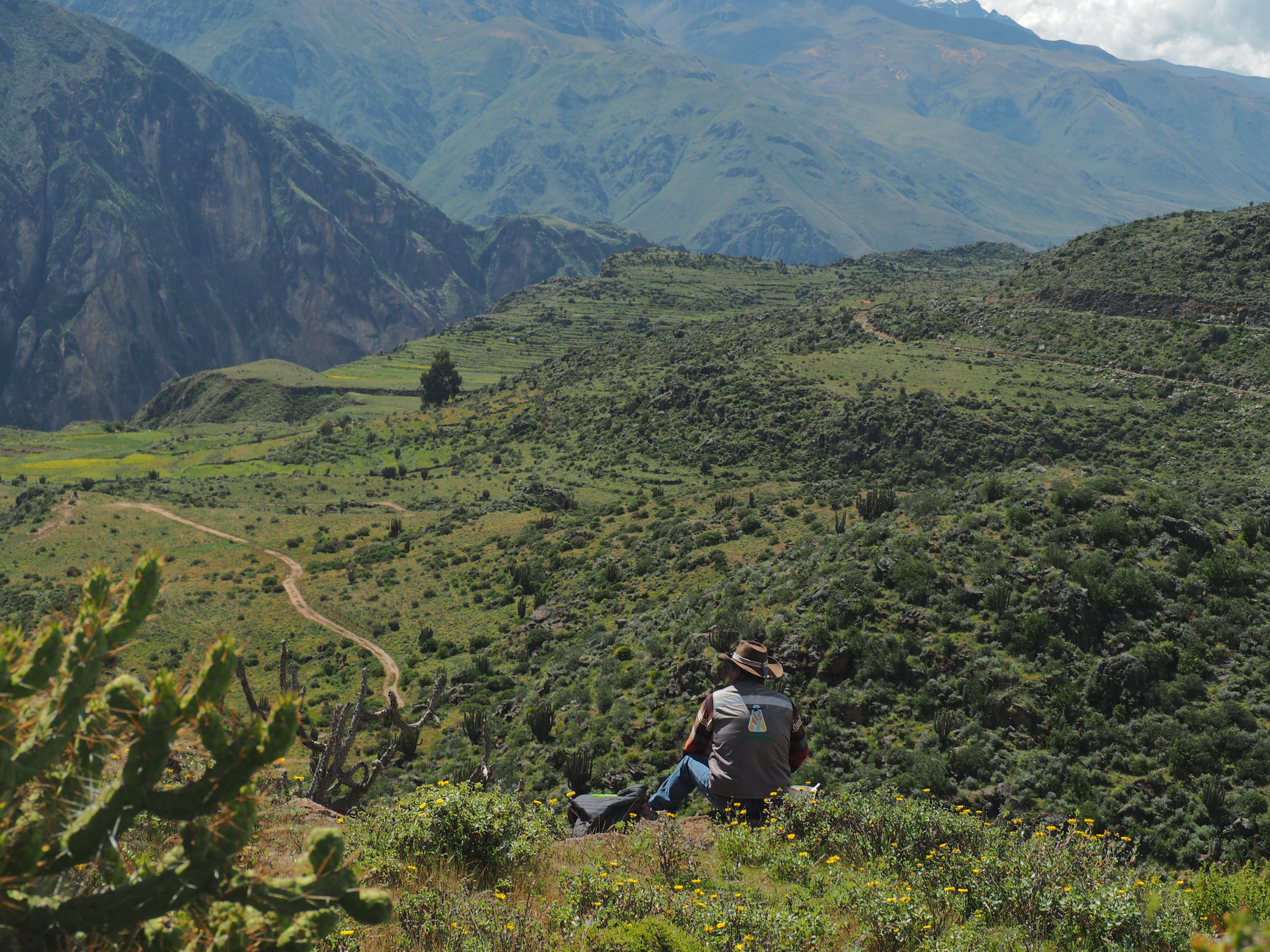
However, with all the fighting, conflict and instability aside, today’s Colca Canyon feels like a tranquil little oasis in the midst. Down in the fertile valley, away from fighting condors, attacking vicuñas and erupting volcanoes life is just peaceful and beautiful. So, if Peru is on your list, put this spot on it for a day or three to enjoy the majesty of nature in all its abundant glory.
Sources:


0 comments on “Only the Strong Survive in the Colca Canyon of Peru”