

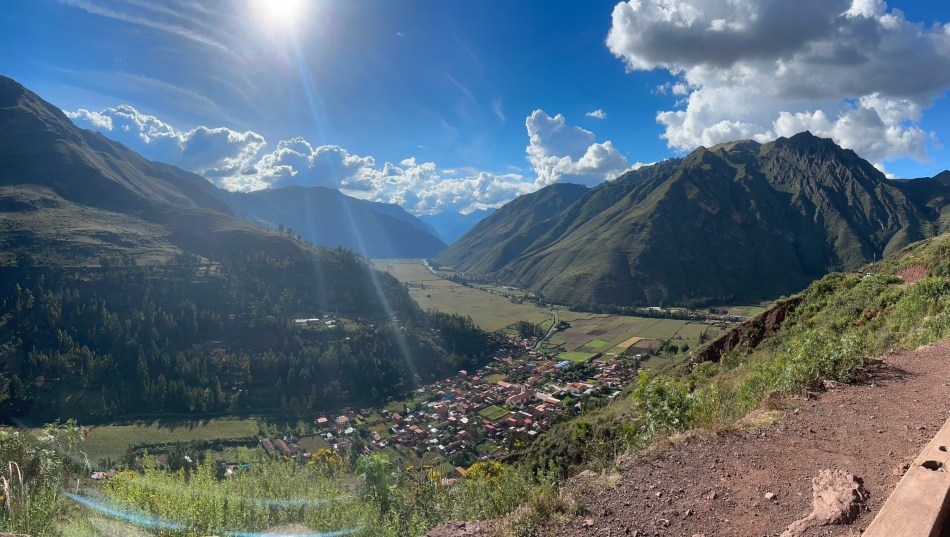
We arrived from Amsterdam to Lima and one day later ascended into the Andes. Needless to say, if you’re familiar with geography or topography, our bodies needed to adjust. The seven-hour time difference and the climb in elevation from sea level to around 9,500 feet (at the valley floor where our hotel was located) meant for much adjusting.
History. In the Incan language of Quechua, the valley was known as Willka Qhichwa, or Sacred Valley, and today’s Urubamba River was called the Willkamayu (you guessed it, Sacred River). The Inca believed that the river represented the Milky Way of the sky on earth and built temples around it in alignment with stars and solar events. The valley was vital to the Incas for agriculture (primarily maize, which is still grown here plentifully today, but also potatoes and tomatoes) and because it linked the high Incan empire of the Andes to the jungle of the Amazon.
But maize wasn’t just for breakfast anymore, using maize, the Incas made a fermented beverage (still made and quaffed today) called “chicha” which in the Inca days, their warriors would drink from the skulls of their decapitated foes after battle to symbolize the transition of the disorder of war to the order of their Empire.
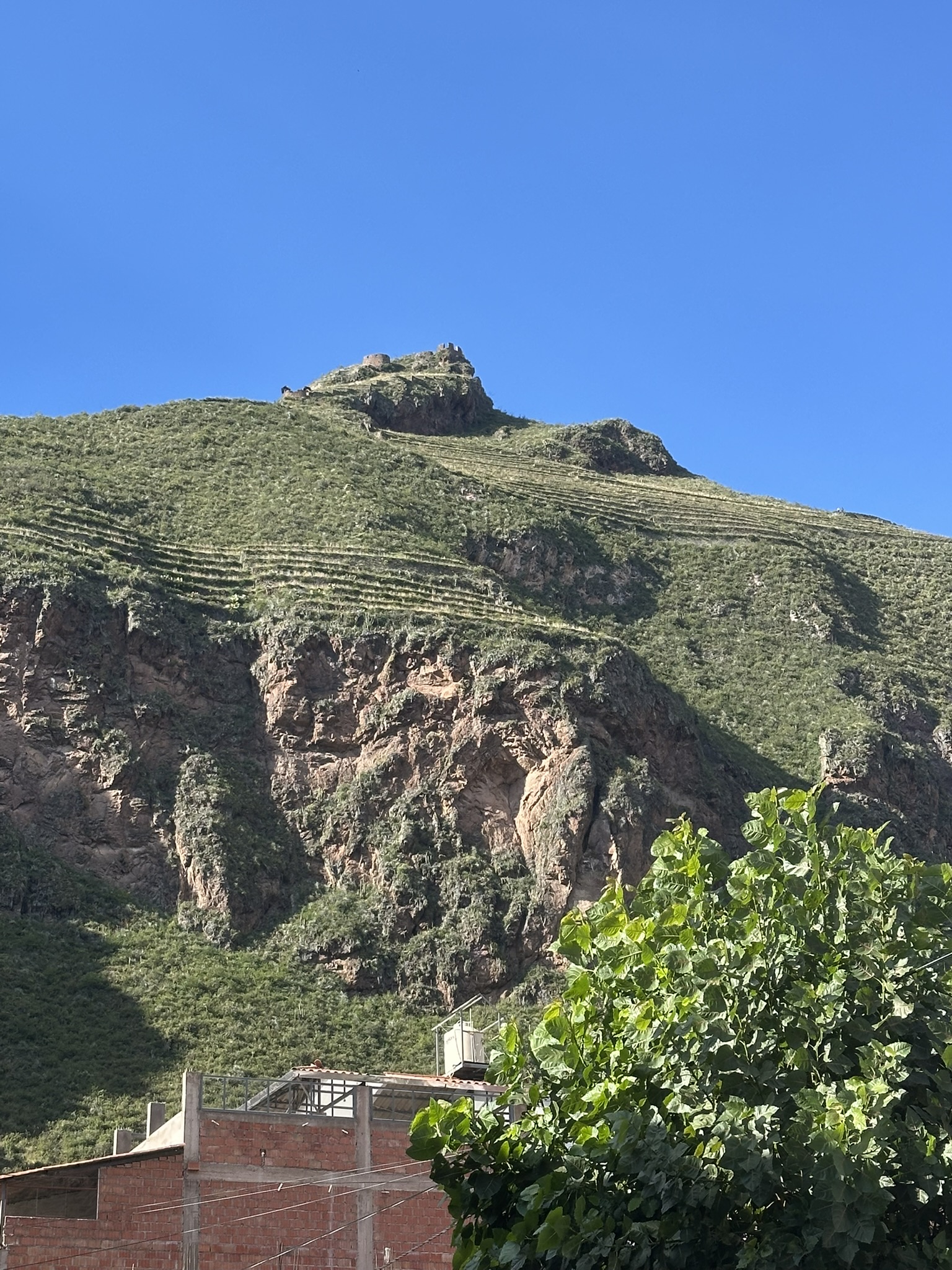
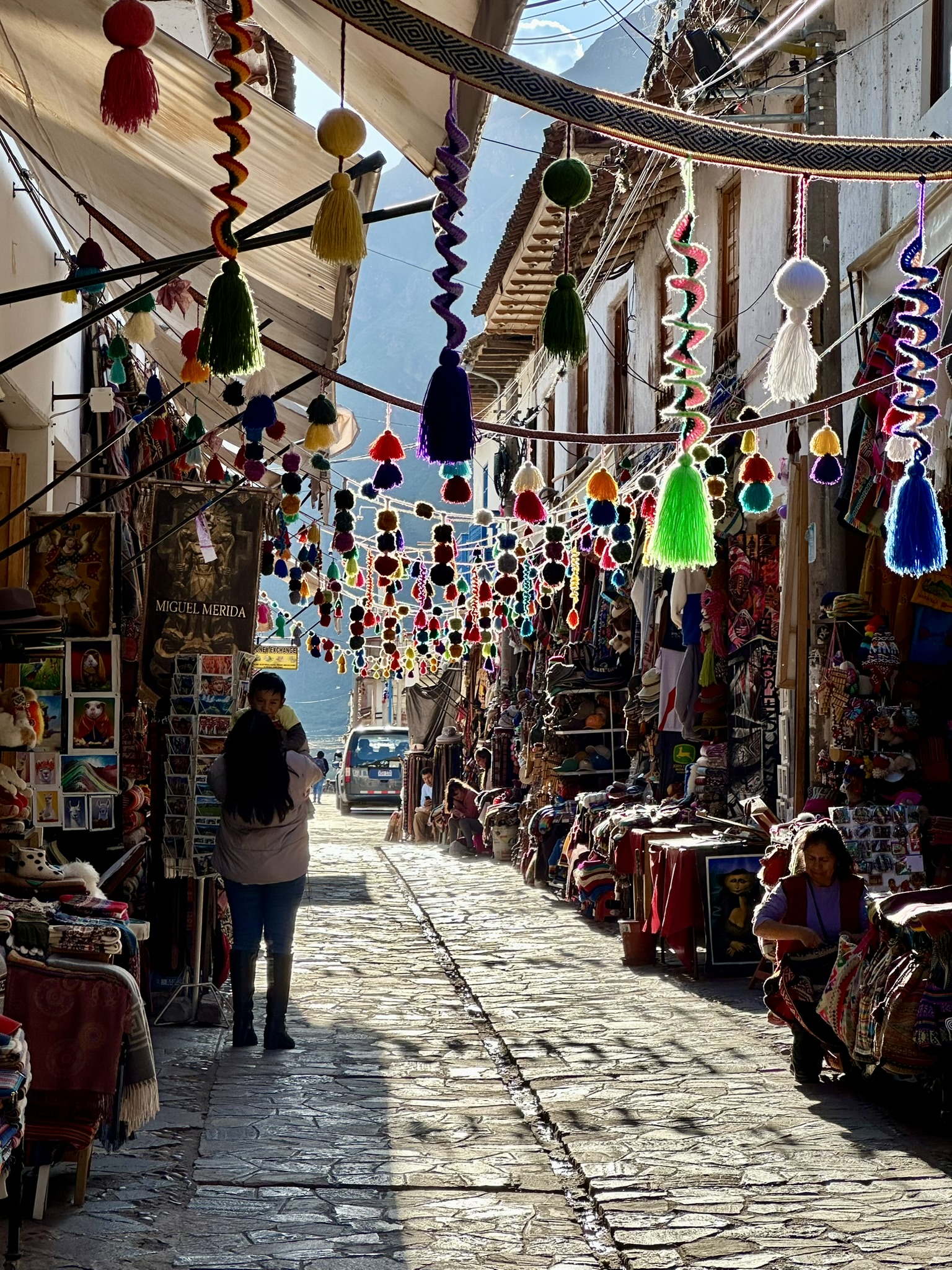
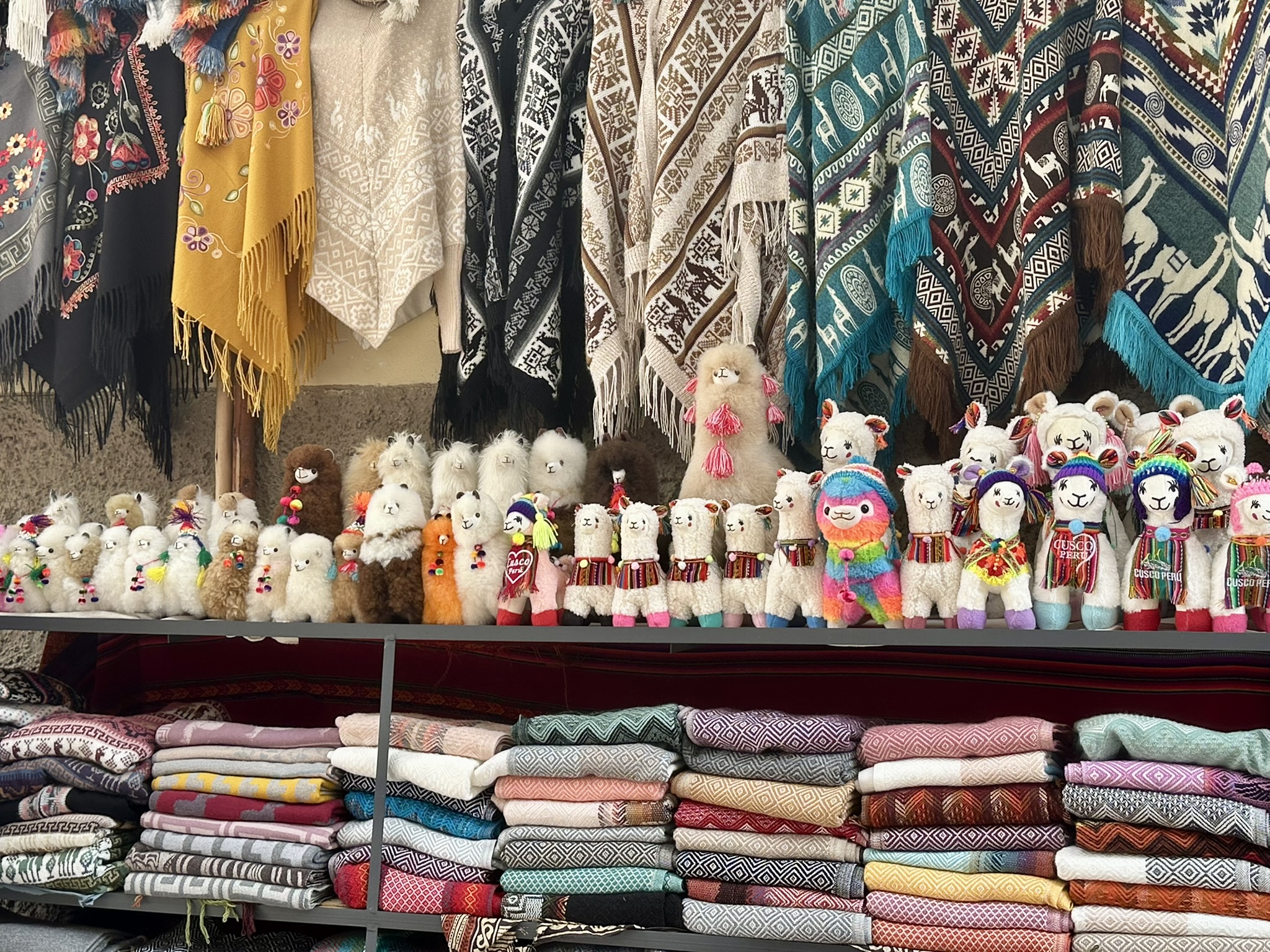
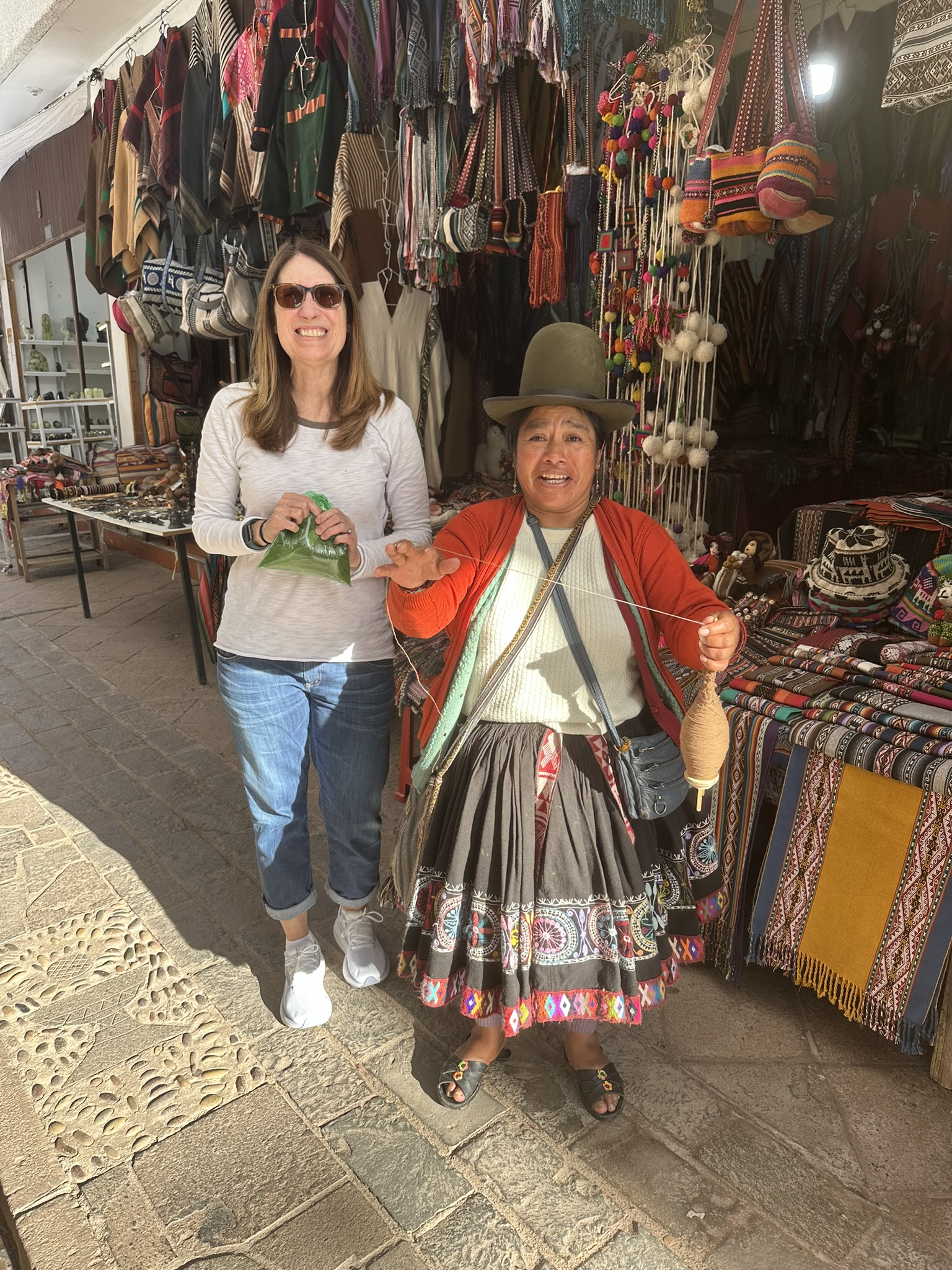
Pisac. After visiting a small textile factory (which you can read about here) we descended into the valley and into Pisac. Pisac sits below an Inca citadel and hillside cut terraces. It boasts a colorful authentic market selling meat, produce, artisan crafts and artwork and is adorned with colorful tassels hanging overhead.
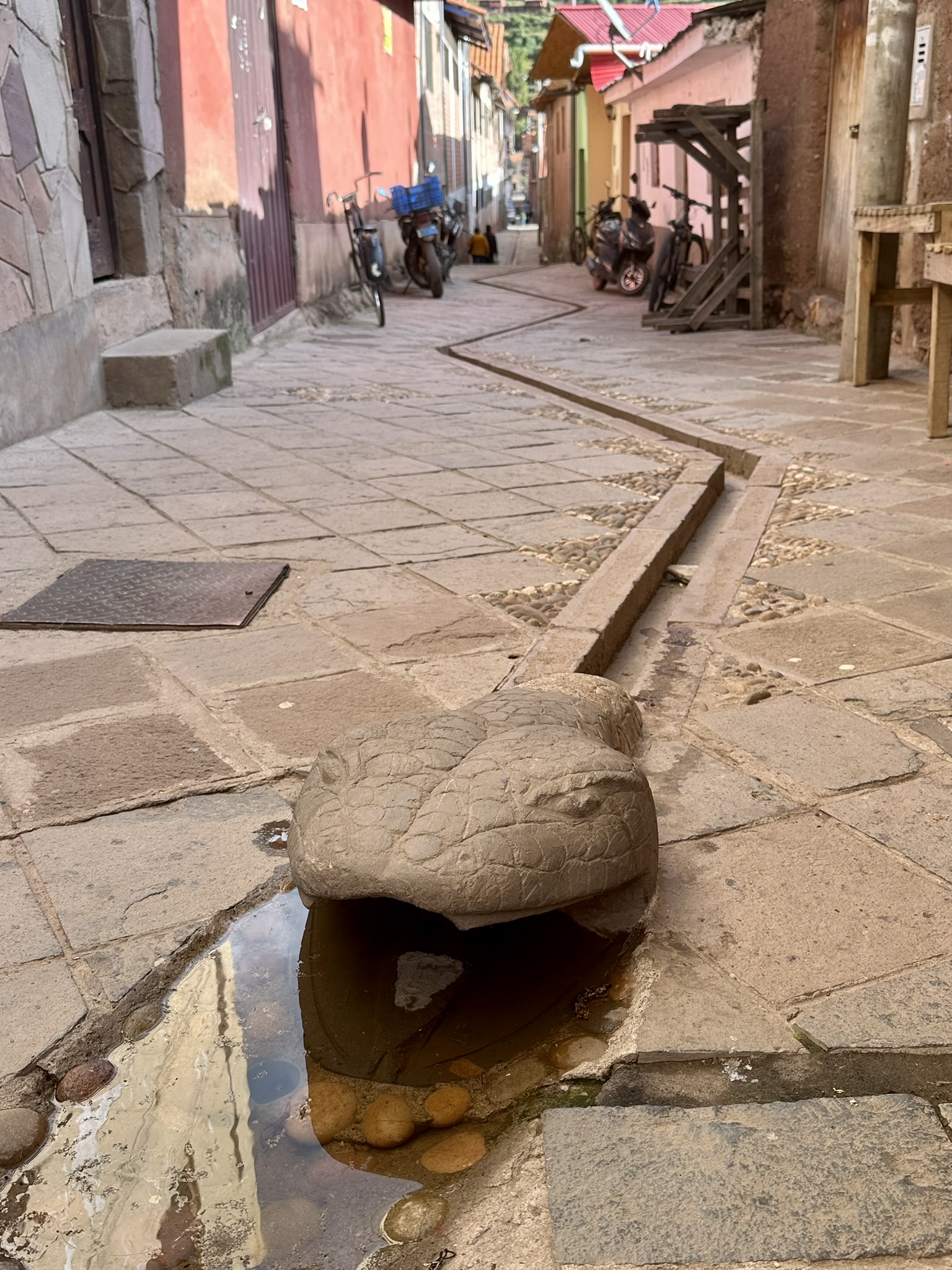
The Spanish took over the Sacred Valley when they conquered the Inca Empire and Pisac was one of those villages that they formed. It’s narrow streets resemble something you might find in an Iberian town, as they open into the central square where you’ll find the cathedral, of course.
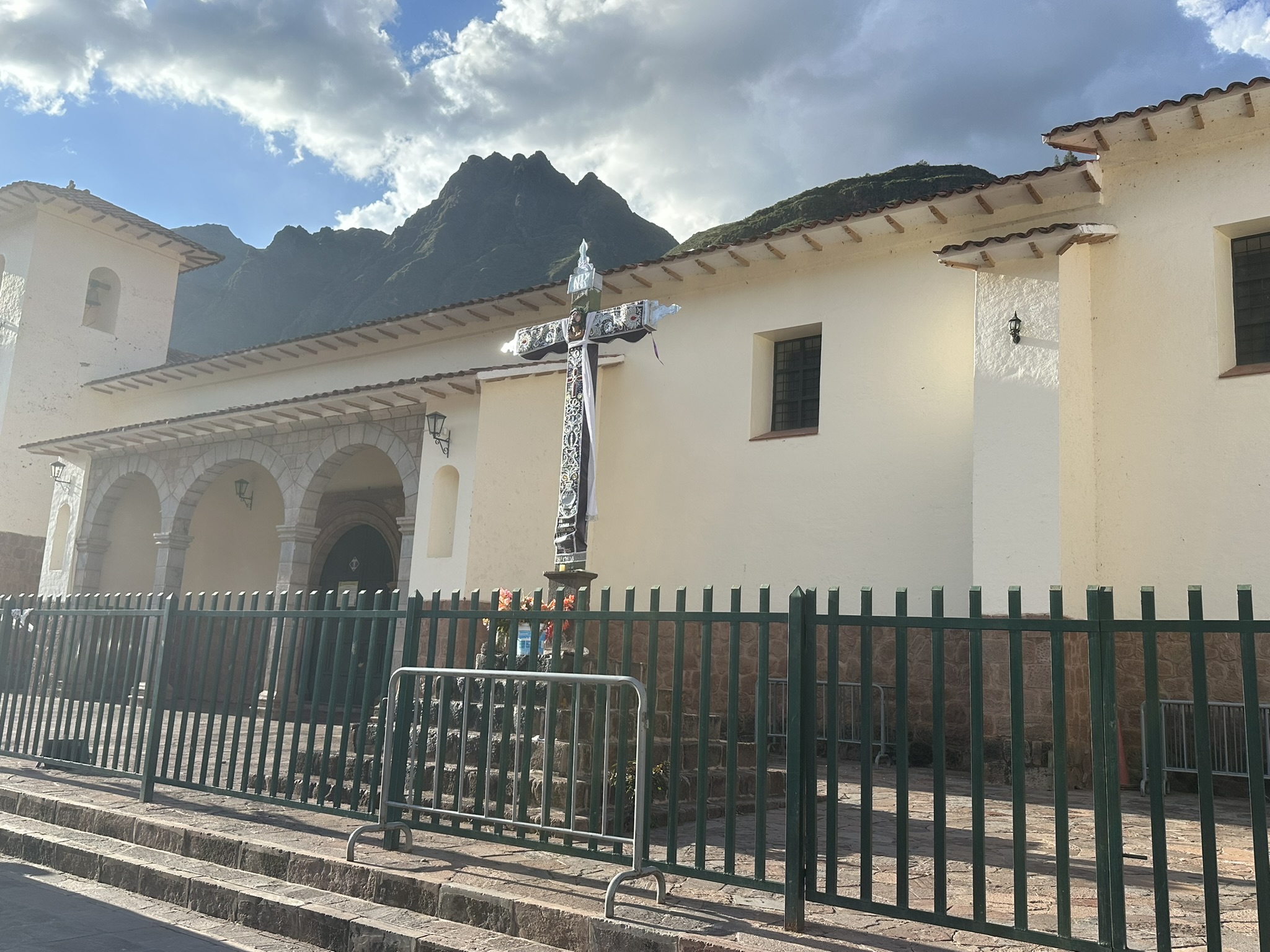
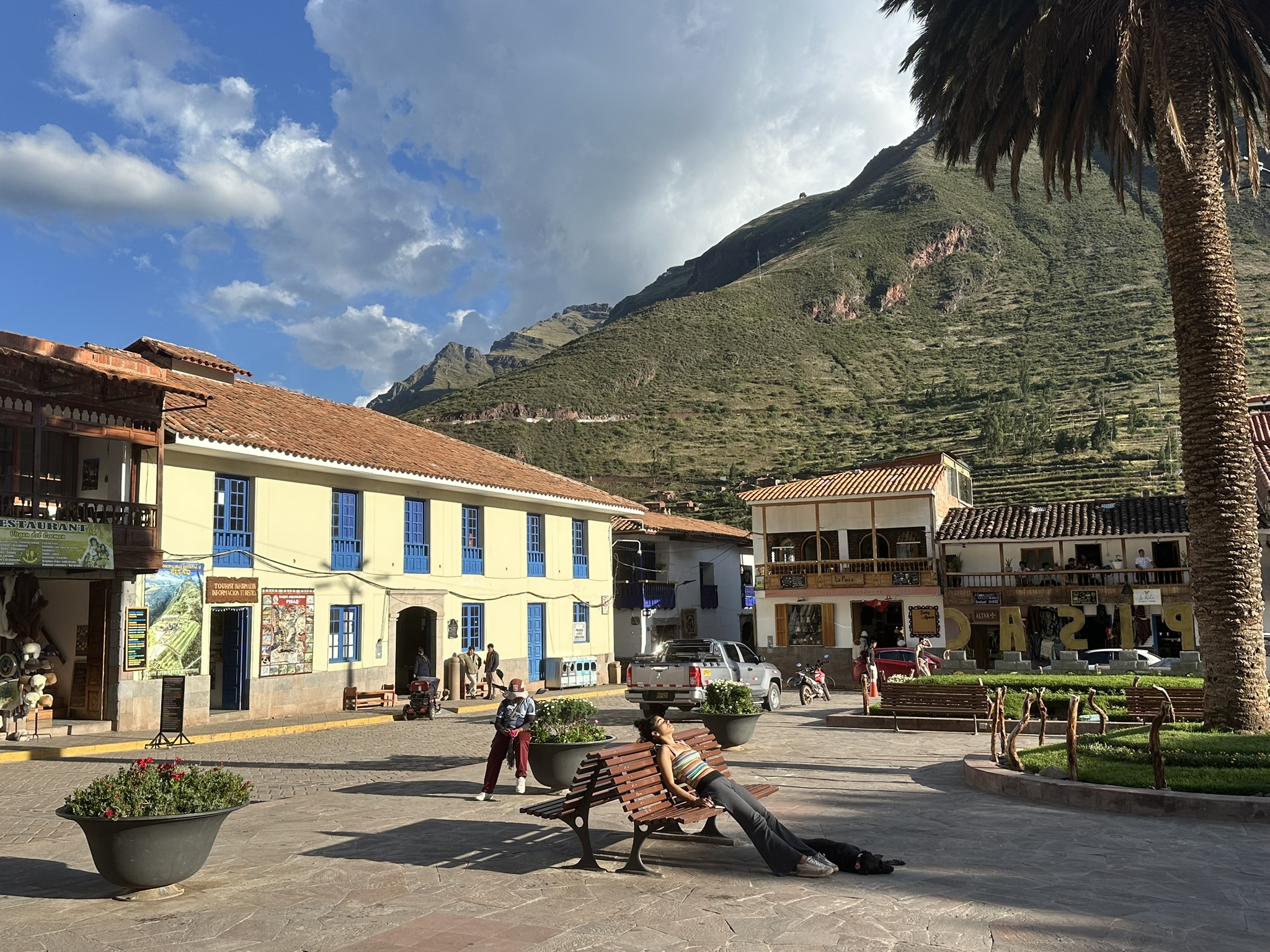
Today, farmers in the Sacred Valley pray to both the Christian God and make offerings to Pachamama (Mother Earth) for her aid in a successful crop and harvest. Pisac is also a destination for international hippies and those seeking spiritual revival. We found evidence of many such adventurers partaking in natural chemicals to aid in their transcendentalism.
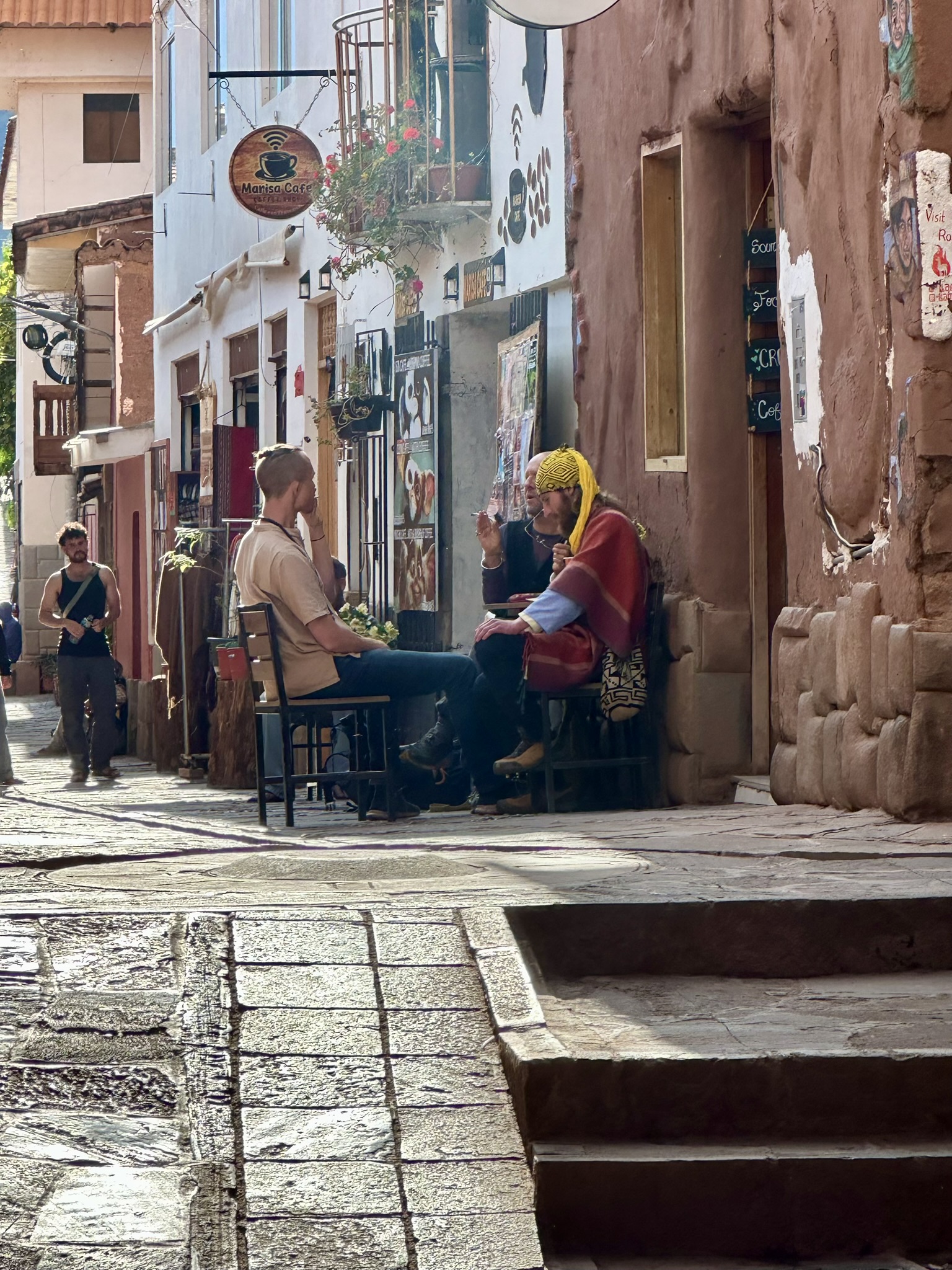
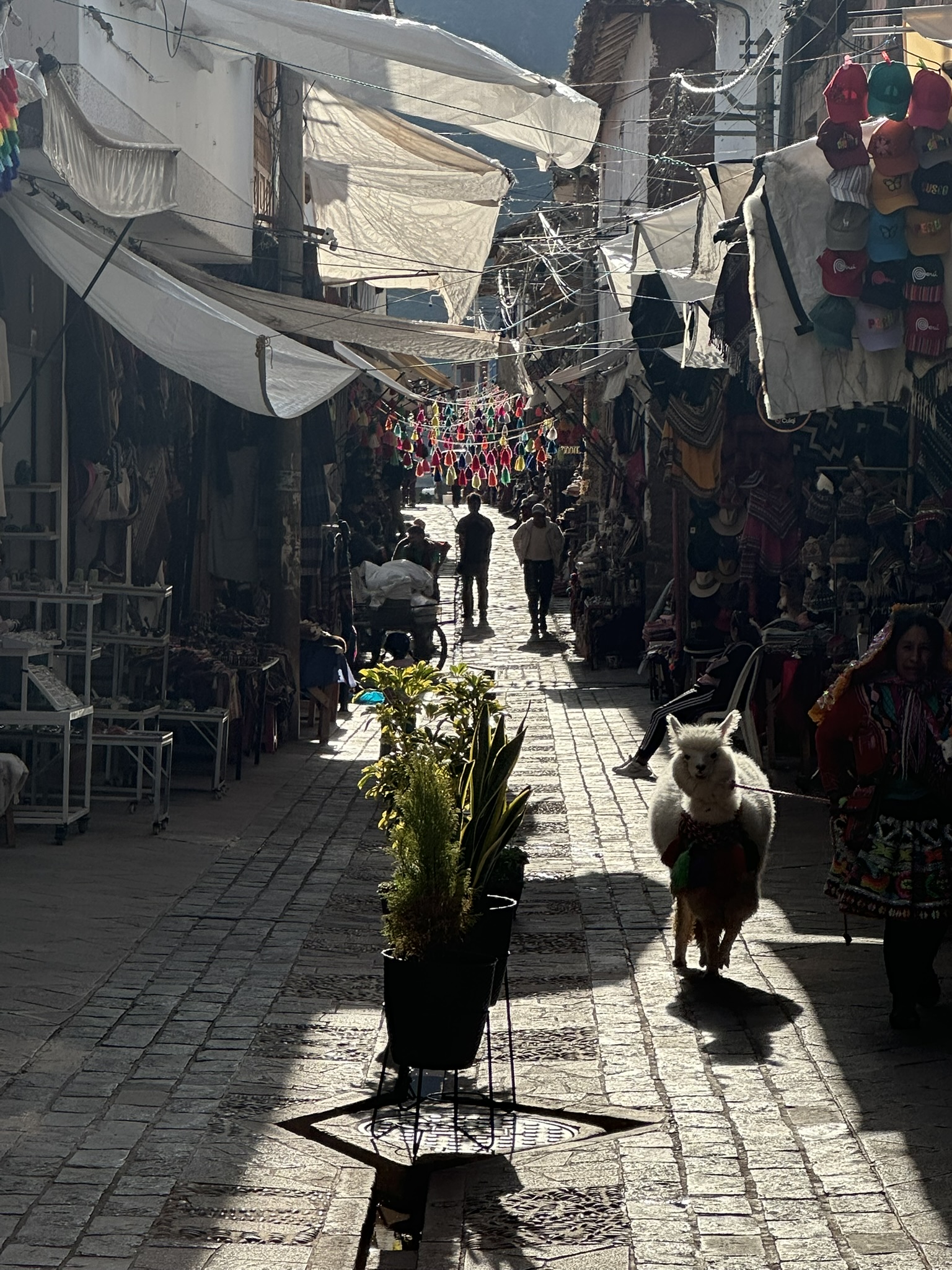
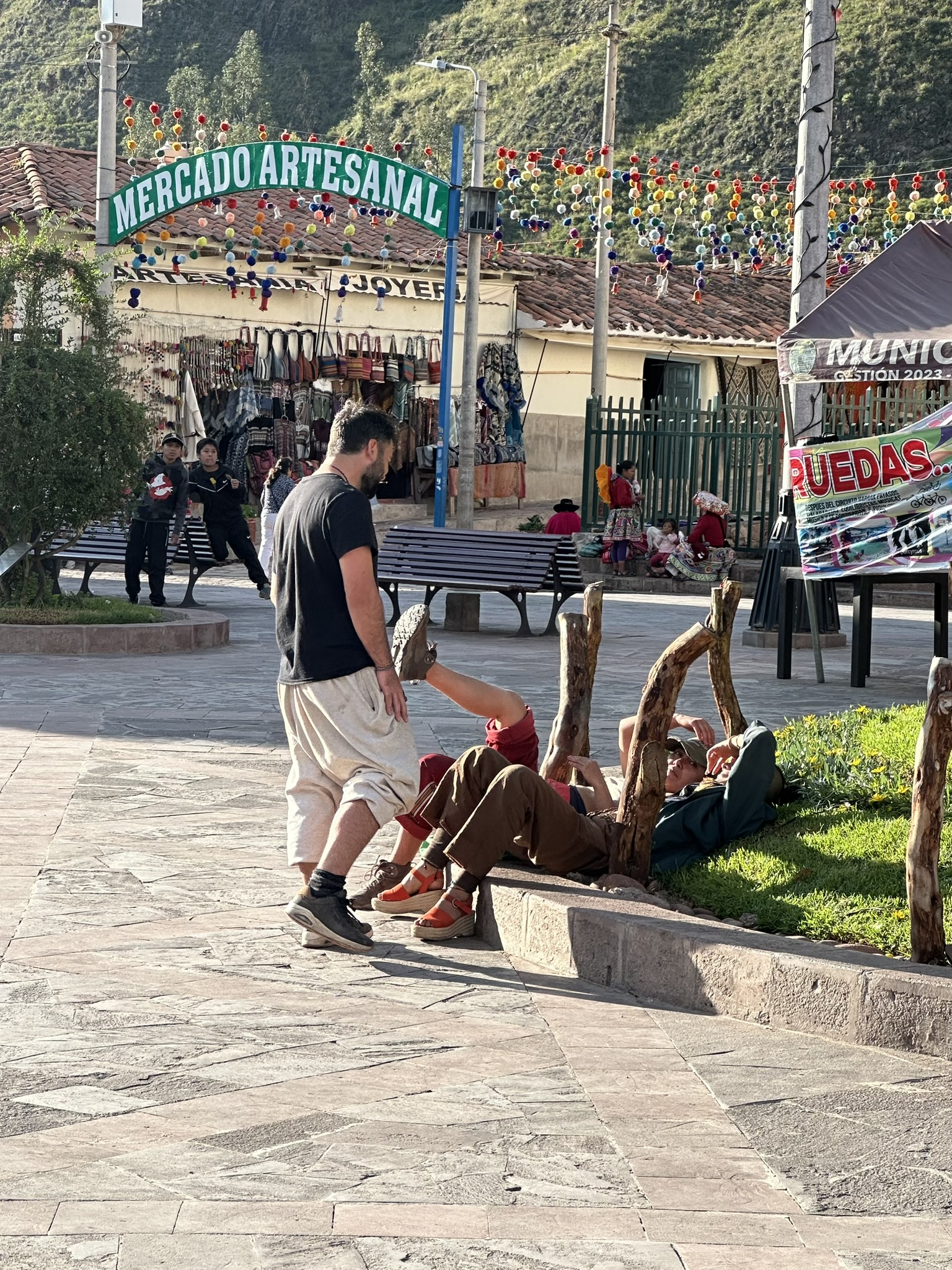
We wandered through the market, making various purchases of Peruvian crafts, coca leaves and practicing our quick math of 3.45 Peruvian soles to one US dollar.
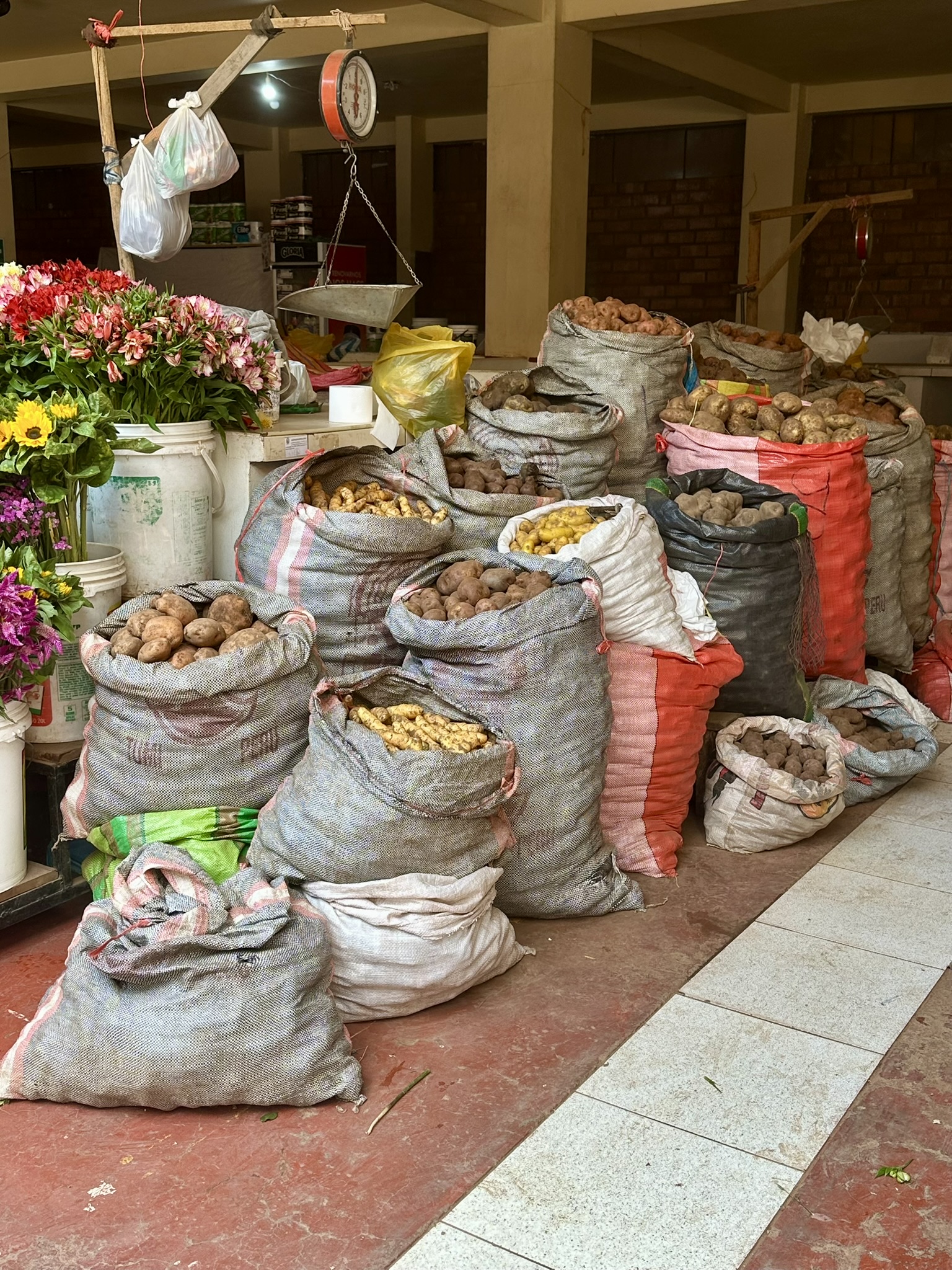
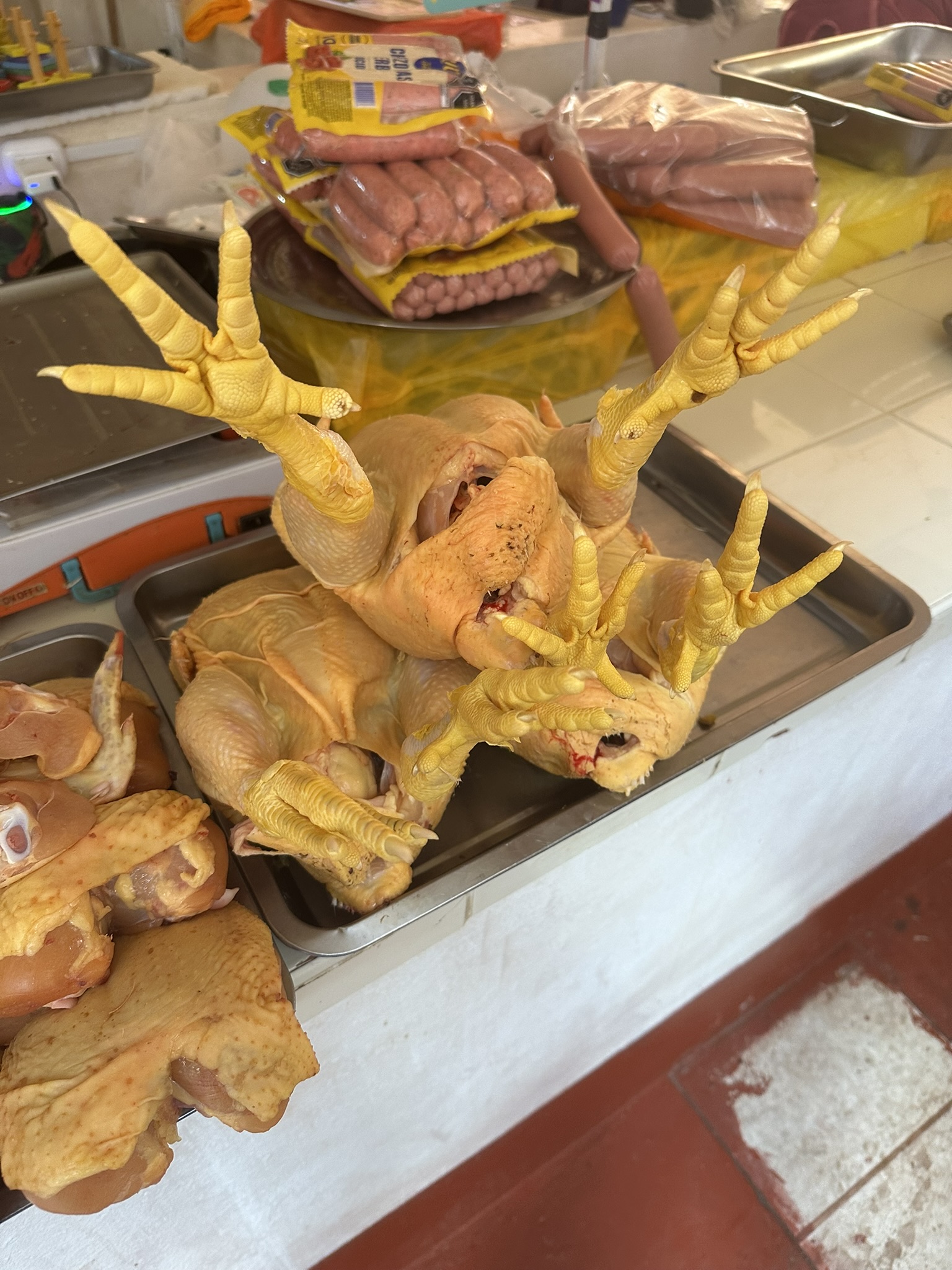
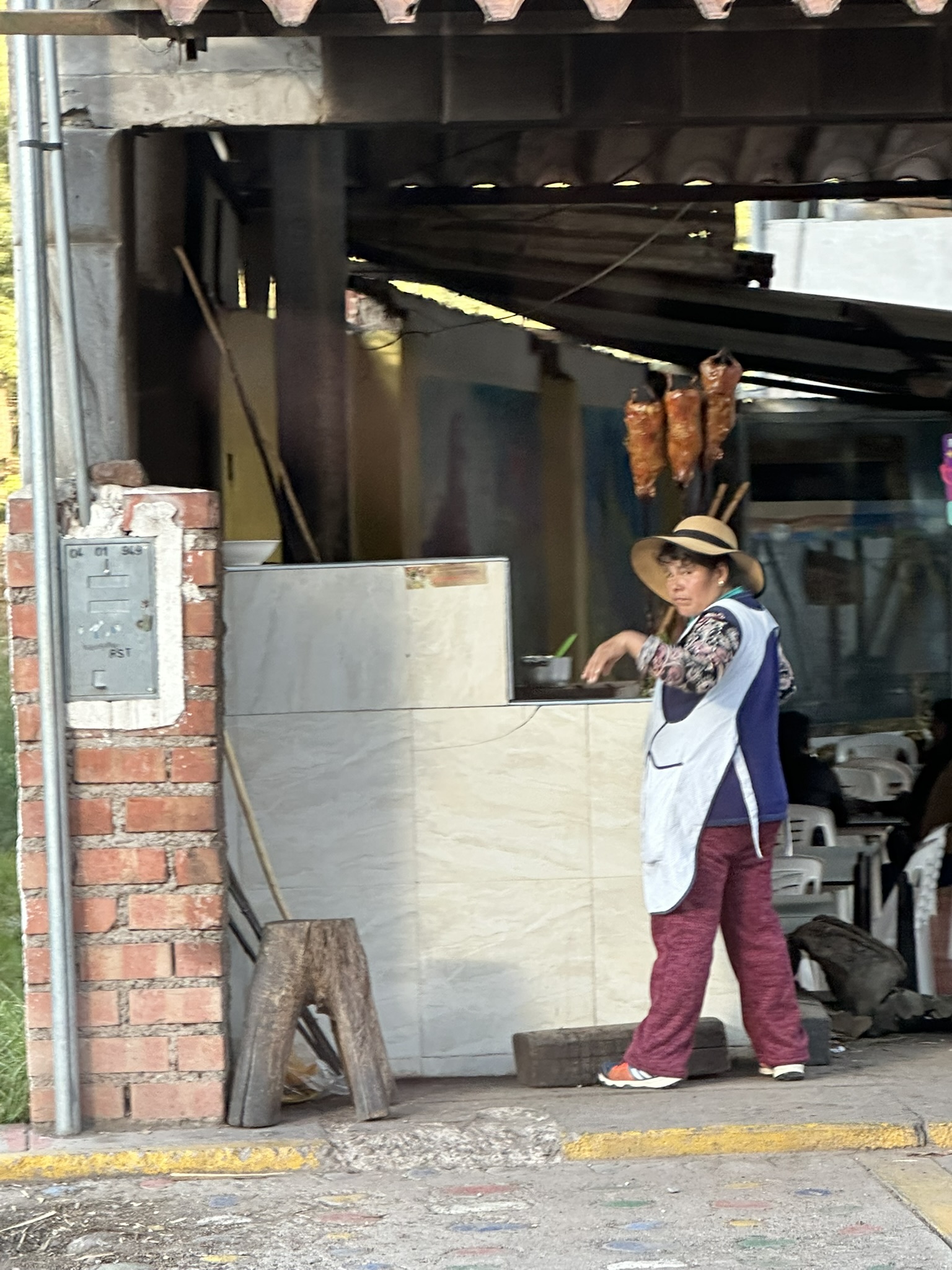
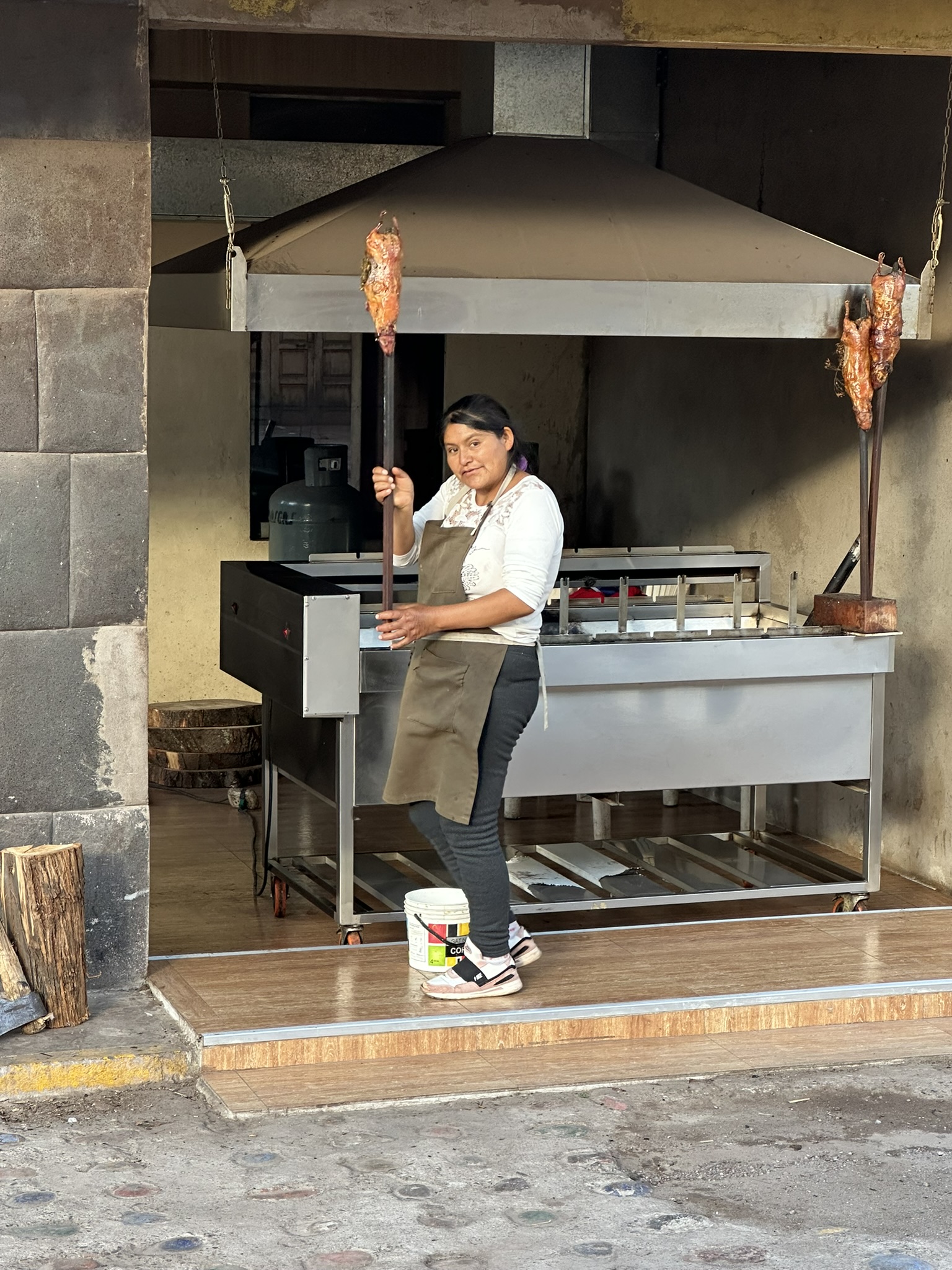
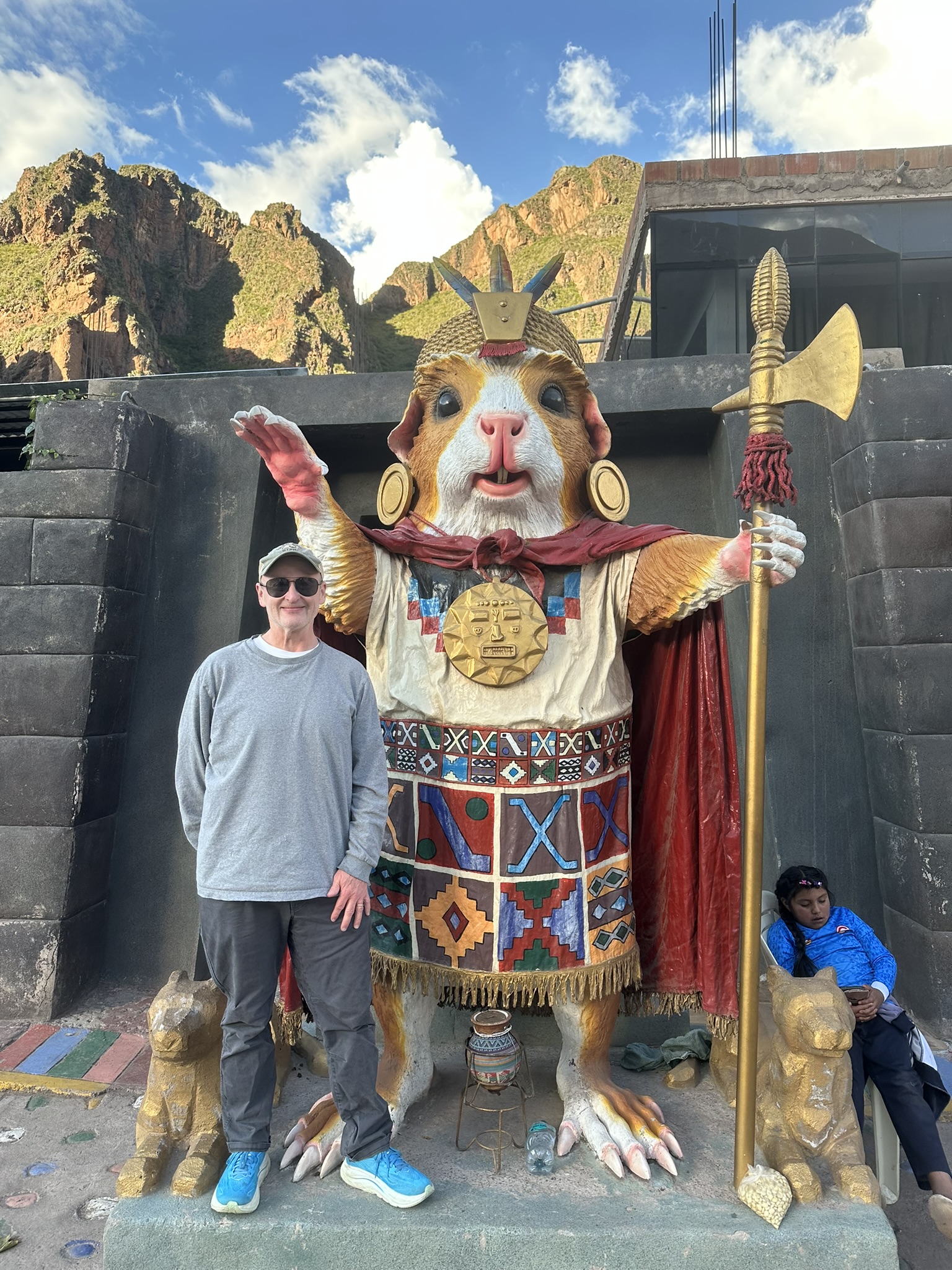
Lamay. En route to our hotel from Pisac, we passed through little Lamay known mostly for its many Cuyerias which sell roasted Cuy. If you’re unfamiliar with this particular delicacy you might be surprised to learn that a Cuy is the local word for Peru’s native rodent, the Guinea Pig. Bon appetit kids.
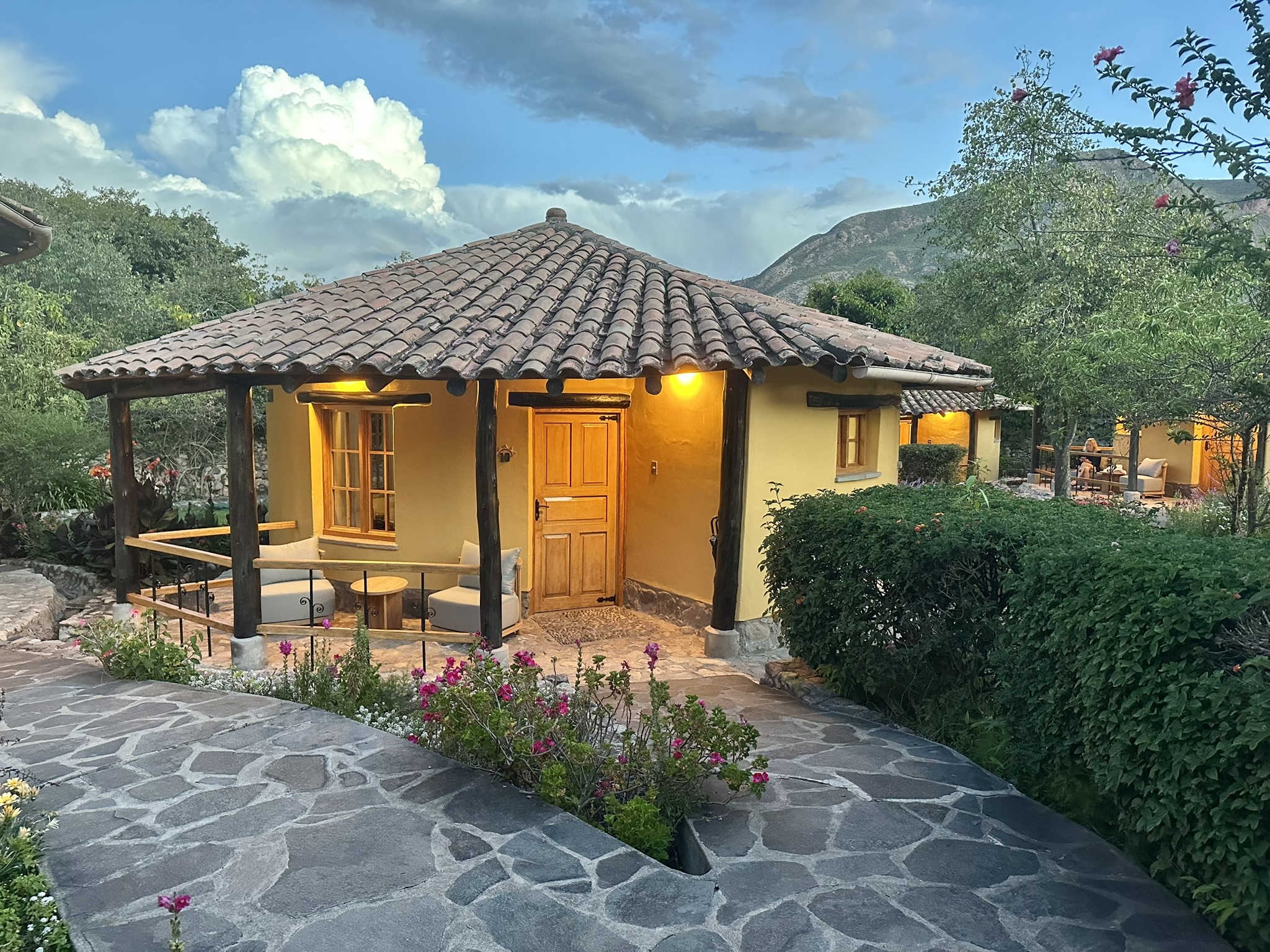
Urubamba. We stayed in the hills above Urubamba in a lovely casita surrounded by flowers where white bellied hummingbirds and sparkling violetears serenaded us while playing among the flowers and trees.
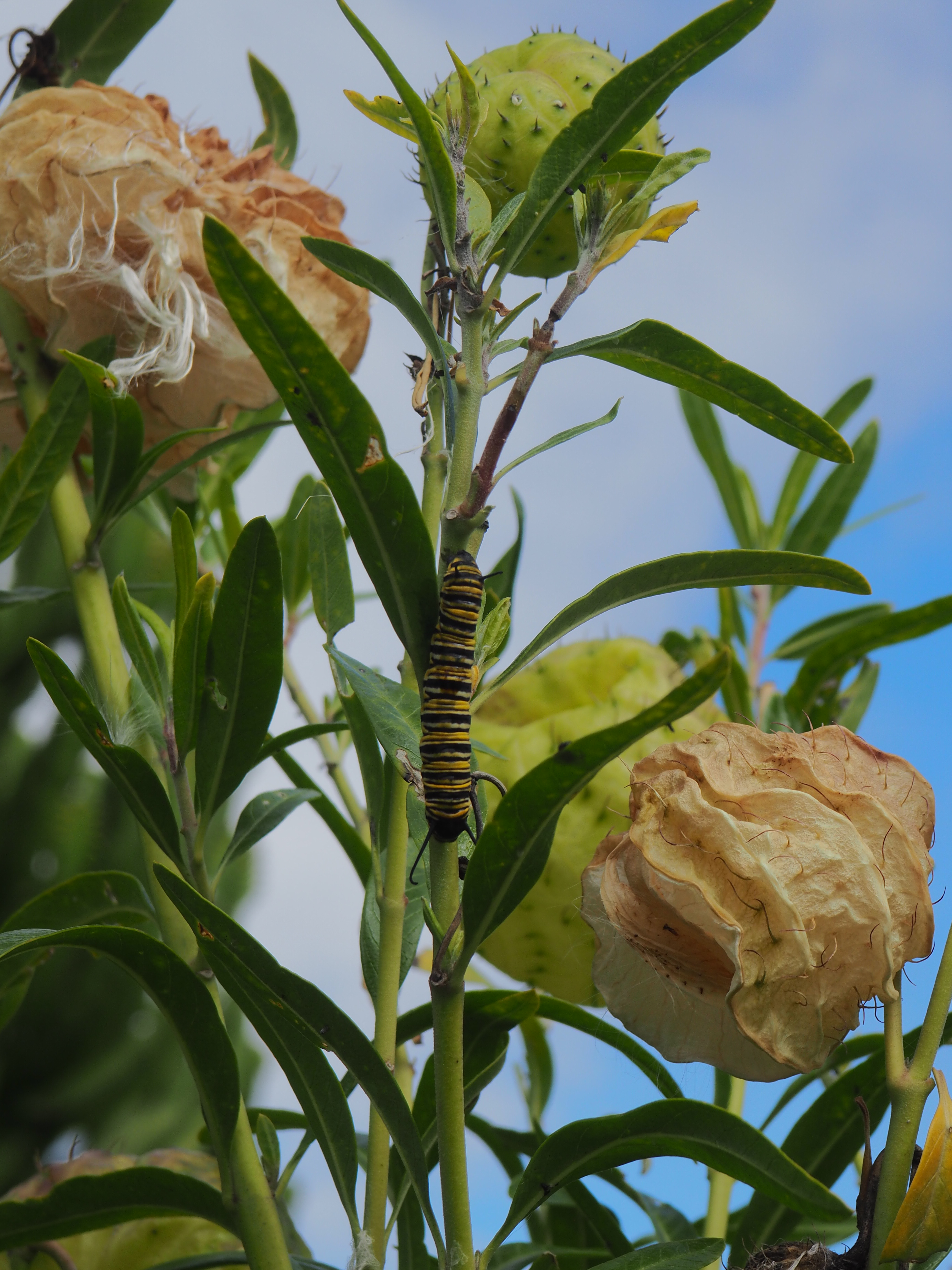
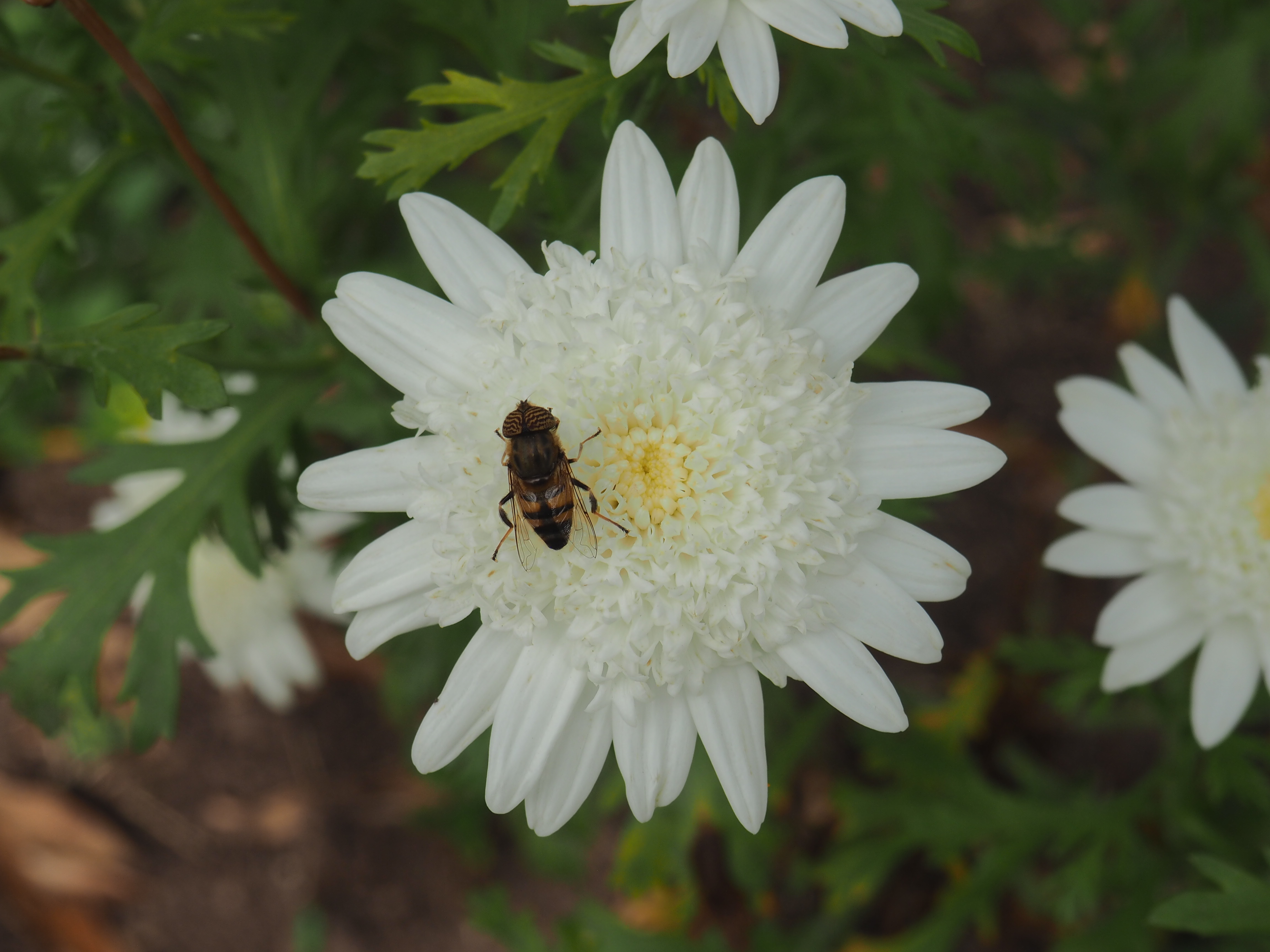
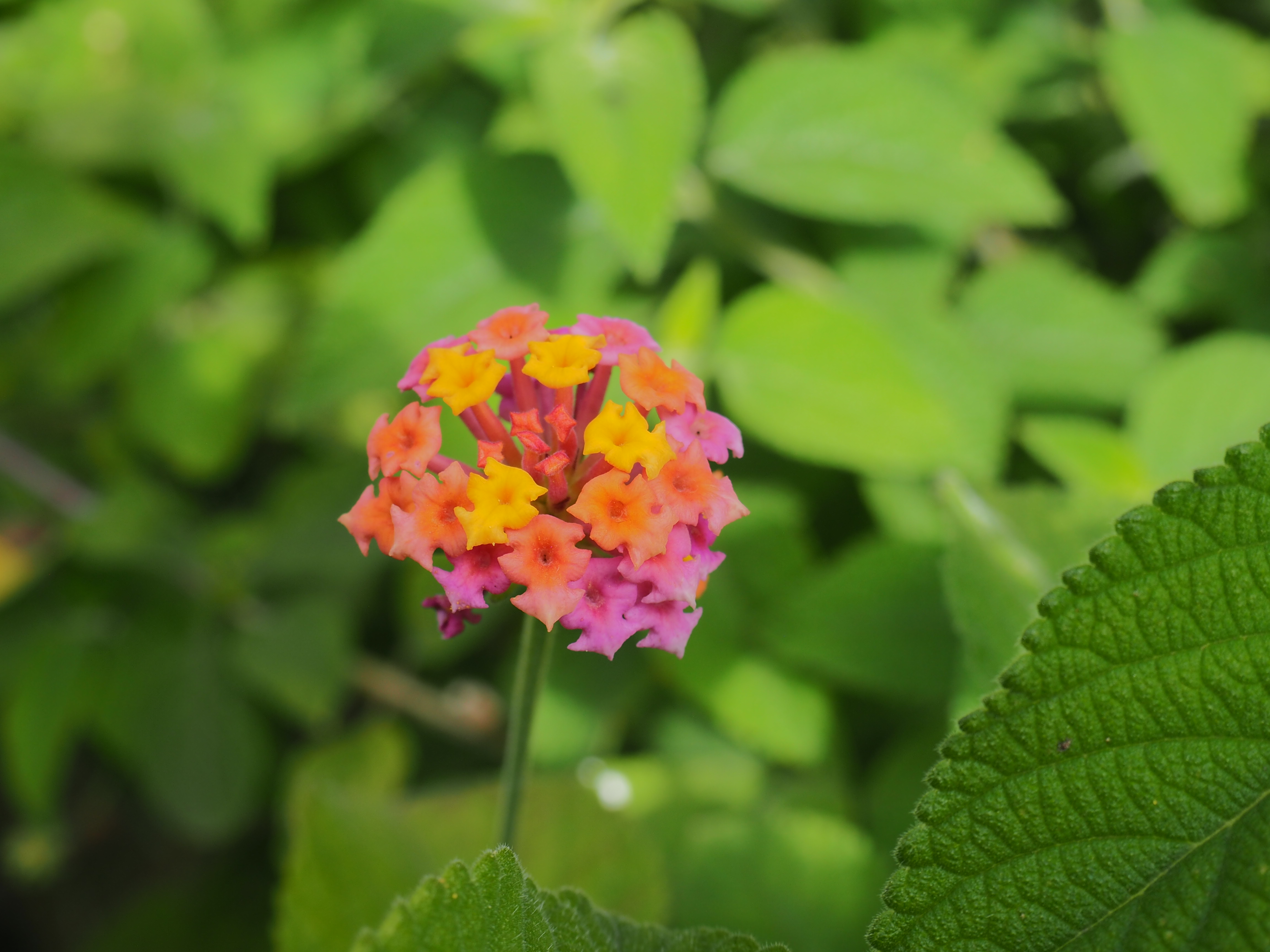
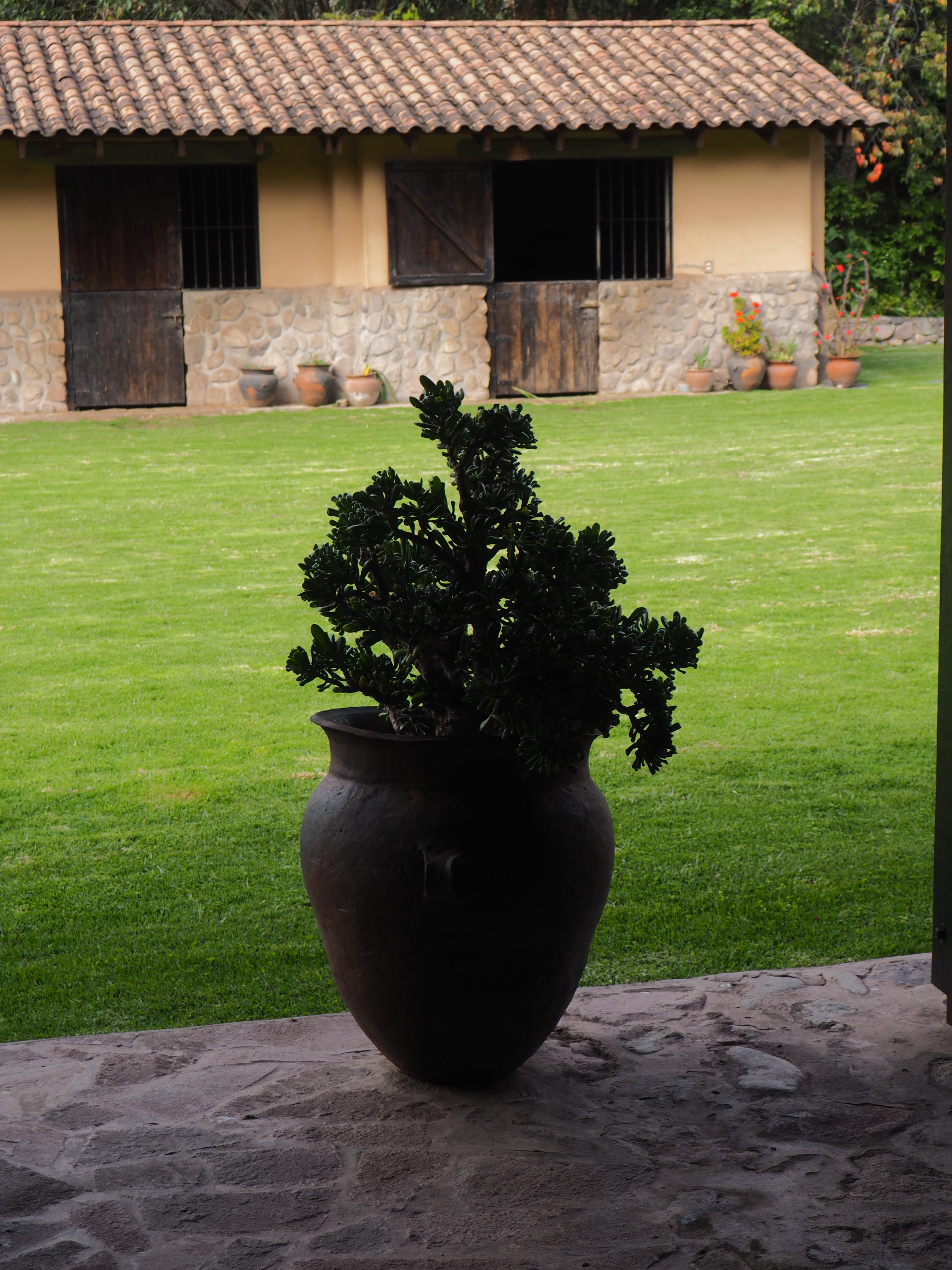
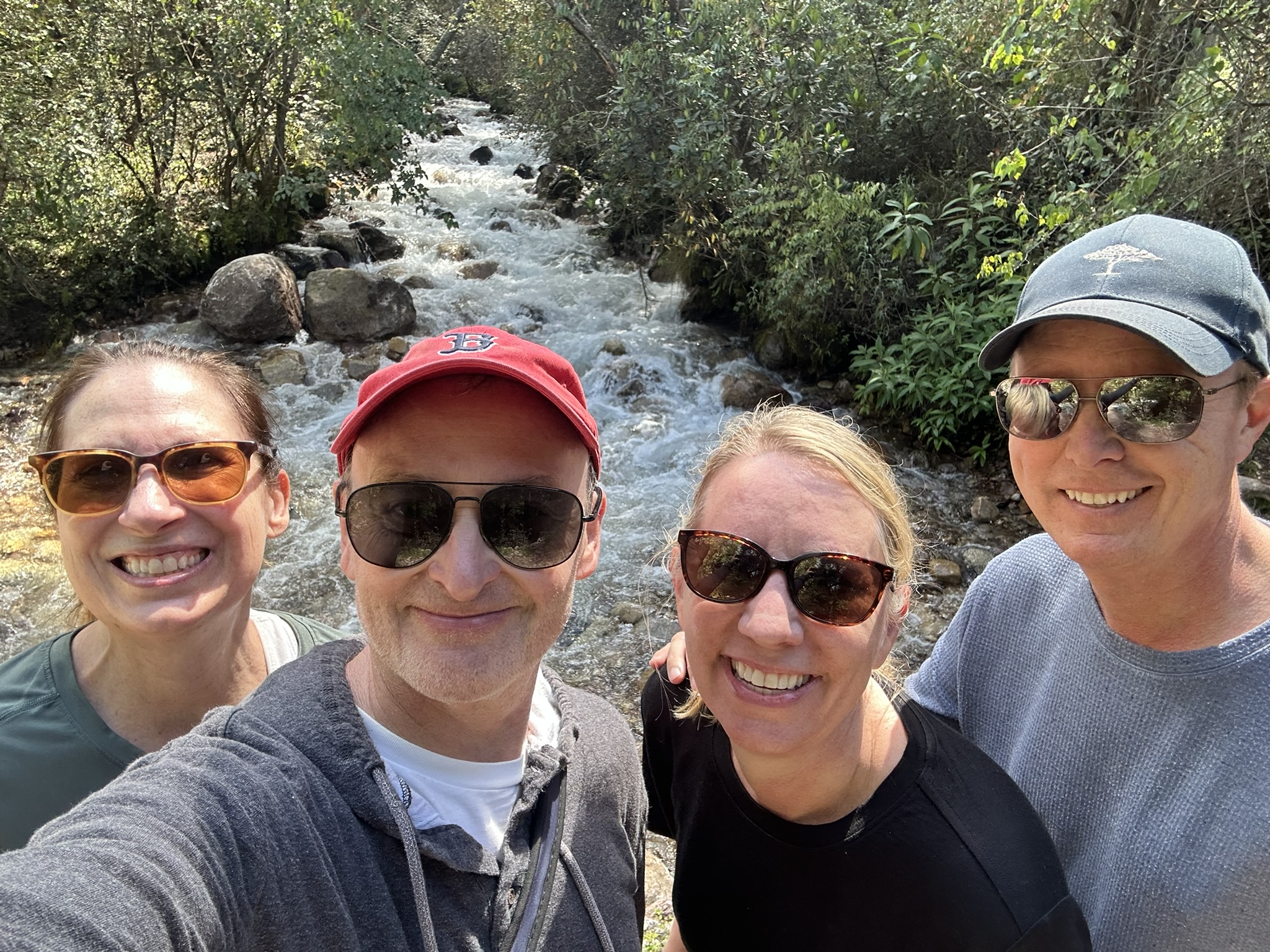
Our acclimation process seemed to be going swimmingly, so we drank some coca tea and chewed a few leaves for energy and headed out above the hotel through the village and farmlands of Ahuanmarca to a small wooden bridge over a waterfall on a tributary mountain stream that a local on a motorbike stopped to tell us about.
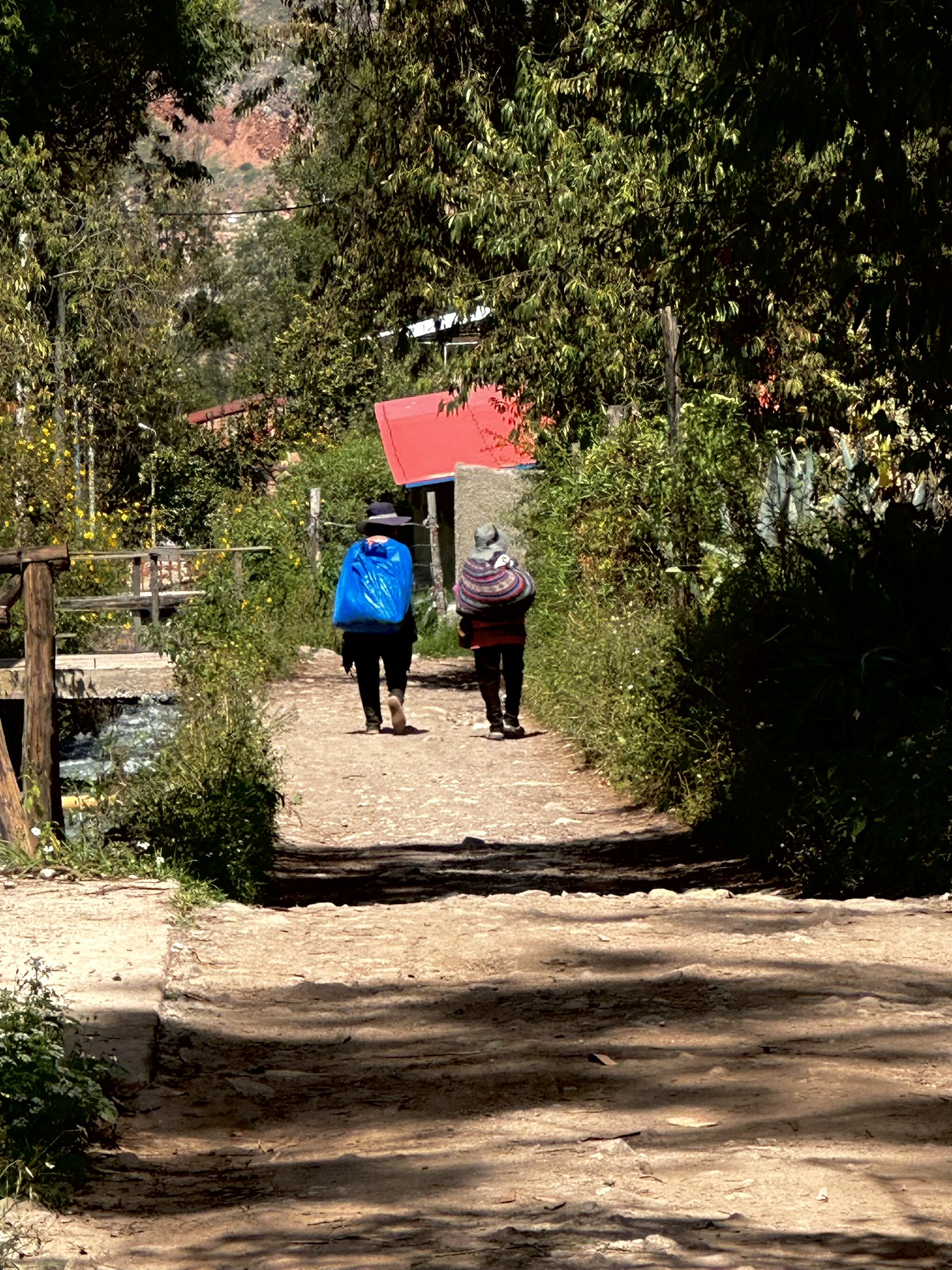
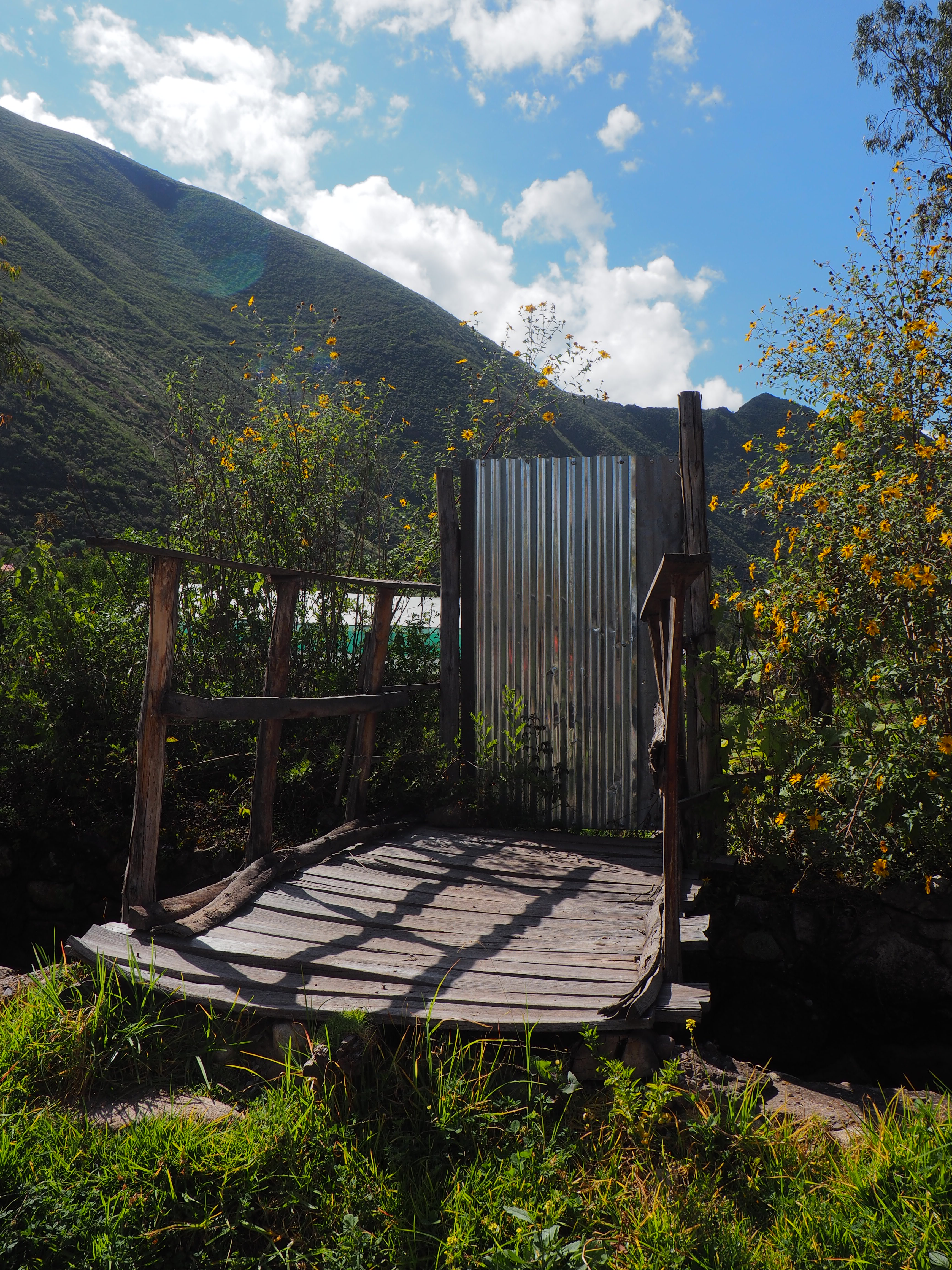
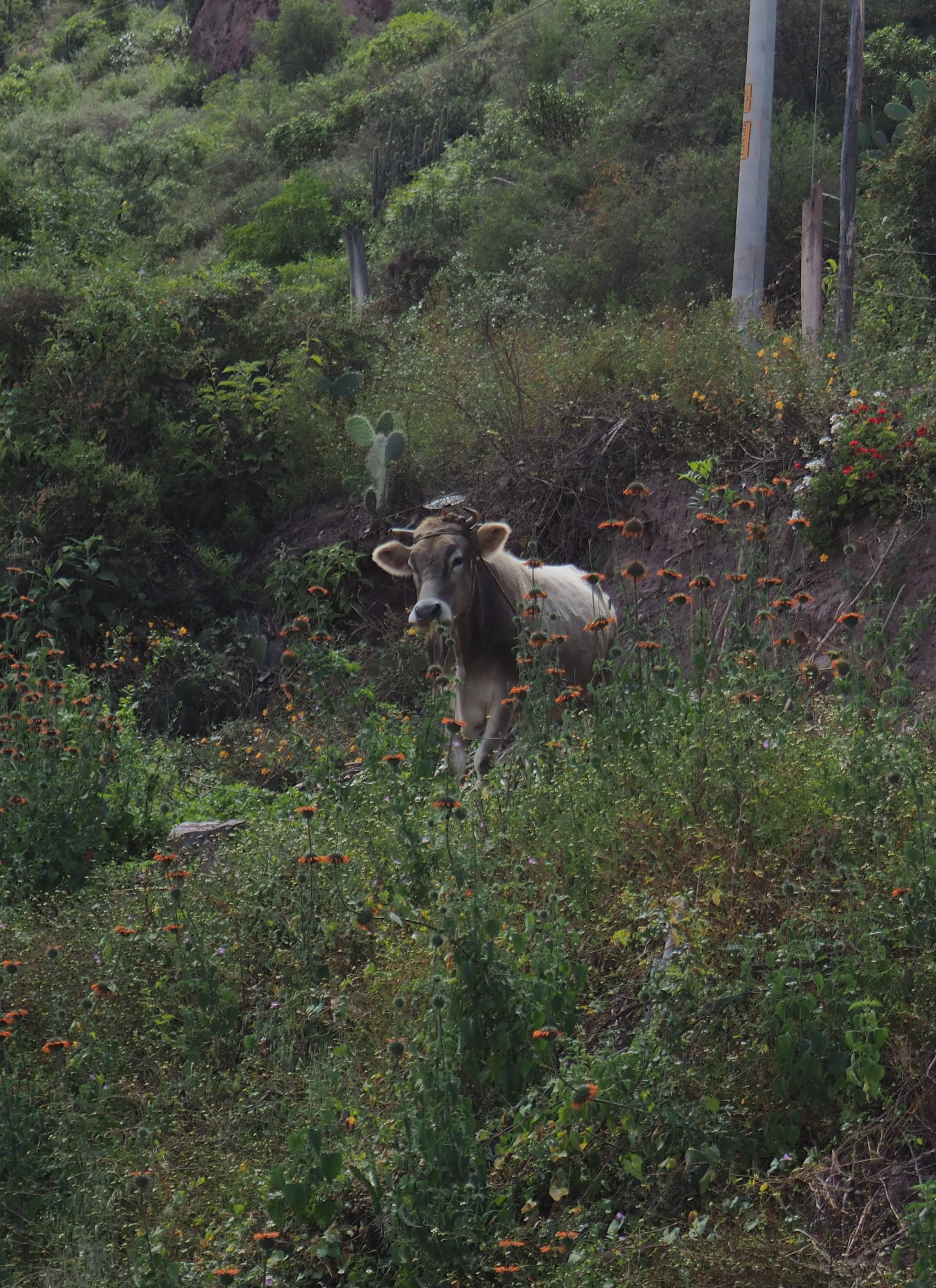
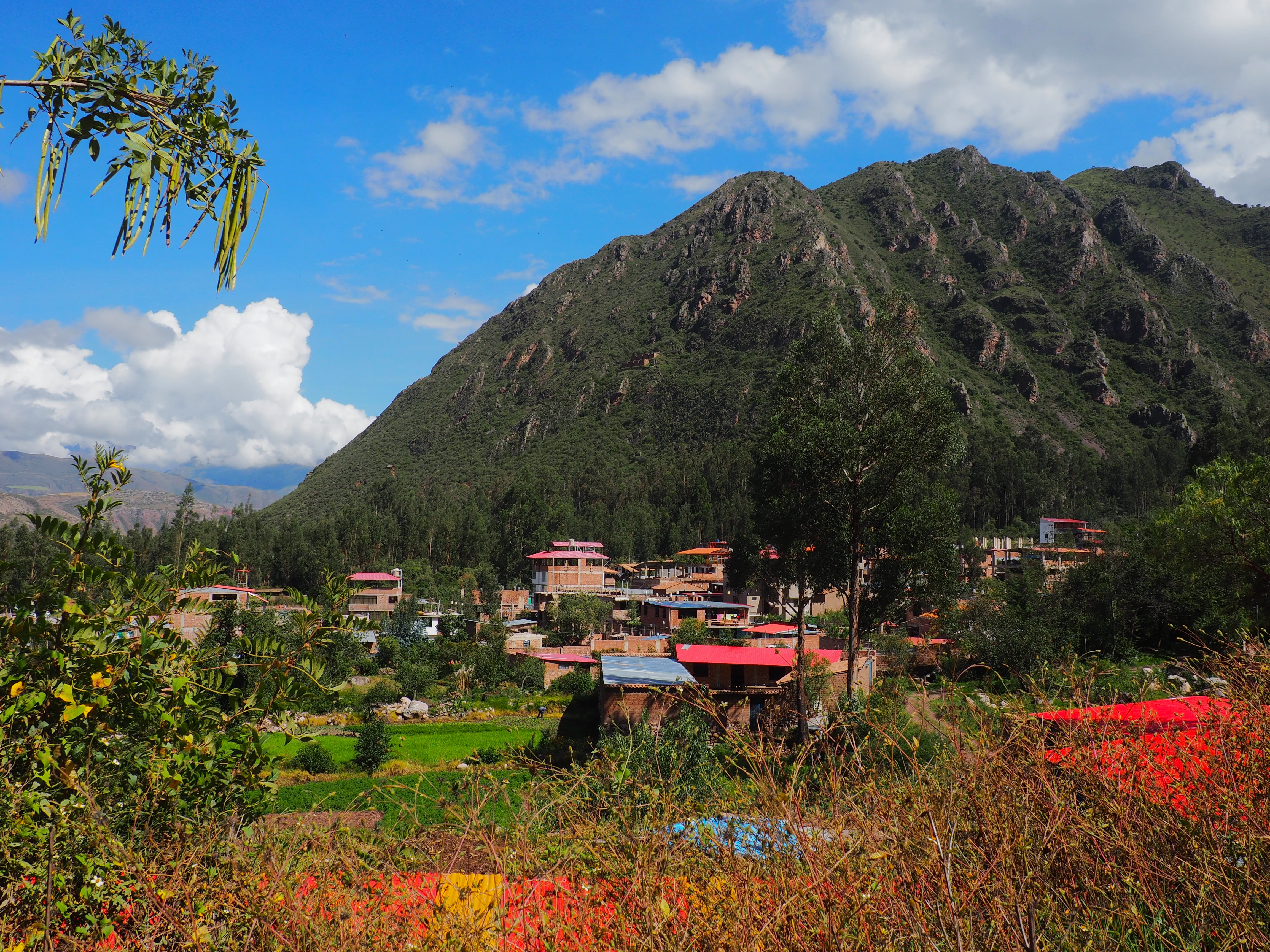
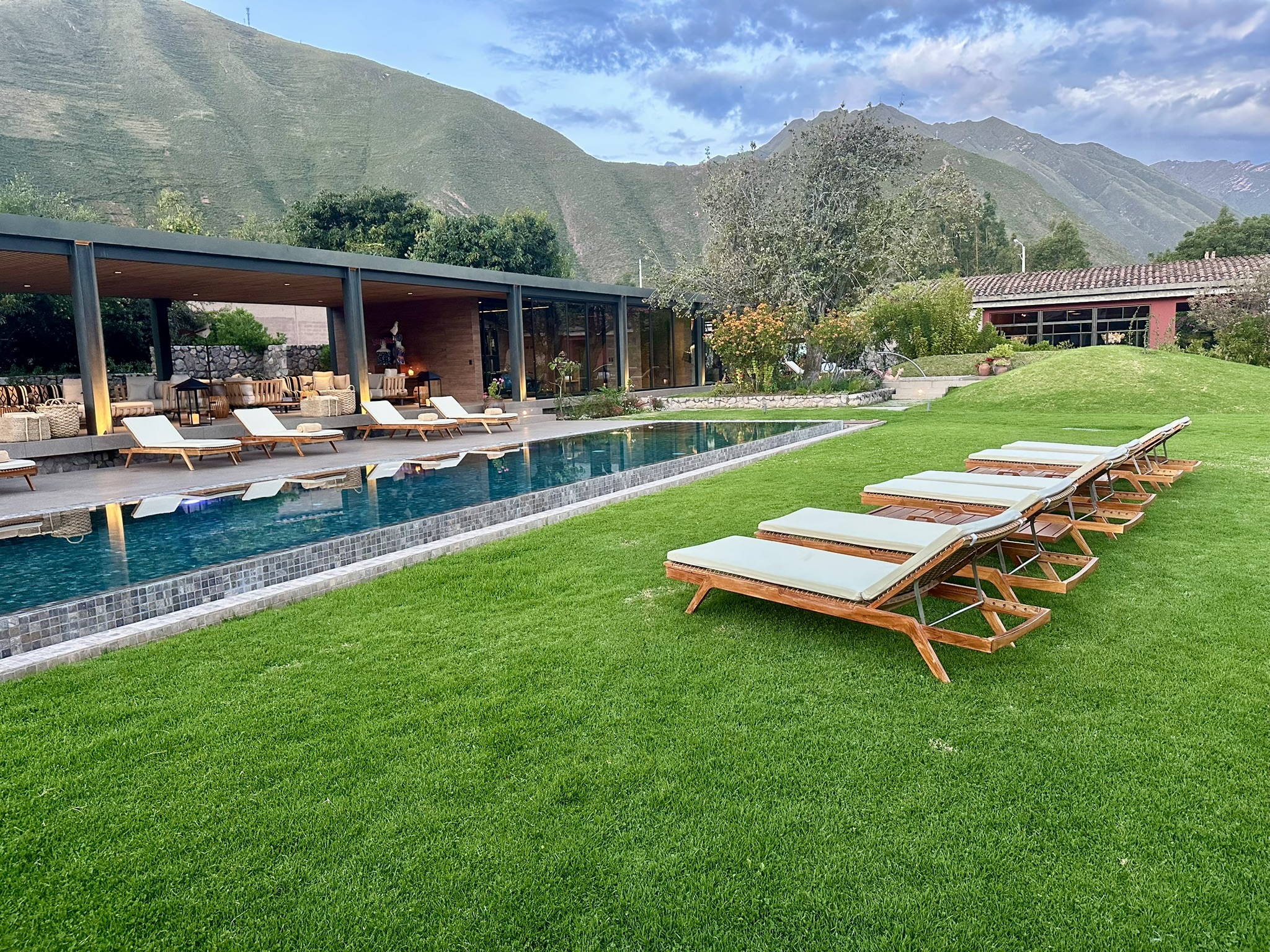
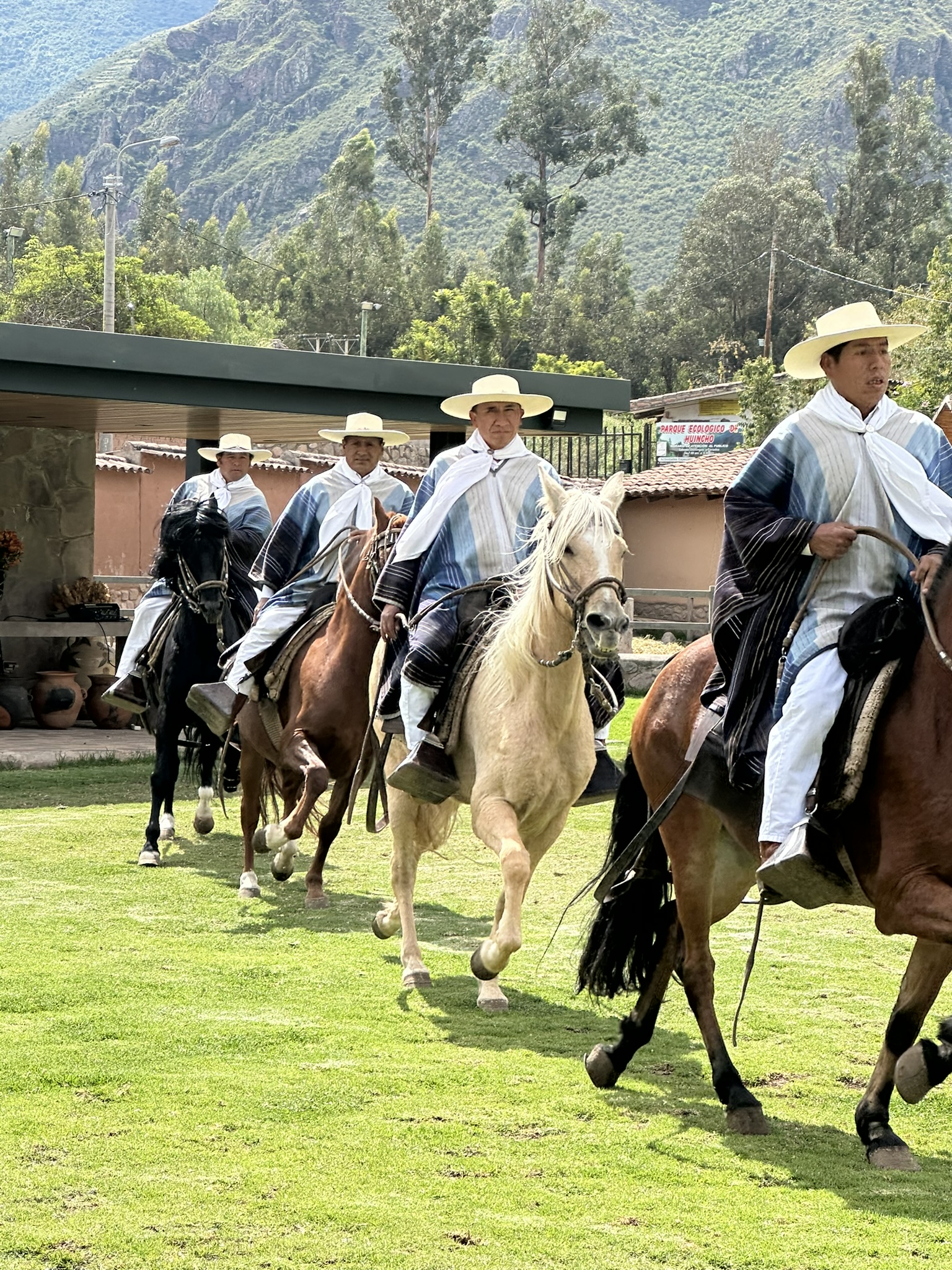
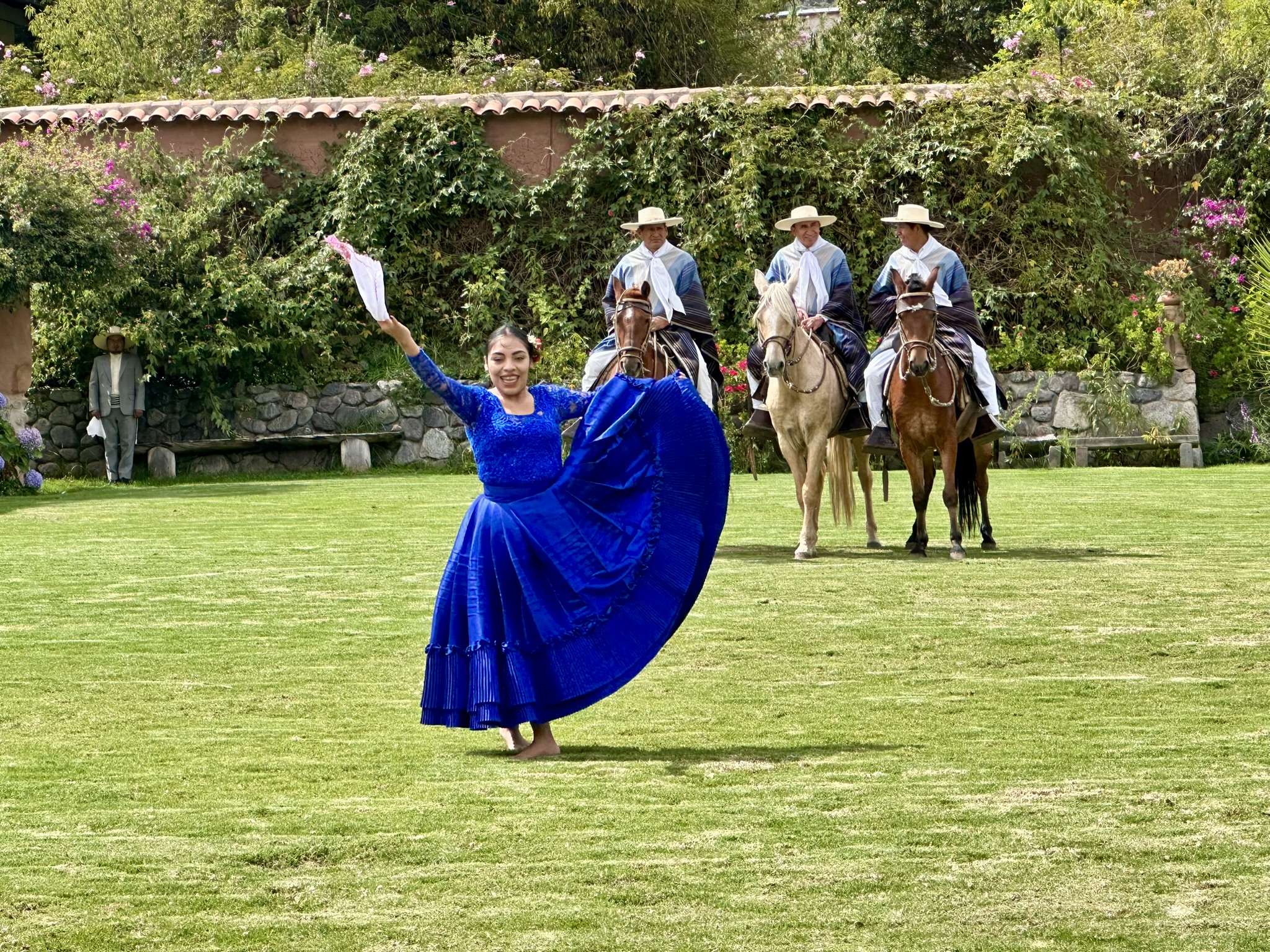
Not to push our luck, we spent the remainder of our down day poolside and watching a show of Peruvian horses at our hotel to continue our time and altitude adjustments.
Ollantaytambo. It was in Ollantaytambo (say that five times fast) that the Inca Emperor Yupanqui battled back the Spanish Conquistador Hernando Pizarro before retreating from the Sacred Valley and leaving it to the Spaniards. Ollantaytambo is also the gateway to Machu Picchu, and many start their journey to that most famous Inca city from its train station, but with a bustling market and the remains of an Inca settlement above, Ollantaytambo is worth a visit in its own right.
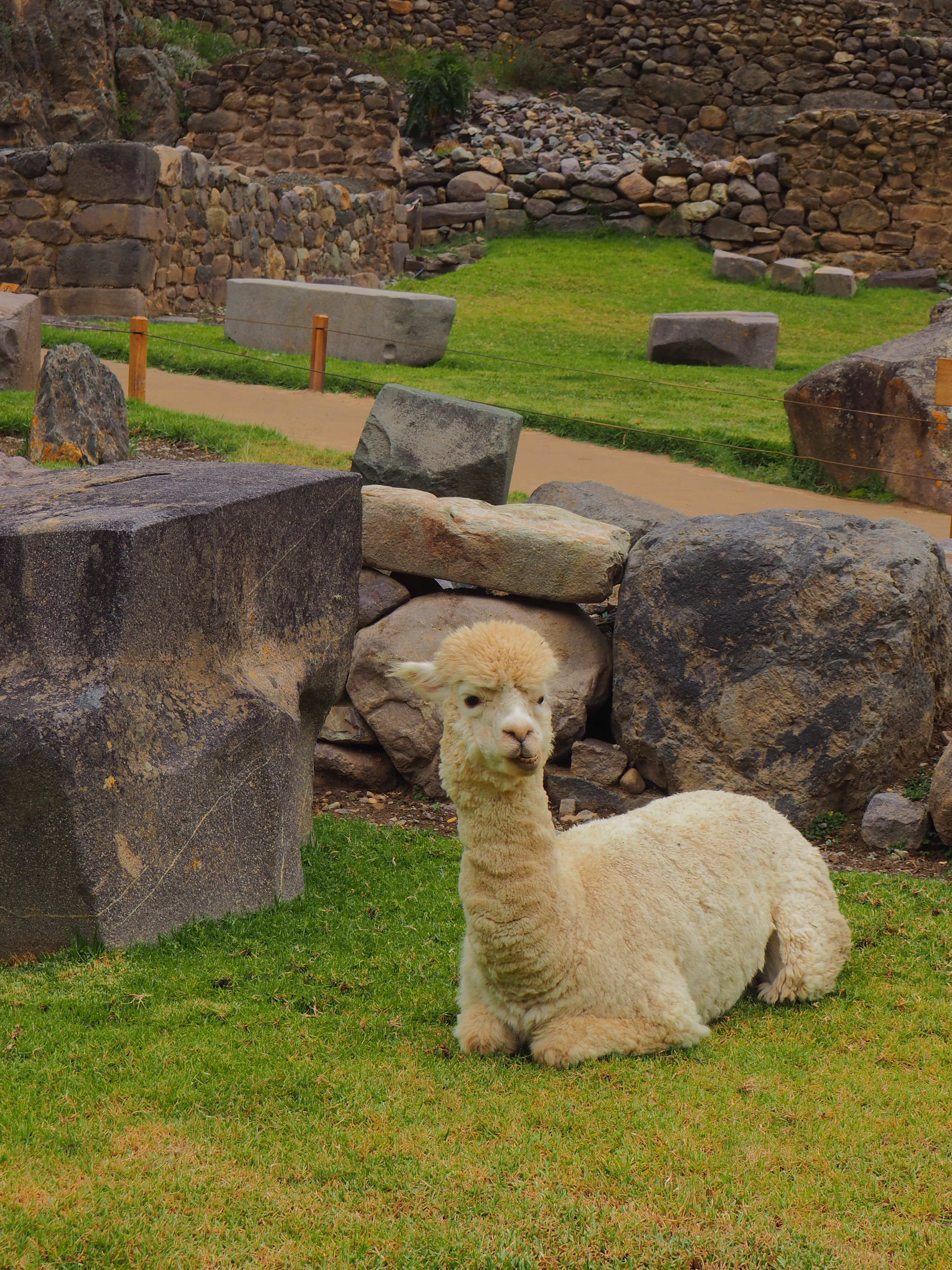
We arrived in Ollantaytambo as our last stop in the Sacred Valley before turning back for Cusco. Founded in the 15th century with farmland surrounding it, Ollantaytambo has some of the oldest continuously occupied dwellings in South America. It was a royal estate of the Emperor Pachucuti after the mid-15th century. The Temple to the Sun was never finished, as the Spanish Conquistadors took the town before it could be completed, but the Inca built an impressive system of ramps and rollers to move massive granite and limestone boulders from the surrounding mountainsides up the hill to build the citadel and temple. This task made all the more impressive because they were all done by man as the largest pack animal the Incas had were llamas who max out their carrying ability at around 100 lbs or less.
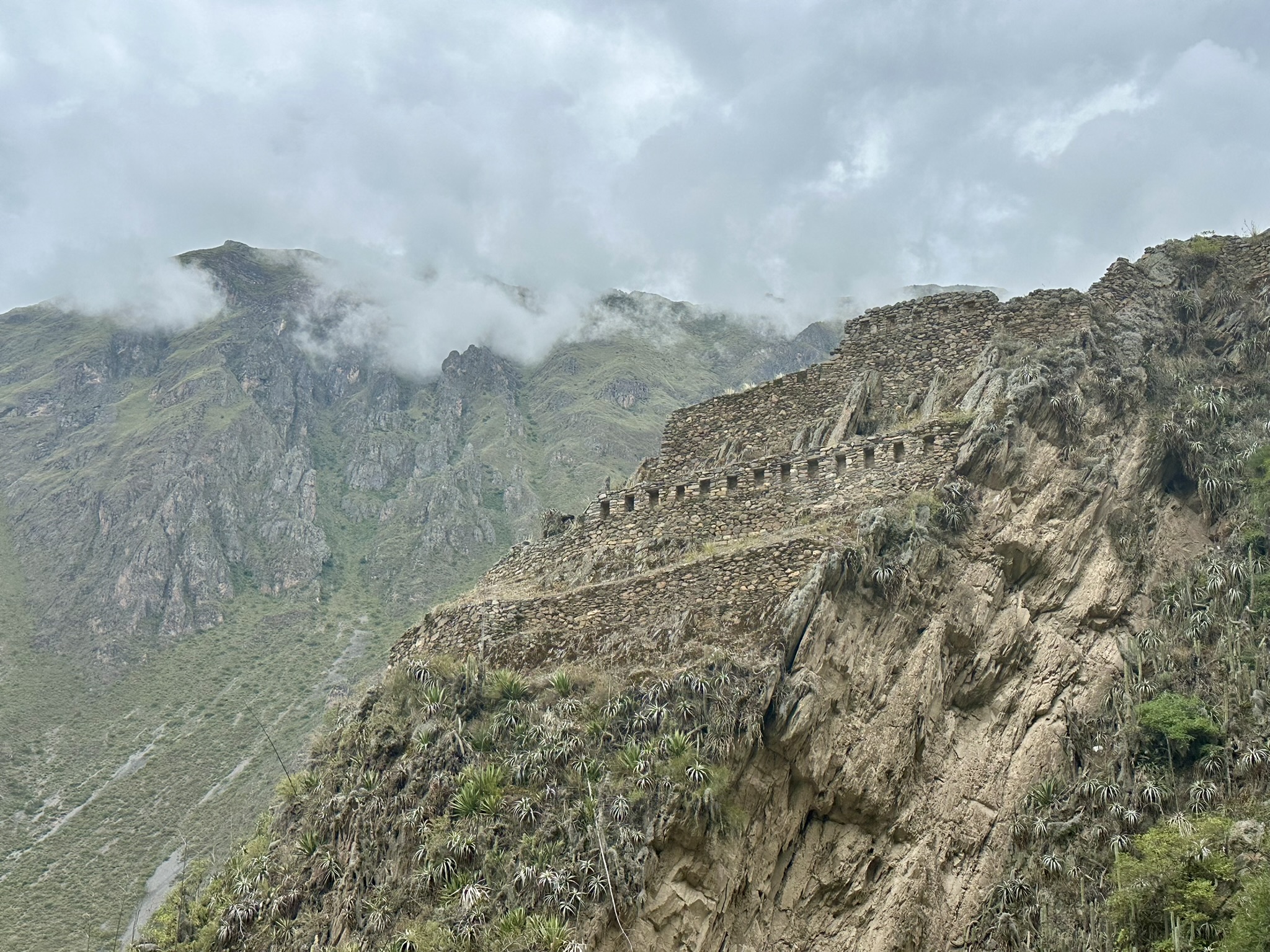
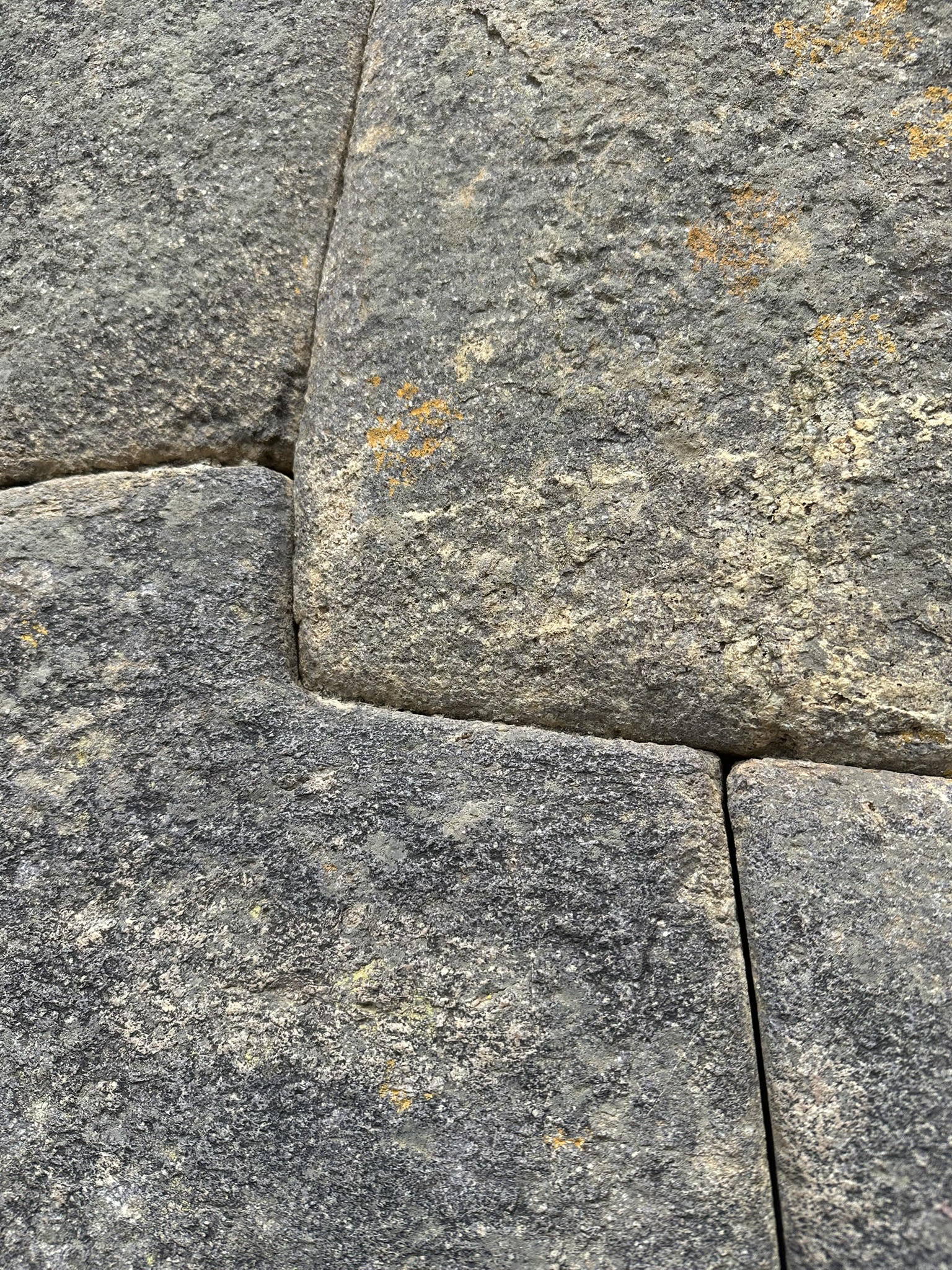
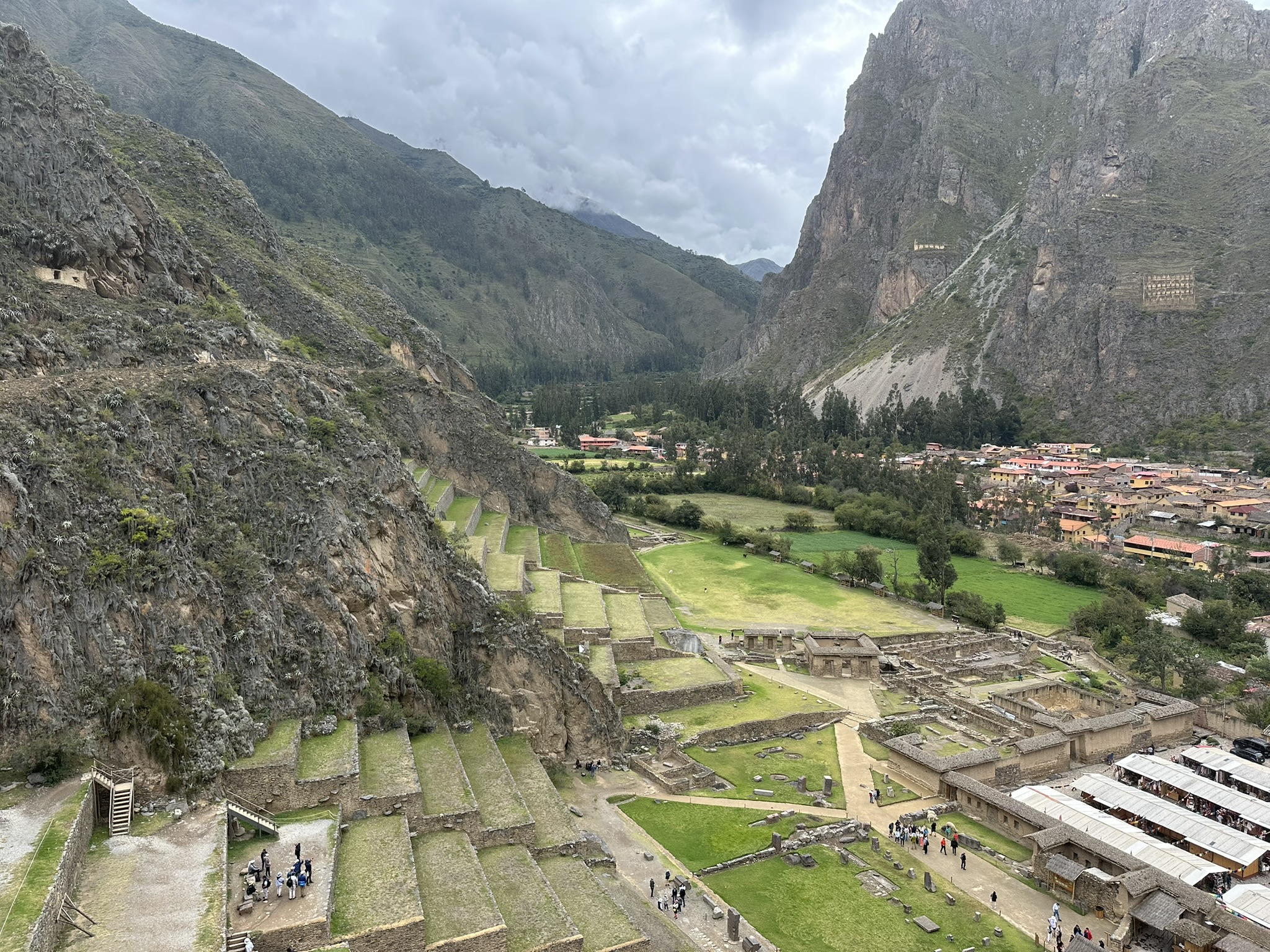
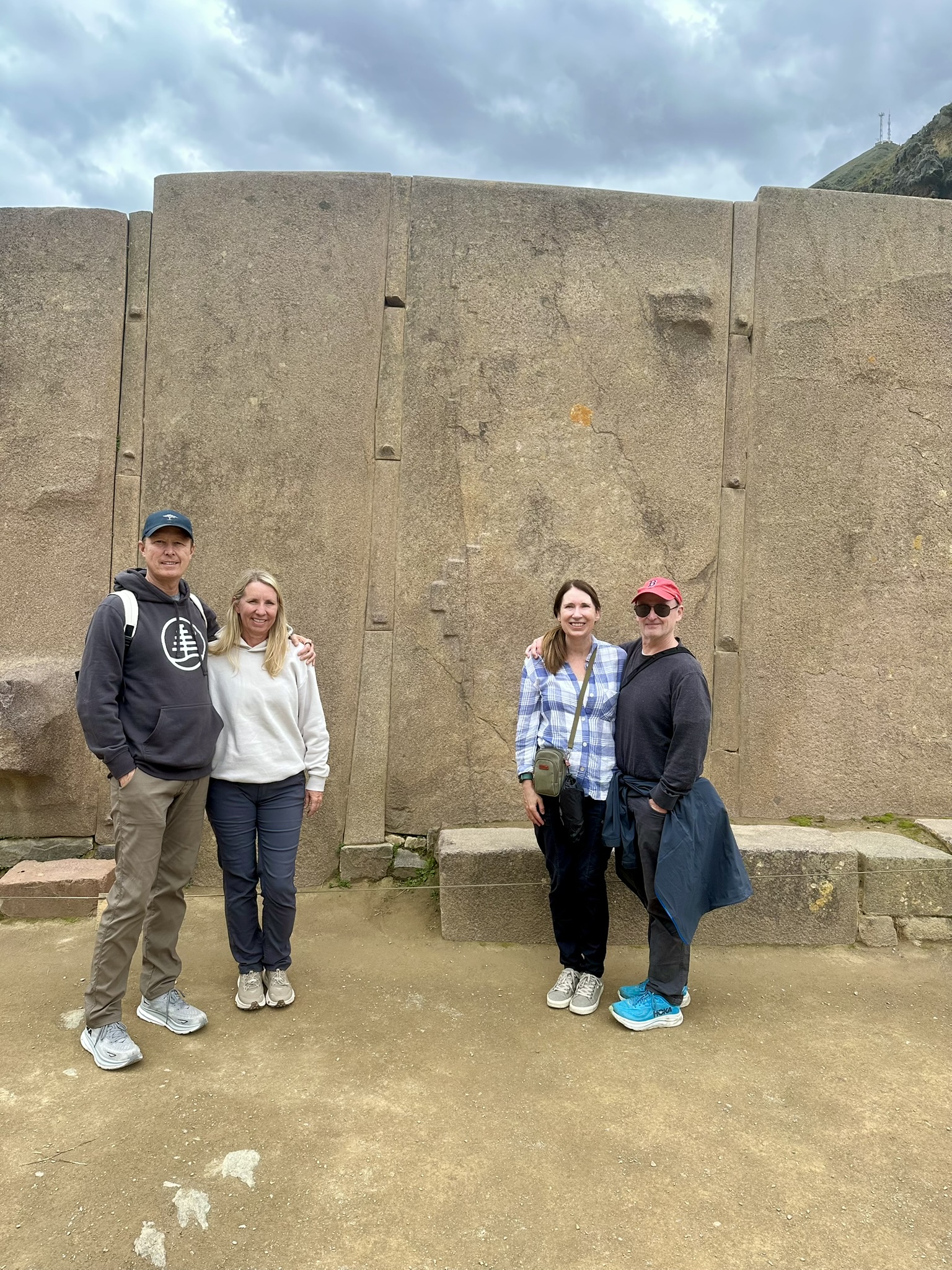
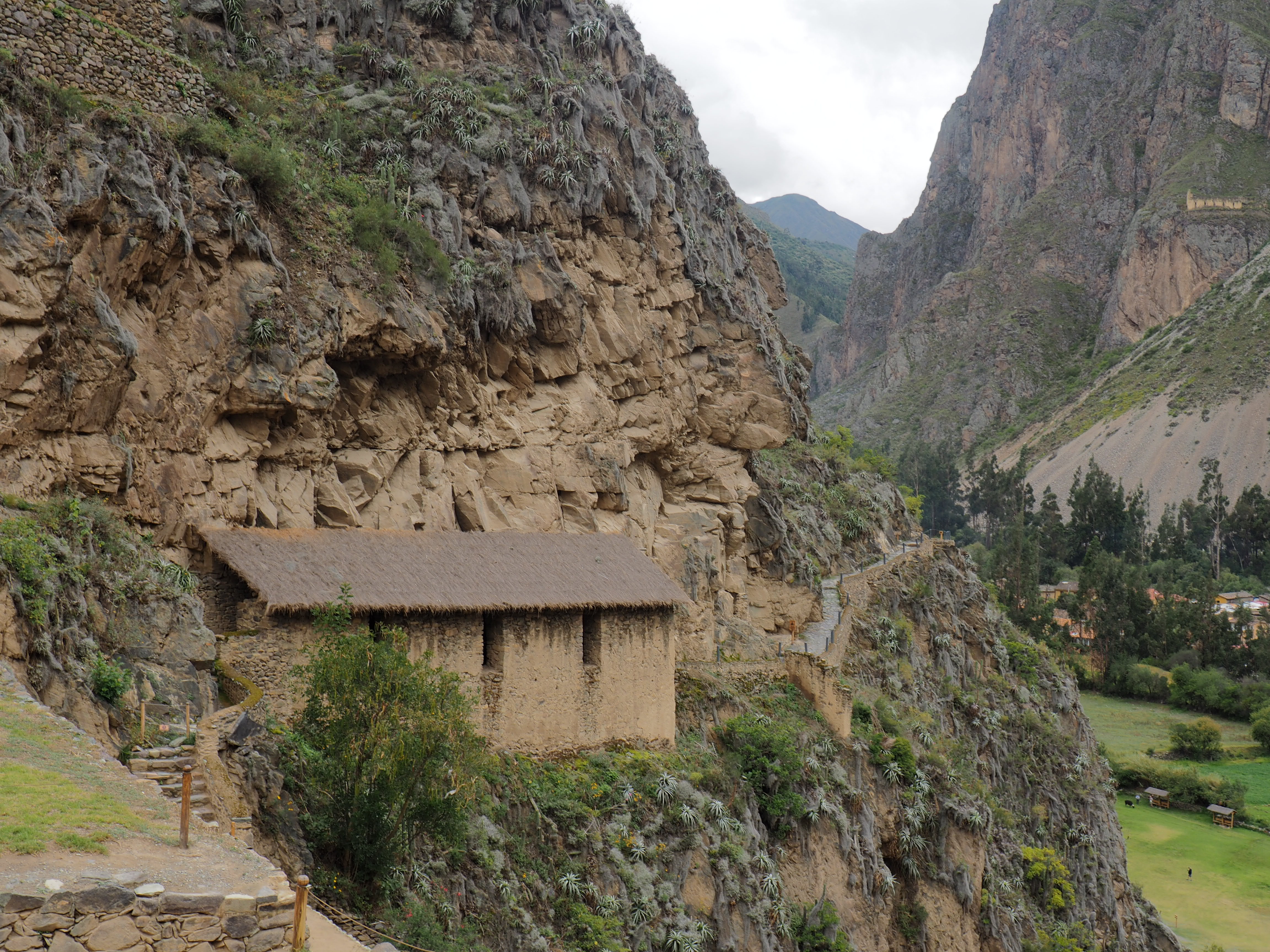
We strolled through its market, me not able to resist a baseball cap with an alpaca on it and then climbed the 260 steps to the top of the settlement, unlike the Incas sans boulders, to admire the stonework and engineering and marvel at the capabilities and ingenuity of the Inca. As you look out across the valley, terraces built for planting are visible and up the hillsides are “colcas”, built high above the valley floor clinging to the cliffs. Colcas were used by the Incas to store food and weapons raised up high to protect their stock from floods, weather, winds and other people.
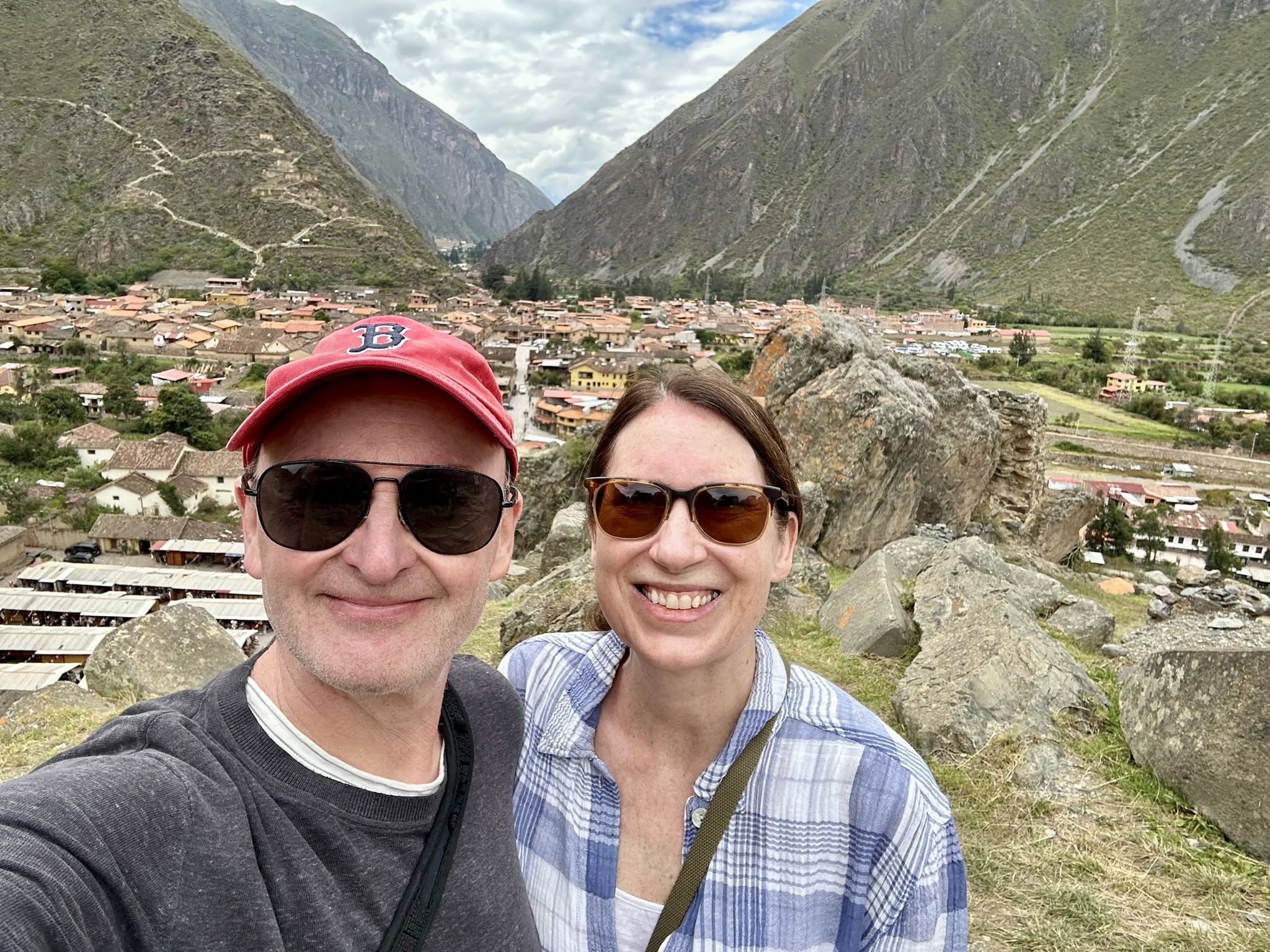
Ollantaytambo is named for General Ollantay. Tambo means resting place. As the story goes, the General fell in love with, Kusi Quyllur daughter of Inca ruler Pachacutec. Pachacutec forbade the two to marry and expelled Ollantay from the court, imprisoning them both. Ollantay summoned his troops who freed him. Believing that his lover was murdered instead of being imprisoned in the Acllahuasi (house of the chosen women) to expiate for her sins, General Ollantay fled Cusco and settled in what is now Ollantaytambo. Kusi gave birth to their daughter while imprisoned. Despite his efforts, Pachacutec was unable to defeat Ollantay in subsequent battles and died with the former General still at large. Years later, Ima Sumac, daughter of Ollantay and Kusi, petitioned the new ruler Tupac Yupanqui to forgive her mother. He did and also pardoned Ollantay even restoring him as a General and deputy ruler and the couple were reunited and wed.
And with that happy ending, we took our leave of the Sacred Valley and headed across the high plains towards Cusco.
Sources:
- Belmond tours of Sacred Valley. April 2026.
- https://www.ticketmachupicchu.com/why-is-it-called-sacred-valley/
- https://en.wikipedia.org/wiki/Sacred_Valley
- Ollantaytambo – Wikipedia
- Ollantay – Wikipedia


Sounds like such an amazing trip. Reading about the culture and history is also really interesting, would love to visit Peru one day!
LikeLike