

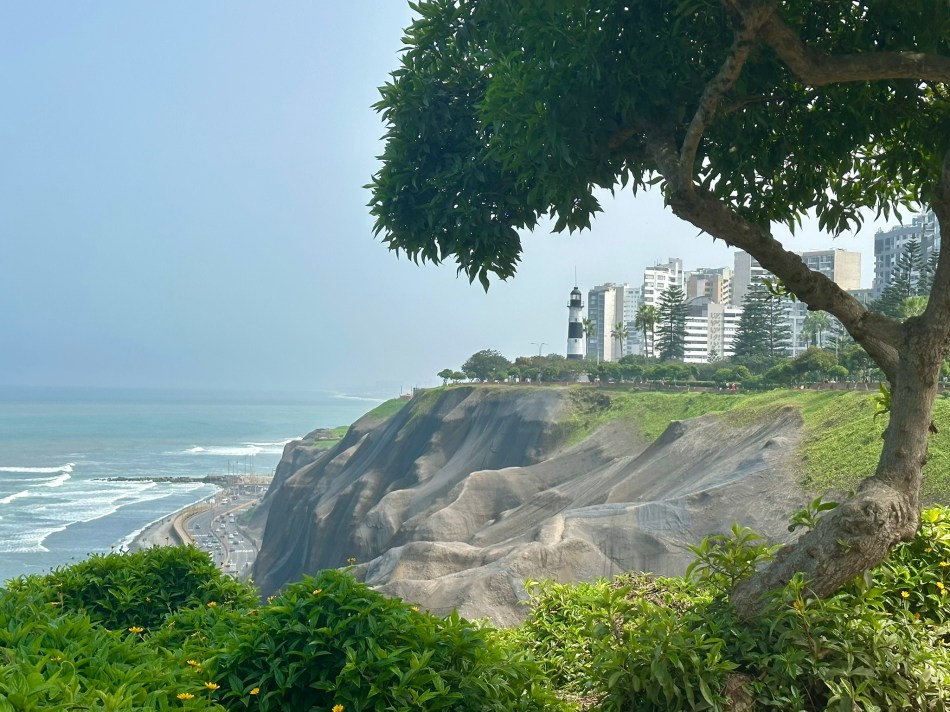
Lima, Peru’s largest city, is where we began (albeit just for a night at the airport hotel) and ended our tour of Peru. I’ll admit, other than Machu Picchu and Lake Titicaca and maybe some reports about the being careful and crime rates in Lima (though while writing this post I googled and found several sources which didn’t even list Lima in the top 10 or 20 most dangerous or highest crime cities, several cities in Venezuela, Mexico and Brazil, New Orleans and Memphis all outpacing Lima), we knew next to nothing about Peru. Before arriving, I wanted to read about Peru and googled some options. Two rose to the top: a non-fiction book called The Last Days of the Incas, and a fictional (semi-autobiographical) story called Conversation in the Cathedral by Peruvian author Mario Vargas Llosa.
Having read Love in the Time of Cholera and One Hundred Years of Solitude by Gabriel Garcia Márquez, we were familiar with some of the challenges of reading South American authors, namely all of the characters have several names – titles, nicknames, family names, proper names. In Conversation, this is true as well. It took me several hundred pages to keep everyone straight. But, in the end, I really enjoyed the book, and I’ll admit, I impressed a few tour guides with the fact that I’d made the attempt (which was not my goal in the first place). In the novel, the main character’s family lives in Miraflores, an upscale neighborhood by the ocean on the southern end of the city, and it made me realize that our hotel, also in Miraflores, for our final night in Peru was going to be nice.
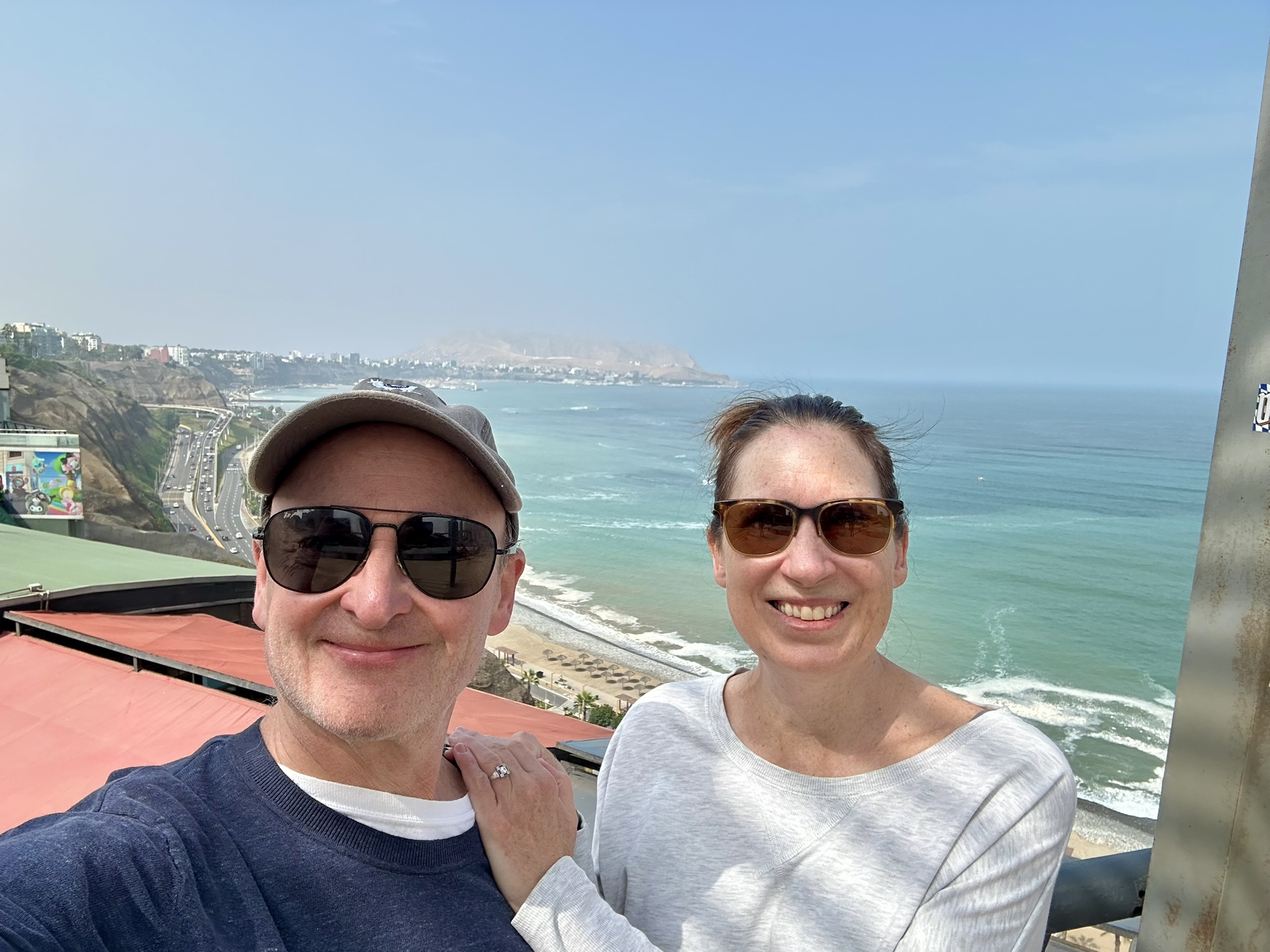
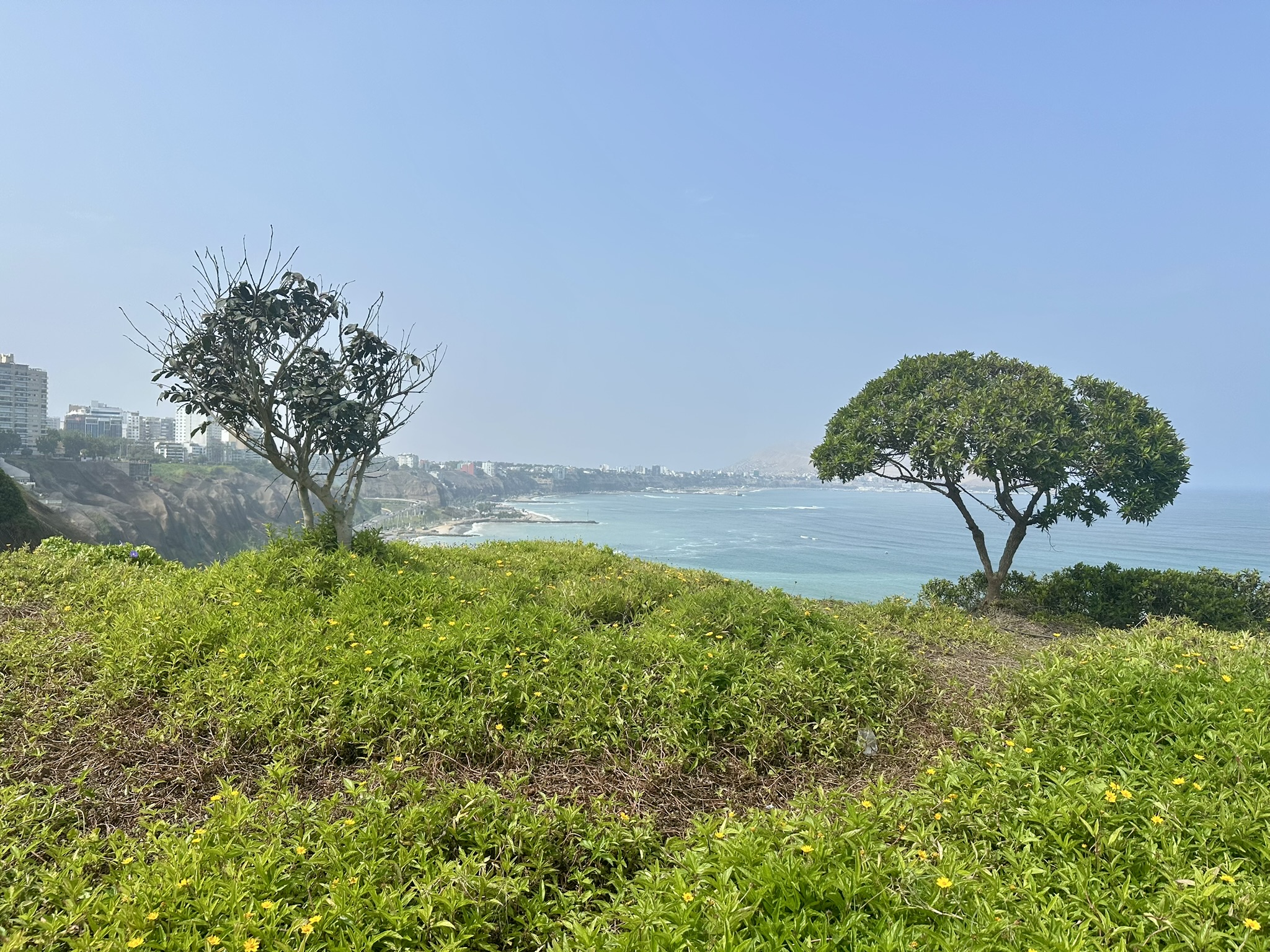
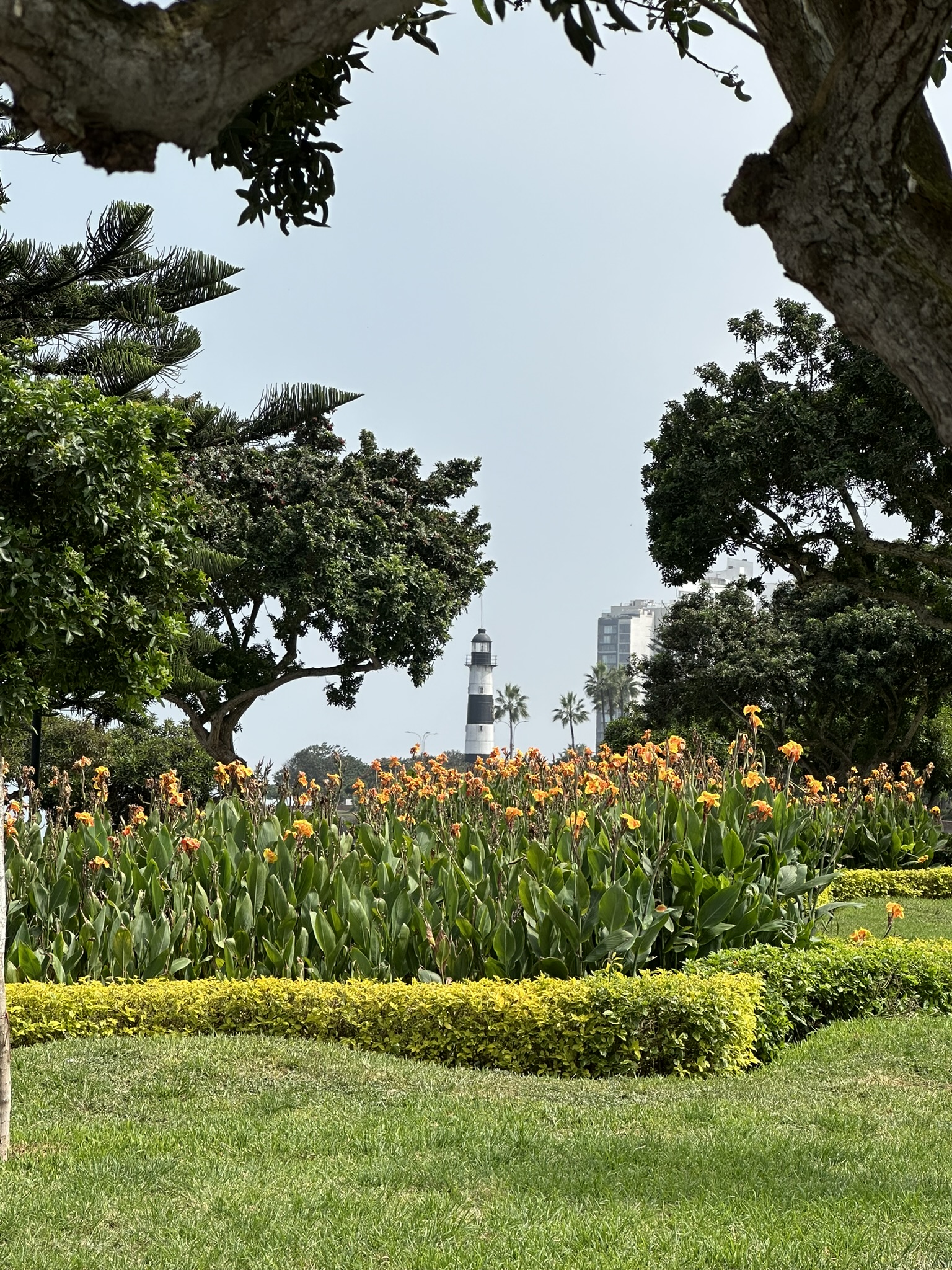
We had one final day in Peru to explore Lima, and our tour company had organized a guide to take us around. When she collected us at the hotel, she asked if we wanted to visit a pre-historic site or a convent. She said that this site was different from the ones we’d seen, and we’d just visited the Santo Domingo Convent in Arequipa (a really fabulous one, by the way), so we elected the pre-historic site. Boy were we glad we did.
Museo de Sitio Pucllana. We learned that our tour company does not include this site on the published itinerary for a reason and that reason is that it isn’t always open to the public. It is an active excavation site and so they don’t want clients to be disappointed if they cannot visit. Fortunately for us, the site was open for exploration on our one day in Lima.
Today, it is believed that this site was one of religious significance. It pre-dates the Incas and since there is no written history from the pre-Inca times, archaeologists, scientists and historians have to make lots of educated guesses and assumptions.
The “pyramid” here is not a perfect triangle. It had a flat top. There were no corridors and chambers inside. It is believed that height was created to perform religious ceremonies, and they would add levels and layers to the tower over time. Sand, water and seashell powder were used to form the blocks and mortar to create the structures. The structures themselves are referred to as a “bookshelf”, which is how they appear, with books tilted and leaning in various directions providing support. The spaces between the “books” provided shock absorbers for earthquakes. Structures like this in Peru date back to about 3,000 BC but archaeologists have dated this one to about 600 AD.
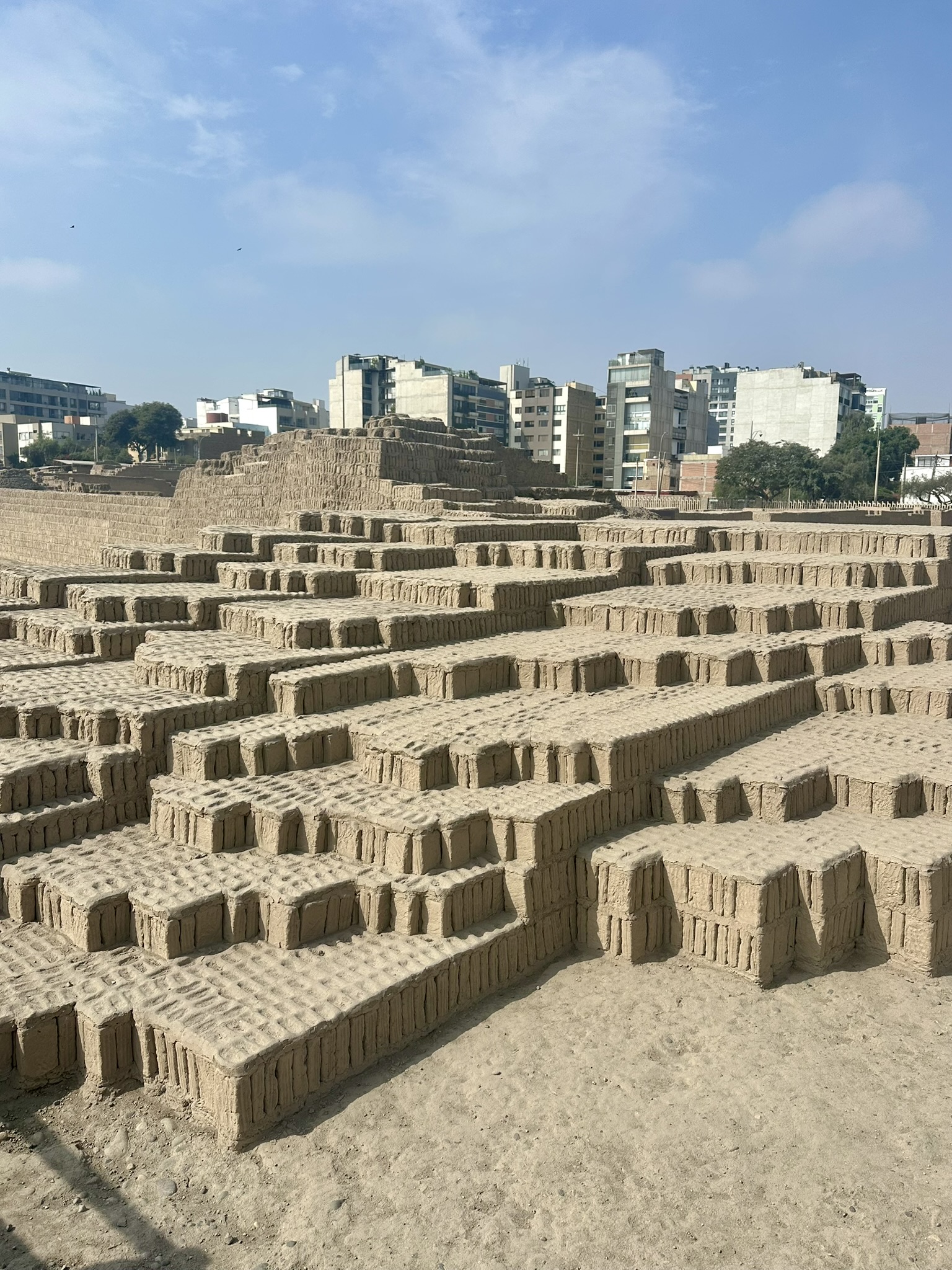
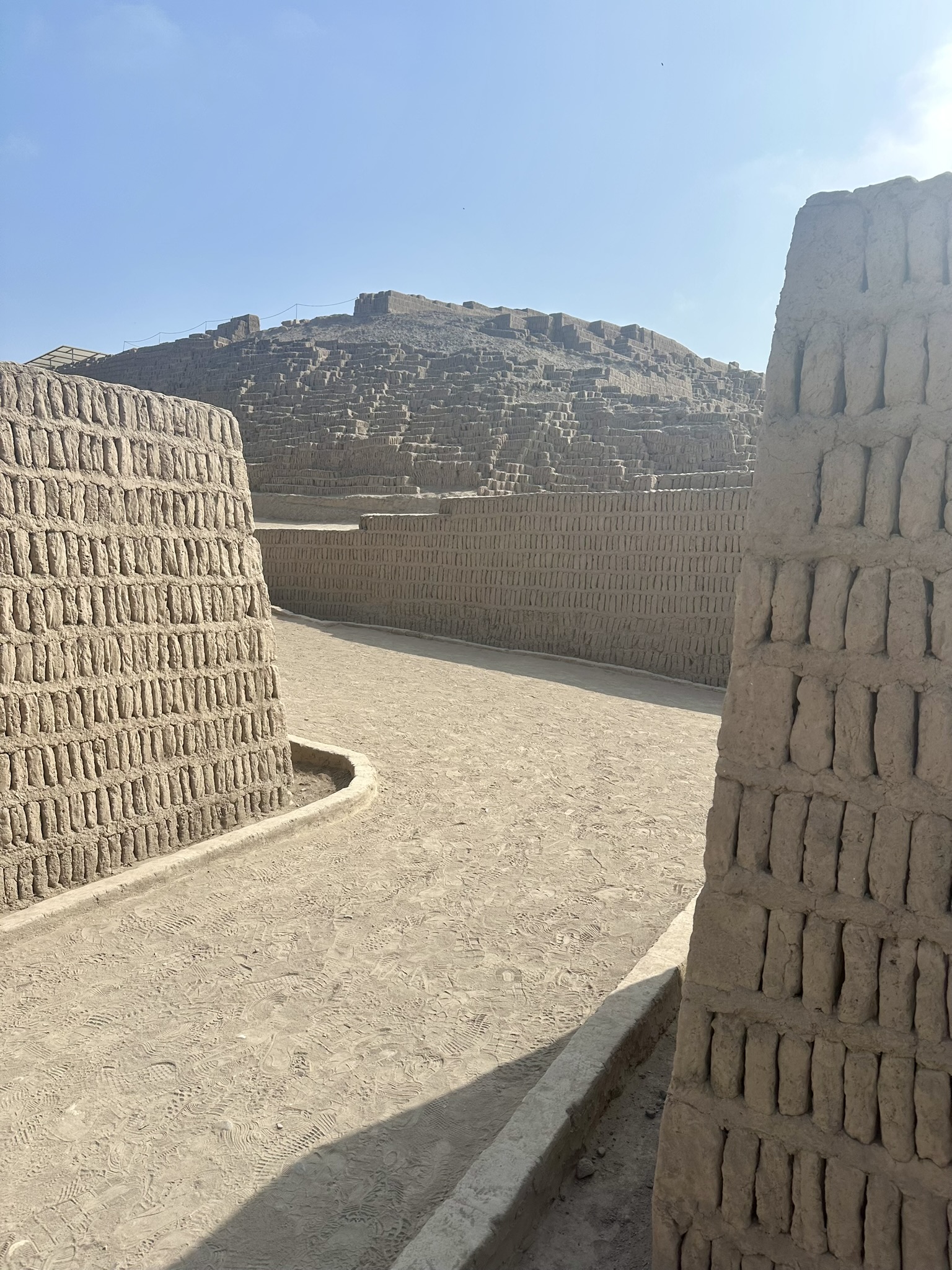
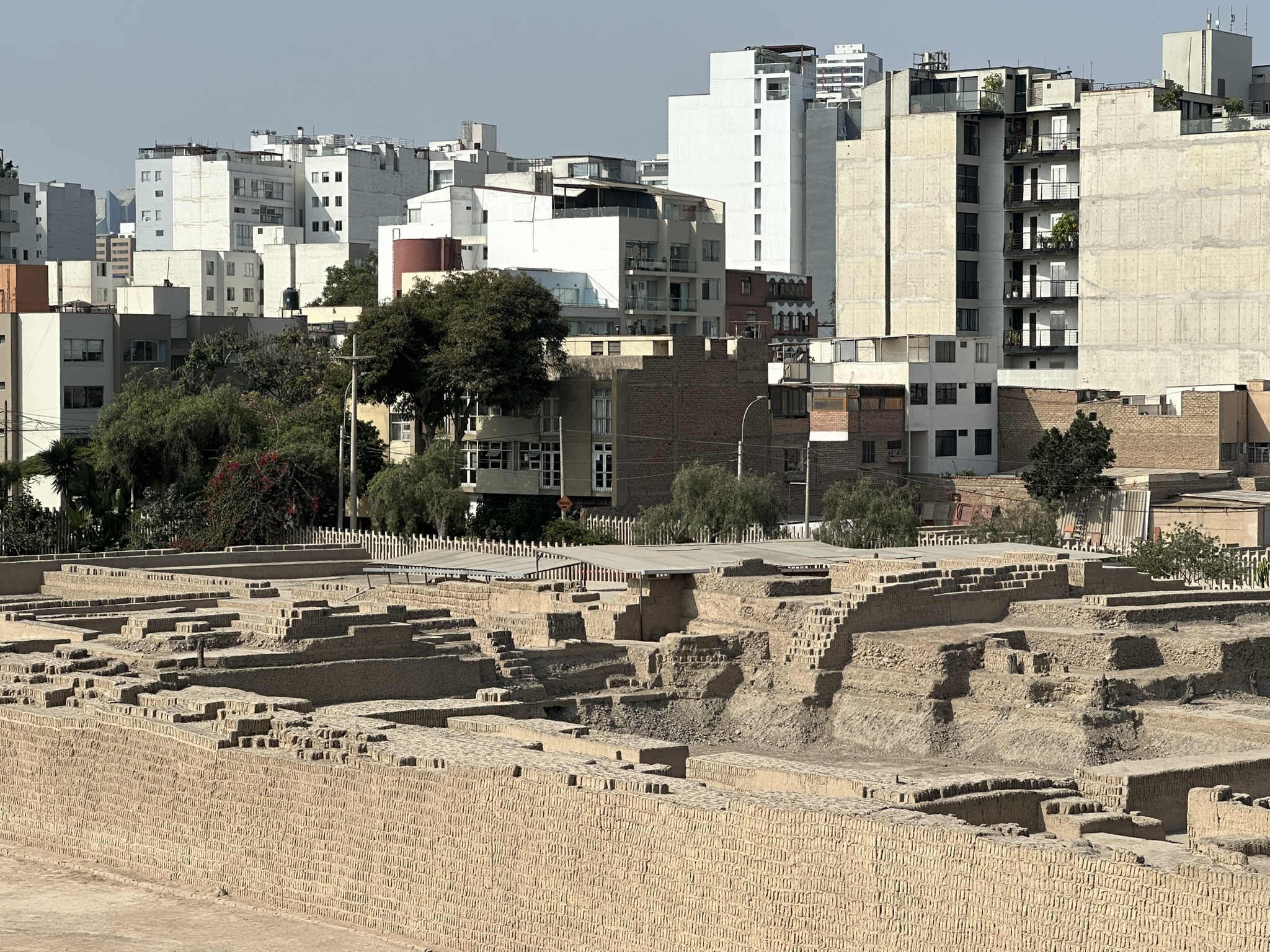
They believe that the religious leaders of the people lived here and that farmers and migratory people would come to work and “lend their time” to the society. These people, they believe, worshipped the sea and the sea creatures. There is also evidence of human sacrifice of young girls, who they believe were wealthy due to their taller stature and evidence of nutrition in their bones and who had already given birth multiple times (virginity was not a revered quality).
When the Wari people, who predated the Incas, came to rule the area, they used these pyramids as burial grounds. Bodies wrapped in leaves and ropes have been discovered. The Wari didn’t bury people this way in the mountains but did so here. An unsolved mystery, but excavation continues.
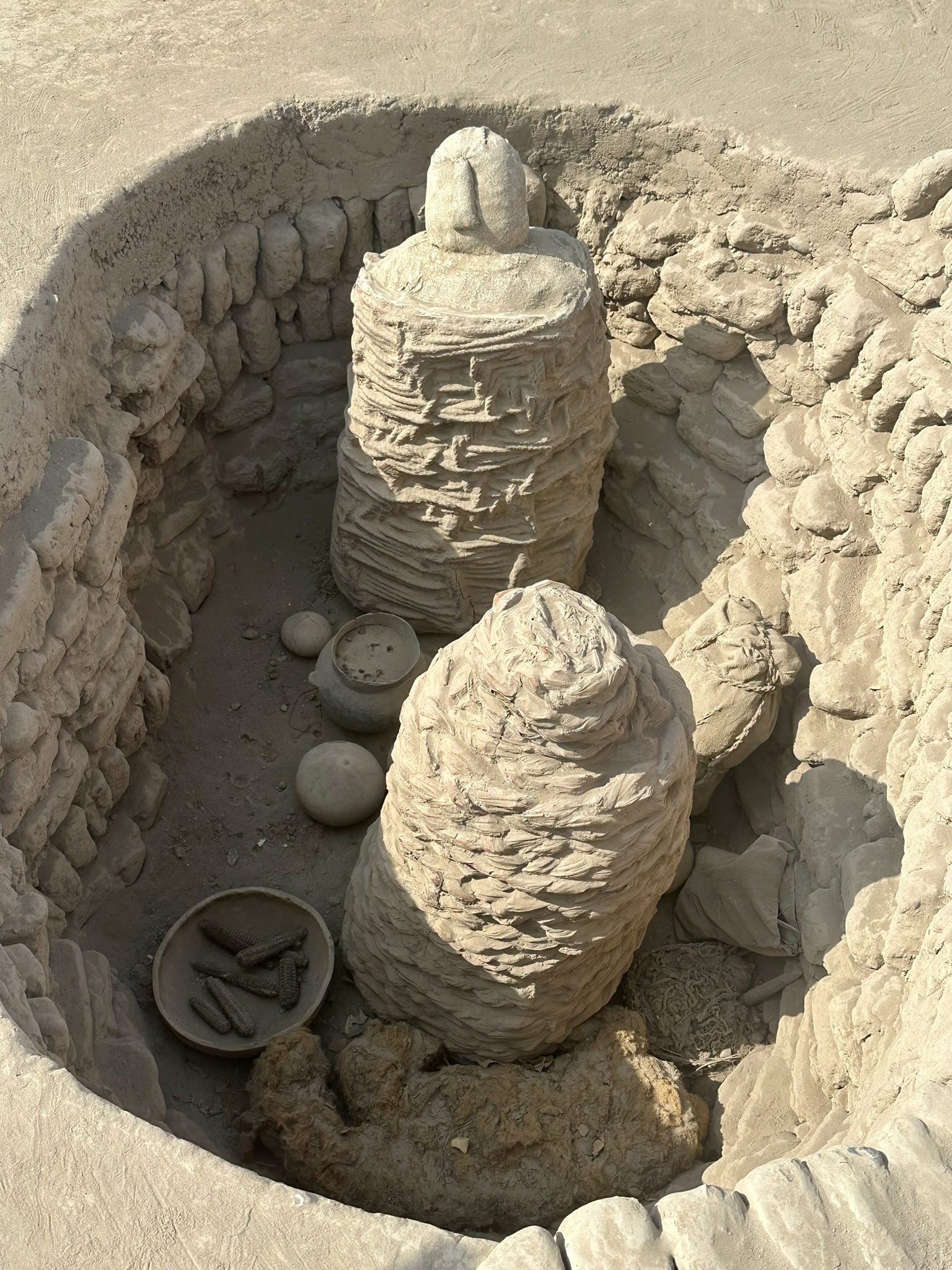
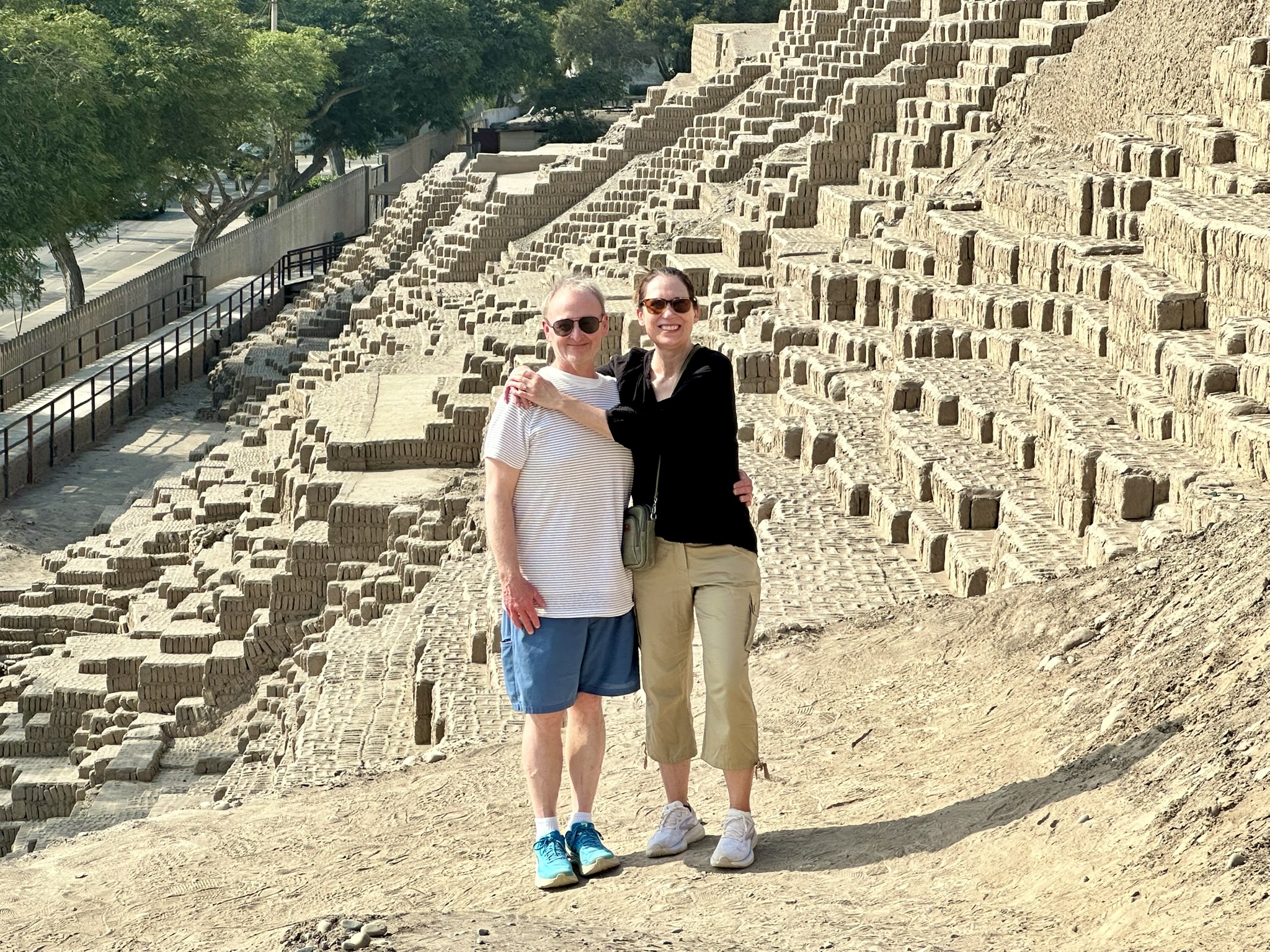
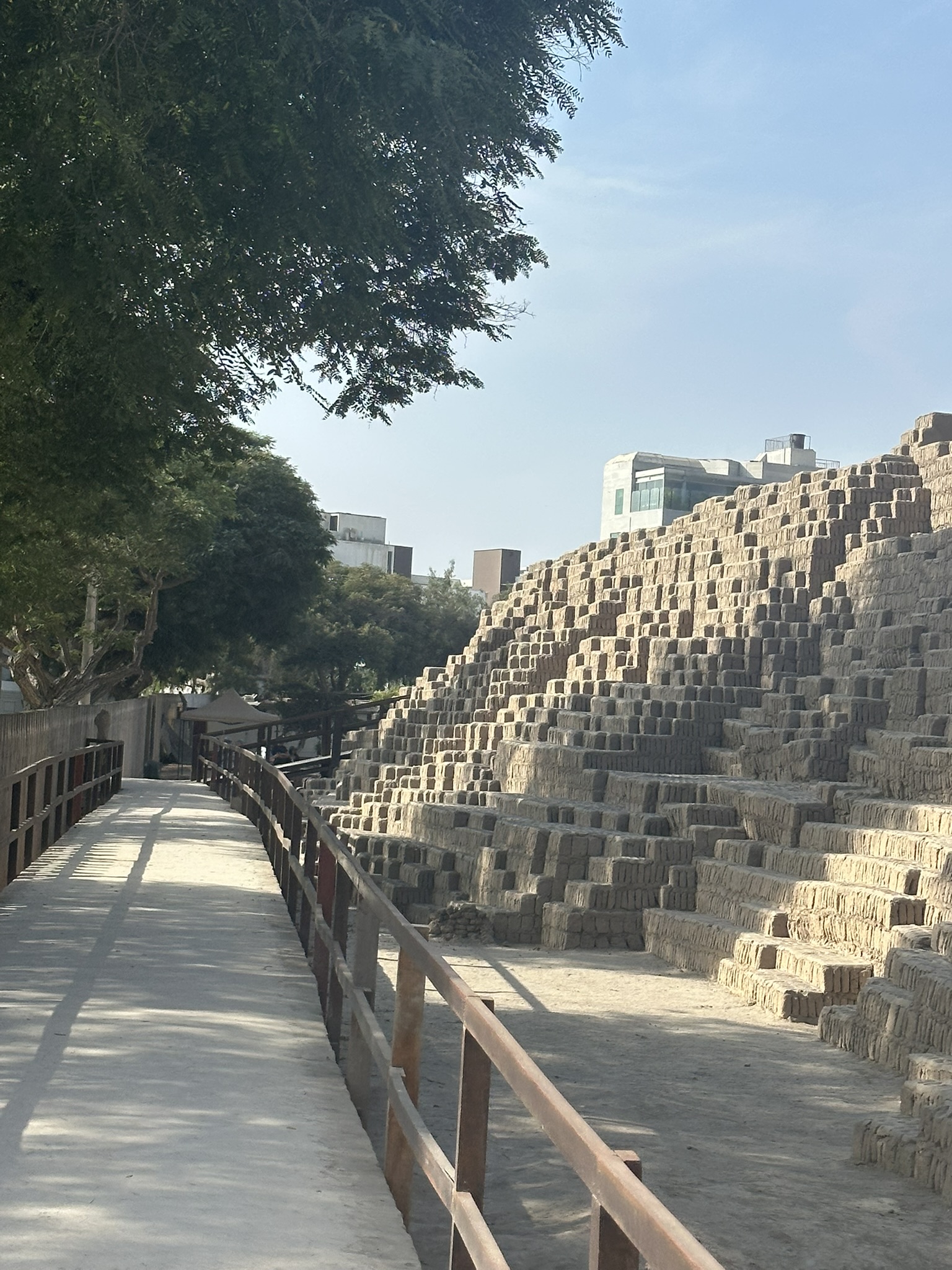
Burial site left; Us, center (very much alive); The walls of Pucllana right
The Incas basically left this area alone, as did the Spanish Conquistadors, when they built their settlements and cities in Lima. It is speculated that this was because it was nowhere near the river or any other water source. Until 1981, the Pucllana site was not protected but because the ancient peoples here were fishermen and textile workers the site had not been pillaged for gold and silver. Nowadays, in addition to being a museum and archaeological site, concerts and stage events are held here and archaeology programs for kids and adults are put on.
Lima’s Historic downtown. Passing through San Isidro and groves of imported olive trees planted here by the Spanish, we headed to the historic downtown of Lima. This was where the Spaniards settled and built the colonial “City of the Kings”. Its proximity to the Rímac River and the sea being ideal to ship treasure to Spain and to receive provisions from Europe and Central America. It was also where the Inca settlement was, for similar reasons, but as a colonist would do, why start from scratch when you can just knock down and build on the foundations of what was built before.
Enroute, we passed by the Matusita Mansion. This is, allegedly, the most haunted house in Lima. During the Inquisition, a Persian woman who lived here was burned at the stake for witchcraft, and evil has allegedly befallen anyone who has lived on the second floor since. Many Peruvians refuse to walk by at night. In the 1970s an Argentinian television host made a bet that he could stay on the second floor for a week to prove them all wrong and lasted only two hours. After he checked out of Matusita, he checked into a mental institution and subsequently disappeared. Needless to say, we didn’t visit.
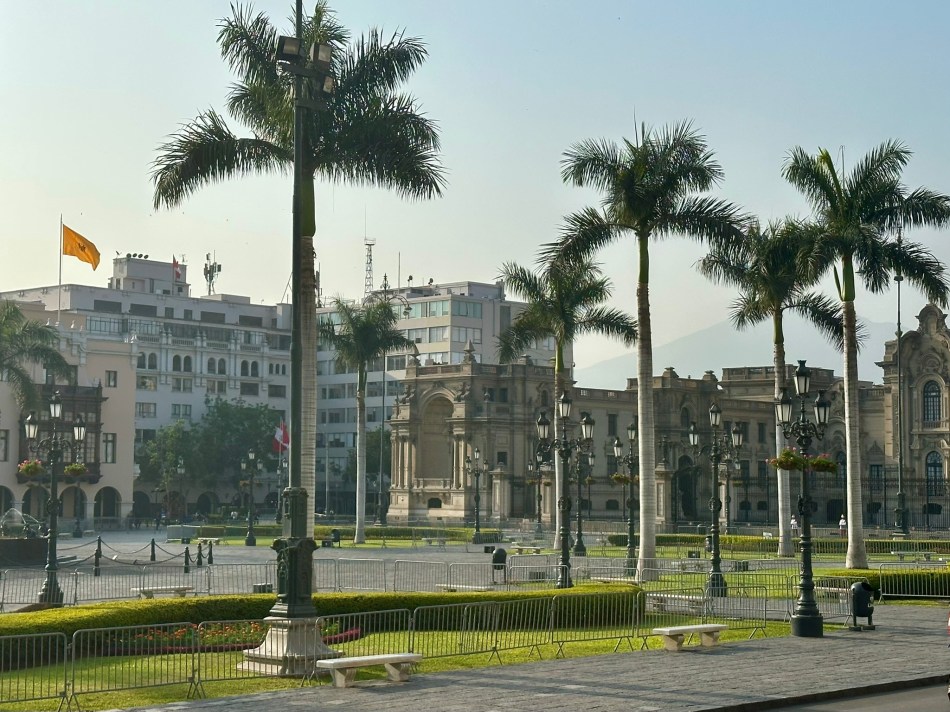
Reaching downtown, we got out and walked to the main square where the palace, statue of Francisco Pizarro and the cathedral is found. In 1746, an earthquake destroyed 90% of colonial Lima and not much was built here again until 1850 when a prosperity boom from the export of guano as fertilizer led to redevelopment. Many Europeans moved here in the guano rush and built structures which look decidedly Parisien, equating French style to elegance.
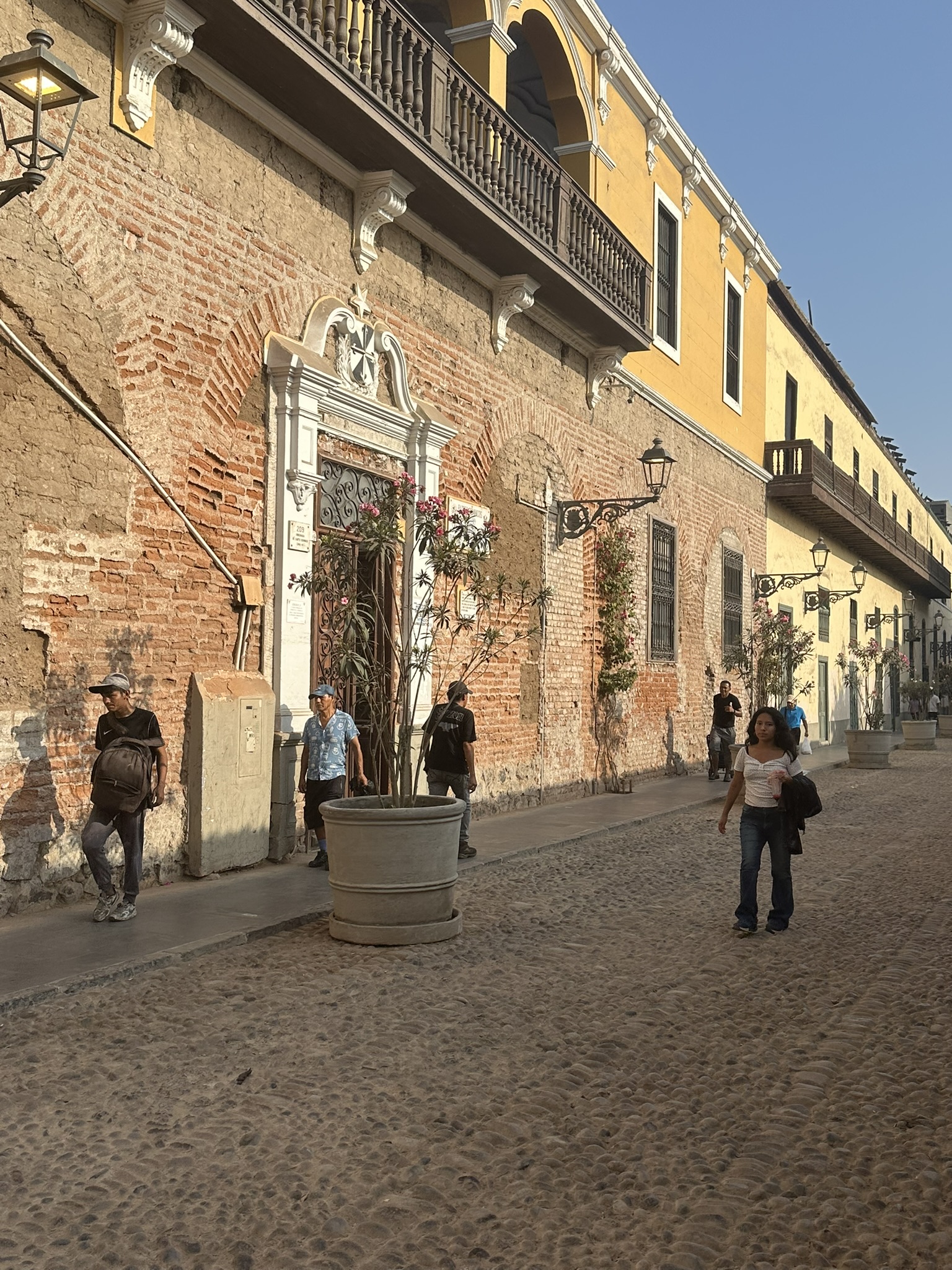
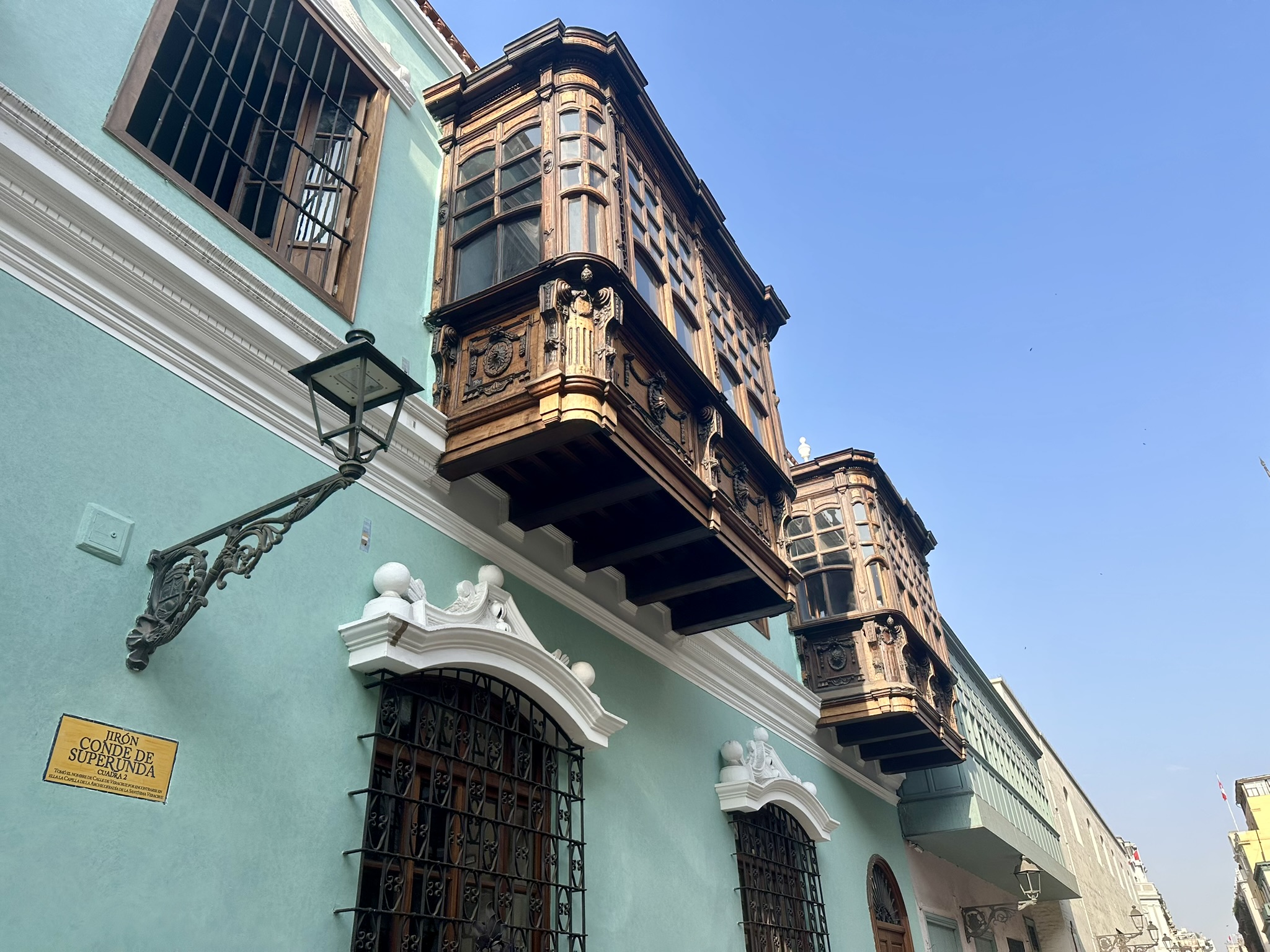
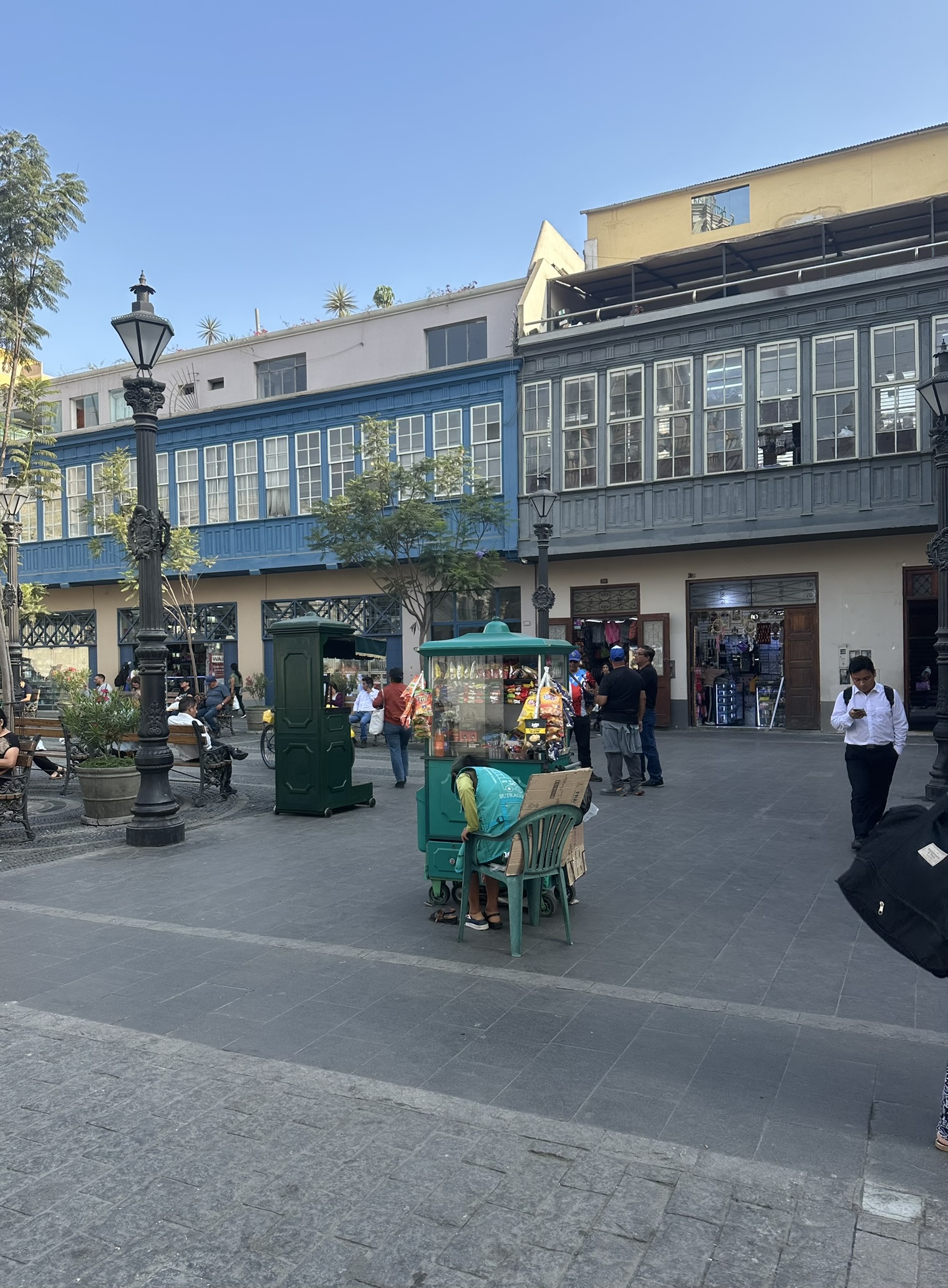
On the day of our visit, a protest (about what we never learned) was brewing and the police had the square blocked off to tourists, which gave us a rare photo opportunity to capture an empty square. But we could and did visit the Cathedral.
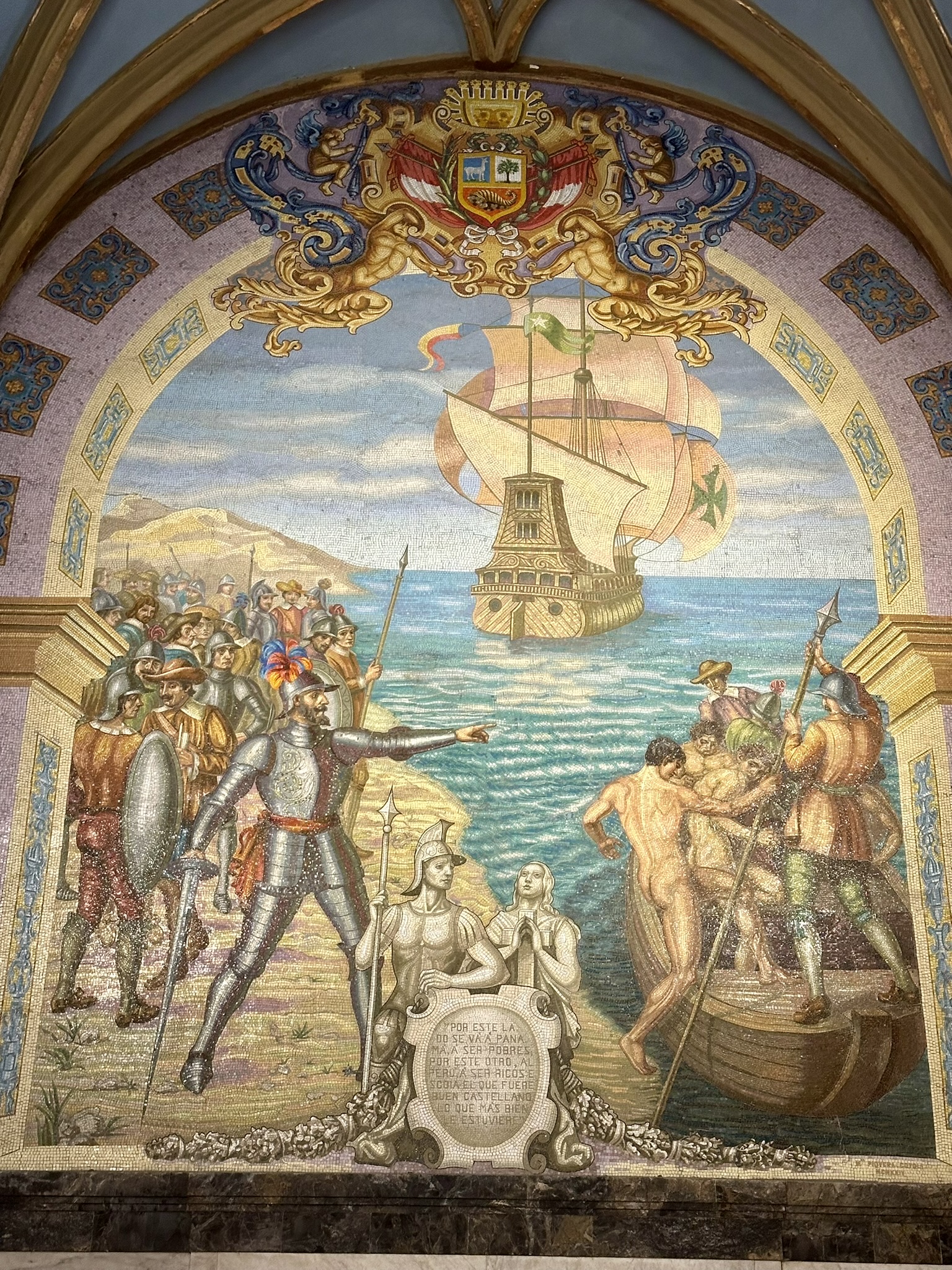
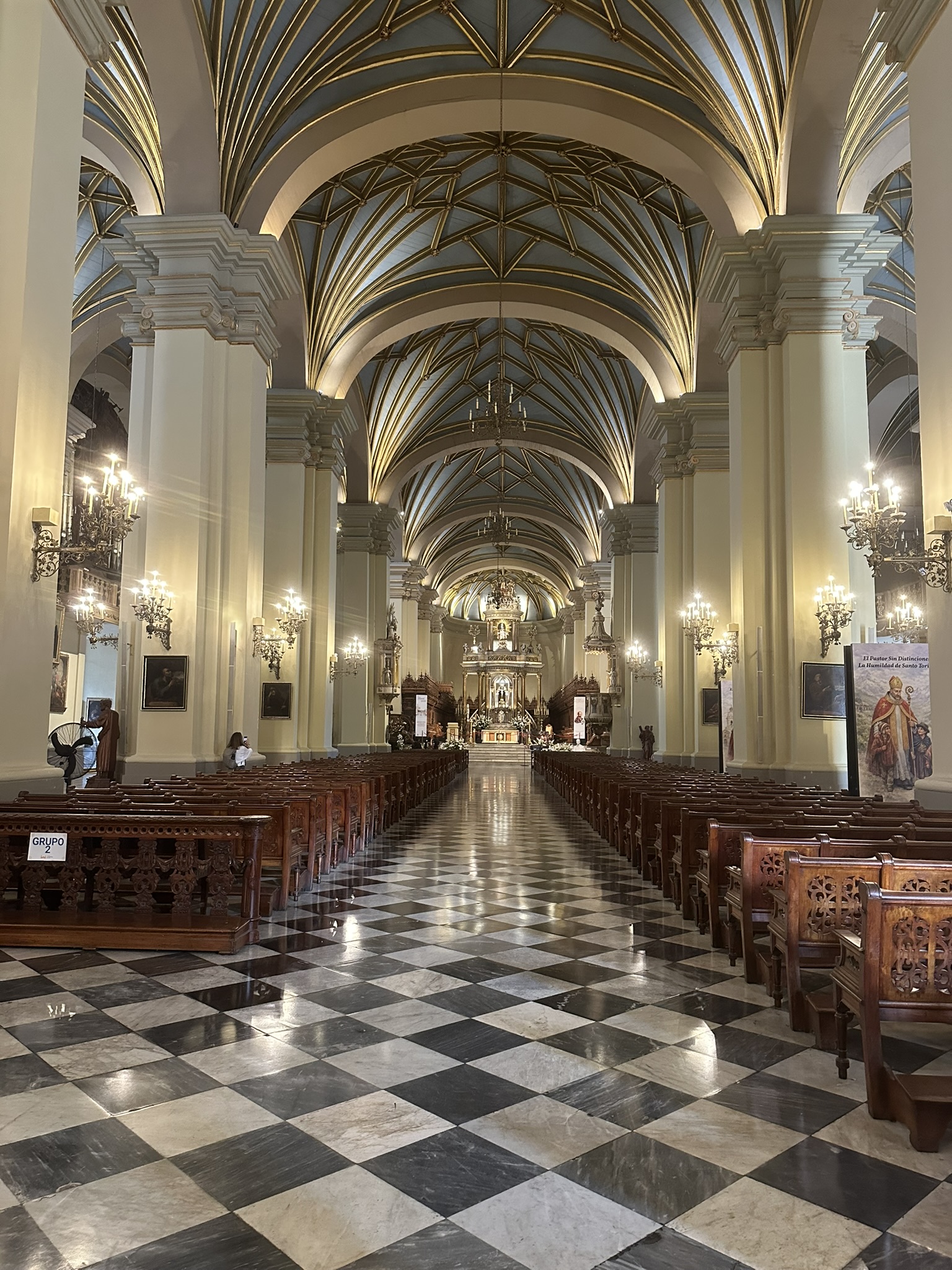
The first cathedral was built in 1604 by Pizarro. This one is the third church. Hollow, bamboo-like wood from Central America was used to help make the walls more flexible during seismic activity. In the Crypt, a mural depicting Pizarro sending defectors back to Panama while 13 conquistadors remained in Peru adorns the walls. The defectors are pictured naked symbolizing the poverty to which they were returning. Pizarro was assassinated in his home in 1541 by 20 men during the “Civil War of the Conquerors” because some of his countrymen weren’t pleased with the way he was dividing the lands (and the profits).
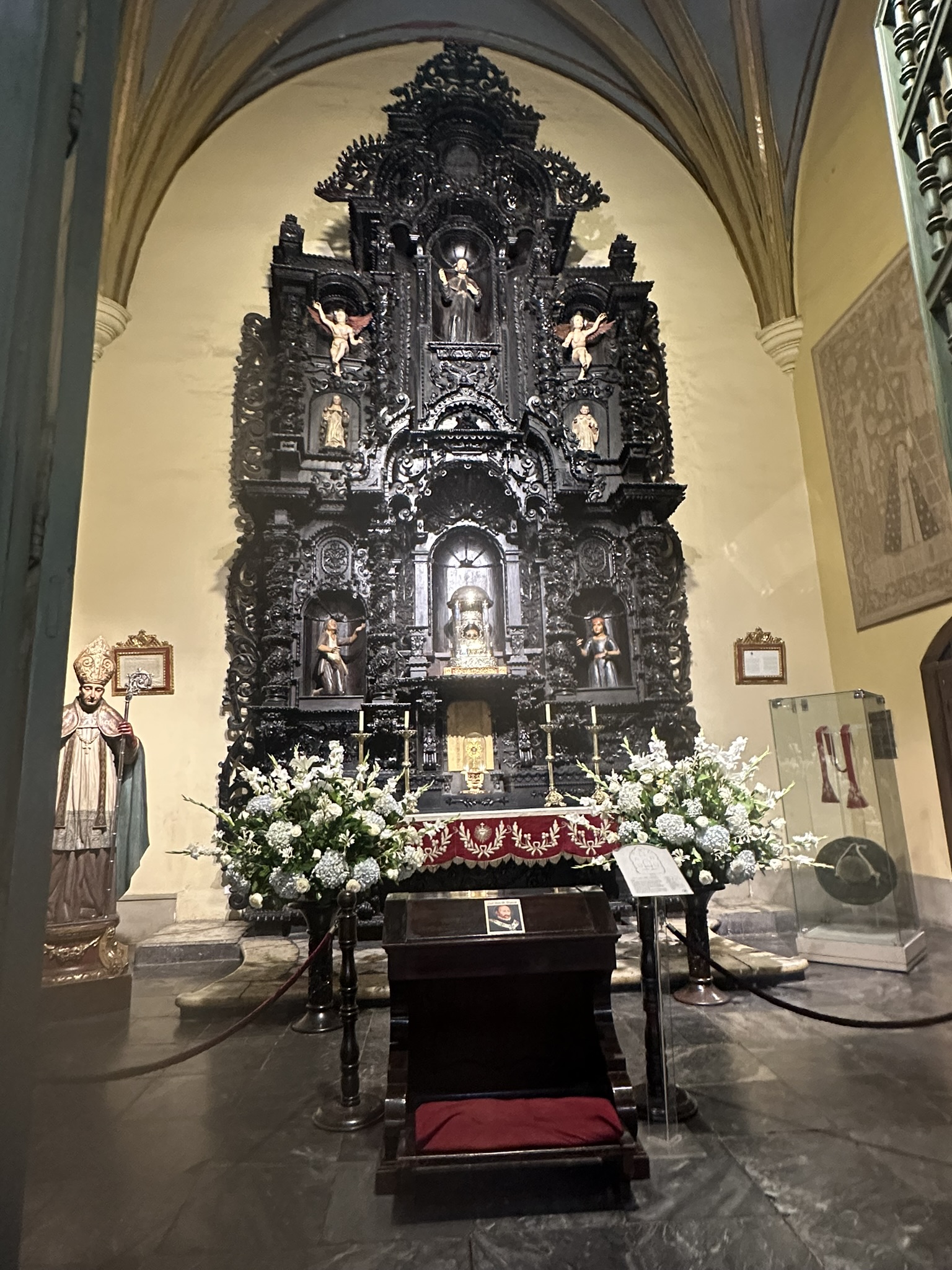
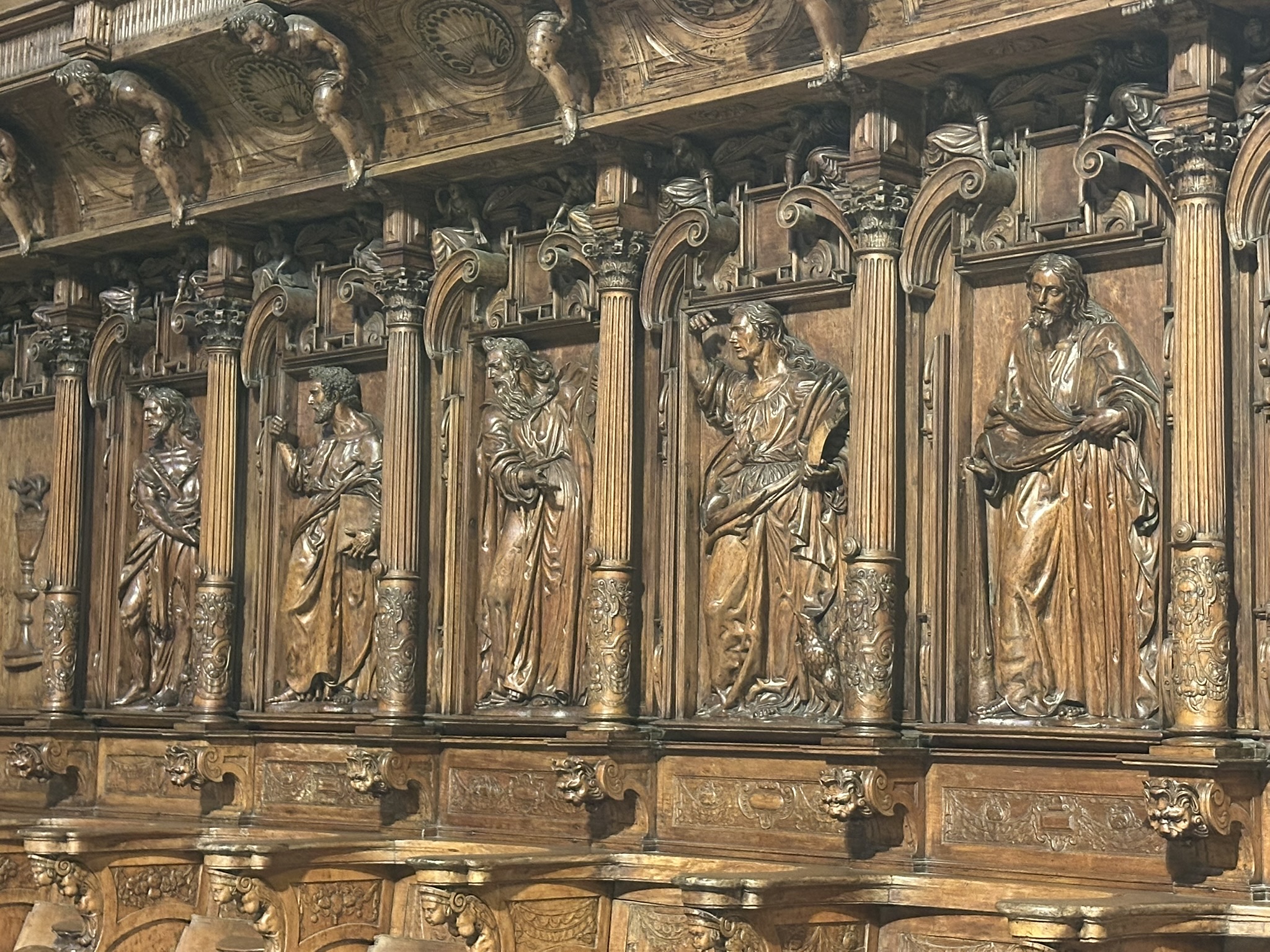
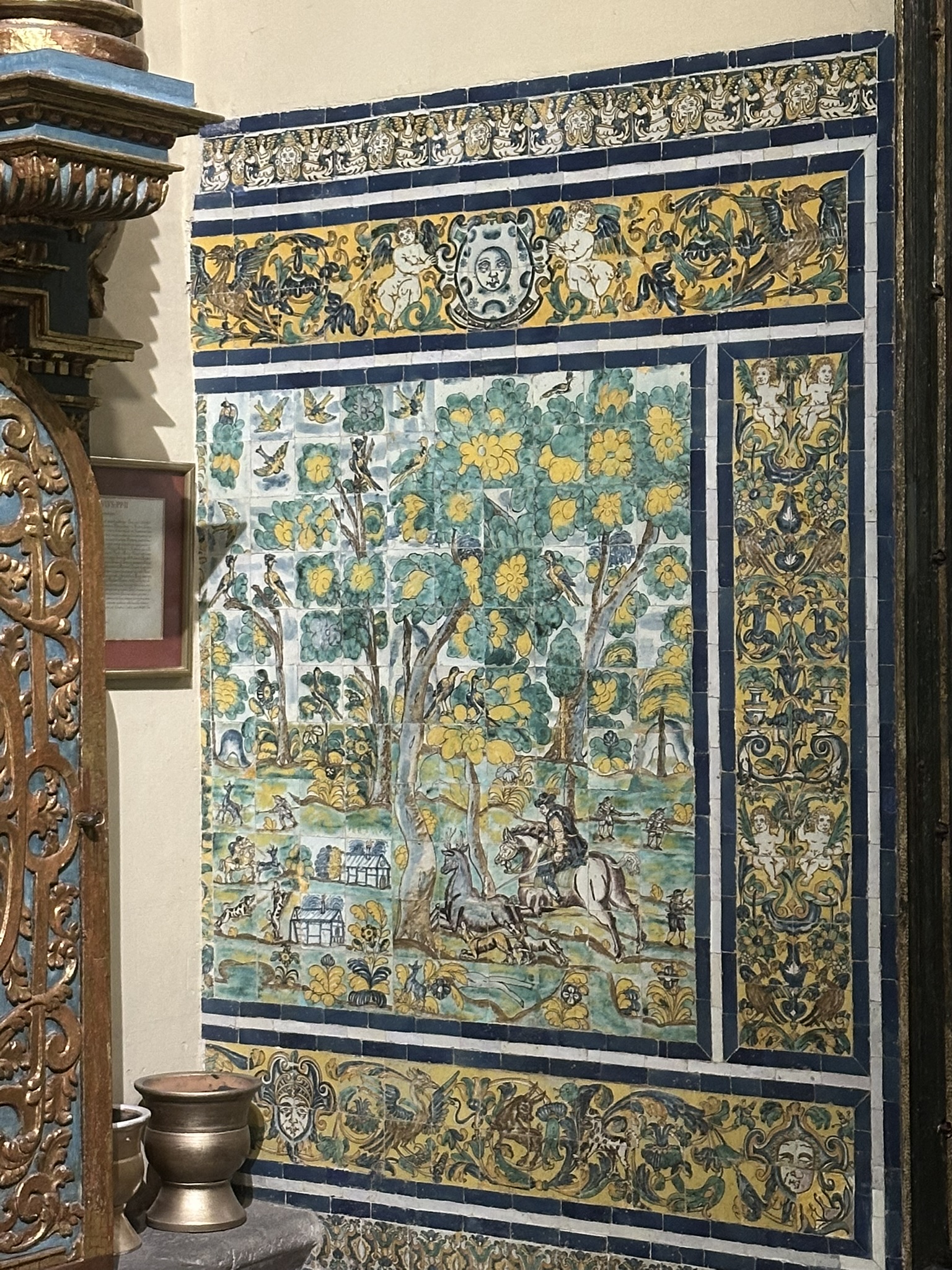
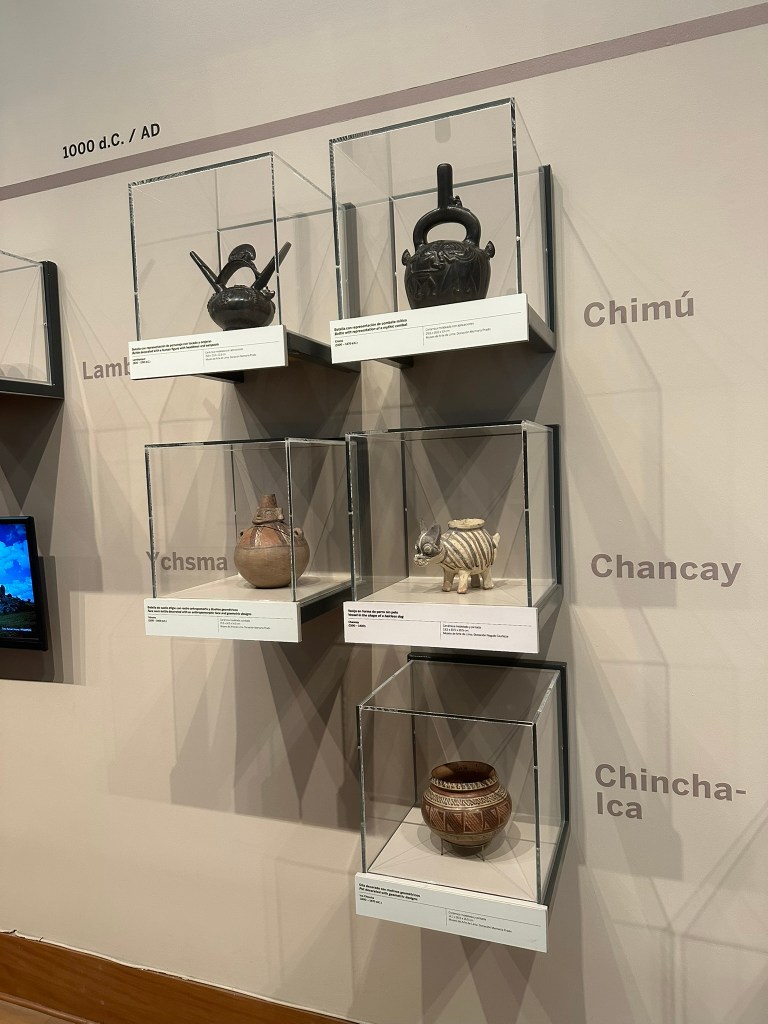
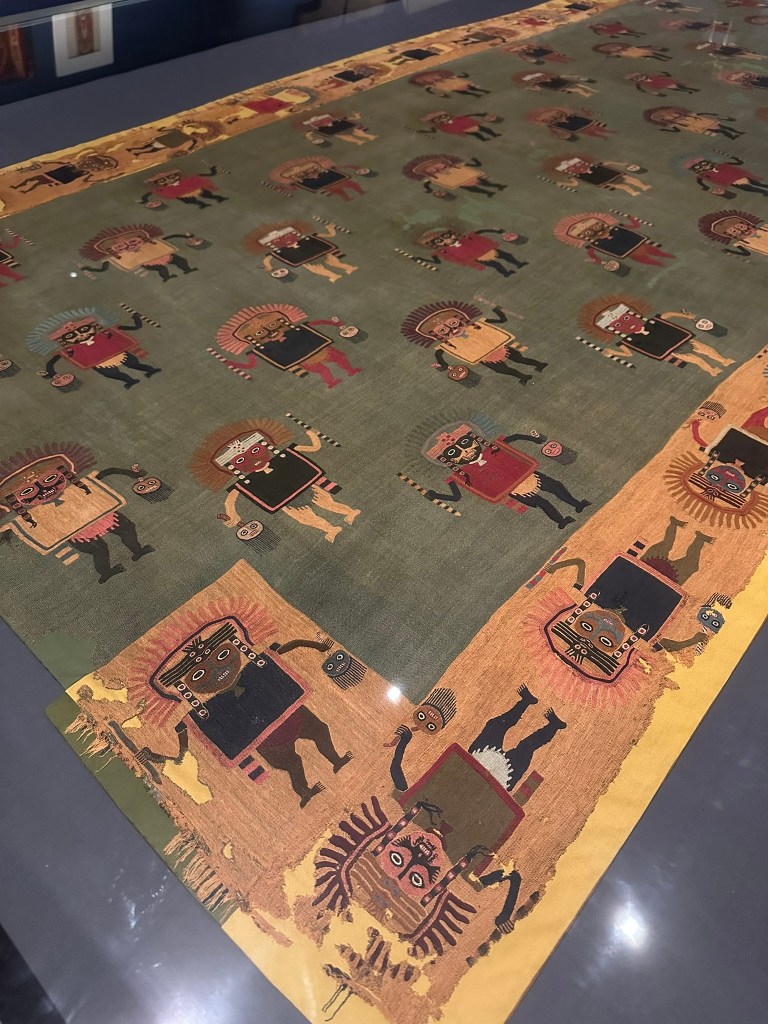
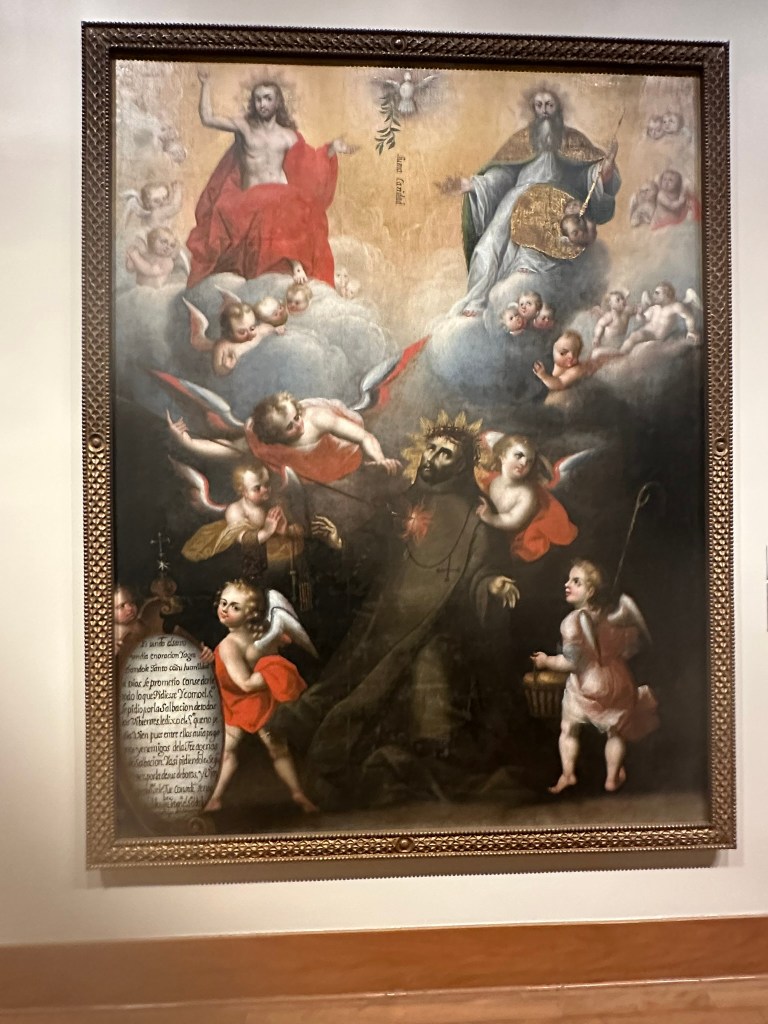
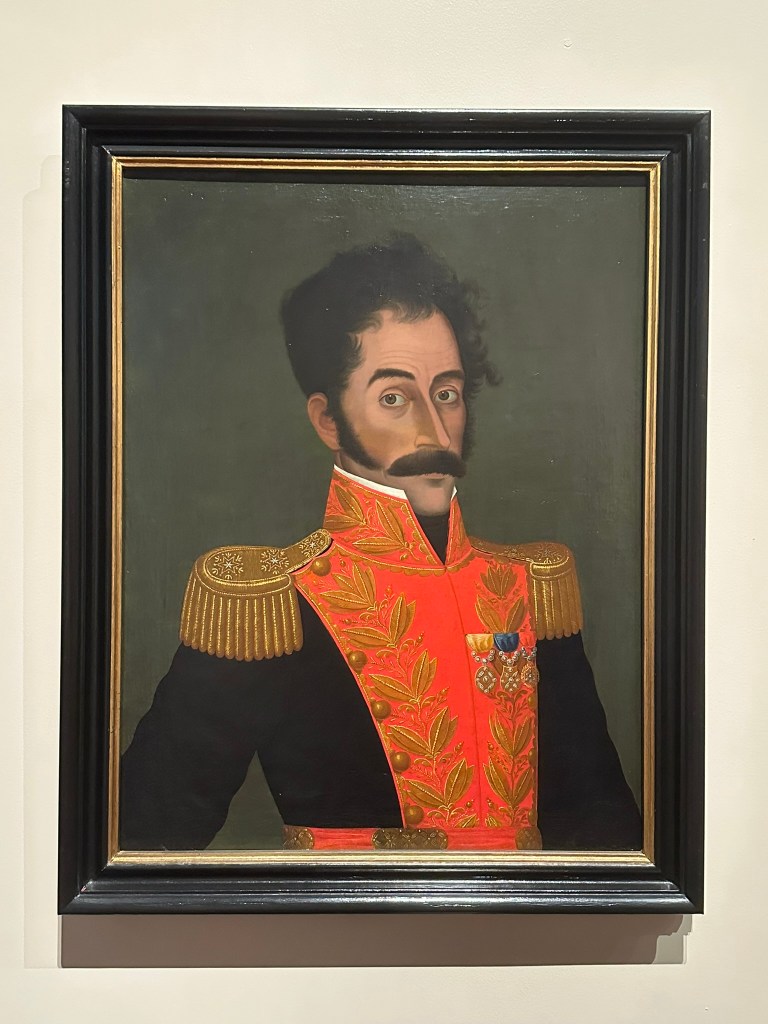
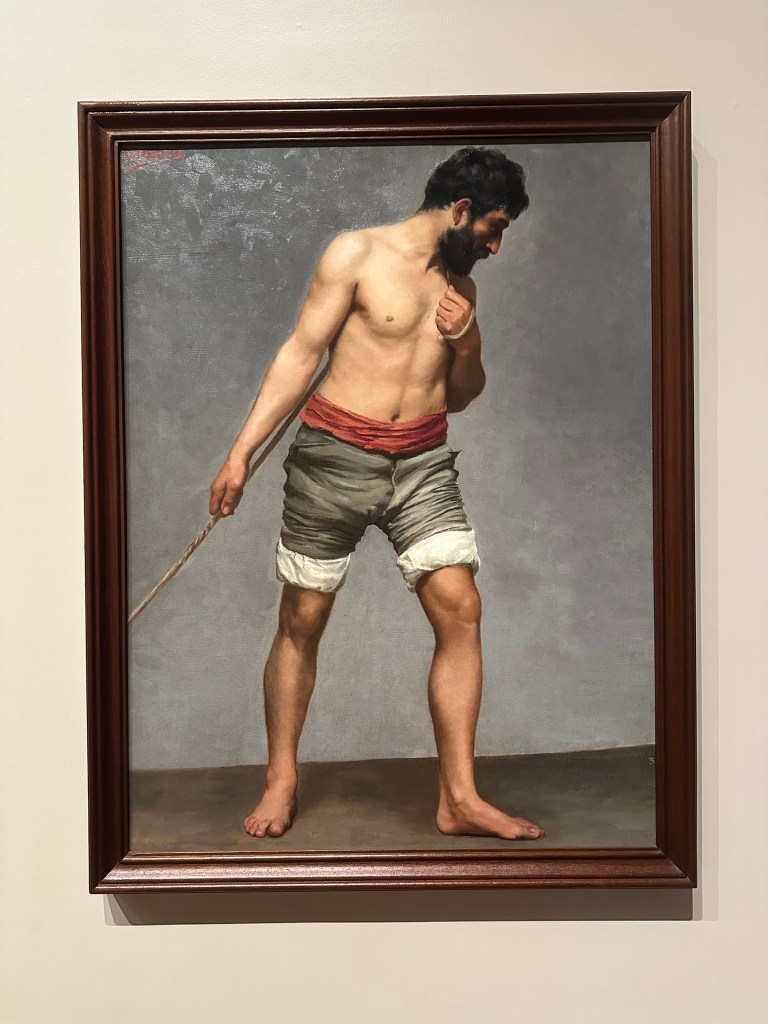
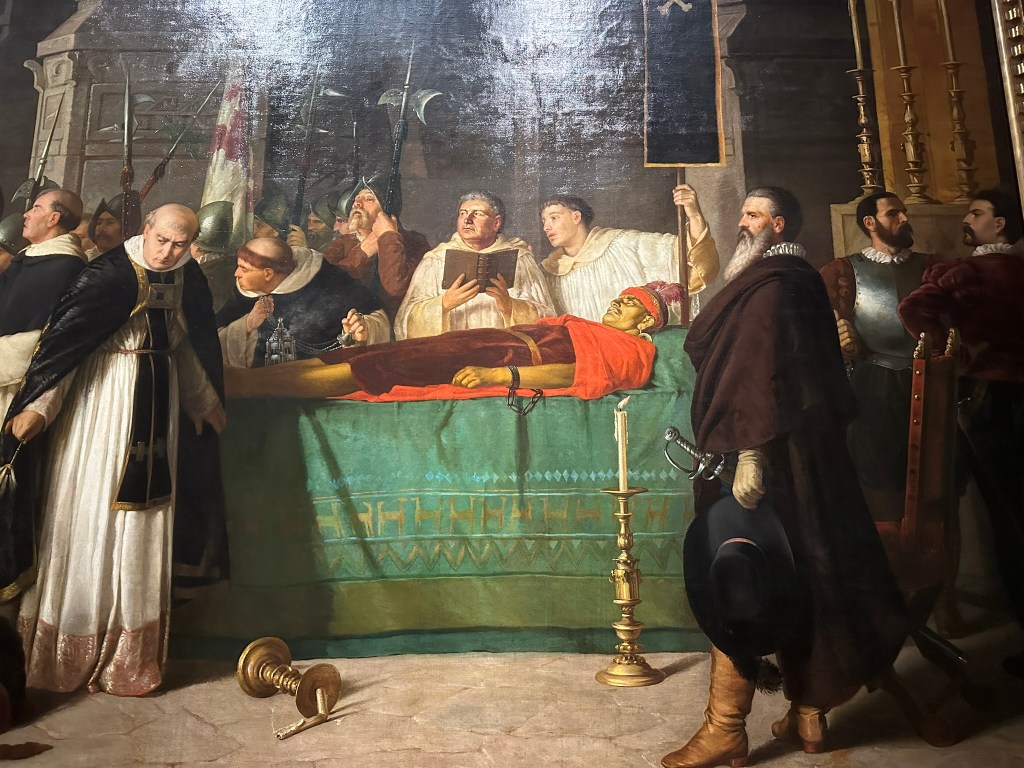
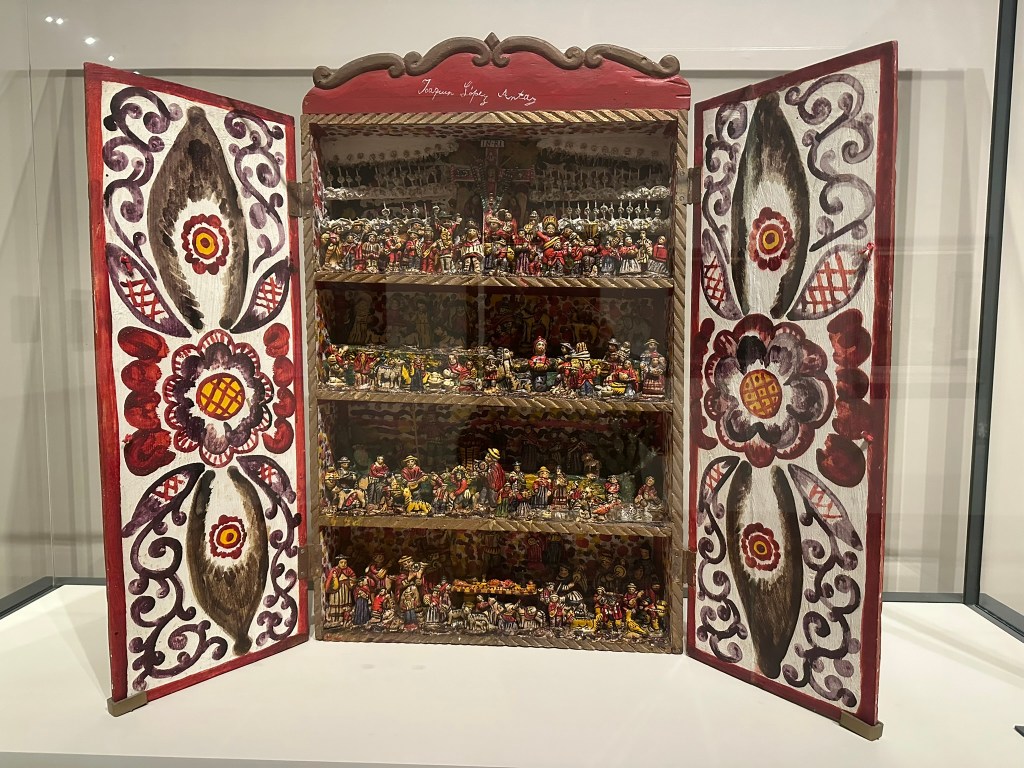
Lima Art Museum. We capped off our touring at the Lima Art Museum where we were educated on restoration processes and admired Peruvian art from the pre-colonial, colonial, republican and modern eras. Our tour ended in a private room sitting on mid-19th century furniture and hoping we didn’t spill any of the complimentary champagne on it.
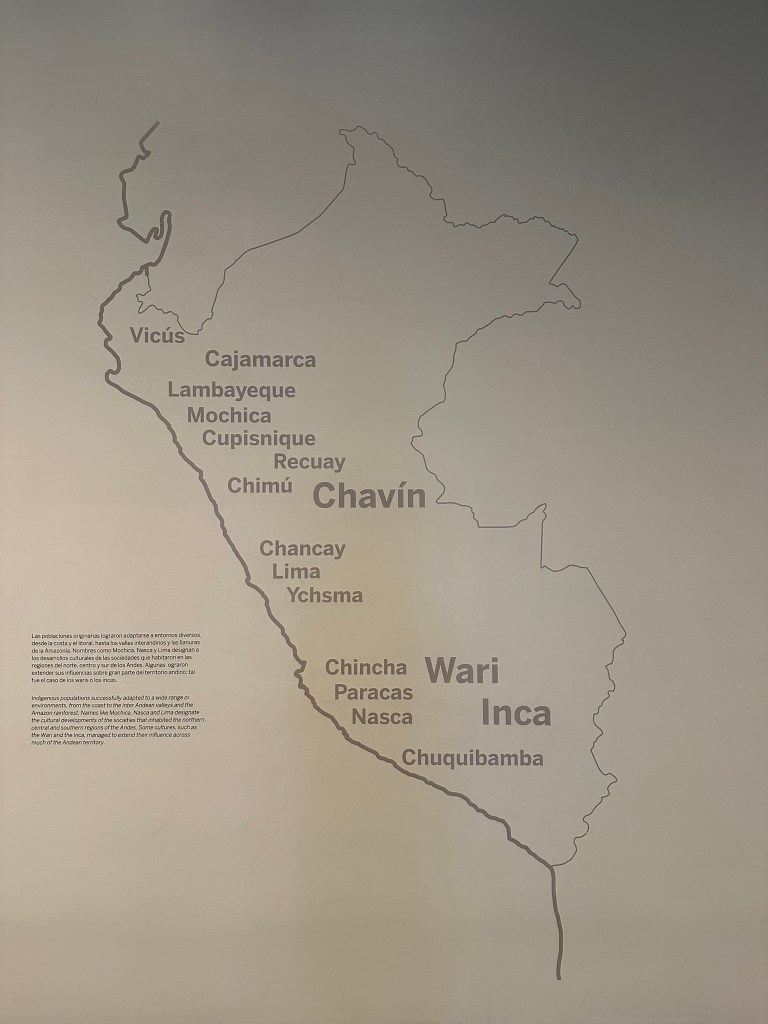
Final thoughts. Lima is home to 11 million people, making it the second largest city in the Americas and larger than both New York and L.A. Lima is made up of 43 districts with 43 different mayors. Each district has its own security and public services like trash removal making it a fragmented governing structure and breeding resentment between and across districts. Interestingly, Lima (and perhaps Peru) have liberal squatting rules. People who cannot afford the city, will find an unoccupied area in or outside the city and squat on it. These collectives of people are groups of families who do, as our guide described it, “little jobs” (washing windshields, selling candy, etc.) in the city. Those who don’t “work” might be sent to do the shopping or do the cooking for the collective. After 10 years of squatting, the land becomes theirs. This collective living and squatting arrangement helps people survive as there is absolutely no welfare system available.
The other thing we noticed about Lima was the traffic. It is next level horrible. And public transit is not much better, we watched people queuing up to wait for the train in what one of our hosts described as a 75 minute (or longer) wait just to get on a bus (metro line is under construction but not promised to be finished in the near future) to commute home from their jobs in the financial district as we sat in early-end of rush hour gridlock enroute back to our hotel.
But while getting around is challenging and we’d read about crime and witnessed plenty of “little jobs” we never felt unsafe. Perhaps it was the fact that we were guided around by our tour company and didn’t need to make it on our own. While we might not pick Lima to live, it was a great place to visit and we spent a great day wandering up the Miraflores walking path, exploring the pyramid, the Cathedral and the art. It was a perfect way to kill time, explore a new place and wait for our overnight flight and to cap off two marvelous weeks in the Land of the Incas, with its rich history and culture, adorable alpacas, delicious food and wonderful people. Muchas gracias Lima y Peru.
Finally, our guide Ada, was excellent. You can find her on Instagram here.
Sources:
- Belmond tour guide. April 2026.
- The Last Days of the Incas. Kim MacQuarrie.
- Lima Population 2026
- Huaca Pucllana Site Museum – Visita Miraflores
- Casa Matusita – Wikipedia


0 comments on “Last Stop in Peru: Lima”