

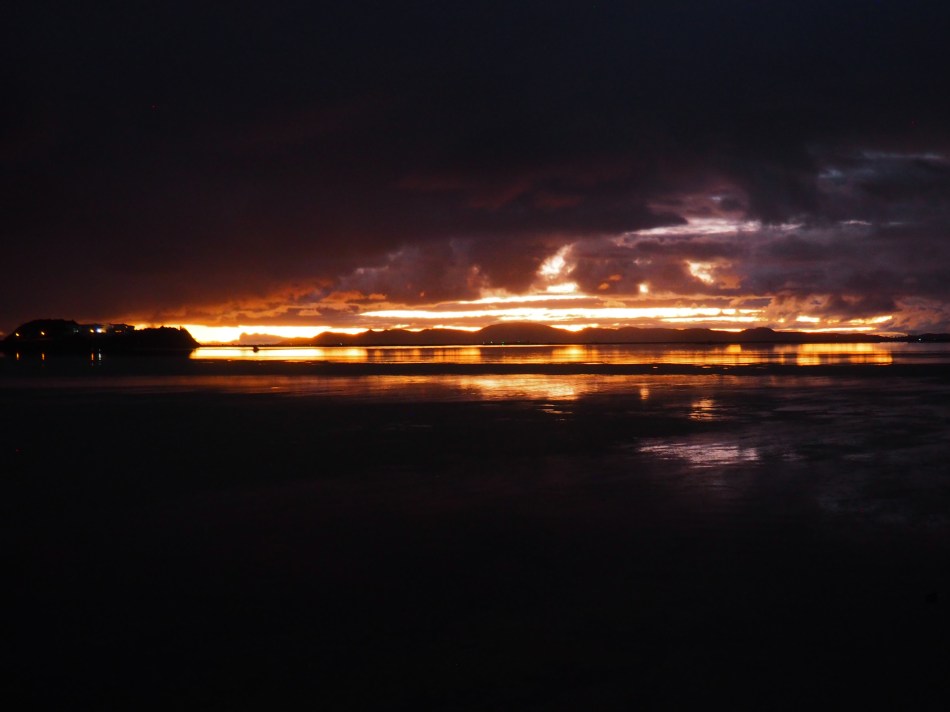
Every elementary school boy (at least in mine) probably knew next to nothing about Peru, but had probably heard of and remembered Lake Titicaca. Not that they’d remember it was in Peru, but just that it existed… somewhere.
In Peru, we were told, elementary school kids learned that the lake was 60% in Peru and 40% in Bolivia, though in Bolivia that elementary school ratio was flipped (later, scientists measured it to be more like a 55-45 ratio, advantage Peru). In Peru, they also say “we have the Titi and the rest is caca”.
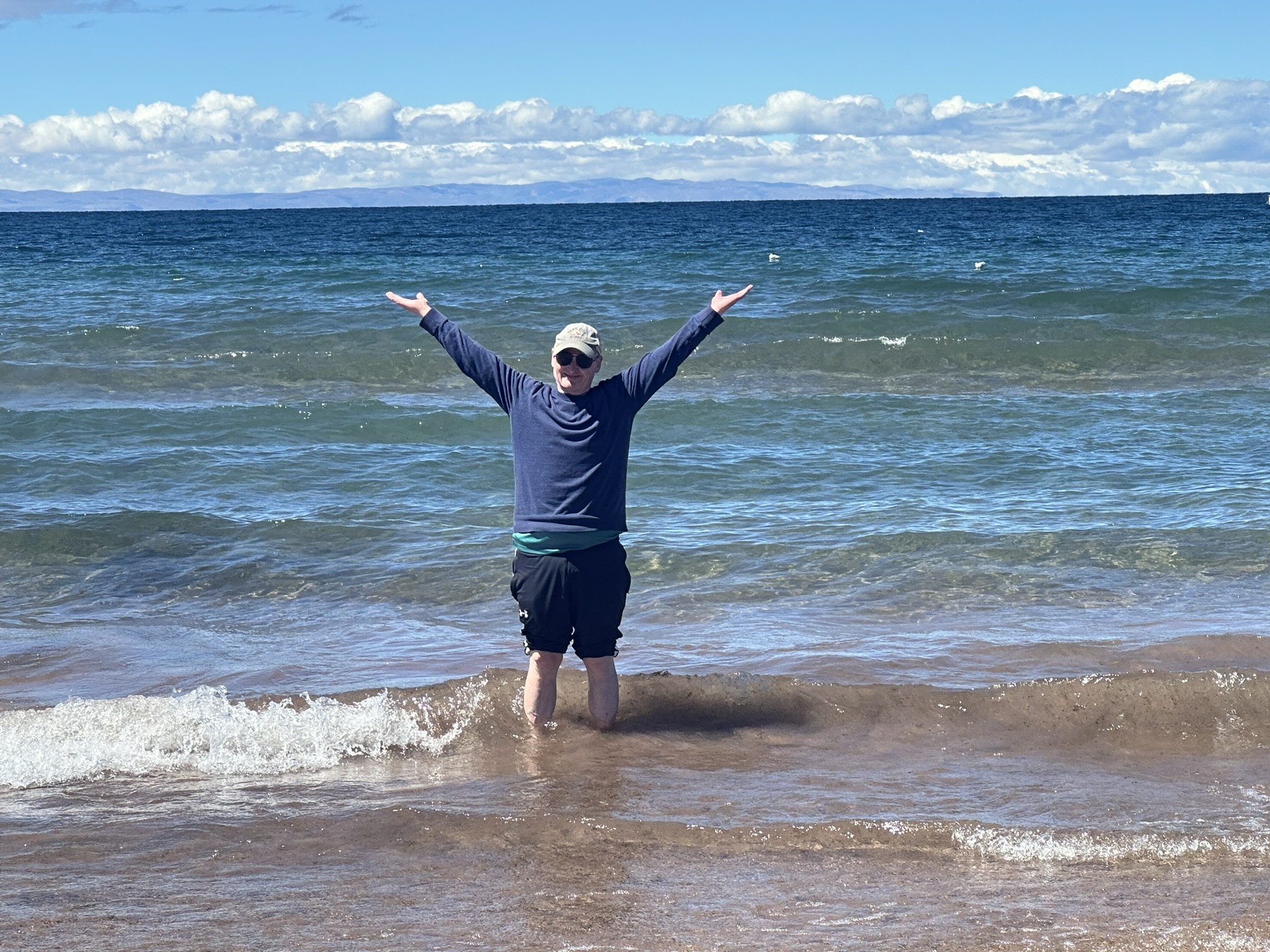
Peruvian and American juvenile jokes aside, Lake Titicaca is a wonder.
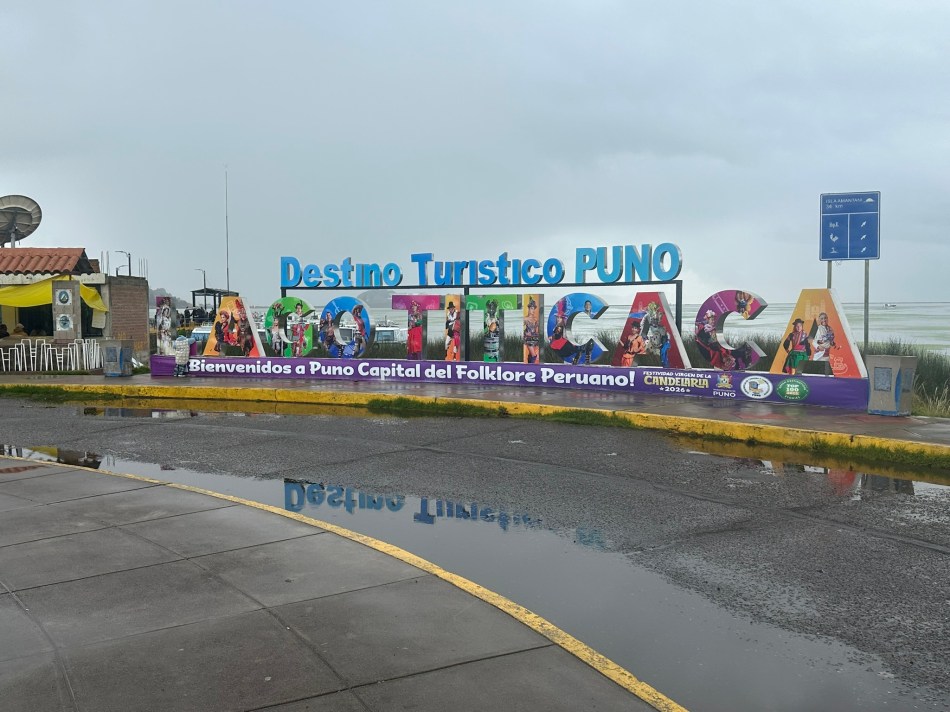
Fun Facts. It is the highest altitude navigable lake in the world, covering approximately 5,000 square miles and is about 900 feet deep at its deepest point. French oceanographer Jacques Cousteau found 3lb frogs here who have adapted their breathing and never need to surface, although we were also told that children around the lake grew up believing that these frogs grew even larger and ate the kids who misbehaved. That oughta keep ‘em in line.
Near Lake Titicaca rests the highest permanent settlement in the world, Rincon or La Rinconada, at nearly 17,000 feet above sea level. Why might one want to live at such a high altitude, you ask? There’s gold in them thar hills. But you may not want to add it to your Peruvian itinerary. It’s apparently a pretty lawless place, known as la ciudad sin ley del Peru (the city without law).
When a map of Titicaca is held upside down (which was probably how the natives first observed it from the mountains above) Titicaca looks like a puma chasing a rabbit. Hence, the name of the lake. In Aymara (the local dialect) “titi” means puma and “khar’ka” means rock, so Titicaca translates to the “rock of the puma”.
In Inca mythology, Lake Titicaca is also the birthplace of the sun and of the Inca. It is where the first Inca King, Manco Capac, was born and the gods created a wife to help him build the tribe who became the Incas.
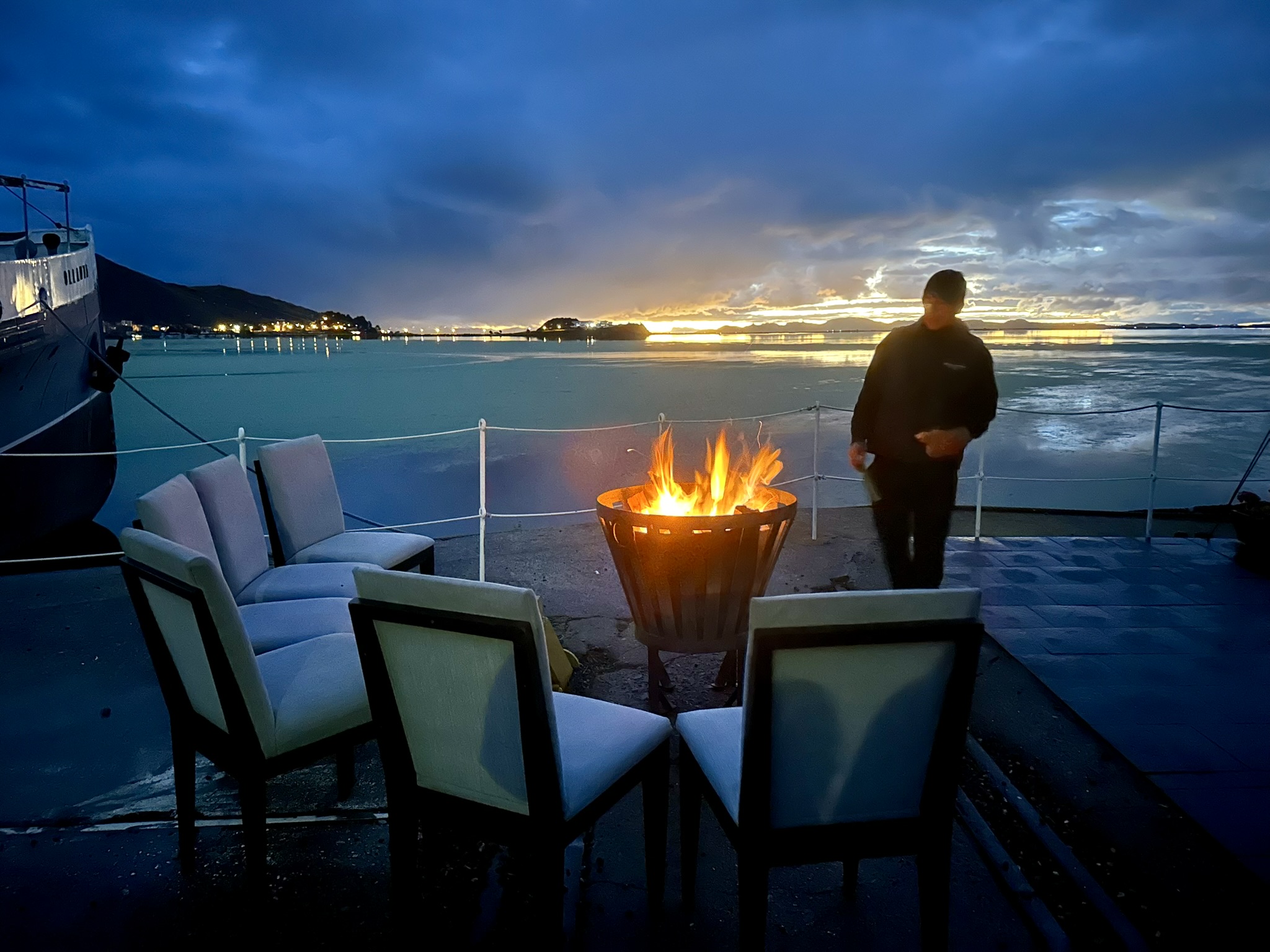
Here comes the sun. As though we were Incas worshipping Inti, the sun god, we awoke at 5am to begin our day on the Lake at sunrise with a fire and coffee prepared by the staff of the Andean Explorer train.
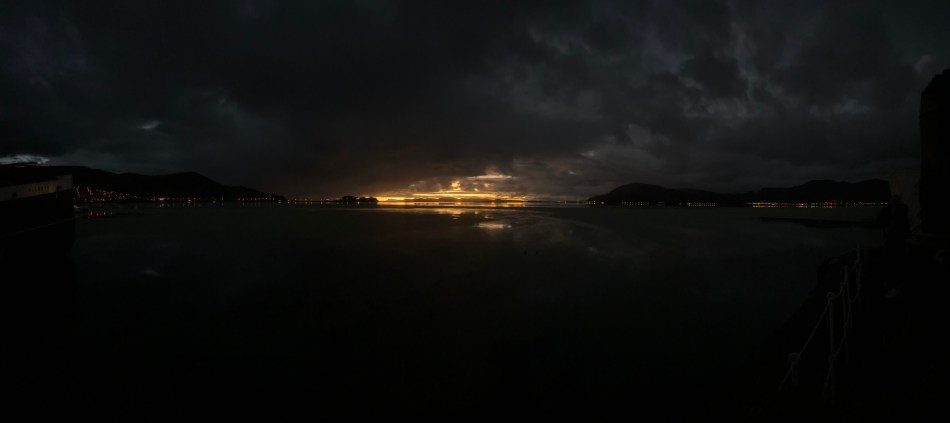
A few hours later, we set off on board a small boat to explore the culture of and islands near Puno.
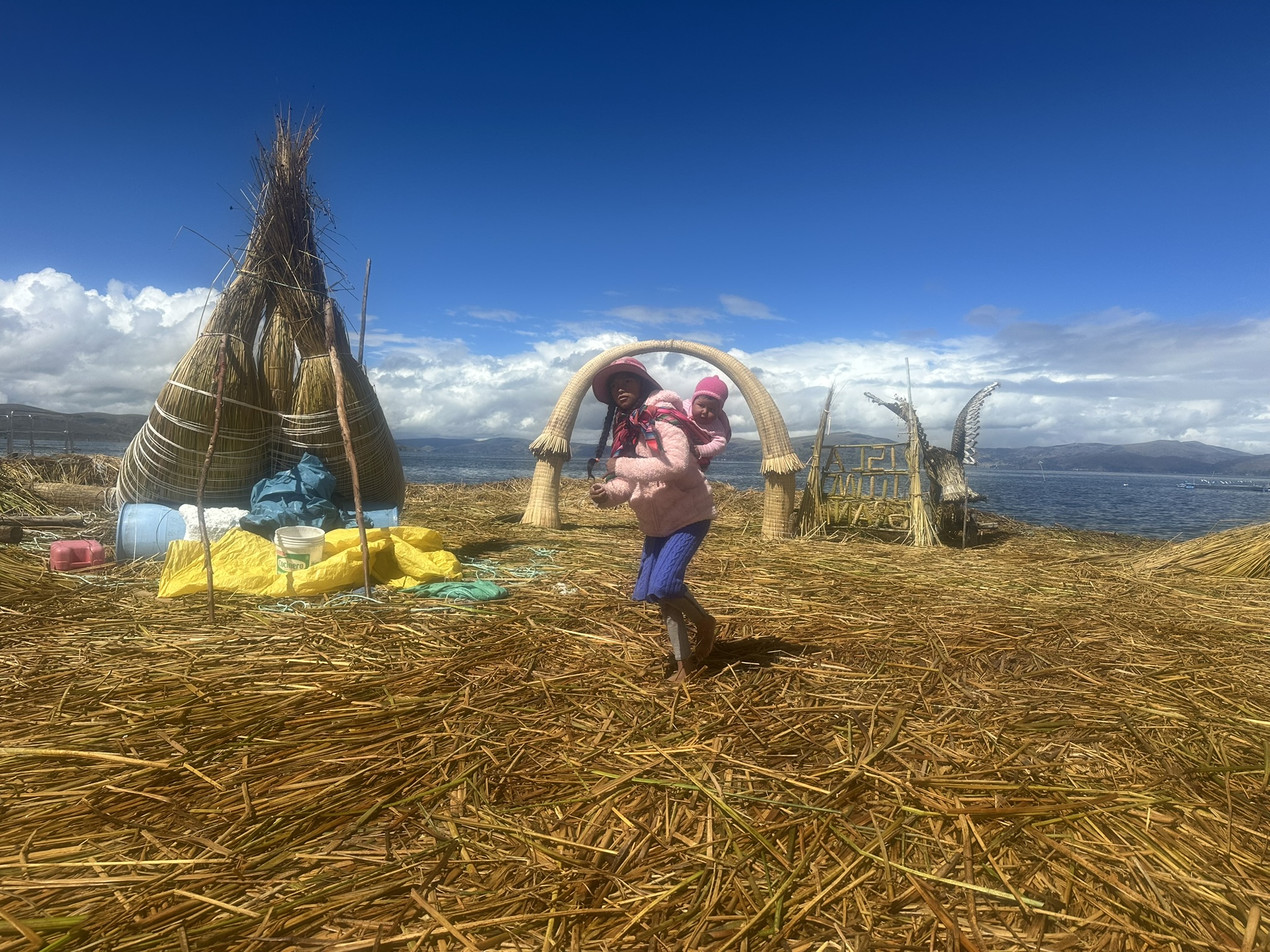
The Floating Islands. The Uros floating islands are not just called that. They are man-made out of the swamp reeds that grow near the bay of Puno.
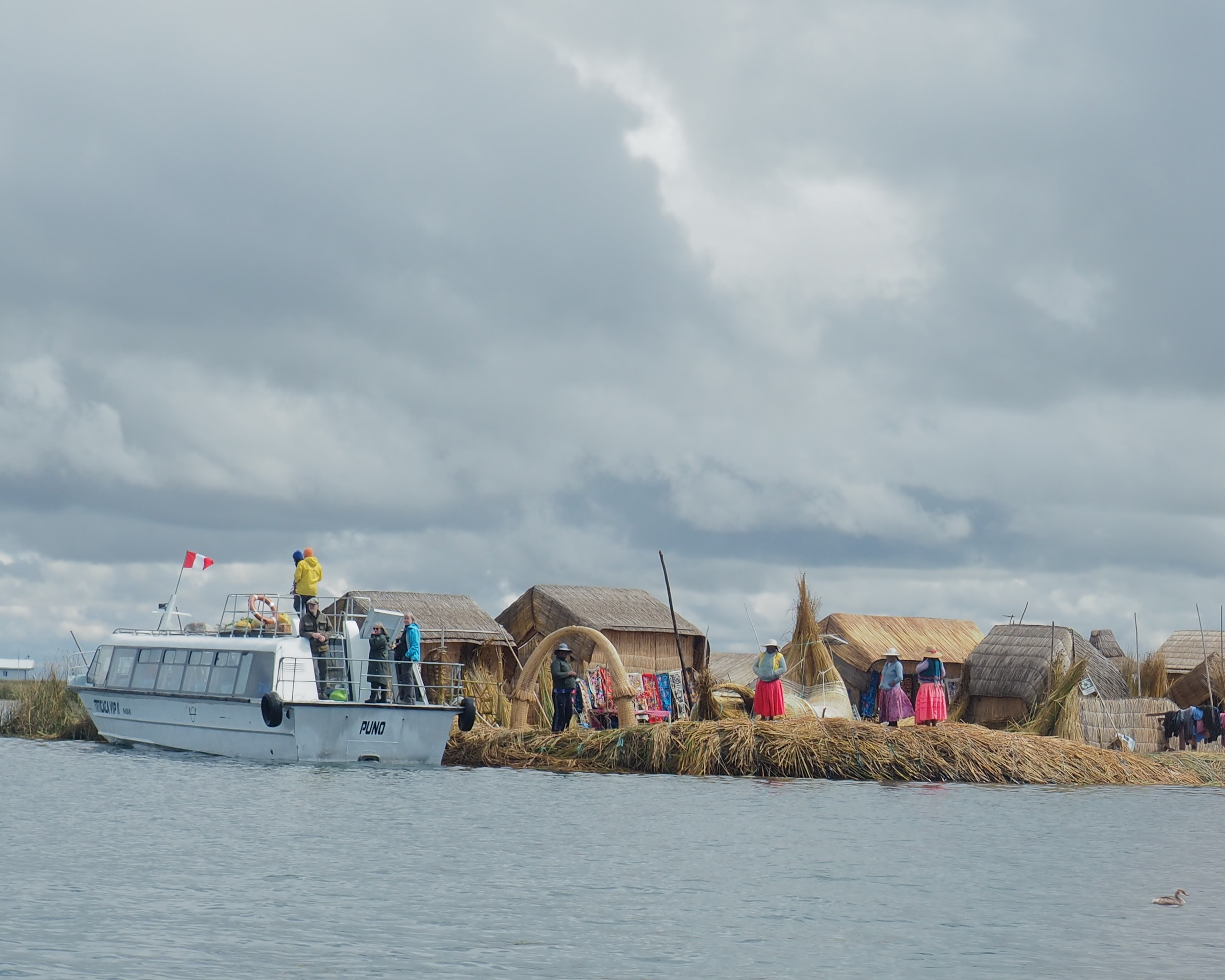
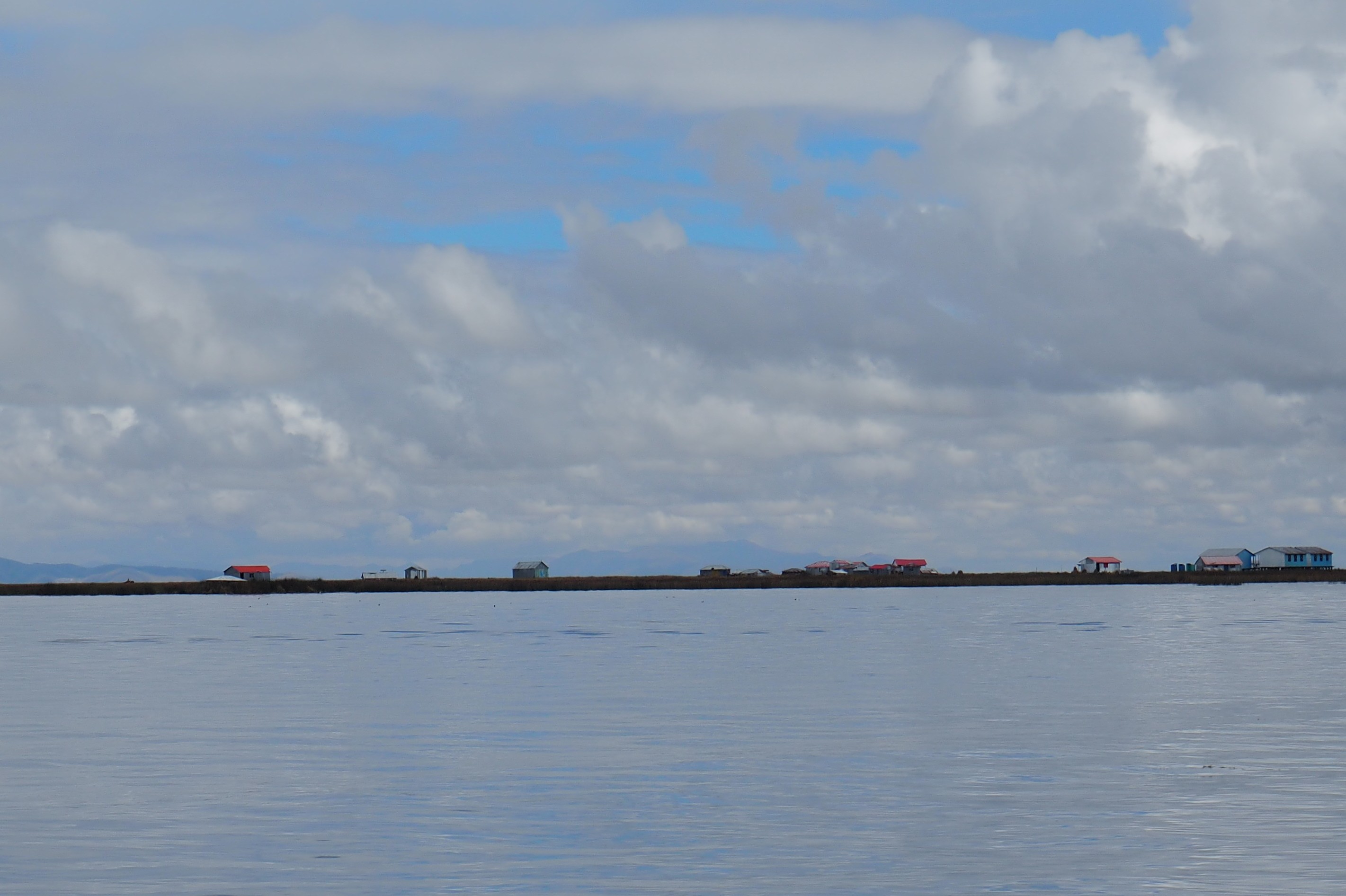
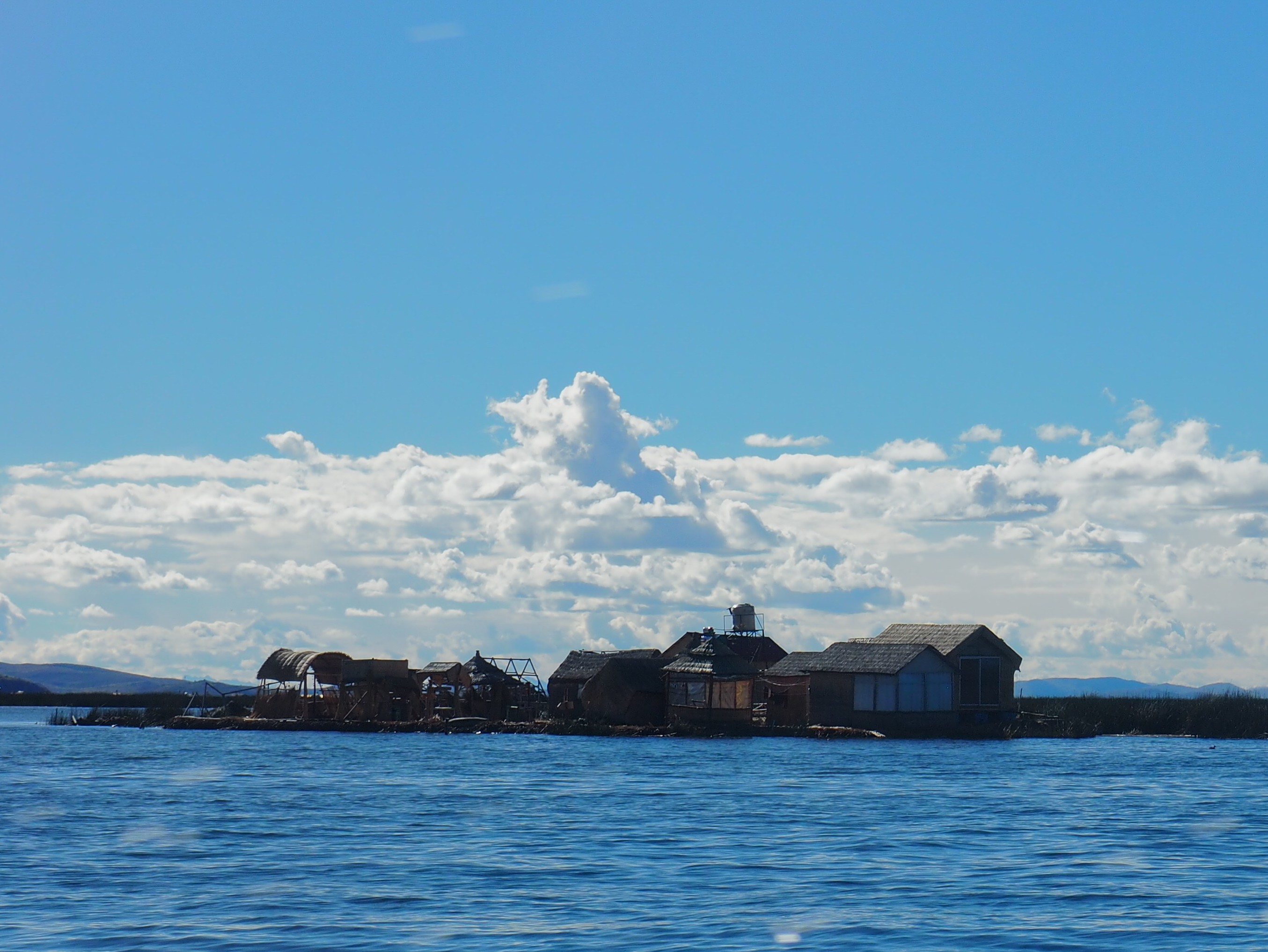
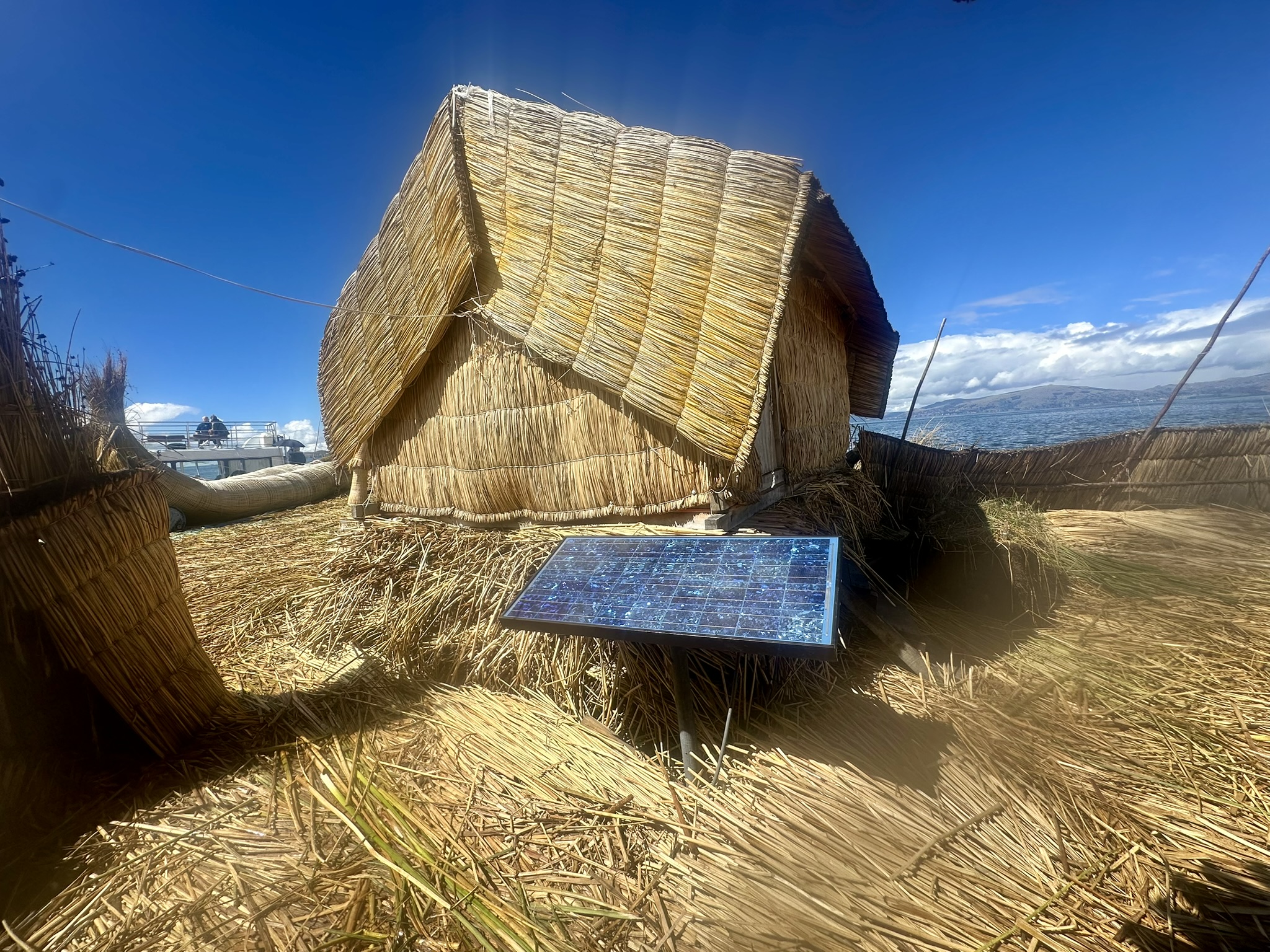
The “islands” are strung together with string (traditionally dried out reeds) and kept together with wood driven into massive bundles several feet thick to create an “island” on which up to about 20 or so people live. The islands float but are anchored with more large logs stuck into the bottom of the swamp. Without an anchor, our host resident and local island president Armando joked, they’d need their passports as they might end up in Bolivia.
Should an unreconcilable feud arise, they might cut the island apart into two islands so the feuding inhabitants can float their separate ways.
There are about 80 islands overall and the traditions of the people who live here date back to pre-inca times (while the modern amenity of solar power has been added to some homes, they still live much like they have since those days). About every 50 years the islands need to be reconstructed, or they will start to sink. The house roofs need replacement annually. When a new island is constructed, existing homes are transferred or new ones are built.
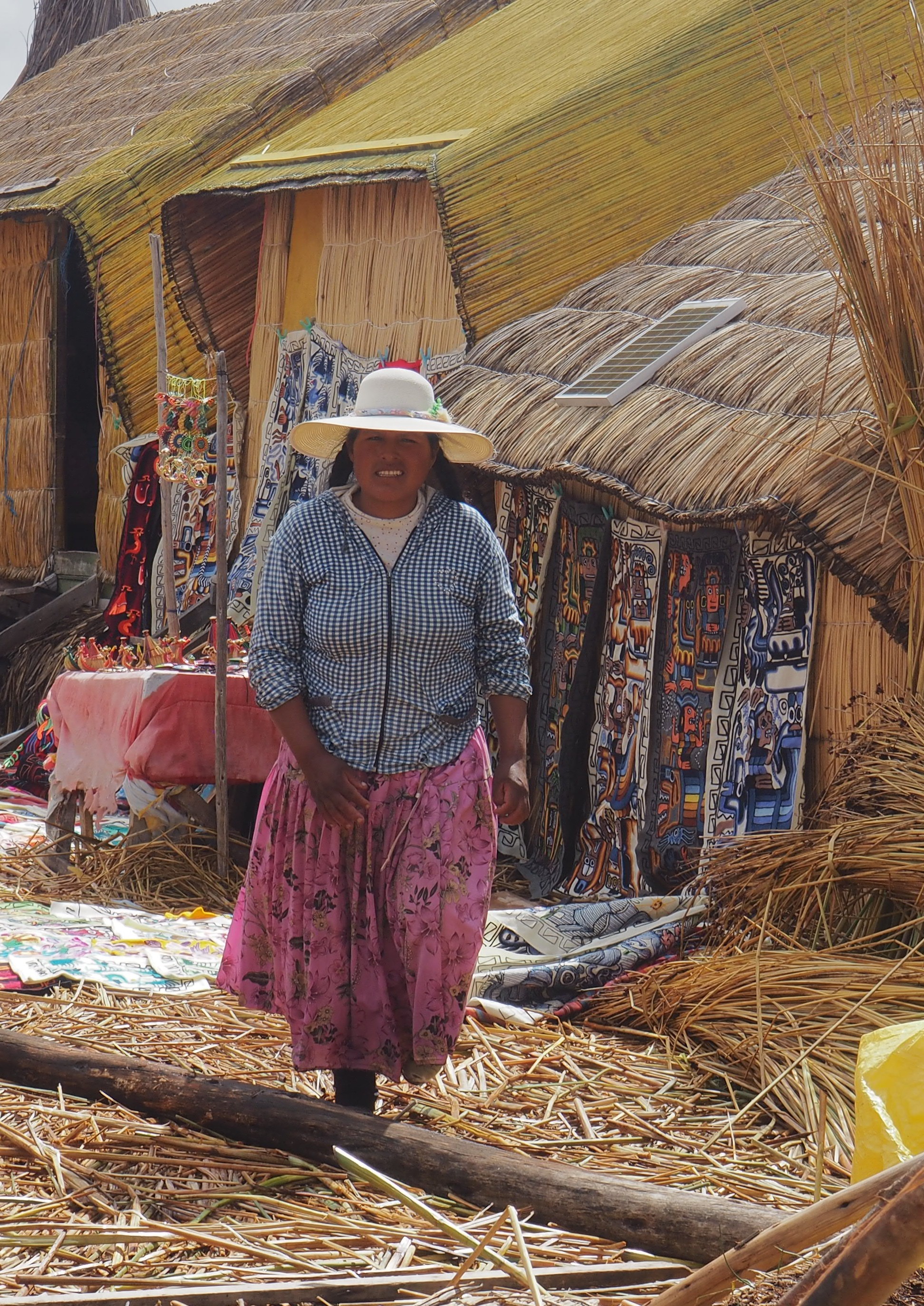
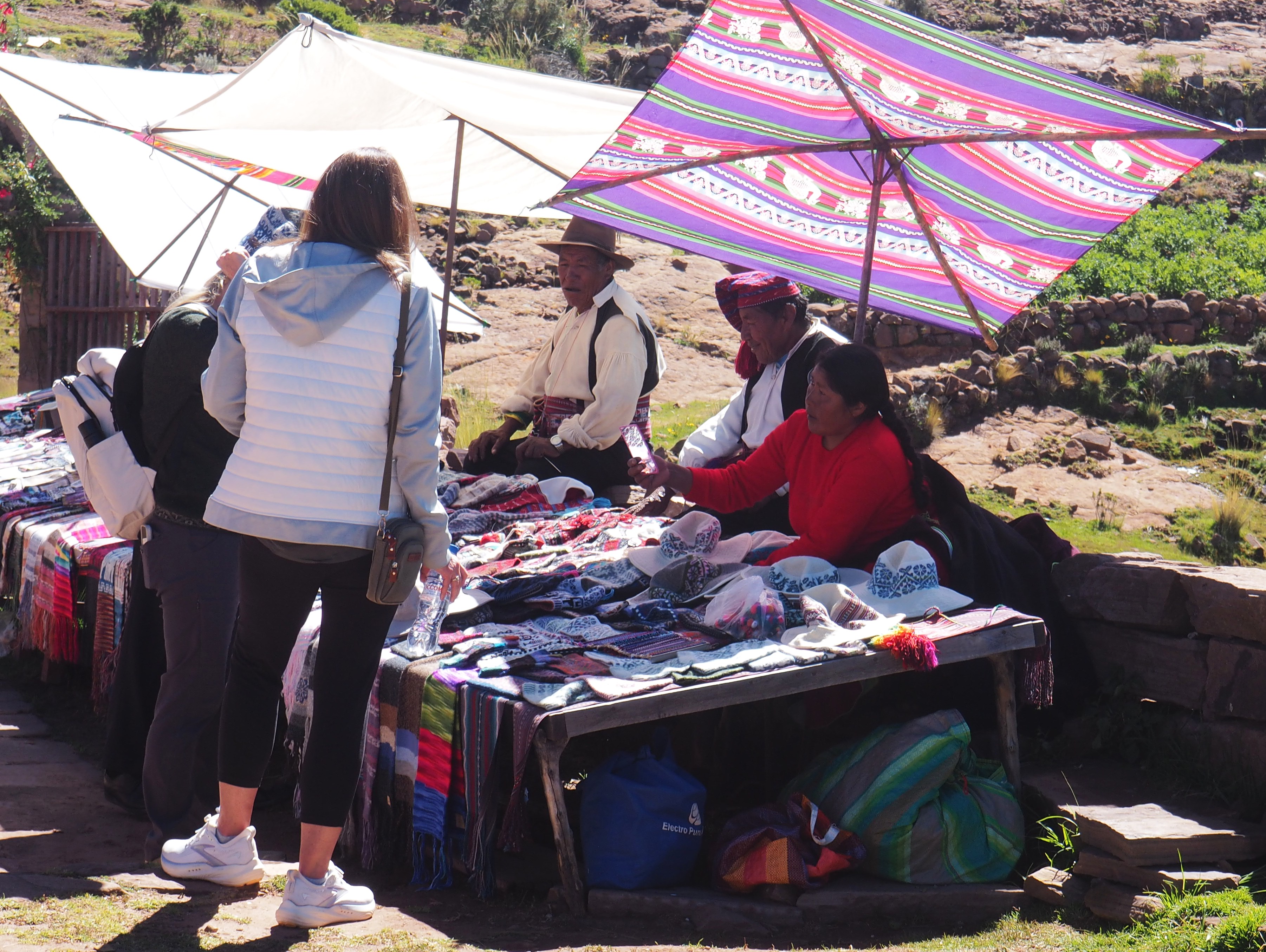
Some of the islands accept no tourists, but the ones that do invite tourist boats aboard, like Armando, talk about their lives on the islands and demonstrate the construction methods they use to build them. Then, tourists are invited into the humble homes for a brief chat and to purchase handmade goods from the house owner. A truly unique experience but one which feels like a welcome invitation helping the island economy and not a touristy gawking exercise.
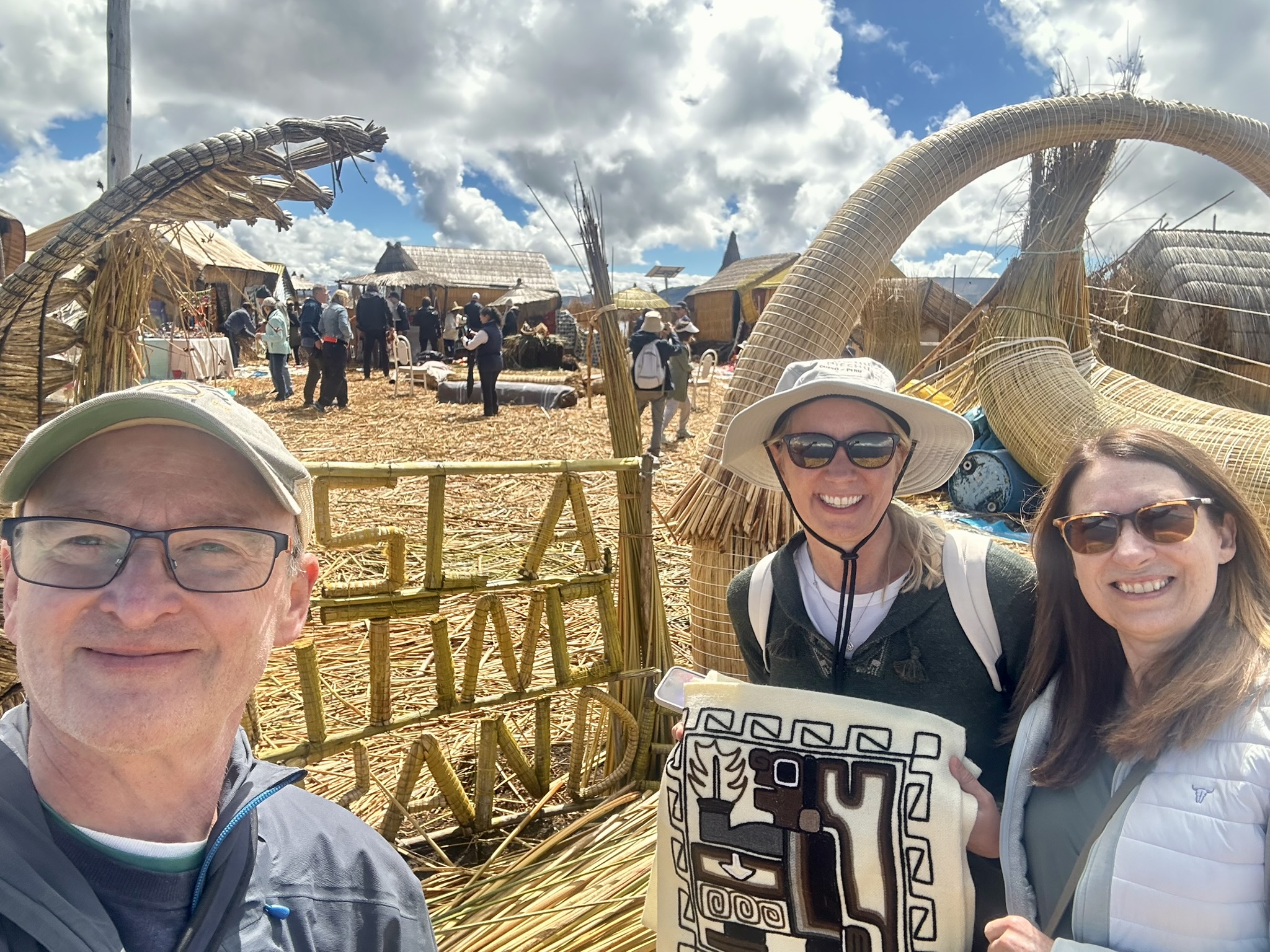
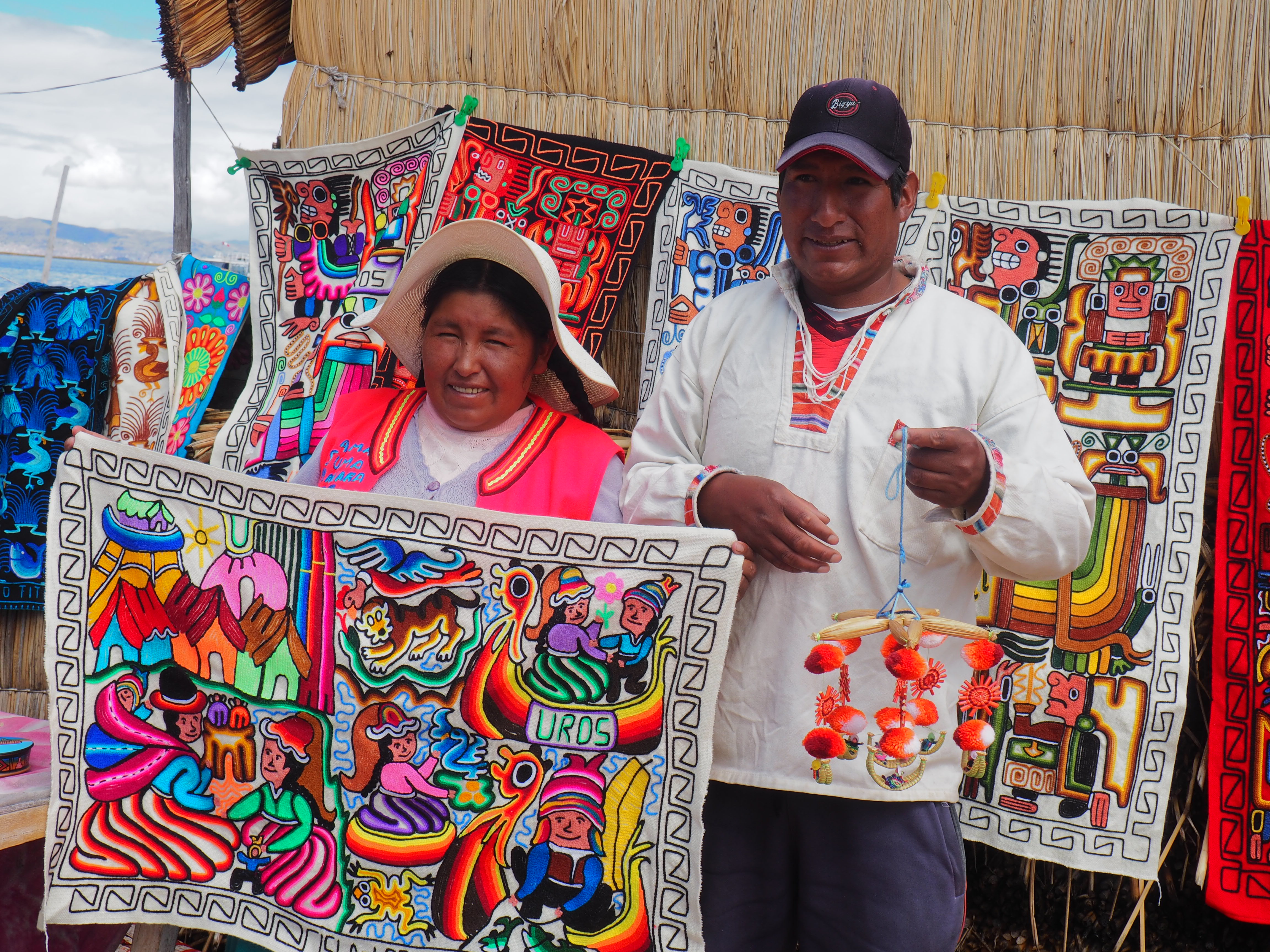
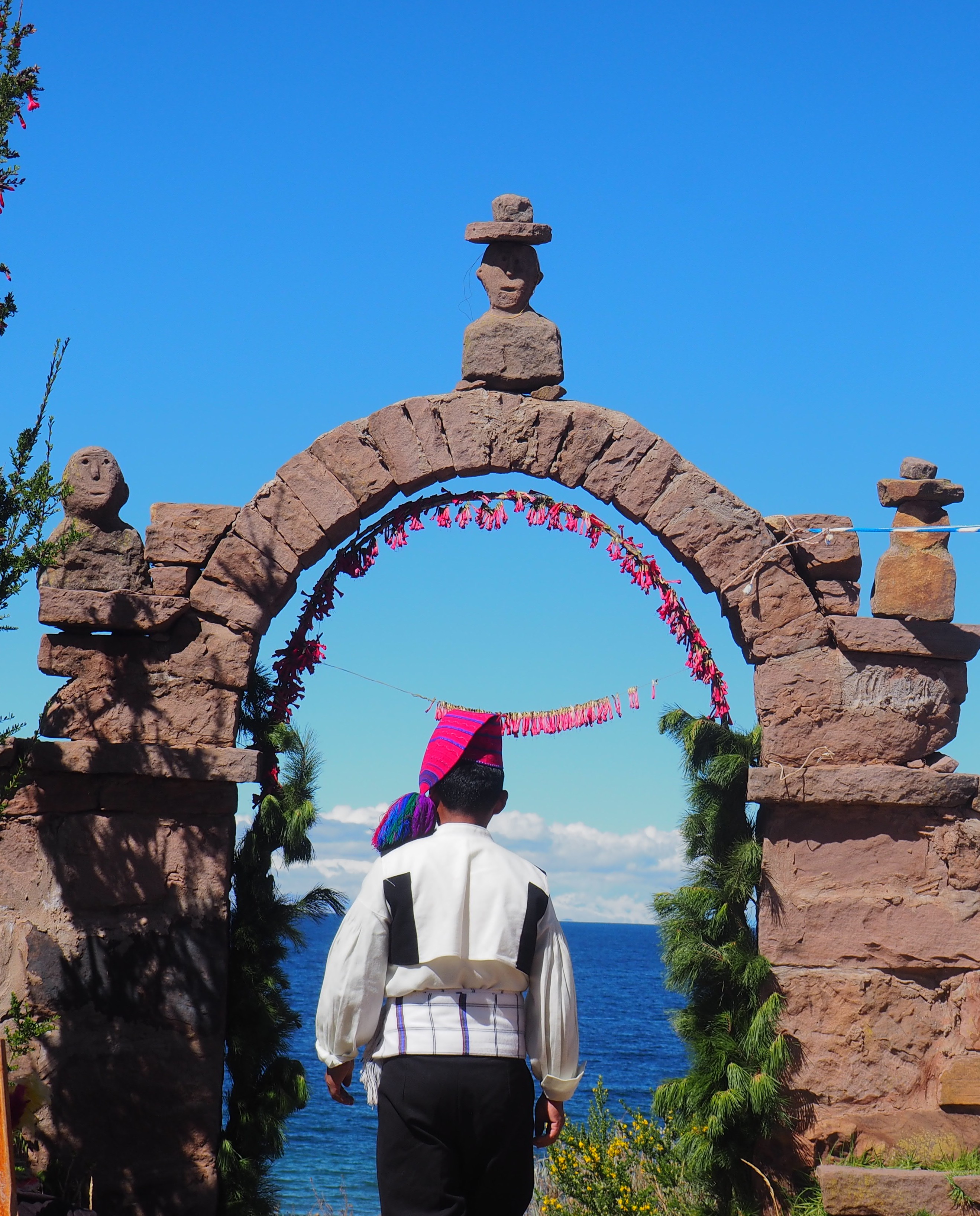
Taquille Island. With the Uros islands in our rear view and new handmade pillowcase artwork in hand, we headed for Taquille Island where we were welcomed on the beach by locals playing wind instruments and drums, singing and dancing.
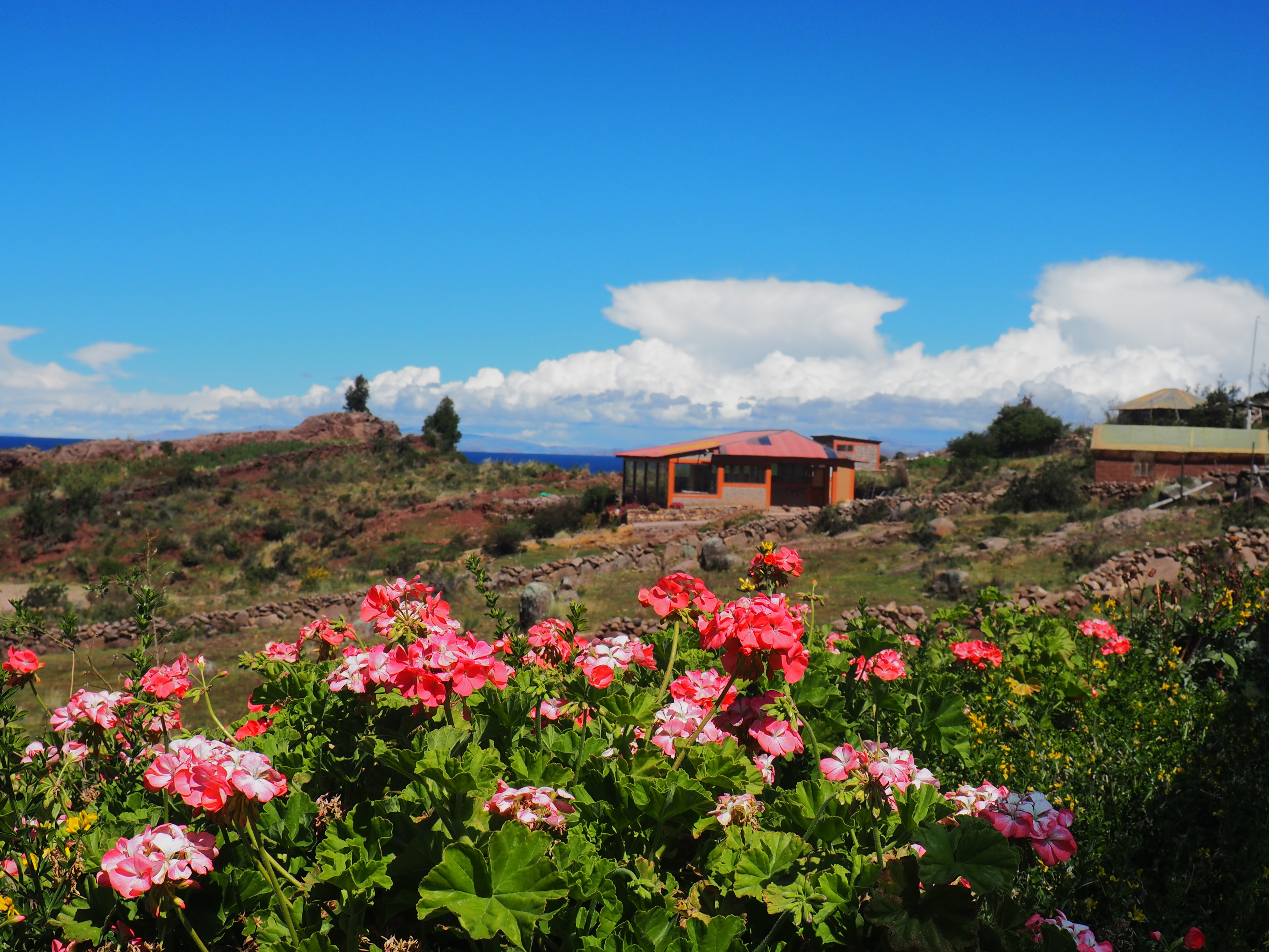
We hiked to the top of the island for views of the lake and Bolivia beyond and then returned to the beach for cocktails and a homemade lunch.
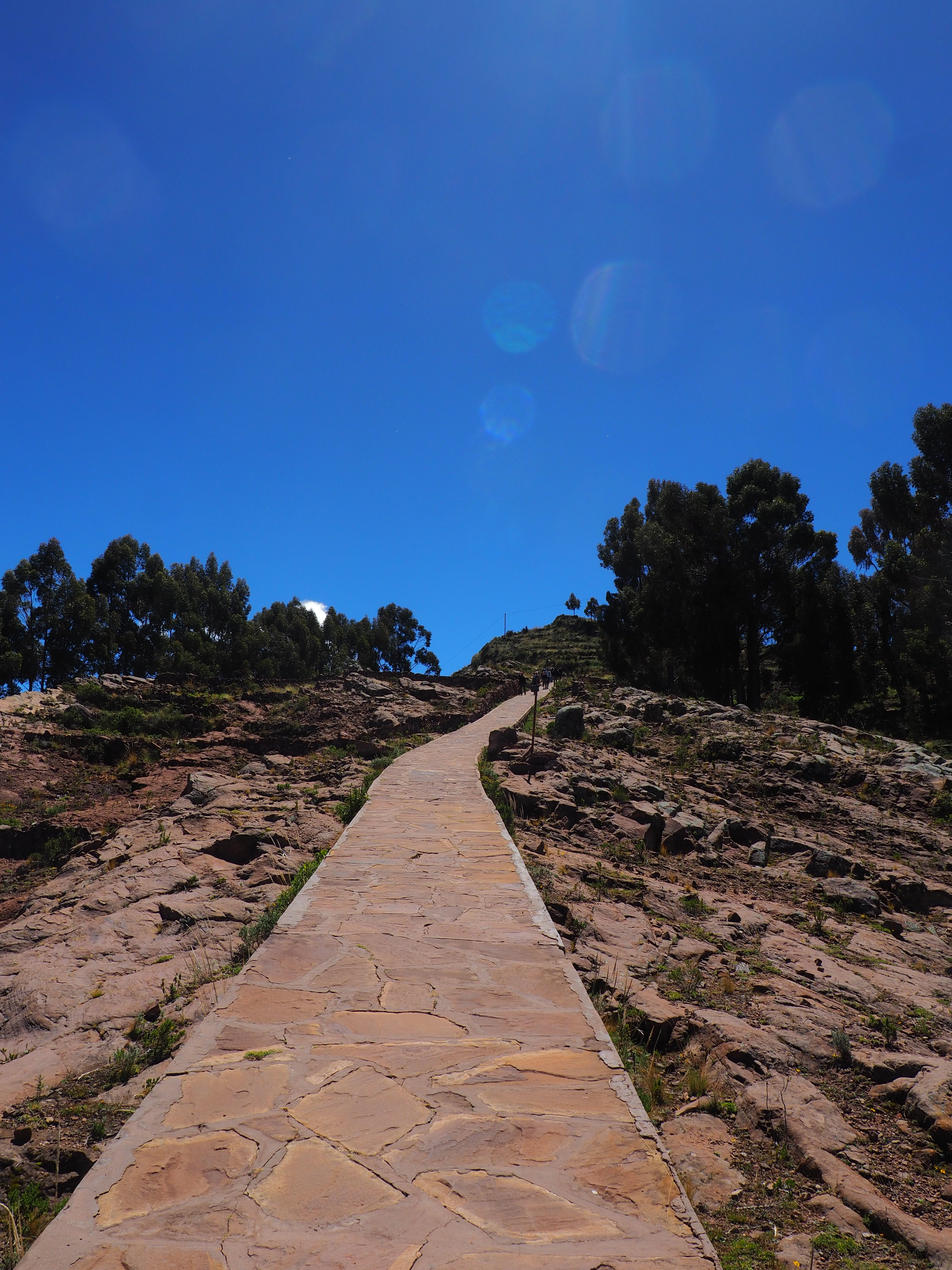
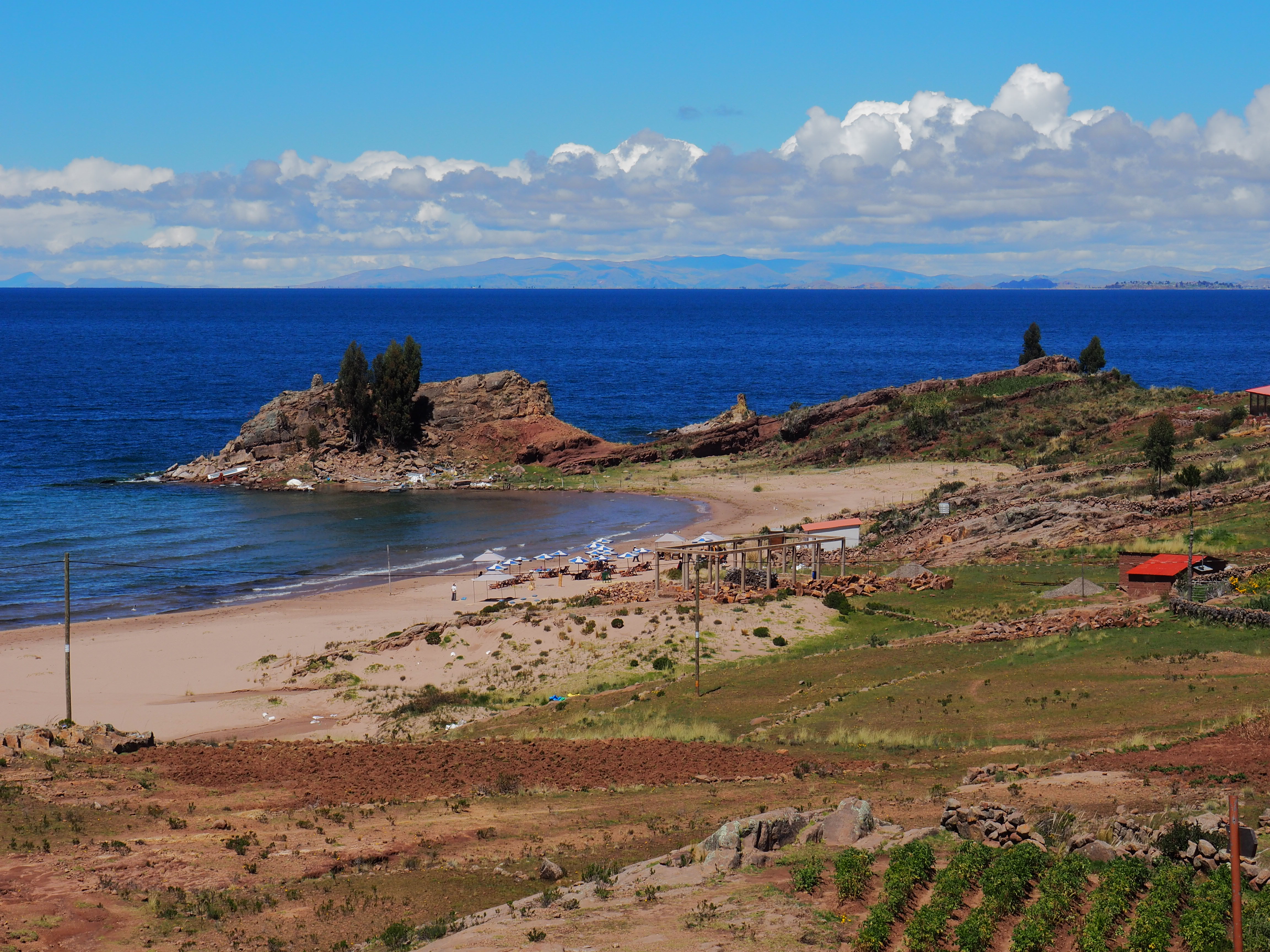
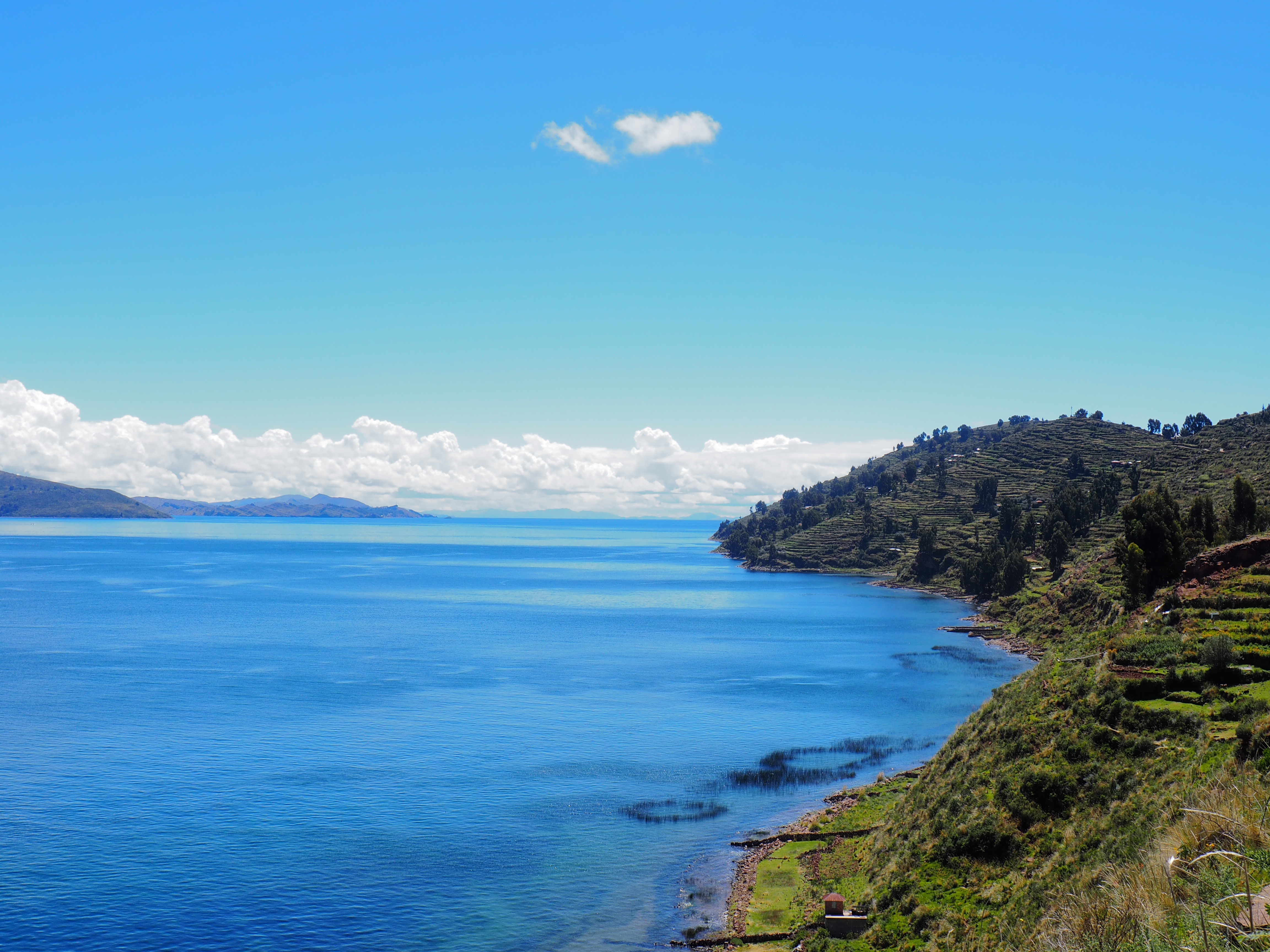
The textiles of the residents of Taquille Island are UNESCO protected but the COVID pandemic cut off their primary income source driving many residents to leave the island for jobs in Puno or other nearby cities. The upside, the increased income has made electricity and running water more common on the island.
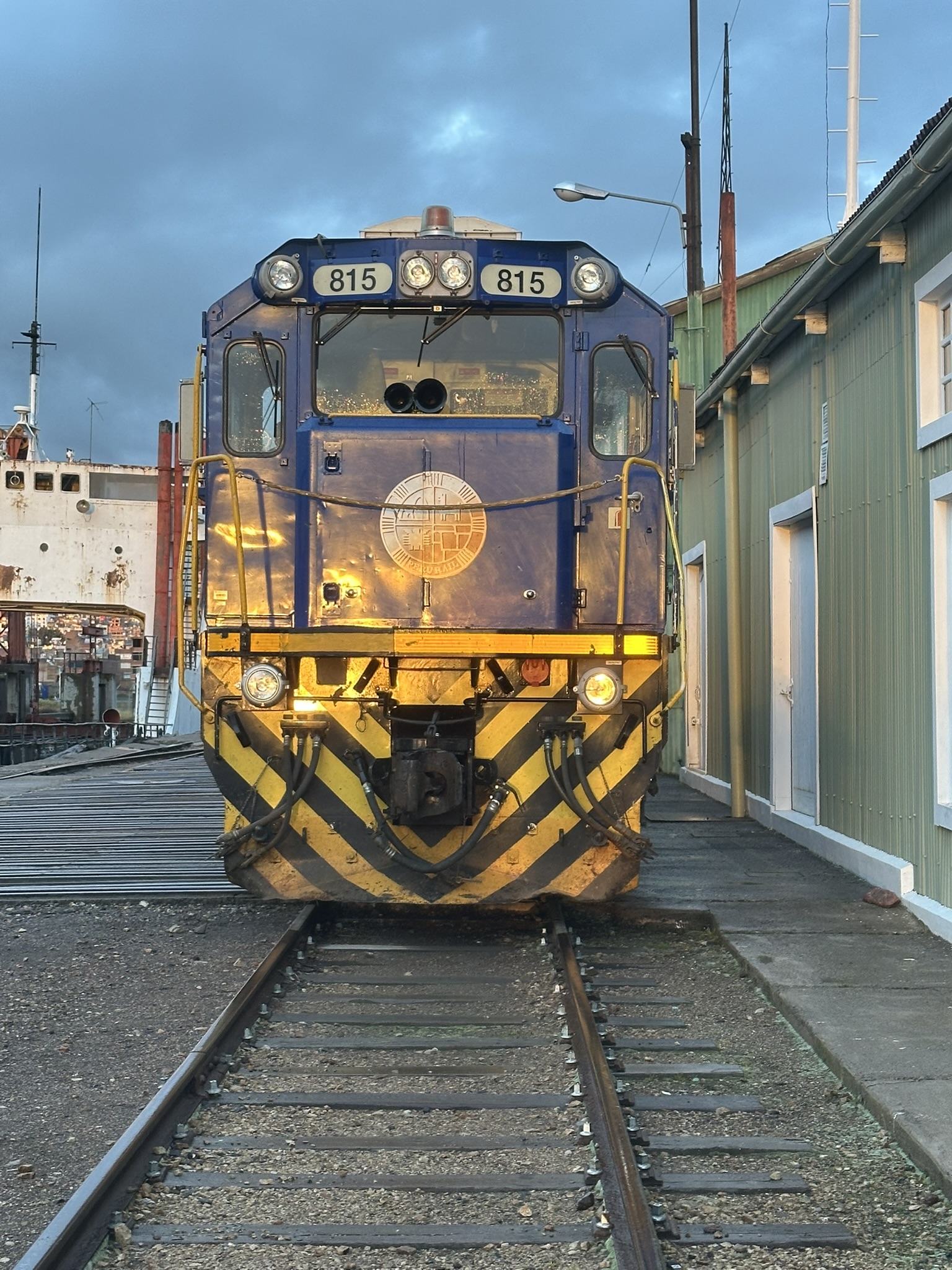
Back on the mainland, as Inti prepared to retire for the night, we boarded our train, passed through the busy streets of Puno and headed off into the high alpine deserts of Peru and some of the most amazing scenery we’d seen of the entire trip.
Sources:
 The Traveling Ridleys
0 comments on “Titillating Lake Titicaca”