

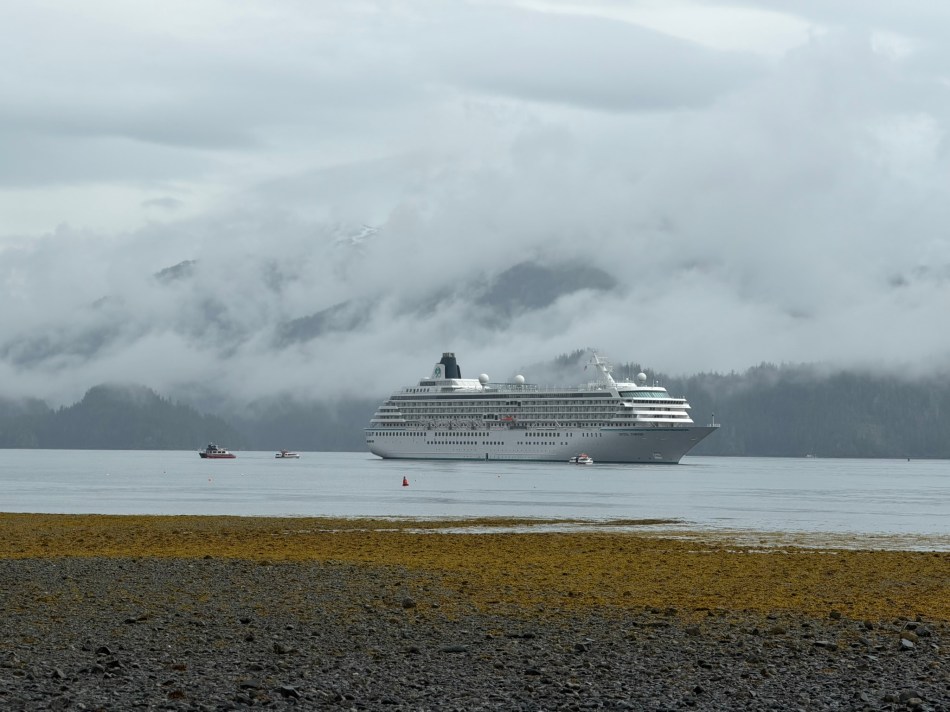
From the Kenai Peninsula of Alaska, we headed to sea aboard our cruise ship with Vancouver as our final destination. But our week at sea was to include several ports of call and lots of vistas, sea mammals, experiences and avian viewings along the way.
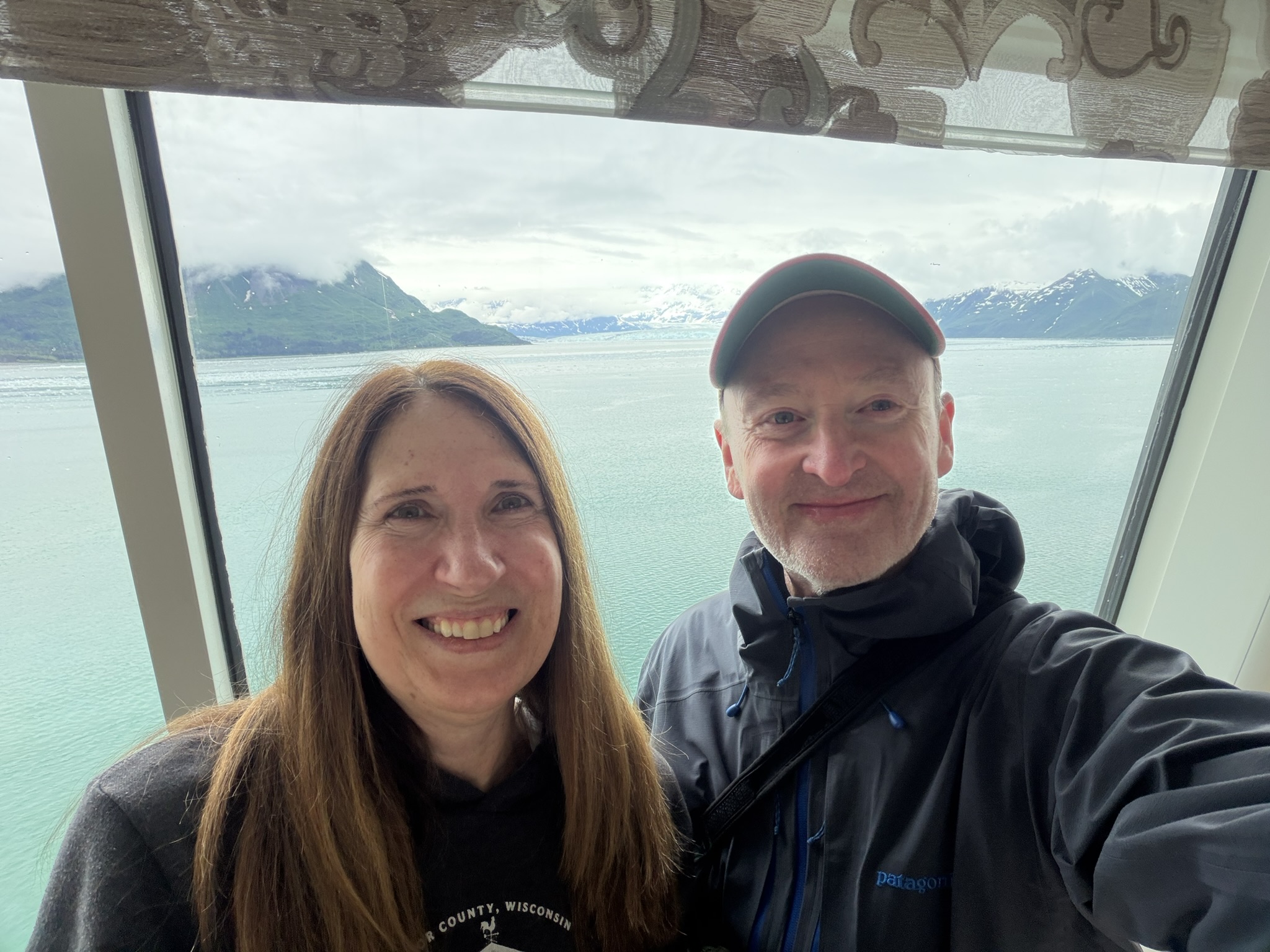
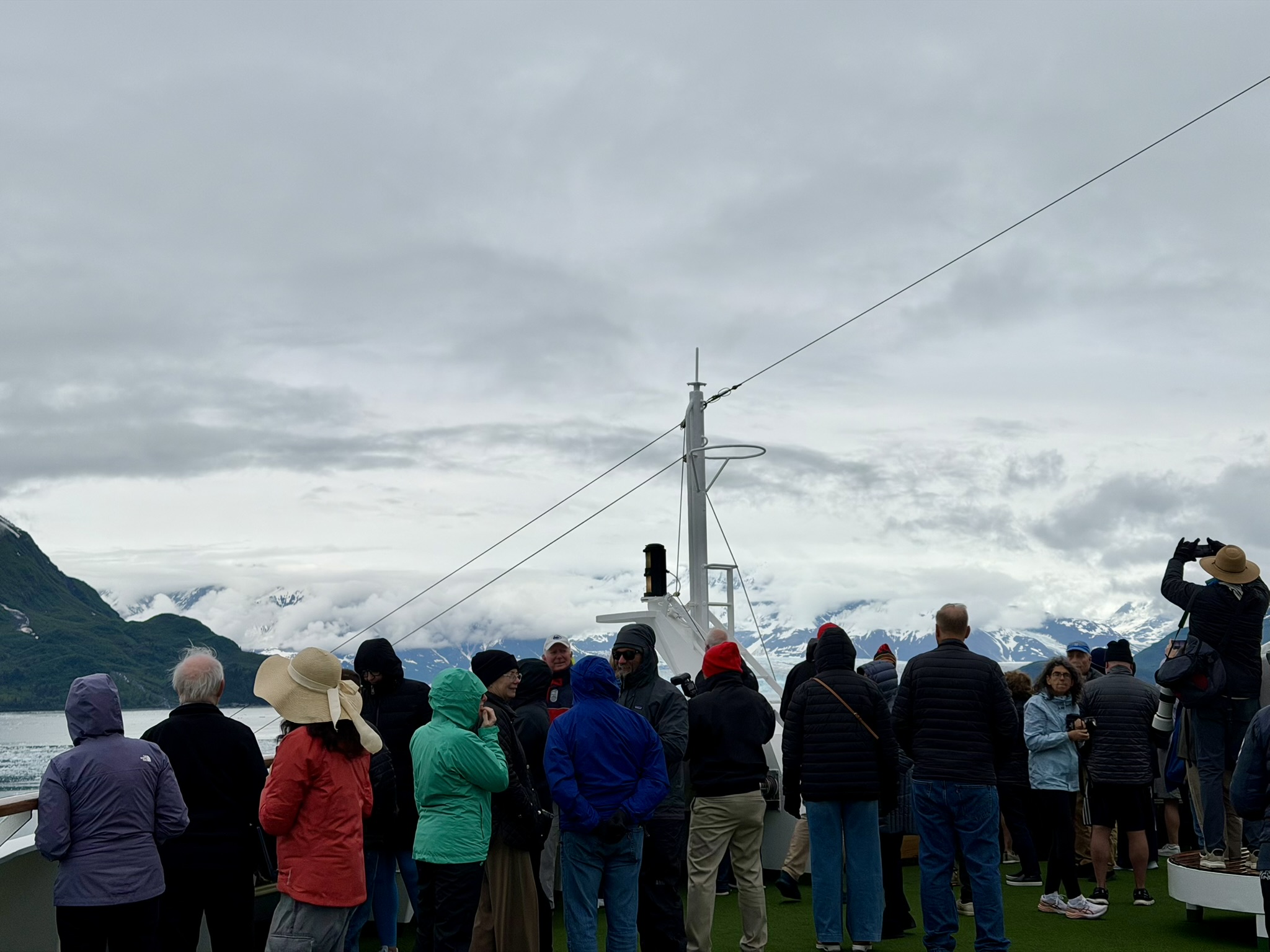
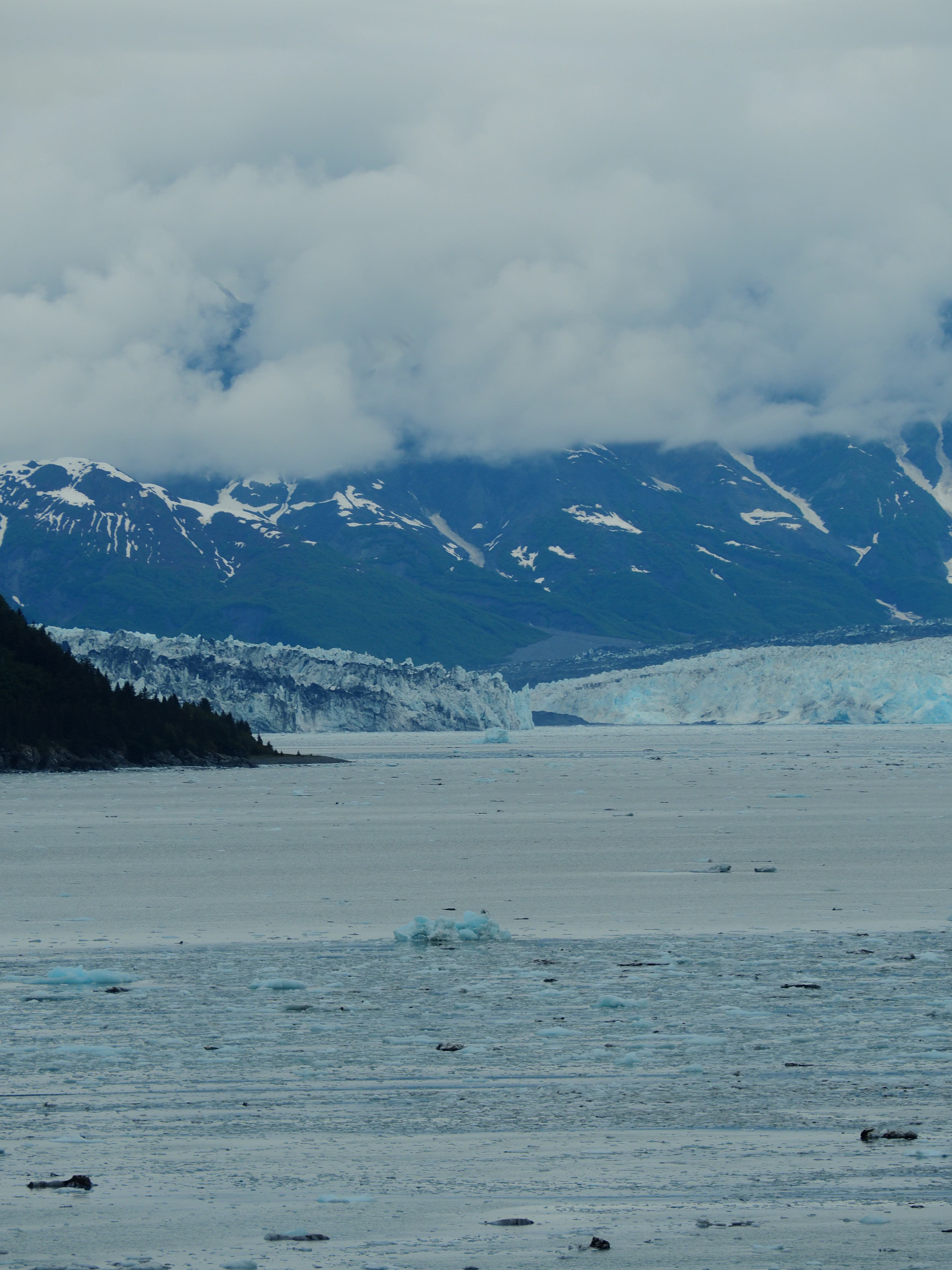
The Hubbard Glacier. Our first day was at sea but included a detour up into Disenchantment Bay to admire the impressive Hubbard Glacier. The Hubbard Glacier is about 1200 feet high, 400 feet of which is visible above water. Its “snout” is 6 miles wide where it touches the bay. It takes about 400 years for the ice that you see when you view it to reach the snout from the source of Bagley ice field. This means you are staring at something 400 years old when you look at it from sea.
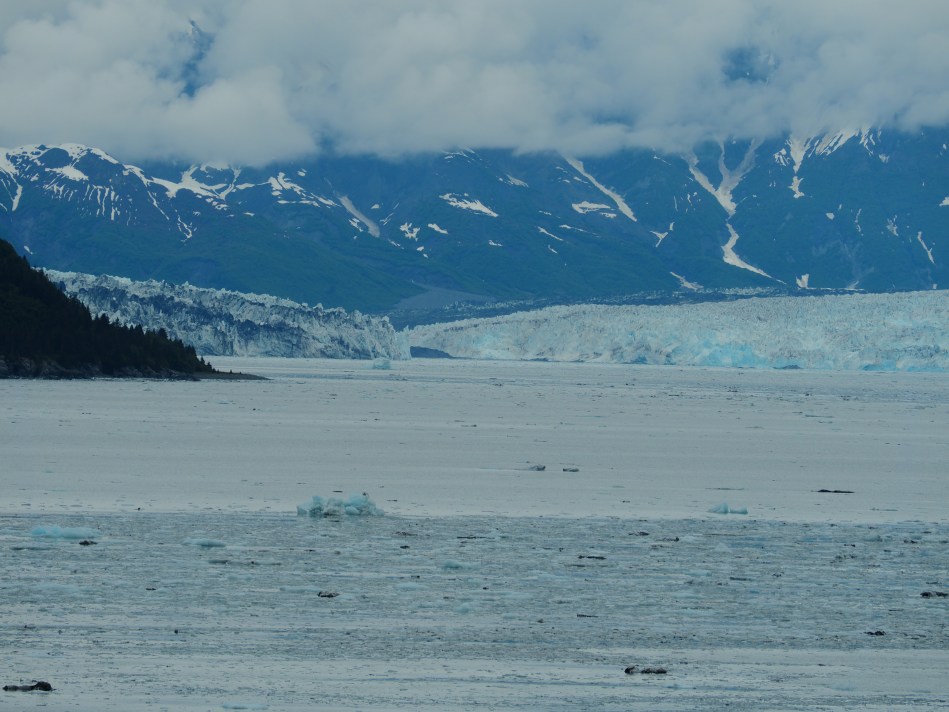
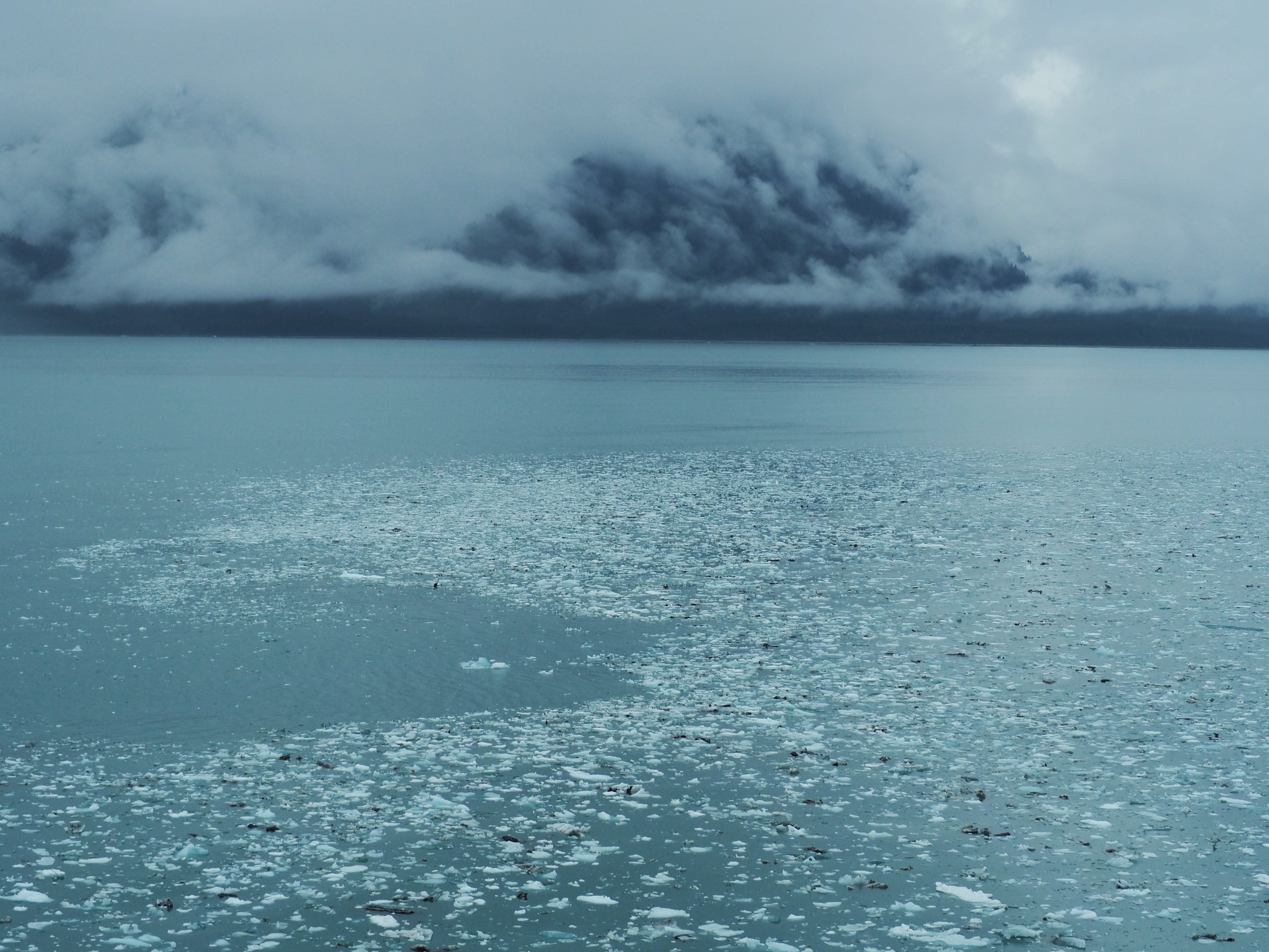
We dodged icebergs (> 5 meters high), bergie bits (1-5 meters high) and growlers (< 1 meter high) calved by the glacier as we approached, hovered and departed. Break lines in the ice fields appear when the temperatures were not warm enough for a day or more to create ice calves. Truly remarkable.
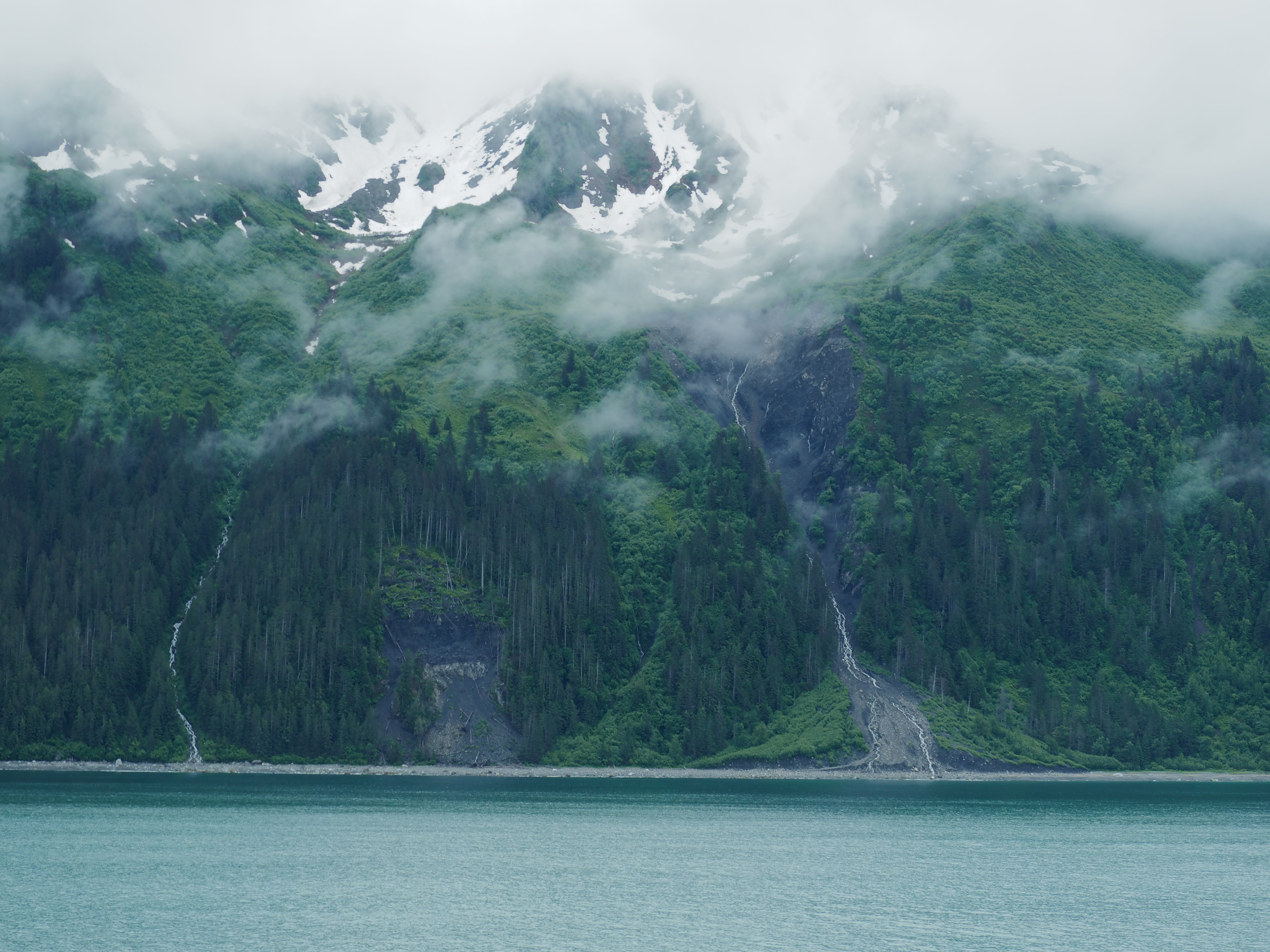
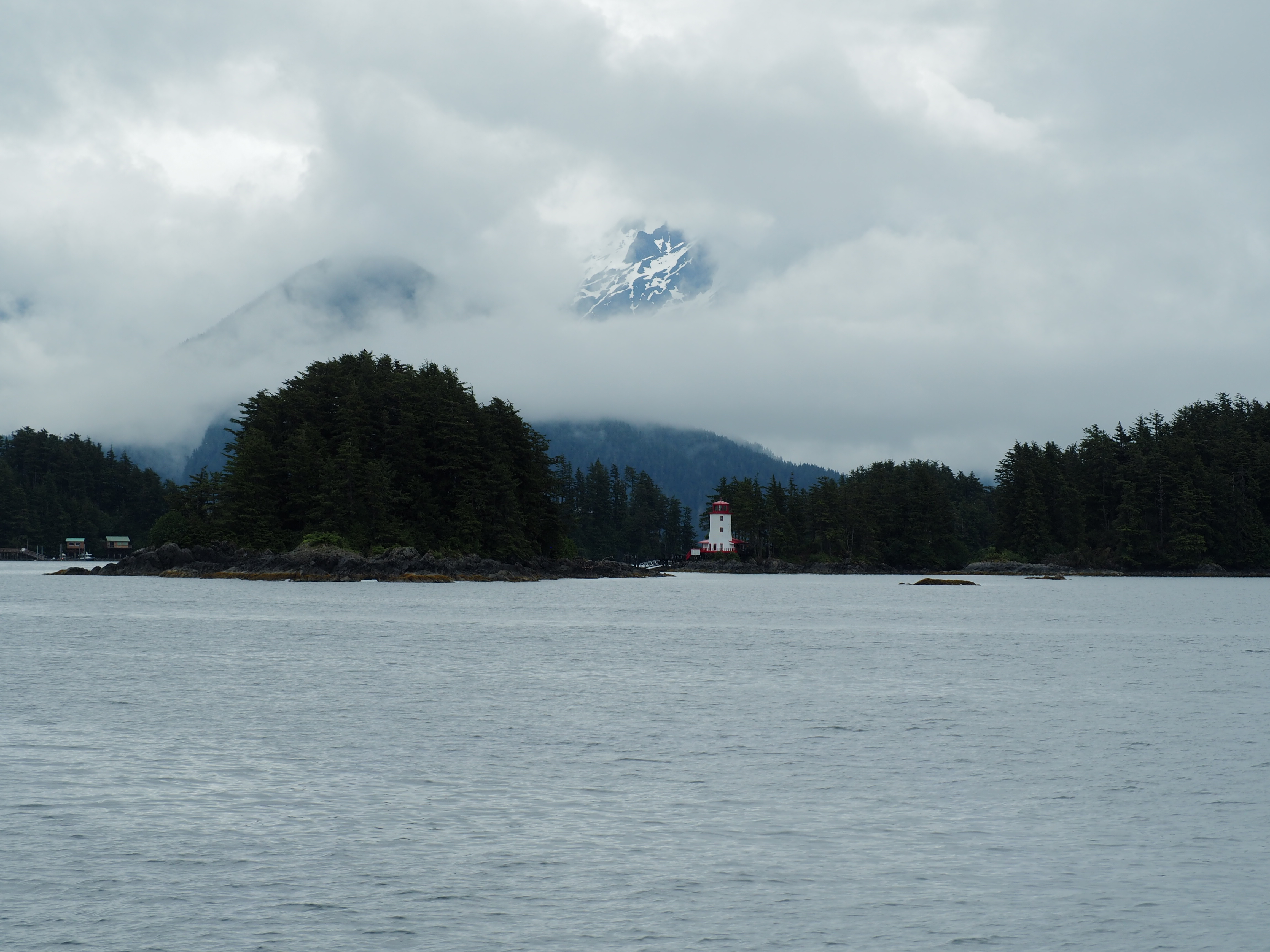
Sitka. Our next stop was the old Russian capital of Sitka. Sitka was our first island we visited along the fjords of southeast Alaska.
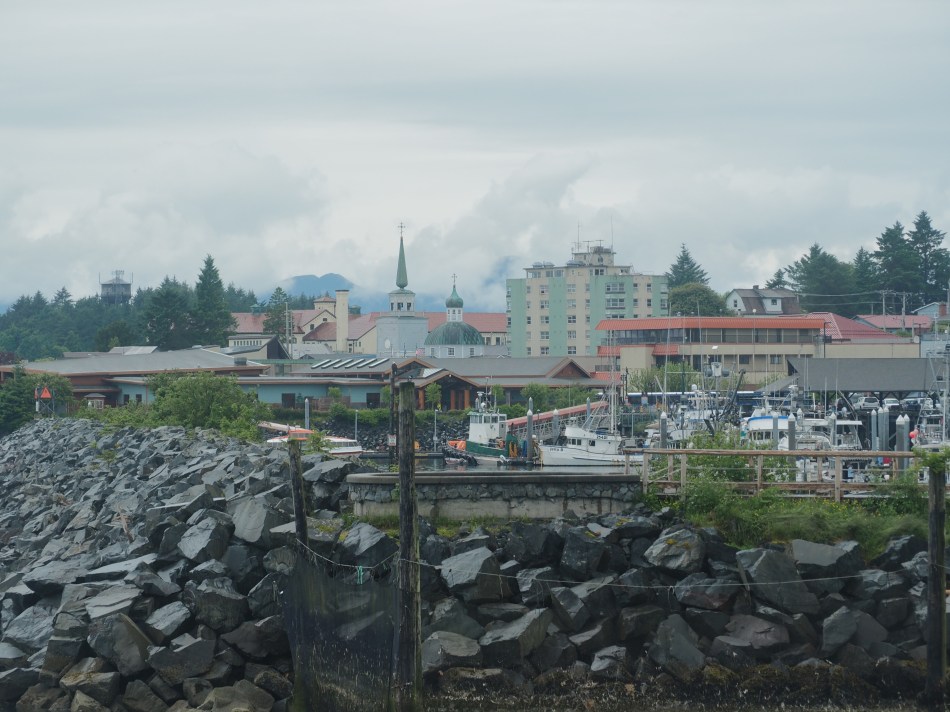
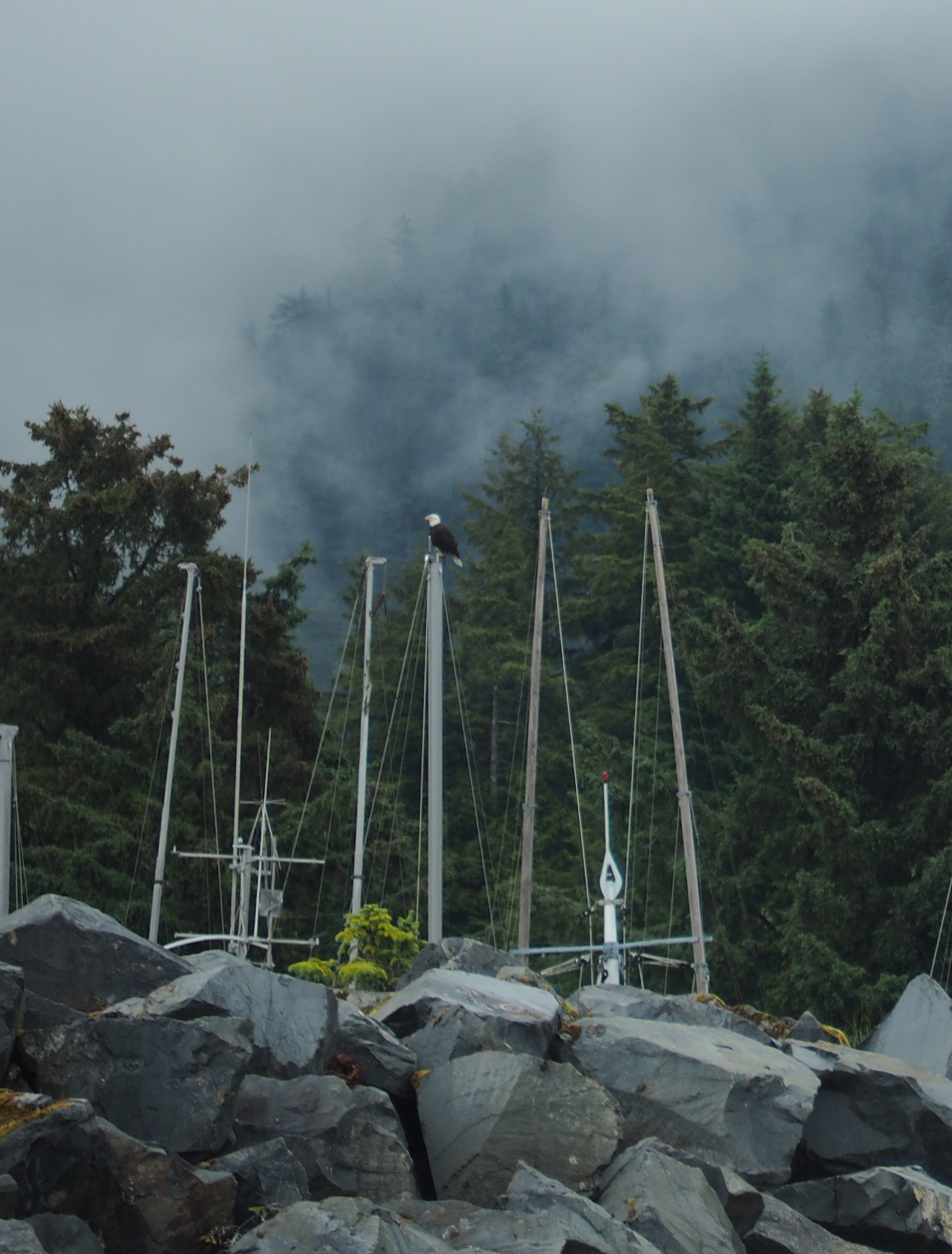
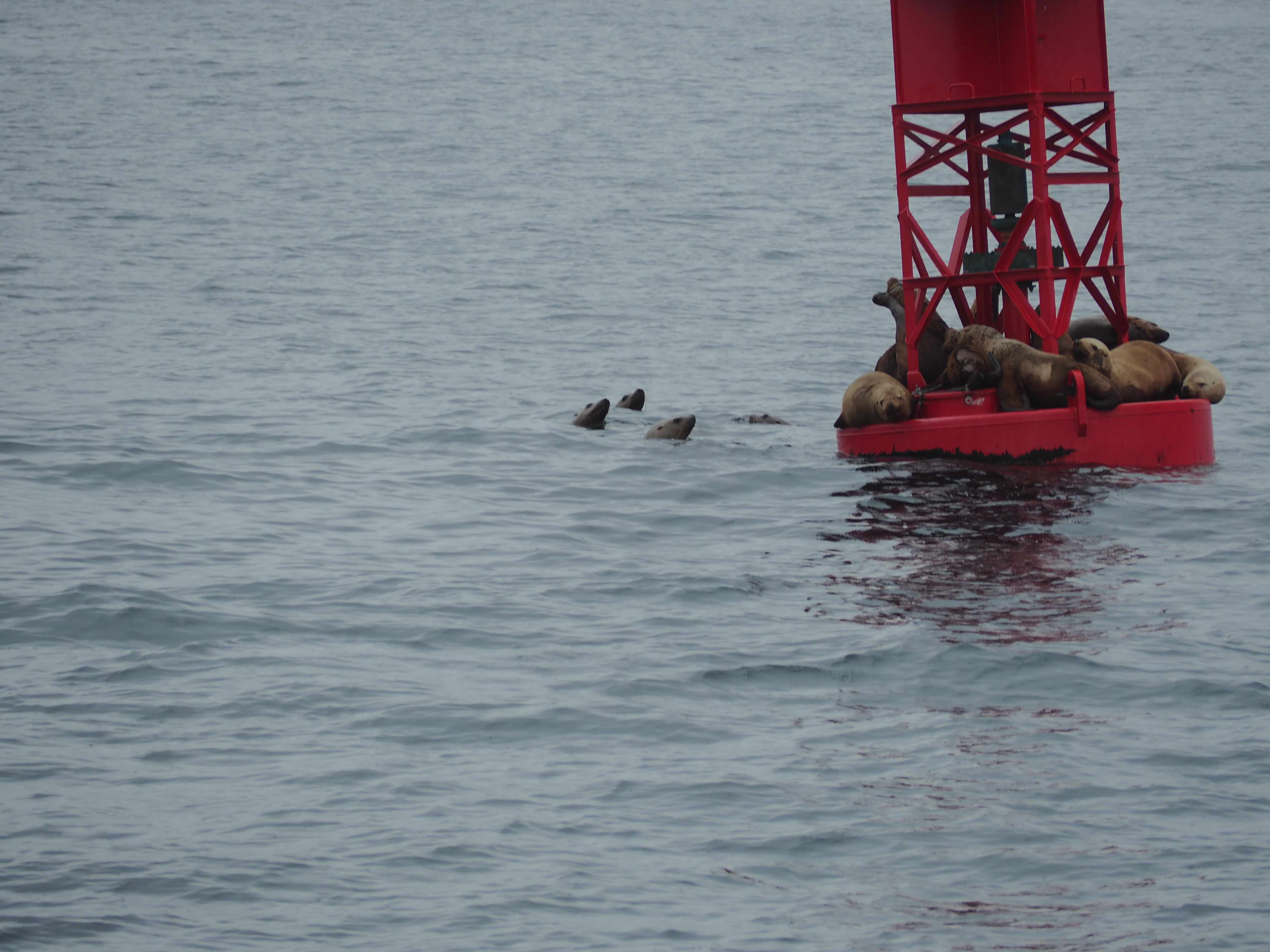
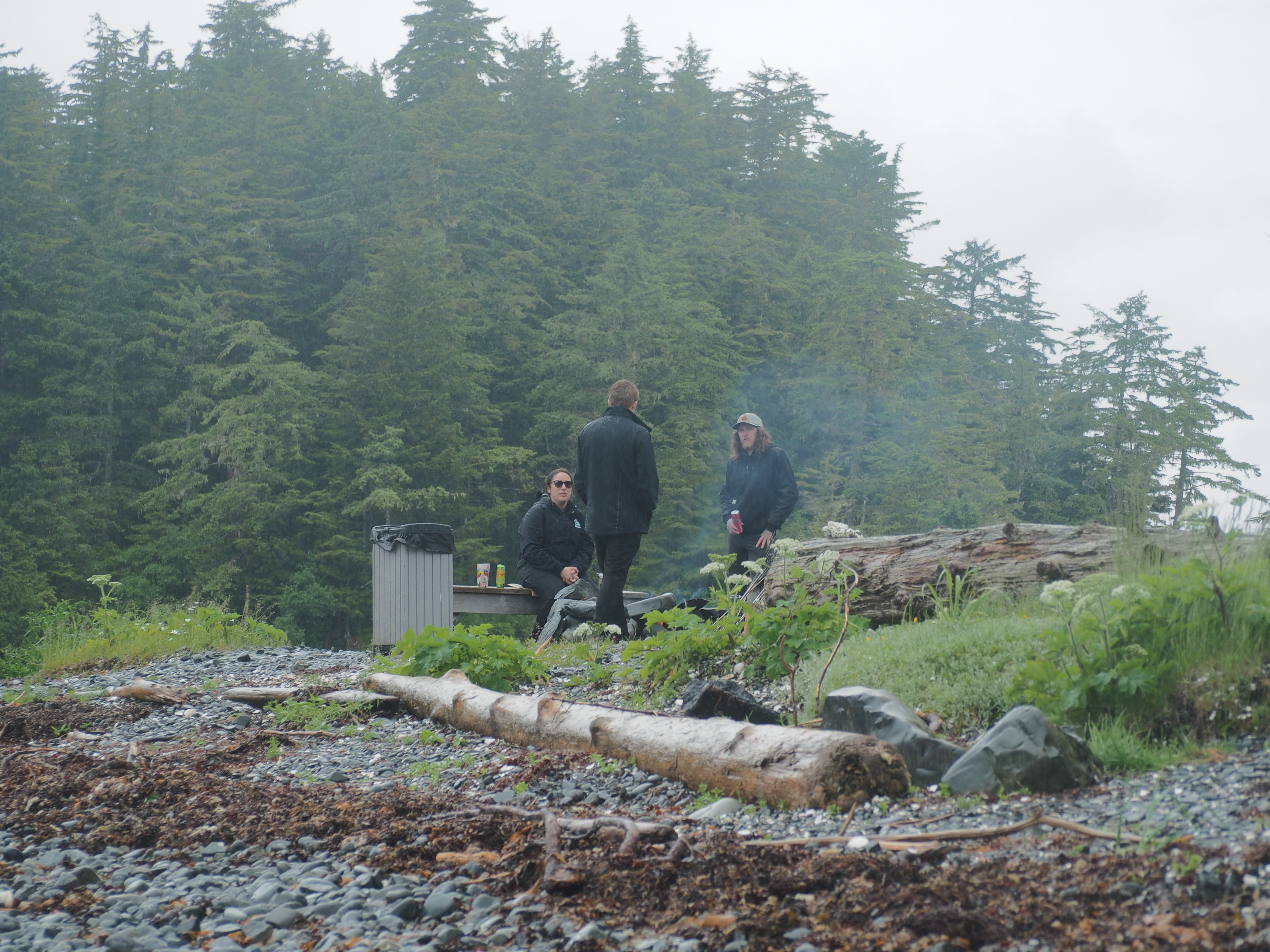
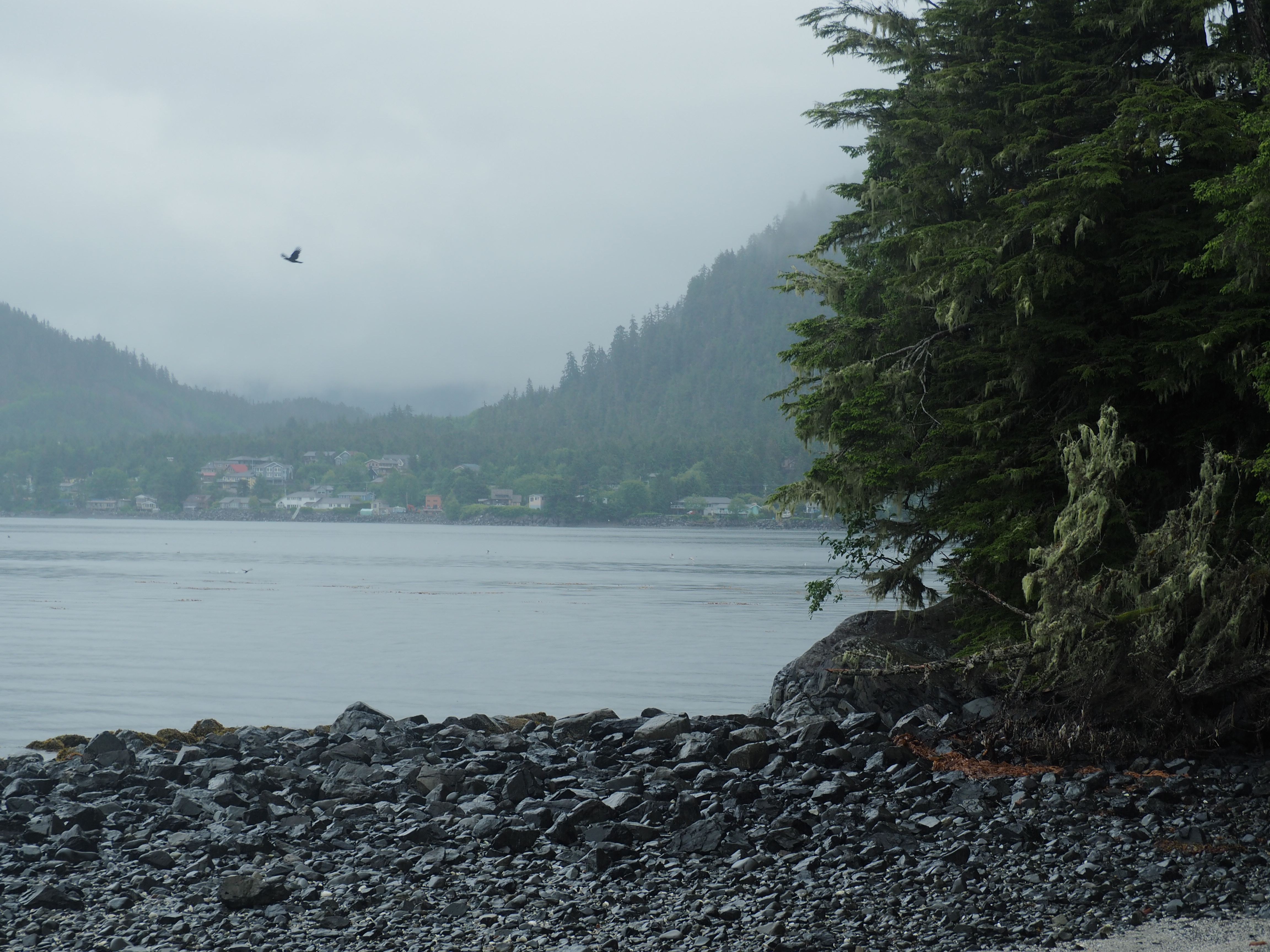
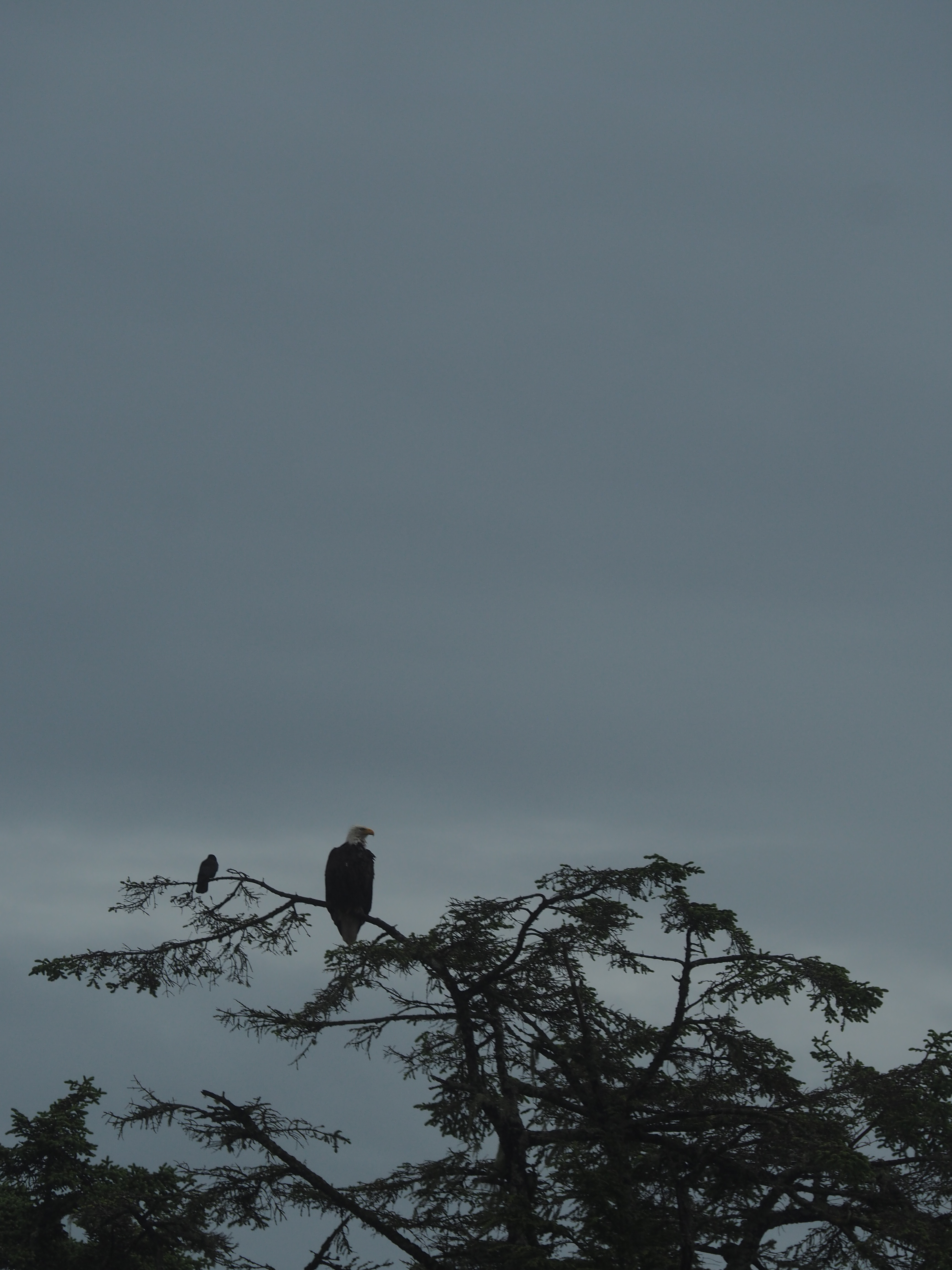
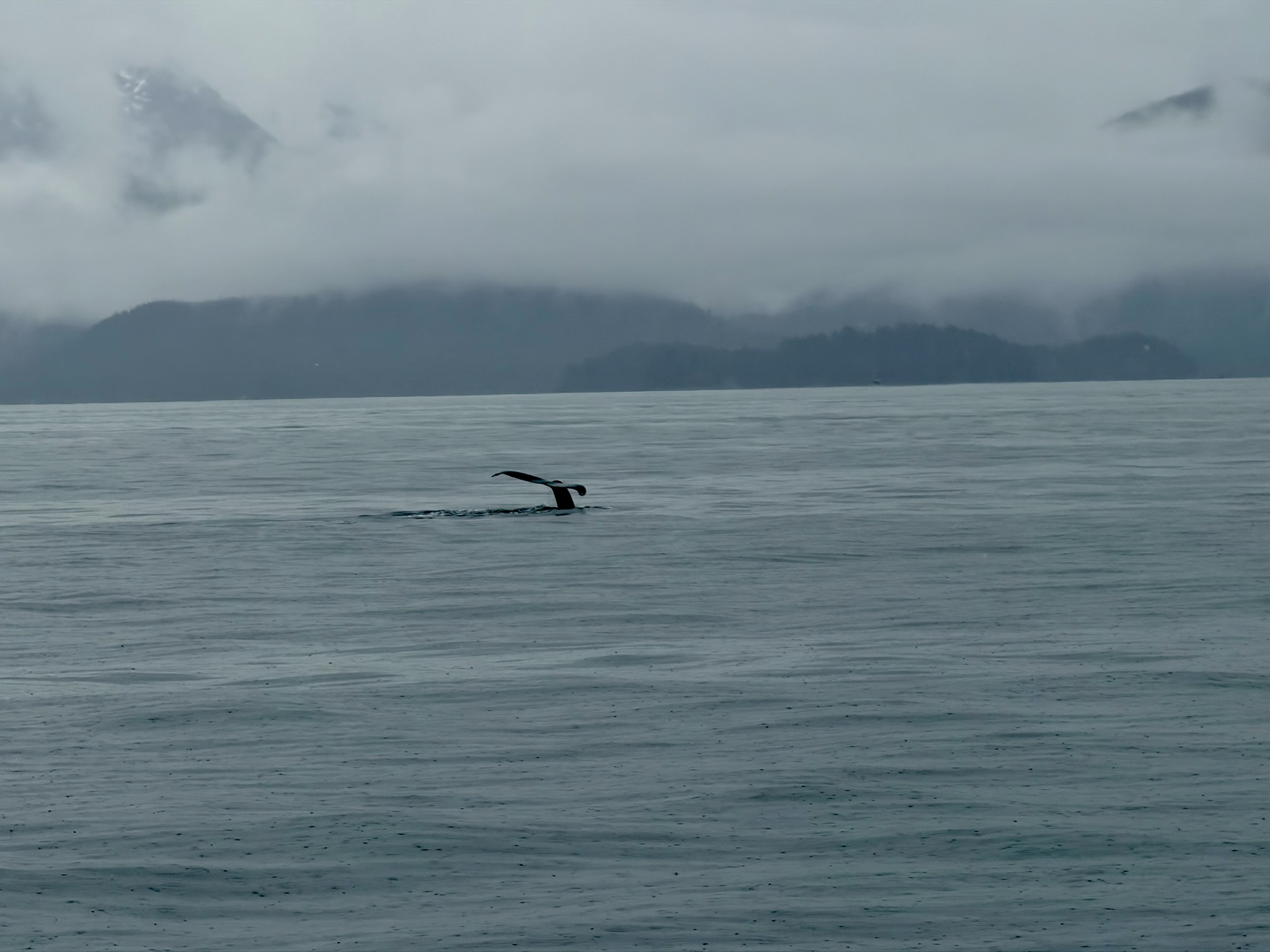
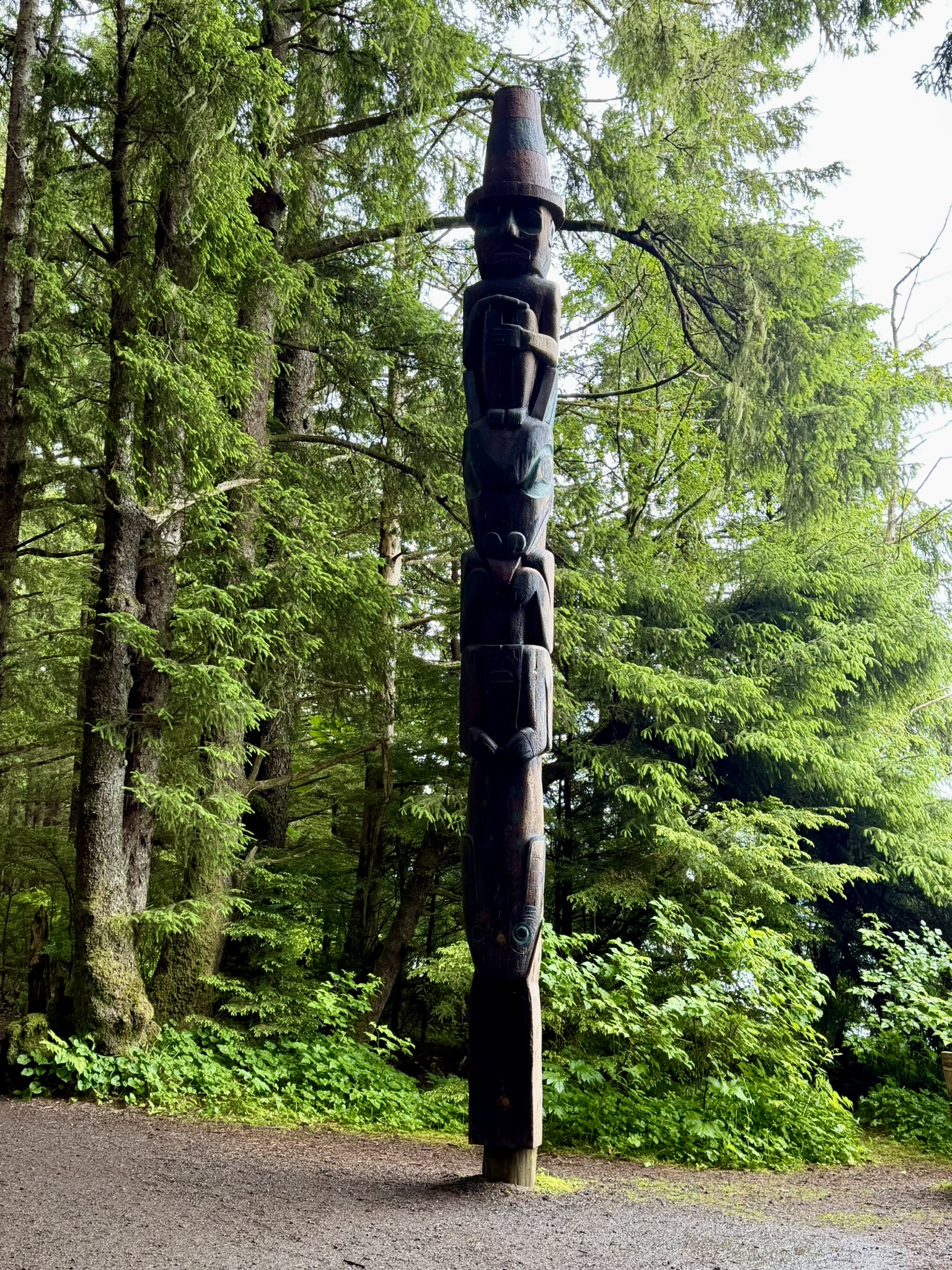
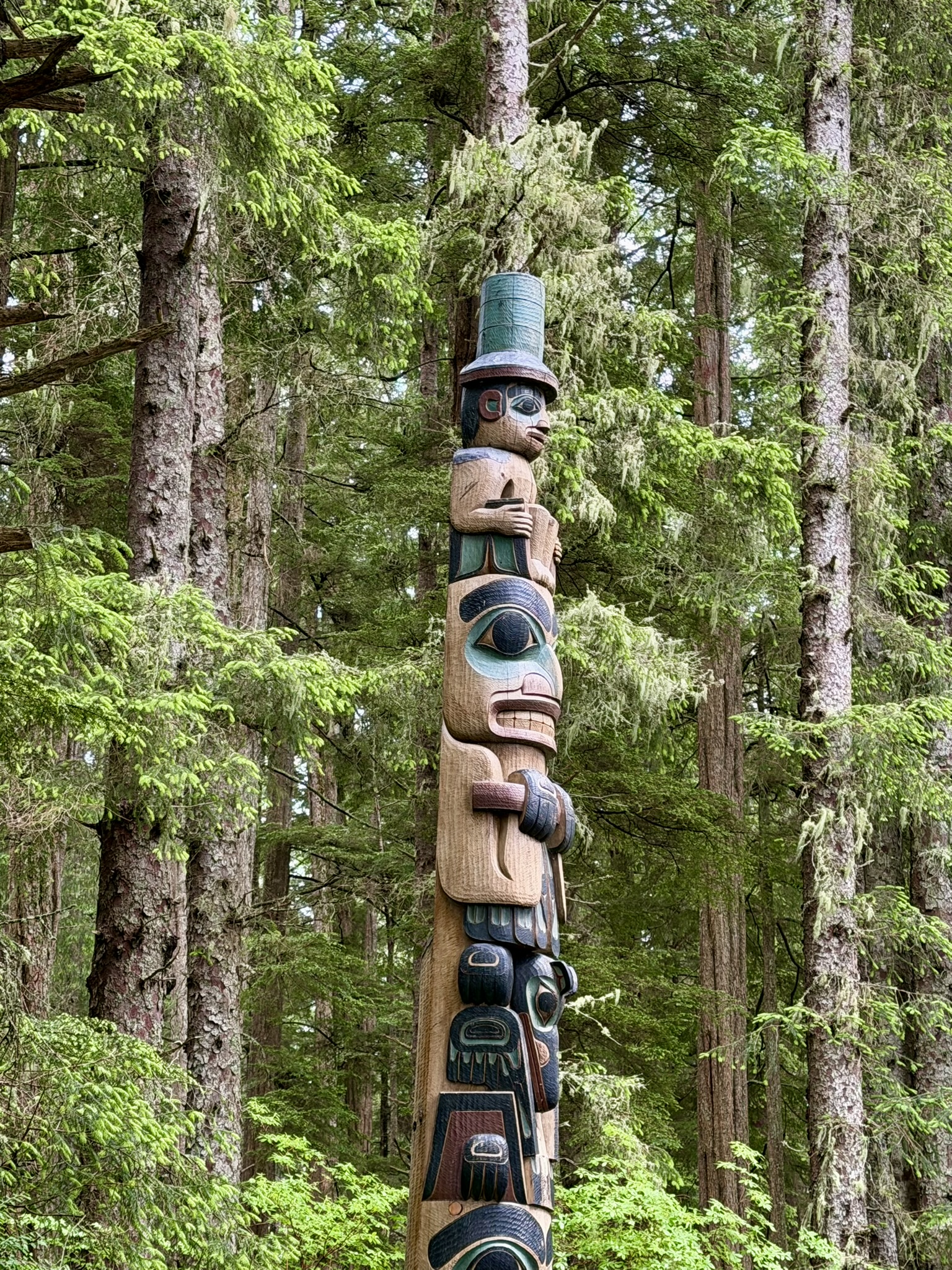
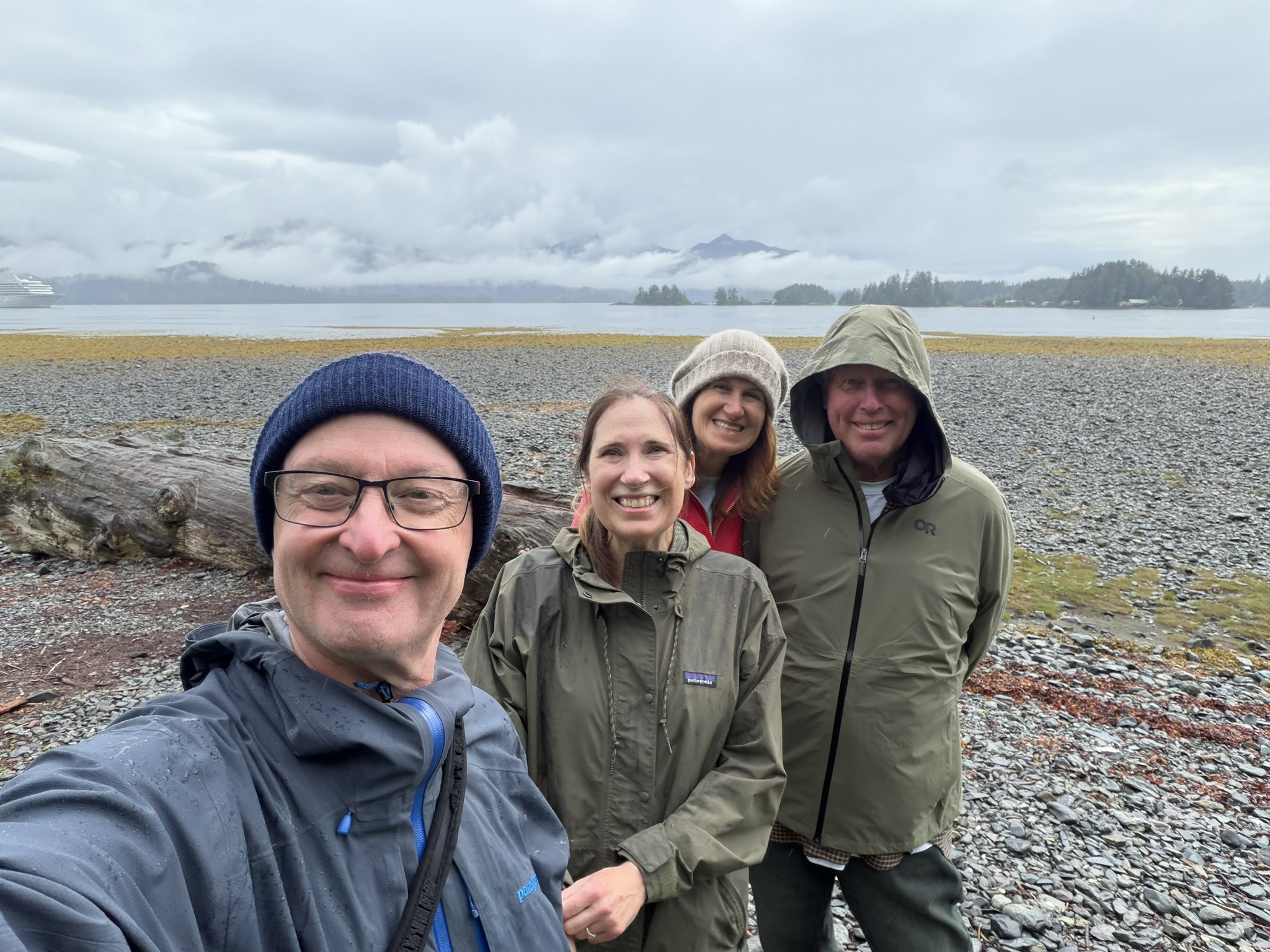
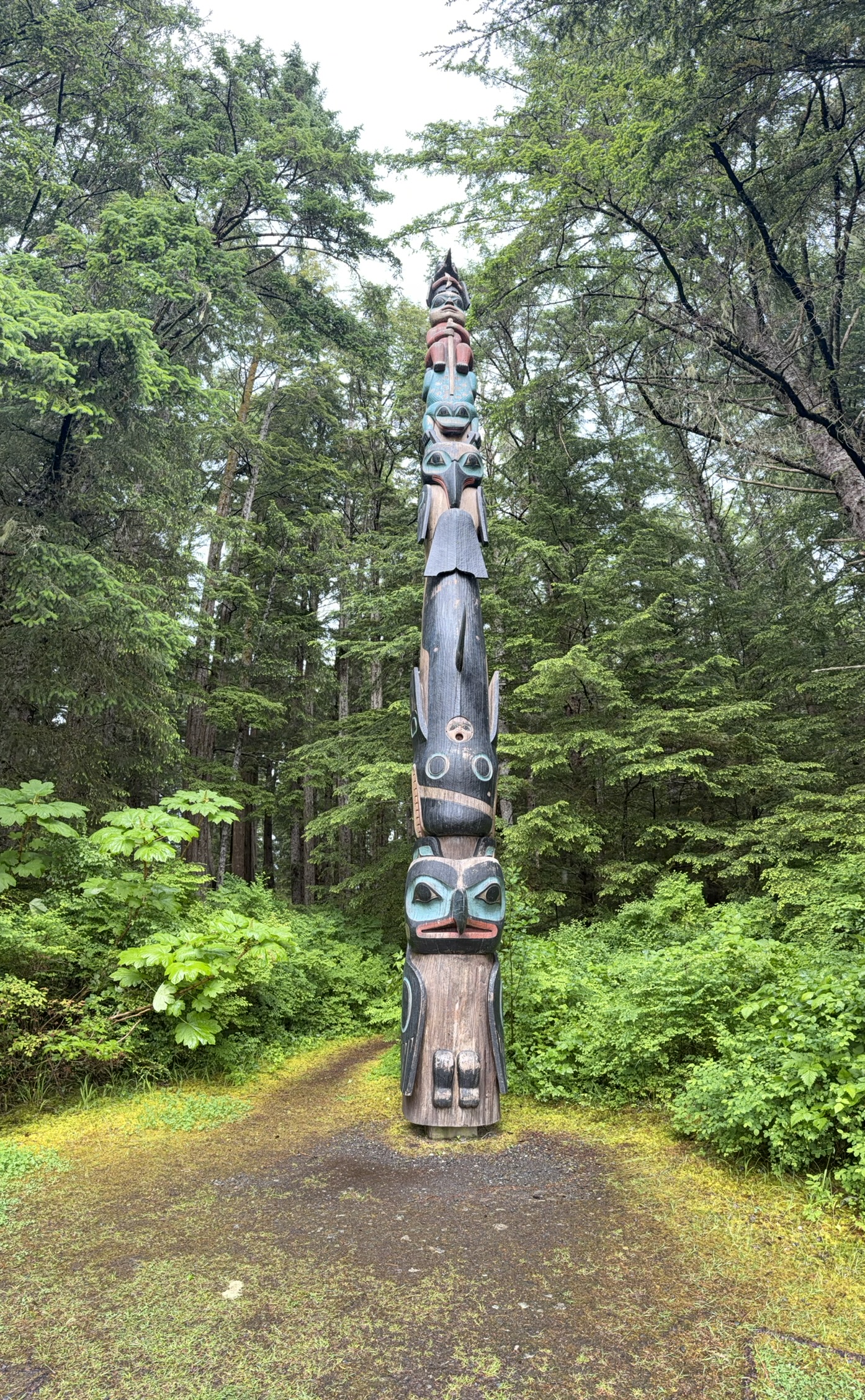
We spent our morning on a boat, spotting humpback whales, harbor seals and sea lions and countless bald eagles perched atop trees, buildings and sailboat masts. Then, we stopped off for a delicious wood fired lunch of salmon, steak and Alaskan king crab on Fin Island before returning to shore for a walkabout town, a visit to the rebuilt Russian Orthodox Church (rebuilt in the 1940s after a fire took down the original) and a stroll through the Sitka National Historical Park to admire the totem poles installed there.
In 1904, Governor John Brady of Alaska was asked to create an exhibit in St. Louis for the Louisiana Purchase Exposition. His idea was to gather up totem poles carved by the Native peoples of southeast Alaska in order to educate visitors to the Expo about the “real Alaska”. Following the show in St. Louis, the poles traveled to a Lewis and Clark Centennial exhibition in Portland, Oregon before being returned to Alaska and installed at the Sitka National Park in 1906.
In search of the Coastal Brown Bear. A short hop from Sitka found us at Icy Strait Point, a native Tlingit people’s creation to attract the cruise ships on the island of Chichagof. Gondolas, a zip line and a row of tourist shops and restaurants greet you as you depart the ship. The small town of Hoonah is walkable, but we chose to board a shuttle to see if we could spot some coastal brown bears.
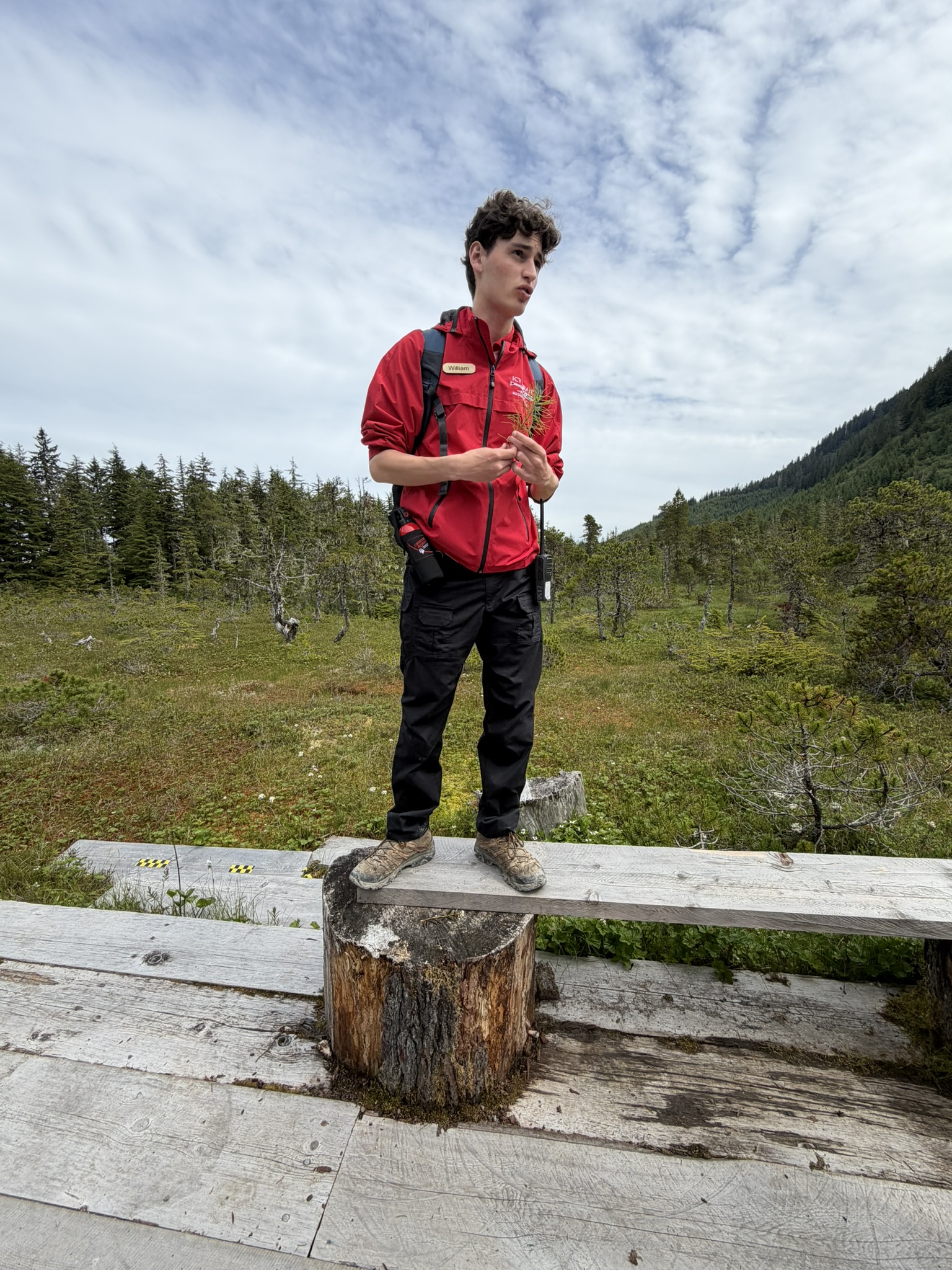
Our guide, a 20-year-old from Indiana overflowing with energy, enthusiasm for bears with plenty of bear quips and one liners guided us through the bear essentials, fun facts and stories of bear encounters on the 45-minute ride.
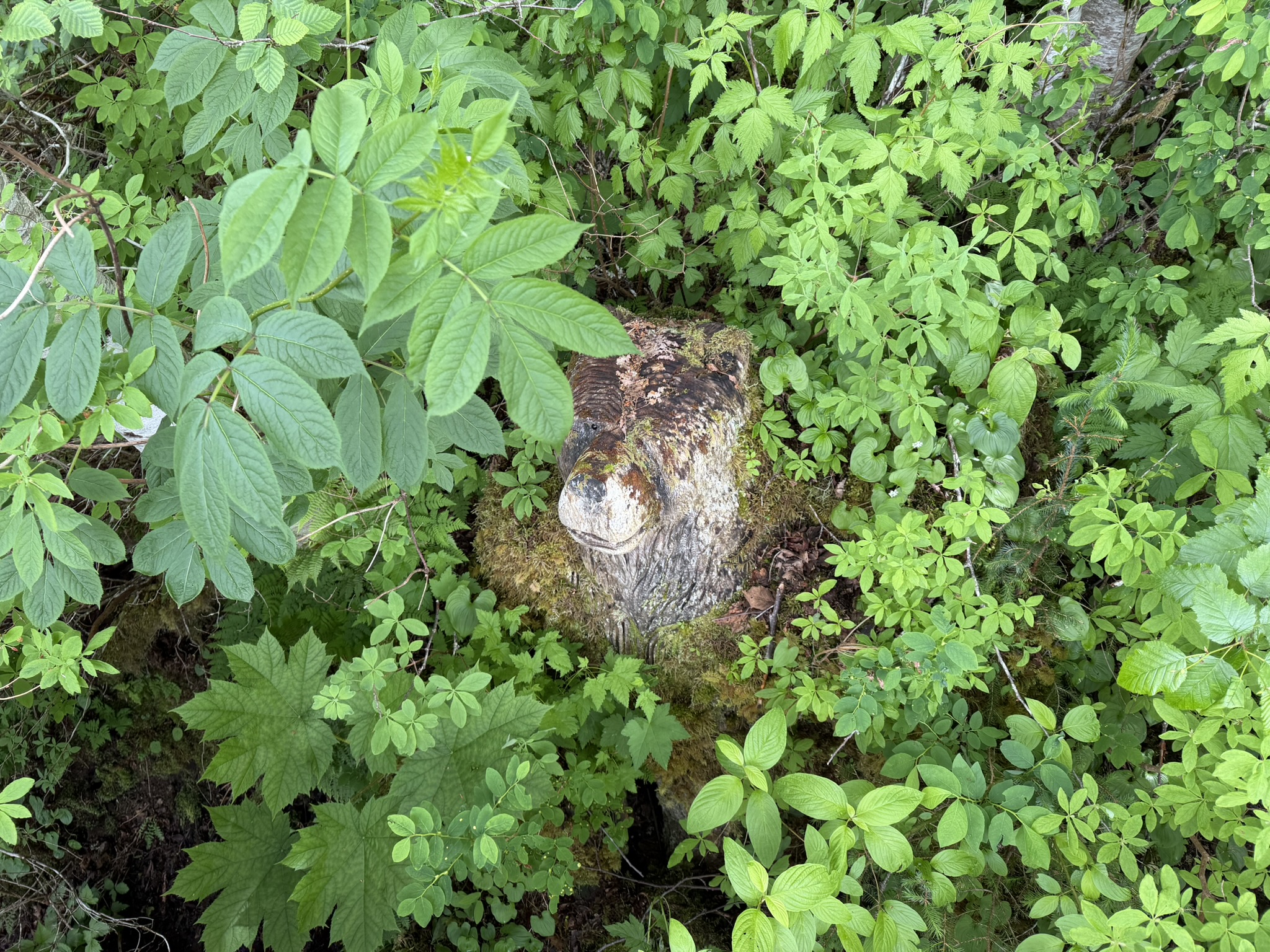
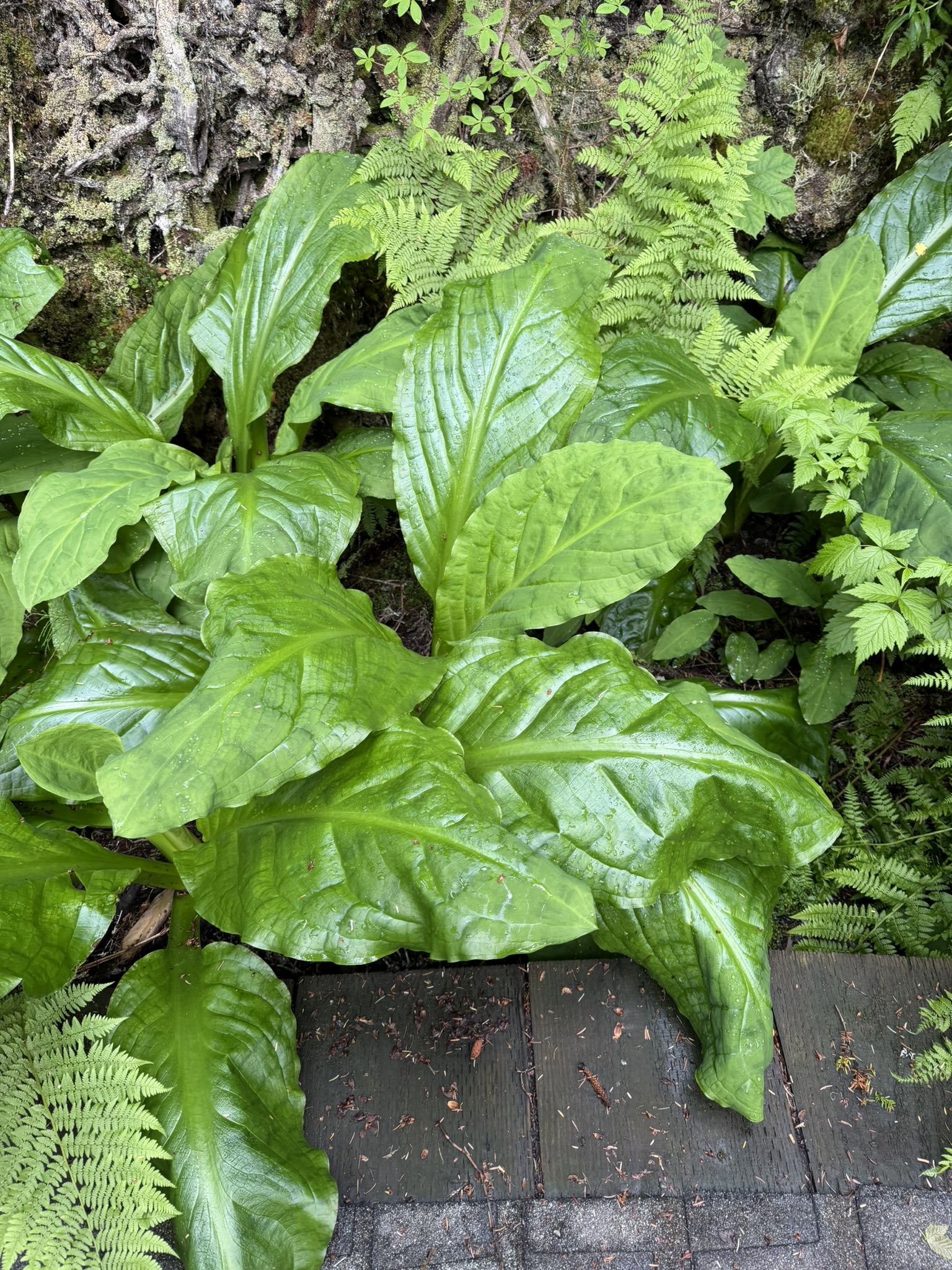
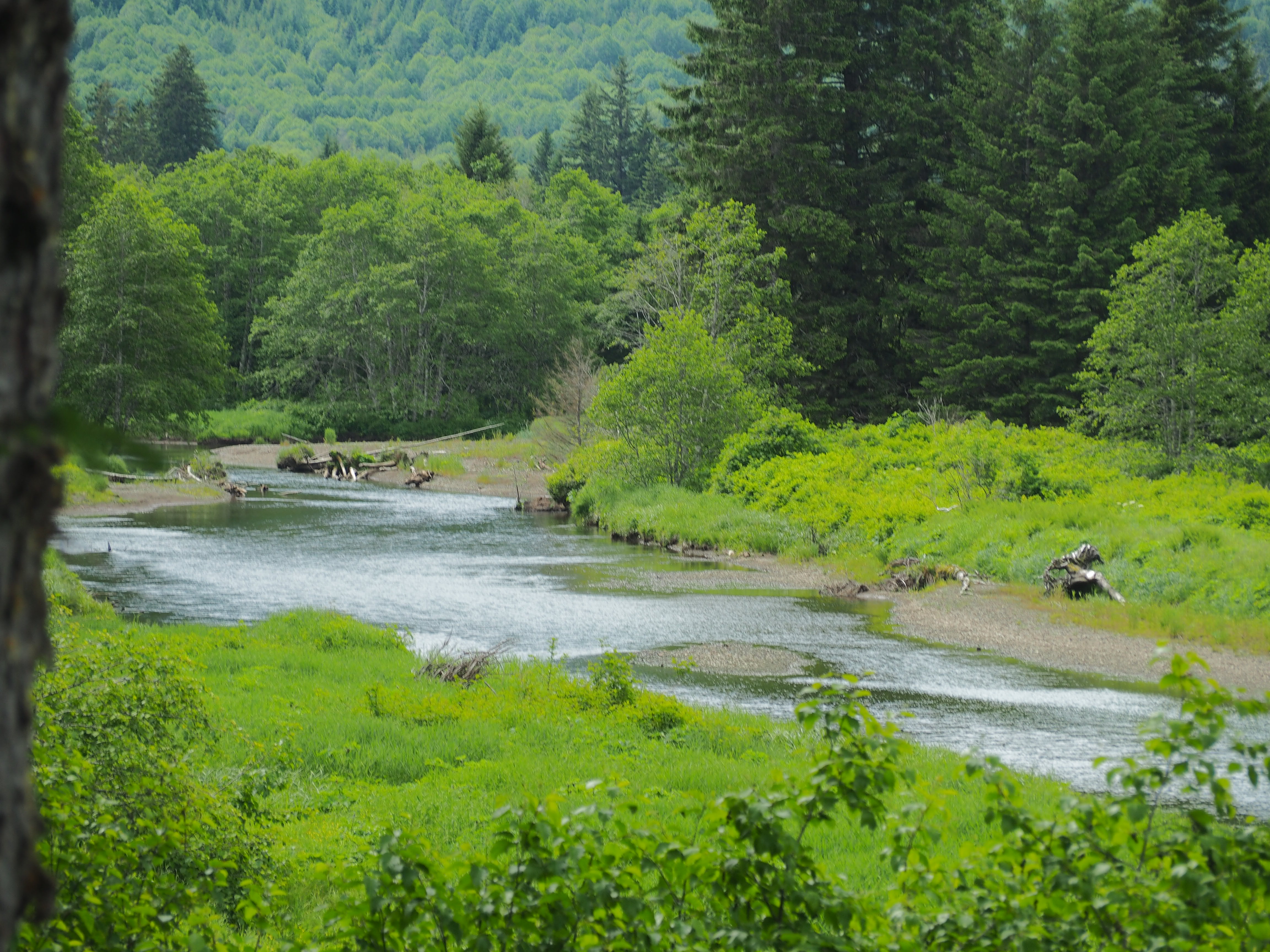
We walked through the rows and bunches of skunk cabbage (a natural laxative bears use when fresh out of hibernation) and wetlands, thick forest and open paths to several observation decks overlooking the Spasski River. Alas, we came up bare handed in our quest. Perhaps in a few weeks when the salmon return we would have been luckier, but the wooden carved bear at the last observation area would be our only sighting for the day.
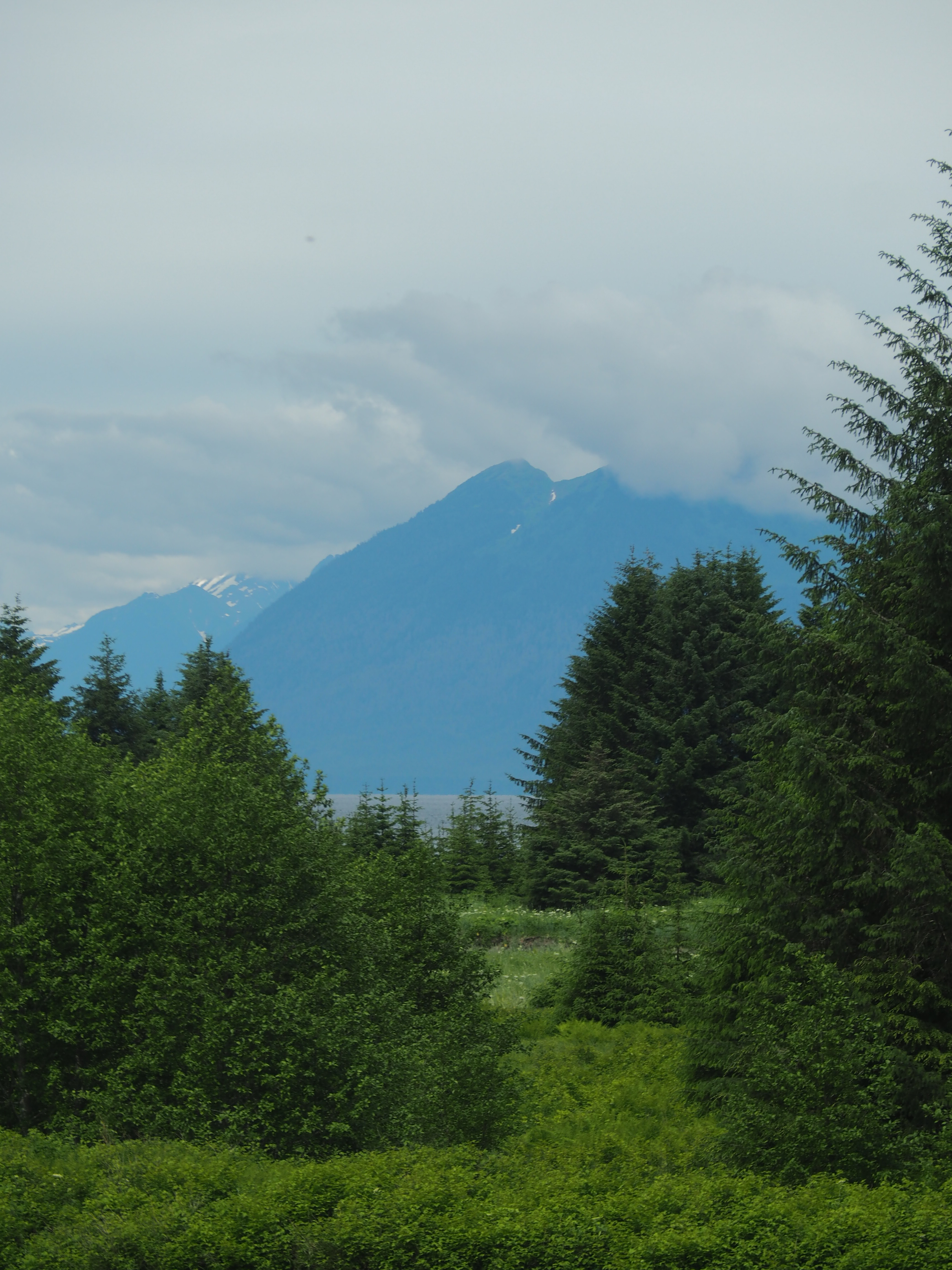
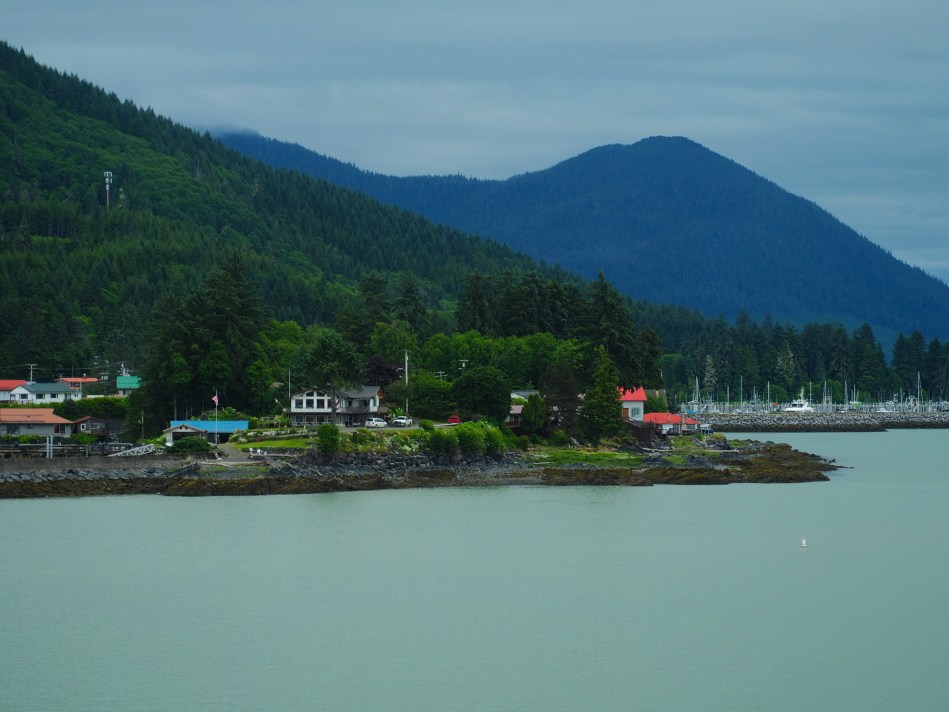
Glacier Hunting in Wrangell. Whilst our bear excursion was a bust, from a bear-sighting perspective (after our trip to Denali’s tundra, we didn’t really have high expectations of seeing one, though many of our less-initiated fellow cruisers were more disappointed), we set off from our next port-of-call, Wrangell, to hunt for some glaciers.
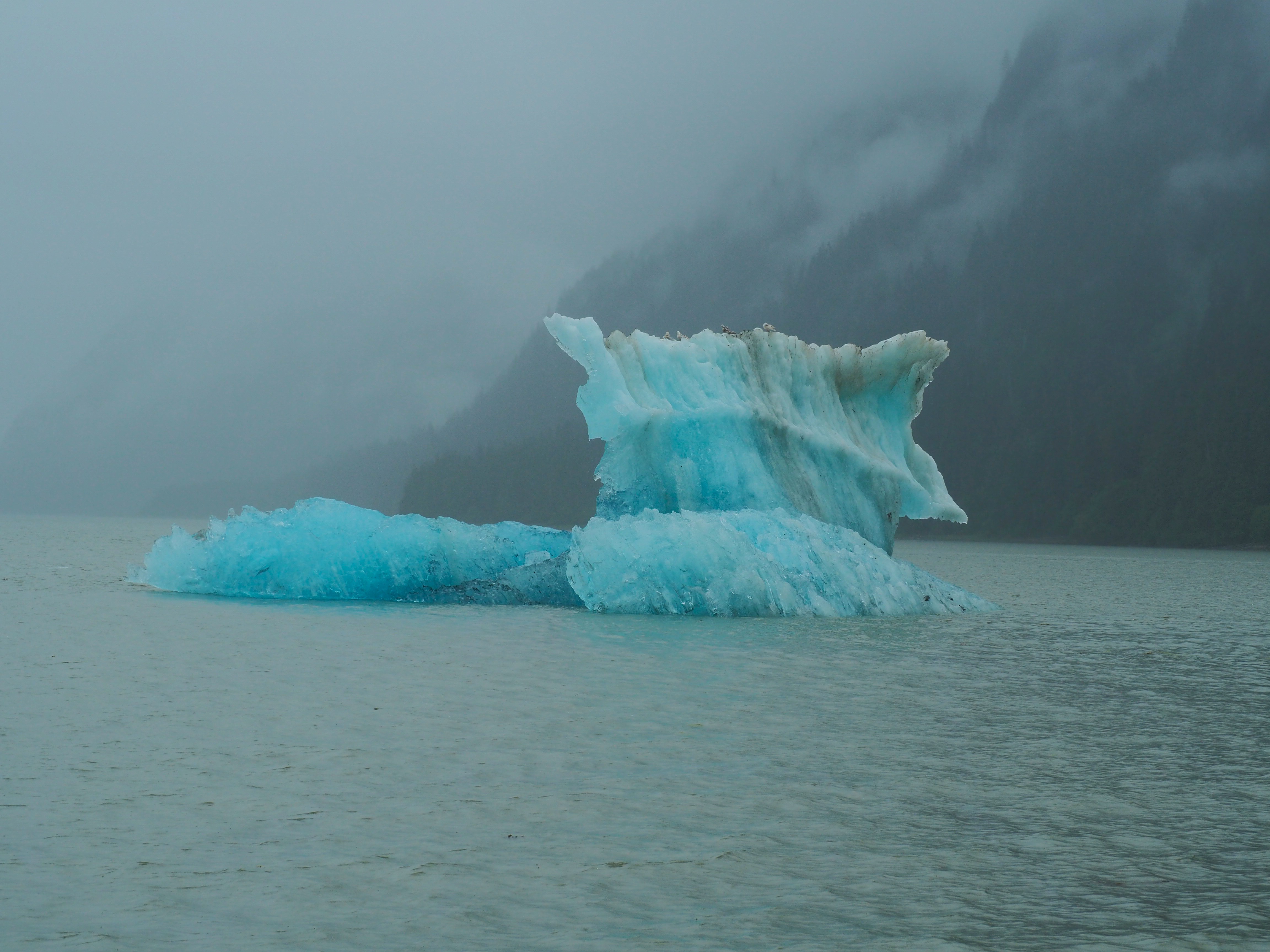
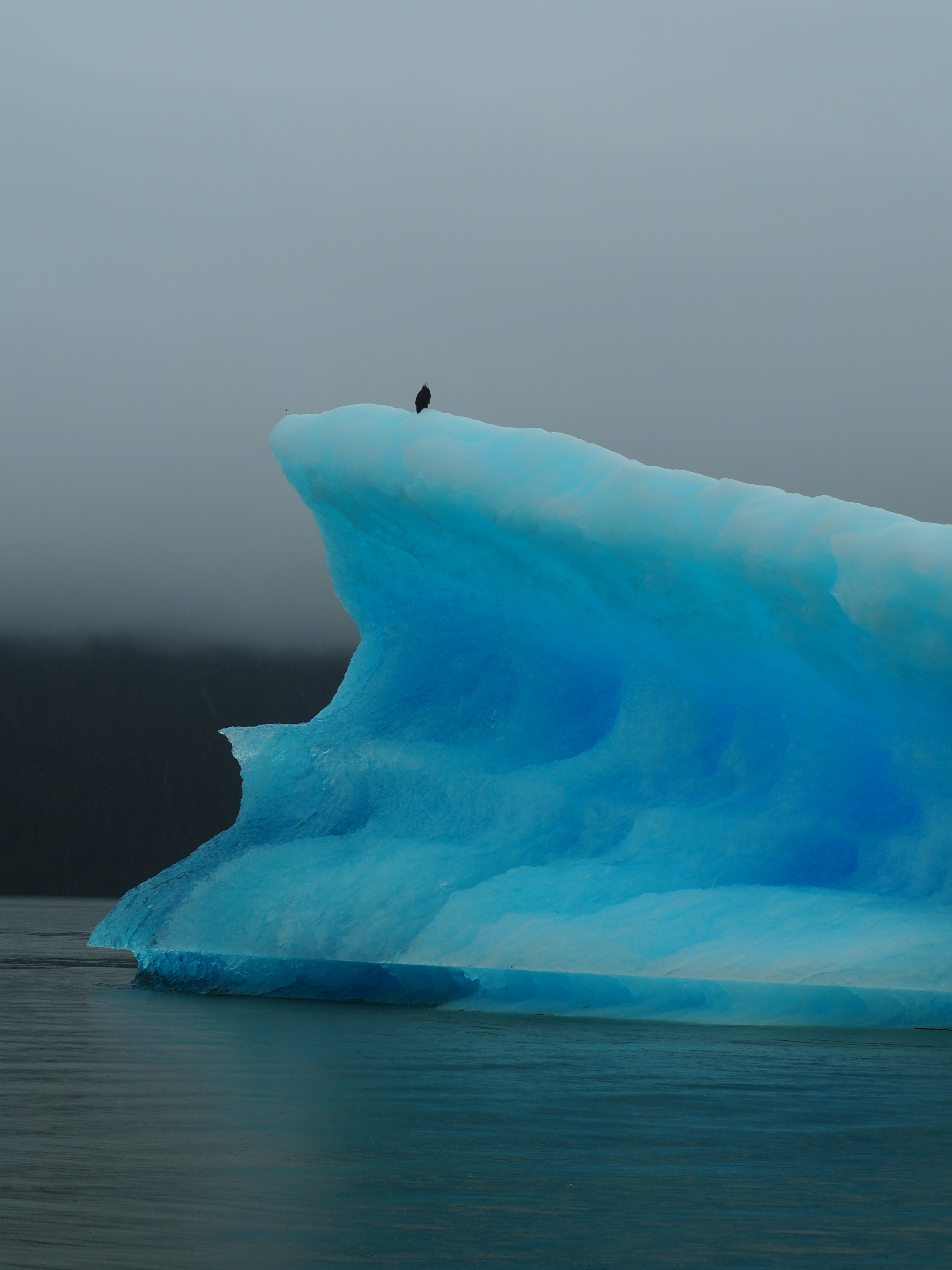
We boarded our small craft, with canned water and Alaskan Brewing beers available for refreshments and headed off through the Stikine-LeConte Wilderness. Icebergs started to come into view about 20 minutes or so in. Massive, unbelievably bright icy blue, aquamarine and white floating hunks of ice with perched bald eagles and lazing harbor seals guided us to the most spectacular sight: the LeConte Glacier. With beverages in hand and hunks of smoked salmon and crackers available, we braved frigid summer temperatures to watch small hunks of glacier calve off into the icy waters with thunderous whooshes and crashes.
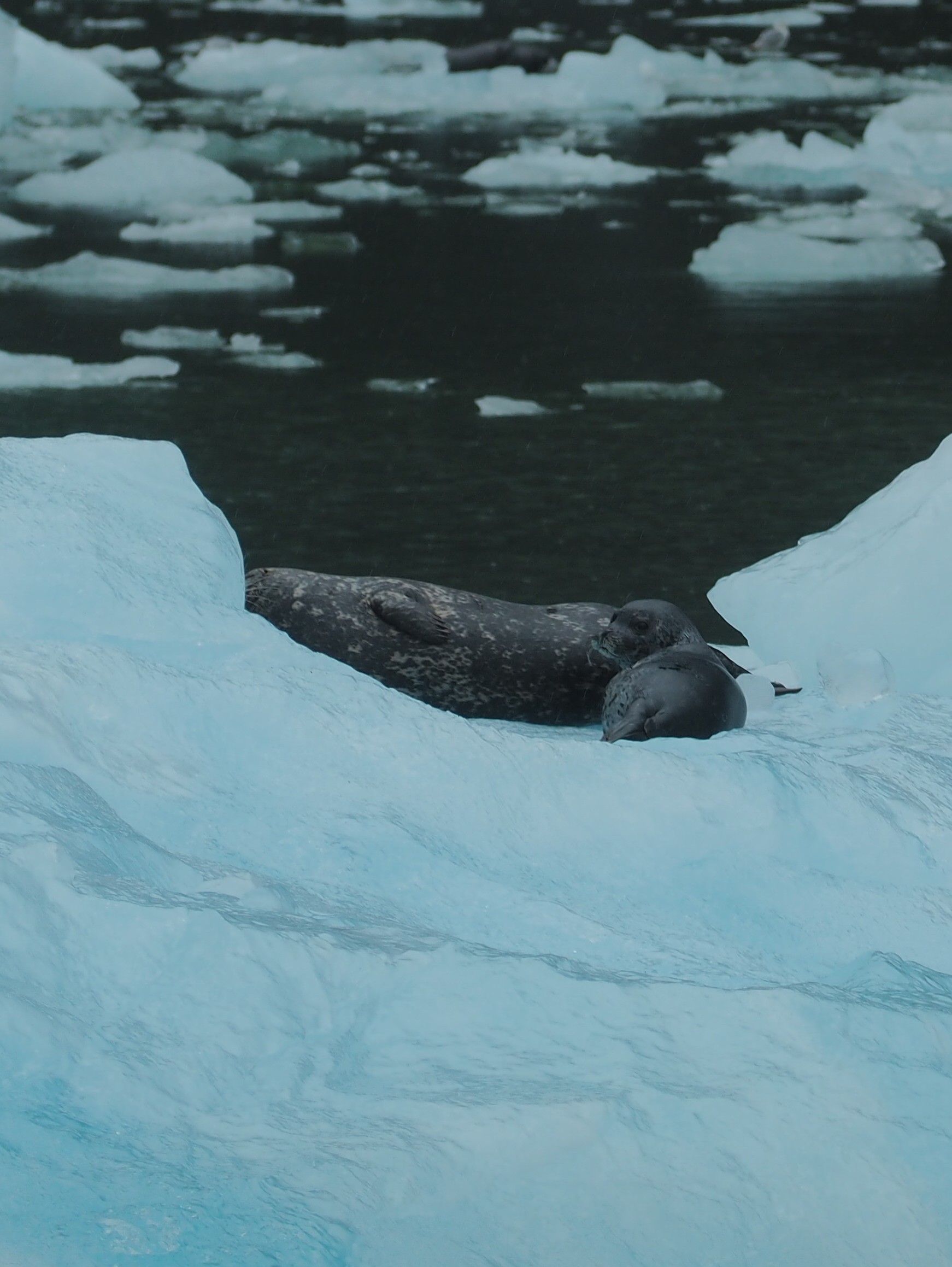
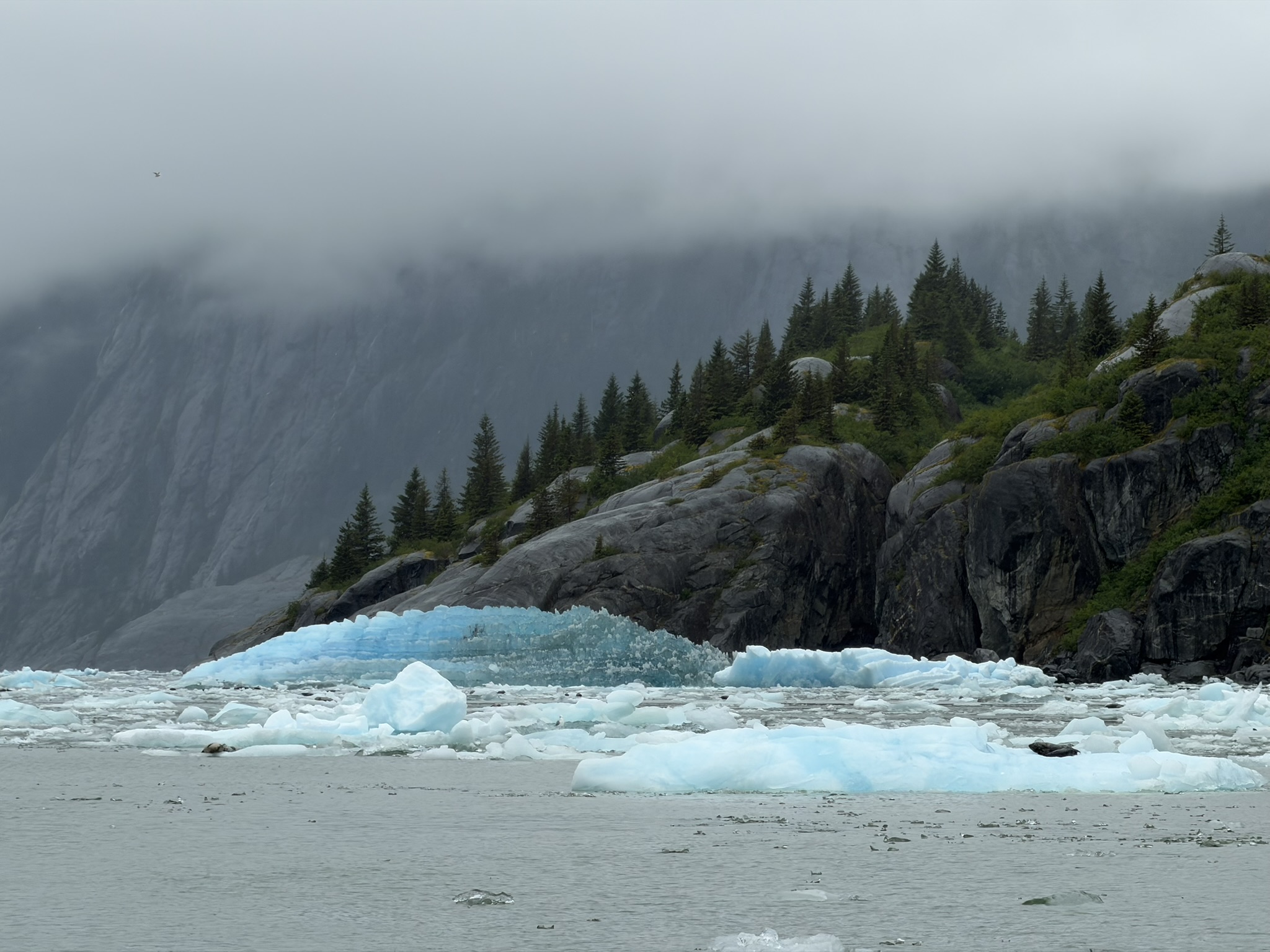
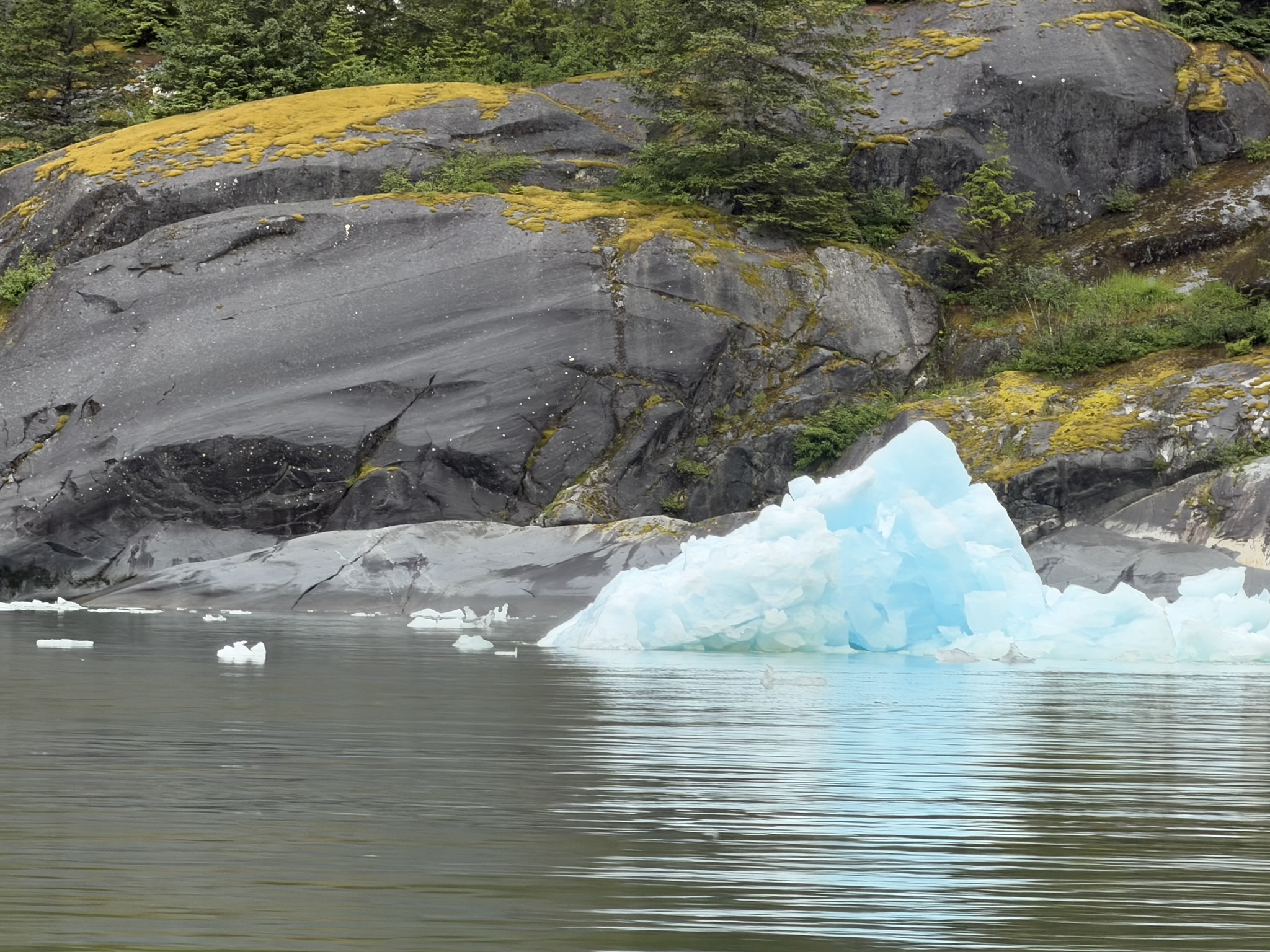
Afterwards, the cozy but cool cabin felt downright warm as we hurtled back to Wrangell to have a short walk about town.
Last stop: Ketchikan. Bypassing organized excursions at our last port, we set off on our own (well, kinda, we docked next to Royal Caribbean’s up-to-5,000-passenger Ovation of the Seas and then shuttled like a cattle herd by school bus into town) in Ketchikan. Ketchikan hosts up to six cruise ships per day and about 1.5 million cruisers per summer between April and October. It has one of the world’s smallest Walmarts, is Alaska’s fifth largest city and is referred to as its “first city” as it is often the first stop along Alaska’s Inside Passage. It is Alaska’s rainiest city with more than 150 inches and more than 310 rainy days per year. It has the largest collection of standing totem poles in the world and is also known as the salmon capital of the world for its abundant salmon runs (we were too early for that).
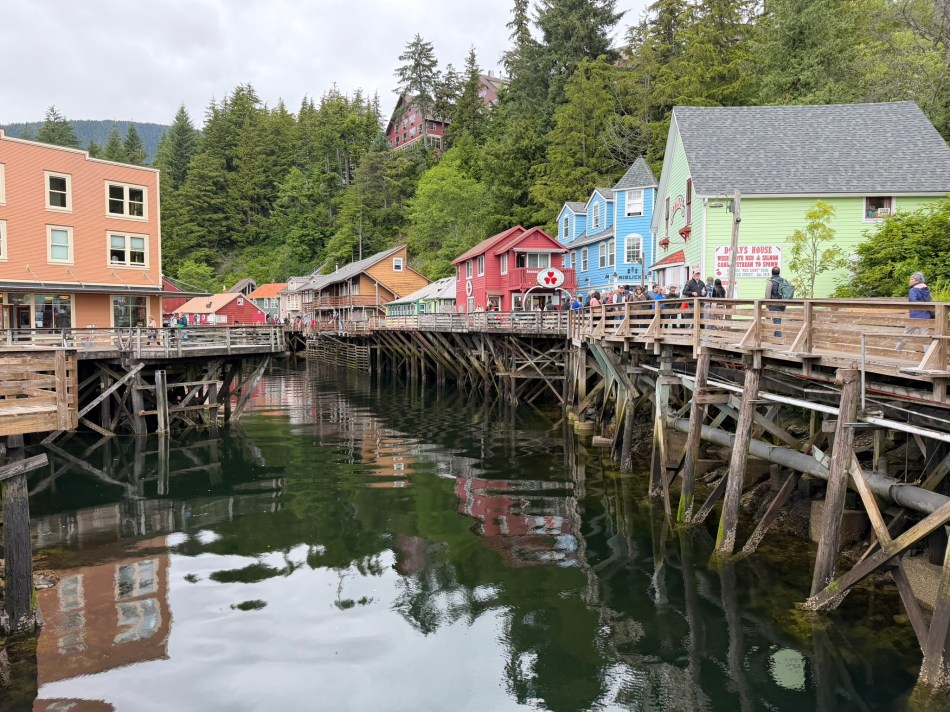
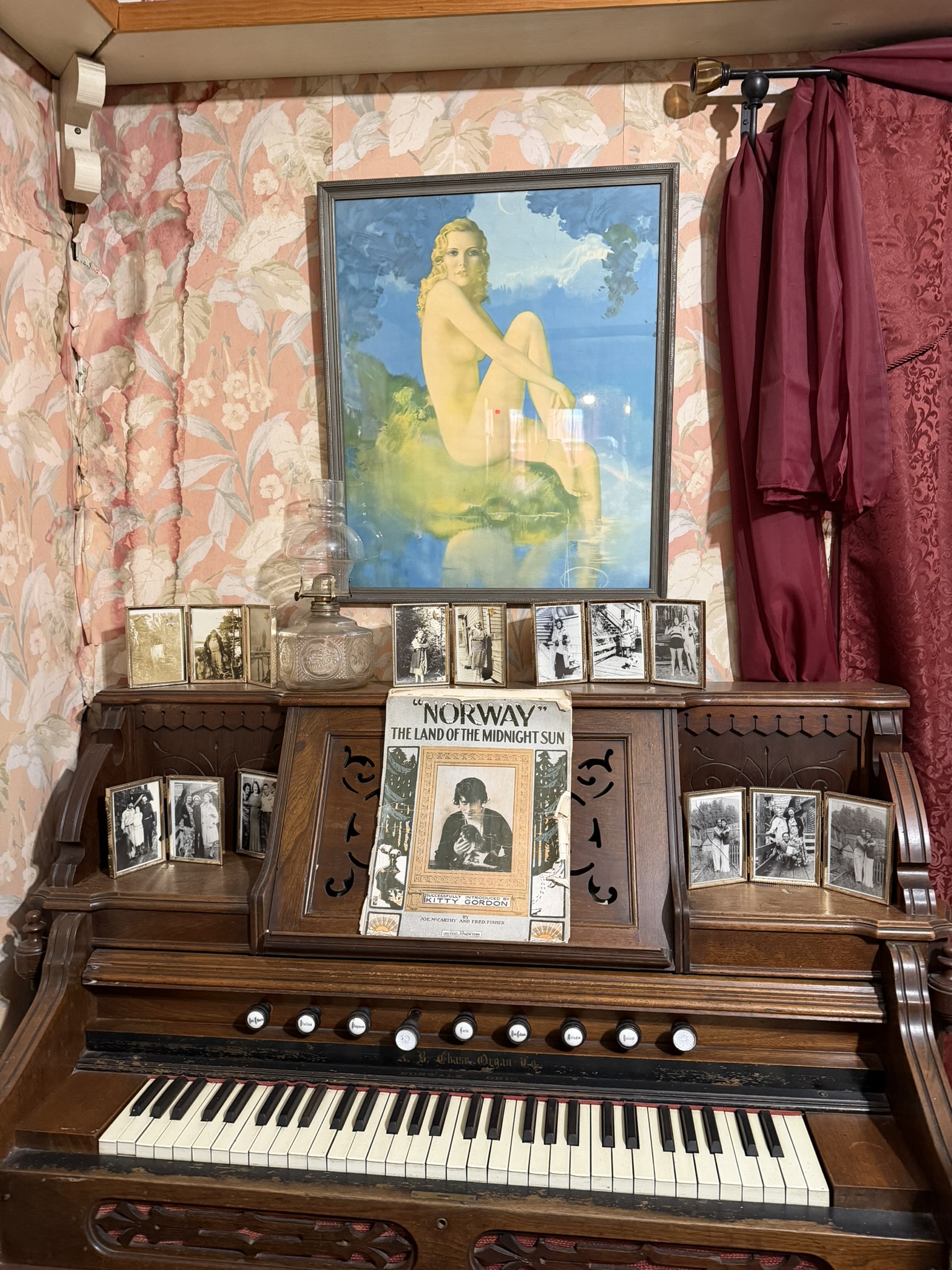
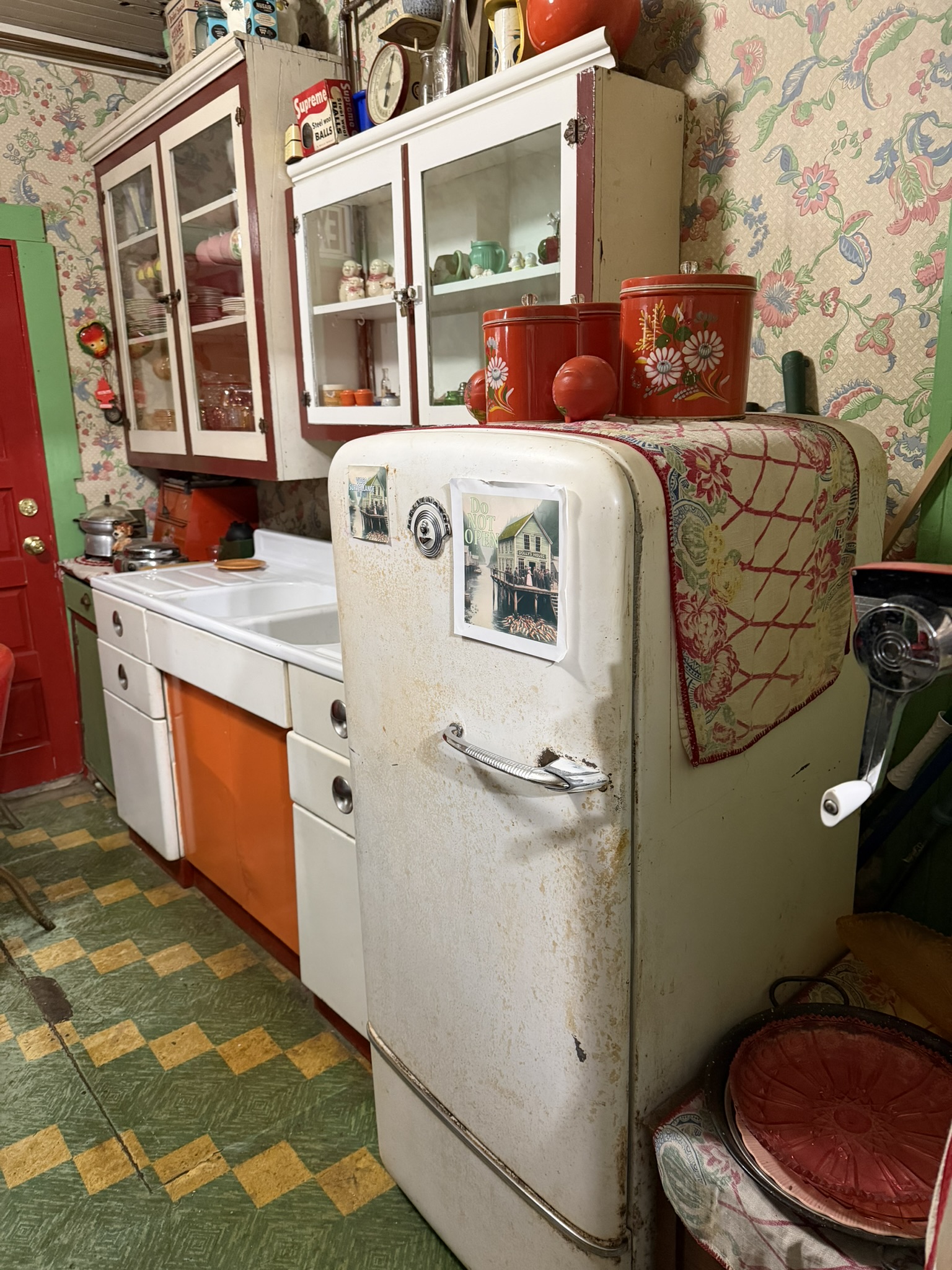
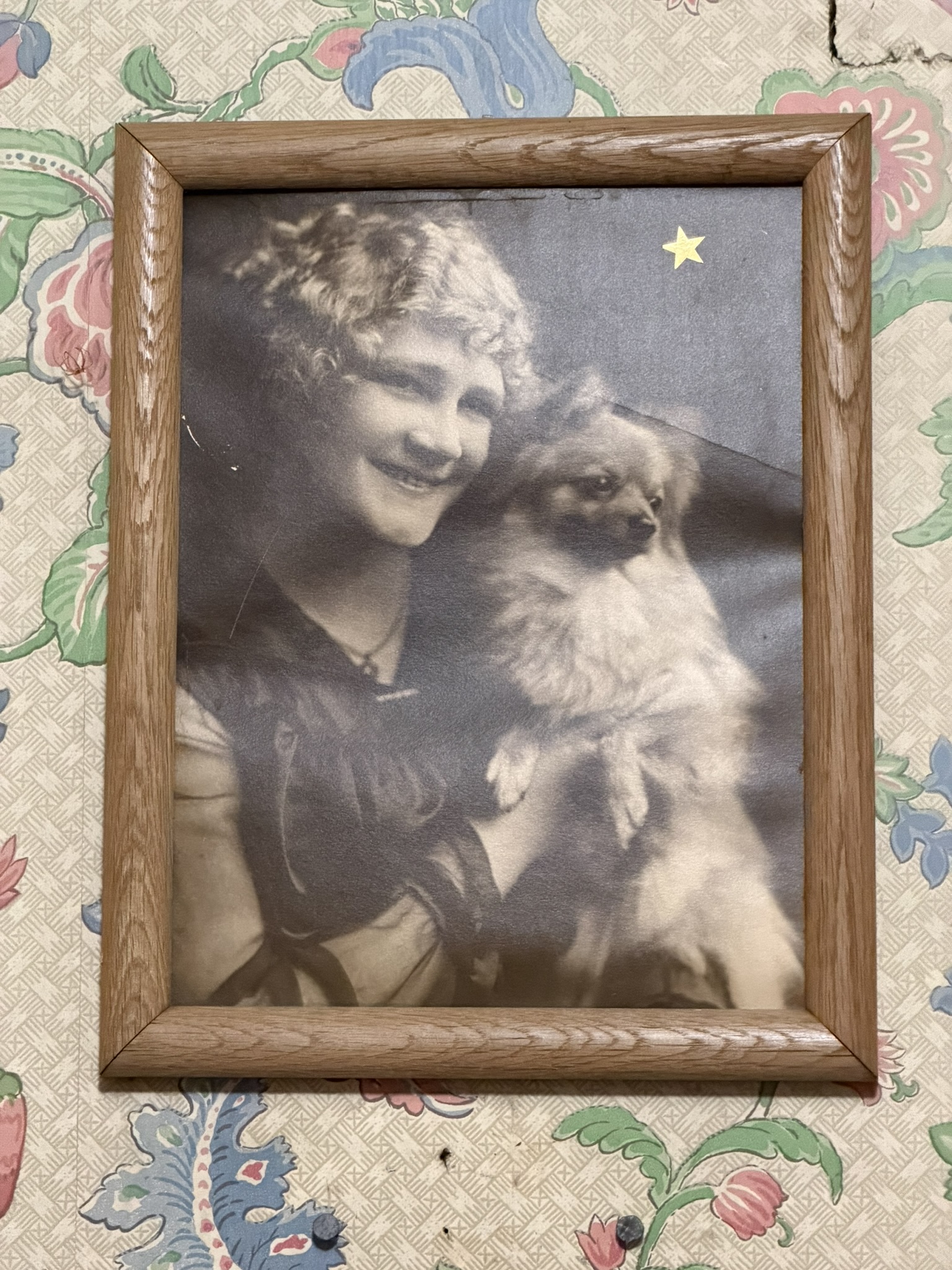
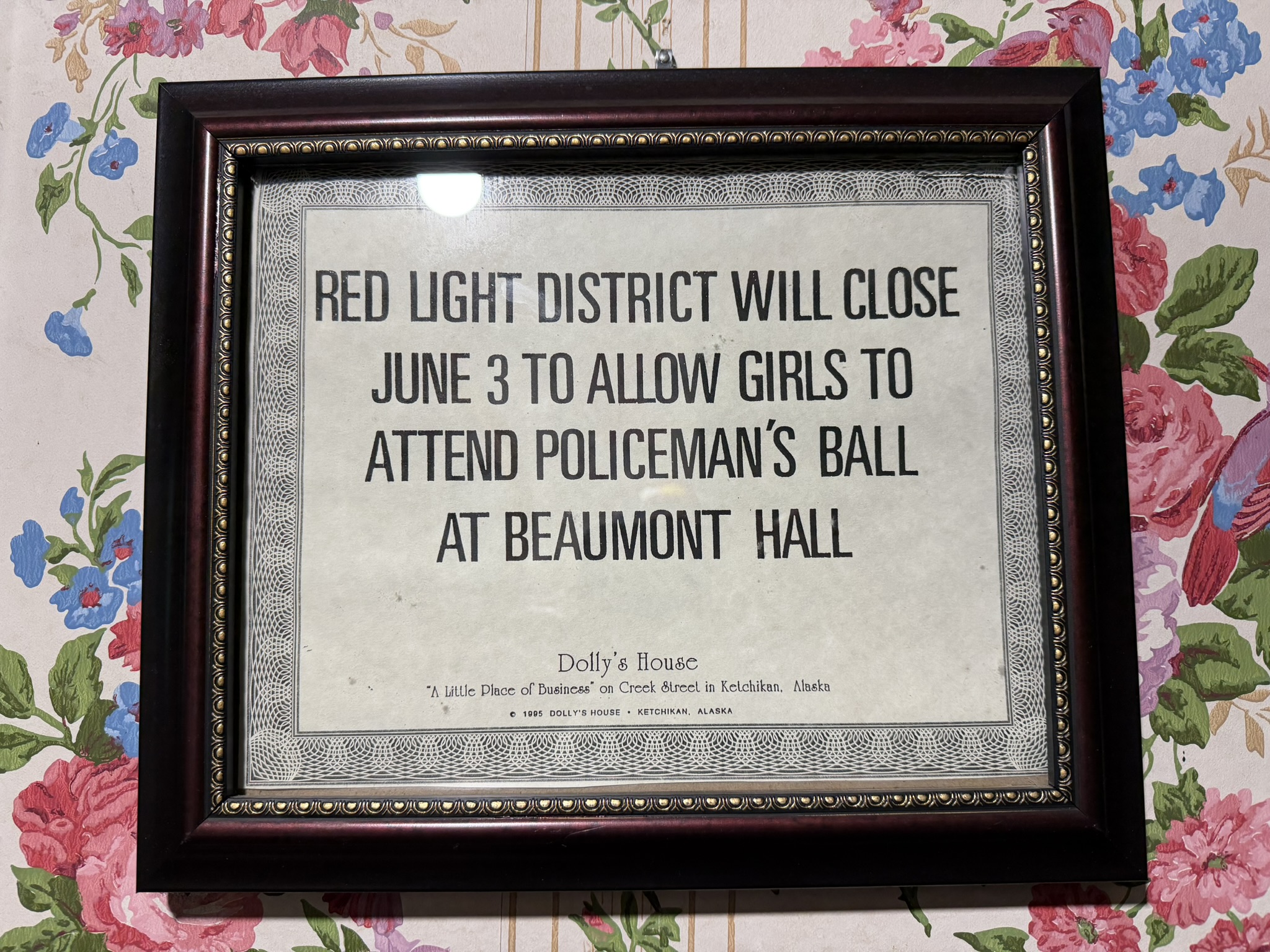
Ketchikan’s Creek Street, now a scenic boardwalk, was once the red light district with about 30 brothels between 1903 and 1953. Dolly’s House, the last one standing, the former house (and place of work) of Dolly Arthur, Ketchikan’s most famous “sporting woman” is now a museum. Ironically, it is located just next to the Preacher’s House, which I guess was well located to catch the sinners on the way in or out of the brothels.
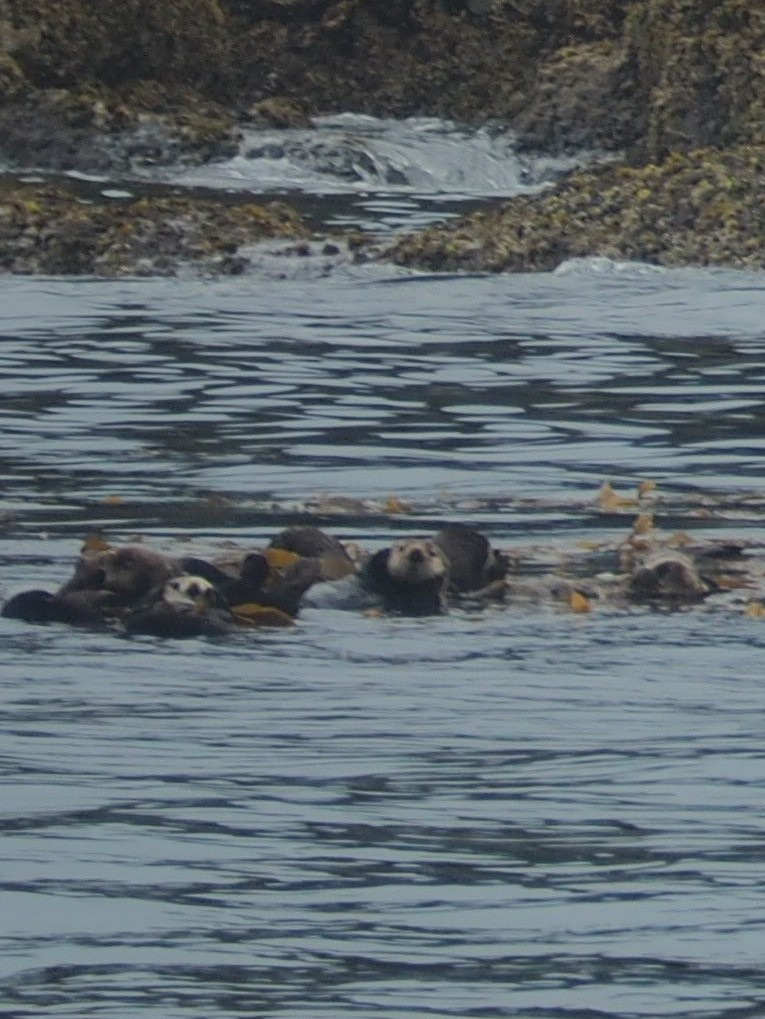
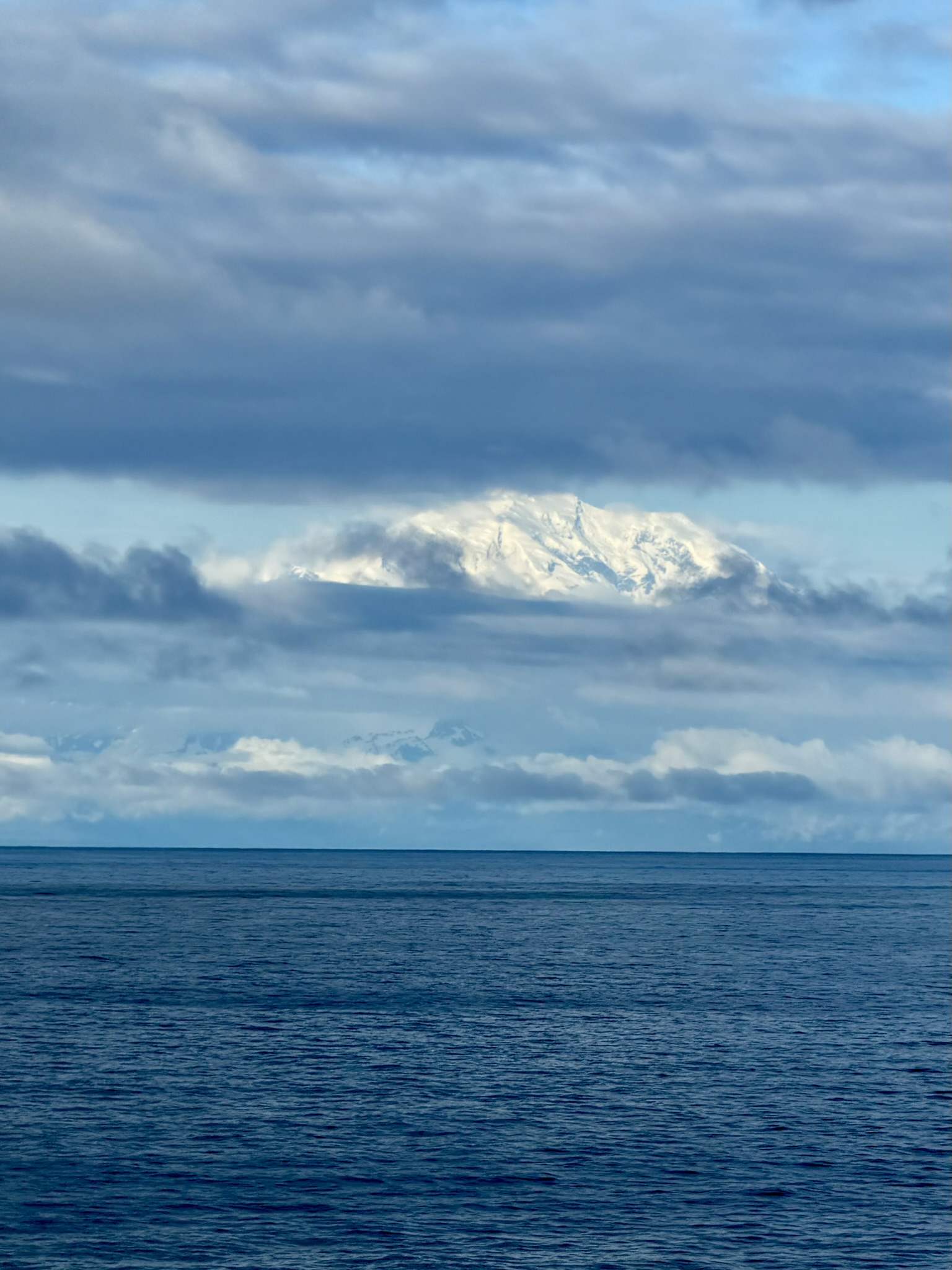
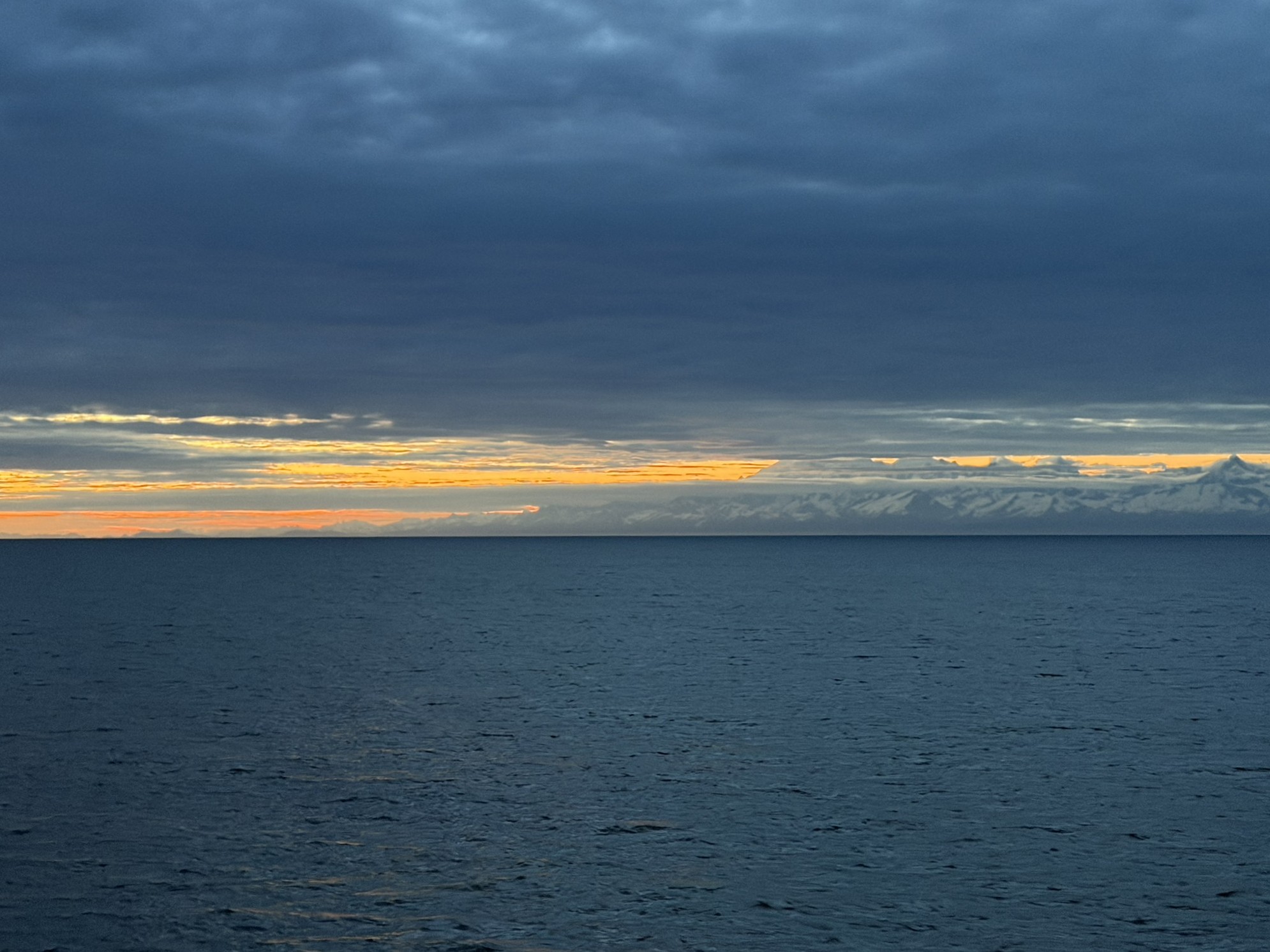
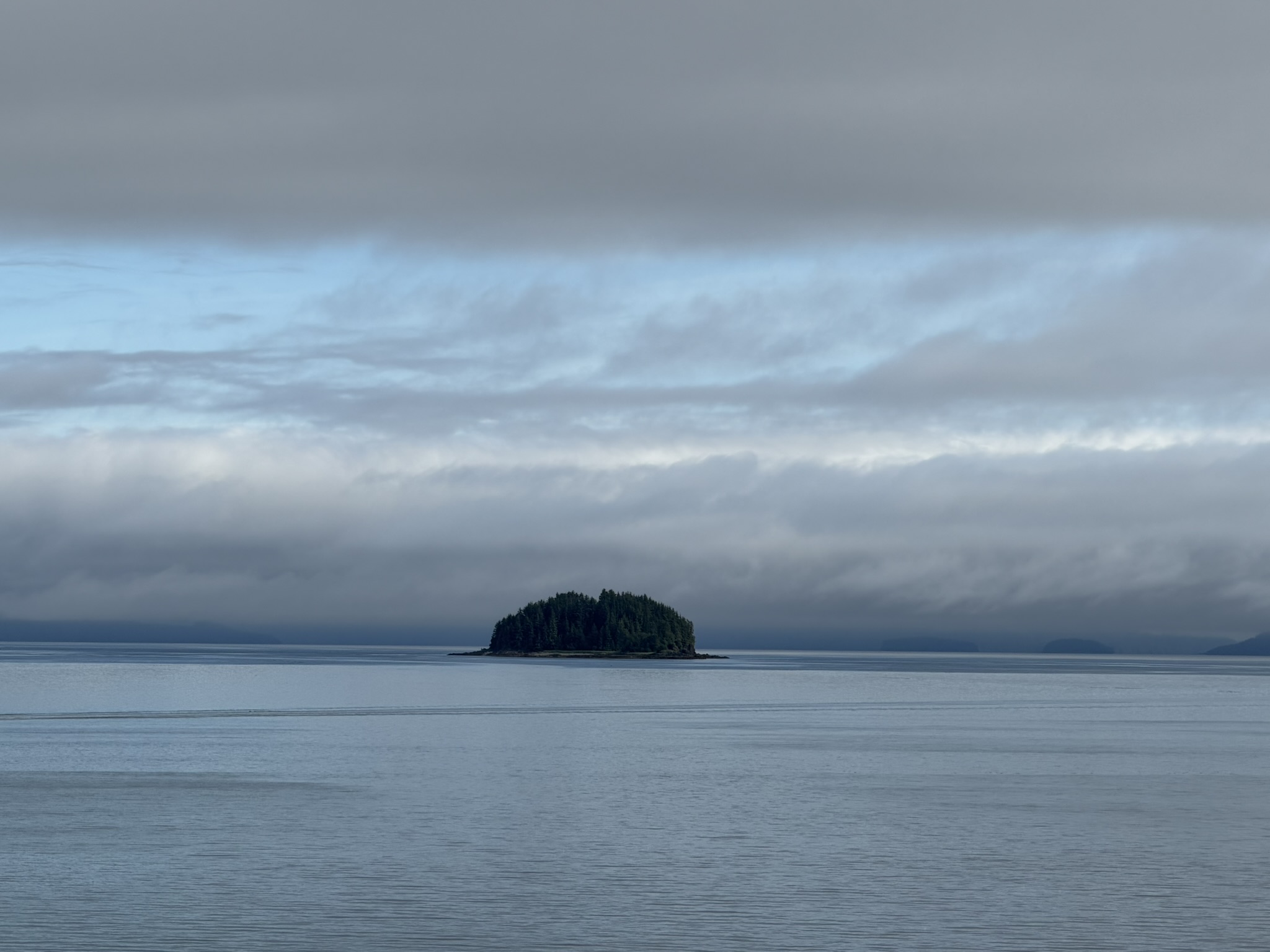
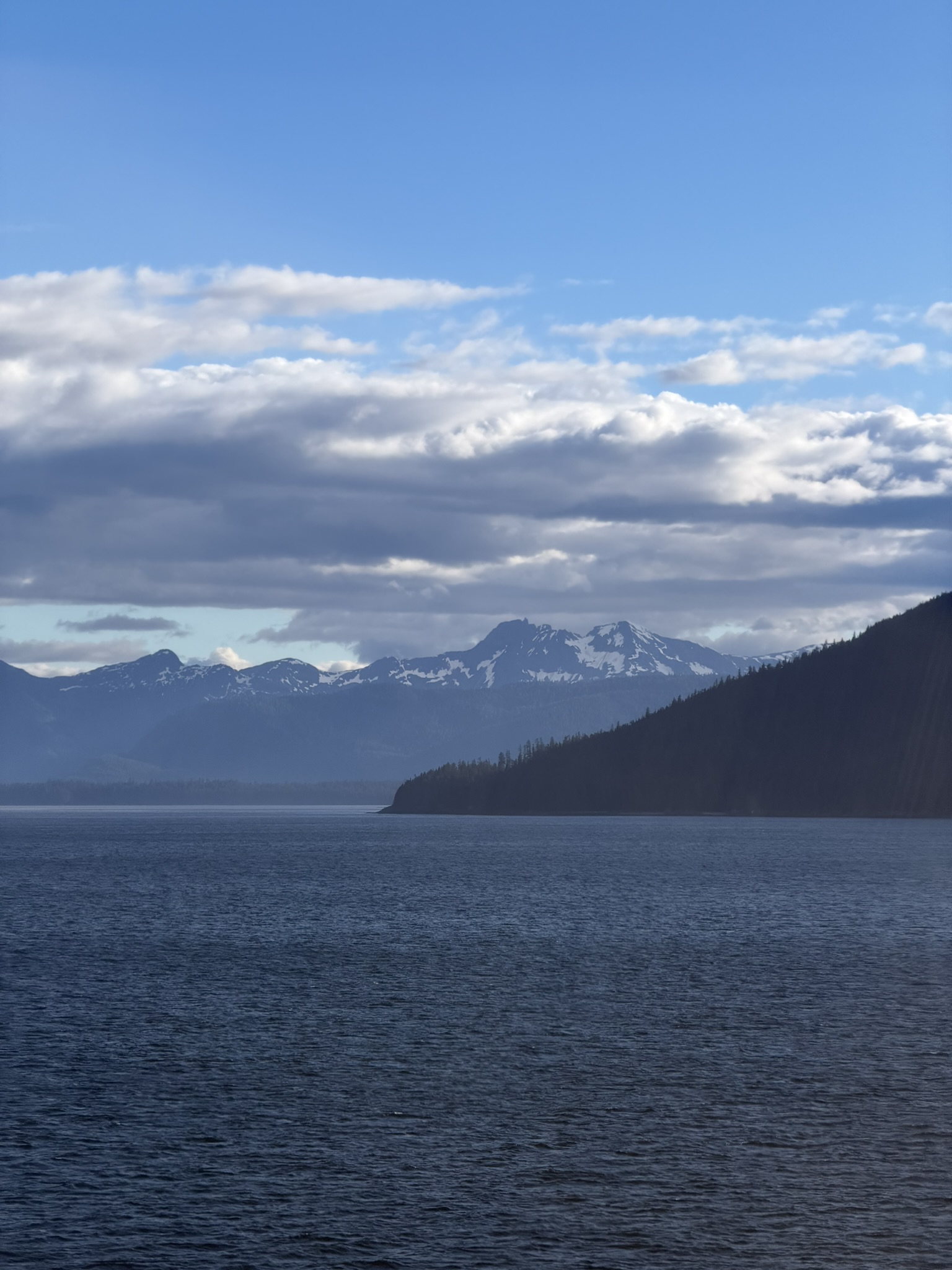
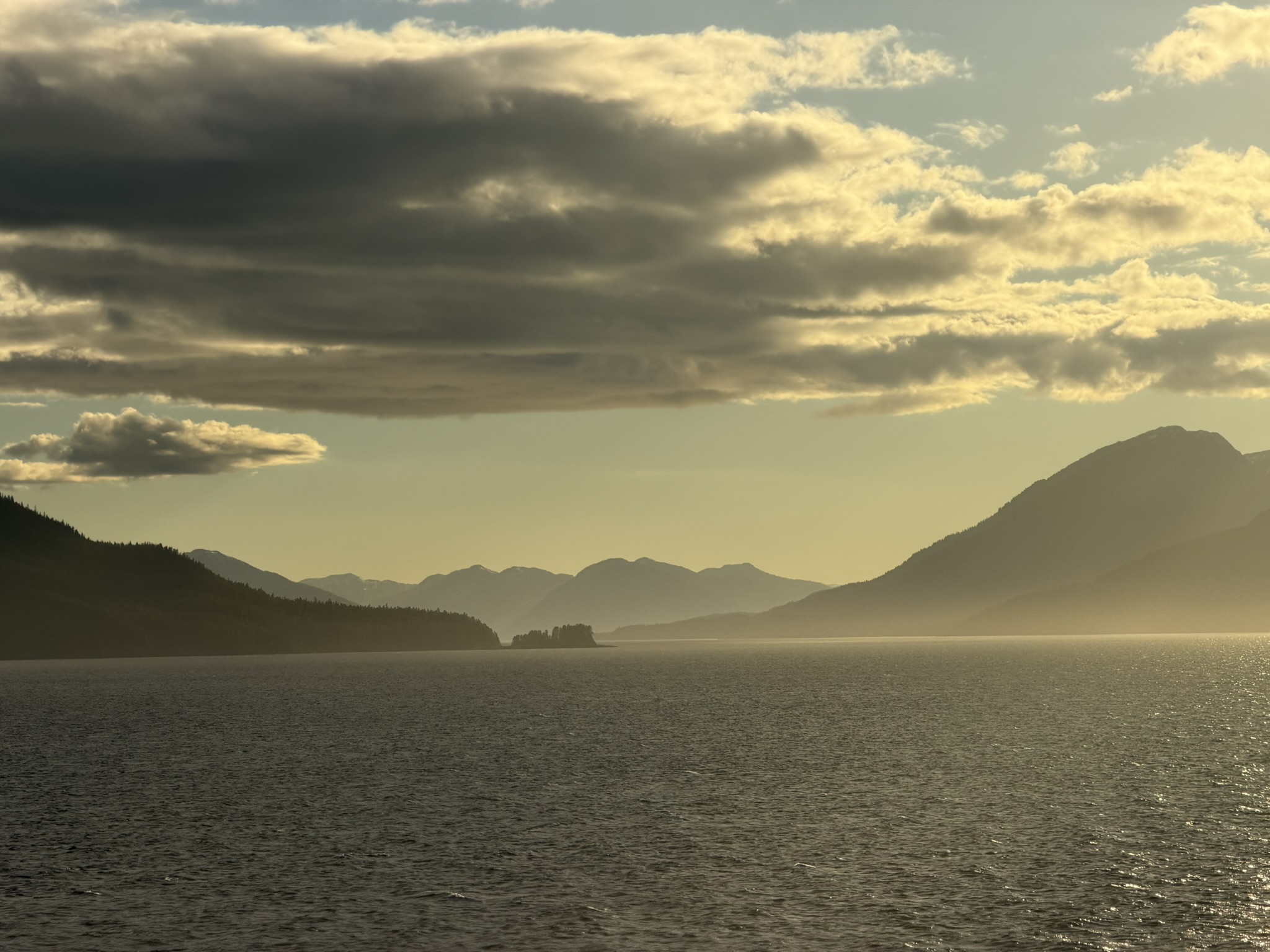
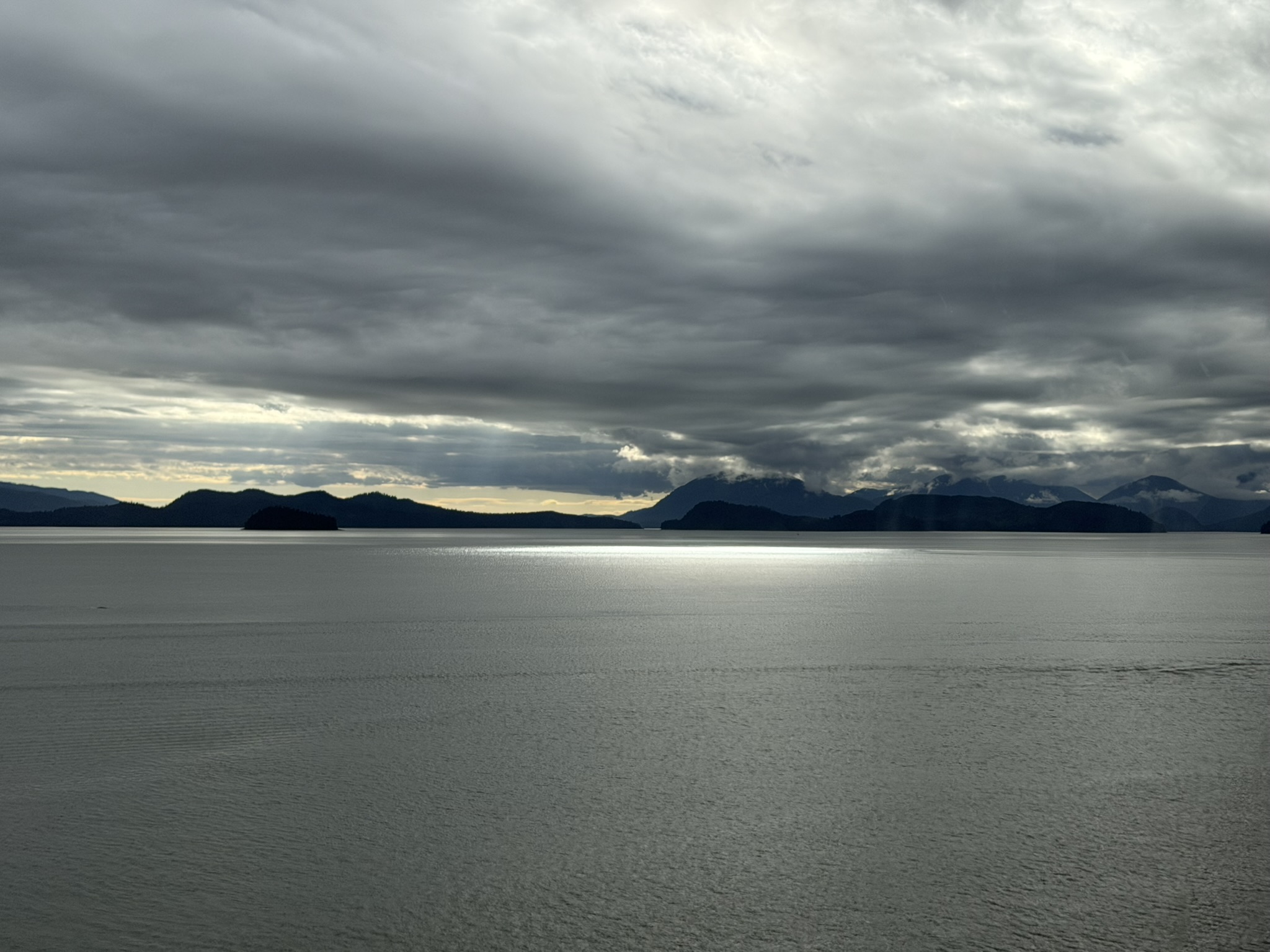
Alaska has more coastline than all of the lower 48 states and Hawaii combined and as we cruised through the Gulf of Alaska, Inside Passage and through the Alexander Archipelago, we got to appreciate the state’s vast coastline. Greys and blues, yellows and muted oranges, purples and dancing golds decorated our sight lines. Eagles, whales, orcas, seals and seabirds escorted us down the coast, as though each were taking a turn as our ushers through our own private (mostly, save for a few other cruise ships, sea planes and fishing boats) 360-degree theater-in-the-round.
Our guide in Denali had said that Alaska has “texture”. It’s a great way to describe it. Whether you are staring at rugged landscapes, skylines filled with blues or greys, sun or clouds or out upon its channels, fjords or seascape everywhere you look that’s what you see: texture. The texture of America’s last frontier, dancing with life and light, tranquility and turbulence, everywhere you turn.
Sources:
- Crystal Cruise onboard lectures by Professor Ed Larson, June 2026.
- Crystal Cruise excursion guides, June 2026.
- The Poles of Historic “Totem Park” – Sitka National Historical Park (U.S. National Park Service)
- 12 Ketchikan Fun Facts | Ketchikan Unpacked, The Landing Hotel
- Statistics and Facts about Ketchikan which is worth to know
- 27 Captivating Ketchikan Facts & Statistics • Valerie & Valise


0 comments on “Cruising Along Alaska’s Coastline”