

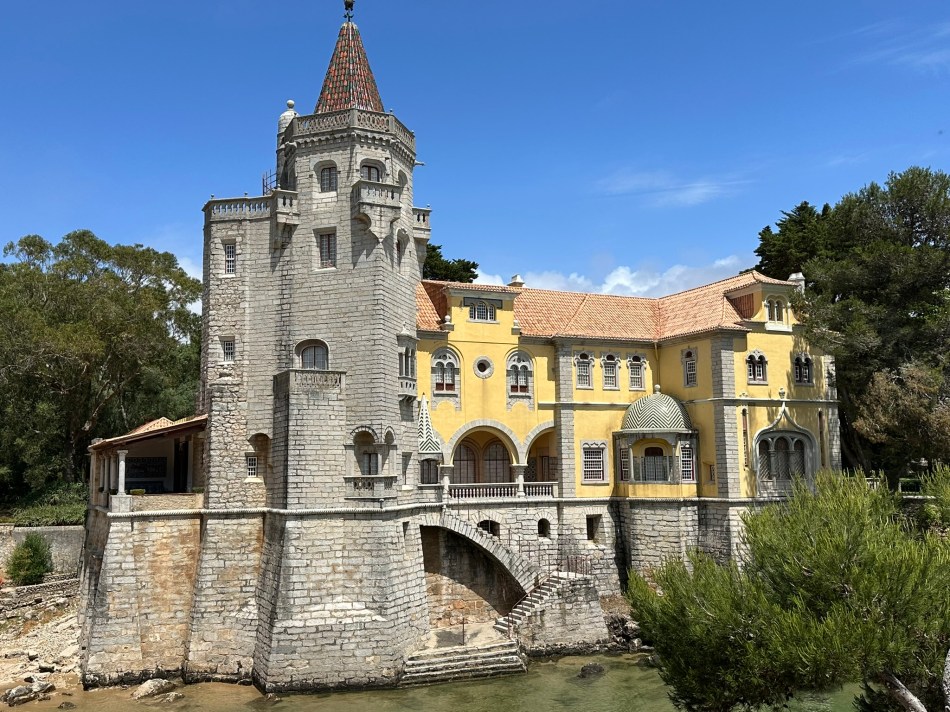
I started working on this post over four years ago, when we first moved into town. Over the years, we’ve continued to visit the museums of Cascais and finally visited the Museu da Vila, in the heart of the village, and the Citadel Palace, this spring (2024). Cascais has many museums for a town of its size, all telling pieces of the story of this resort town.
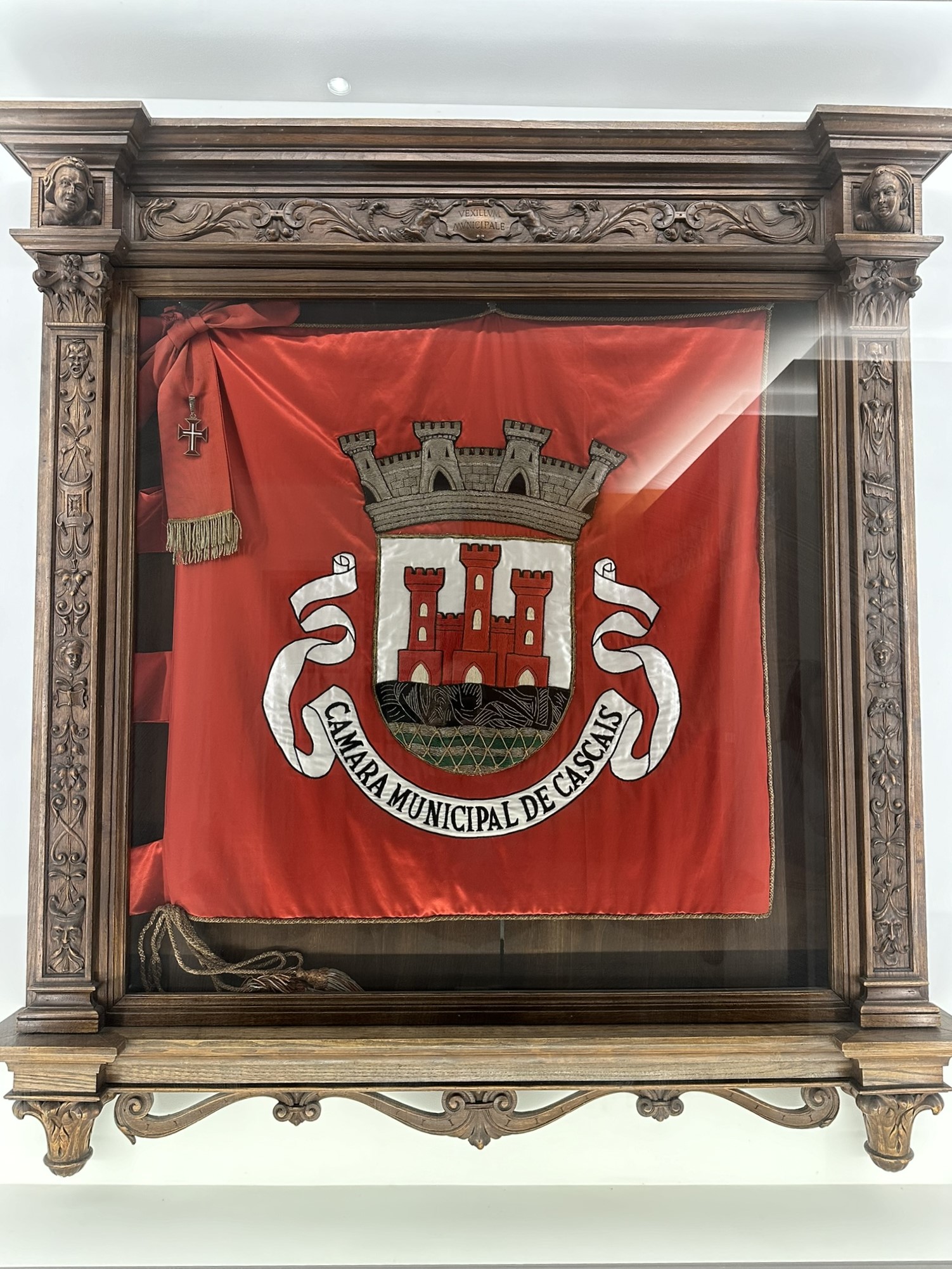
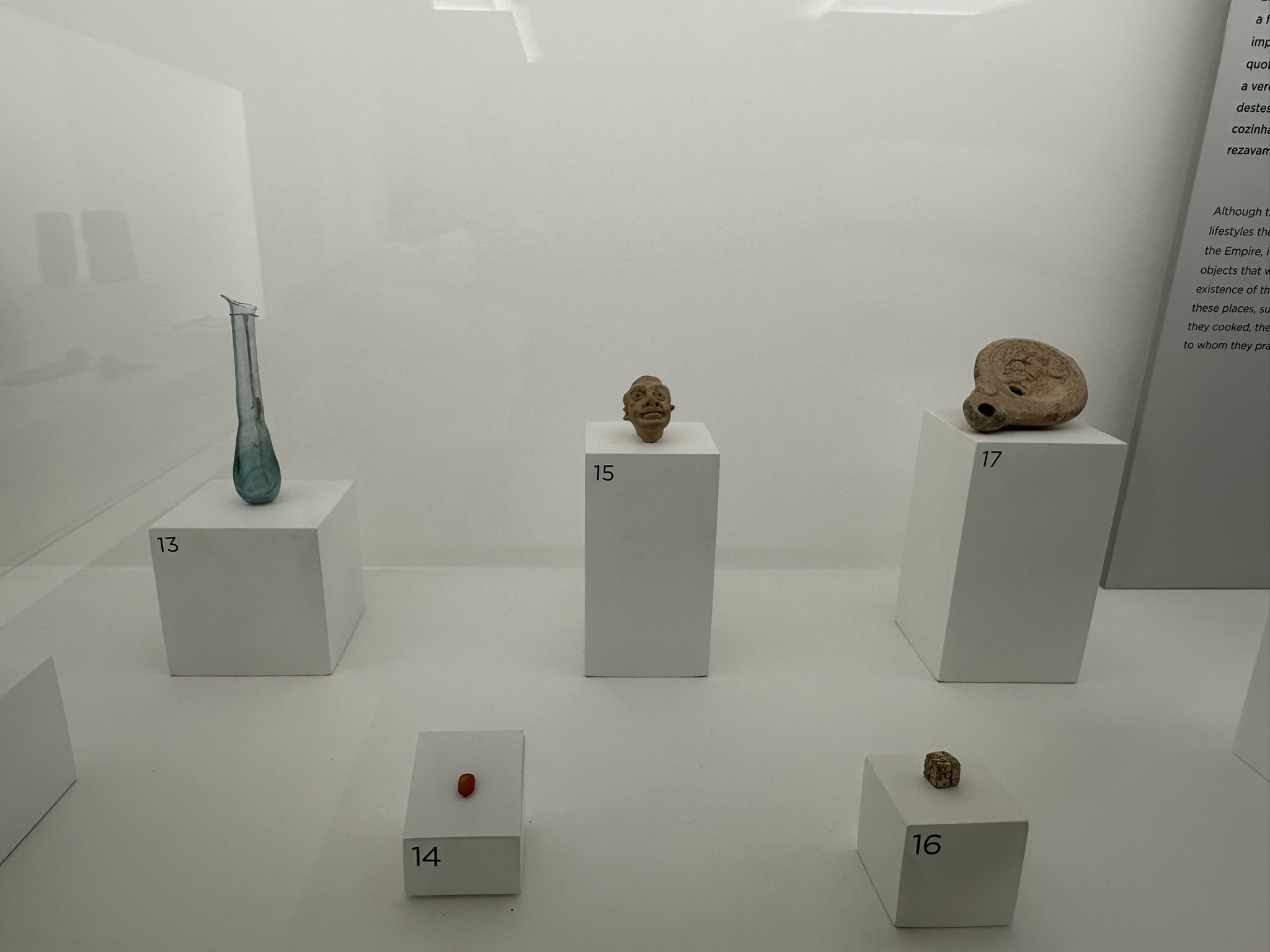
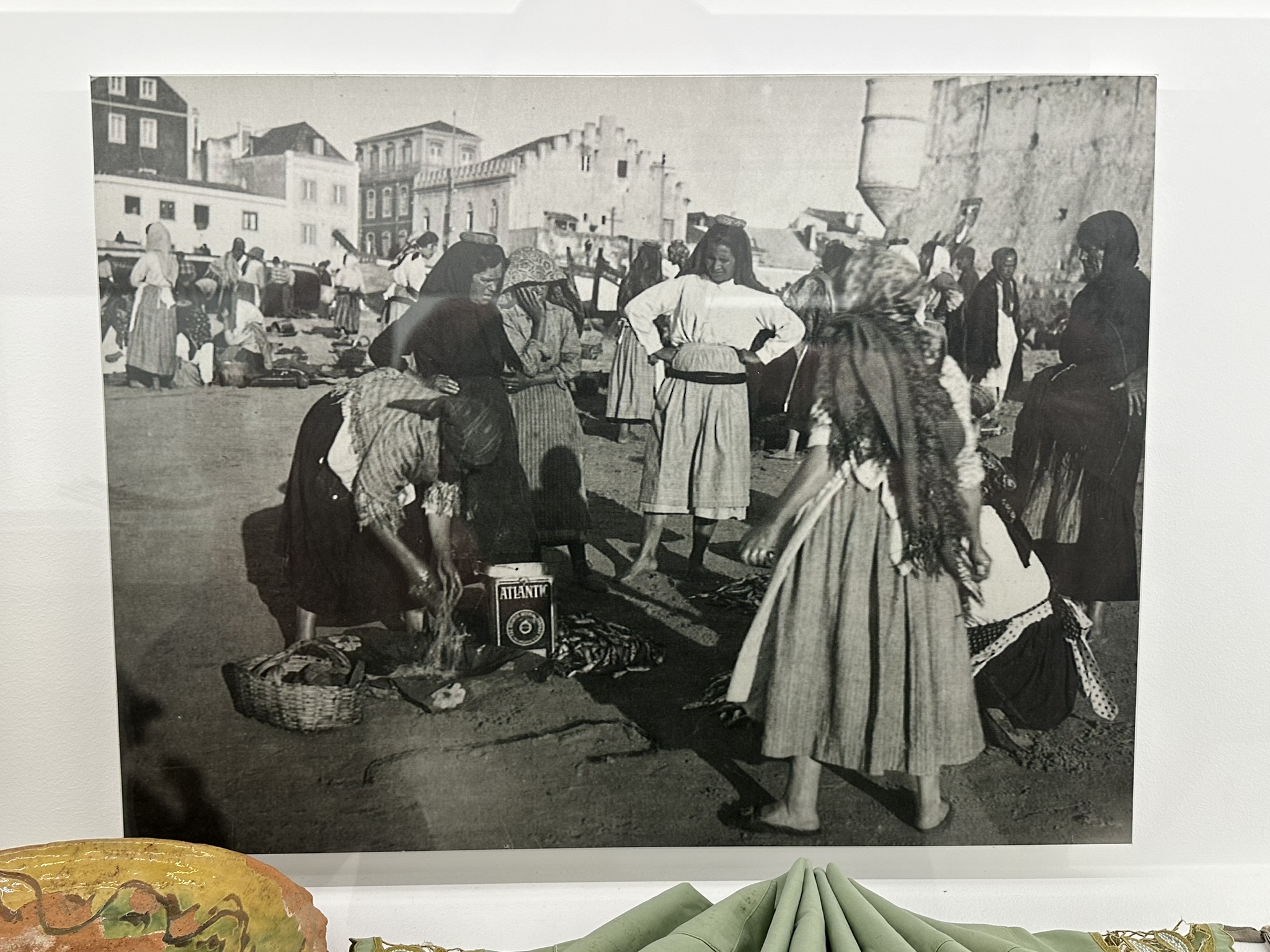
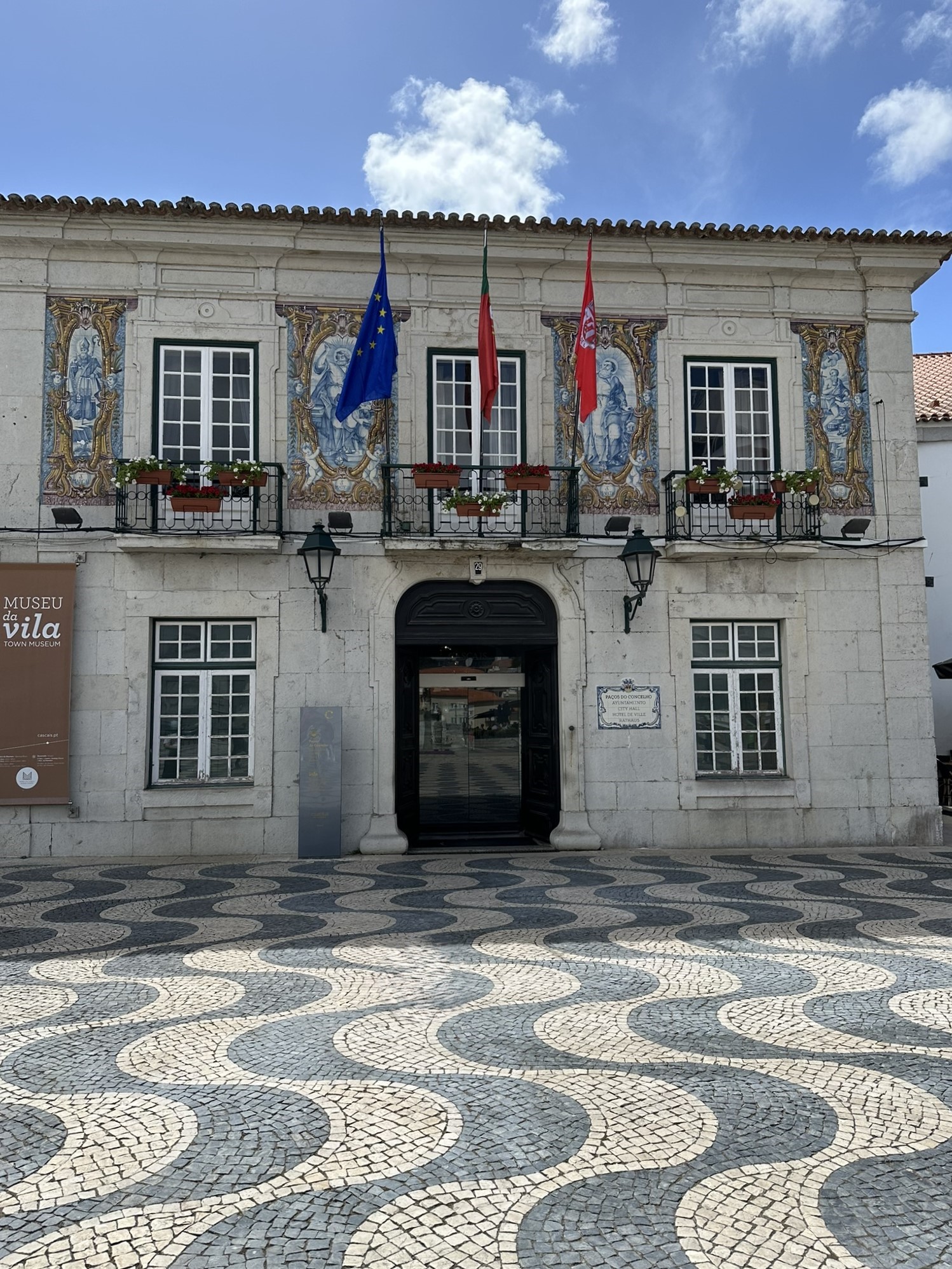
Museu da Vila (Town Museum). It’s probably best to start your visit here. Inside this free museum, you can learn about the Cascais area starting in the paleolithic period through the Romans and later years when it was a landing point for the Spanish Army in their 1540 siege on Lisbon and then as it became a fishing village and was later adopted by the royalty and elites as a summer holiday spot. You can learn about the role of the area in housing exiled royal family members from across Europe during World War II (when Portugal was neutral) and other refugees as they escaped Europe for America. And you can study the symbology of the city’s crest and see its Medal of Merit given to individuals who promote freedom, including Mikhail Gorbachev.
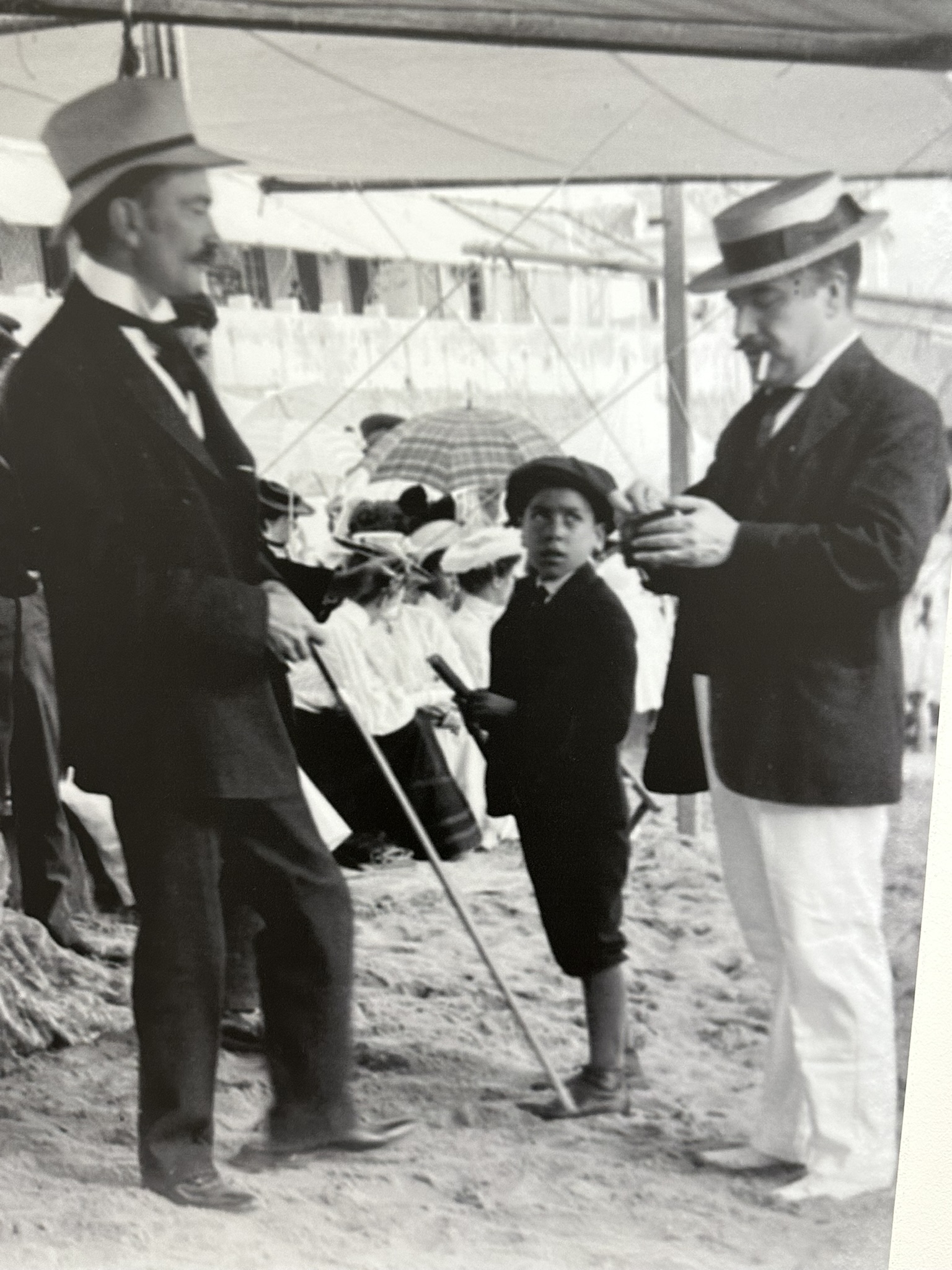
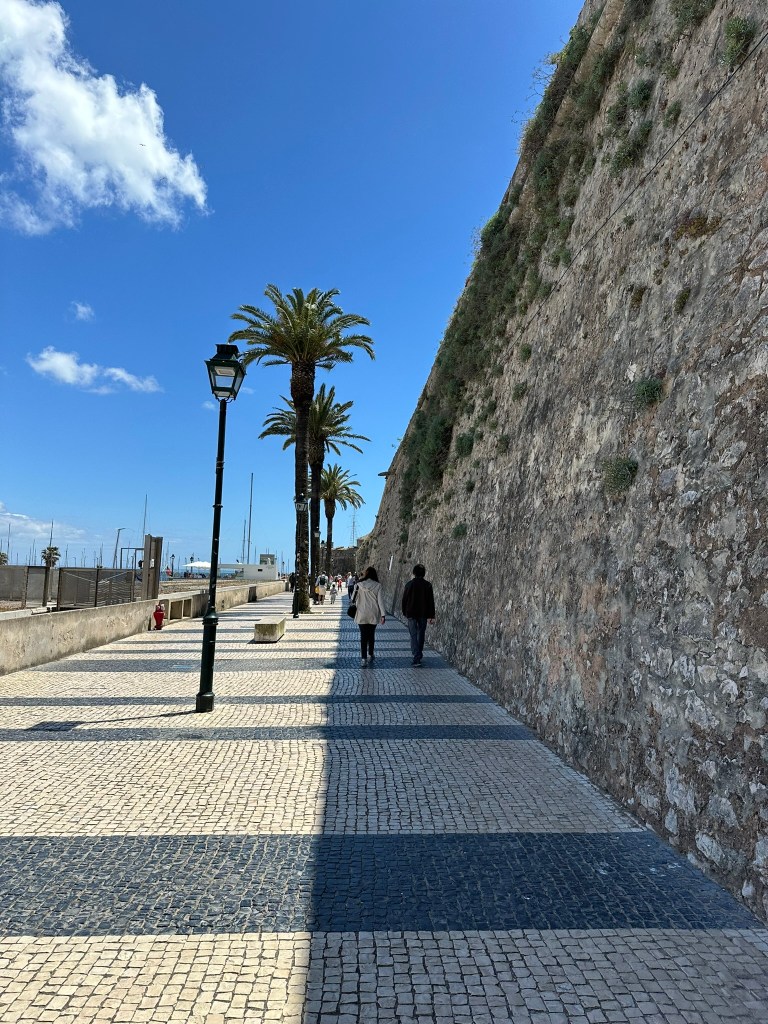
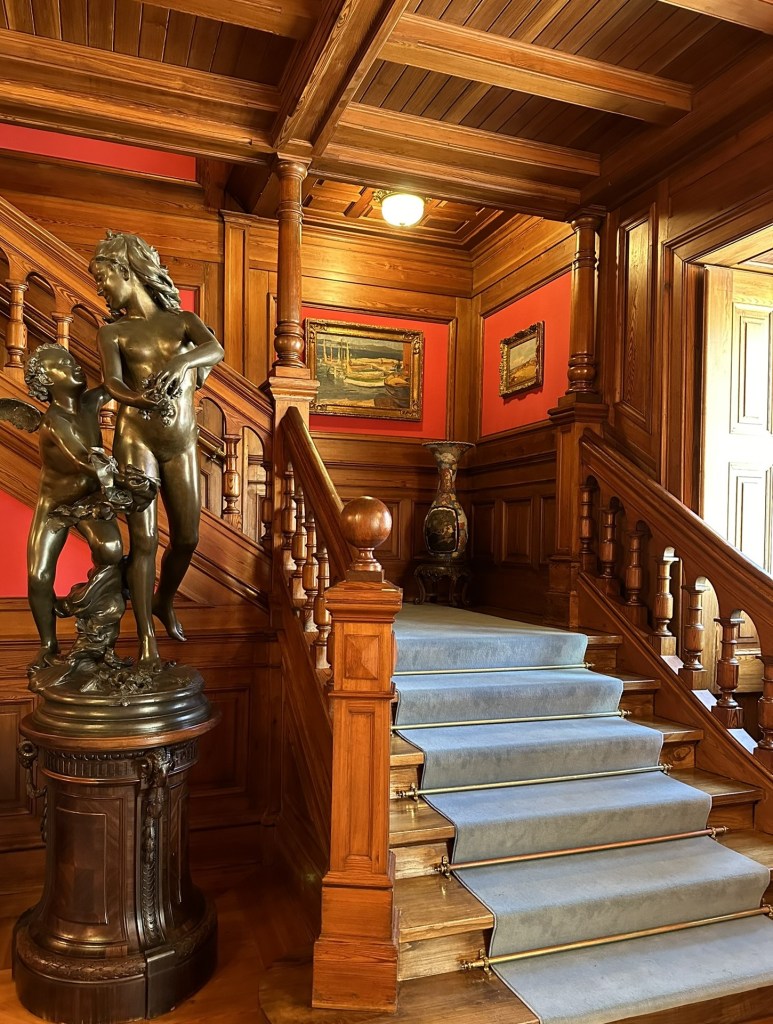
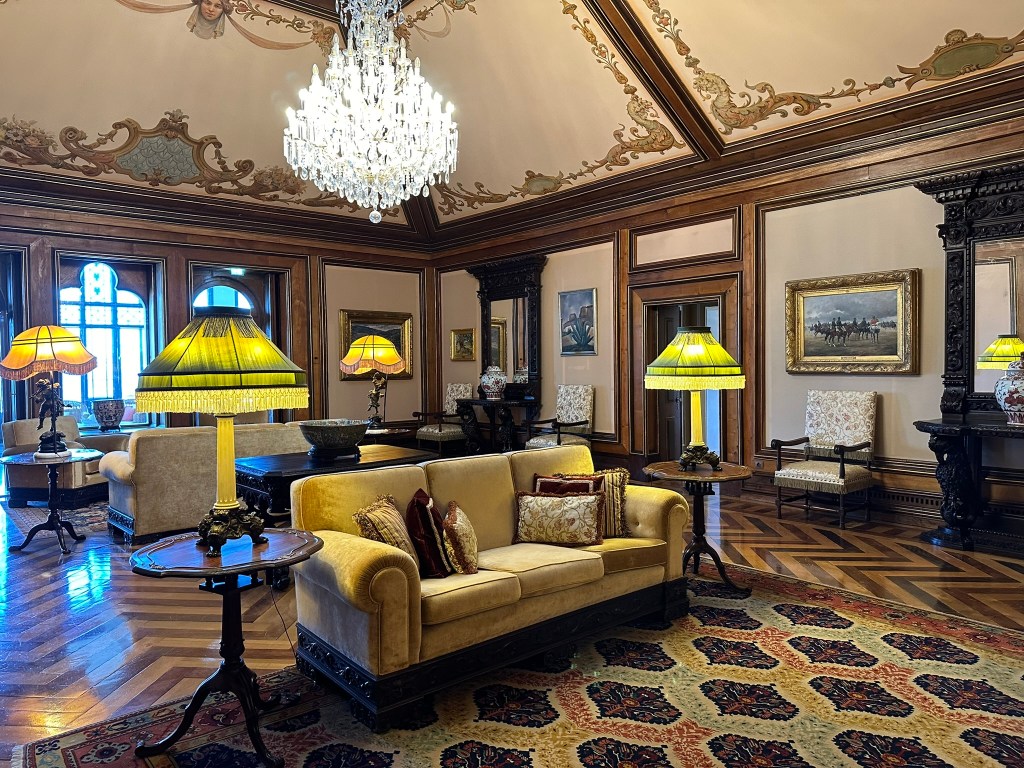
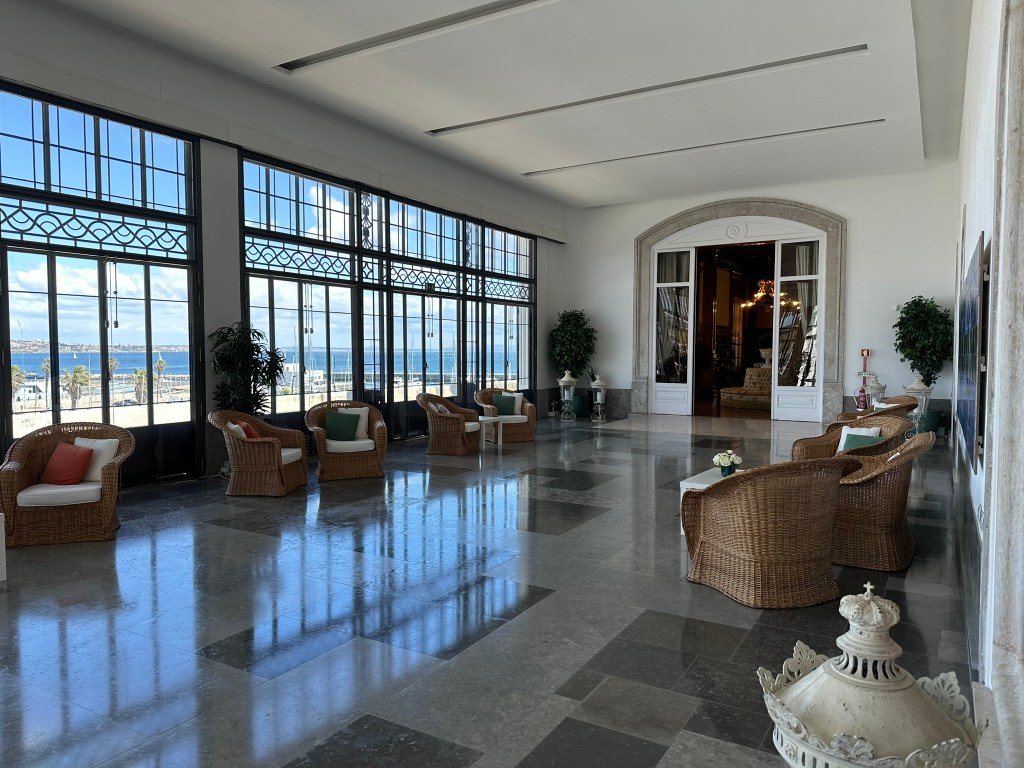
Cascais Citadel Palace. I’m not so sure why we took so long to visit this one. I’ve put it near the top of the list here, because after the town museum this one is a nice complement. The Citadel Palace occupies part of the former defensive fort. The fort began as a tower, the Tower of Santo António, built in 1488 under the reign of King João II. When the Spanish took over Portugal, they constructed the distinctive triangular fortress (16th century) upon which the Portuese added when they gained independence (17th century). The palace was once the home of the fort commander but in 1870 King Luís began summering in Cascais and used it as his summer family home. There were many modifications and renovations conducted during the reign of King Luís and the subsequent reign of his son, King Carlos. Both were avid lovers of the sea. When King Luís was on his deathbed at the palace in Sintra, he requested to be moved here for his final days so he could die with a view of Cascais harbor.
When Portugal became a republic in 1910 the fort became a home of the President, though he was required to pay rent as a symbol that the President was not a King. When the military dictatorship took over in 1926, the rent was abolished, and President Carmona used this as his residence.
After the 1974 revolution, like many Portuguese palaces and former homes of the elites, the palace was abandoned and fell into disrepair. It was renovated beginning in 2007 and reopened as a museum in 2011.
You can visit on weekends, except New Years Day, Easter and Christmas, and follow an excellent guided tour. It costs €4 to visit just the palace, €8 to visit the palace and gallery below. We visited them separately as we came last time when a tour was not available. More info on hours, rates, tours, etc. can be found here.
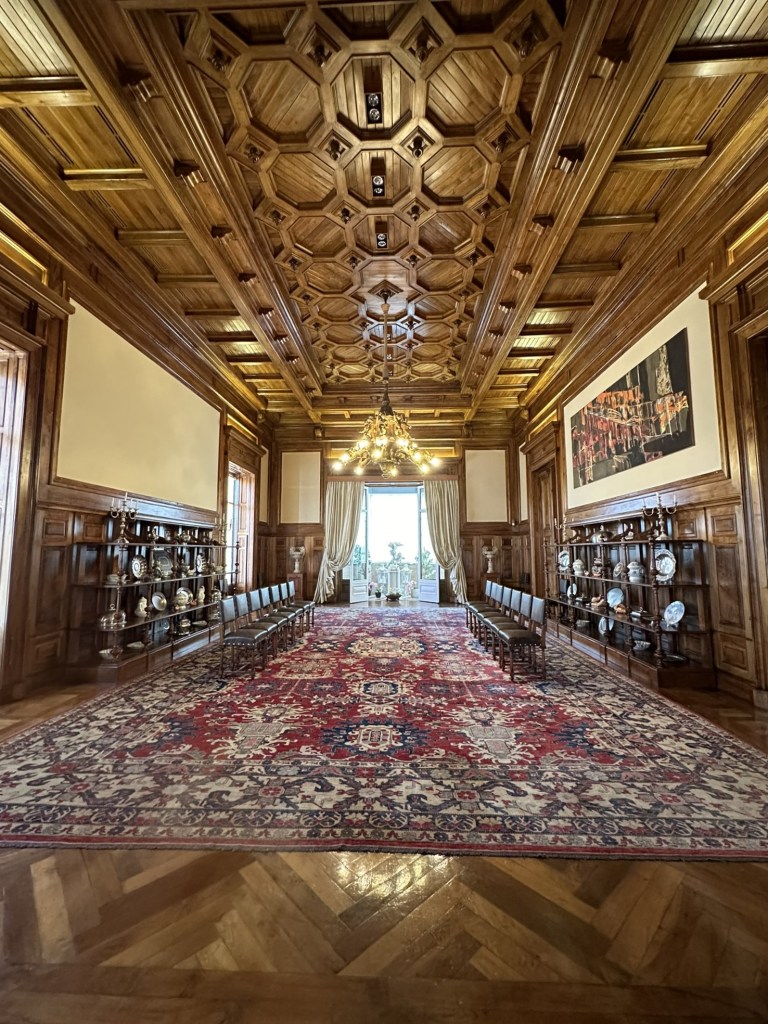
(table out for repairs)
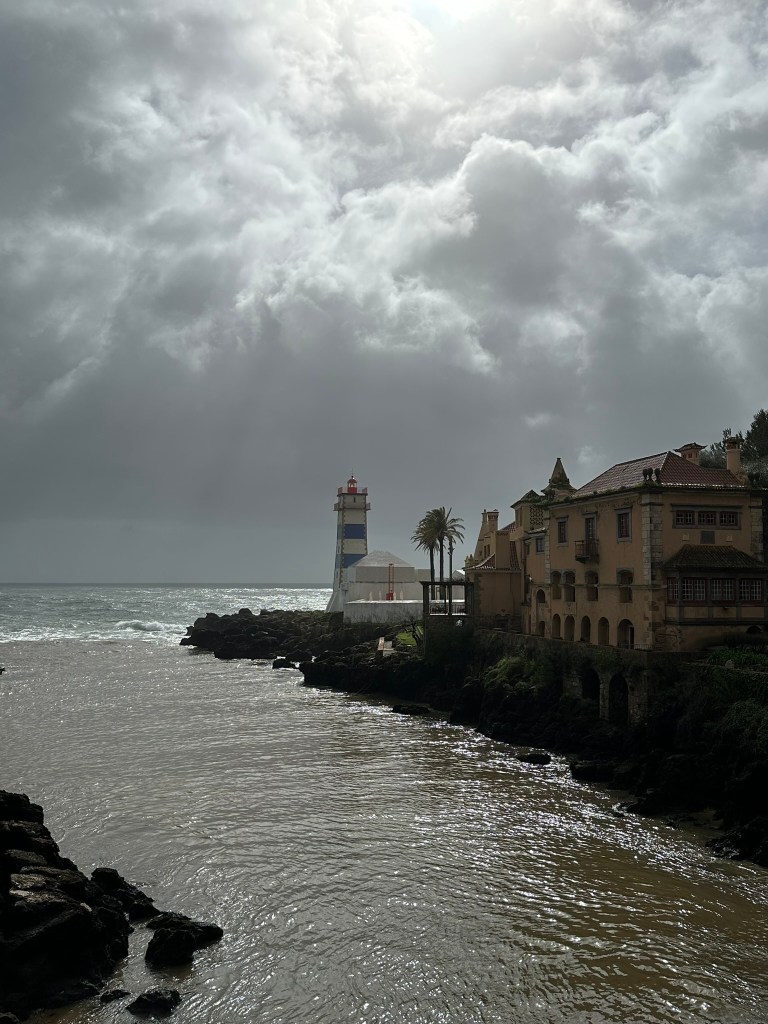
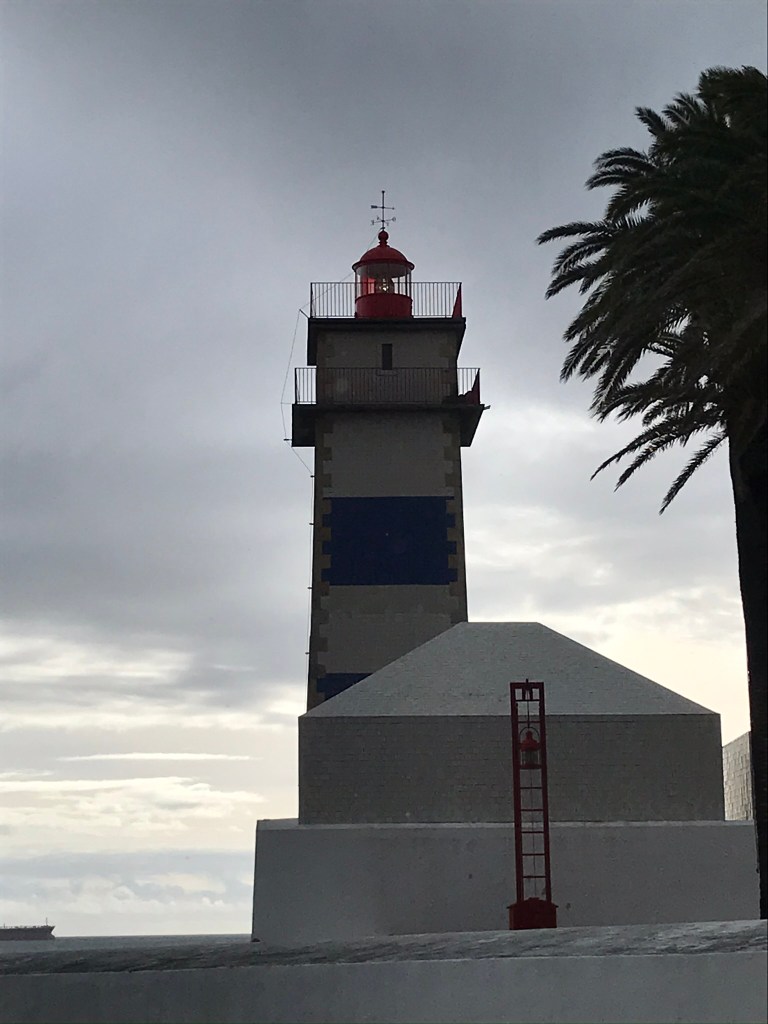
Farol da Santa Marta. For €5 (except on the first Sunday of the month, when its free, or Mondays when it is closed) you can visit the Farol da Santa Marta (and climb its narrow stairway to the top) and its adjacent lighthouse museum. The lighthouse museum is dedicated to telling the tale of faroleiros (lighthouse keepers), the importance of lighthouses and how the technology evolved and the lives and work of the men who kept them changed as technology advanced.
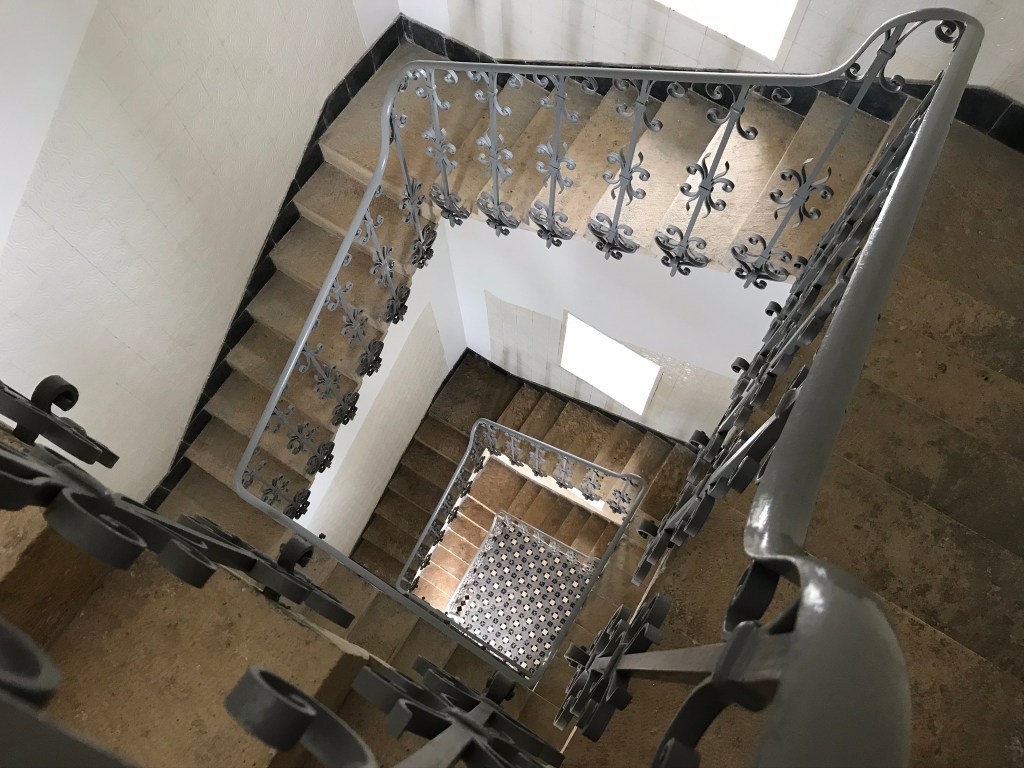
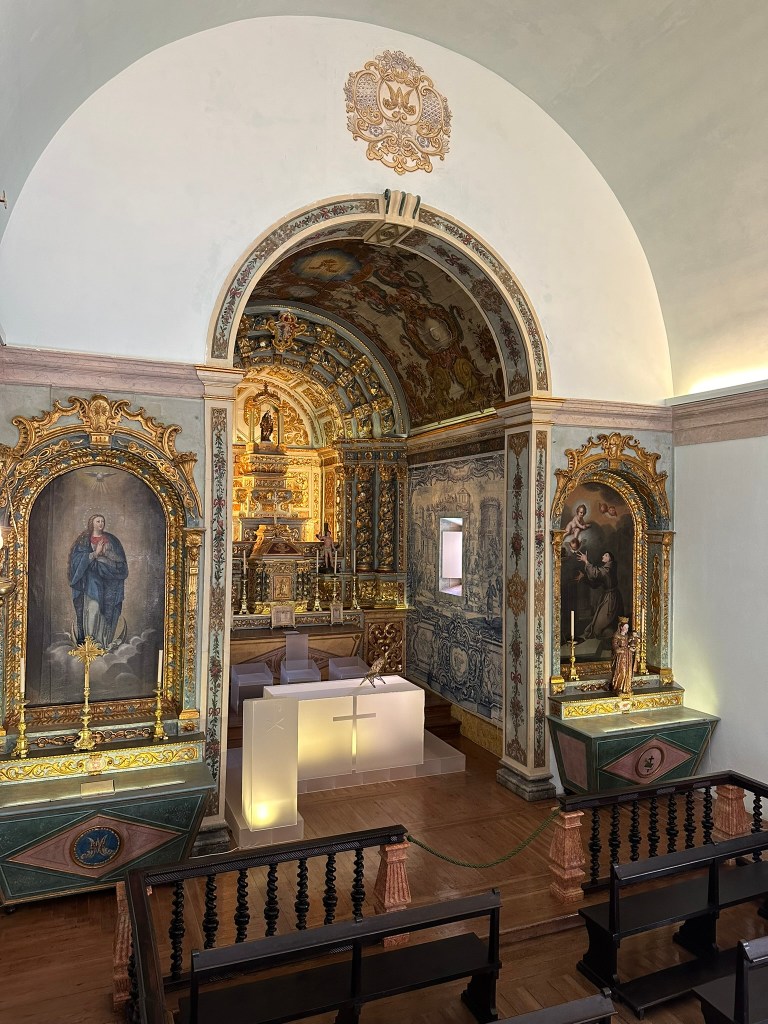
Casa de Santa Maria. For the same entry fee as the lighthouse, you can also visit the neighboring Casa de Santa Maria which was built in 1902 and purchased by an engineer (Jose Lino) in 1917. Adorned with incredible Portuguese azulejos (tilework), the painted wooden ceilings are reminiscent of the National Palace in Sintra (on a smaller scale). On the top floor you can visit the private chapel and from the top floor dining room, you can follow the path of the dumbwaiter down the back stairway to the basement kitchen and servants’ quarters.
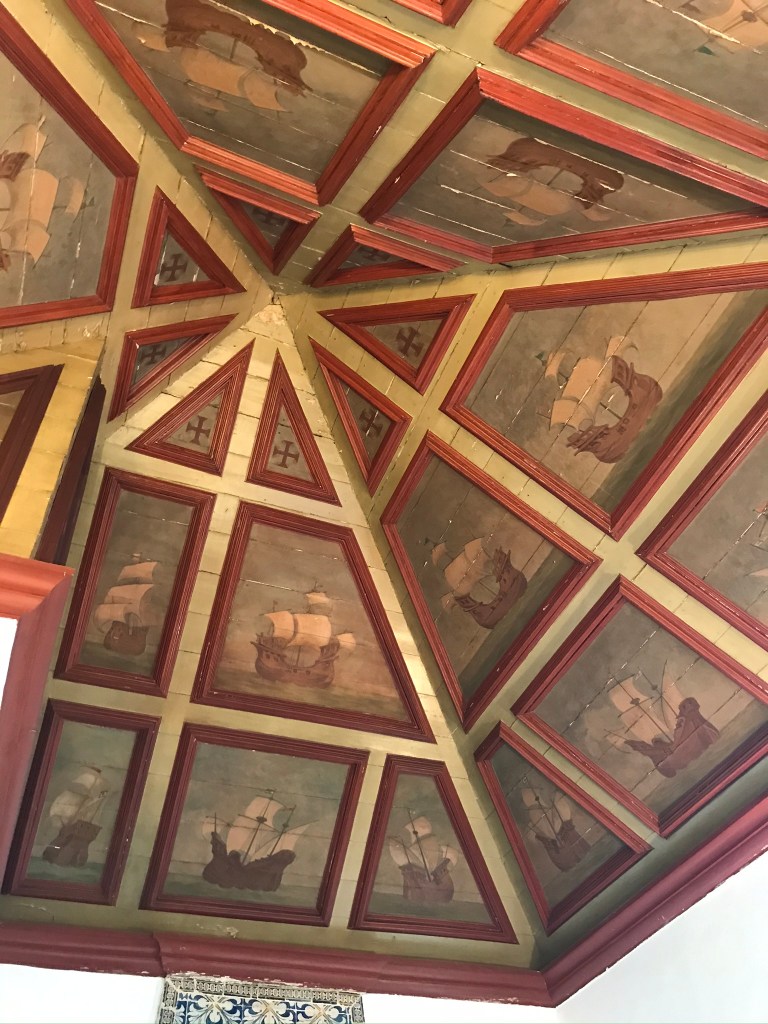
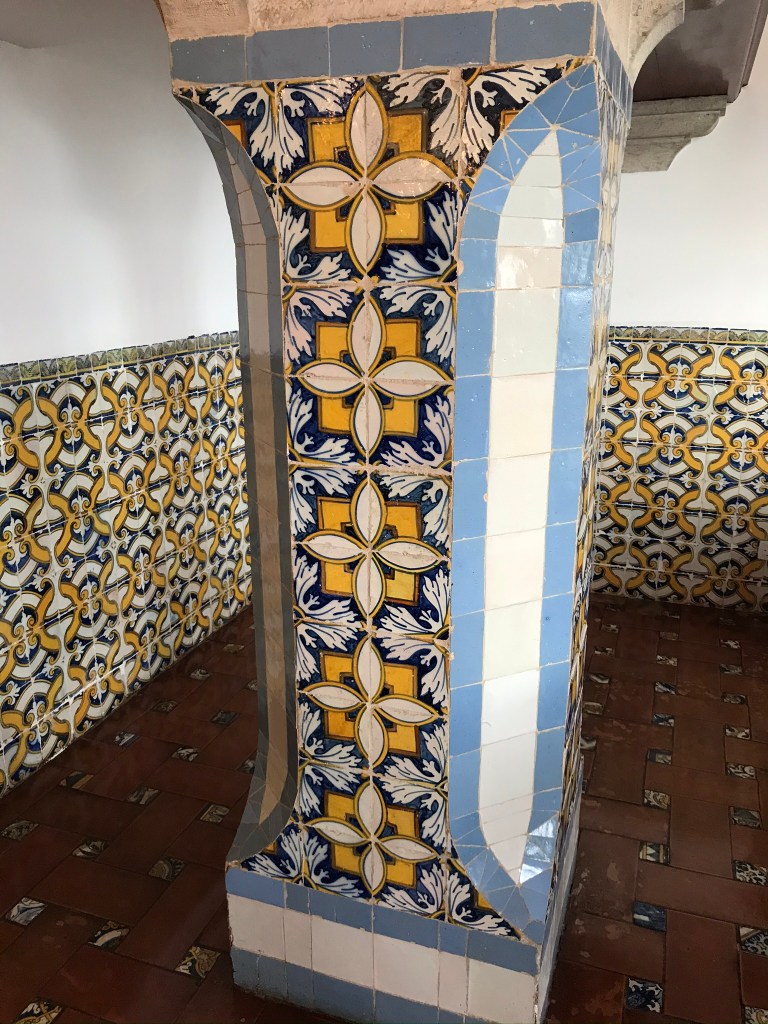
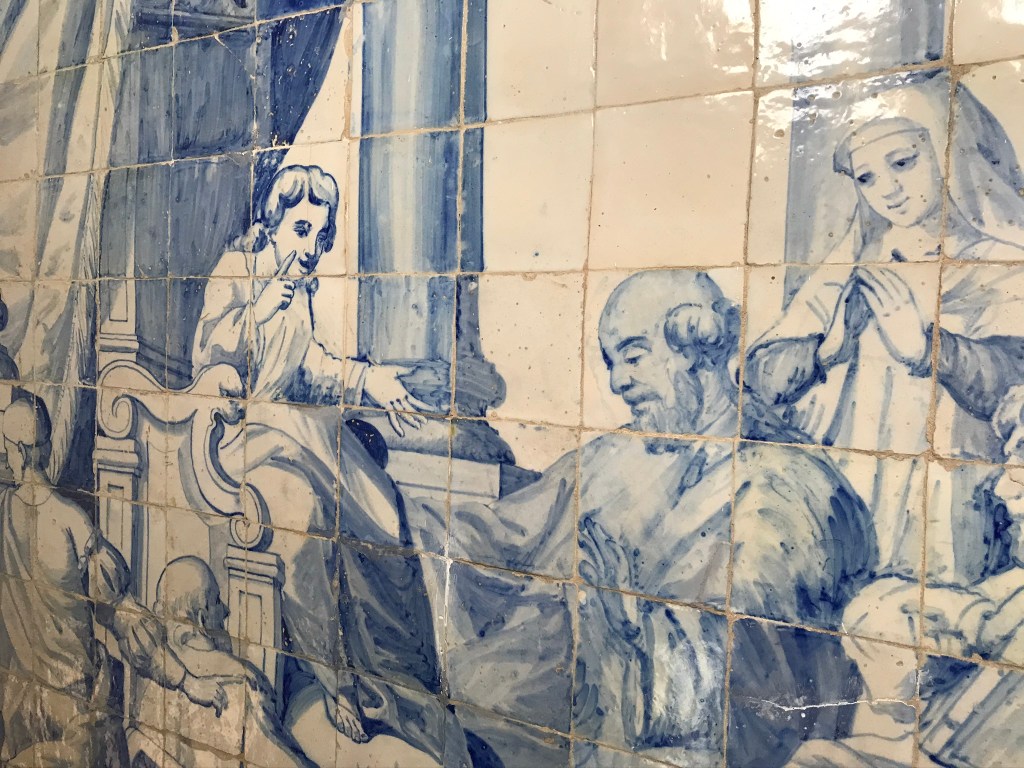
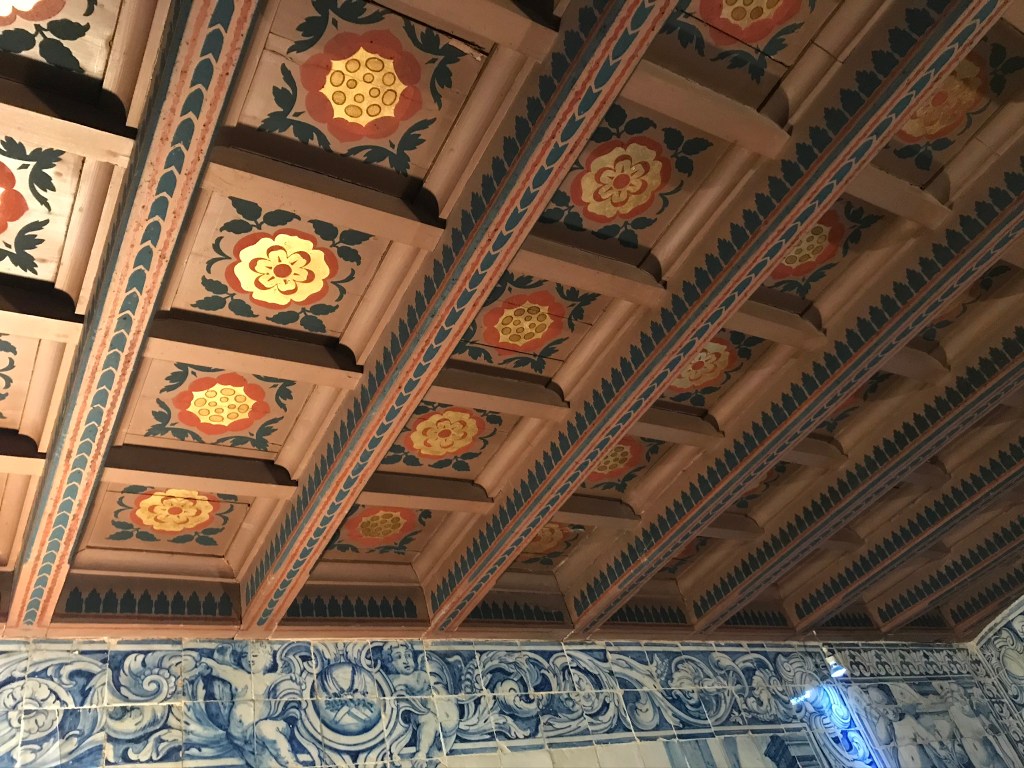
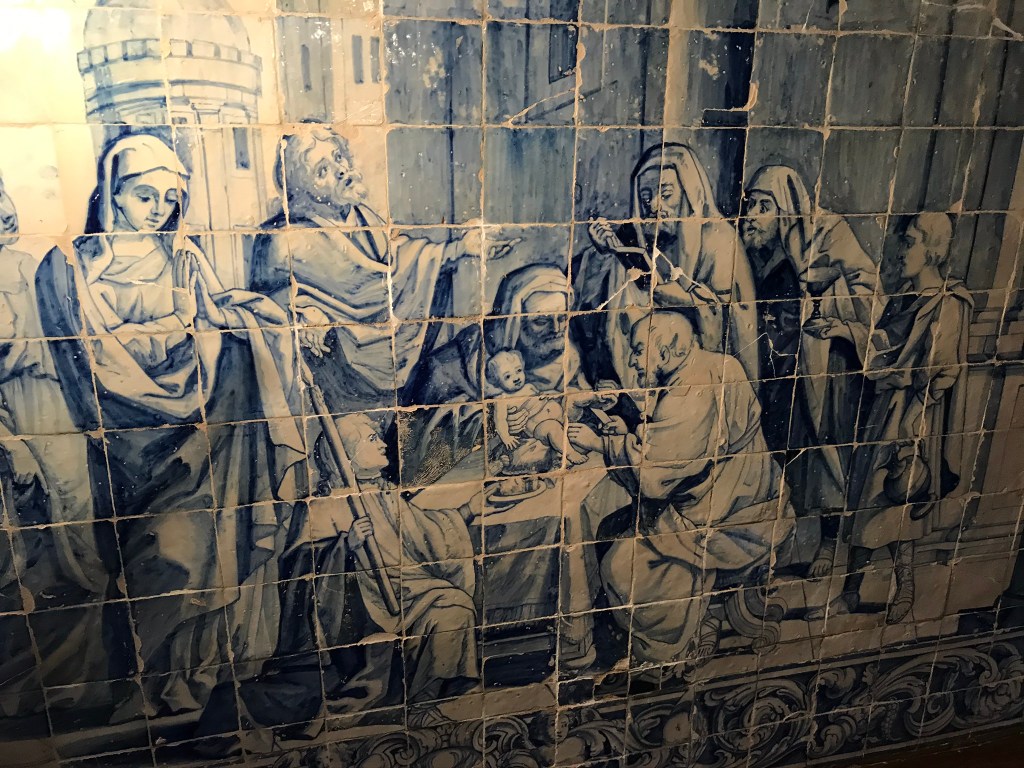
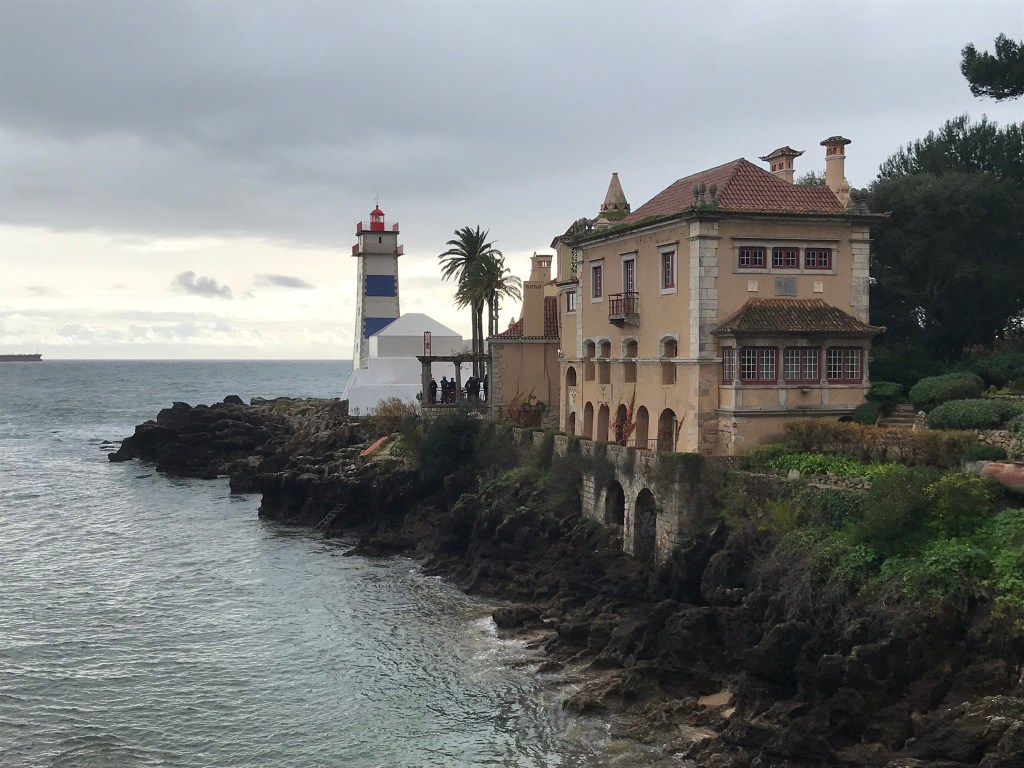
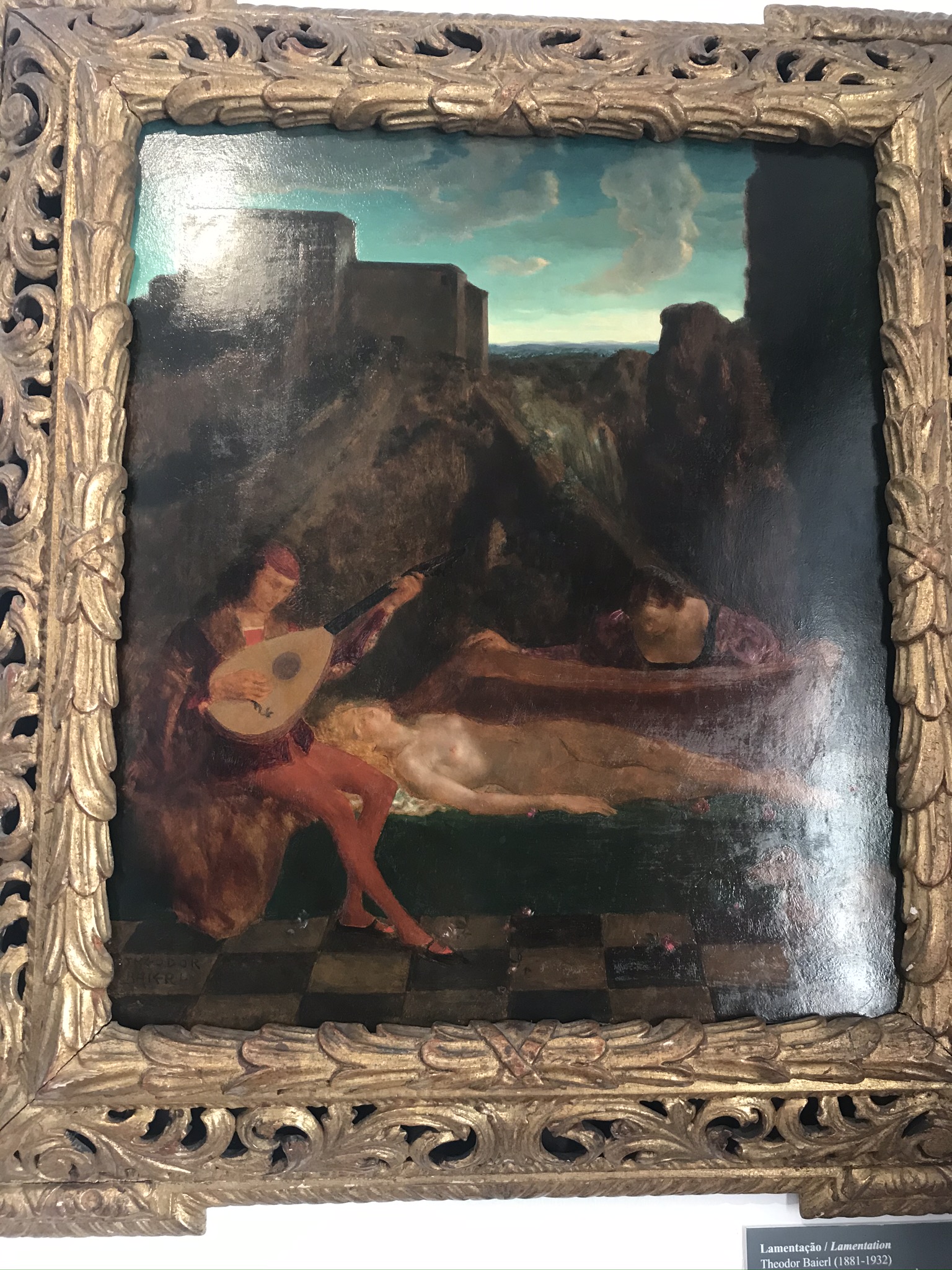
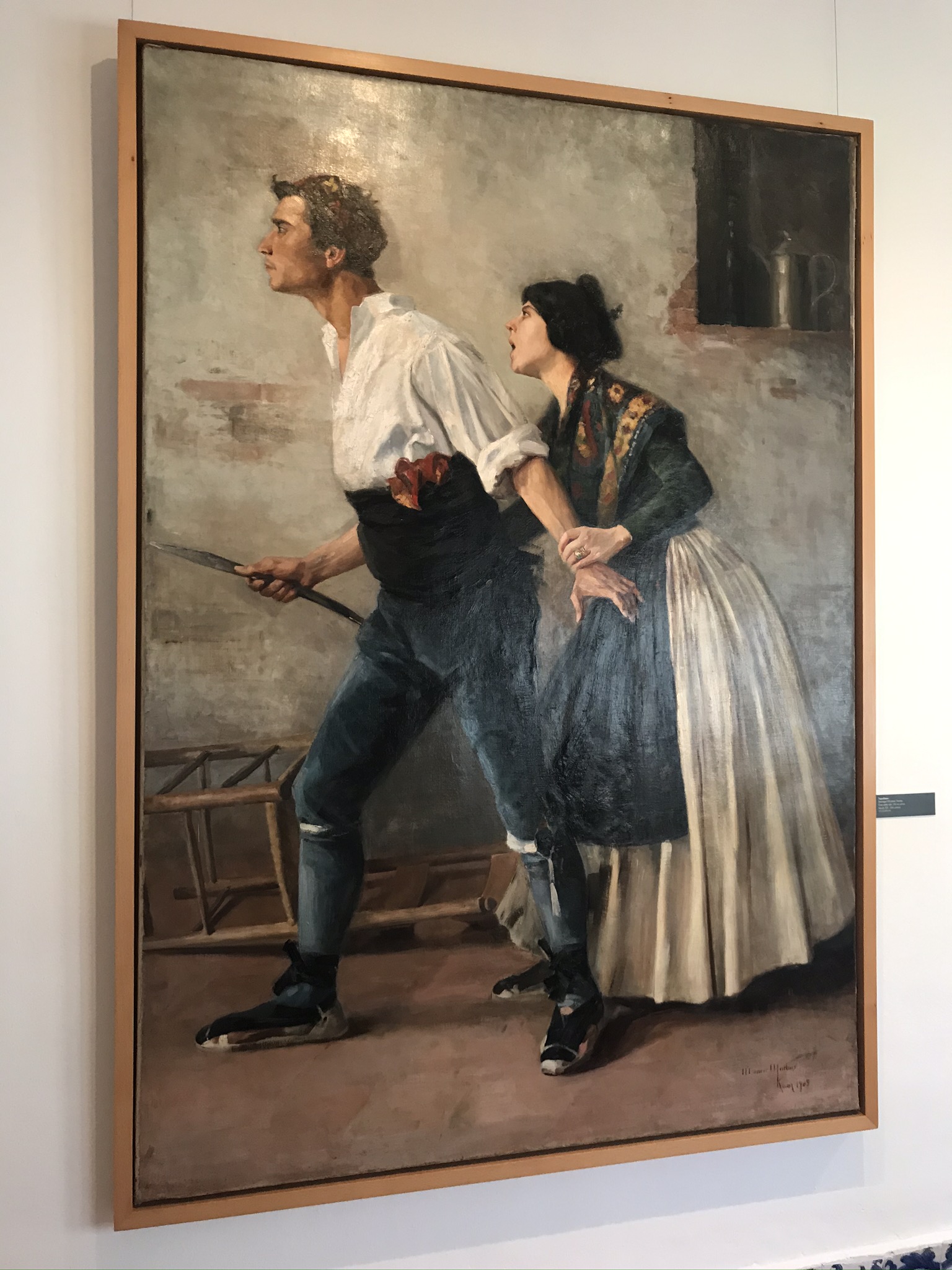
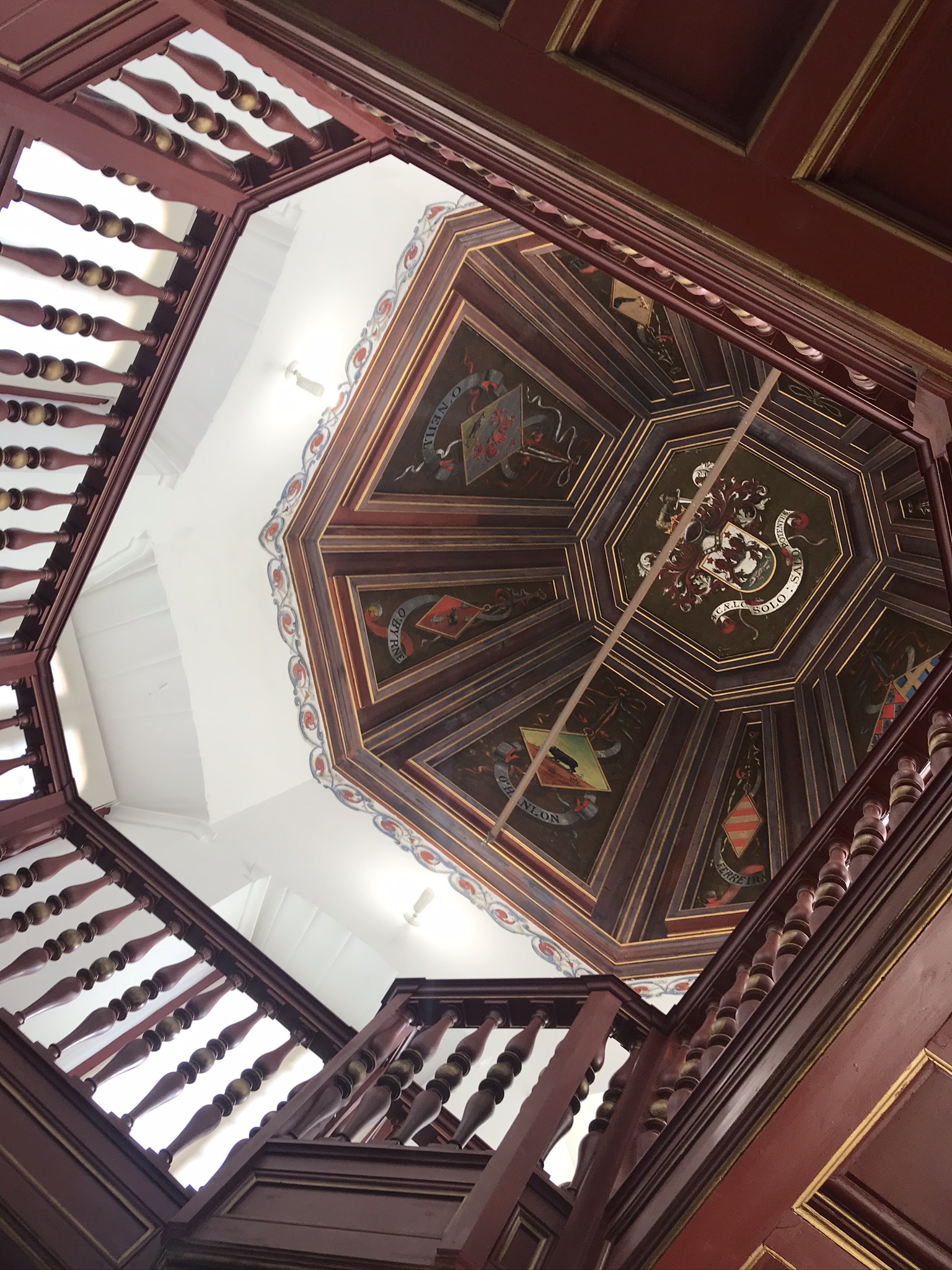
Castro Guimarães Museum. Across the short footbridge to town, nestled in the corner of the Jardim Marechal Carmona (a free public park with short walking trails, and an orchestra of roosters and peacocks) sits the Castro Guimarães Museum. Built by the Irish tobacco businessman Jorge O’Neil in 1900, the house was sold to the Count of Guimarães in 1910. The Count was a great art collector who, having no heirs, donated the house and collection to the town of Cascais with the promise it be used as a museum. The art ranges from portraits to scenes of Cascais and Portugal. The period furniture is pretty interesting too and don’t forget to look up, like many of these stately homes there is art in the ceilings too.
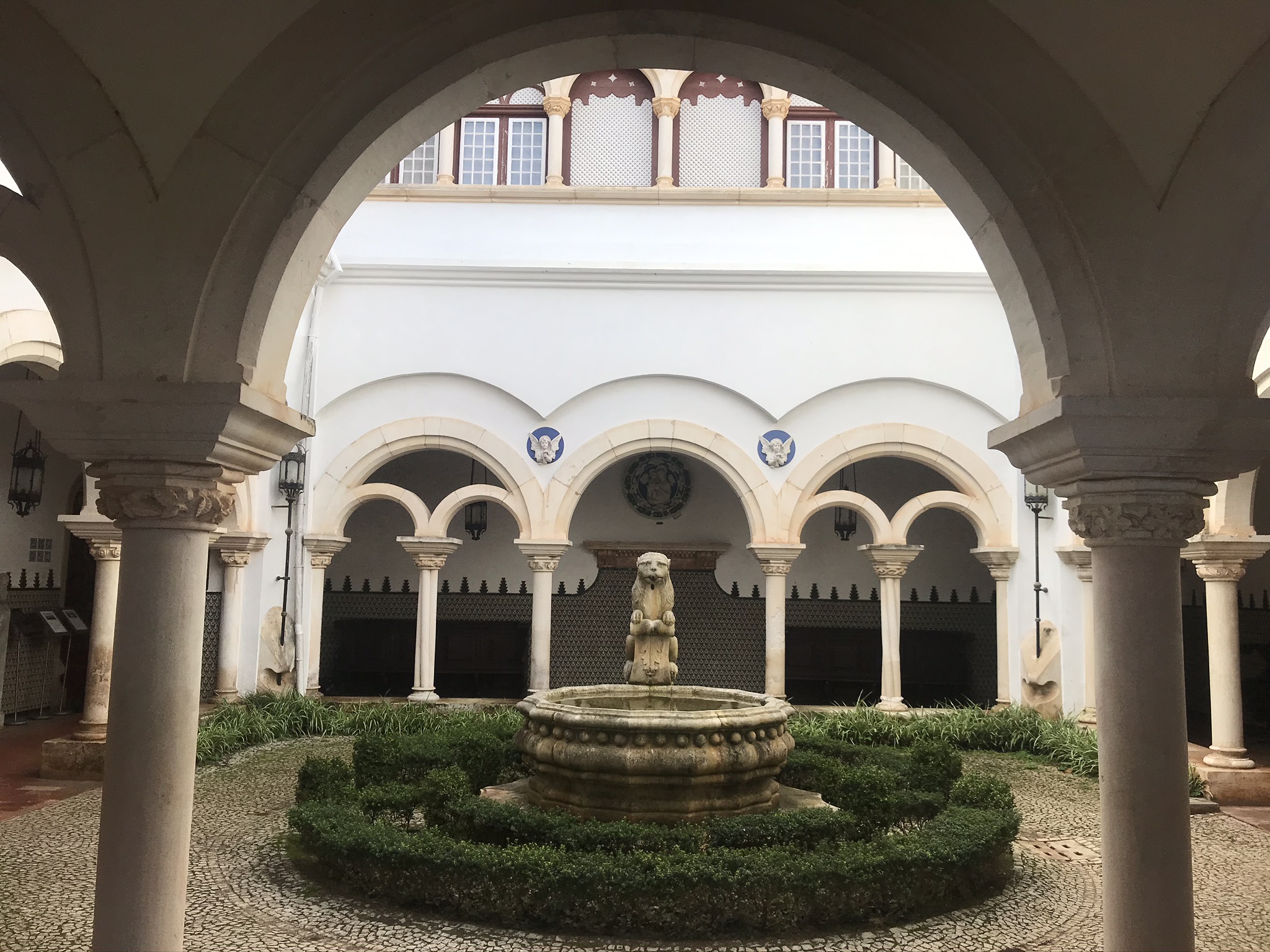
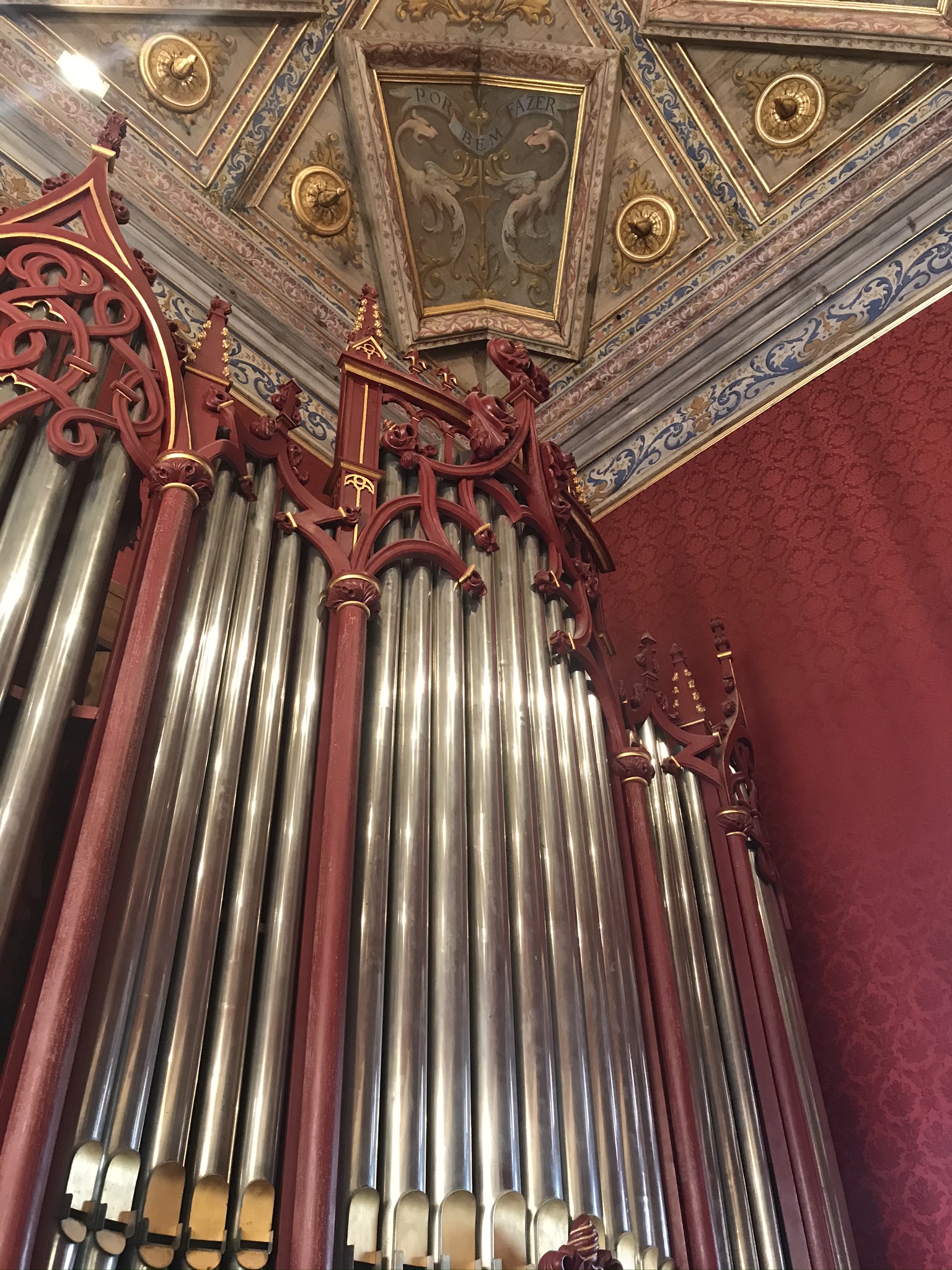
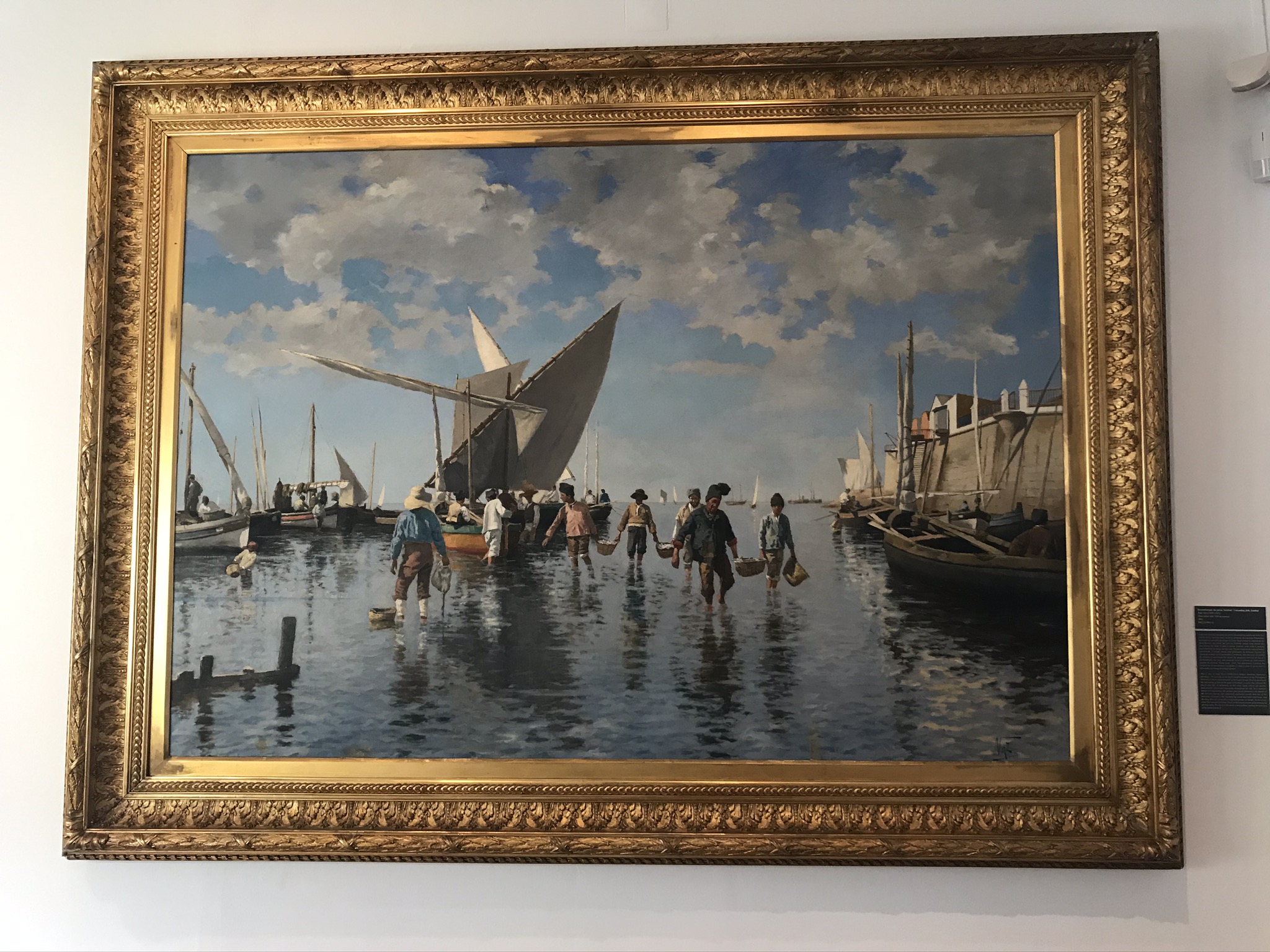
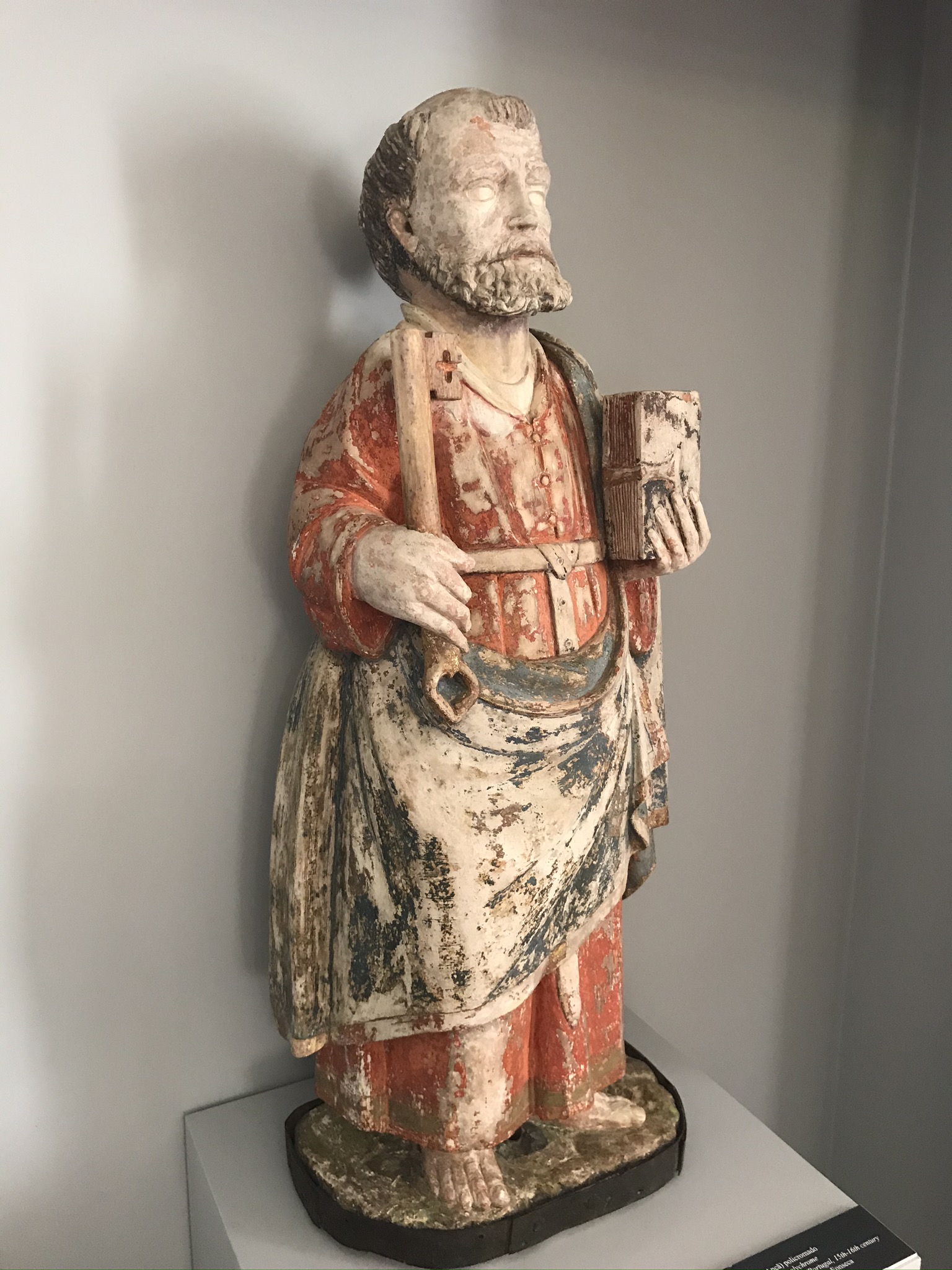
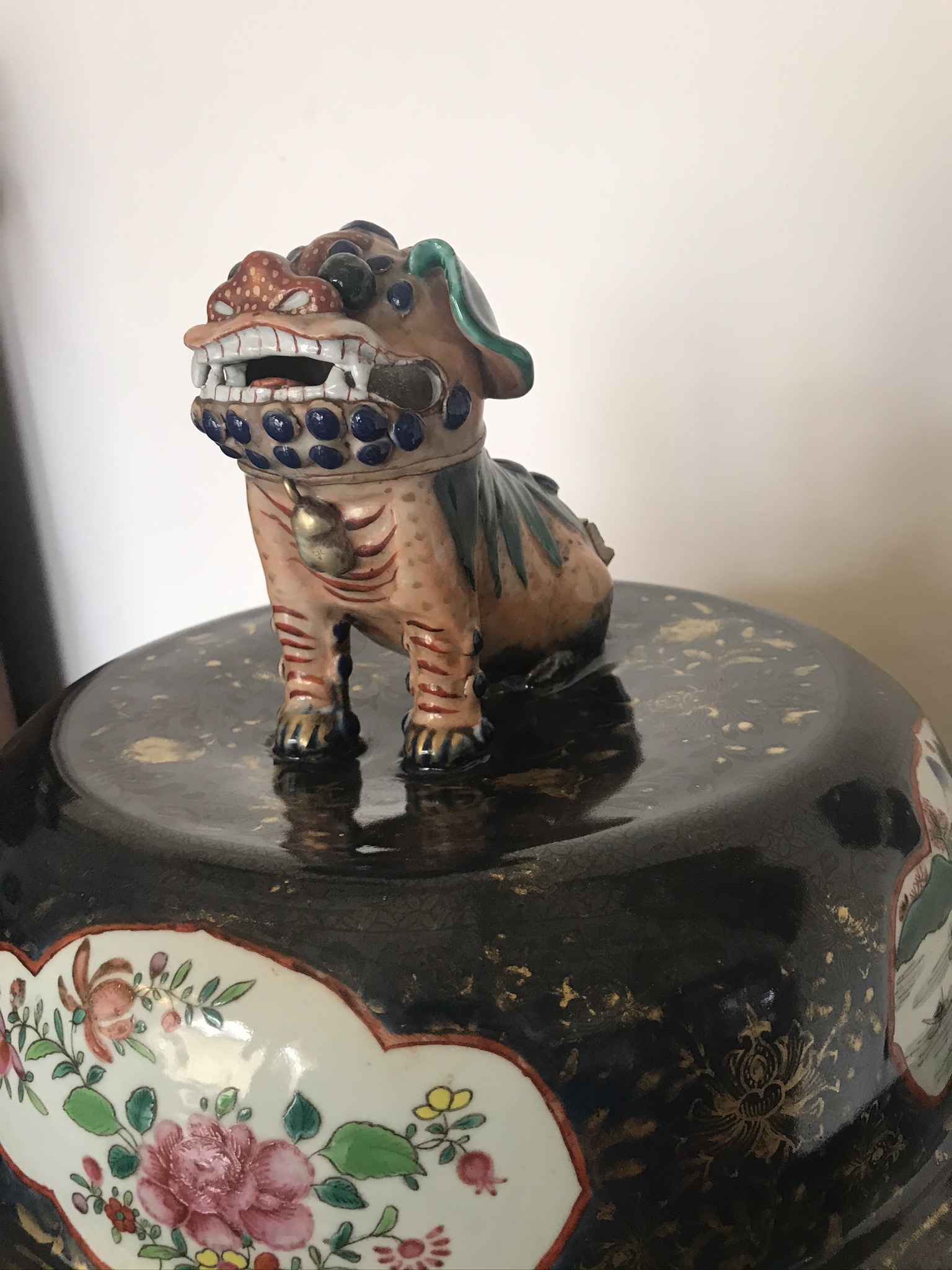
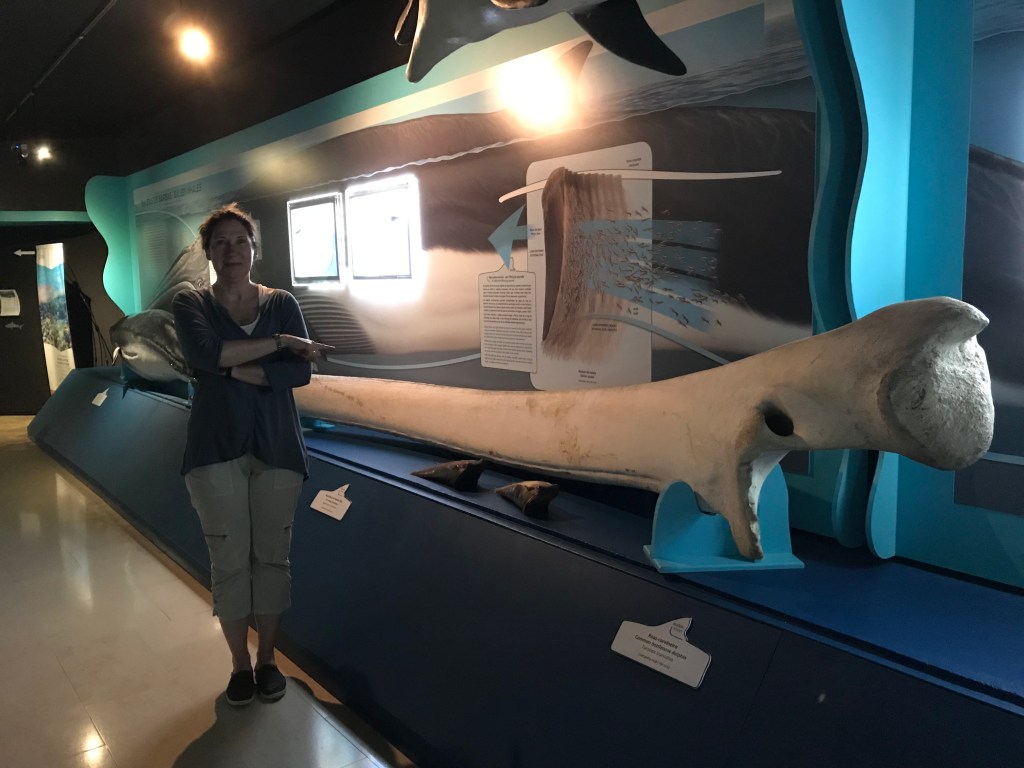
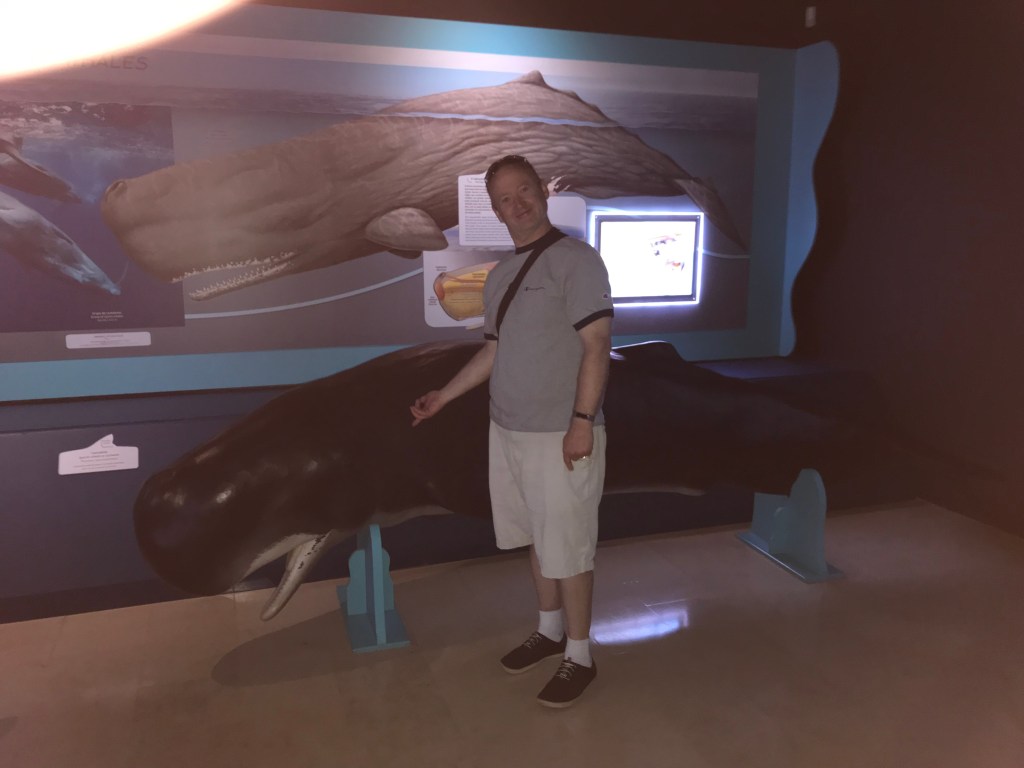
The Museu do Mar (Museum of the Sea). This museum has exhibits that cover marine life, the history of military, professional and leisure mariners coming in and out of this fishing village and resort town. If you’re trying to learn Portuguese, there’s a set of films about the sea told by Tentacles (ten-tock-lesh) a cartoon octopus which we sat and watched long enough for the museum employees to think we were a bit odd (but we were trying to learn).
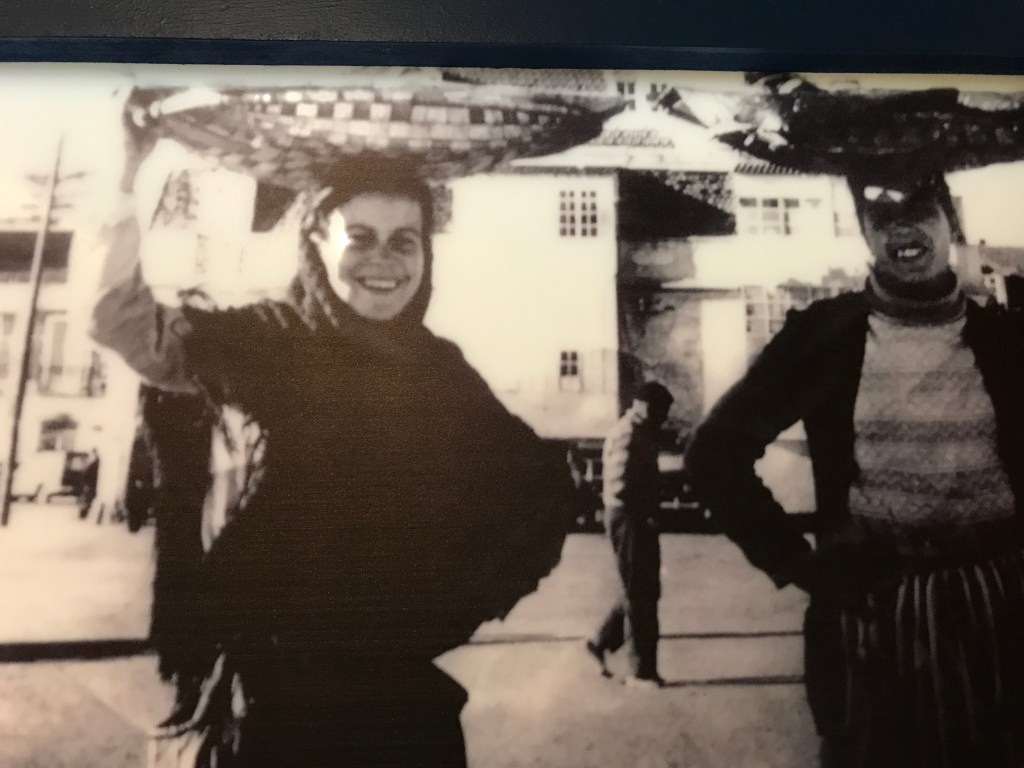
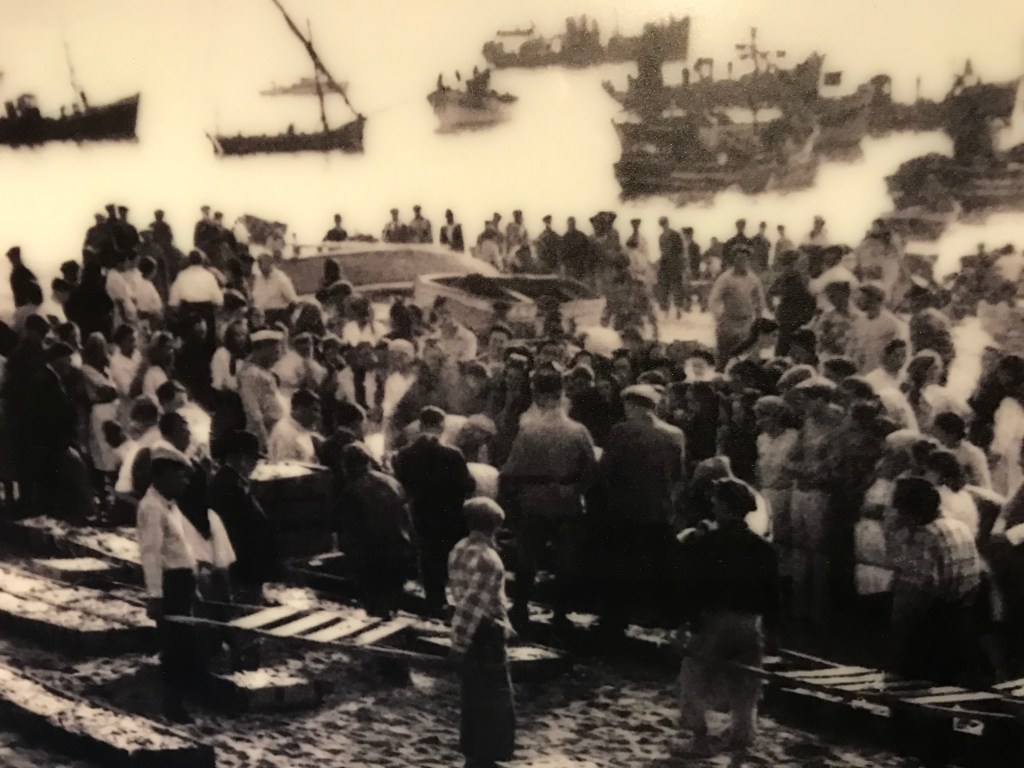
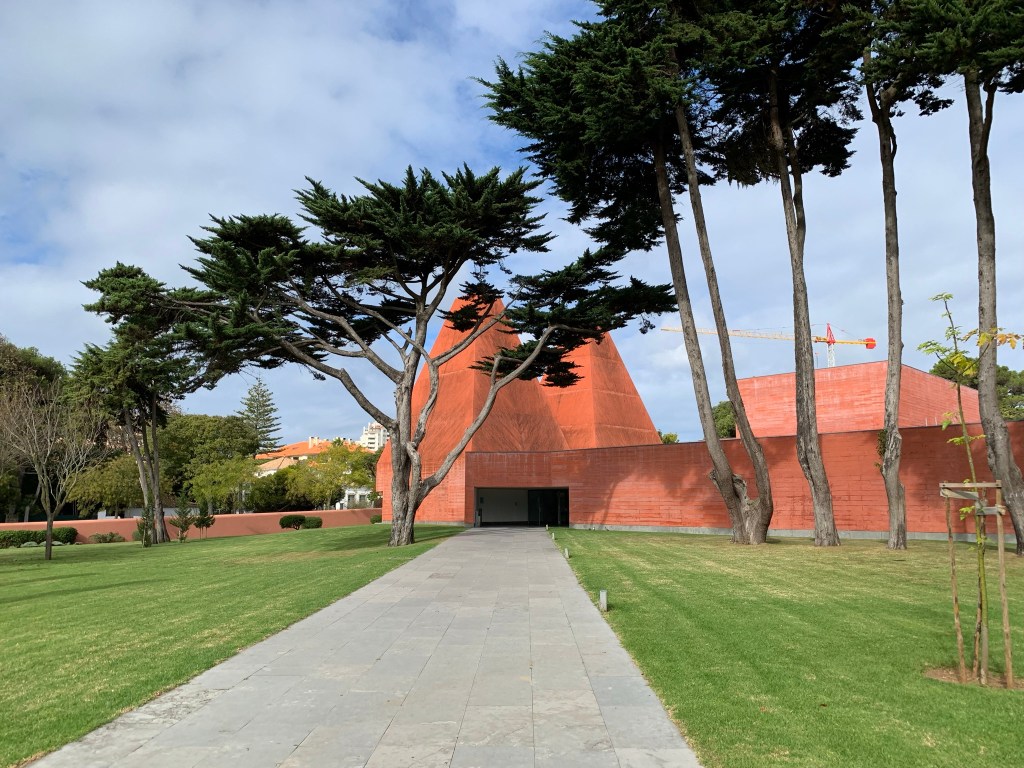
Paula Rego Gallery. Speaking of odd, upon our COVID-delayed return to Cascais, we visited the Casa das Histórias Paula Rego. The day we visited there was some kind of event closing most of the museum for the afternoon. We went in anyway and the room which was open was their rotating exhibit room which was displaying modern art from British artists from the 1950s and 1960s. Most were, in a word, dark. The museum building is distinctive and spectacular, and we plan to go back to catch the rest and other exhibitions in the future.
This site gives you more information if you want to visit the museums in Cascais.
 The Traveling Ridleys
Great article, very informative! I’ll be in Lisbon over Christmas this year and was hoping to visit Cascais on Dec 24 for a day trip. Do you know if any of the museums will be open on that day, even if reduced hours? Many thanks!
LikeLike
Hi Julie. Thank you. I think some of them should be. You’ll probably need to check the individual web sites of each one though, I wasn’t able to locate a single page with all of the different museums’ hours.
LikeLike
Thank you.
LikeLike