

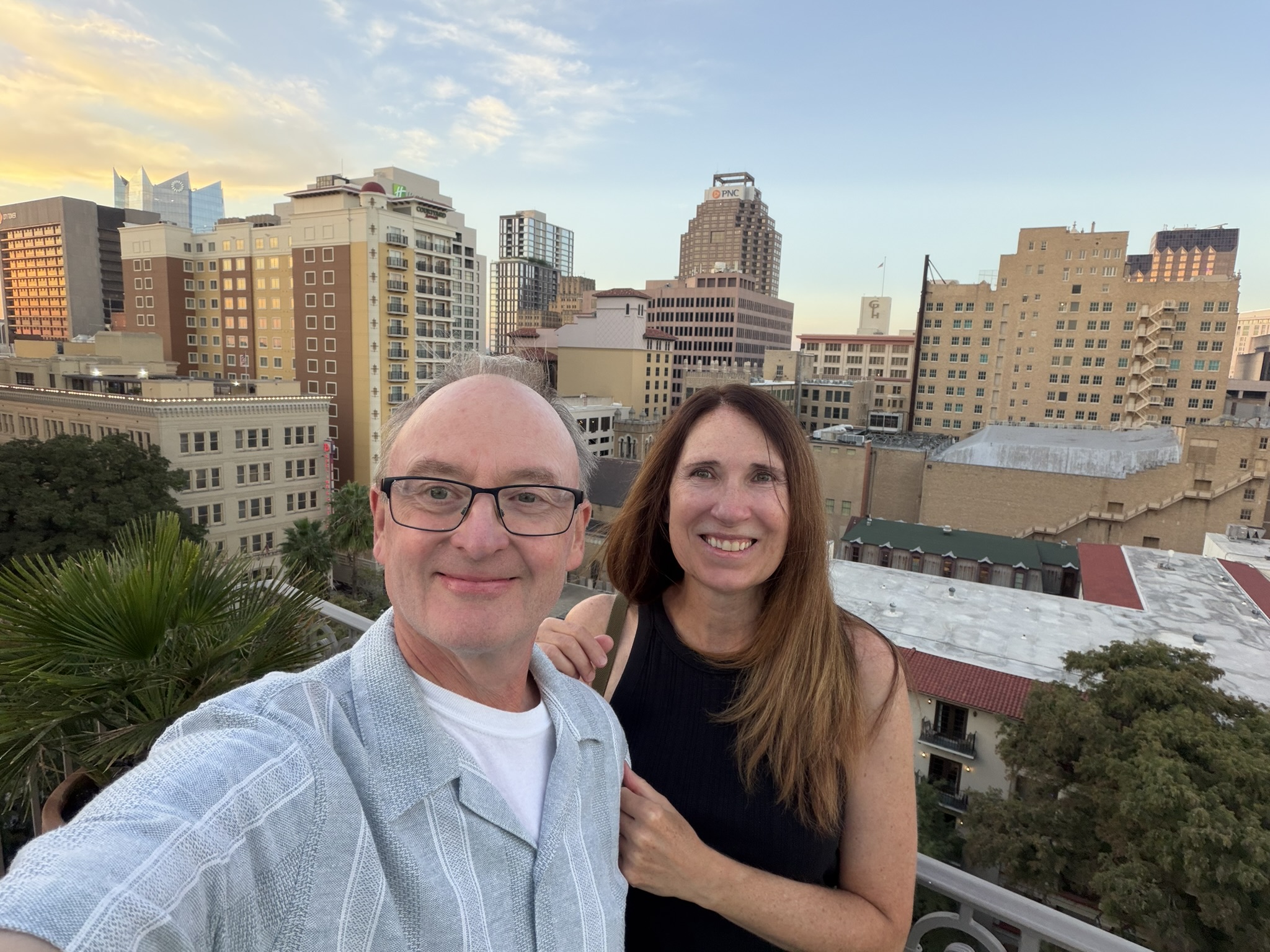
After a full day’s drive across the blue highways of South Texas (in which we passed the time observing, tallying and counting signs for local and national candidates for the upcoming midterm U.S. elections), we arrived in San Antonio and at our hotel perfectly situated along downtown’s riverwalk.
I’d spent much of a spring and summer working on a project here about 25 years ago (winter would have been better especially given my training for a marathon, which required many pre-dawn runs including some long ones which commenced around 3am to beat the heat) and had been back a few times, but this was Melissa’s first visit to the Alamo City.
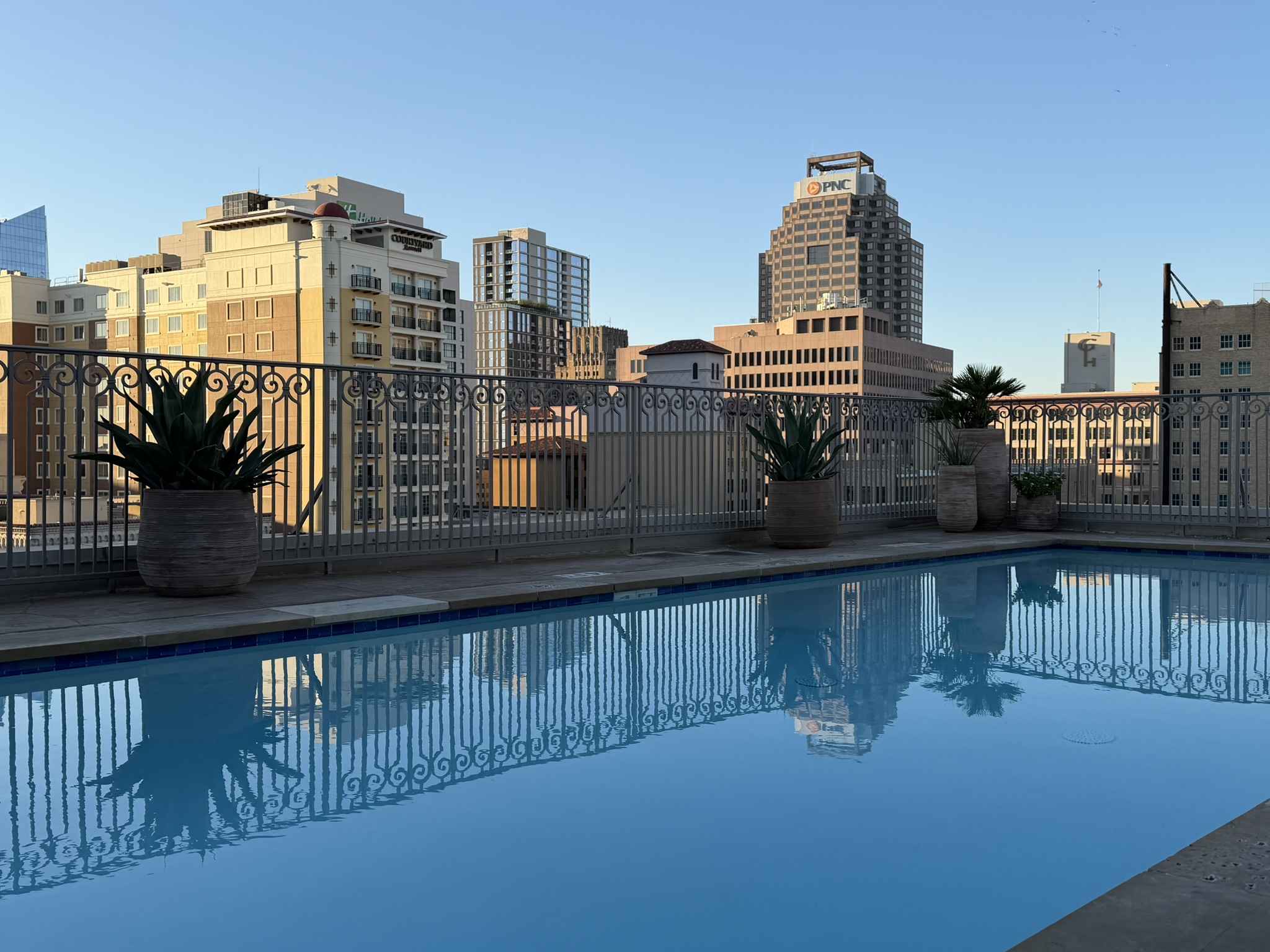
In my years working here, I mostly stayed out of town near the hospital where I was working and made it down to the riverwalk several times but had never stayed right on it with a balcony overlooking the river so this was a nice, new experience for both of us. After a long day of driving, we elected to spend the rest of the afternoon and much of the following day sitting by the hotel’s rooftop pool and enjoying a slower pace.
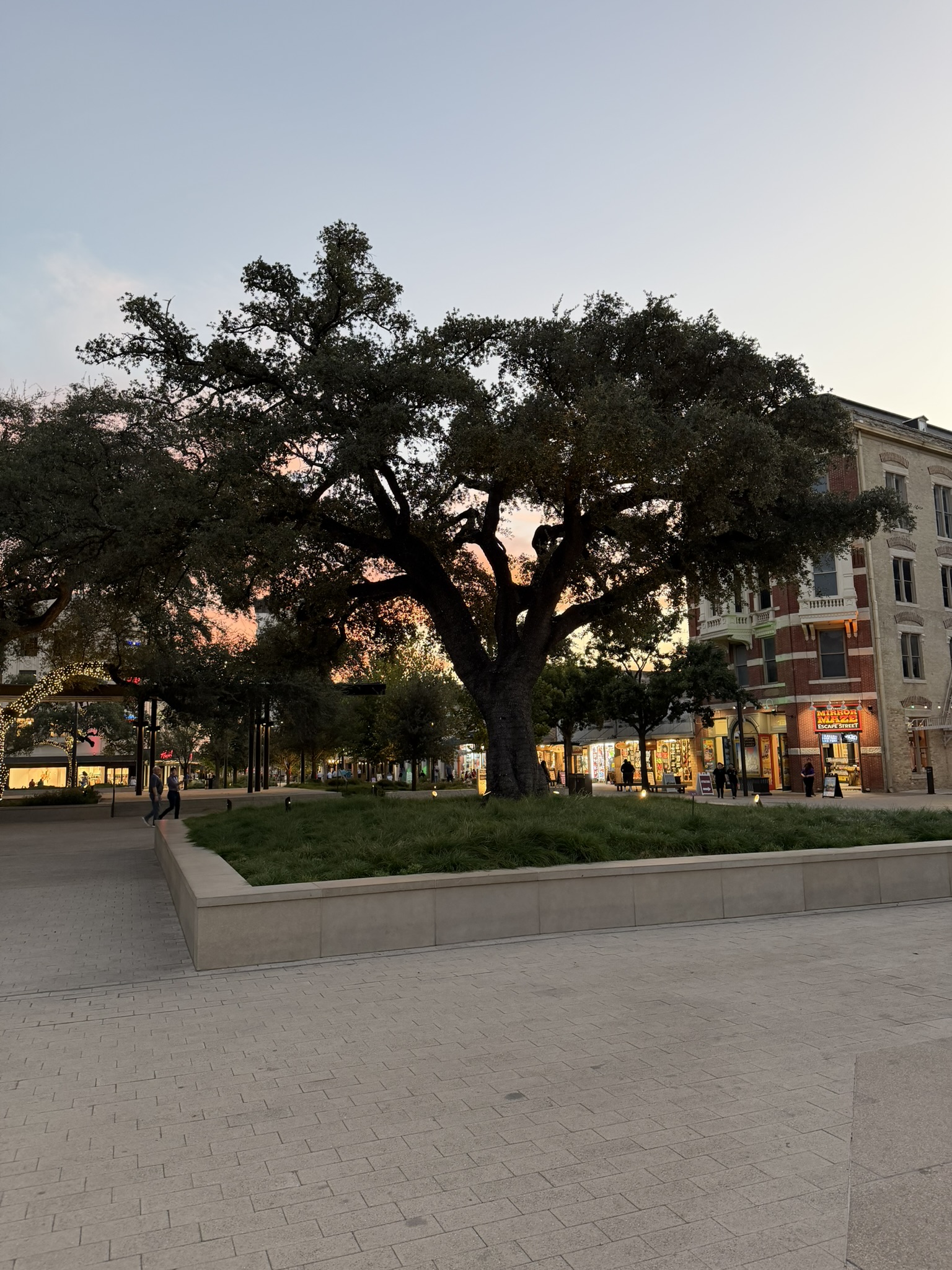
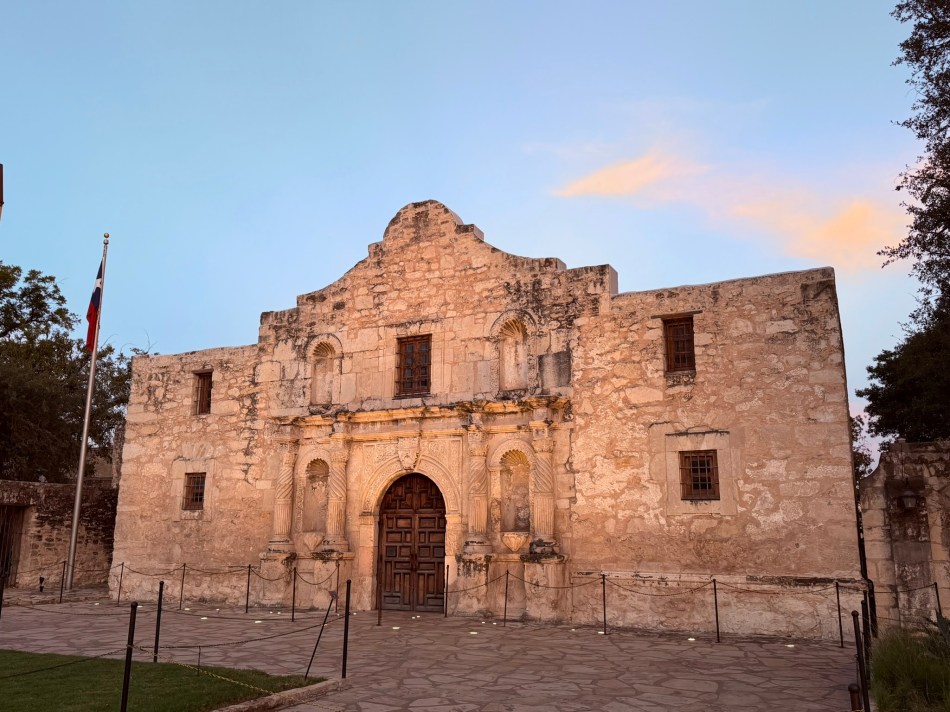
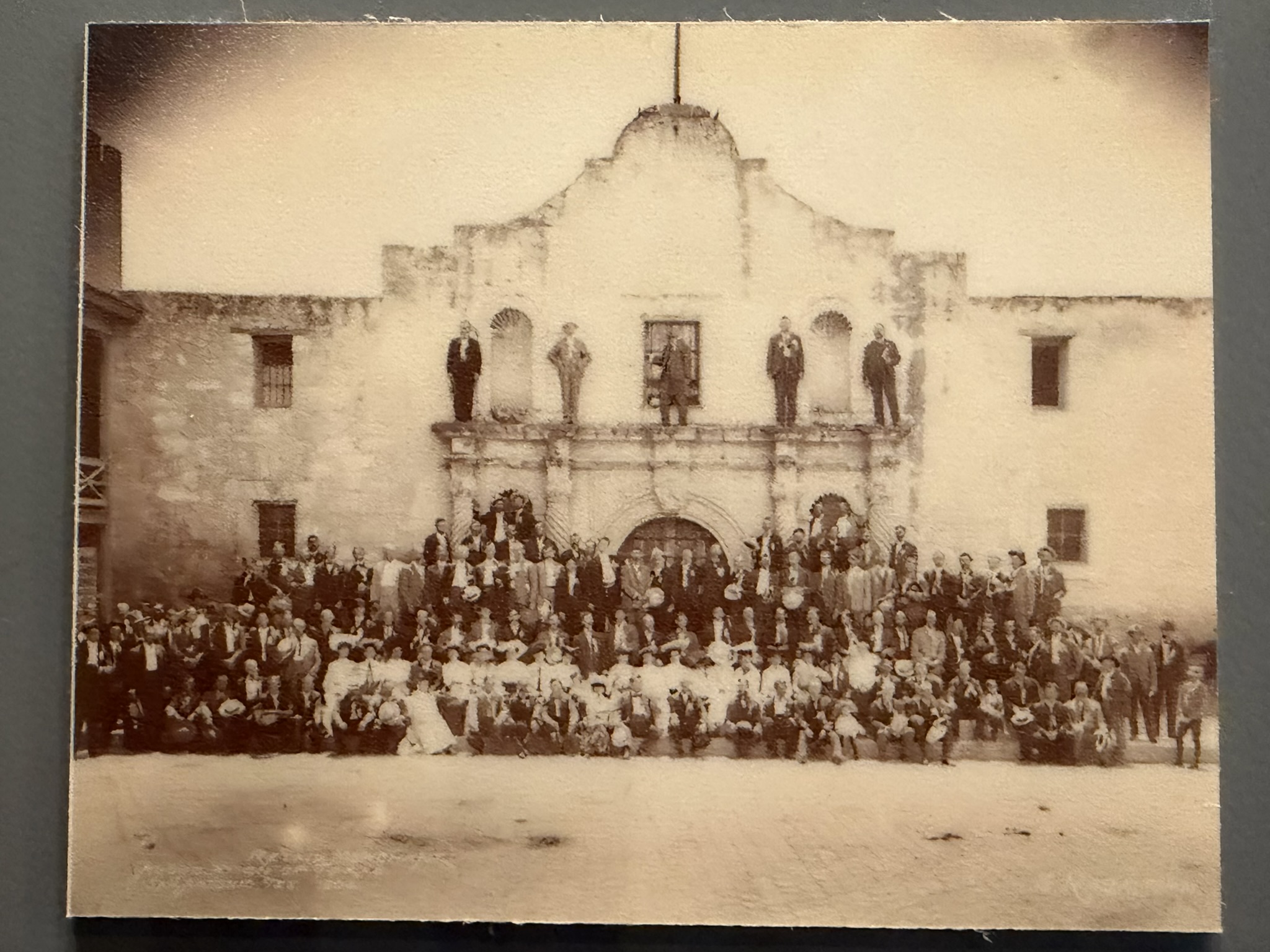
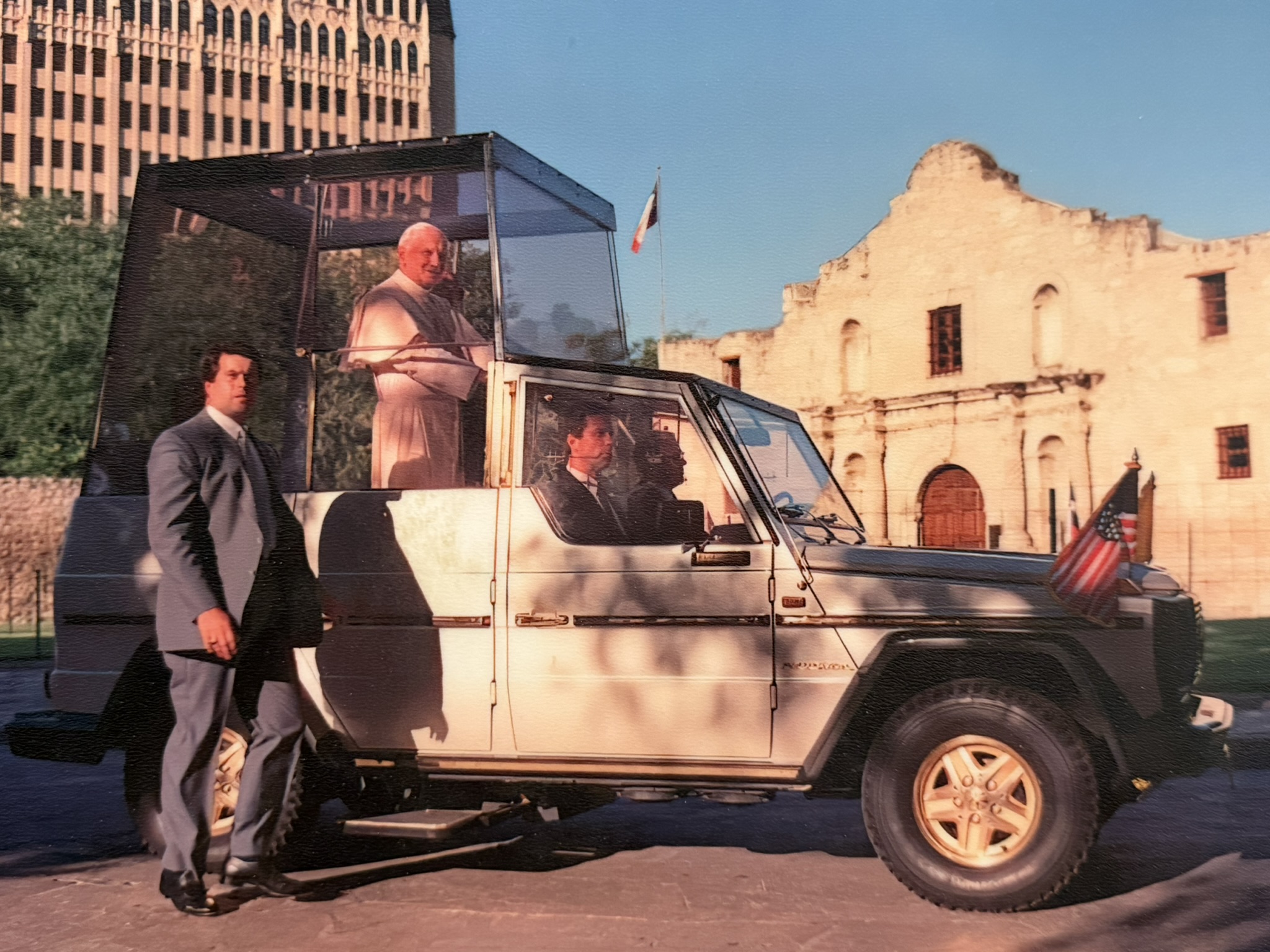
The Alamo. I had visited the Alamo a long time ago and it’s been updated a lot (or so they tell us, my memory was lacking but I do remember watching a video about the siege in a small dark room on a small-ish screen). This time, we booked a guided tour.
We’ve learned that these guides usually make the experience so much better and whoa boy were we in for a treat. Our guide, Cierra, couldn’t have been more than 4 and a half feet tall and probably didn’t top 100 lbs. But what she liked in size she overwhelmed with knowledge, passion for the history and the people and stories of the beginning of Texas’ statehood.
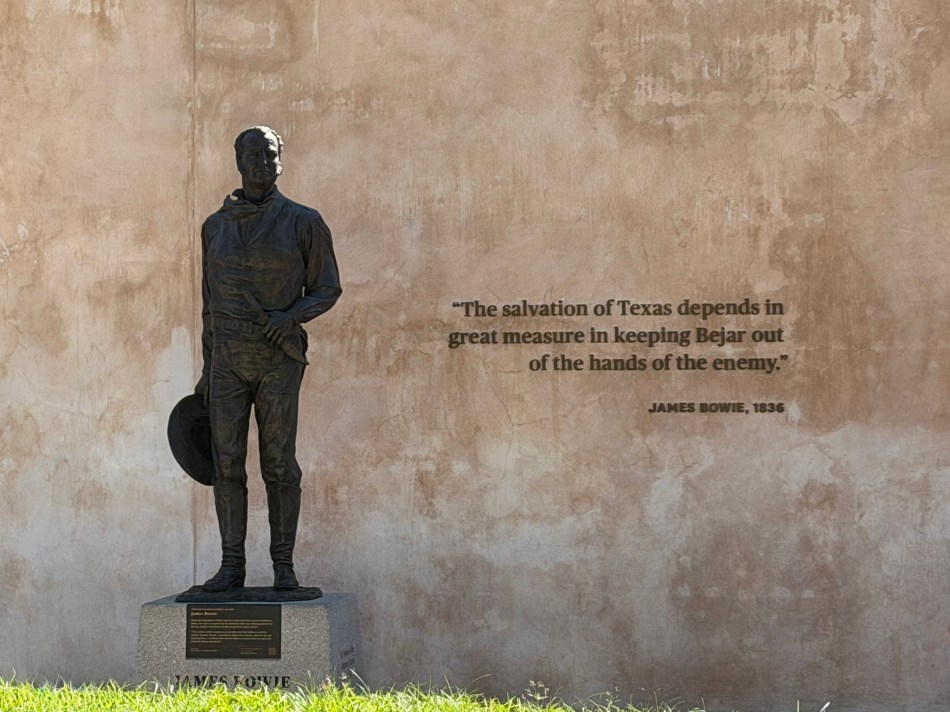
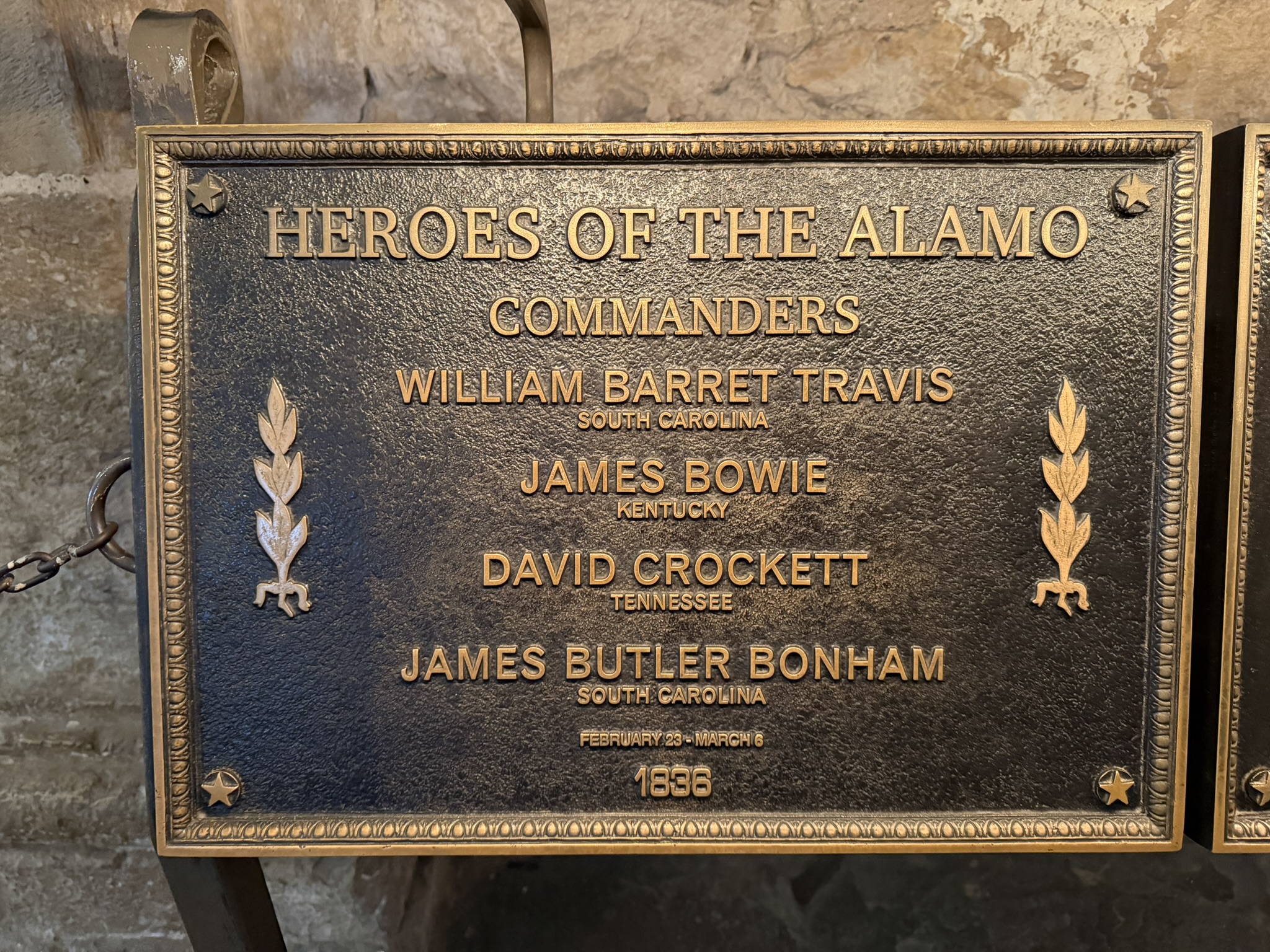
After gaining independence from Spain in 1821, Mexico occupied a sparsely populated and sprawling territory and wanted to create a buffer zone between it and the expanding United States, stimulate the economy through trade and agriculture and strengthen their control of the region by populating the area. Leading up to the siege of the Alamo, Mexico was trying to draw American pioneers to Texas, offering them cheap land (14 cents per acre vs $1.25 in the USA) without tax for 10 years. As such, the Alamo was a microcosm of America. David (he preferred David to Disney’s adopted moniker “Davy”) Crockett from Tennessee, Jim Bowie from Kentucky and William Travis (originally of South Carolina) who our guide referred to as “the king of tries” because he tried being a newspaper editor, and tried being a teacher and tried being a lawyer and tried being a husband and fled all of them (especially his marriage) a deeply indebted failure from Alabama.
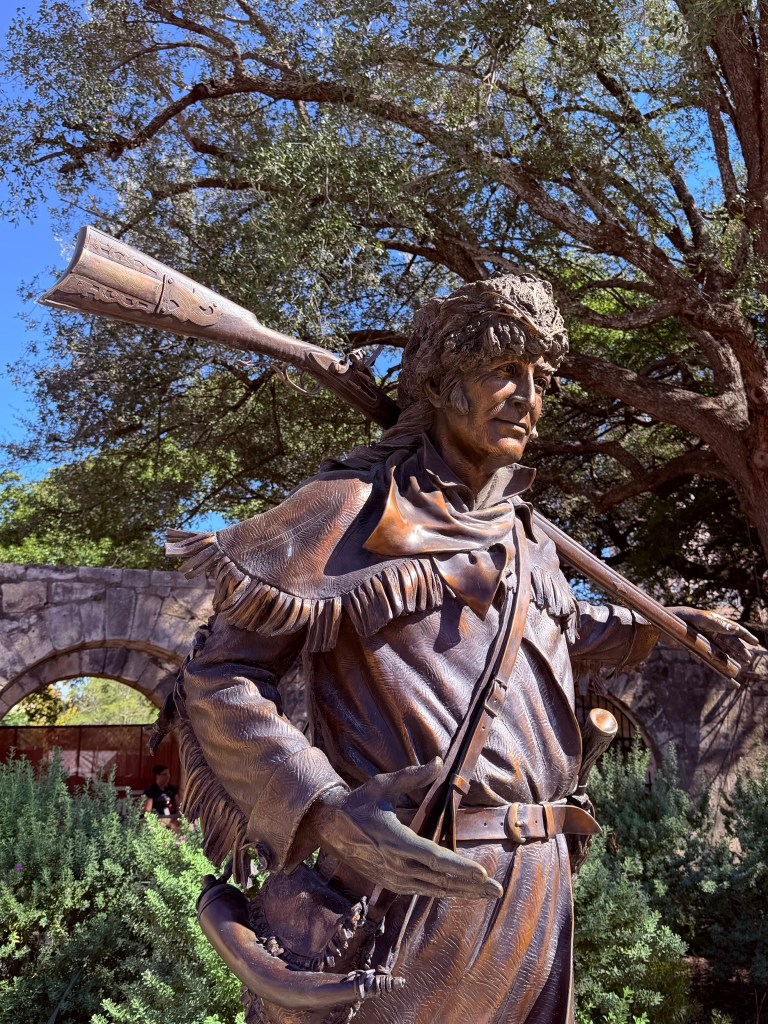
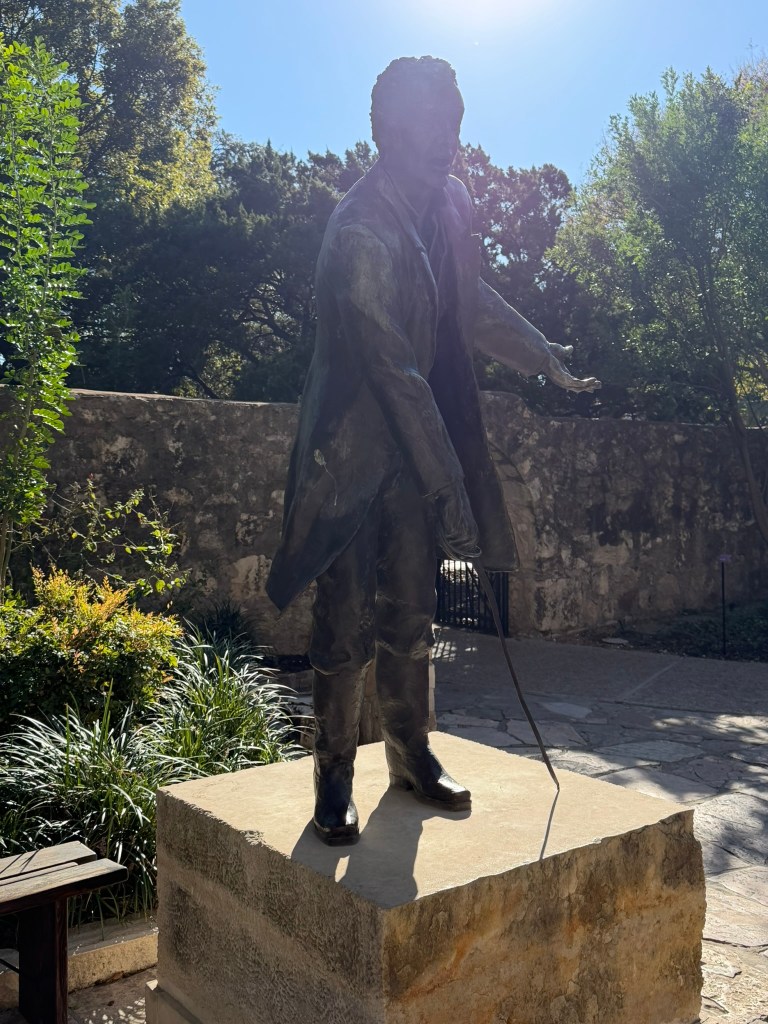
There were Irish, English, Welsh, Scots and Germans and “Tejanos”, Texas settlers of Mexican descent, who defended the Alamo. All of them had come to make a life in Texas. They spent their lives staking their claims, building a livelihood and fighting off Apache and Comanche raids. It was not a life for the meek and faint of heart.
The inhabitants wanted to become a Mexican state. They wanted government representation as taxes were now being assessed, they wanted looser restrictions on “anglo immigration” and wanted exemptions from tariffs, but the men and women of Texas had no say in their governance. Stephen F. Austin, “the father of Texas”, even went to Mexico City to petition for statehood but instead was locked up in prison. And then, the Texians (Texas settlers) overtook the Alamo from the Mexican army in 1835, in the beginning stages of their war for independence. So this was the context in 1836 when the siege of the Alamo began.
Commander-in-Chief of Texan forces, Sam Houston, had argued that the Alamo be abandoned due to lack of sufficient force to defend it, but its defenders – led by Bowie and Travis – dug in and prepared to defend the fort.
The story of the siege actually begins several months before and several miles away in the Texas town of Gonzales. General Antonio Lopez de Santa Anna had once been a popular President of Mexico, but his tactics of suppression, his treatment of villagers and confiscation of their weaponry across Mexican states made him increasingly unpopular. And so, when he ordered that the cannon at Gonzales be taken, the locals were ready and refused, fending off the Mexican army.
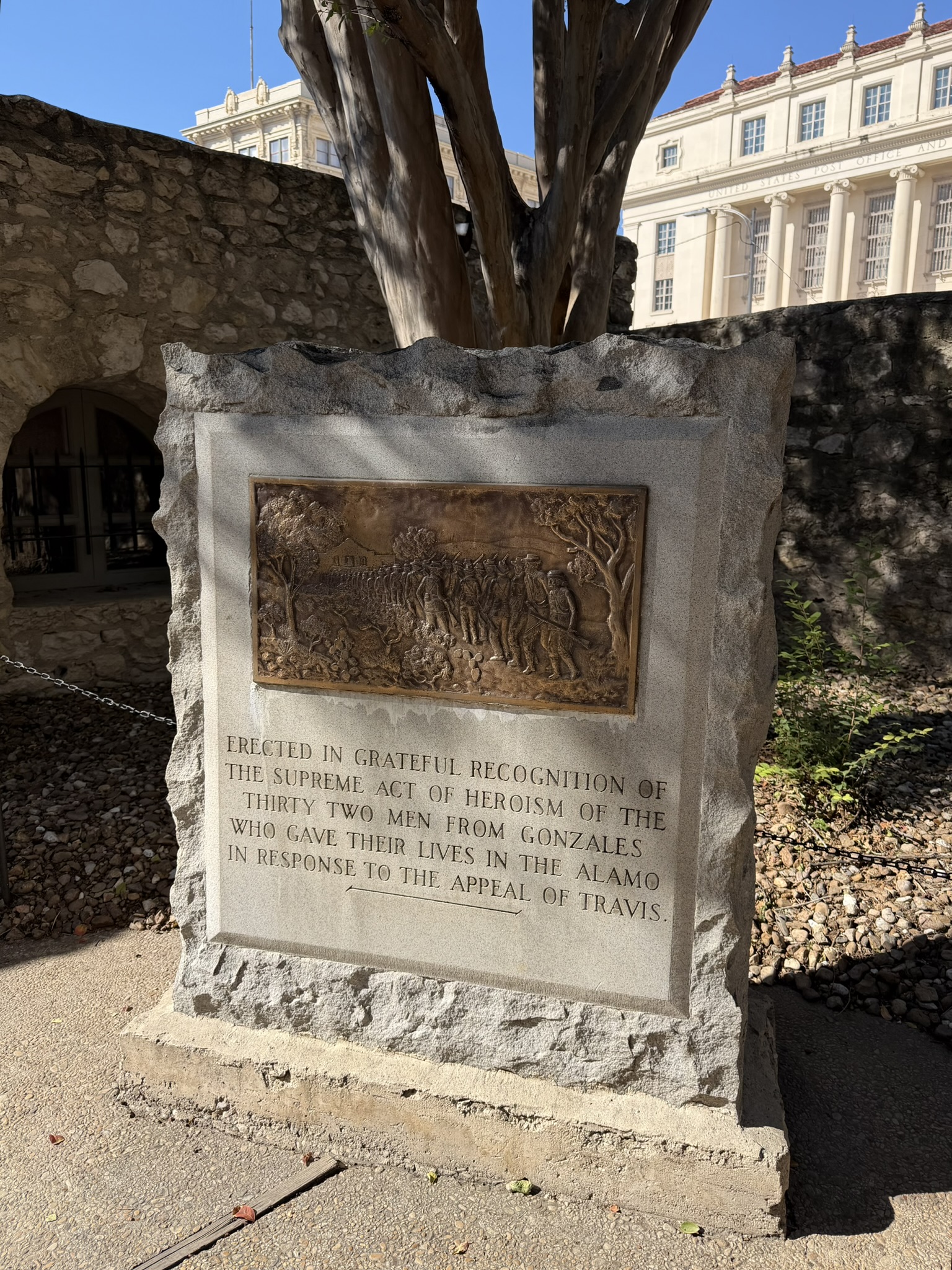
Santa Anna was pissed and marched his troops tirelessly and aggressively to San Antonio. He laid siege to the Alamo beginning on February 23, for days, surrounding it, attacking it and starving them out while he awaited reinforcements. The Alamo’s defenders sent messengers and letters out, seeking reinforcements but aside from 32 who arrived from Gonzales and a messenger named Bonham who returned to defend the fort with his fellow Texans, none came. Santa Anna attacked on March 6th by surrounding the fort before dawn but the element of surprise was killed when one of his regulars, seeing Santa Anna riding by in the mist, cheered “viva Santa Anna!” and his companions followed suit. With odds of about 2500 Mexican troops to the Alamo’s 184 it is somewhat surprising that the Texans lasted 13 days.
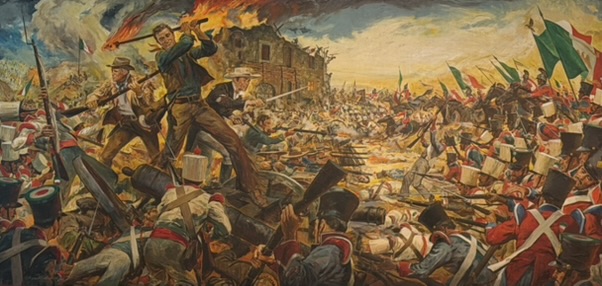
The irony was that Sam Houston was on the way to provide support when two survivors, Susannah Dickinson and her infant daughter who had been sent as a warning by Santa Anna, intercepted him in their retreat and told him the Alamo had fallen. Houston retreated and drew Santa Anna to San Jacinto and his army defeated the Mexicans to the chants of “Remember the Alamo!” And when an oddly familiar prisoner of war was being saluted by the other prisoners, Houston discovered he held Santa Anna in captivity. He offered him a deal, his life for Texas independence and the Republic of Texas was formed.
“They had an army and a navy but had no money” (1) so joined the United States (or as our Texan guide said, the United States joined Texas) as the 28th state less than 10 years later in December of 1845.
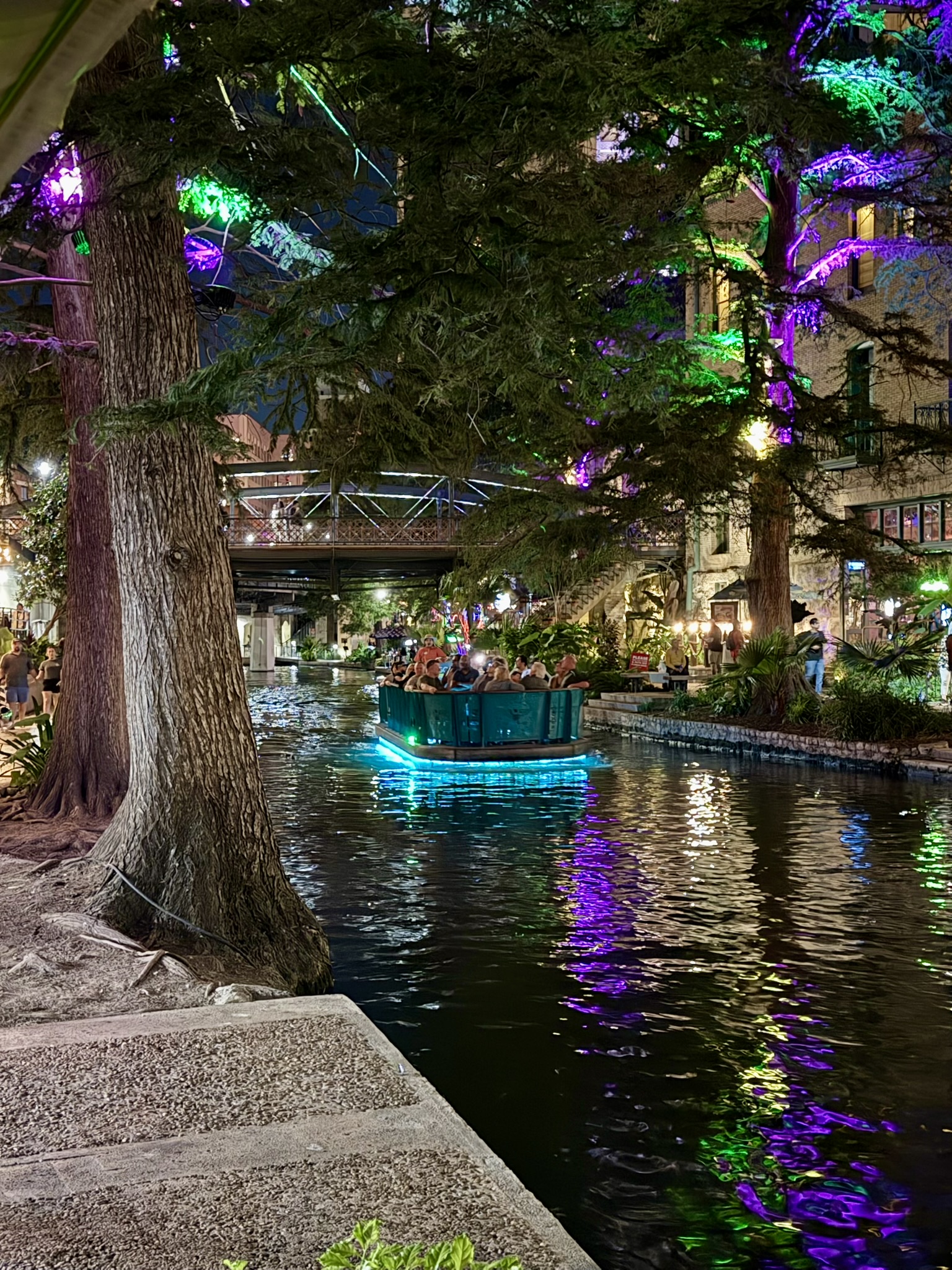
Dia de los Muertos, San Antonio style. Quite accidentally (again, I might add) we found ourselves in San Antonio on the weekend of their Day of the Dead river parade.
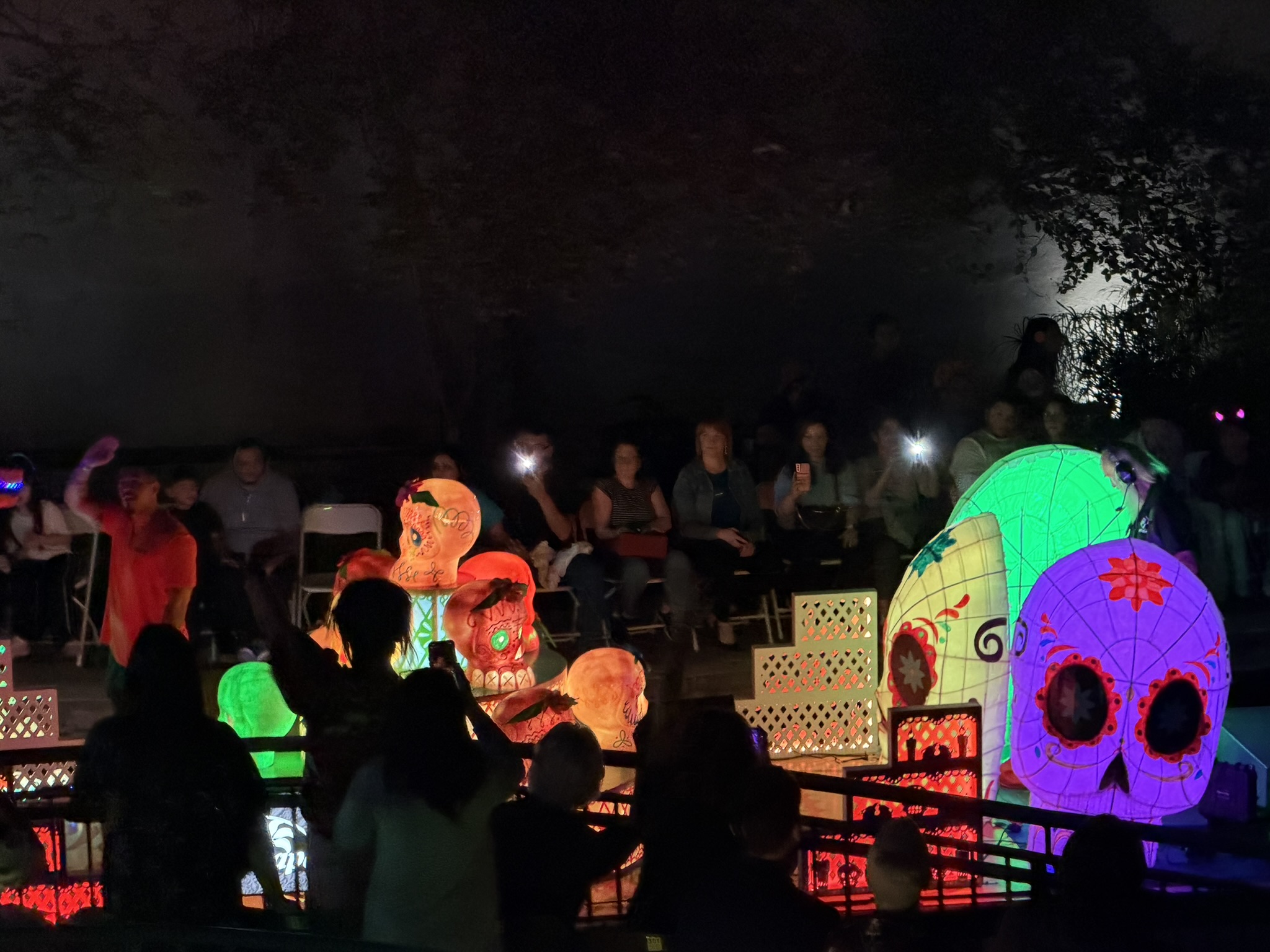
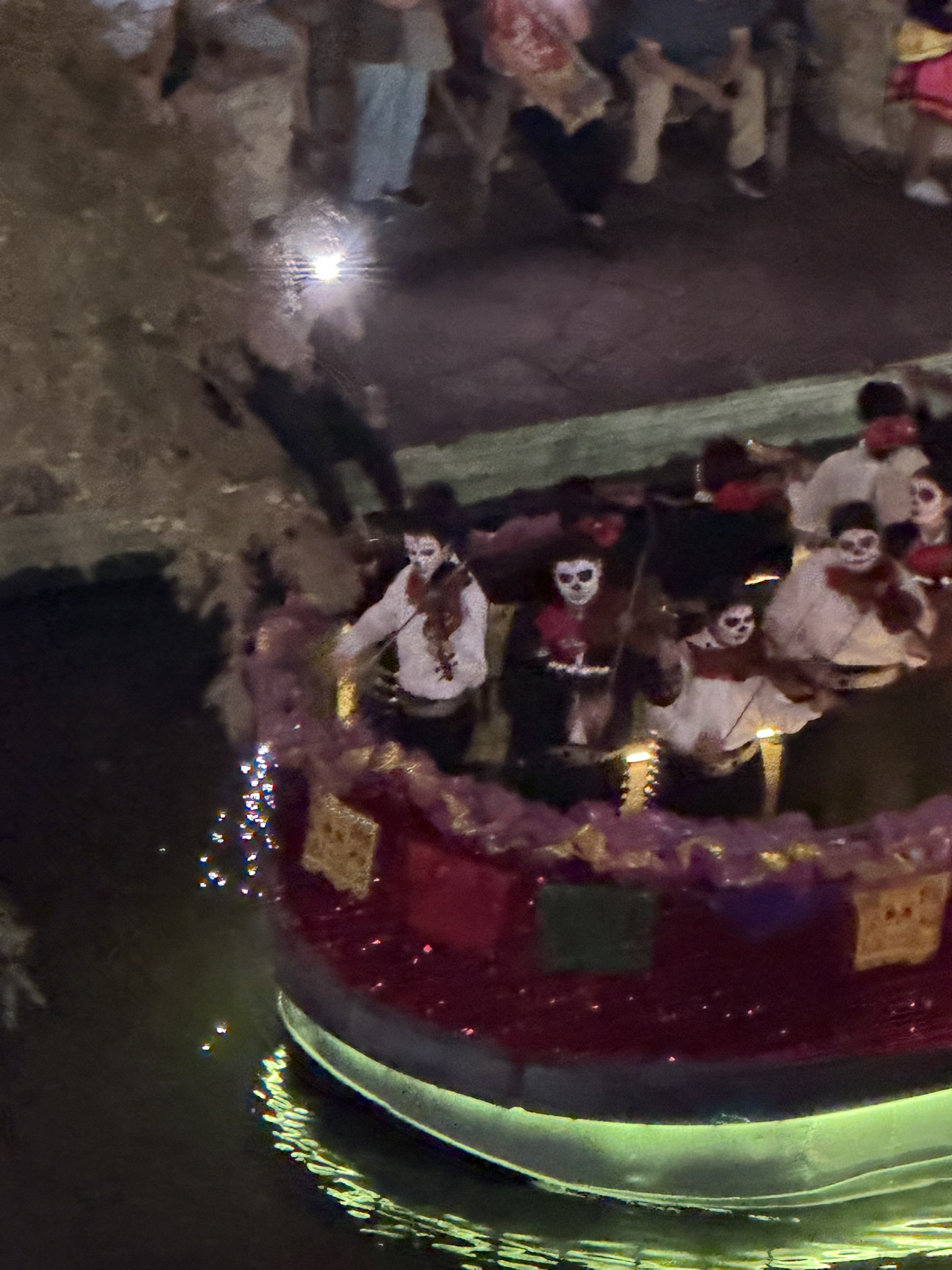
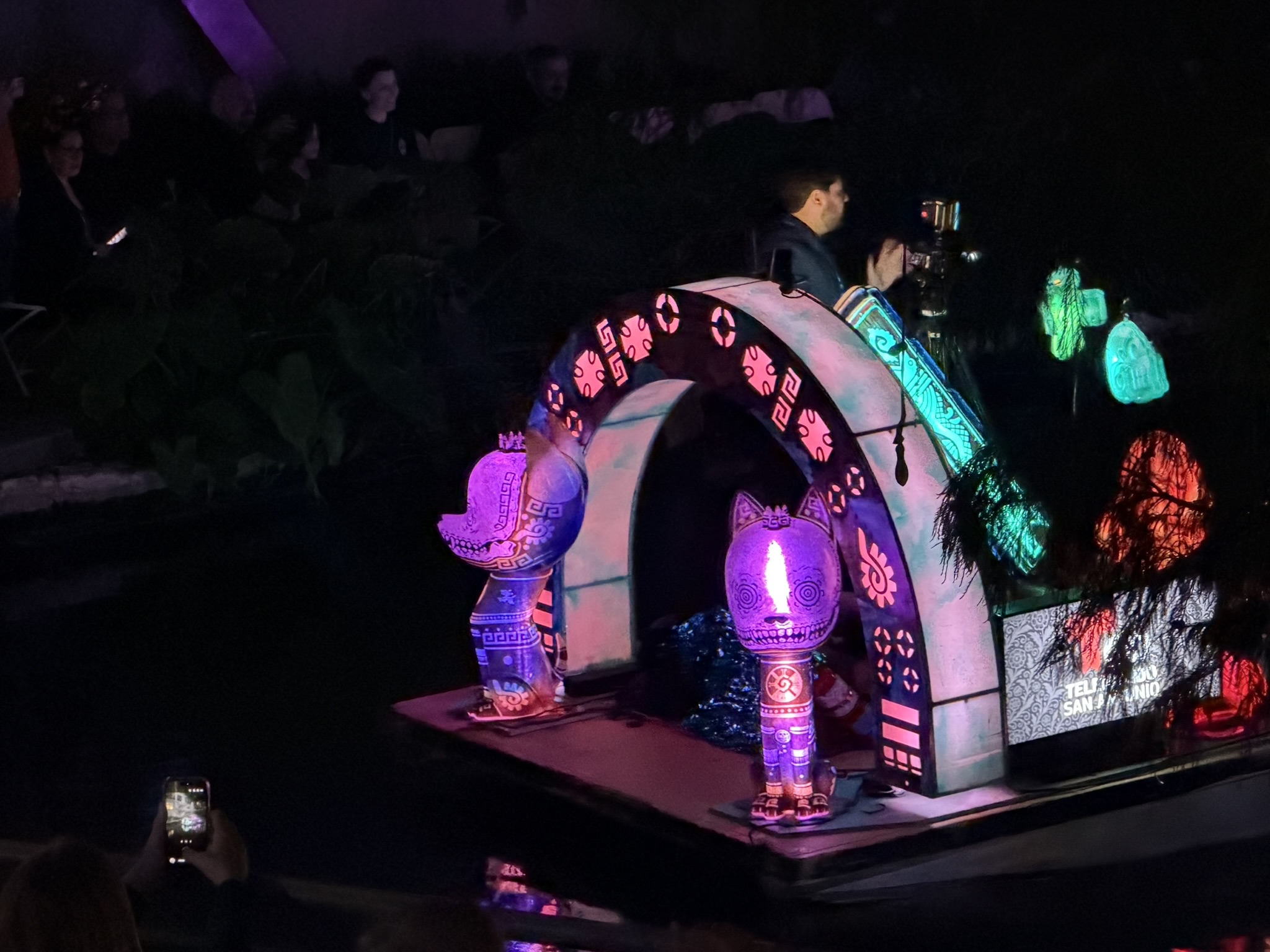
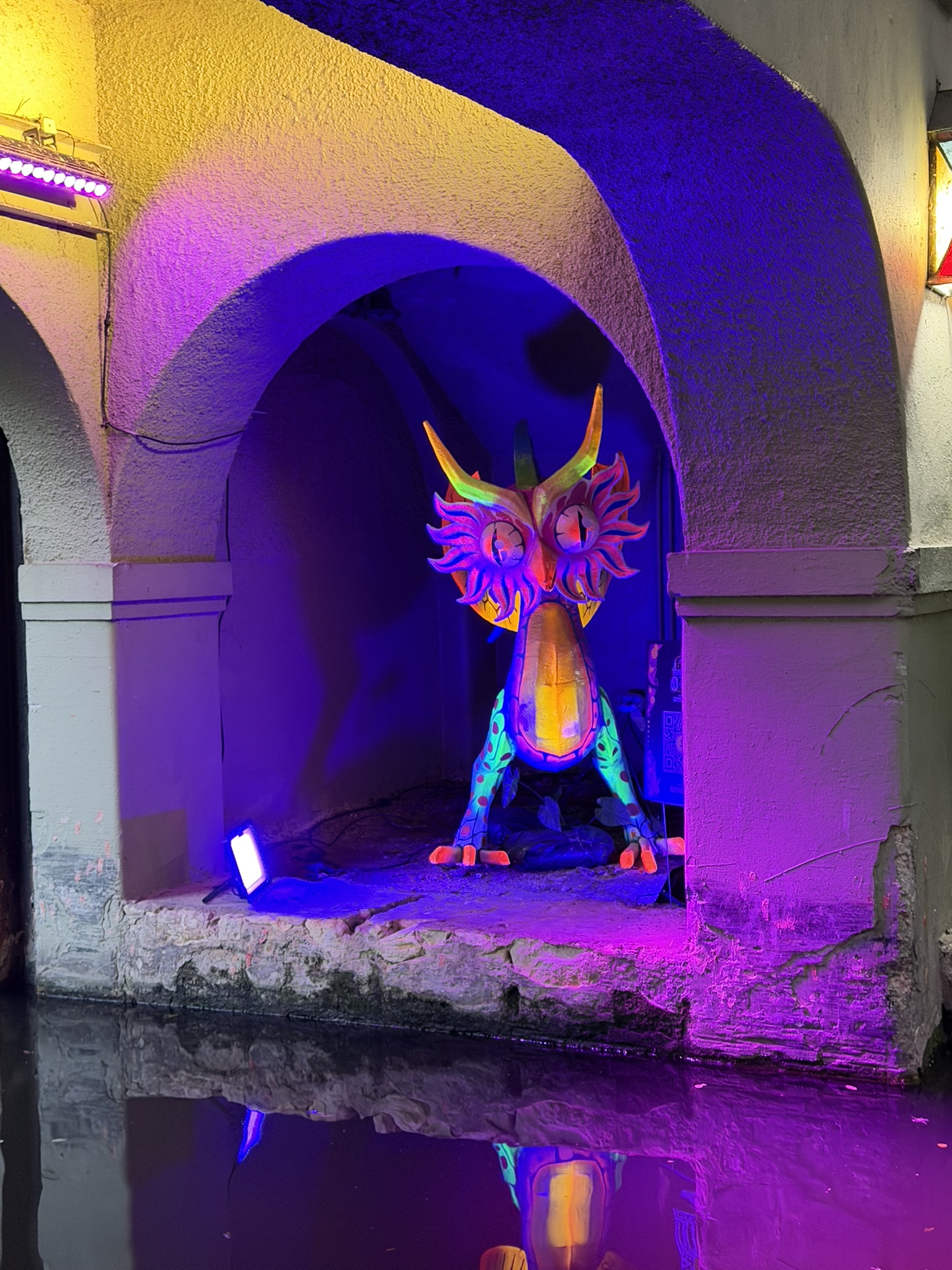
And since we had a perfect bird’s eye view of the river from our hotel room, we elected to make our way to our dinner reservation (also with a view of the river) early so we could enjoy the floats from the comfort of our chamber. And so it was, that we enjoyed our final moments in the Alamo City, celebrating Dia de Los Muertos from our room with many of our fellow hotel guests, making our own private Ofrenda to the Texans who fought for its independence. Remember the Alamo.
Sources:


0 comments on “A Walk by the River and Remembering the Alamo in San Antonio (Texas)”