

“No one knows who they were, or what they were doing here… the druids”
— David St. Hubbins, This is Spinal Tap.
Come to find out, Spinal Tap had it wrong about Stonehenge (and a few other things, if we’re being honest) not to mention that their stage set for Stonehenge was in danger of being trampled by a dwarf. In fact, the druids had nothing to do with Stonehenge’s development but in the context of the 18th century most explanations of the un-understandable were made from a religious perspective and the druids were the religion known to the William Stukeley (based on his study of Roman writing), who is credited with attributing Stonehenge to druid priests. While logical, this thinking is now considered wrong.
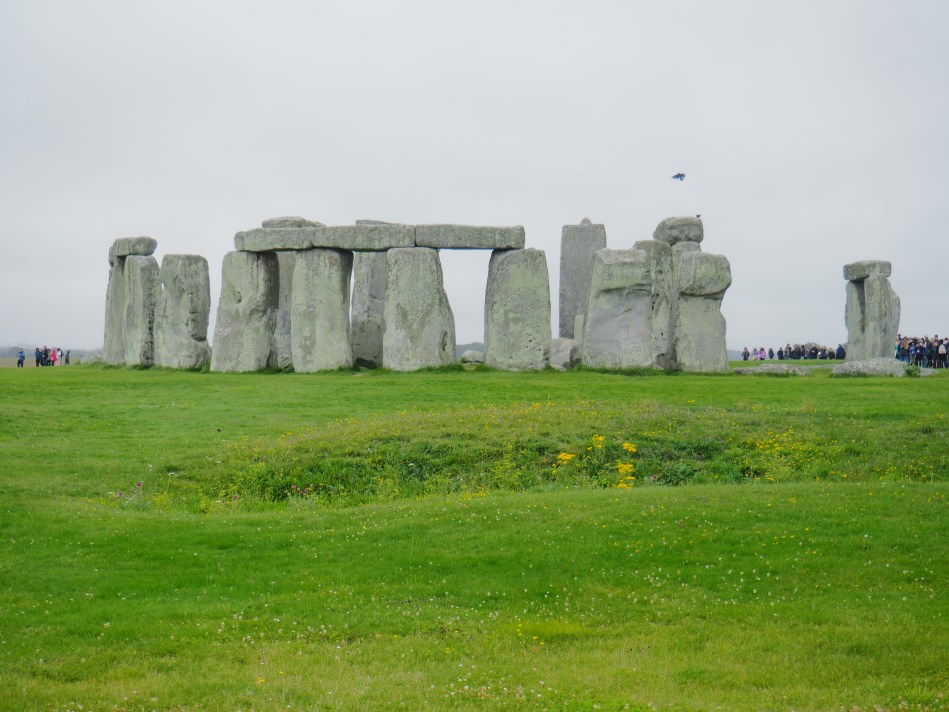
First, to Stonehenge. We marched out on to Salisbury Plain to see Stonehenge for ourselves on a misty mid-summer Saturday morning. The busses had just started piling into the parking lot and we were not exactly alone but also not overrun with fellow tourists upon arrival. I was thankful for our English Heritage membership (again) and for our prebooking of tickets to see this popular site. Amidst a group of Italian teenagers and a smattering of Asians, Americans, Germans, French and English with cameras in hand, we took in the megaliths. Portugal has several megalith sites made by ancient peoples, so we’ve visited a few. I came to Stonehenge with my parents as a kid, but honestly, I remembered little.
Another shout out to English Heritage (I feel like I should work for their marketing department at this point). The site is well done, and their guidebook is excellent and worth the £6. While many of the stones were locally sourced some, the Preseli Stones, came from as far away as Wales either overland or a combination of overland and over water. The earliest stones have been dated to 3000 BC, but it was built, they think, over the course of about 800 years. No one still knows for certain why Stonehenge was built. It wasn’t lived in, though the people of the day lived in circular huts nearby at Durrington Walls. Durrington is thought to have been a seasonal residence, not a year-round habitation, perhaps coinciding with why Stonehenge existed.
The alignment with sunrise at the summer solstice and sunset at the winter one lends itself to a theory that it was some kind of agrarian calendar. Cremated human and animal bones at the site give credence to the theory that it was some sort of burial place, and it is thought that the Welsh Preseli stones may have been believed to hold healing powers. Whatever the purpose for the stone circle, what is for sure is that it took the collective energy, will and teamwork of many generations of people to construct over time and we found it humbling and awesome to stand in the presence of the stones.
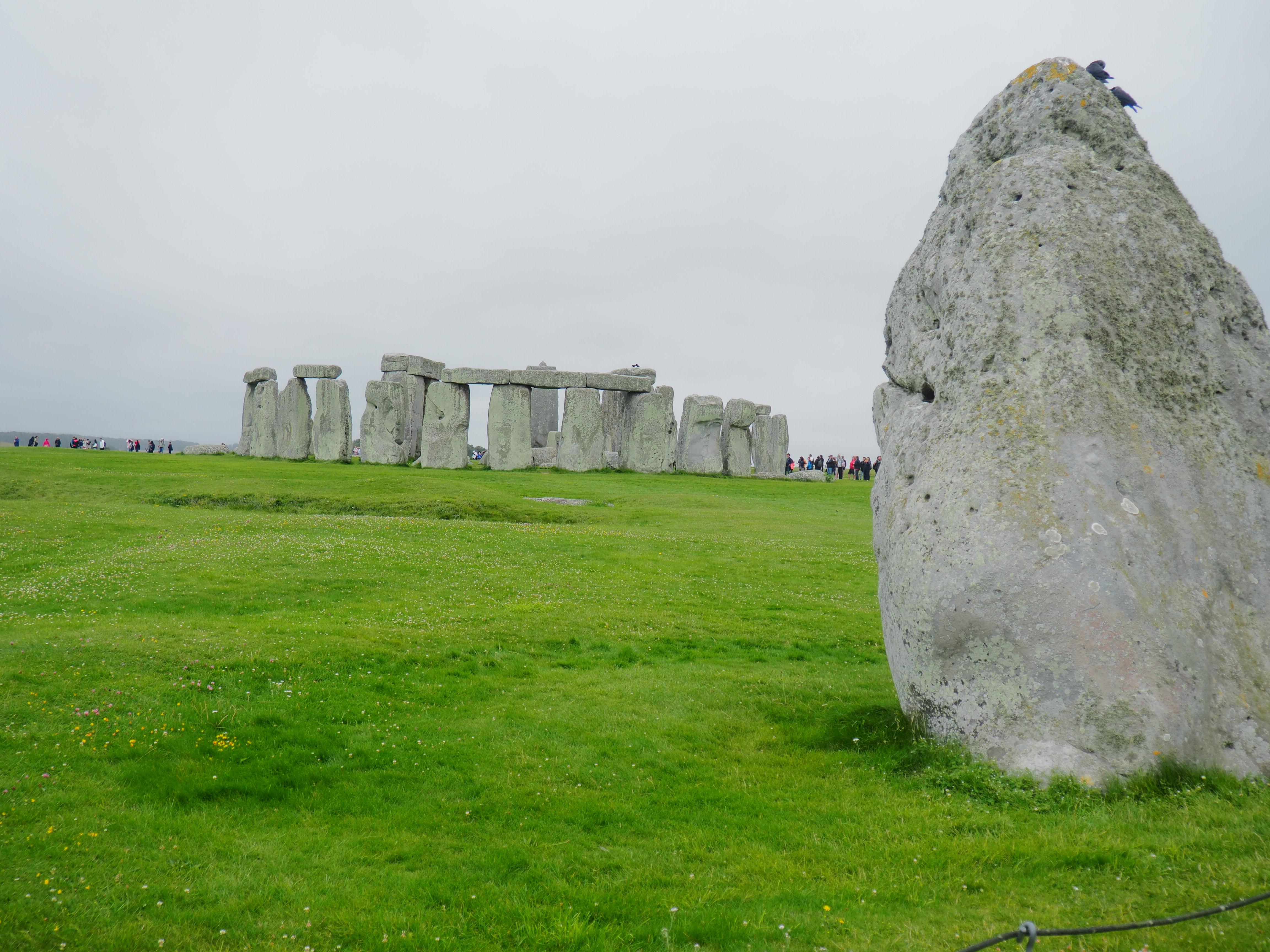

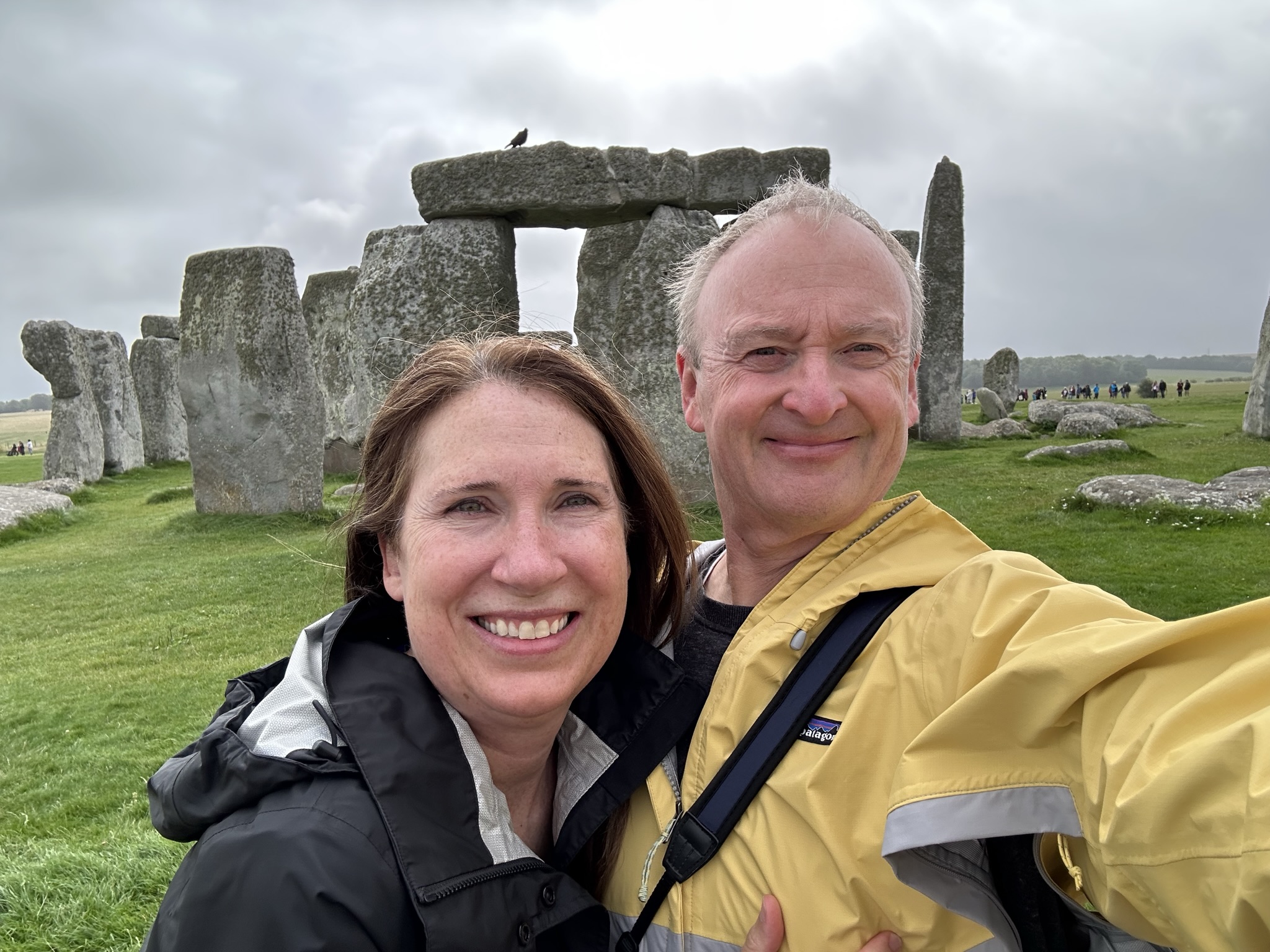
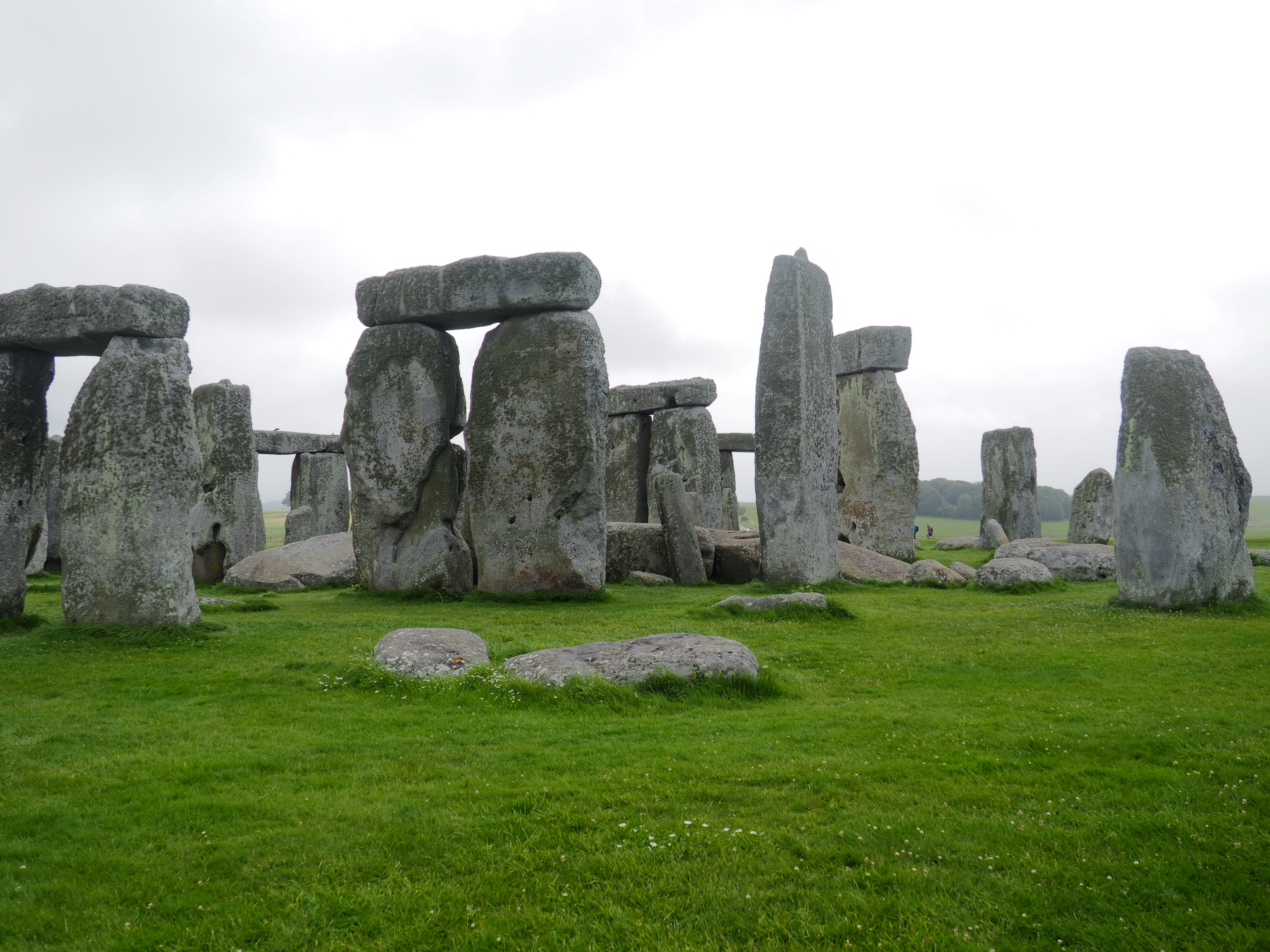
We’d heard on a Rick Steves Audio recording that the site was challenging to visit; almost circus like and overrun by busses and tourists and that Avebury to its north was a nicer, more authentic site. Perhaps the English Heritage people have made adjustments, but we did not find this to be so. To be fair, we did visit near opening time and had pre-booked so we did little waiting and the busses were really piling in at the time we were leaving.
If weather permits, walk. Walk to the site. Don’t pile onto the bus with the masses. The walk across the fields helps build anticipation for seeing a monument constructed thousands of years ago.
Standing Stones in Avebury. Taking the tip from Rick, we headed north for Avebury. The rain had started in earnest and when we arrived there were far more people there than we expected to find. Avebury is the largest collection of stones in England and its stones are spread out among the town’s homes, shops and roadways built up around them. While we didn’t get out and walk around, they did further our respect for the people who built these structures, and for their endurance, so many thousands of years ago.
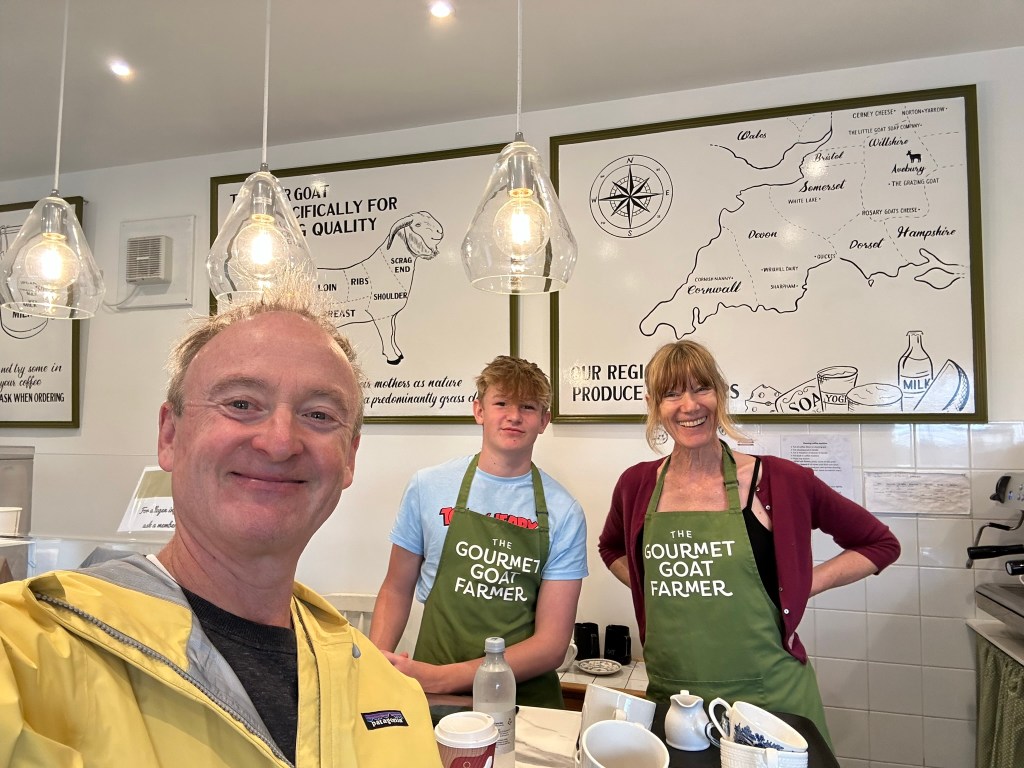
Instead, we found a little goat farm at which we bought some delicious cheese and enjoyed a picnic lunch in our car next to a cow pasture. Wrapping up lunch, we headed to Highclere Castle for our 2:30pm appointed visit time.
Highclere Castle, aka Downton Abbey. As you drive on to the grounds of Highclere, you almost feel as though the Lord and Lady Grantham and the Dowager Countess will greet you in the gravel drive and Mr. Carson will instruct the staff to assist you with your luggage. The grounds and exterior are awesome and the most recognizable feature from the show.
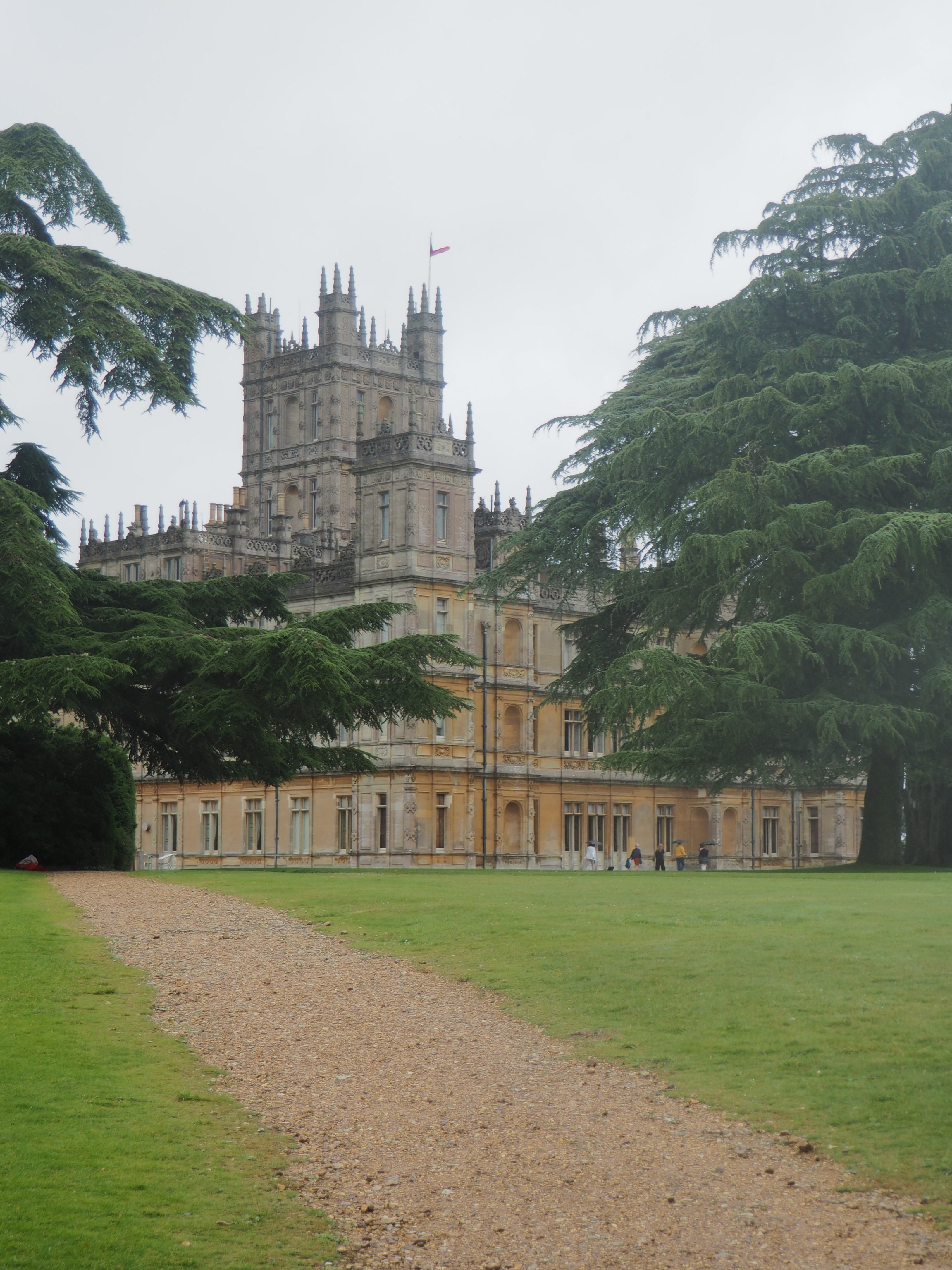
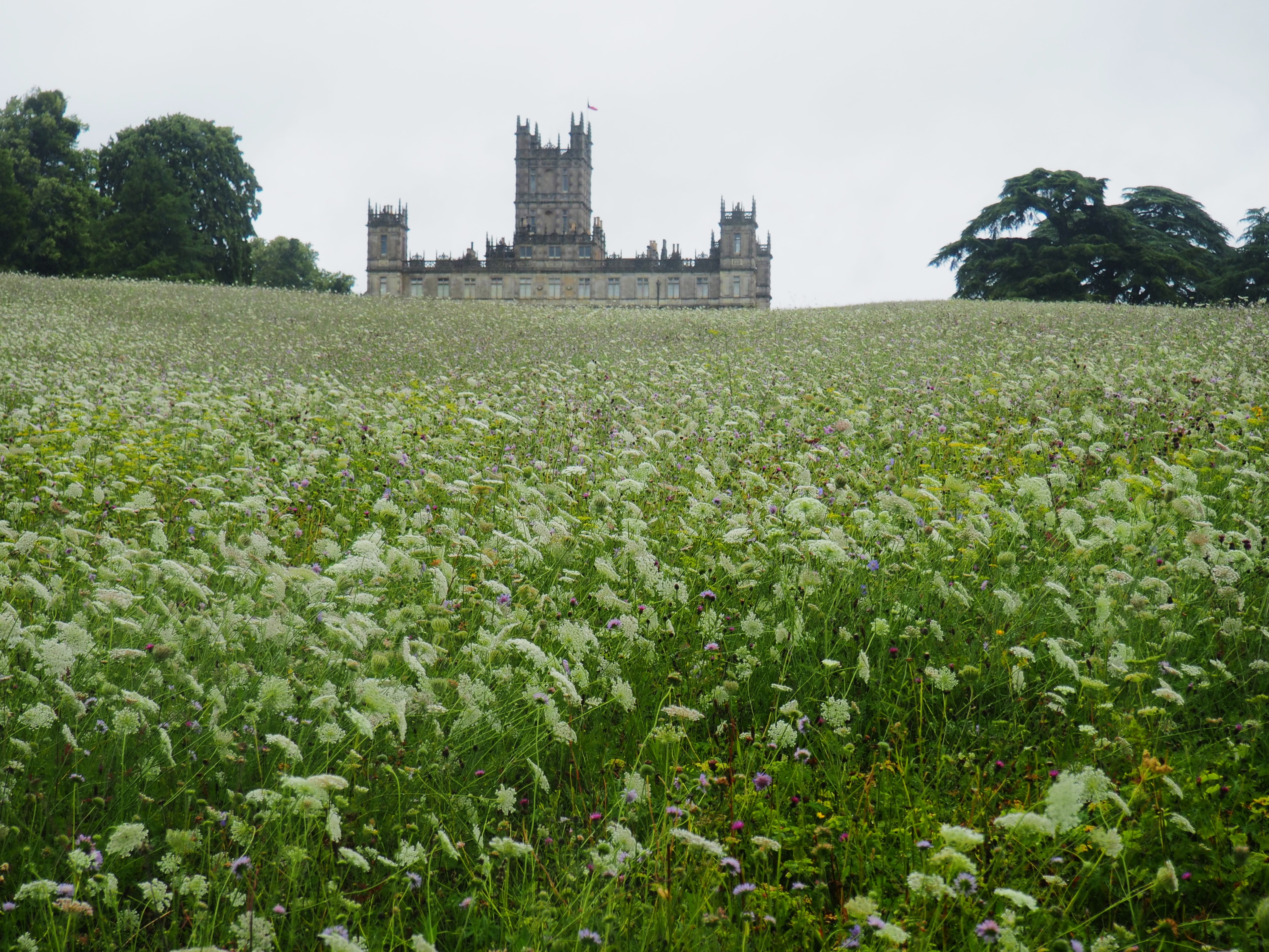
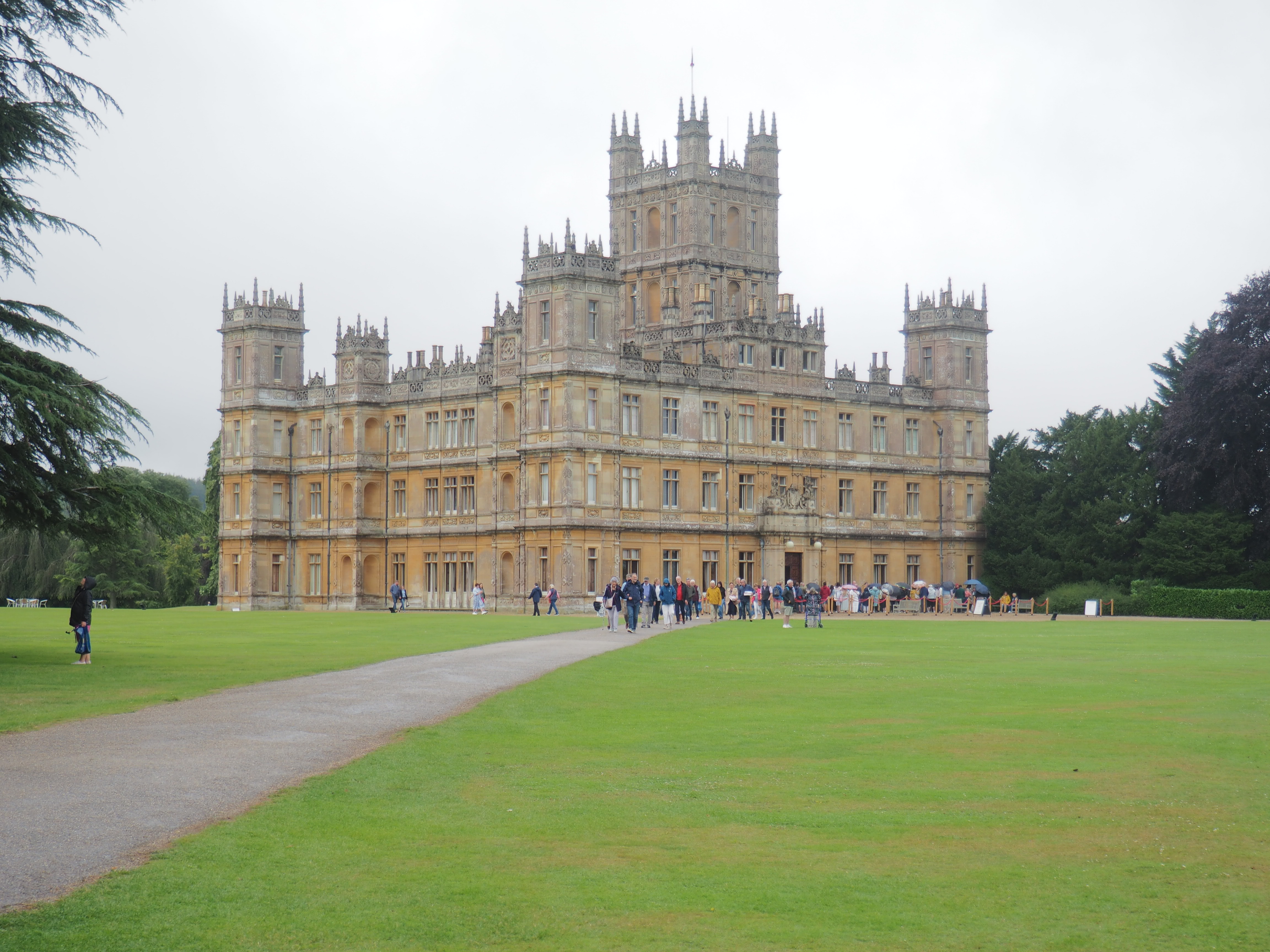
Throughout the house, where no photography is permitted since this is an actual part-time residence for its owners, there are helpful placards set out with photos of the series filmed in each of the rooms, but honestly, the portraits and personal effects of the owners are a bit distracting and off-putting. Perhaps it is the advice of many realtors over the years ringing in our ears that people don’t really want to see you when they are touring your home, though I do suppose we owe the present owners a bit of gratitude for making their home available for trapsing through. For the die-hard fan, it’s still worth it, but you won’t find Mrs. Patmore’s kitchen here, that lives in a London film studio.
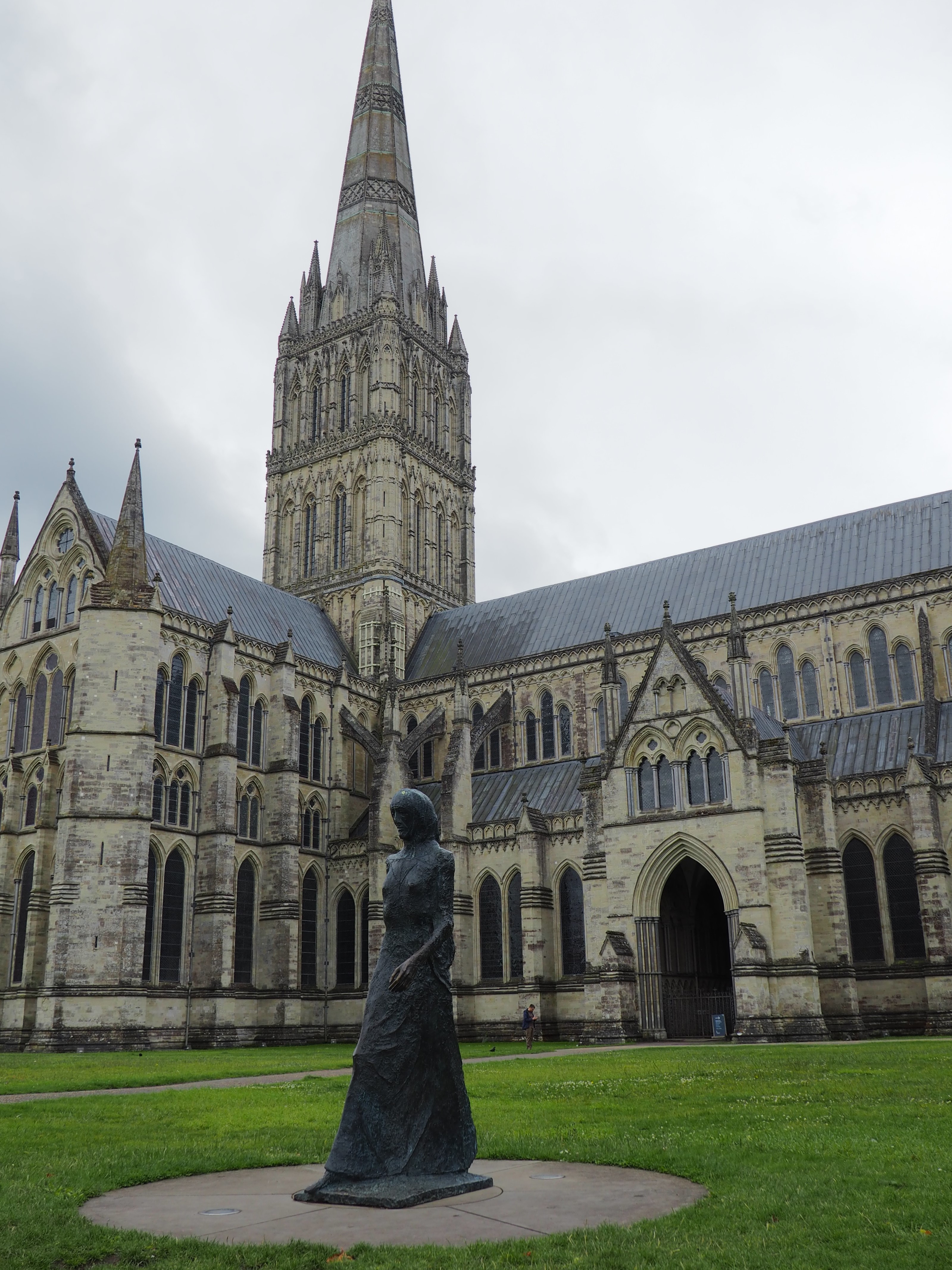
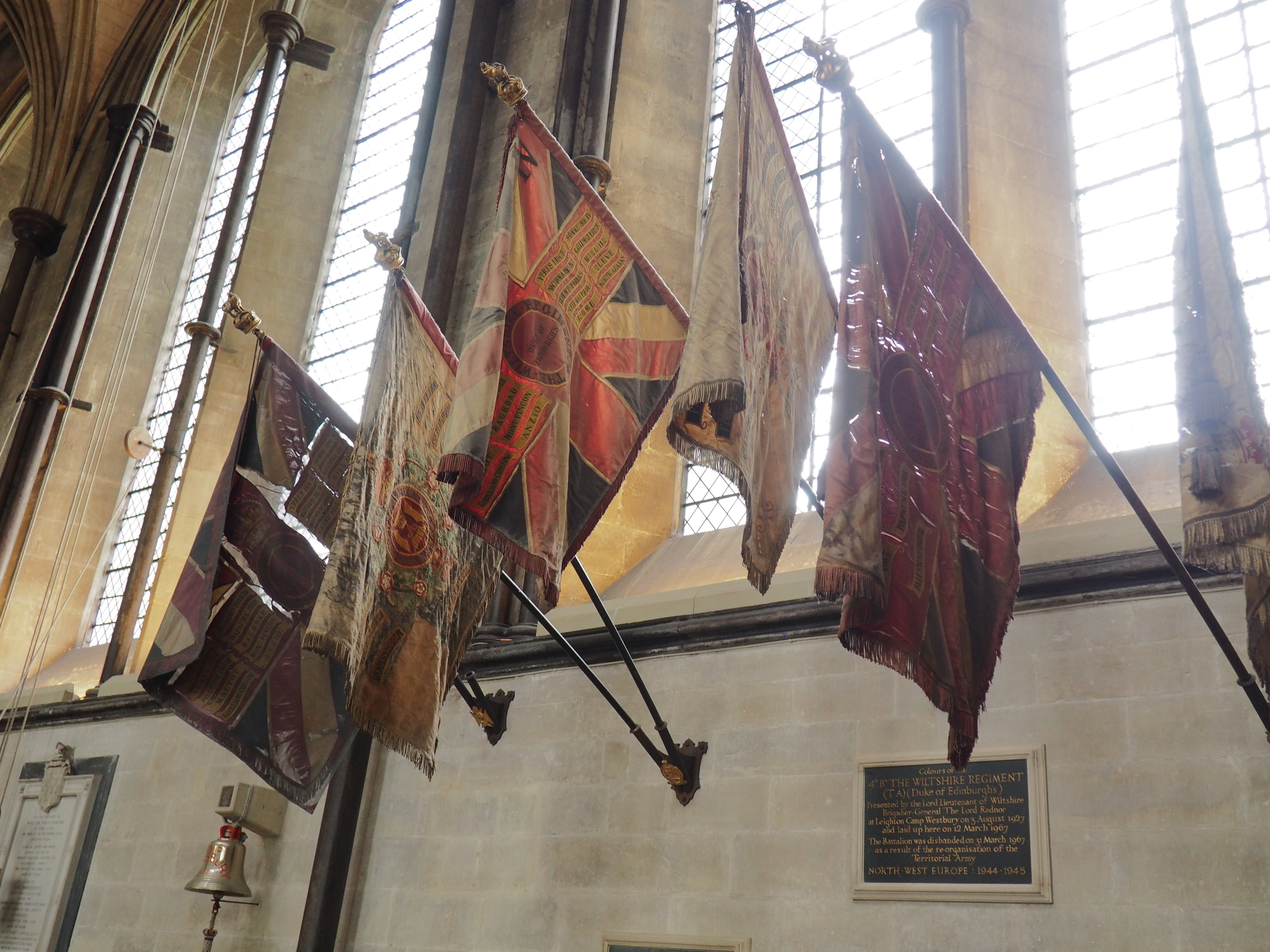
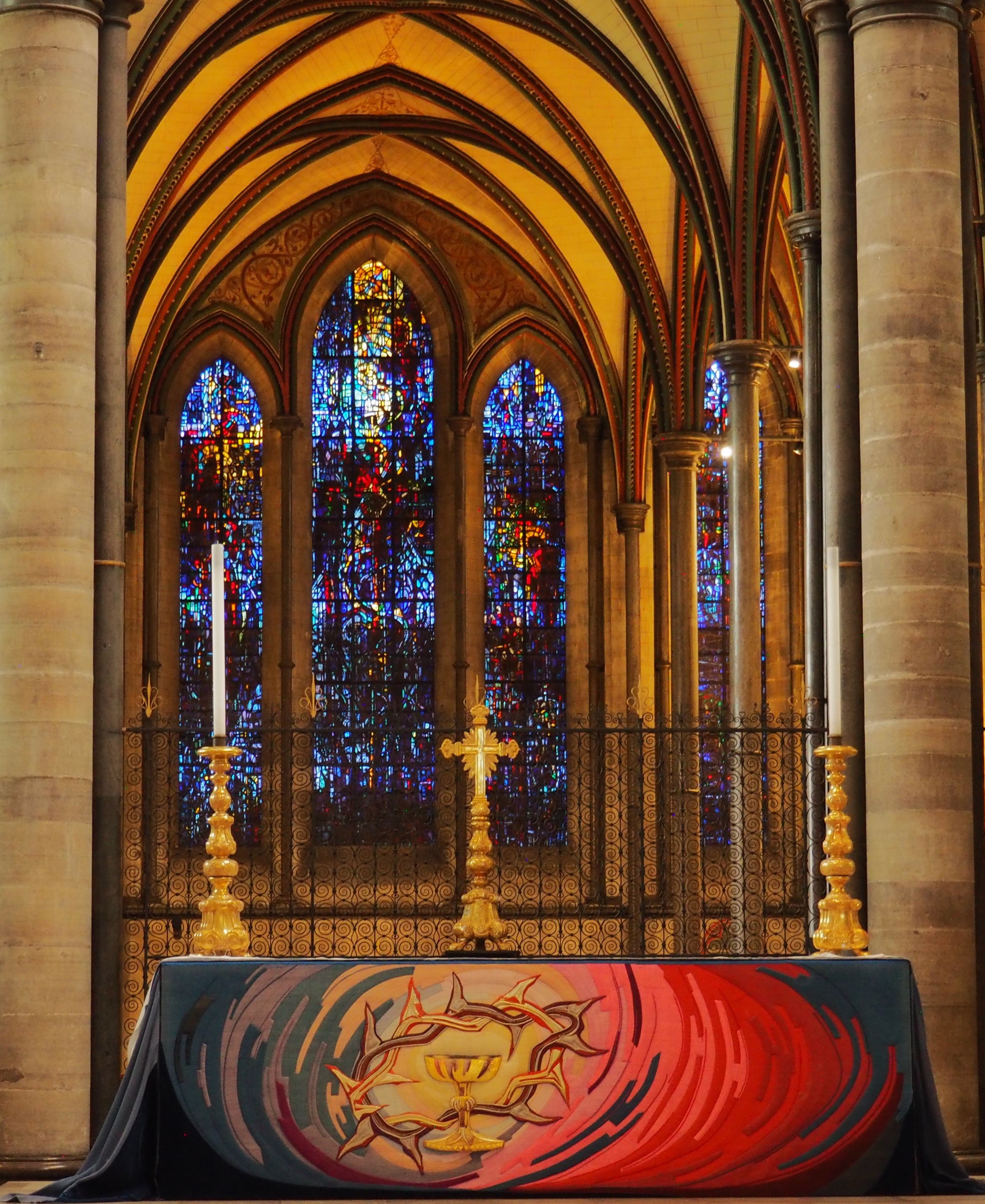
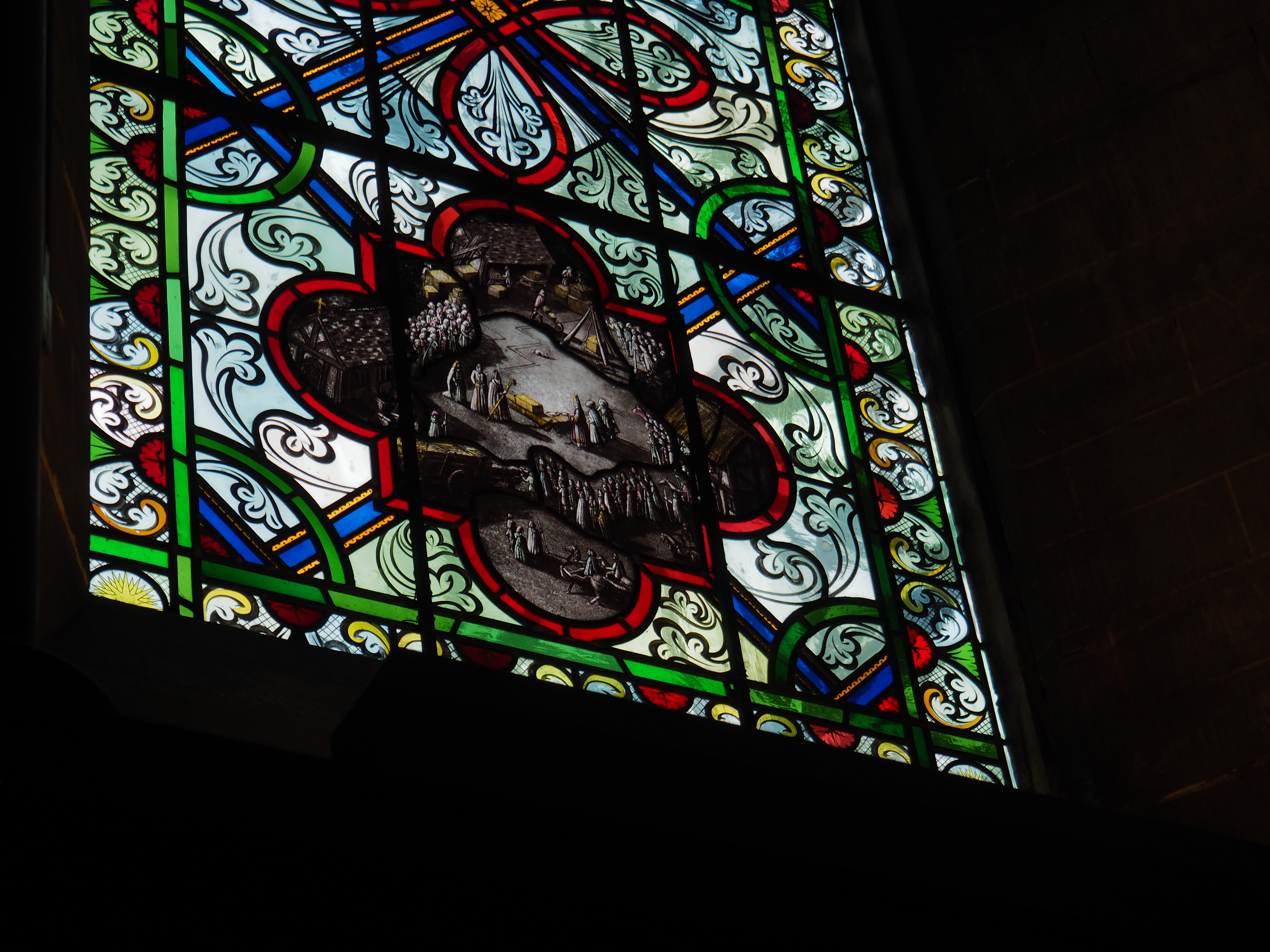
And last, Salisbury Cathedral. One can’t visit the Salisbury area and not visit its namesake cathedral, now, can one? Salisbury Cathedral’s spire (tallest in England) stands tall above the town welcoming you from miles around. I also visited Salisbury in the early 80s with my parents, but remember nothing from that visit either, not to mention that the cathedral was actually built elsewhere and that the whole thing was moved when it was discovered that the original site was in the flood plain. There are docents and helpful placards about to help you with your visit, but a highlight was the Magna Carta.
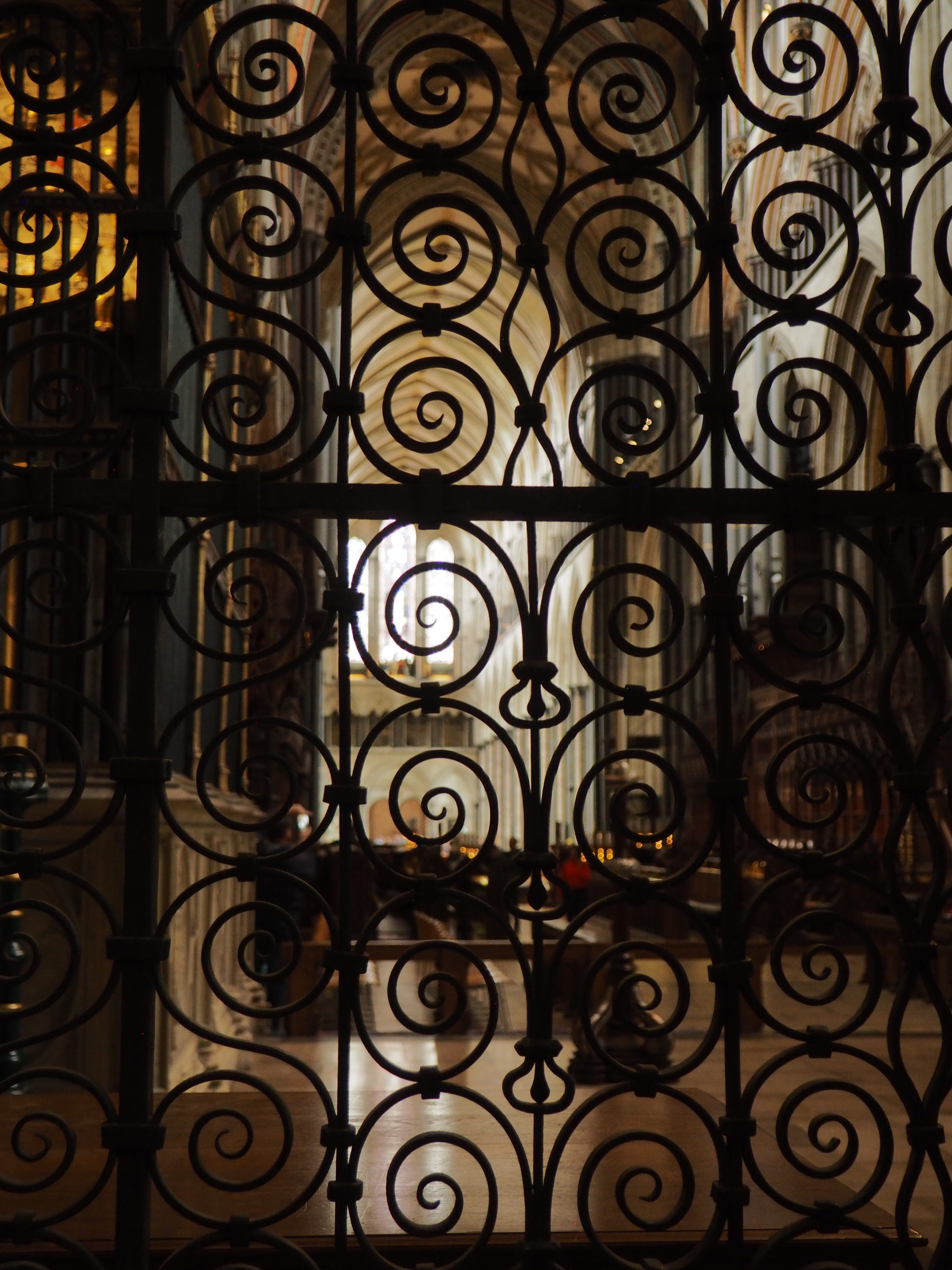
We’d seen two other remaining copies of it at the British Library, while in London, but this one is much better preserved and, thus, worth the visit. They also have a fantastic display where you can read the actual words of the Magna Carta itself (without having to interpret the old English calligraphy). The bits which set the precedent for Britain’s current set of laws, customs and justice system like freedom of religion, trial by jury of your peers and parliamentary elections are interesting but it is also interesting to read those that were signs of the times themselves, albeit some of which are outright sexist and antisemitic. Some of my favorites were: no-one shall be “forced the build bridges over rivers, except those with an ancient obligation to do so” or that all “evil customs relating to forests and warrens” are to be “investigated by twelve sworn knights” and “within forty days… the evil customs are to be abolished” but only after the elected officials are informed first.
Having seen the main sights in Wiltshire County, we bid cheerio to Salisbury and turned west.
 The Traveling Ridleys
0 comments on “Seeing the Sights Near Salisbury England”