

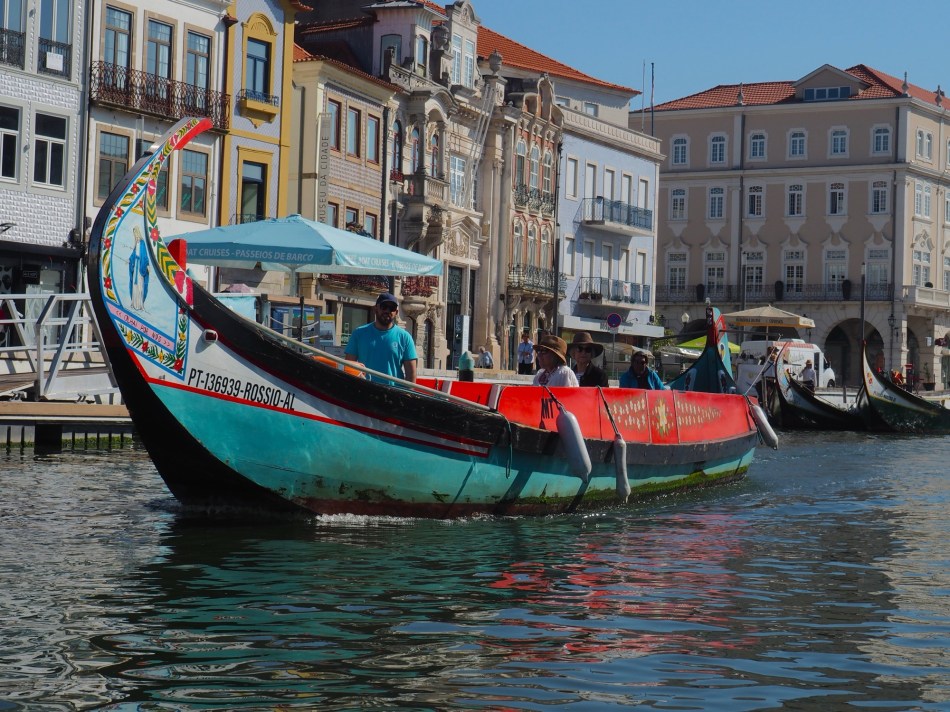
On a trip in late summer and fall of 2021, we headed north to pick our way around the northern coast, but I delayed this post in order to add a proper write up on Aveiro in the mix. Well, we finally made it, five years later.
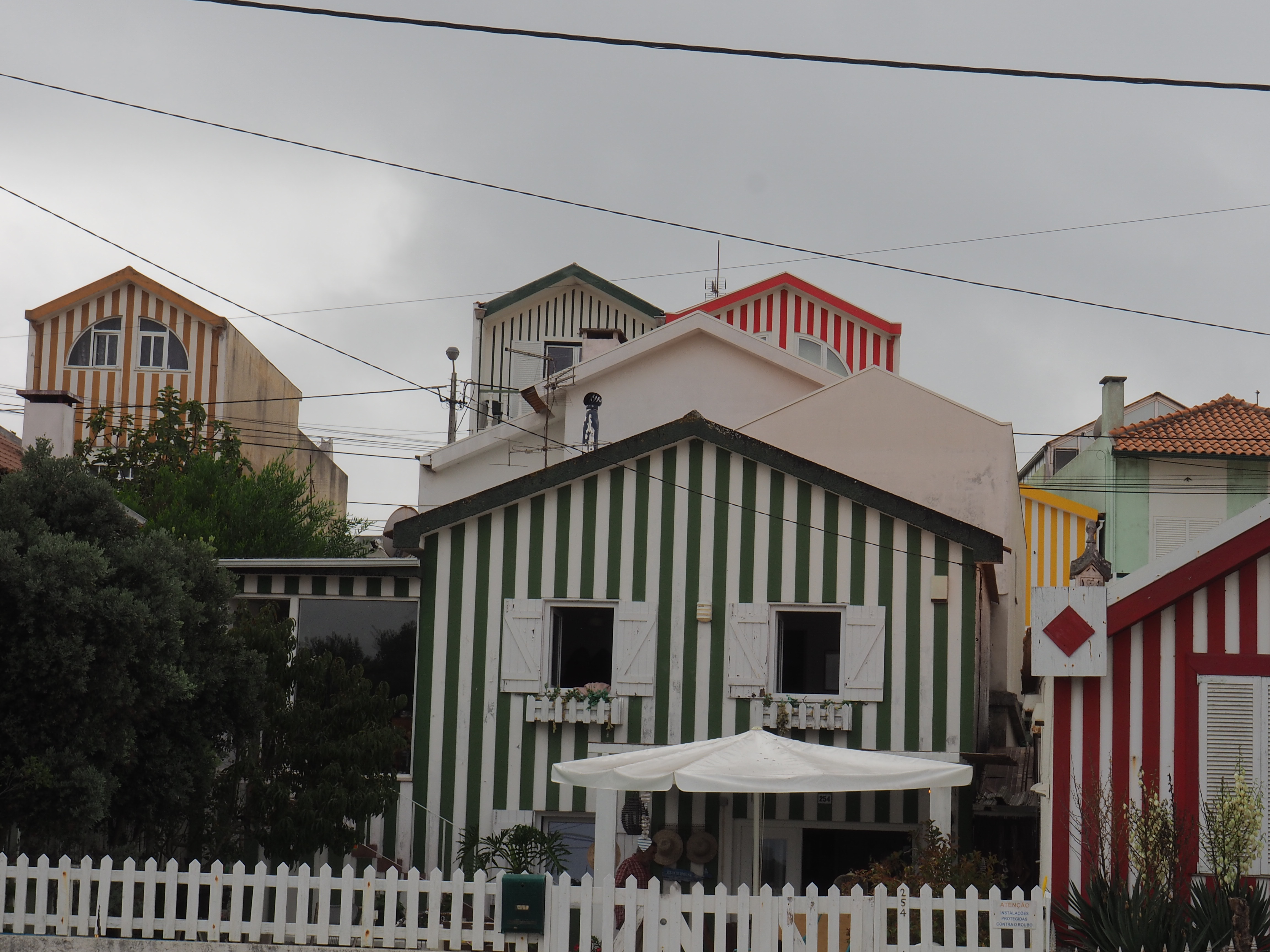
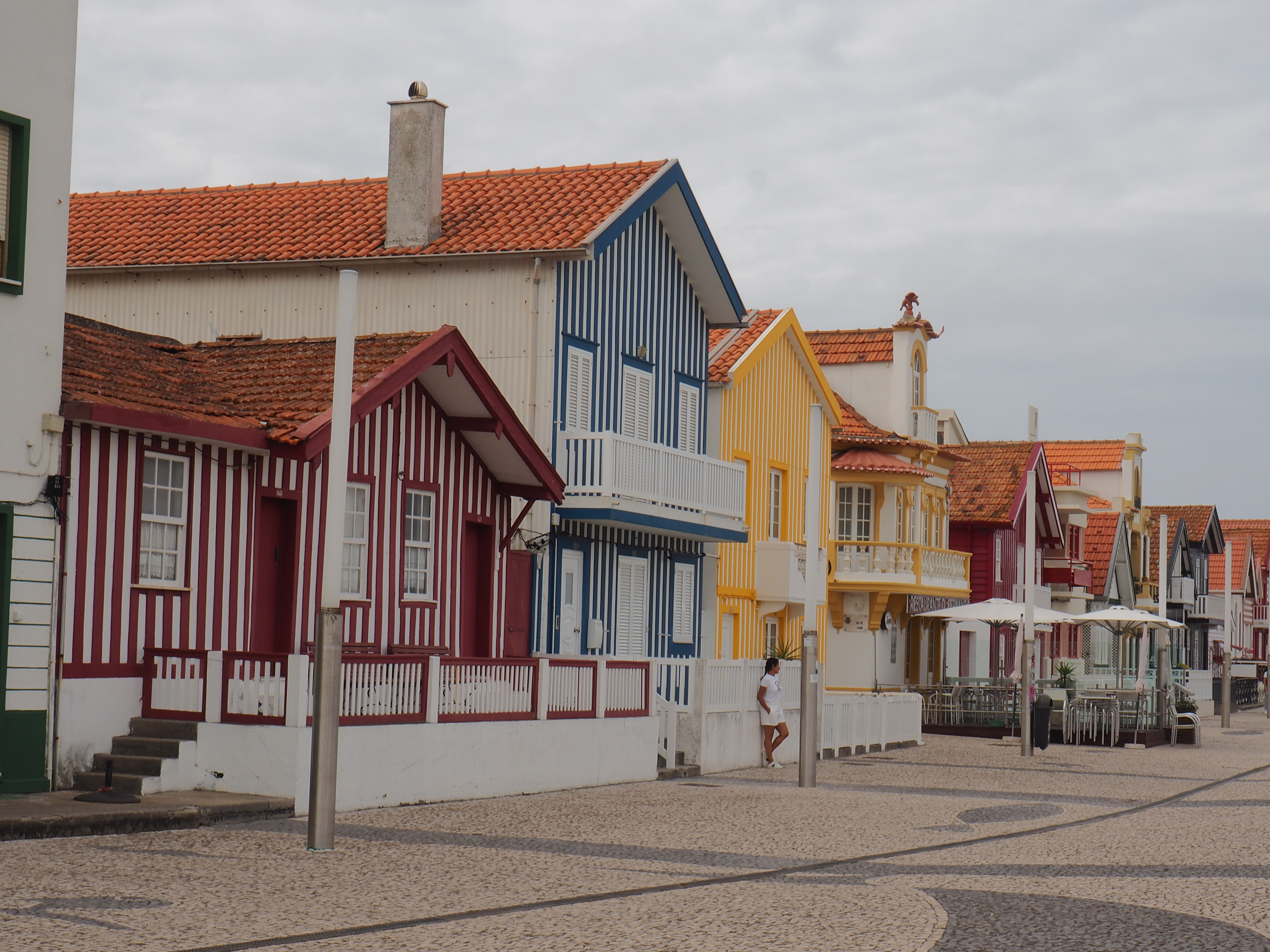
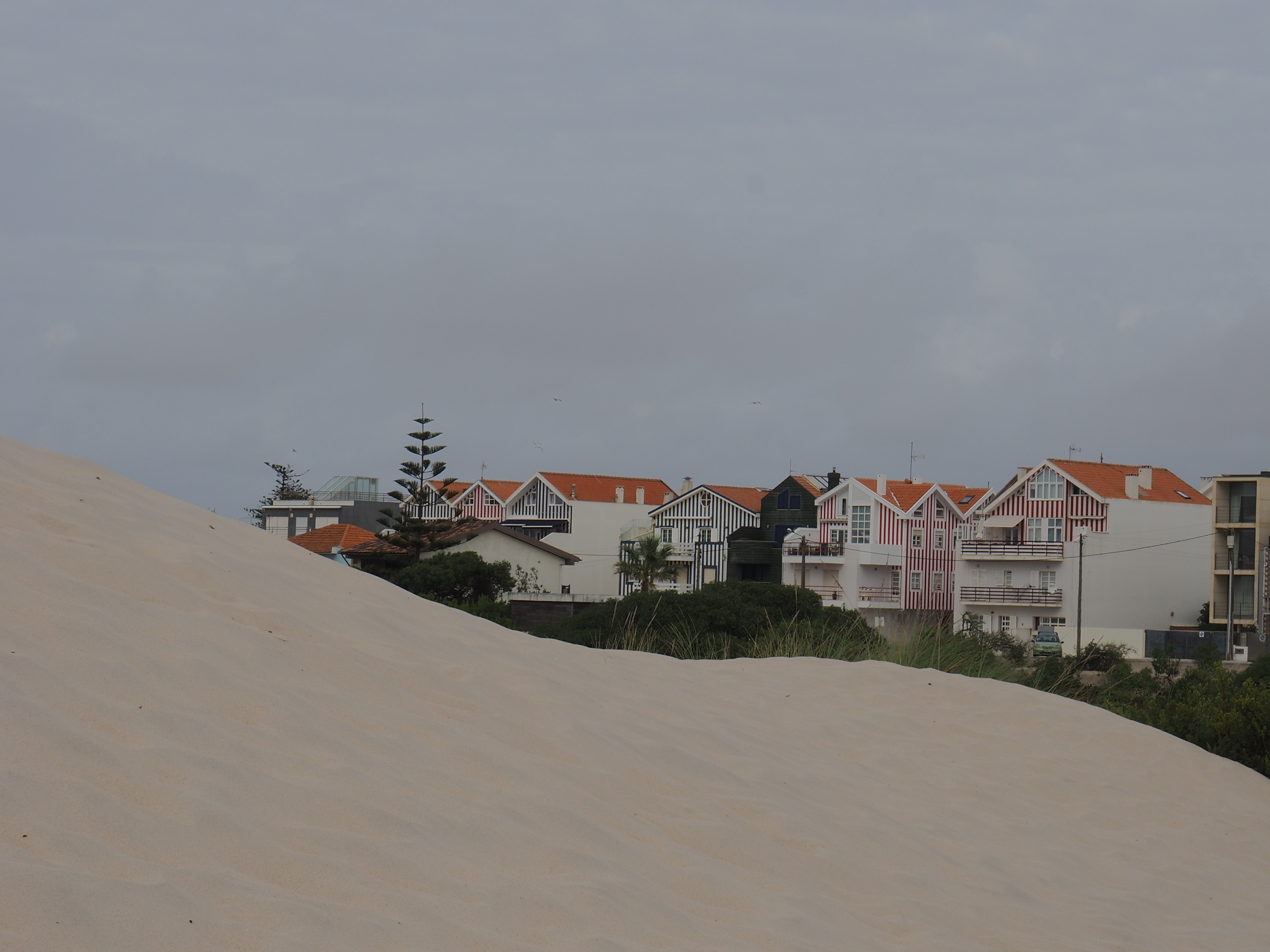
Costa Nova. In September of 2021, we visited Costa Nova. Where San Francisco has her painted ladies and Charleston South Carolina has its rainbow row, Costa Nova is dotted with pin-striped palheiro homes in vibrant colors.
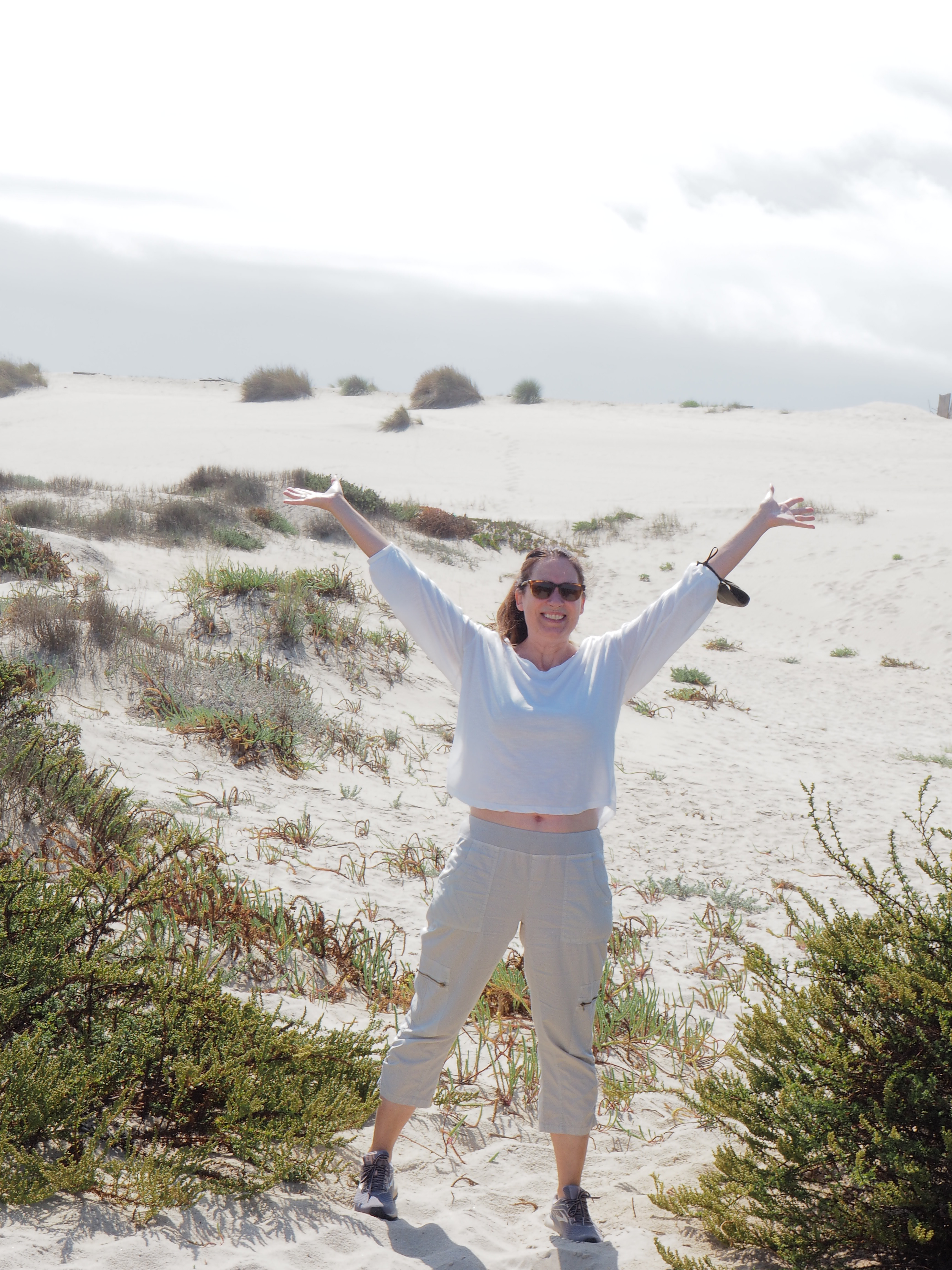
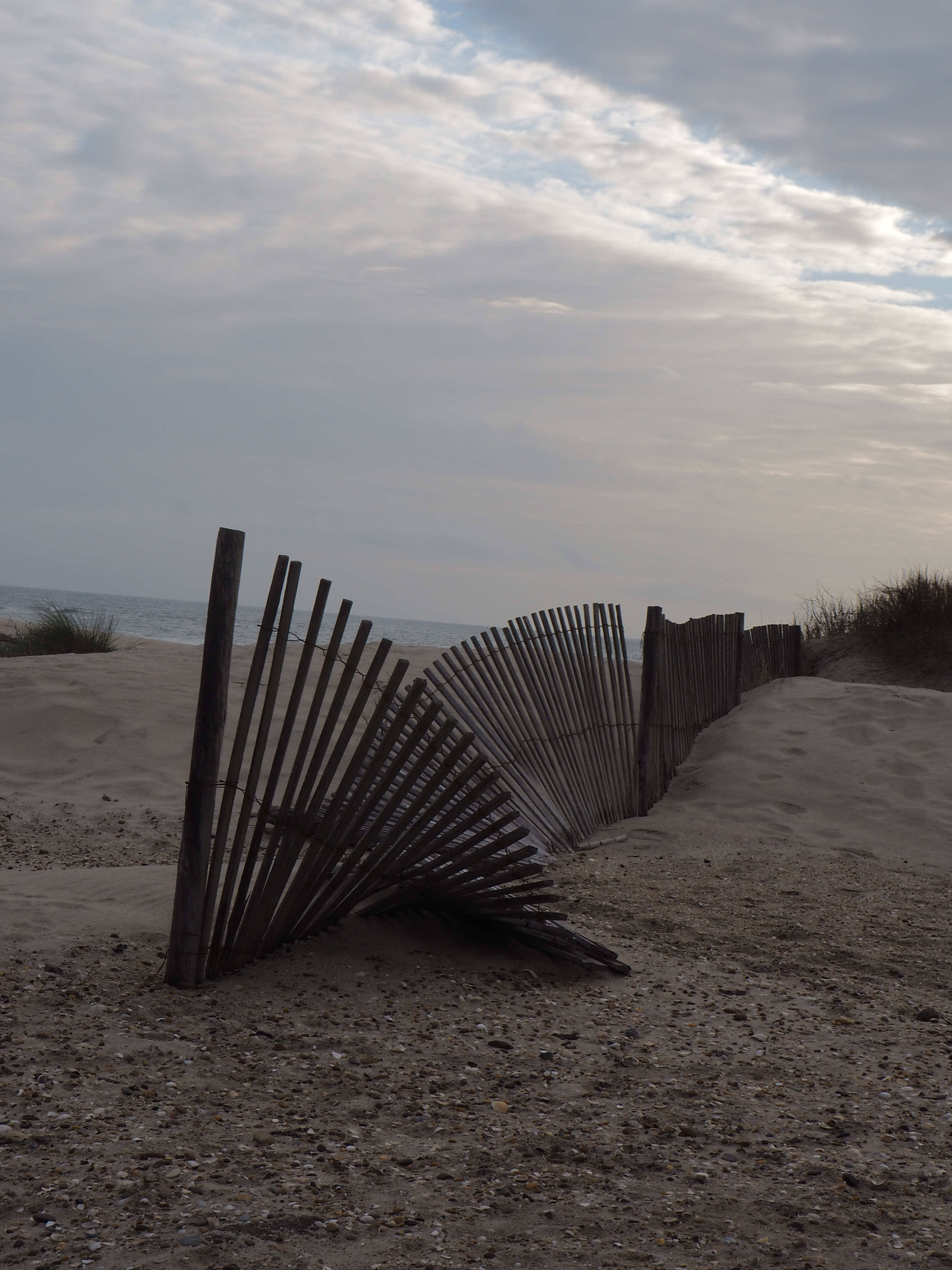
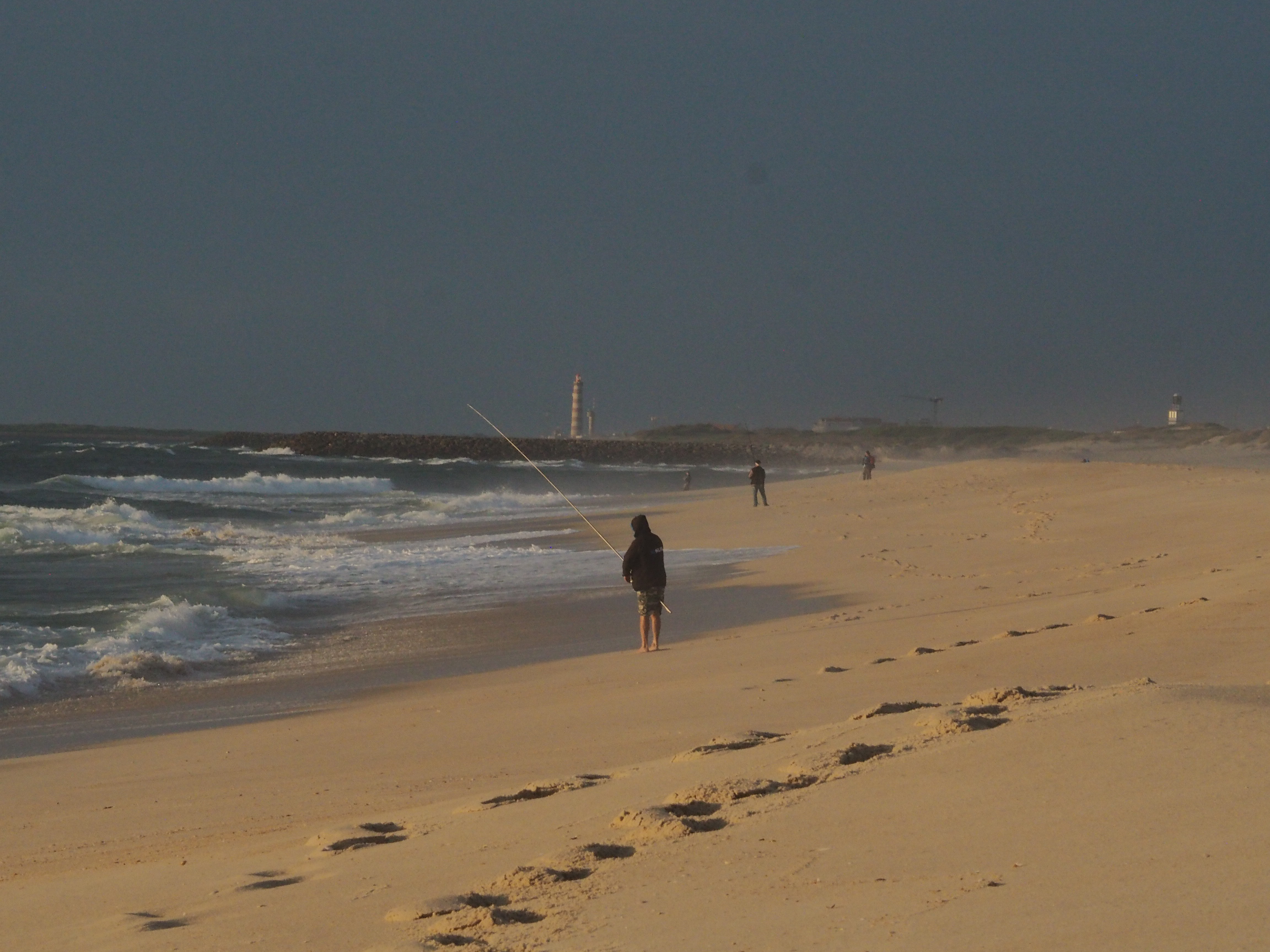
Brilliant, flat, white sand beaches to one side and the Ria da Costa Nova to the other, this small resort offers a quiet get away in a family-friendly environment. The striped homes were once used by local fishermen to store equipment and were painted to stand out against the sparkling sand. Now, most are used by tourists and homeowners as accommodations.
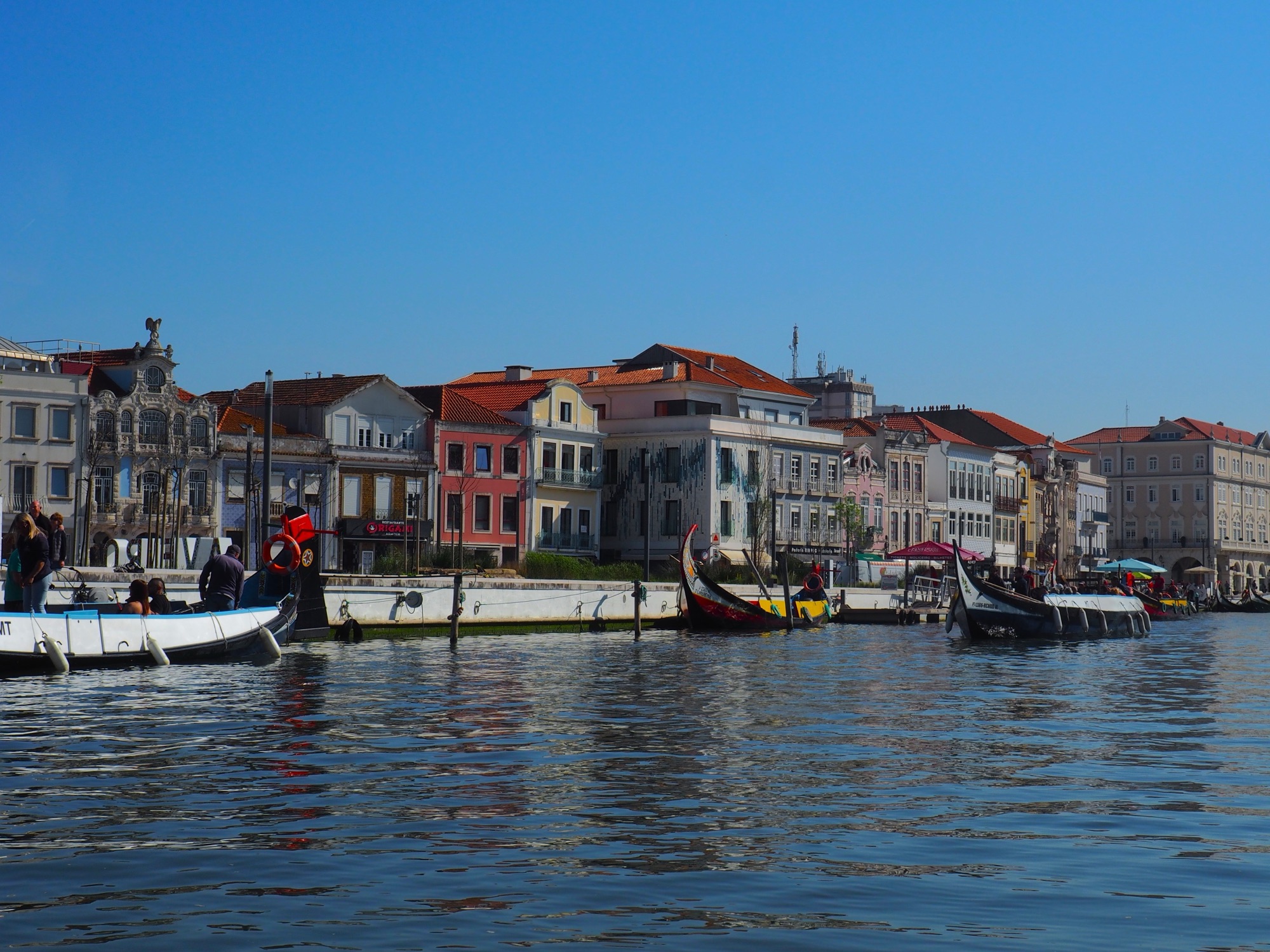
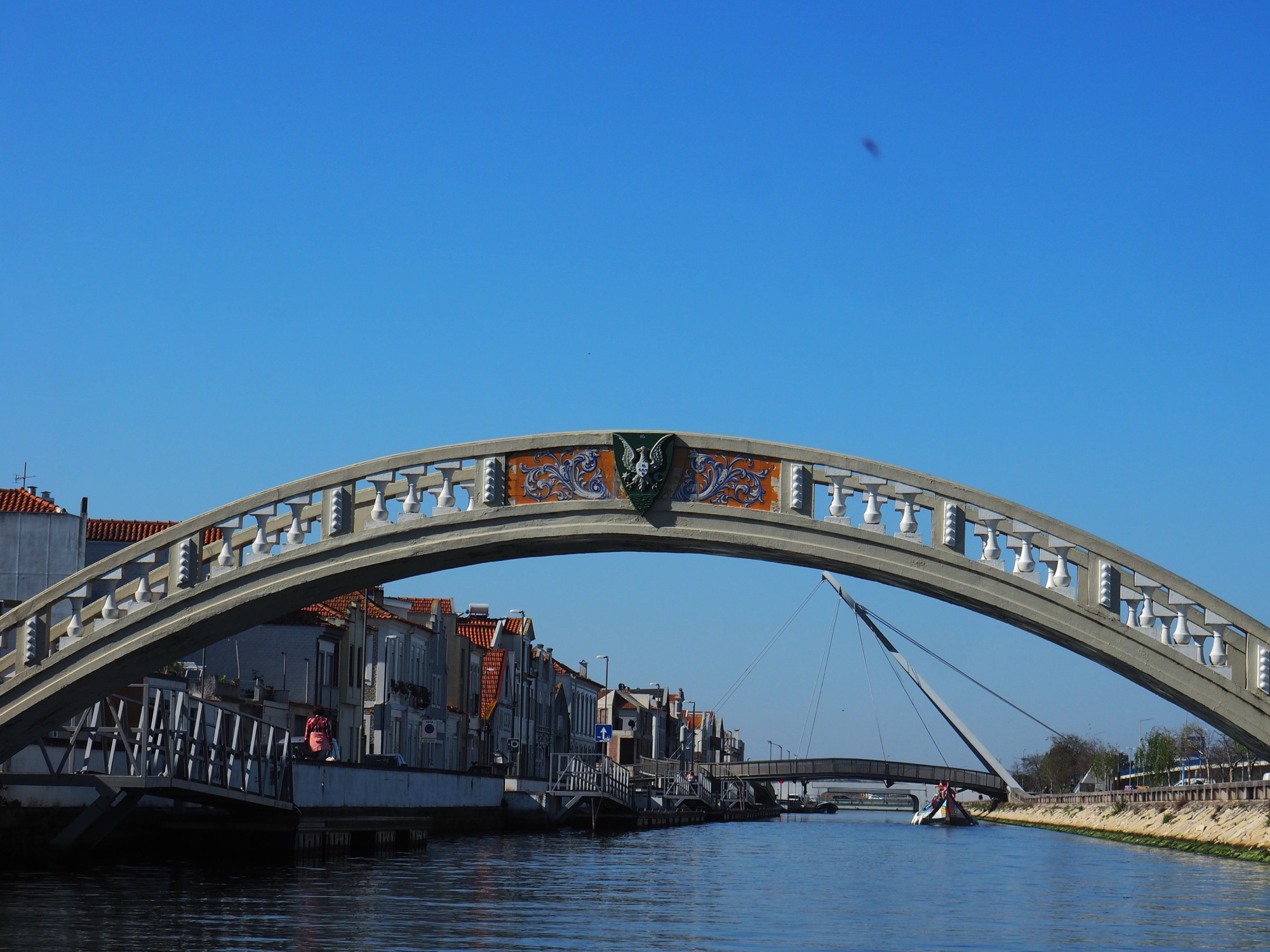
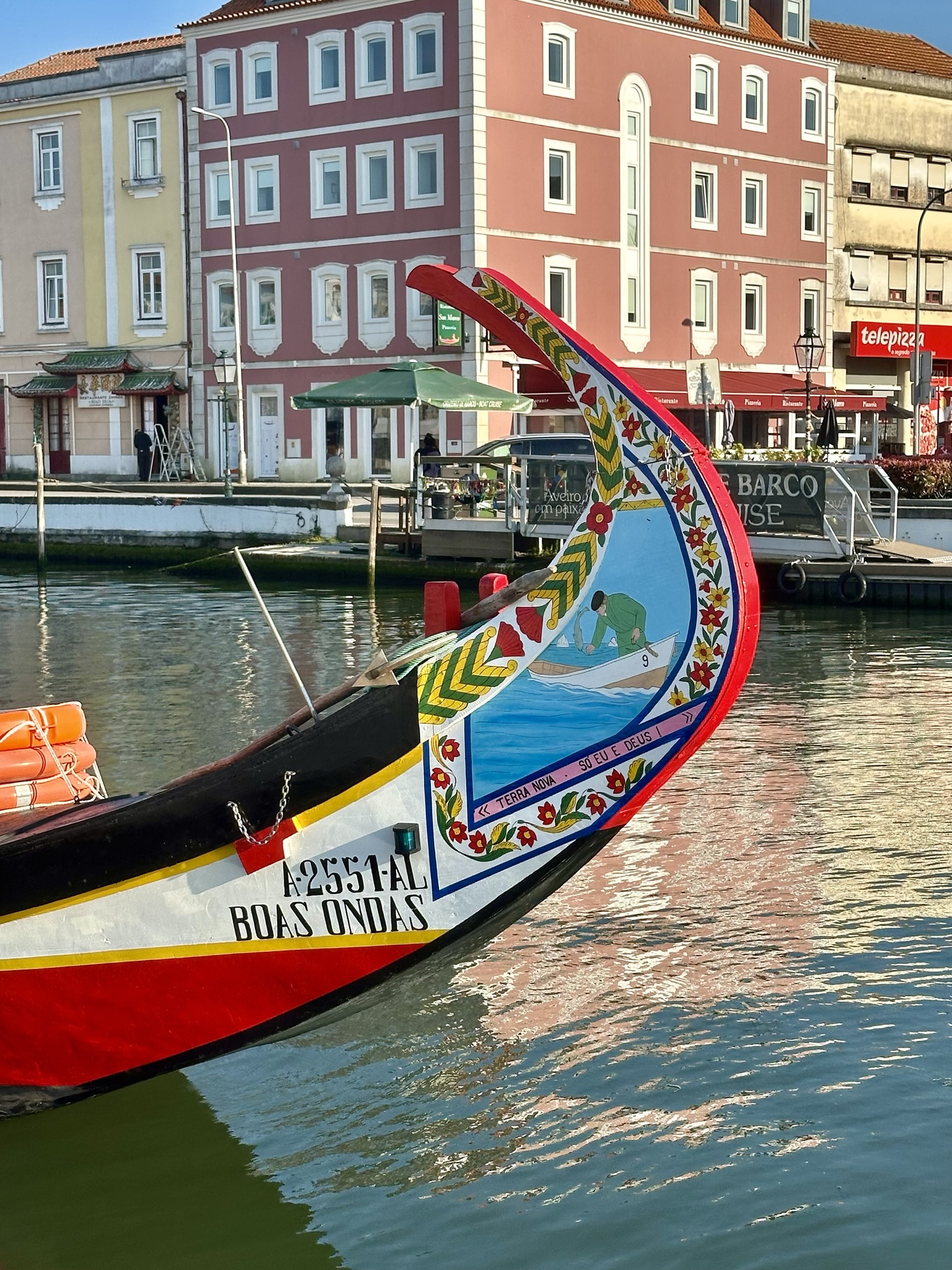
Aveiro. En route to Braga and Douro, we overnighted in Aveiro in March of this year. Aveiro, the canal lined “Venice of Portugal” is just a short drive from Costa Nova.
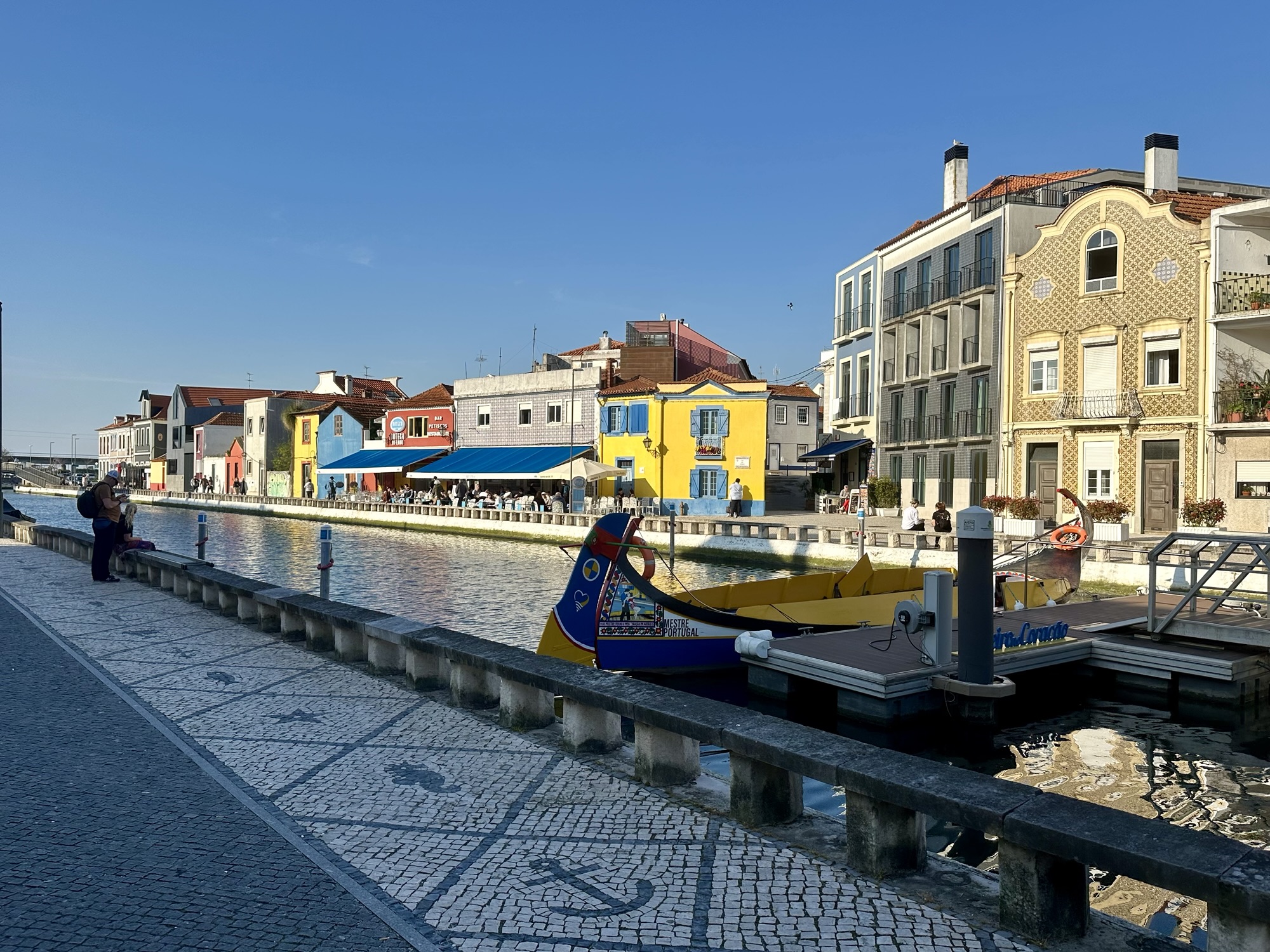
Aveiro became a source for salt during the Roman times. This practice continued with “moliceiro” boats transporting seaweed and salt from the lagoon but in 1575, a severe storm cut Aveiro off from the sea devastating the local economy. In the 19th century the canal system was built relinking Aveiro to the sea and helping to manage flood waters and high tides. Today, the flat-bottomed moliceiros mostly cart tourists around the canals.
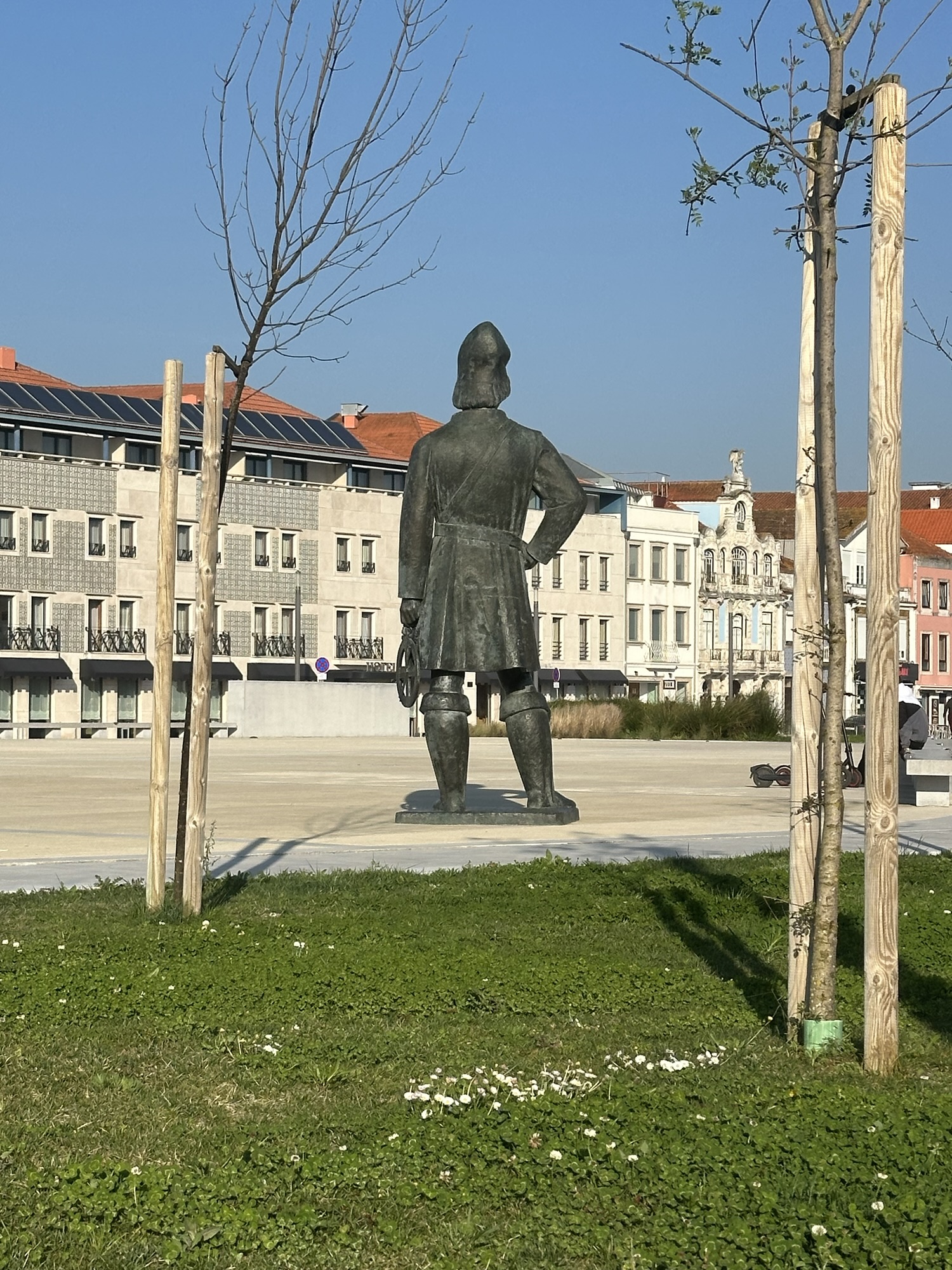
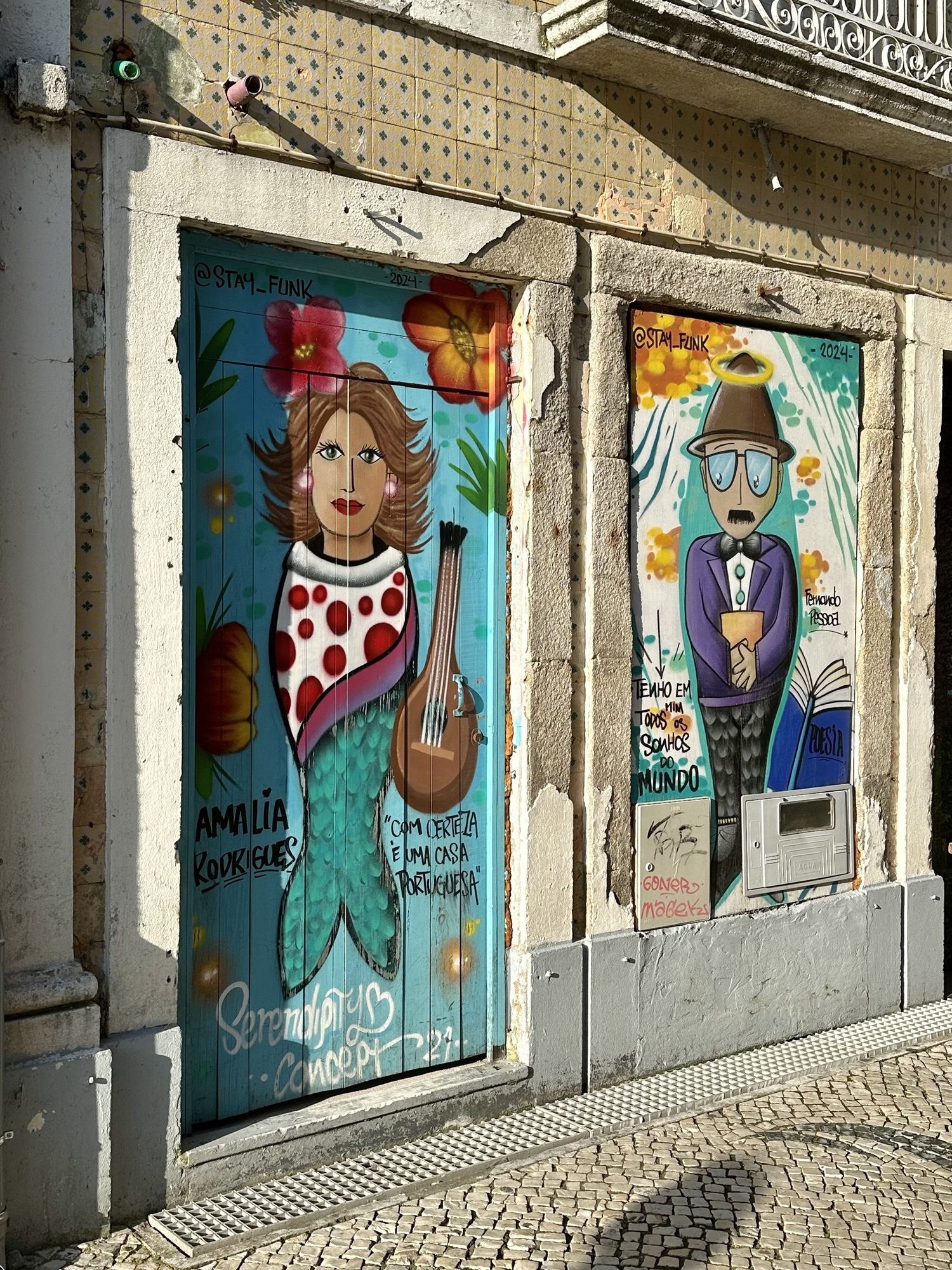
A harmonious blend of old and new architecture, Aveiro’s old homes blend into the more modern architecture of new ones, a modern mall and Aveiro’s art nouveau museum whose exterior is reminiscent of a Gaudi design in Barcelona. While not exactly Venice (the “Venice of…” monikers never really do live up to the original), Aveiro offers a sweet charm and easy-going style and is worth a visit or a stay.
Viana do Castelo. Our northernmost point of coastal exploration in fall of 2021 was to Viana do Castelo on the Costa Verde. Costa Verde is aptly named for its lush green flora and for the green wine (Vinho Verde) made in this area. Vinho Verde is a slightly sparkling, fresh white wine which we drink regularly.
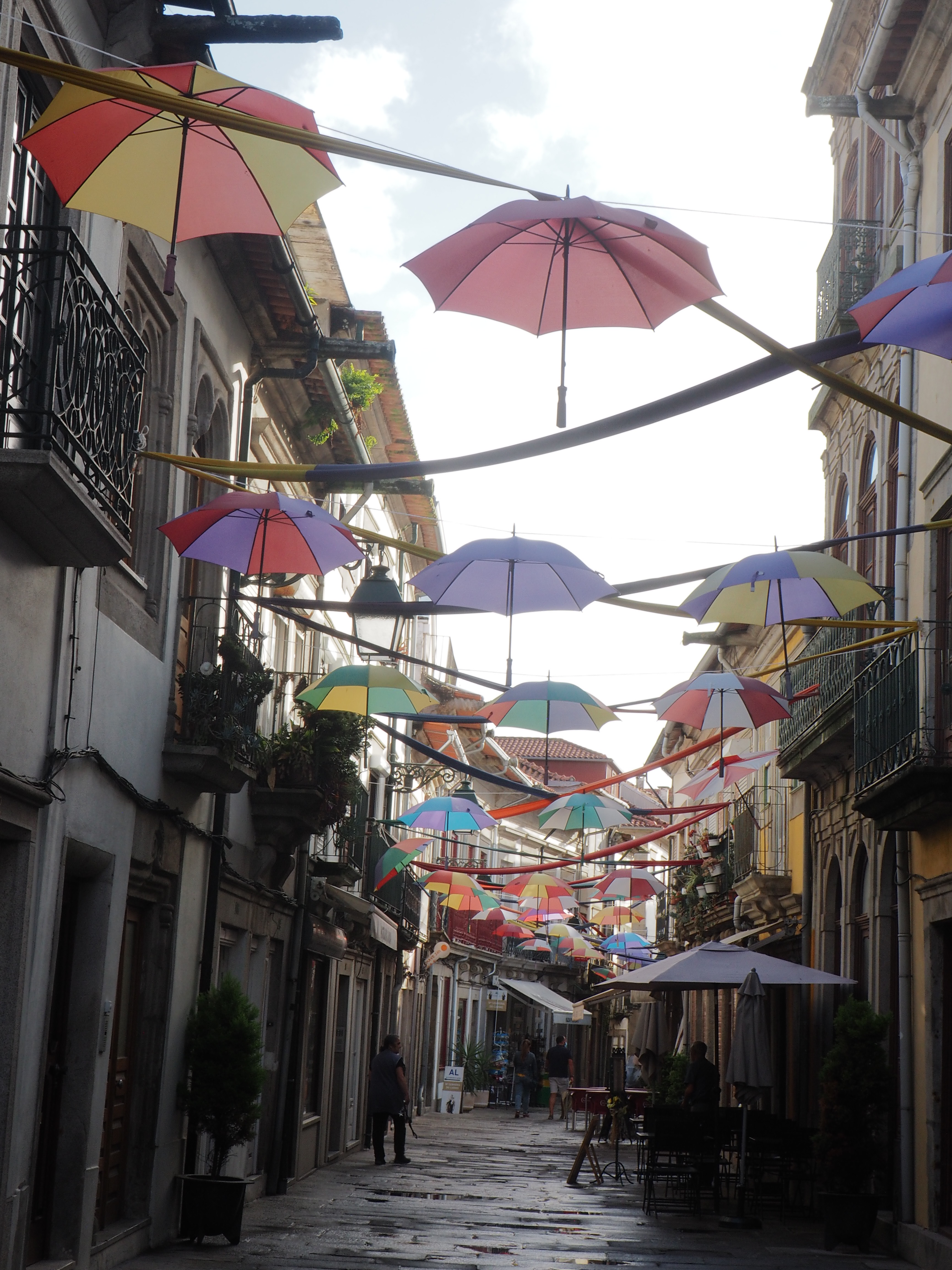
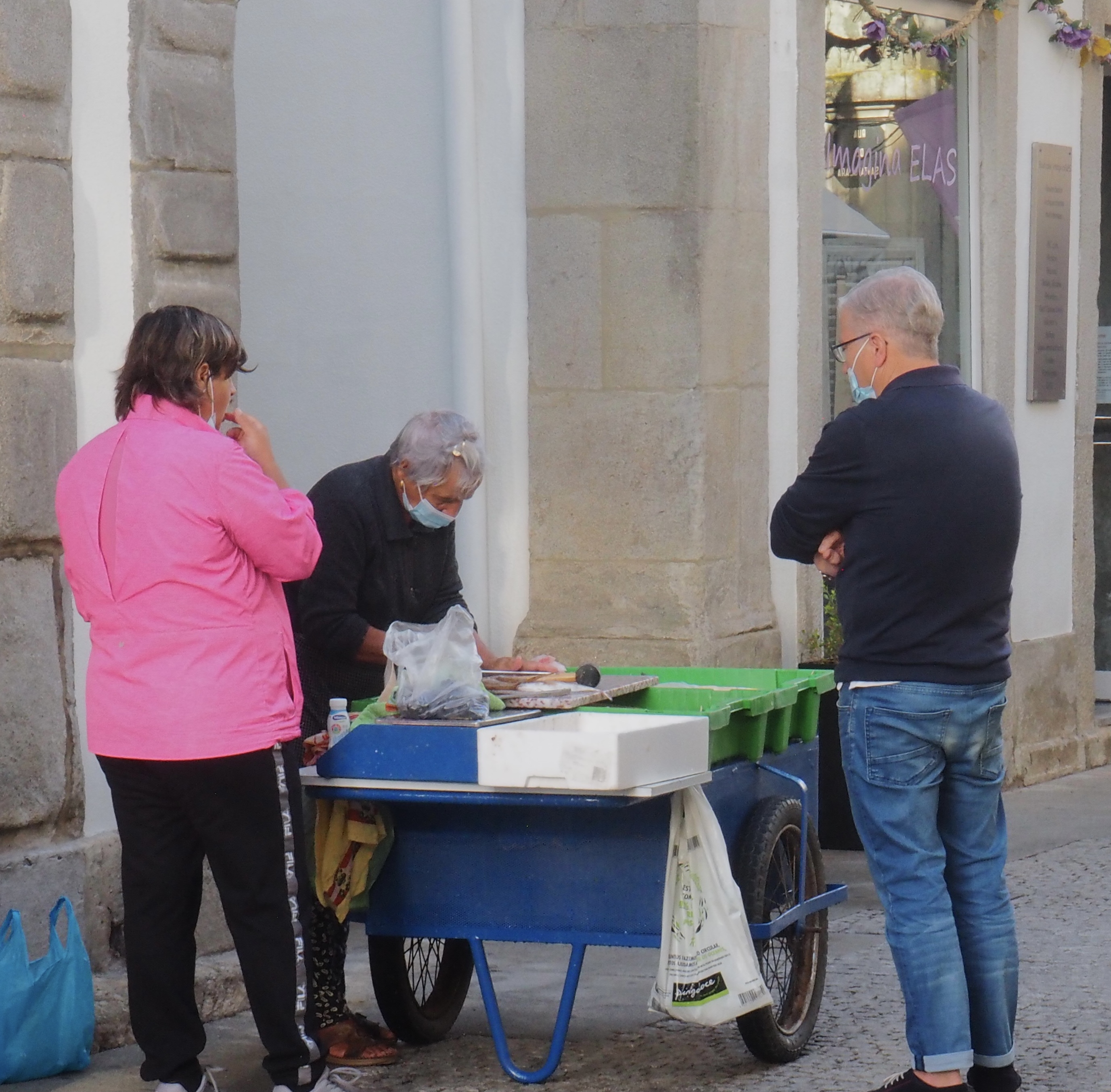
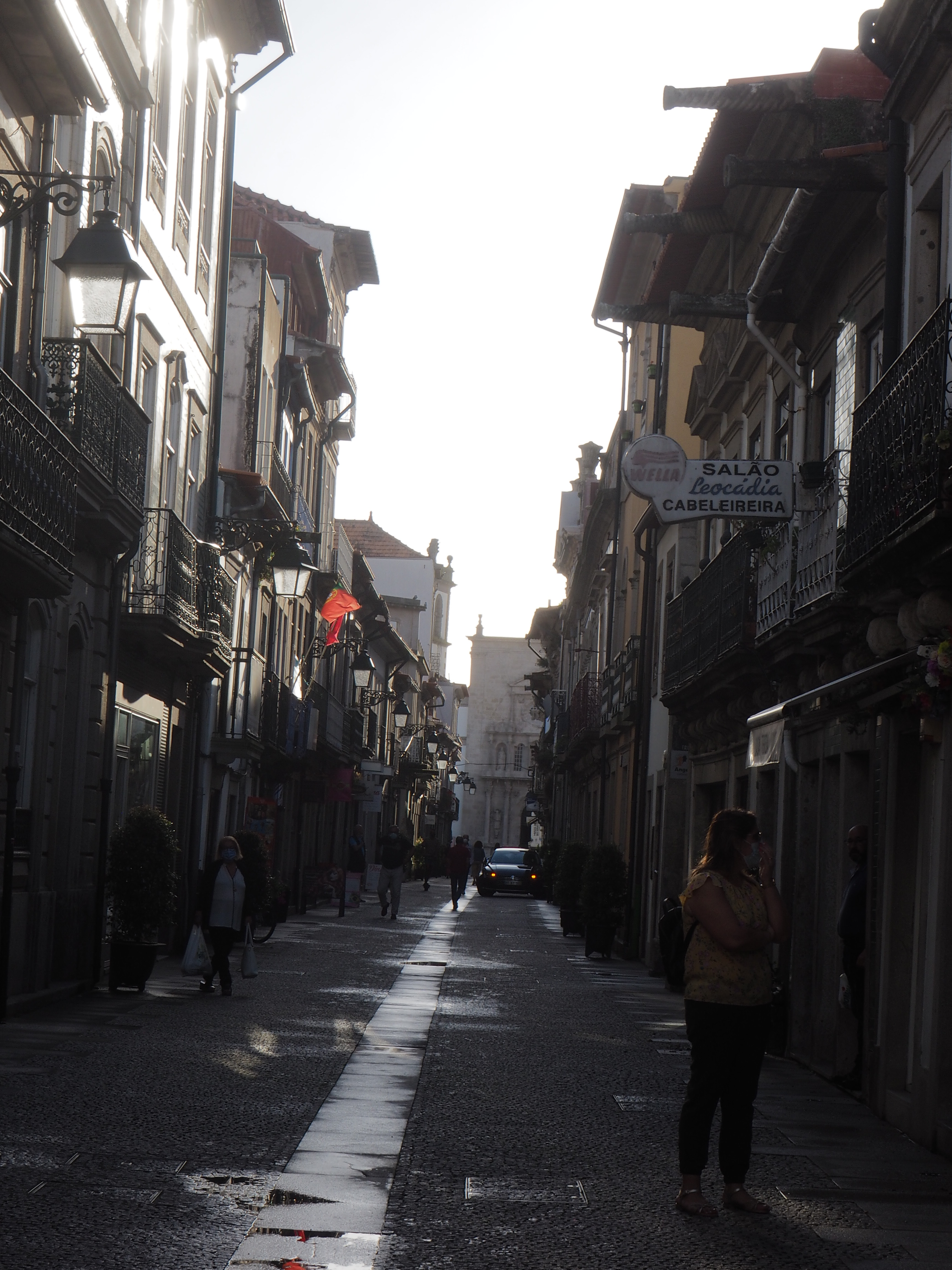
Viana do Castelo is a quaint little city sitting at the mouth of the Rio Lima near the Spanish border. It has many narrow streets and alleyways lined with restaurants, taverns, shops and stores and an esplanade along the river with many restaurants as well.
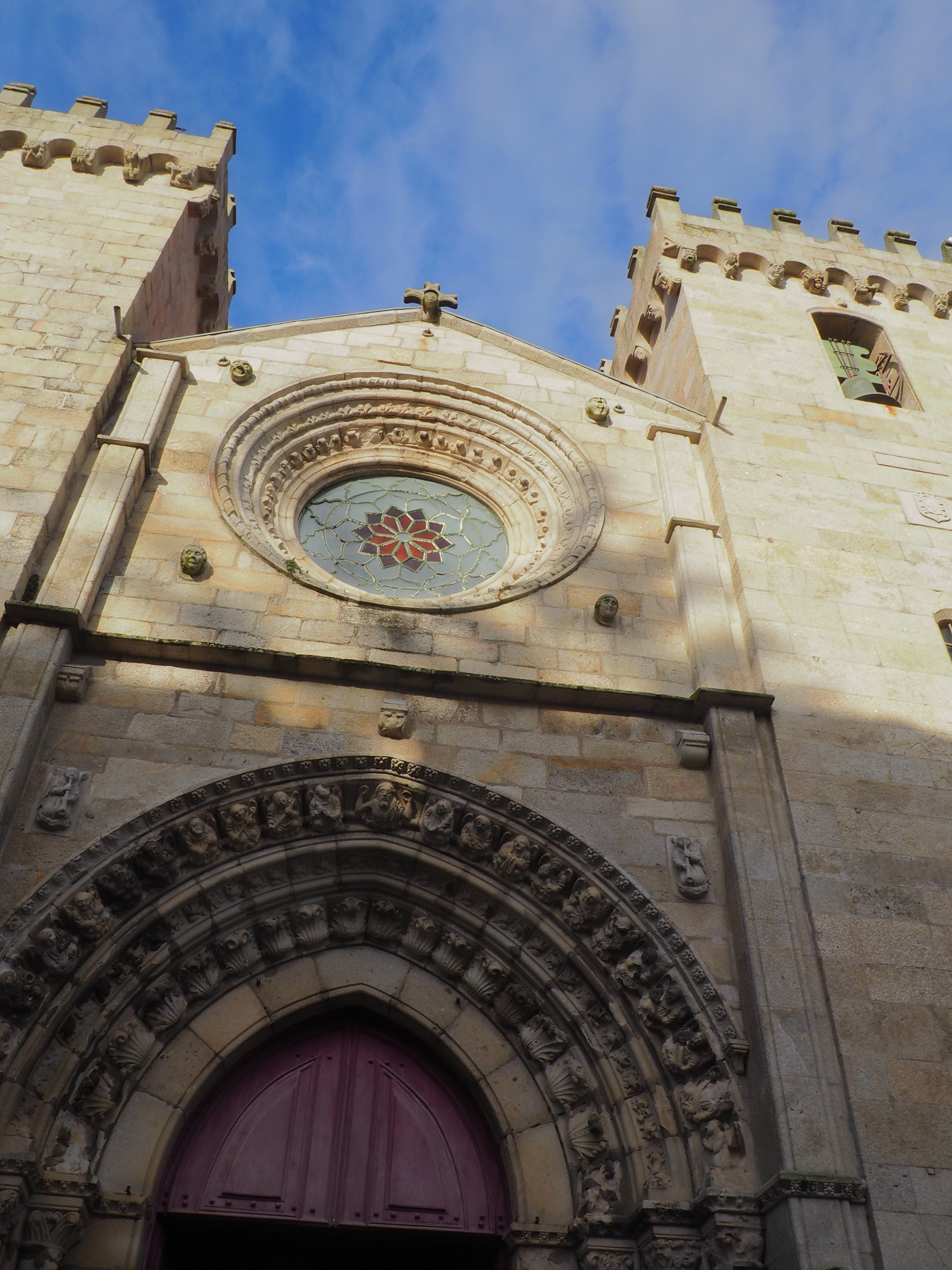

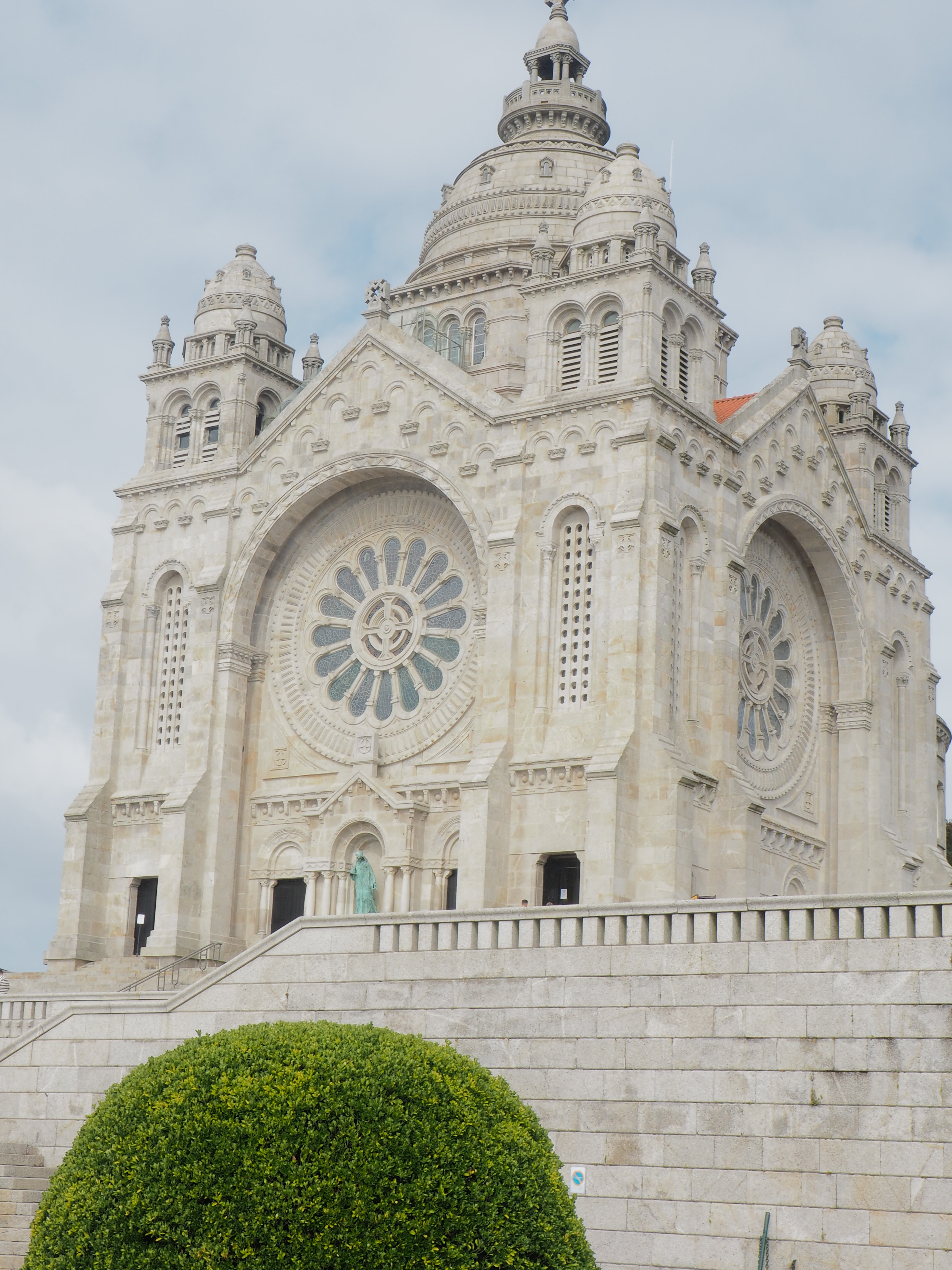
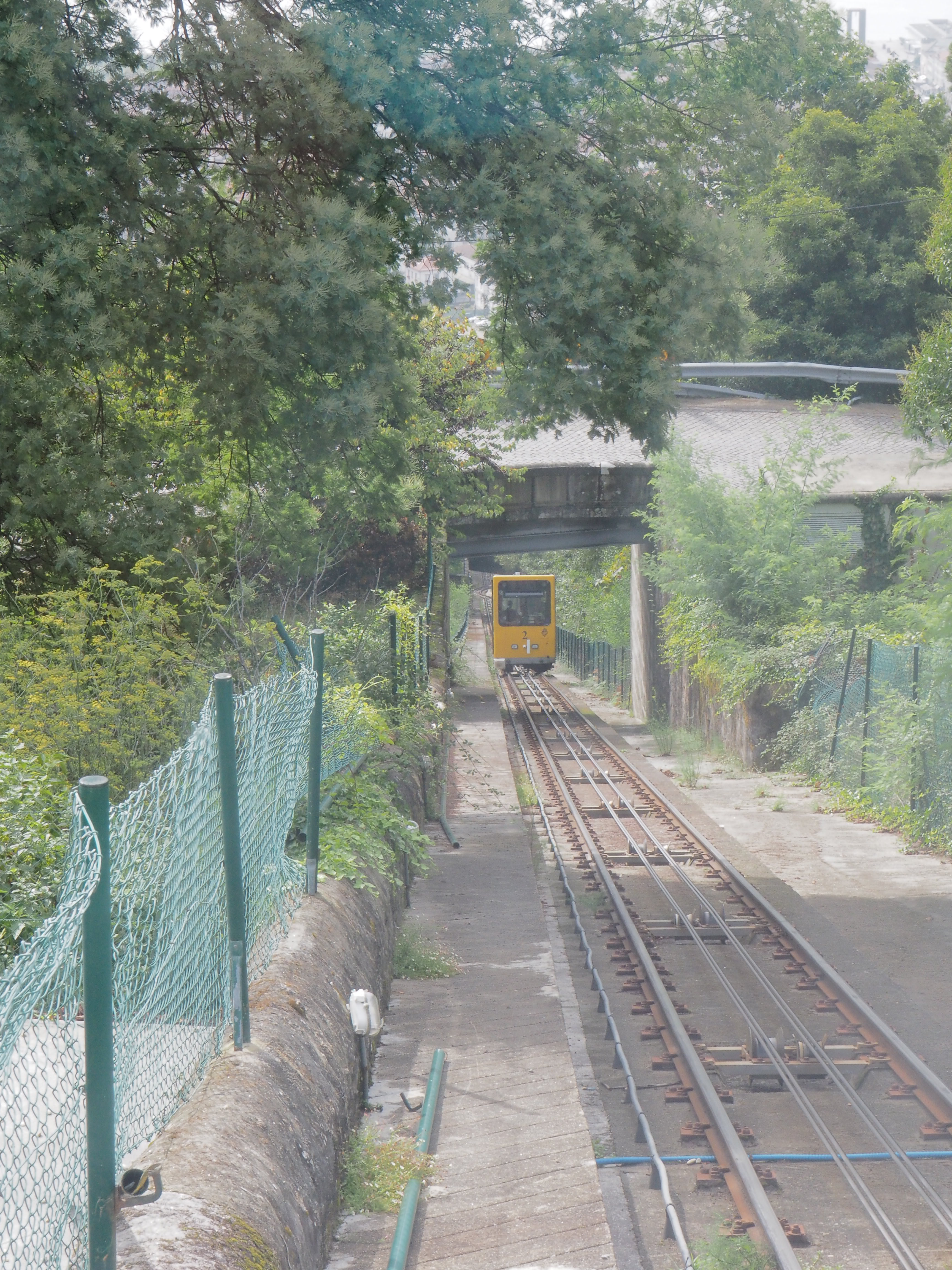
Atop its hill sits the magnificent Santuário de Santa Luzia. We walked up, straight up, many stairs in more humid heat than we expected in sweaters donned for the overcast, cool day which it wasn’t and took the steepest and longest funicular in Portugal down (€2 one way, €3 for a round trip). At least the sweaty walk helped work off a little of the pastel de nata and deliciously sweet chocolate cupcakes from breakfast.

Perhaps not the most visited part of Portugal by foreign tourists, this part of Portugal is worth a visit with many hidden gems off the beaten path.
 The Traveling Ridleys
0 comments on “Exploring the Northern Coast of Portugal”