

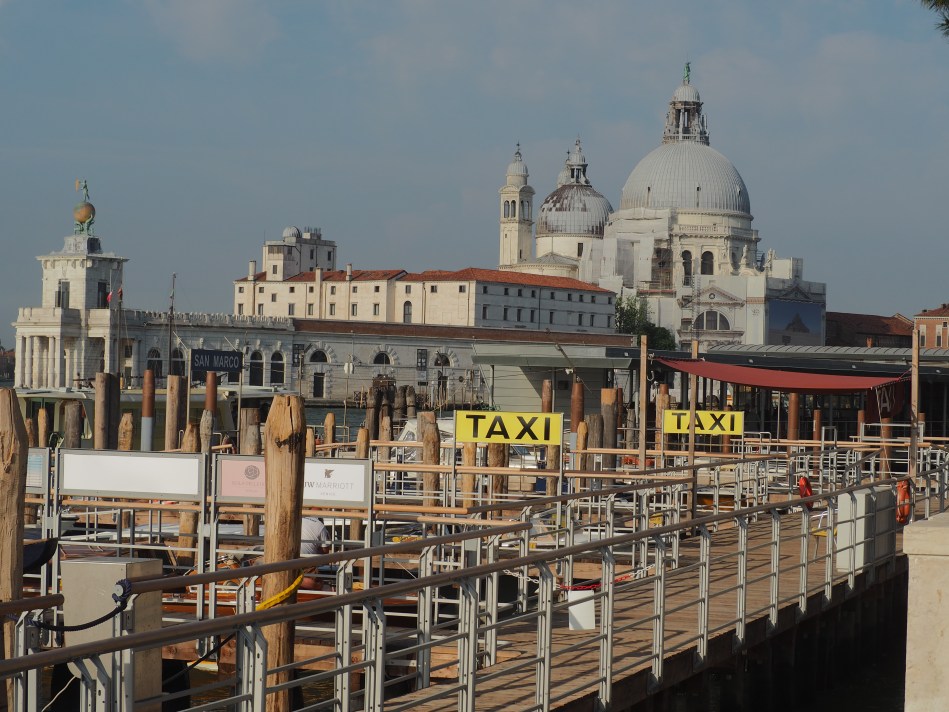
After completing our third visit to Venice together, we finally feel like we are getting the hang of it. There’s nothing like Venice. Anywhere. Our recent guide of the Doge’s Palace told us that “water has always been the strength of Venice” and that Venice was built “not on the water, but in the water”.
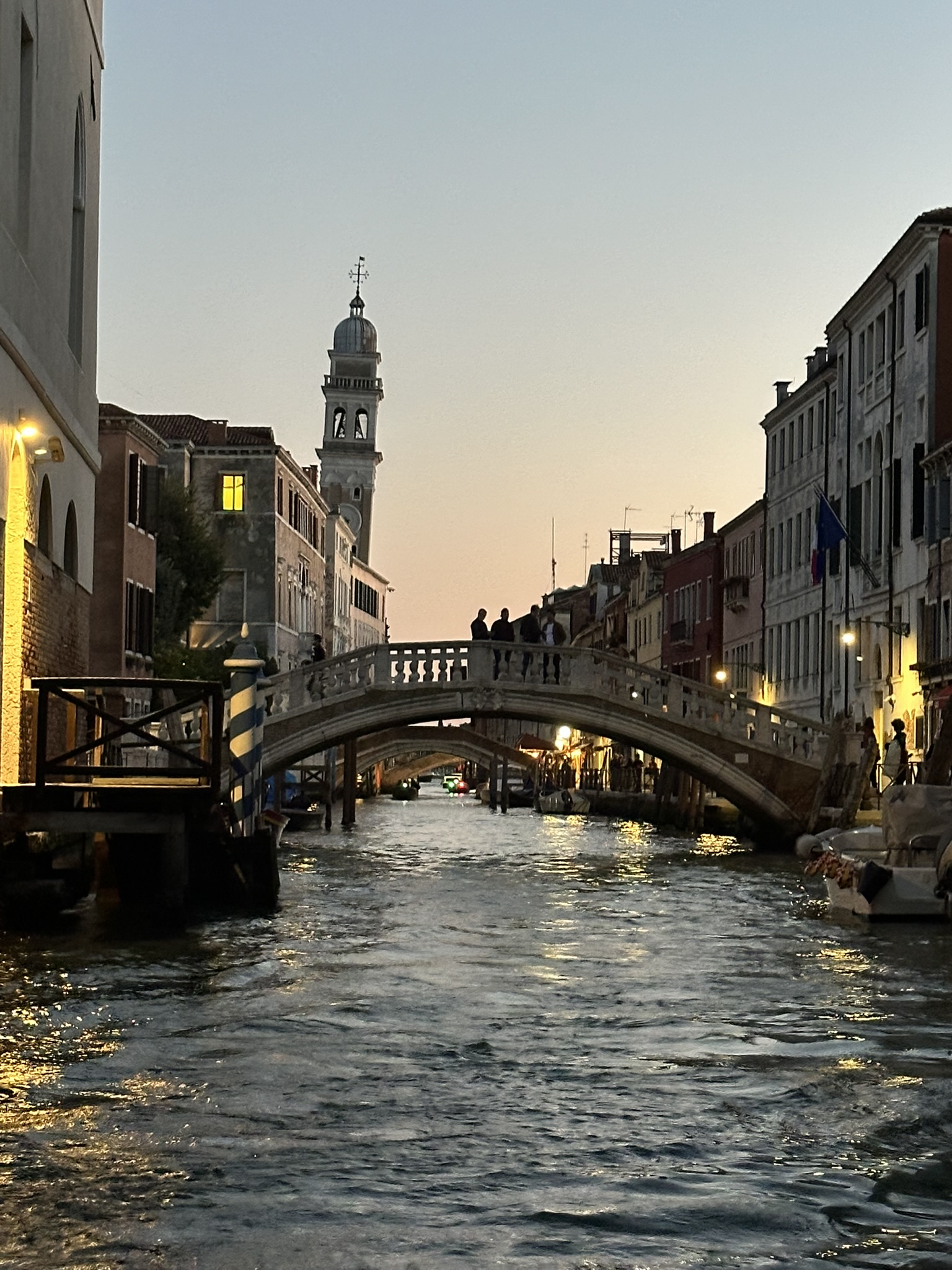
When the Roman villagers were trying to escape the invading barbarians, some of them fled to the swamp where Venice now lies. They created a floating city hulled out of the lagoon by embedding tree trunks into the mud below, mortaring them together with that same lagoon mud and laying rock on top as a foundation. Over the years, the unique minerality of the lagoon petrified the wooden logs into a material hard as stone. But this also created an instability which can cause shifting above as evidenced by some of the leaning buildings and clock towers in modern-day Venice.

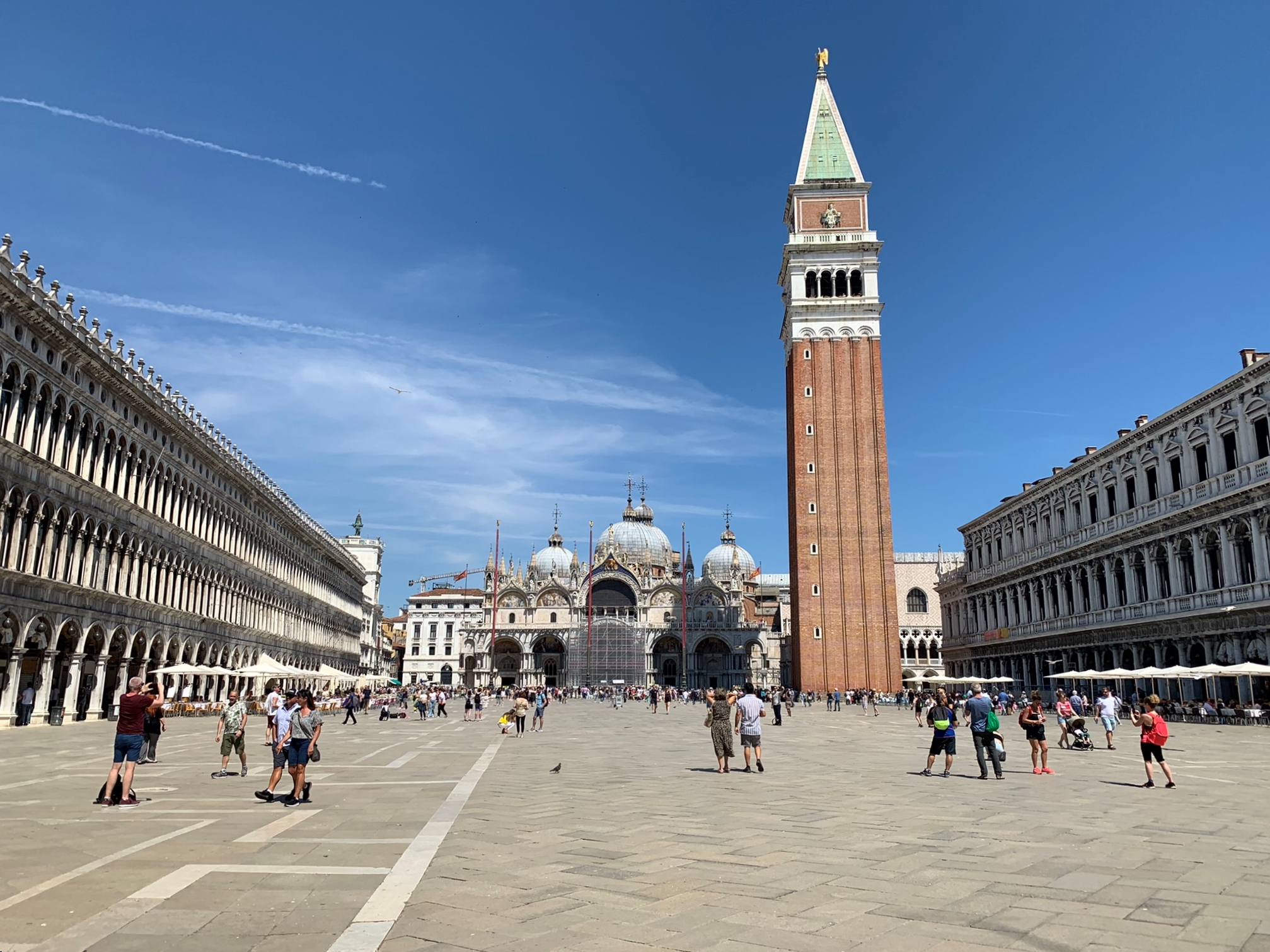
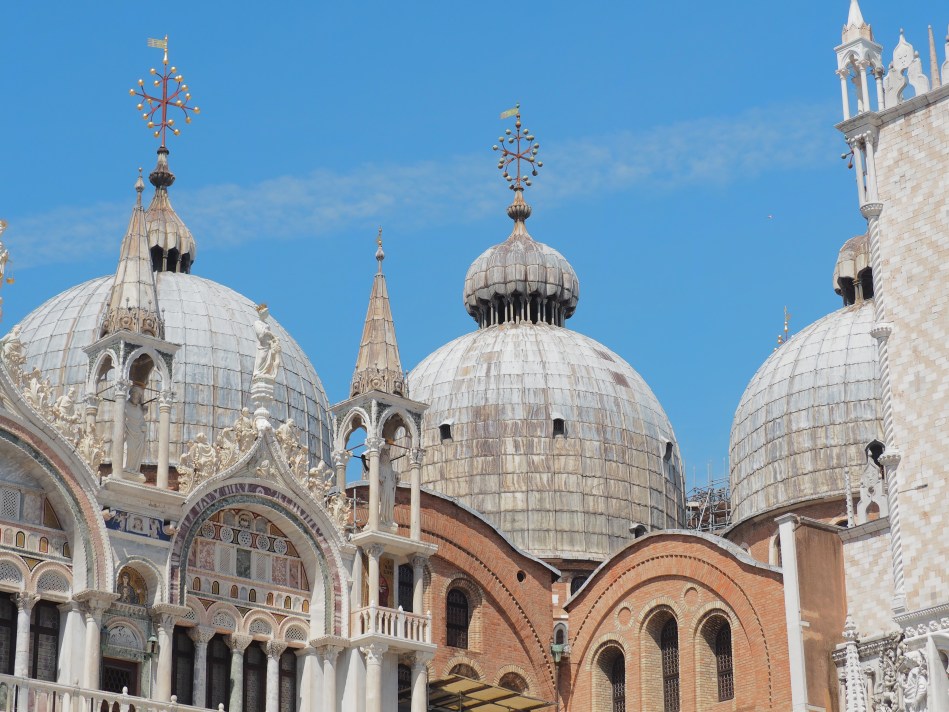
Tips Coming. First, some history. Venice was founded in 421 A.D. with the consecration of its first church on the islet of Rialto. In 697 A.D. the first Doge was elected to lead Venice and in the early 9th century the Doge’s Palace, St. Mark’s Basilica and city walls were first constructed. Venice had been, and continued to be, part of the Byzantine Empire but in 814 its independence was secured in an agreement with the Byzantine Emperor. St. Mark, allegedly the first person to spend a night in the swamp before the founding of the city, was returned to Venice and enshrined in the Basilica after being taken from Egypt and smuggled in by two merchants (a fulfilled prophecy foretold by the angel who appeared to Mark during his night in the swamp).
By the 12th century, Venice had control of the Dalmatian coast, Cyprus and Crete. The Venetians expanded power after an agreement with Constantinople during the 4th crusade which opened the eastern trade routes to Venice. Venice became a center of Mediterranean trade for goods such as silk, spices and metals as well as ideas, making it a center for art and culture.
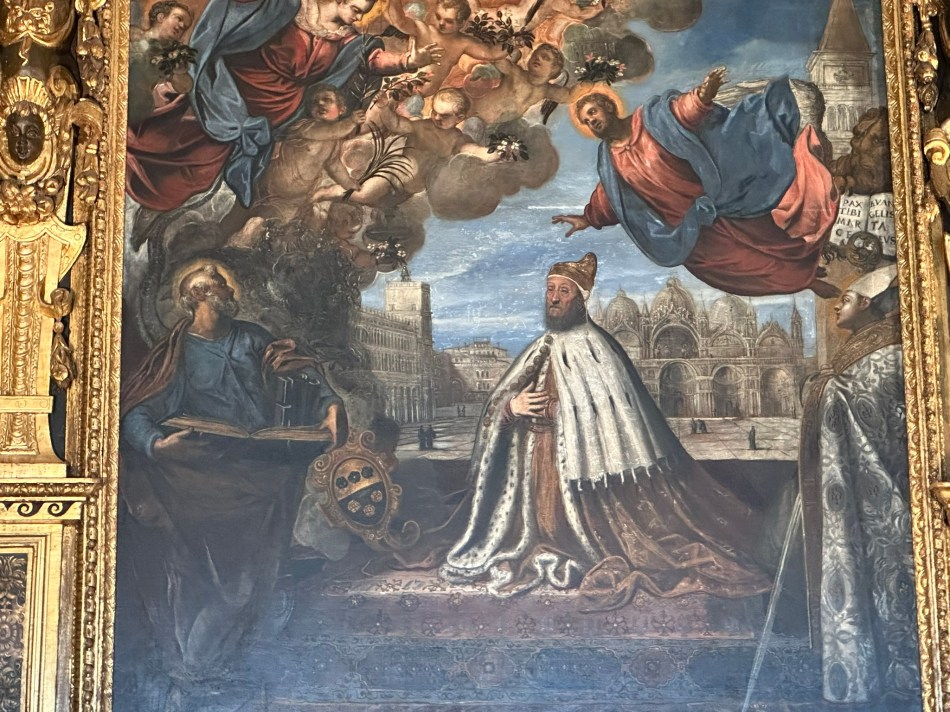
Venice’s power in trade diminished as other European powers (Portugal, Spain) began to expand, explore and colonize and Venice suffered severely during the Black Death of 1348. Venice continued to be a cultural center into the 18th century but lost its independence after being taken by Napoleon in 1797 and later folded into the Kingdom of Italy in 1866.
But as you walk through the streets or ride down the canals, much of this storied past comes flooding back. When the rains come or tides are high, platforms are set up in St. Mark’s Square and along the Grand Canal to allow you to walk above the water line, reminding you of the city’s precarious perch in the water. The Byzantine, Gothic, Romanesque and Islamic influences in its architecture are evident in buildings from the Doge’s Palace and St. Mark’s Basilica to the windows and awnings of homes far from the center of town. Souvenir and costume masks remind one of the horrors of the Black Death plague but also the mystery, pleasures and seductiveness of Carnivale. It’s a place without equal and a place worth exploring by foot or by boat or both.
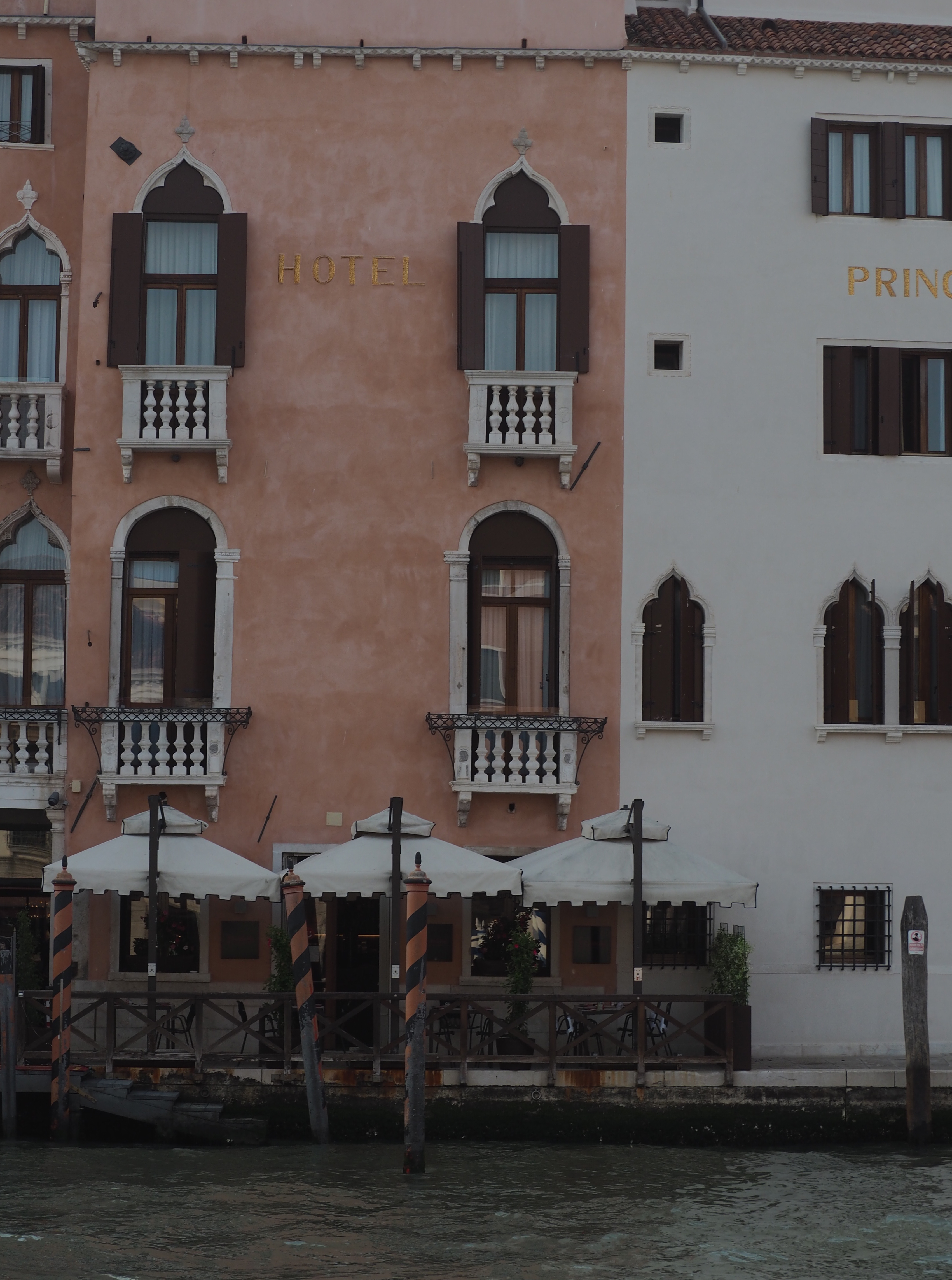
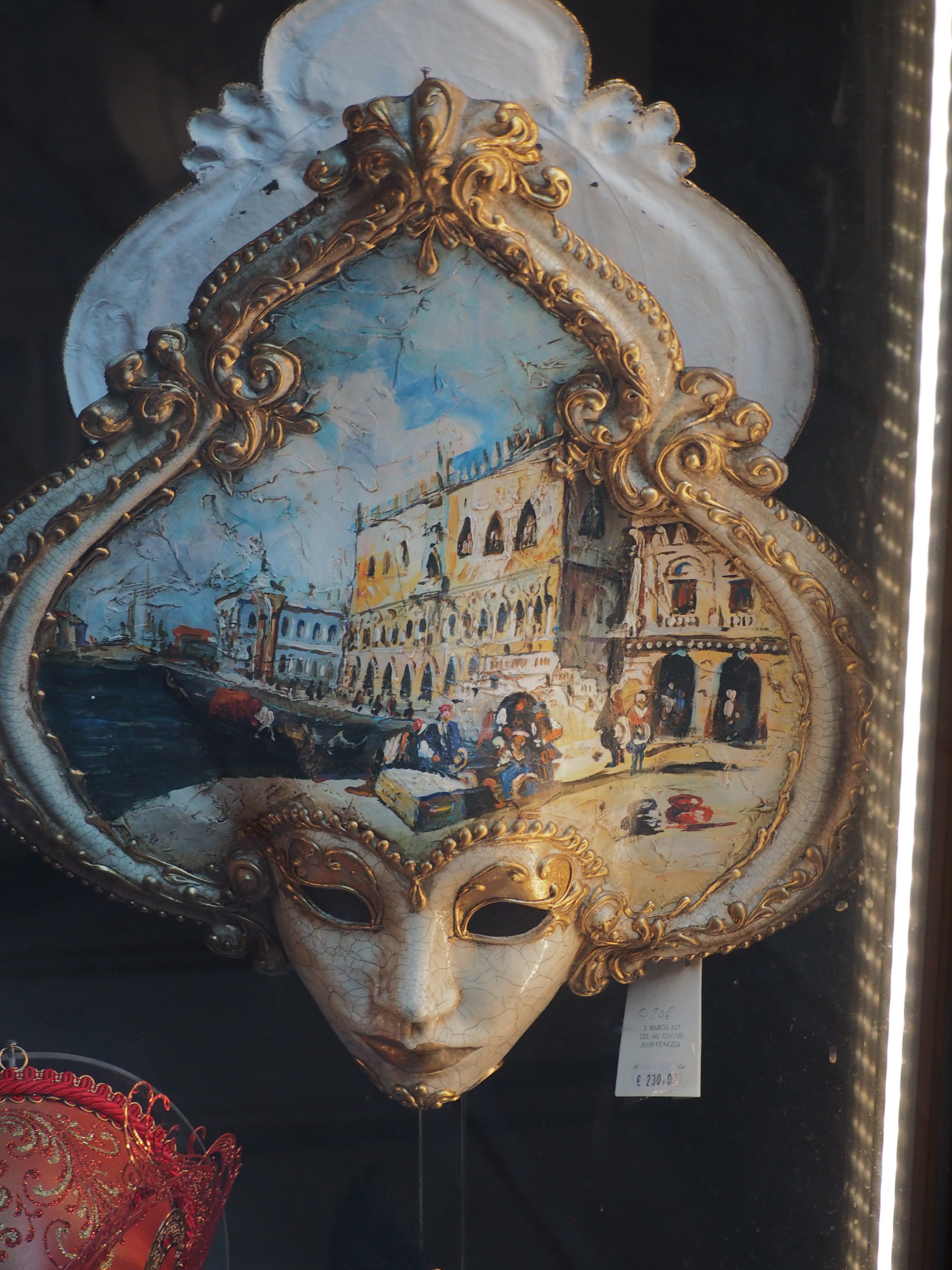
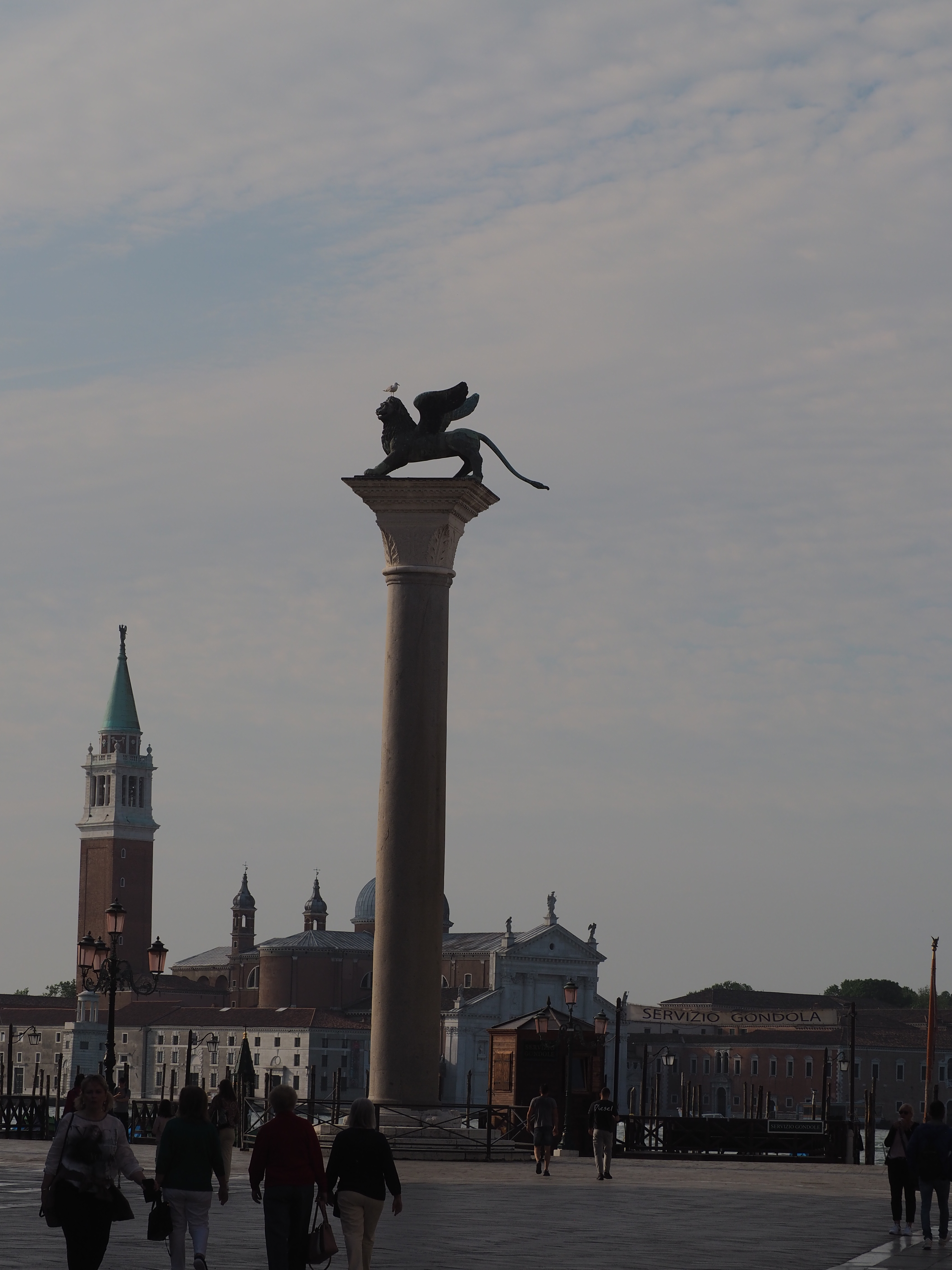
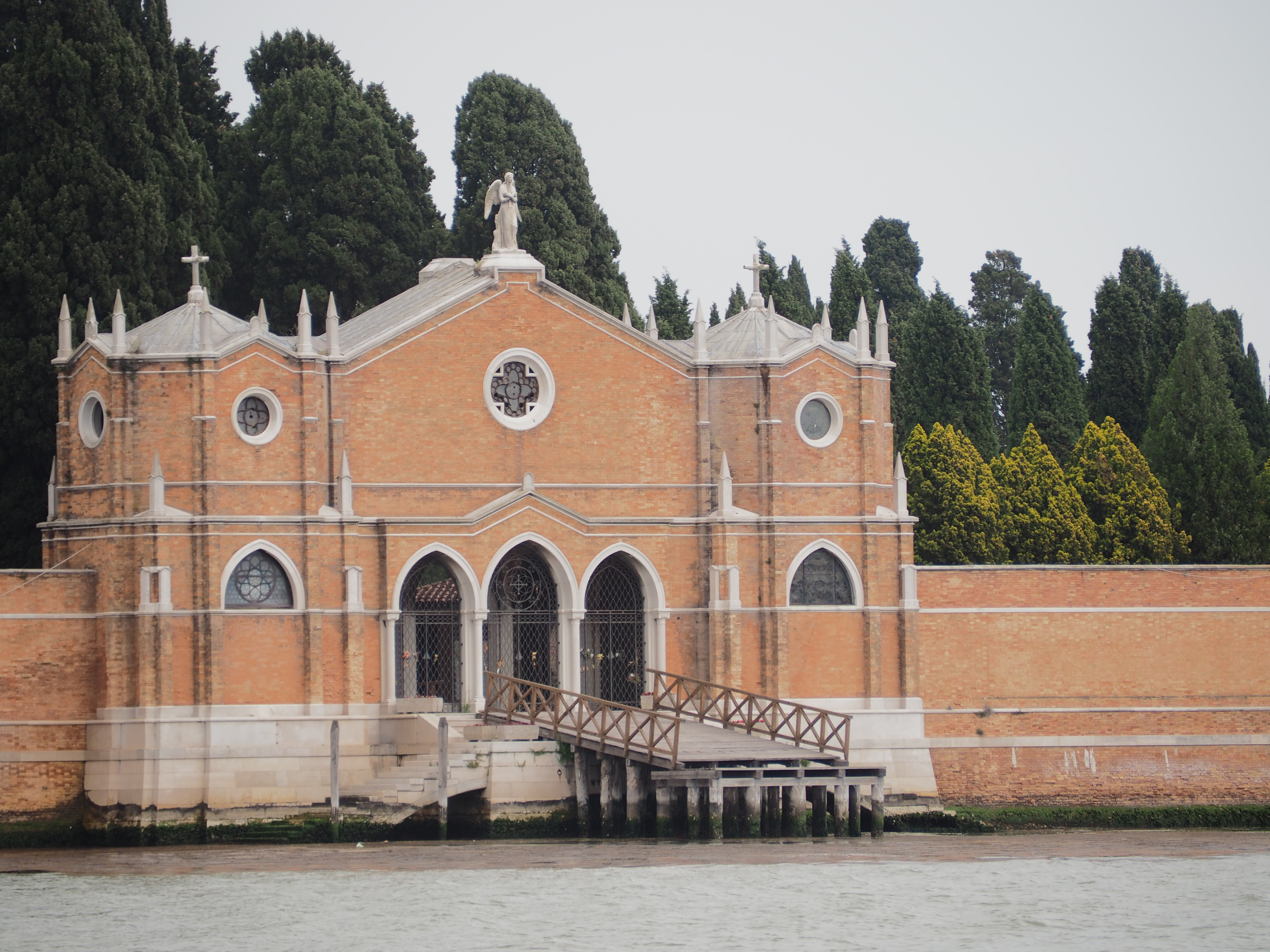

The following are our tips for Venetian visitors accumulated over our three joint trips together. When Melissa first came here with friends, she and they didn’t care for it. They came in winter and were in town for a small, yet historic, snowstorm. But with each visit, she has fallen in love with Venice more and we now count it as one of our favorite places.
- Take a Tour, or Two. Rick Steves has a few walking tours of some of the major sites, but we’ve also taken two tours with local guides. We did a “Secrets of Venice” tour with Federico the last time we visited and this time, used Walks in Europe to tour the Doge’s Palace (which we’d never previously visited) and St. Mark’s Basilica (into which we’d never previously stepped). Both tours were interesting, provided local color, loads of history and were well worth our time (not to mention supporting the local economy even if only a little).
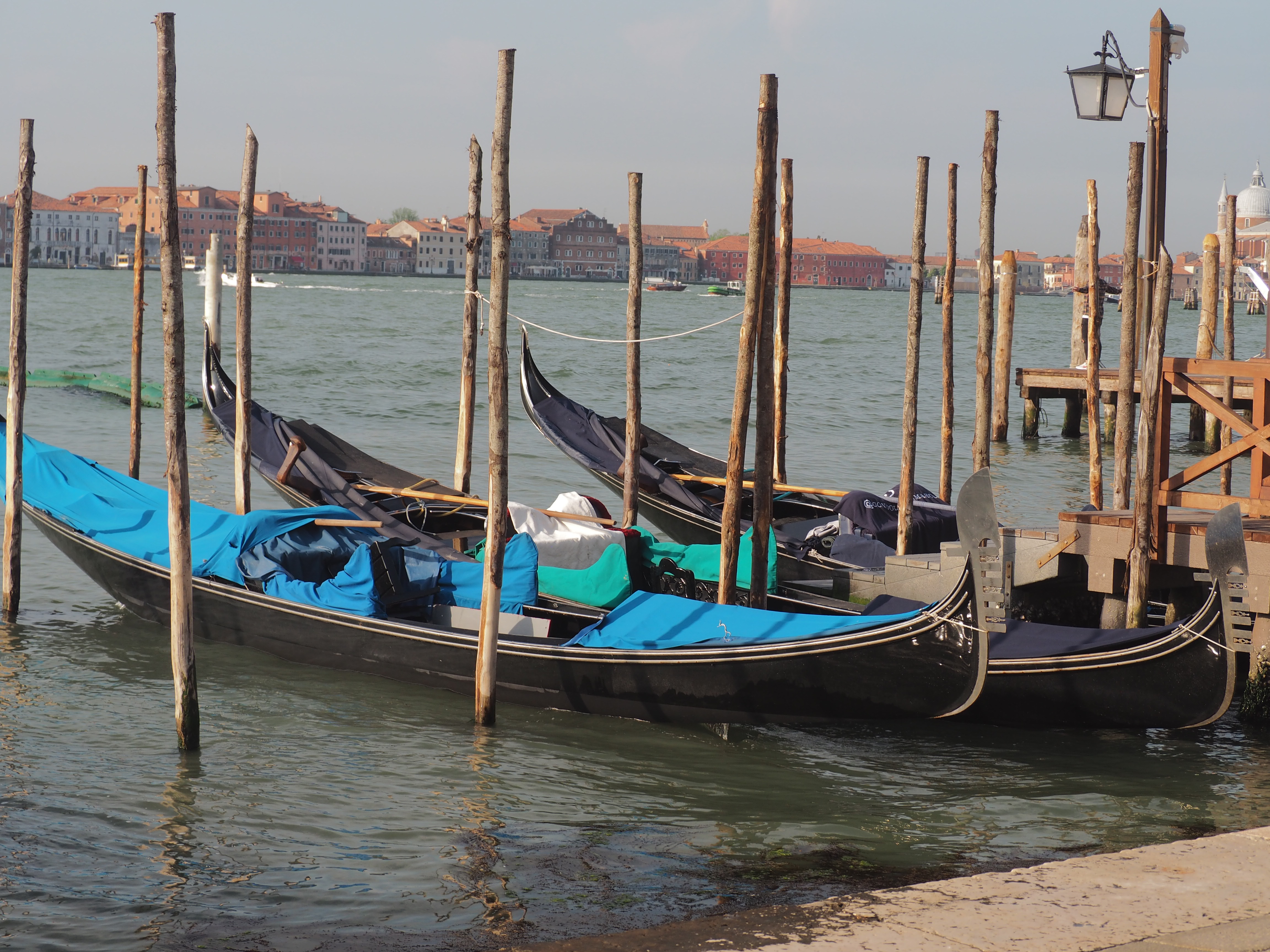
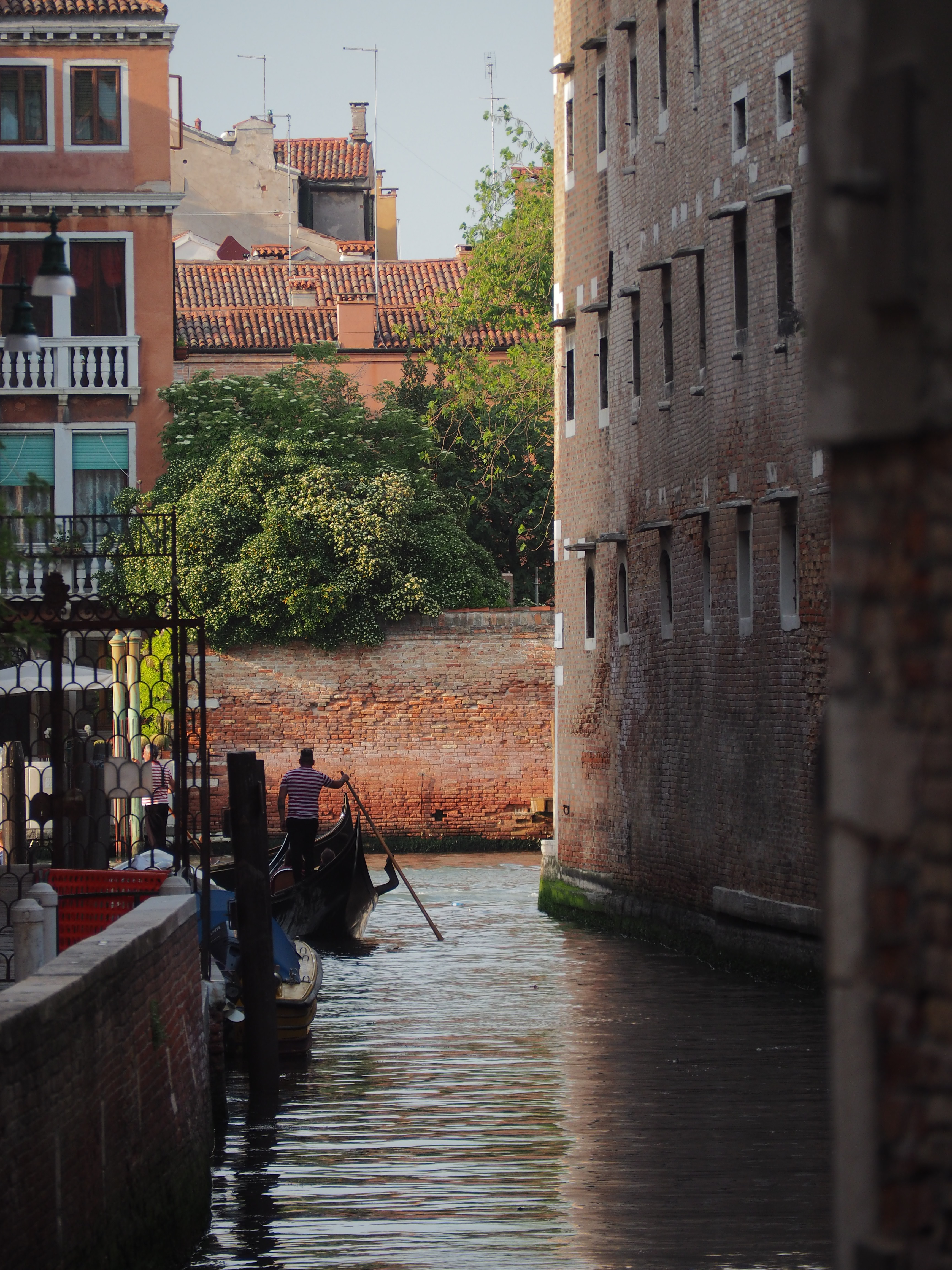
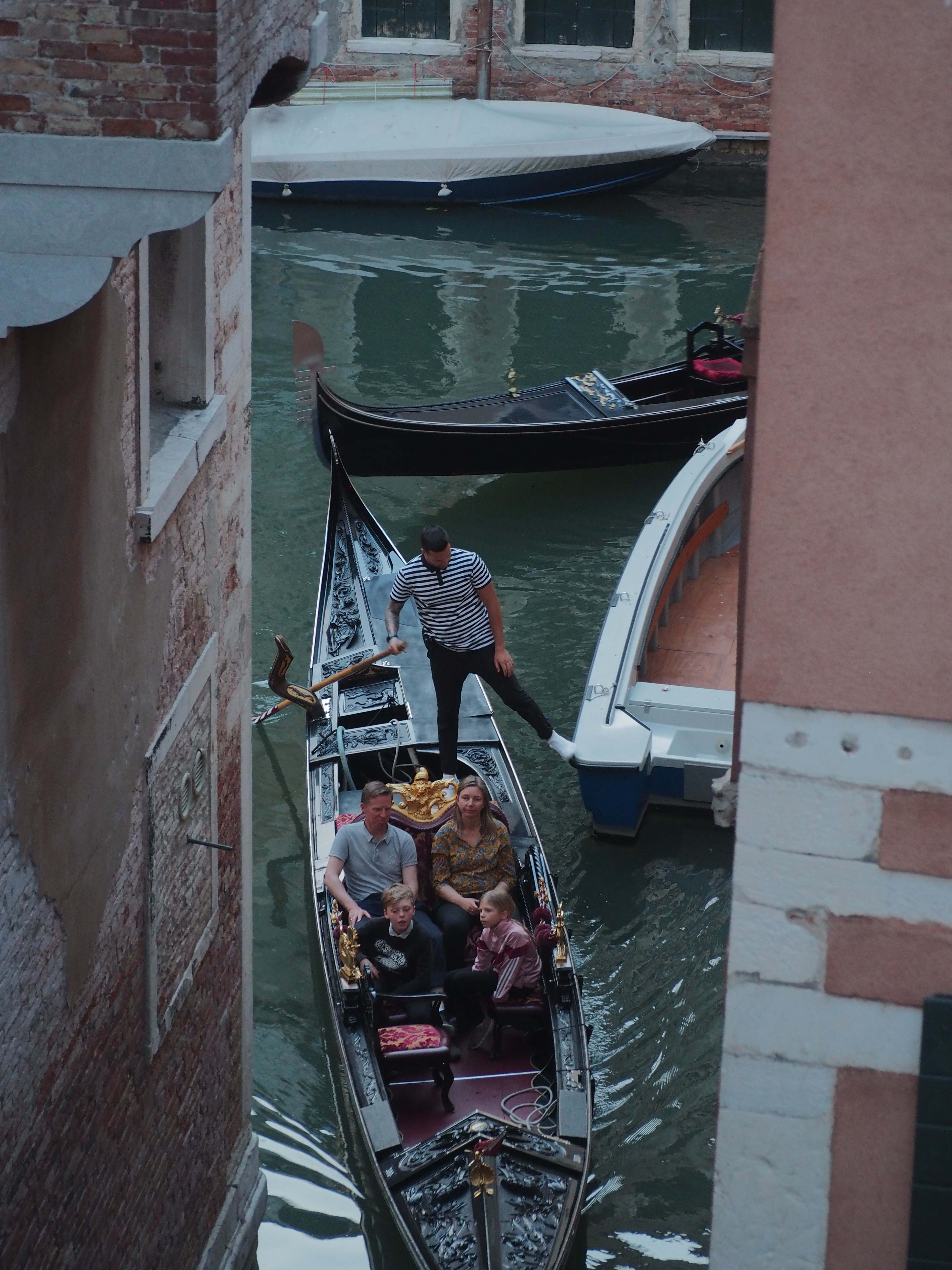
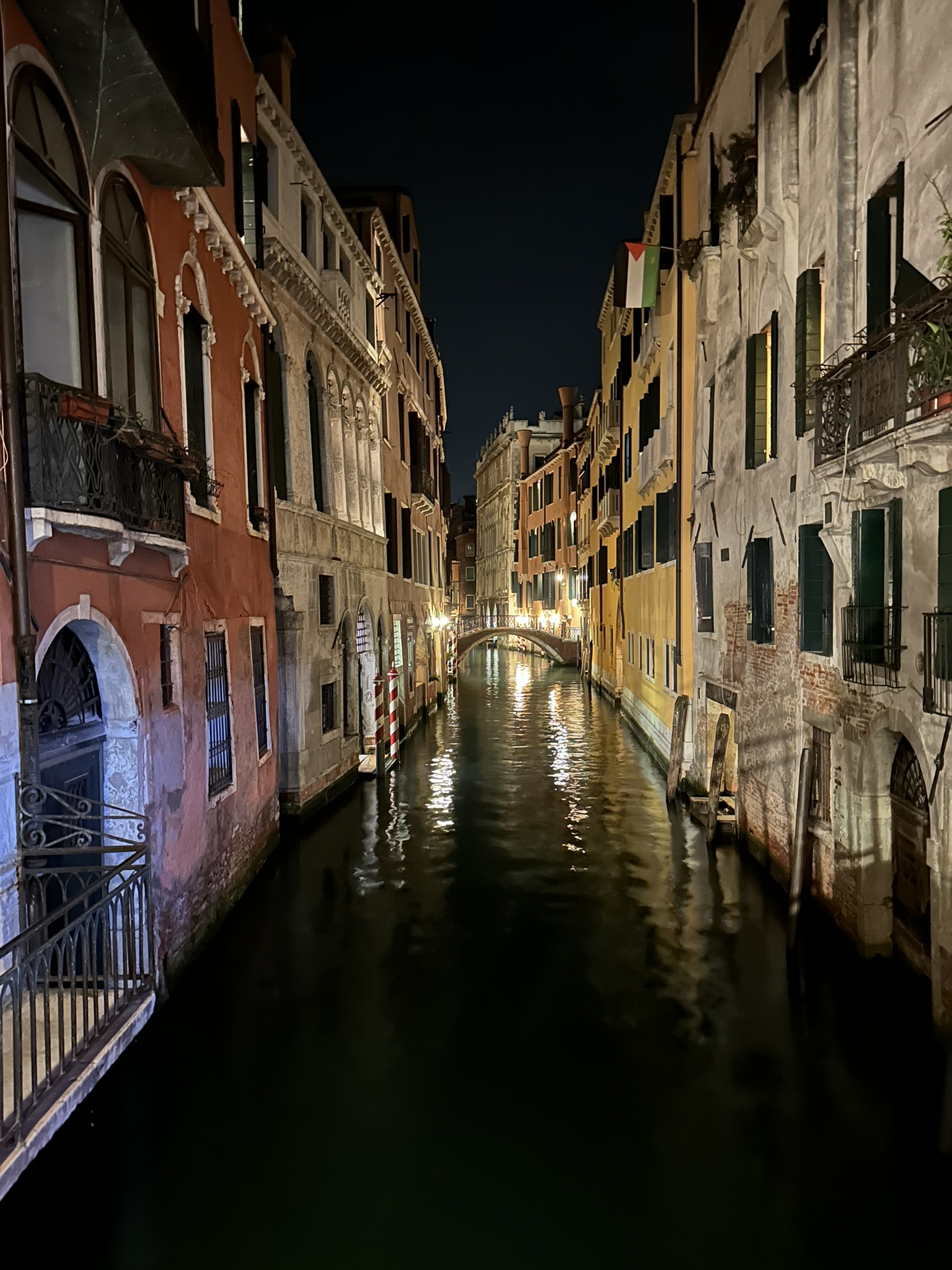
- Gondola, Gondola, Gondola. Touristy? Yes. Expensive? Yes. Must do? At least once. Gondoliers push their human cargo all over the city. We’d recommend cutting off into a neighborhood away from St. Mark’s Square to take your ride, you’ll get to see some of the sleepy charm of residential Venice and not be gawked at by the hoards amassing on bridges overlooking the central canals.
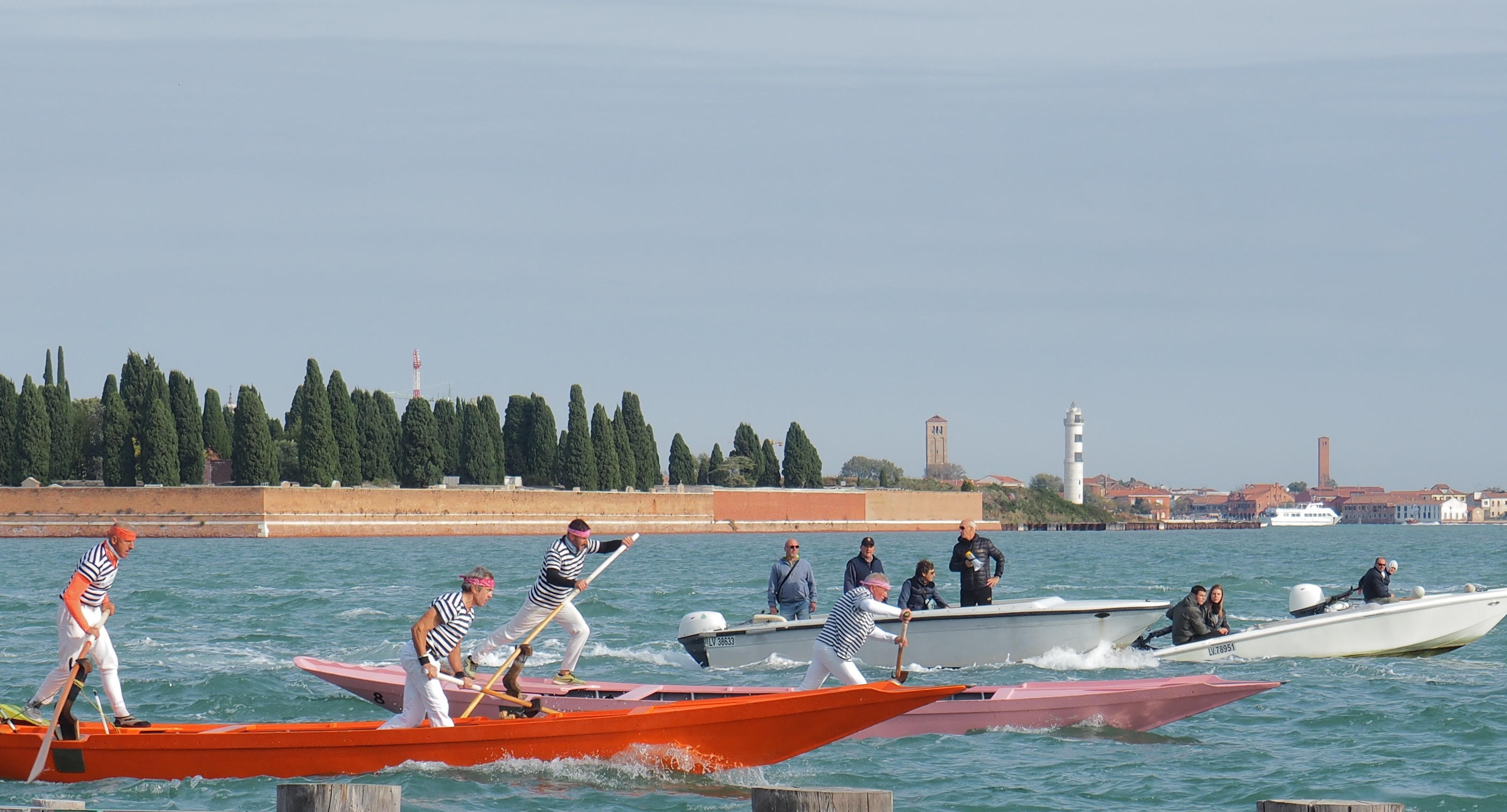
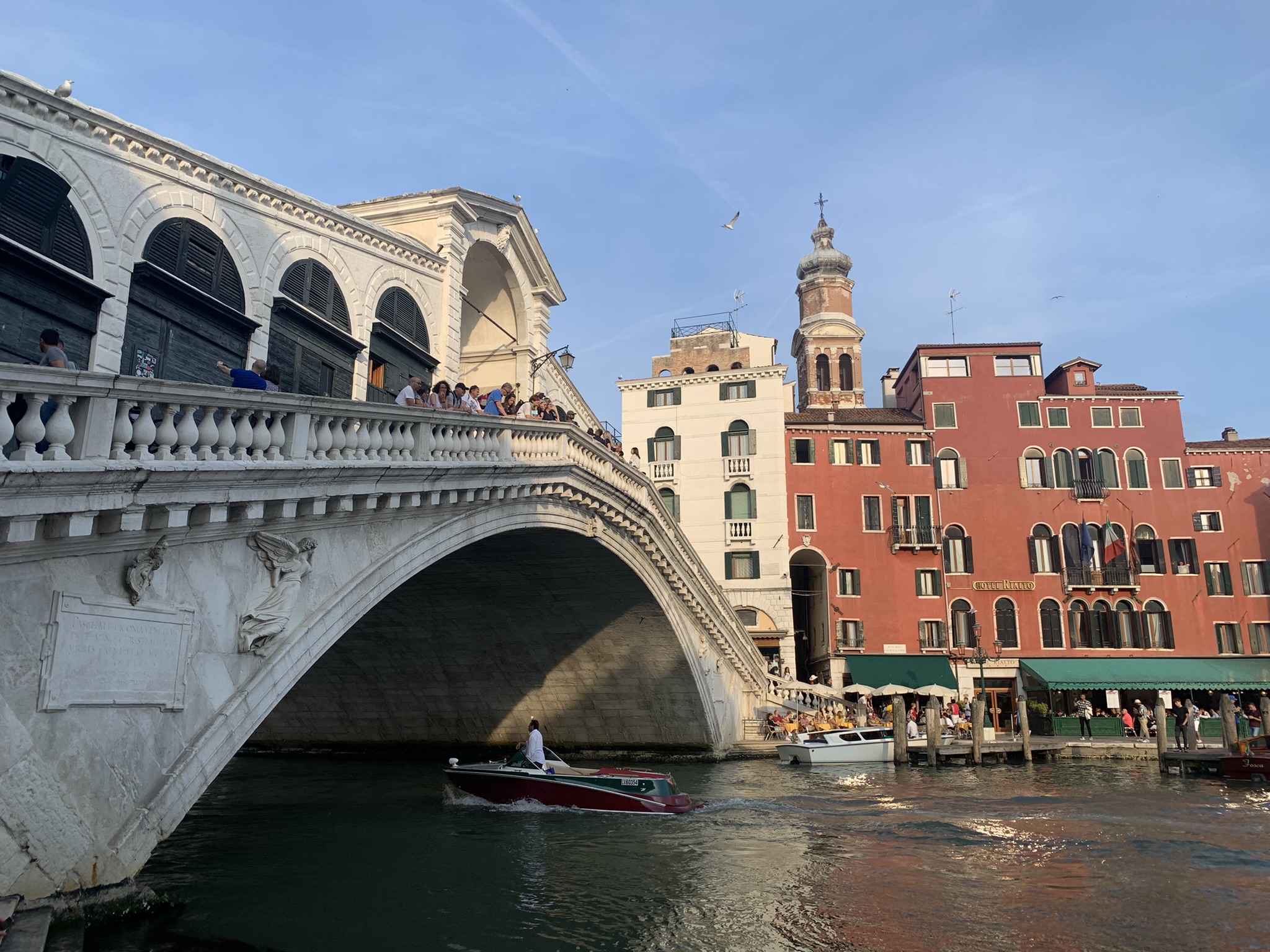
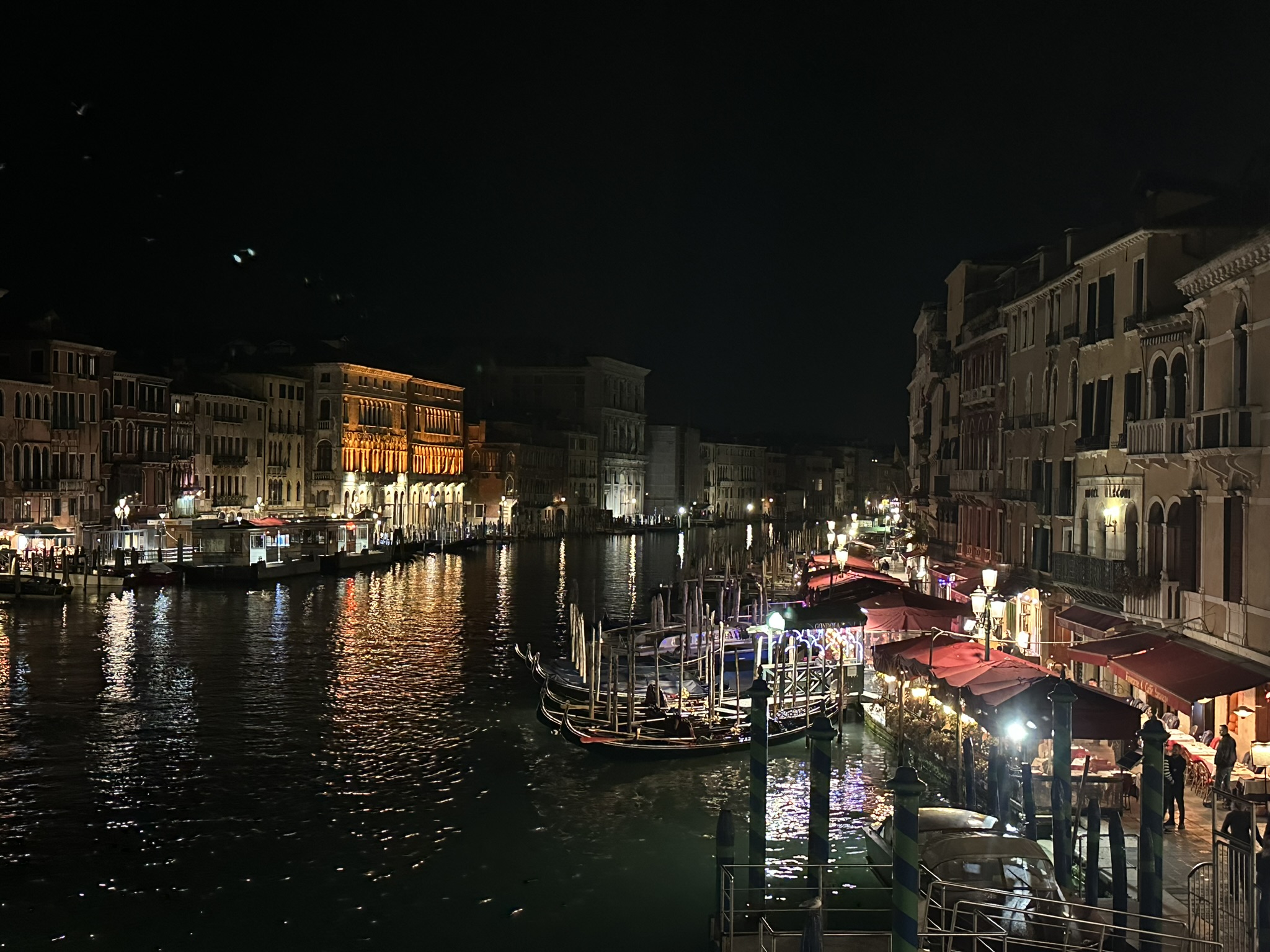
- Experience the glory of the Grand Canal. You can walk along its banks up from St. Mark’s Square, cross it with the masses of humanity and selfie-takers over the Rialto Bridge or on the Ponte dell’Accademia (a considerably mellower crossing) or arrive at it via train at Venice’s Santa Lucia station. And while we recommend all of that, to really experience it, we would suggest taking a water taxi down it. A water taxi can be a thrilling experience, especially in good weather, as you stand and let the wind whip your hair (in my case not much of it) as you cruise under bridges, past gondolas and cargo boats from your point of embarkation to your destination.
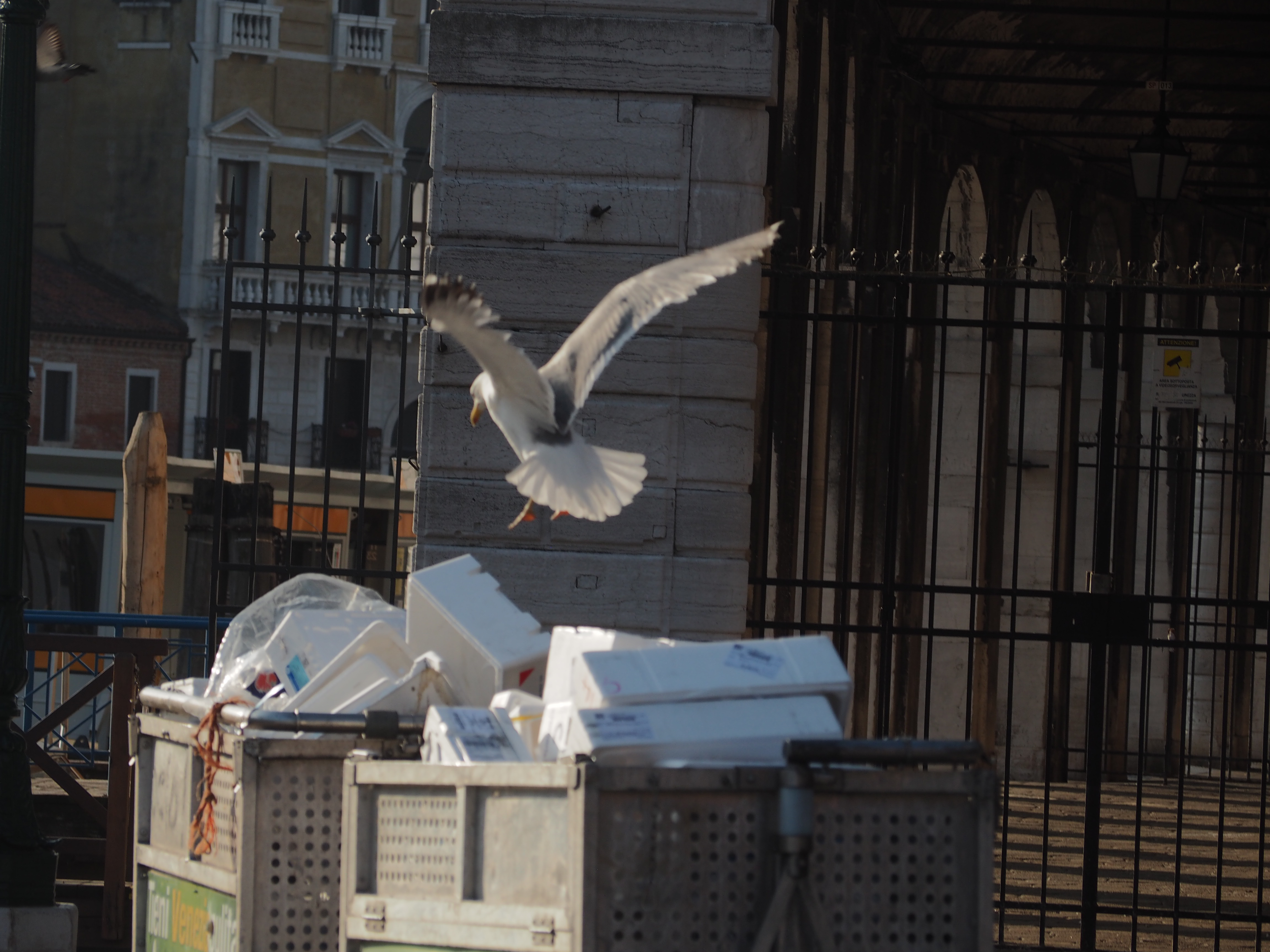
Also, on most weekdays, near the Rialto Bridge, the fish market is worth checking out, especially if you’re an early riser.
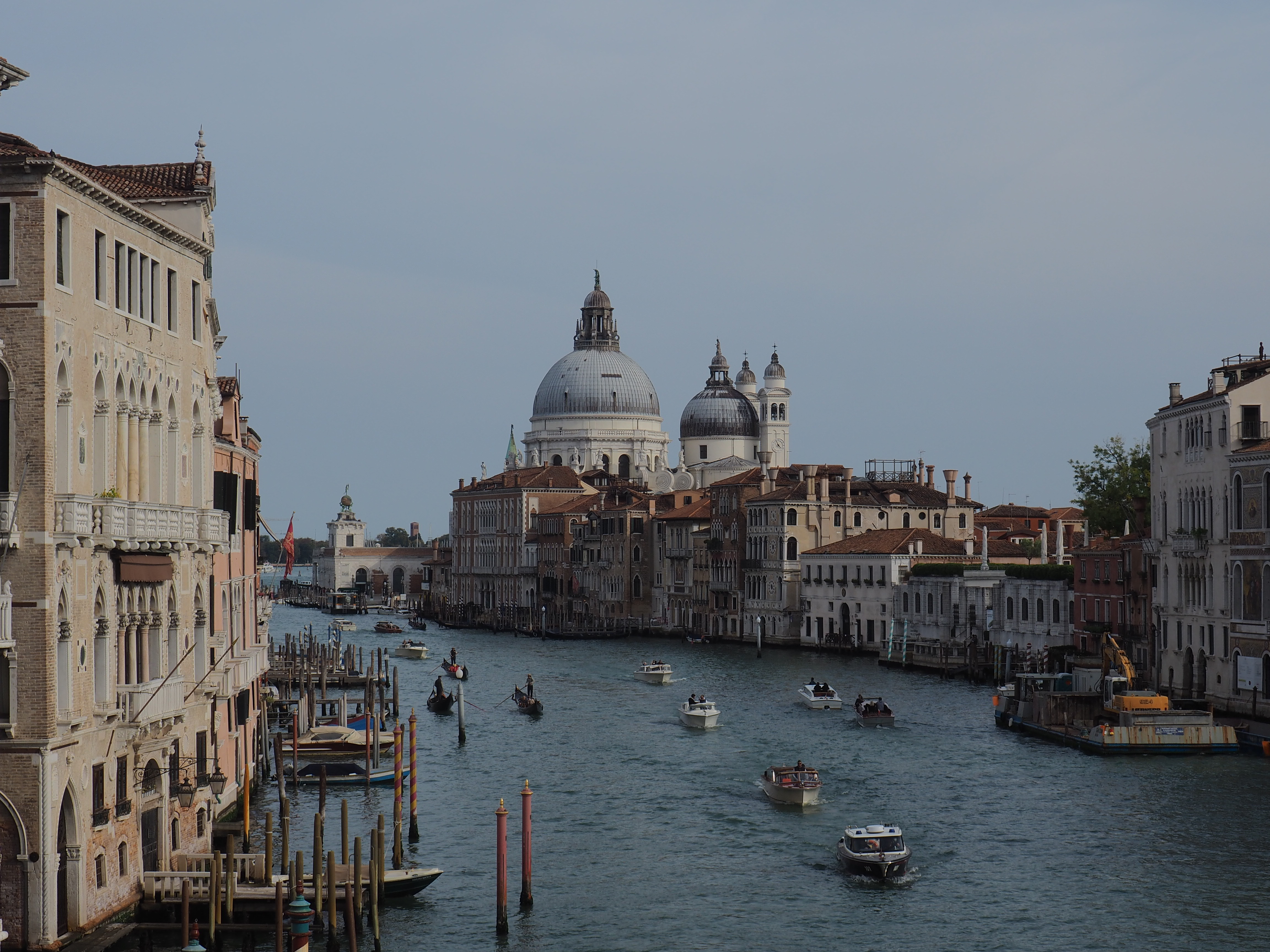
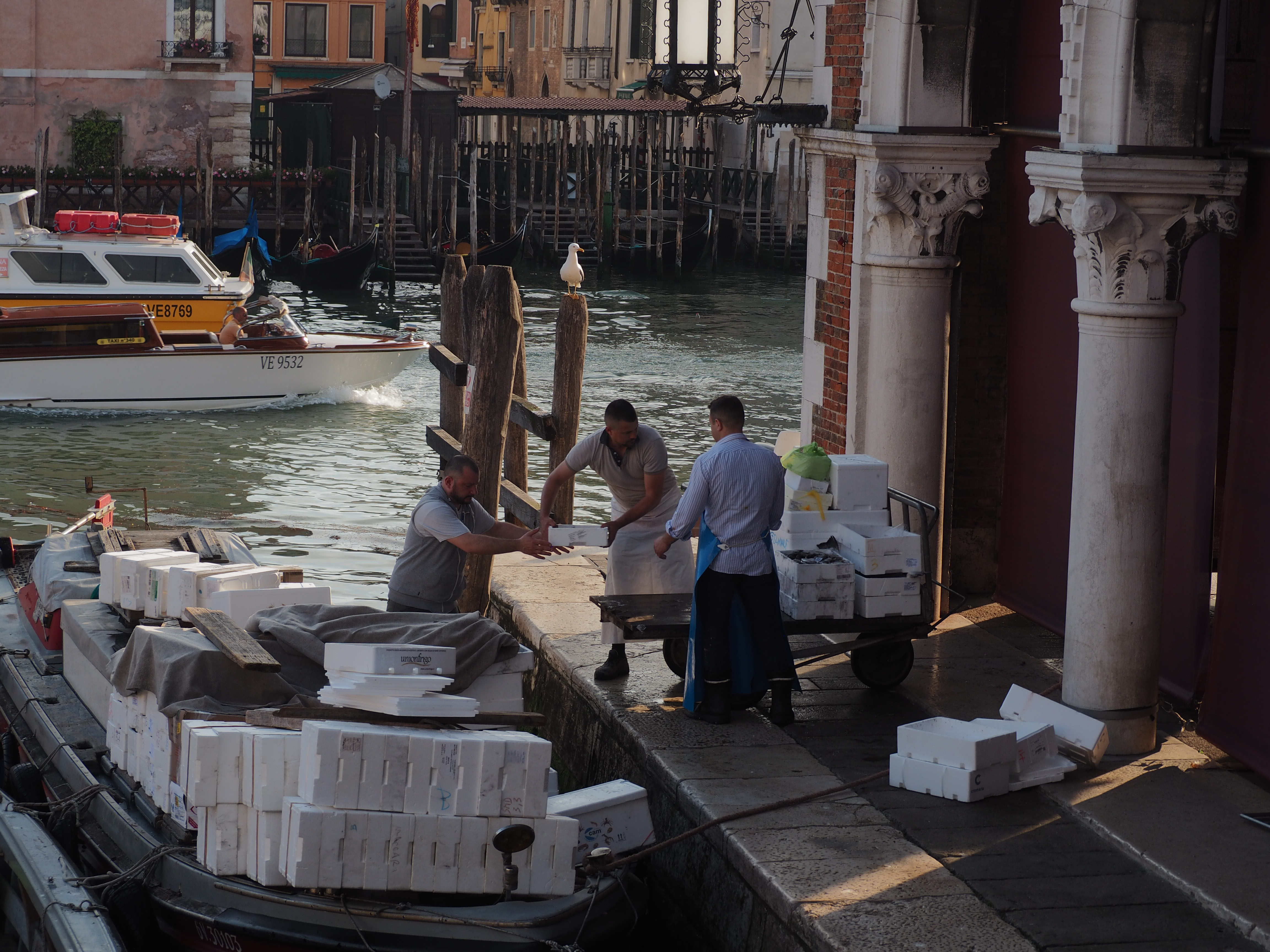
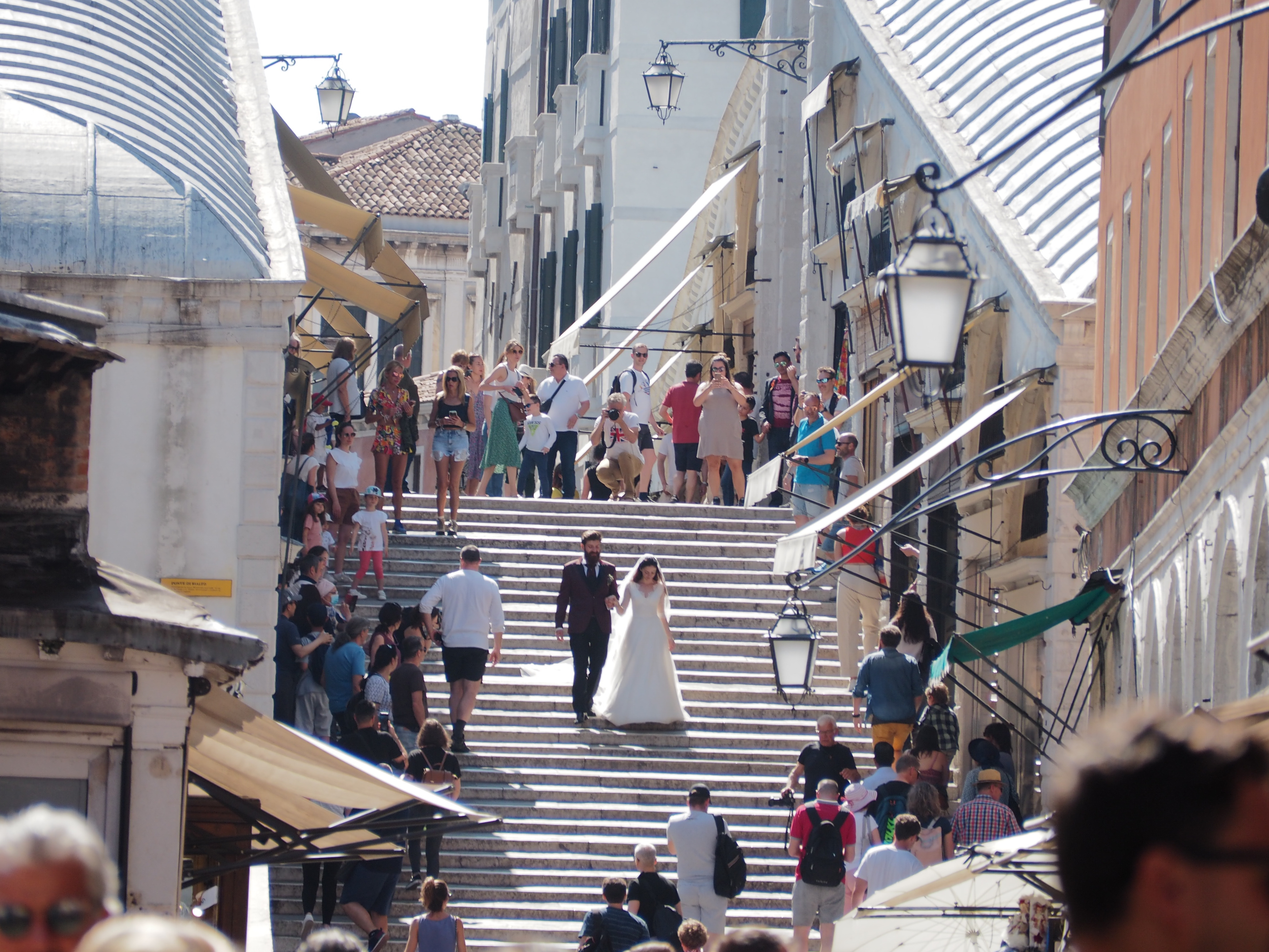
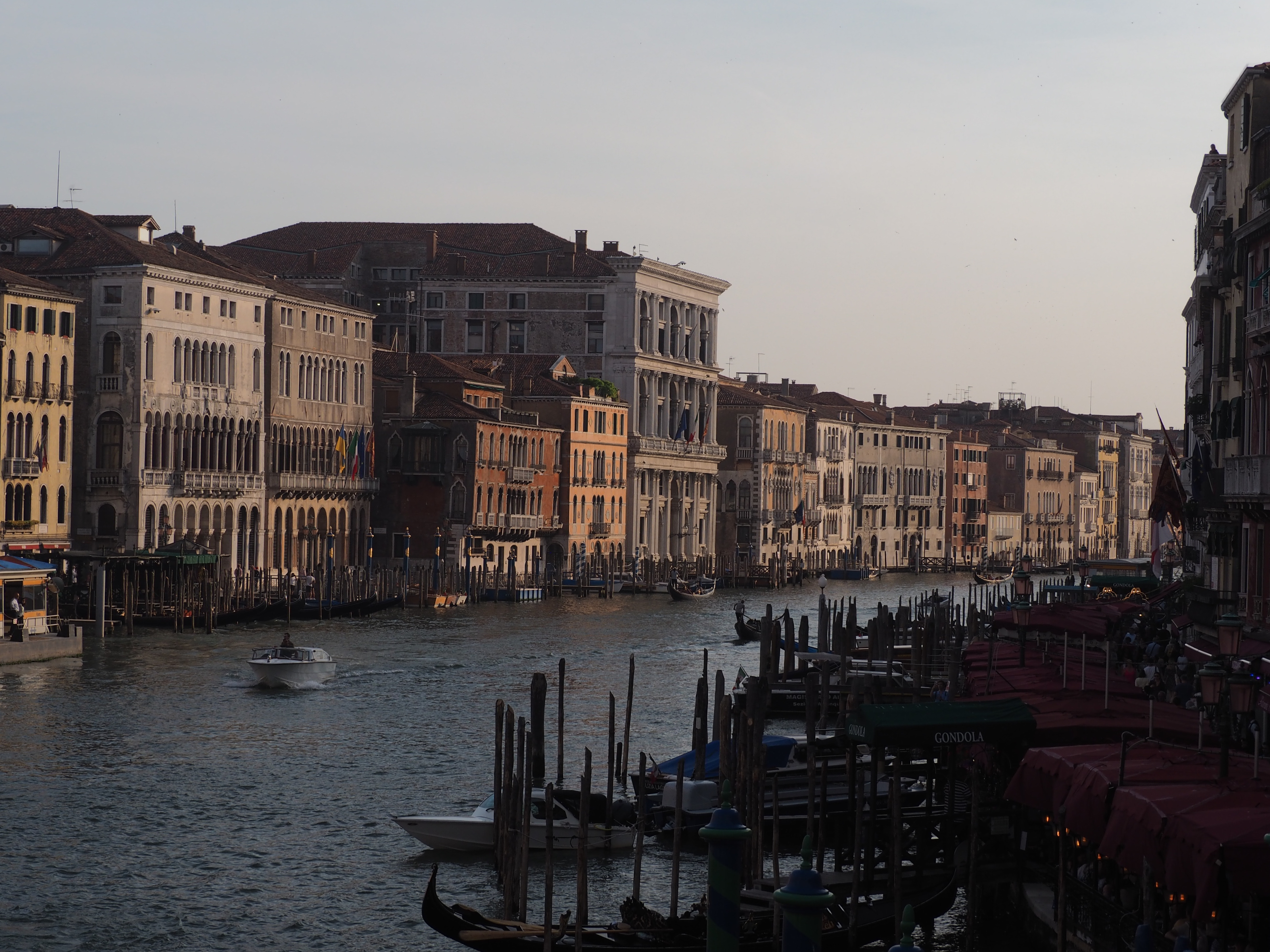
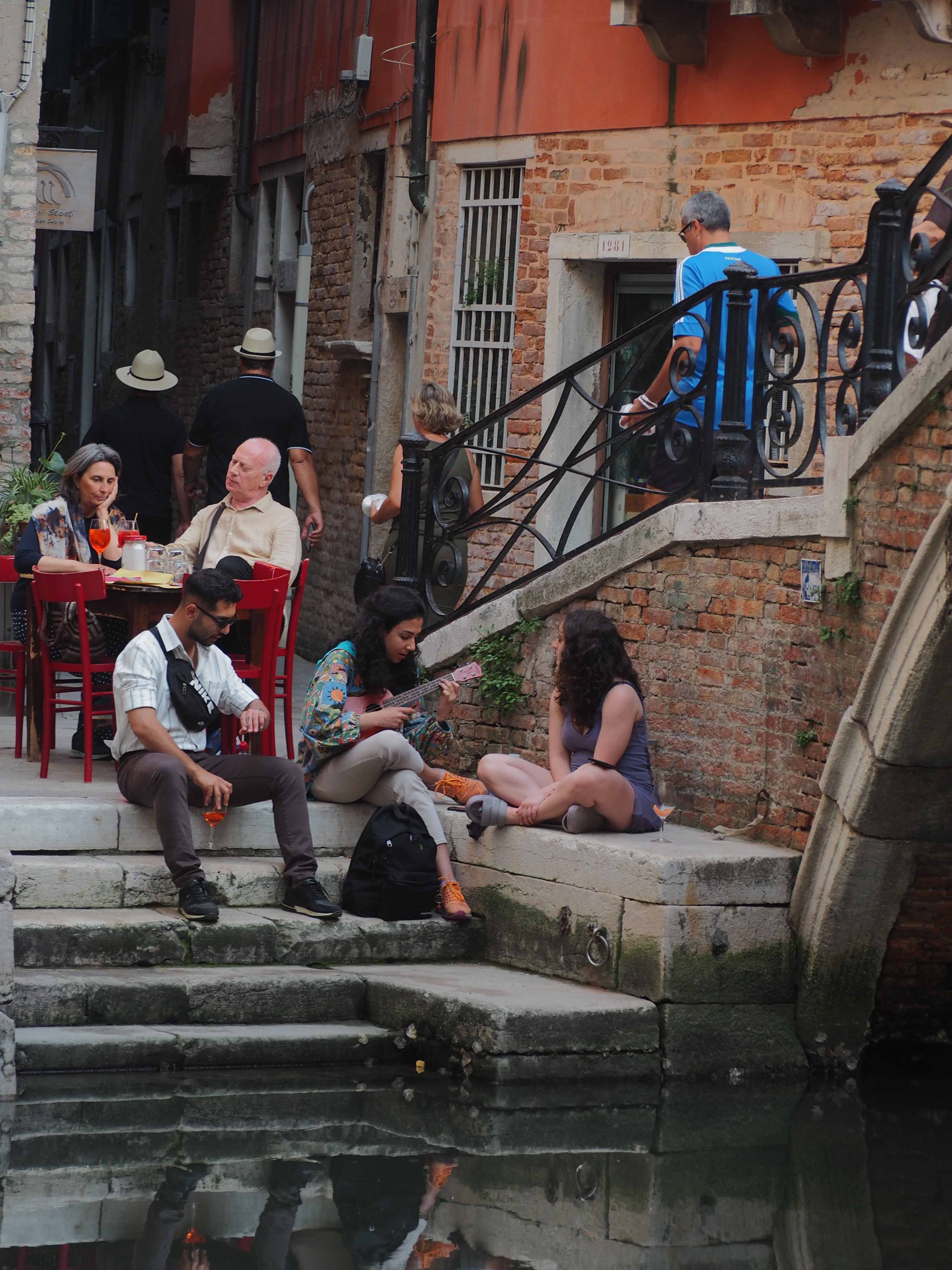
- Visit (or stay in) the neighborhoods. It is absolutely worth visiting St. Mark’s Square, Basilica and the Doge’s Palace, crossing the Rialto Bridge, taking in views of the Bridge of Sighs and the Grand Canal and then get the hell away from them. To us, the magic of Venice is found in its fish market, in its off-the-beaten path churches and piazzas, in its shops selling more than magnets and postcards and imitation masks, in its quiet alleys and sleepy canals and in its neighborhoods.
On our previous visit, we stayed in Santa Croce and experienced, for a short stint, what it might be like to live in Venice, shop at the local Coop grocery store and watch the gondolas slip quietly home underneath our terrace.
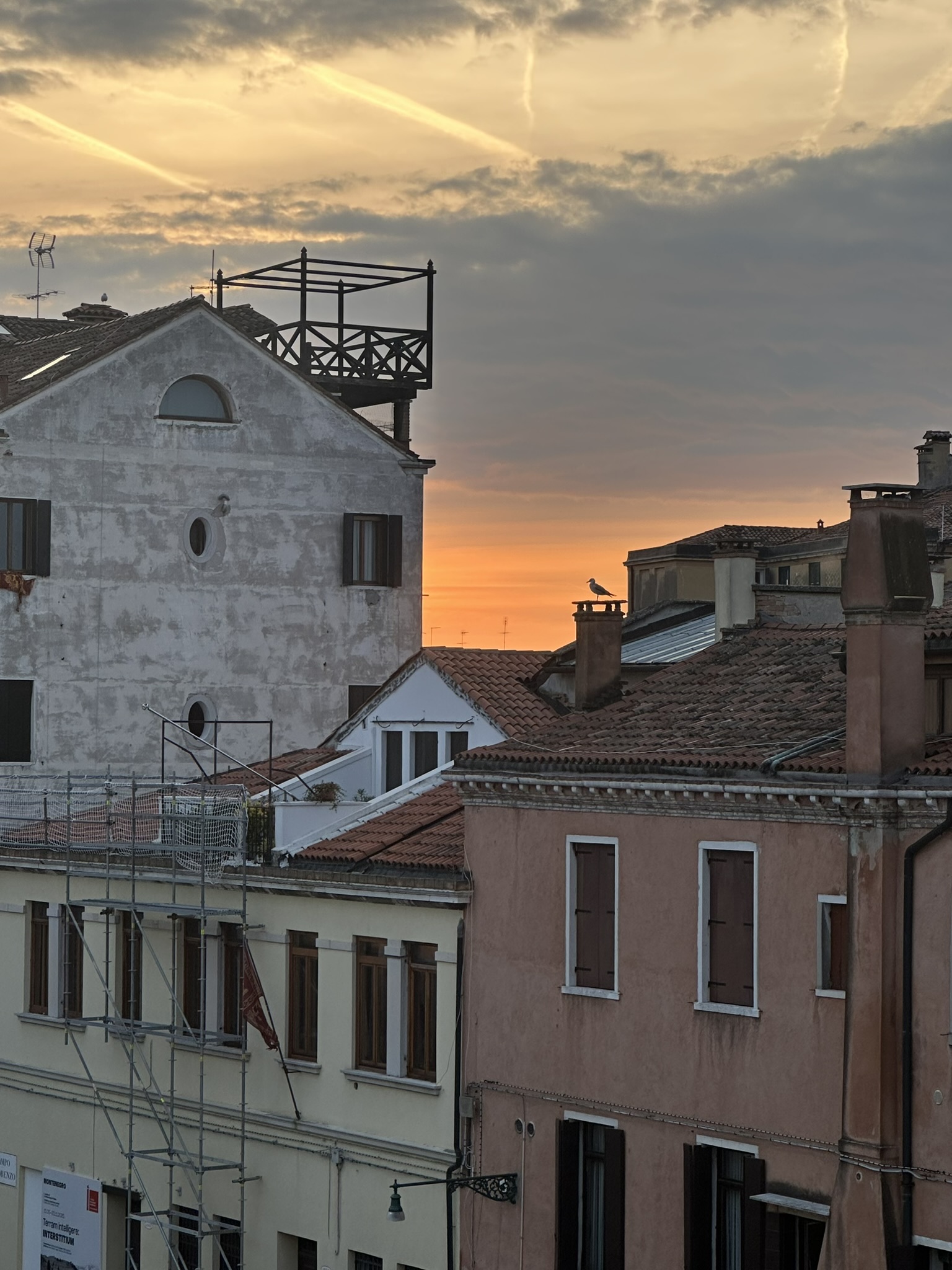
This last time, we stayed in Castello and experienced a whole new part of Venice, sharing happy hour with the locals at a stand-up bar, eating in excellent neighborhood restaurants and taking a long walk through gardens, parks and neighborhoods at the east end of Venezia under the impressive clothes lines strung across canals drying out the week’s laundry in advance of the coming rains.
Out in the neighborhoods, you’ll get to experience the true feeling of Venice.
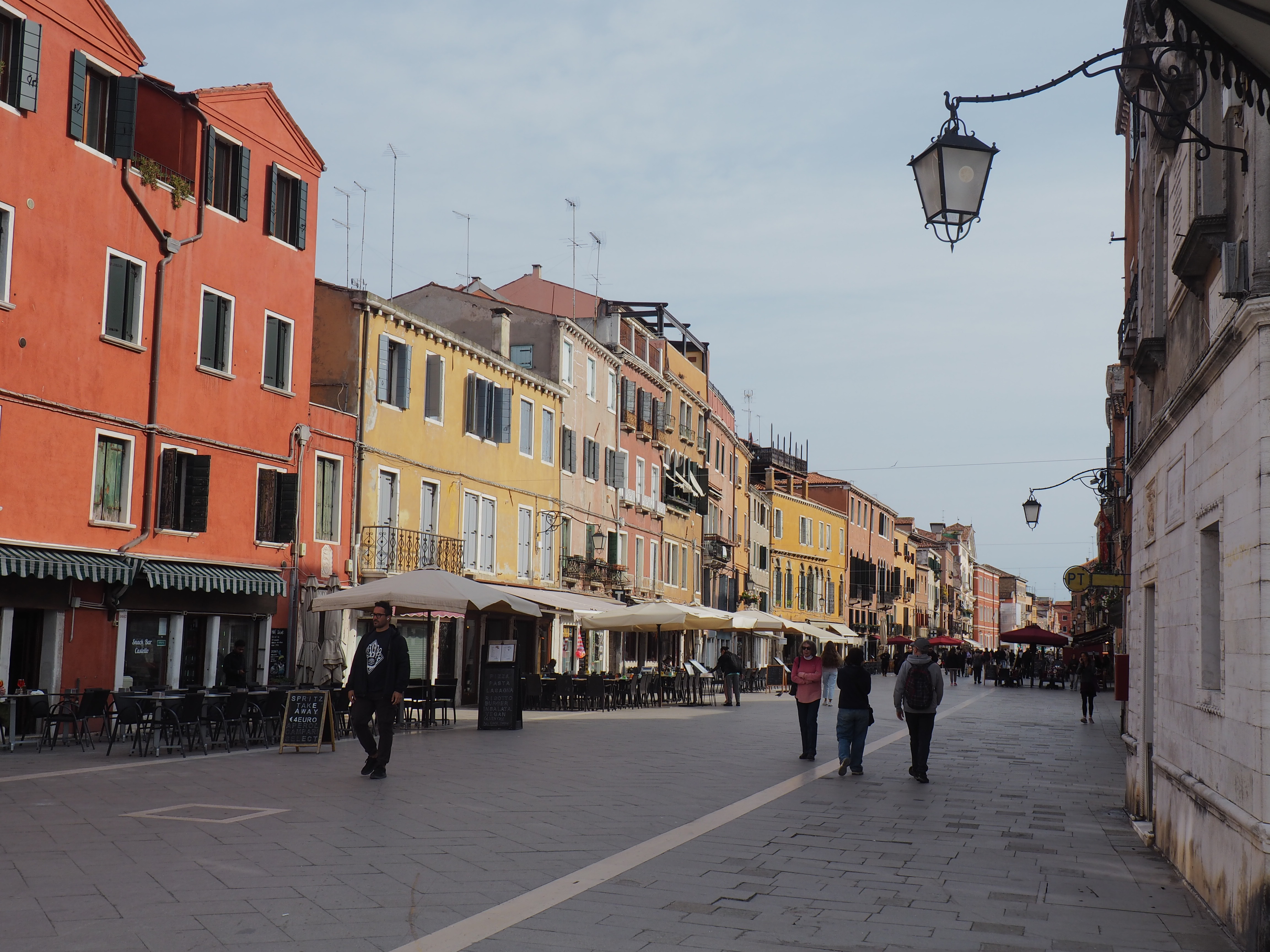
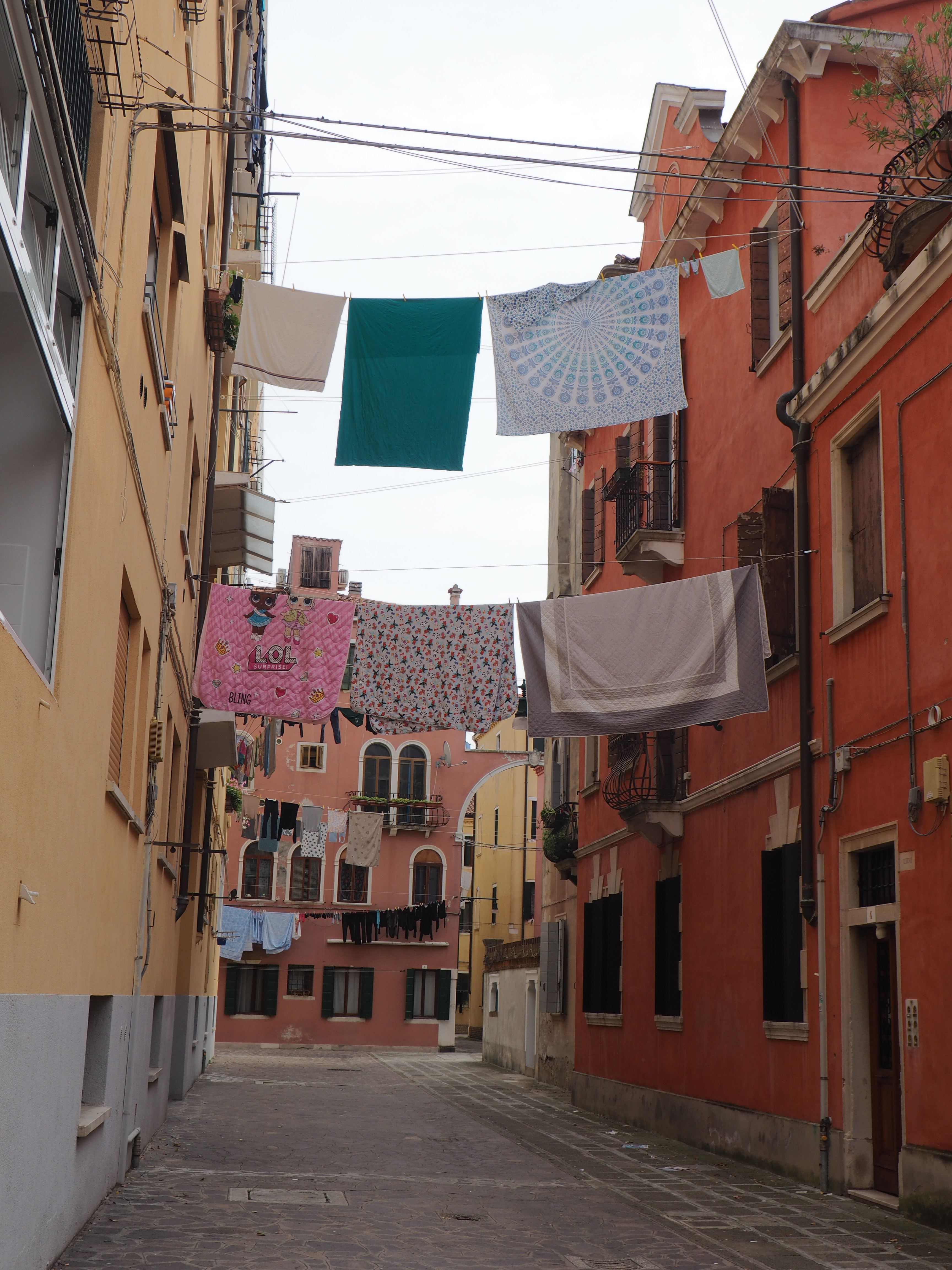
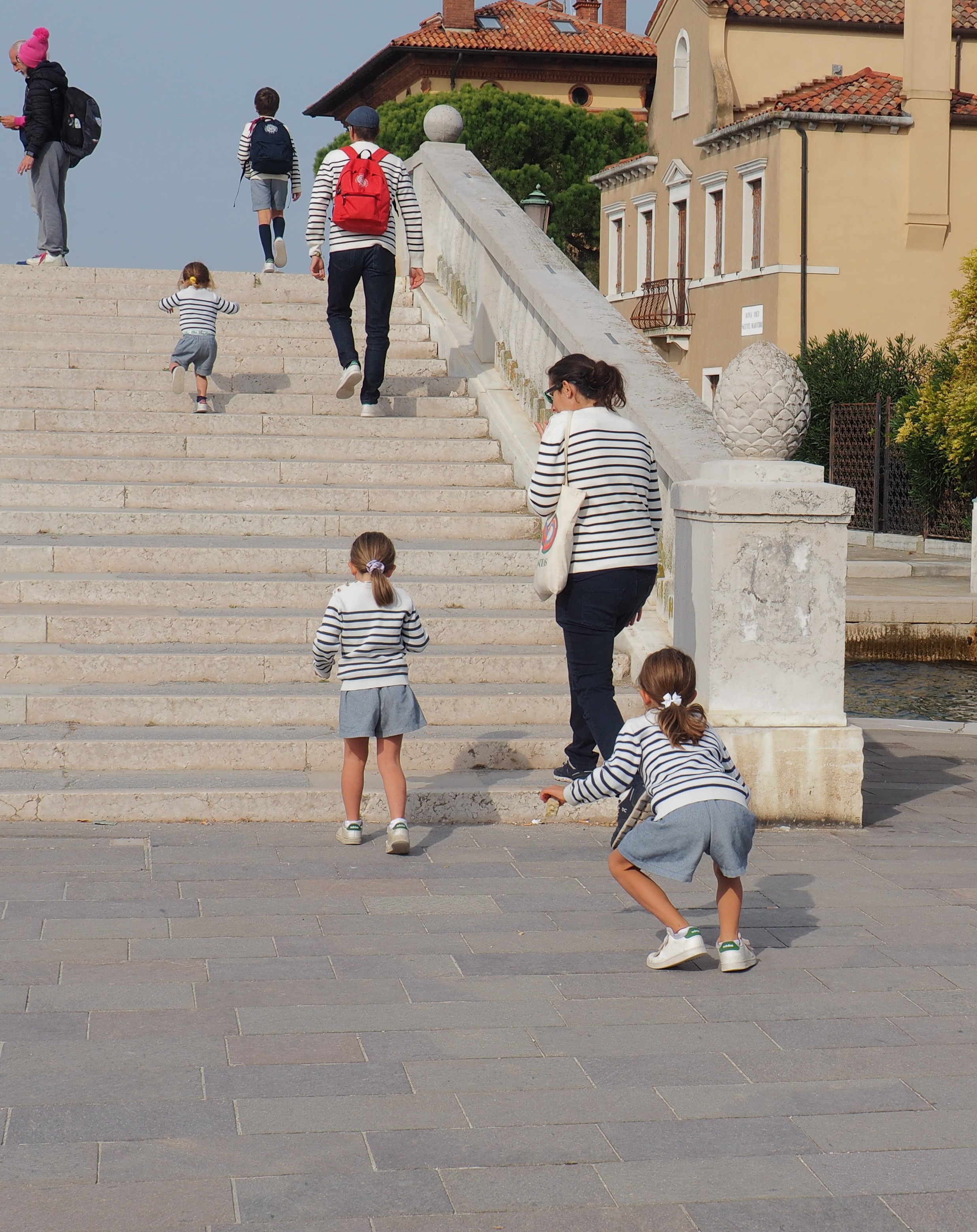
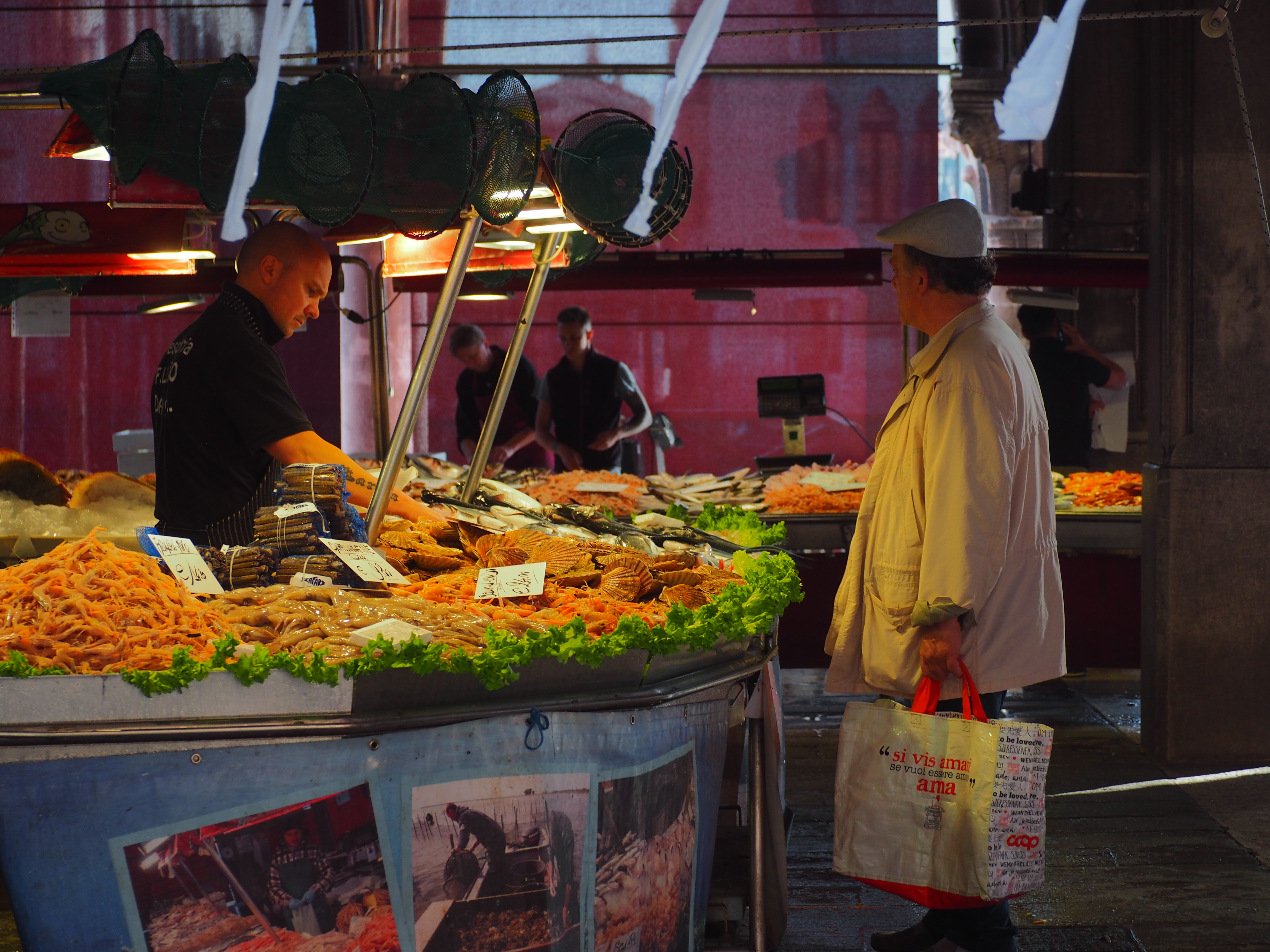
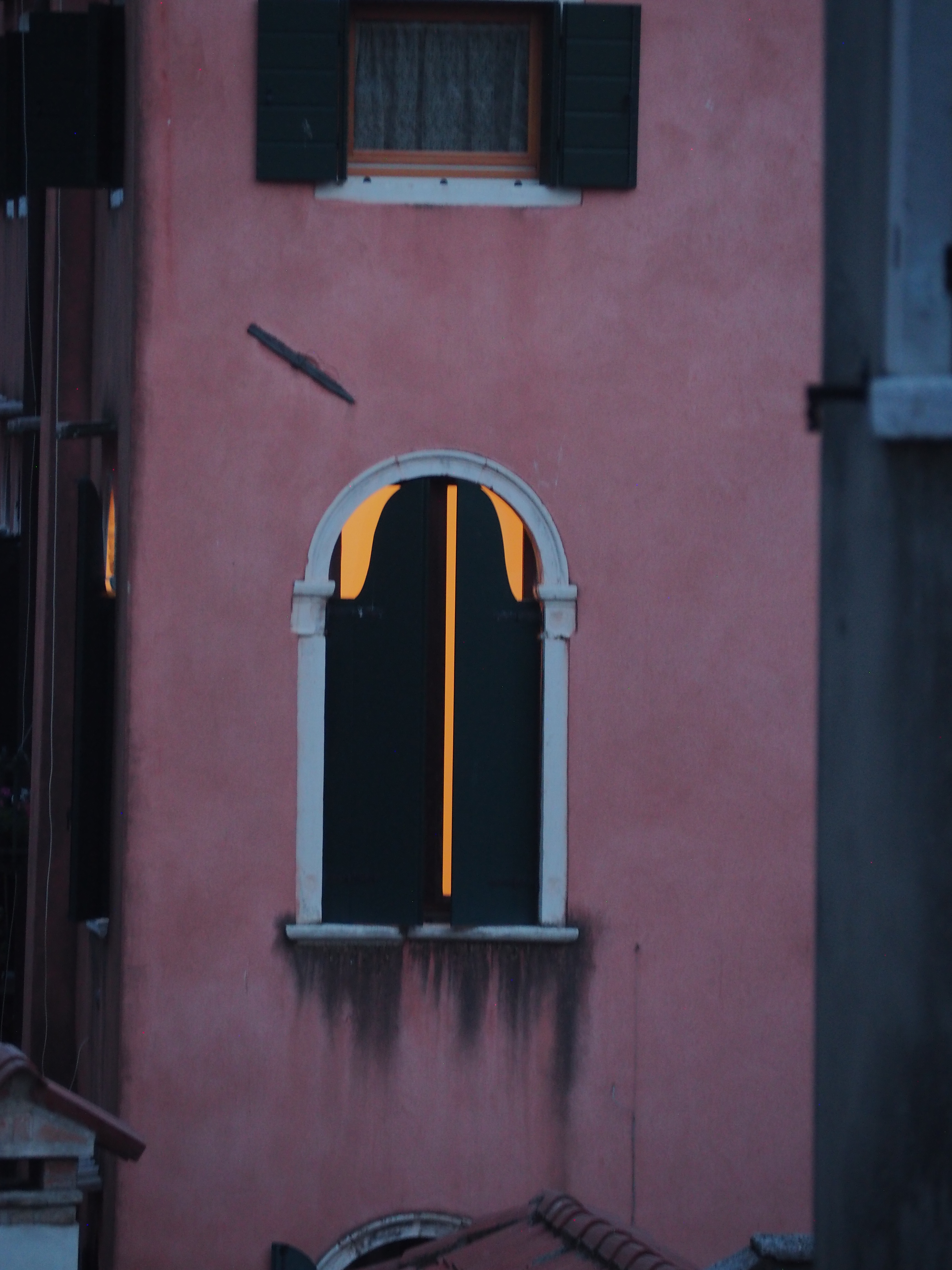
- Get lost. Whether you want to or not, you will. When choosing an alley to turn down the rule that the larger one must be right is often, well, not. On our first trip, pre-smartphone, I used pre-printed Mapquest maps and our hotel supplied one to try to navigate. Three years ago, Google maps was not always helpful and we found (while trying to find our apartment) that sometimes there are two bridges with the same name. This last time, Google maps had improved (although sometimes still had us floating along in a canal or on top of a building even though I’m quite sure, based on personal experience, we were not).
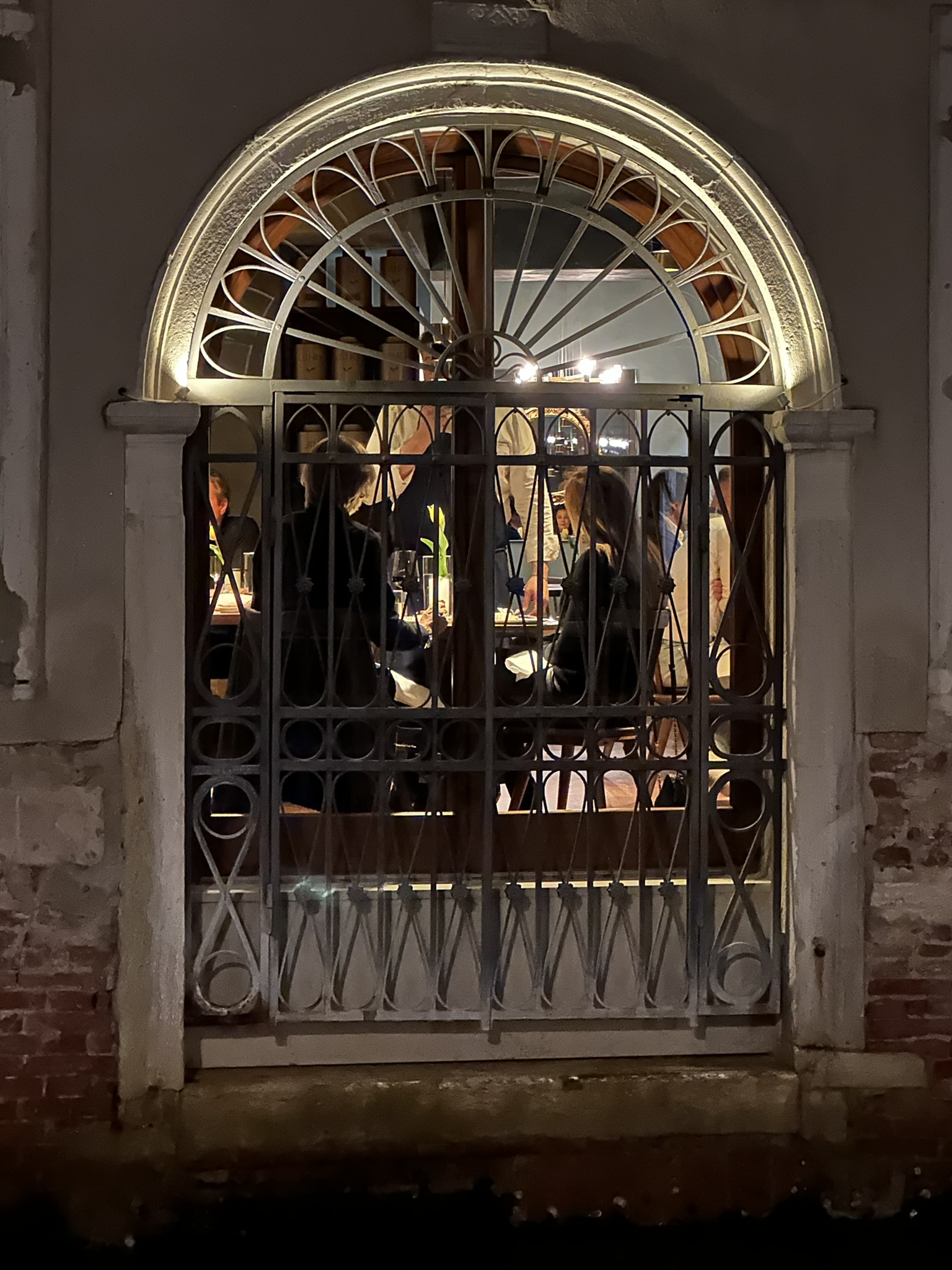
But part of the fun of Venice is getting lost, turning around, finding a secret (or previously unknown to you) square and stopping for an aperitif or a coffee. It is not a place to hurry and rush. It is a place to take your time. And if you’ve got a dinner reservation, to leave for it early and allow time to get and to be lost. - Squid Ink Pasta. Speaking of dinner… while we’ve subsequently had the dangerous-to-your-white-clothes black ink slathered over and in various pasta dishes across the world, Venice is where we first tried it nearly 15 years ago and it is a quintessential Venetian dish. While its origins may be Sicilian and its influences include the Spanish, we will always associate it with Venice where it became popular and where we first tasted it. You don’t have to be that adventurous to try it and you never know, you may just fall in love with it, provided you go home with only stained teeth, not clothes.
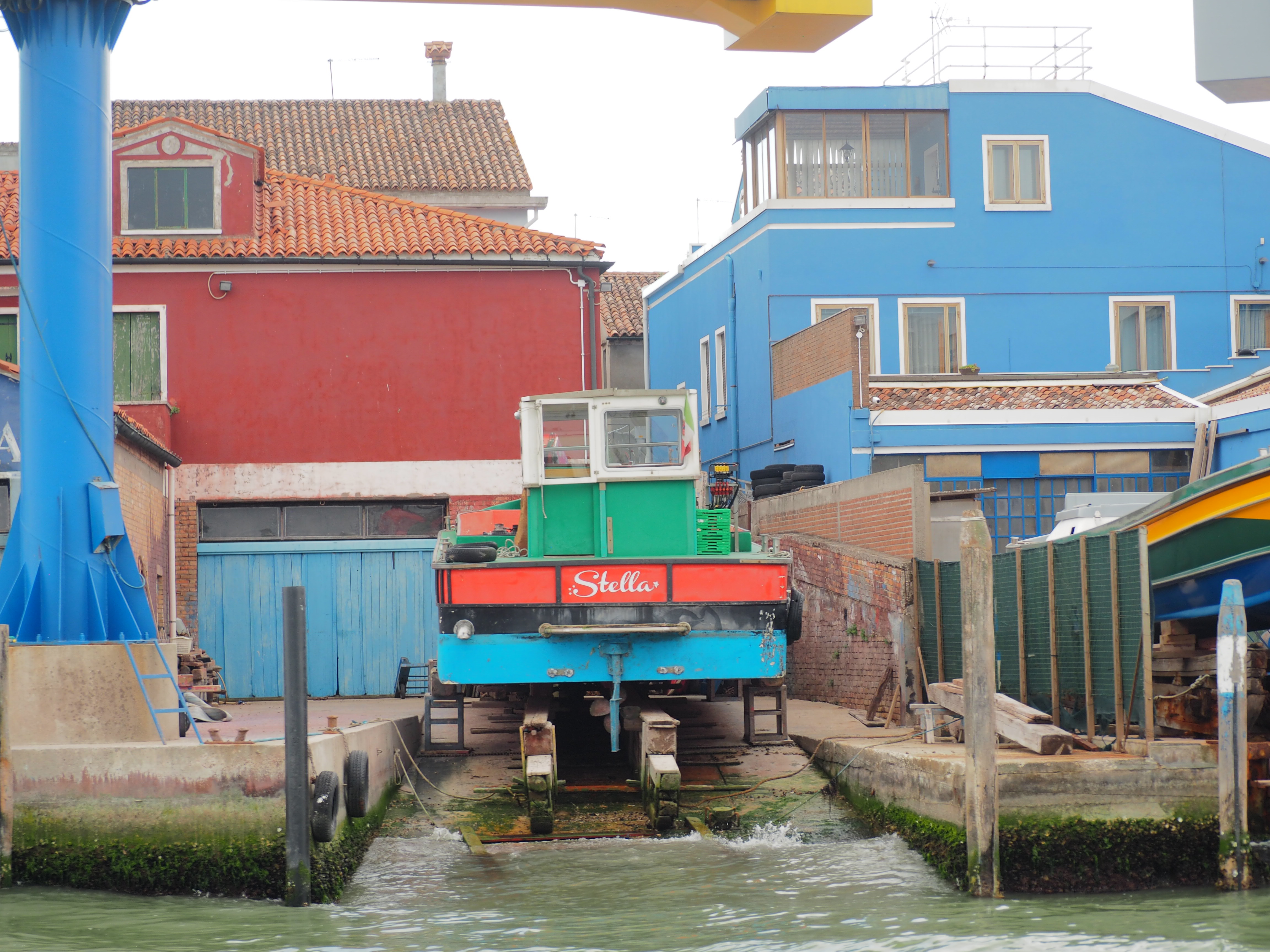
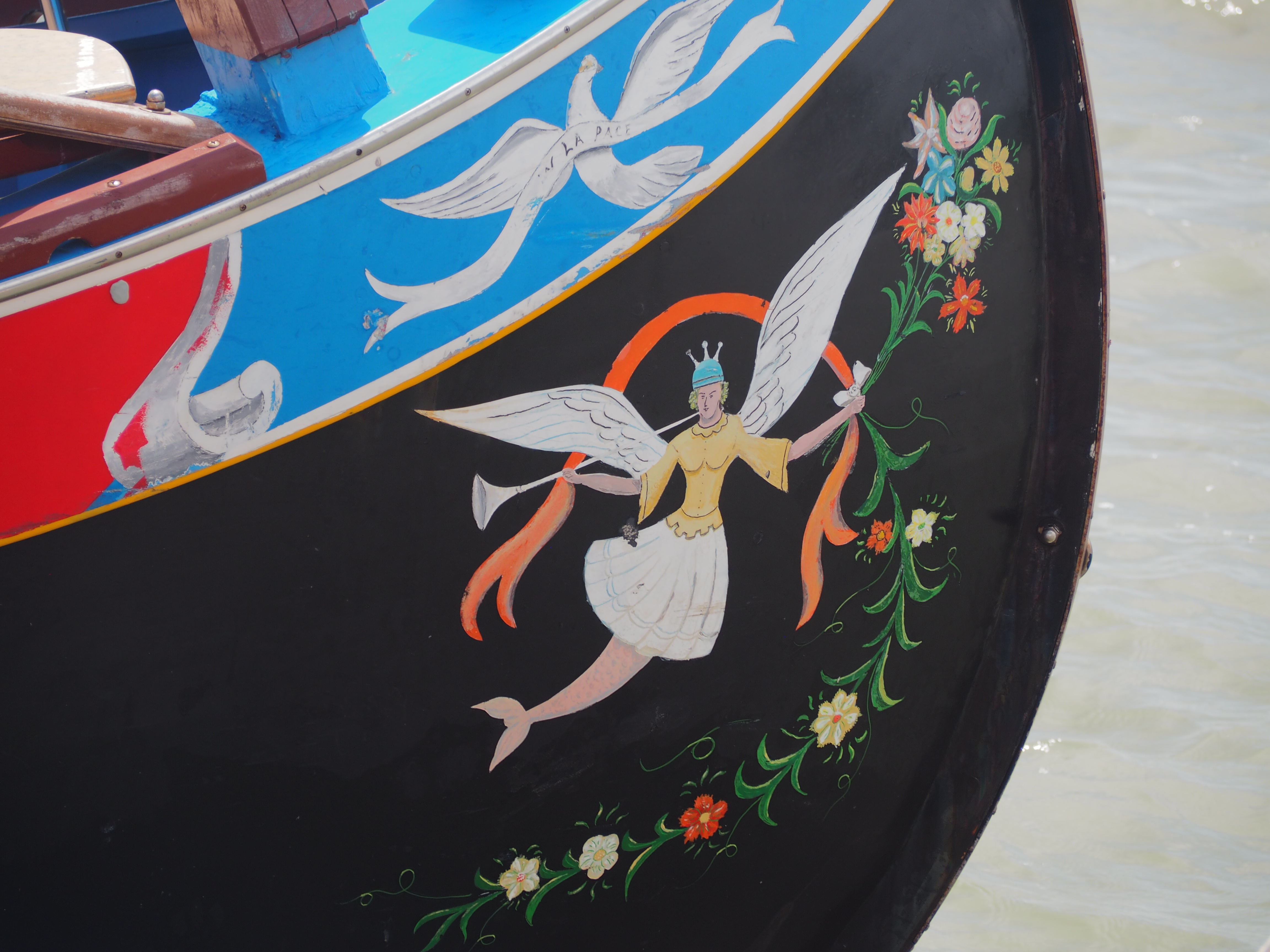
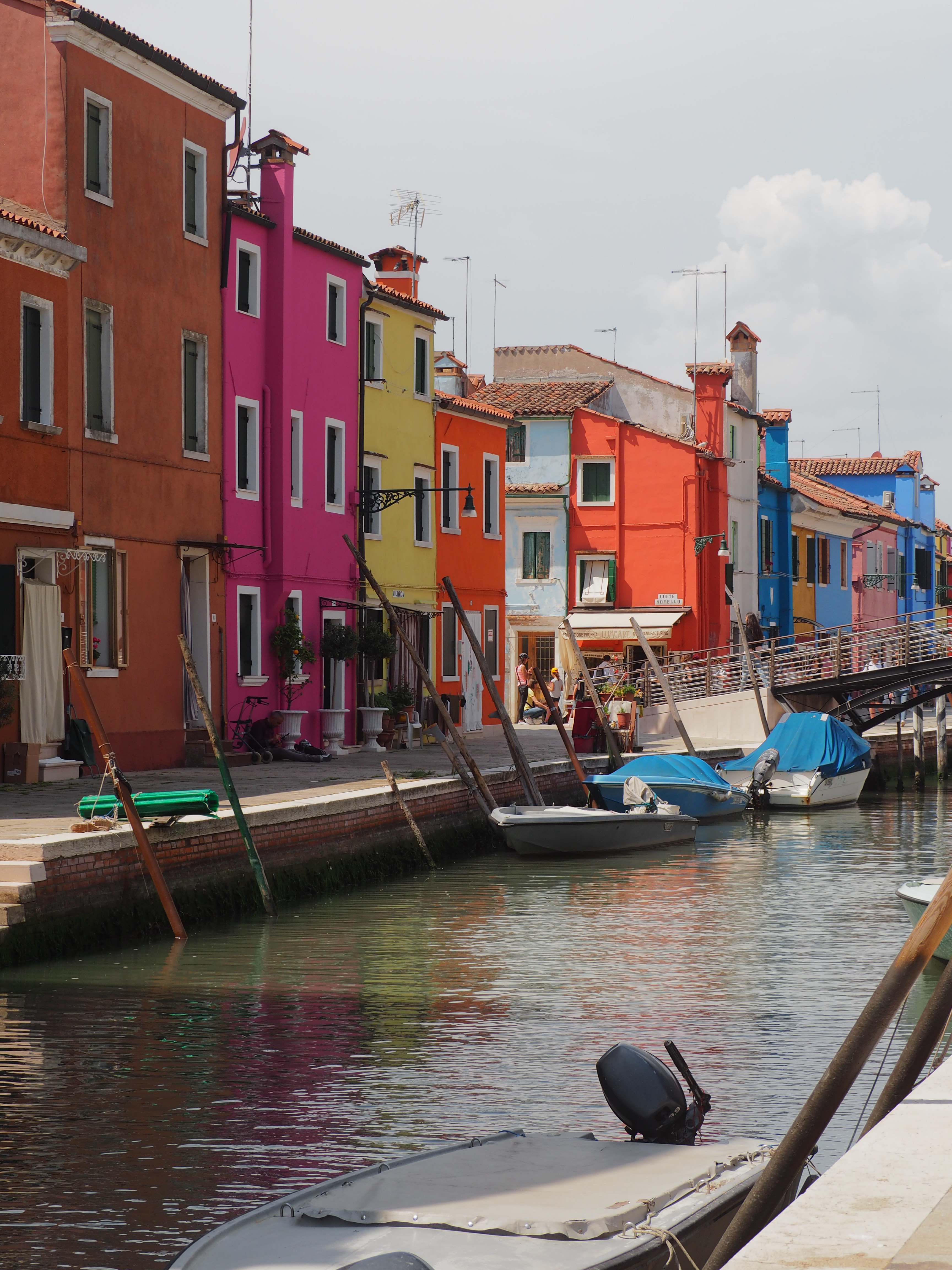
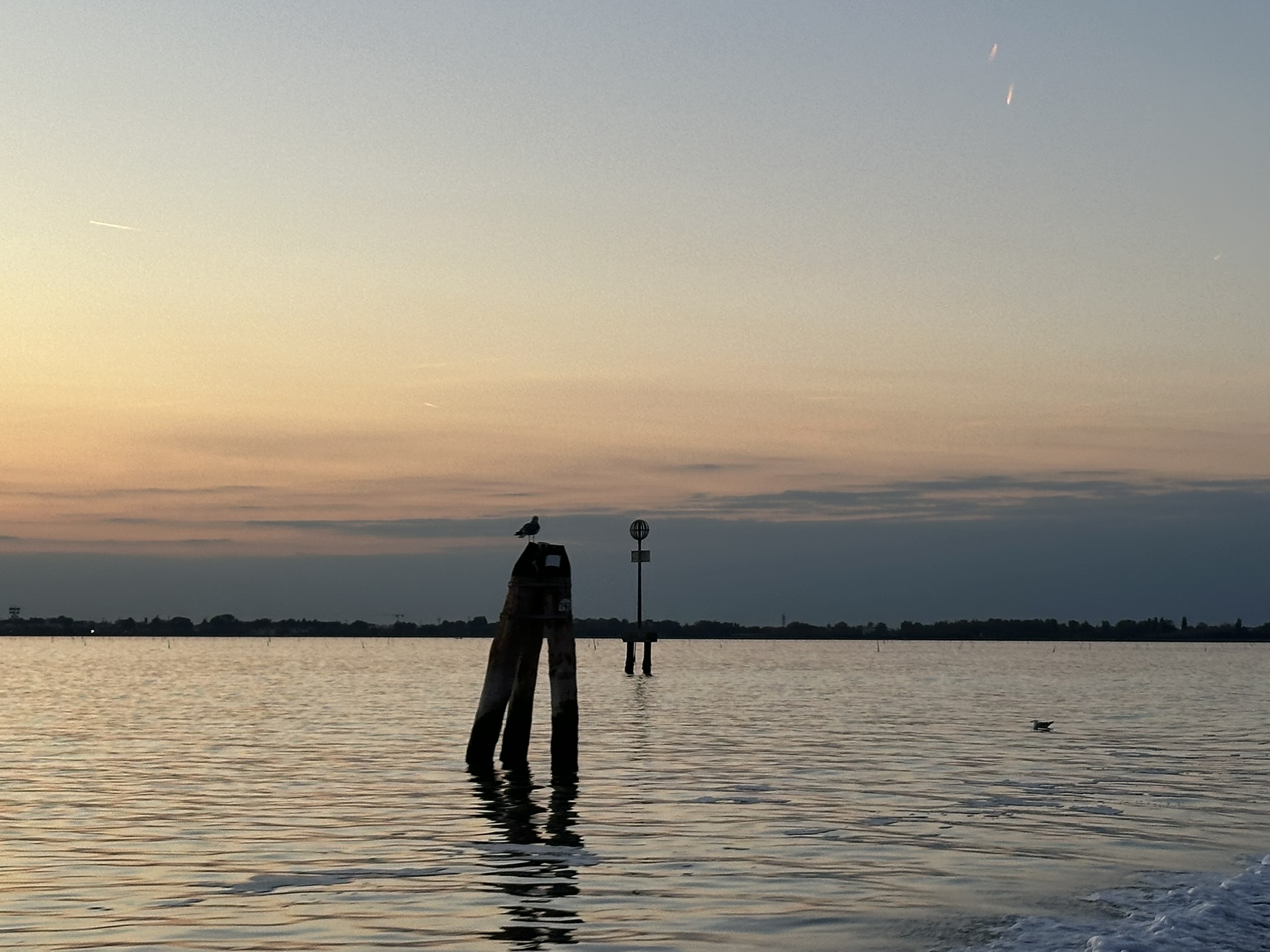
- Visit an Island. Murano is popular for its famous glass, but we visited the fishing village on the island of Burano thinking it would be a sleepier alternative. It was not. Colorful buildings lean and line the banks of its canals and sidewalks. We went for a birthday lunch for Melissa (sans reservation) and when most of the people did NOT exit the vaporetto (water bus) at Murano as I expected I quickly searched for well-reviewed restaurants and we beelined for one scoring one of the last tables. Poorly laid plans… but it (fortunately, for me) worked out. Once you’ve had time to visit the major sights, wander the neighborhoods, and take in a gondola, consider branching out to one of the neighboring islands.

- Venice in the Shoulders. Summer is crowded and hot. Winter can be cold and grey. If your schedule permits, try visiting Venice on the shoulders in Spring or Fall. Our two previous trips together were in Spring (one as the summer season was ramping and amping up) and this one was in Autumn. If you’re looking for fewer cruise ships, fewer crowds, less heat but still good weather try visiting Venice in the shoulder seasons.
- Buy local. One final note. For the cruisers and day trippers out there, Venice has a love / hate relationship with the cruise ships. It now charges a day-tripper fee during peak times. Your cruise company can probably answer any questions you might have, but my point is don’t just get off your boat or train, take photos and buy nothing. Take a tour with a local, eat a meal or two in the restaurants and support the local economy. I don’t mean to sound preachy, but the stigma of overtourism is combatted best with providing the locals with the benefits of the influx of daily population. Of course, we’d recommend staying overnight in the city, so if your cruise or train journey through Italy starts or ends in Venice consider a night or two to really enjoy this magical city.
This site has some helpful information about other regulations Venice has implemented to try to deal with overtourism, including not feeding the pigeons or seagulls, a rule we could get behind globally.
Whether you come for a day or a week, Venice is unique and its story historic. Every time we come we love it more, and the more we come the more we want to return. While we are no experts, we think if you follow some of these tips you might just make more of your visit to La Serenissima, the Queen of the Adriatic.
Sources:
 The Traveling Ridleys
0 comments on “Our Tips for Travelers to Venice”