

We began our Greek adventure in Paris and ended it in Venice. This might seem an odd route, but there were reasons. For Paris, we’d planned to start off our trip to Greece in Crete and there were direct flights from Paris to Heraklion. Plus, we’d had to cancel a Paris trip with family in 2020 due to COVID and had yet to reschedule.
With Venice, we’d actually planned to take a cruise beginning in Turkey and Greece and ending in Venice with (different) family but bagged it due to expense and extended Greece instead, with a visit to the Peloponnese, so we could keep our flight home, our booked Airbnb and revisit one of our favorite places.
This was our third time together in Venice. The first was the beginning of our first joint trip to Italy where we stayed right by St. Mark’s Square, drank spritzes and dodged pigeons, took a gondola ride, visited the bridges of Rialto and views of the Bridge of Sighs, drank bellinis at the original Harry’s Bar (when it was open) and first ate squid ink pasta.
The second was the end of our two month Italian tour three years ago when we stayed in a neighborhood far from St. Mark’s, spent our days walking through neighborhoods (also dealing with my newly developed Afib), visited Burano, took a Secrets of Venice walking tour and celebrated Melissa’s birthday.
But on neither visit had we actually gone into St. Mark’s or toured the Doge’s Palace. So, this time, we did, with a guide.
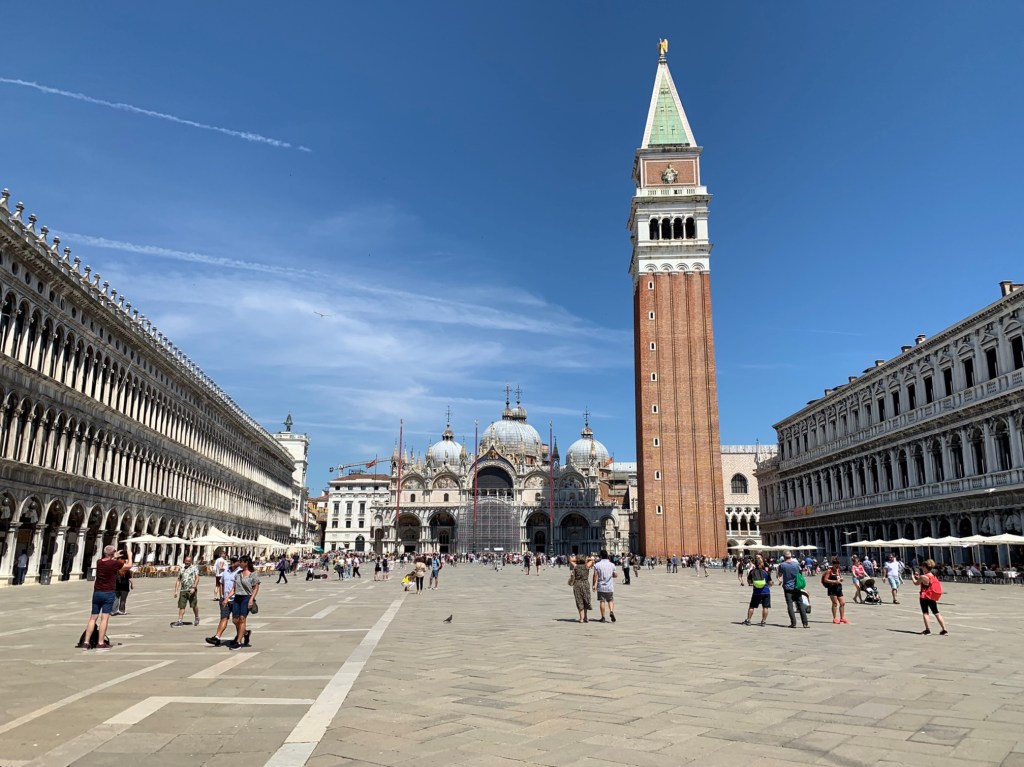
Doge’s Palace, St. Mark’s and Square. We chose Walks in Europe’s tour which included the Palace, the prison and St. Mark’s. We were greeted by Carolina who turned out to be excellent. If your guide introduces herself as Carolina and she refers to the group as “my guys” (as in “Allora, my guys, my guys”) know that you’re in for a treat.
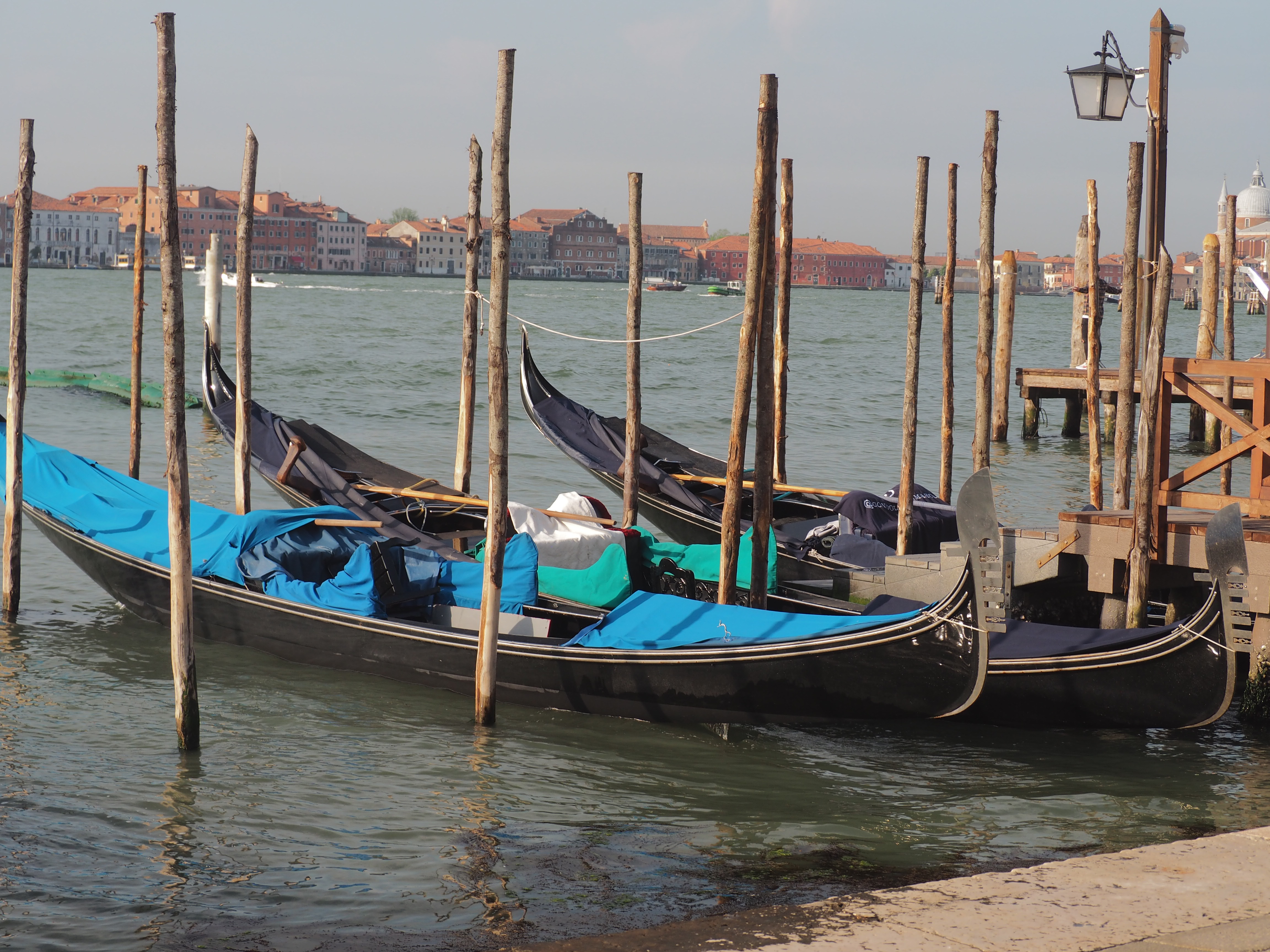
St. Mark’s Square. We began overlooking Lido Island and San Giorgio Maggiore at the edge of the Grand Canal. “Water has always been the strength of Venice”, Carolina said, as she explained that Venice was built by the inhabitants of area Roman villages escaping barbarians who used tree trunks as posts, swamp mud as mortar and rock to build a foundation in the middle of the swamp that was then the lagoon (the wood eventually petrified becoming hard as stone because of the minerality of the water in the lagoon). The Square was the center of the independent government of Venice in the 9th century and as the Venetians rose to power through conquest and trade it became all the more important.

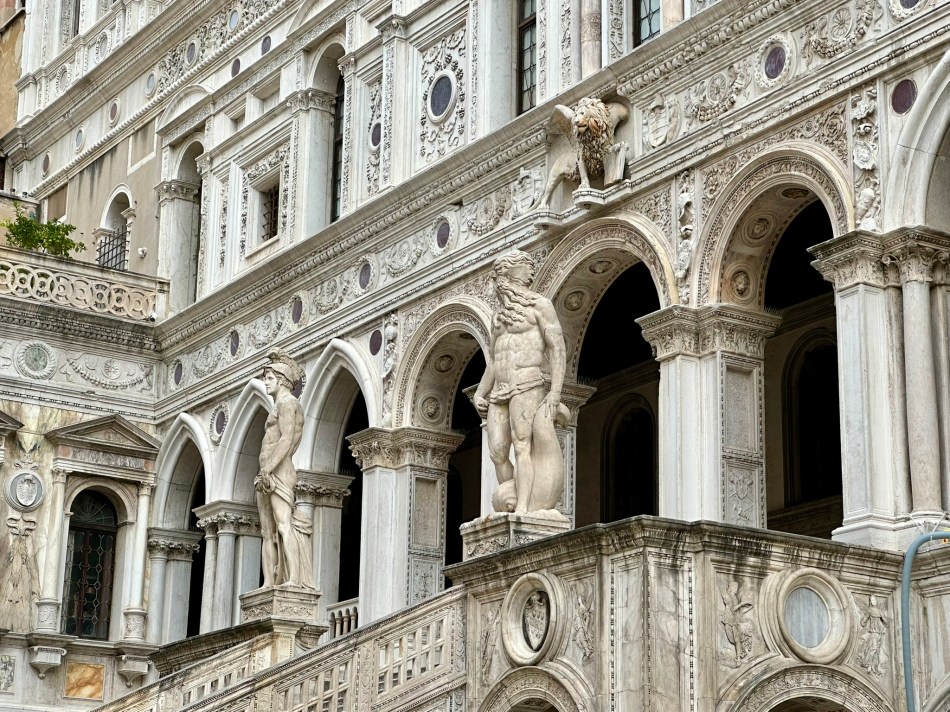
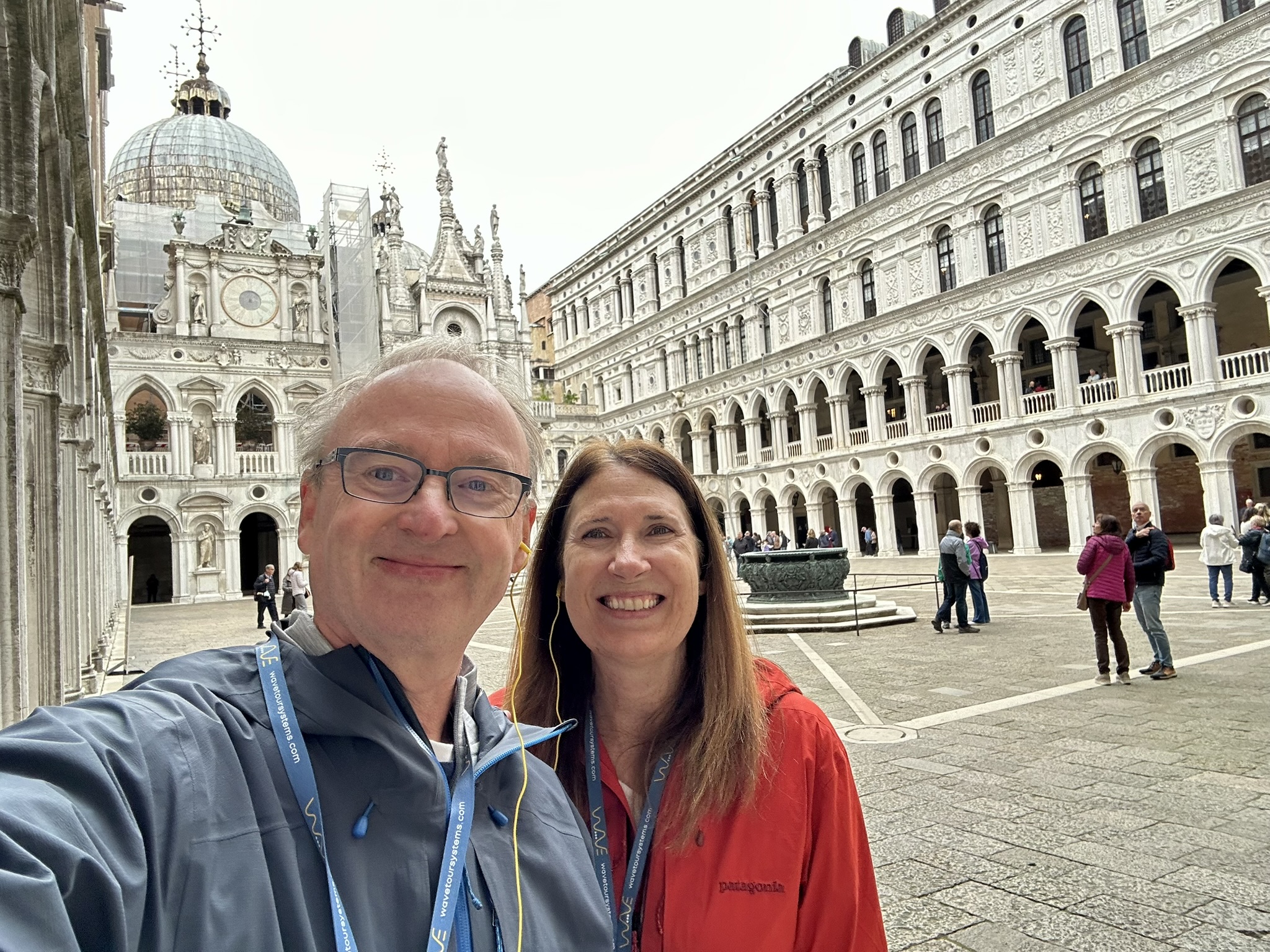
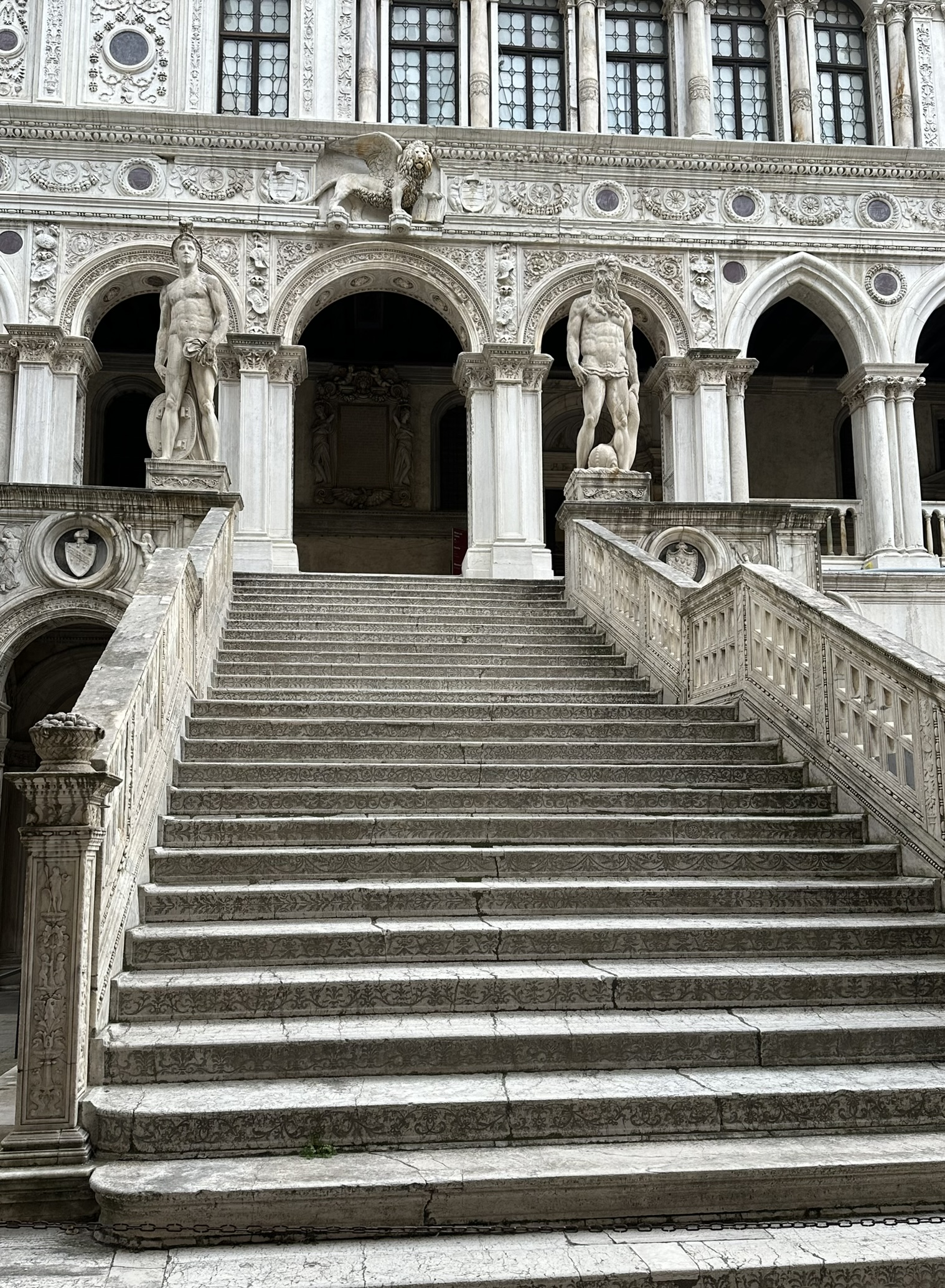
Doge’s Palace. The majority of the tour was spent inside the Doge’s Palace. With our tickets, we were able to bypass the normal security line for a streamlined one and entered quickly. One wall of the square inside is decorated differently from the others. Three of the walls are in the traditional Venetian style and the fourth, the shared wall with St. Mark’s Cathedral, is much more ornate.
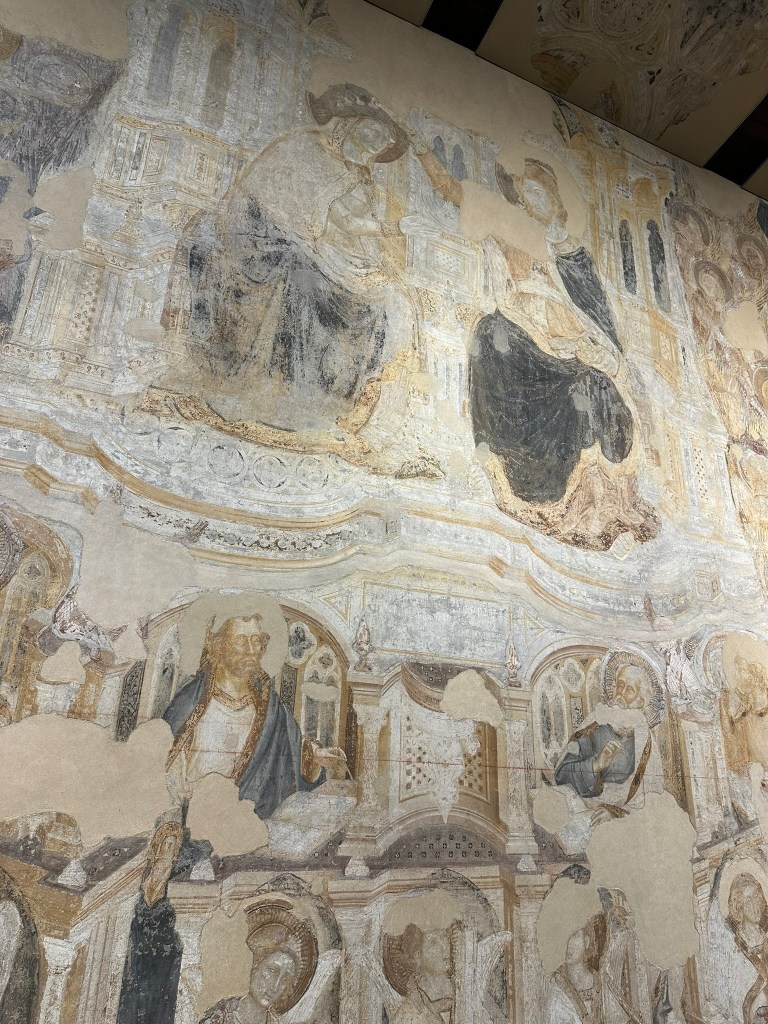
The stairway which leads to the second floor of the palace is guarded by Poseidon and Ares (or Neptune and Mars, if you’re Roman) representing Venice’s connection with both the land and water. Above the statues of the gods, is the crest of Venice with the winged lion representing the patron saint of Venice, Mark. In 1577, the Doge was cold and ordered all of the fireplaces of the palace lit. The fires grew out of control and much of the palace was burned (not the first fire, incidentally) but it was rebuilt by 1580. Only a sampling of the original frescoes which adorned the walls of the great rooms inside remain.

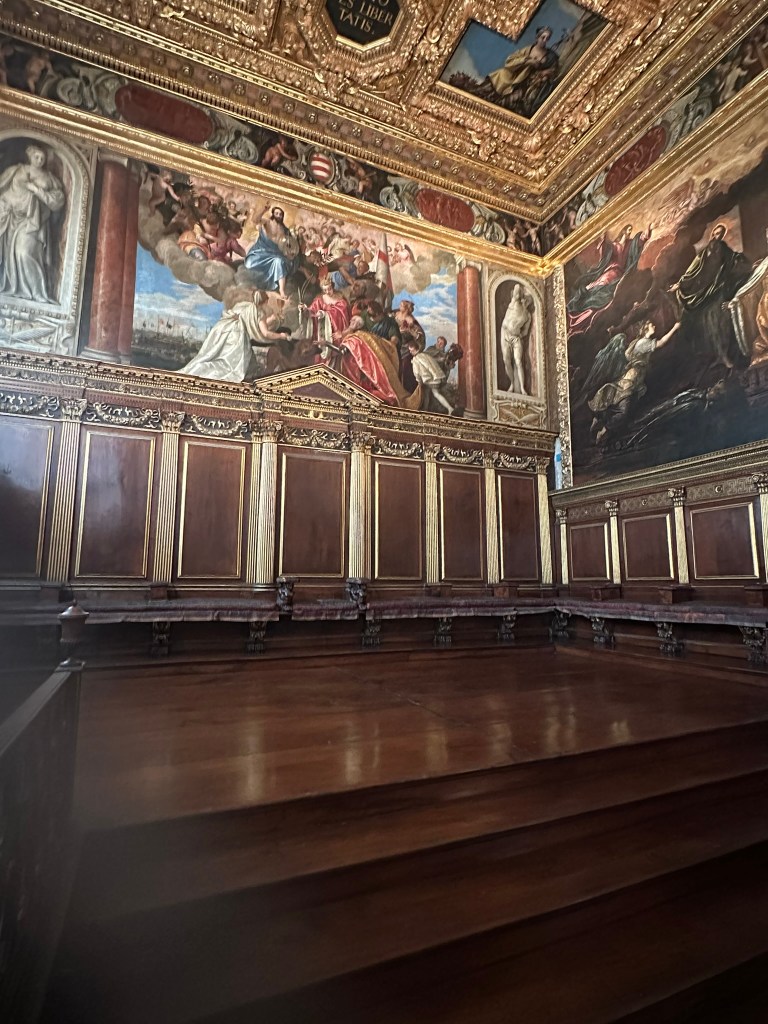
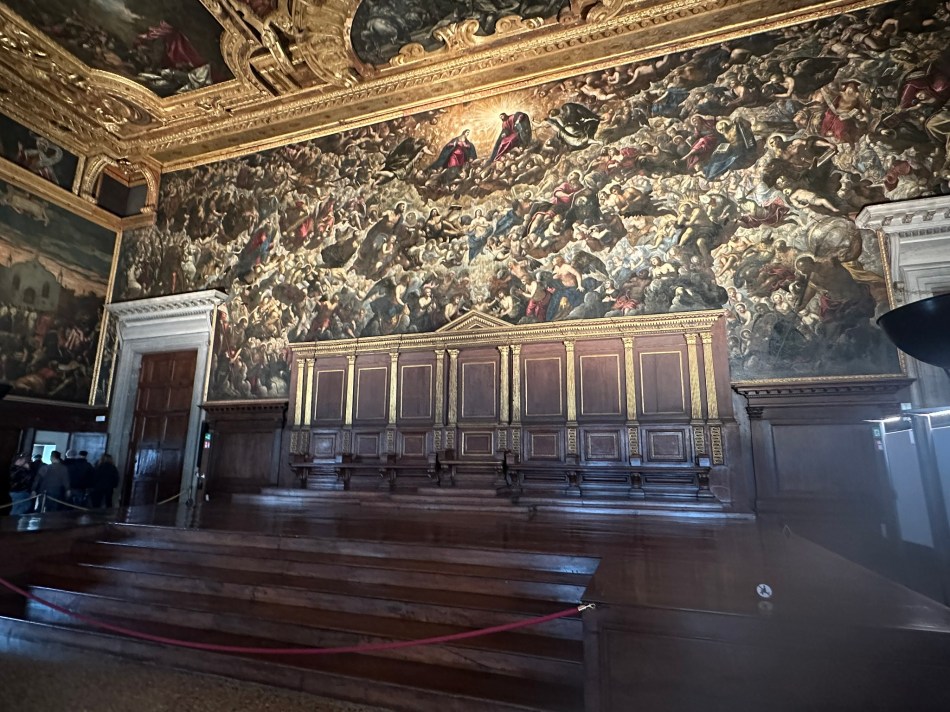
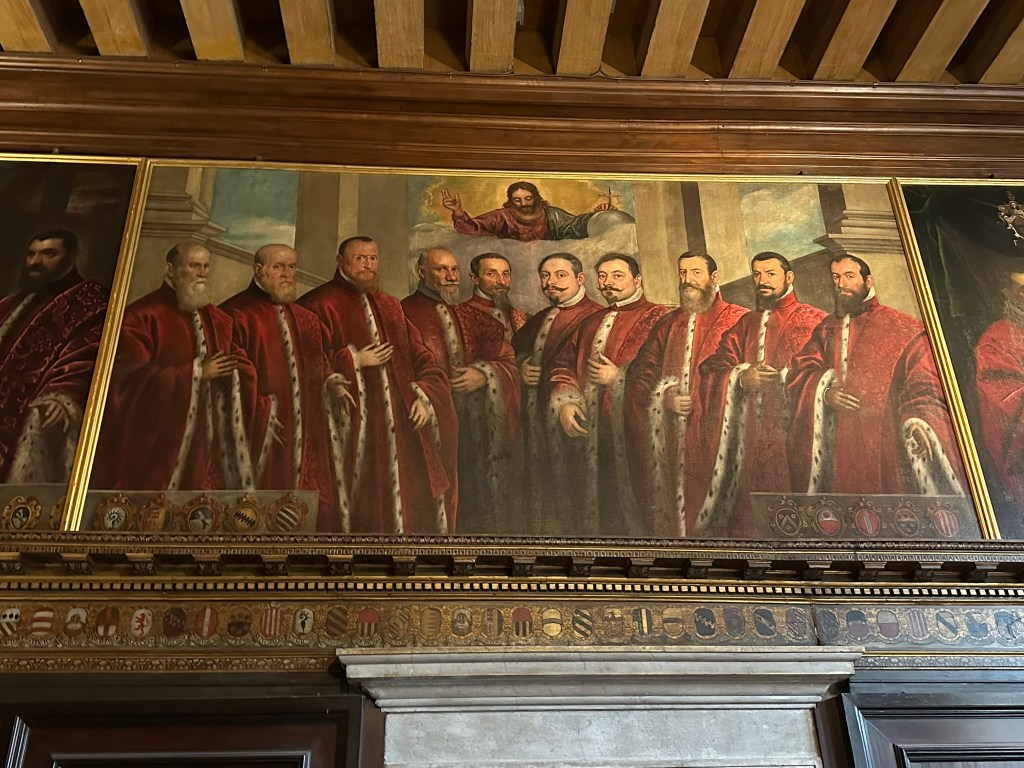
On the tour, we visited the room where the Doge met with his senior advisors, the Senate, the Court of Justice and the Great Council Room (also a ballroom) where the eldest sons of the aristocratic families sat (once reaching the age of 25) to choose the next Doge. This room was the most interesting. Per Carolina, the painting of “The Paradise” on the far end (where the salvaged fresco once sat) is the largest painting in the world at 184 square meters, was pieced together like a large puzzle. On the opposite wall in the upper left corner along the line of portraits of Doges notice the one blacked out. It is where the portrait of Marino Faliero, the 55th Doge who was kicked out of office and executed by beheading for planning a coup, once sat. Along the wall between them (opposite the windows) are two large paintings depicting the sacking of Constantinople during the 4th crusade. After this surrender, the Venetians cut a deal with Constantinople, cutting out others, to increase their power and trade connections to the east enabling Venice’s rise as a global trade center and power.
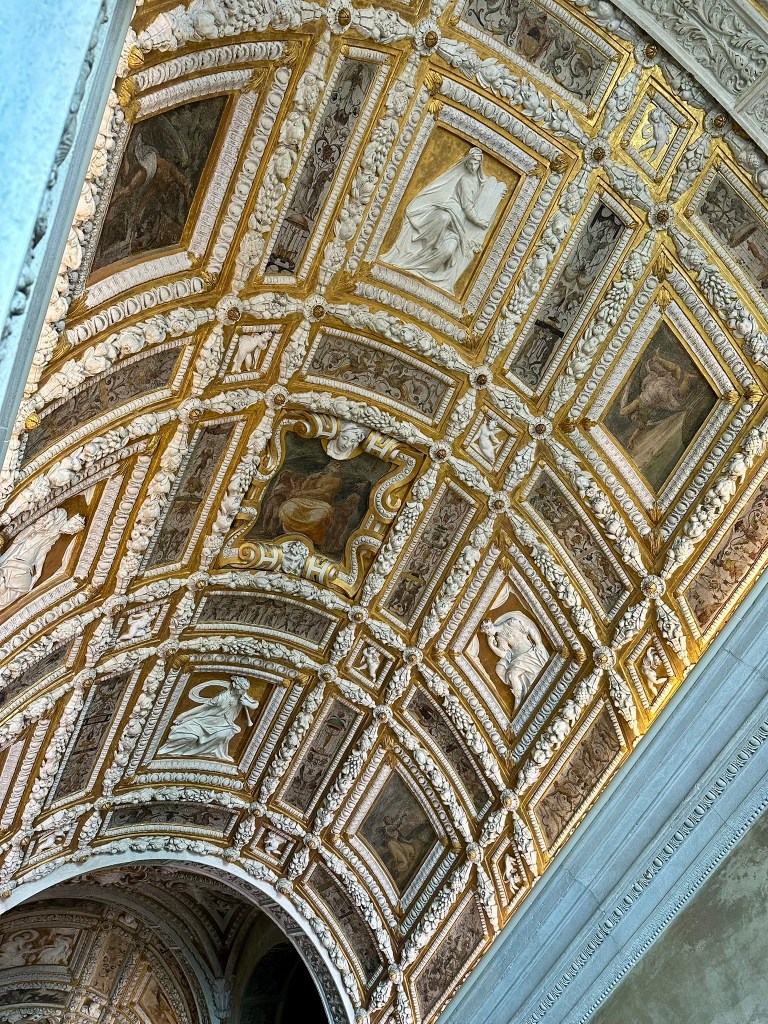
The Prison. After exiting the Council Room, you cross through a markedly less ornate hallway to the Bridge of Sighs. After trial, prisoners convicted crossed this enclosed bridge into the adjoining prison across the canal and it was said that this is where they got, in many cases, their last look at Venice, sigh.

In the prison, those convicted of lesser crimes were housed on the higher floors and those convicted of more dastardly deeds on the lower ones. In part, this was because during high tides and storms the lower cells would flood adding to the punishment of those imprisoned. The total prison capacity was about 600 prisoners with around 18-20 held in each cell. No thank you.
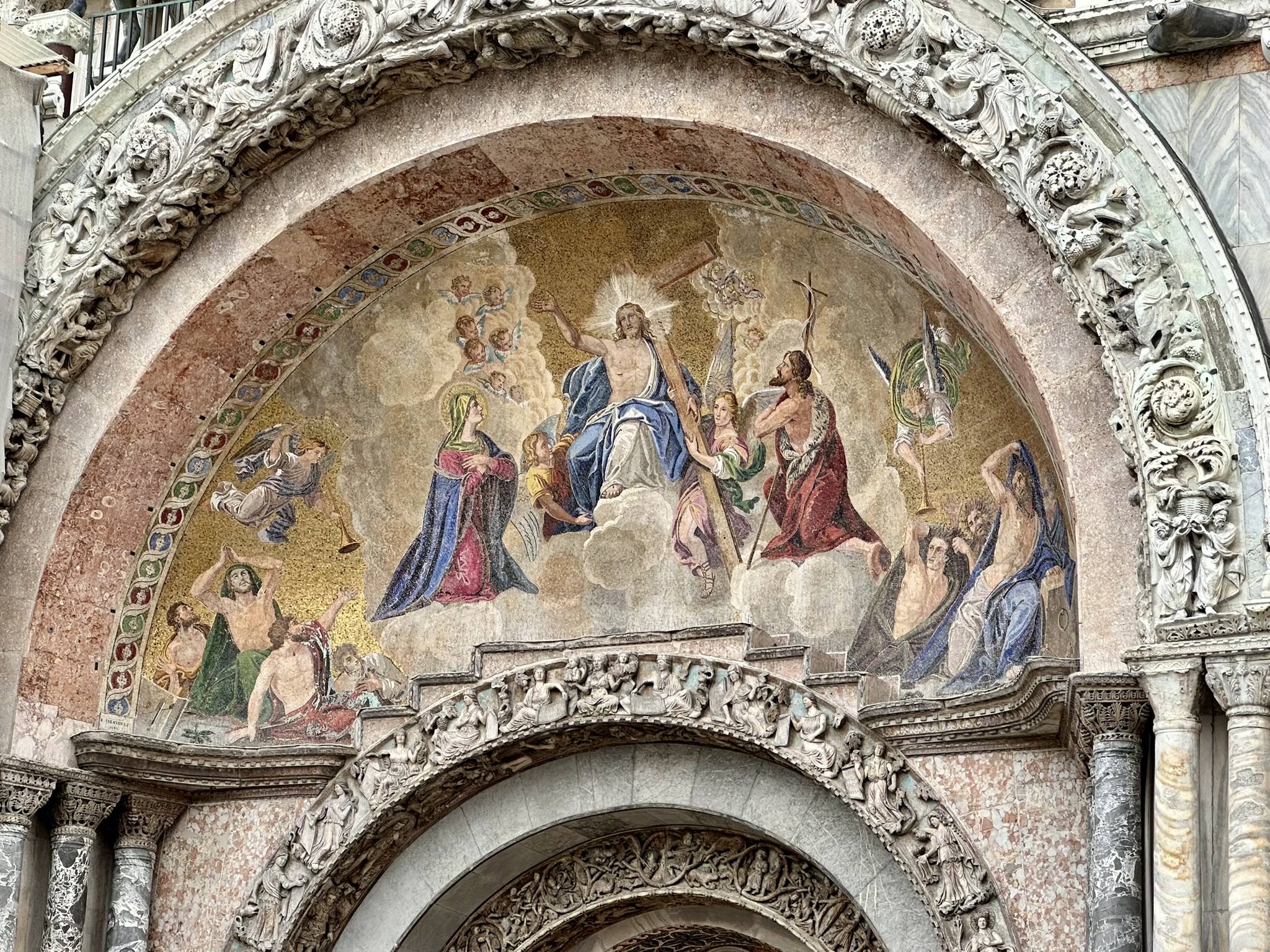
St. Mark’s Basilica. We’d viewed St. Mark’s previously from the outside and its decorations really are quite fantastic. The portals depict the return of St. Mark to Venice and above, over the door, the Last Judgement. Below the lion of St. Mark are four horses which are among the spoils of the Venetians from the conquest of Constantinople.

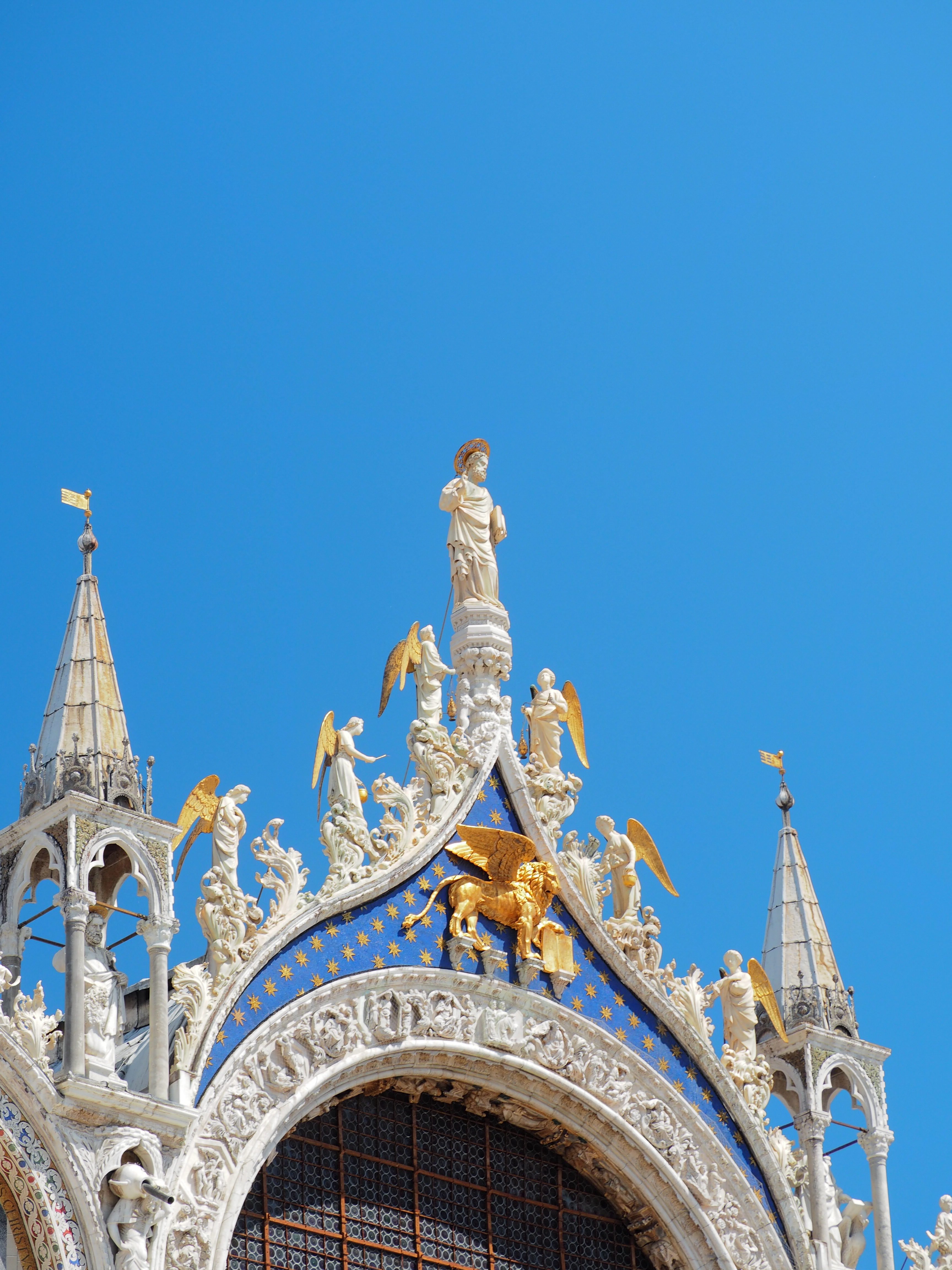
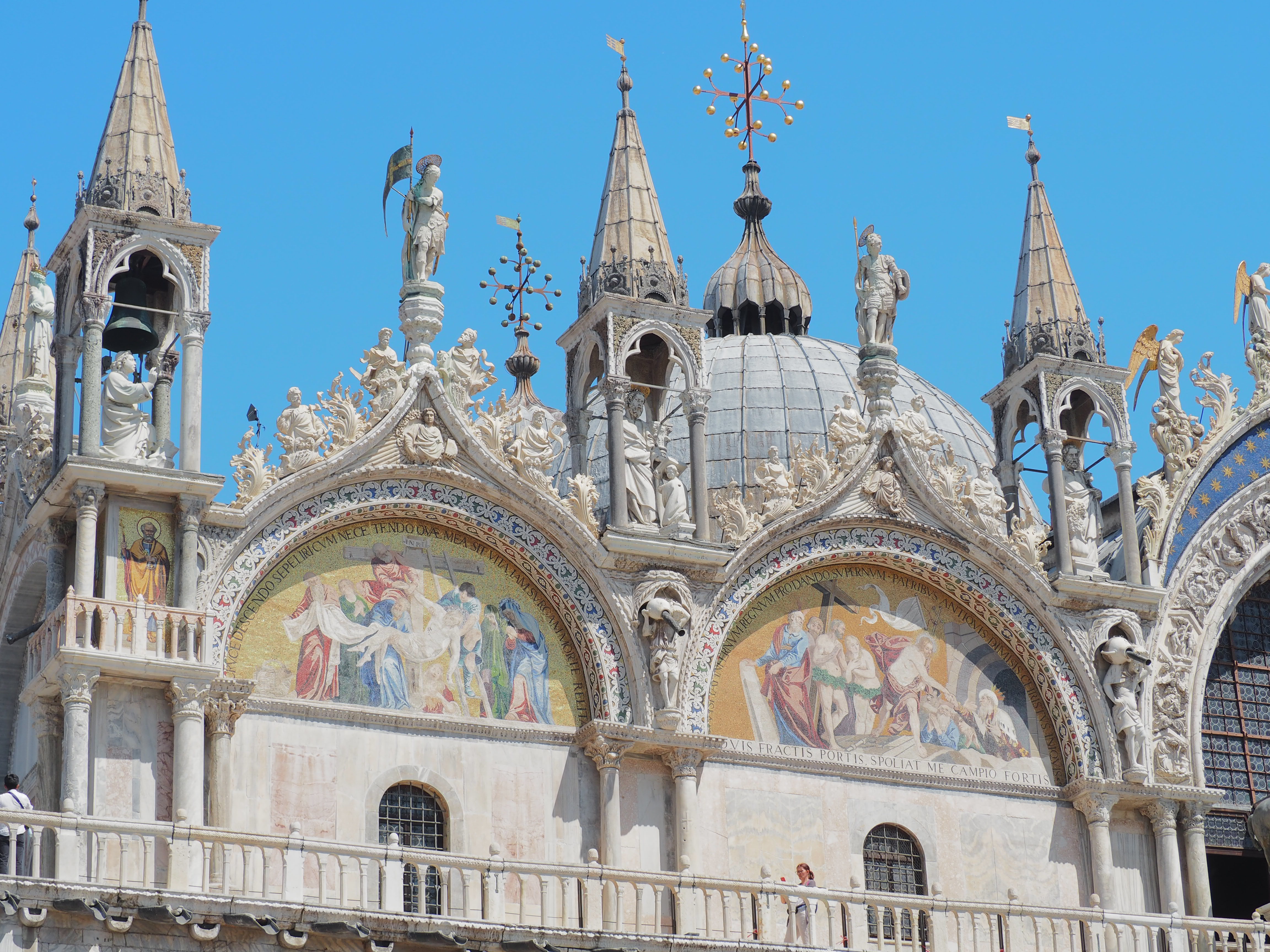
The bell tower across the square is the tallest tower in Venice. St. Mark is the Patron Saint of Venice because he was said to have been the first to spend a night in the swamp on which Venice was built. During the night, an angel appeared to him and prophesized that where he slept would one day become a great city (which was validated by his discovered writings) and that his remains would one day lie in Venice. His remains were stolen from Egypt and returned here in the 9th century to lie in the Basilica.
The construction of the current structure began around 1063 with Byzantine, Romanesque and Islamic influences, with the Gothic ones added later, to convey the wealth and power of the Venetian Republic. Inside, the church is decorated with mosaics made up of thousands of individual glass pieces in Byzantine style. As you enter, Old Testament scenes including the stories of Genesis and Exodus greet you from above. Inside, you’ll see scenes of Christ’s life, the dome of Ascension with Christ and the 12 apostles and Saint John’s vision of the Apocalypse.

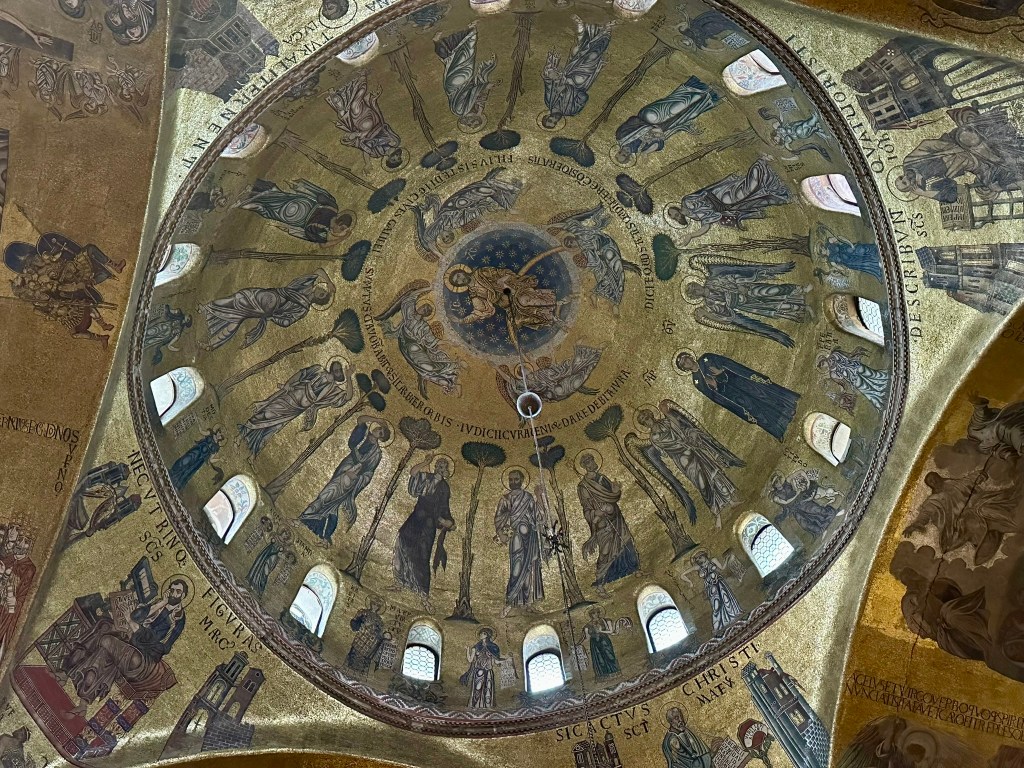

Truly marvelous and better with a guide.
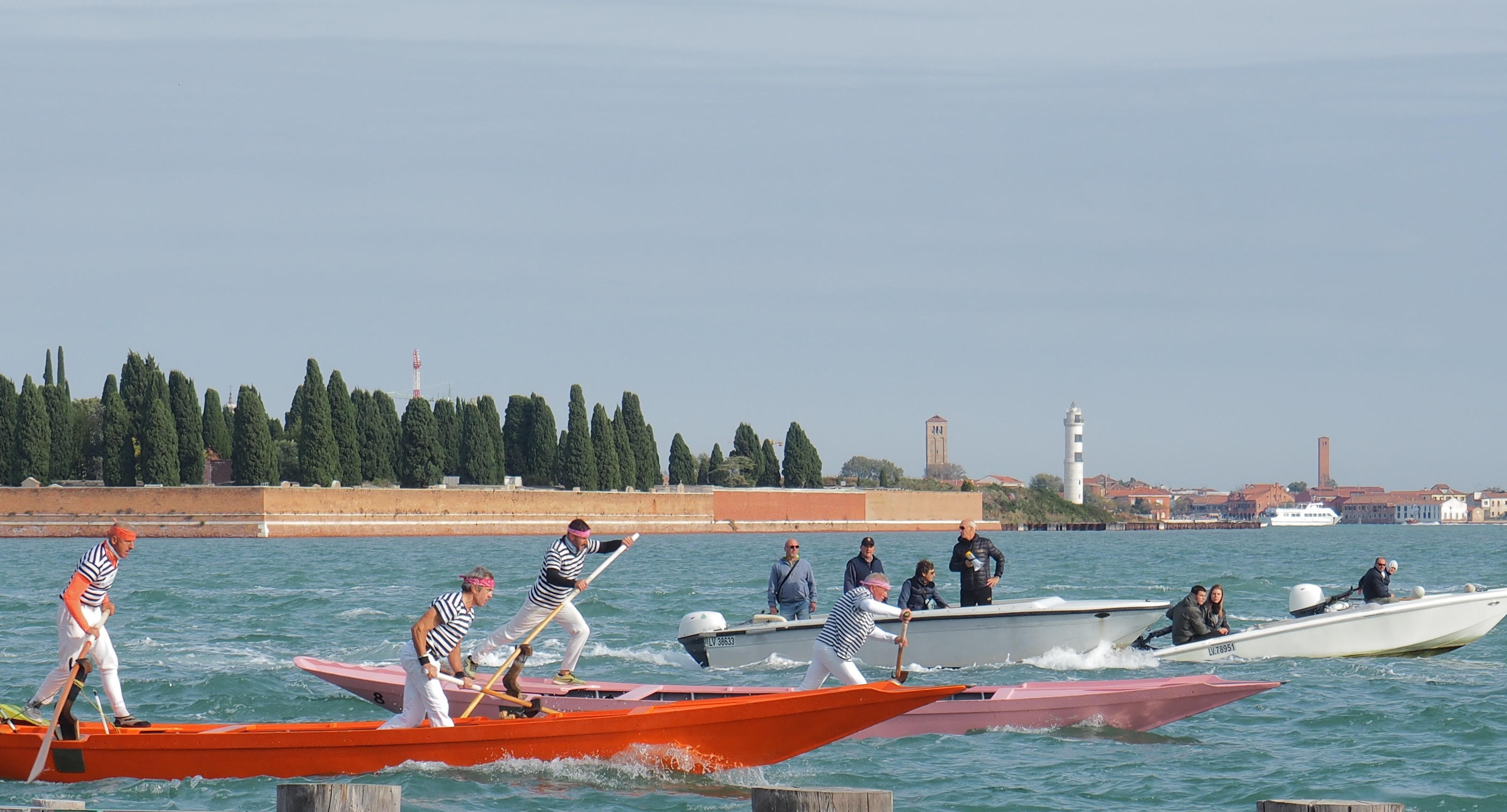
We spent a total of two days in Venice this time and while one was dedicated to seeing the most famous and visited sights of the floating city of “La Serenissima” our first full day was a Sunday which we spent wandering, getting lost in neighborhoods, strolling along the Grand Canal as the annual Veleziana Regatta was arriving at the finish and visiting the Giaradini Della Biennale which we had, interestingly, never discovered before.
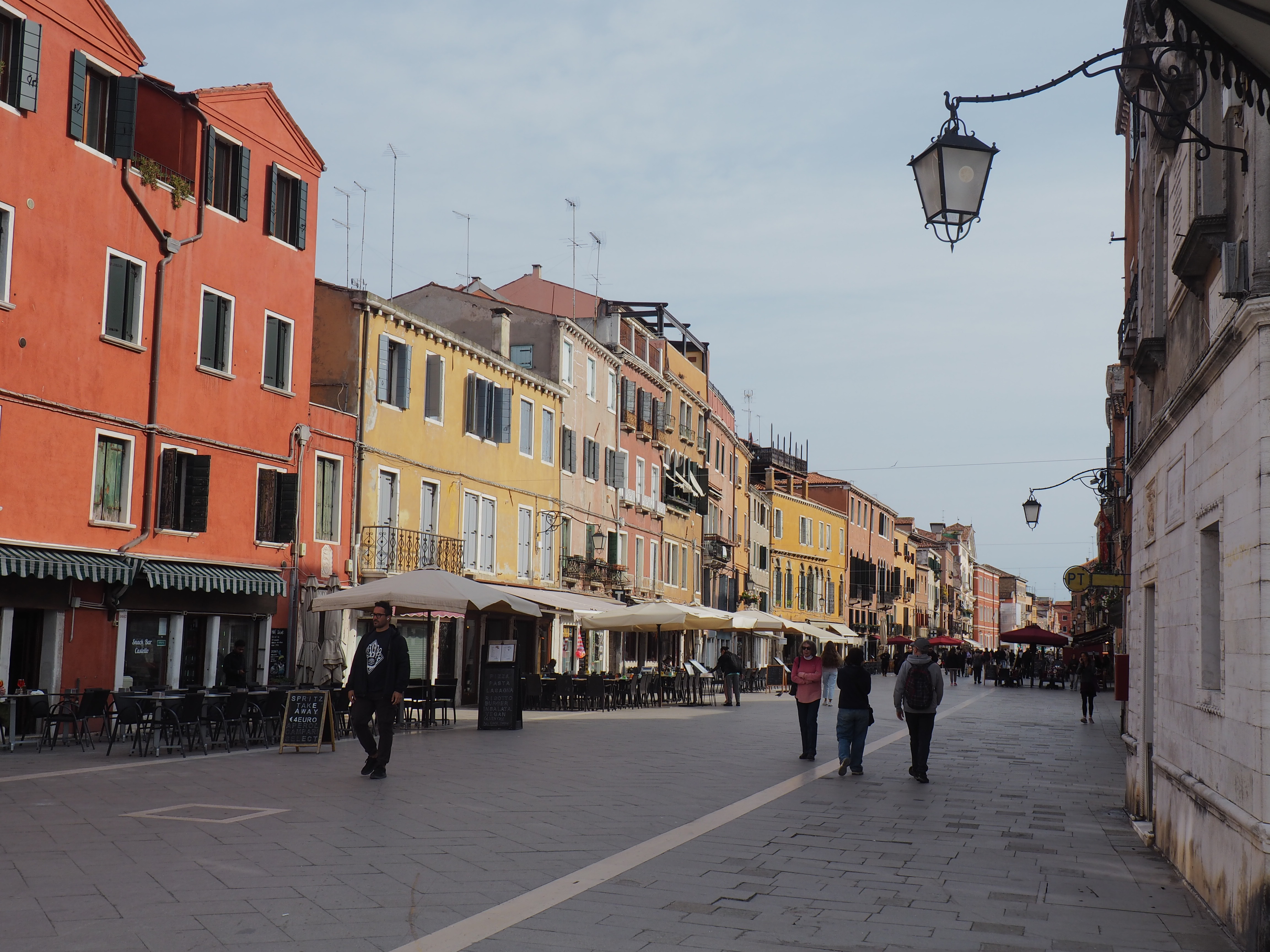
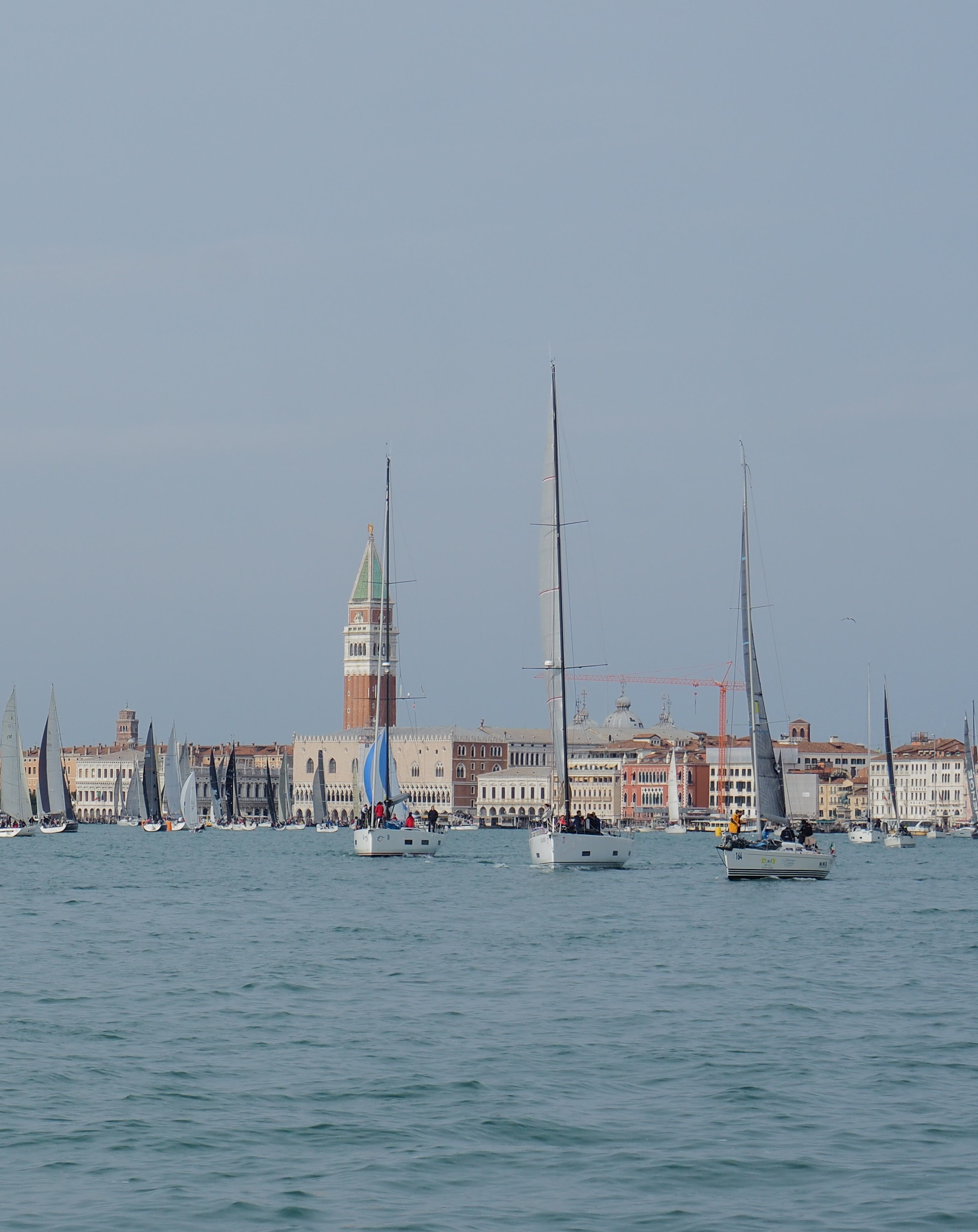
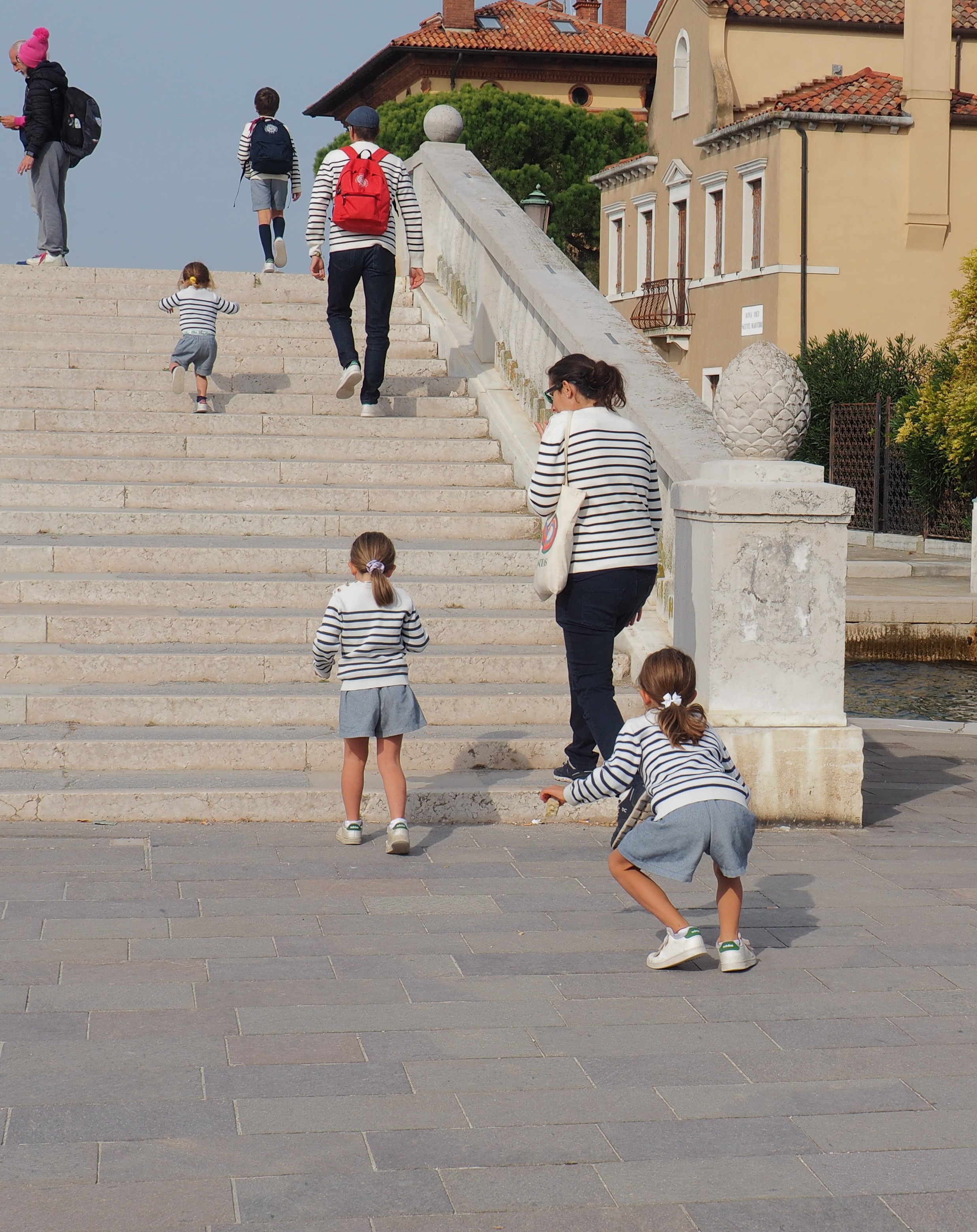
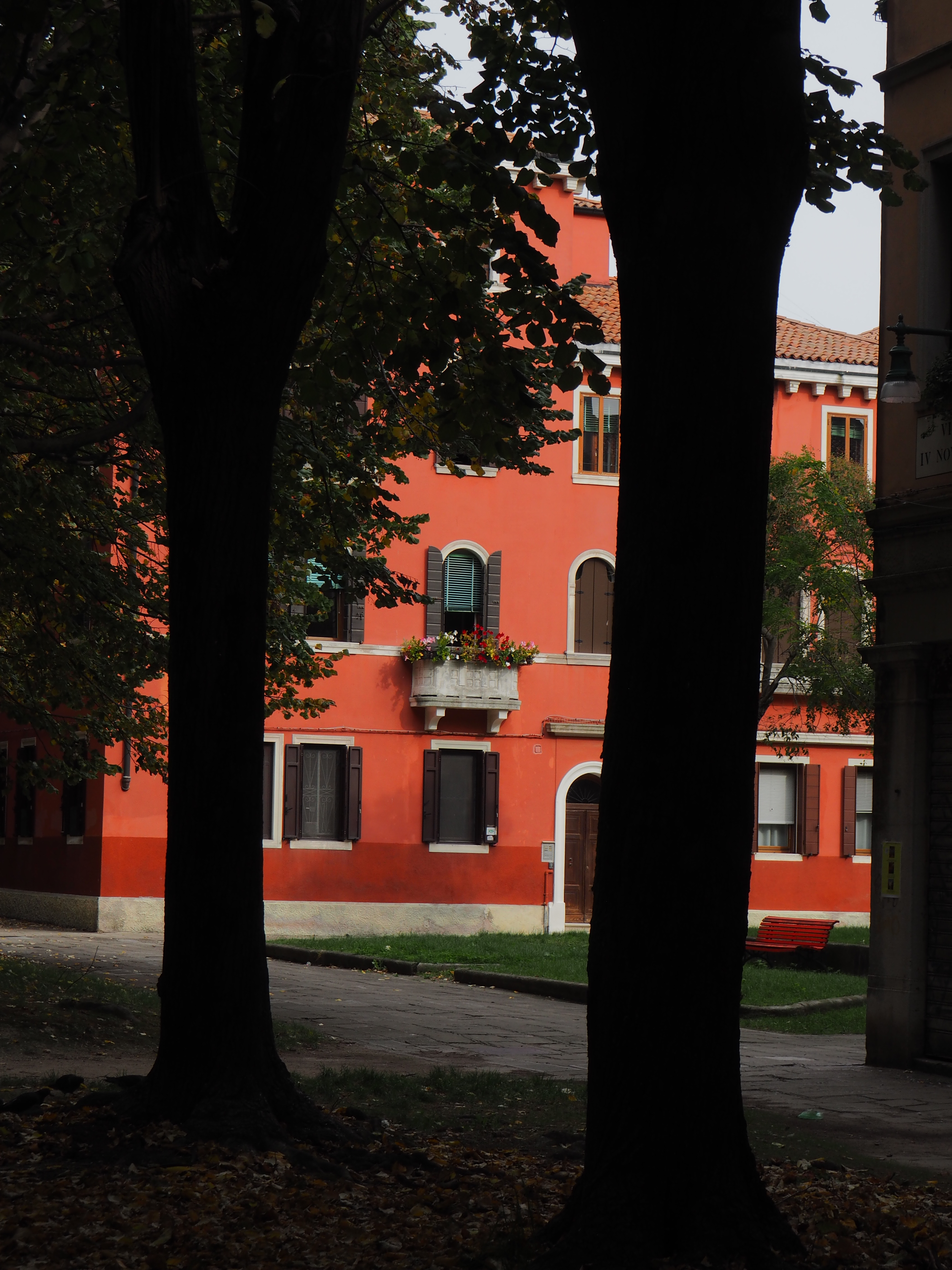
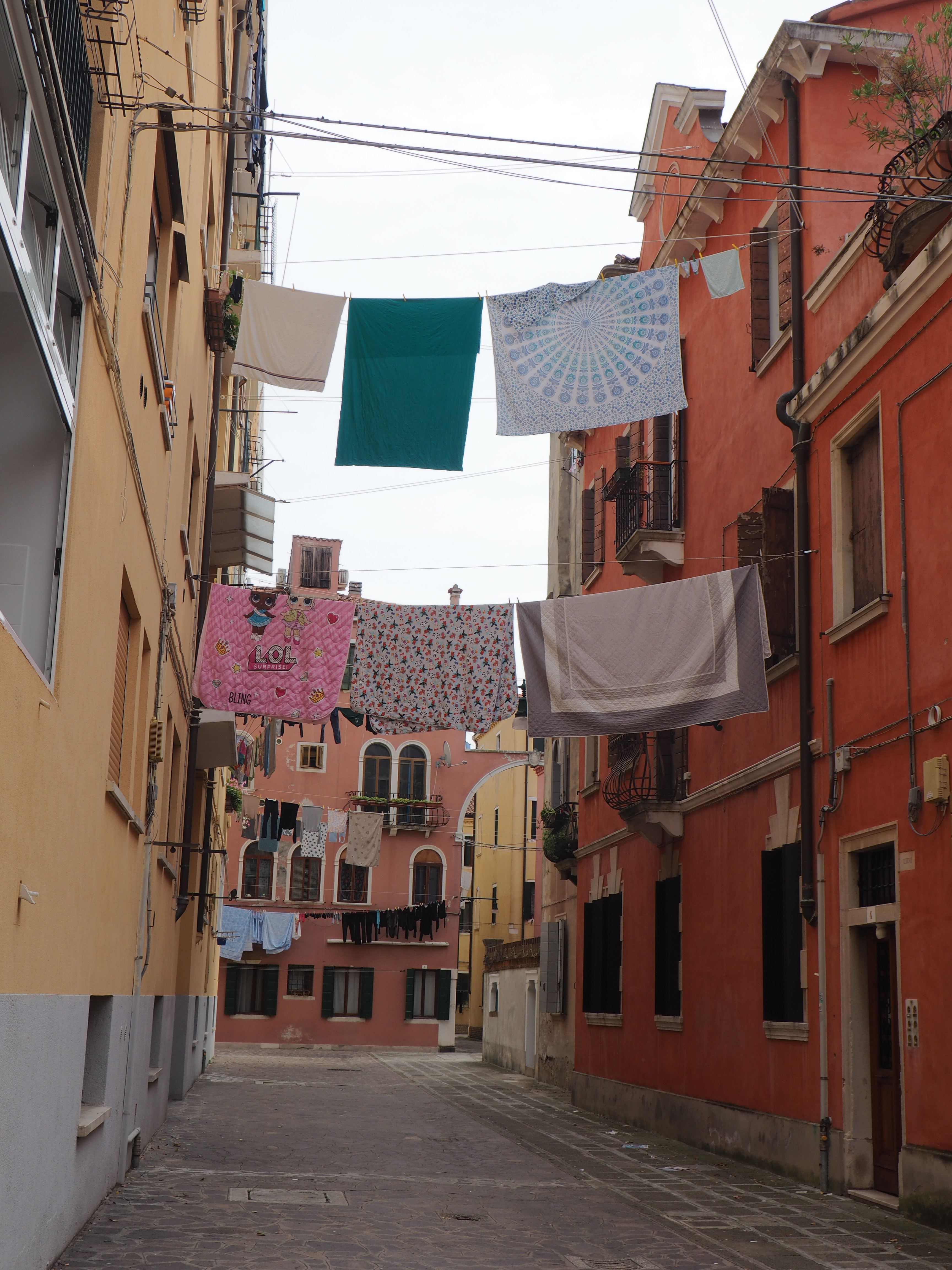

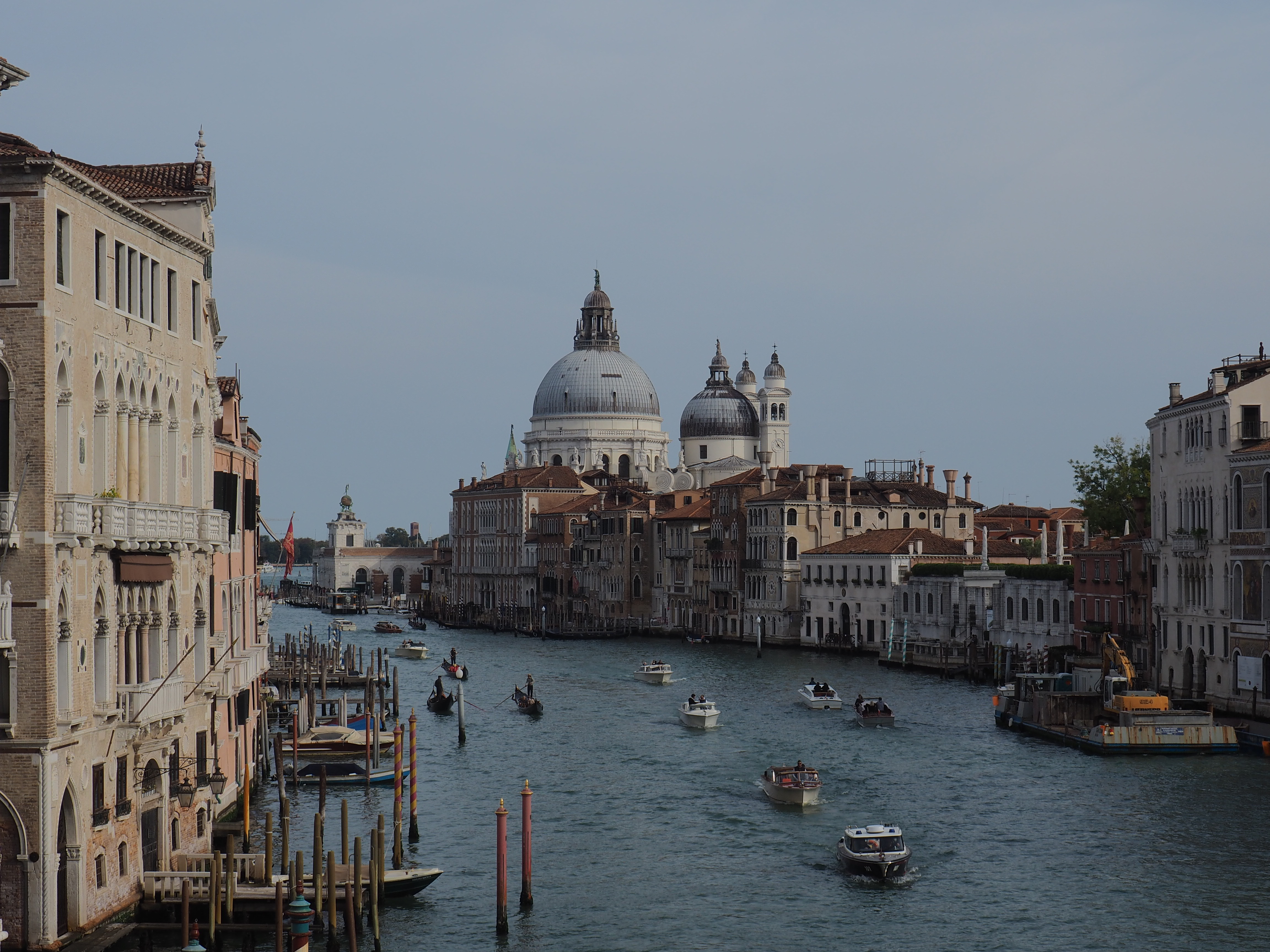
After three times here together, I think we are finally starting to figure it out. If you want some tips, check out our post on Tips for Venice Visitors.
Sources:
- Europe Walks Doge’s Palace and St. Mark’s Tour. October 2025.
- https://en.wikipedia.org/wiki/St_Mark%27s_Basilica
- https://palazzoducale.visitmuve.it/en/the-museum/doges-palace/the-palace/
- https://dogespalacevenice.com/doges-palace-venice-curiosities/
 The Traveling Ridleys
What a fabulous experience. Thank you for sharing such rich details. I am glad you didn’t get stuck on the Bridge of Sighes!
LikeLike