

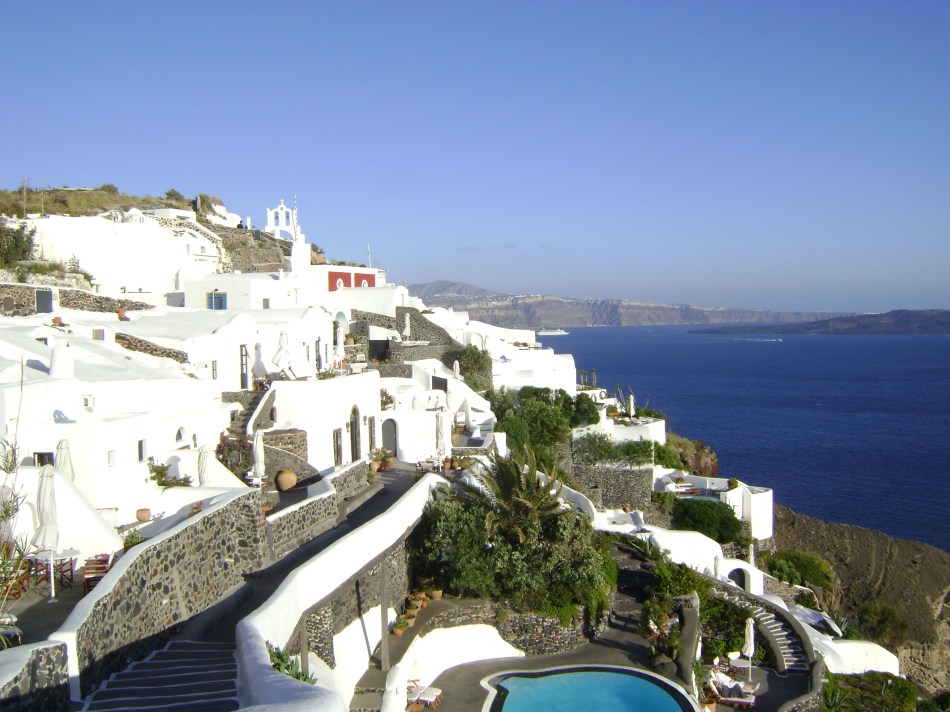
Greece is lovely: the food, culture, people and scenery. There’s a ton to do on the islands, in Athens and on mainland Greece. We just completed our second trip to the land of Zeus and Athena, Achilles and Theseus and after this more extended Odyssey, here are our tips:
The Islands:
- Pick and Choose. We heard a woman on one of our ferries telling a fellow traveler that she was visiting six islands in seven days. Holy smokes. That’s a lot of time on a ferry if you ask us. To get the most out of the Greek islands, slow down and don’t try to see them all at once. They’ll be there for you if you want to come back.

- The Big Ones. Santorini, Crete and Mykonos are probably the most popular. Crete is easy to travel into with a couple of good-sized airports. Aegean is a great Star Alliance airline with excellent service. The islands can be very windy so turbulence-averse travelers may want to opt for ferrying between them (unless you get seasick too, then you’re basically screwed as windy days also tend to be choppy ones).
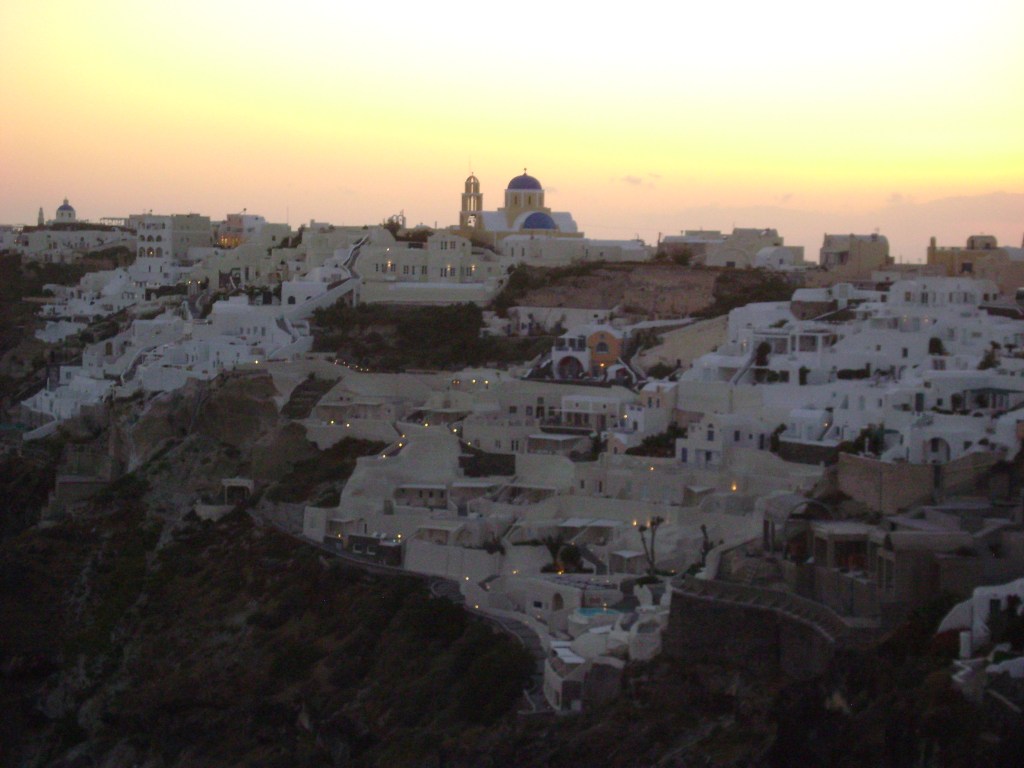
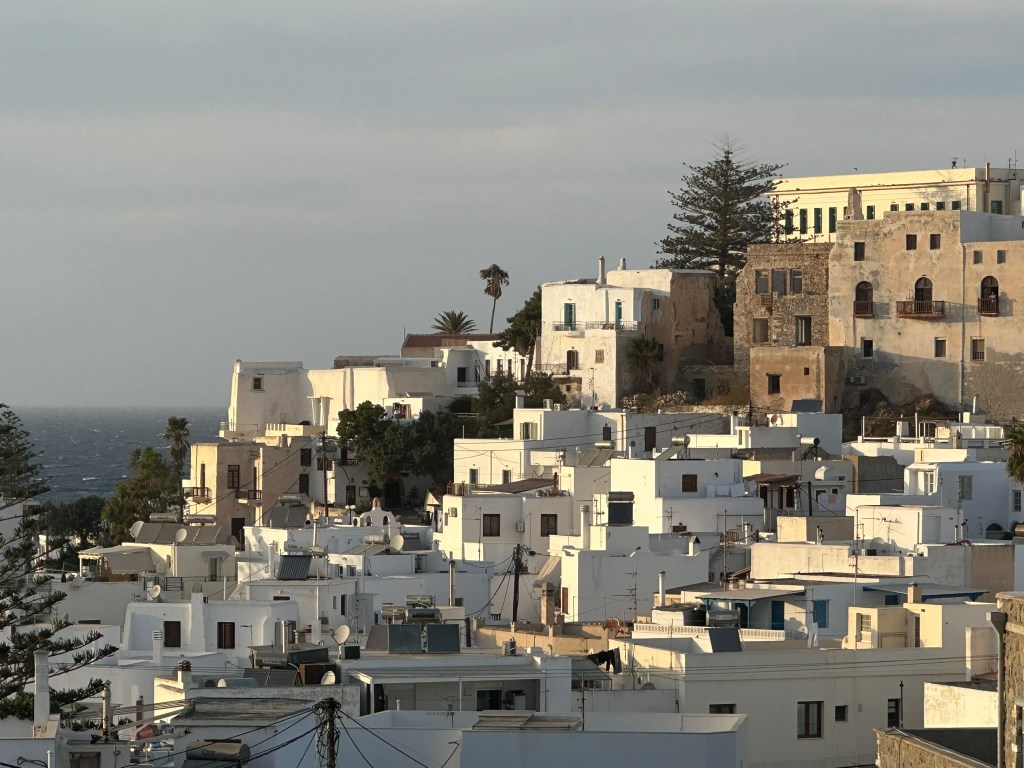
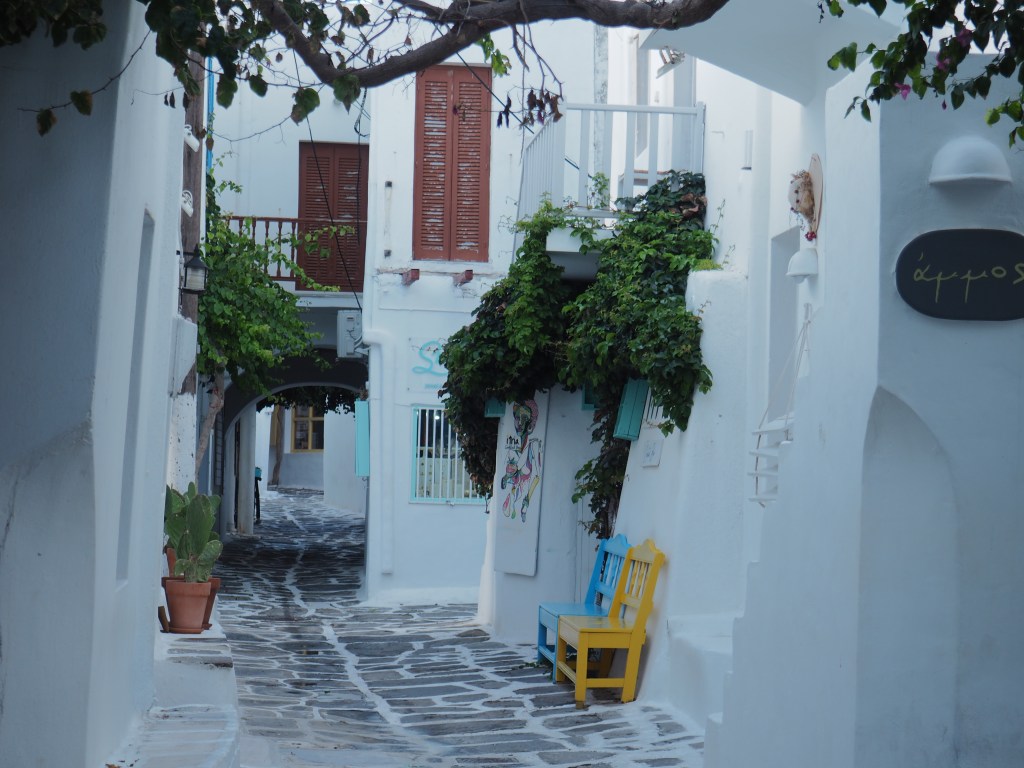
Santorini was our first island when we visited in 2015 and it made us fall in love with the Greek Islands. Crete is huge (about five hours or so to drive from end to end of Kissamos Beach to Vai Beach) and we’d recommend eastern Crete over the west if you have limited time. We’ve yet to visit Mykonos. - Off the Beaten Path. In addition to the big ones, consider a stay of a couple of nights on one of the less traveled islands. We visited Naxos, Paros and Antiparos on our latest trip and loved them each for different reasons, but all are less touristed than Santorini or Mykonos. You can read about our Cycladic experiences here.
- Make the most of your ferry experience. The ferries can be long (3 hours from Crete to the Cyclades or longer from Santorini or Paros to Athens). The boarding and deboarding are a little Ellis Islandy and the luggage process feels disorganized at first glance (but isn’t). To make the most of your experience, book on a car ferry. They are bigger and steadier. Nothing can bring your journey down like a seasick self or neighbor. If your budget allows, book the club level. It’s less crazy, you get more personal space and seats are assigned. Also, the ferries do quick turns. Be efficient, be on time and pack light.
Finally, be aware of strikes. We chatted with a British couple in Naxos whose ferry from Athens was cancelled due to a strike and they spent eight hours at Piraeus (Athens’ port) waiting for the next available, overnight one to Santorini. Your ferry company should notify you of strikes as will the local news. This site can be used as well, though it only goes out a day or two. - Cars on the islands. Greek driving can be chaotic, especially in the cities and towns. I’ve driven all over Europe and you couldn’t pay me to drive in Athens. If you’re staying in a town on the islands, it might make sense to rent one just for a day to explore, or if you keep one overnight park it in a free public lot nearby your accommodations. In the neighborhoods, residents often leave cars in the middle of a narrow road such that you can’t get by. Save yourself the stress and don’t mess with driving through narrow neighborhood streets even if your hotel or Airbnb advertises a private parking space (at least until you’ve had a chance to scout it on foot).
Out of the towns and cities, driving on the Greek islands is much like driving in a lot of Europe: tight and winding roads, some with walls to each side, fast drivers zooming up behind, but the Greeks add some twists: faster, some reckless, mopeds passing on both sides and busses hurling at you at unspeakable speeds. It’s not for the timid. You can read about our Greek driving experience here.
The Mainland.
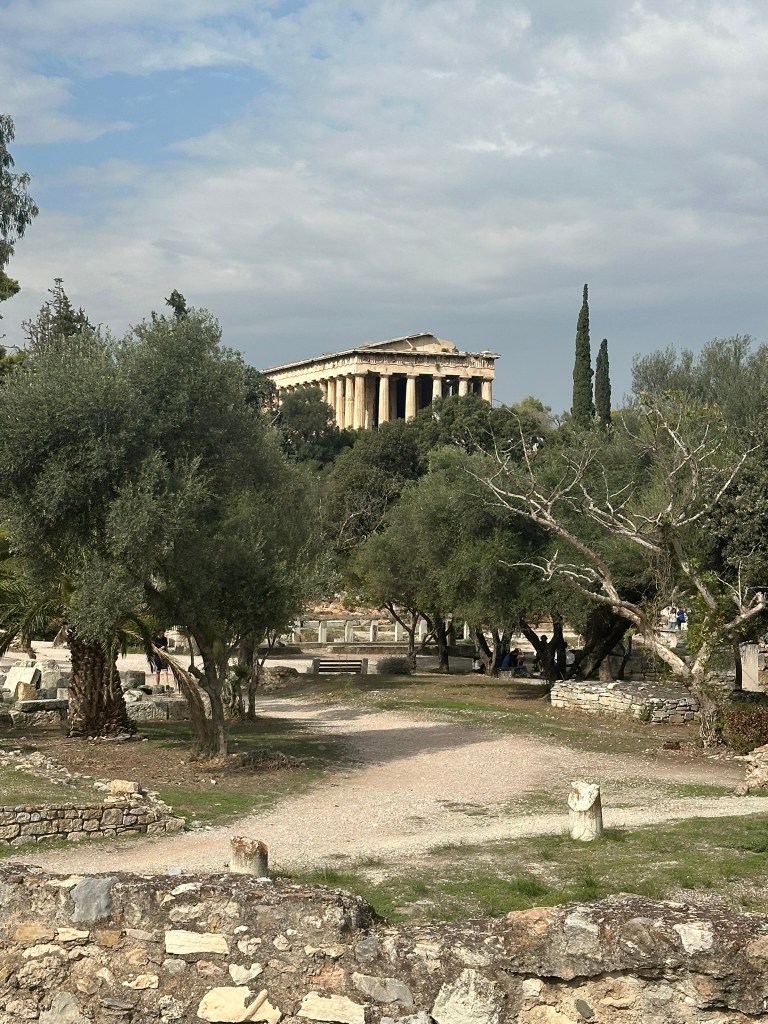
- Athens. It’s big. It’s chaotic. It’s worth it. The Plaka, the acropolis and the acropolis museum are all worth seeing and experiencing even if you have only a passing interest in world history.
- The Peloponnese. We got turned on to the Peloponnese by a Rick Steves episode on Greece in 2014 while we were planning our first trip and we chose Monemvasia as our first stay of that trip based on that episode. It’s where we fell in love with Greece and just returned for two nights at the same hotel (the Moni Emvasis Suites).
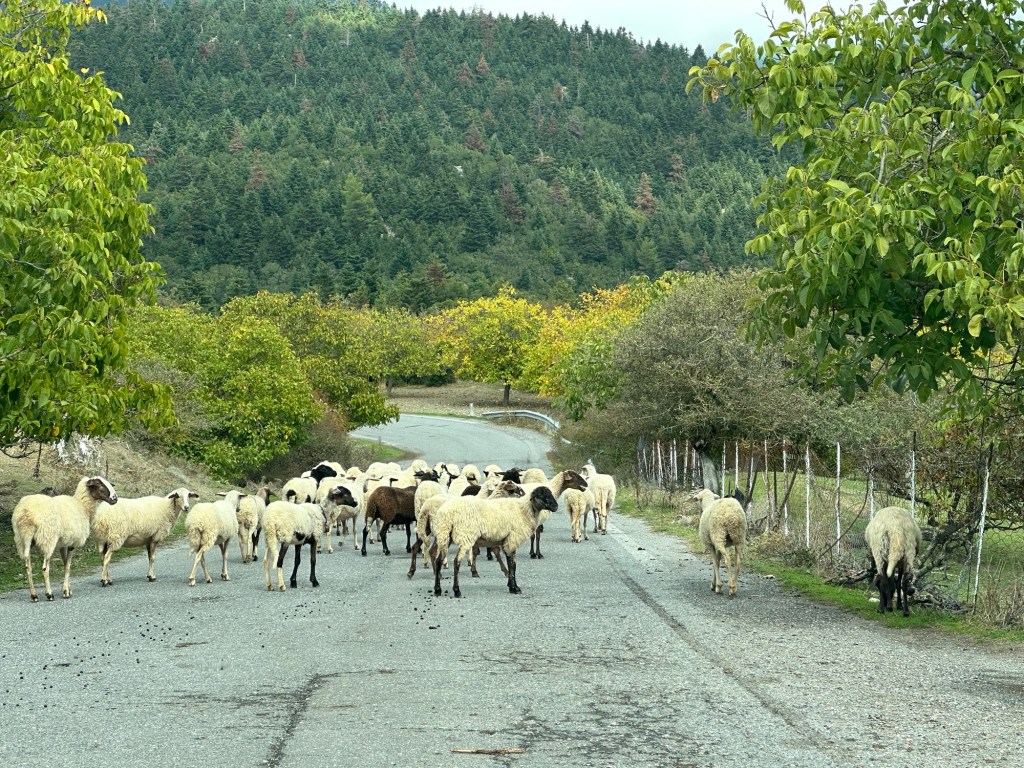
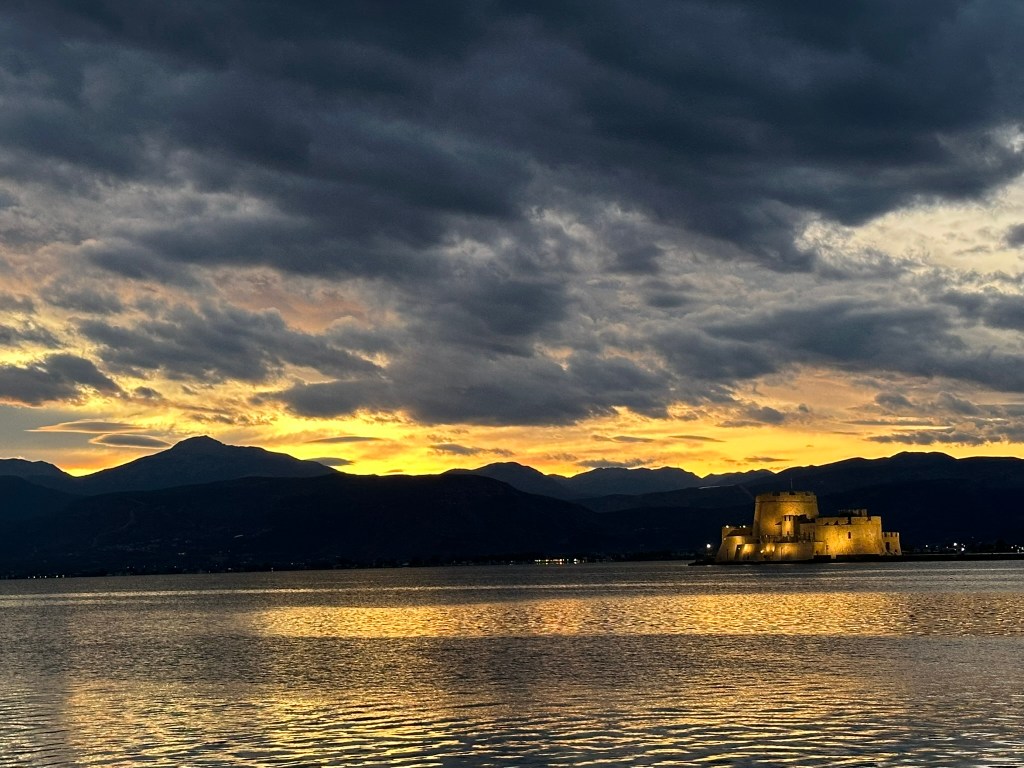
This time, however, we spent more time in the Peloponnese with stops in Napflion, the Mani Peninsula and in the mountains of Arcadia. We absolutely love the Peloponnese. It is our favorite part of Greece (so far). Consider some time here on your Greek itinerary.
General.
- Plumbing. Paper products (including TP) are not flushed in Greece. Every bathroom has a little garbage can where you dispose of your freshly decorated toilet tissue. It’s a little off-putting or gross for just about one day and then it just feels normal (though it is nice when you leave and can go wild and flush away to your heart’s content).
- The feline population. Cats are revered and are everywhere, most are strays, some are feral. They tend to be well cared for by the population (fed and some places even have public litter boxes) but they aren’t pets so treat them accordingly. Also, if you befriend them too much before a meal arrives you may have a friend for life (or at least until you pay the bill).
- Sundays. In smaller towns and on the islands many gas stations and supermarkets may be closed on Sundays, so plan accordingly and don’t let that gas tank get too low in the countryside on a Saturday night.
Another quasi-related note: many “super”markets aren’t. More like poorly stocked 7-11s. We went into one looking for sunscreen and the proprietor had one can or box of each product sitting lonely on its own shelf with feet of space to each side. I would have taken a picture, but she was lovely and I didn’t want to offend her. - The language. Yes, it’s all Greek to me. The alphabet is obviously different, but almost all Greeks (especially in hospitality) speak English (and those who don’t that we encountered seem to just enjoy the interaction). Learn the niceties (phonetic versions of which are: thank you is eff-kar-is-tow, hello is yas-aass, good day or morning is kal-ee-mer-ah and good evening is kal-ee-spare-ah) but you don’t really need to. It’s just polite and generally appreciated.

- When to come. The summer is hot and crowded, the winter quiet in lots of touristic places on the islands and ferries may not be running daily or at all. If you want to avoid crowds but want things to be open, consider the shoulder seasons. We first came in late May and just returned in late September and October. The weather was great both times with only a little rain and a light jacket or sweater needed at night. We had no trouble booking accommodations, restaurants or ferries (which can sell out in busy seasons) but there was plenty of bustle and we were glad we had made reservations at several popular restaurants, and the ferries were nearly (if not completely) full.
Finally, enjoy the culture, the music, the food (feta cheese lovers, you’ve arrived in heaven), the complimentary ouzo, tsipouro, limoncello or raki, the combination of chaos and calm you’ll find at every stop. It’s a lovely place with lovely people. Whether on the mainland or islands be patient, linger, admire the beauty and enjoy. Yia-mas!
 The Traveling Ridleys
0 comments on “Tips for Travelers to Greece”