


Fortunately, you don’t really have to choose… other than where to stay. From Naxos, we took the short 30 minute ferry around and into the port at Paros.
If the Cyclades were an apartment building, Paros is to Naxos like the middle aged, mellowing married couple to the 30 year old neighbor just starting his or her career. These compared to Mykonos’ college fraternity and sorority energy and Santorini’s 25 year-old’s exuberance. And Antiparos is the kind older retiree tending the lawn and flower boxes.
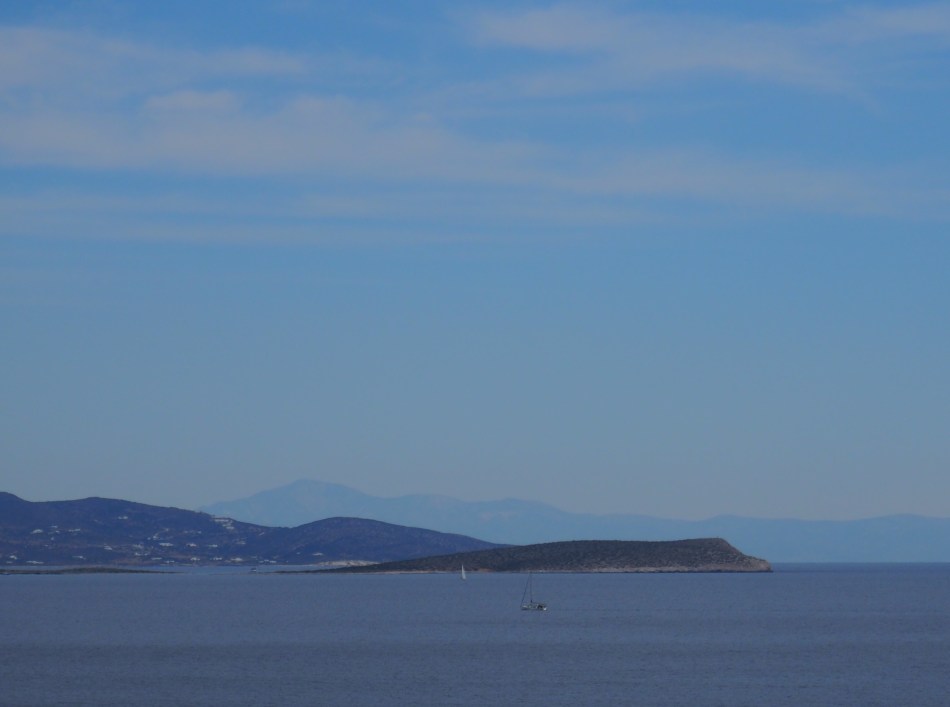
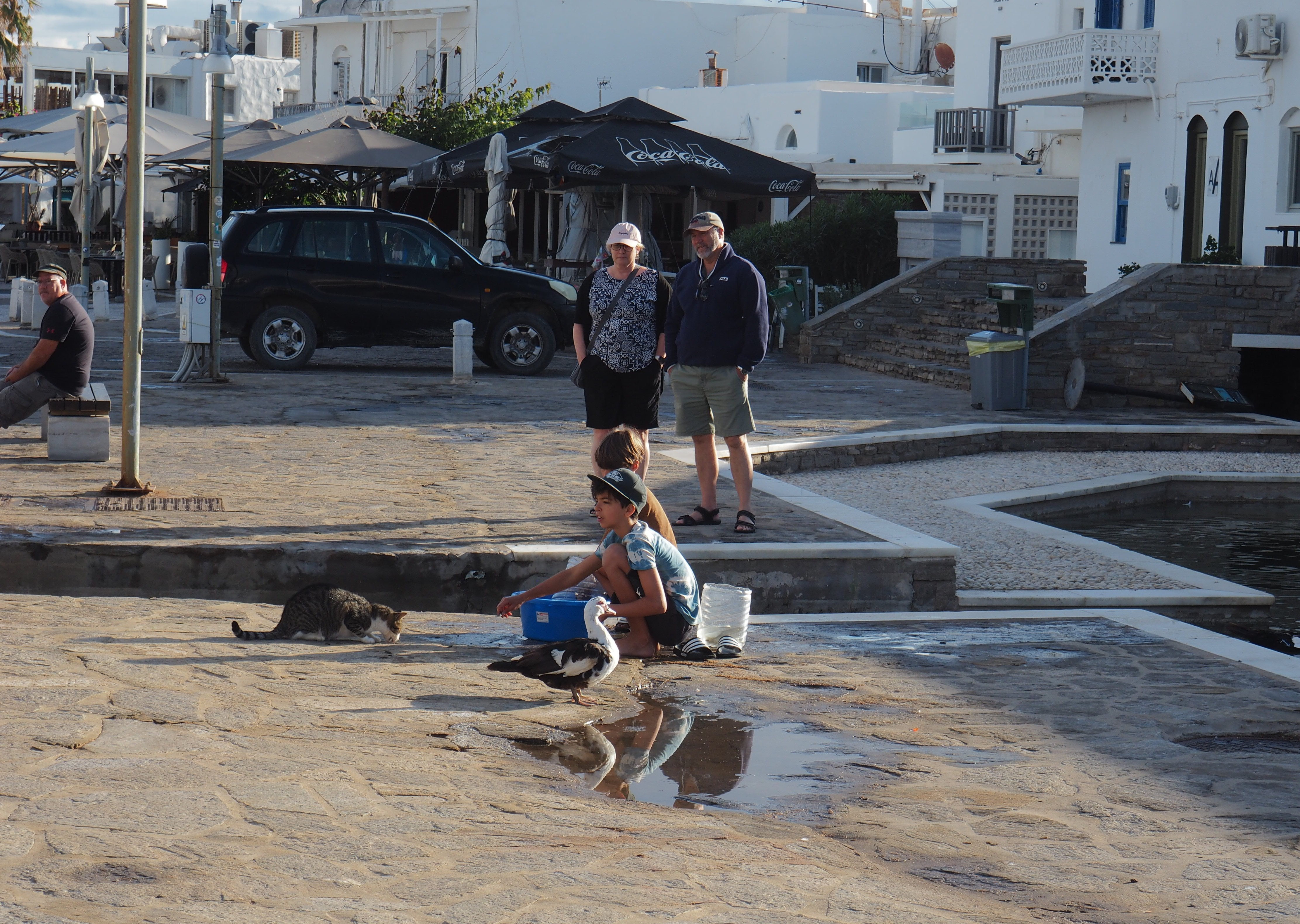
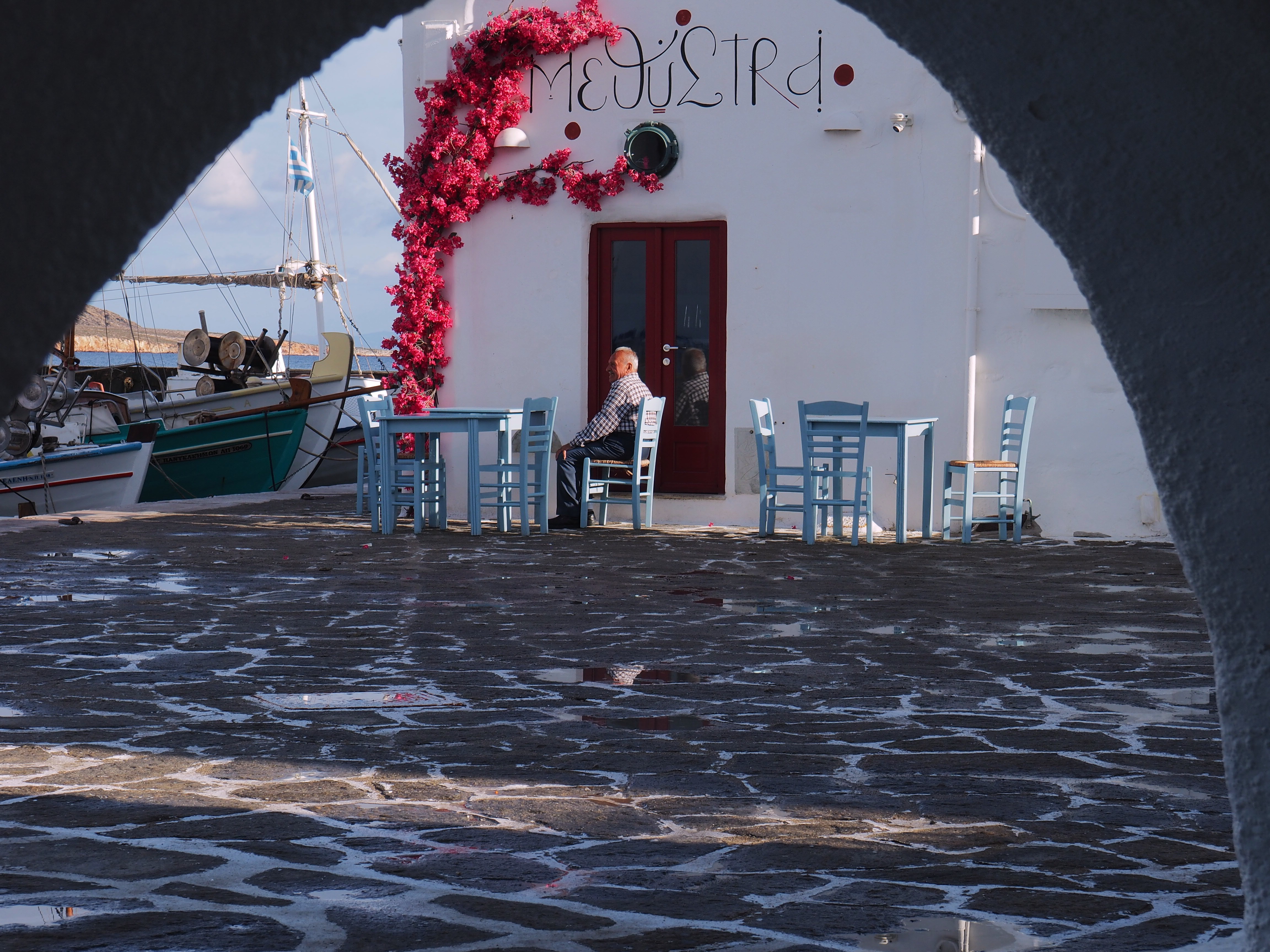
Naousa. We stayed in Naousa, about a 20 minute drive from the port. We’d read reviews by people who’d stayed in port and were disappointed about that decision after day tripping to Naousa, so we chose it as our home base. We were not disappointed.
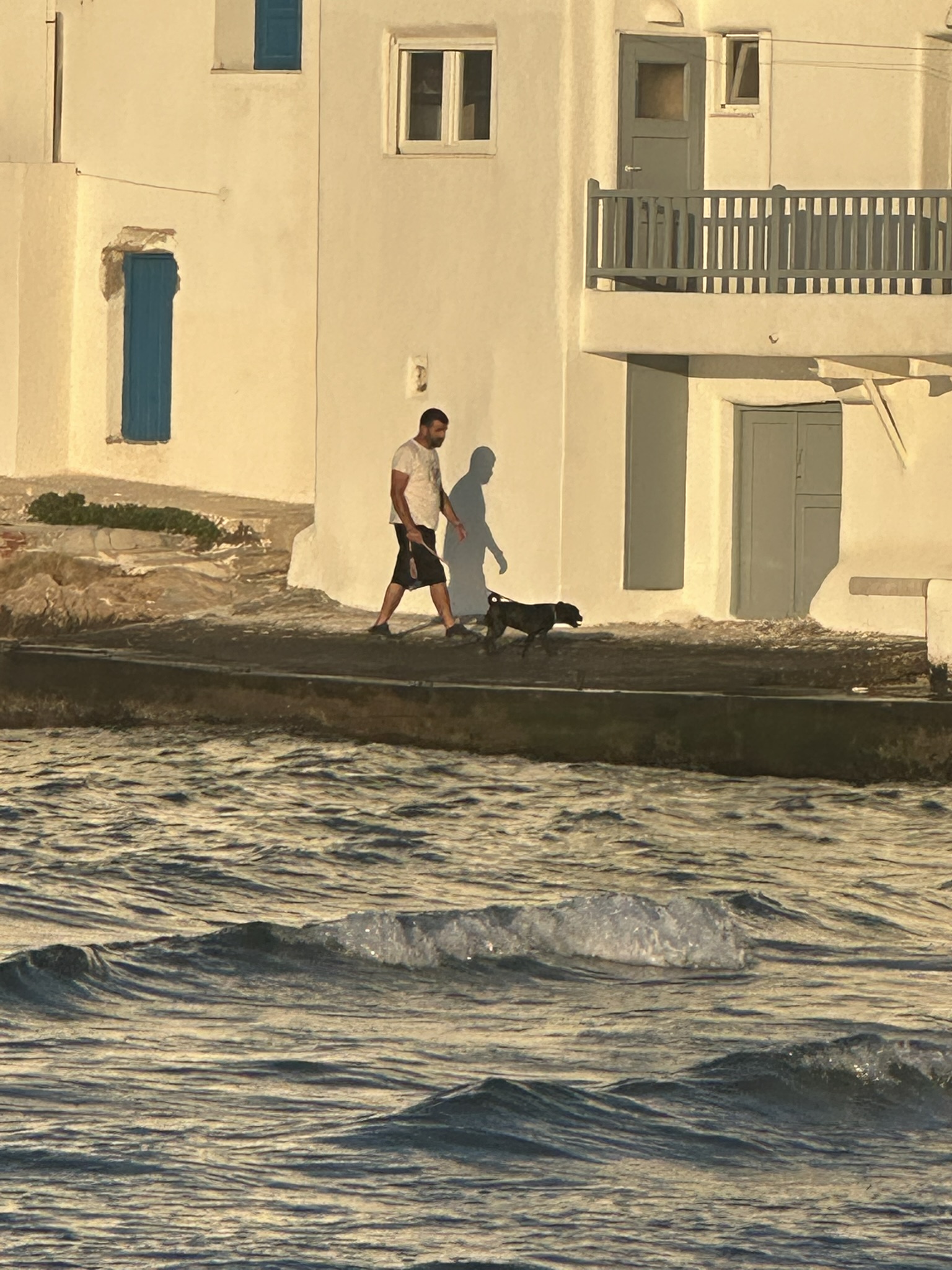
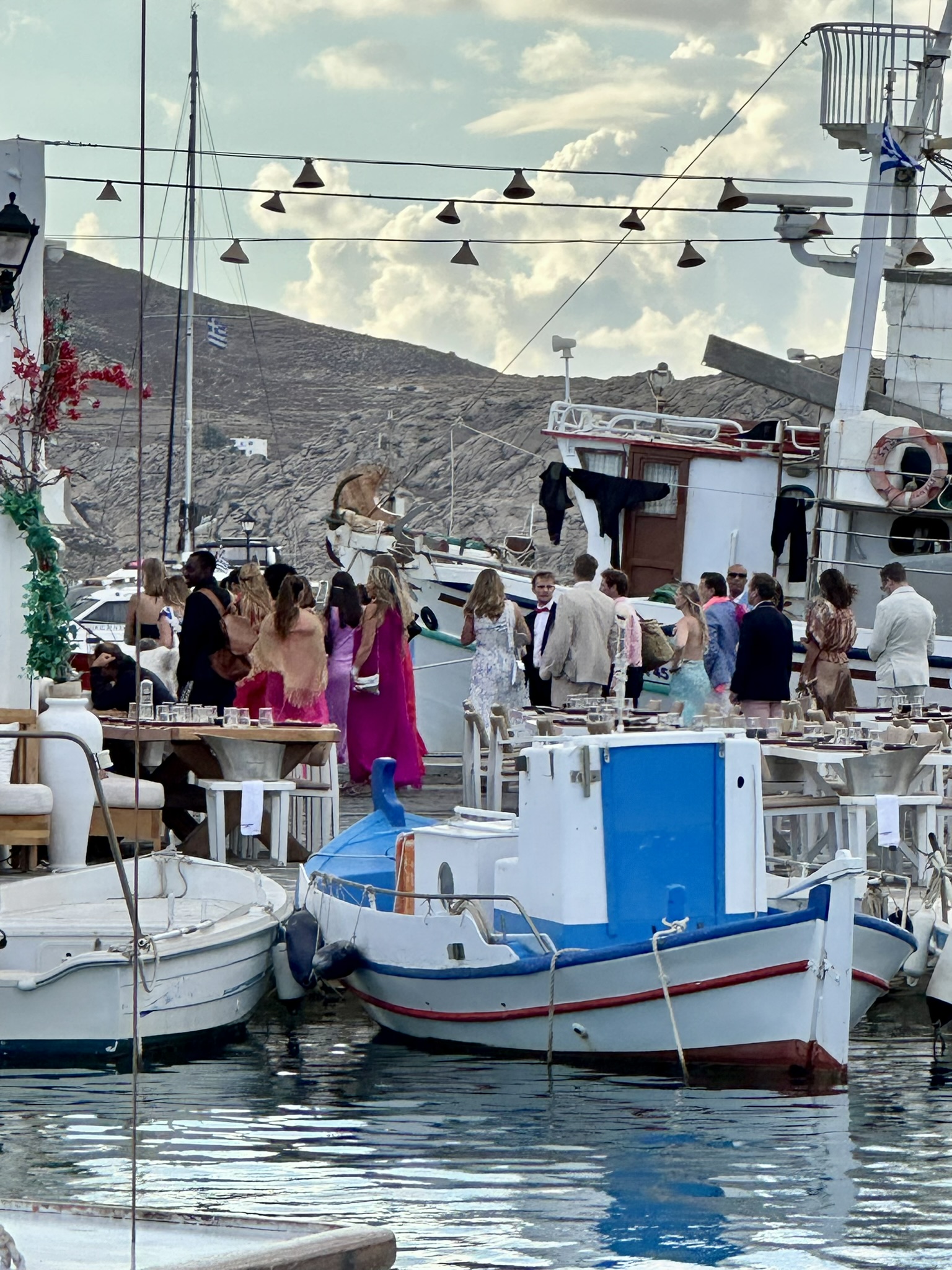
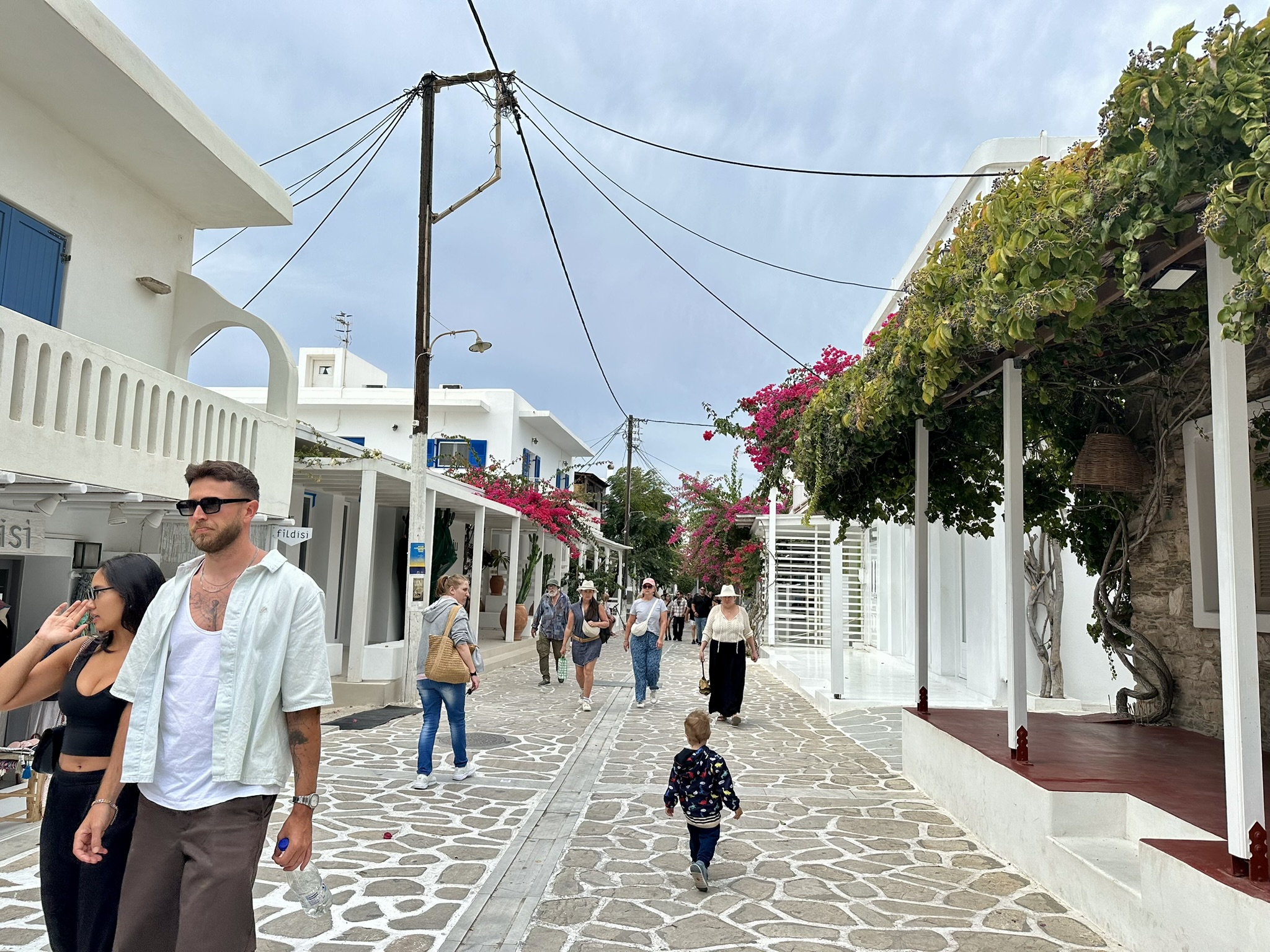
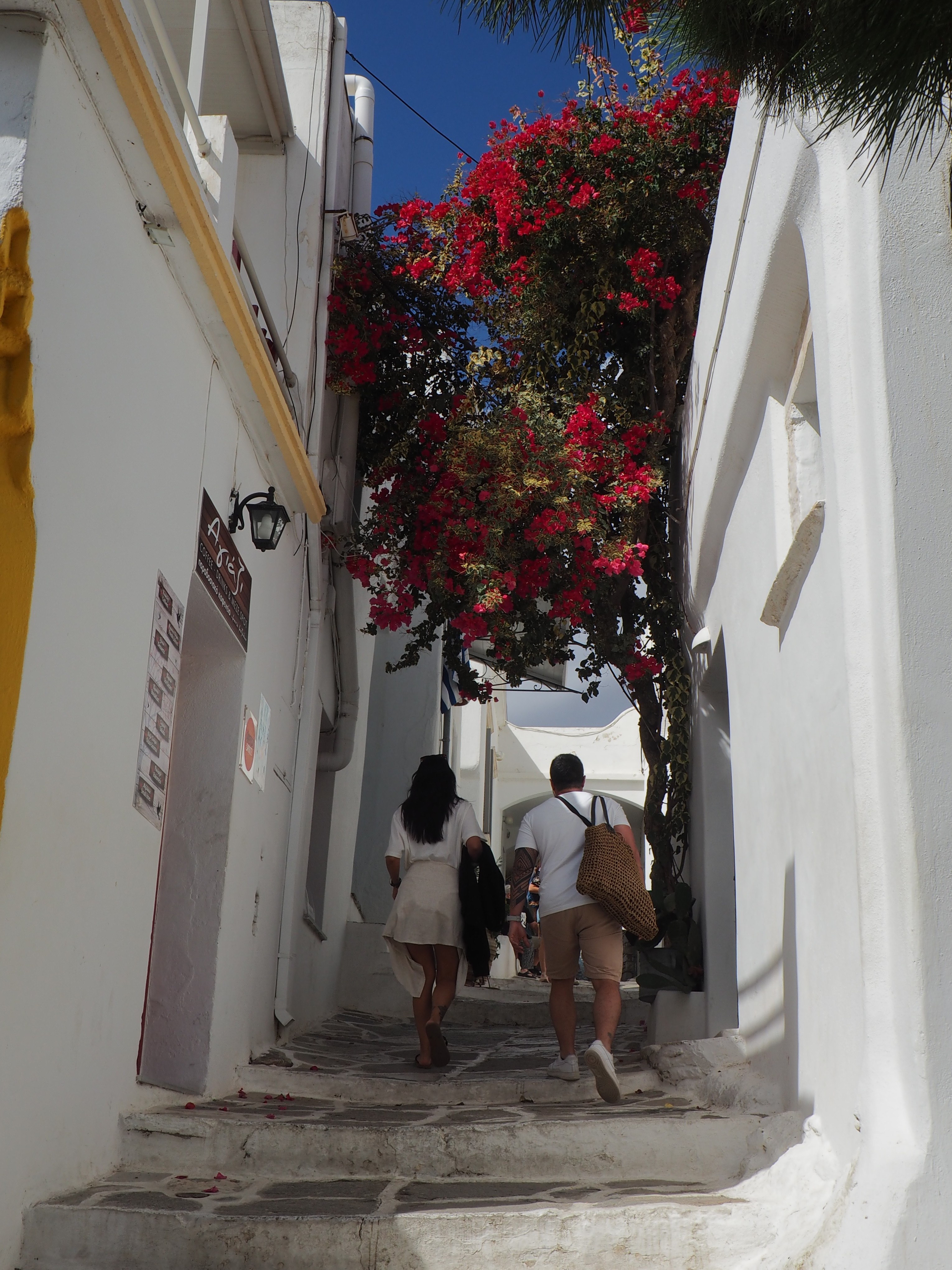
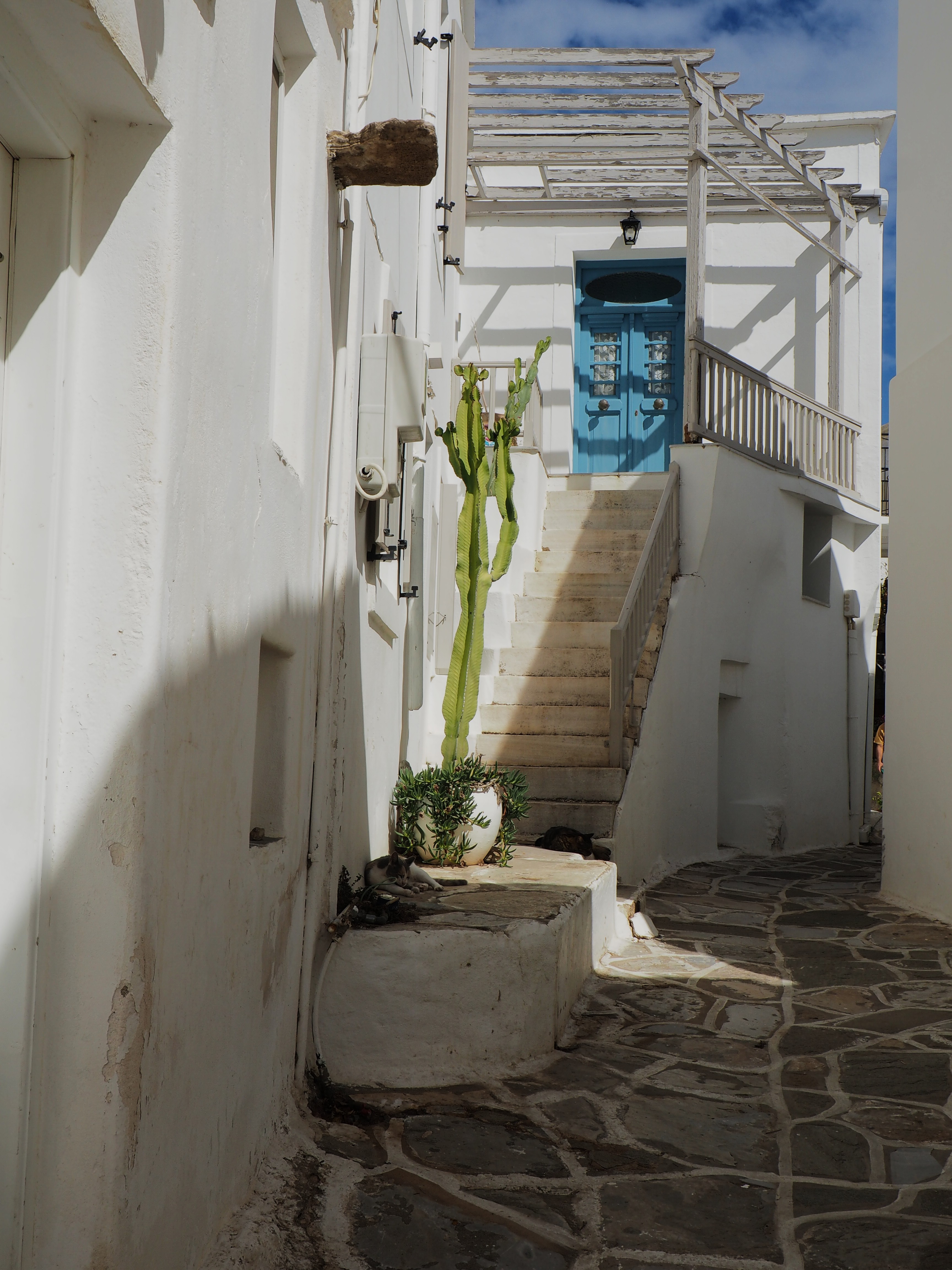
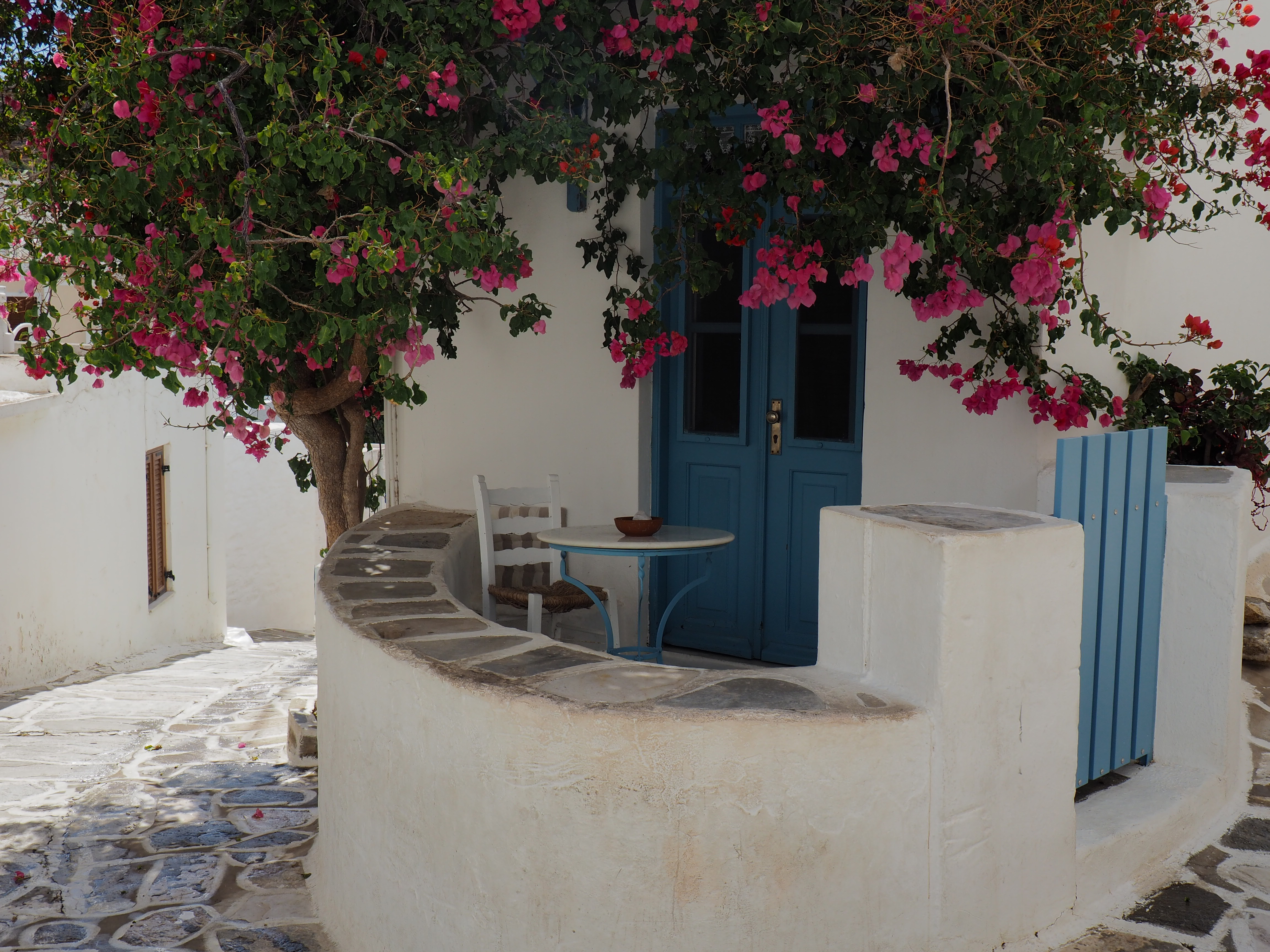
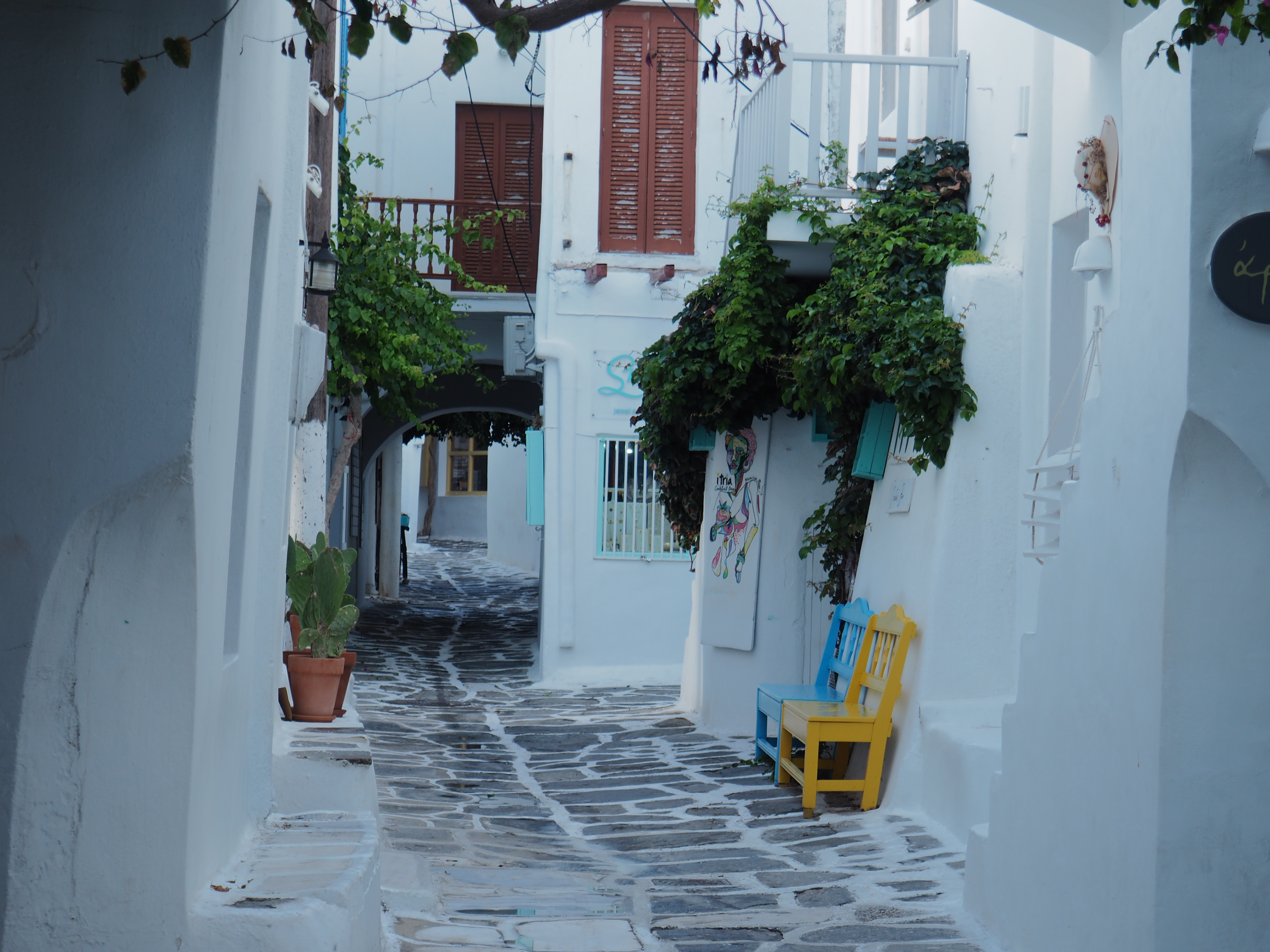
It has several beach front hotels along its main stretch of beach and its small old town has the stereotypical Cycladic white buildings and grey and white sidewalks with lots of boutique shops, bars, restaurants, a few hotels, hostels and lodging houses. It’s a chill place, with some energy, and caters to your relaxing and holiday making. Though we loved Naxos, the sometimes chaotic energy of our neighborhood in Naxos town (construction banging and drilling all day and a woman across the street who sounded like she was yelling at her husband even when she was just talking to him), the peace of Paros was perfect.




Antiparos. On our first full day on Paros, we left it, for Antiparos. Fortunately, it was only about a half hour drive to a fifteen minute car ferry from Pounta over to Antiparos (there is also a longer passenger-only ferry to Antiparos from the port town on Paros). It is a well run operation. You pull directly on board, park as advised and pay on the boat.
On Antiparos, we beelined for the Cave of Antiparos a 280 foot deep cavern with hosts of beautiful stalagmites and stalactites accessed via a 421 step concrete and metal staircase. The cave has been used since prehistoric times but its most famous visitor in history was the Marquis of Nointel, who was the Ottoman ambassador from France under King Louis the XIV. He was staying on Paros when he heard of a great statue on Antiparos. He made the trek to the cave and found that the statue was actually a massive stalagmite. He was lowered by a rope, lit many candles and held Christmas mass in the cave, staying for three days.
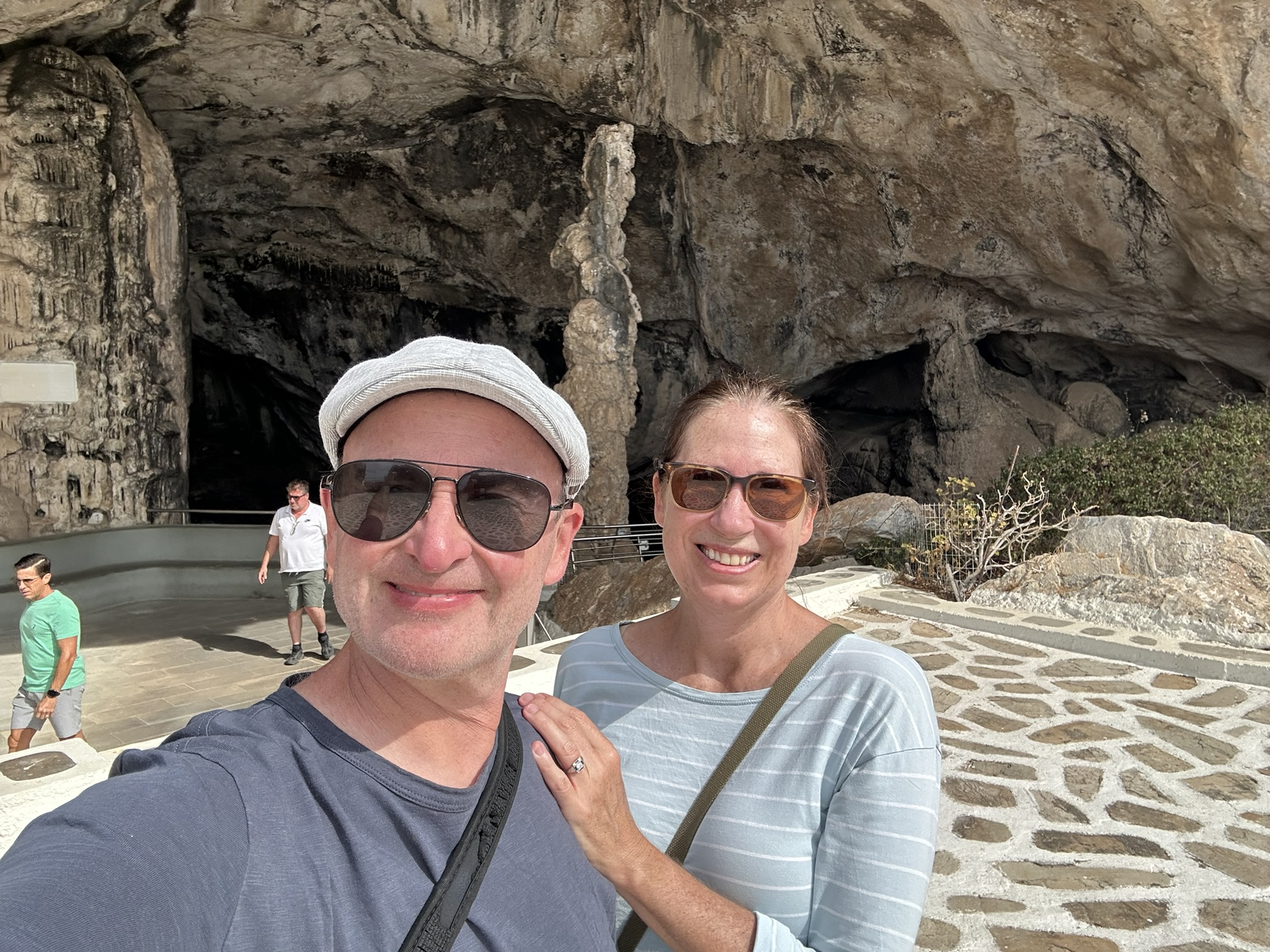
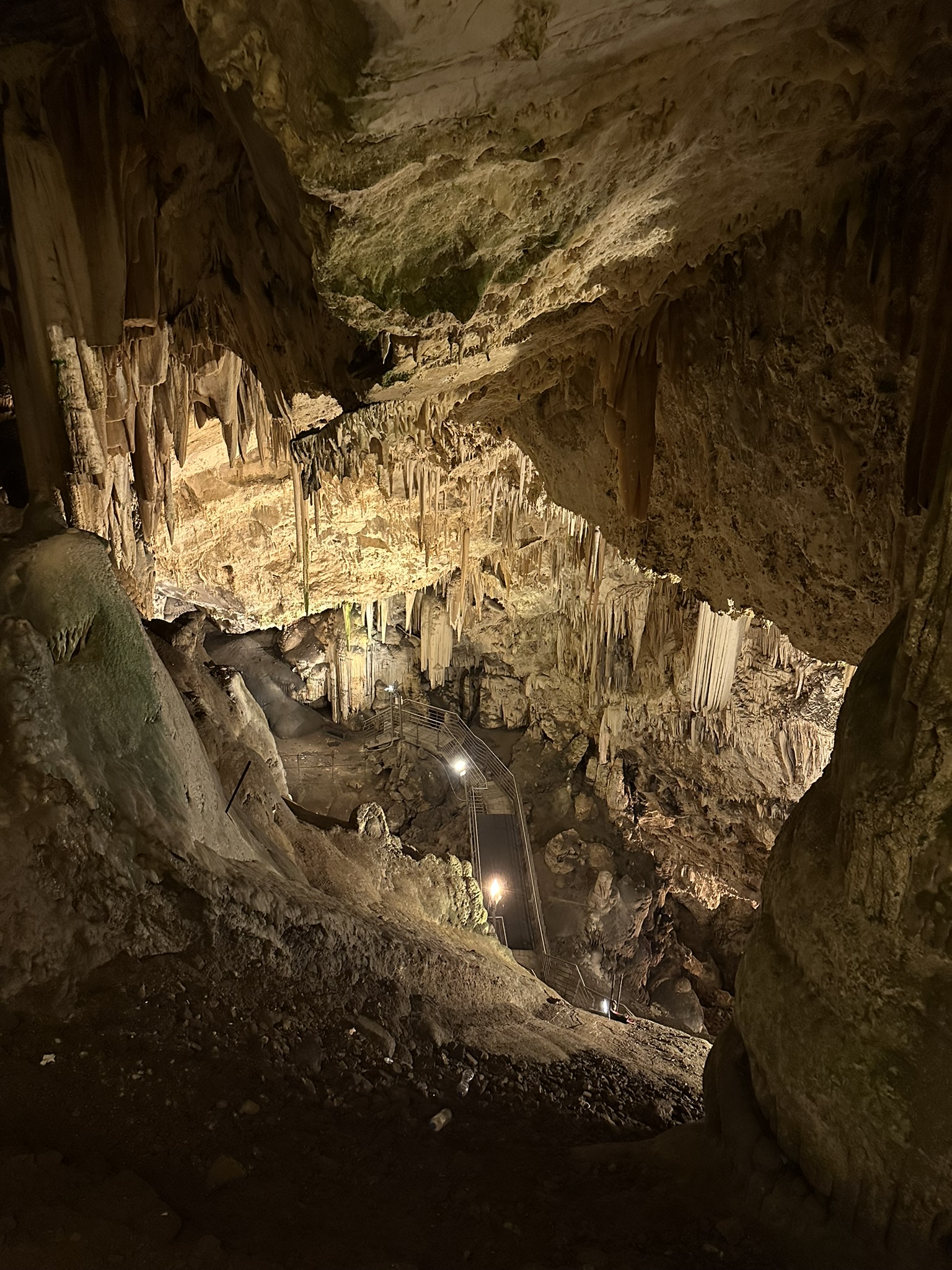
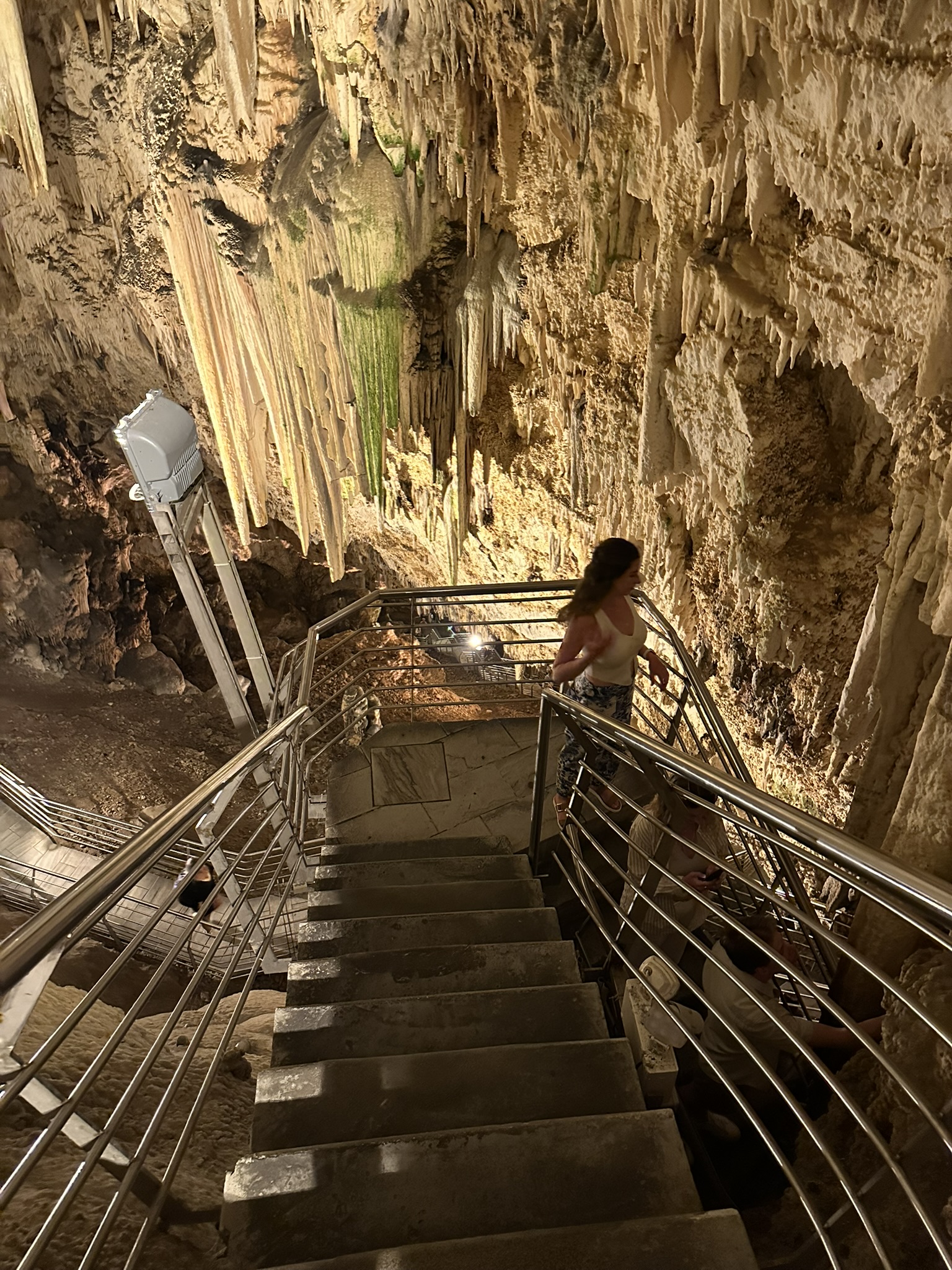
After his visit, the cave become popular with tourists who used a much more dangerous process than provided presently of climbing into the cave using ropes, ladders and lanterns.
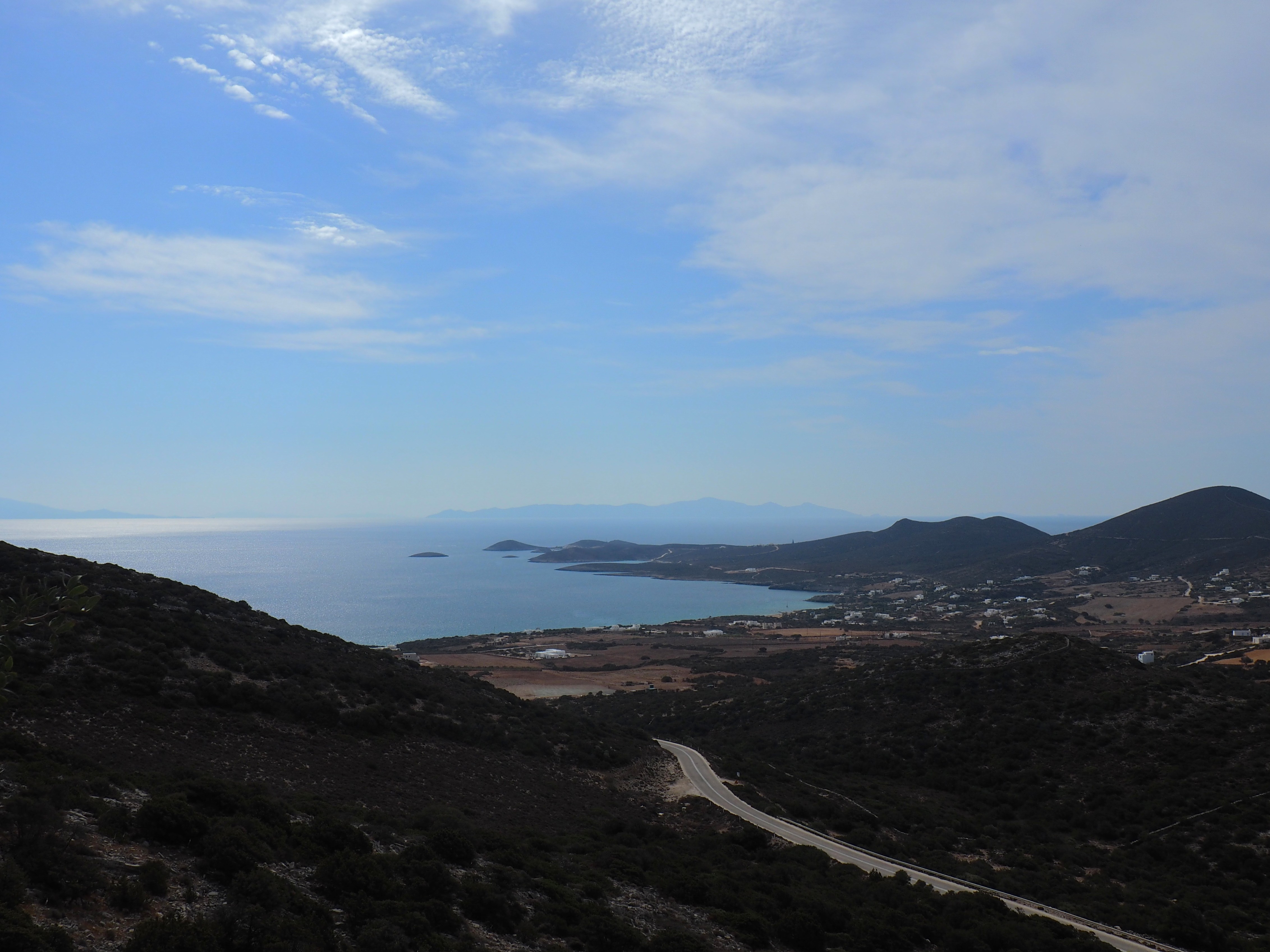
After leaving the cave, we drove along the coastline taking in views of Paros and Naxos, then returned to port for lunch in the back garden at Epestrefe whose salads were great.
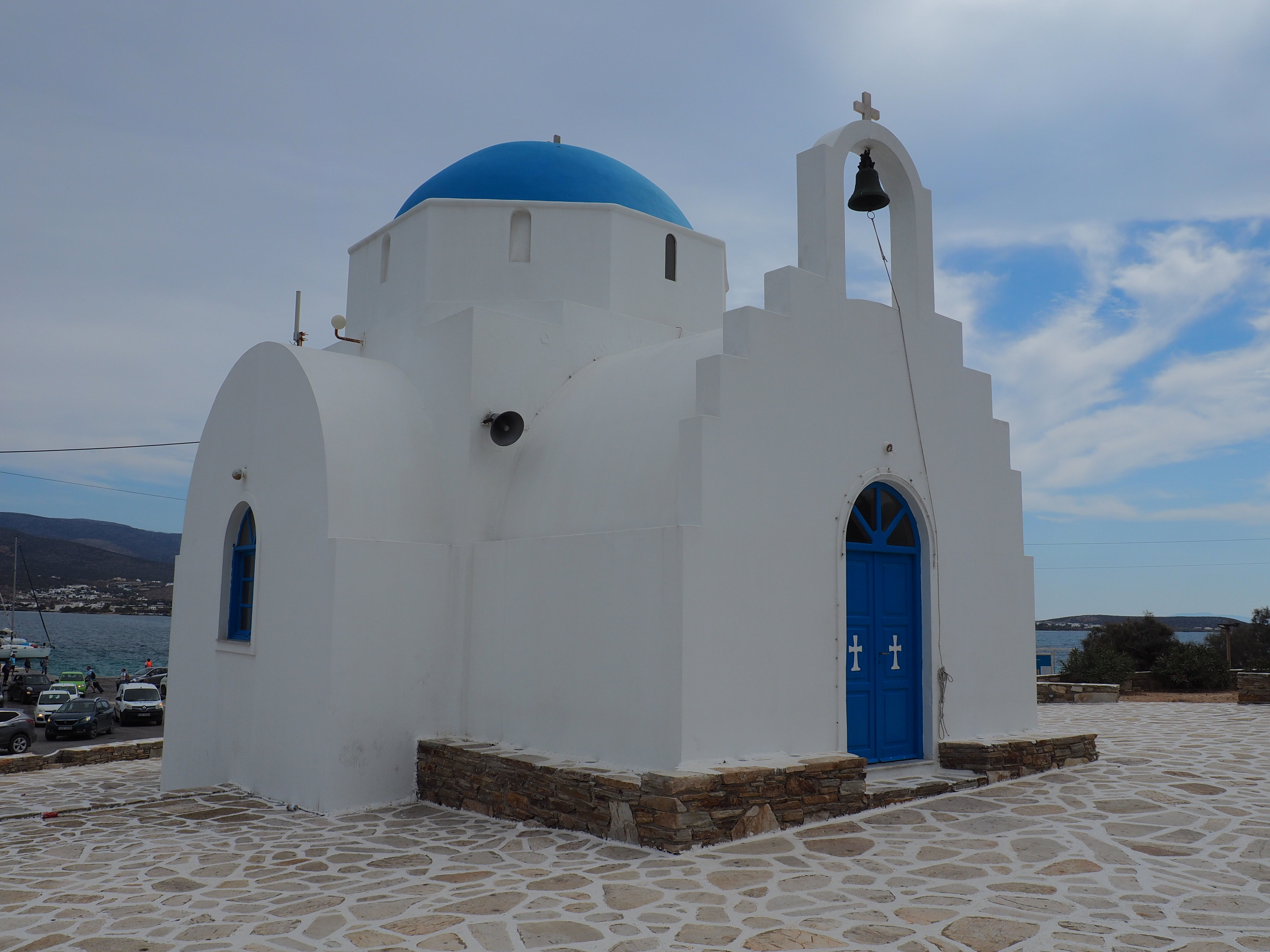
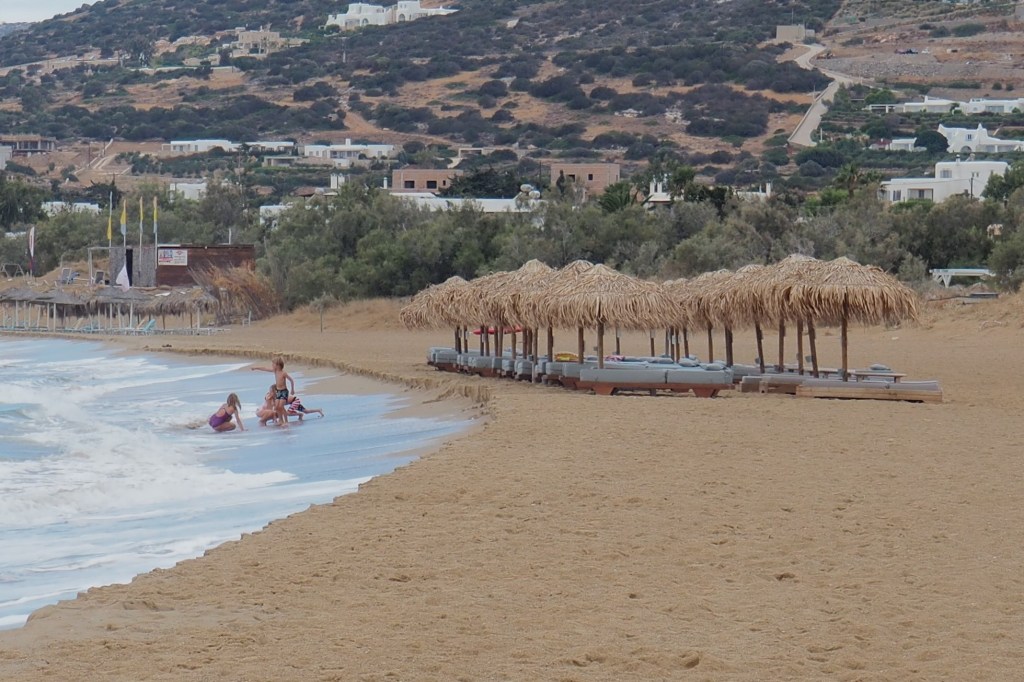
Back on Paros. Back on Paros, we spent the next day walking on the Golden Beach at the island’s south end, where we had the beach to ourselves on a cloudy morning with occasional showers save for a few kids (isn’t this October? Shouldn’t you be in school? I guess I am an old man. Get off my lawn) screaming with joy as the waves rolled in over their heads.
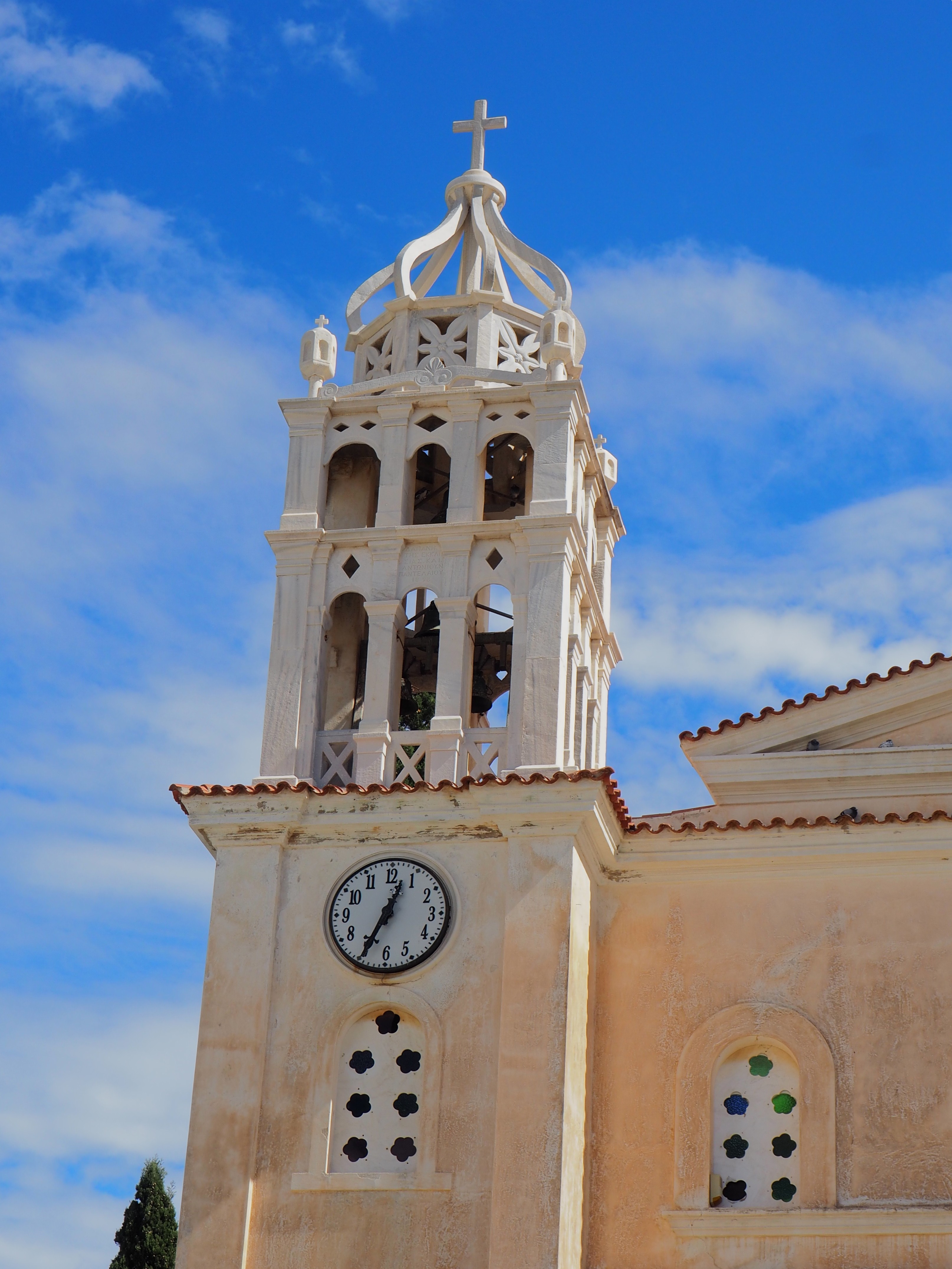
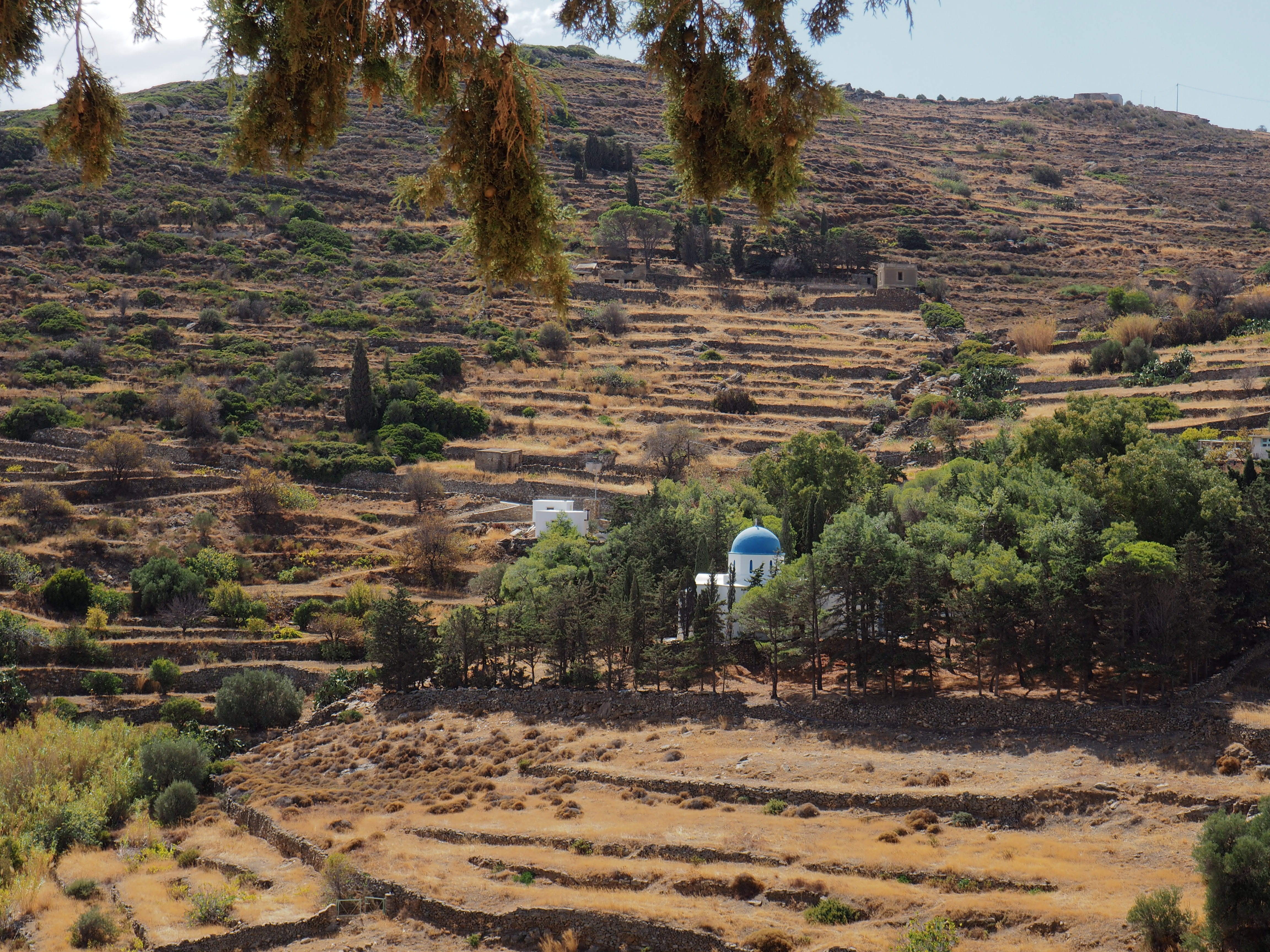
From the beach, we drove up the mountain to Lefkes, a hillside Cycladic village of whitewashed buildings, shops and restaurants where we wandered the maze of streets and admired its distinctive Triada church and the views from it. Lefkes is a starting point for the Byzantine trail you can hike to check out some ancient windmills. Having seen quite a few windmills already, we headed back to Naousa for a delicious lunch in the port at Calypso.
Our final day in the Cyclades was spent as many spend their days here: at the beach. We rented a couple of chairs from a neighboring hotel, admired the sparkling clear waters of the inlet bay of Naousa and reflected on our island hopping odyssey. With one more ferry ride, to the mainland and port of Pireaus in Athens, in our futures we were thankful for such a beautiful adventure in the wonderful Greek islands.

Sources:
 The Traveling Ridleys
0 comments on “To Paros or Antiparos, that is the Question”