

While we’ve been back to France on two extended trips since our first nearly 20 years ago, aside from the airport, we hadn’t returned to the City of Light since that first time.
Paris was our first international trip together. On the plane, I read and then hauled around my French for Dummies book everywhere we went, trying (and mostly failing) to communicate. We’d done some language tape (a cassette tape, in the car’s tape deck, it was that long ago) to work on our French, a language neither of us had studied in school, in advance, and were left with only one sentence: “je suis functionnaire” after all of our listening; a sentence which would not be of any use to either of us, neither being civil servants, for our two weeks in France.
We visited the museums: the Louvre (finally figuring out that the entrance was through the glass pyramid, having approached it from the other end), the Musee d’Orsay, the Arc de Triomphe and the Eiffel Tower. We sipped wine and coffee while tasting escargot and croissant at outdoor bars and cafes, saw the Notre Dame long before the fire and wandered down the Seine, through the streets and into and out of various arrondissements. It was our first taste of Europe together and it was fantastic. After all, it is hard to go wrong with Paris.
We returned this fall for a week with Melissa’s sister and brother-in-law. Fall was a wonderful time to visit. The temperatures were cool, but most days were sunny enough (or at least not rainy), and we got to enjoy some beautiful blue skies as we wandered around revisiting and re-exploring and discovering new experiences.

We began this visit at the Hemingway Bar in the Ritz Carlton Hotel at Place Vendome. It’s located all the way in the back, through the high-end shops of the Ritz and, frankly was a bit overpriced as we found ourselves drinking our martinis with almost exclusively other Americans.
Paris is huge. There is a ton to see, and it can be overwhelming to figure out how to divide it up. This is how we strategically tackled it, neighborhood by neighborhood to make the most of our week. (FYI: Rick Steves has a good itinerary set in his book on Paris too).
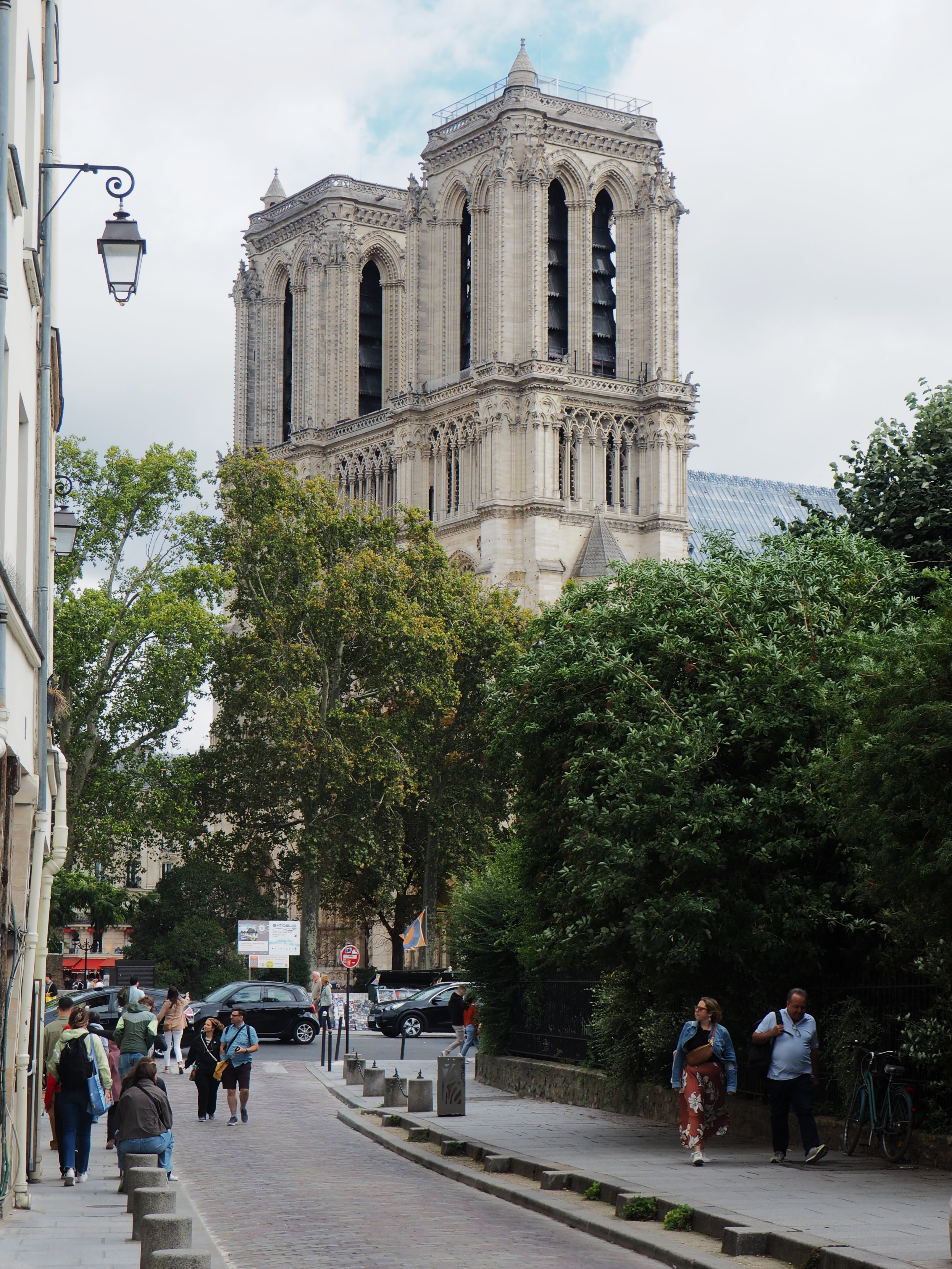
Day One: Highlights of Historic Paris. On our first full day, we headed south down the Seine to Ile de la Cité and into the shadow of Notre Dame to take in Rick Steves’ “Historic Paris walk”. Our last trip to Paris was also about one week long, divided between two stays, the bookends of our two-week trip to France and our first stay was in a budget hotel near the Hotel de Ville by Notre Dame, so we spent a lot of time walking around this part of town.
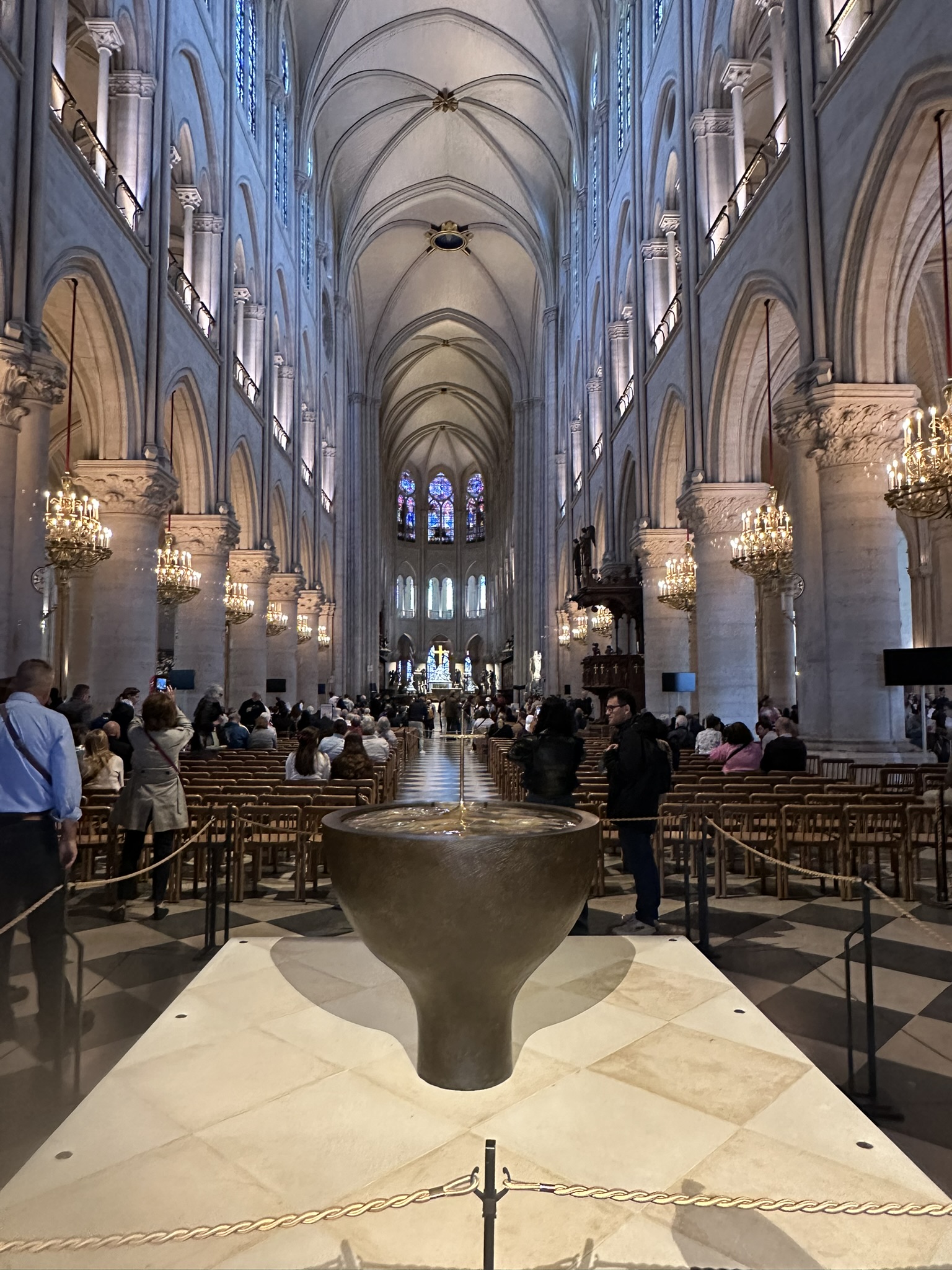
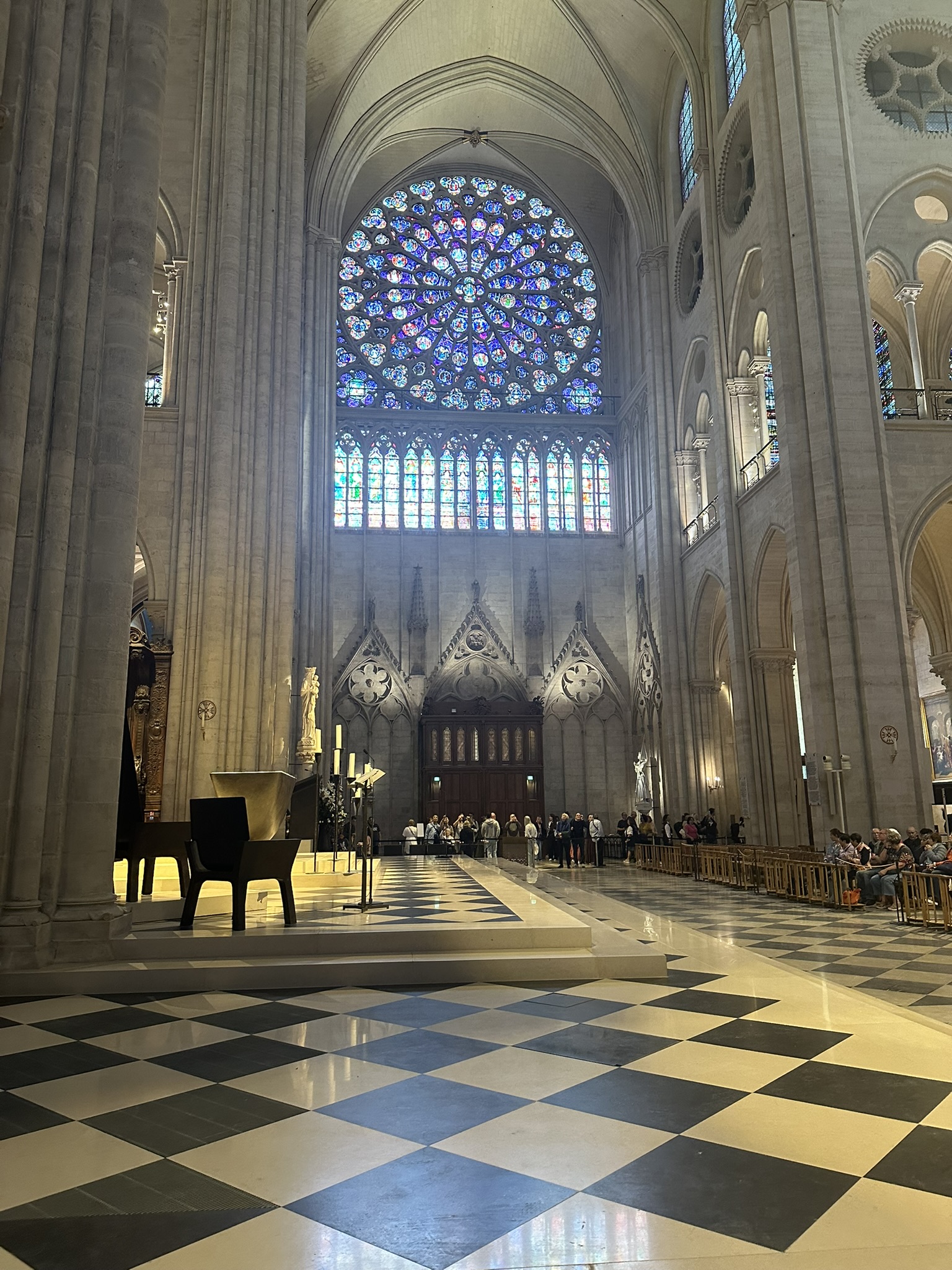
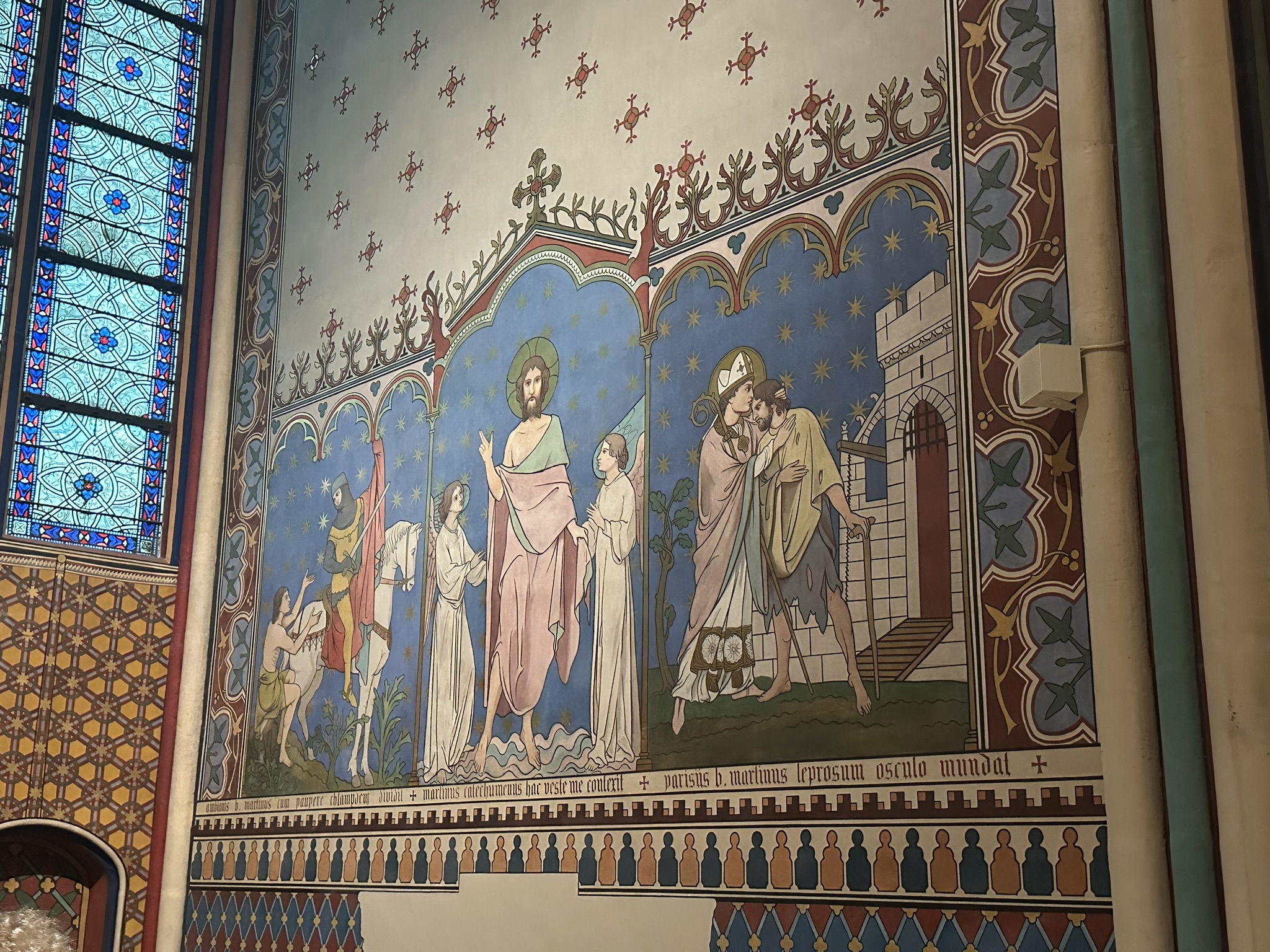
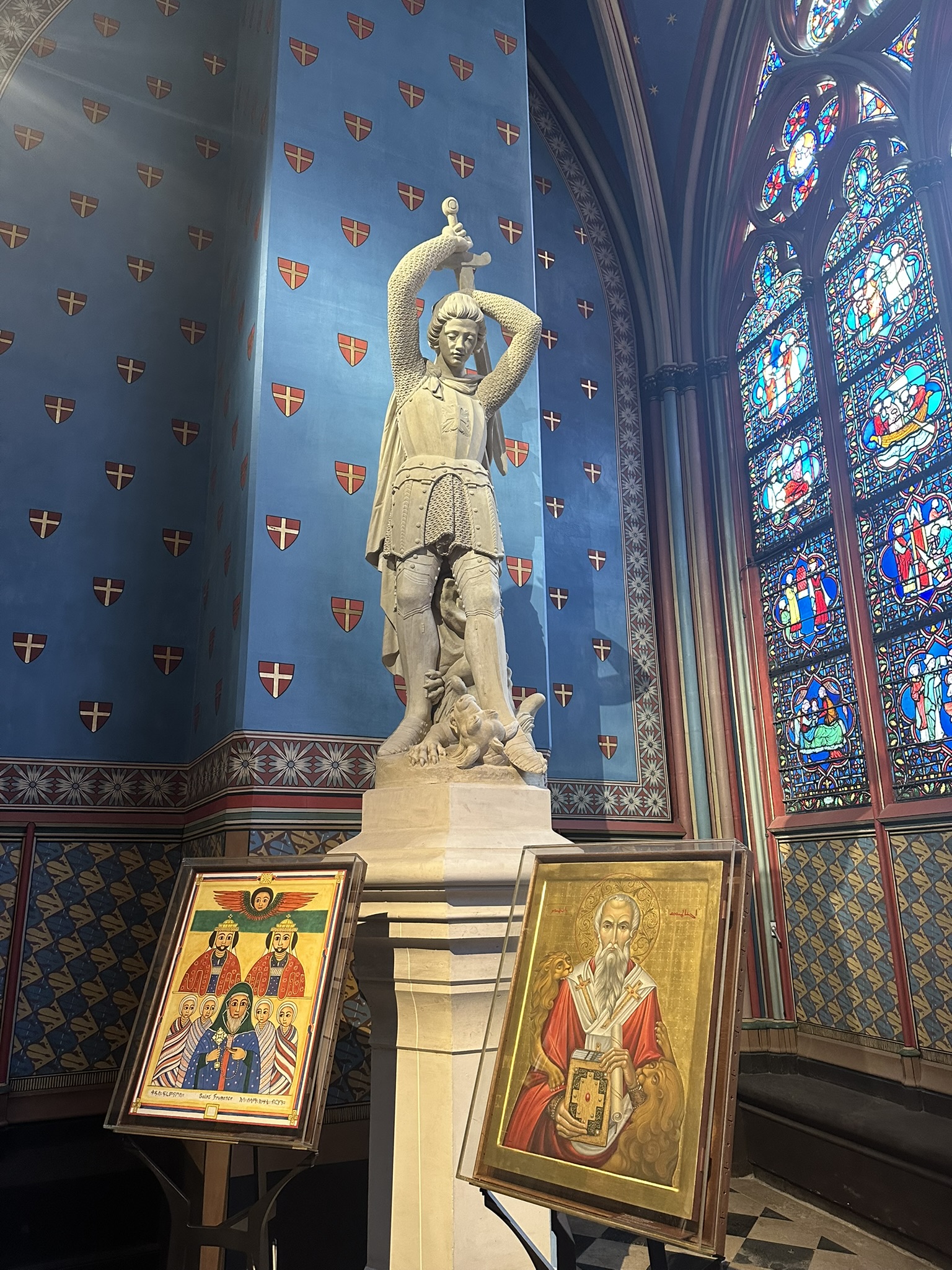
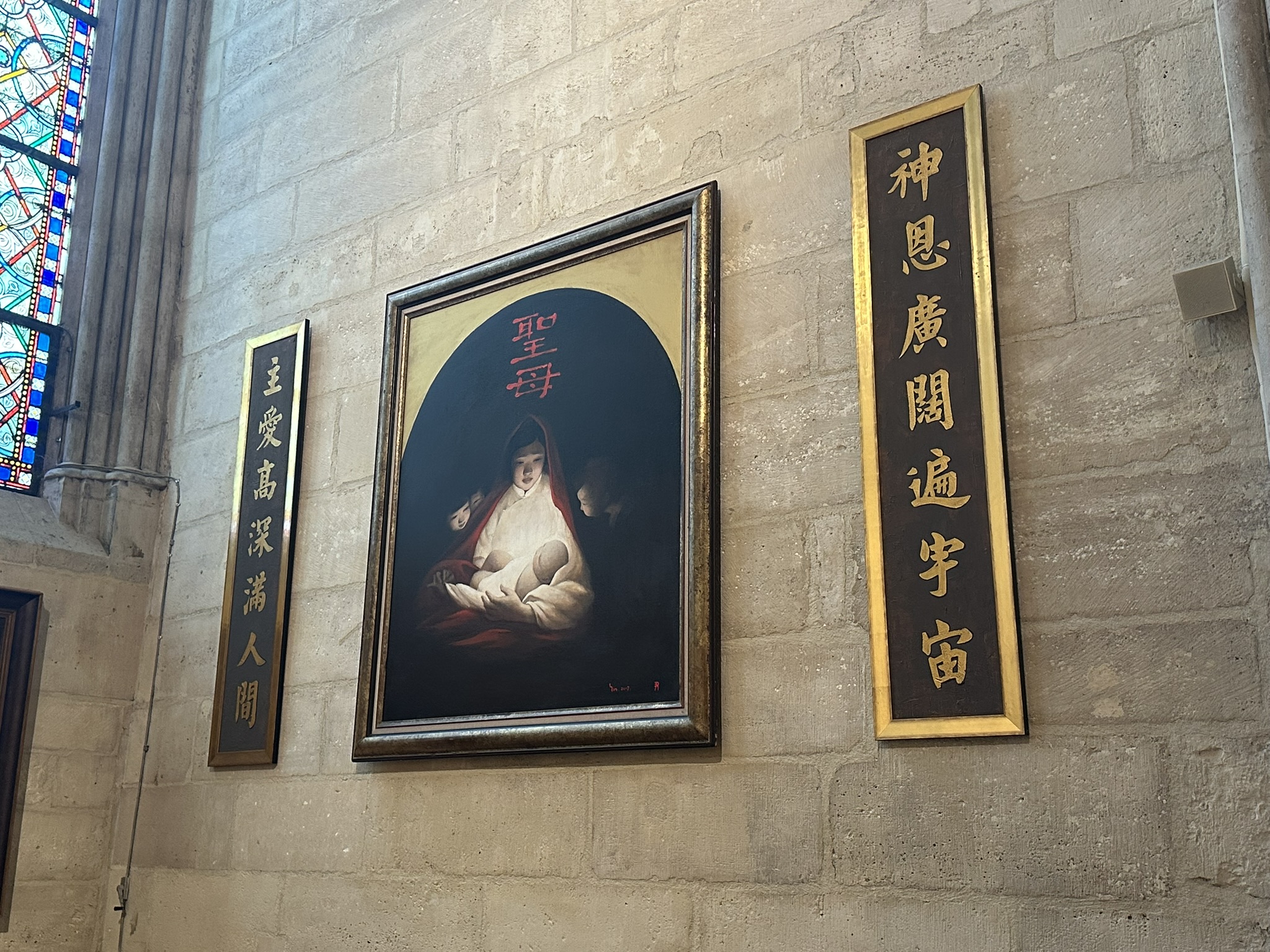
Notre Dame. Last time we came, I remember it being beautiful but really, really dark inside. The walls, to my recollection, were black with soot and ash, the paintings darkened as well. I’m not sure if this is totally accurate or if my memory has been influenced by watching stories about its renovation and reconstruction after the fire of 2019 and my old black-and-white Pentax camera photographs which I took sans flash, but whether it was as dark as I remembered it before or not it sure isn’t now. The stained-glass filters beautiful sunlight in and the walls, floors and columns dance with color and patterns. The chapels that line both walls are adorned with bright and colorful paintings and even the large crush of crowds can’t keep you from stopping and appreciating your time inside and the beauty of the church and its restoration. (Note: right after we left Paris, the rooftop climb re-opened. While we didn’t need advance tickets to enter Notre Dame, I’m pretty sure you do for that).
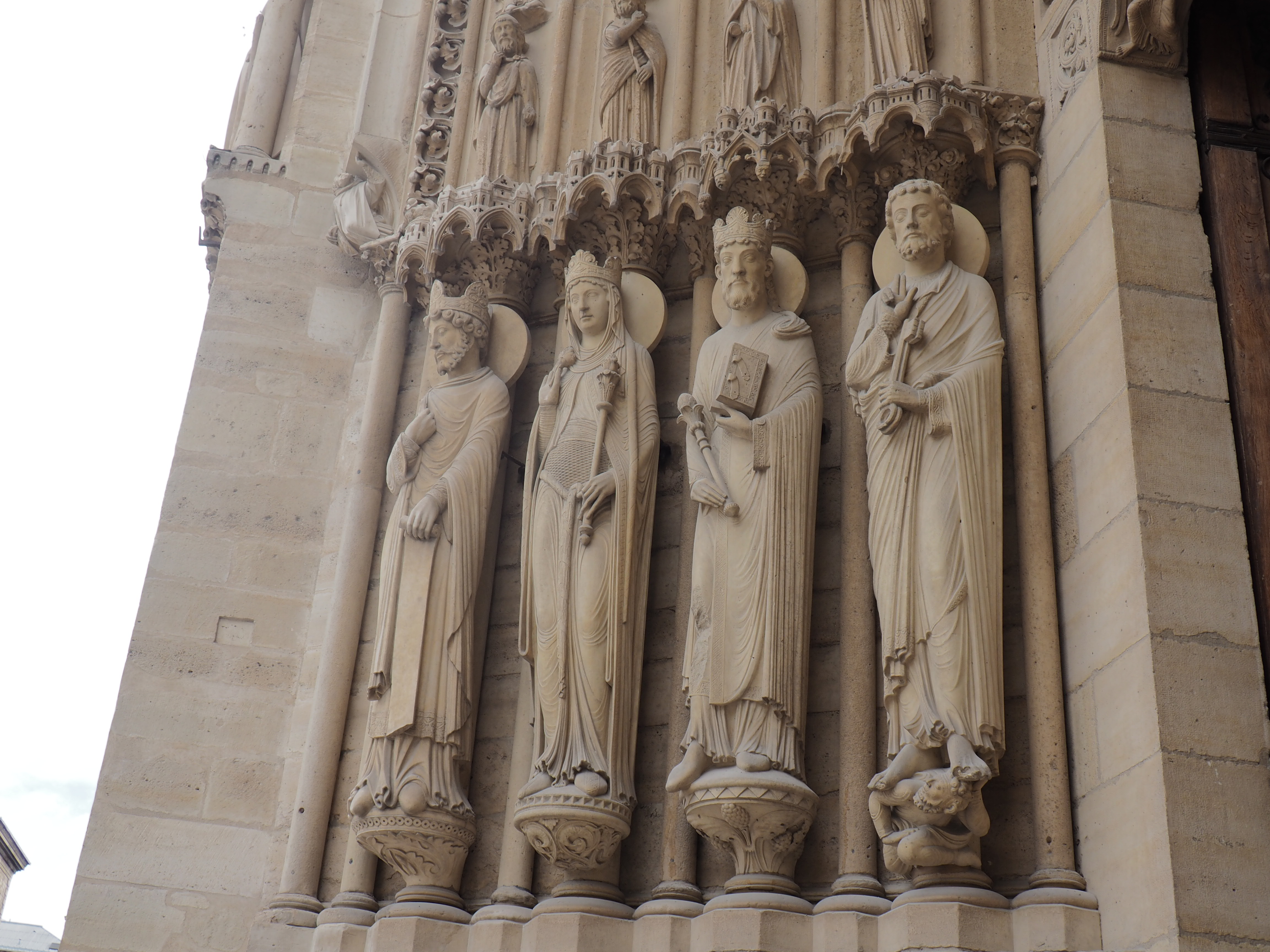
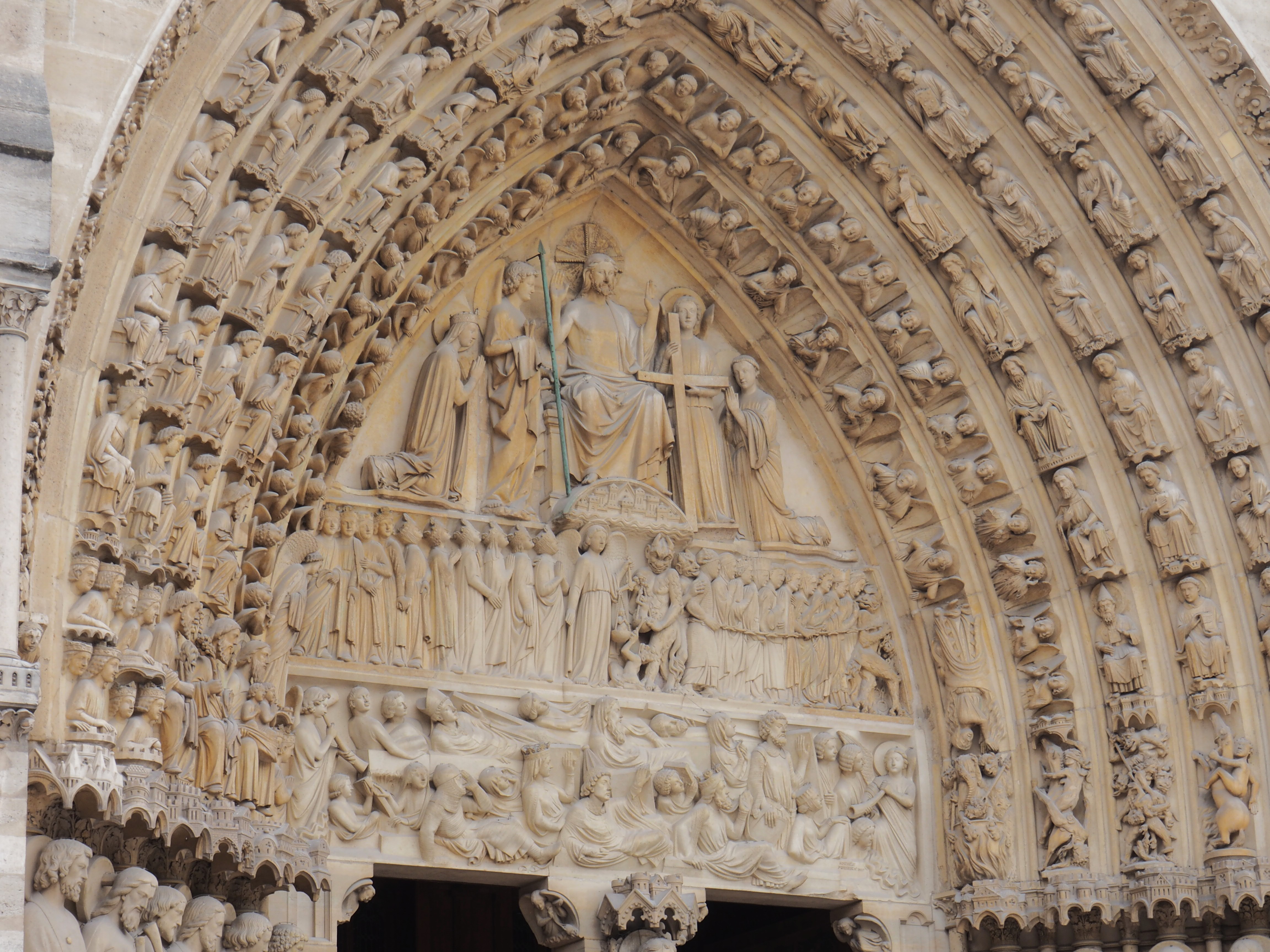
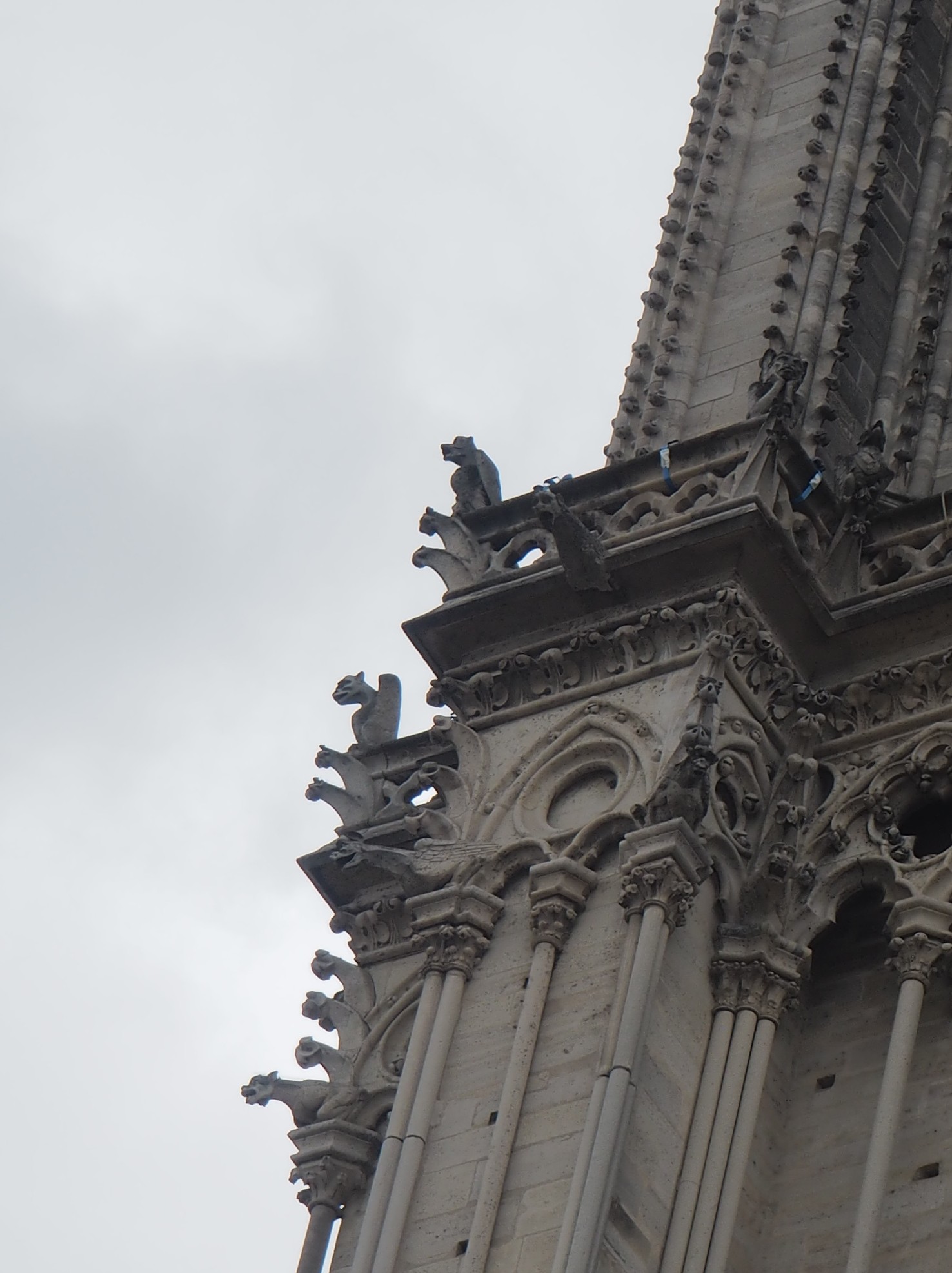
Back outside, above the doorway, Christ presides over Judgement Day as sinners tumble into the abyss and the faithful prepare to ascend to heaven. Statues of the disciples and saints observe the tourists and gargoyles protect the church, and you can almost see Quasimodo peering over the edge above.

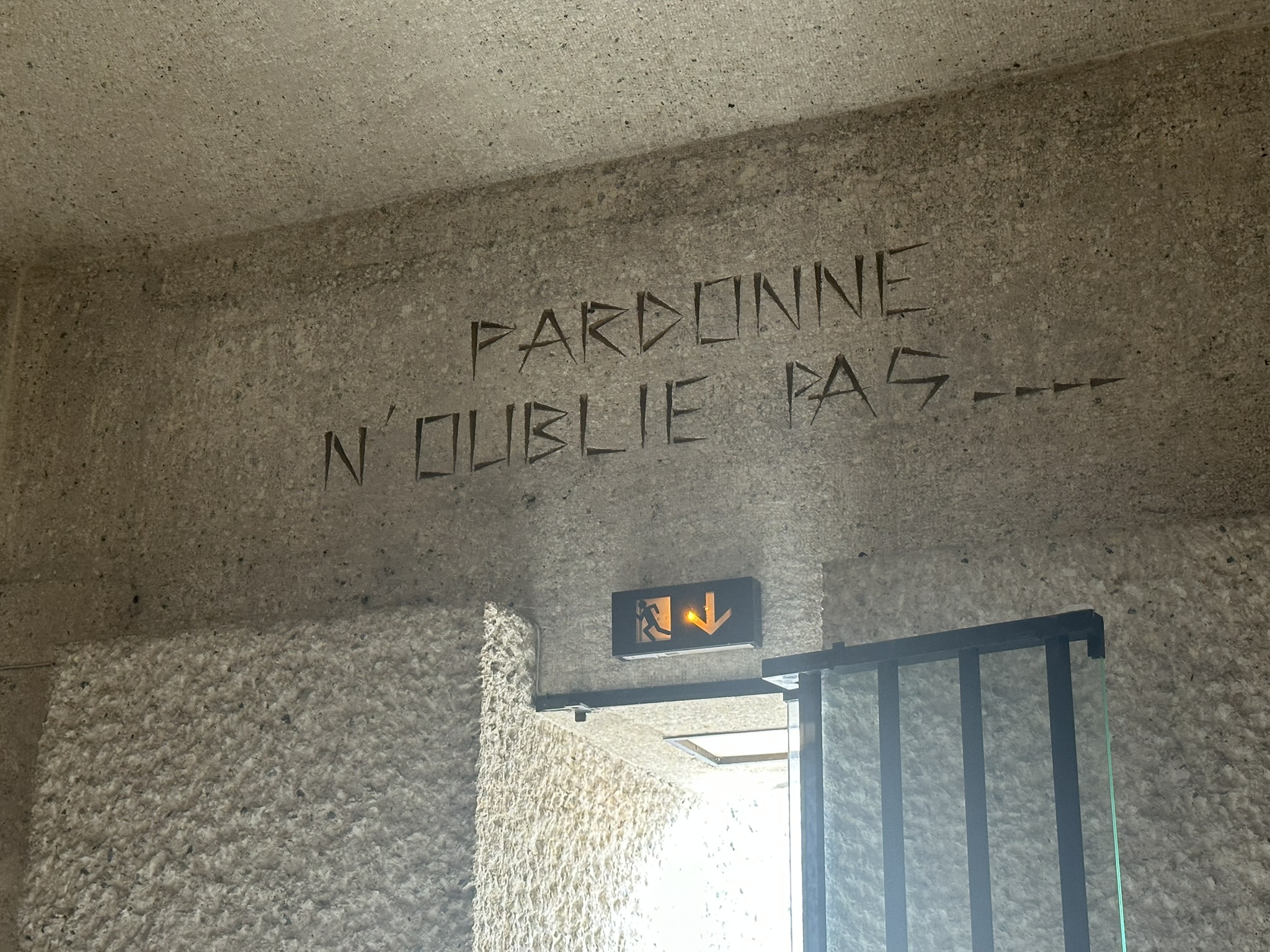
The Deportation Memorial. Were we not with Rick in our ears we would never have discovered the Deportation Memorial in the small park behind Notre Dame. Down below ground, the memorial honors the 200,000 French victims of Nazi concentration camps. It’s a beautiful and stirring memorial. “Forgive, but never forget”, the inscription above the exit reads.

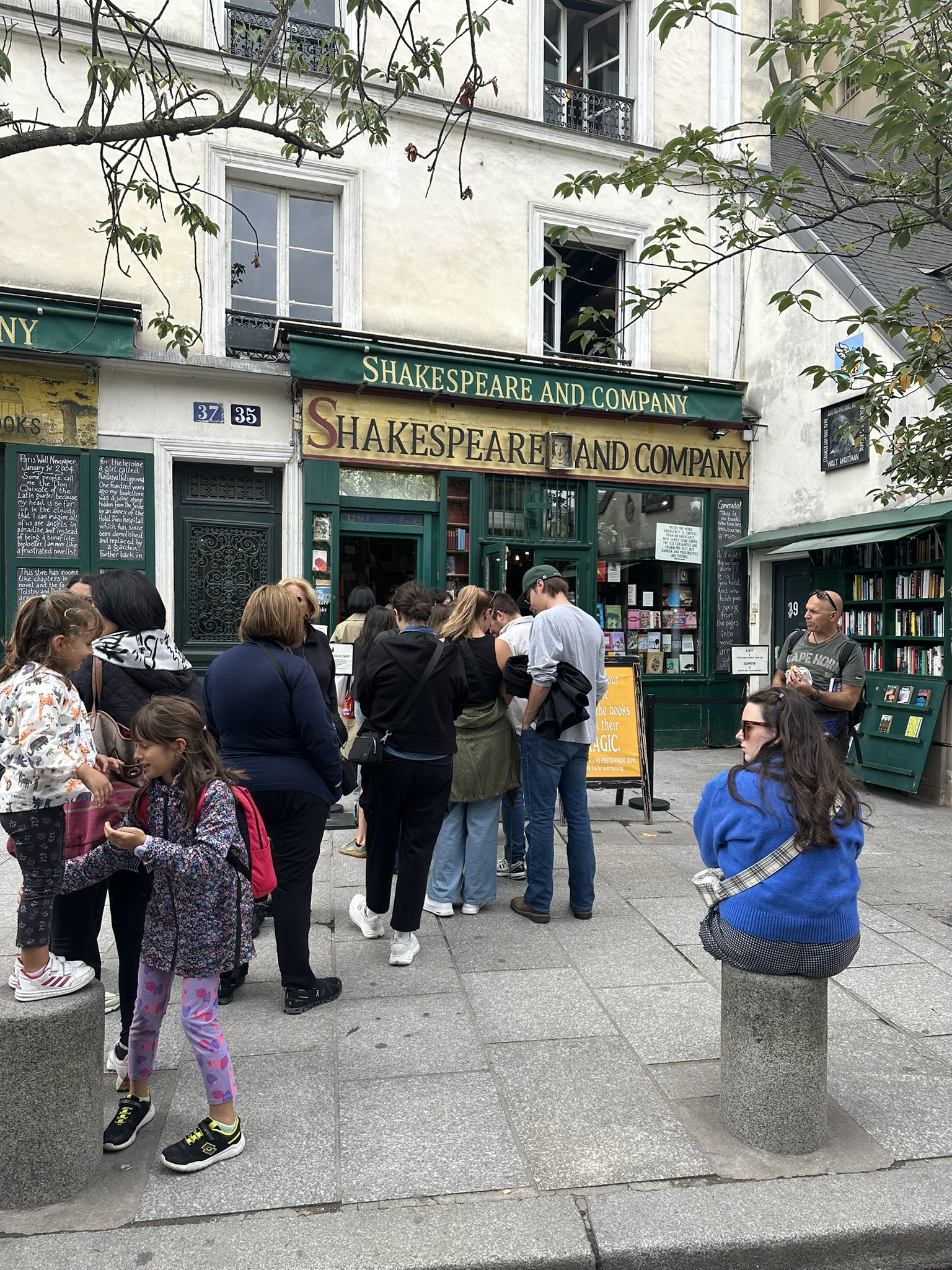
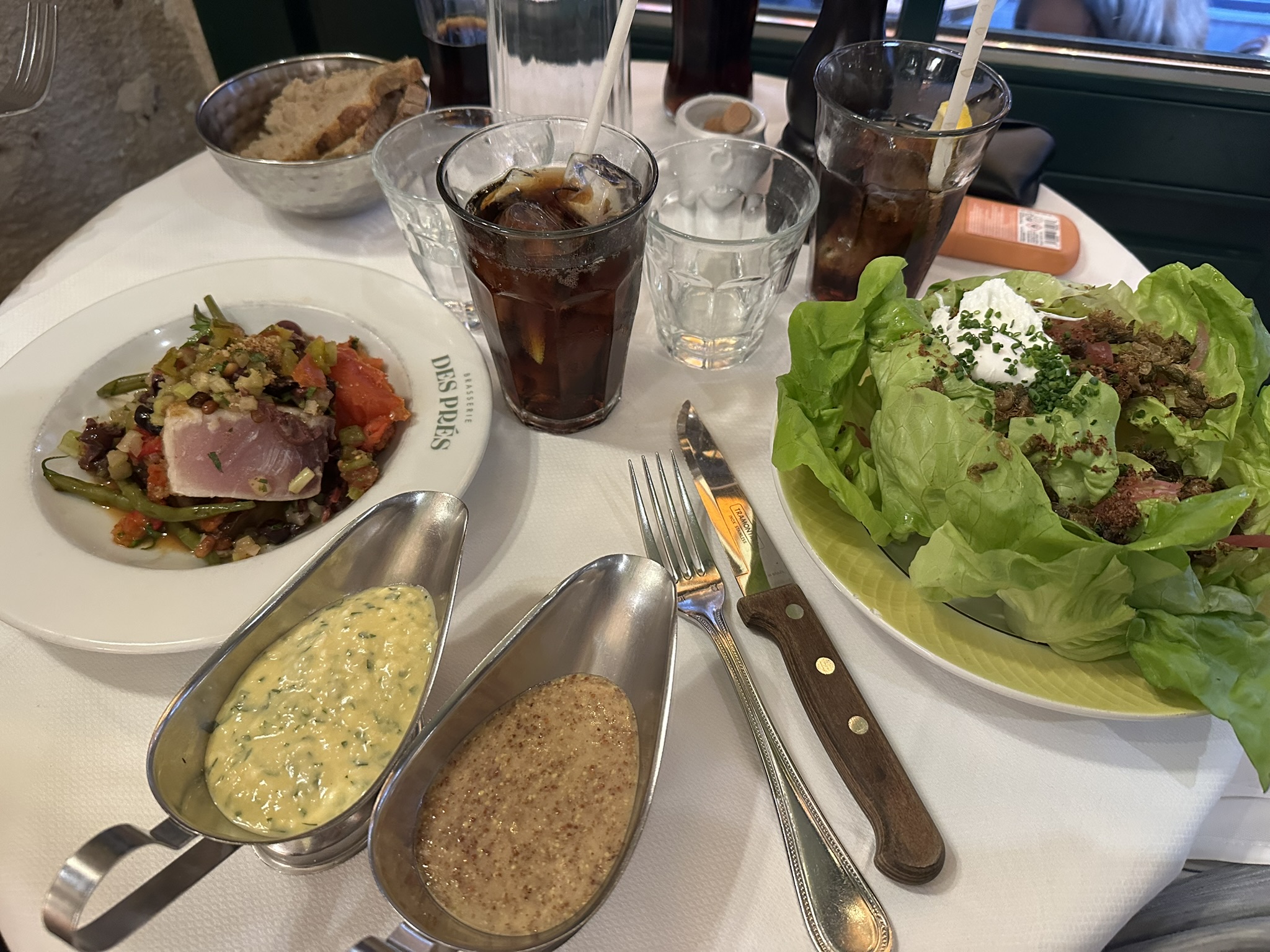
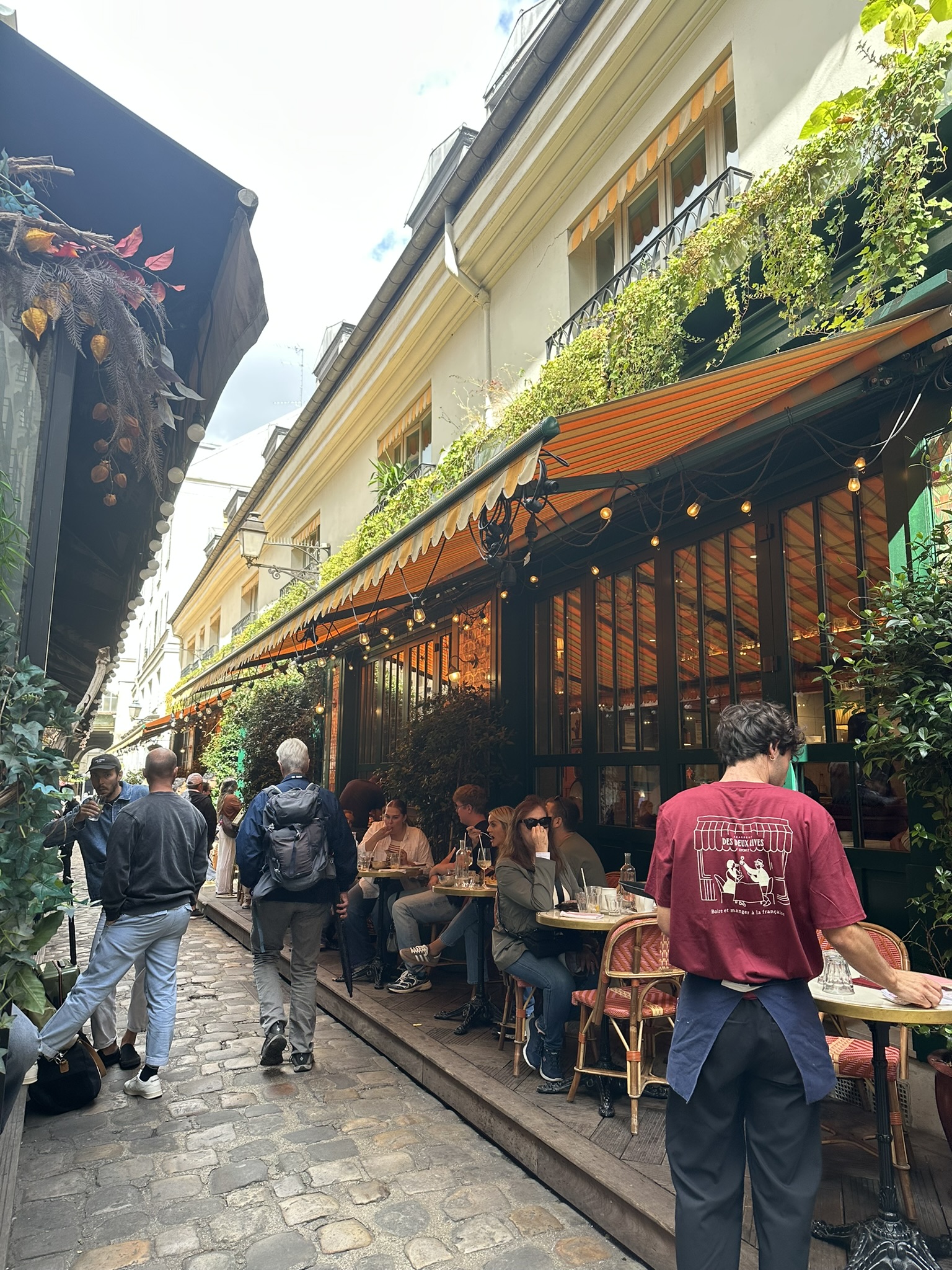
The Left Bank and the Latin Quarter. We spent a lot of our time in the Latin Quarter on the left bank when we came here last. We were on a much tighter budget then, and the falafel and gyro meat were spicy, tasty and affordable. This time, we cruised through winding down old and narrow streets, past the Shakespeare and Company book store (and its long queue) and down Boulevard St Michel to Boulevard Saint Germain where we ducked into Cour du Commerce Saint Andre and found Brasserie des Prés for lunch. We weren’t the only ones with that idea but got lucky with some fortunate timing and scored a table just inside where we got to observe both the busy kitchen and the passersby and growing queue while we enjoyed our salads and grilled tuna steak. While we still adore a good gyro on pita, the St. Germain restaurants drew us more this time around, with a few more coins allocated to our food budget.
Another option for food might be the line of restaurants near Place Dauphine, near the end of Rick Steves’ walk. It’s a quiet little triangular park which seems so chill compared to the rest of the City Island.
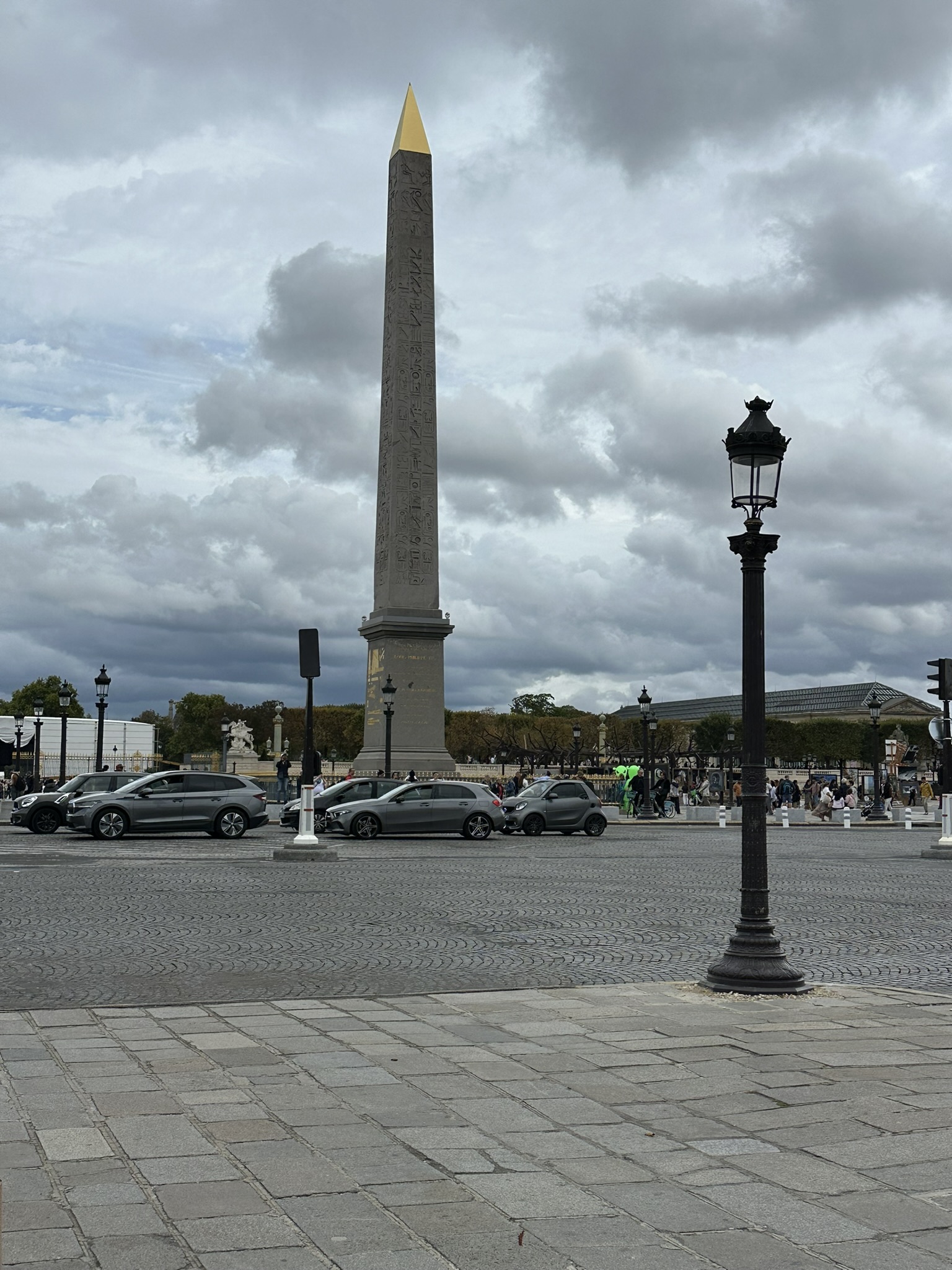
The Conciergerie. The Conciergerie was turned into a prison during the “Reign of Terror” period of the French Revolution. It was here that those, including Marie-Antoinette, awaited their date with the guillotine which was placed where the obelisk at the Place de Concorde now stands. We ducked inside for the tour, which includes a tablet so you can visualize how it once looked and has a pretty good French Revolution exhibit, but unless you’re super into the history of France’s overthrow of its monarchy, it is one you can skip.
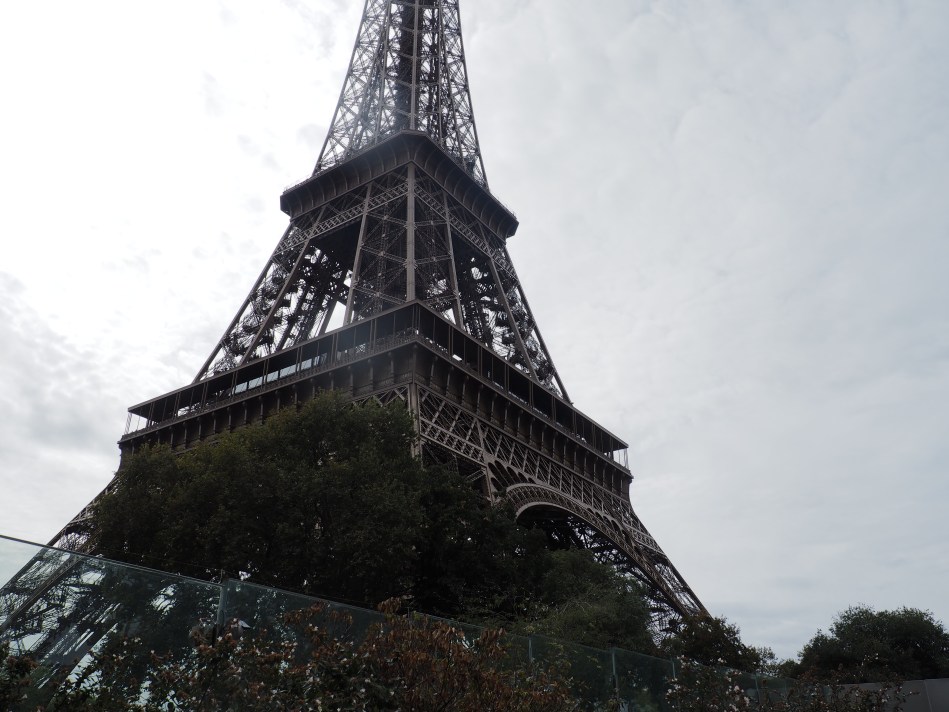
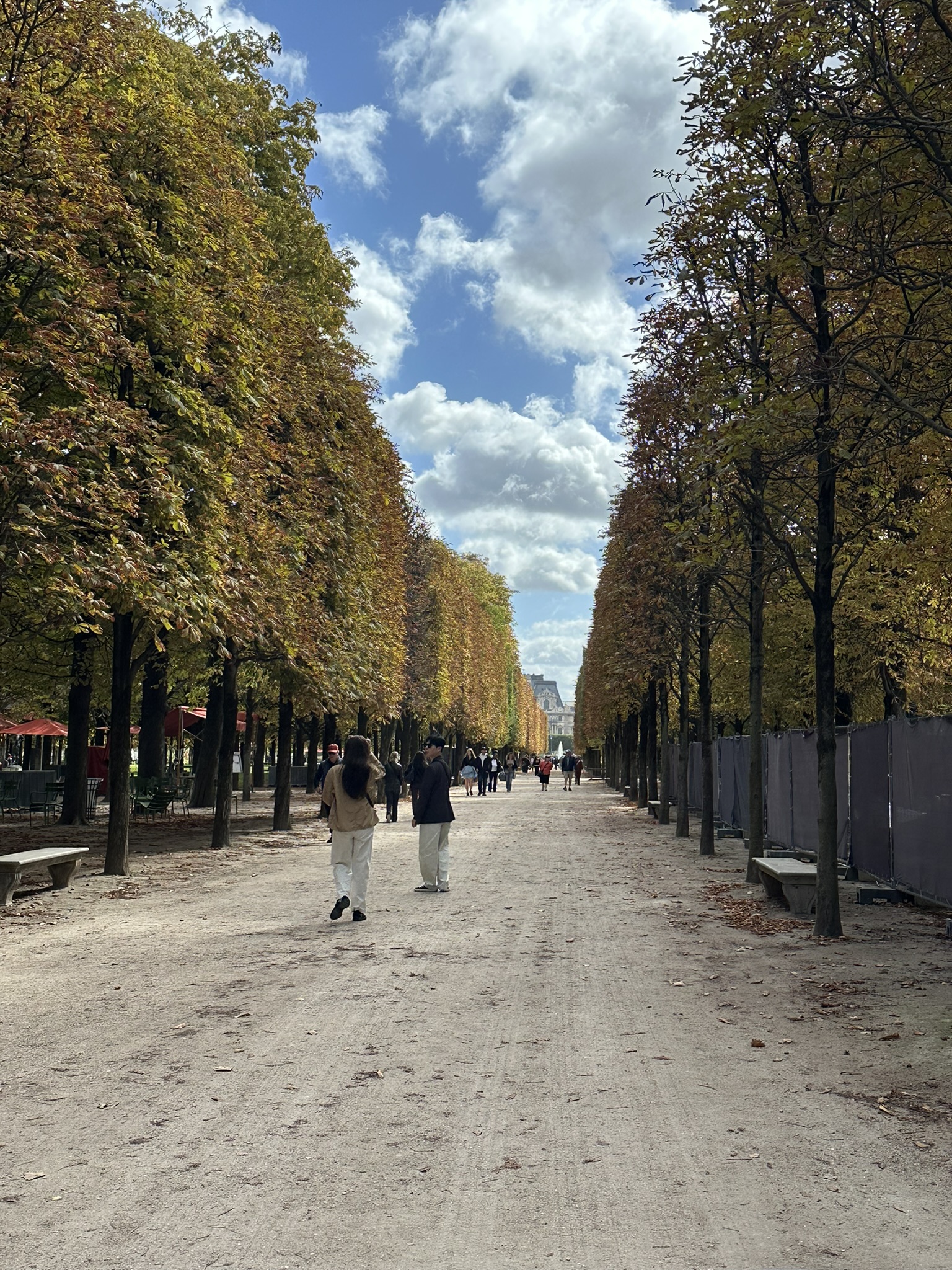
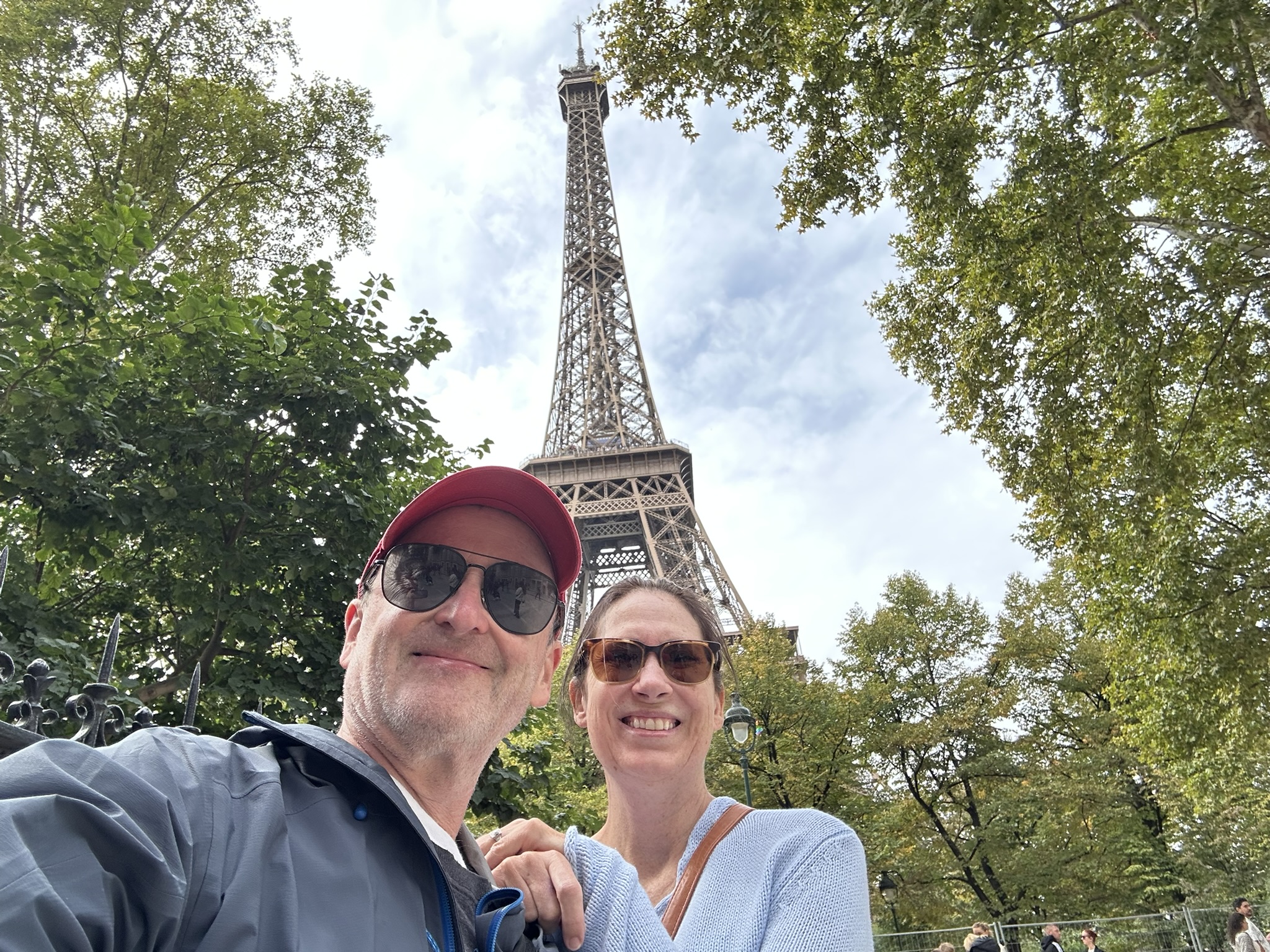
Day Two: The Long Walk down the Seine. (editor’s note on day two we actually visited Versailles, which you can read about here). On a nice day, we set off to explore both banks of the Seine. We struck out from our apartment in the 1st arrondissement through the Tuilleries Garden and across the river to the Eiffel Tower. It was a Saturday and super busy at Paris’ most distinctive landmark. We had no designs on going to the top which was good because the queue was formidably long. The park at the base of the tower is where we spent our first day in Paris twenty years ago, dozing off some jet lag before we could check into our hotel (it was a crazy long walk from our hotel near the Hotel de Ville to the Eiffel Tower, so, in hindsight I’m not sure what two wickedly sleep-deprived tourists were thinking that day) and I really wanted to come back in a less bleary eyed state.


We then headed back across the Seine for lunch and then a walk from the Arc de Triomphe down the Champs Elysées listening to Rick Steves’ walking tour (not his best) of one of the ritziest fashion districts in the world past Thomas Jefferson’s old haunt in the late 1780s, Foquet’s and Laduree cafes and Louis Vuitton’s flagship store down to the Rond Point intersection where the Tour de France ends after its laps up and down the boulevard each summer.
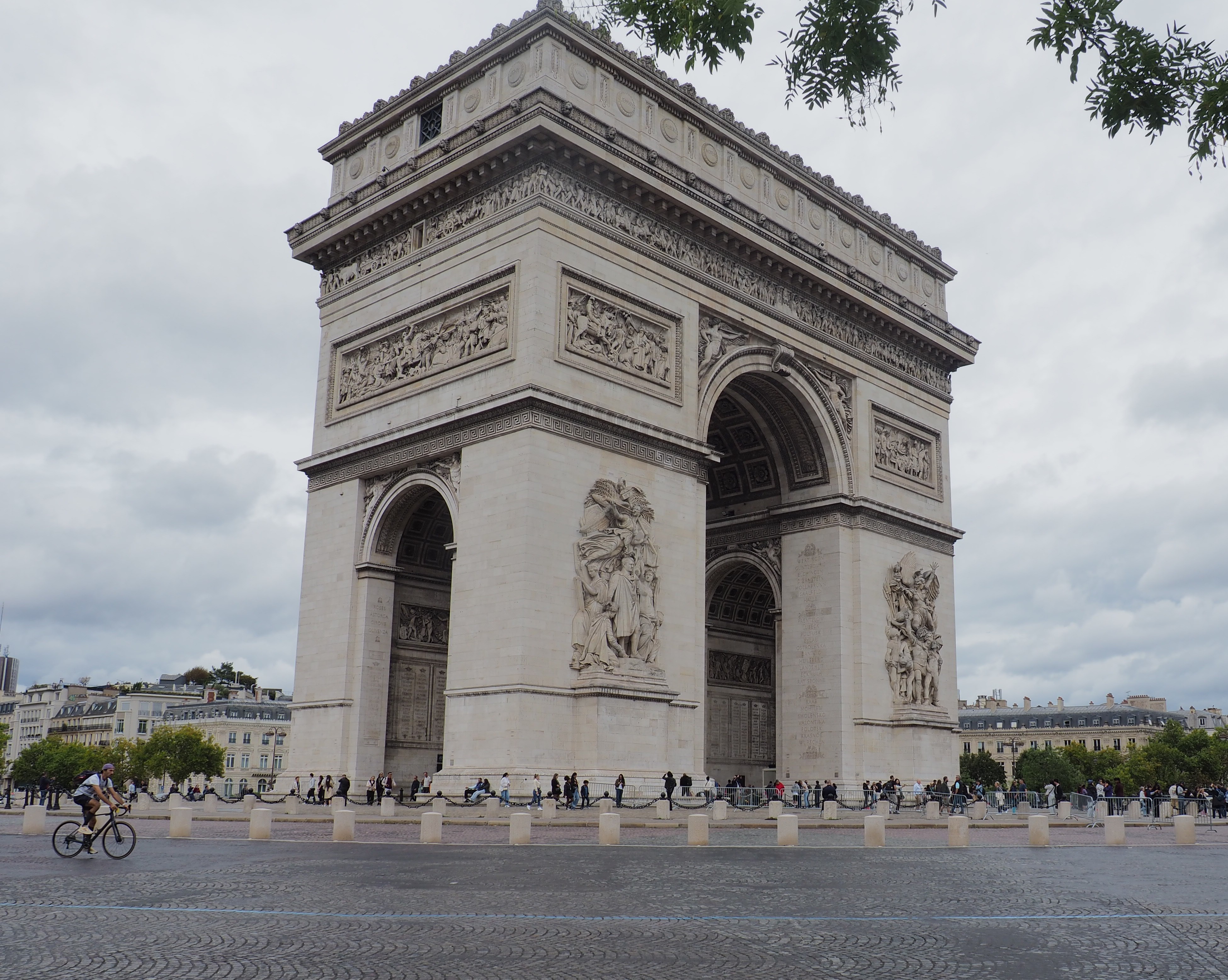
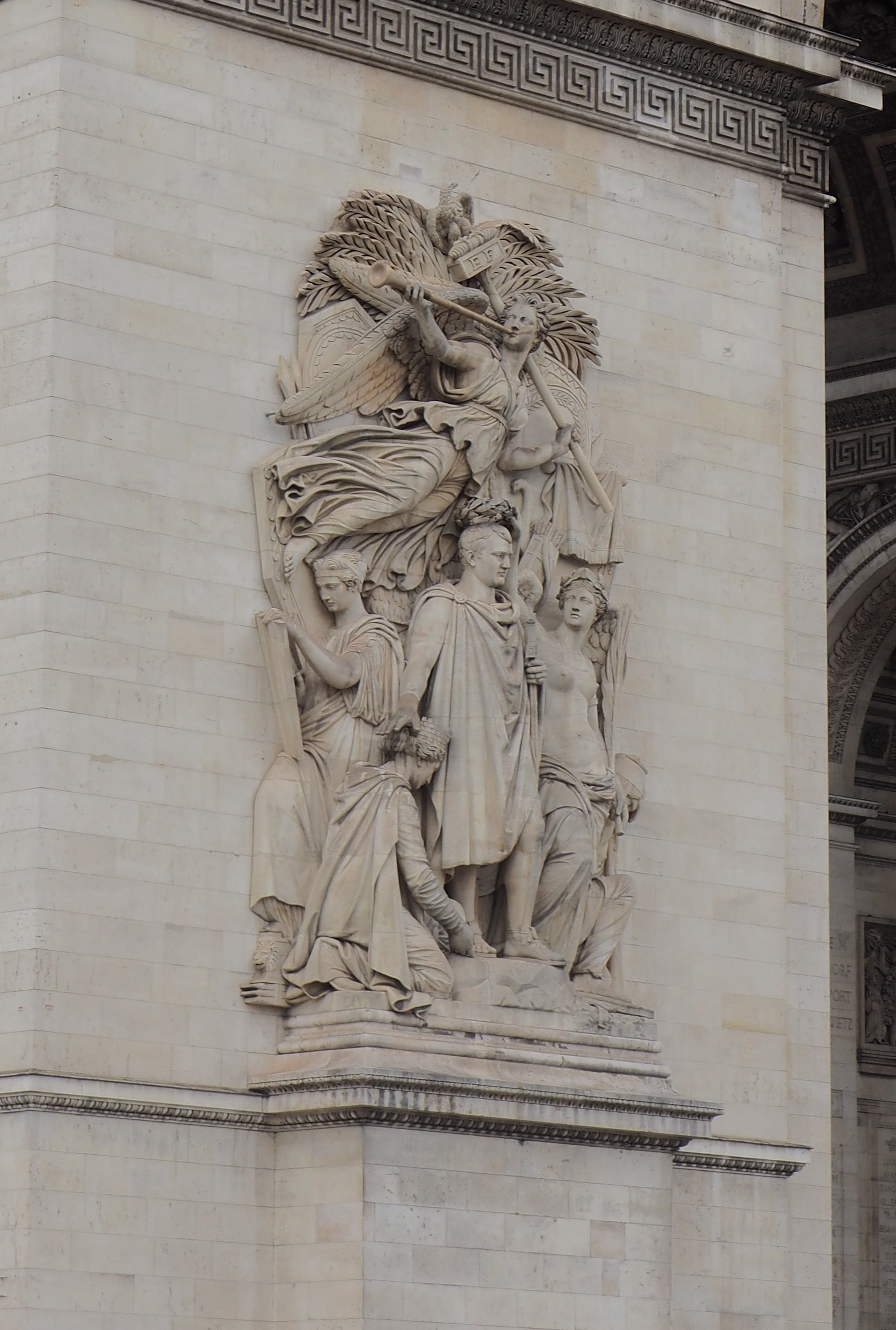
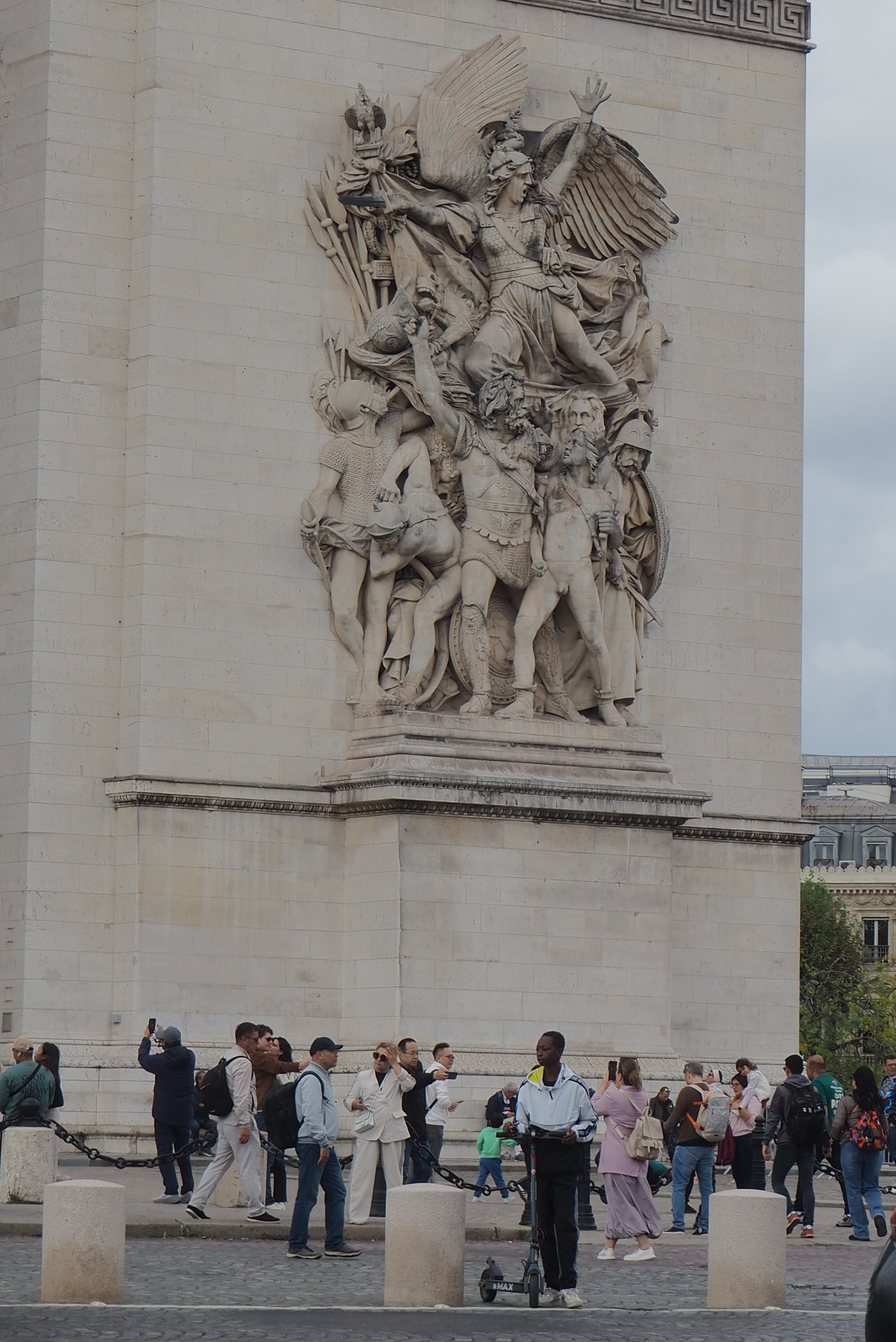
If you aren’t huge walkers (this stroll was about 17,000 steps), you can use one of the hop-on-hop-off bus tours to catch these and other sites of Paris and get a quicker orientation.
Days Three and Four: Paris Museums. With time, we were able to spread out museum visits over several days and not get museum-ed out on any given one.
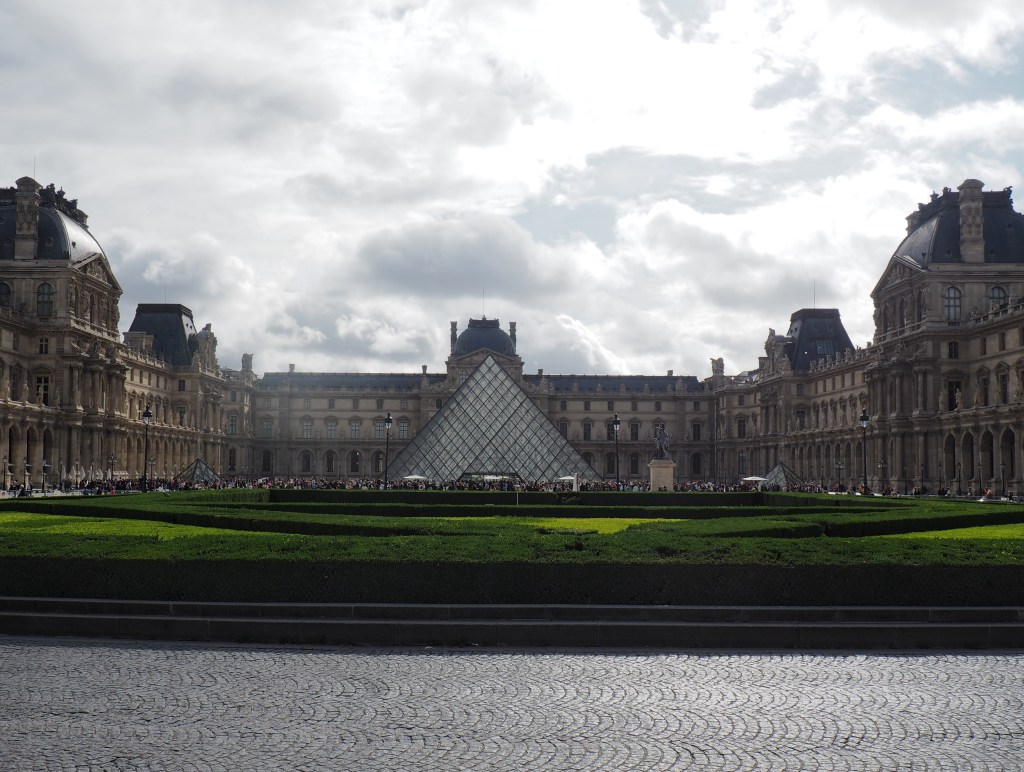
The Louvre. With about half a million artifacts and art works, displaying around 38,000 of them at any given time in almost 800,000 square feet, the world’s biggest art museum is worth a visit. We did twenty years ago so, this time, we skipped it (and its crowds) in favor of L’Orangerie (see below). If you’ve never been to Paris or the Louvre, add it to your list. Just buy your tickets in advance. Oh, and if you’re looking for the door, it’s down through the I.M. Pei pyramid.
Musee d’Orsay. “Hey Doris (not her name), you want to wait 45 minutes in that line so I can take your picture in front of that clock?”, the American man asked his wife. That sums up our visit to the top floor, with the works of the Impressionists from Manet to Renoir, Monet to Van Gogh and beyond. On a rainy Sunday afternoon our timed entry tickets seemed to save us only from the crowded queue of those without tickets outside. Once inside, chaos emerged. Wherever the audio guide or Instagrammers had programmed the hoards to stop they did so to crowd around painting after painting taking pictures, checking them, zooming in and out, taking more, checking them again… repeat. “Jesus”, I muttered to a few snickers and smirks when a woman blocking the way to the frontal shot of Monet’s water lilies for a full 5 minutes of this behavior impeded the enjoyment of everyone else. At least I wasn’t the only sane one. I was thankful we’d skipped the Louvre, the Mona Lisa was certainly not alone today.

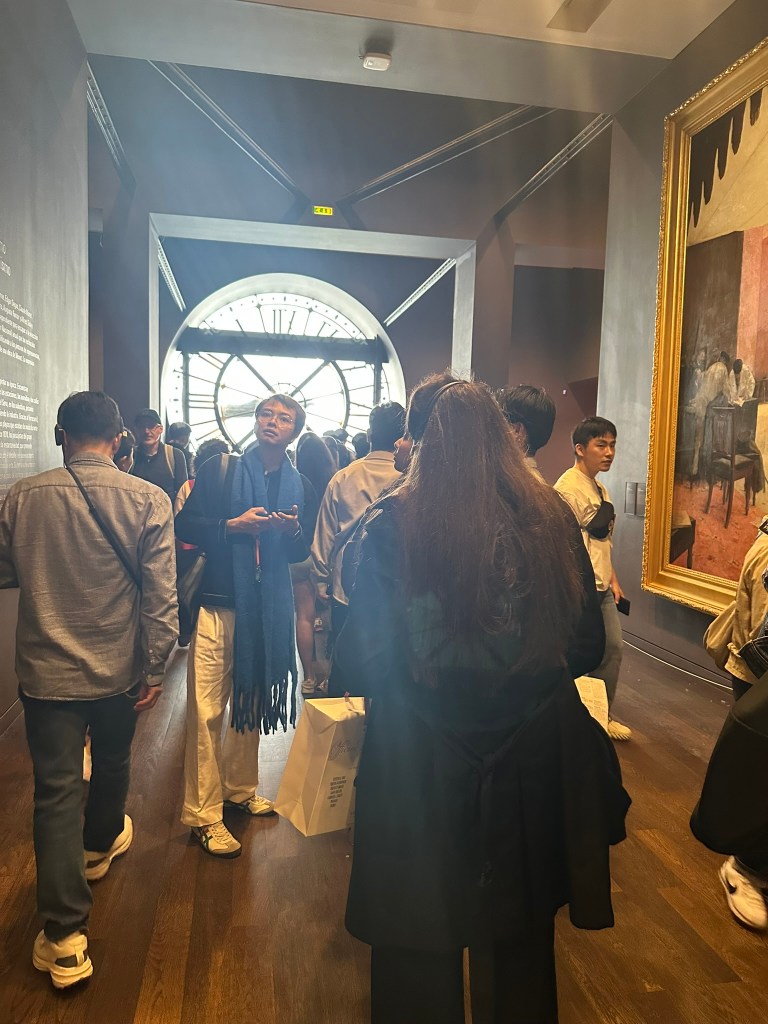
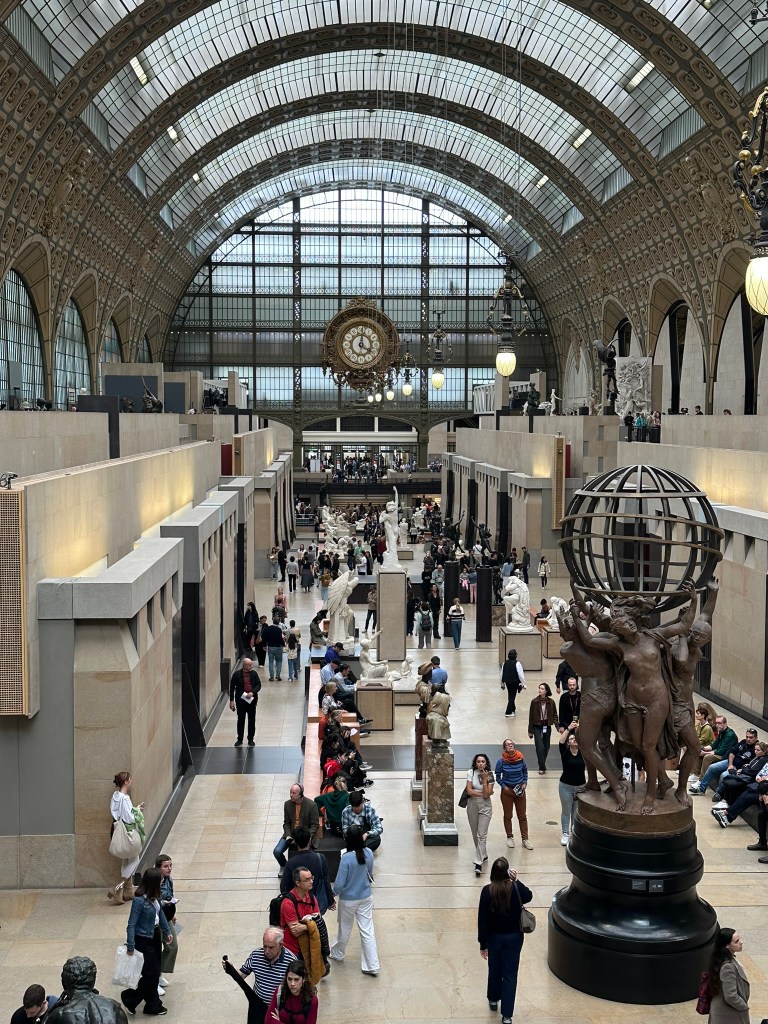
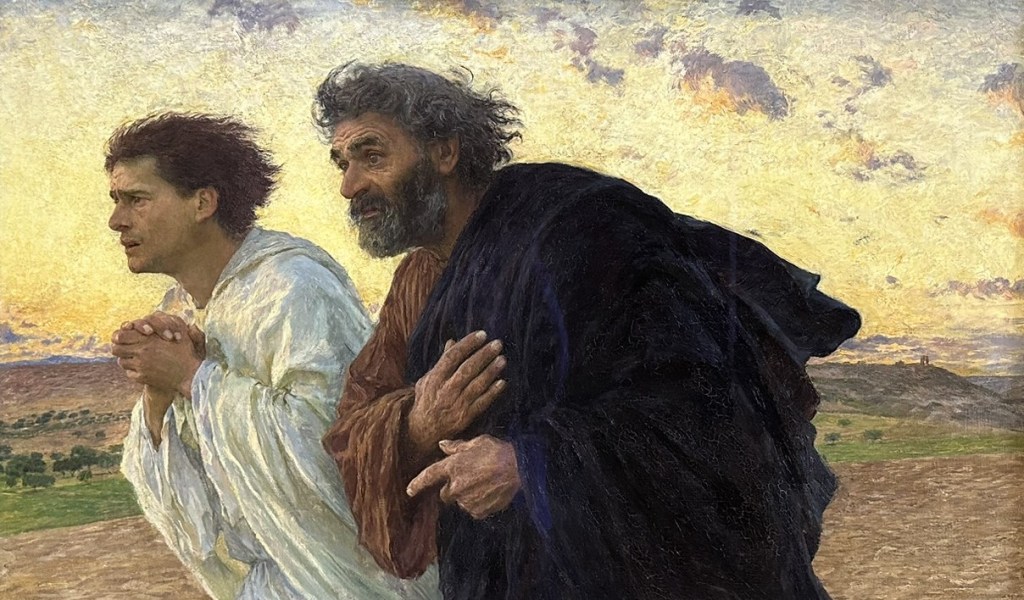
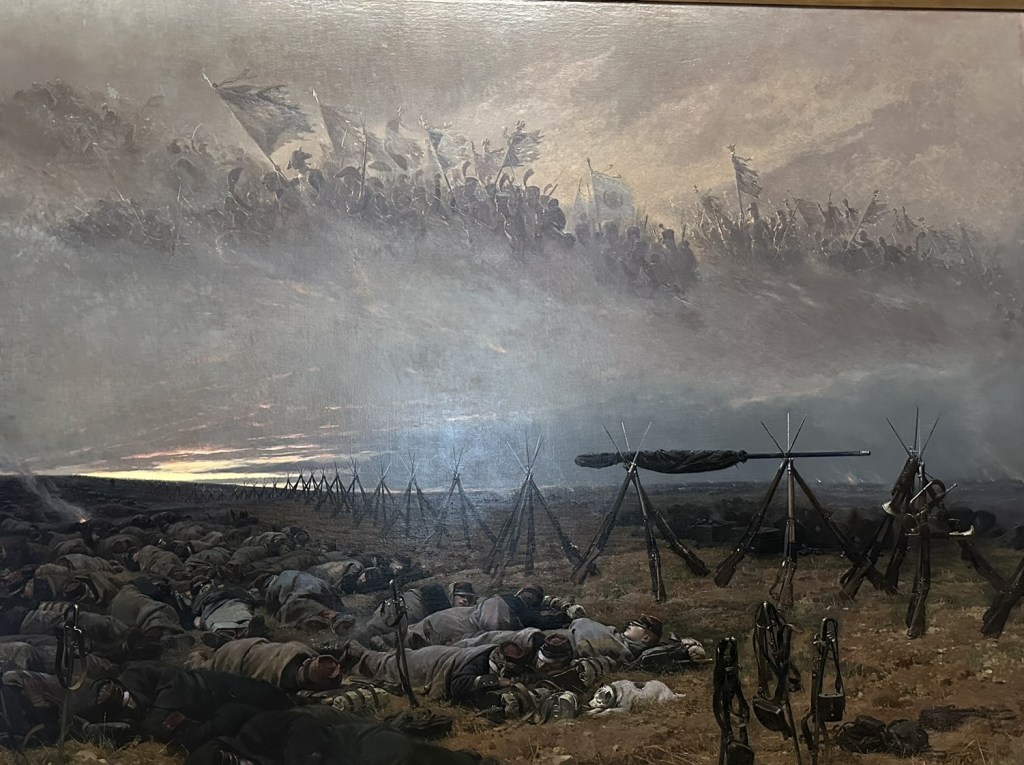
Despite the crowd, the Orsay is really a remarkable museum. An old train station structure was transformed into a gallery in the 1970s when some prescient Parisians saved it from the wrecking ball. The top floor with the clocks (one with a cafeteria at its foot) and the Impressionists are the main attraction. And the artwork is amazing, but the crowds really were a detractor.
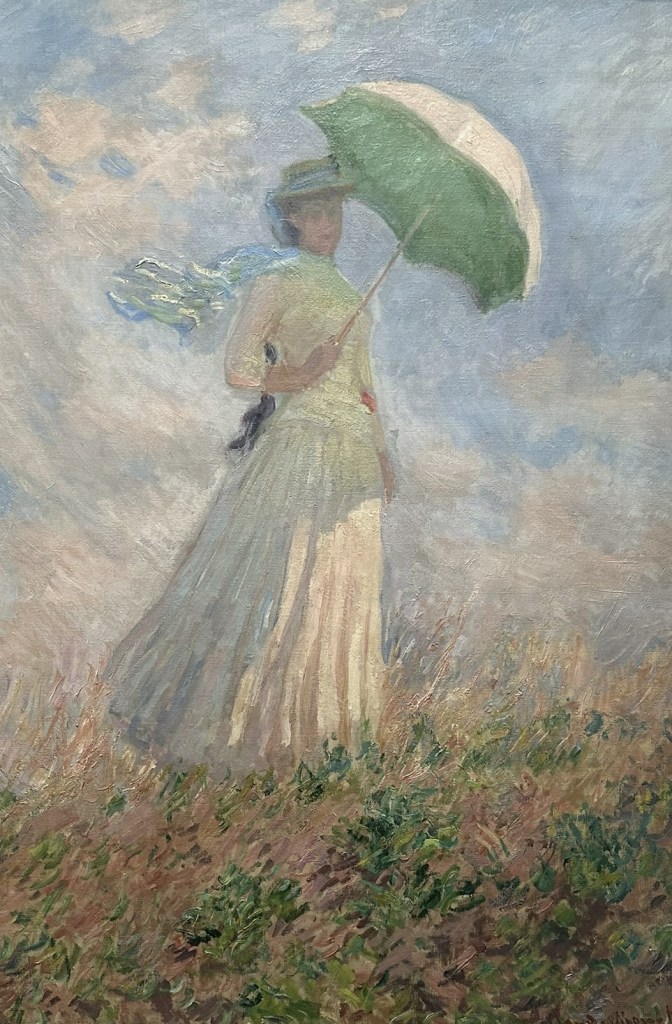
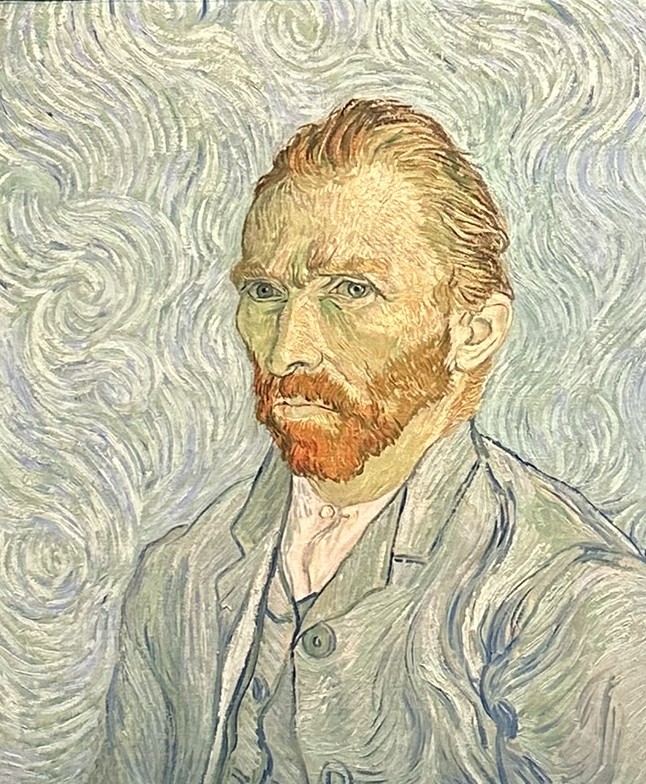
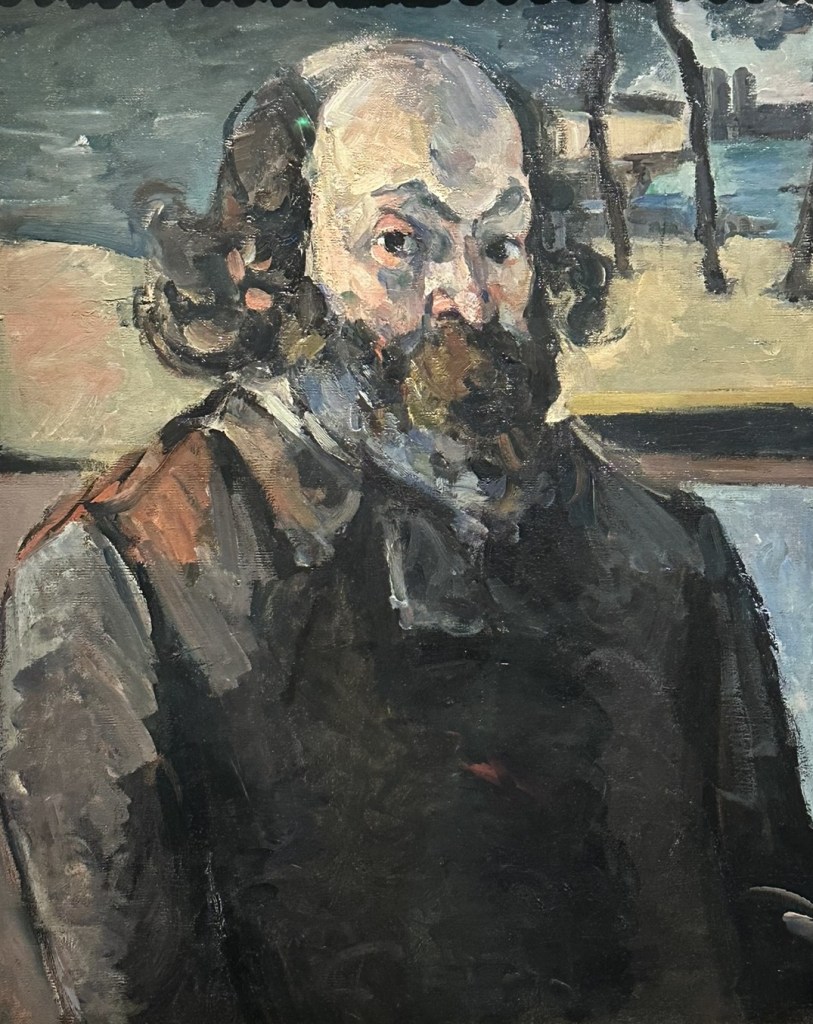
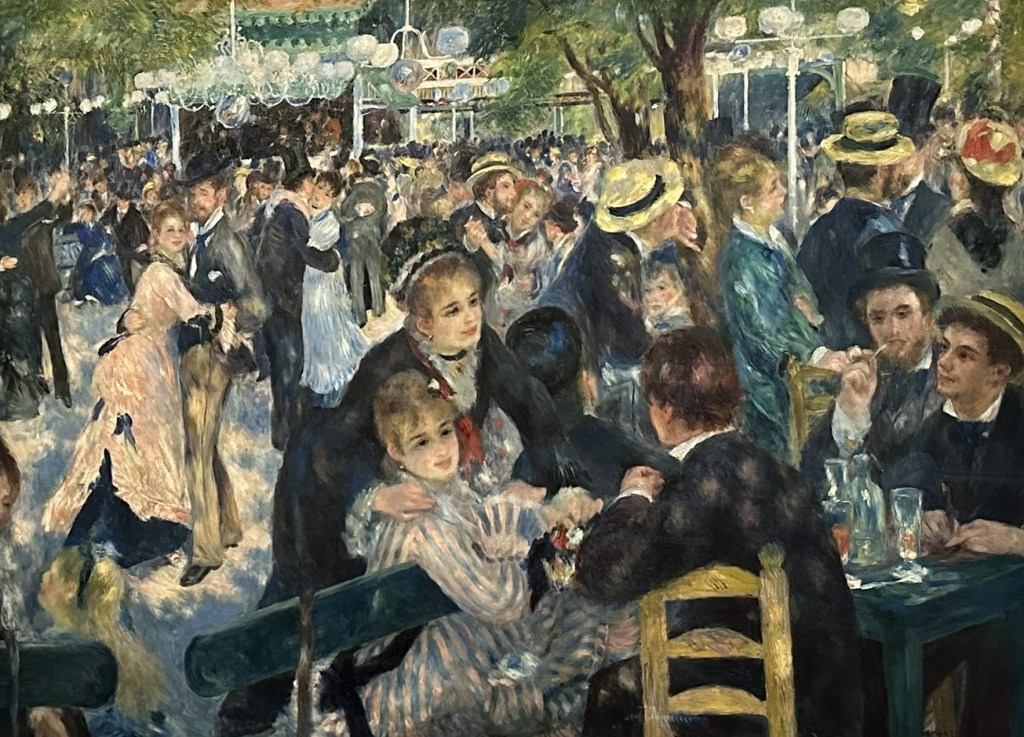

Down on the 2nd floor we found the works of Rodin and other sculptors, the historical paintings and the nouveau art rooms much less crowded and much more appealing. When we came last time, it was so much more chill. It was late April, which may not explain it, but was also pre-smartphone, travel blogs, Facebook and Instagram, which may. Nonetheless it is still worth it – just brace yourself.

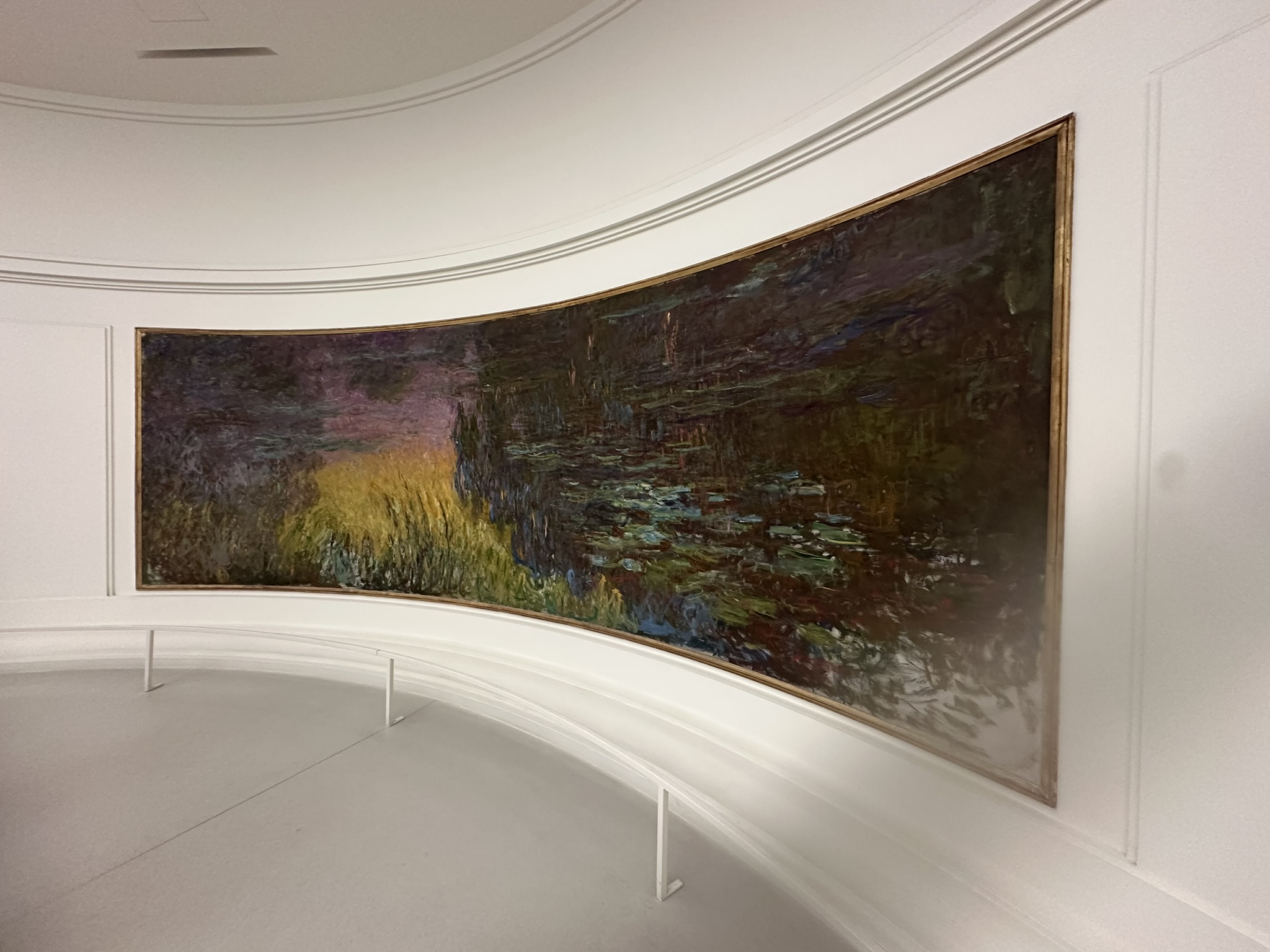
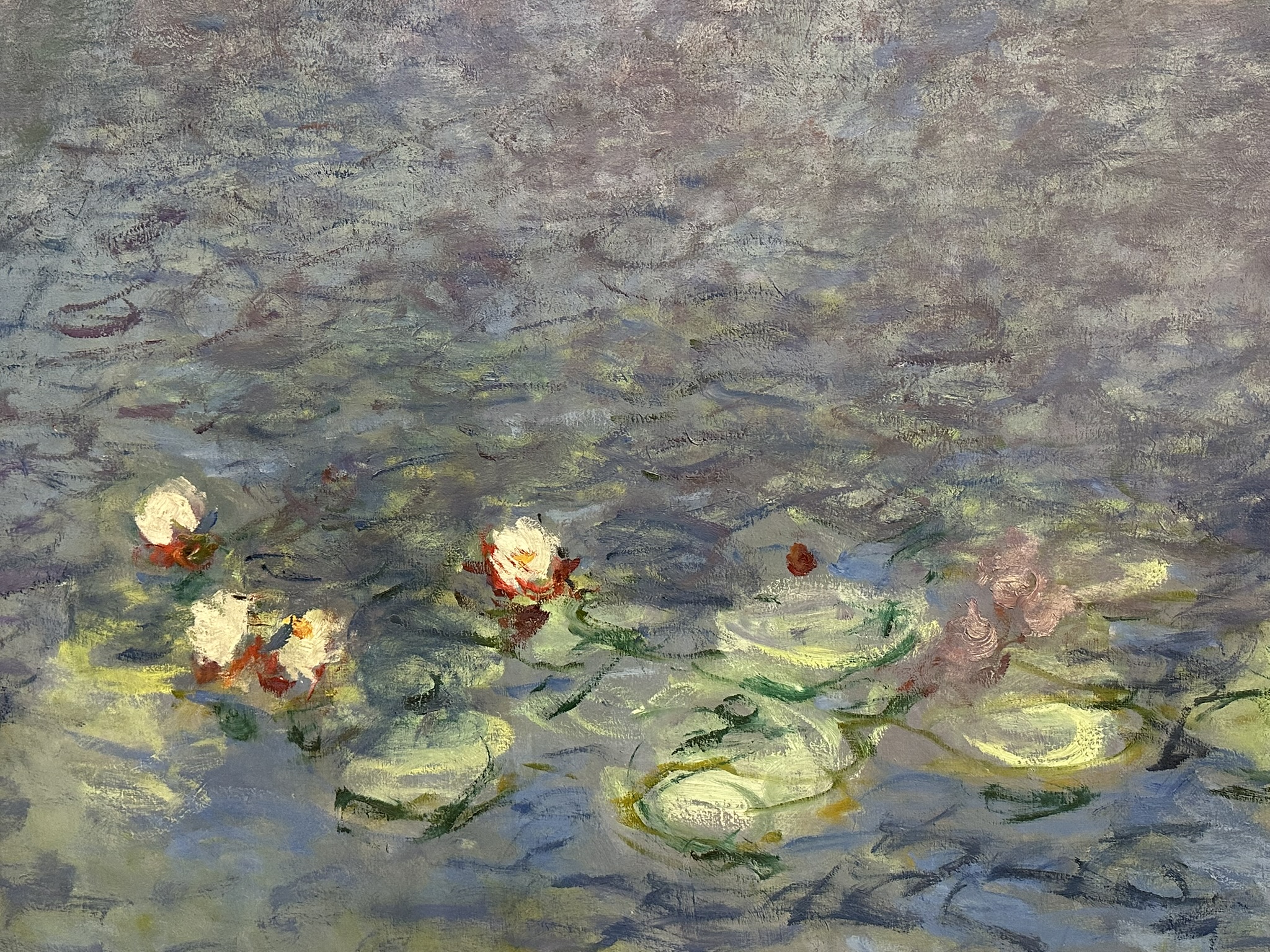
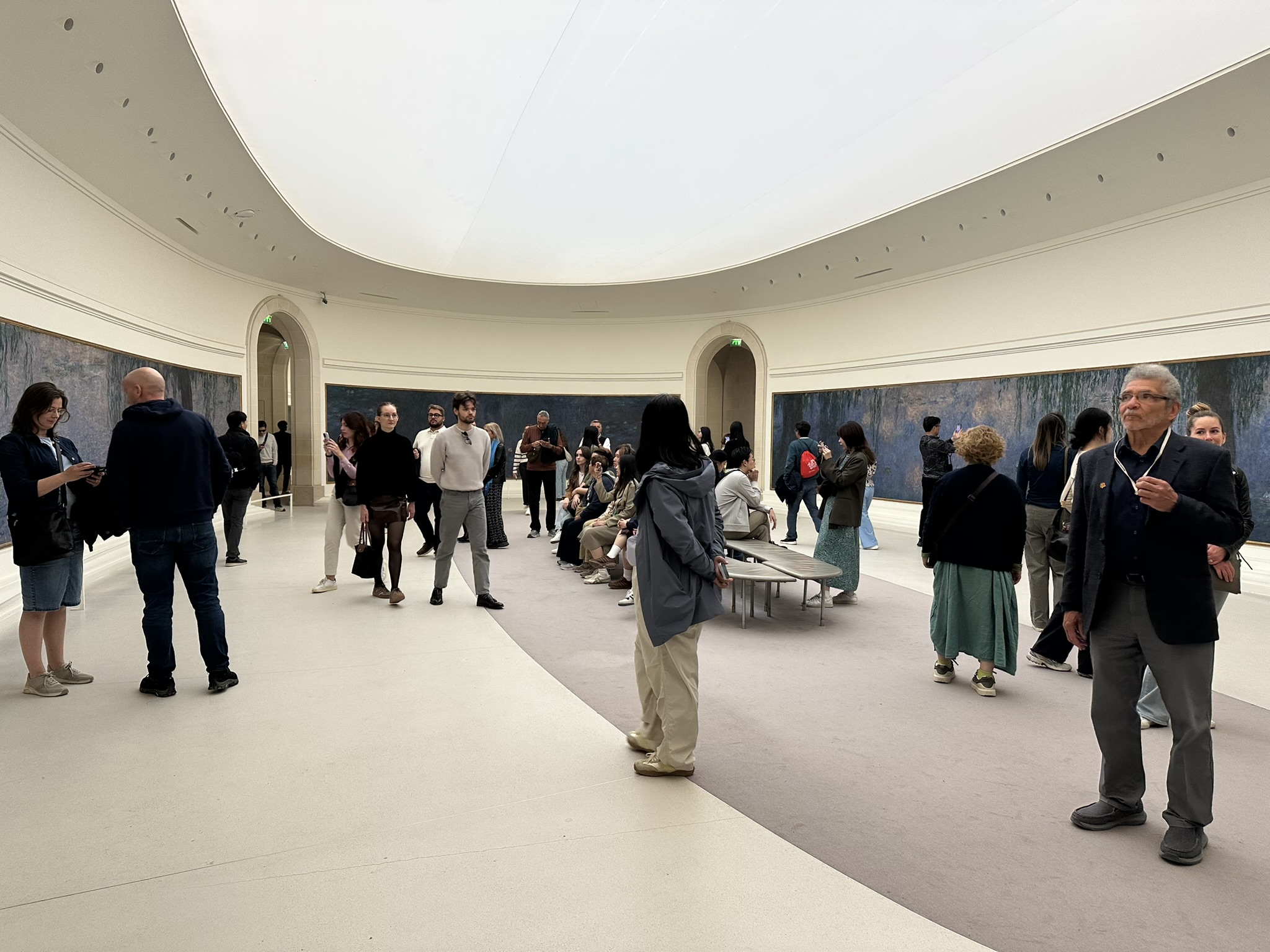
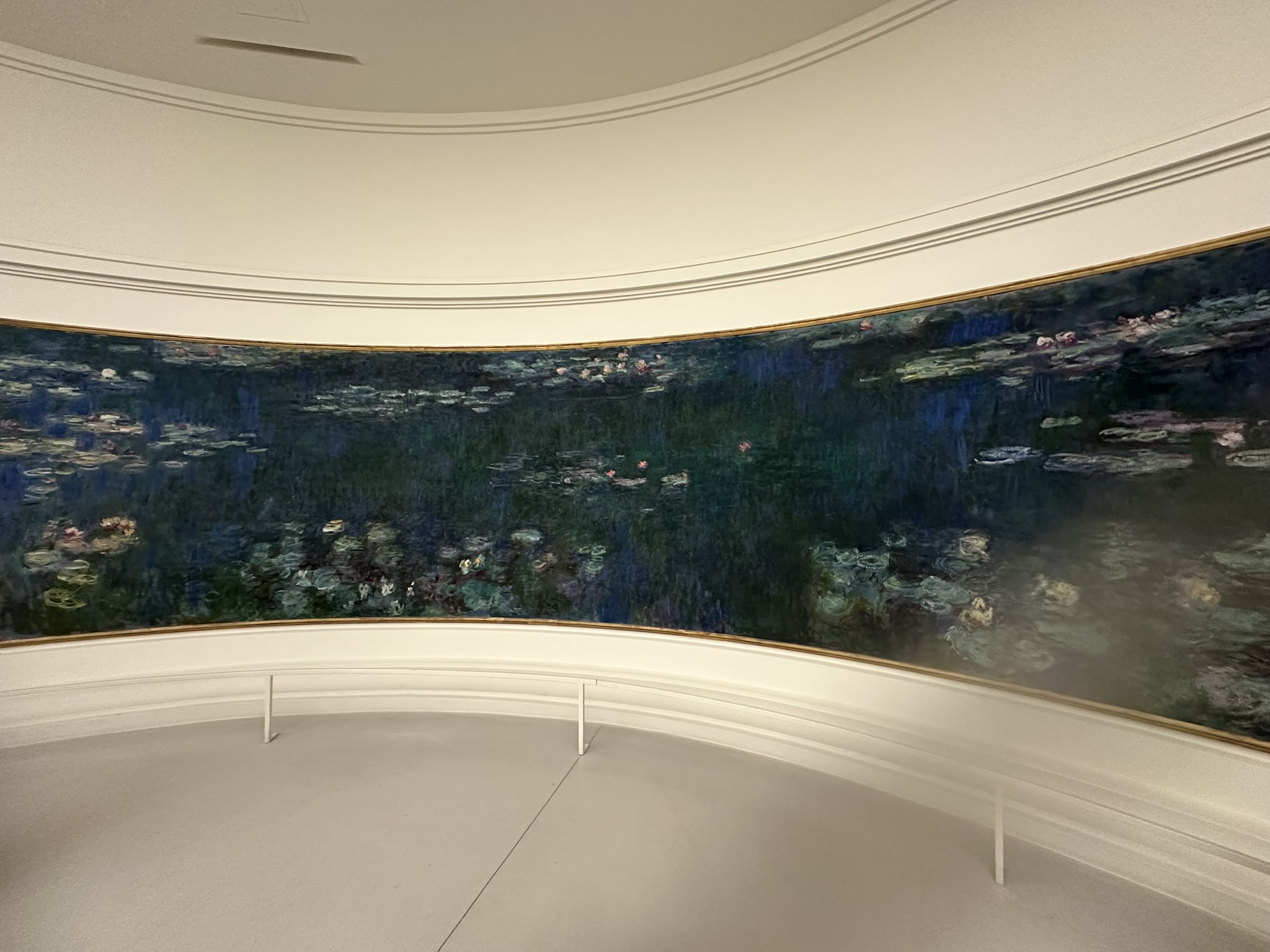
L’Orangerie. The Orangerie houses eight panels of Monet’s water lilies stretched out across two oval-shaped rooms lit by sunlight through the ceiling and designed to Monet’s specifications. The museum seems to do a better job (granted, it is less visited though still not without lines) in metering the tourists through giving you more space and time to sit, stand and reflect.
Downstairs, you’ll find a small but great collection of Picassos, Renoirs, Matisses and Modiglianis much of it collected by Paul Guillaume and his wife in the early 20th century. Don’t miss the little replicas of Guillaume’s Paris apartment cut into the walls at the end of one of the rooms.
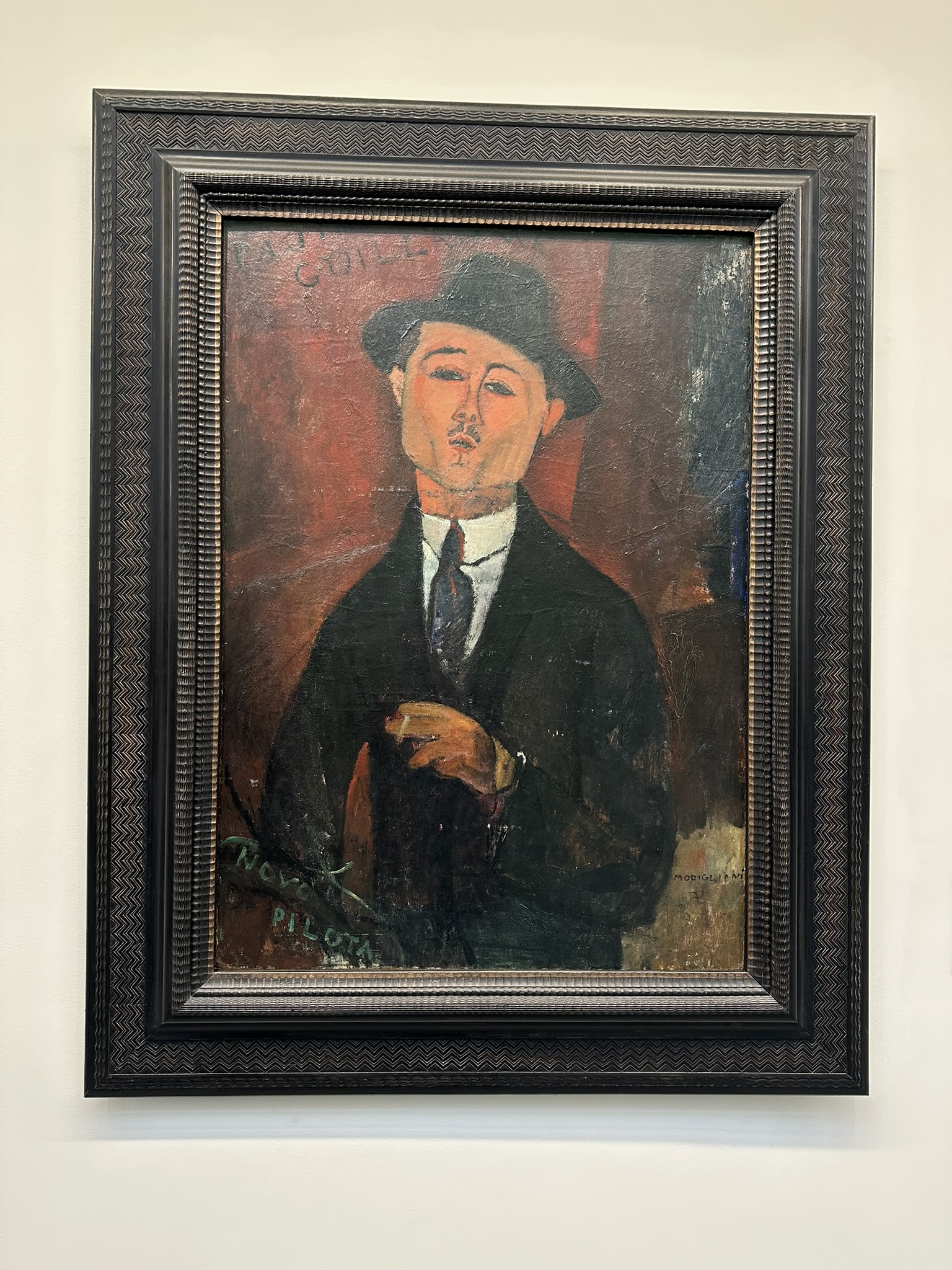
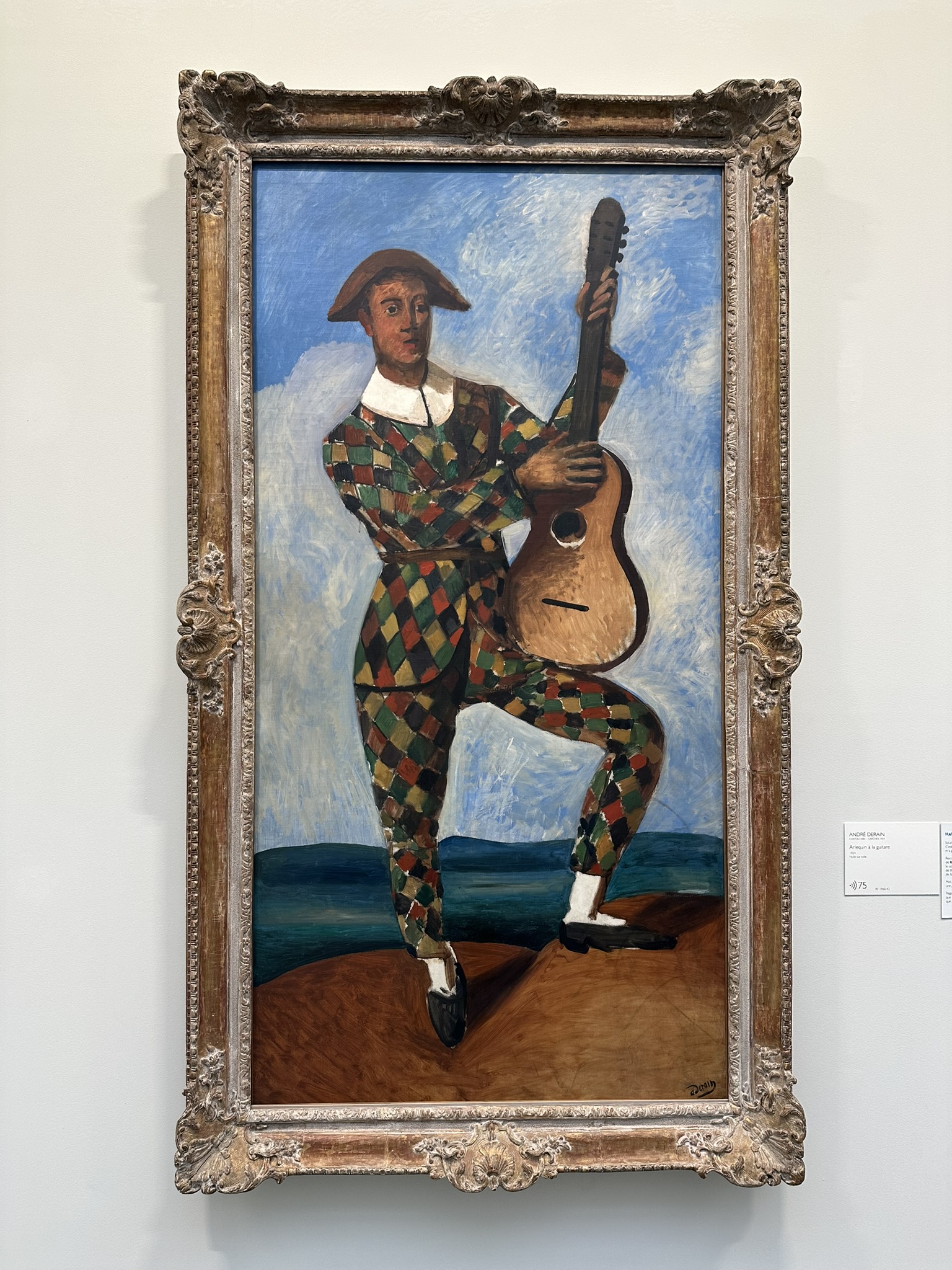

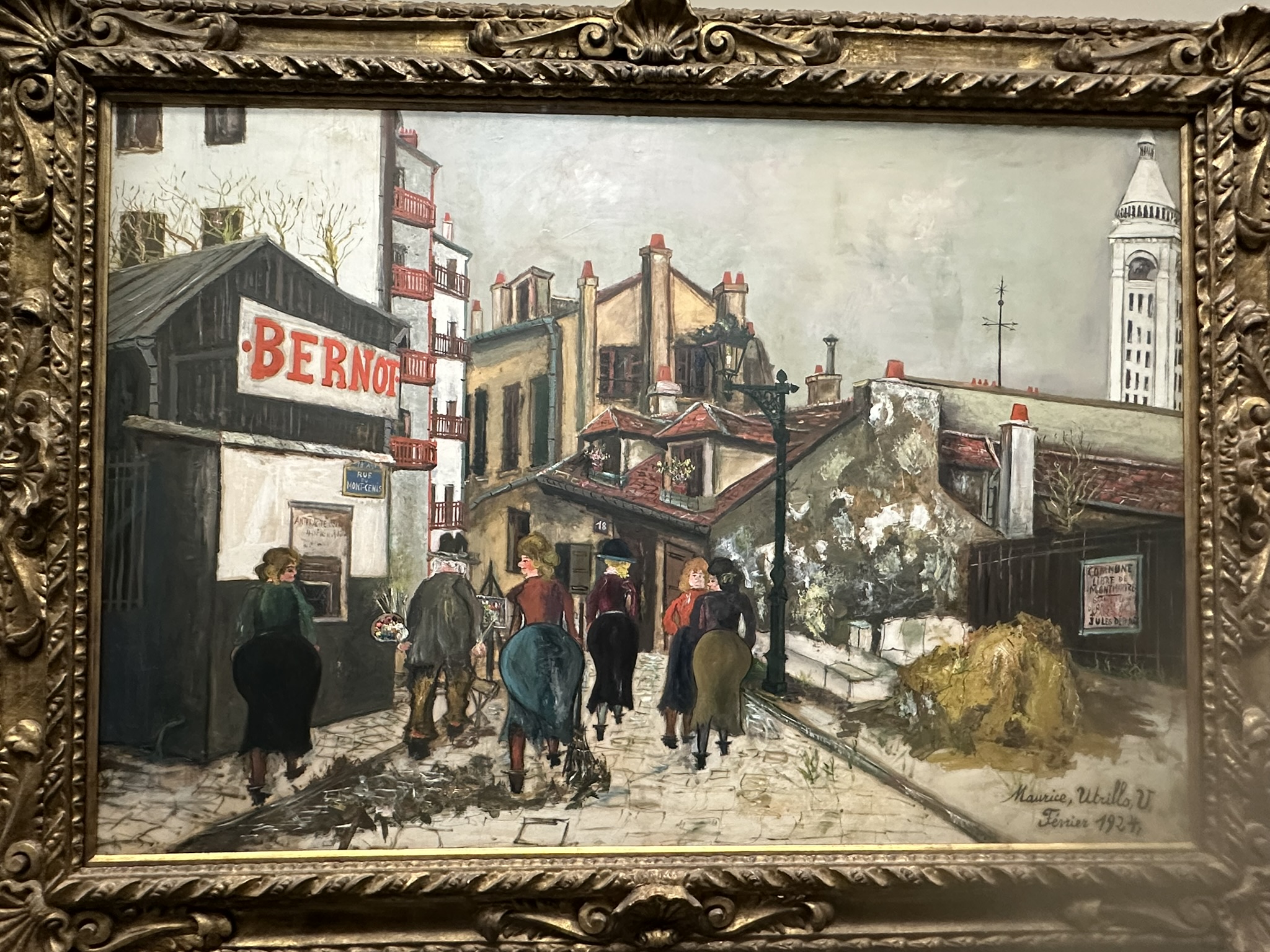
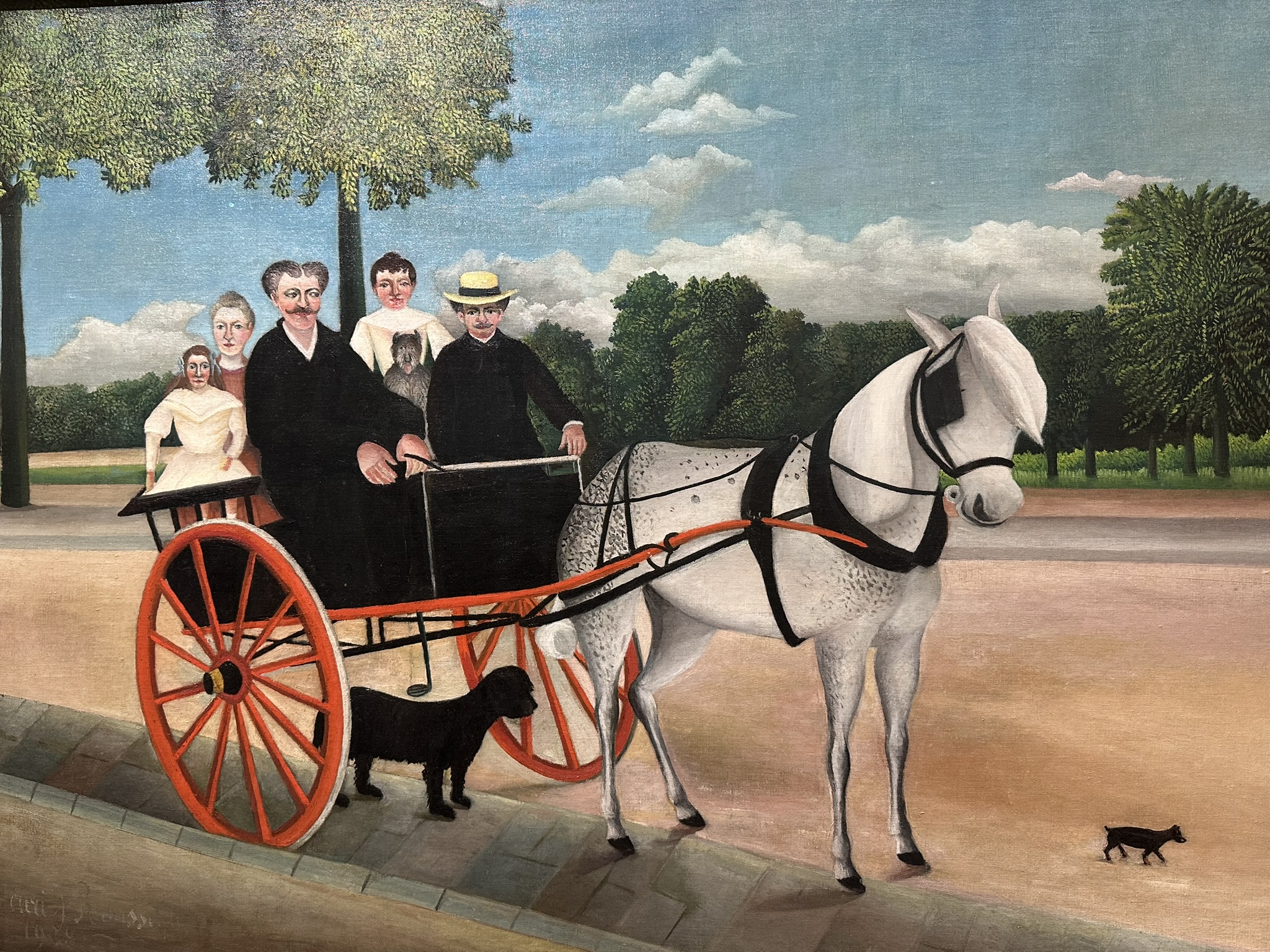
Clockwise top left to right: Portrait of Paul Guillaume by Modigliani; Arlequin a la guitare, Derain; Man of Honor, Soutine; Family in a carriage, Rousseau; La Maison Bernot, Utrillo
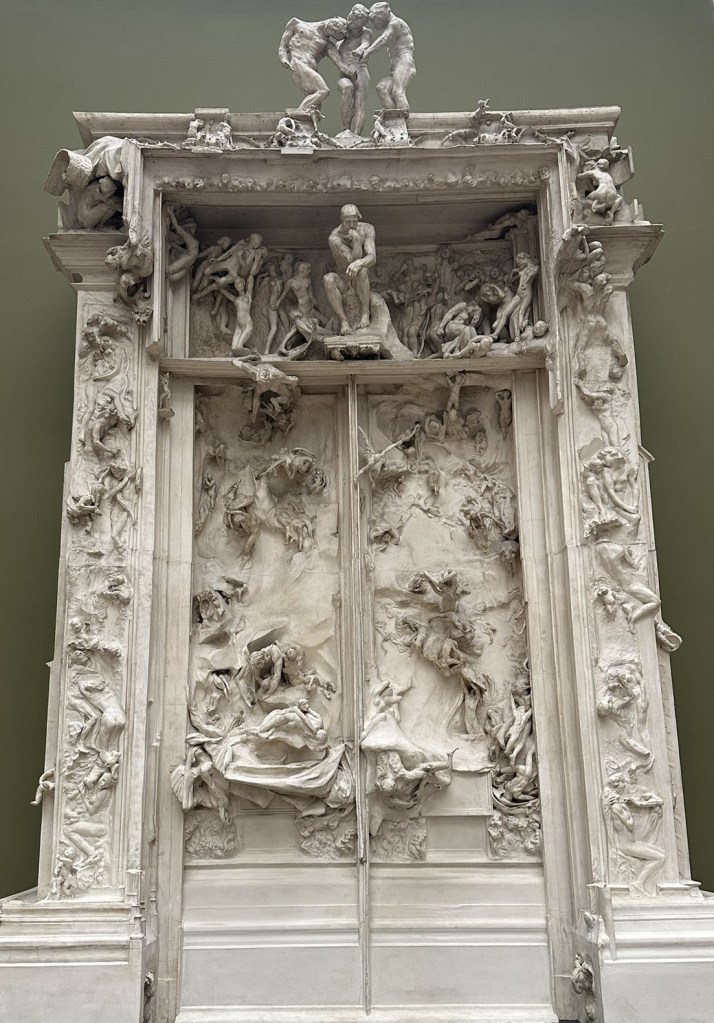
Other Museums. In addition to the ones we visited, there are many, many more (this is not an exhaustive list): The Rodin Museum (The Thinker is here), The Petit Palais (fine arts), The Army Museum with Napoleon’s Tomb, the Picasso Museum and the Jewish Art and History Museum. If you plan to do a lot of museum visits, check out the Paris Museum Pass and do the math to see if it’s worthwhile (we didn’t buy it because we didn’t think we’d visit enough to justify the cost and then the Conciergerie turned out to be on the pass…best laid plans). It covers a ton of museums, including Versailles and may save you a few euro if you plan to spend your days browsing through the plethora of them in Paris.
This blog post (from another blogger) has some helpful tips for visiting the Louvre and Orsay museums.
A River Cruise. What trip to Paris would not be complete without a few strolls down the banks of, and possibly a cruise on, the Seine.
There are several options. Some include meals, some take place at nighttime and some during the day. A budget option is the Bato Boat hop on / hop off boat “bus”, though this one won’t provide any color commentary.
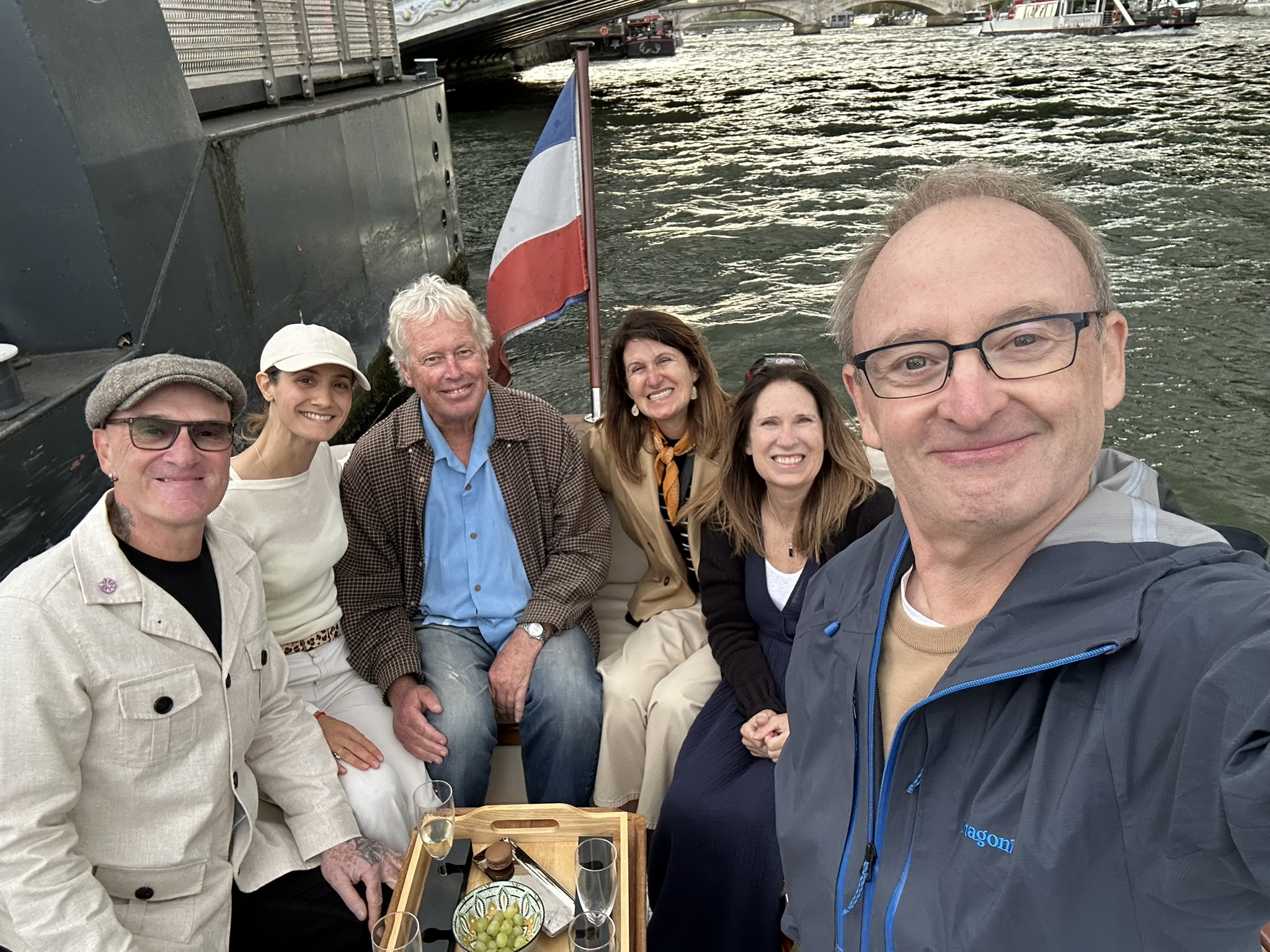
We wanted to splurge and do something private, so we chose a captain whose boat, unfortunately, got into an accident and was totaled a couple of days after we’d booked but he recommended JP, so we switched. JP captained the ship while his co-pilot Natasha narrated and served up snacks and wine. It was a perfect second-to-last night cap to our week. Très bon, merci! You can book JP’s boat here.
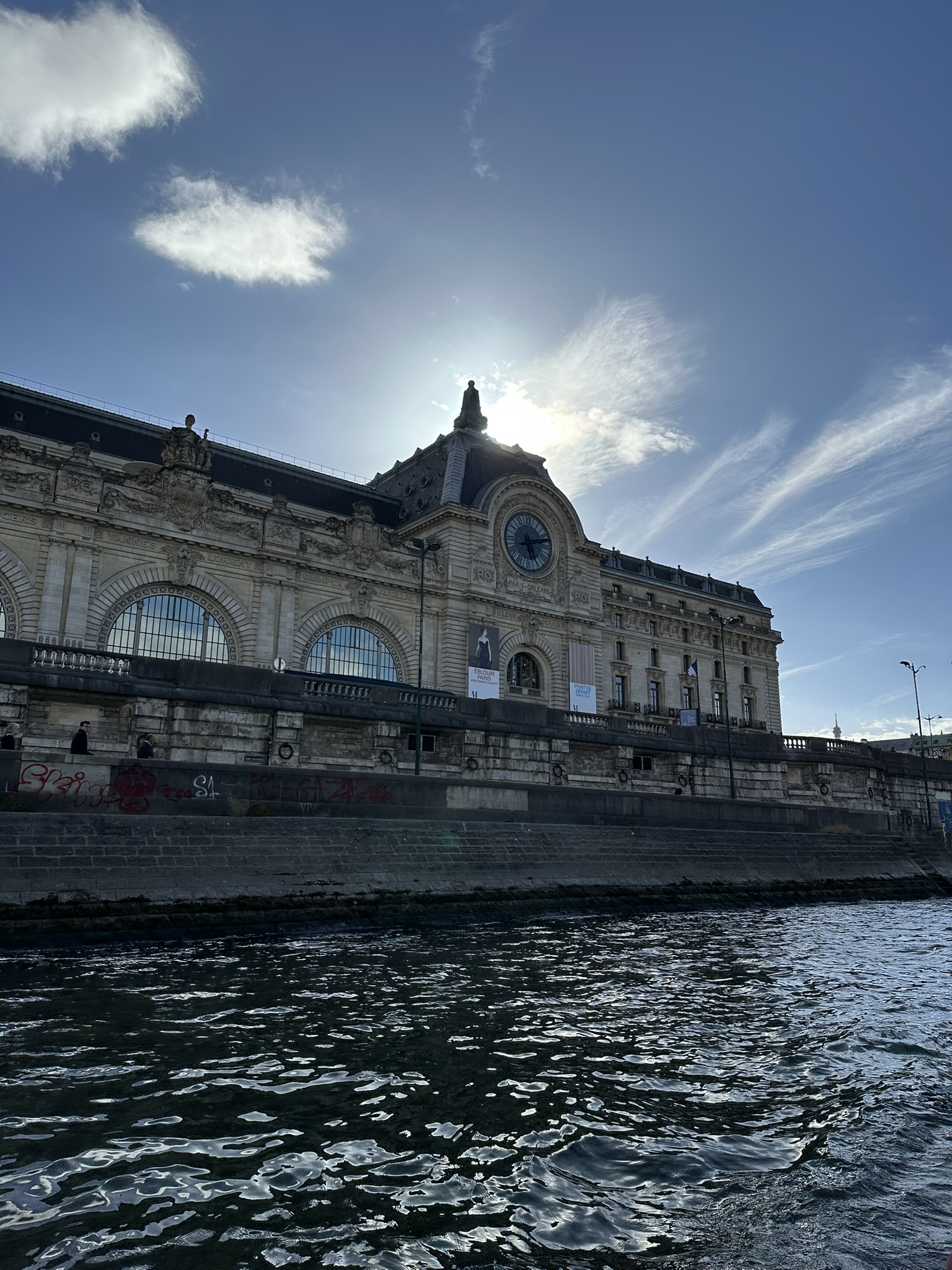

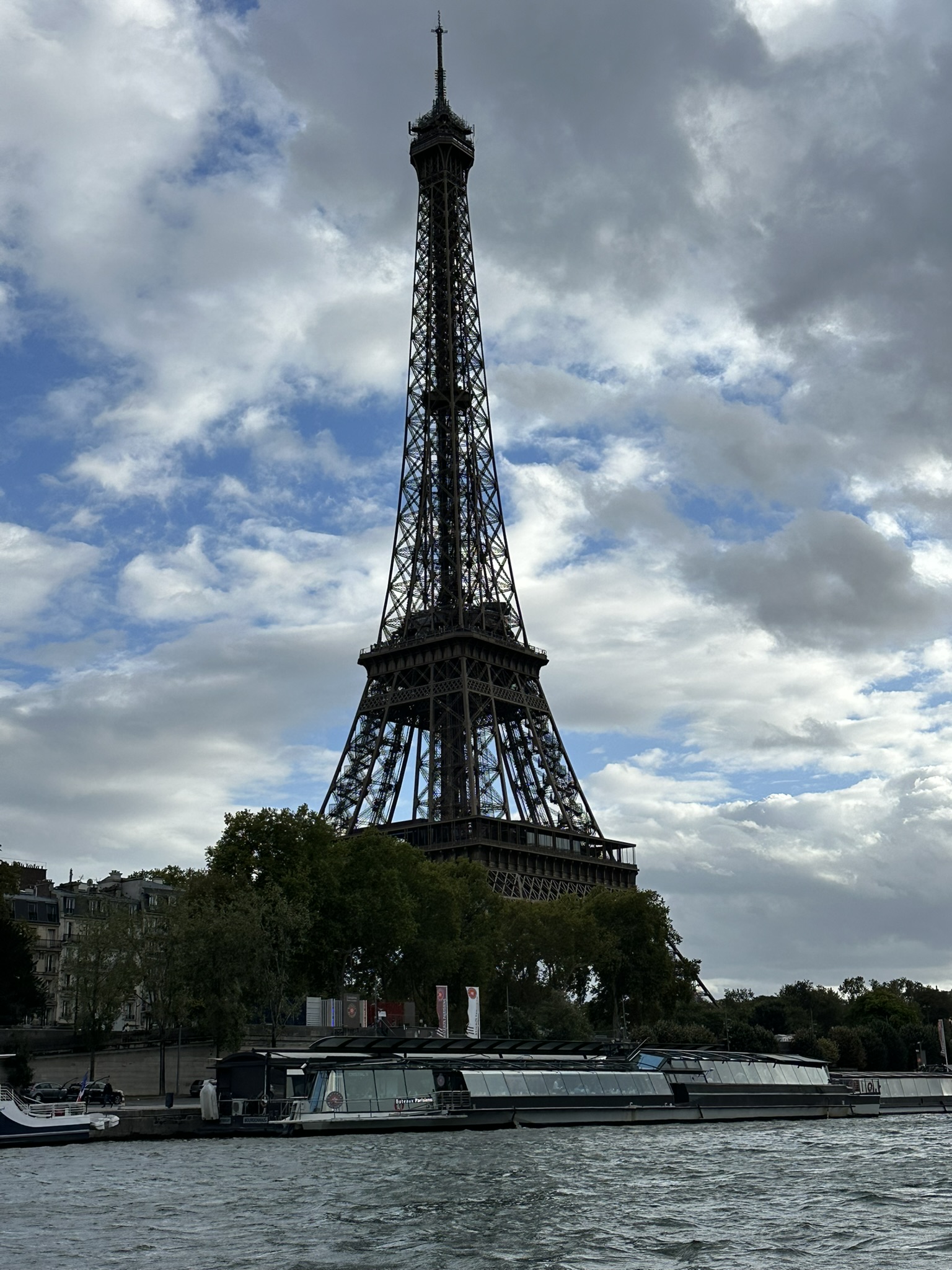
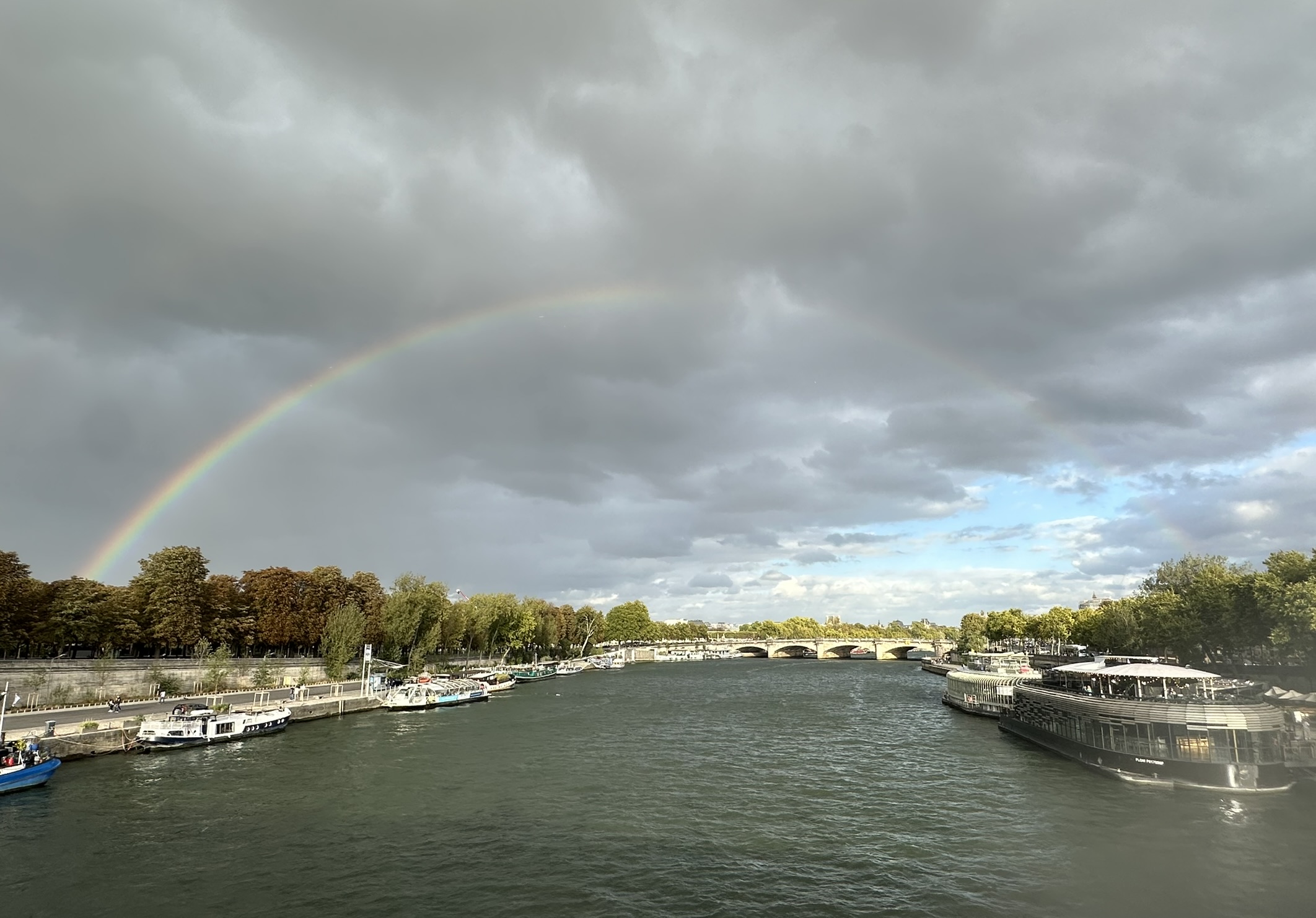
Food and Neighborhoods. Paris is divided into “arrondissements” (neighborhood zones) which begin with the 1st near the Louvre and increase in number (1-20) as they encircle the Seine River and broaden out away from the center of the city. We stayed in the 1st, near the Louvre and the Tuilleries Gardens. We also really enjoy the 3rd and 4th (the Marais, Jewish Quarter, old Paris and the Ile Petit), the 5th (home to the Latin Quarter) and 6th (where Luxembourg gardens and Saint Germain live). The 8th is where Champs Elysees and the Arc are and the 7th houses the Eiffel Tower, the Musee d’Orsay and Napoleon’s Tomb. We’ve yet to make it out to the 18th to Montmarte and Sacre Coeur. We’ve now stayed in the 1st, 4th and 6th and recommend any of them. They all have a different style, vibe and feel. This is a pretty good guide if you’re looking to figure out where to stay.
Restaurants and Food. Paris has some of the best food in the world. Most of the restaurants we tried came on the recommendation of Melissa’s sister’s French work colleague and her research (including a few of Anthony Bourdain’s former haunts). There are just so many to choose from in Paris. Here were our favorites:
Bistrot Vivienne (2nd Arrondissement: 4 Rue des Petits Champs). Casual and friendly, we tried Bistrot Vivienne for dinner and the chateaubriand with frites was lights out. The cod fillet was pretty darn good too. This was one of our favorite restaurants of the trip.
Au Petit Fer à Cheval (3rd Arrondissement, le Marais: 30 Rue Vielle du Temple). The restaurant is small, with a small menu, set behind the bar like a little speakeasy you have to know about. Our family found this one on a walk-about through the Marais. The wine bar across the street (Le Belle Hortense) is owned by the same folks judging by the identical wine and drinks menus.
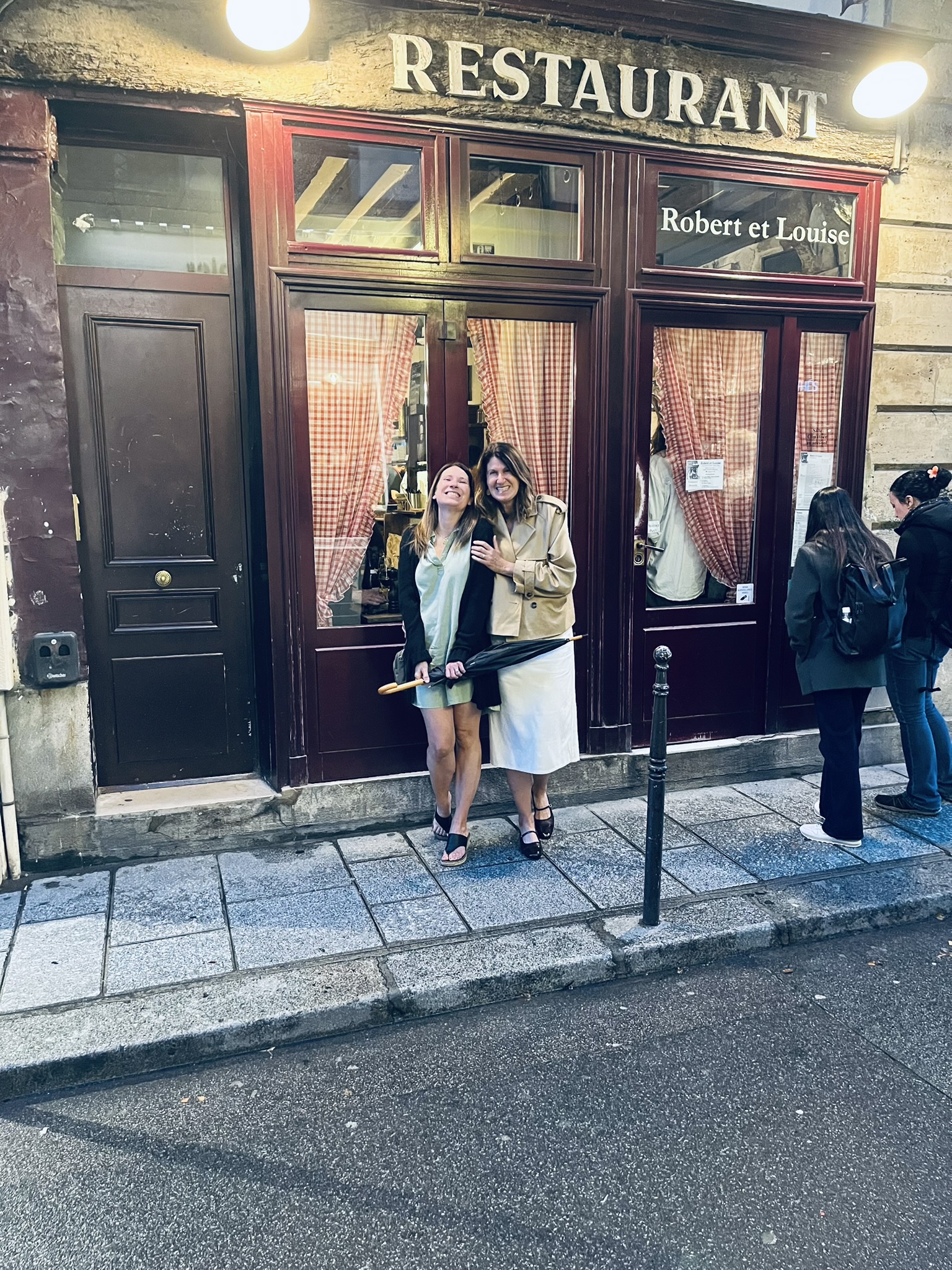
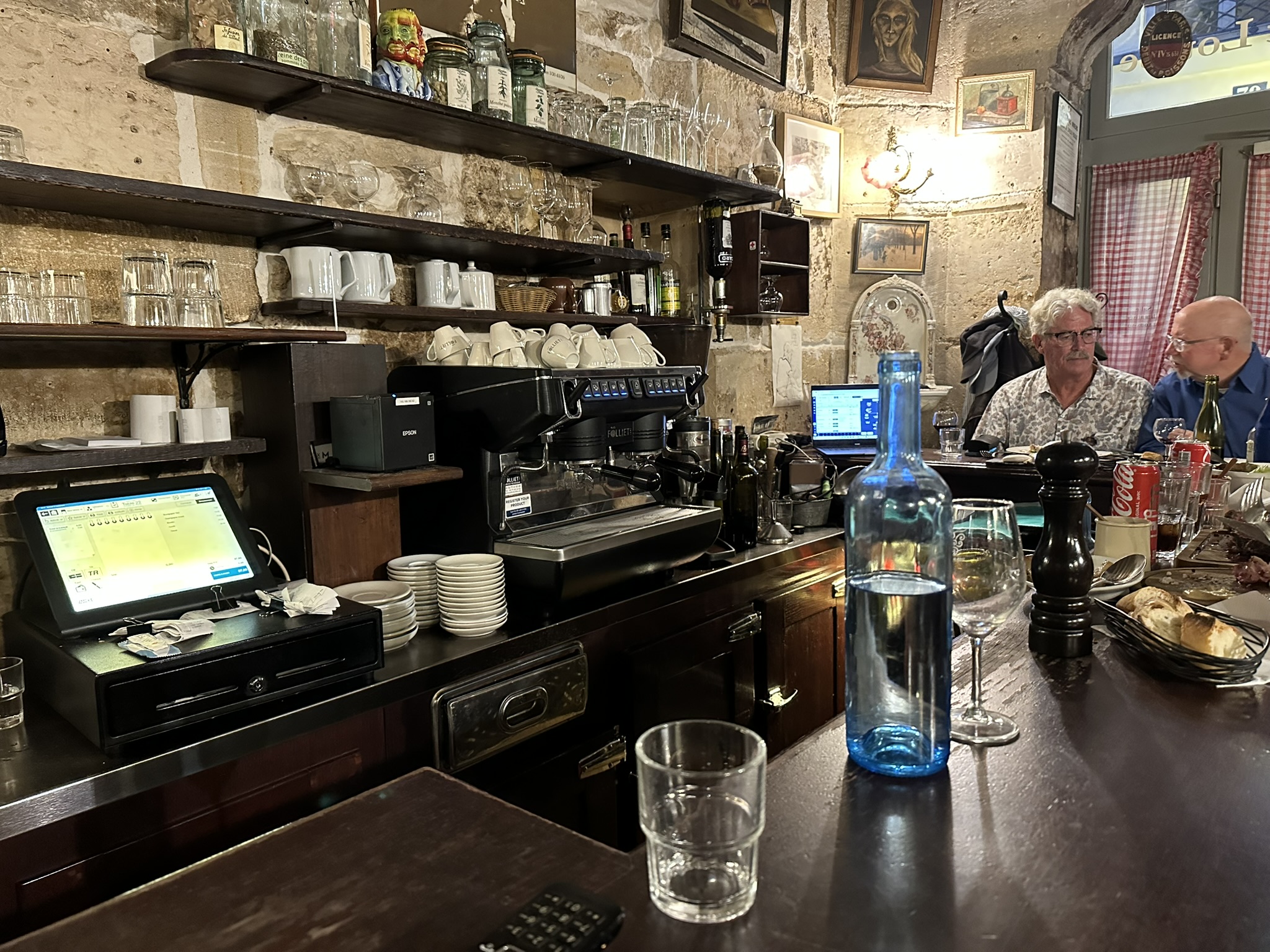
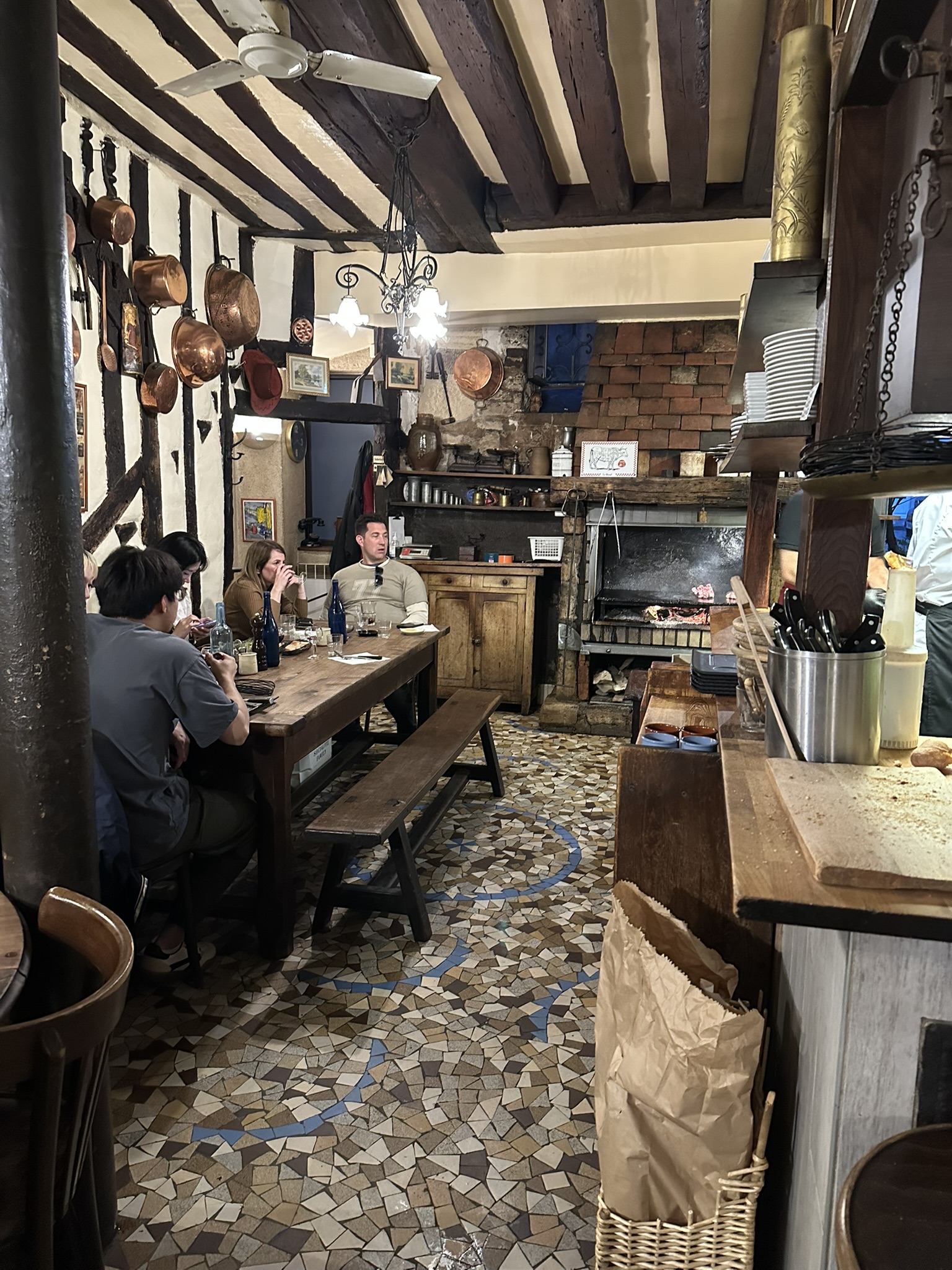
Robert et Louise (3rd Arrondissement, le Marais: 64 Rue Vielle du Temple). This one is special and absolutely requires an advance reservation (I watched five or six groups get turned away as we waited on ours). The entrecote steaks are fired up over an open fireplace, they actually serve the full menu at the bar, and it is full of ambiance. Really special (and really salty).
Le Royal Vendome (1st Arrondissement: 26 Rue Danielle Casanova). This was the splurgiest of our meals and also one of our best. We also enjoyed the ample bar and chatting with the staff.
Brasserie des Prés (6th Arrondissement: 6 Cr du Commerce Saint-Andre). As mentioned above, we stopped in here for lunch. Trés popular and for good reason.
Crepéries. We got our fix at Happy Caffe off the Tuilleries near our apartment but stopped in for some pre-Robert-et-Louise dinner drinks (and a cheese plate, since we had to order some food) at one of the many Breizh Cafes about town of which we’d read good crepe reviews (and the visual inspection of those coming from the kitchen seemed to confirm). I’d pick one of the Breizh ones next time.
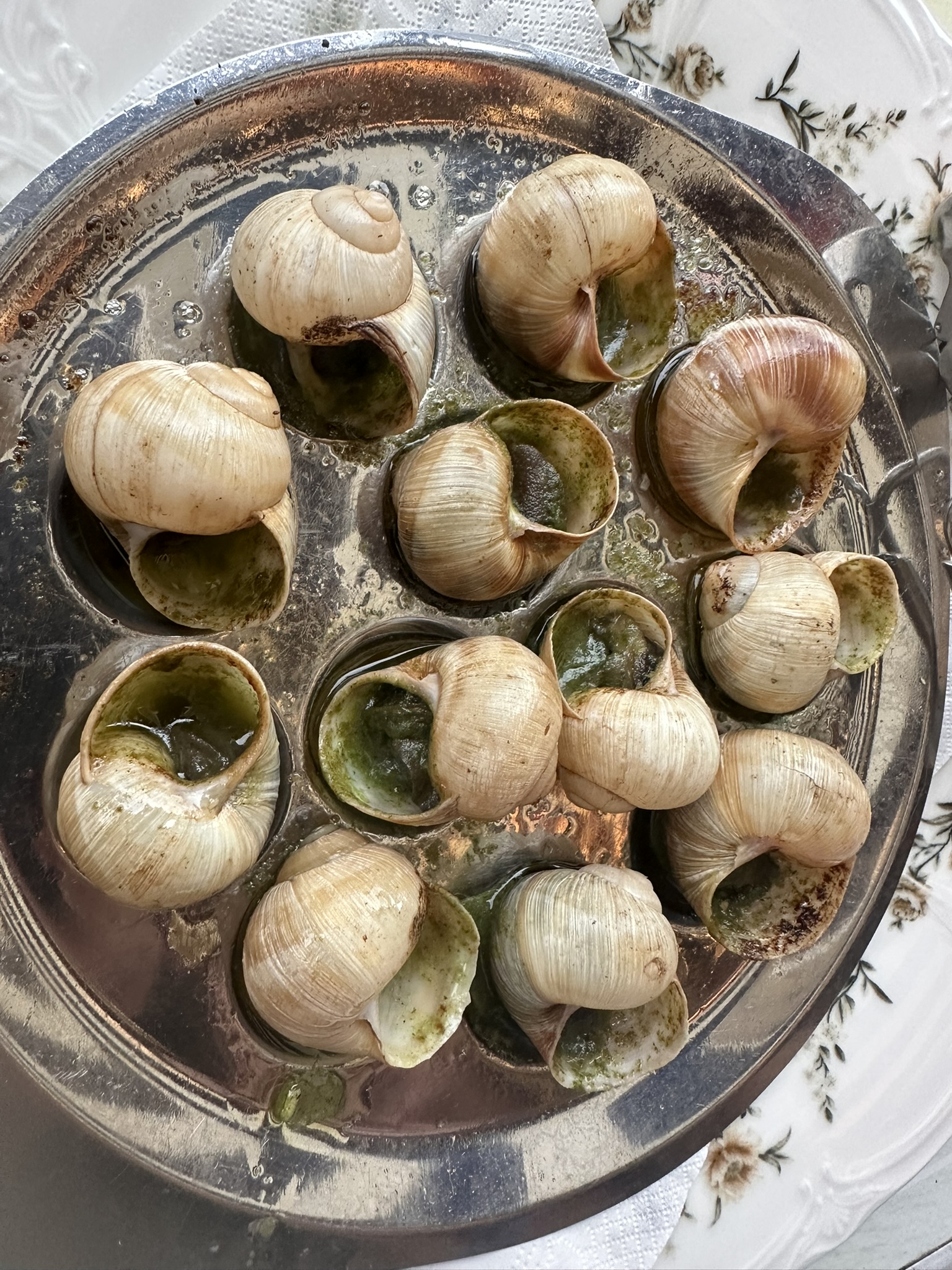
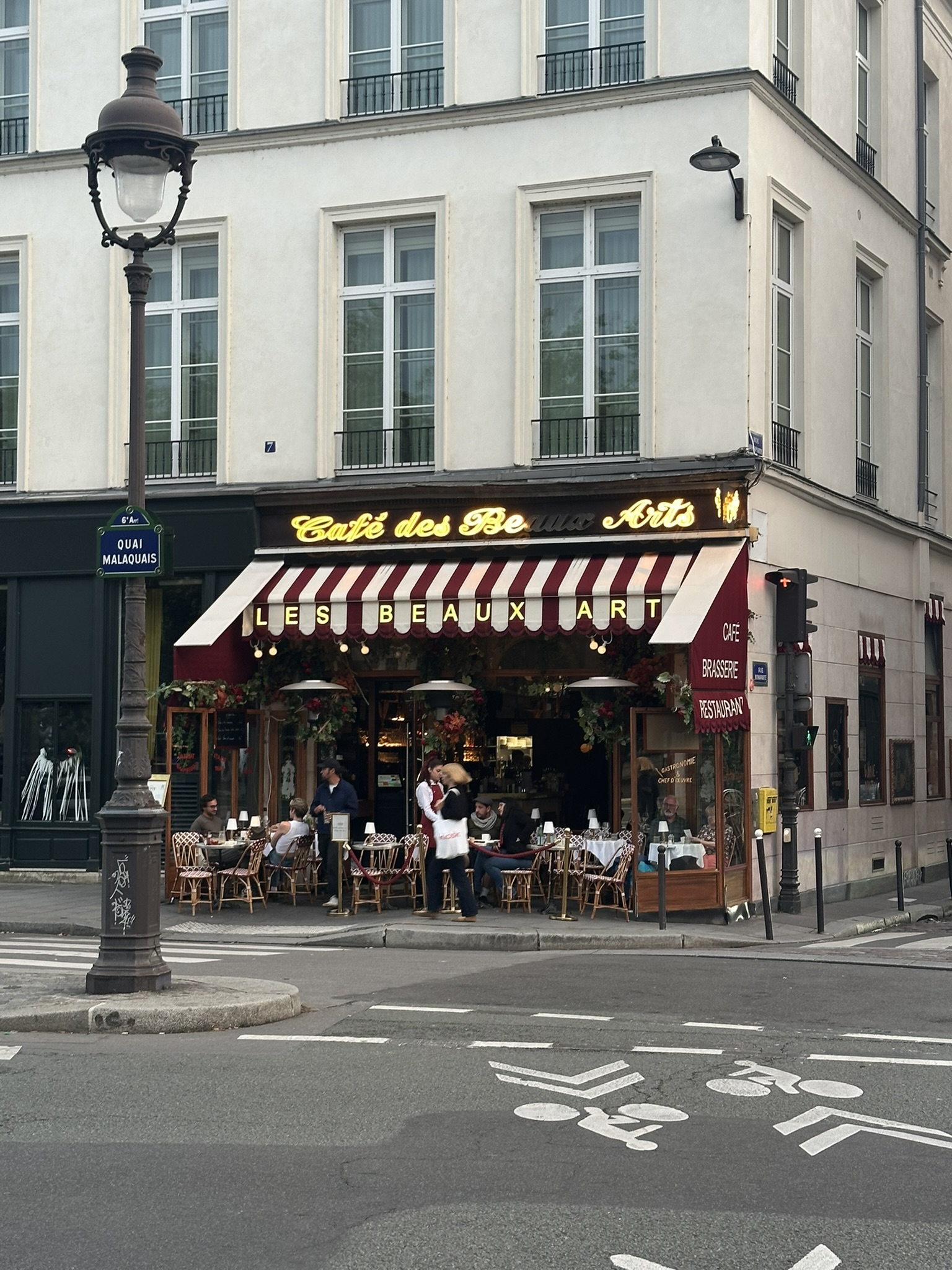
Snails, pardon, … escargot. I’m sure they are good everywhere (well, probably) but we got ours at Cafe des Beaux Arts across the Seine from the Louvre where the clientele was fun and the service great and after a couple of drinks, we went in for the frites as well.
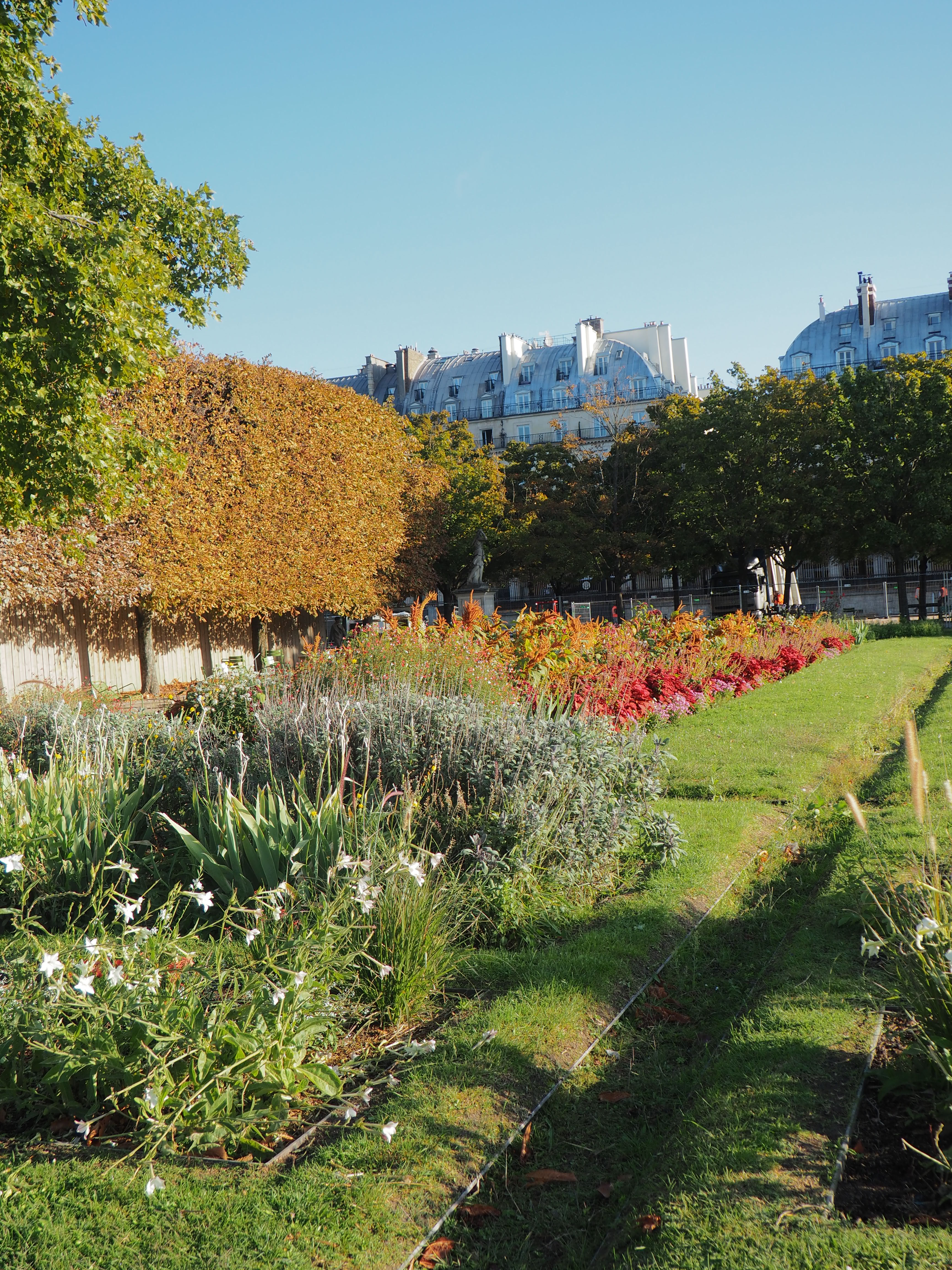
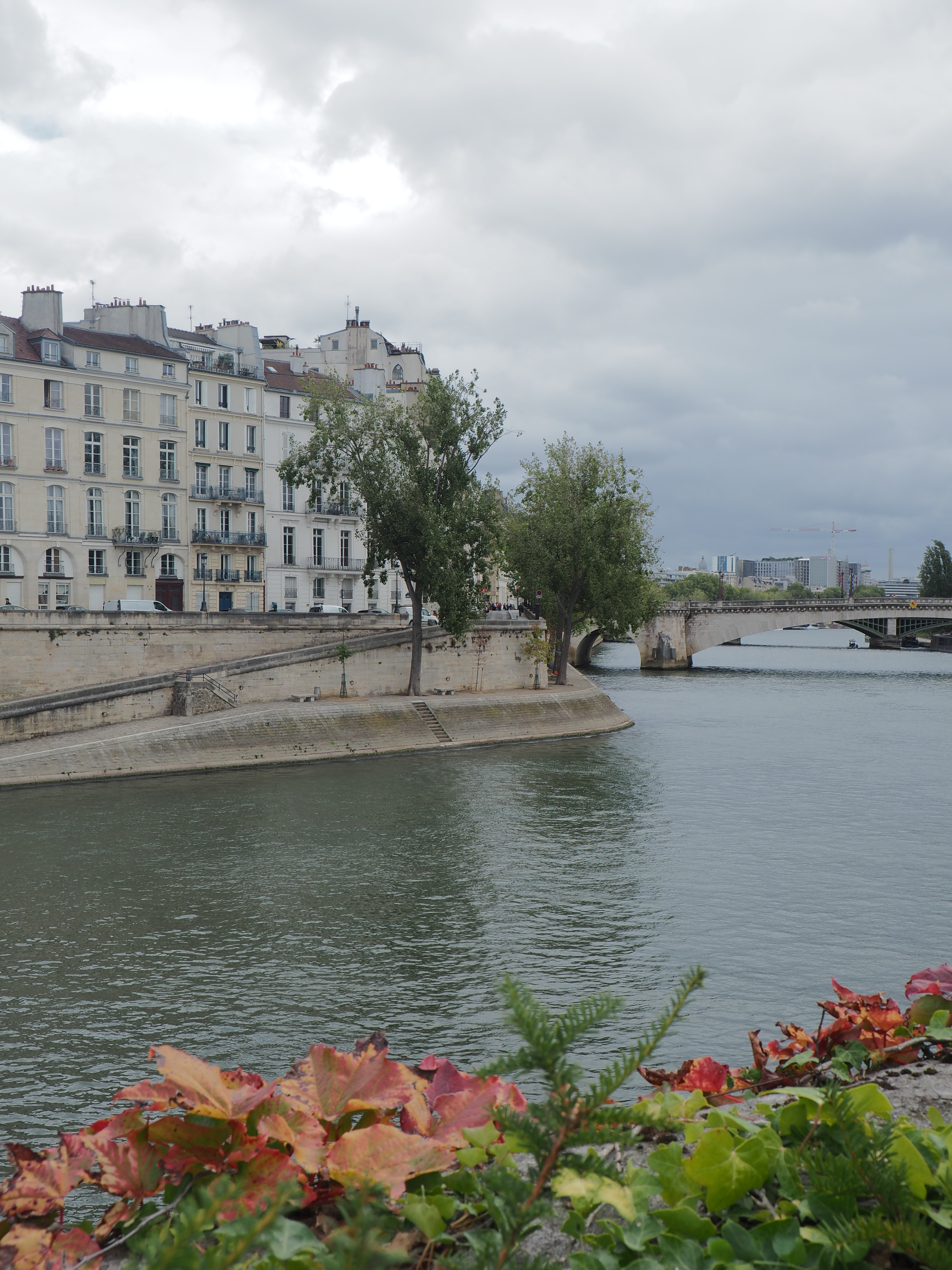
The Last Day. What we most loved, though, was just strolling down the streets and staring up at the distinctively Parisian buildings along the river’s edge and lining the streets, walking along the Seine or through the Luxembourg or Tuilleries gardens; or sitting at a cafe, people watching with a coffee or a verre du vin. So that’s exactly how we spent our final day, wandering down one side of the Seine, across the Pont des Arts and into the heart of the Left Bank and up to Luxembourg Gardens. After a lunch with locals only at La Terasse de Madame we wandered past the Pantheon down through the Latin Quarter and over Ile de la Cite and Ile St Louis back through the Marais and home. We topped it off with a delicious lemon tart from the Sebastien Gaudard shop near our apartment which we’d read had the best ones in Paris (not to be missed!).
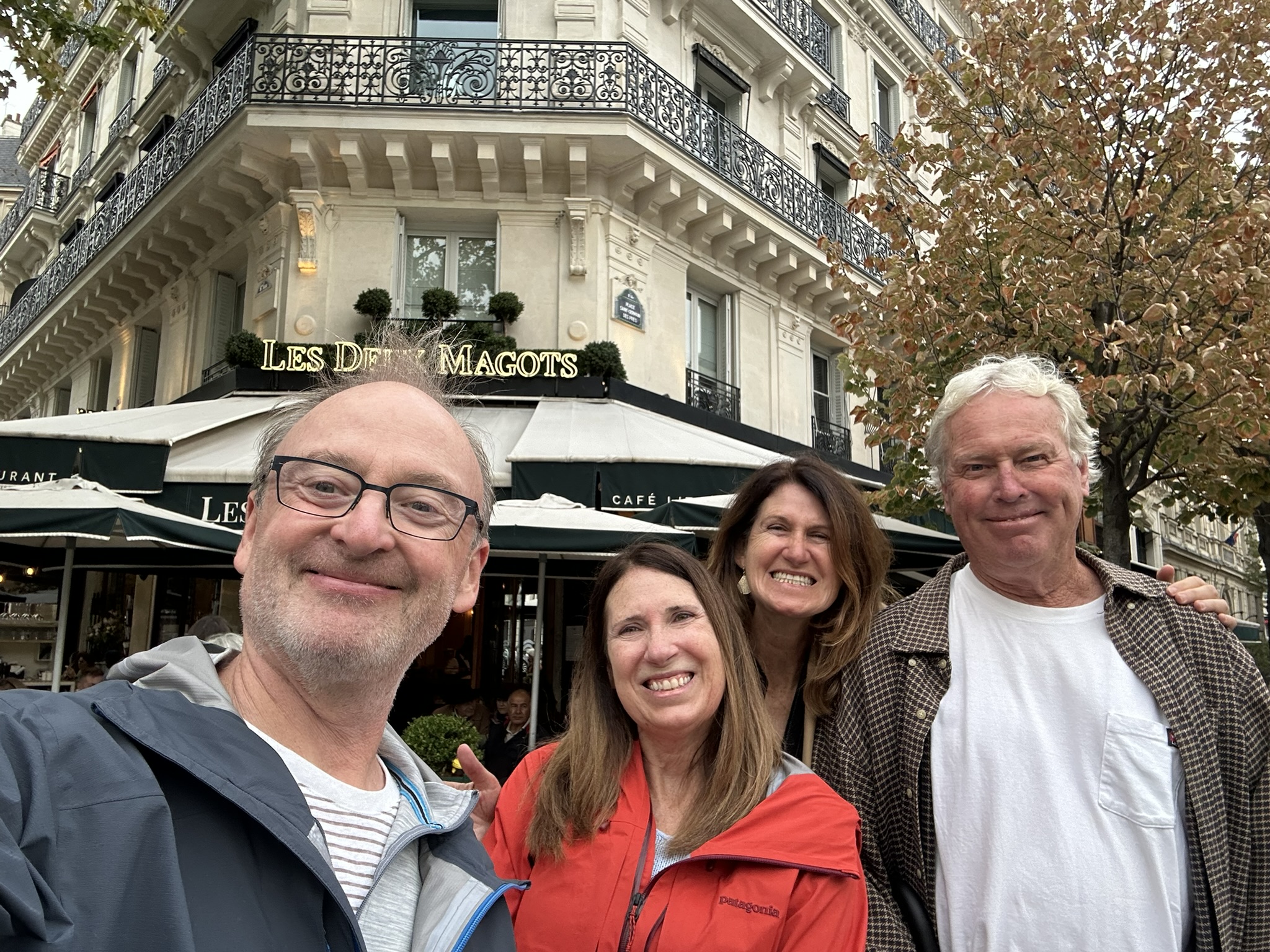
If you’re a first time (or repeat) visitor, our advice would be to make sure to take your time, experience the fashion and style, the food and drink, the art and architecture and just pause. Paris is meant to be experienced in slow motion between all the busy sightseeing. And if you’re hesitant about the stereotypes, we’ve found nearly all of our interactions with locals friendly, helpful and enchanting dispelling the allegations and myths of snootiness. None here for us this trip (or, frankly, any of our others) and so as we bid au revoir to Paris we also say à bientôt… hopefully with a gap fewer than 20 years.

Sources:
- Rick Steves Paris guidebook, 2024.
- Rick Steves Historic Paris Walk.
- Rick Steves Champs-Elysees Walk.
- Rick Steves Orsay Museum Walk.
- Rick Steves Left Bank Walk
- https://en.wikipedia.org/wiki/Louvre
 The Traveling Ridleys
0 comments on “Vingt ans plus tard: Une Semaine à Paris (Twenty Years Later: A Week in Paris)”