

We left Carcassonne, headed north and then west over the mountains and forests of the Haut-Languedoc Natural Park. The dry and hot conditions of the Côte d’Azur and Provence had been replaced by cooler and cloudier ones with occasional showers.
Only needing to drive a few hours to our next stop, I’d looked up options for things to do en route in the guidebook we’d used when we visited France nearly 20 years ago. I found a Henri Toulouse-Lautrec museum in Albi, so we navigated there exploring the winding back roads.
Albi and the Toulouse-Lautrec Museum. Albi was an unexpected surprise. I don’t know what the guidebook (frankly, not a very good one) had said about it other than the museum was there. Either I didn’t read it very carefully or it doesn’t really describe its charm.
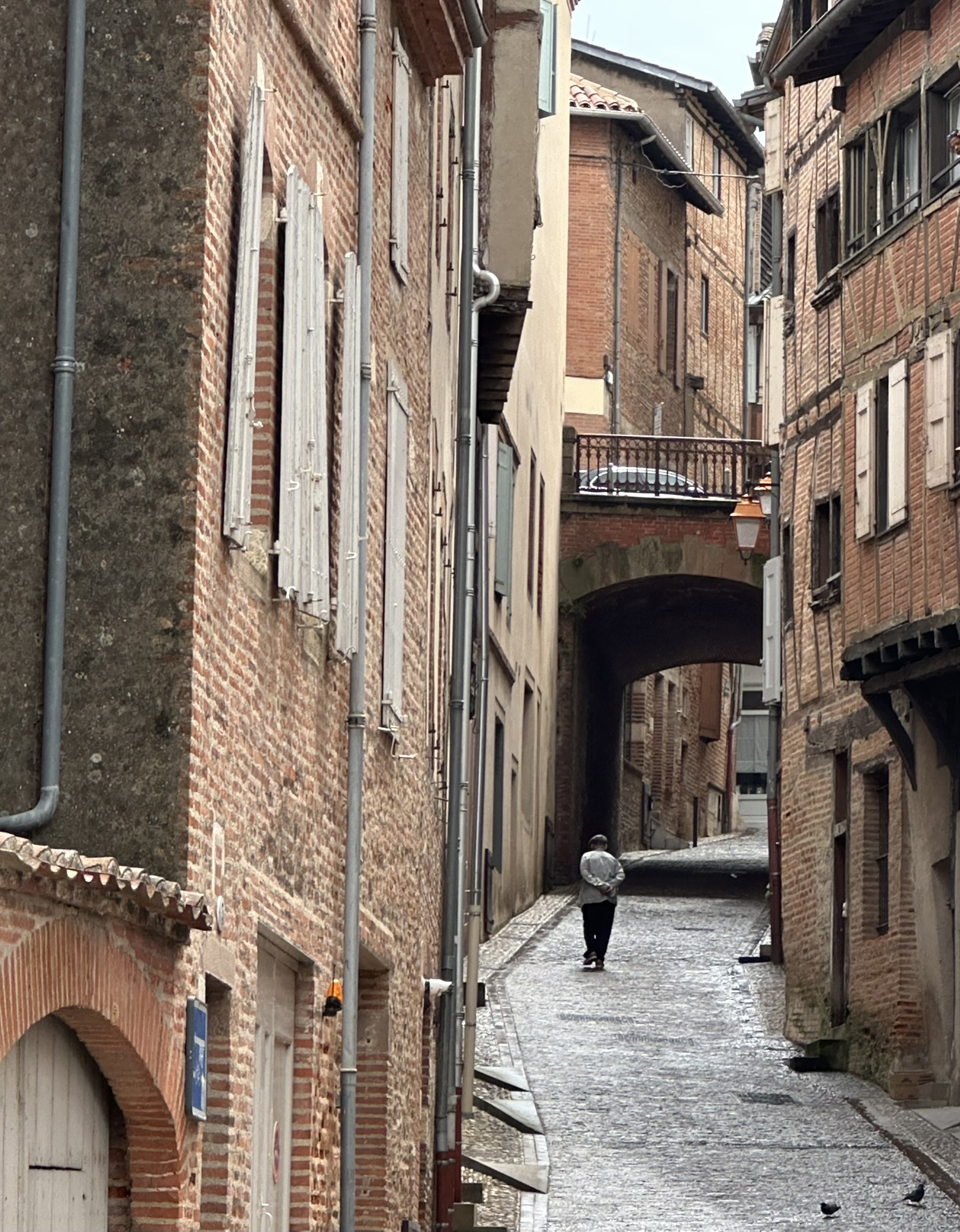
Albi has been inhabited since the Iron Age and the Roman Empire but it came to power built on the textile industry when the bishop helped fund the Pont Vieux in the 11th century making it easier for commerce and trade. Many of its buildings were built from local clay deposits giving it a soft and muted tone and its cathedral and the Berbie Palace of the Episcopal Bishops is distinctly red.
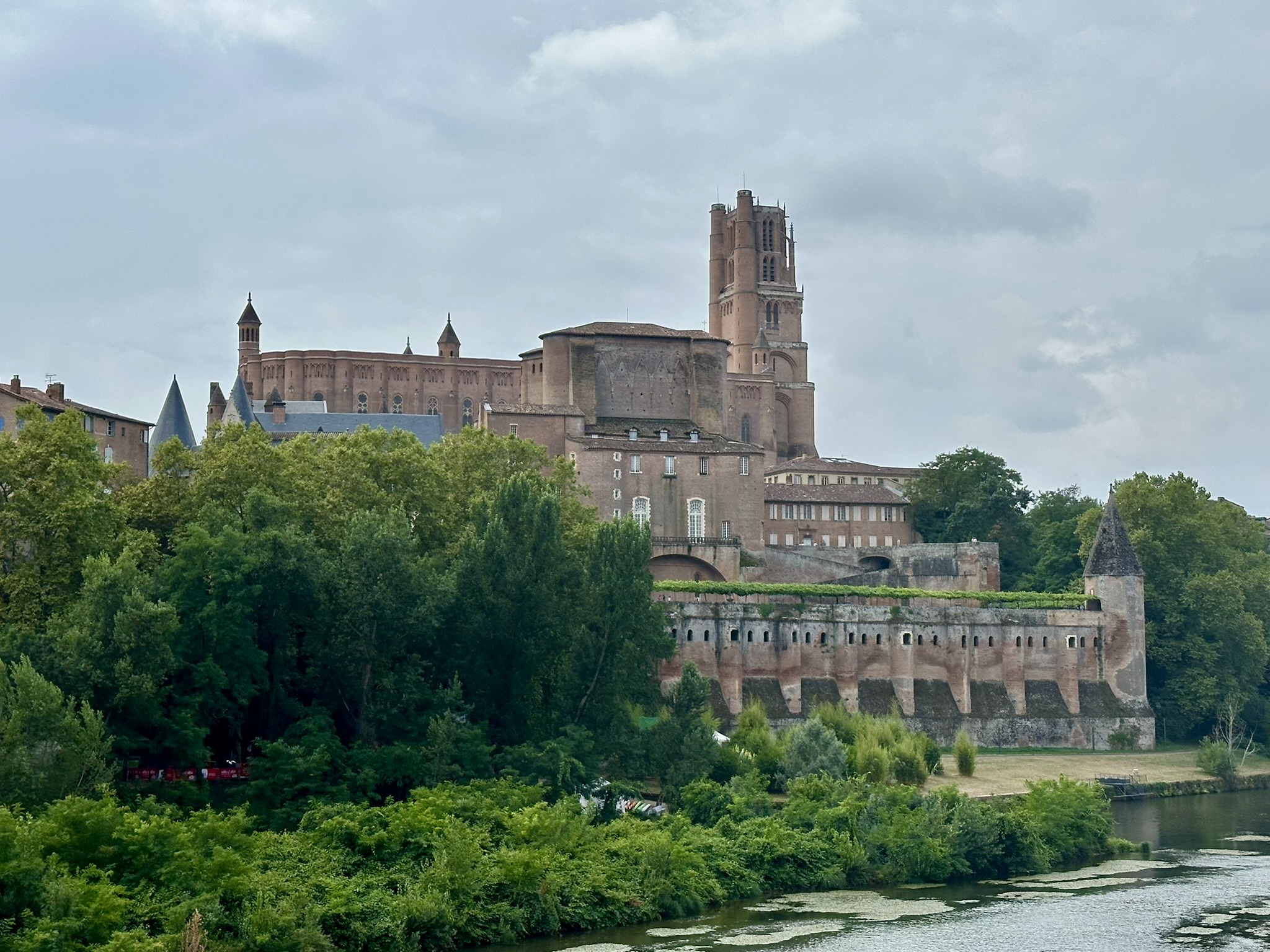
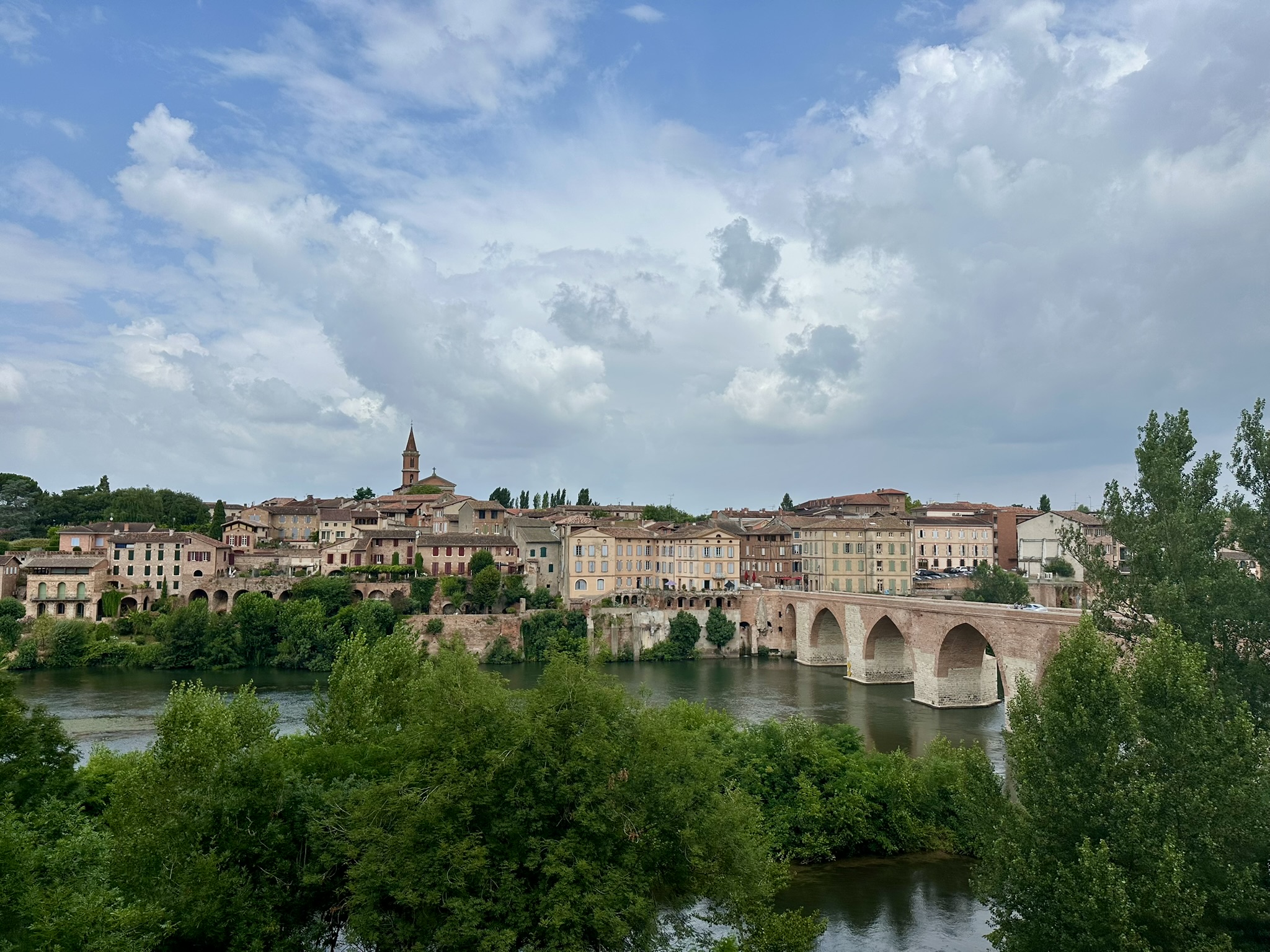

Today, Albi straddles the Tarn River with several bridges connecting the city’s two sides and the Berbie Palace contains the Toulouse-Lautrec collection. We parked across the Pont Vieux from the museum and strode across its expanse to see what Albi had to offer.
The Berbie Palace itself is part of the museum with its unique ceilings and floors enhancing and adding to the exhibit. We were first exposed to Henri Toulouse-Lautrec during our many annual October visits to the Art Institute of Chicago (in, of course, Chicago), while working full time, when we found his painting At the Moulin Rouge in their collection. The haunting face of Jane Avril staring out stuck with us, which is why we detoured here in the first place. The collection contains early portraits and sketches, several of his depictions of Paris prostitutes, many posters he made for the directors of the Moulin Rouge, pieces from the bishops’ collections and several posters made by various artists in 2001 to commemorate the 100th anniversary of Toulouse-Lautrec’s death.
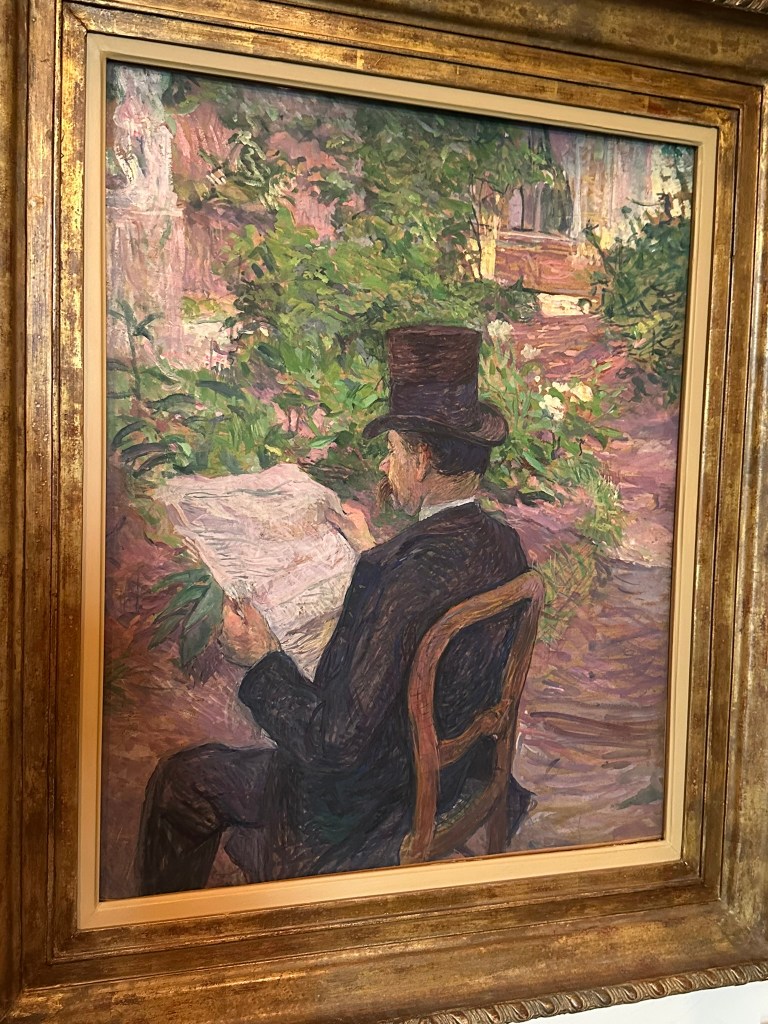

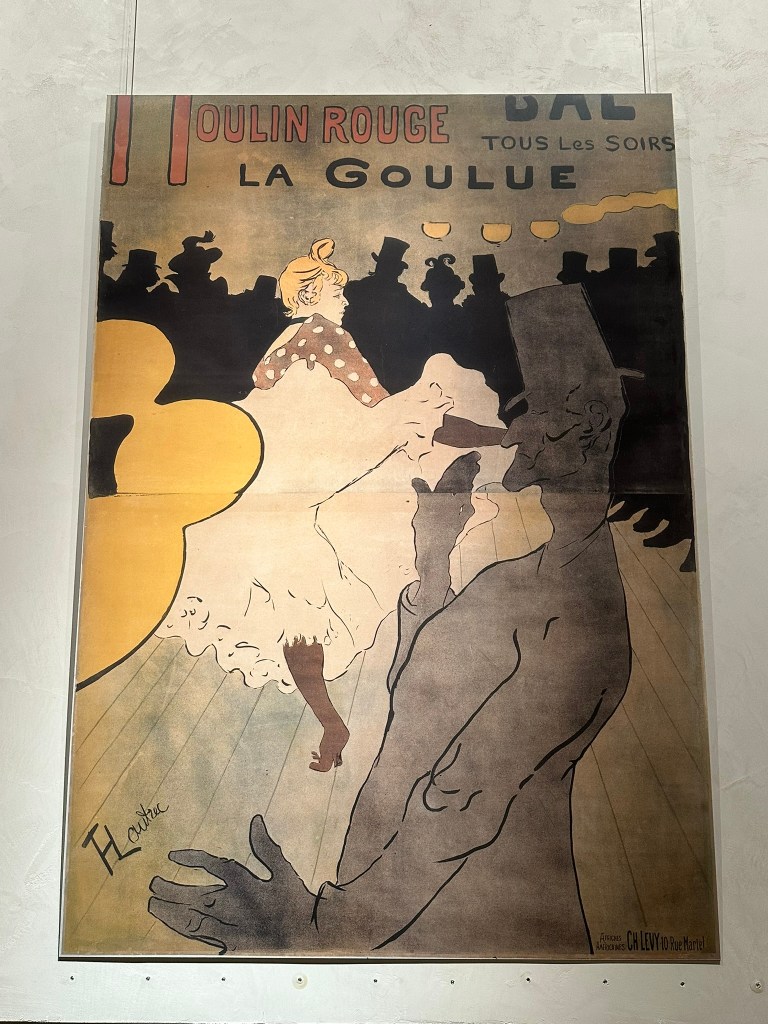
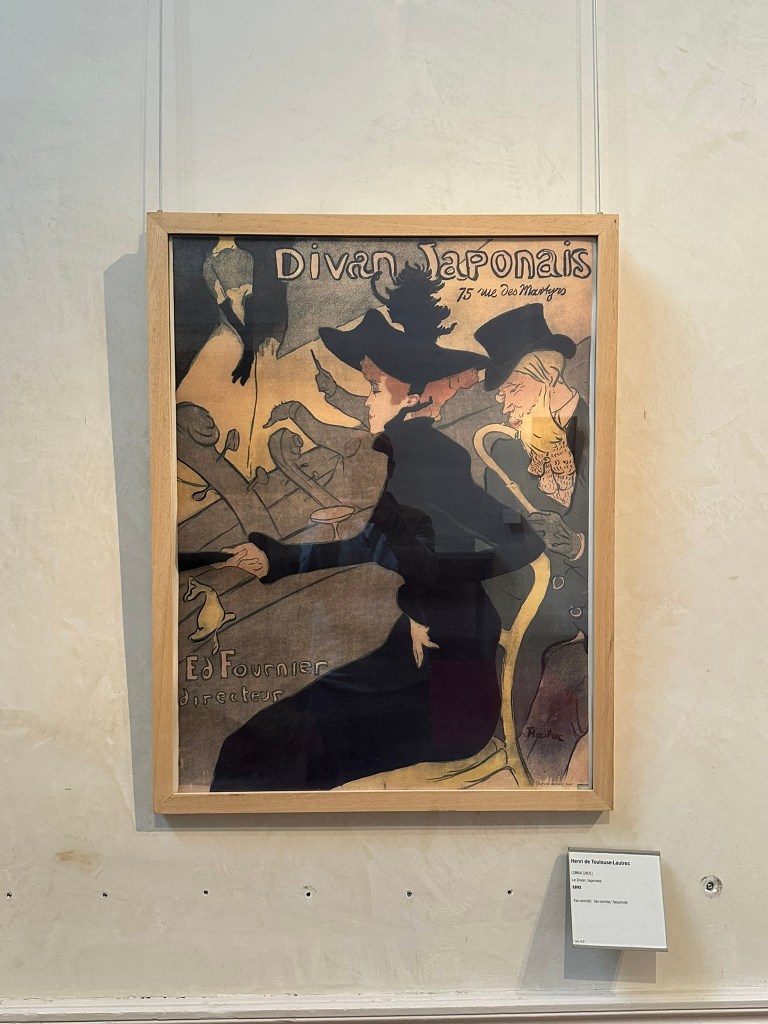
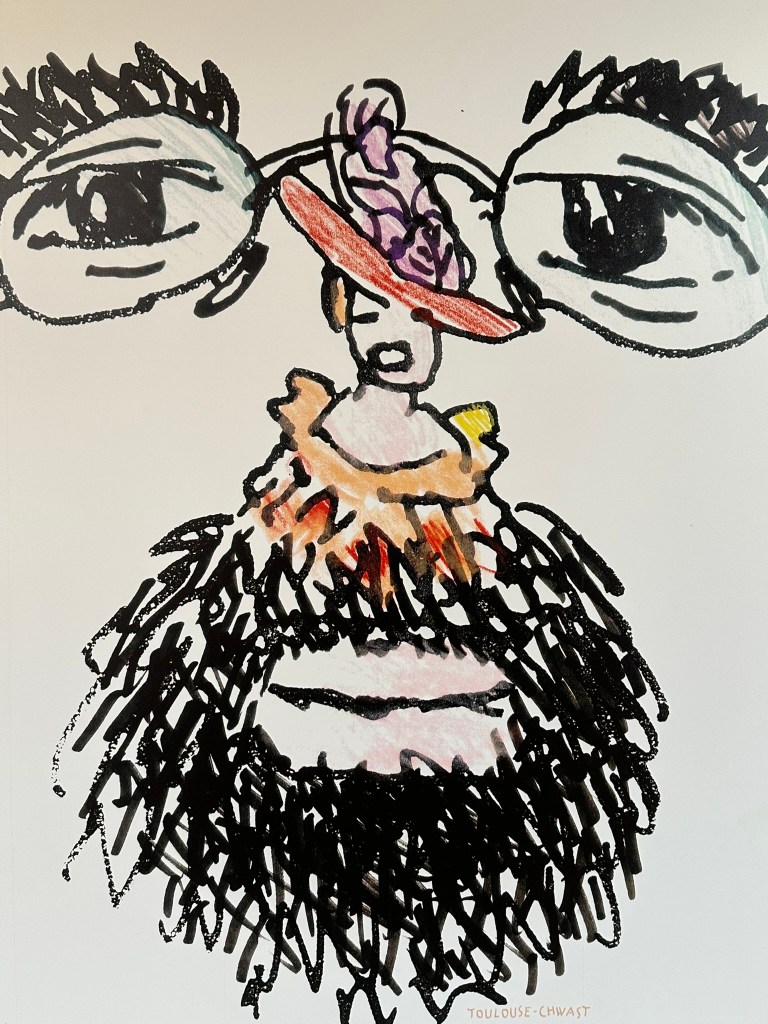
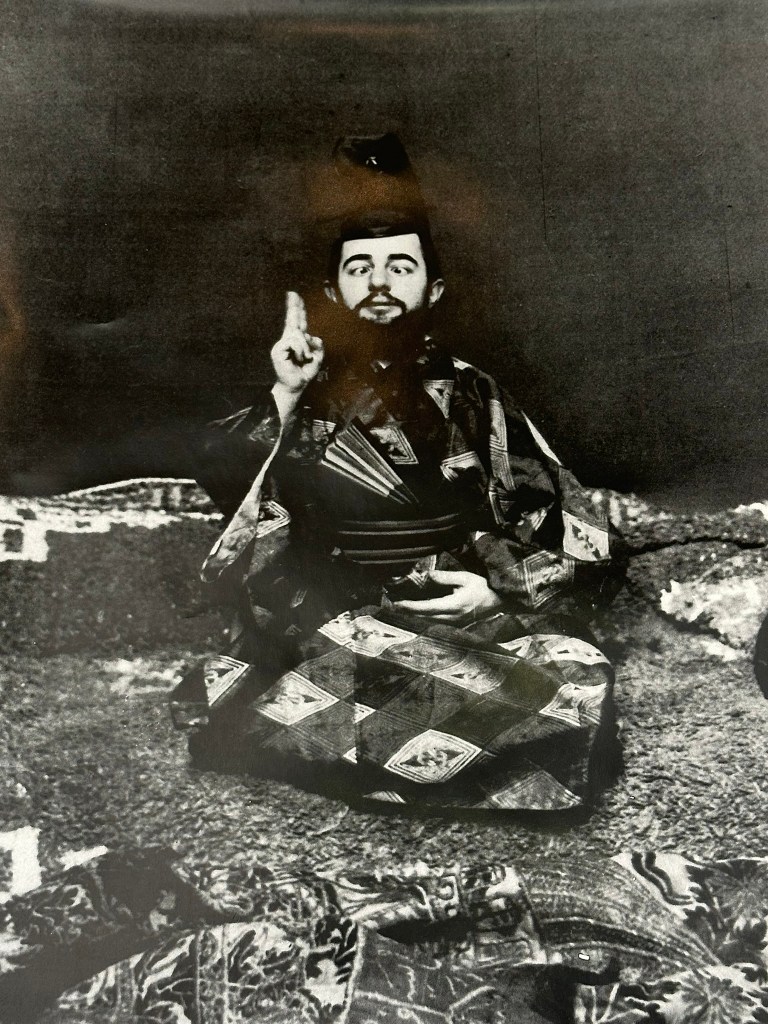
The museum alone is worth the visit, but Albi itself was the surprising gem, and we pledged to return again to spend more time.

As we turned west, we advanced through fields of fresh cut hay, towering corn, rows of grapes and awesome expanses of sunflowers stretching over hilltops. We cut down through the valley of the Aveyron River through cute Saint Antonin Noble Val and on into Mercués.
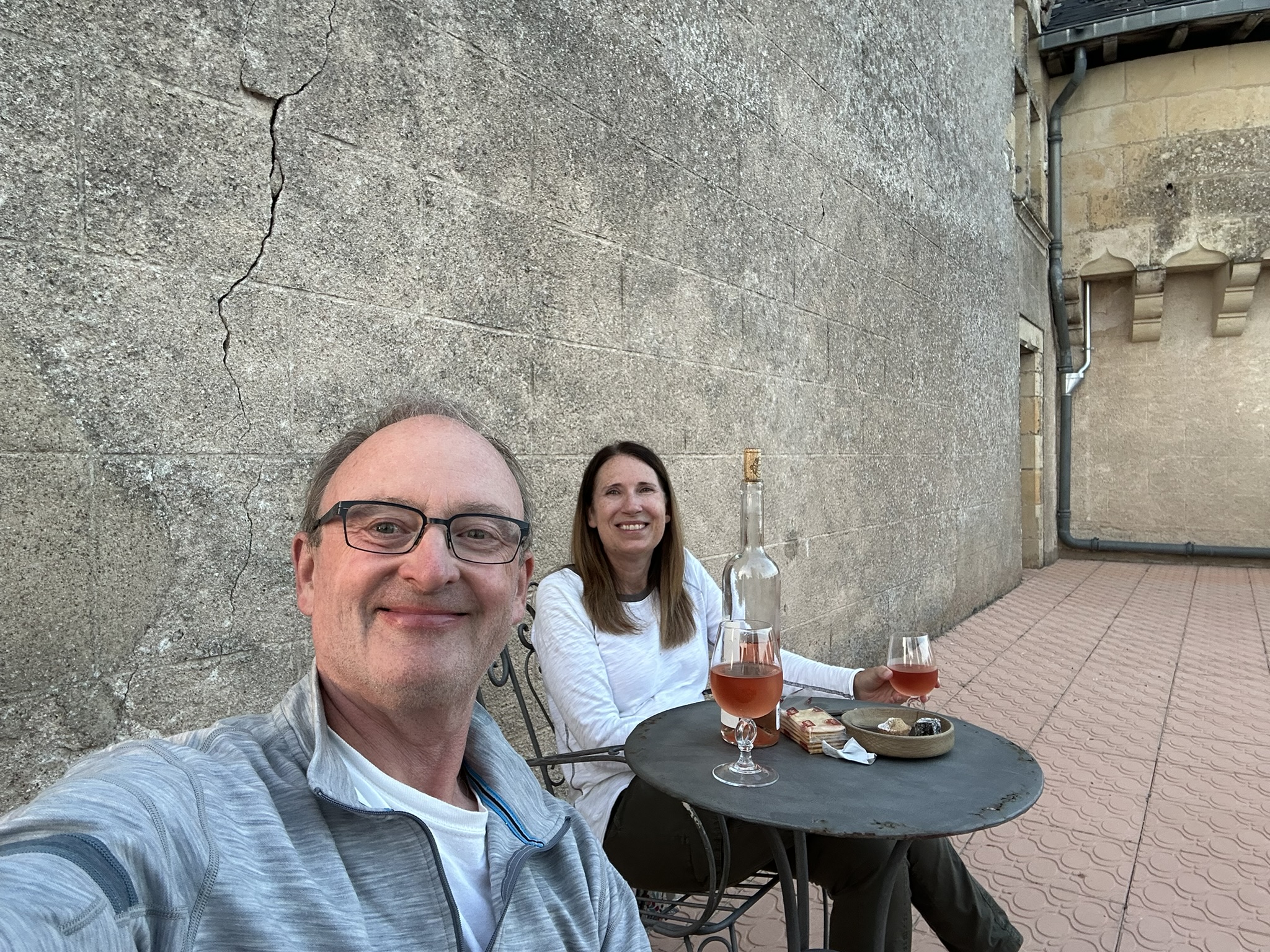
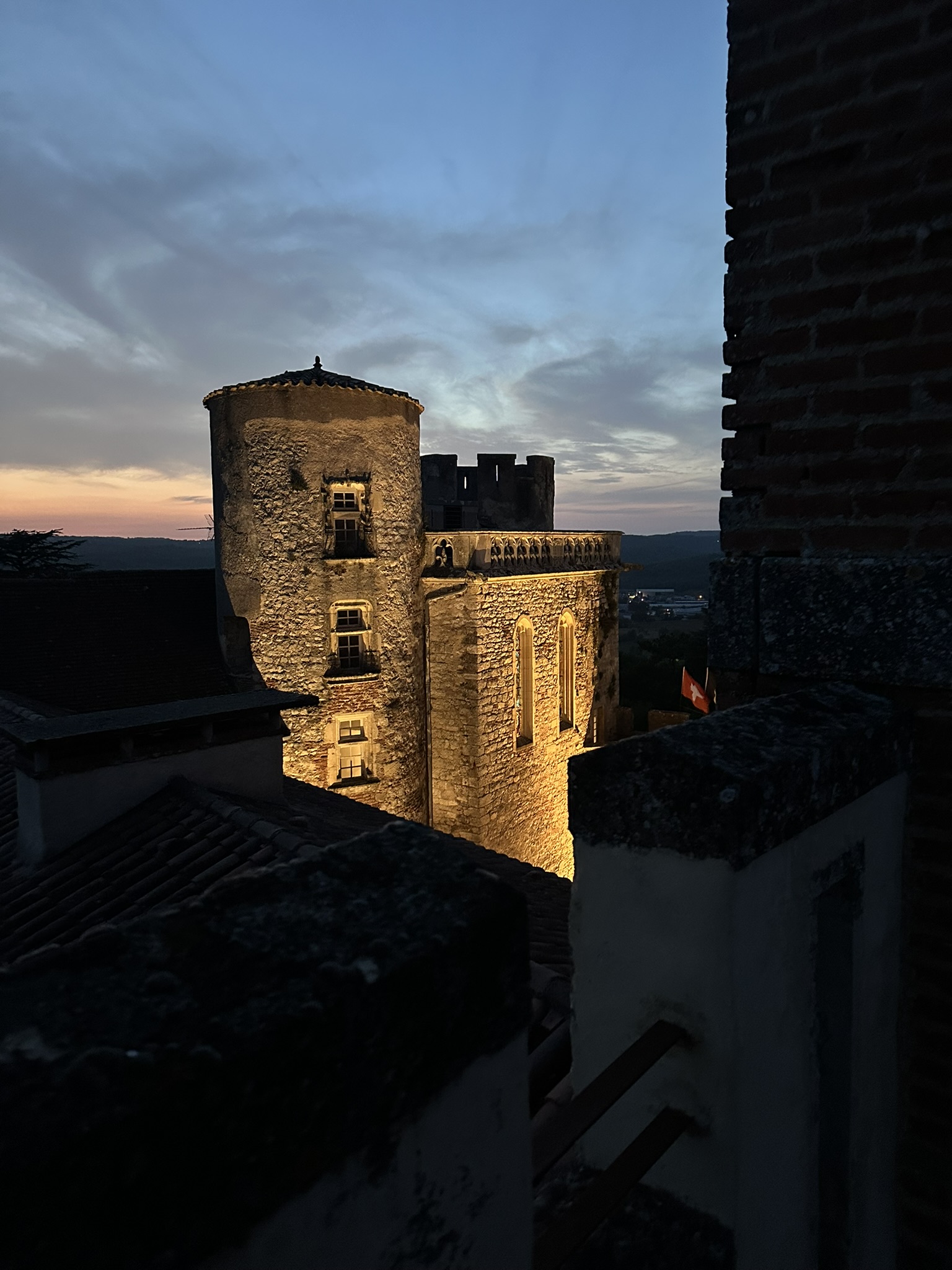
We stayed in a hilltop Chateau built in the 13th century and used it as a homebase for exploring this, previously little explored (by us) region of France. We’ve come to this area once before, spent one night in the Hotel de Bastard in Condom (you can probably see why) before heading further east and into Provence. So, it was essentially an unknown area. A friend we wanted to visit lives near our chateau which is why we were stopping here in the first place.
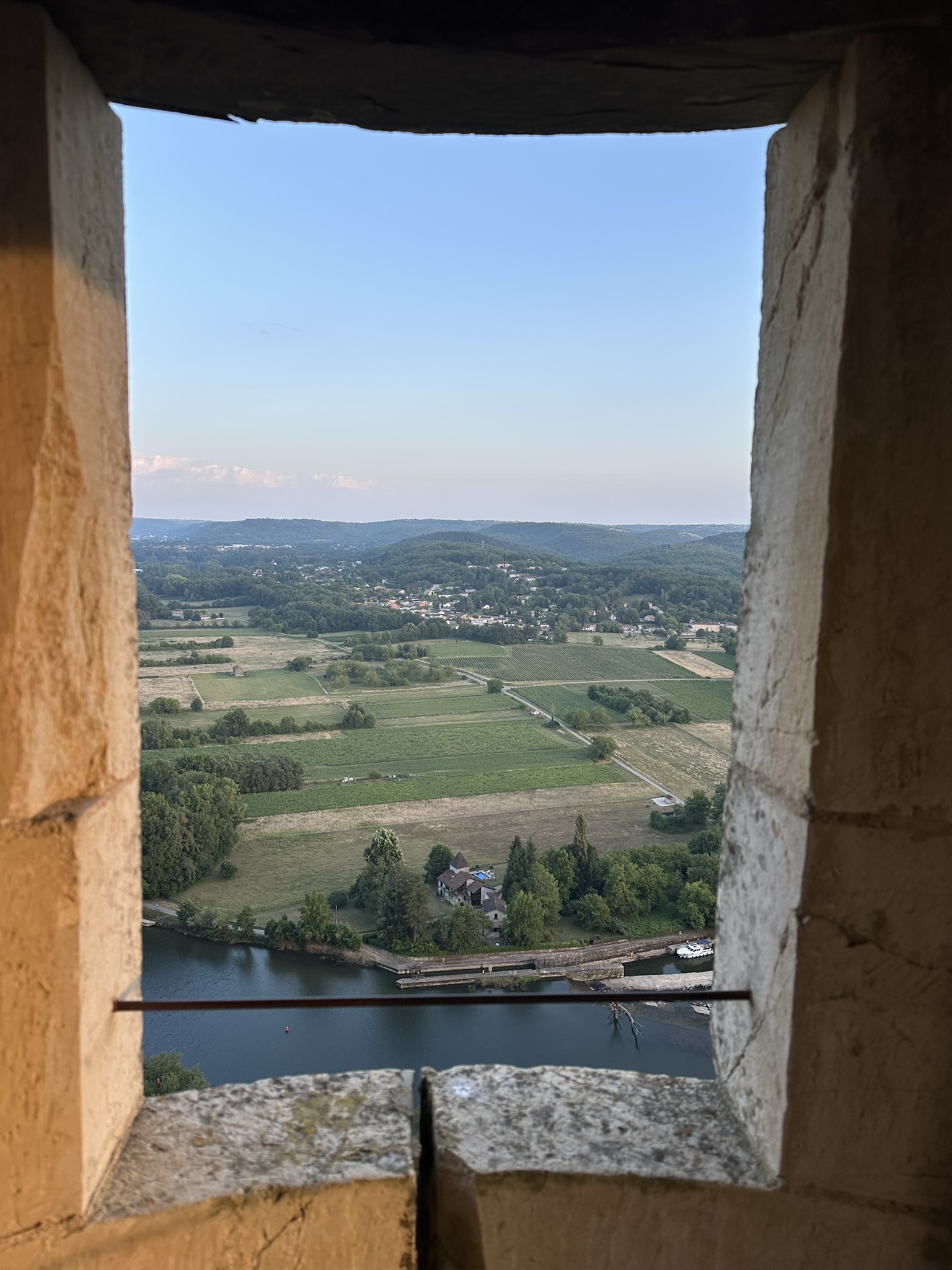
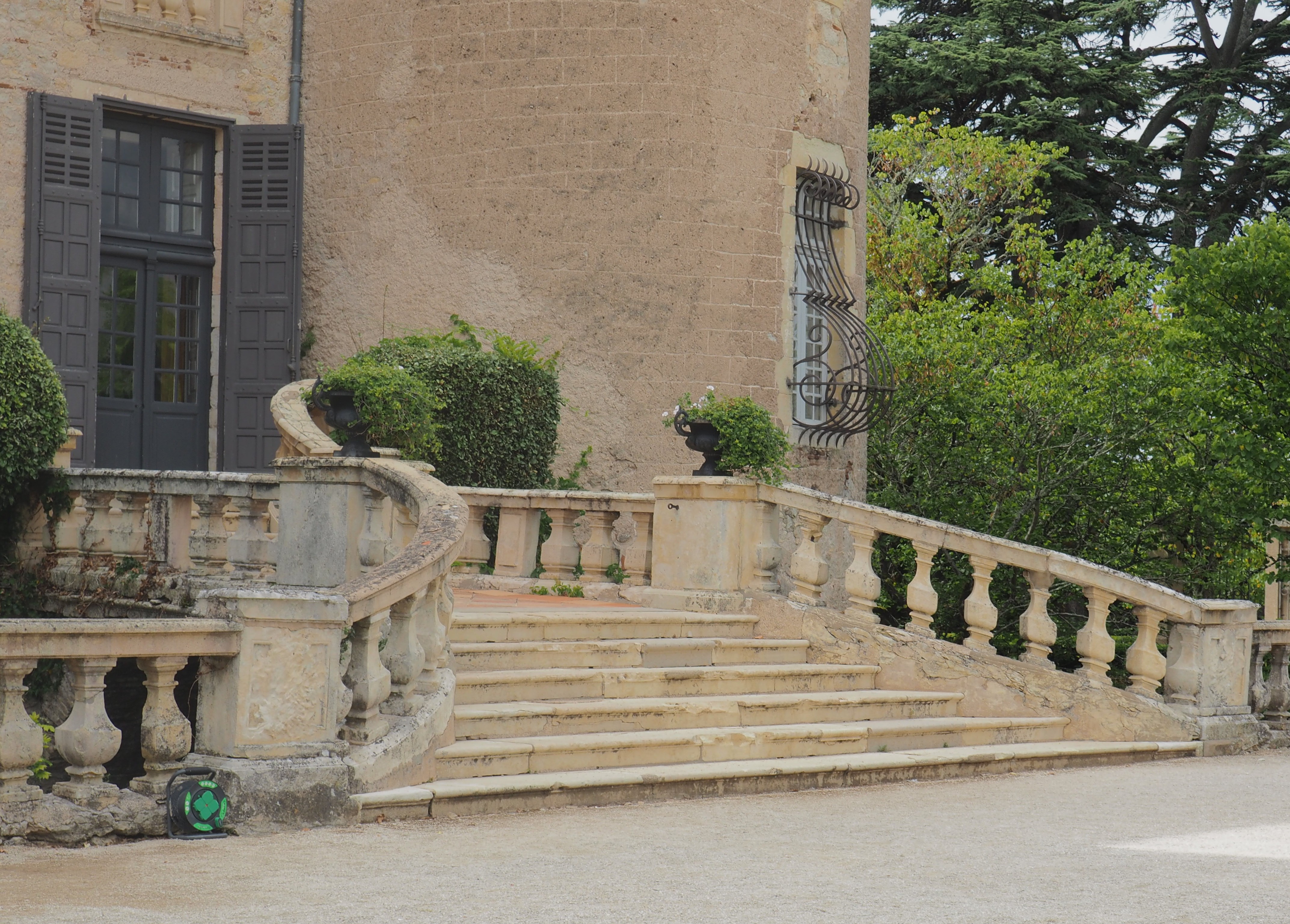
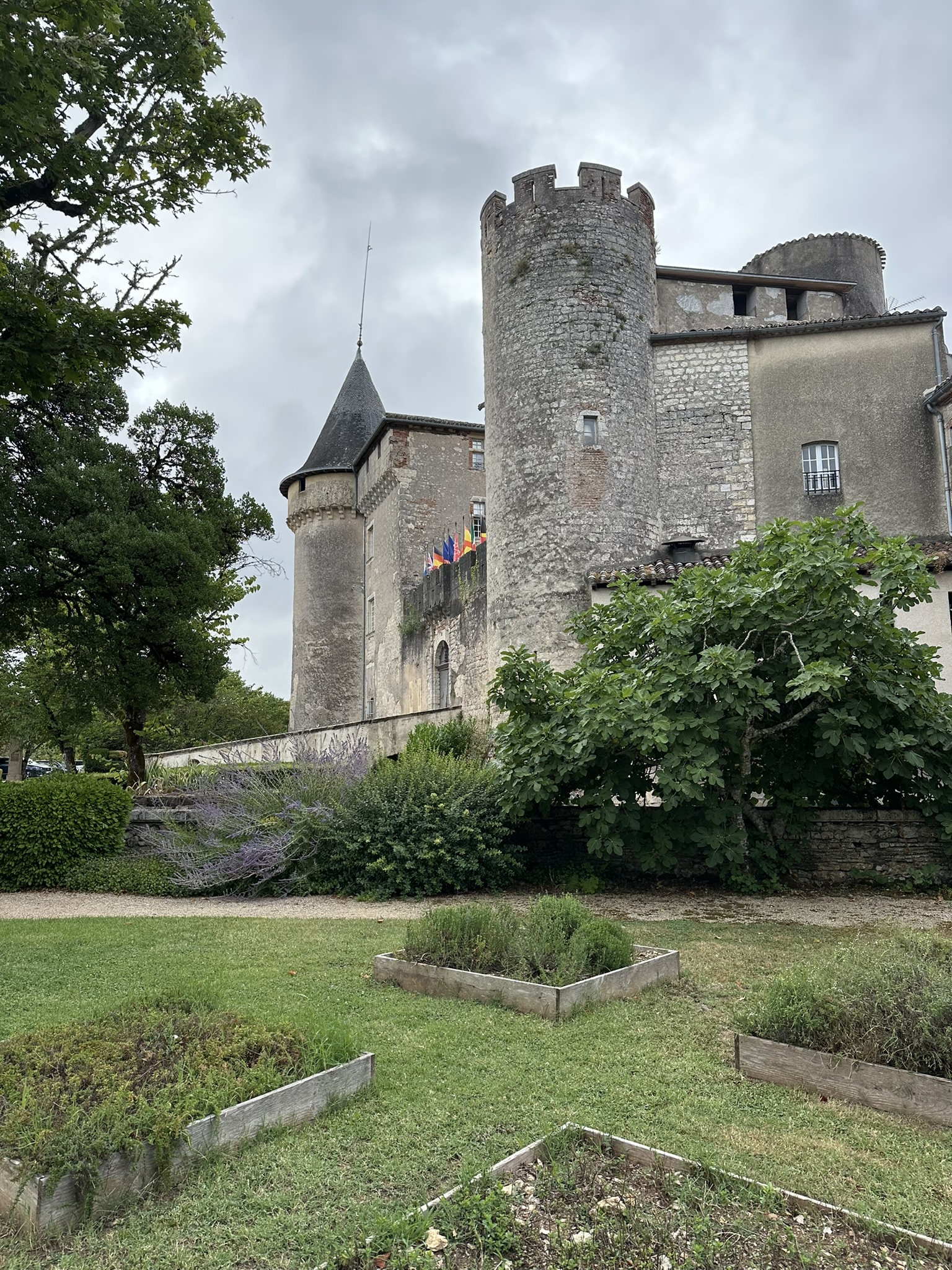
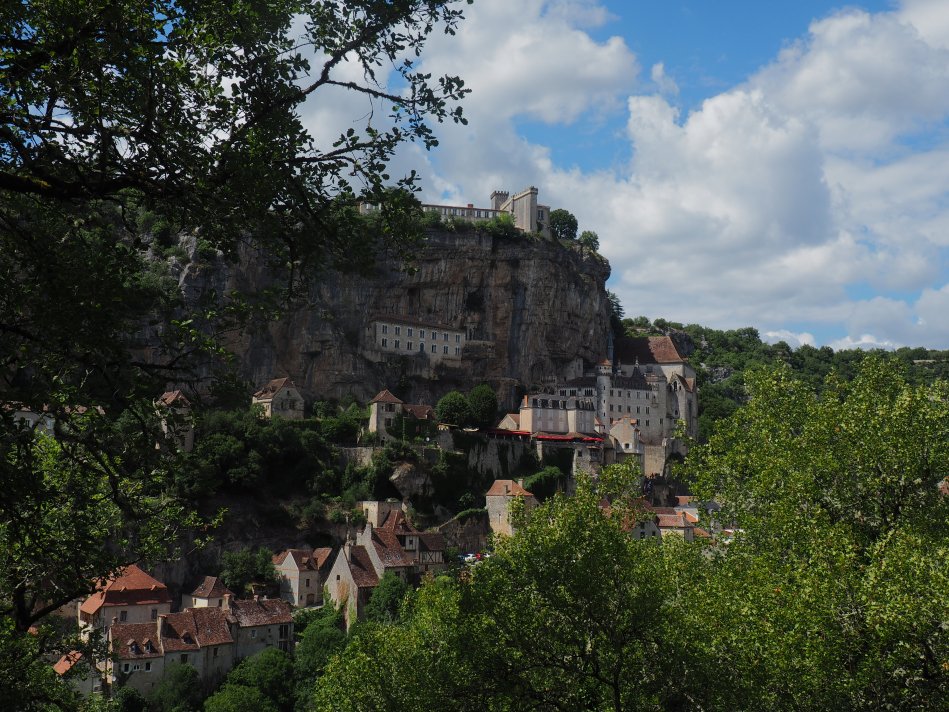
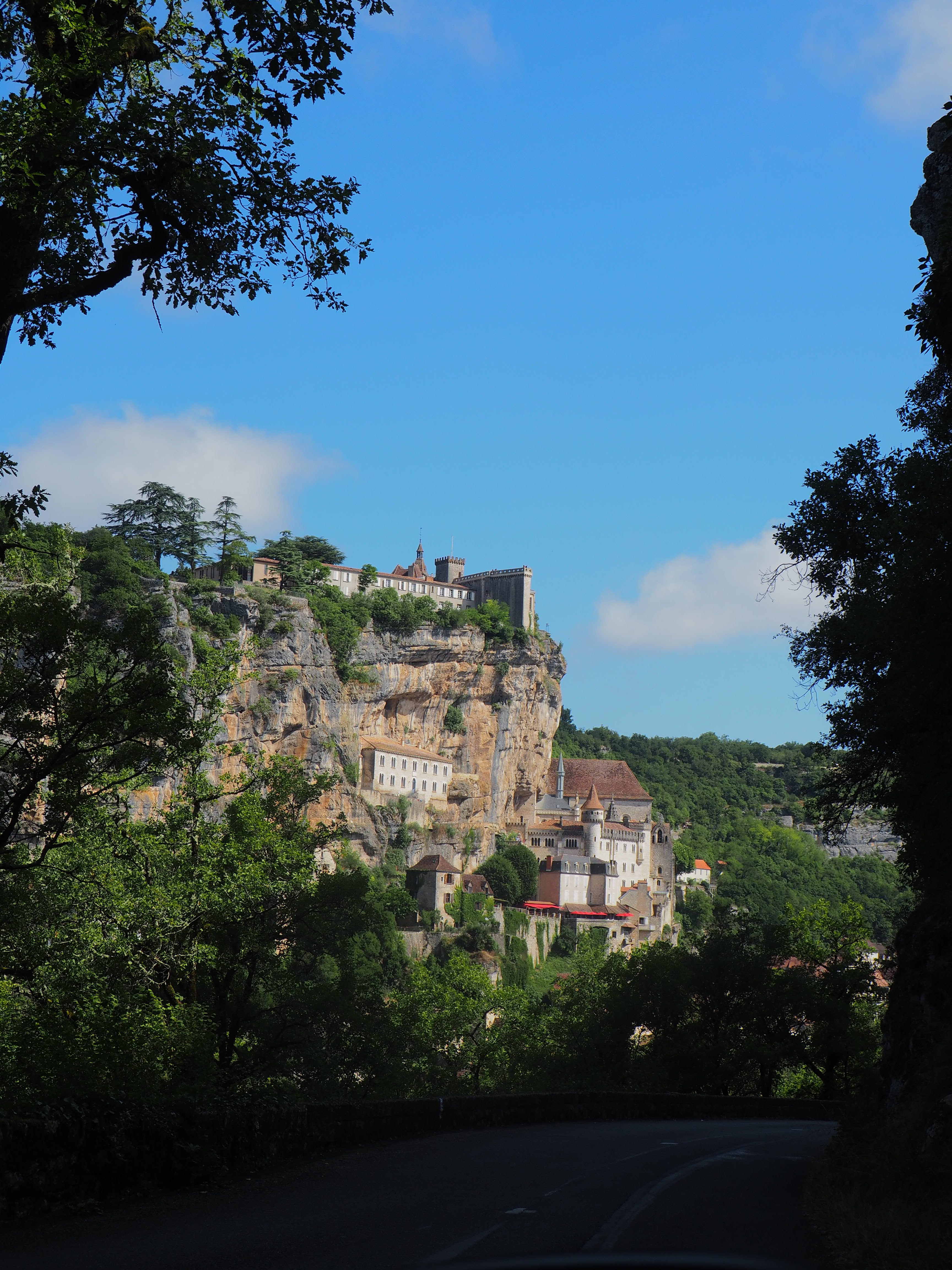
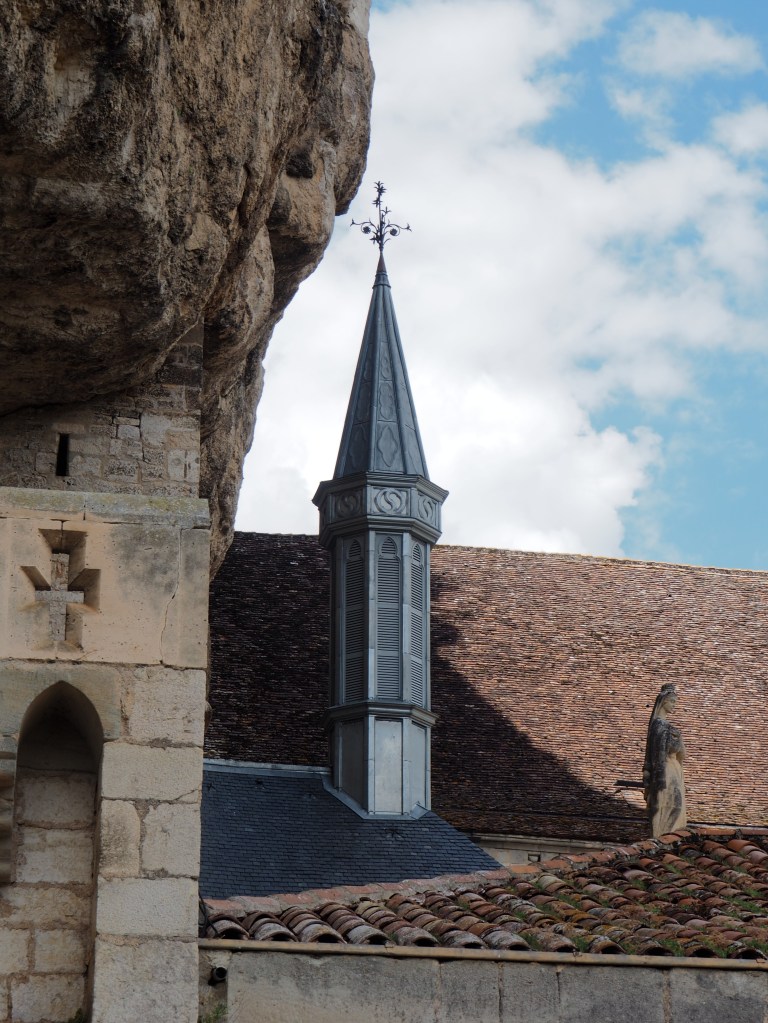
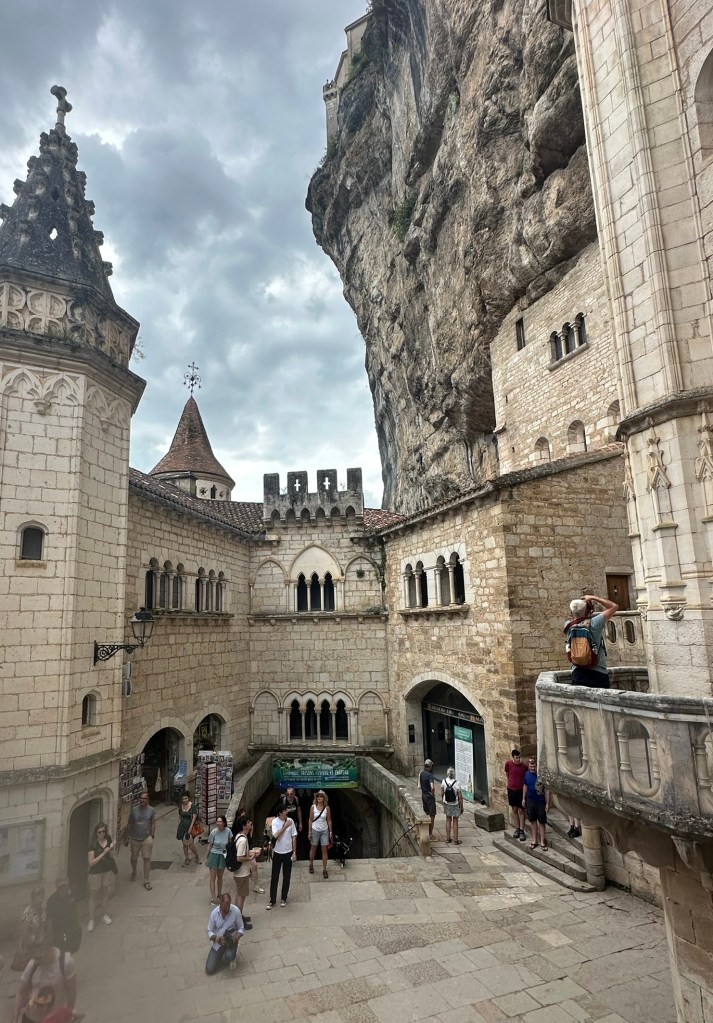
Rocamadour. While visiting our friend, we went off to see Rocamadour. Rocamadour’s clifftop structures embody the three orders of a medieval society: top level castle for the knights, middle level churches for the religious order and lower level for the working class. We drove in from across the Alzou Valley gorge and then wound our way up the narrow twisting streets and tunnels (in which you hope no tour bus is headed the opposite direction) to the P2 parking lot near the castle, which is amply sized.
From there, we descended past the 14 stations of the cross, through the chapel complex and into town for lunch. After lunch and some shopping, we climbed back up to the religious complex to check it out.
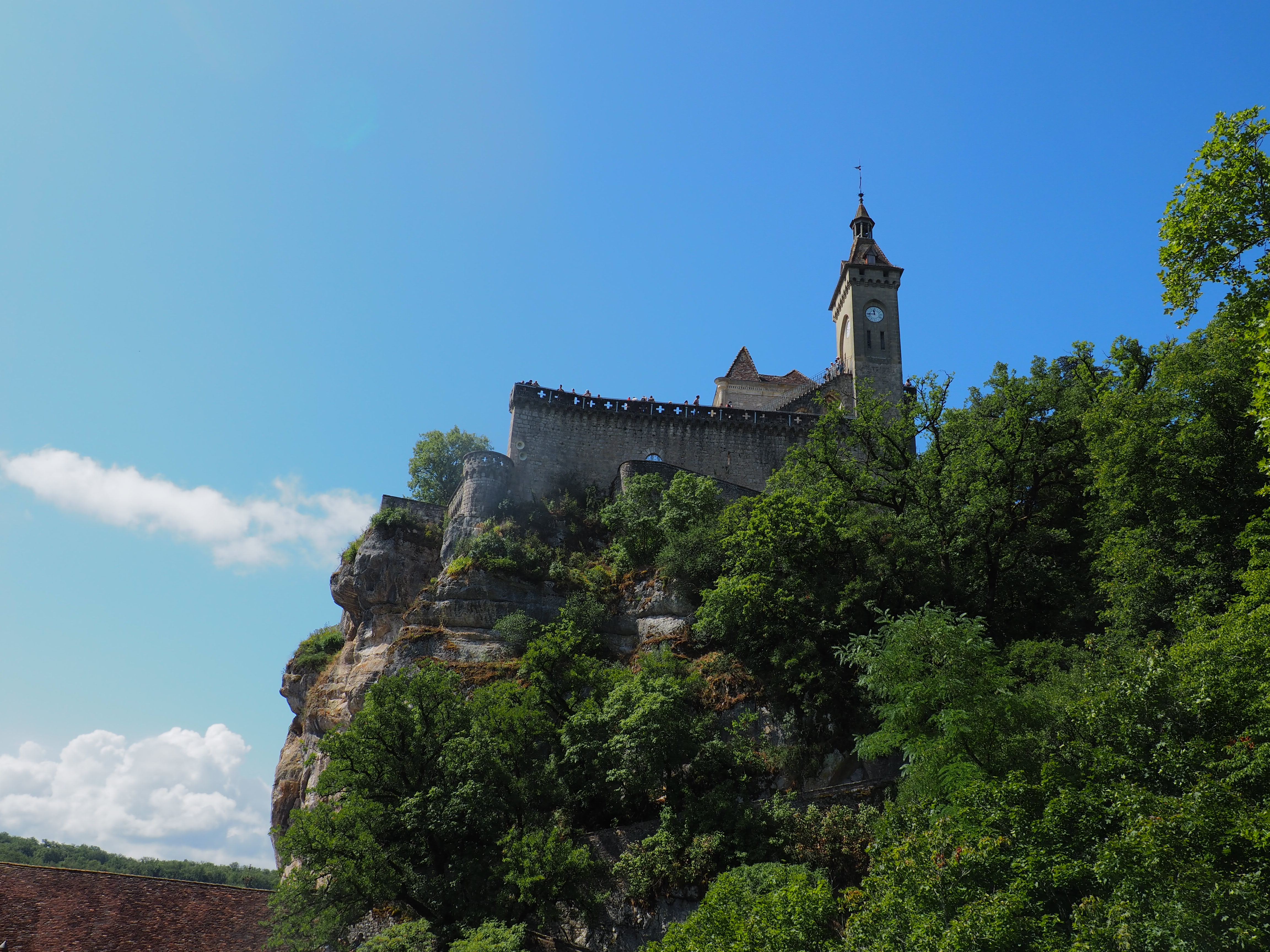
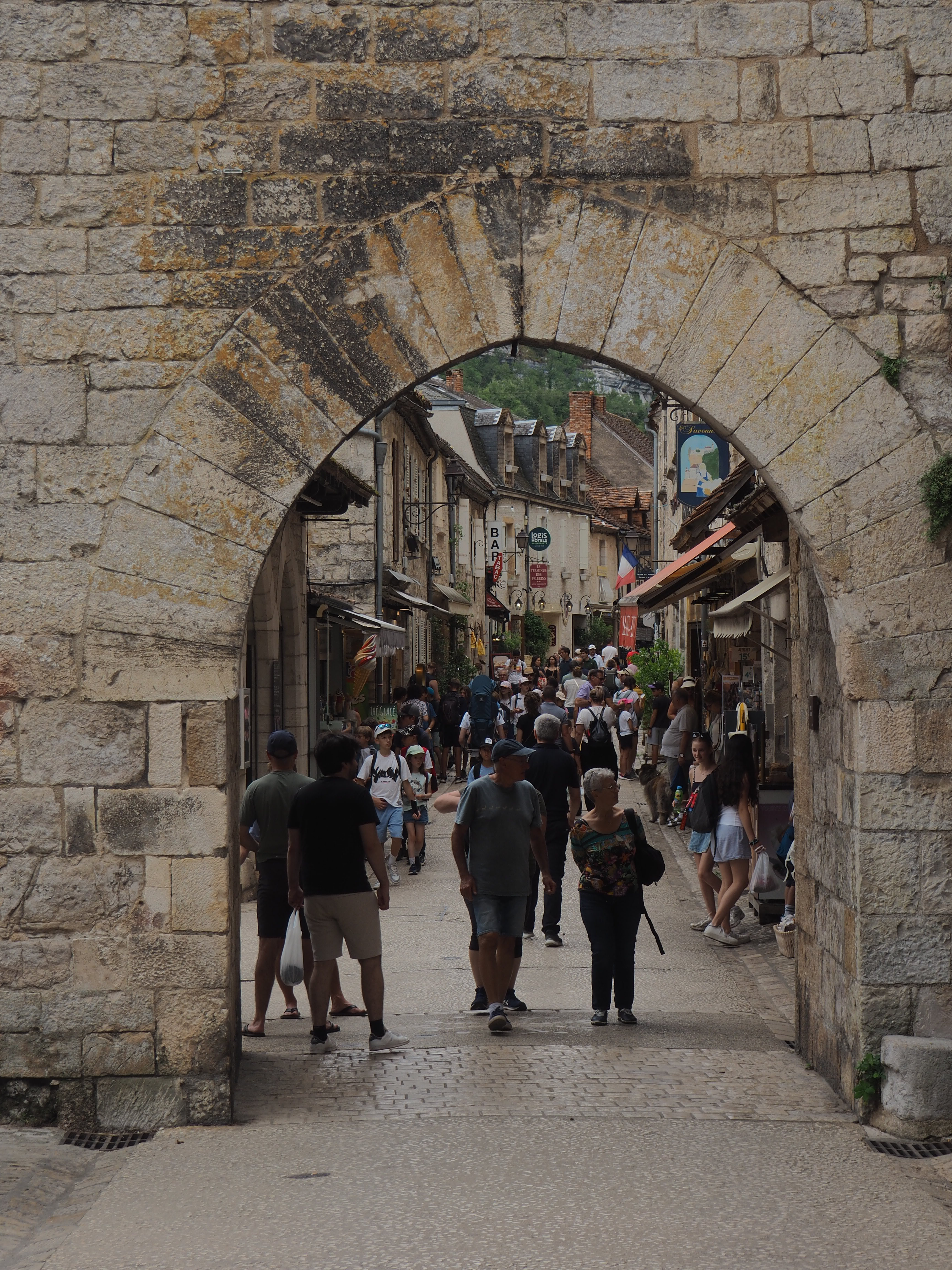

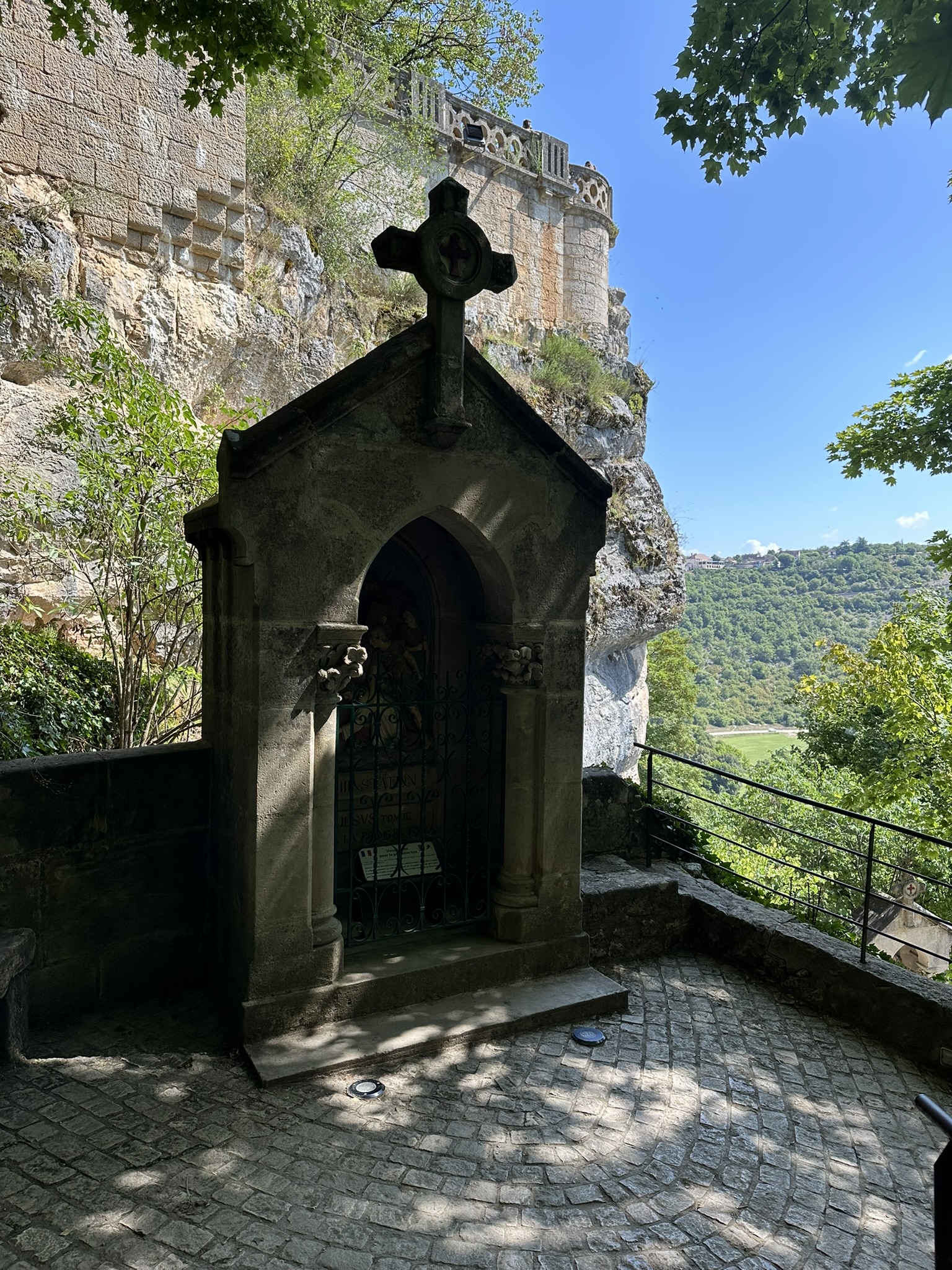
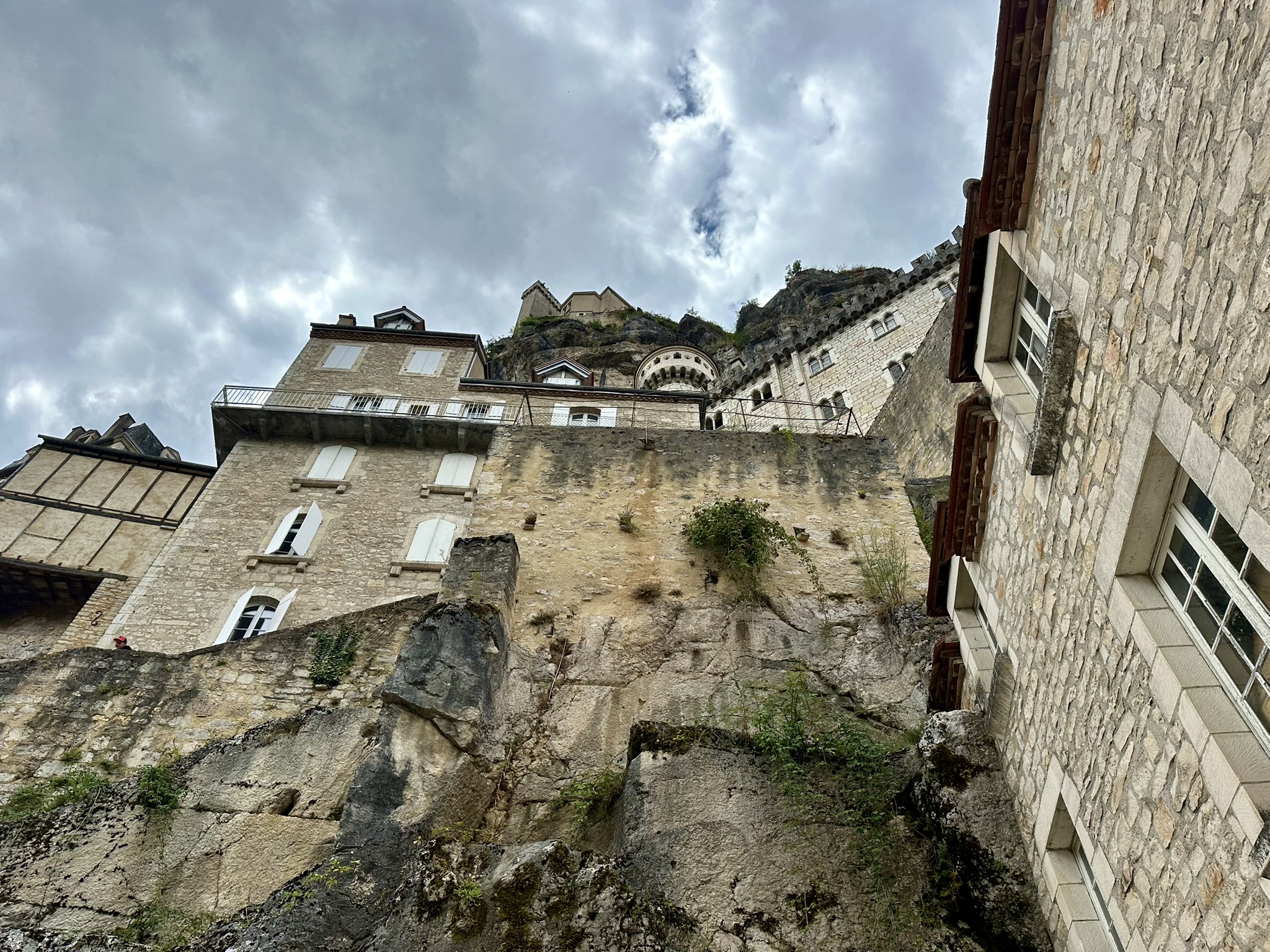
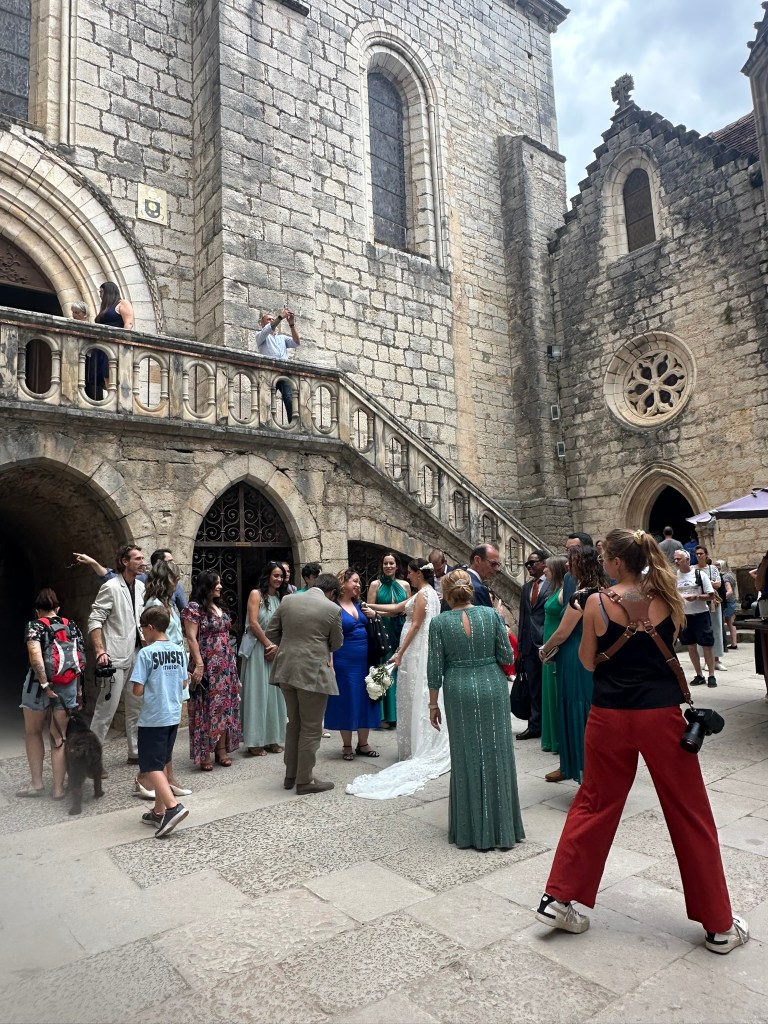
Legend has it that St. Amadour established a hermitage here. When the mummified remains of a hermit were found in 1166, Rocamadour became a Christian pilgrimage site, along one of the paths to Santiago de Compostela in Spain, and where kings and peasants alike would come to climb the 216 steps on their knees as an act of penance. The current sanctuary is made up of 8 chapels around a central courtyard, including the Ovalie Chapel dedicated to rugby, created by Father Ronan de Gouvello, also a member of the Rocamadour rugby team, in 2011.
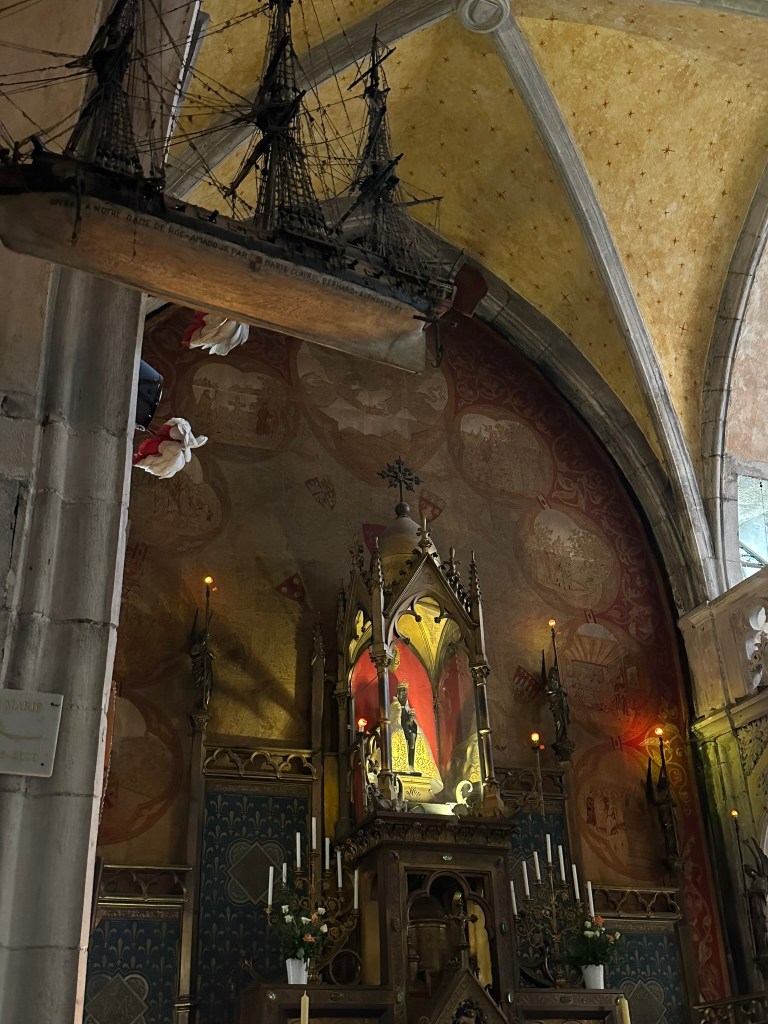
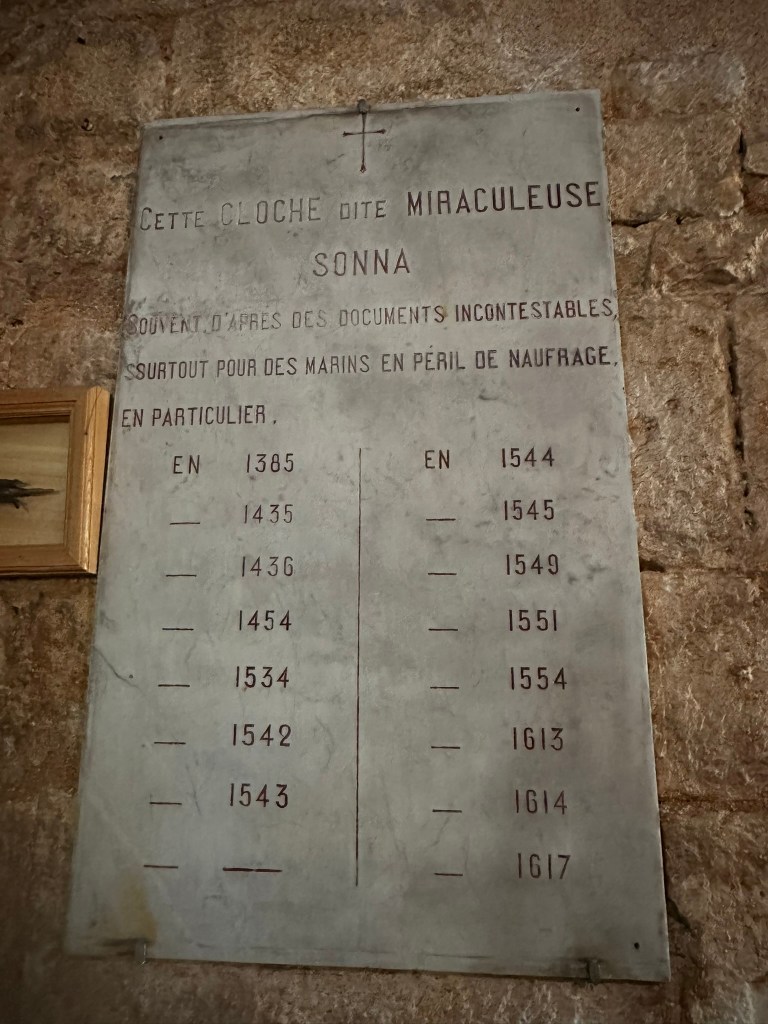
But most come to see the Virgie Noire, or Black Virgin, who is said to have performed miracles and was carved of walnut in the 12th century. She sits in the Chapel of Notre Dame. And if you hear the 9th century iron bell ring while you’re there, it isn’t due to a human bell toller, but a sign that the Virgin has performed a miracle somewhere in the world.

The Caves of Lascaux. On our way west to Bordeaux, we stopped off at Lascaux to visit its cave paintings. There are guided tour and self-guide tour (with an audio guide) options. We chose the latter. I was glad I’d booked in advance as we had a late afternoon appointment to check in to our next Airbnb and limited time to spend in Lascaux.
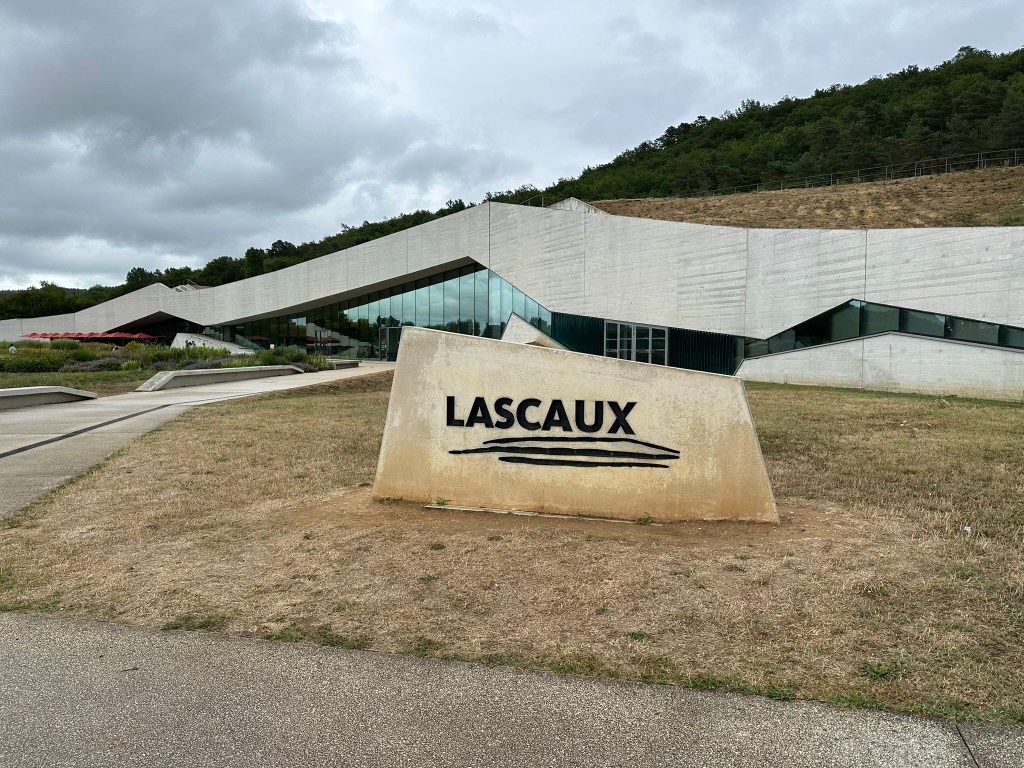
The original caves, nearby, are closed to the public. They were thought to have been painted around 19,000 years ago by cro-magnon men and were discovered in 1940 by several teenagers. The cave drawings were so well preserved because the caves had been sealed away from oxygen, mold and animal destruction, but the public soon descended on the site and their exposure to people and the elements led to their degradation. Today, they are air-conditioned, preserved and sealed off but you can visit the replica of the original site called Lascaux IV.
There are almost 2,000 figures in the cave including “the unicorn”, swimming deer, galloping horses, bulls, stags, bison, ibexes and cats. There are also symbols which are thought to have been some way of communication between the nomads who roamed this area and painted the caves.
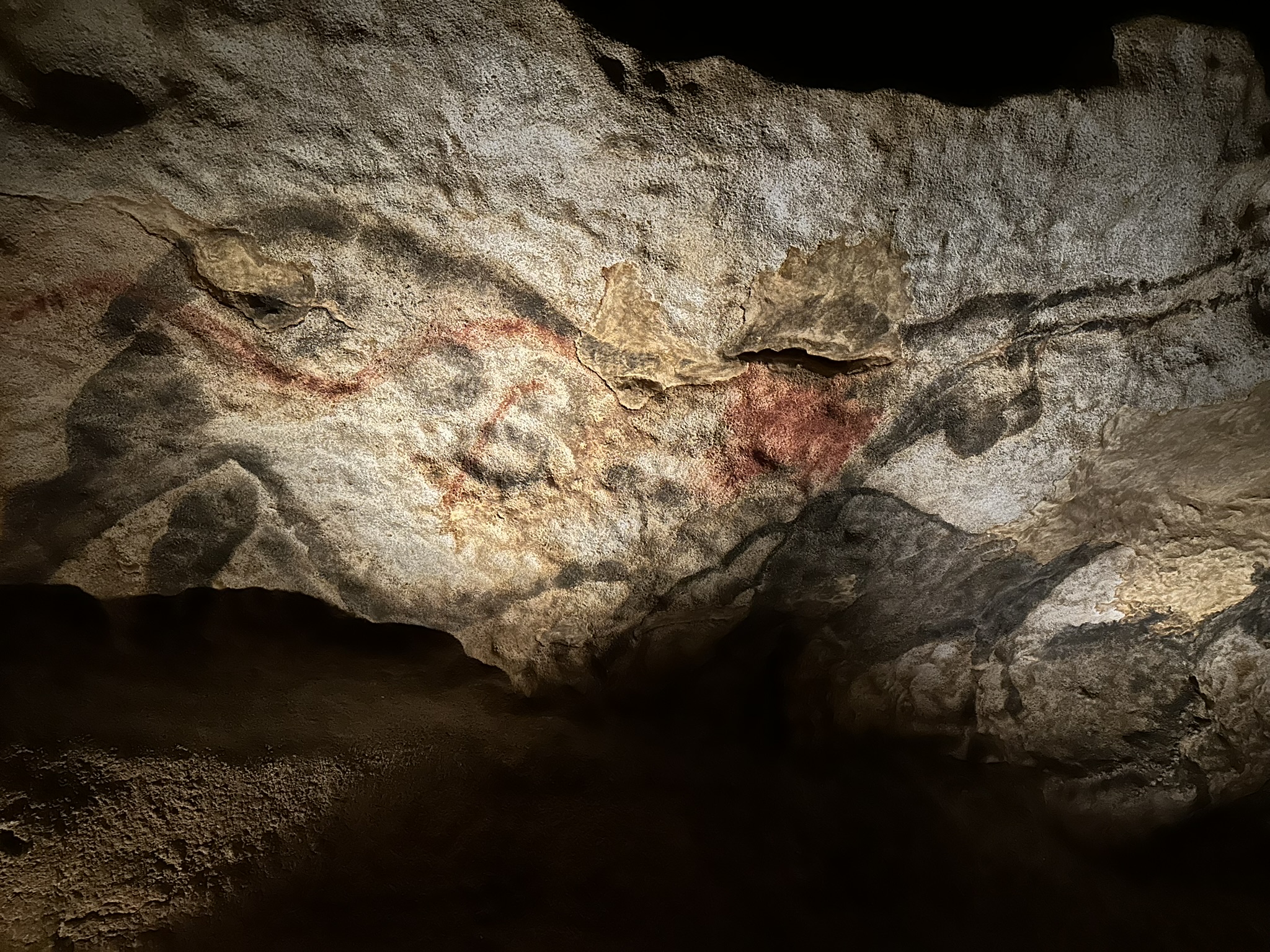
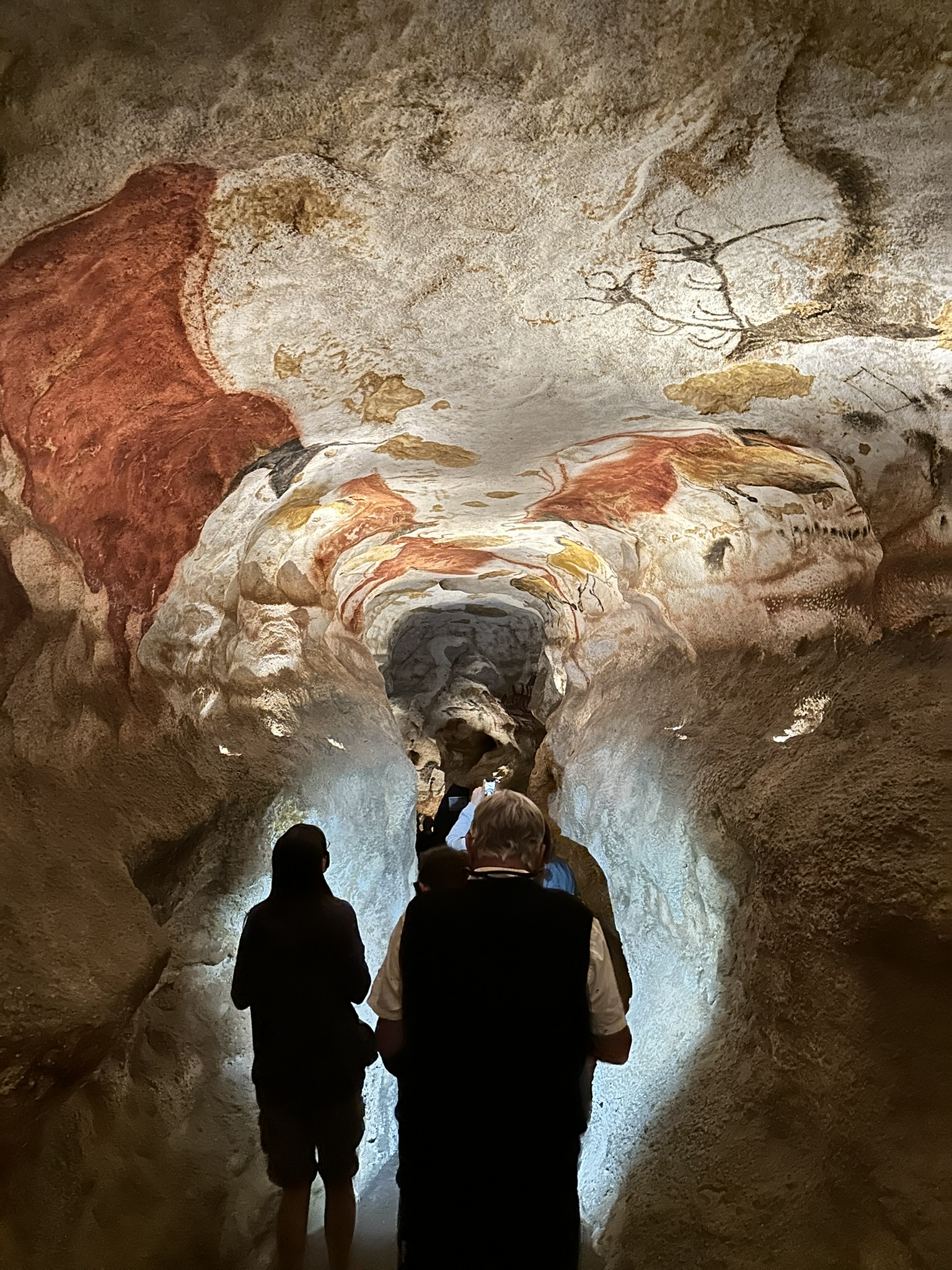
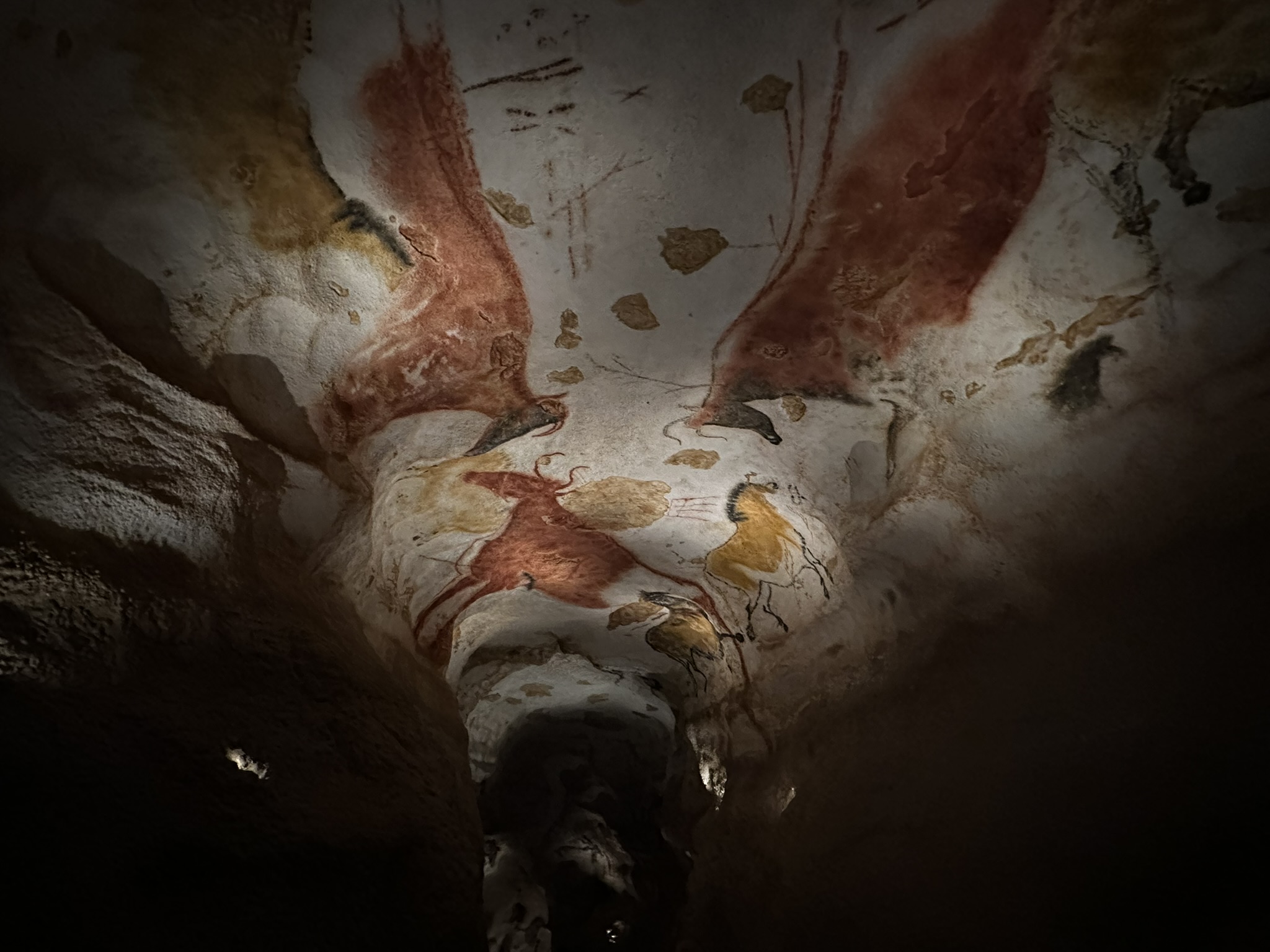
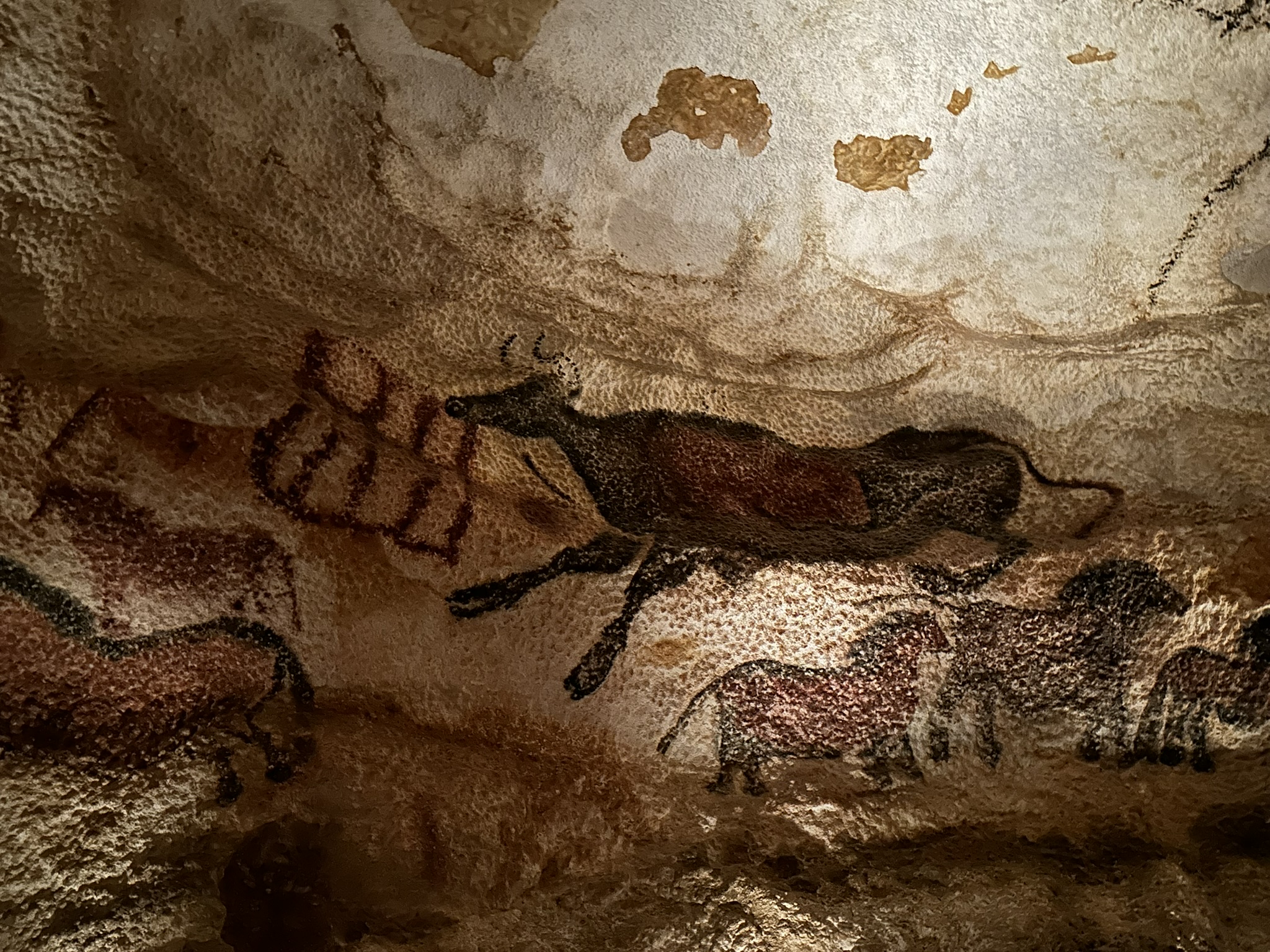

Clockwise from top left:
the “unicorn”, hall of bulls (twice), swimming deer, bull with herd of horses.
Toulouse. After we visited St. Émilion and Bordeaux, we topped off this trip to France in Toulouse. We had low expectations for Toulouse, but not for any particular reason. We chose to come here primarily to avoid having to connect on a flight home from Bordeaux, it was an easy train ride and we’d never been. So, we found ourselves there at the end of the line on this trip.

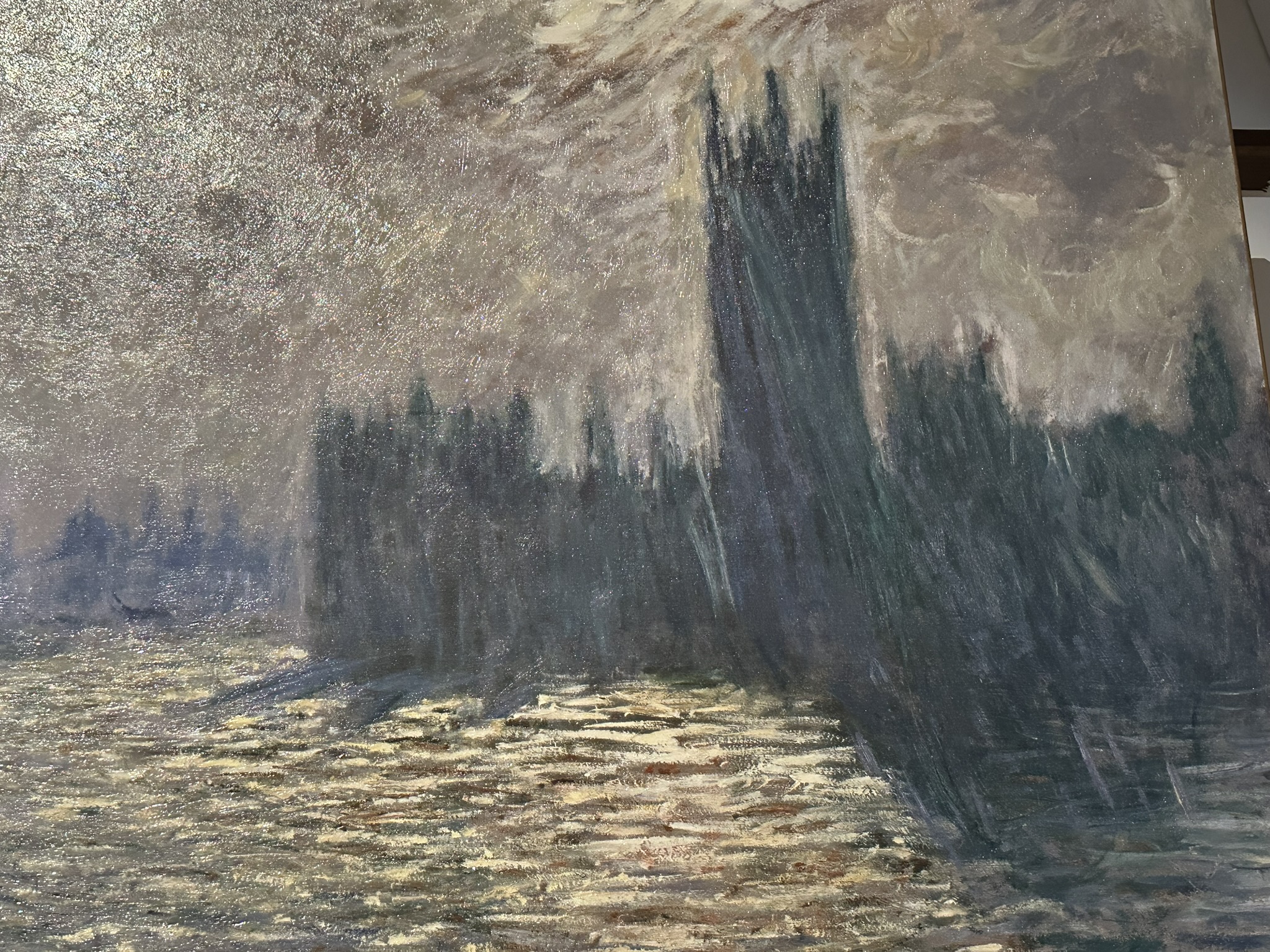
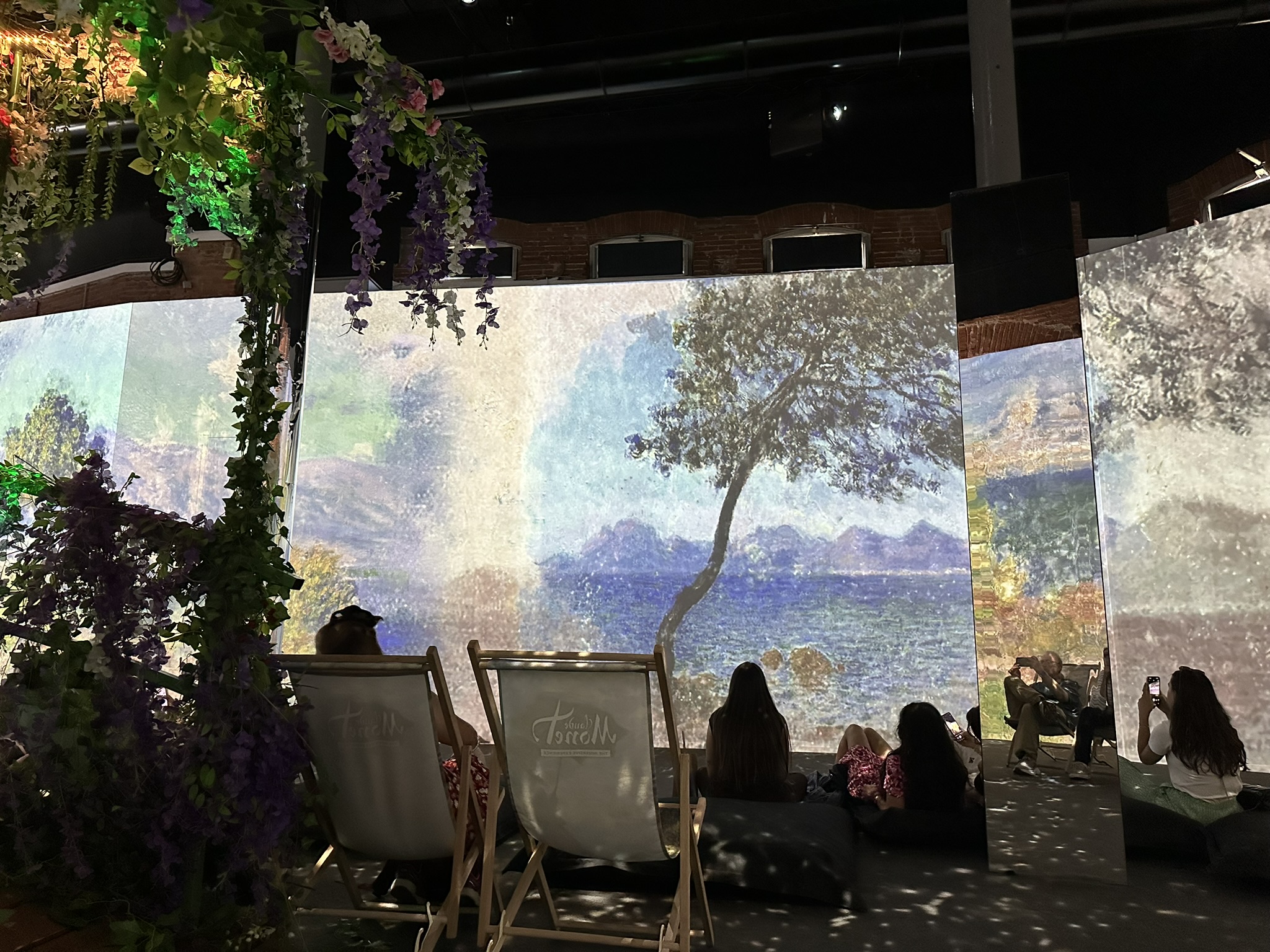
Toulouse has one of the oldest Universities in Europe, and we immediately noticed the college-town feel as we wandered around our neighborhood of two nights. Bars and cafes were teeming, even on a summer mid-week evening. We wandered past, and then into, the Espace EDF hydroelectric power station’s “immersive Monet exhibit”. Initially it was a bit confusing, with some history of Monet and a few canvases but we discovered soon why they billed it as “immersive”. Set to music, they brought some of the artist’s most famous periods and paintings to life with croaking frogs, chirping birds and visual effects of falling snow, wind and rain. It was perhaps 45 minutes long and was pretty cool.
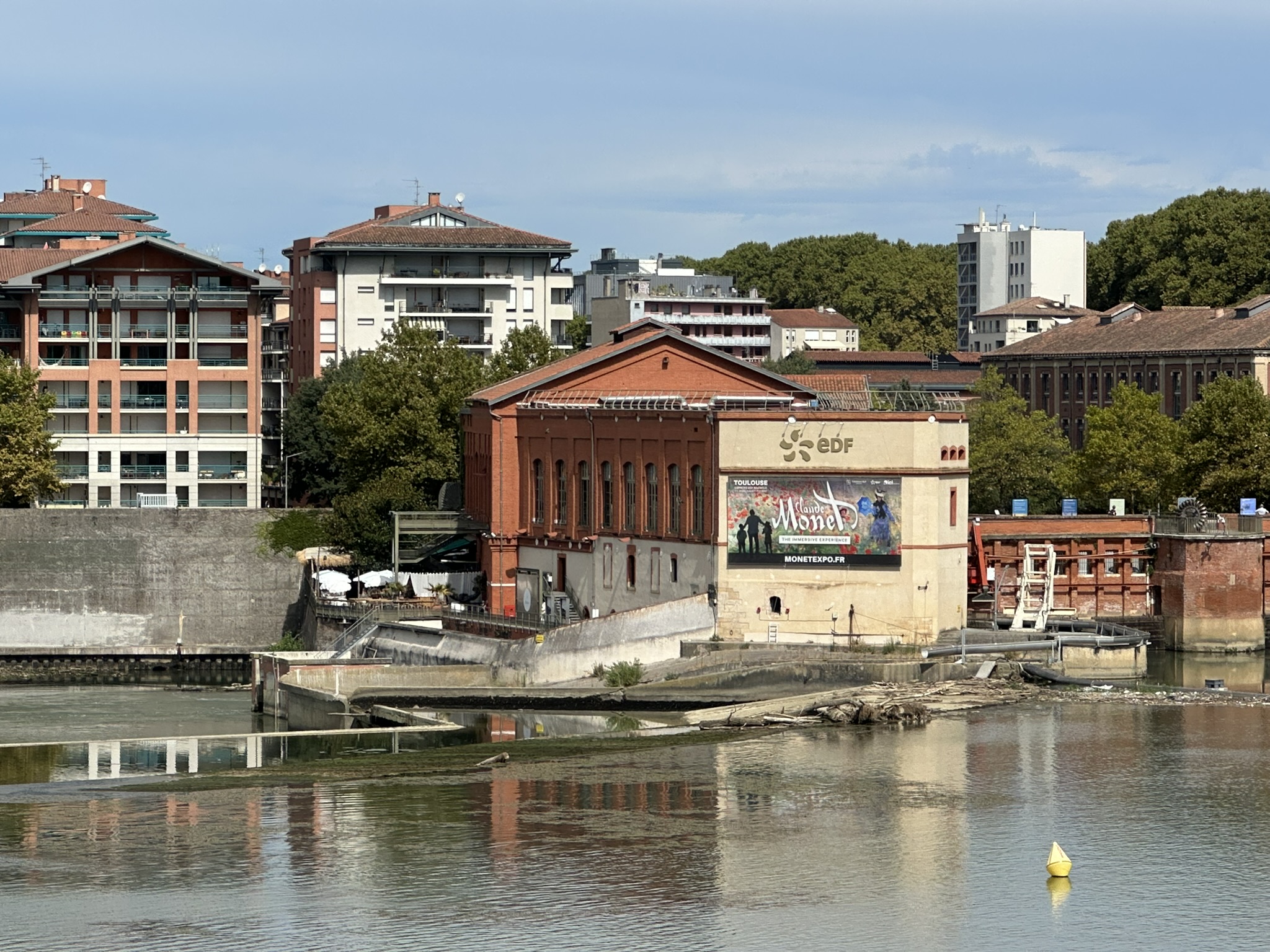

Toulouse is known as La Ville Rose (the pink city) because of its terracotta-colored buildings. Legend has it that a Roman General stationed here painted the barracks pink to impress an area woman with whom he’d fallen in love and locals followed suit coloring buildings in the same soft tone.
This is not the only bit of local lore. Another legend has it that when a dragon was threatening the city, local residents built a giant horse, Trojan-style, and lured him in, trapping him and setting the horse ablaze. Beware the Toulousians, Targaryens.
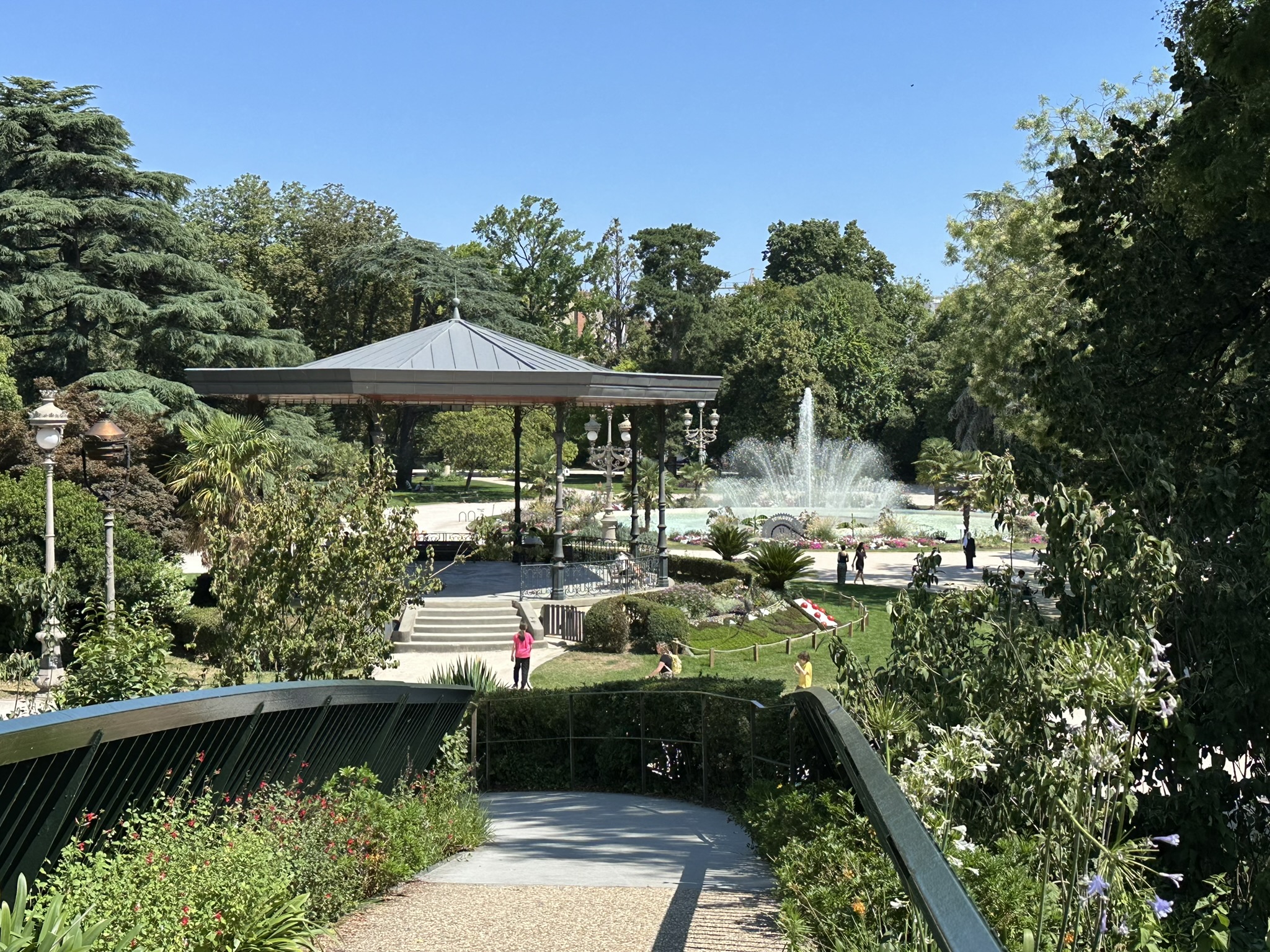
The Canal du Midi, which encircles the city, is a UNESCO heritage site with operating locks and houseboats, a bike and pedestrian trail and much of it is under a canopy of trees, which was helpful to stave off the mid-summer heat. At one end, adjacent to it, is a park with a Japanese garden at its heart. We probably walked close to 2/3 of the path, ringing around the city and it exposed us to the college, parks and the more working class and industrial areas of Toulouse. In fact, Airbus’ largest French factory is located in Toulouse.
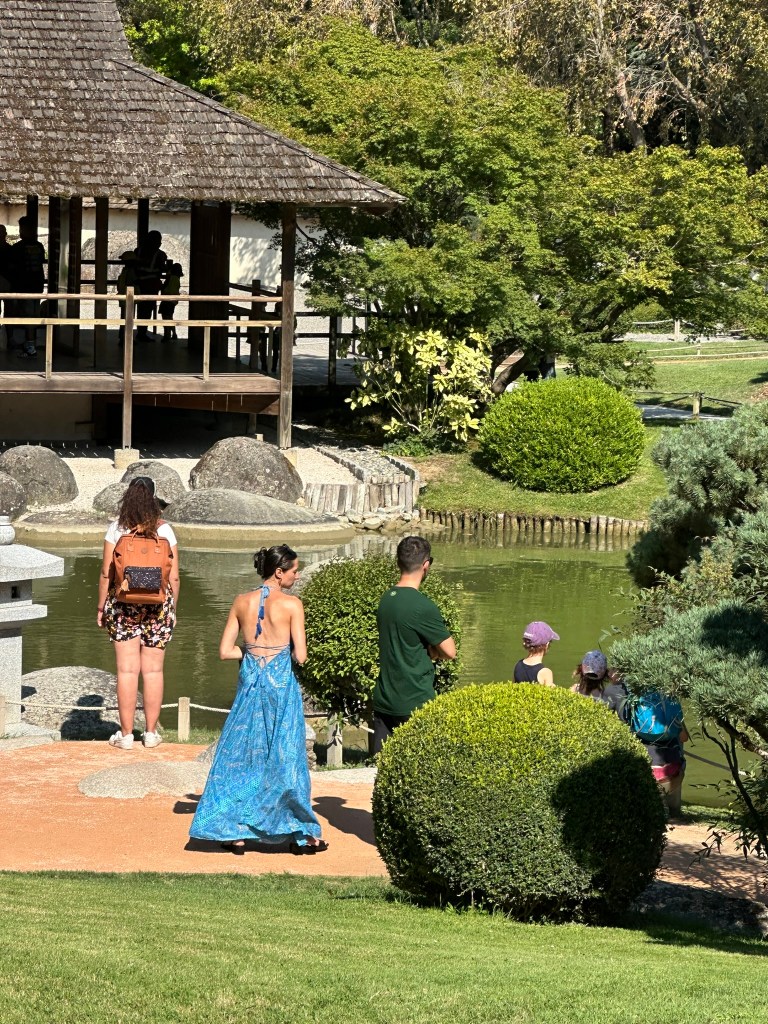
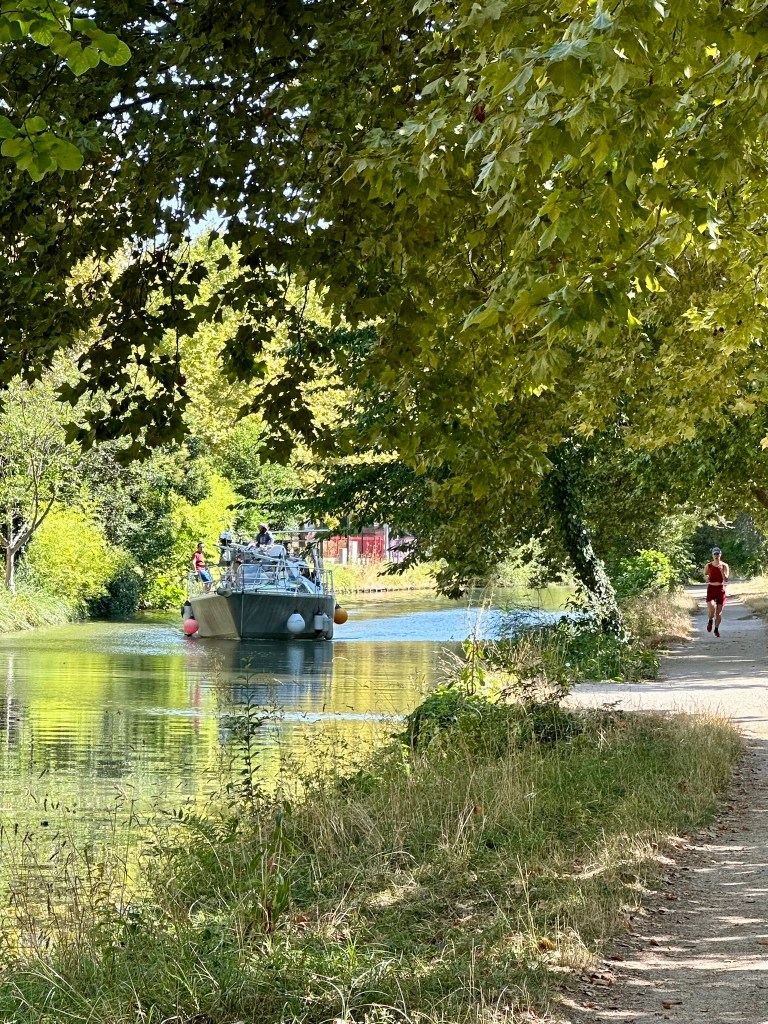

There’s a ton of green space and parks and several large plazas and squares that are reminiscent of those in Florence or Rome. Mopeds, white vans, electric scooters and bikes and some cars do come at you (sometimes at shocking speeds) in areas you’d swear were pedestrian only, so you always need to be on the watch.

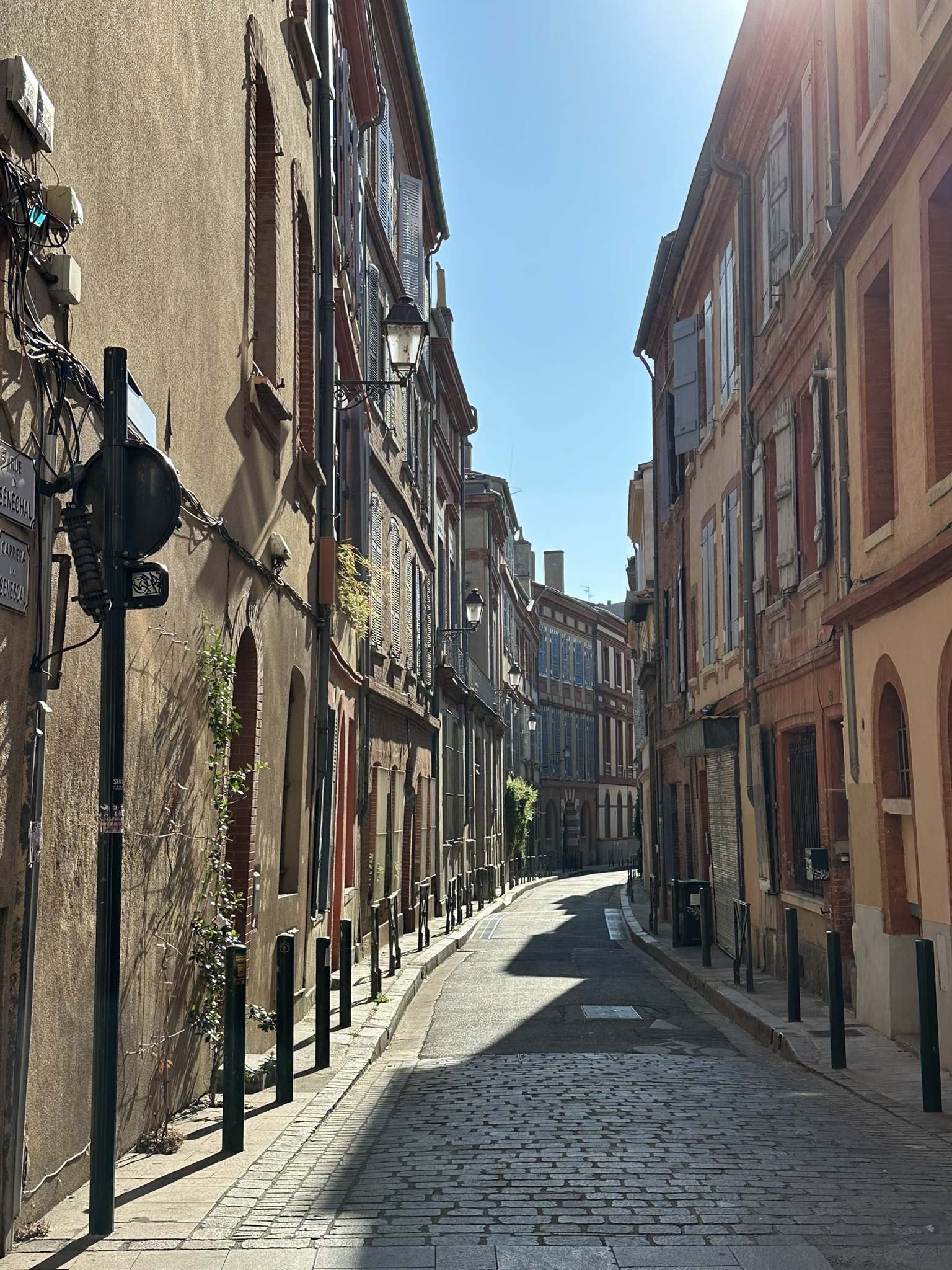


If you want some indoor attractions, visit the Romanesque Basilica of Saint-Sernin (also a UNESCO site), the Couvent des Jacobins, a former Dominican monastery or the Capitole, one of the largest city halls in Europe.
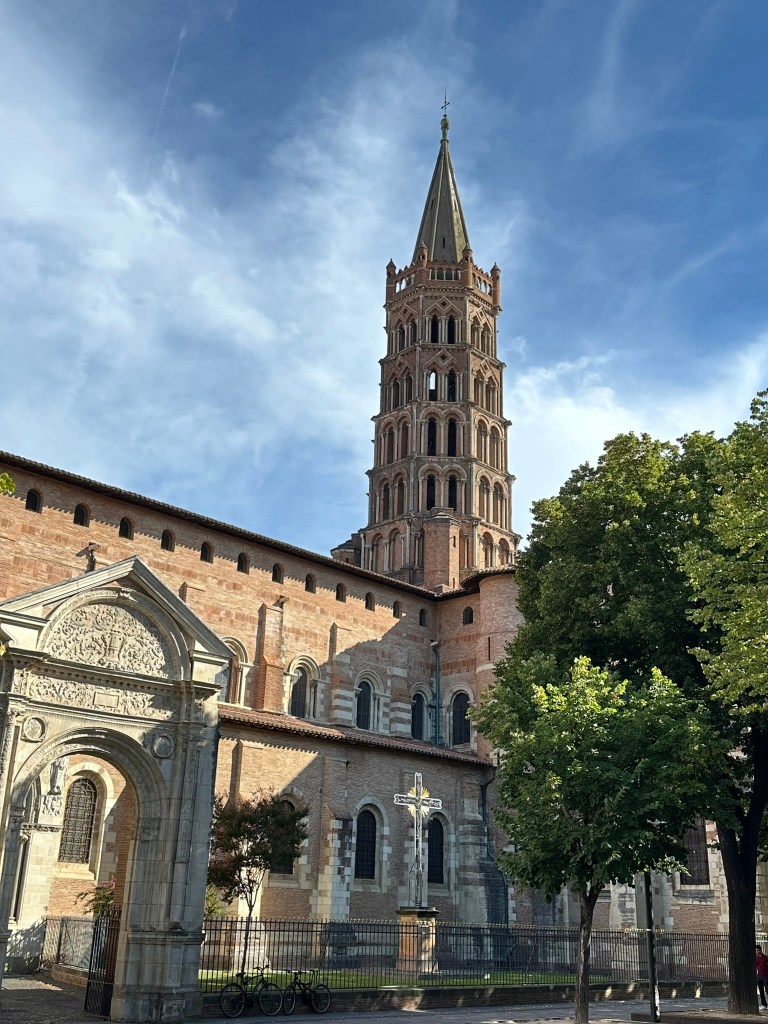
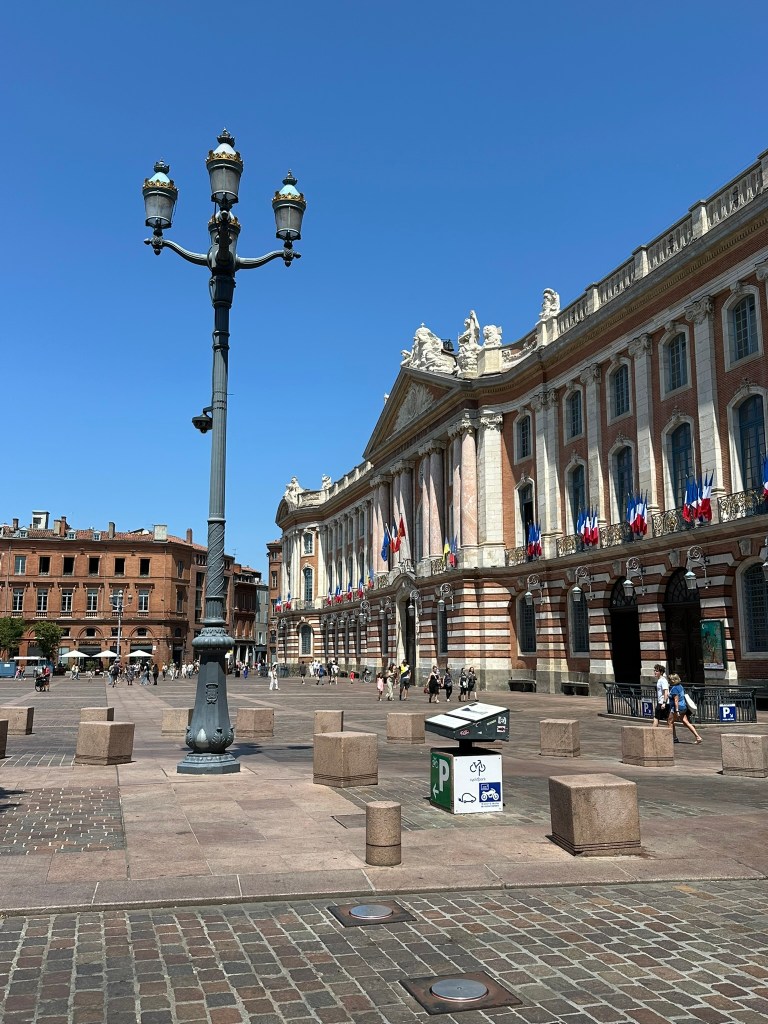
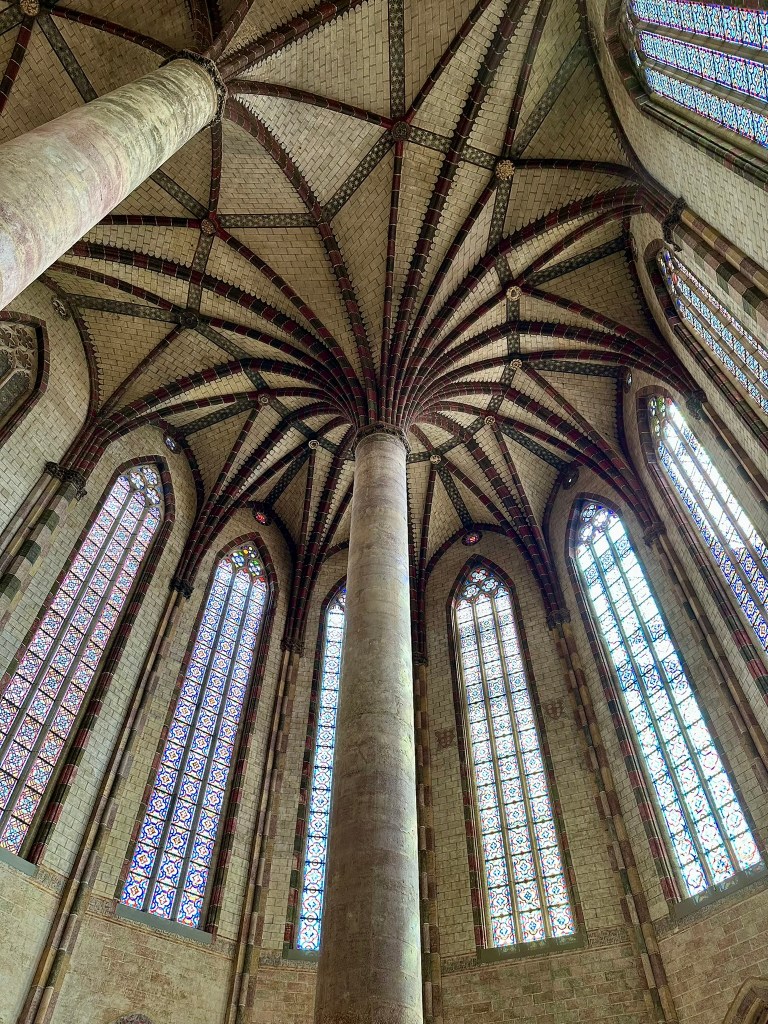
home of the relics of St. Thomas Aquinas
The food, that we found anyway, wasn’t really for us. Much of what we saw coming out of kitchens and on terraces was fried, including on our own plates (here, apparently, “spicy” chicken = “fried”). Many of the places we walked by had a fast food feel. And our final dinner in France was disappointing at what was a well rated restaurant with mediocre food, poor and rude servers (our first such experience in over four weeks here) who clearly don’t like a. their customers b. their jobs c. each other or d. all of the above. That said, our hotel, the SOCLO, was the opposite. Charming, with welcoming and kind staff who clearly do enjoy both working there and each other with a great back courtyard. Pluses and minuses.
(Editor’s note: our last meal, just before leaving for the airport, in Toulouse was by far our best. Check out Petit Voyage near St. Semin. Best for last, I guess.)
After our time in Carcassonne in the Aude department (a region basically) of France, and discovering some of the sites in the Lot, Tarn and Dordogne departments, spending time in Bordeaux and exploring Toulouse, we concluded that this area of France leaves a lot left for us to discover and experience and we began making plans to return sometime soon over the next few years.
Sources:
- https://en.m.wikipedia.org/wiki/Albi
- https://www.bestoffrance.ca/post/discovering-albi-a-hidden-gem-in-southern-frances-heart
- https://whc.unesco.org/en/list/1337
- https://en.m.wikipedia.org/wiki/At_the_Moulin_Rouge
- https://www.visit-dordogne-valley.co.uk/discover/cultural-heritage/villages-to-visit/rocamadour
- https://blablafrancais.com/fascinating-facts-rocamadour/9/
- https://www.britannica.com/place/Perigord
- https://en.wikipedia.org/wiki/Rocamadour
- https://www.ladepeche.fr/article/2011/05/28/1092648-rocamadour-une-chapelle-dediee-au-rugby.html
- Lascaux Cave, English edition. Elena Man-Estier and Patrick Paillet. Editions Jean-Paul Gisserot. 2023.
- https://www.khanacademy.org/humanities/ap-art-history/global-prehistory-ap/paleolithic-mesolithic-neolithic-apah/a/lascaux
- https://worldcitytrail.com/2024/09/03/fun-facts-about-toulouse/
 The Traveling Ridleys
0 comments on “Discovering Southwestern France”