


We began our days in Bordeaux in St. Émilion. While you could day trip here from the city of Bordeaux, we chose to divide our time up between staying here and visiting the city.
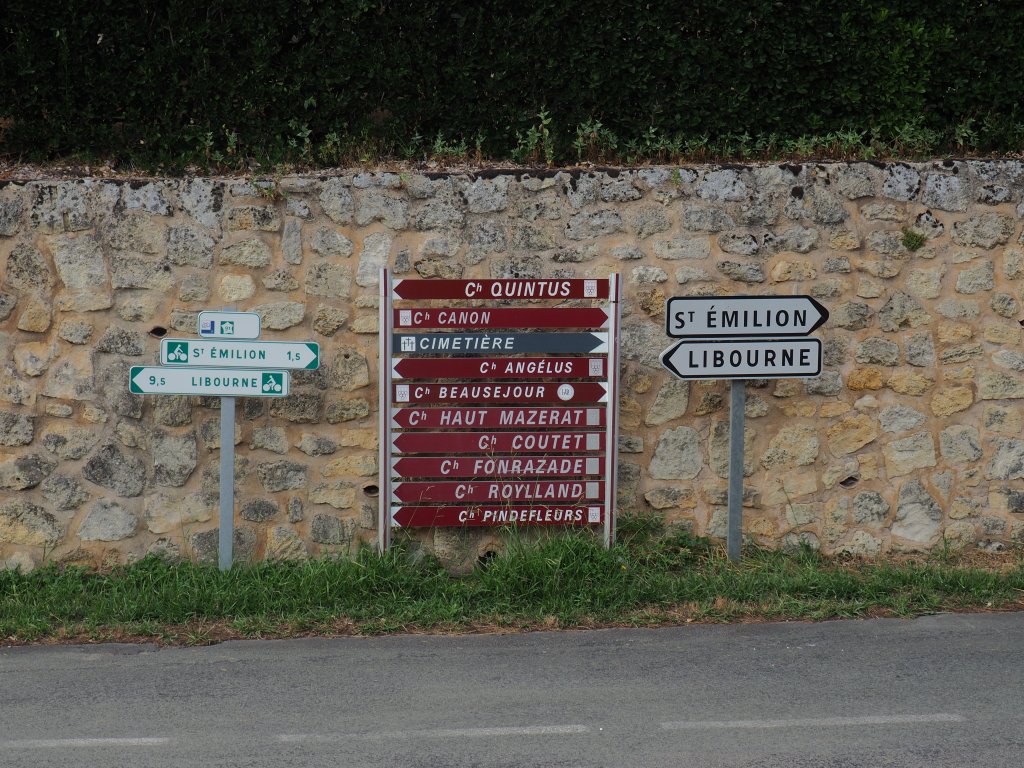
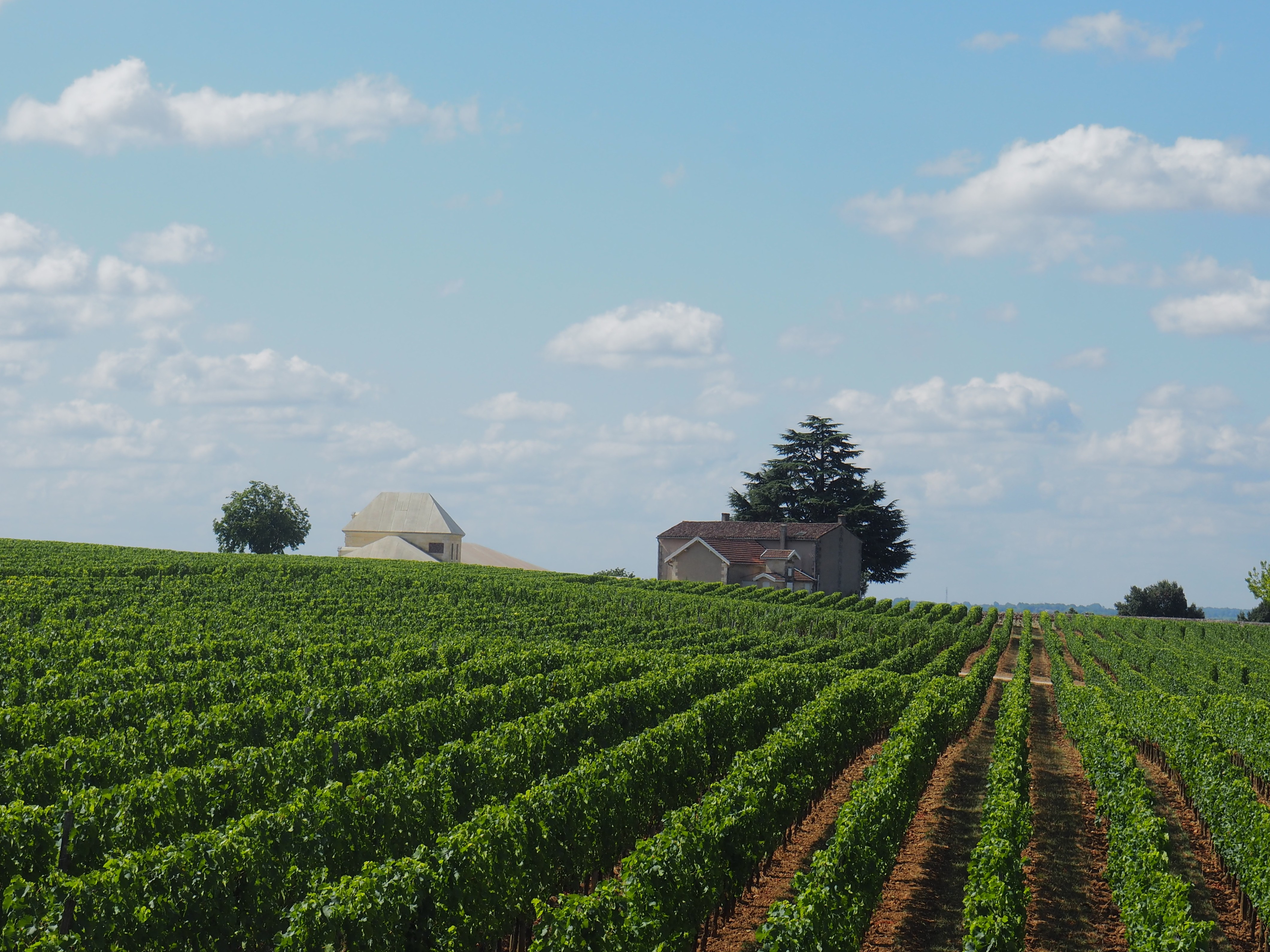
St. Émilion. Once we got off the main routes into town, we noticed the road signage was predominantly directional, the directions being how to get to the vineyards. To say this place is built on wine is an understatement. We’ve visited several wine regions of Portugal, Tuscany and Umbria in Italy, the Finger Lakes wine region of New York State and Napa, Sonoma and Temecula in California and have never seen anything quite like St. Émilion. We were lucky to be able to spend a few days.
The Romans first produced wine here dating back to the 2nd century A.D. At that time, the town was known as Ascumbas. A Breton monk and bread maker, Émilion, moved to the area from the north. He ultimately made a hermitage in a cave at a time when St. Émilion was just a small settlement. Émilion (he was not sainted at the time) allegedly gave bread to the poor and was known to work miracles, in one instance curing a woman’s blindness. When he died in 767 A.D. the town was renamed after him.
The Monuments Tour. The tourist office offers tours of the underground monuments including St. Émilion’s hermitage. Because Émilion had the gift of the miracle, his bench in the hermitage, on which he sat, reflected and prayed, has become known as “the fertility bench”. Postcards come in from happy couples who sat on the bench and achieved conception shortly thereafter, some of whose babies now bear Émilion’s name. So, be careful where you sit if a baby is not in your plans.
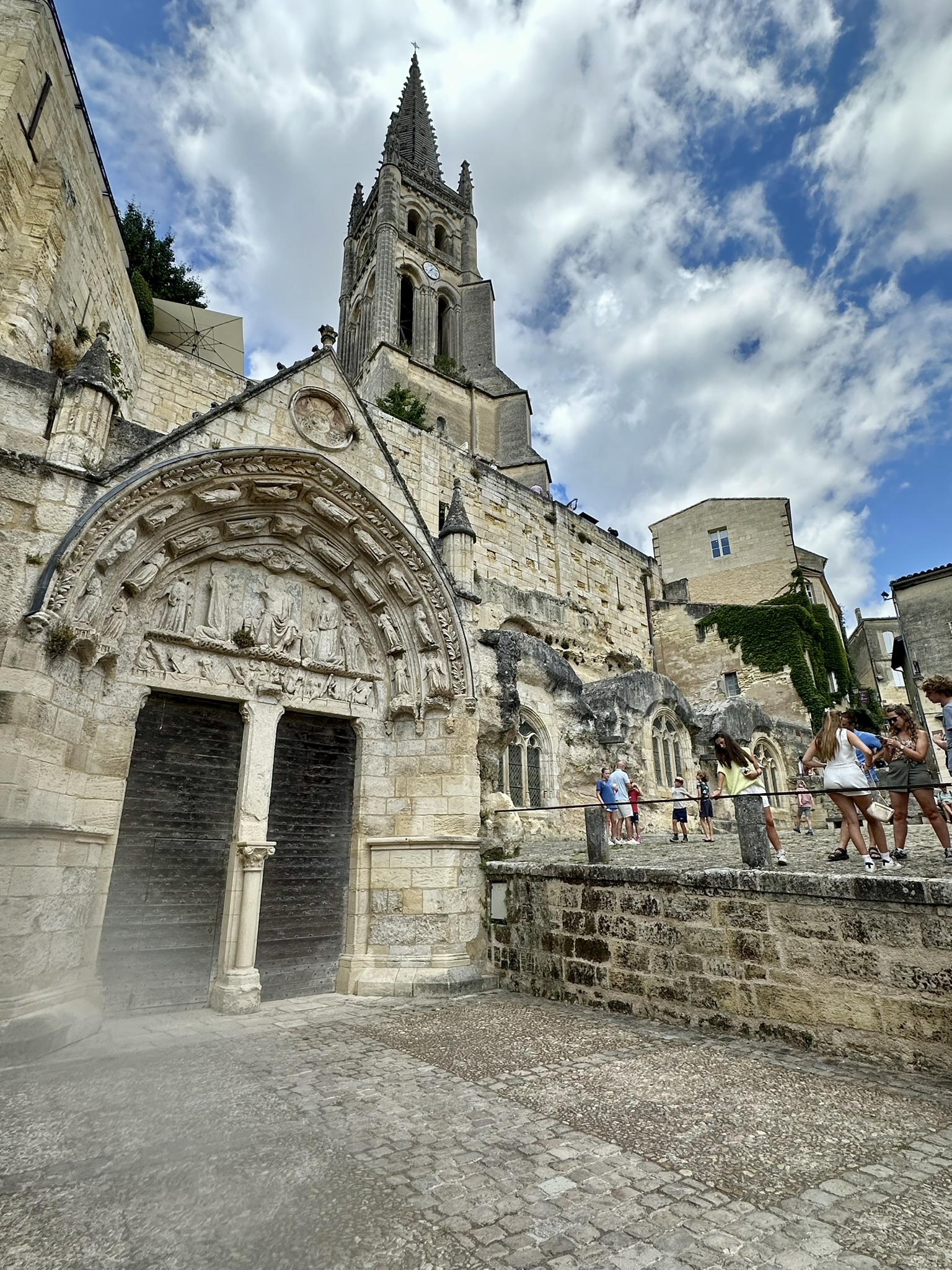
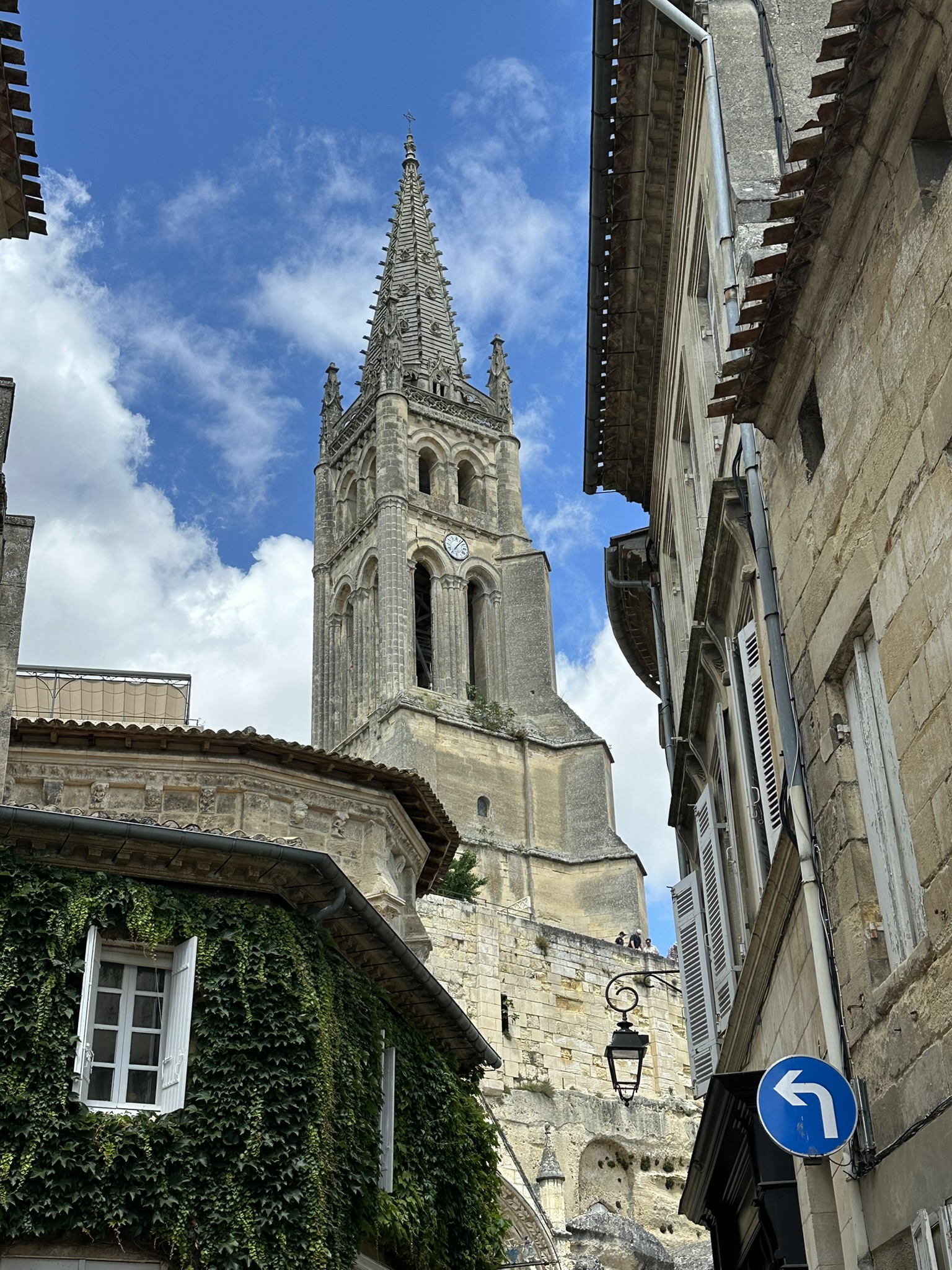
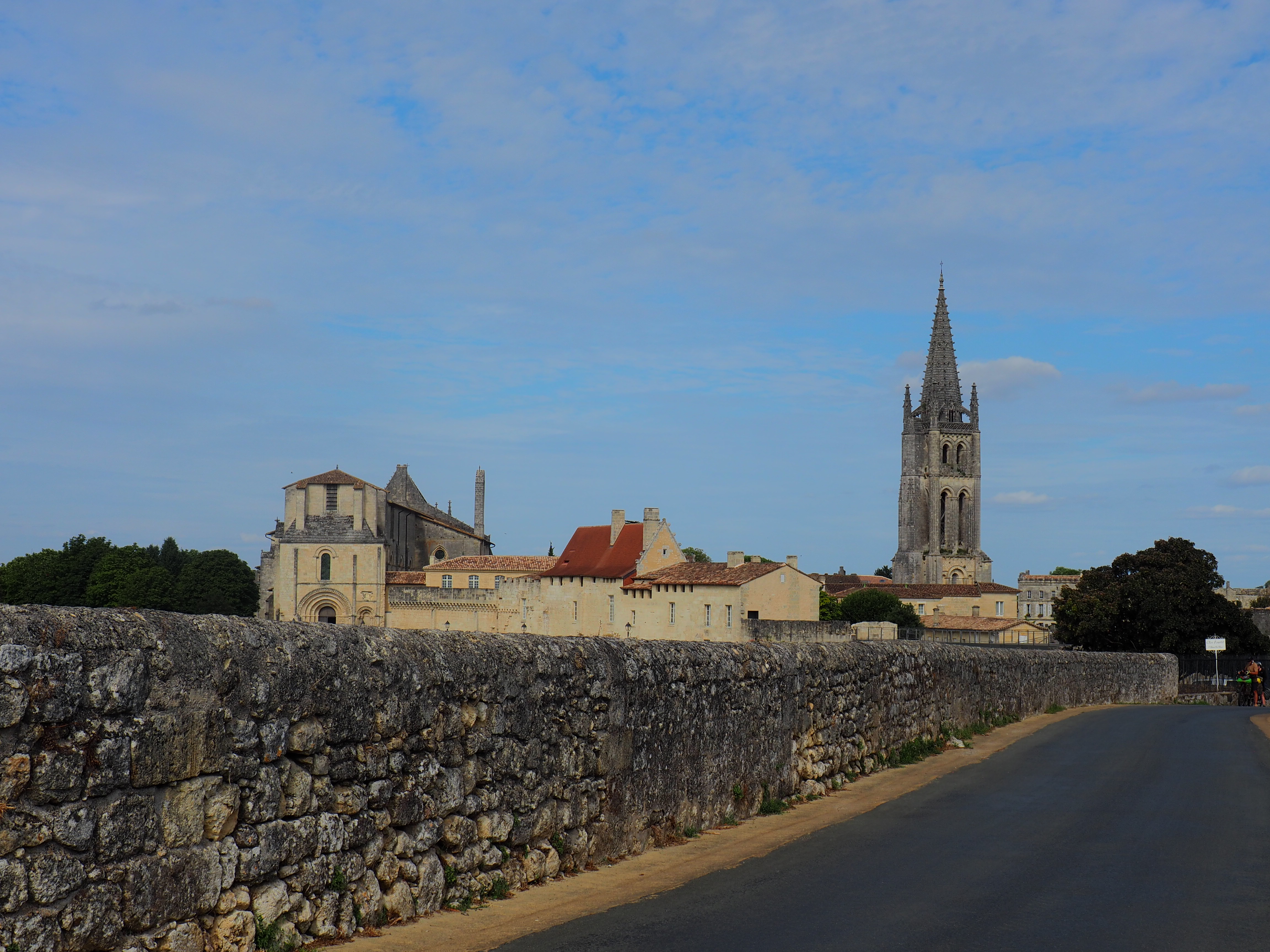
St. Émilion’s Collegiate Church: left the underground monuments complex.
The distinctive spire attracted pilgrims from miles around.
After visiting the hermitage, the tour visits the Trinity Church. The church has some remarkably preserved 12th century paintings above its altar with representations of the deadly sins, Jesus on his throne with the evangelists, of Mary and of St. John the Baptist. The paintings are so well preserved because the chapel was once used by a cooper making wine barrels and the smoking process left ash residue on the walls, protecting the paintings from degradation. Both the church and hermitage are owned by the same private family who bought it when plots of land and monuments were being sold off after the French Revolution, as such no photos are permitted.
After Trinity Church, you’ll visit catacombs where St. Émilion’s relics once were, allegedly, stored to attract pilgrims making the pilgrimage to Santiago de Campostela in Spain through the area (Middle Ages marketing). Alas, the relics (and seemingly the contents of the catacomb’s tombs) were surreptitiously acquired and relocated to an unknown location by someone. Finally, you’ll visit the underground sanctuary below St. Émilion’s Collegiate Church with its distinctive church tower, also constructed to attract the pilgrims. This original church was dug underground, which provided not only a chapel for visitors to pray and reflect near St. Émilion’s relics but also provided the added bonus that the limestone extracted to dig out the area for the church could also be used in the construction of other area buildings. In medieval times, the city was one of the largest in France, though today it only has about 200 year-round residents.
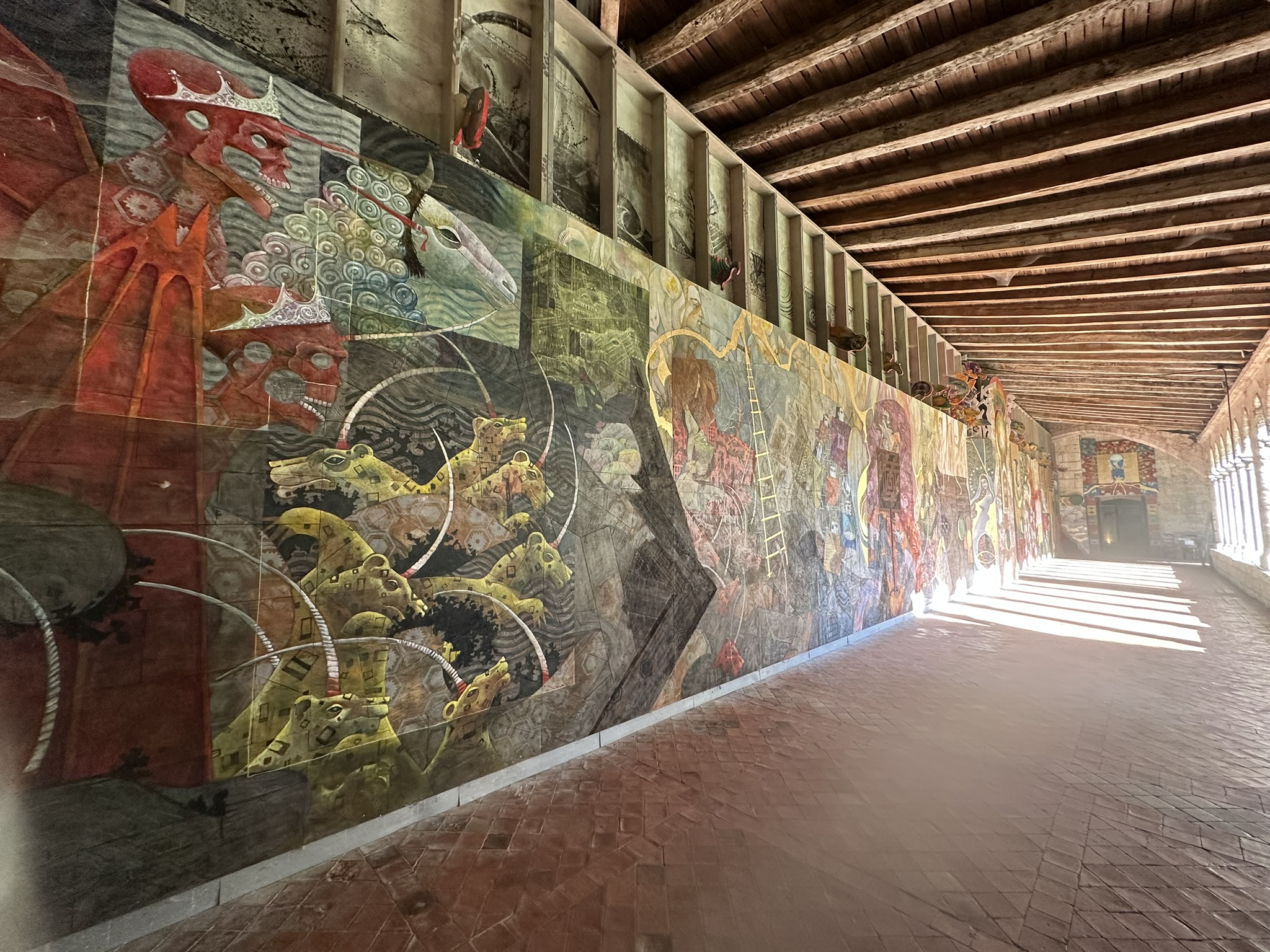
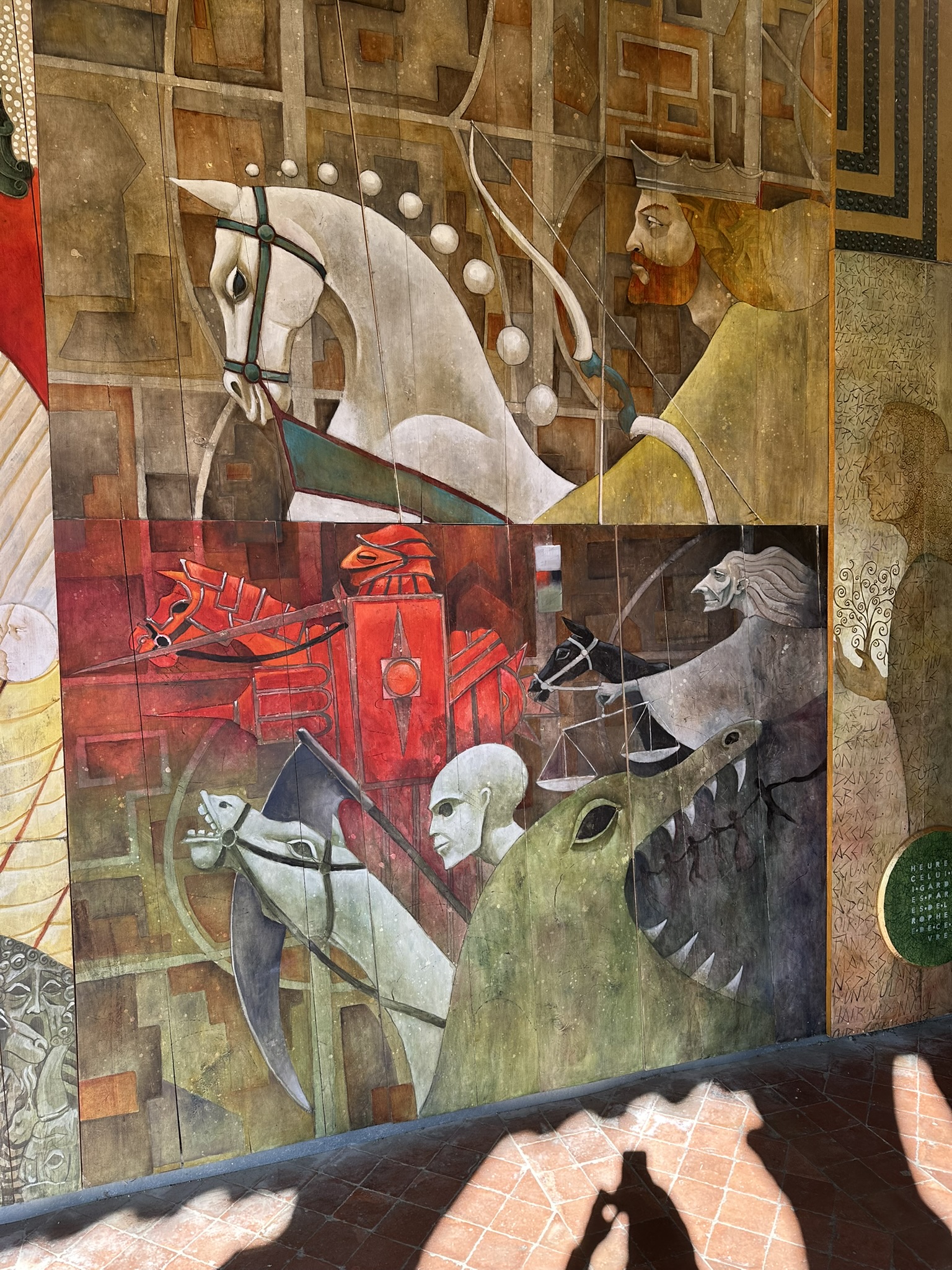
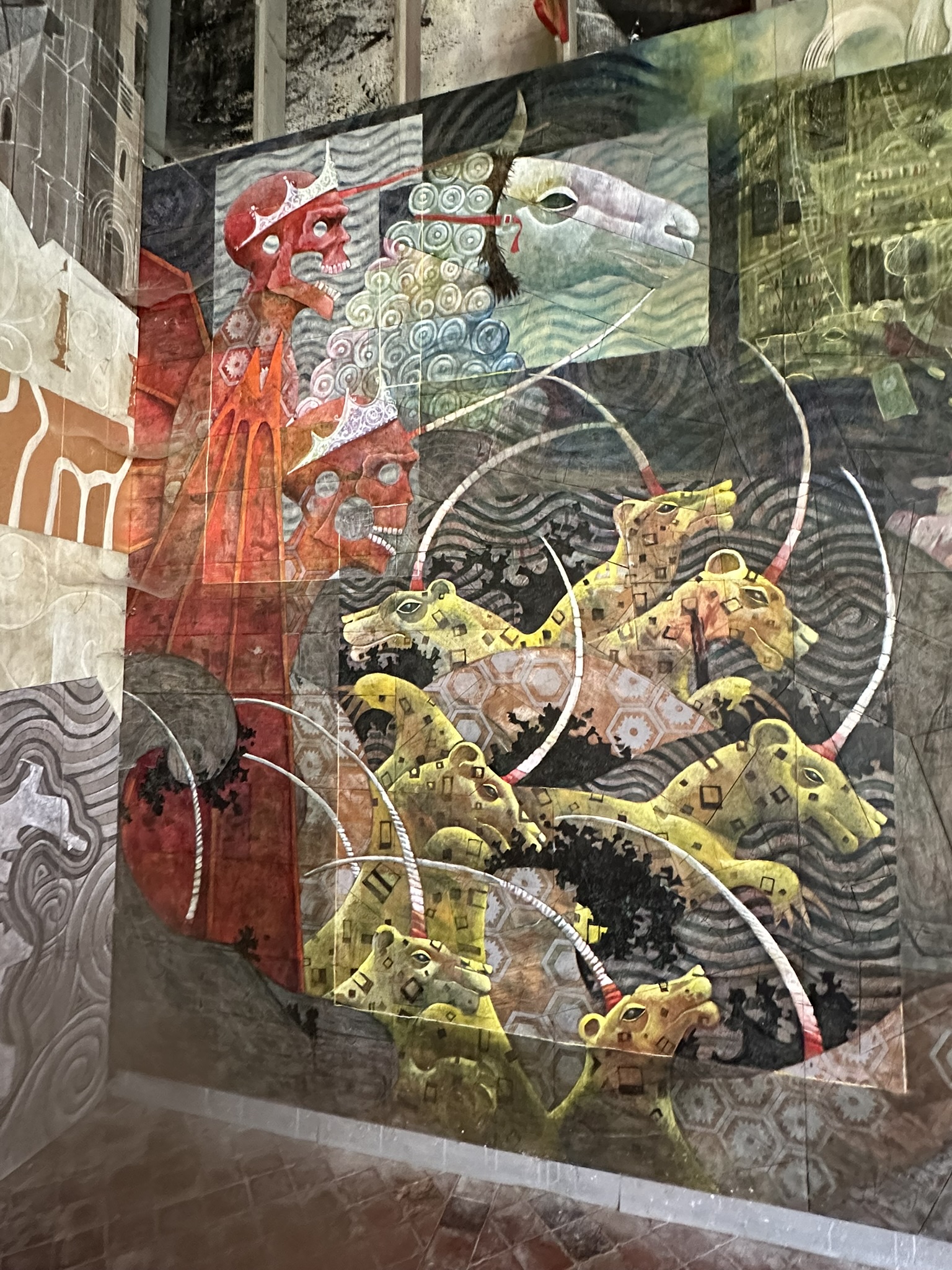
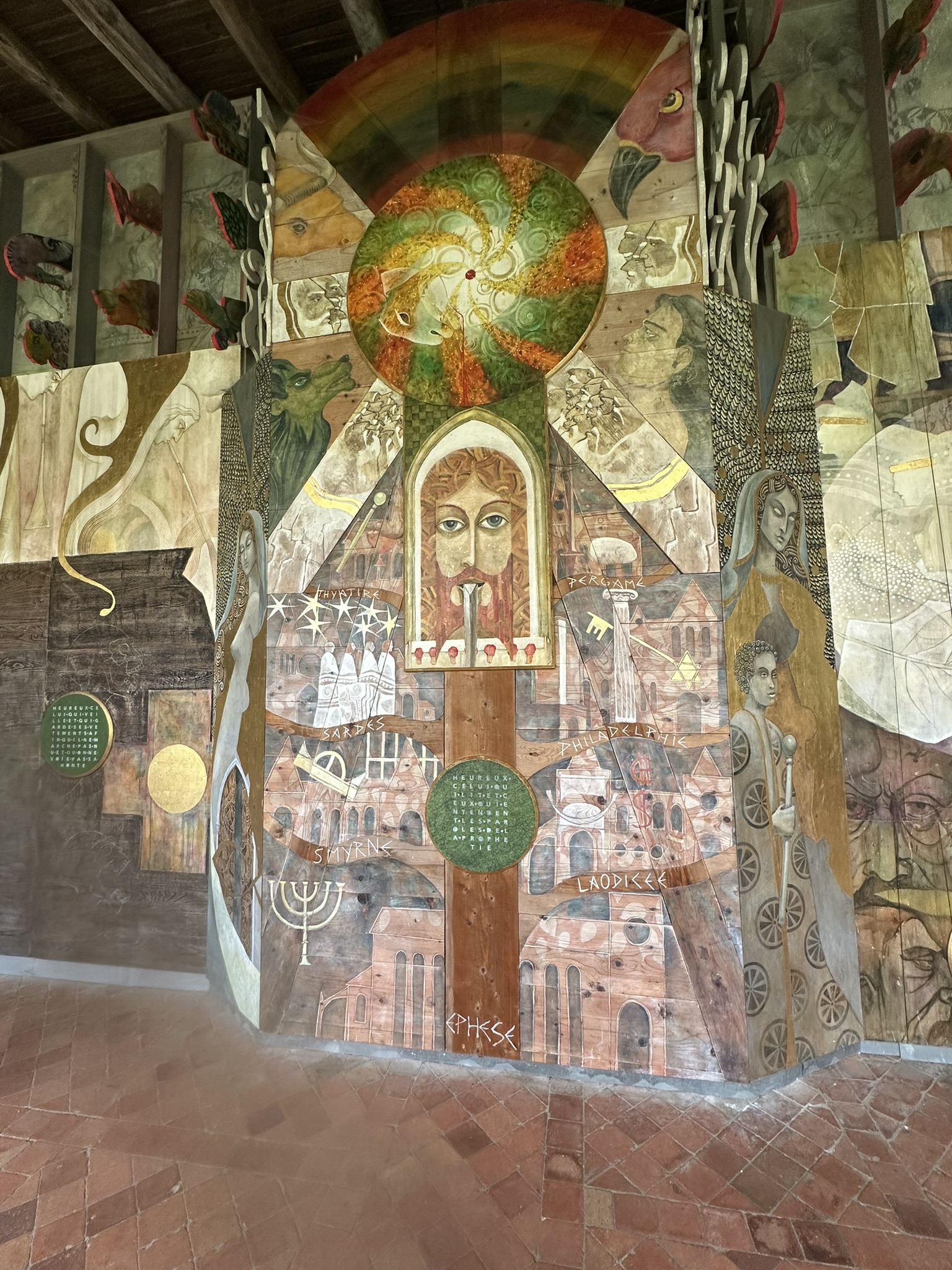
After finishing your tour, go around and upstairs to the above-ground portion of the Collegiate Church and check out the mural of the apocalypse from Saint John’s Revelation in the cloister. It is 126 feet long and is in glazed oil on wood painted by François Peltier. If you arrive early enough in the day, pre-tourists, you’ll have the place to yourself to take your time and search for all of the symbols and signs of the story of the Bible’s final book.
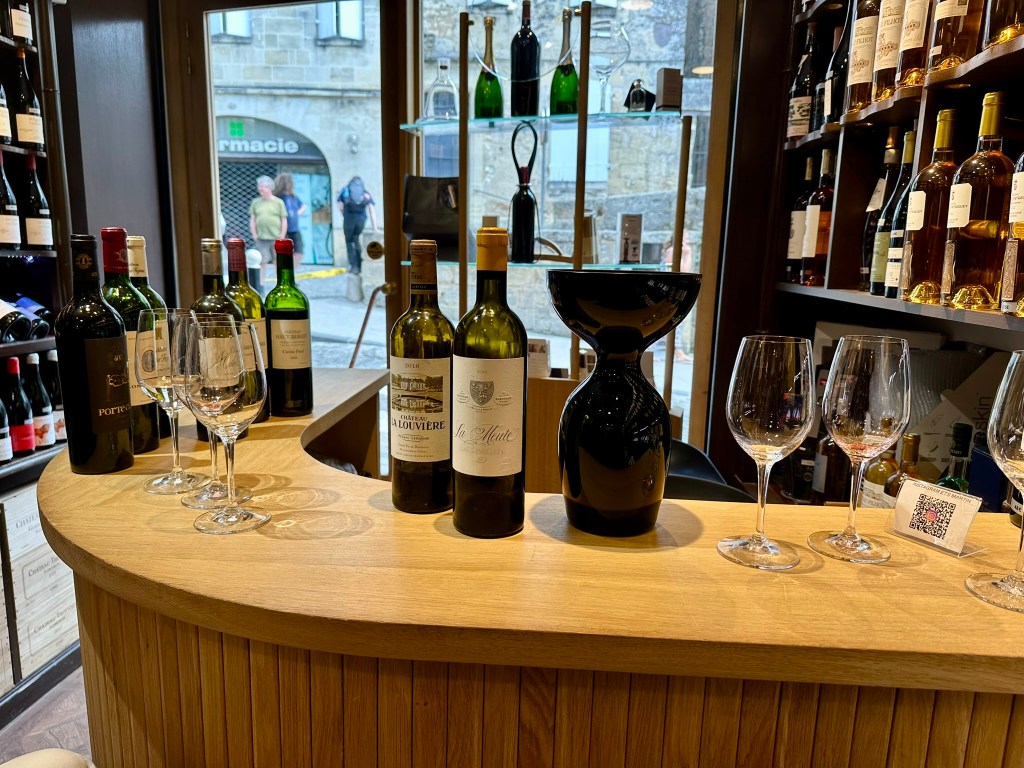
Red, Red Wine. If wine touring like you’re from UB40 is on your agenda, this is a helpful site, but there are many wine shops in town that offer wine tastings, purchases for your local enjoyment and shipping to your home country without having to branch out into the vineyards themselves. We did a tasting at ETS Martin’s shop and on another day we toured the in-town shop and facility of Couvent des Jacobins. The tasting at ETS Martin is generous and if you purchase some wine, the fee for the tasting itself is waived.
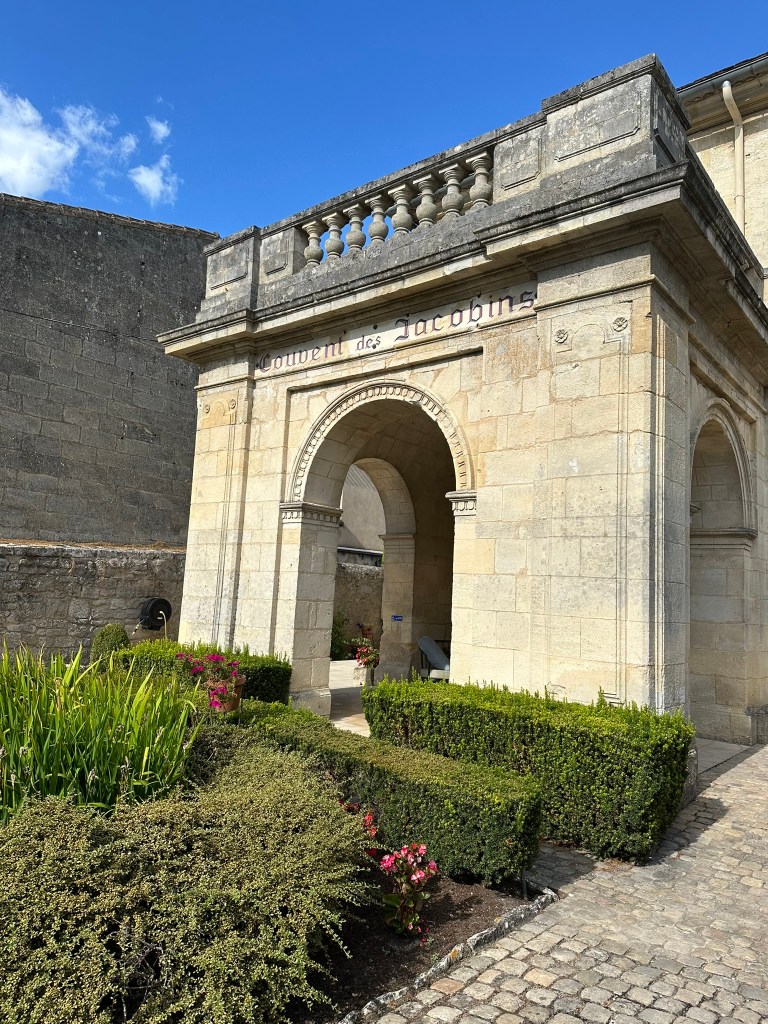
We’ve done a lot of wine tours in our day, and the one at Couvent des Jacobins is truly different and interesting, beyond just discussing the wine making process and staring at vats and rows of grapes. The building is an old monks’ convent and sits above the network of tunnels which was dug underneath all around St. Émilion (100 kilometers of them) to mine limestone. Couvent des Jacobins’ portion of the tunnels is used to store wine at perfect climate-controlled temperatures and also during the production and bottling processes.

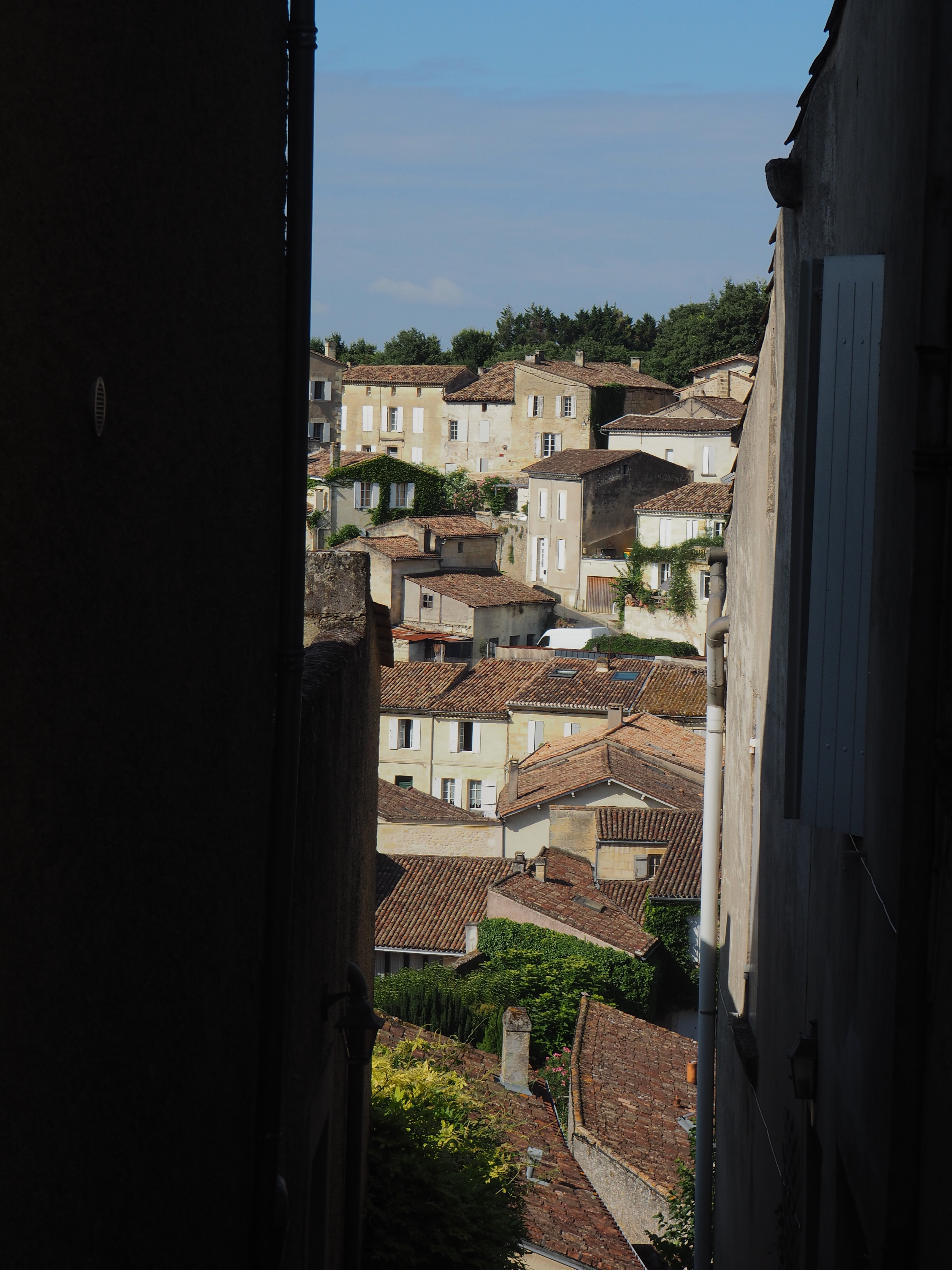
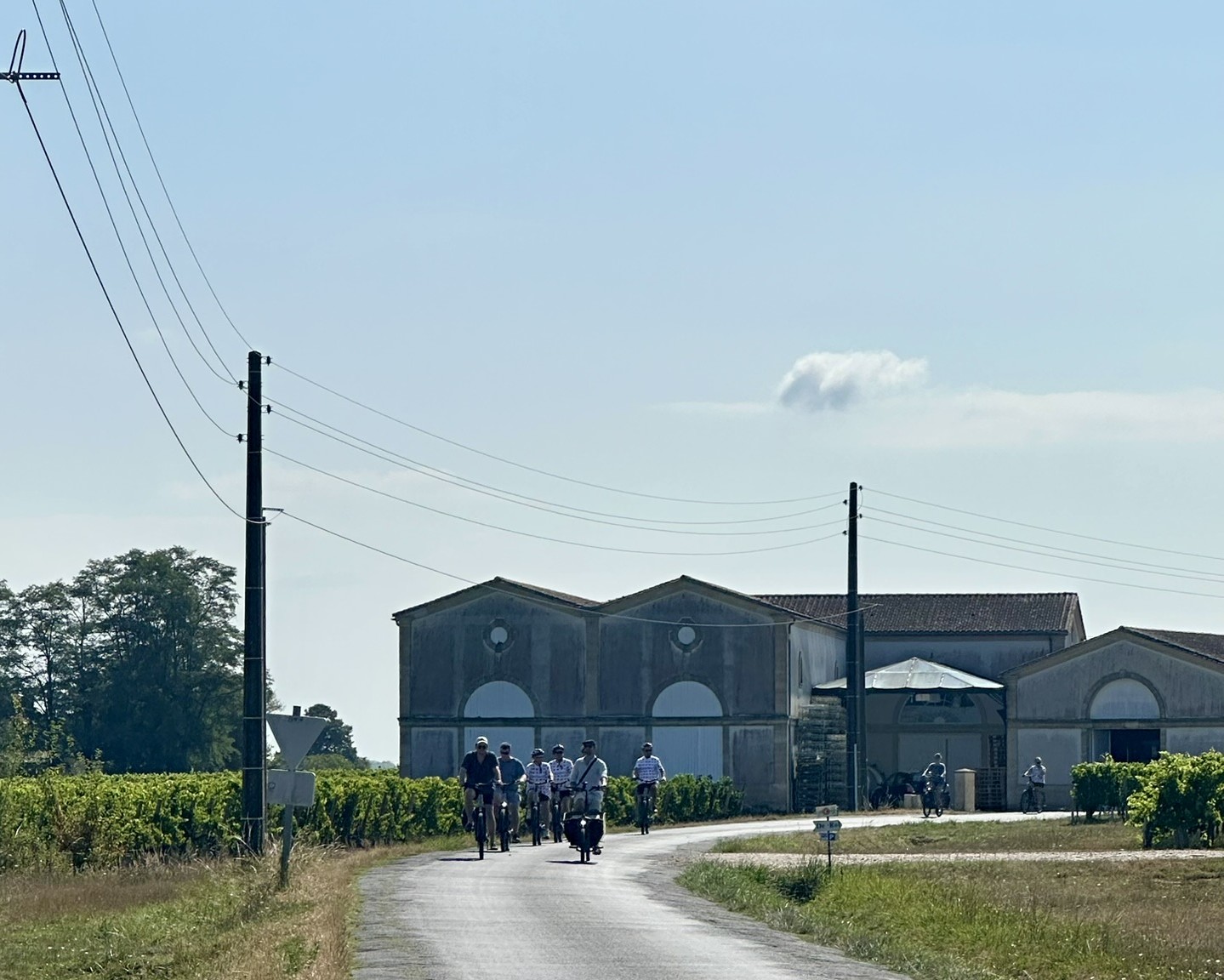
If you do branch out of town, you can drive, bike or walk around the back streets checking out this chateau or that one, wandering amidst expansive rows and miles of grapes. Reservations will be required for tastings and tours at vineyards outside of town, so doing your tastings in town allows you to be more flexible with your time.


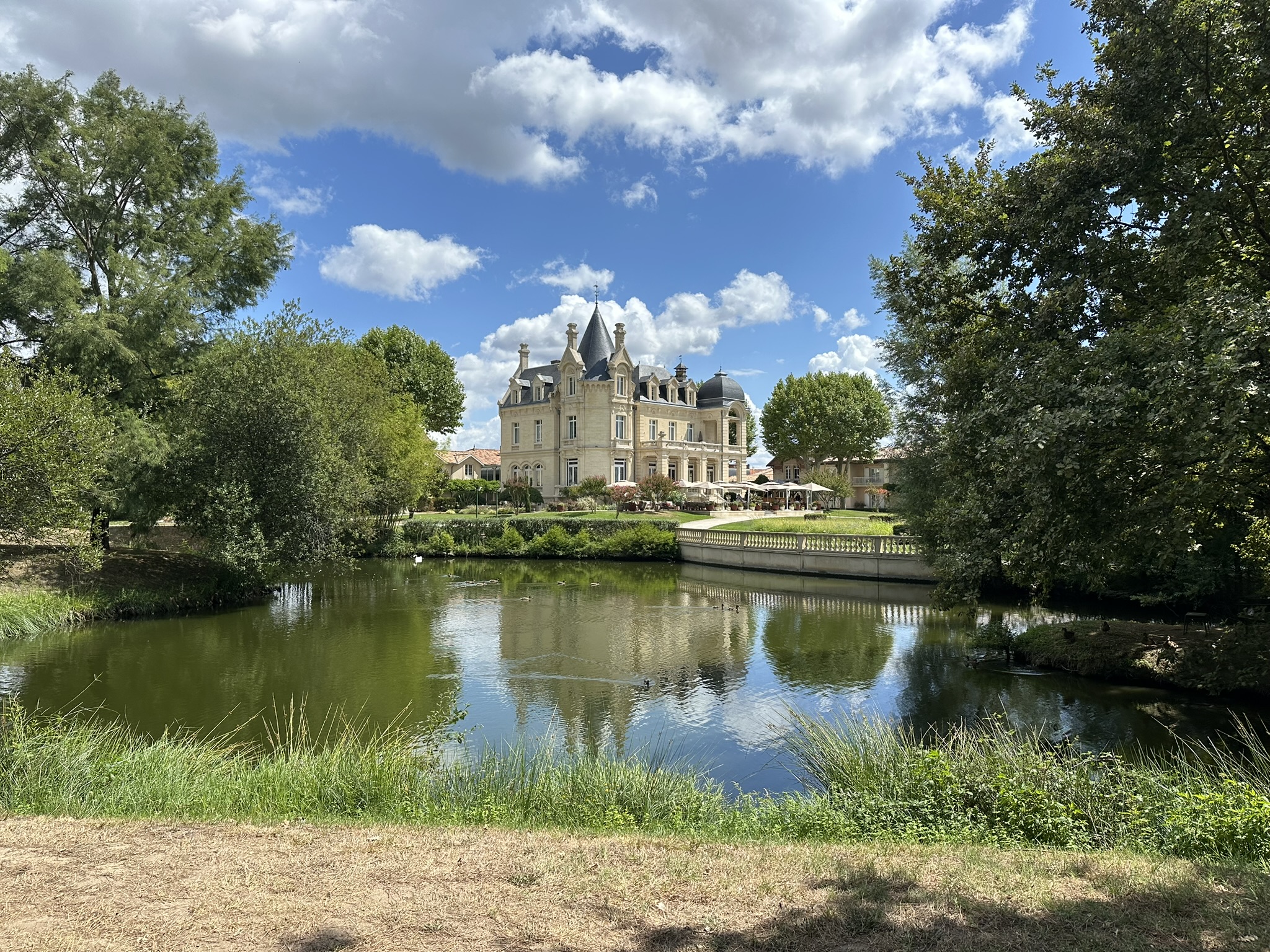


Bordeaux. From the moment we arrived in Bordeaux it felt homey. Everyone was so nice and welcoming. From our Airbnb host apologizing profusely for “being late” (when we were 45 minutes and she was 15 minutes early), to the patron (a regular, clearly) at our lunch spot who had traveled the USA by Greyhound bus (God bless him) who (unsolicited) translated the menu of the day chalkboard for us, to the woman at the grocery store who talked to Melissa in French (which she doesn’t speak) all throughout the grocery store and then, when finally realizing she couldn’t understand her when we were in queue together to check out, welcomed us to Bordeaux (also in French. Ok, maybe she was a little touched in the head), we instantly felt like we belonged.
Alas, a bout of (suspected) food poisoning at the aforementioned restaurant relegated our Friday night and Saturday into the suffer and recover categories, limiting explorations of Bordeaux for about half of our allotted time.
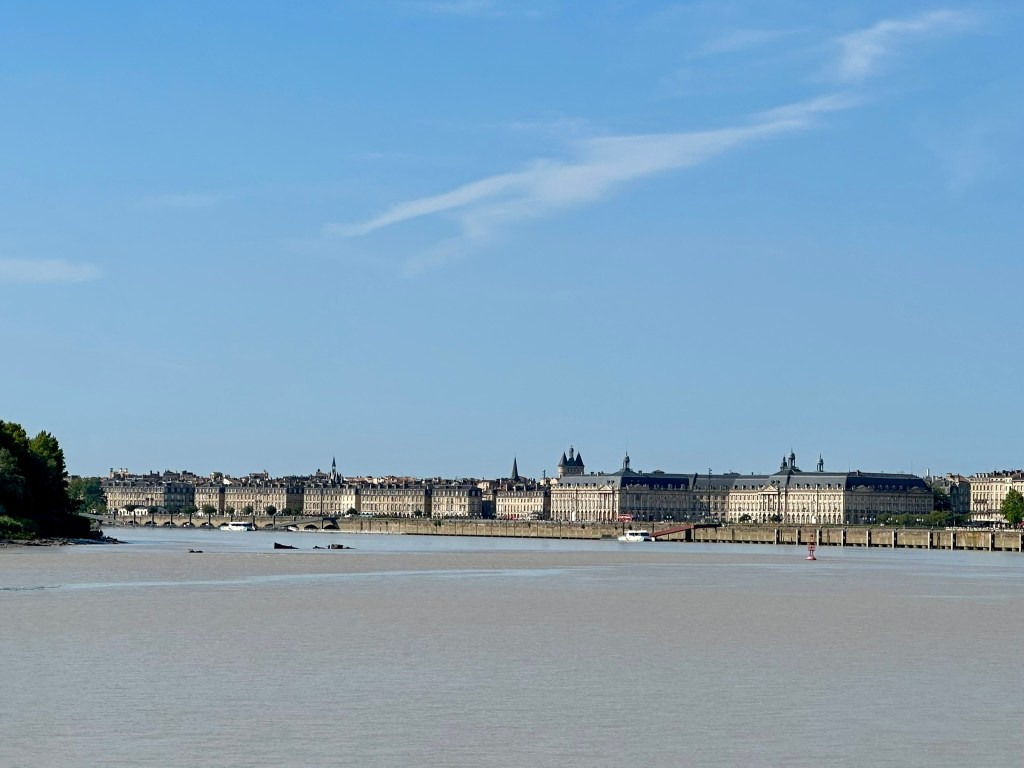
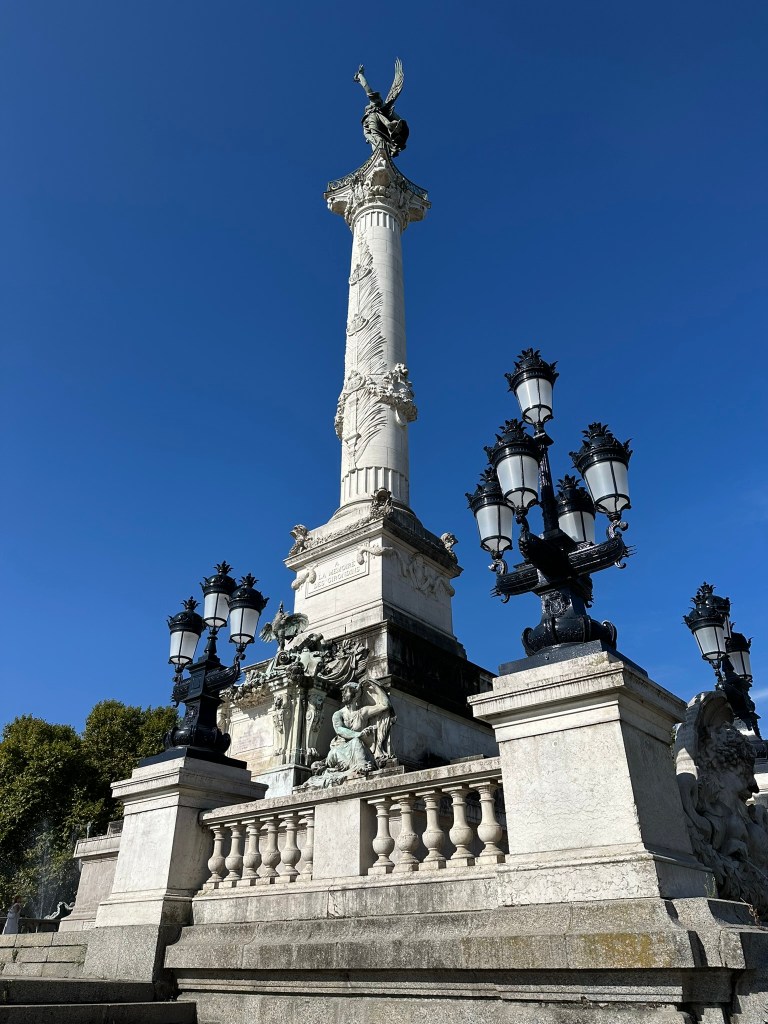
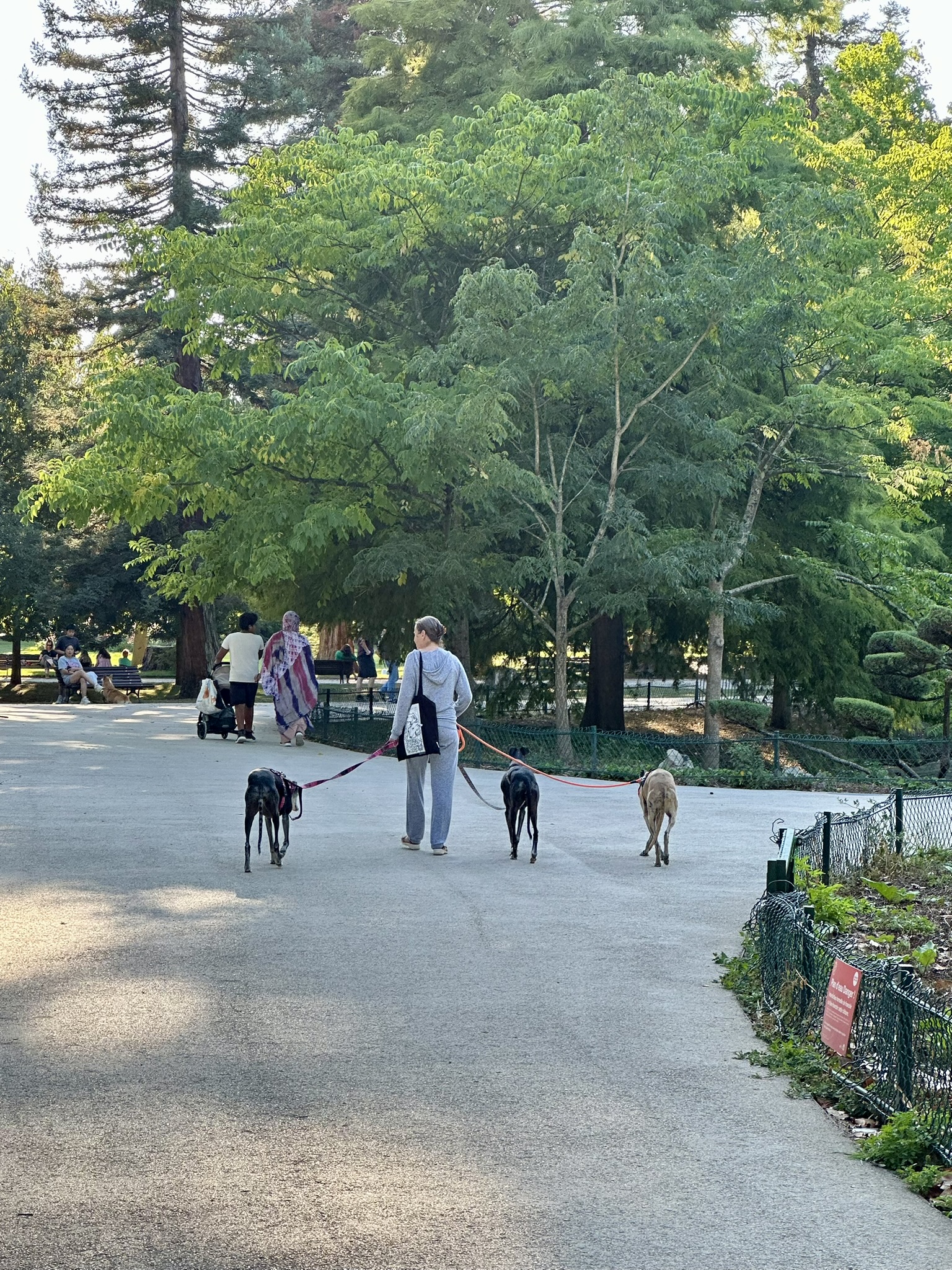
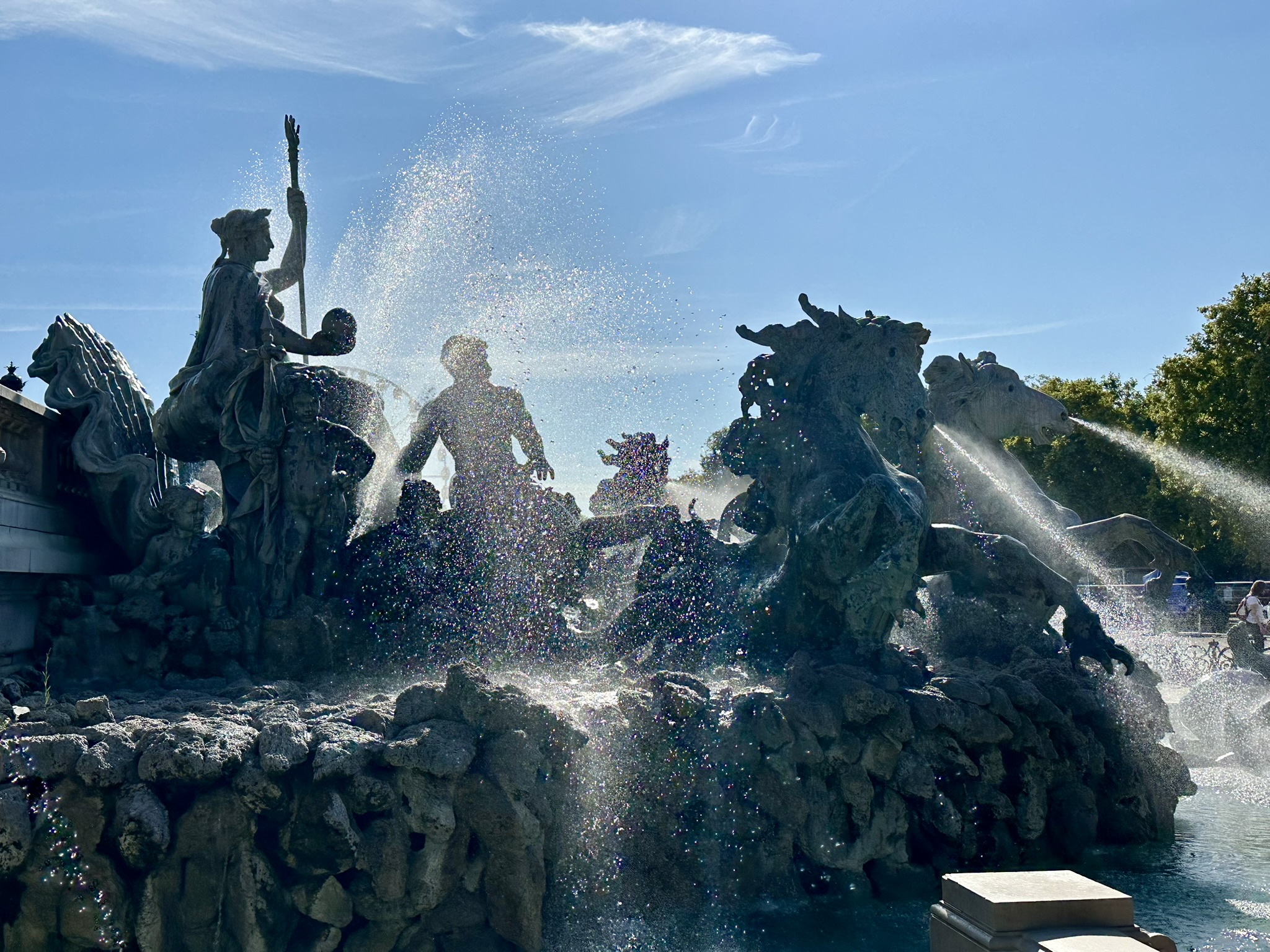
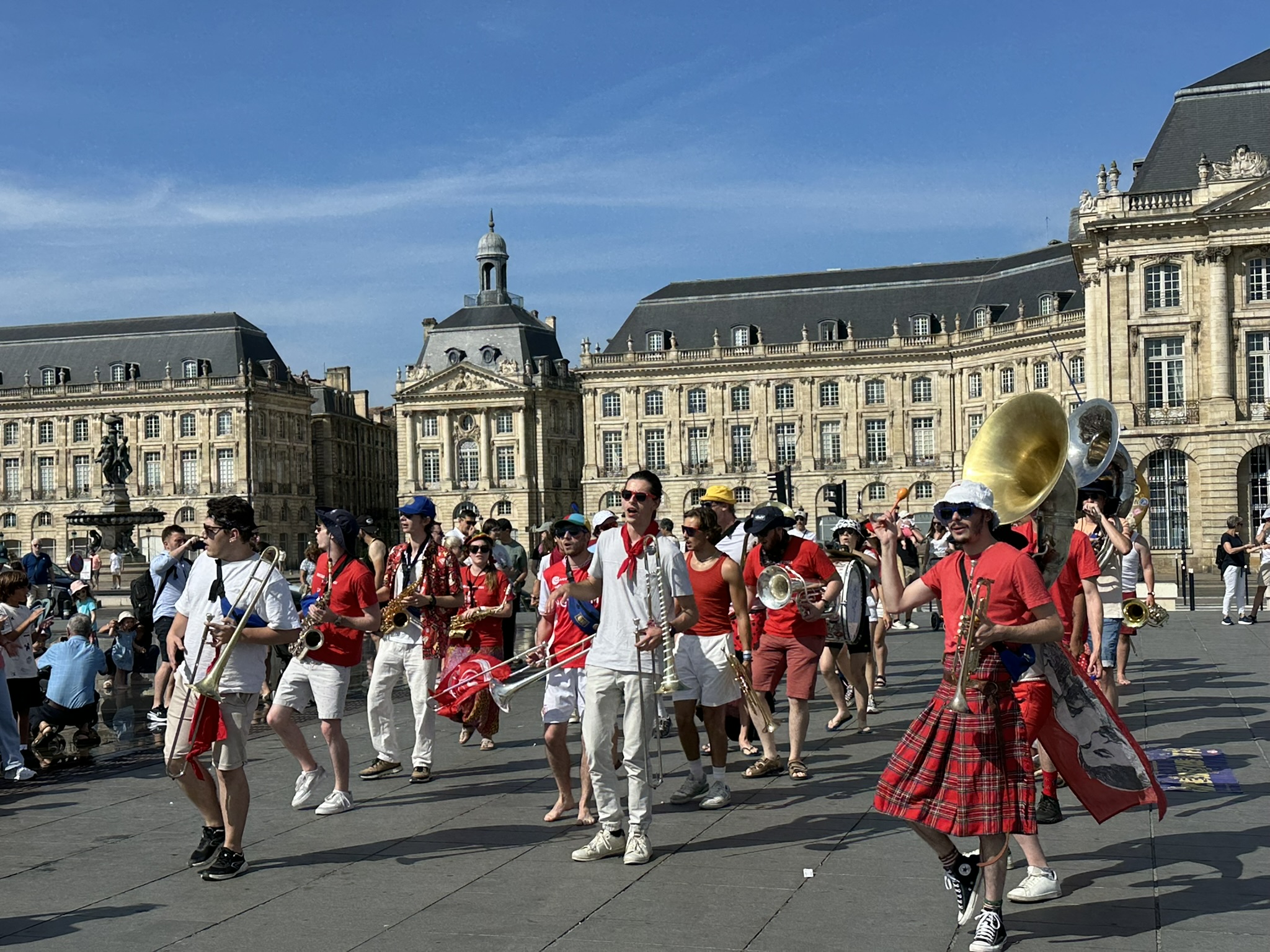
Fortunately, on a beautiful mid-summer Sunday, we were recovered enough to take some walks. Our apartment was located close the the Public Garden and we strolled through it down to the Monument to the Girondins (the Girondins were a leading group from the Bordeaux area during the French Revolution, 31 of whom were executed by guillotine during the “Terror” period of the revolution) to the banks of the Garonne River with runners, bikers and strollers sharing the Quai des Chartrons. We walked up to and through the Sunday market then pulled a U-Turn walking the other direction past the Miroir d’Eau (the largest reflecting pool in Europe), through the Porte Calihau and into the Saint-Pierre quarter then back past the National Opera House of Bordeaux.

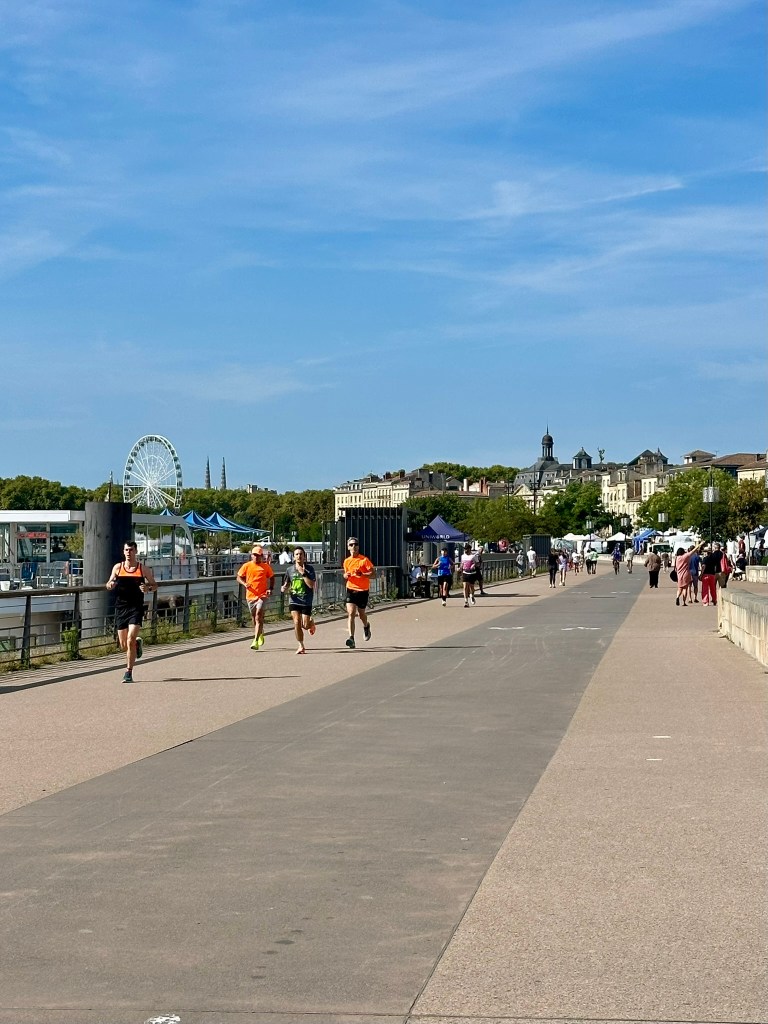
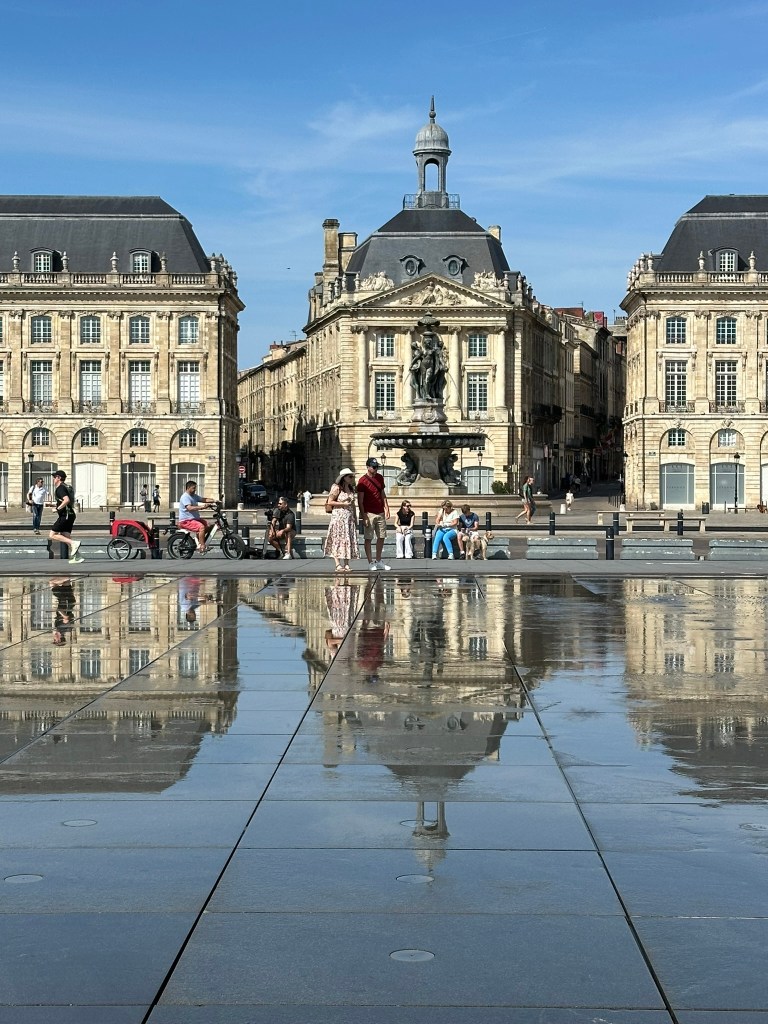
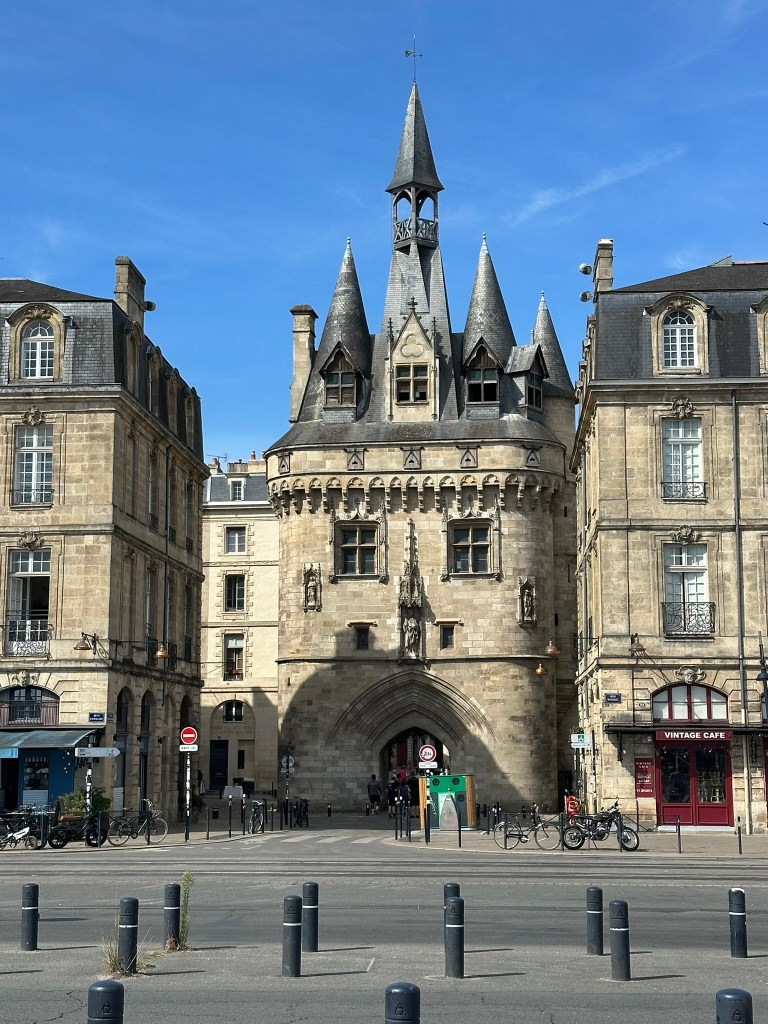
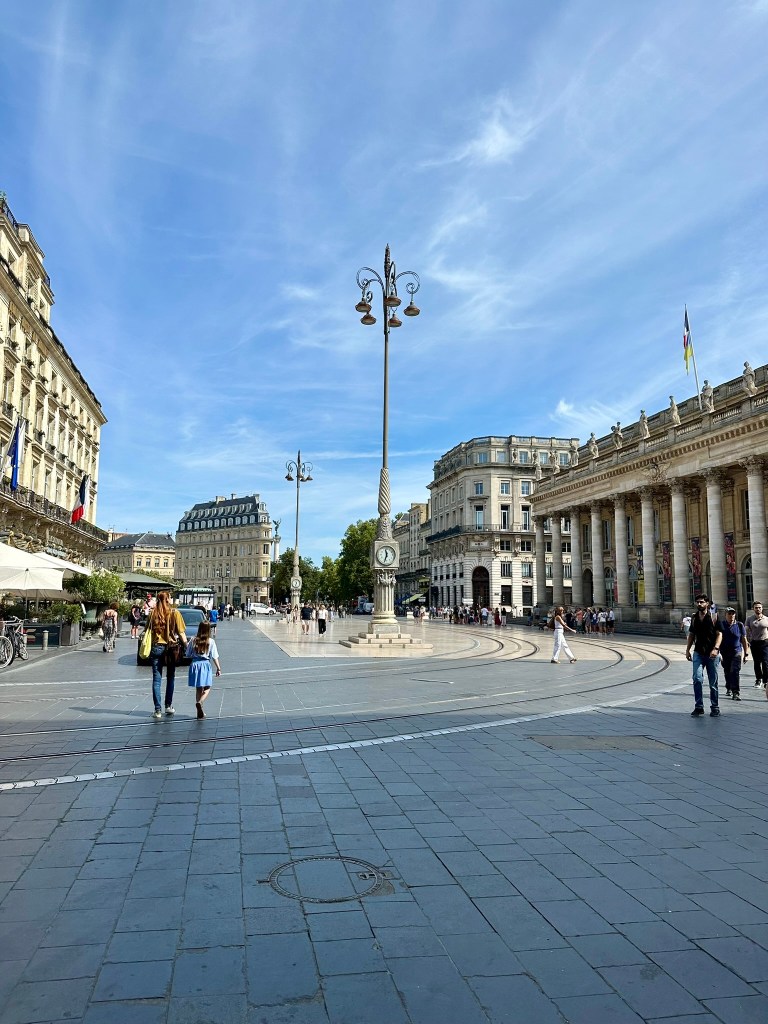
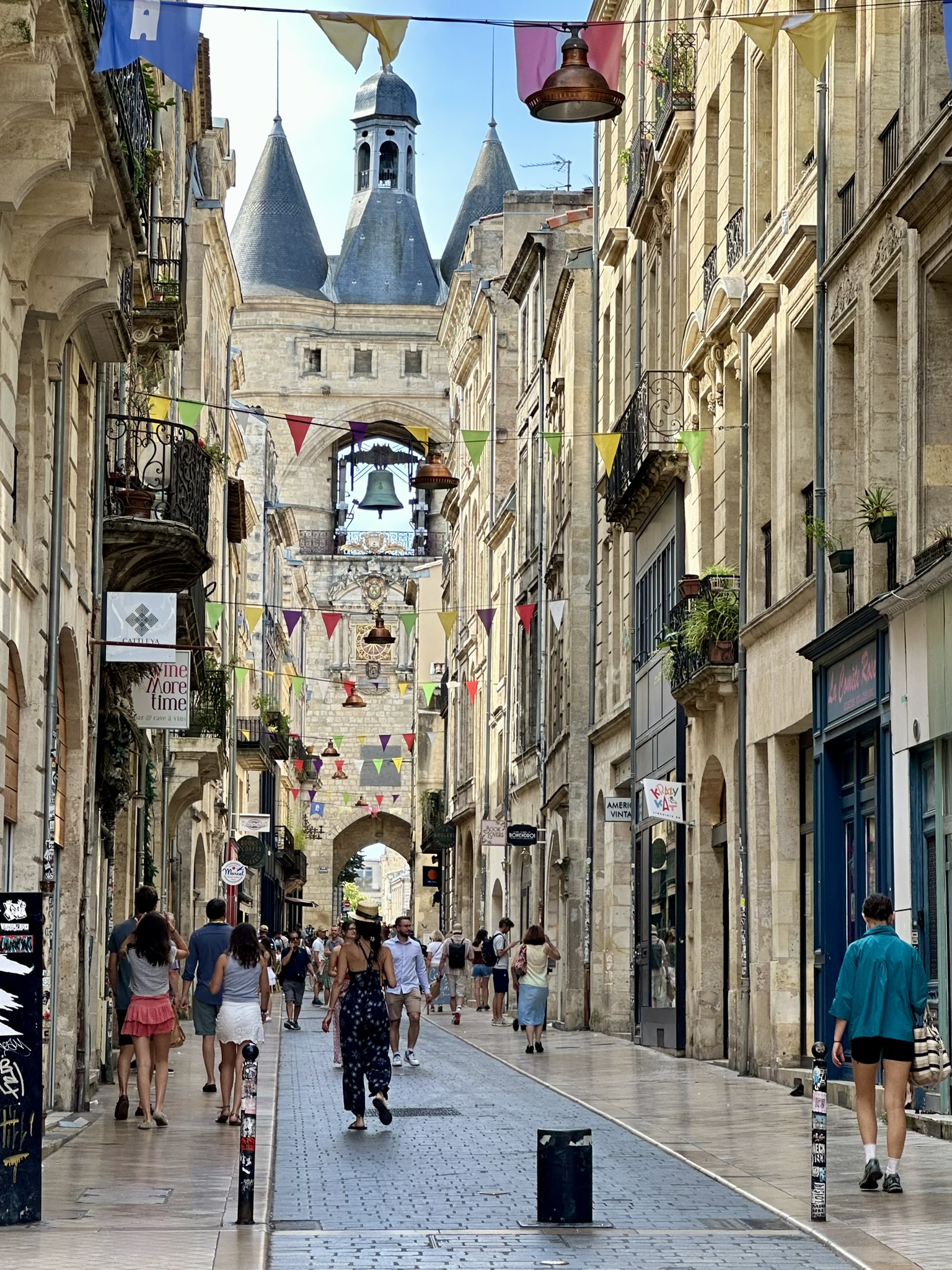
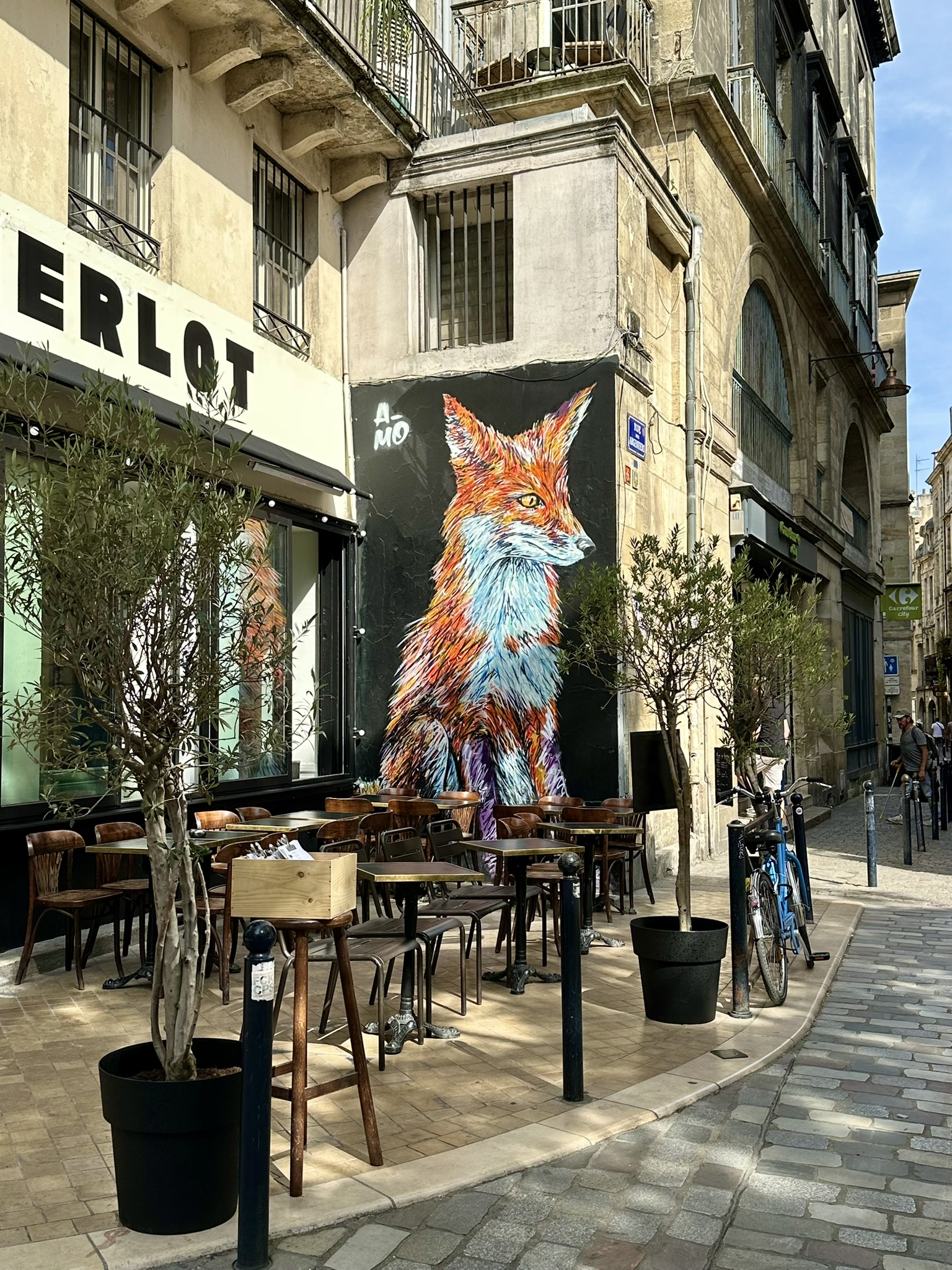
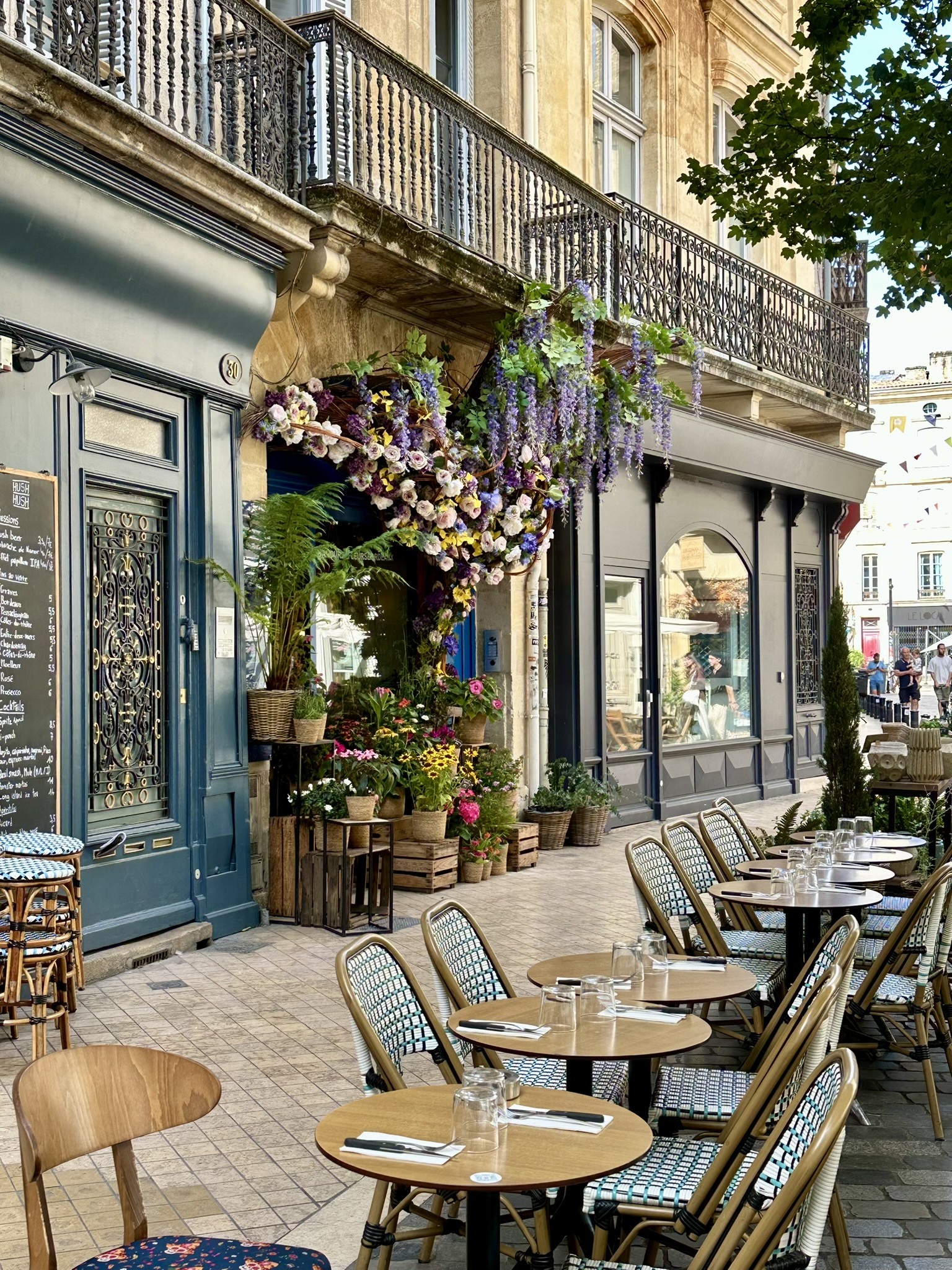
Bordeaux is a beautiful city. If its architecture reminds you of Paris, it should, the Paris architecture of the 18th century was actually modeled after Bordeaux’s. It is an incredibly walkable city with the riverfront and several pedestrian priority shopping streets. You can take a river cruise, visit the Wine Museum or the Aquitaine History Museum but we just chose to stroll and enjoy the day. It was just the pace and medicine we needed to aid in our recovery to ease back into the world.


Sources:
- https://en.wikipedia.org/wiki/Saint-%C3%89milion
- https://www.saint-emilion-tourisme.com/en/explorer/une-terre-de-patrimoines/histoire
- https://www.winetourism.com/wine-appellation/saint-emilion/
- https://en.wikipedia.org/wiki/Classification_of_Saint-%C3%89milion_wine
- https://www.bordeaux-tourism.co.uk/cultural-heritage/underground-saint-emilion-classified-historic-monument.html
- https://www.saint-emilion-tourisme.com/en/explorer/les-incontournables/les-12-monuments/l-eglise-collegiale-et-son-cloitre
- https://explorial.com/20-fun-facts-about-bordeaux-the-wine-capital/
- https://www.encyclopedia.com/history/encyclopedias-almanacs-transcripts-and-maps/girondins
 The Traveling Ridleys
0 comments on “Bopping Around Bordeaux”