

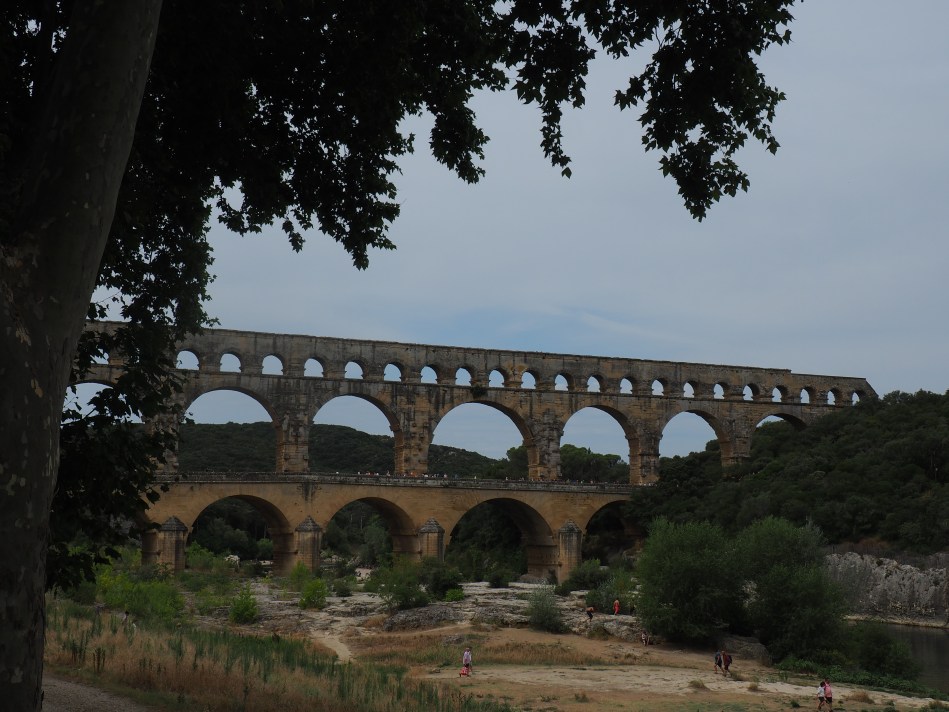
France’s Rome, the city of Nîmes, is an impressive living museum to Roman history. We stopped there, and at neighboring Pont du Gard on our way west and out of Provence.
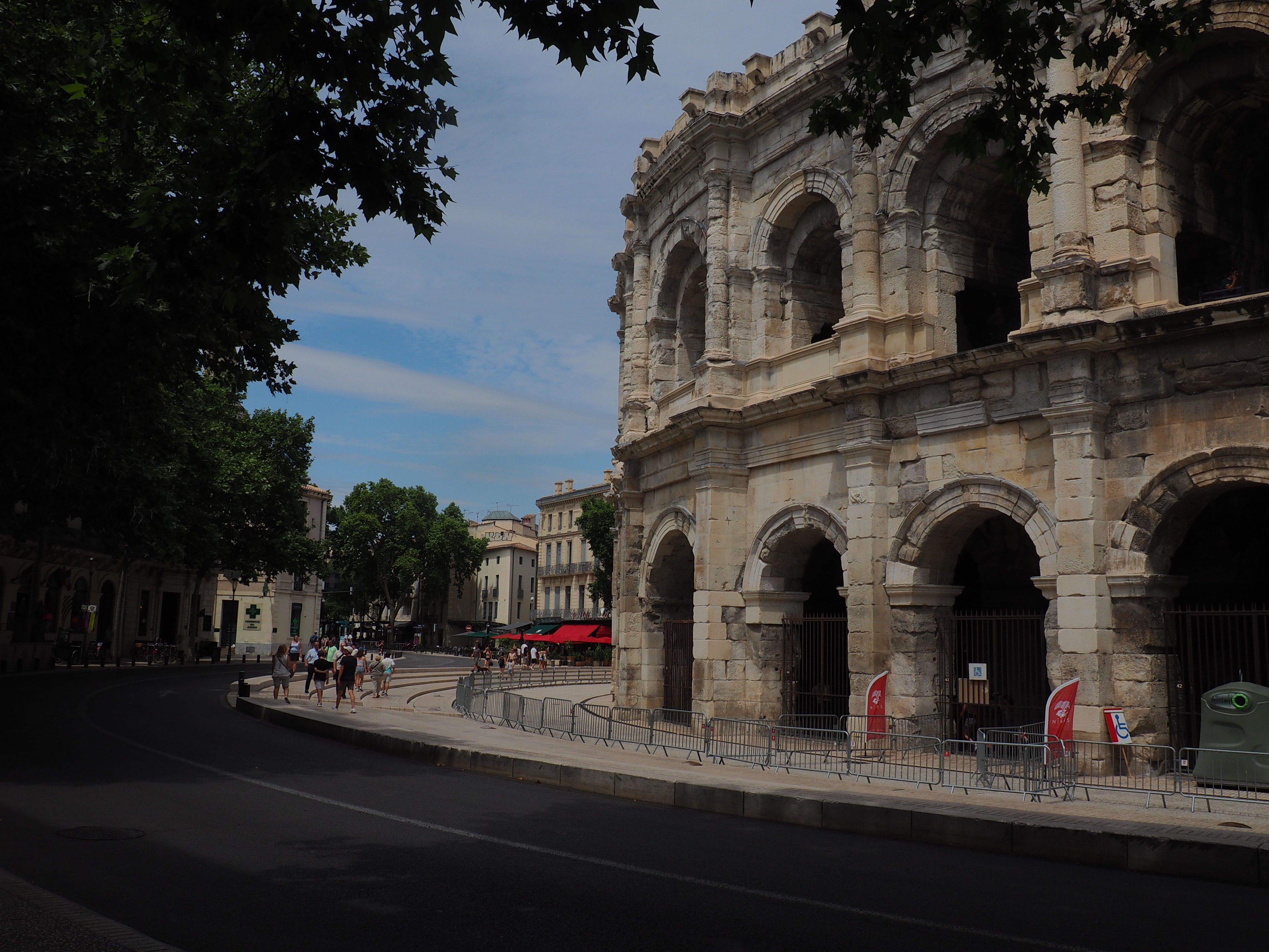
Nîmes was established as a Celtic city around 500 BC and became a part of the Roman Empire a few hundred years later under Emperor Augustus. The Roman buildings in Nîmes are remarkably well preserved due to several factors: they have been put to use, and thus renovated and restored, over the history of their existence and they also were protected being inside the walls of the city and not pilfered for building other structures. For example, the amphitheater was used for housing in the Middle Ages and for events like bullfighting, opera and concerts until this day. The Maison Carrée (literally “square house”, named before there was a word for rectangle) is the best-preserved Roman Temple next to the Pantheon in Rome because, over the years, it has been used as a temple, residence, stable, convent, government office and archival headquarters before being transformed to its present use as a museum.

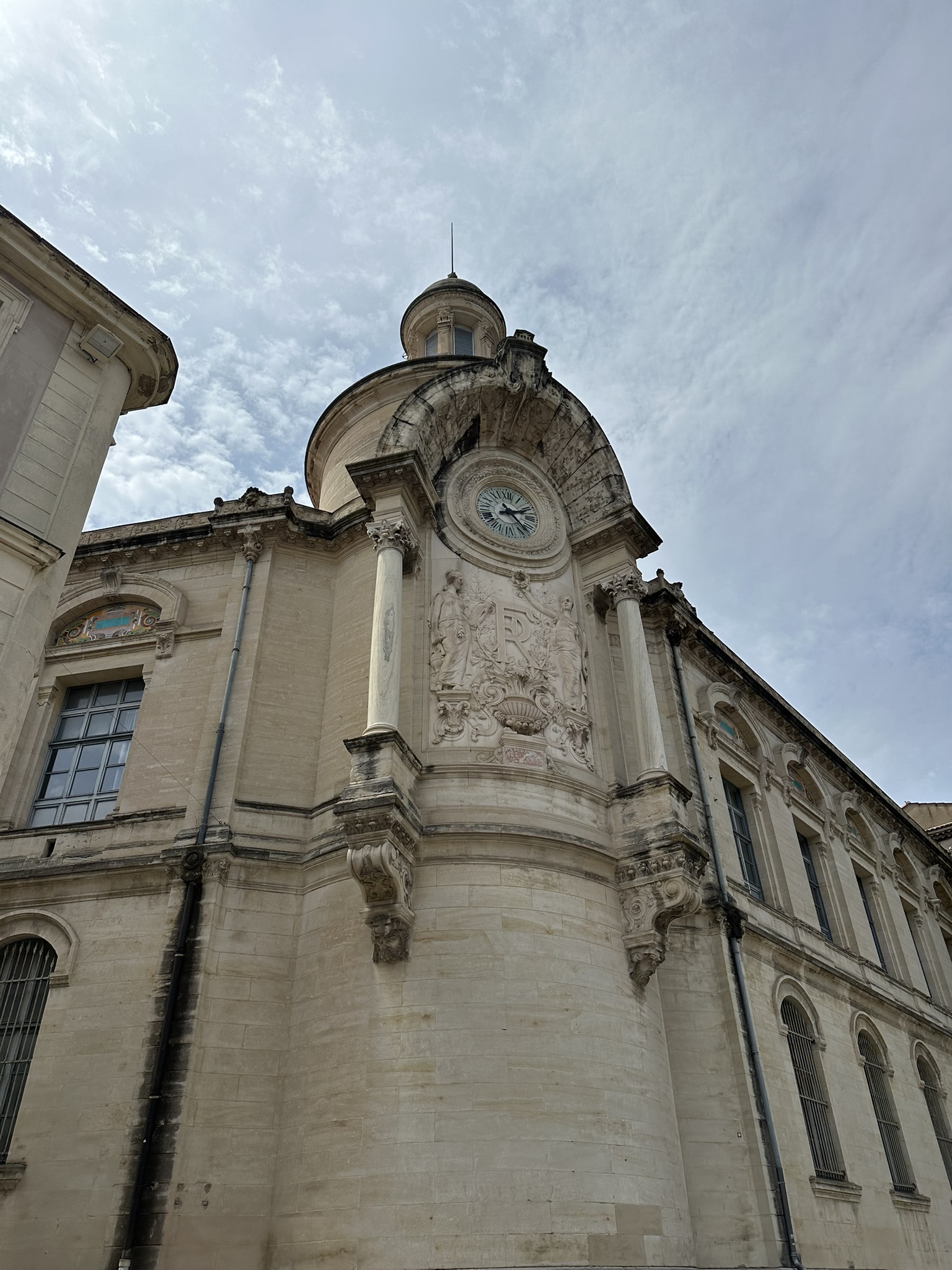

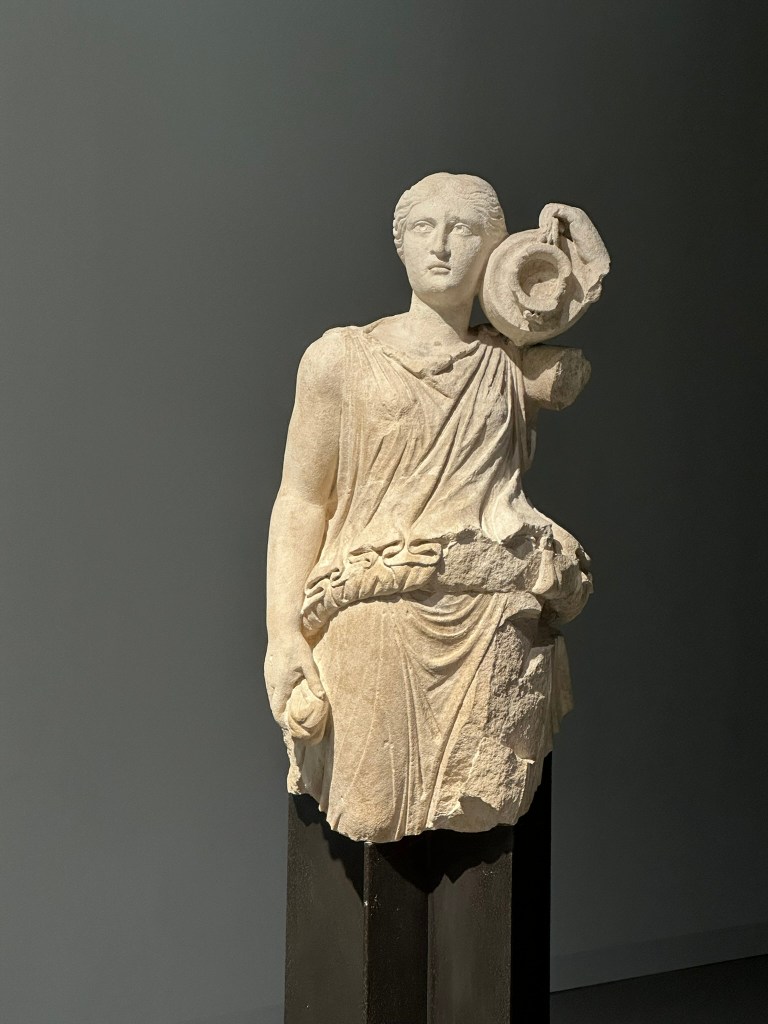
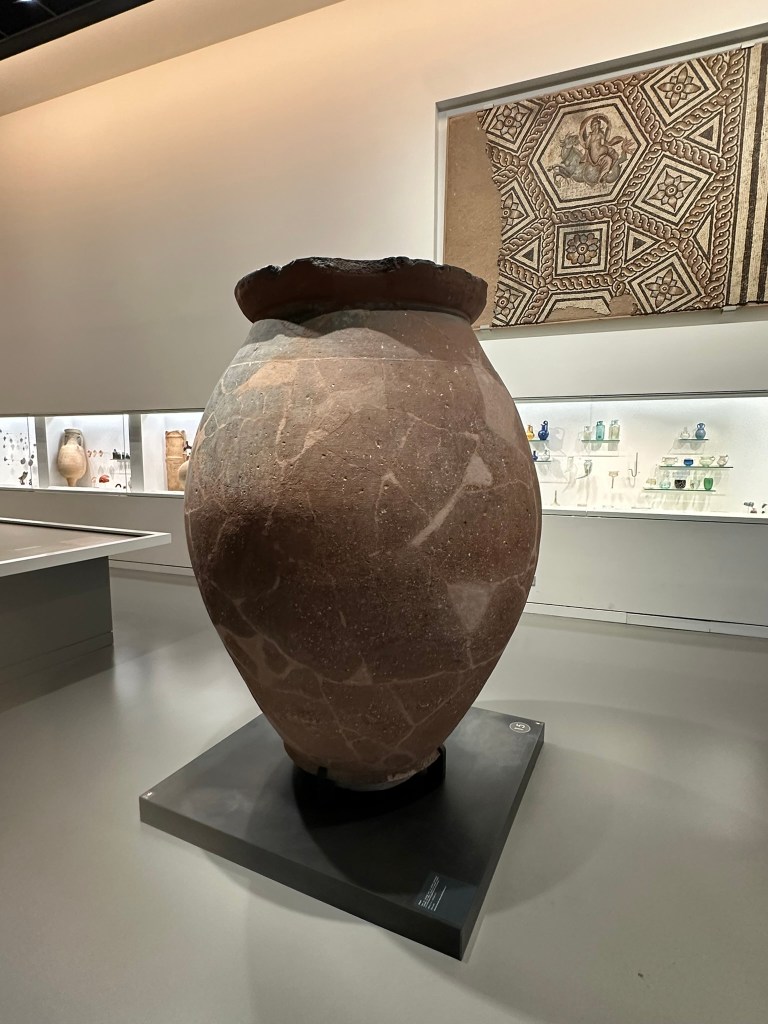
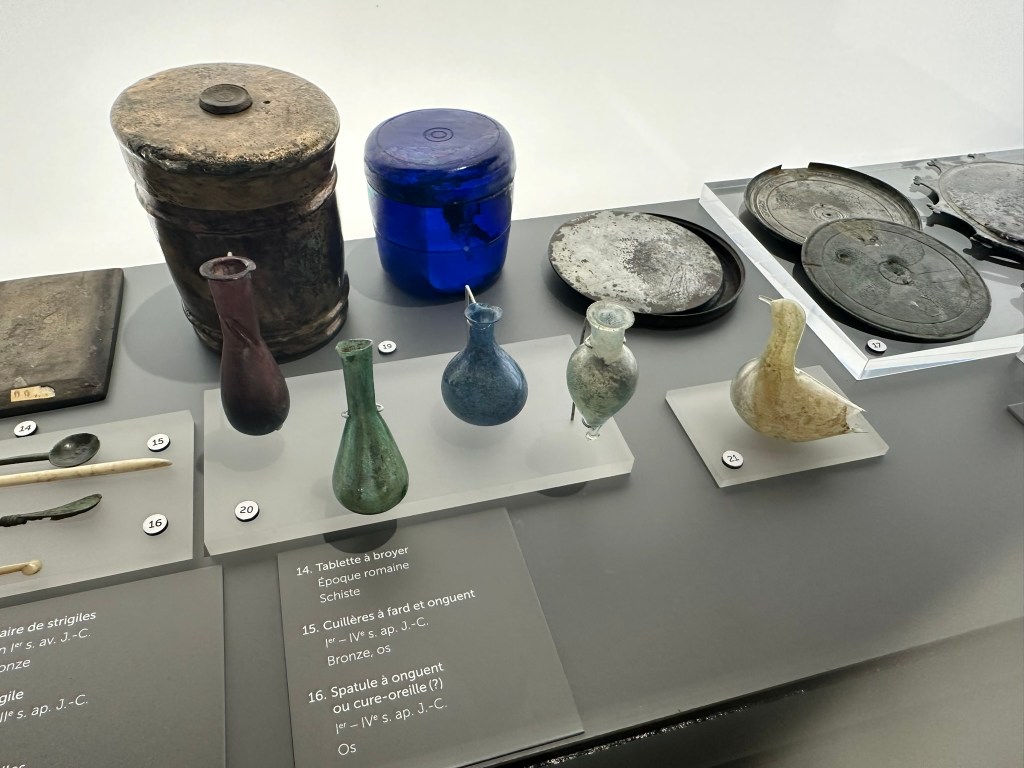
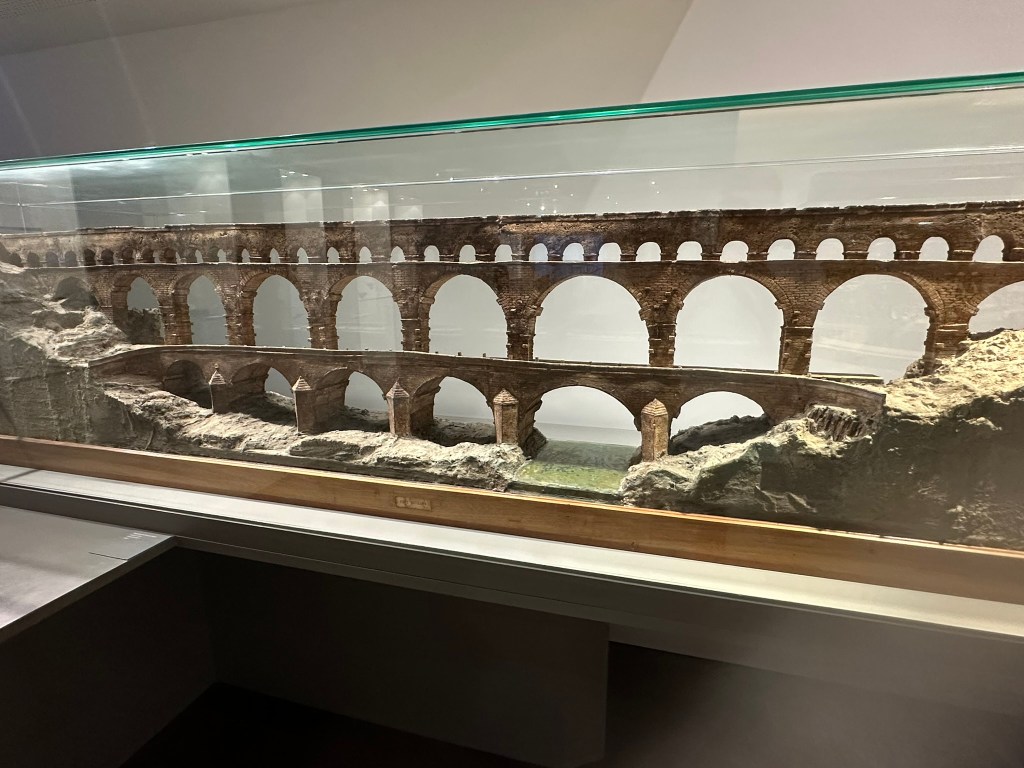
We visited the excellent Musée de la Romanité (Roman Museum). The museum traces the area’s history both pre and post-Roman with high-tech educational displays, an excellent collection of mosaics and Roman artifacts and some pretty awesome cork models of Nîmes’ Roman buildings as well as some of the Pantheon and Coliseum in Rome all made on a 1/100 scale so you can compare their sizes.


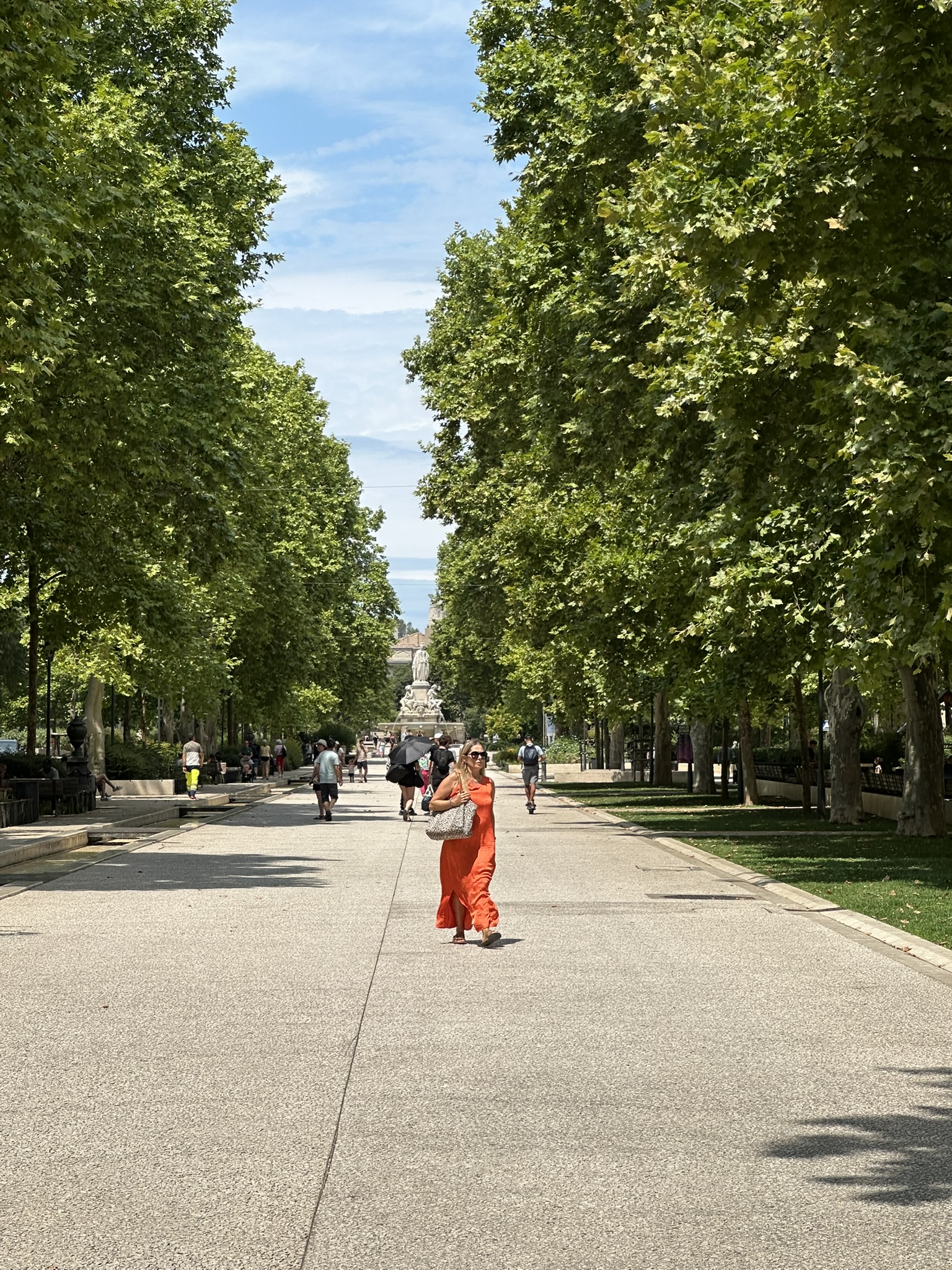
We strolled around the Amphitheater (which closed early to prepare for an evening concert), up to Maison Carrée and back down the tree-lined pedestrian mall between the Amphitheater and where we parked at the Gare de Nîmes.
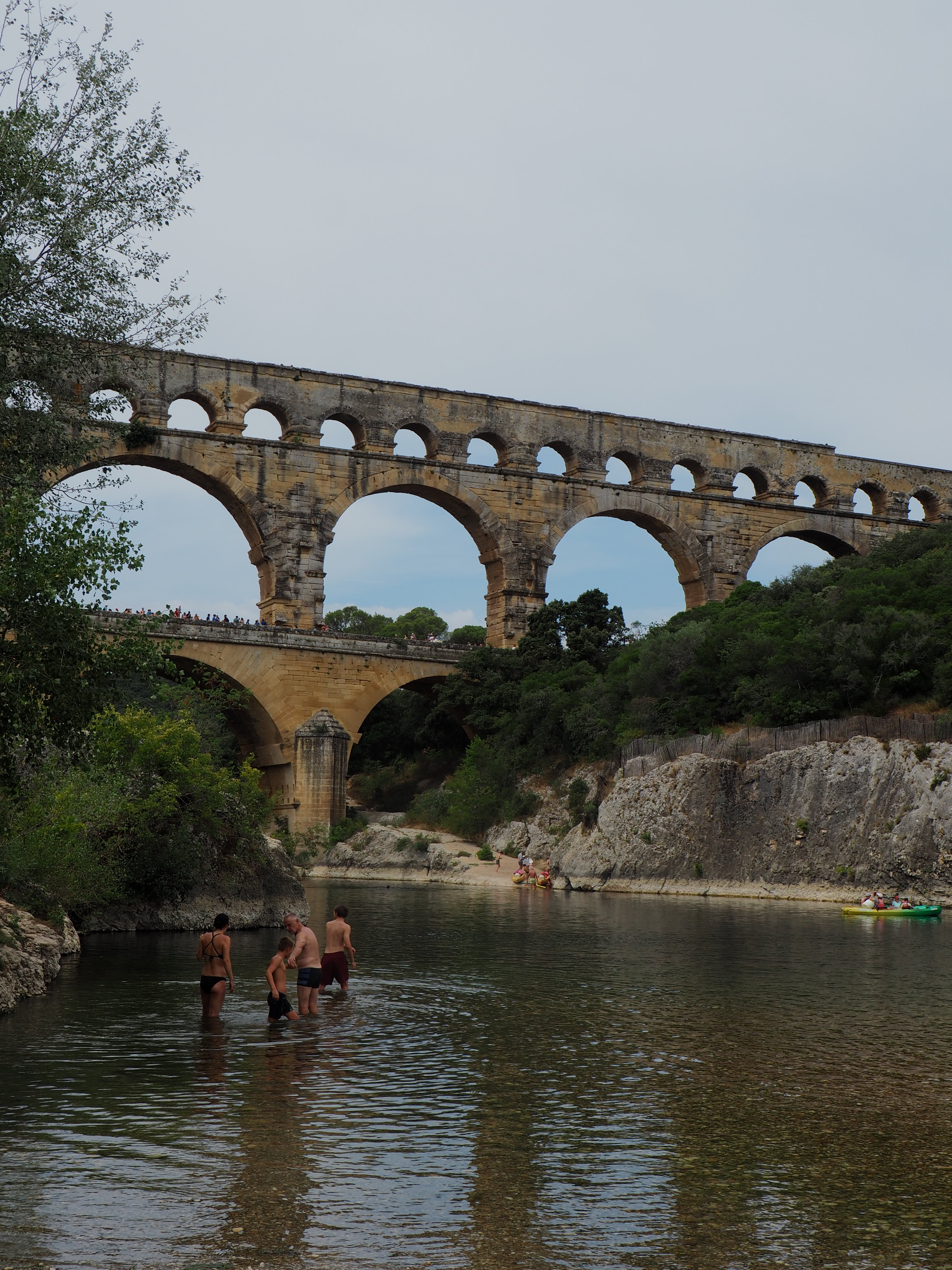
Before arriving into town, we stopped at Pont du Gard, the impressive Roman aqueduct and bridge which carried water from the source near Uzès to Nemausus (the city’s name in Roman times). Your all-day parking fee grants you admission to trails, the Pont, the museum, several cafes and restaurants and to the River Gardon where we found many people swimming and kayaking. The Pont du Gard was built between 40 and 60 A.D. under the time of Emperor Augustus and, at 160 feet tall, is the highest Roman aqueduct ever constructed. It has 64 arches on 3 levels and spans almost 1,000 feet long. No mortar was used to build it, just extremely precise masonry, but renovations and restorations are what has kept it continuing to stand until today. It is not to be missed.


Another fun fact: Nîmes is the birthplace of denim. French weavers were trying to copy a material made in nearby Genoa Italy and stumbled upon the tough material we now associate with denim. Denim’s name is derived from the original name for the fabric serge de Nîmes. So, don your jeans and stroll its streets and soak up some Roman history.
Sources:
- https://www.ricksteves.com/watch-read-listen/read/articles/nimes-france
- https://laramoneta.com/to-see/nimes/
- https://www.lamaisoncarreedenimes.fr/accueil
- https://archaeology-travel.com/exploring-the-roman-world/france/roman-sites/
- https://long-john.nl/the-legacy-of-nimes-the-denim-fabrics-birthplace/
- https://museedelaromanite.fr/en/la-maison-carree
 The Traveling Ridleys
0 comments on “Nîmes (France) Wasn’t Built in a Day”