

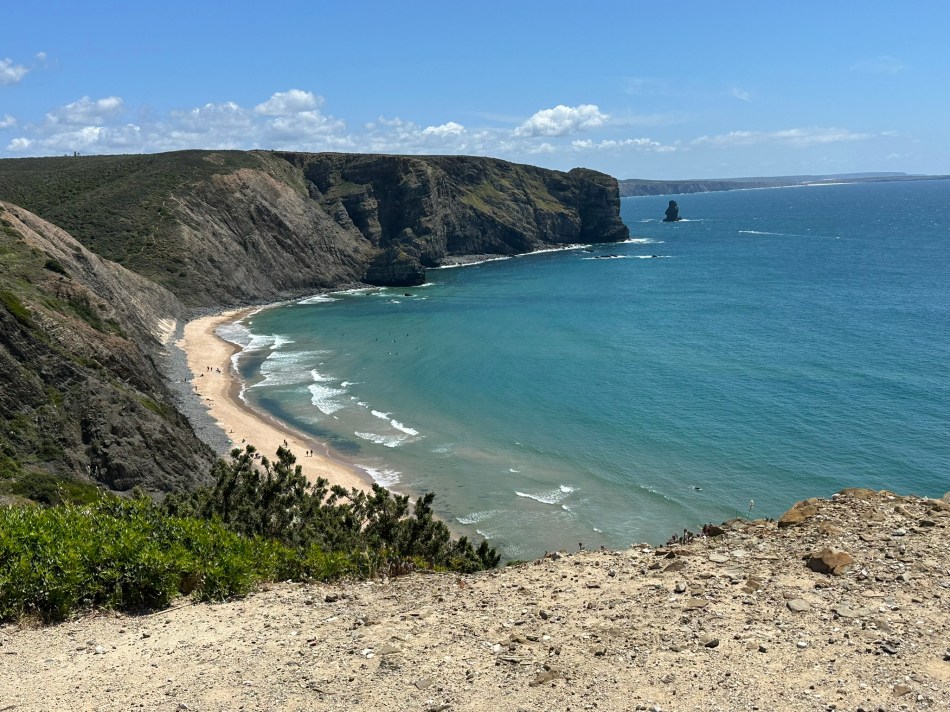
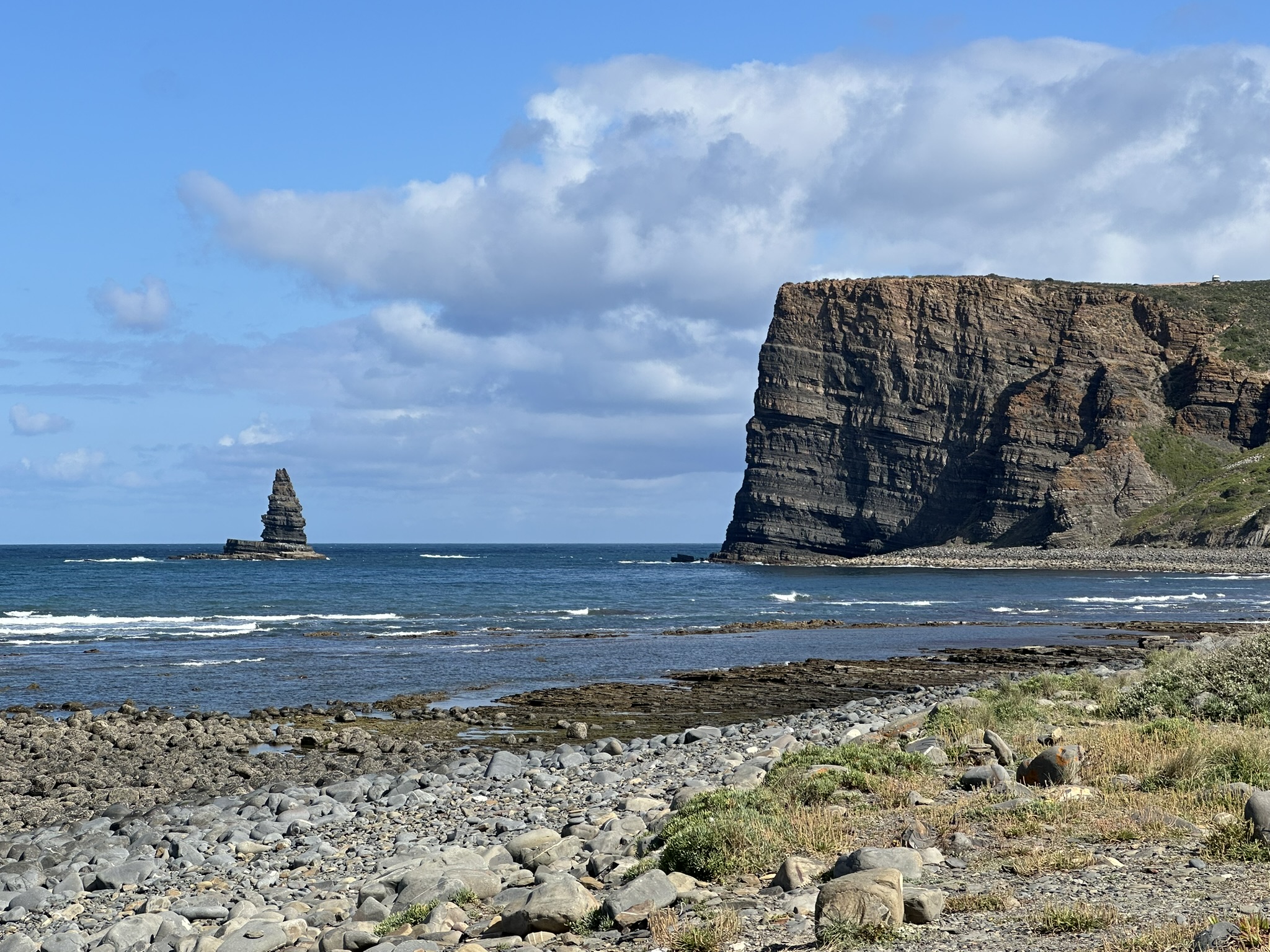
When one envisions the Algarve, most think of beachfront high rises full of British expats, luxury hotels with tourists lounging poolside, groves of orange trees, pristine beaches at the foot of tall burnt orange and yellow limestone cliffs and lush green golf courses. But at the west end of the Algarve, where the cliffs and beaches open to the west and the wide expanse of the Atlantic Ocean, gone are such stereotypes. Instead, the wind-swept shores are replaced by wild beaches, more modest whitewashed towns and villages, hikers traversing the Fisherman’s Trail and the winding national and regional roads which hug tightly to the coastline. The landscape is more reminiscent of the dark towering cliffs and remote, rugged hilltops of Ireland or Scotland than Portugal’s southern end.
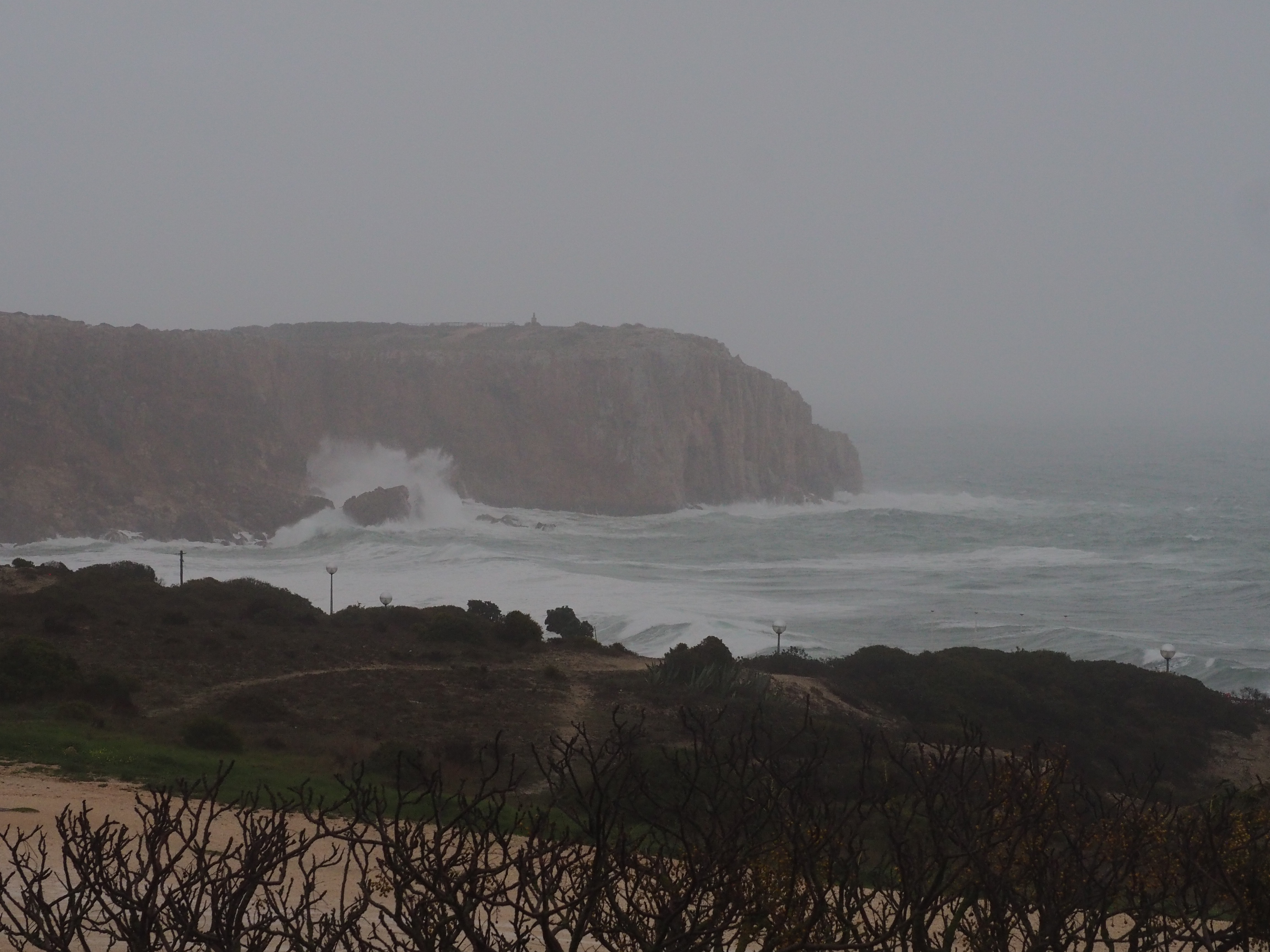
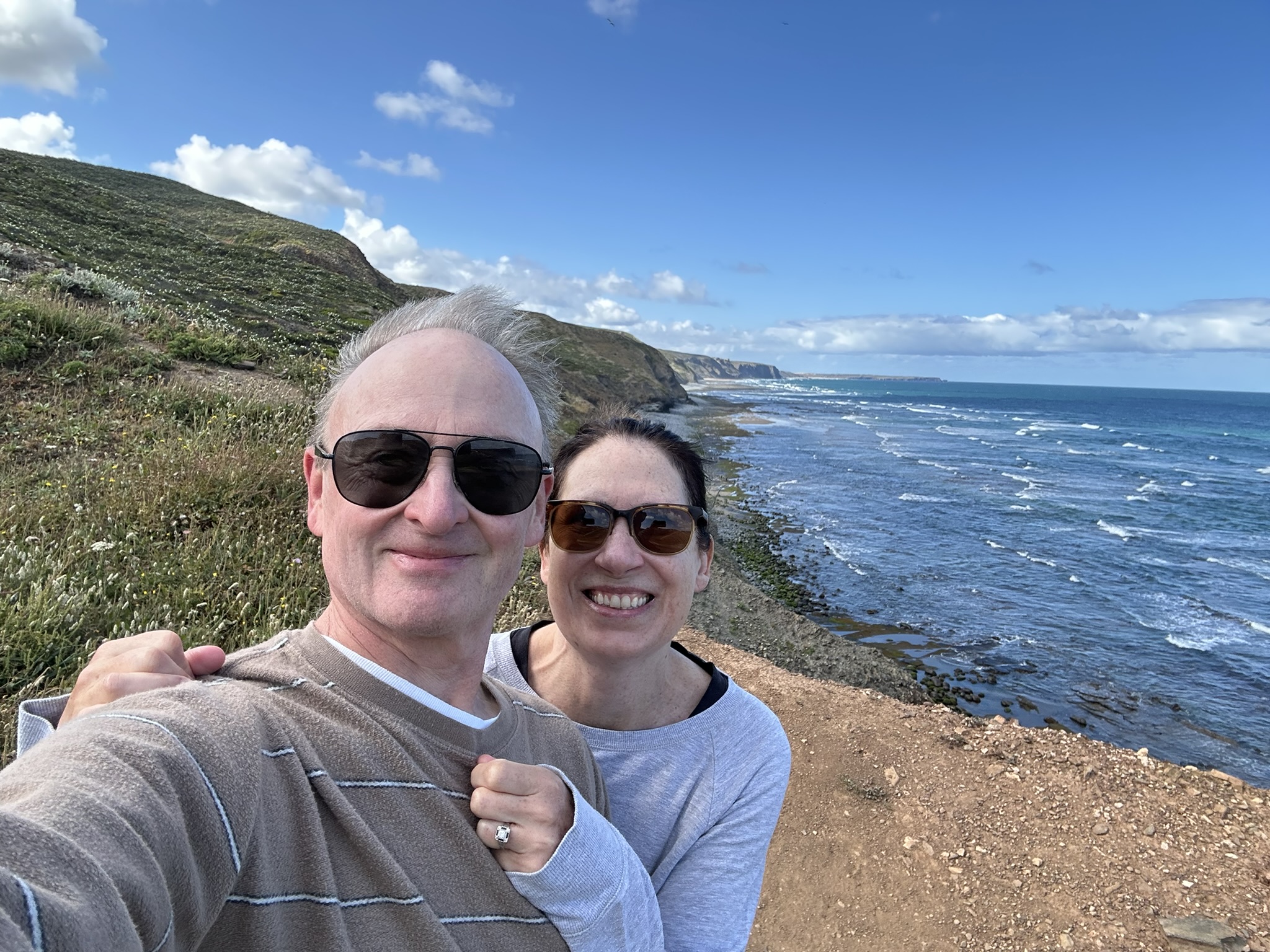
We spent a few days exploring this more remote part of the Algarve for the first time since December of 2019 when rain and fog obscured our views of the beaches, cliffs and sea. On this trip, cool breezes blew at us under unthinkably blue skies.
Sagres, the southwestern most point. Popular with surfers and tourists looking for a little more low-key Algarve experience, Sagres dates back to the 16th century but a fishing village was established here in the 15th century by Infante Henry, the Navigator, son of King João I. We visited Sagres on a wet December day on our way north back in 2019.

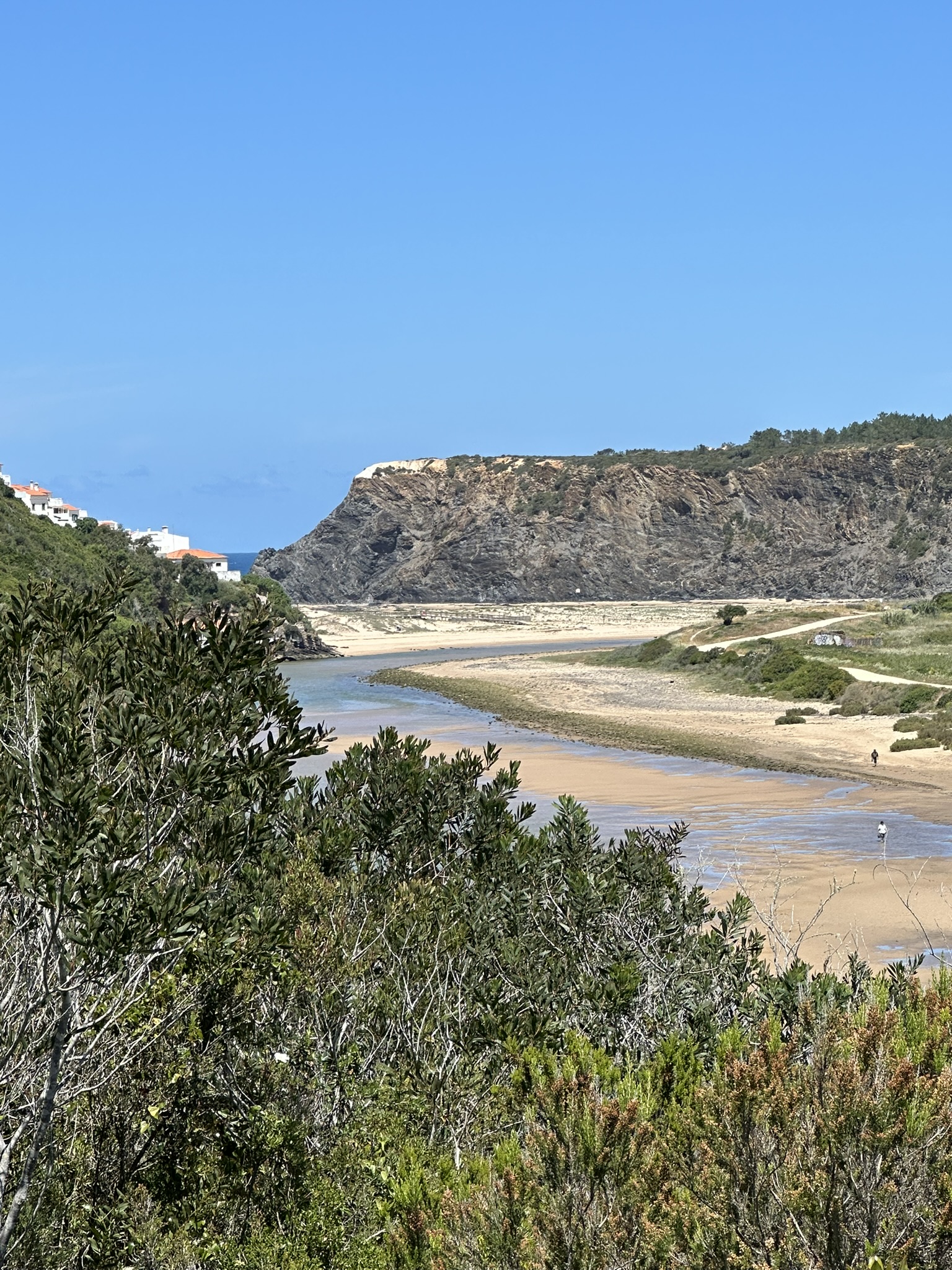
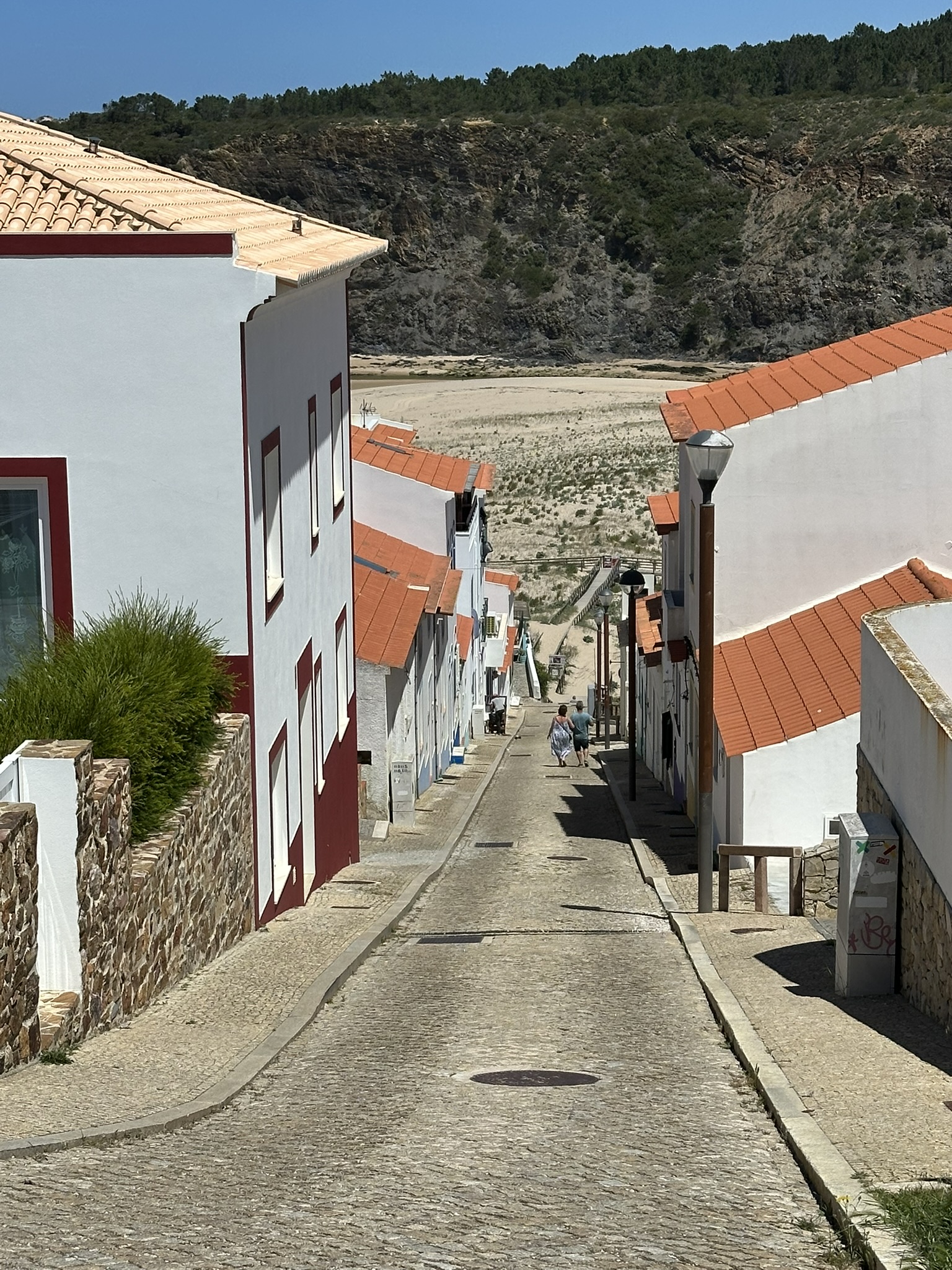
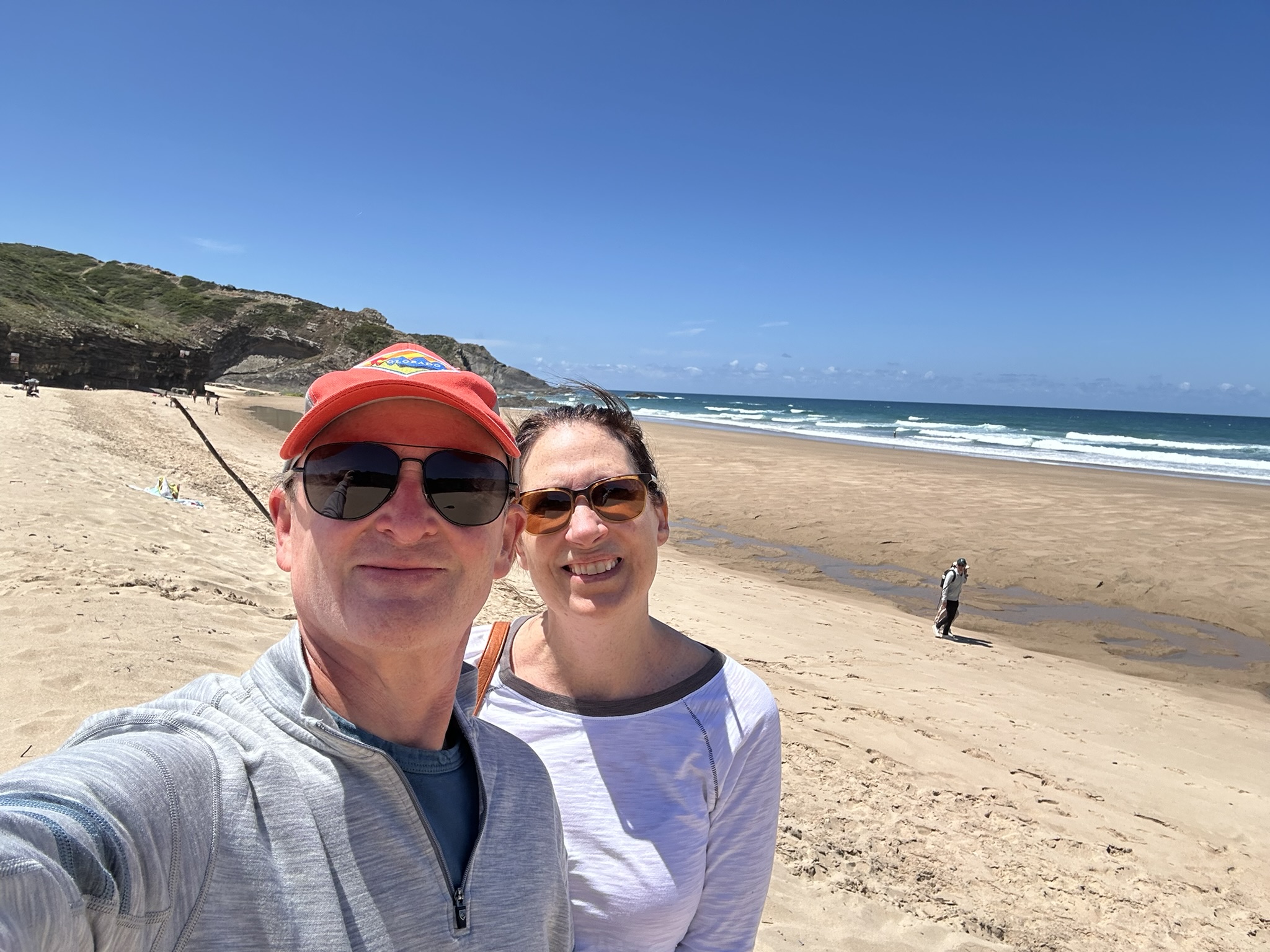
Odeceixe. With its hilltop windmill and stunning beach and on the border between Portugal’s Alentejo region and the Algarve, Odeceixe is very popular with the Fisherman’s Trail hikers, backpackers, trekkers and bikers. It has a small town square with several restaurants, plenty of guest houses and hostels but its beach is the belle of the ball.

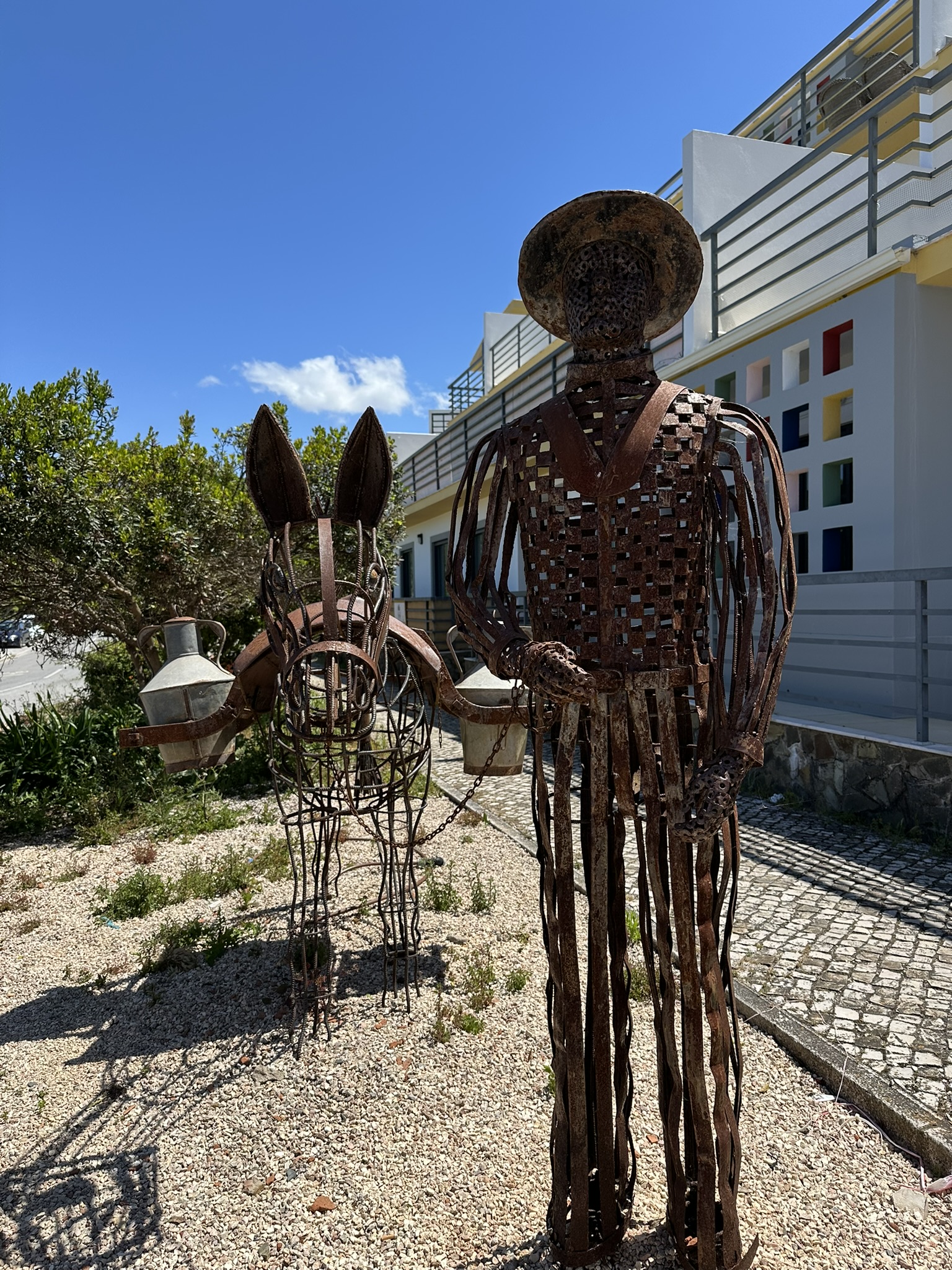
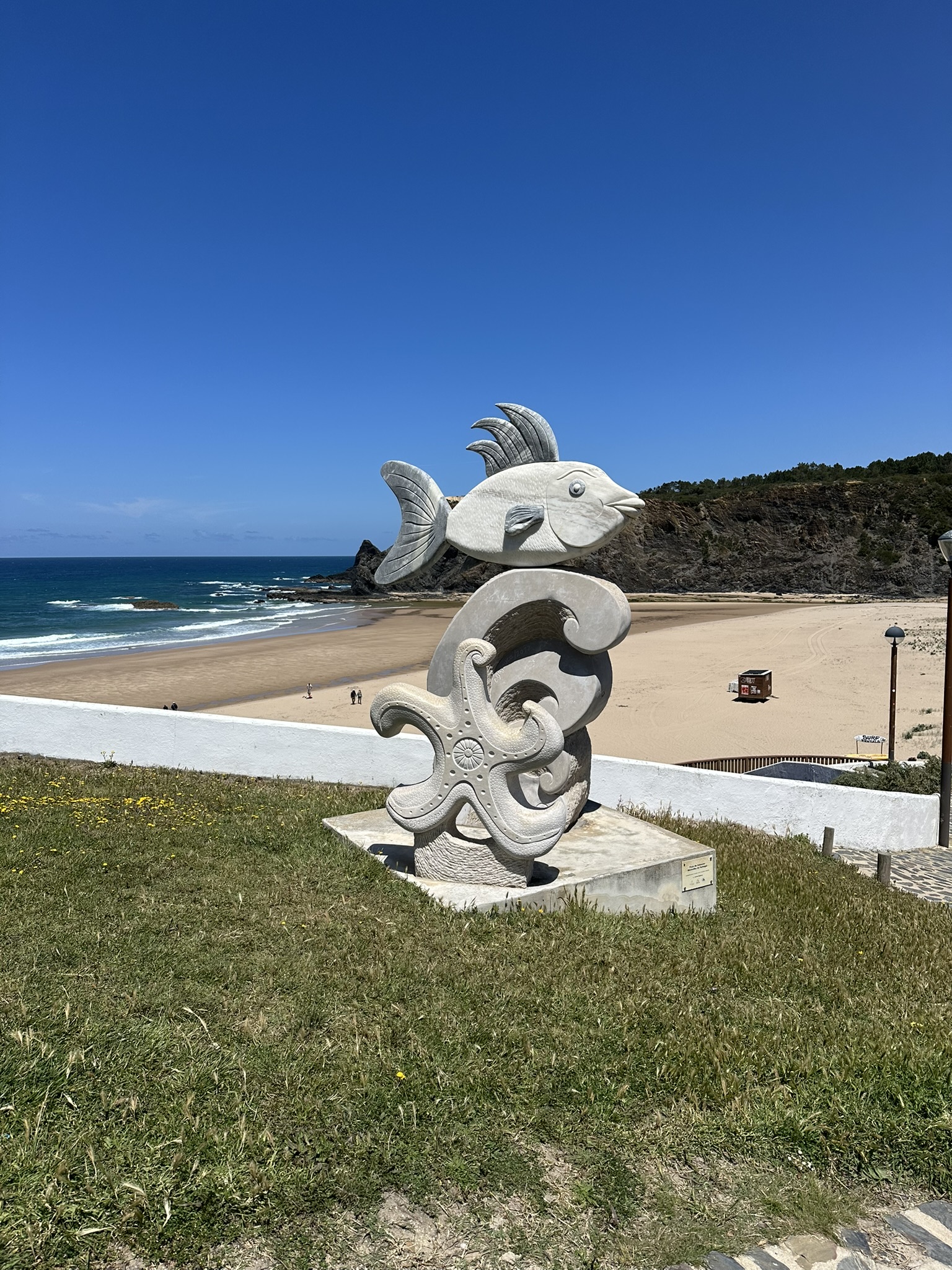
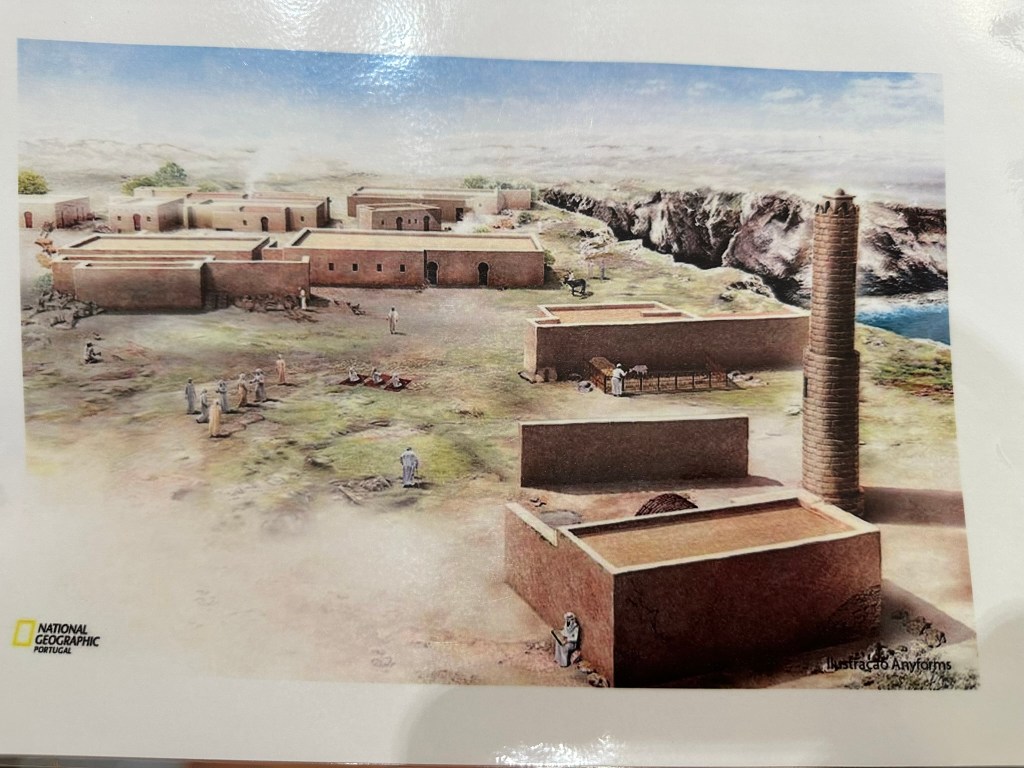
Aljezur. This region of Portugal was Muslim-ruled from the 10th century by the Berbers and Moors until the reign of King Alfonso III when the Christians took the area in 1249.
Deep with agricultural history, wheat, grapes, corn and rice were grown in the area. Now, they are renowned for their sweet potatoes and have a sweet potato festival in the fall where you can sample breads, beers and other foods made from them.
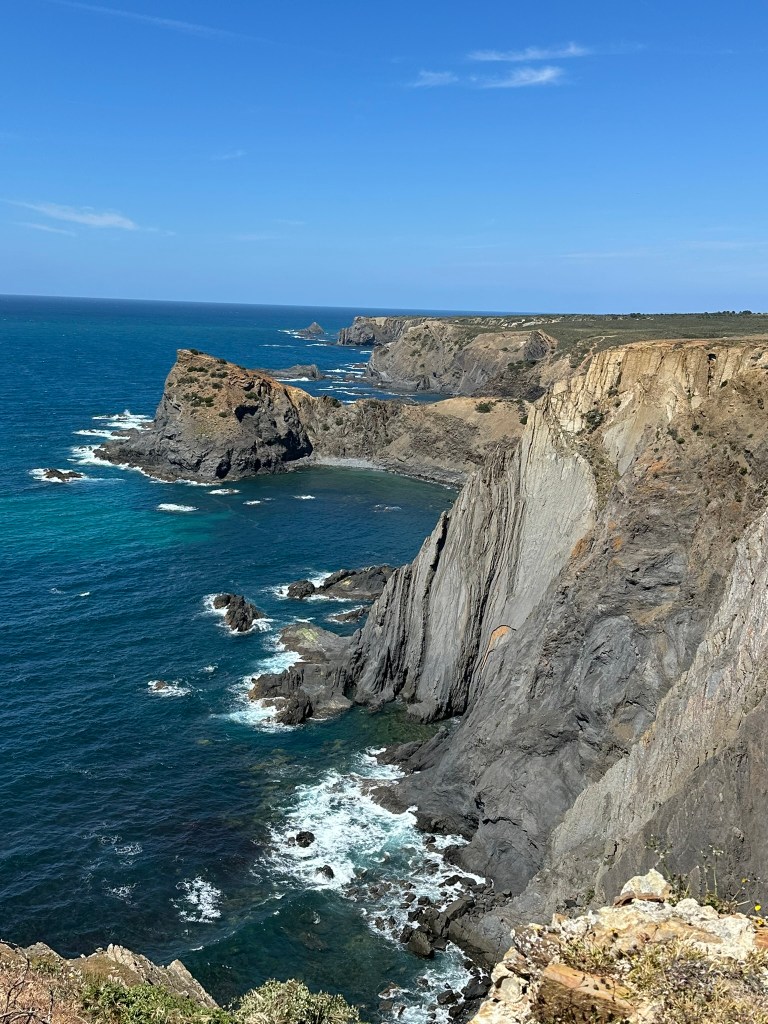
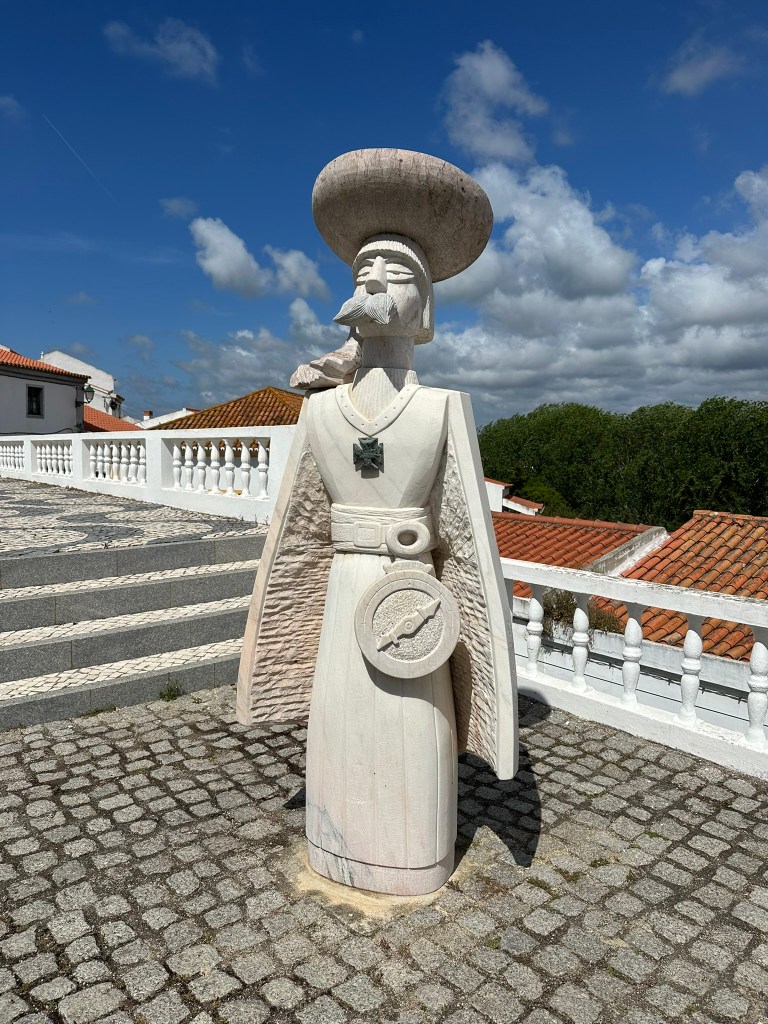

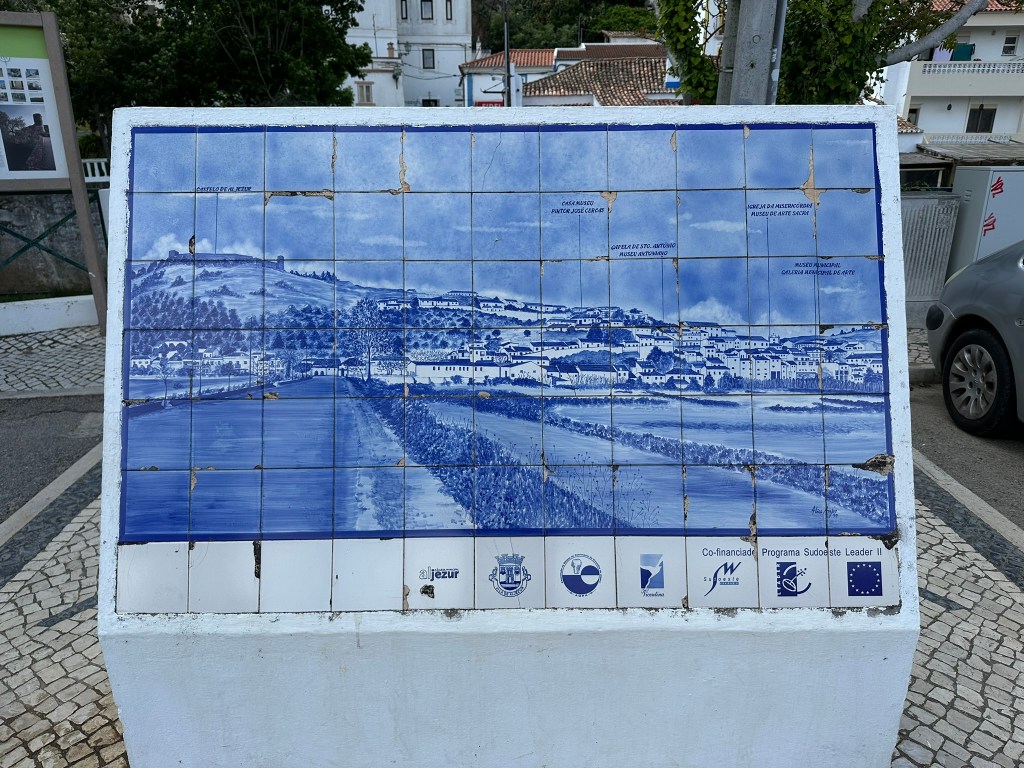
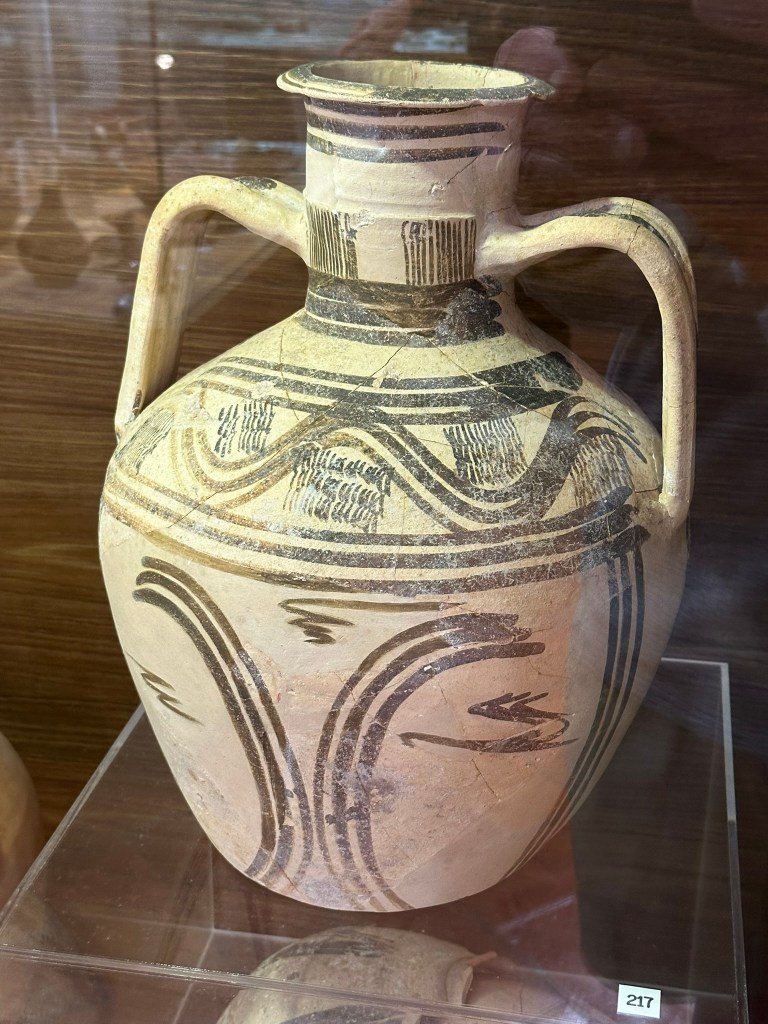
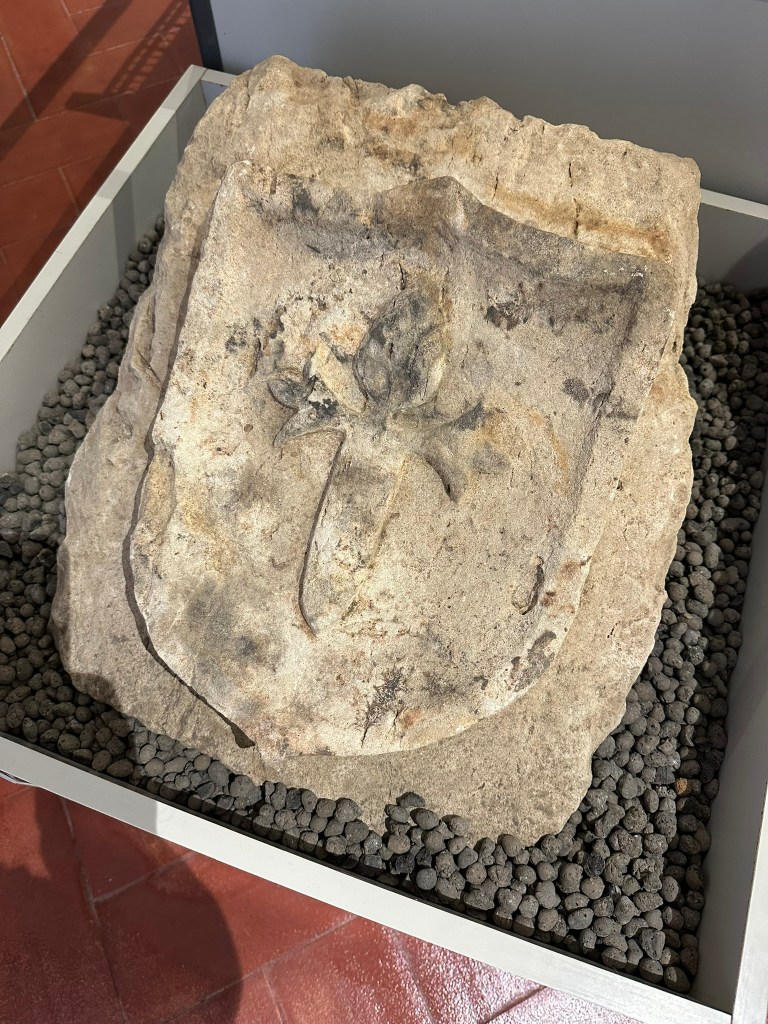
After lunch at O Paulo in nearby Arrifana overlooking the beach from the clifftops above Arrifana Beach, we visited the small, but excellent for its docent (who, in addition to Portuguese, spoke English, Italian, French and Spanish), Municipal Museum which traces the area’s prehistoric, Roman, Muslim and agricultural history.
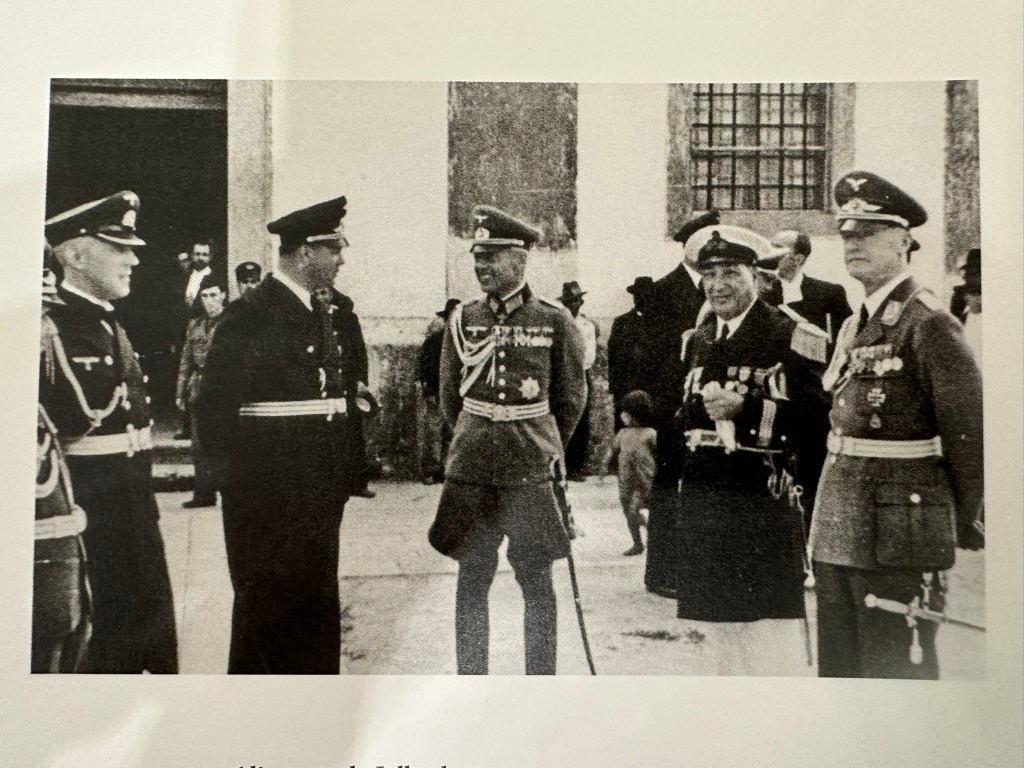
Aljezur was also known for its local citizens burying 7 Nazi Luftwaffe airmen who died in a battle off the coast with the British Royal Air Force. Despite Portugal’s neutrality in World War II, these locals’ efforts led to Hitler awarding them medals. Because of the Moorish occupation of these lands, I’d always assumed that the “Battle of Aljezur” dated back to the 15th century, but the town’s most famous battle came several centuries later.
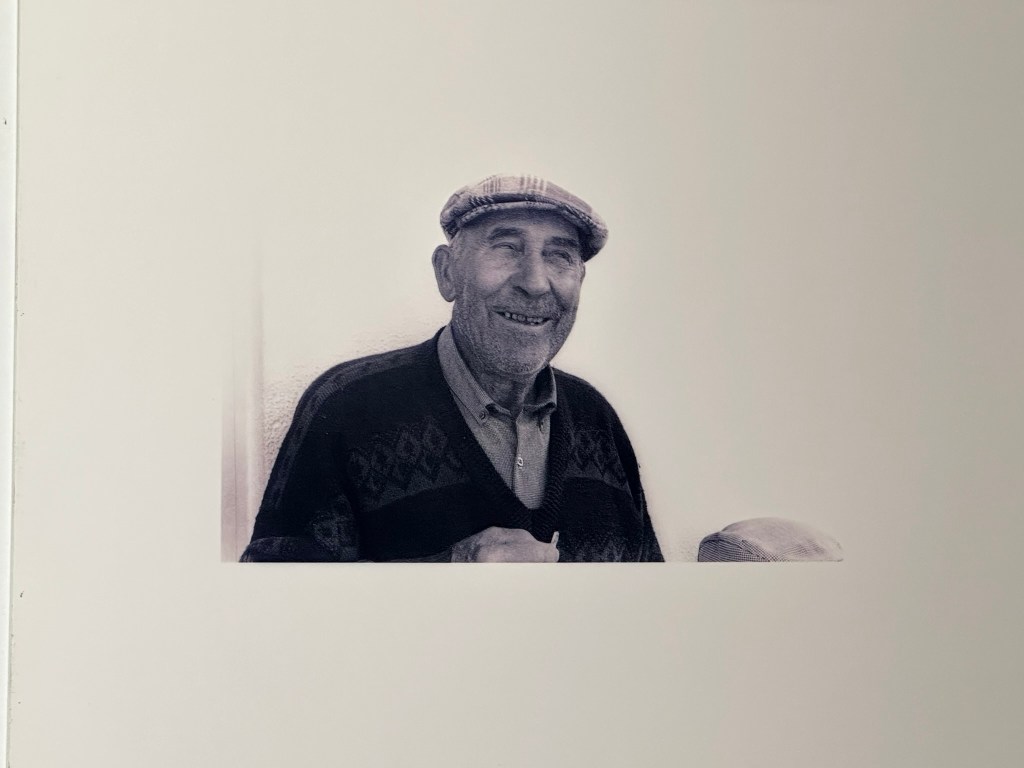
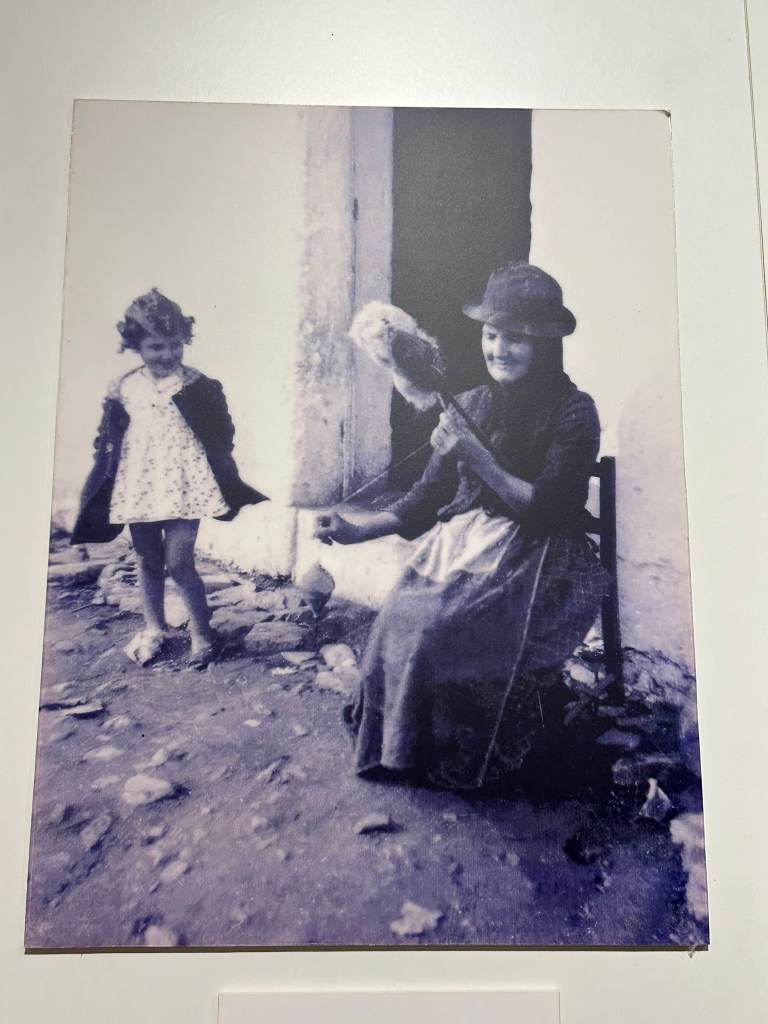
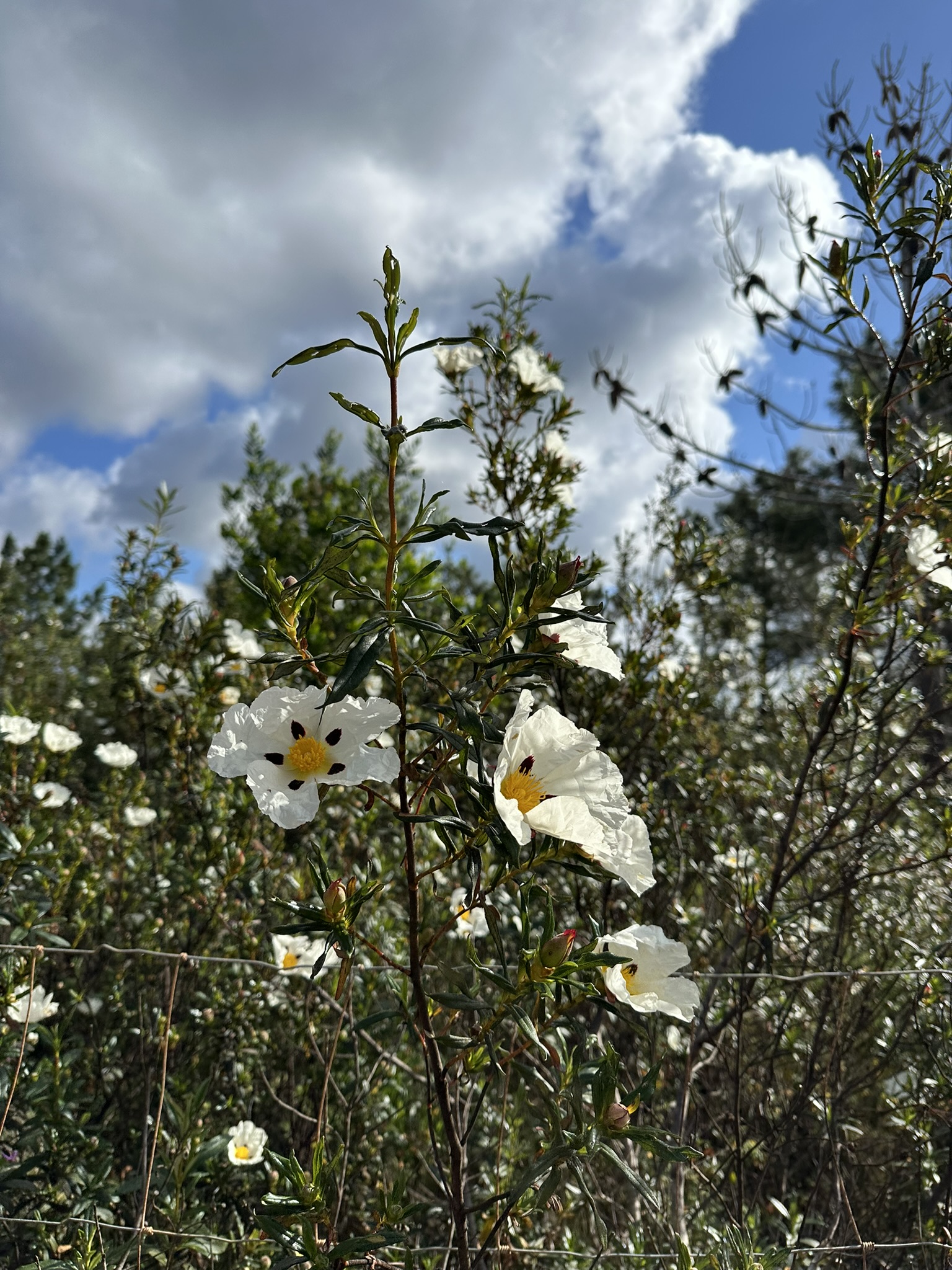
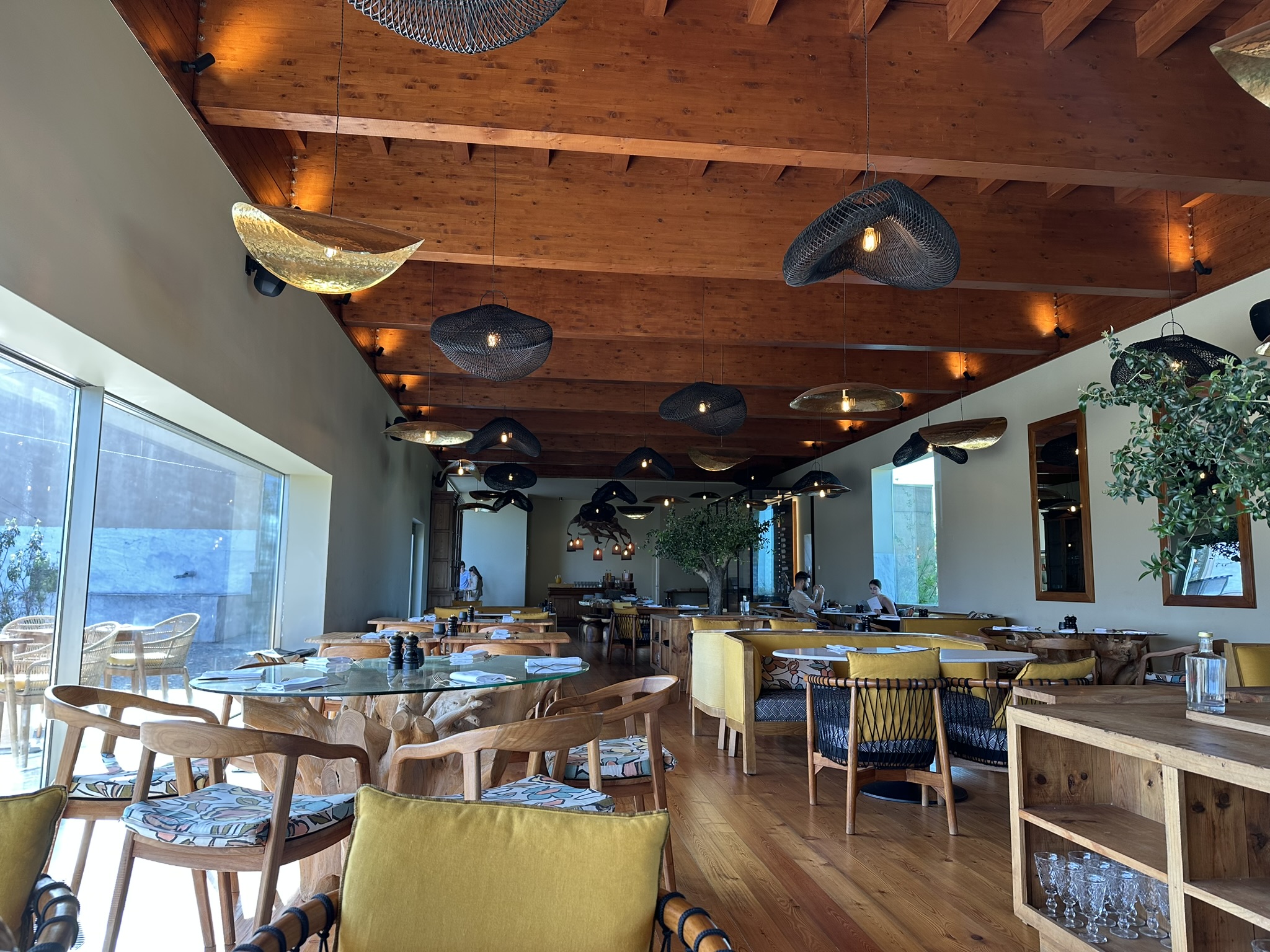
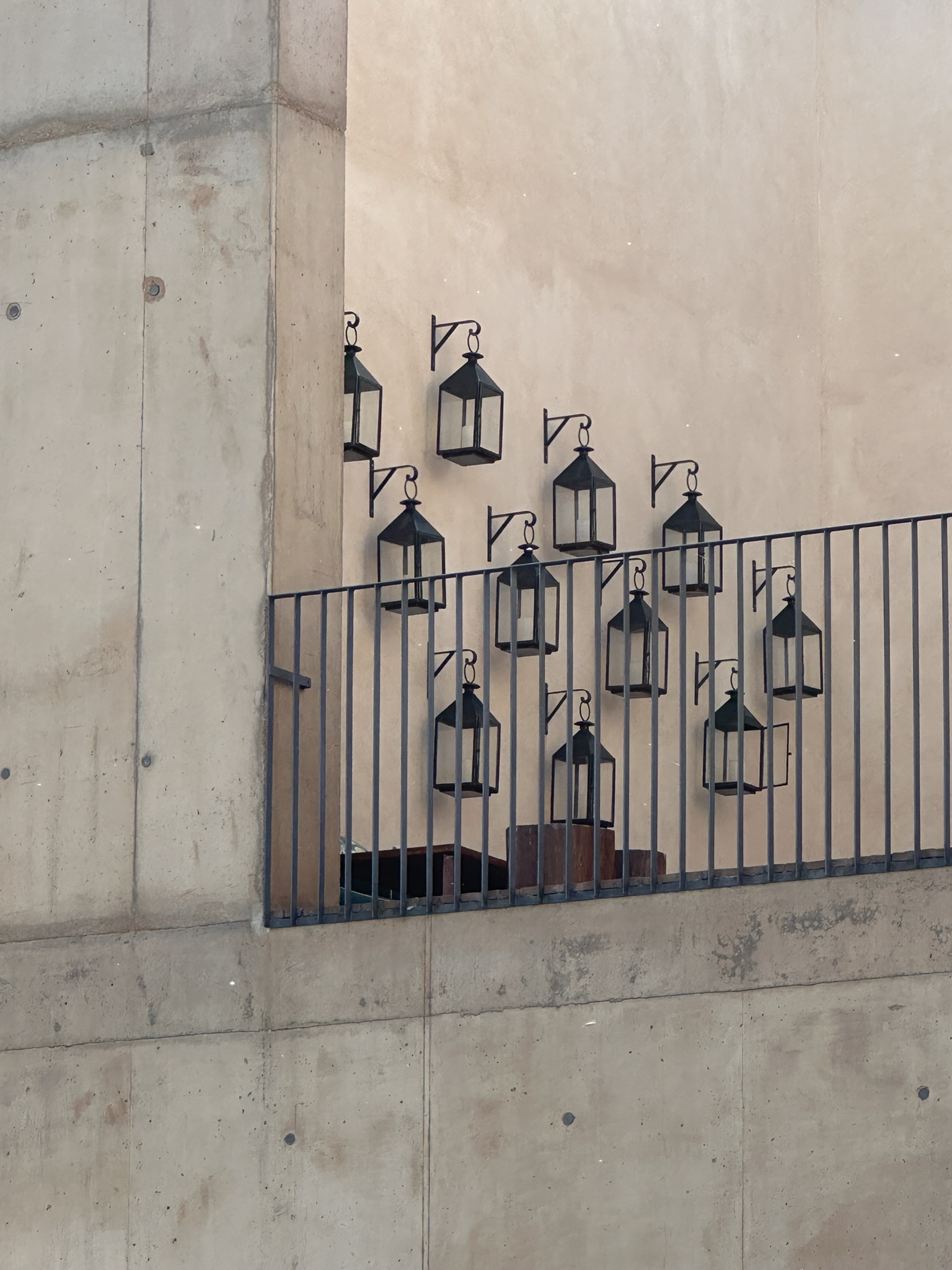
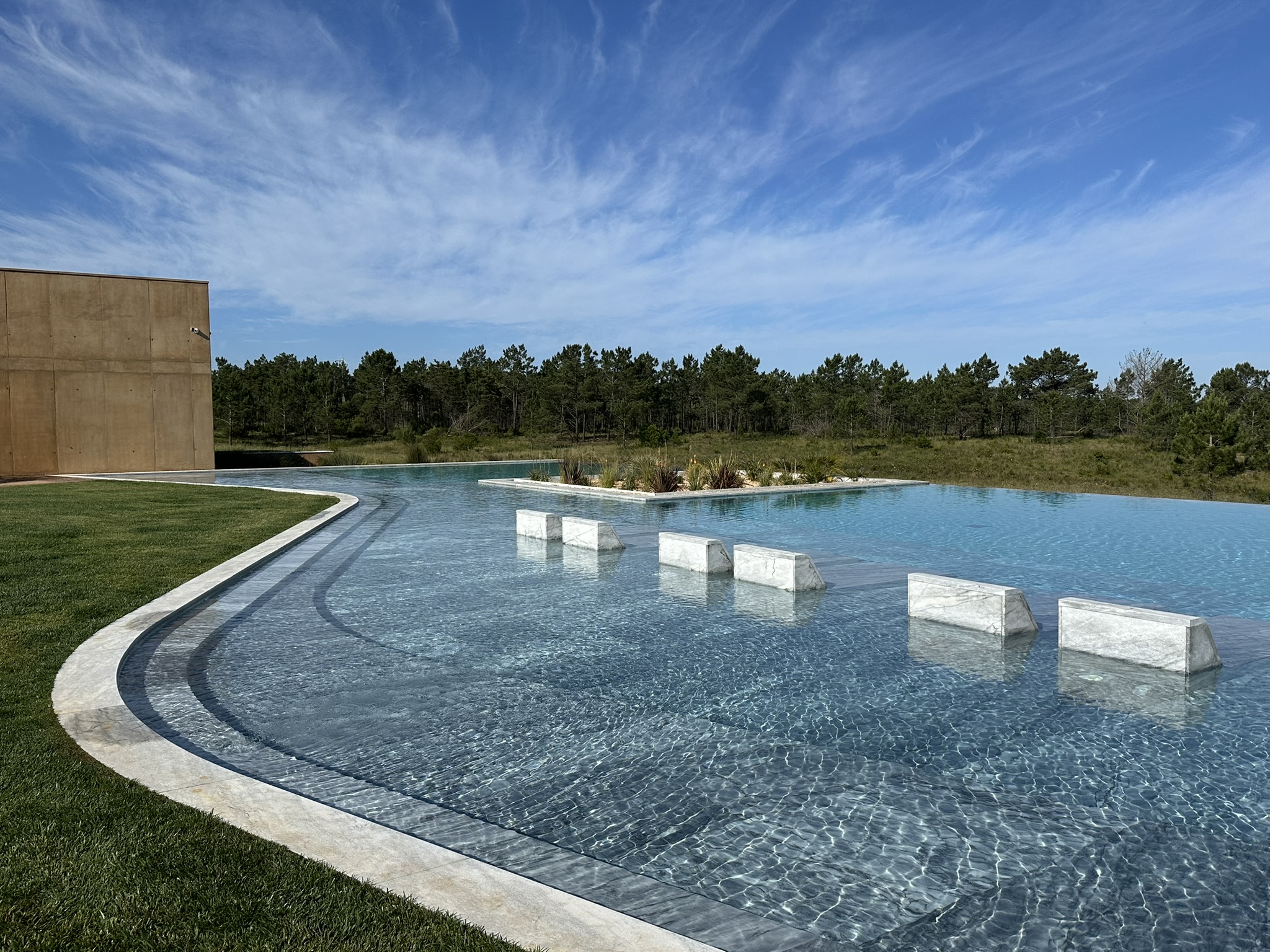
We stayed near Aljezur, scoring a good early-season rate at the Praia do Canal Nature Retreat Hotel. The hotel was constructed to try to blend in and honor the landscape, the food and service was fantastic, and we enjoyed our daily walks down to the Praia (beach) do Canal, reachable only on foot, along winding, windy hills through meadows of wildflowers where we could truly appreciate the wildness of Portugal’s southwest coast.

Sources:
 The Traveling Ridleys
0 comments on “The Algarve’s Wild West End”