

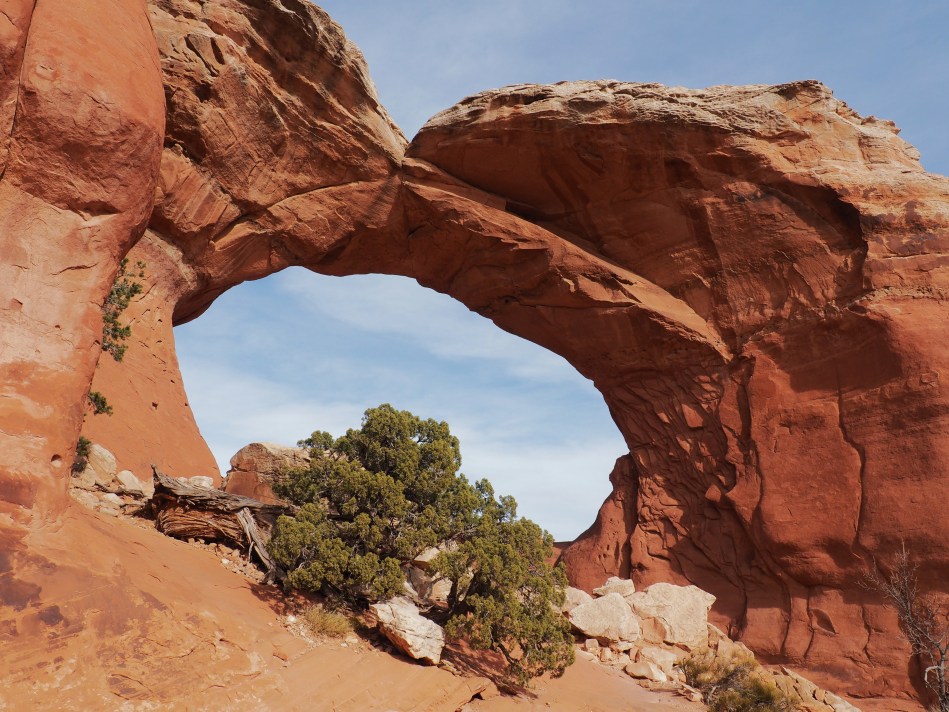
Around Thanksgiving, we made a brief tour of parts of the four corners states (Colorado, Utah, Arizona and New Mexico) and after leaving Colorado we began in Utah at Arches National Park. Arches is located just outside of Moab, Utah (or maybe Moab is located just outside of Arches?). Utah is rich with dramatic landscapes from desert to high alpine and is filled with some of America’s best National Parks, Arches being one of them.
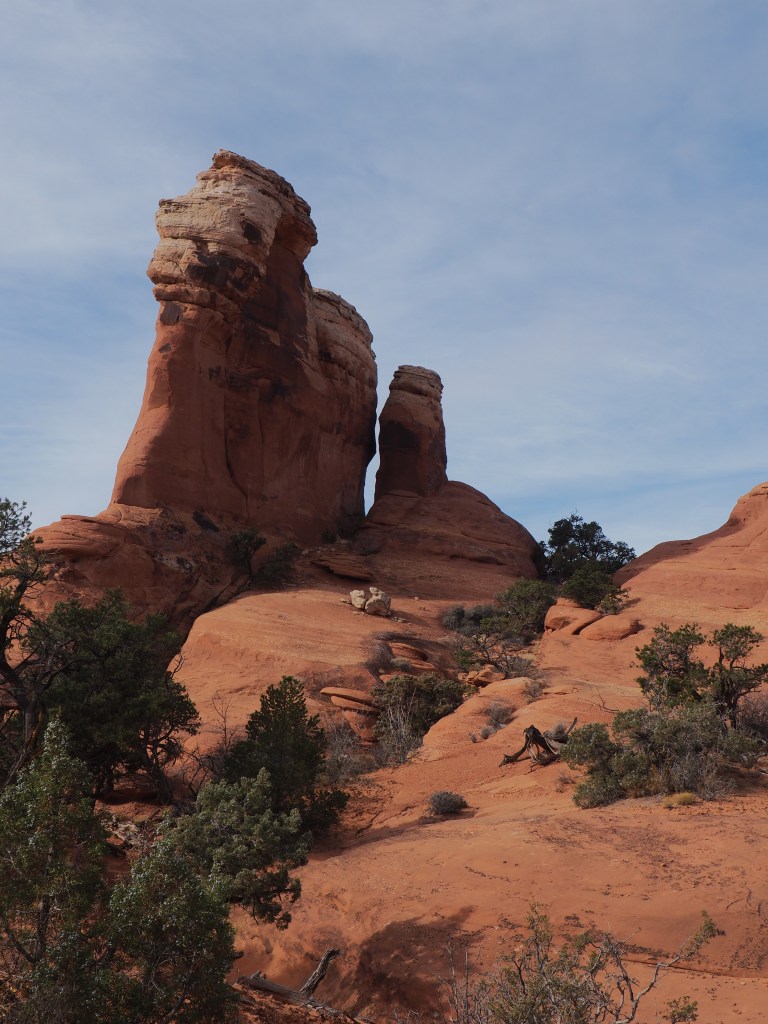
Around 65 million years ago, the geological story of Arches began. At that time, this area was a dry seabed, and geological forces began to mold and shape the topography. These forces buried, folded, wrinkled and fractured the Entrada Sandstone establishing the patterns for the future rock sculptures. The area began to rise up to several thousand feet from sea level and then erosion began peeling away layers of rock, ultimately exposing these patterns. Rain and snow helped further erode rock and continues to do so today, forming arches, “potholes” on cliff edges, pinnacles and balancing rocks.
Today, over Arches nearly 120 square miles of high desert there are more than 2,000 arches and hundreds of pinnacles on this patch of land bordering the Colorado River. The first people who settled here, 10,000 years ago, were pre-historic native Americans and 2,000 years ago hunter-gatherers began populating the area. In modern times, more than 1.5 million people visit Arches annually. In summertime, you’ll need to plan in advance and reserve a timed entry slot and bring plenty of water as temperatures regularly soar above 100 degrees Fahrenheit.
Several movie scenes have been filmed in Arches, including the opening of Indiana Jones and the Last Crusade and a scene from Thelma and Louise. There was no filming the day we visited (that we are aware of), though scenes from several other movies have been filmed here and the hotel bartender told us that actors for some of these films have been known to be hotel guests.
For our visit, we bee-lined past several overlooks and viewpoints for the Delicate Arch trail. Delicate Arch has been featured on a US postage stamp and on Utah state license plates, so it may look familiar. There are two ways to see it, one is to take the 3-mile round trip, mostly uphill on the way-out trail along a sandy path and across smooth rock, or the also mostly uphill but significantly shorter viewpoint trail. Despite seeing the arch with our own eyes, we were told by a fellow hiker that the arch had collapsed. Not only our eyesight but the internet can attest that it still stands (the arch that collapsed, most recently, in August of 2024 was actually Double Arch in the Glen Canyon area), though there are several questionably sourced internet stories which will tell you that Delicate fell.
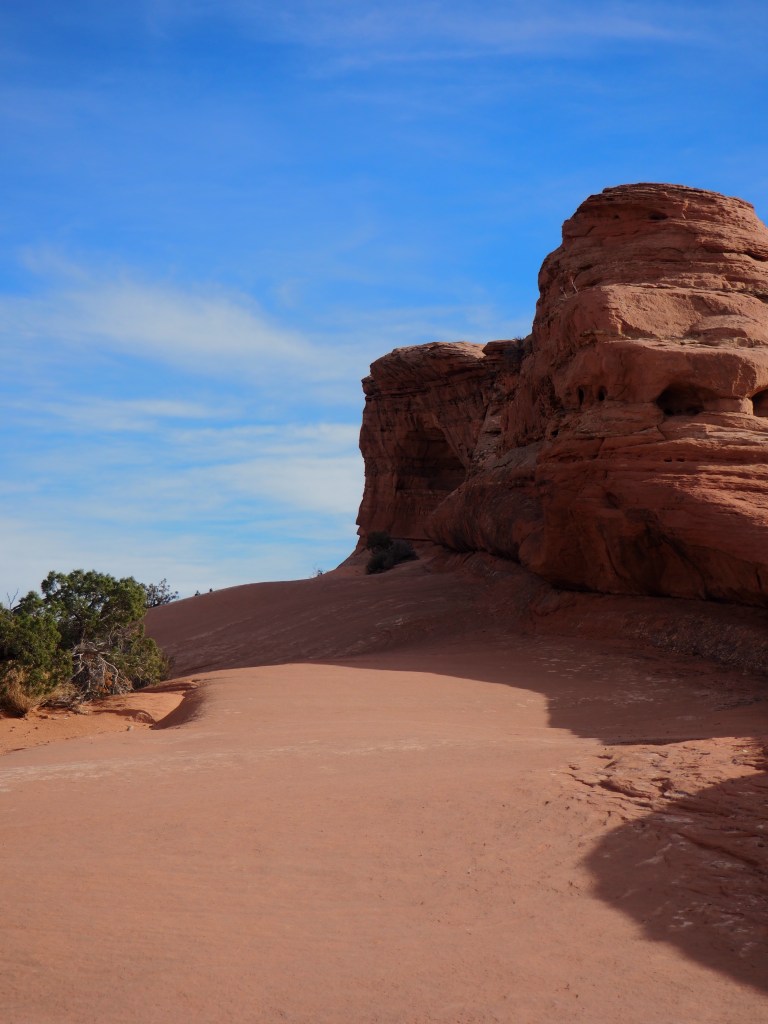
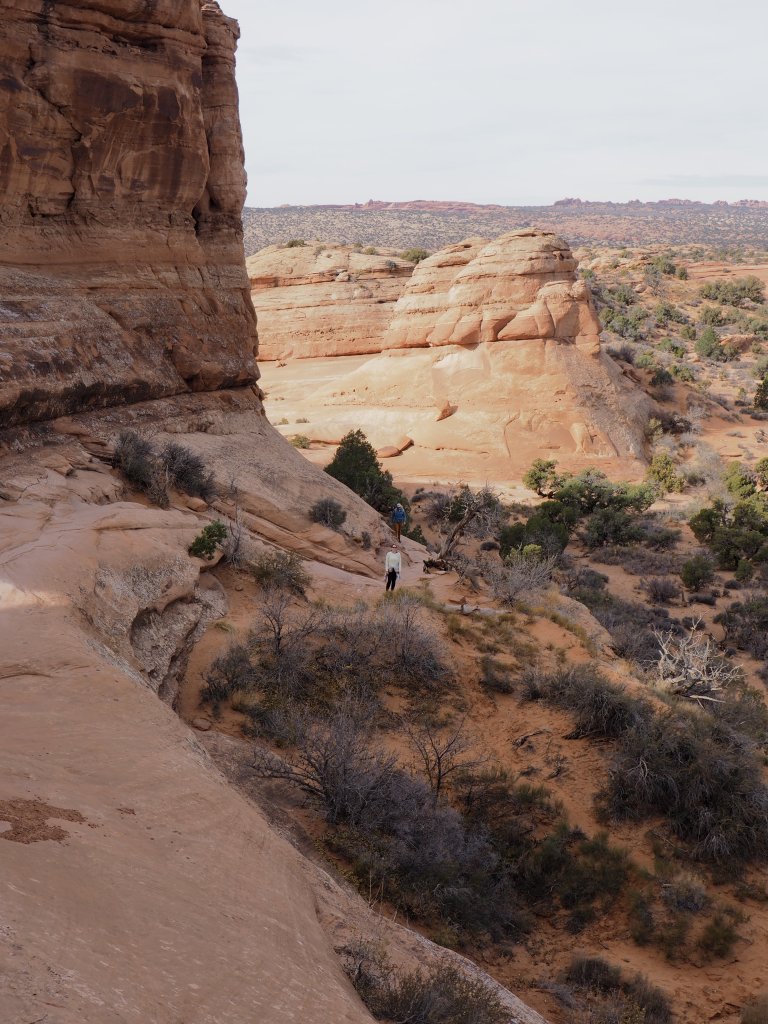
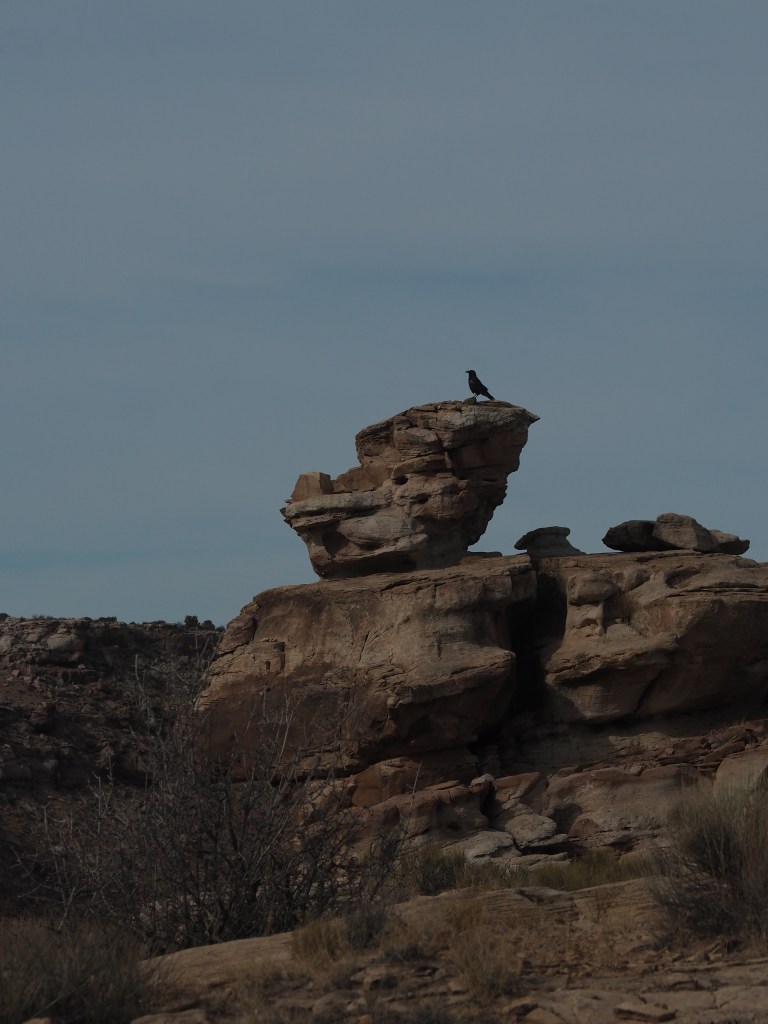
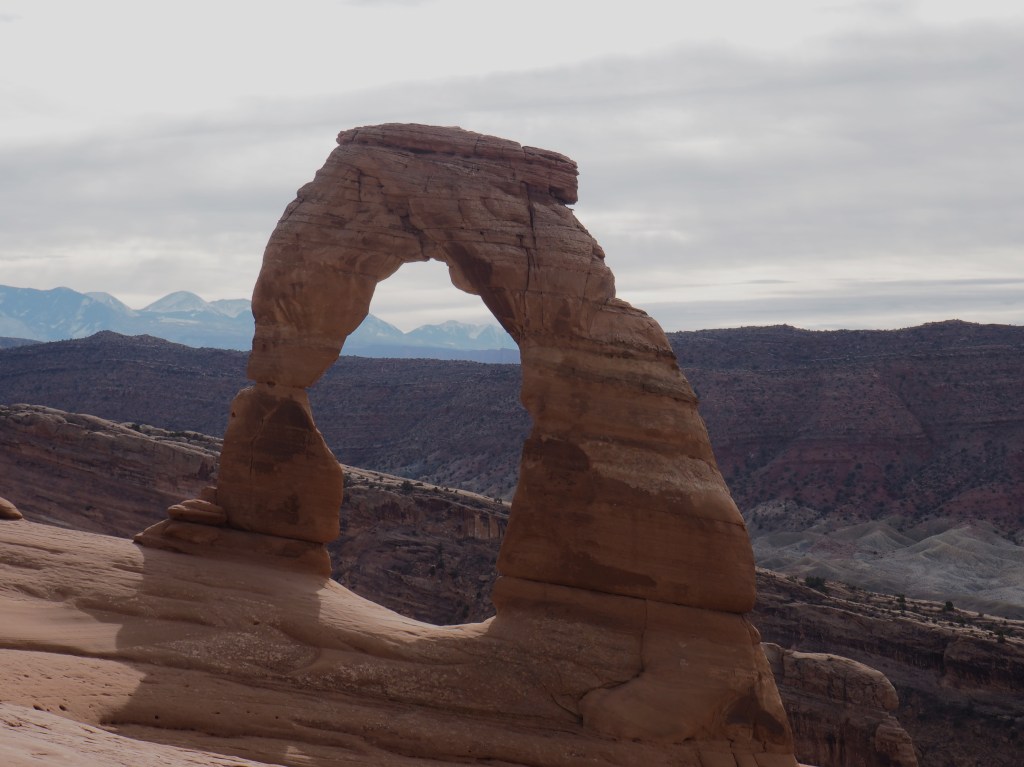
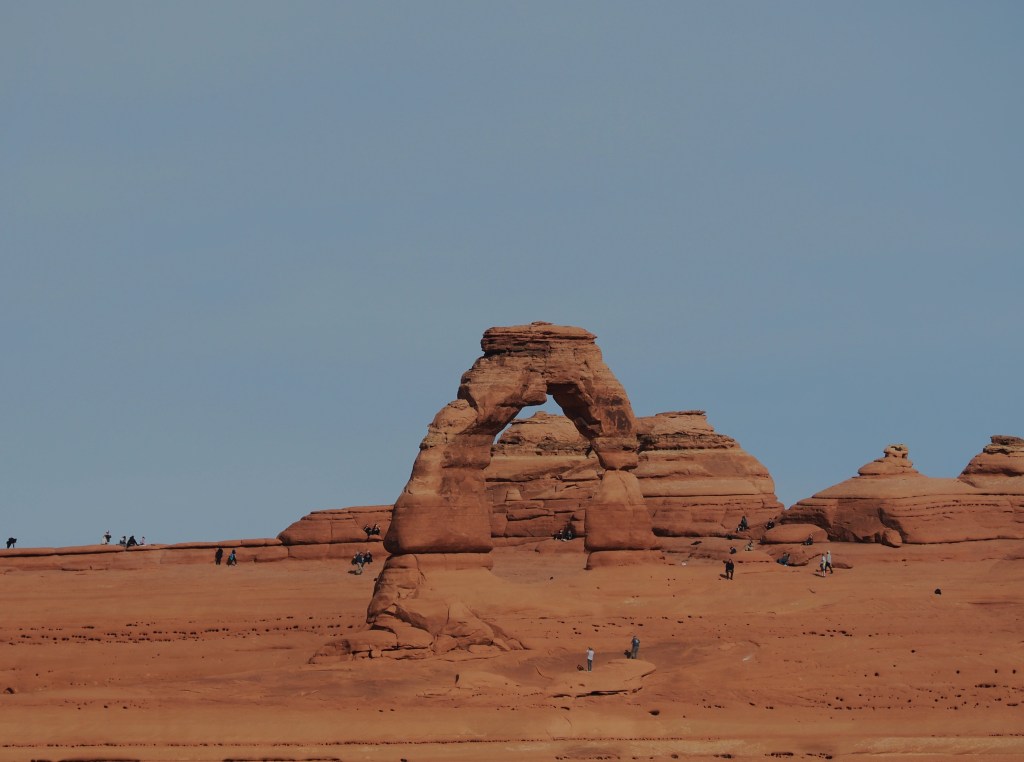
From popular Delicate Arch, we continued away from the entrance to Sand Dune and Broken Arch. On a late November day, we were nearly alone enjoying these two arches. The walk to get to them is considerably shorter and, in our opinion, they are not to be missed.
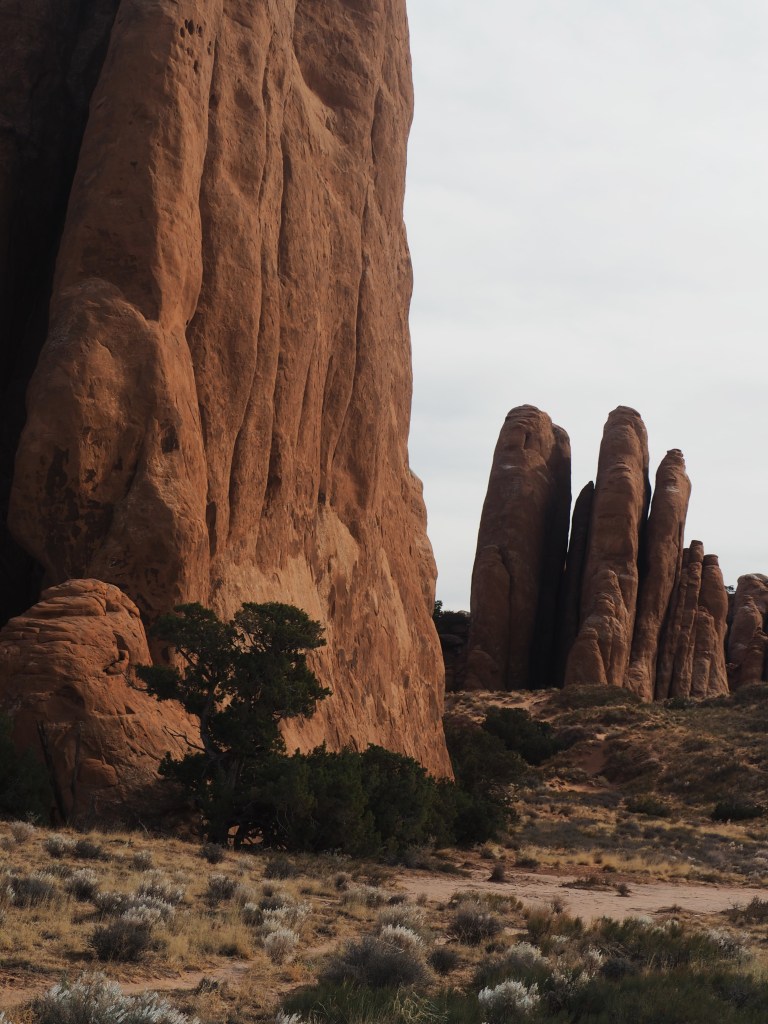
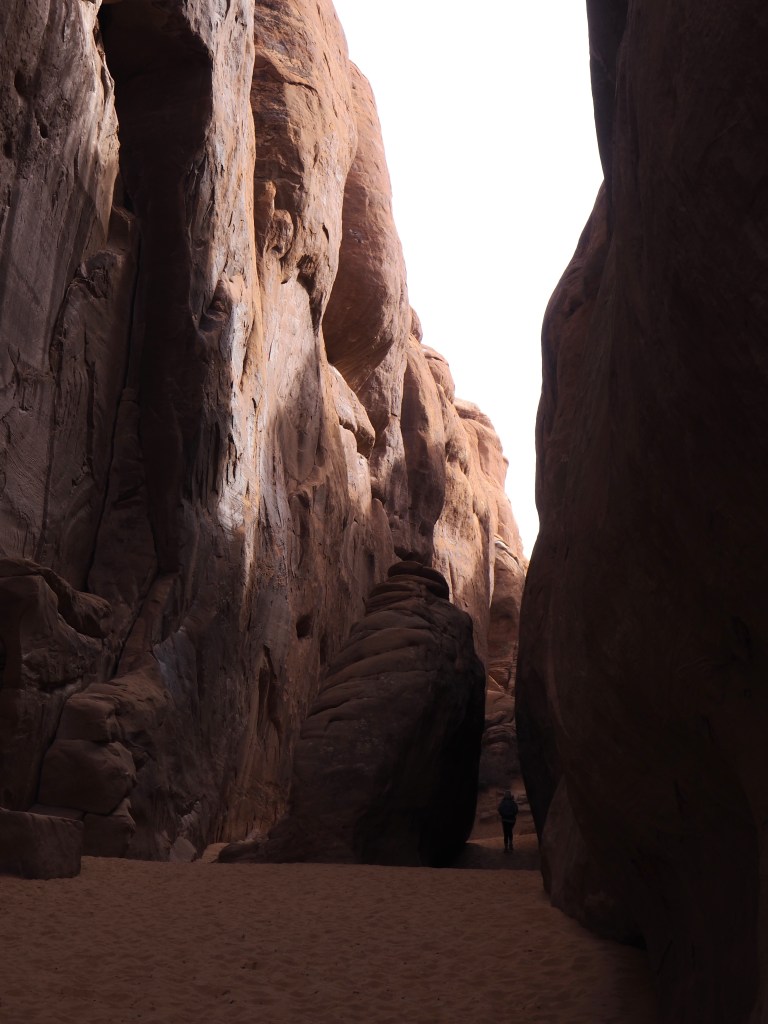
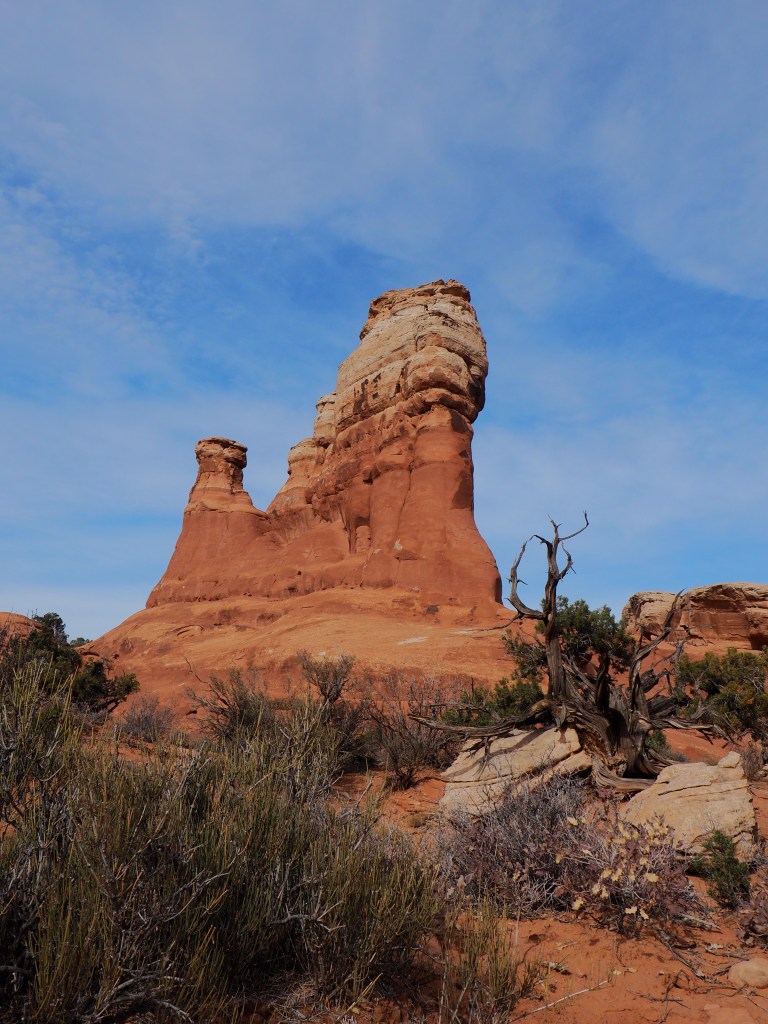
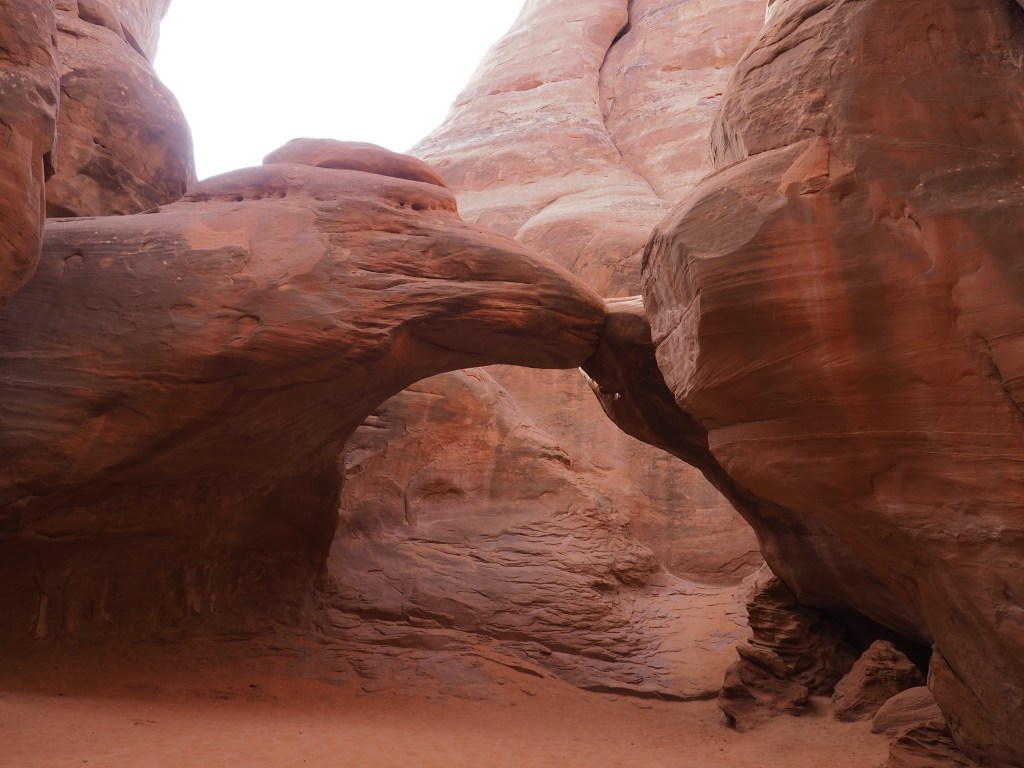

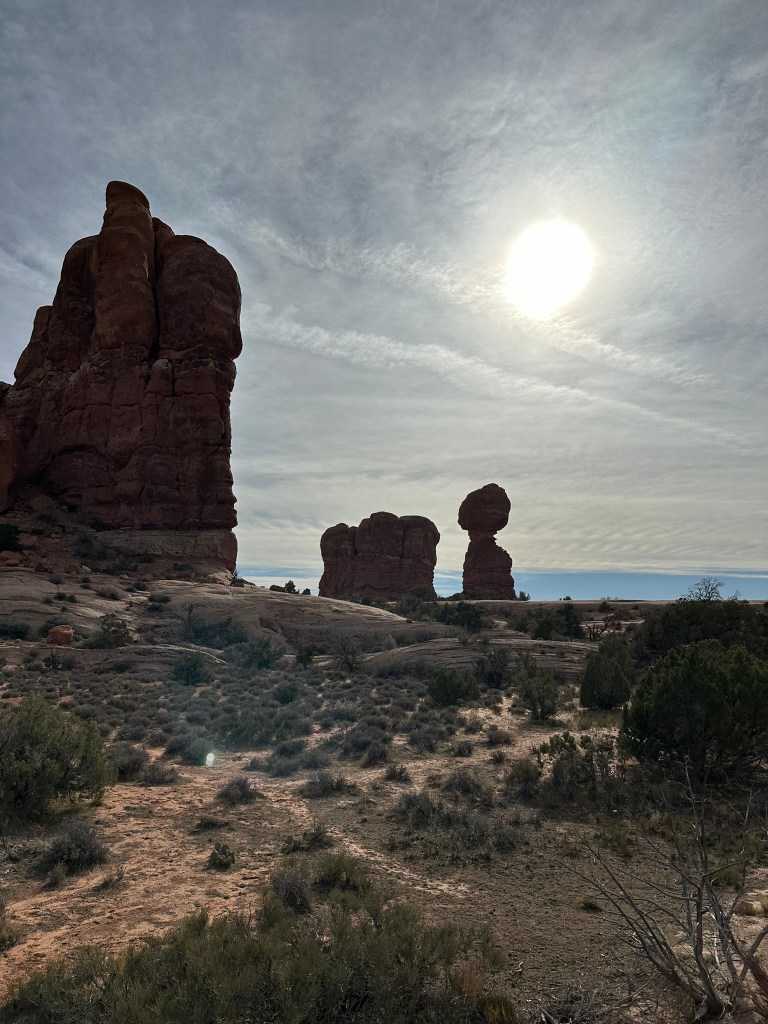
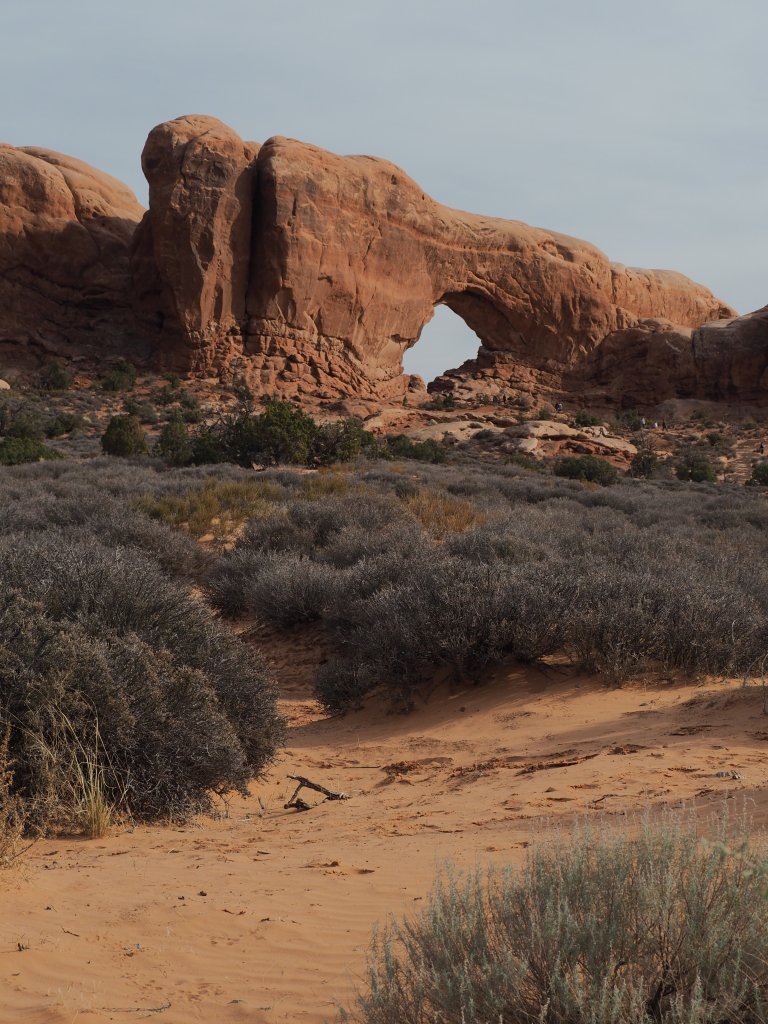
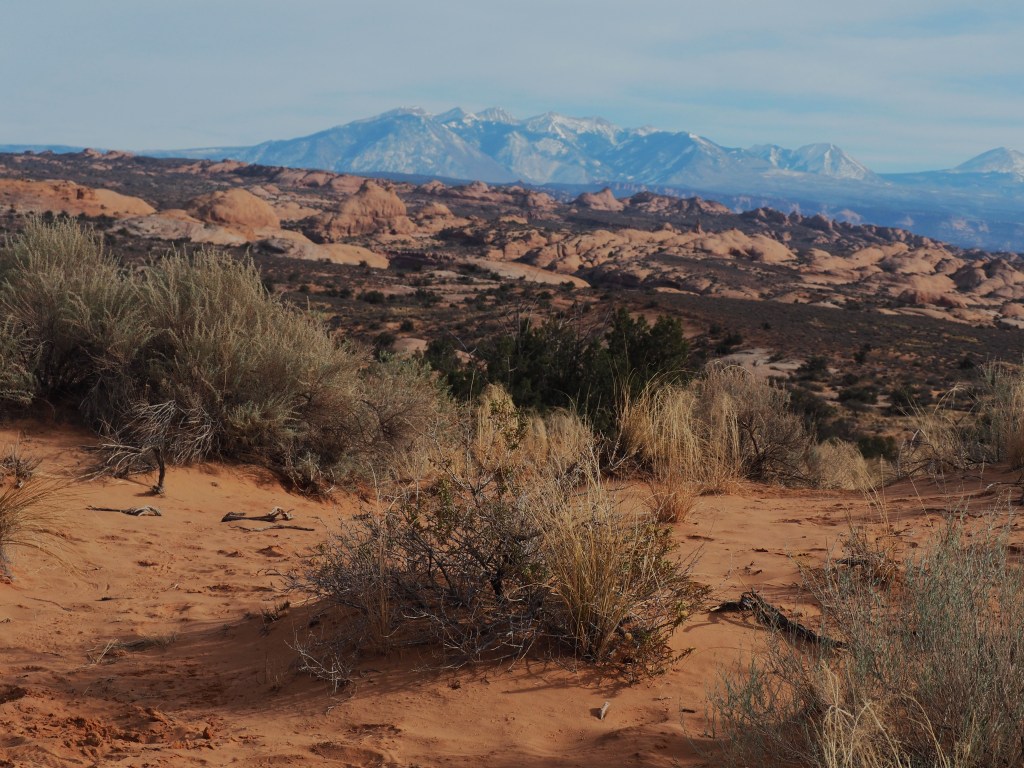
We took in the Fiery Furnace, Balanced Rock, the Windows arches and the Petrified Dunes viewpoints on our way out of the park before stopping by the Visitors Center to stamp our National Park Passbook. If you’re not a hiker or walker, there is still much to see from such viewpoints, and it is well worth a visit even just to drive through this fantastic landscape and admire several of the 2,000 arches from afar.

Sources:
- https://en.wikipedia.org/wiki/Arches_National_Park
- https://morethanjustparks.com/arches-national-park-facts/
- https://www.undercanvas.com/10-little-known-facts-about-arches-national-park/
- https://www.nationalparked.com/arches/visitation-statistics
- https://www.earthtrekkers.com/best-things-to-do-in-arches-national-park/
- https://www.nps.gov/arch/index.htm
 The Traveling Ridleys
0 comments on “A Day Under the Arches at Arches National Park (Utah)”