

This was my third visit to Yellowstone National Park. I came in summer as a kid with my family and came more than thirty years ago, in early spring/late winter, on a post college trip.
I remembered the hot springs, geysers and sulfur smelling air but little else. I was surprised to see how large it was, how grand its lakes and wide its rivers are and how mountainous it is. The steaming ground is what Yellowstone is famous for, but there’s so much more to explore.
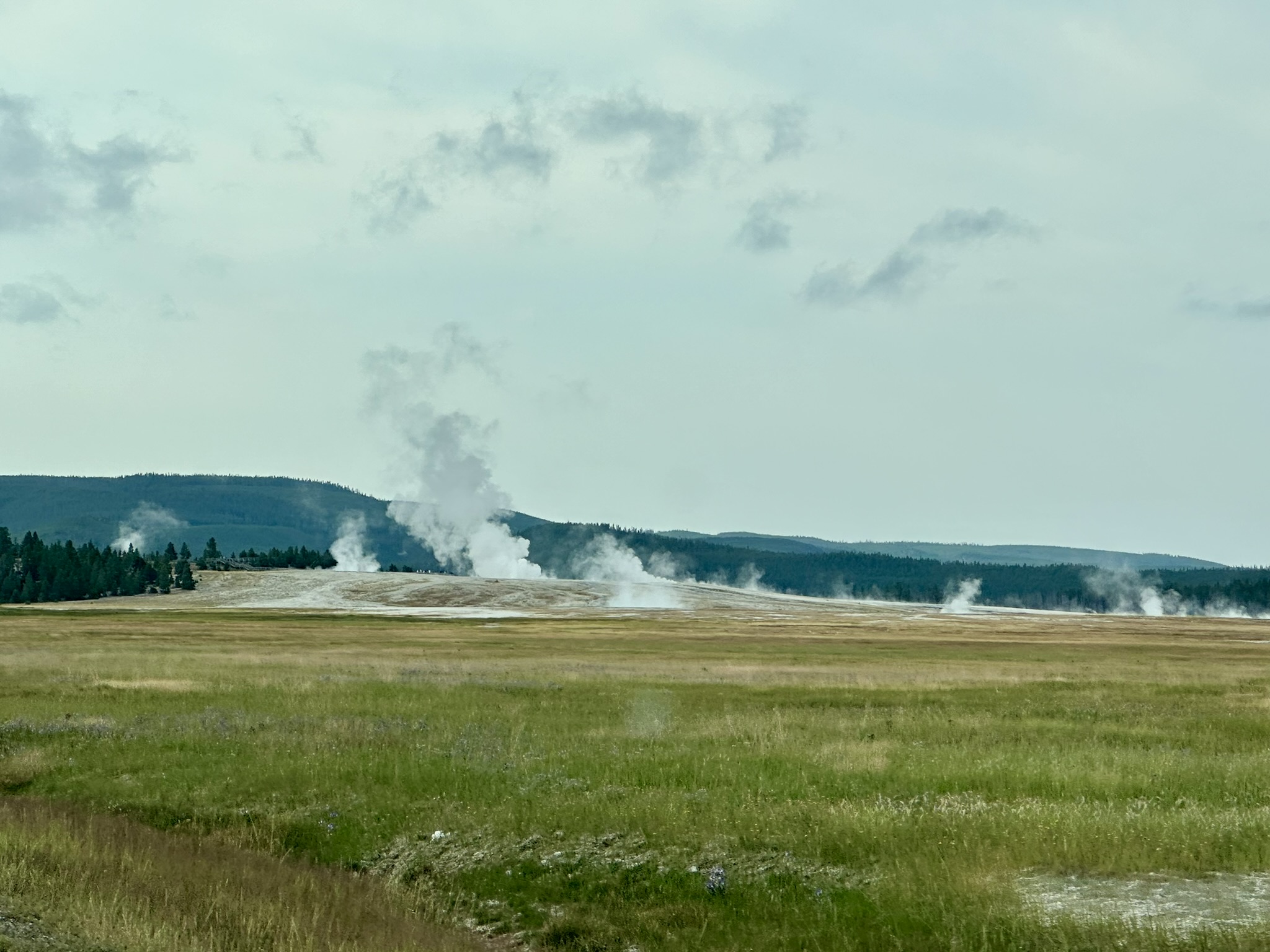
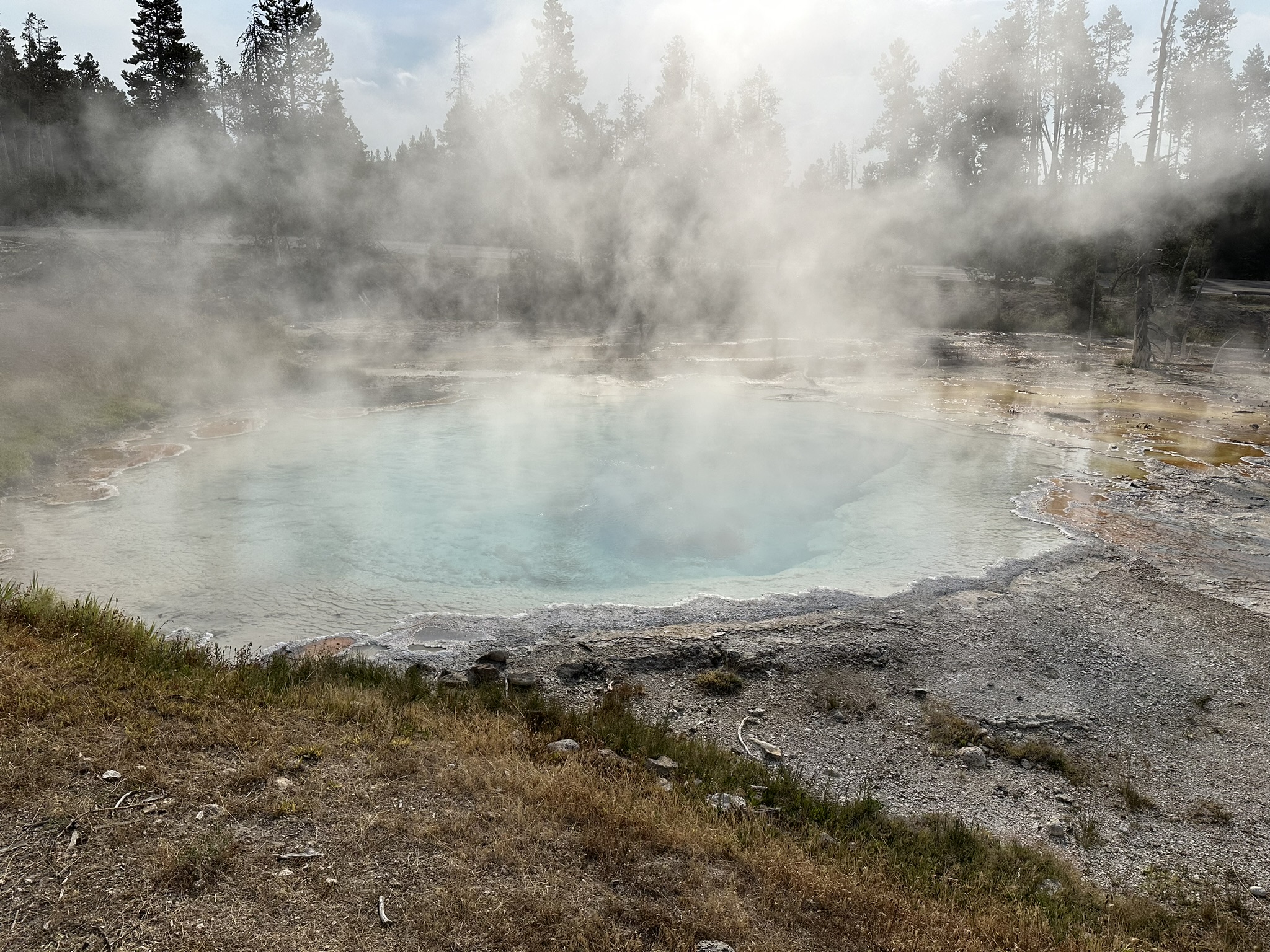
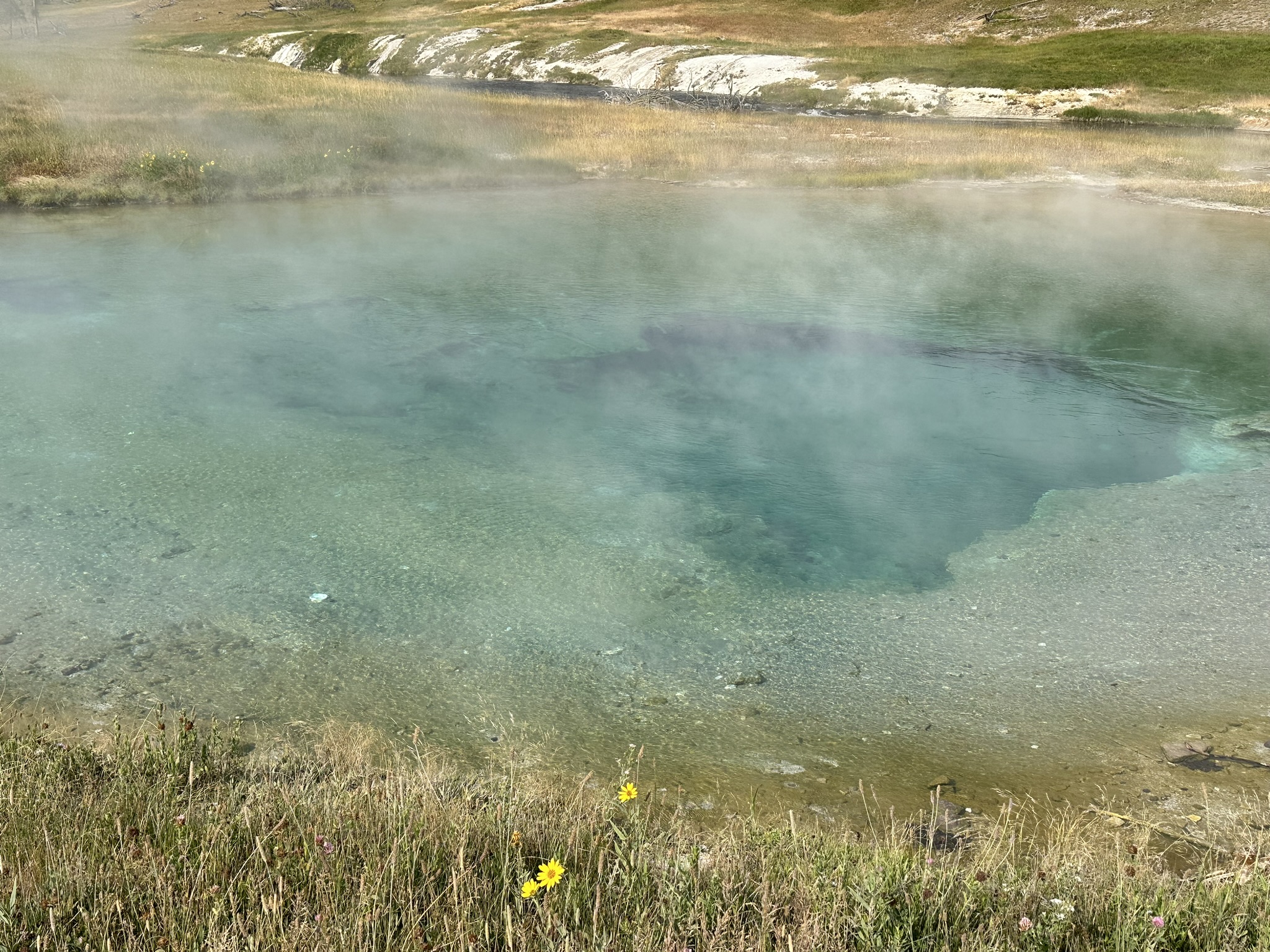
The land of ice and fire. We, of course, needed to visit the bubbling pools, colorful hypothermal springs and famous geysers. We began our second day in the park, the first being a drive-through on our way to our Airbnb in Idaho, at the fountain paint pots where we walked the boardwalk above the fragile thermal ground and admired the steaming pools and geysers awaiting their next eruption.
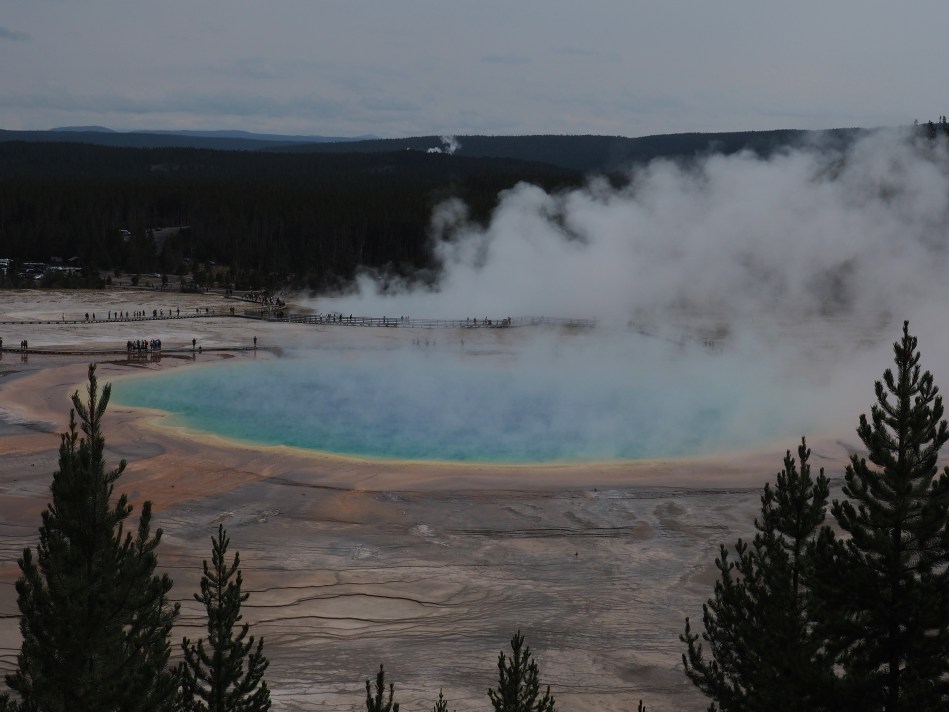
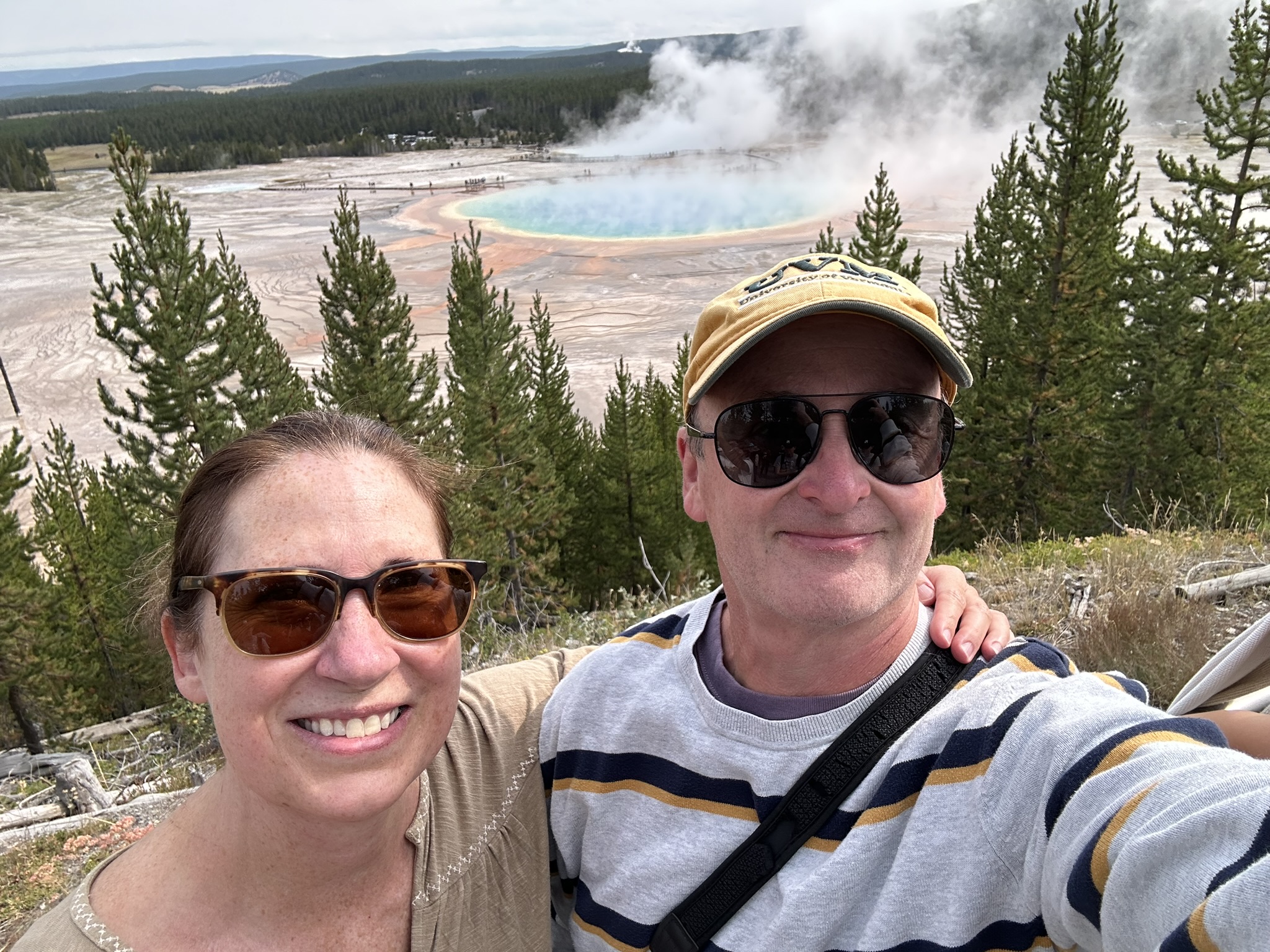
At the Fairy Falls trailhead, we set off to take in the overlook of the Grand Prismatic Spring. The trail is a little over half a mile each way, climbing towards the end, and provides a stunning view of the multi-colored, otherworldly spring.
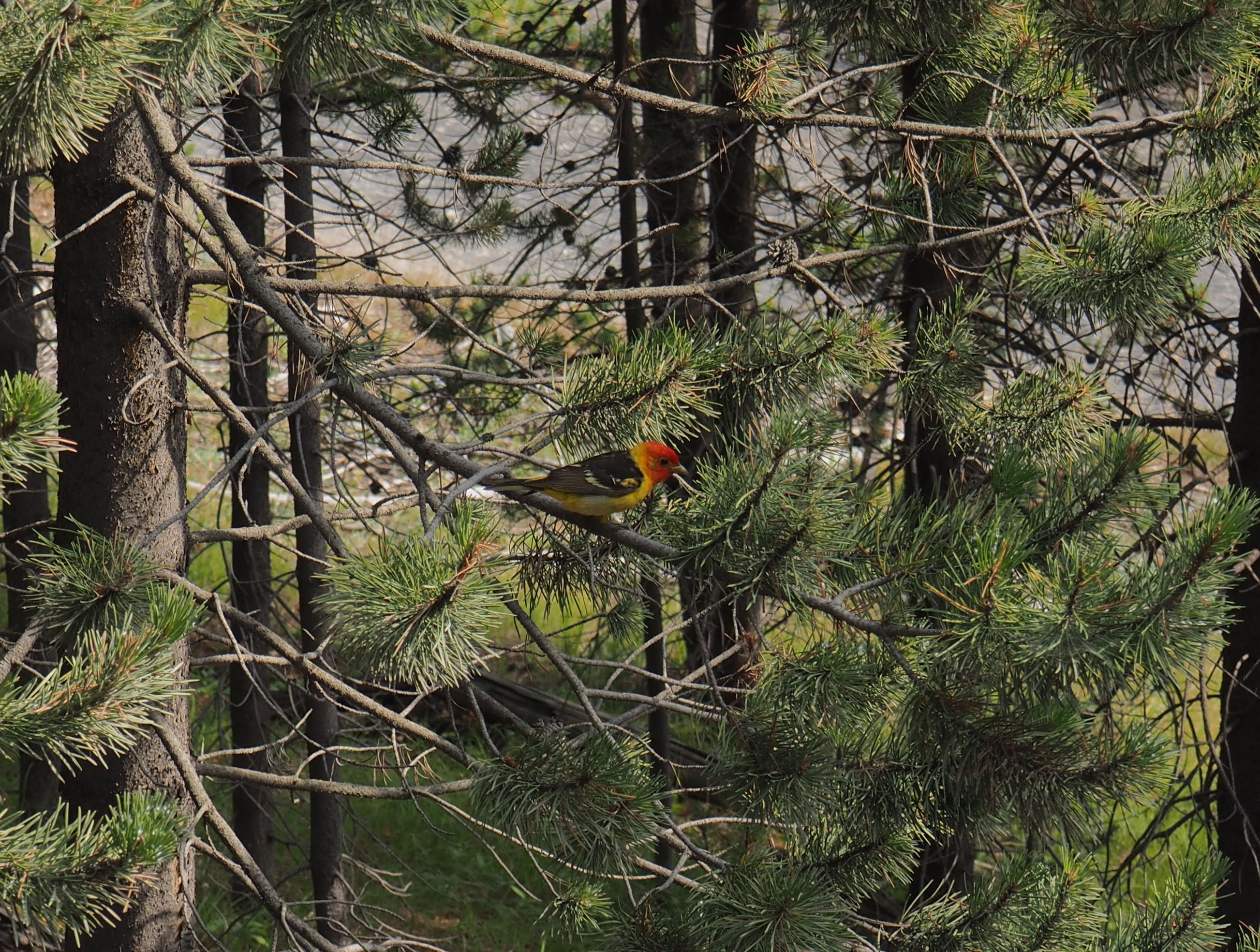

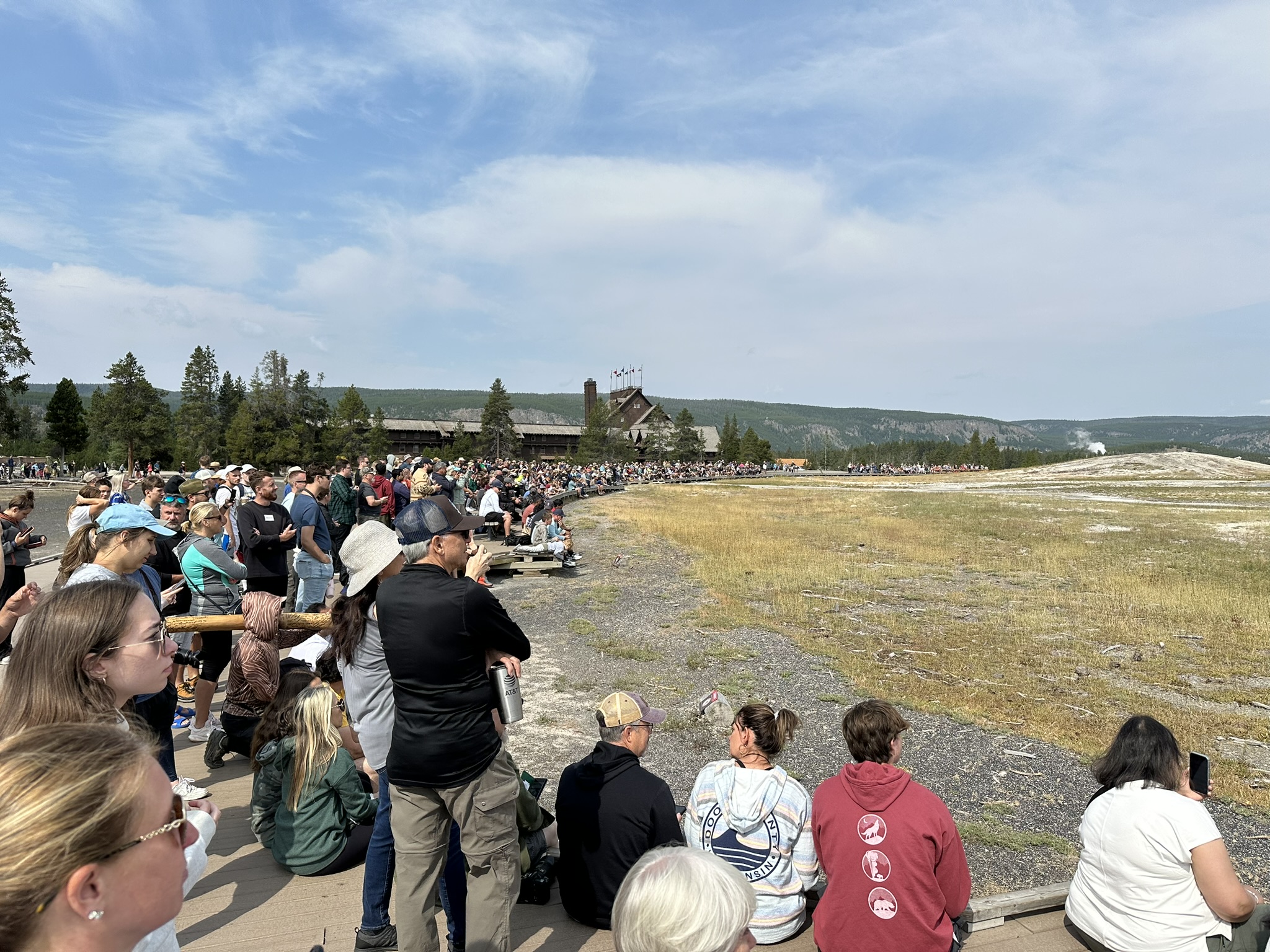
We had sculpted our day around an eruption of Old Faithful and arrived about 15 minutes prior to its approximate 11am eruption, which went off, faithfully, within the predicted window (on the National Park Service app, they predict eruption times for the various geysers. Definitely something to check out and use for planning). The plentiful parking provided access to all, a crowd lined the substantial viewing area, and the geyser exploded to action on cue generating ooohs and aaahs from the assembled tourists.
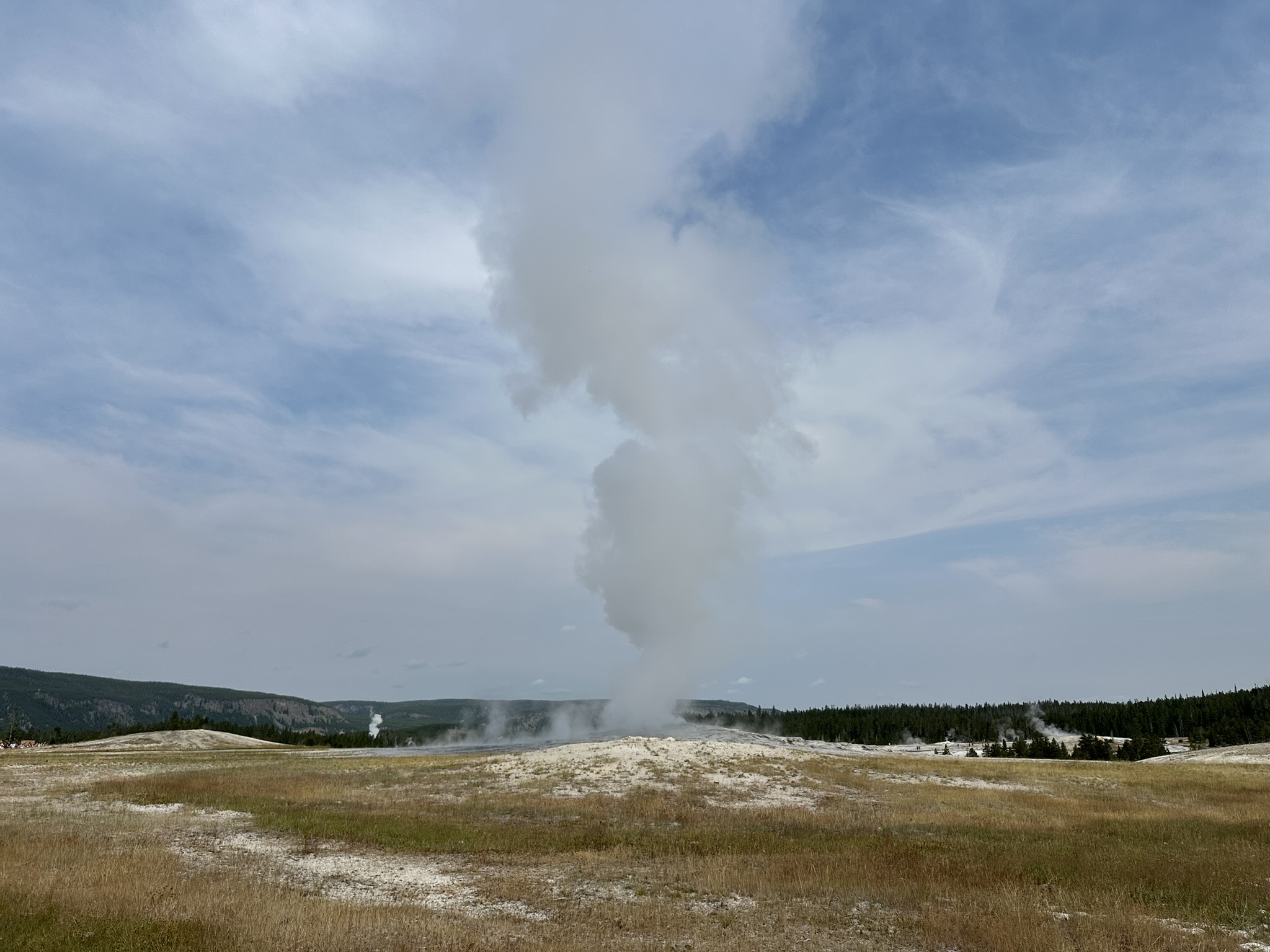
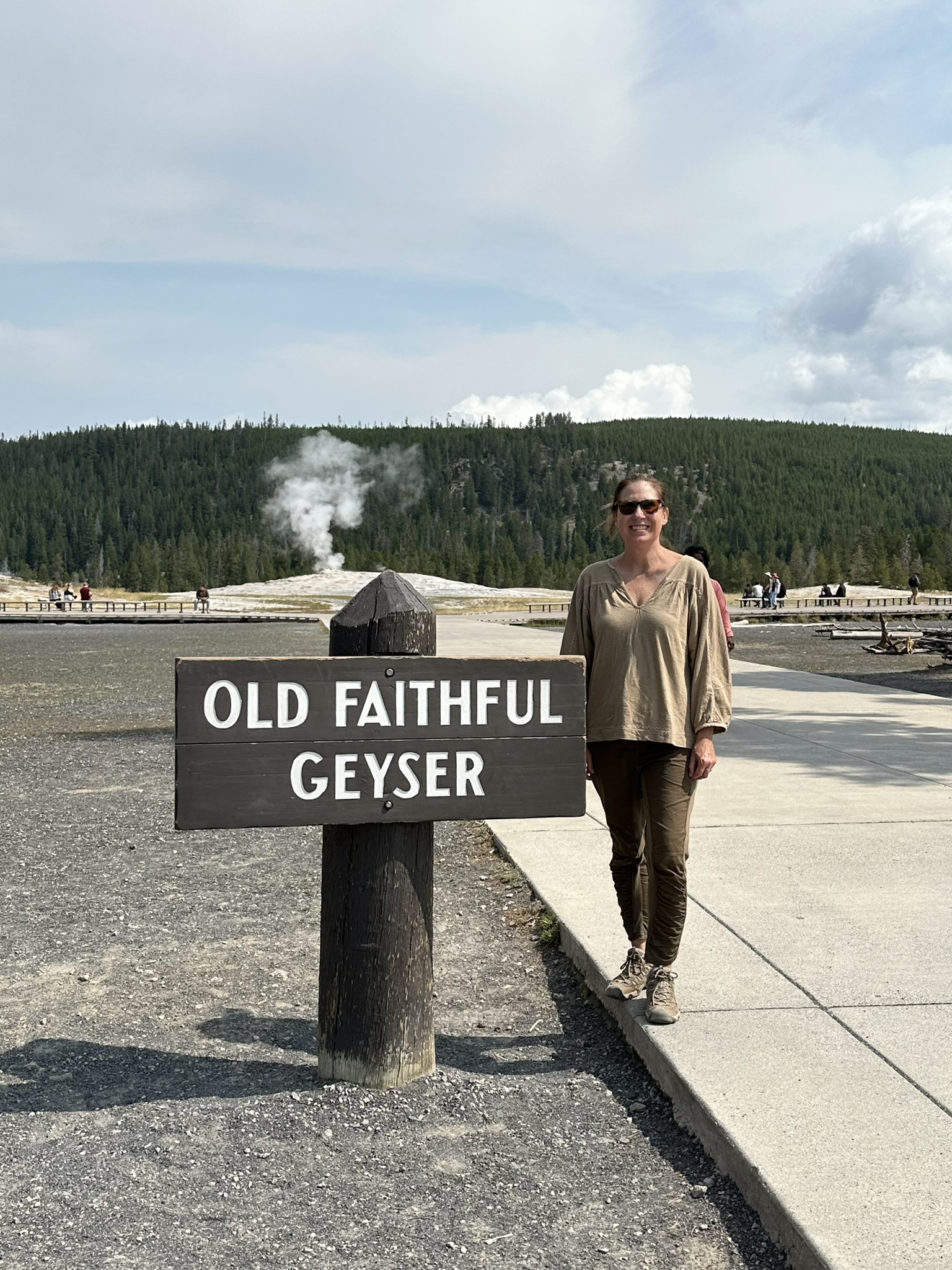
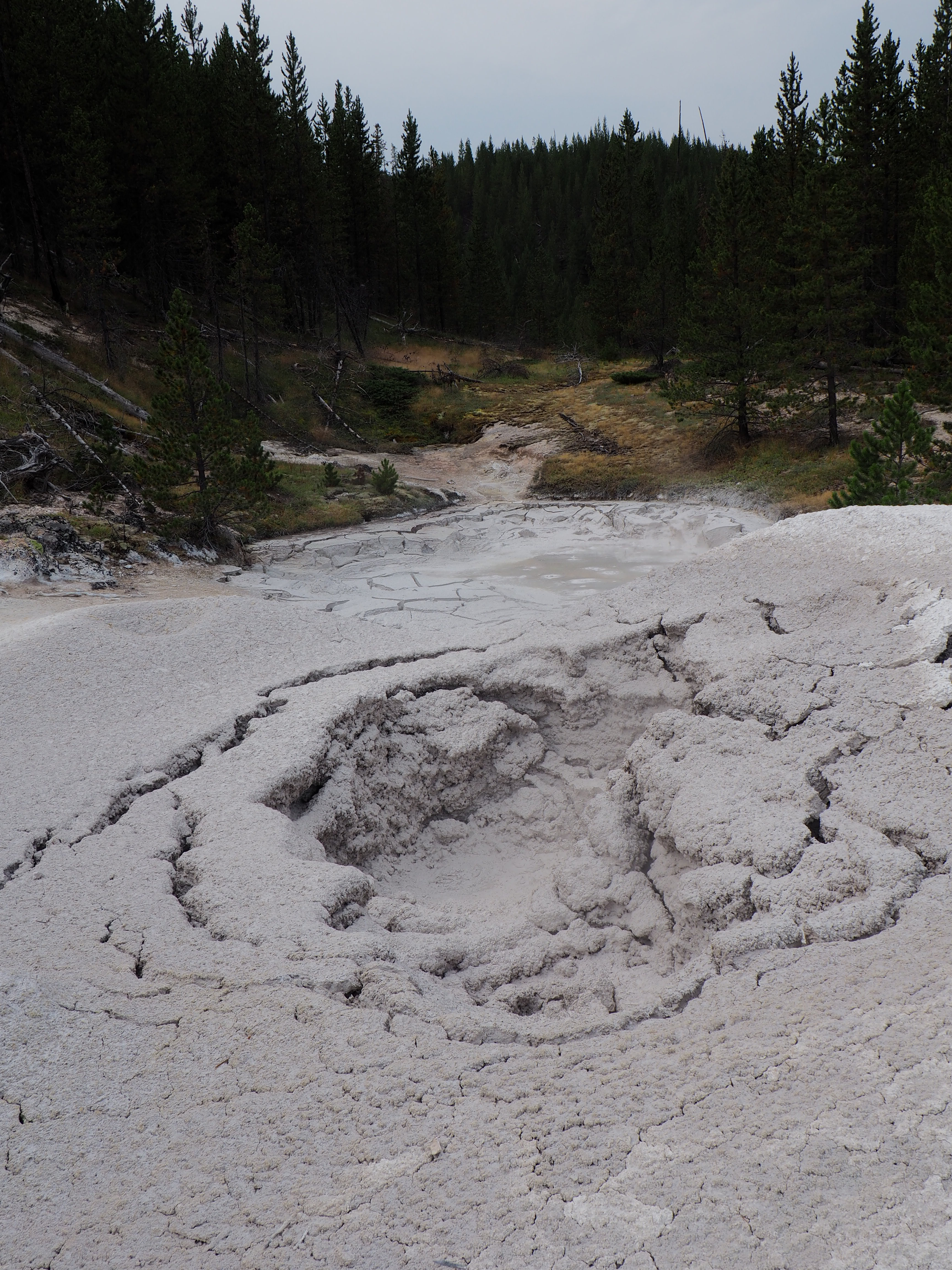
We picnicked on the continental divide before heading to our final geothermal site for the day, the mud volcano, mud caldron and dragon’s mouth spring.
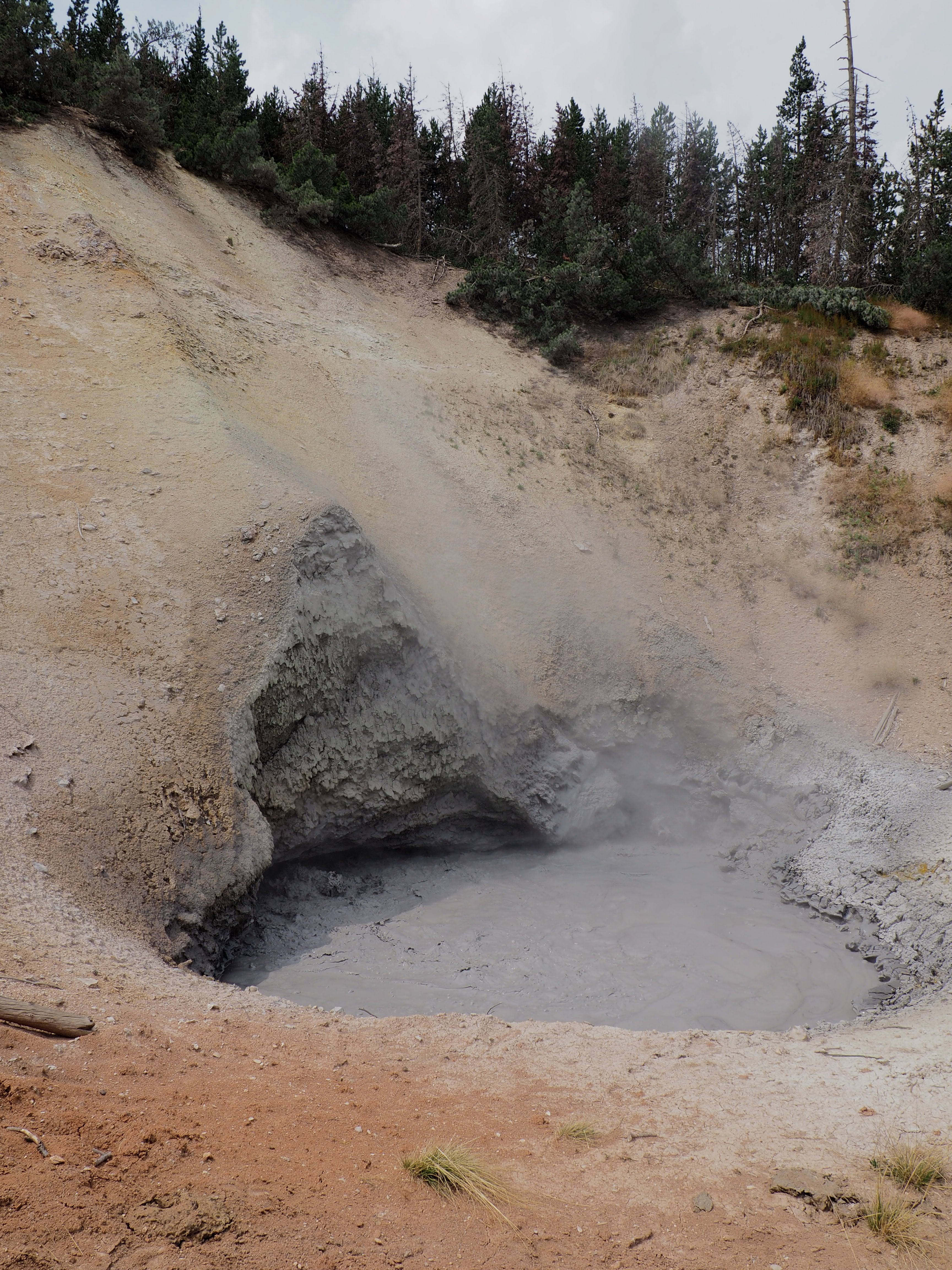
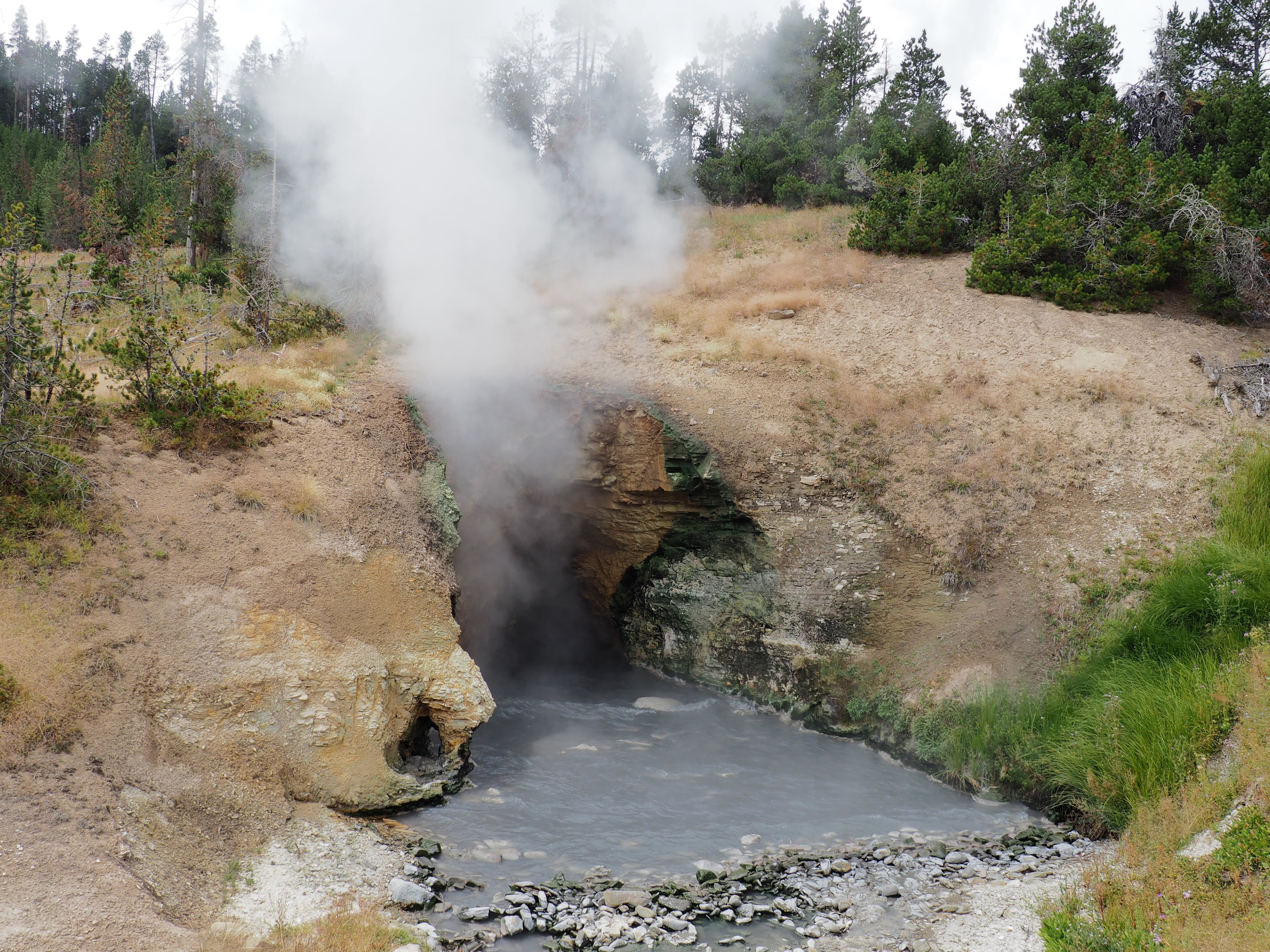
Mud volcano and dragon’s mouth
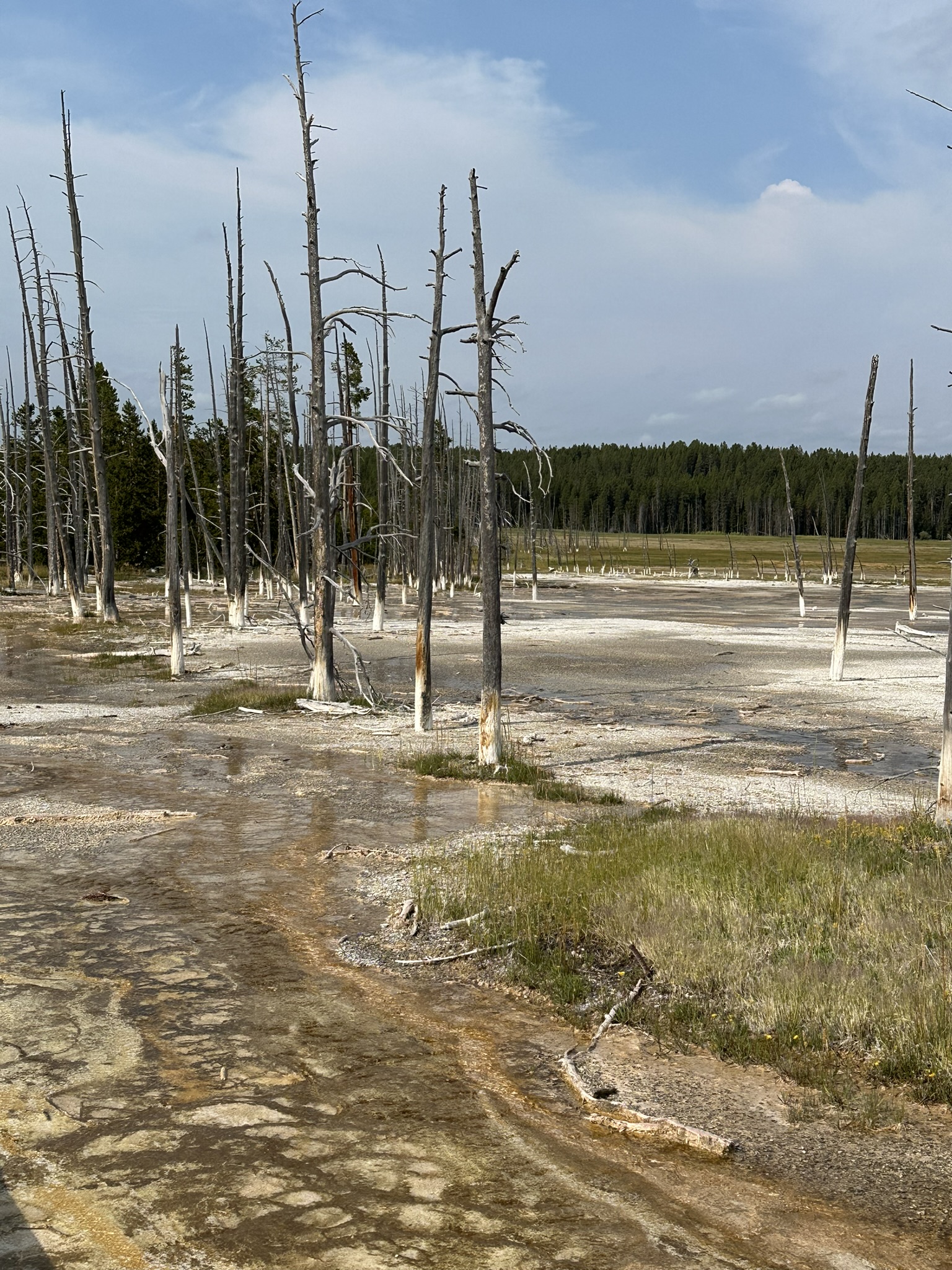
“Yellowstone was set aside as the world’s first national park because of its hydrothermal features. These features are the visible expressions of the supervolcano. The heat that fuels these geological wonders is given off by the partially molten magma body deep in the earth” (1).
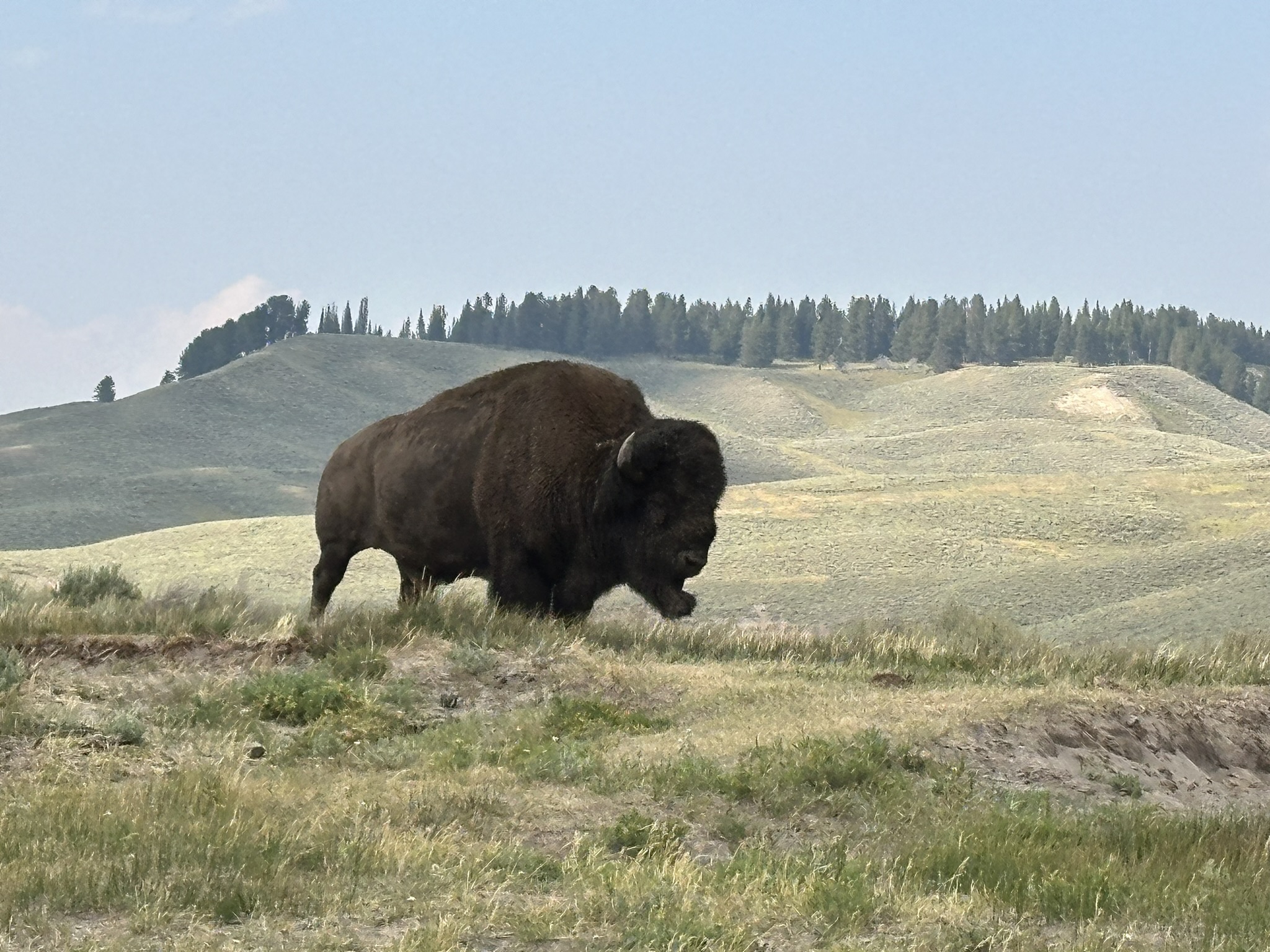
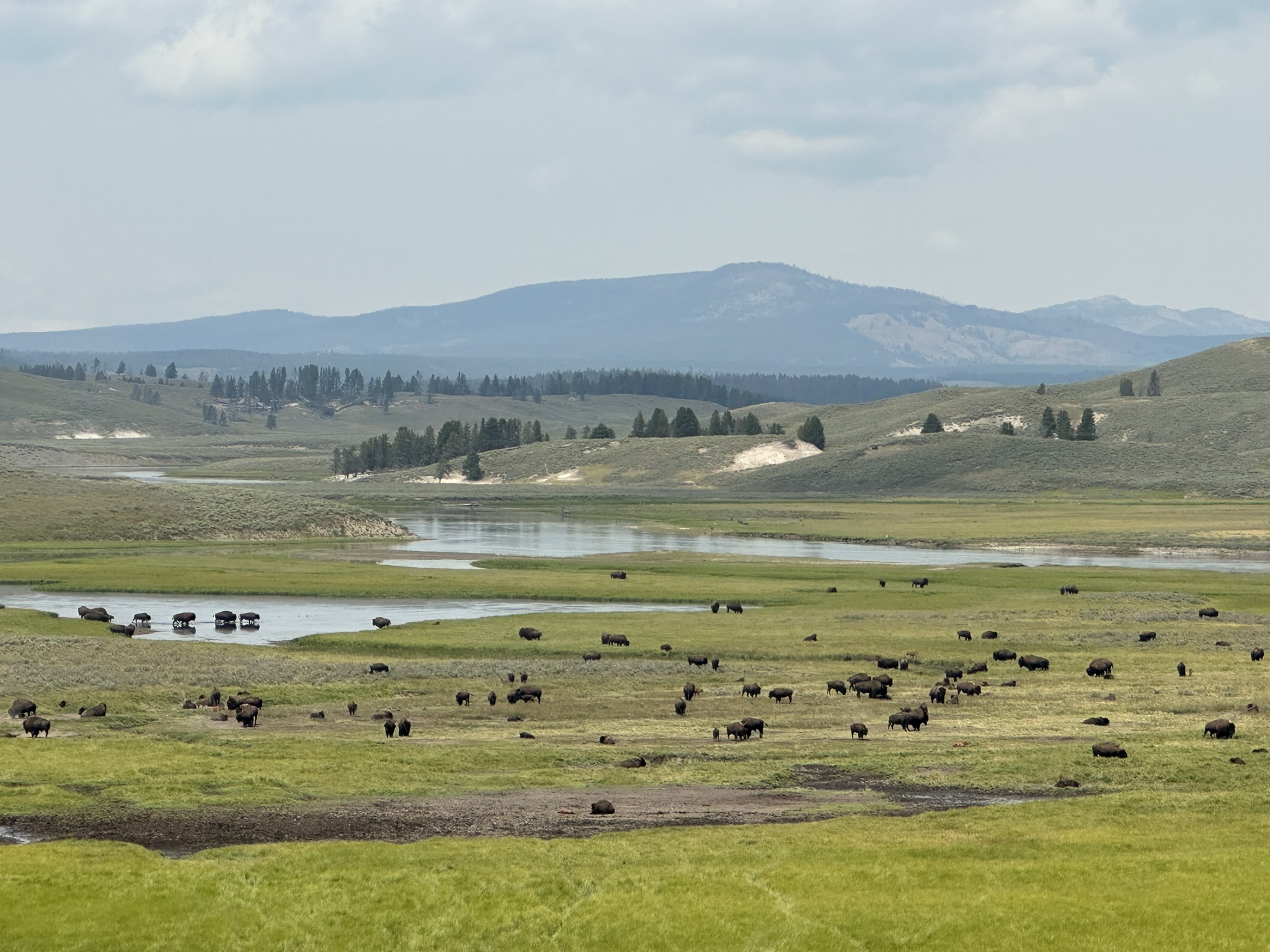
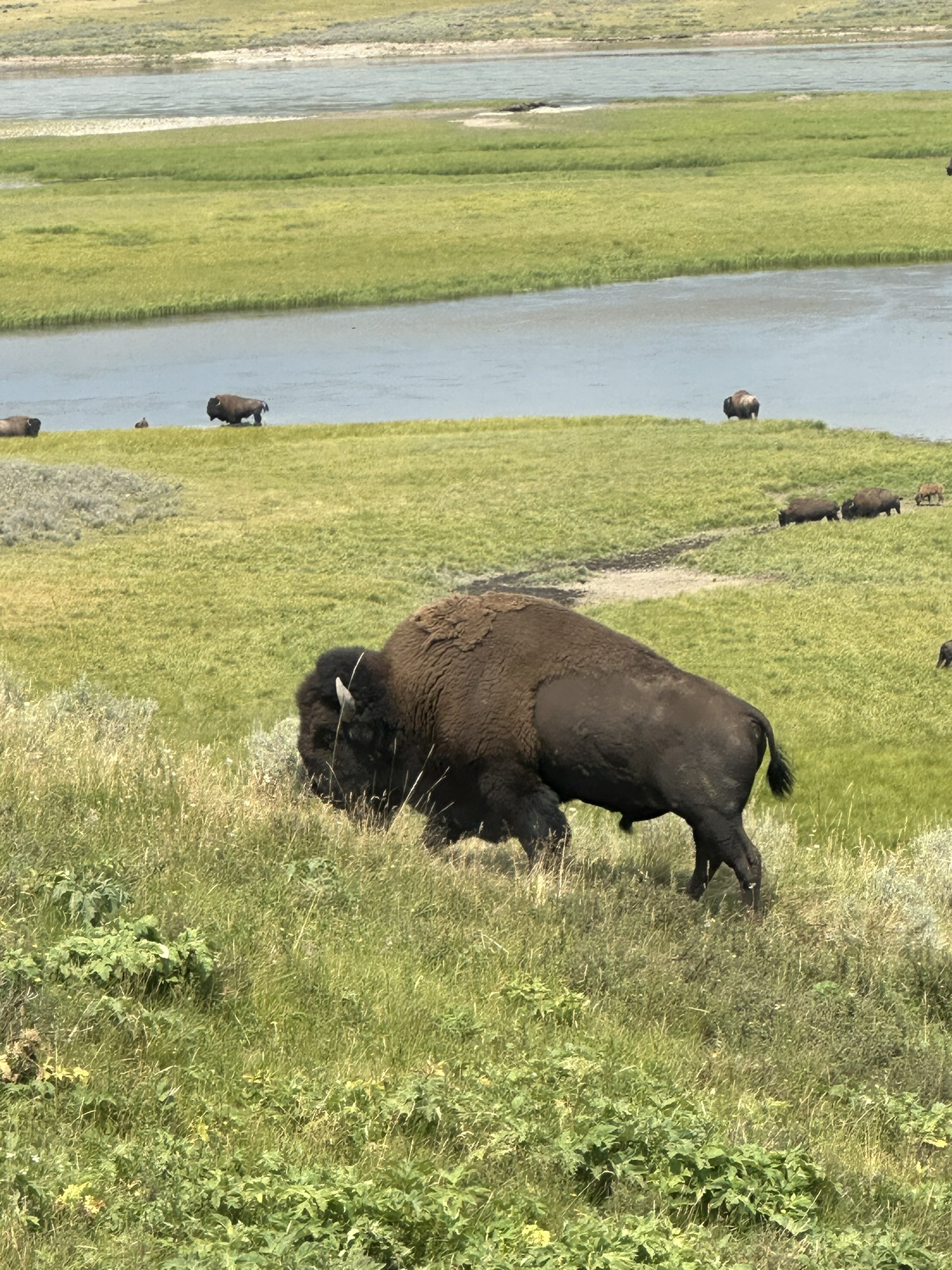
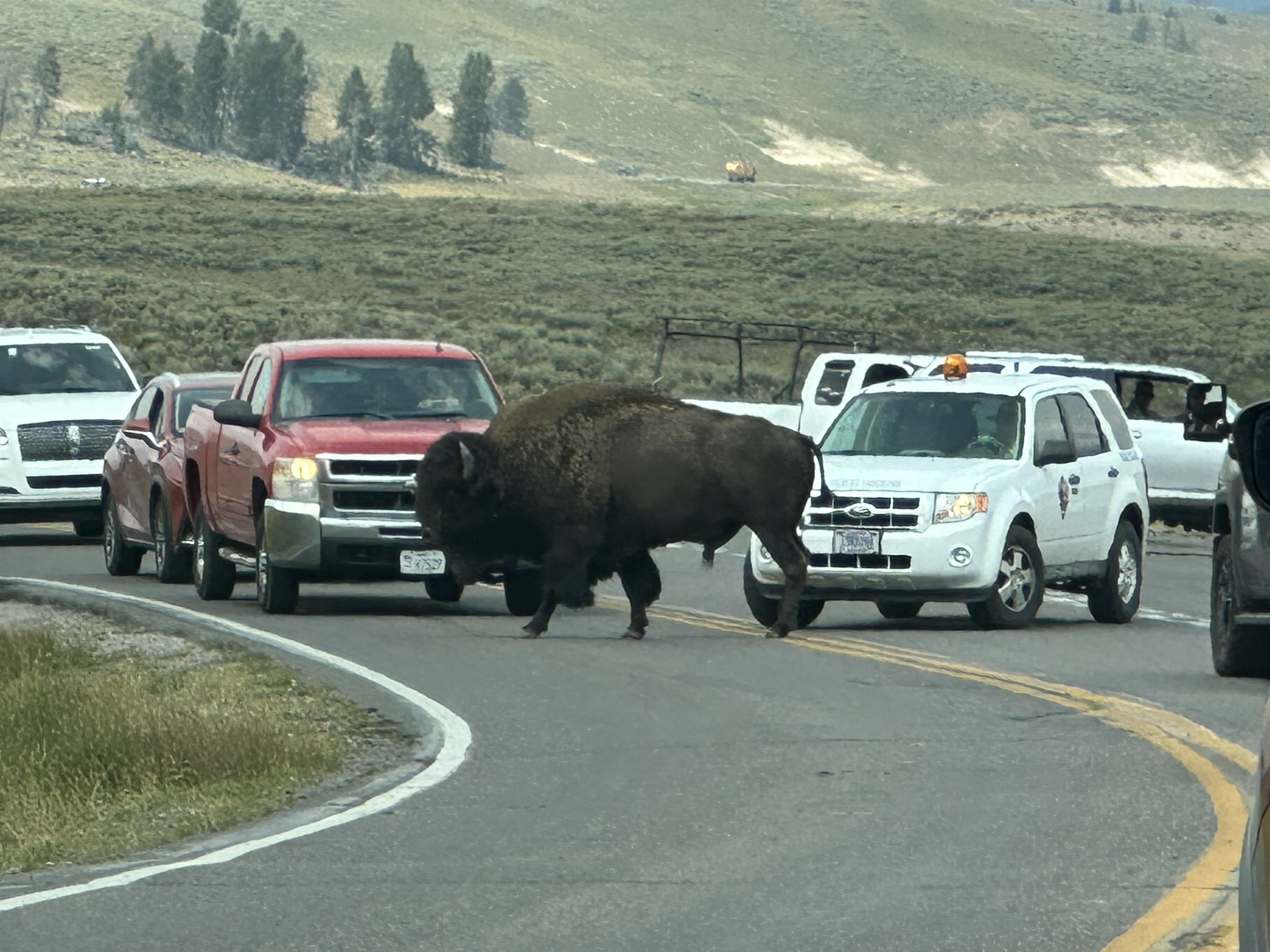
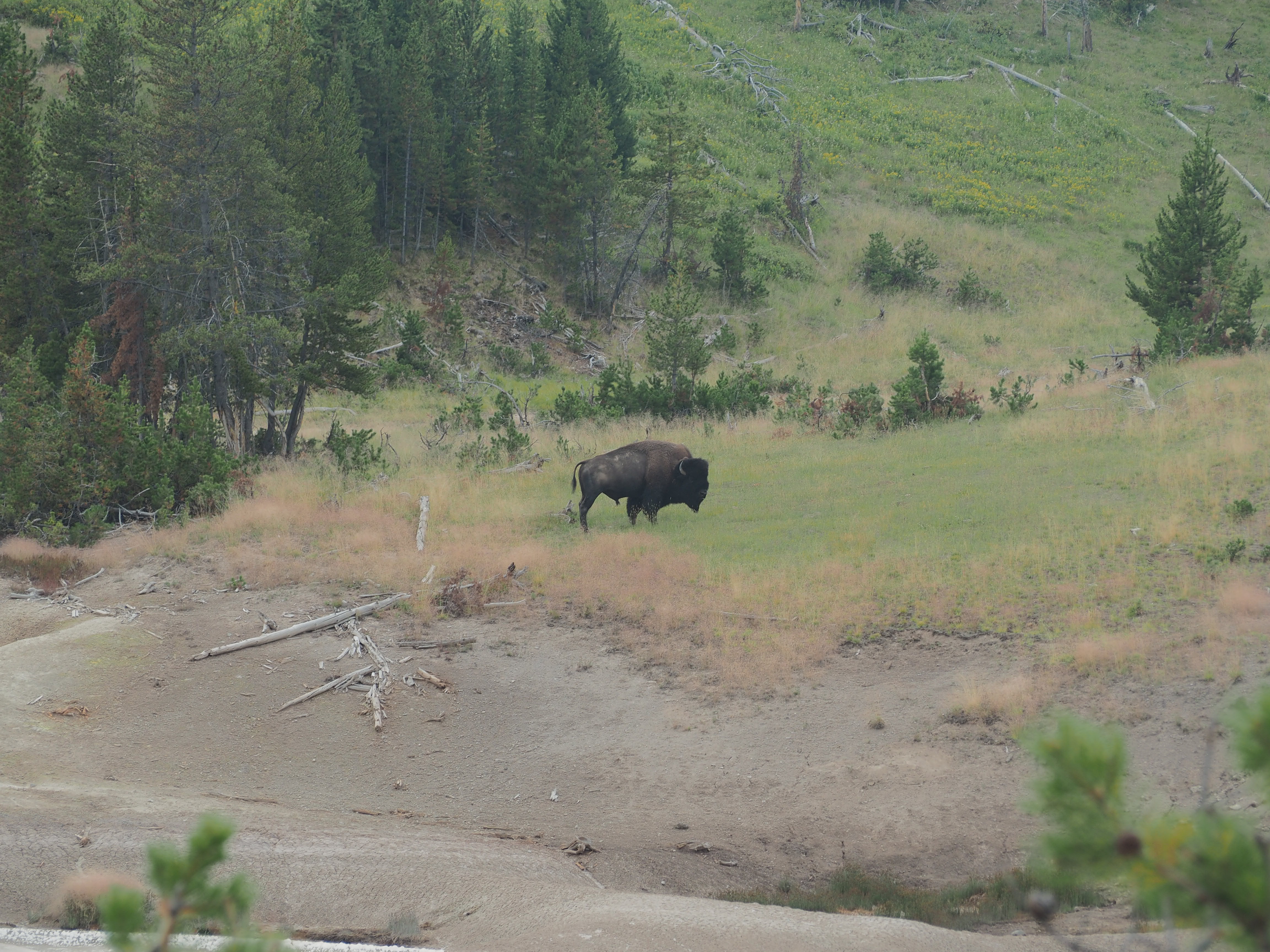
Bison abound. While we also saw some elk and moose, the bison stole the show. Where they graze, roll in the dust or cross the Yellowstone River, queues of cars patiently line the roadway as everyone slinks forward to admire these massive, nearly prehistoric looking mammals to either side of (and sometimes in) the Grand Loop road.
Grand Canyon of Yellowstone. We also detoured off of the grand loop to take in the views of the Grand Canyon of Yellowstone and its steep falling cliffs and tumbling waterfalls settling in the river below.
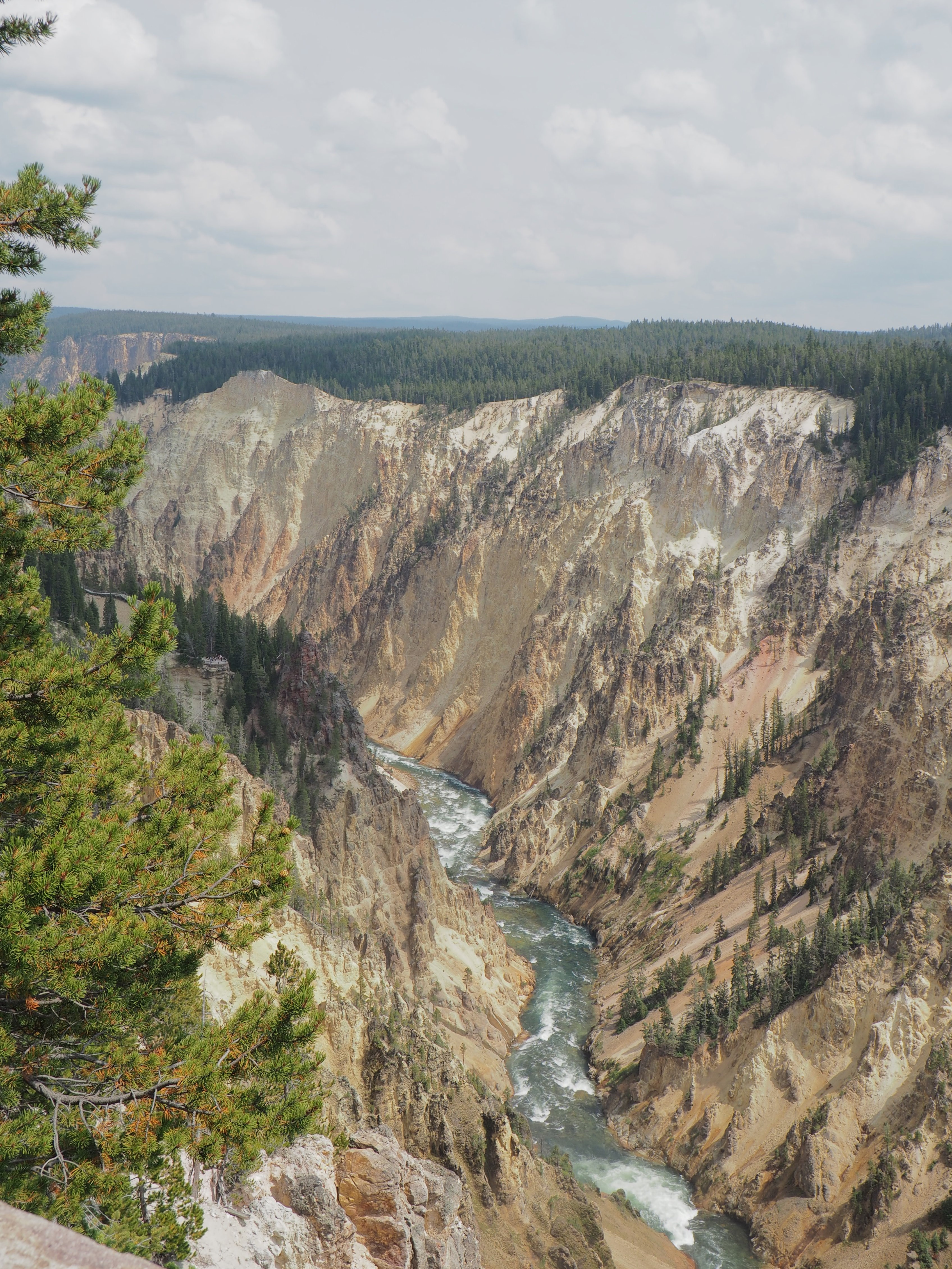
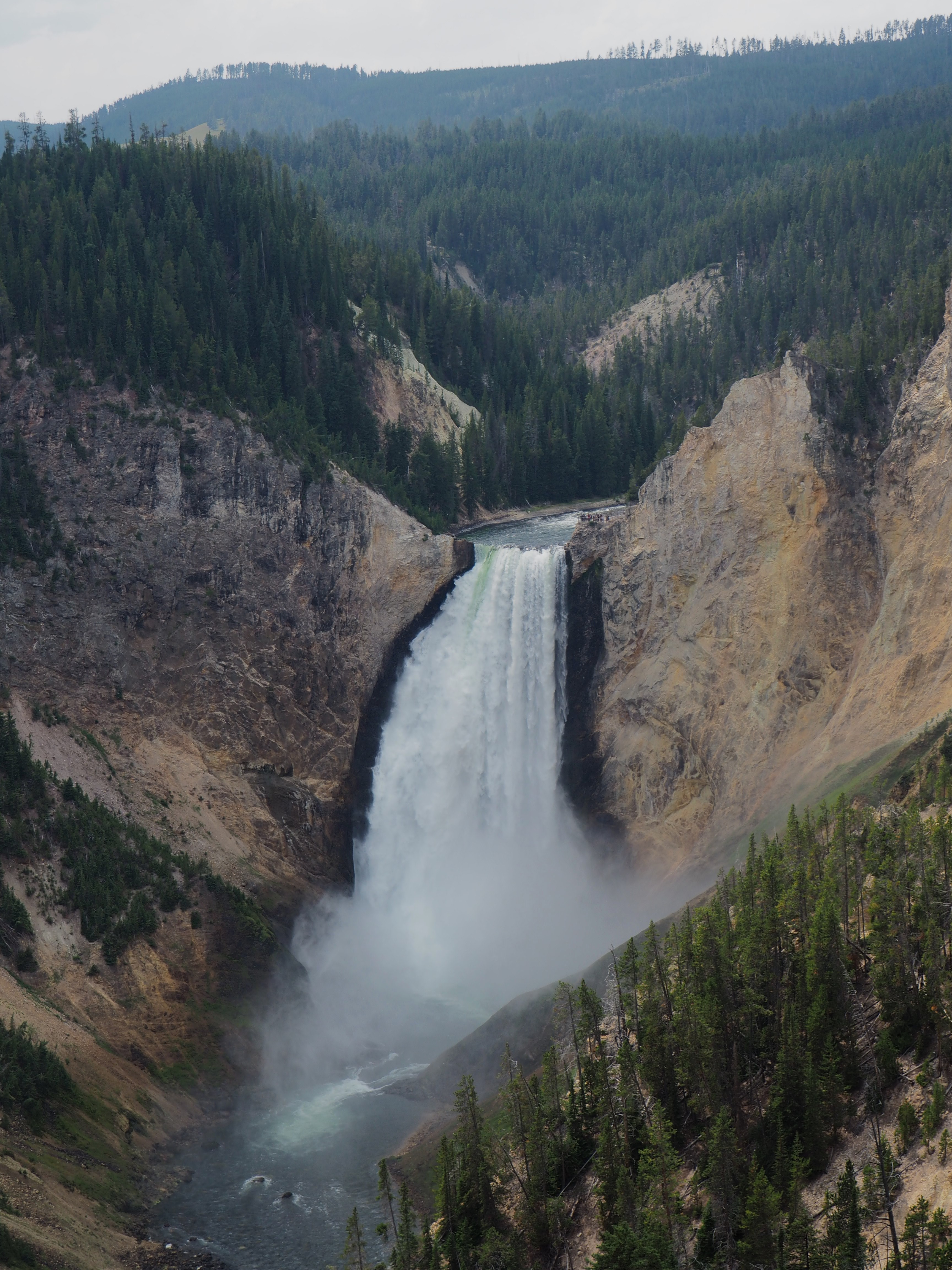
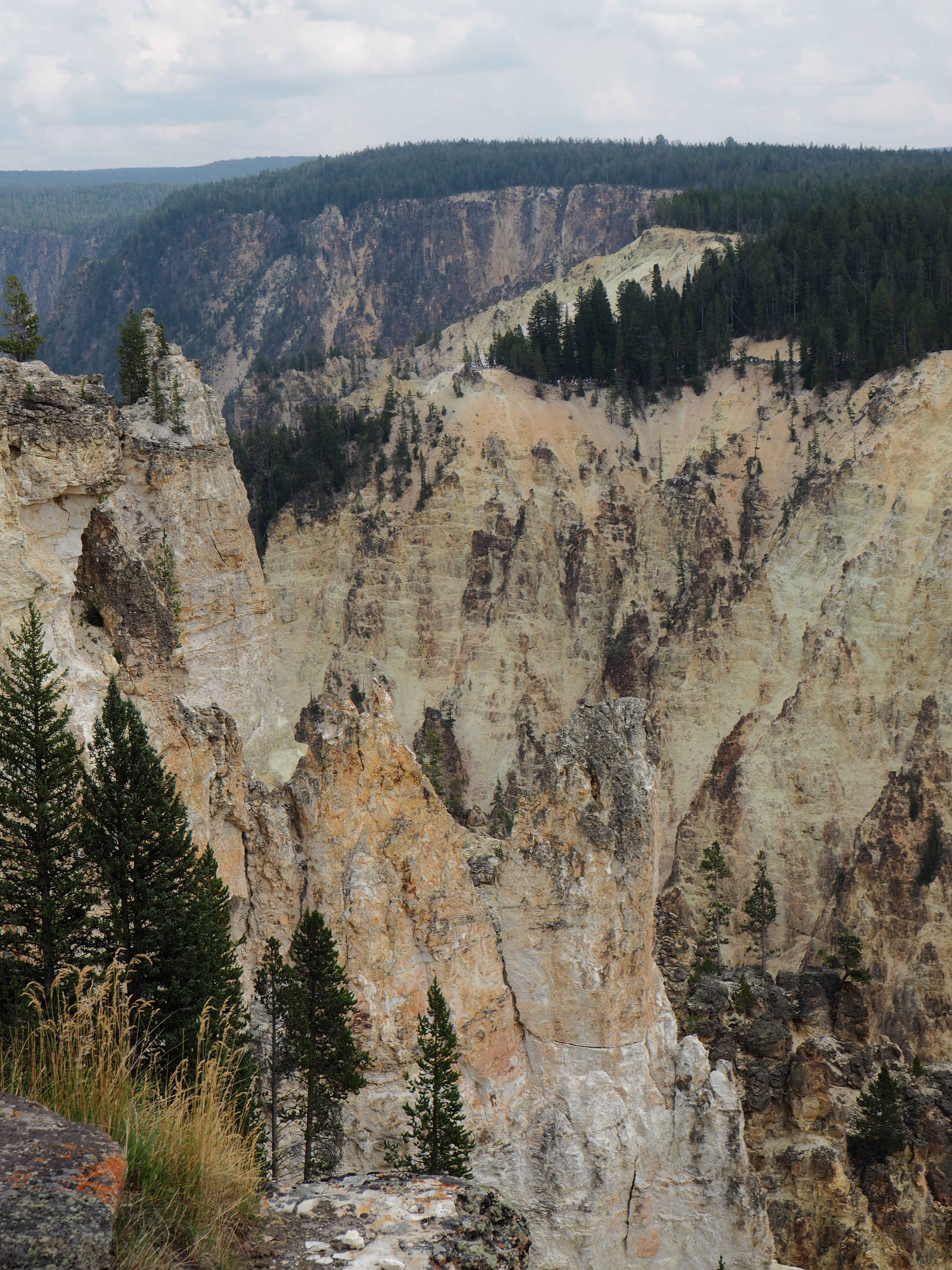

“The Grand Canyon of the Yellowstone River slices through an ancient hydrothermal basin. The basin developed in the rhyolitic lava and ash that flowed into the Yellowstone Caldera about 500,000 years ago. The river carved this spectacular canyon through the lava and welded ash. Hot areas and steam vents still exist in the canyon.” (2).
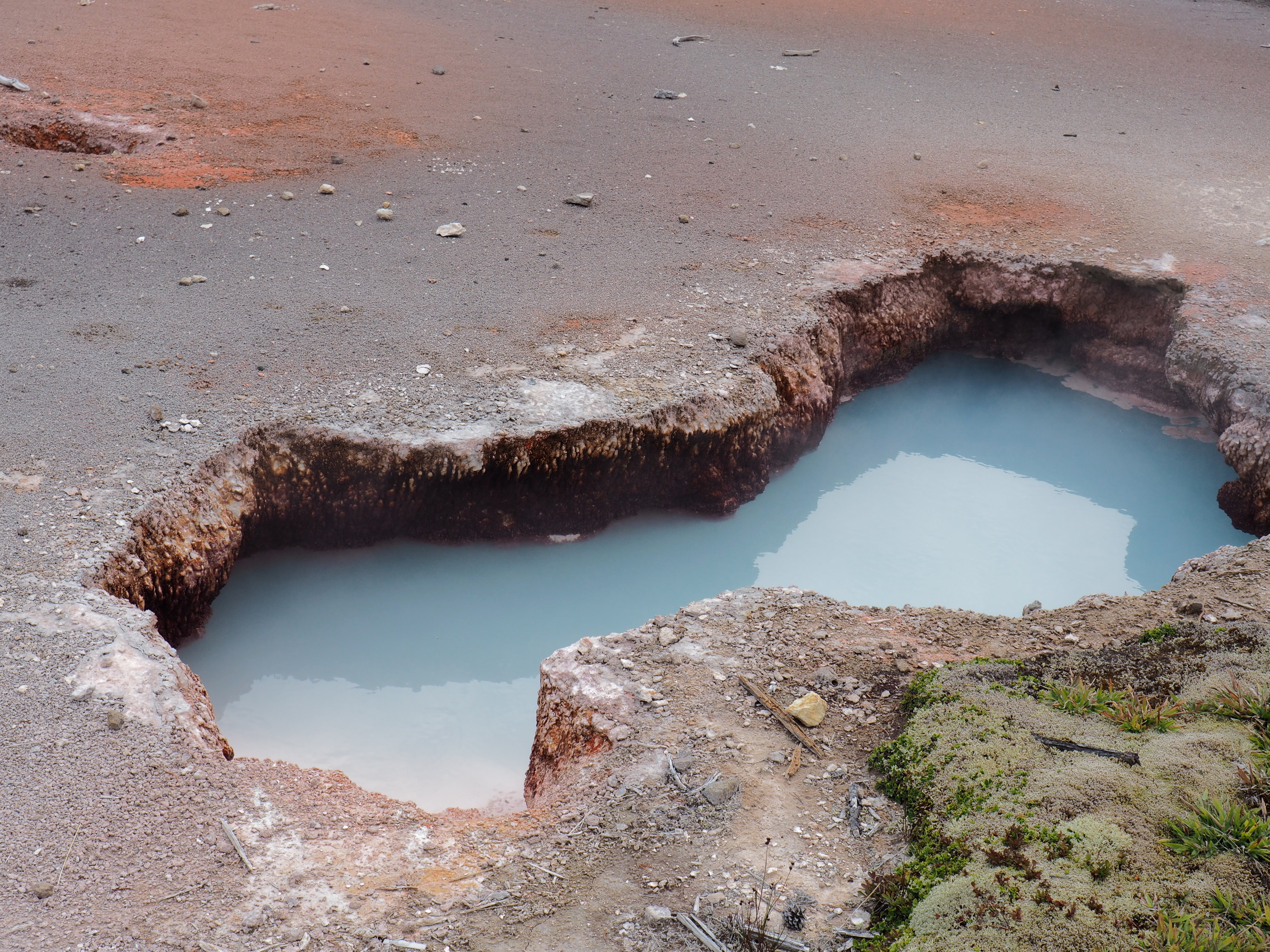
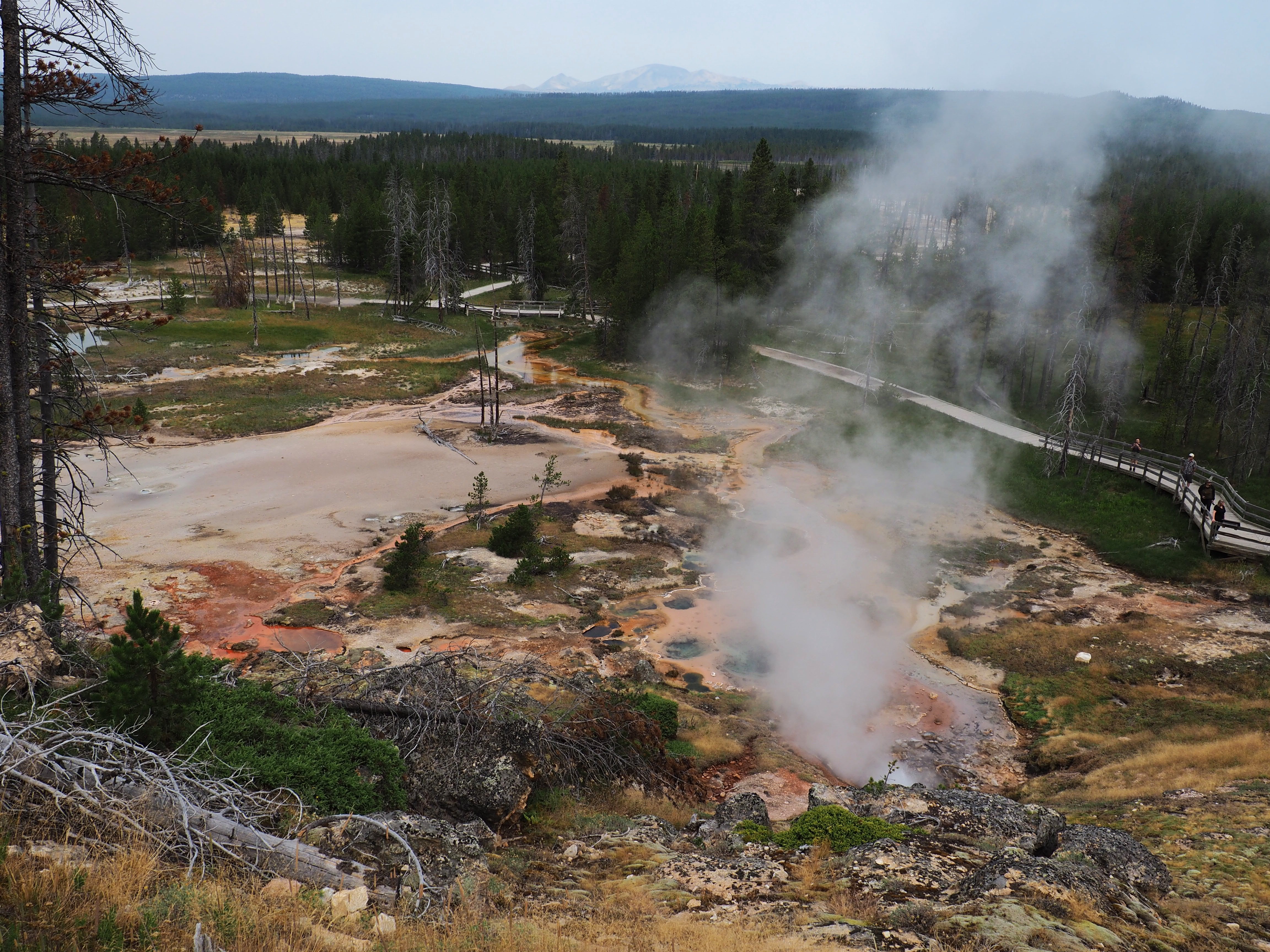
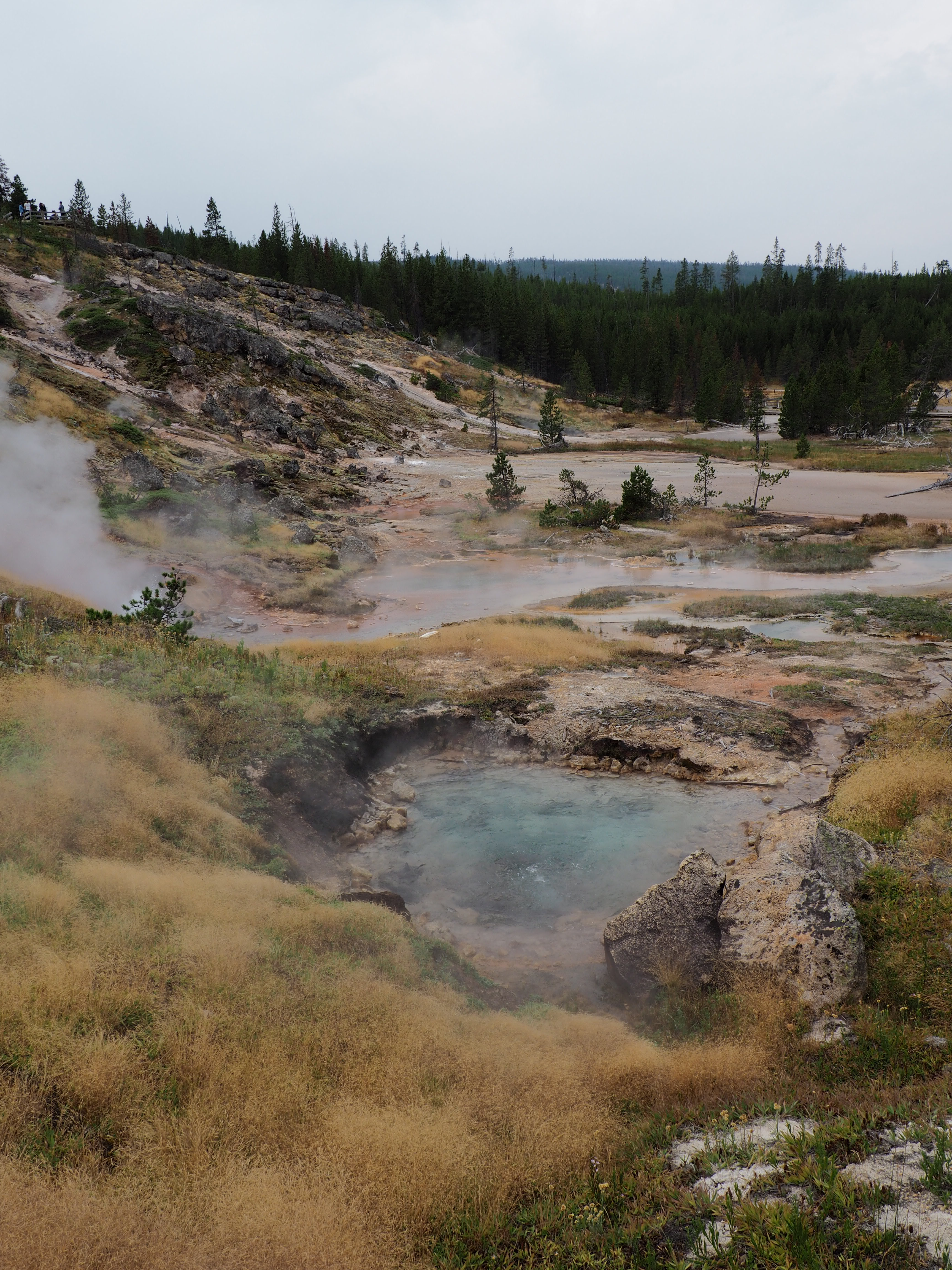
More ice and fire and Mammoth Hot Springs. On our last day in the park, we headed north on Highway 89 towards the north entrance and Montana. Our first stop of the day was the Artist’s Paint Pots, a remarkably colorful set of thermal springs and pools which can be viewed from both “pot”-level and from up above.

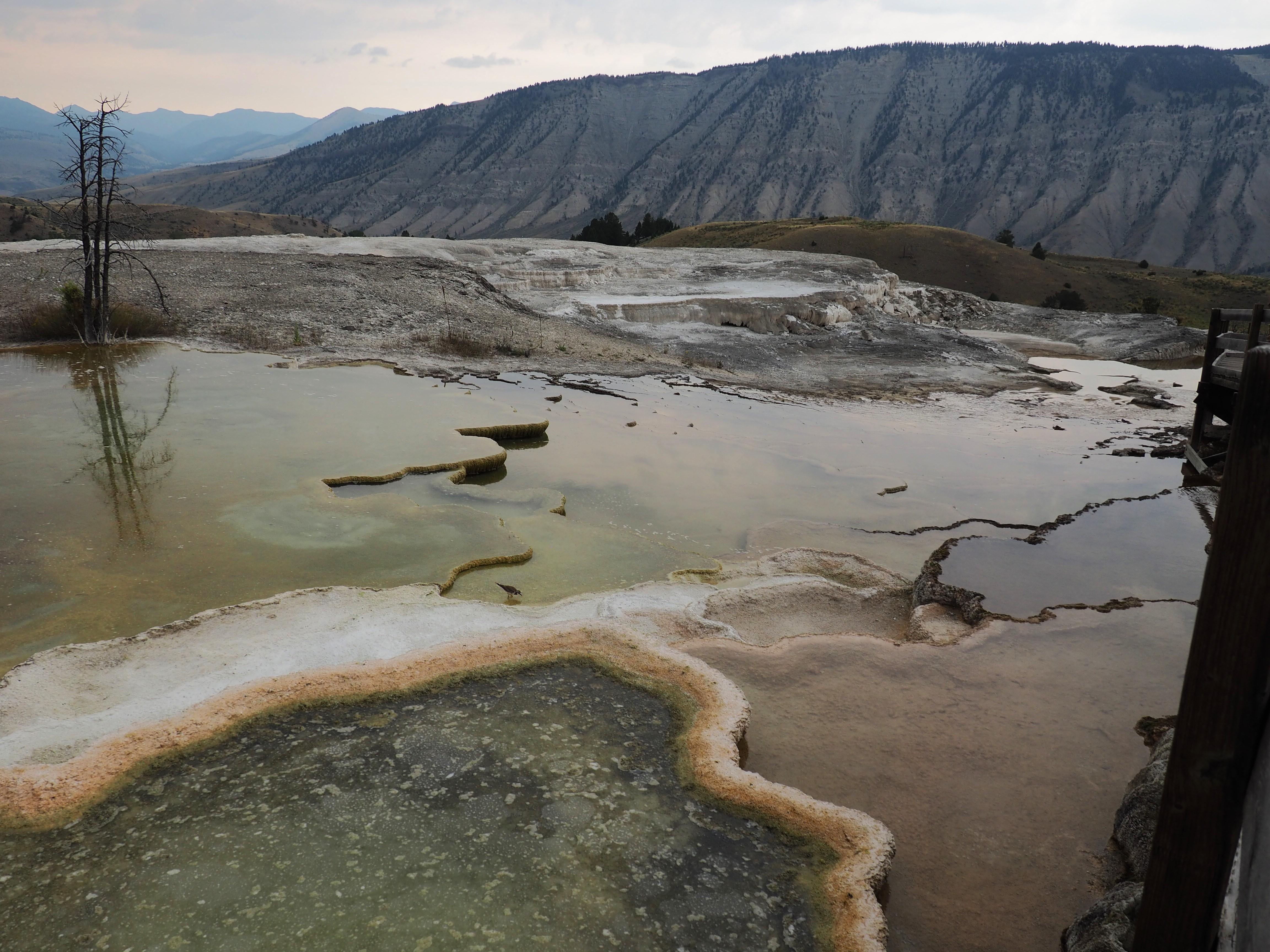
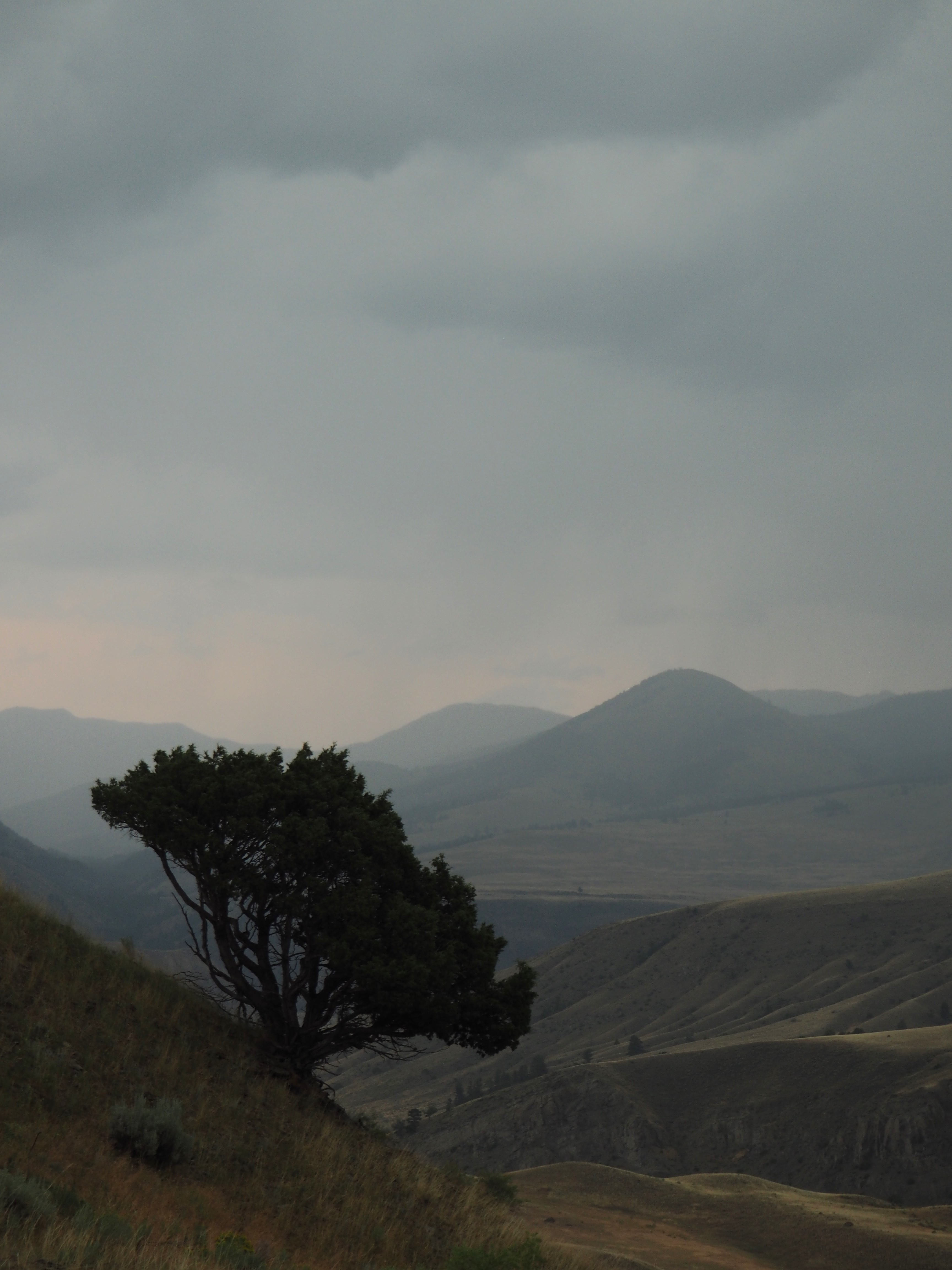
Our last stop in the park was the Mammoth Hot Springs, right near the north entrance. Colorful, rippling travertine terraces tumble from above on a remarkable hill outside of Yellowstone’s caldera, but they were formed by the same magmatic systems which formed the other springs and pools of the park. We reached the top, as a thunderstorm approached, and beat it back to our car not wanting to tangle with the fierce lightning illuminating the mountains overlooking the springs. We arrived inside the safety of our car just in time as the skies opened up and must have absolutely drenched our fellow tourists who hadn’t made a quick escape.
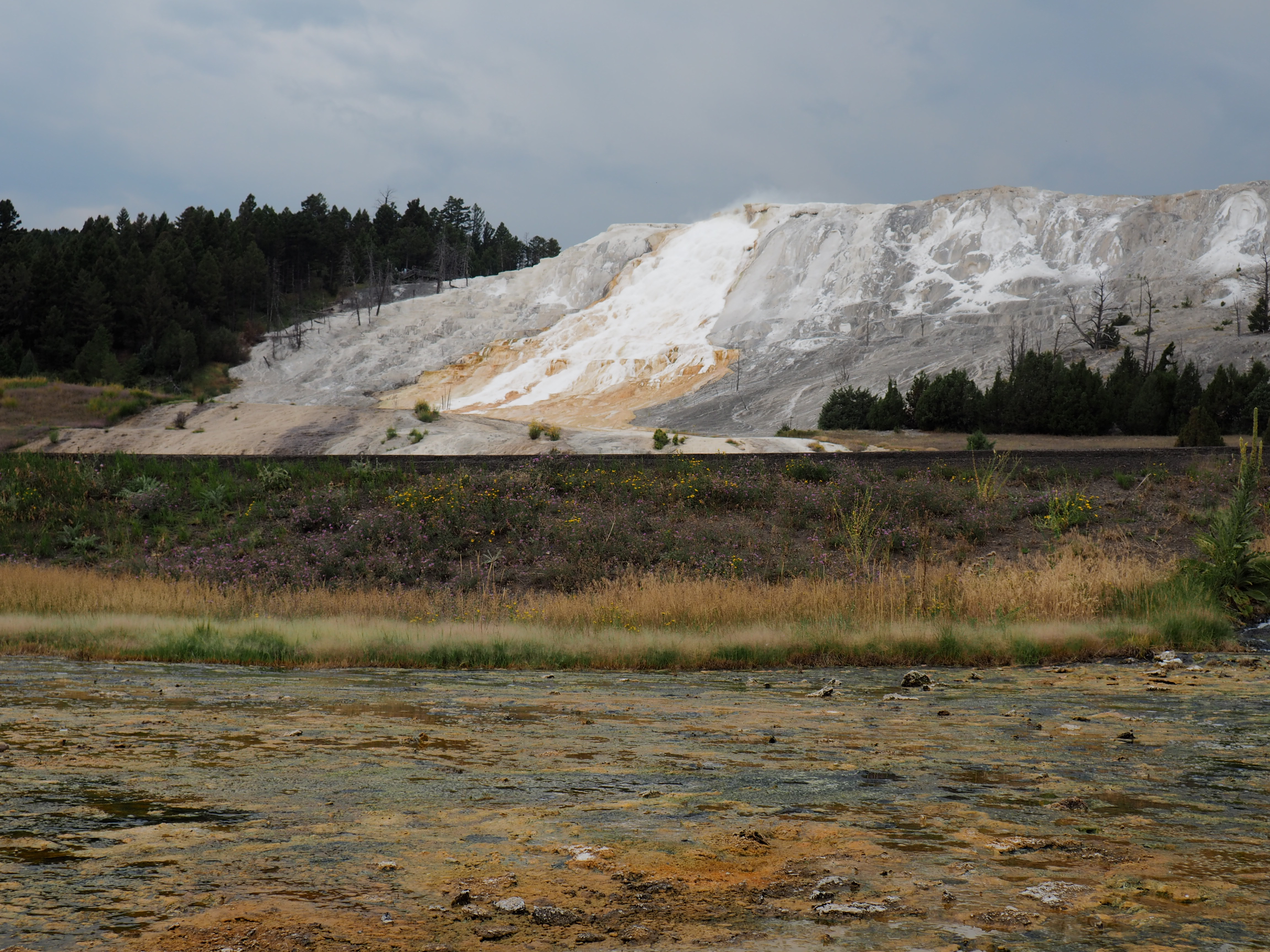
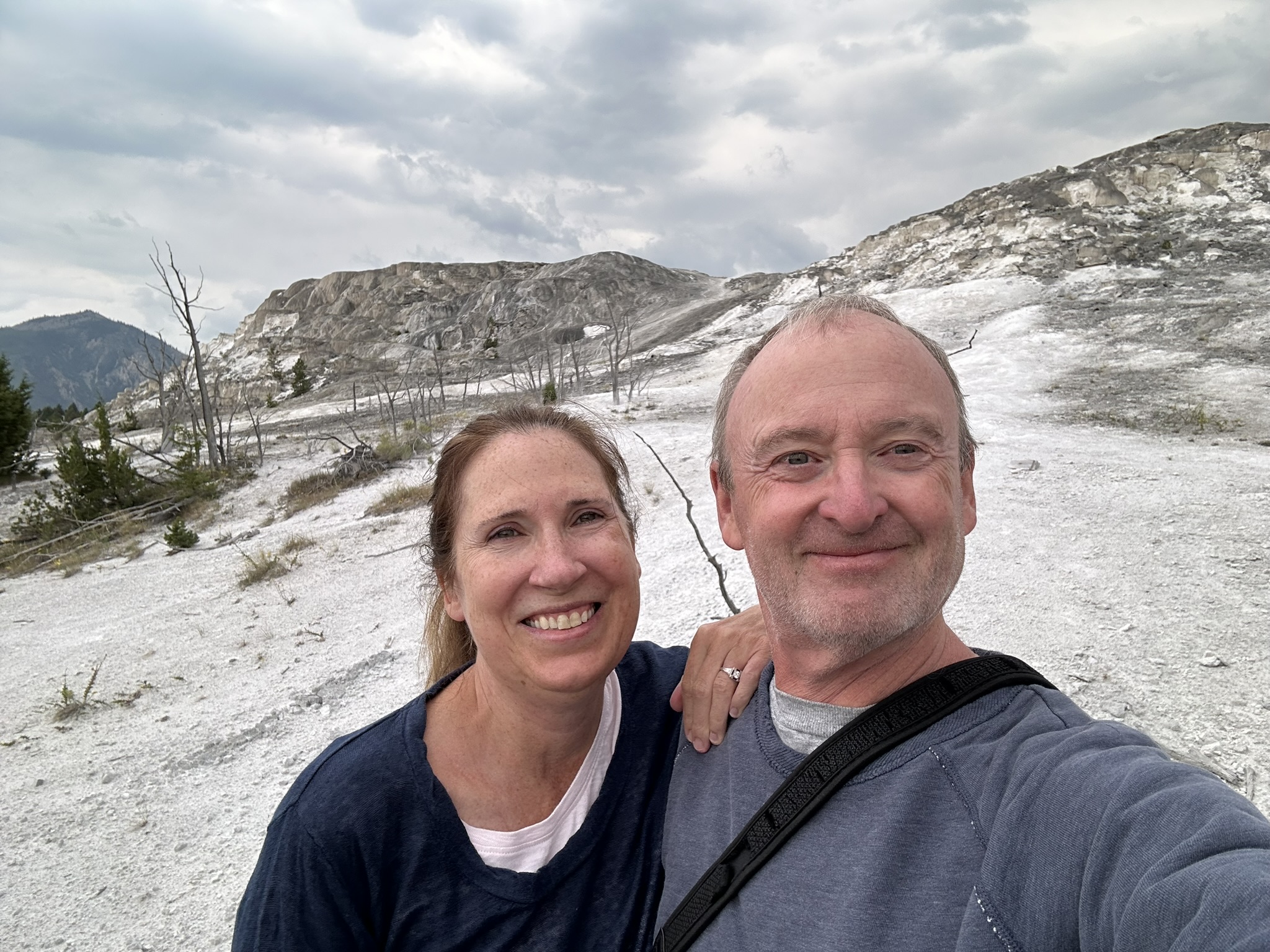
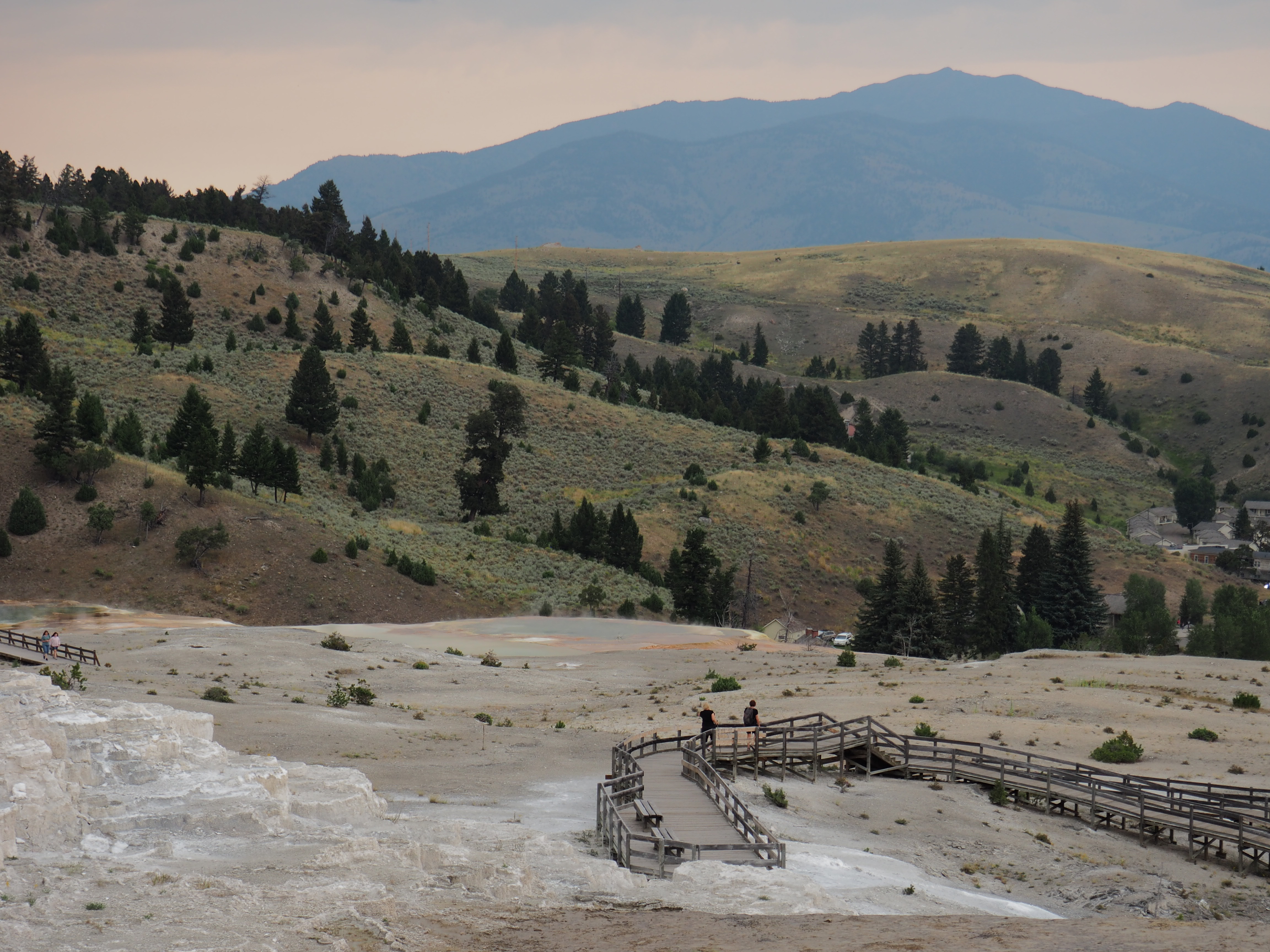

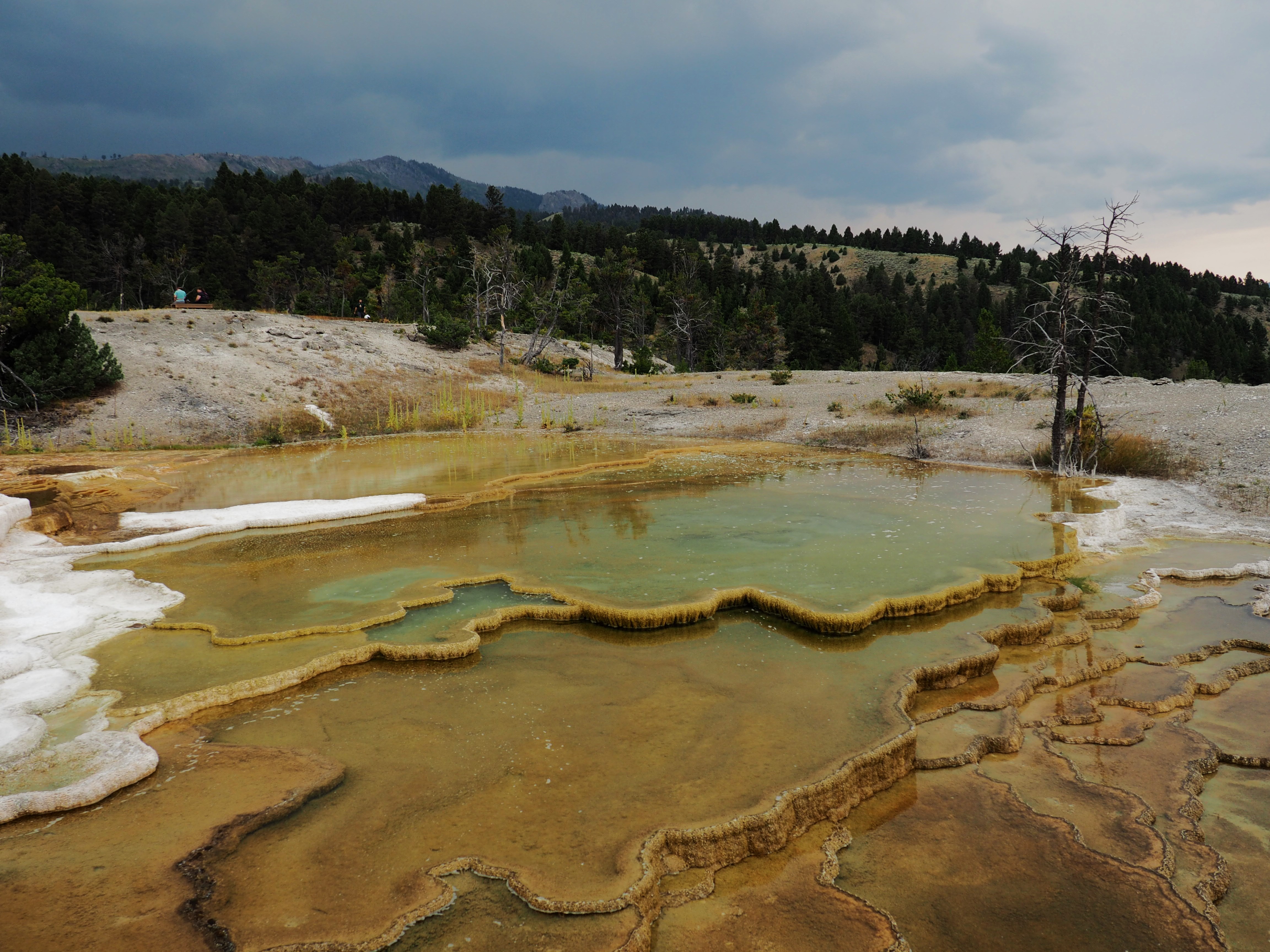
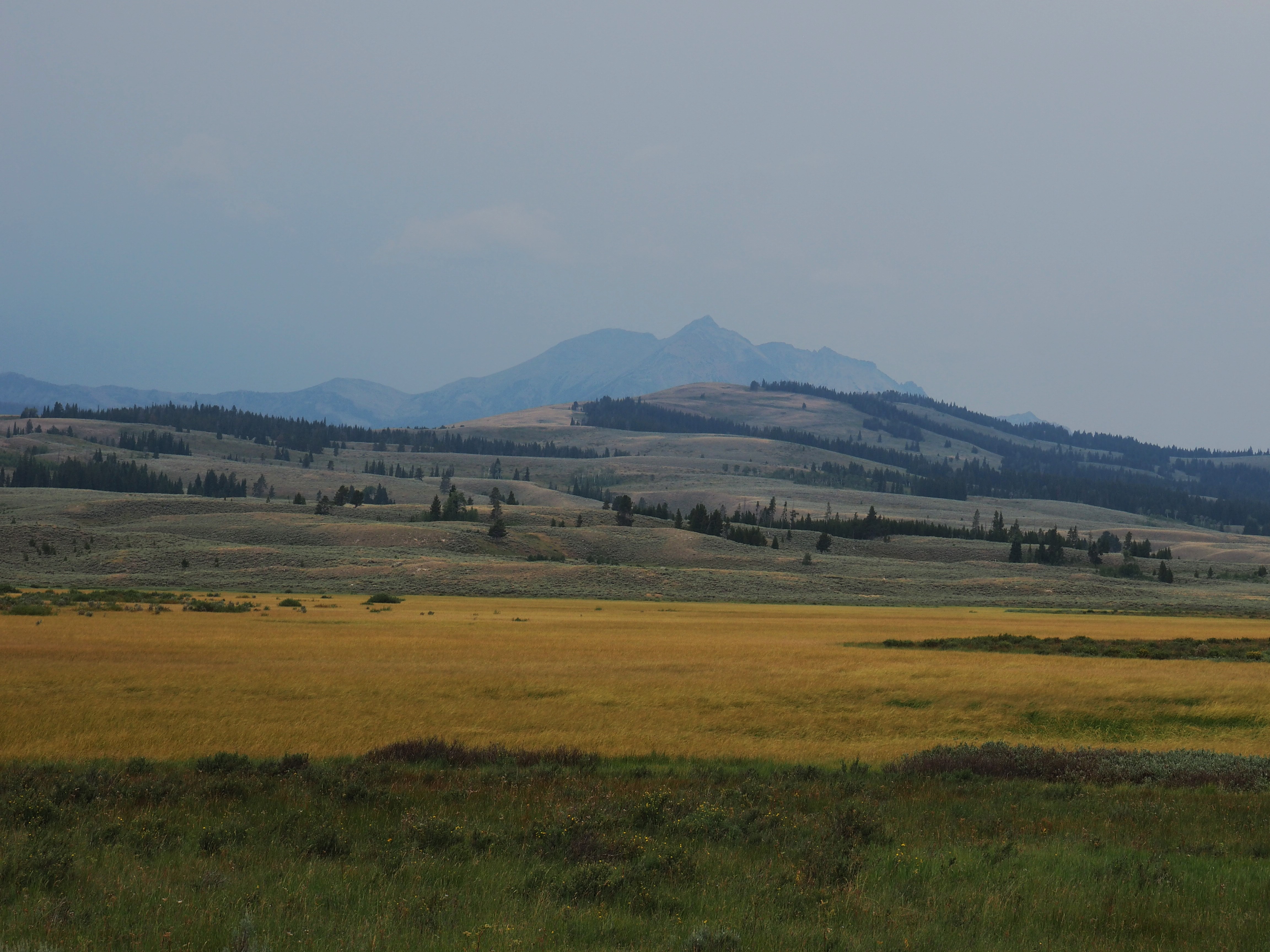
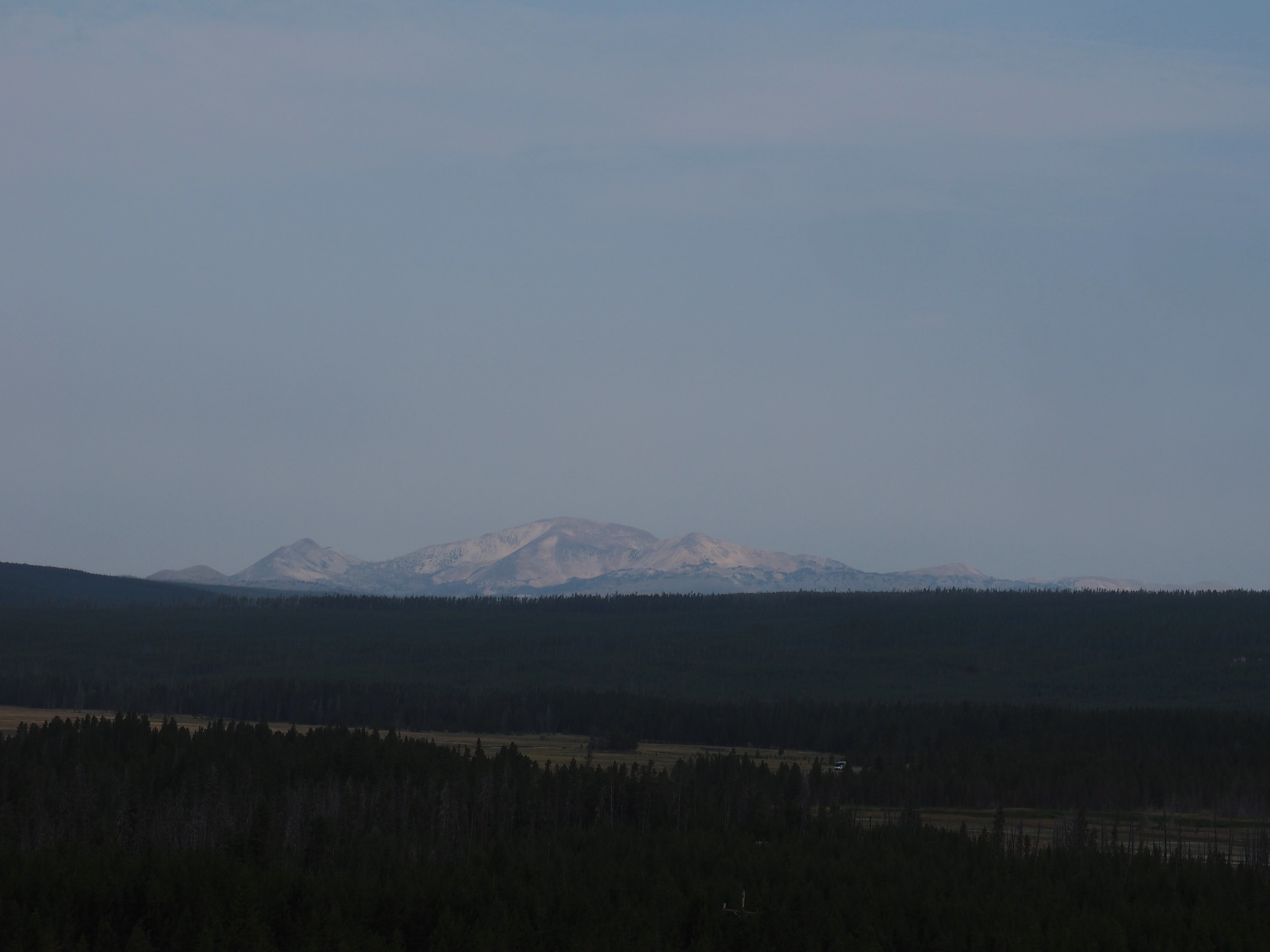
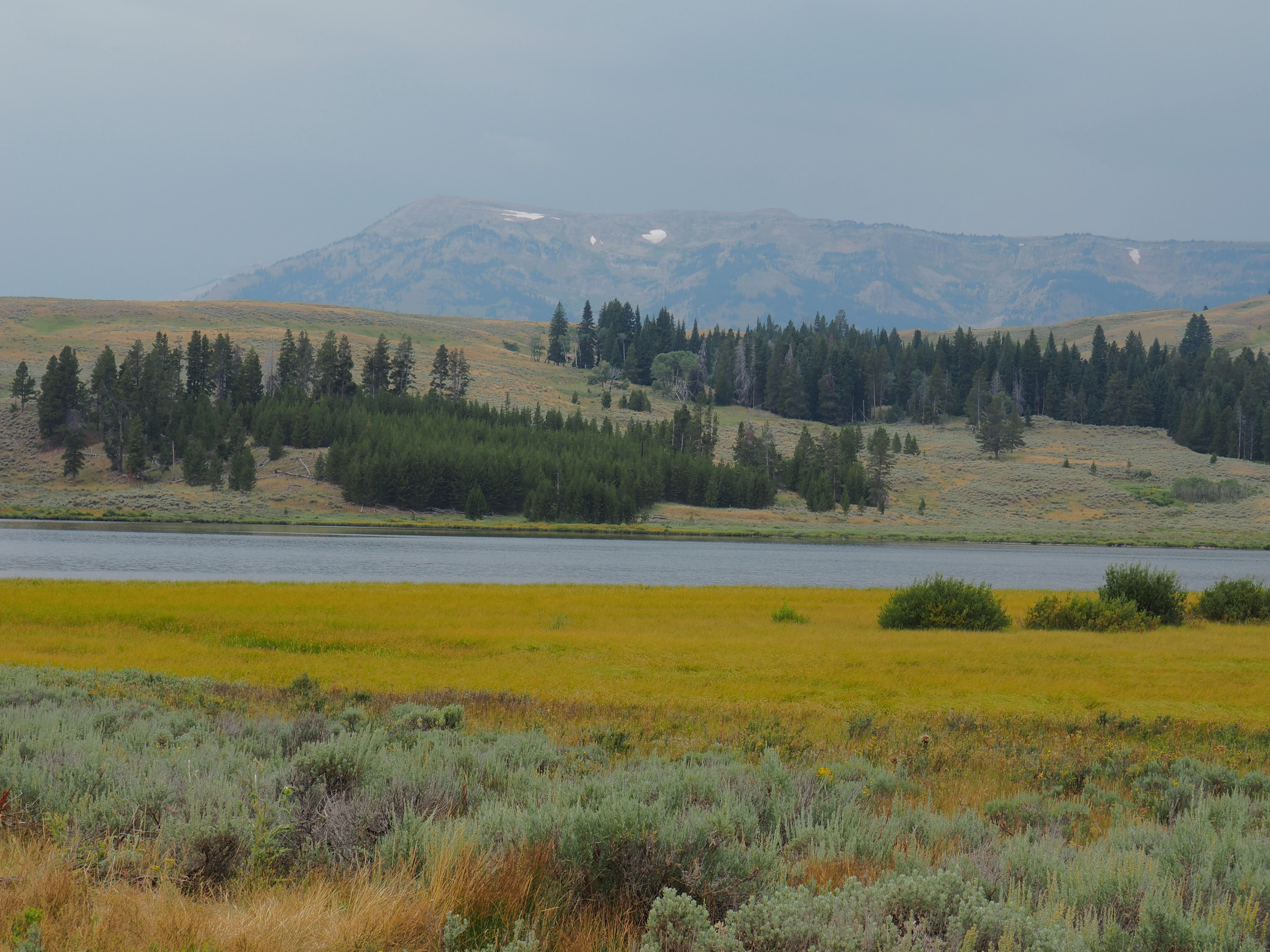
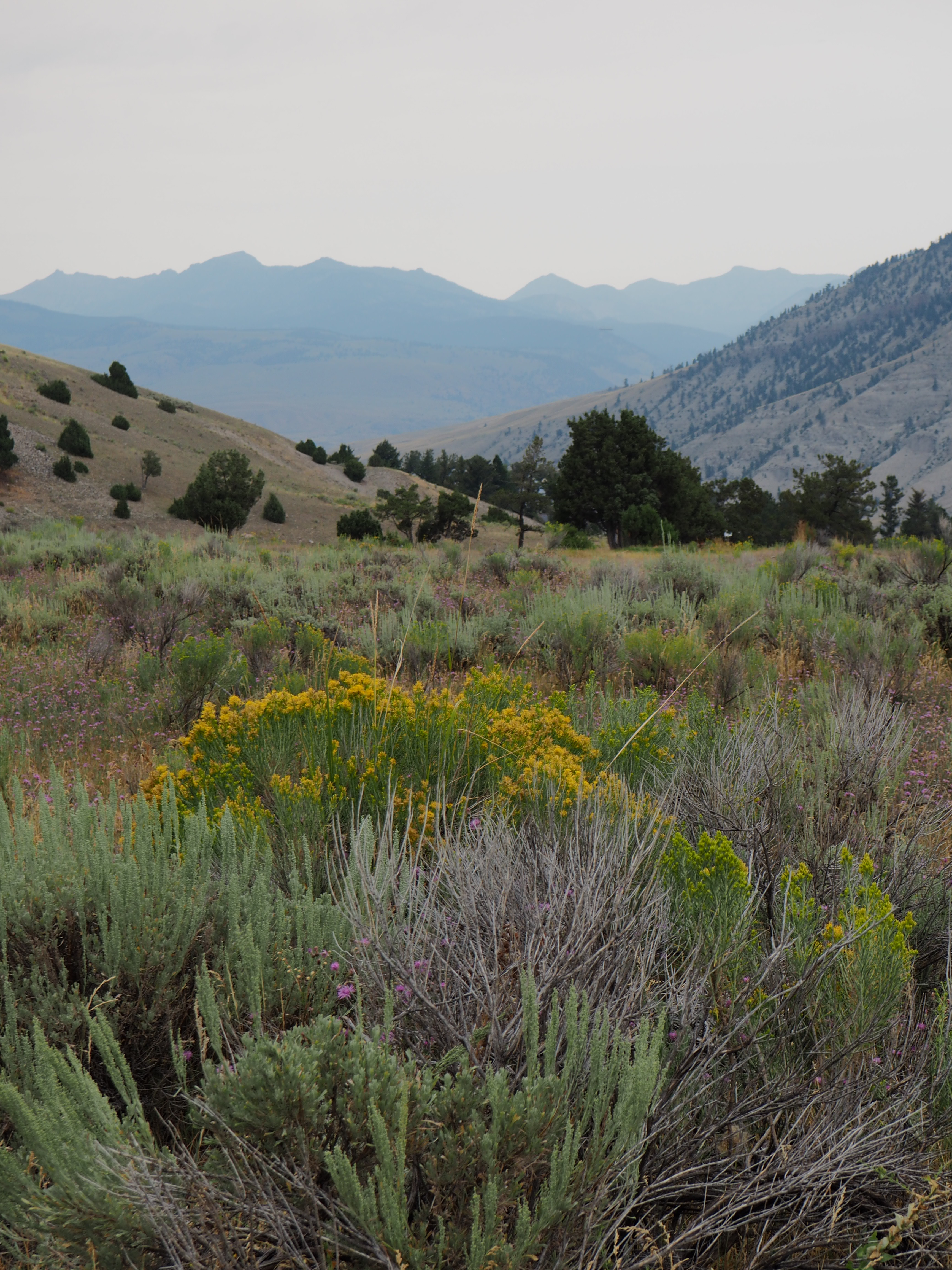
Exiting, for now. The northern part of the park is maybe the prettiest. Impressive mountains, yellow fields of gold and awesome rock canyons leave you wanting more, as you make your exit. Yellowstone is huge. Its land area covers almost 3,500 square miles and parts of the park are in Wyoming, Idaho and Montana. At that size, it is larger than the states of Rhode Island and Delaware combined. An estimated 4 million people visit annually to have a shot at seeing some of its 67 species of animals, the largest concentration of them in the lower 48 states, and some of its 10,000 hydrothermal features. I don’t know why I didn’t remember much about it, but suffice it to say that we’ve fallen in love.
Sources:
- The heat beneath your feet sign, National Park Service. Yellowstone National Park.
- Still venting after all these years sign. National Park Service. Yellowstone National Park.
- https://thefactfile.org/yellowstone-facts/
- https://www.yellowstone.org/10-yellowstone-facts/
- https://planreadygo.com/yellowstone-fun-facts/
 The Traveling Ridleys
0 comments on “America’s Land of Ice and Fire: Yellowstone”