

Staying in the Twin Cities.
A Visit to Paisley Park. “If you don’t own your masters, your masters own you.” – Prince.
Before Taylor Swift began taking back her music with “Taylor’s Version” recordings, there was Prince. In fact, Taylor Swift called Prince in 2015 to talk about a strategy to take back her “masters”.
Prince’s “emancipation” from a Warner Brothers recording contract was the back story of his becoming known as a soundless symbol, in 1993, for which he was both mocked and celebrated and came to be known professionally as “the Artist”. Because if Warner Brothers couldn’t say the sounds of the symbol, they couldn’t own it. Prince took his birth name (yes, Prince was his given name, after his father’s, also a musician, nickname) back in the year 2000 when Warner’s Brothers’ rights to his copyrighted name expired.
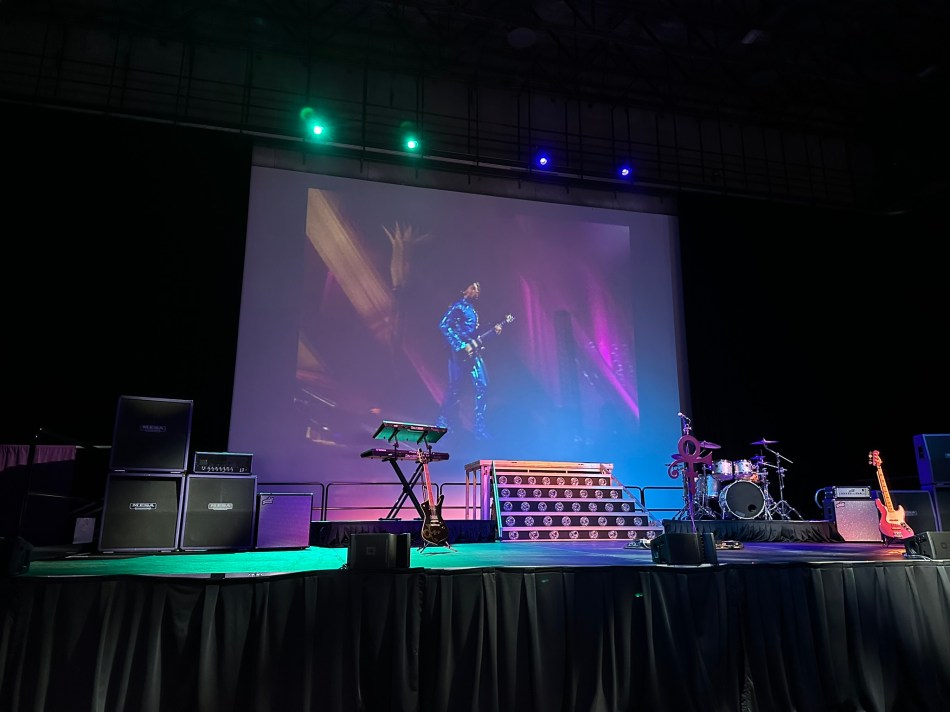
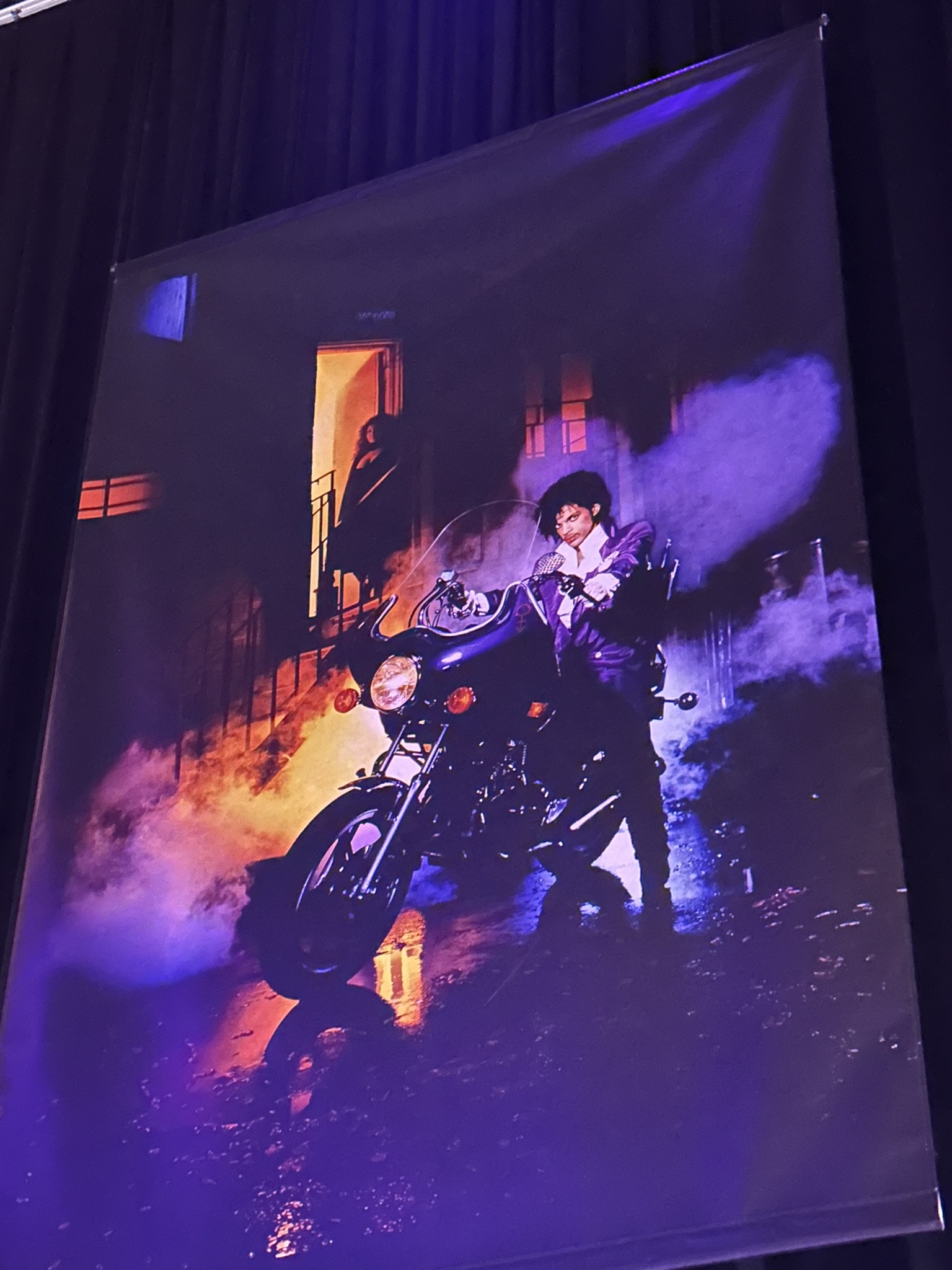
From his youth to his early days as a recording artist, from Little Red Corvette to the Purple Rain era to his performance of its title song at the Super Bowl XLI in the rain, if you love Prince (or frankly, the genius of good music) you must make the pilgrimage to Paisley Park in Chanhassen, outside of Minneapolis. Prince’s Paisley Park (say that 10 times fast) was his recording studio, office, film studio, bar and nightclub, housed his own personal basketball court (where he would play in high heels, probably because he was so short), concert hall and, at times, his home.




Prince played a private concert in that private bar/nightclub for the Minnesota Lynx when they won the 2015 WNBA championship afterwards serving them pancakes, one of his favorite foods. One of his favorite movies was Finding Nemo which often played overhead in his bar. The symbol he took as a moniker for seven years was a combination of the male and female gender symbols which he revealed on Larry King Live. Prince wanted Paisley Park to be a museum, as it now is, after his death. When he went to Los Angeles with a demo tape for an early album the producers didn’t believe him when he told them that he was playing all of the instruments on the recording, so he broke out each instrument on the spot to prove it.
And if you leave there and don’t want to immediately google “best rock and roll hall of fame performance” and watch his solo during the star-studded playing of the Beatles’ While My Guitar Gently Weeps (provided here for your convenience), I don’t think I can help you.
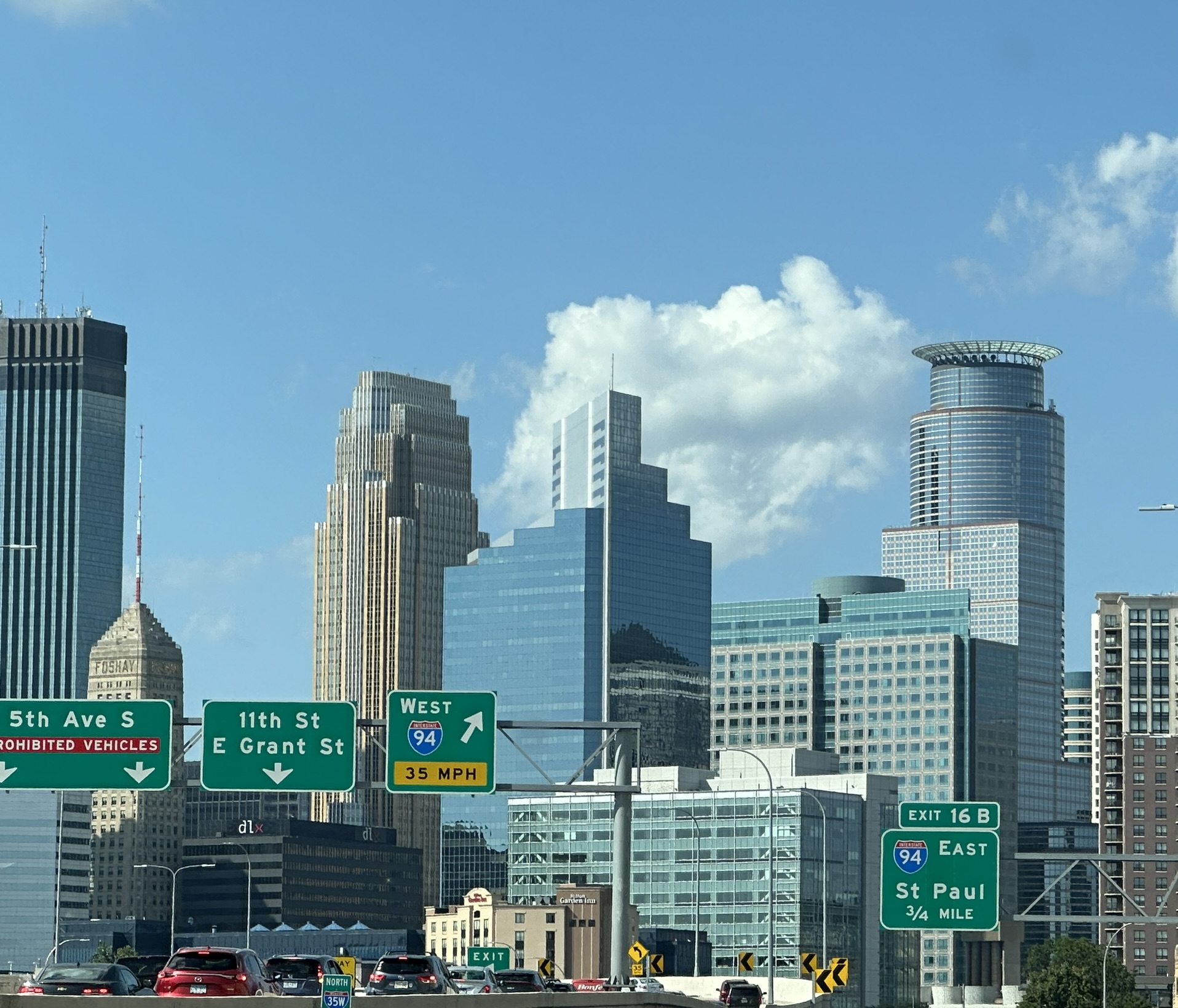
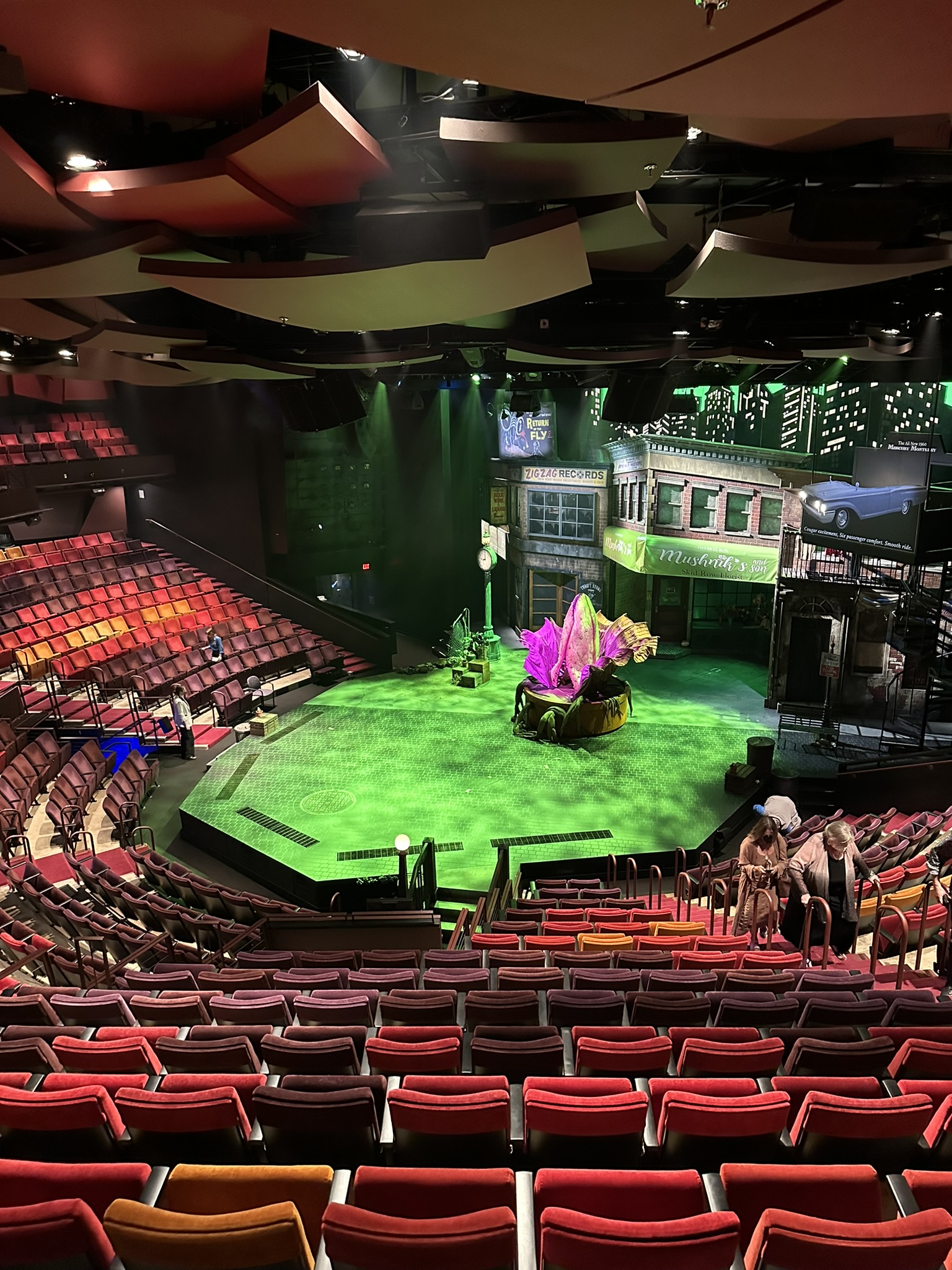
The Twin Cities. We spent five days with relatives and visiting with friends in the Minneapolis area. We visited parks, walked along the pedestrian path and bike trail along the Mississippi River and caught a fabulous production of Little Shop of Horrors at the Guthrie Theater. It was nothing short of fantastic.


Stops Headed West
Jeffers Petroglyphs. On our route west, we made two brief stops in rural southwestern Minnesota. Rolling down country roads amidst farms of the corn, soybean, cattle and wind varieties, we entered into a wild, reclaimed prairie area and stopped off at Jeffers Petroglyphs on Dakota tribal land managed by the Minnesota Historical Society.
The petroglyphs are located on strong red quartzite rock and were carved, some as long as 7,000 years ago, using (they suspect) flint tools. Some depict hunts, some provide maps, some are religious symbols.
The red rock shows black wavy signs of when ocean tides filled this basin of land many thousands of years ago. According to Dakota legend, people came here to avoid a great flood, and the rock turned red with the blood of those who came (there are, of course, more modern scientific explanations of iron oxide mixing with sand and mud).
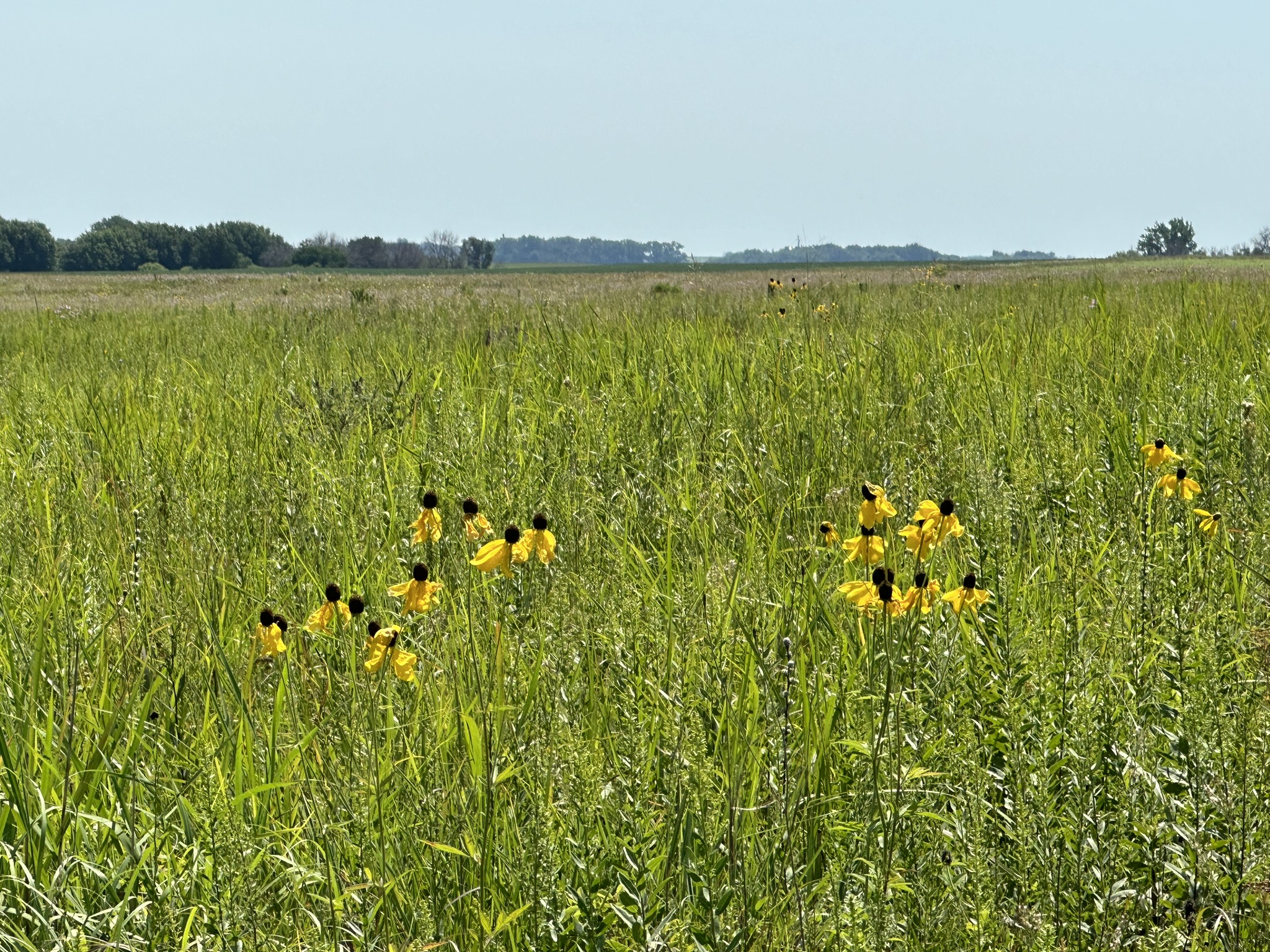
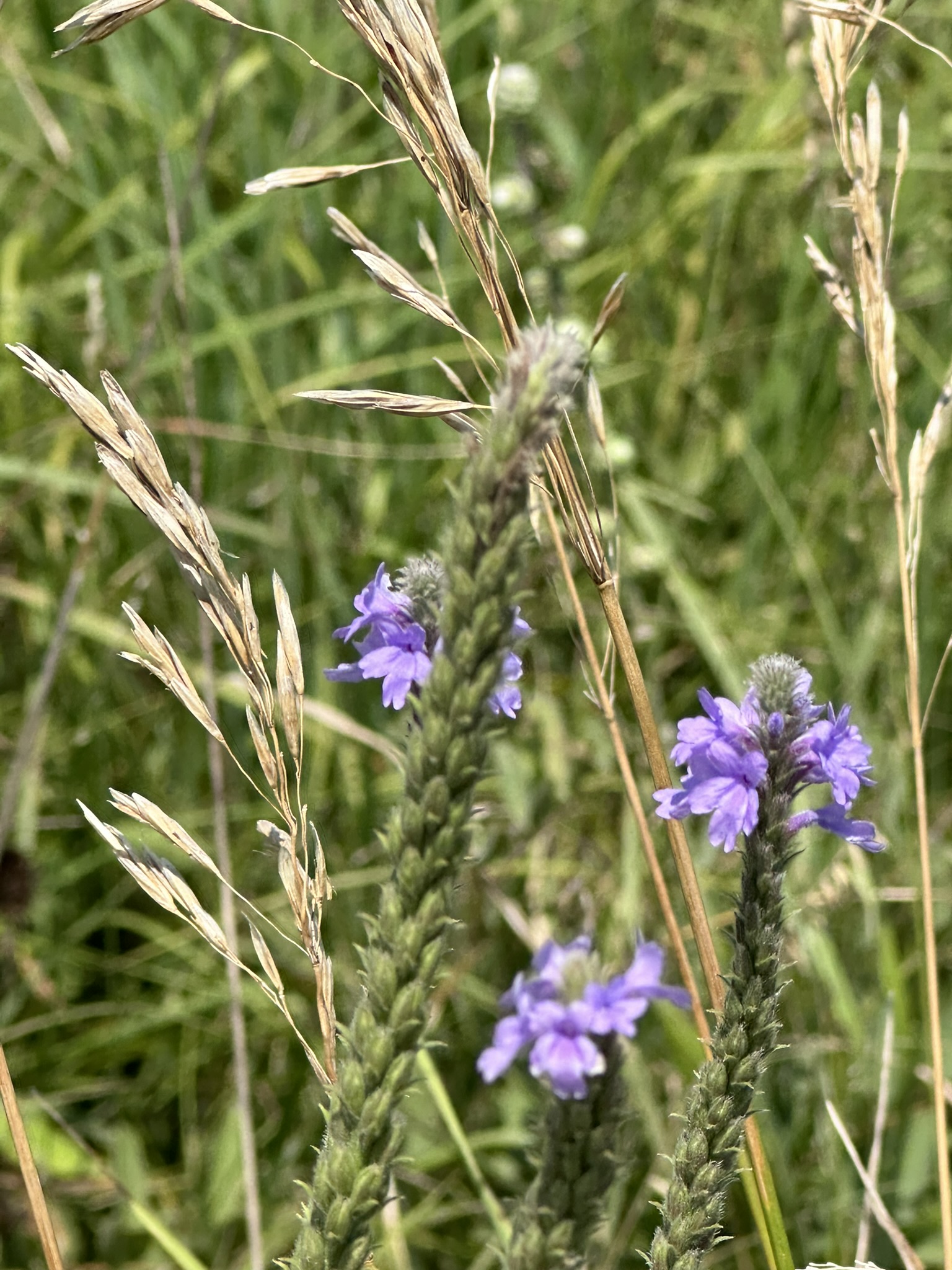

Admission is $10 per adult which includes a self-guided option or a guided 30-45 minute one. You can’t take pictures of the petroglyphs themselves (and frankly, you wouldn’t be able to see them in photos anyway). If you bother to come all this way, take the guided tour. They use a spray bottle of distilled water to bring out the outlines of the drawings and add so much color to your visit it’s worth it.
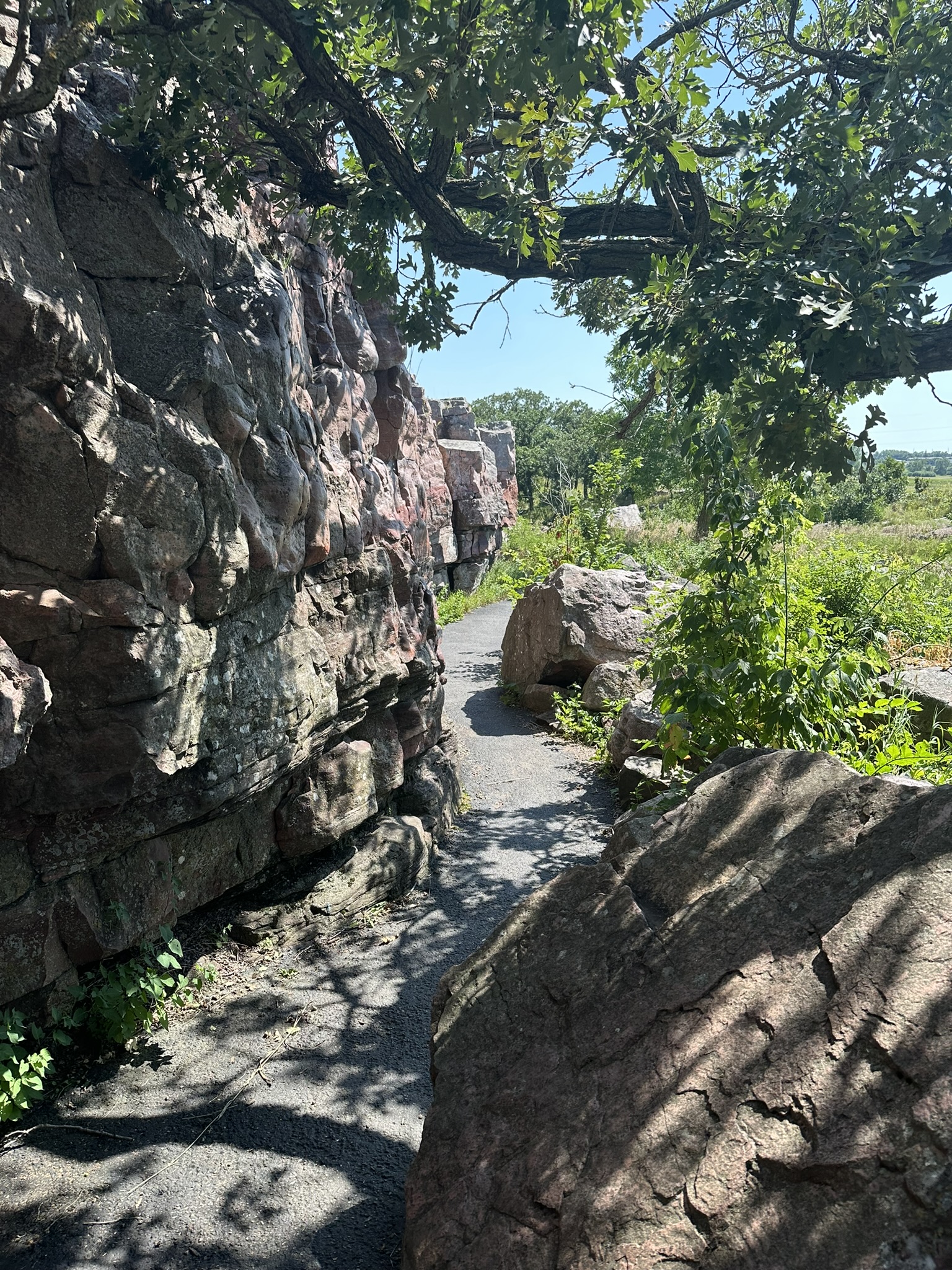
Pipestone National Monument. Just shy of the South Dakota border, is the National Park Service-run Pipestone Monument. For more than 3,000 years, indigenous people have quarried stone here to build pipes used in religious ceremonies and rituals. You walk out through the prairie, past a simulated quarry, to a red rock canyon-like area and, when it’s open (which it wasn’t) can follow a bridge across a river and waterfall to complete a 1-mile loop. We walked to the canyon area, but the mid-90s heat under bright hot sun drove us back to the air conditioning of our car rather than loop along the other side of the river to catch a glimpse of the falls. Its Free to visit.
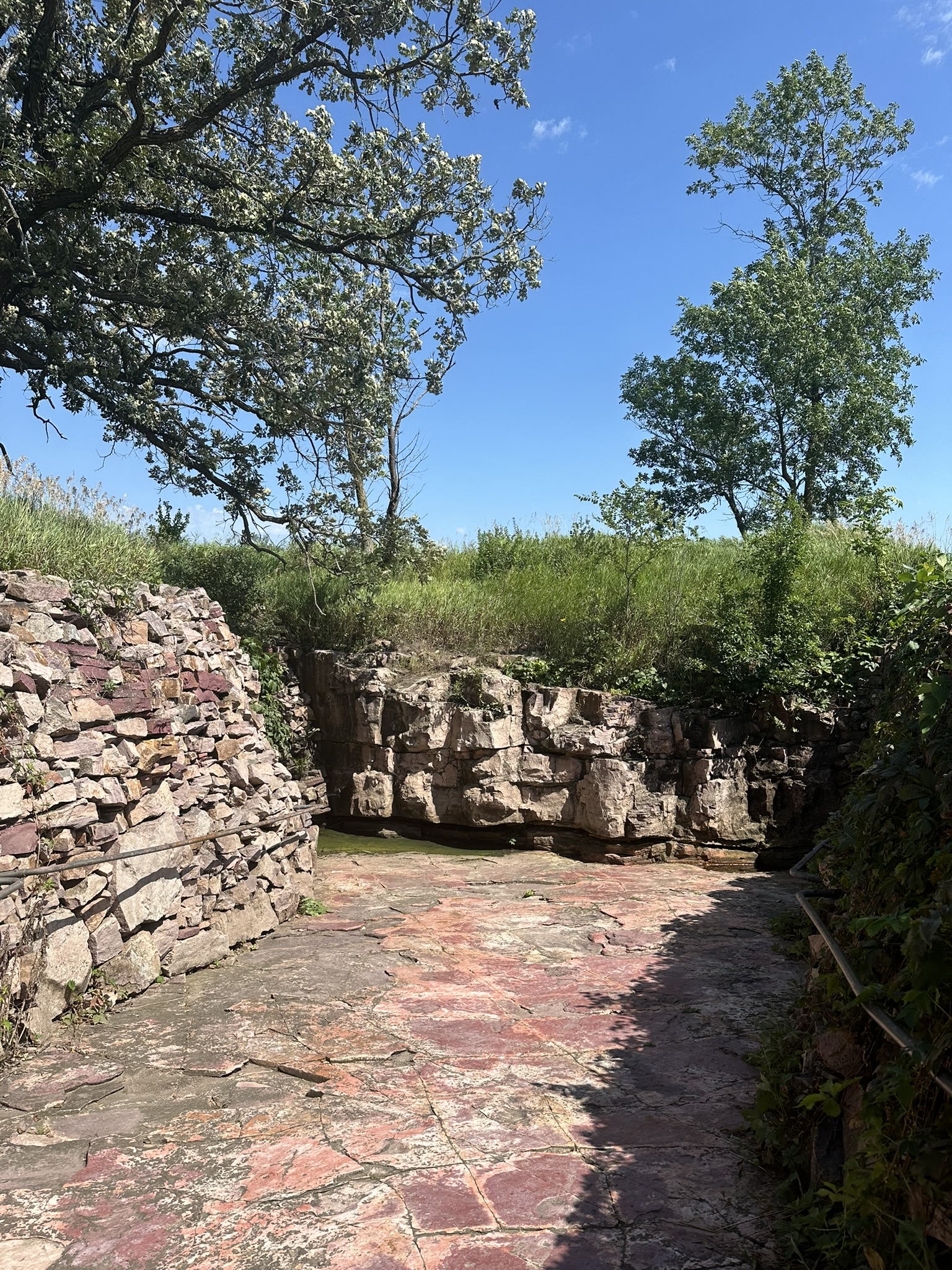
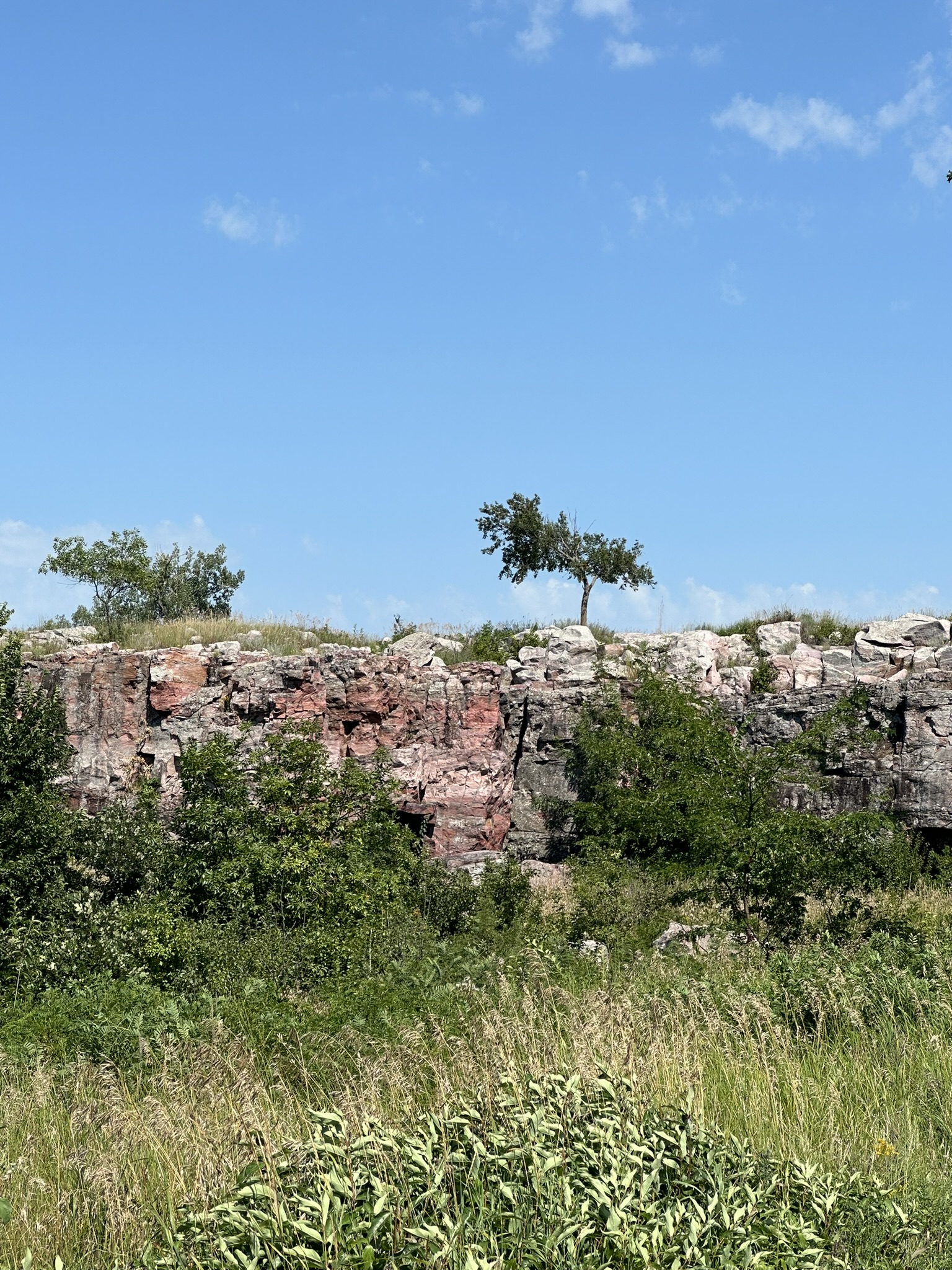
With our homage to Prince and the indigenous people of these plains complete we headed west out of Minnesota and into the Dakotas, leaving some restful time at one of those 10,000 lakes for next time.
 The Traveling Ridleys
0 comments on “Paying Homage to Prince, Etc. in the Land of 10,000 Lakes (Minnesota)”