

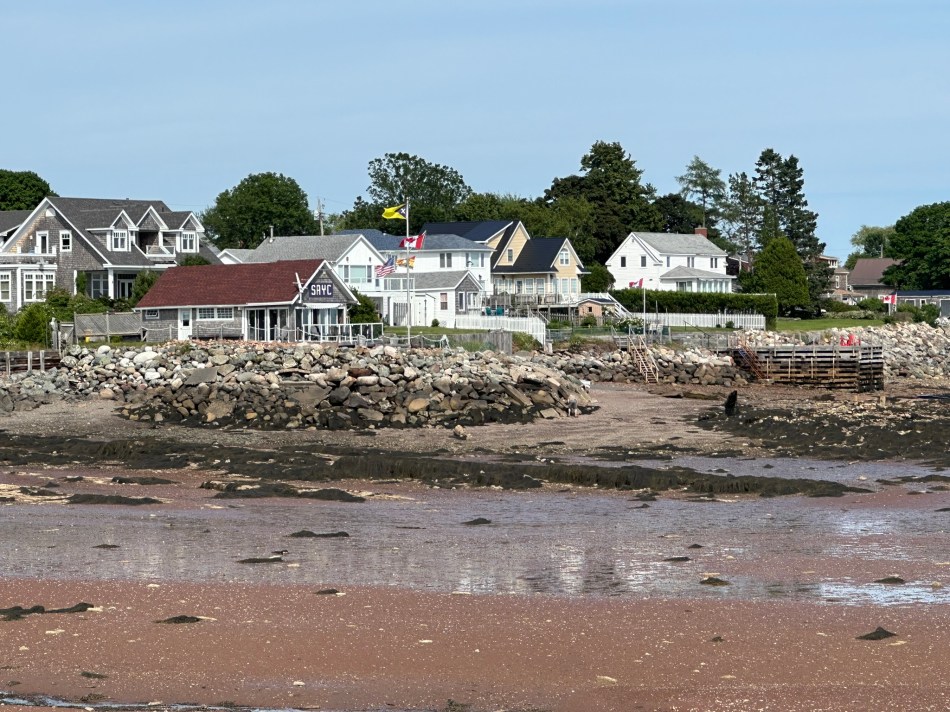
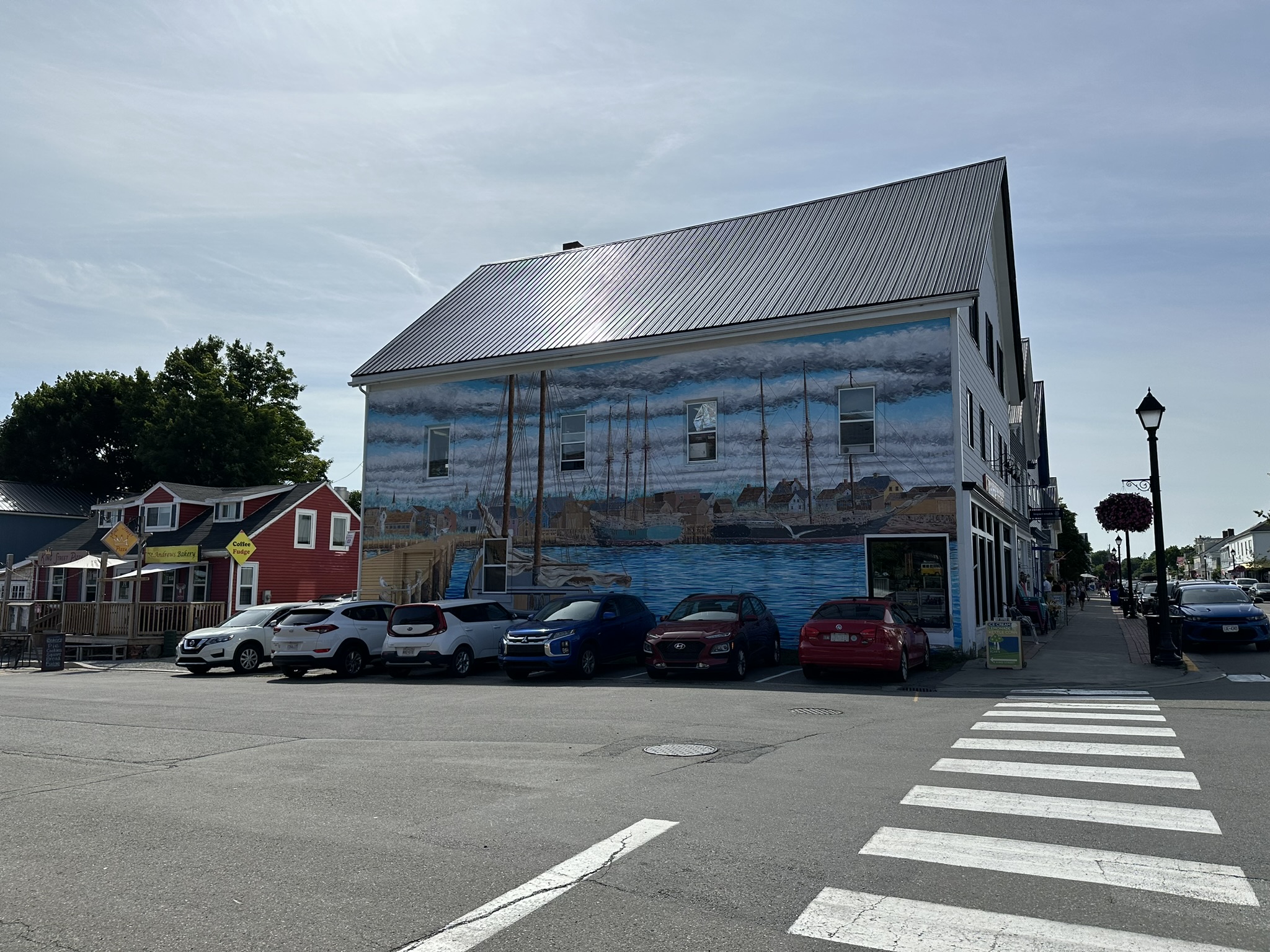
On our trek west, we detoured, from Prince Edward Island, south to New Brunswick’s St. Andrews by the Sea. Melissa had seen it on one of those lists of prettiest towns in Canada, so we added into our itinerary. It did not disappoint.
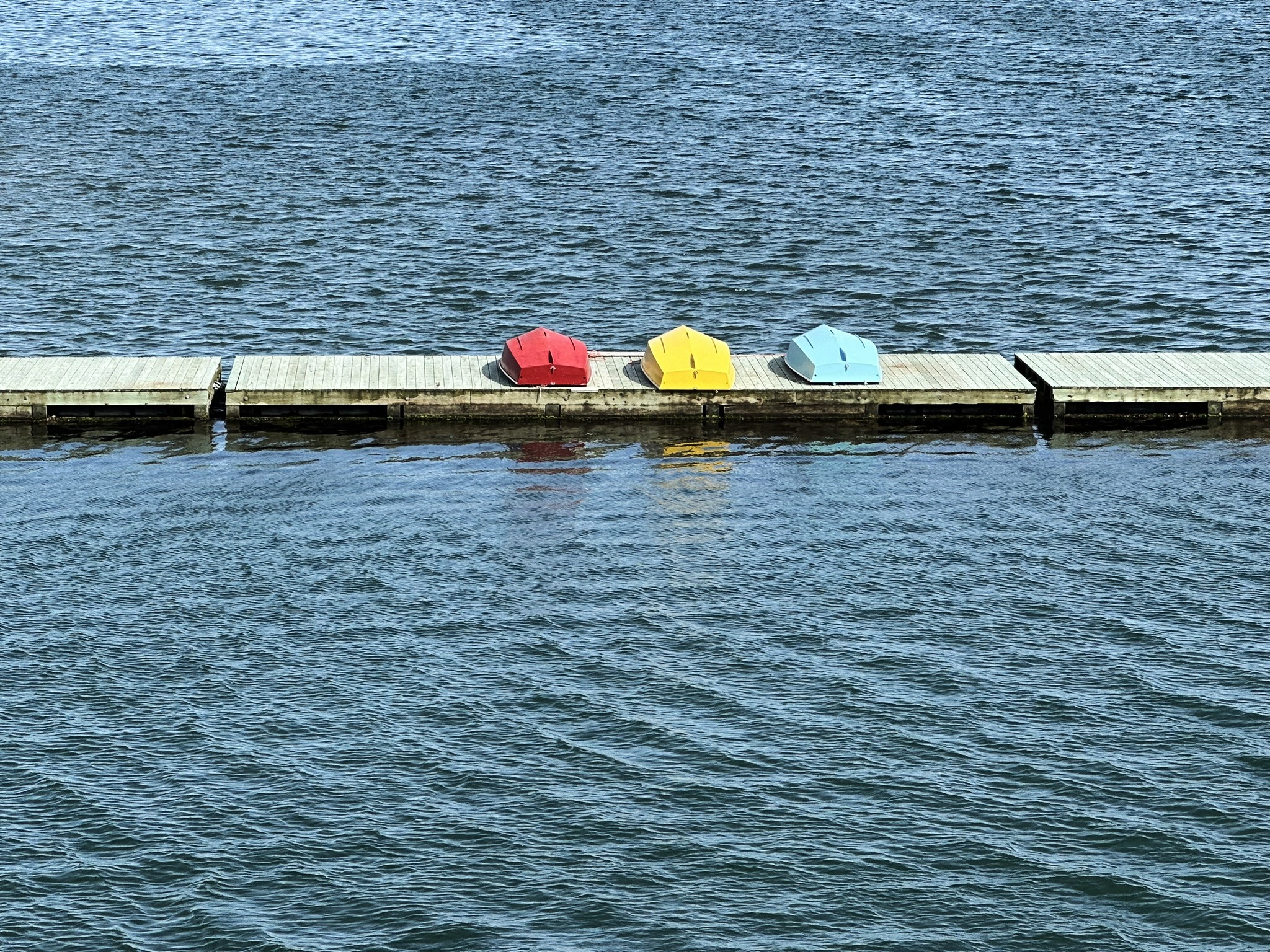
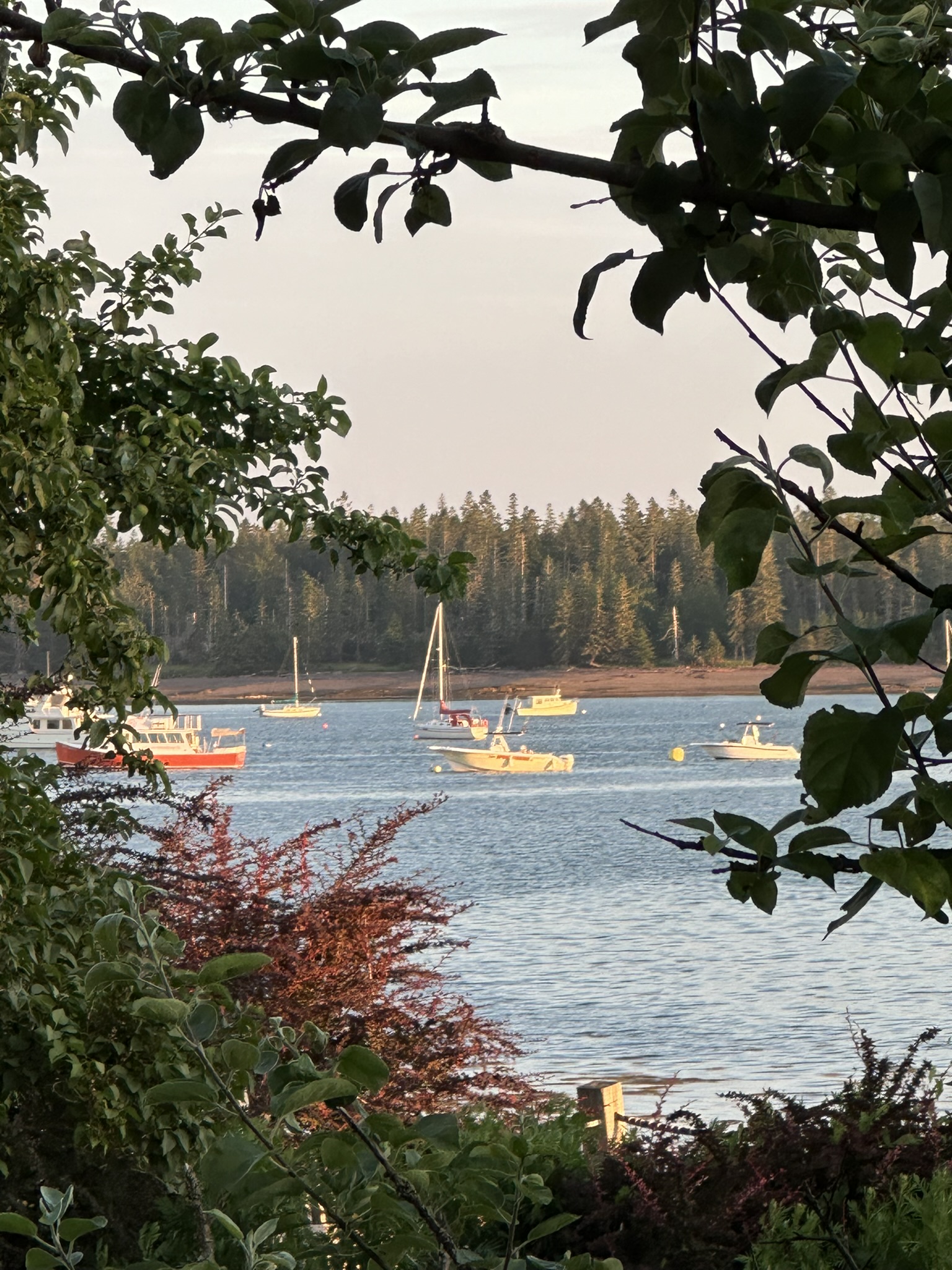
From all around town, at points high and low, you can see Maine in the USA. So much so that we could hear and see fireworks displays on July 3rd and 4th, much like the Mainers probably could see them here on Canada Day three days earlier.
History of St. Andrews. The land on which St. Andrews sits used to be the meeting place for the native nomadic Peskotomukhati who would rotate around the area depending on when the salmon or caribou were migrating or clams were in season or maple syrup flowing and, thus, available for their hunting, gathering and fishing needs. They would meet here for their councils.
The British loyalists created a town here in 1783 with a gridded street format in which most of the street names, except for Water Street which runs along the waterfront, paying homage to King George III and his family.
“Separated from Maine ports only by a bay and a tangle of islands, the town’s merchants and shipowners also enjoyed a flourishing carrying trade when Great Britain and the United States were at odds or at war. Needing the other’s goods, but forbidden to trade, each country used St. Andrews’ merchants and ship owners to transfer goods “along the lines” (the international boundary) between British and American vessels.” (1)
By the end of the 19th century St. Andrews became revitalized, from a decline both economically and in population, as a resort town.
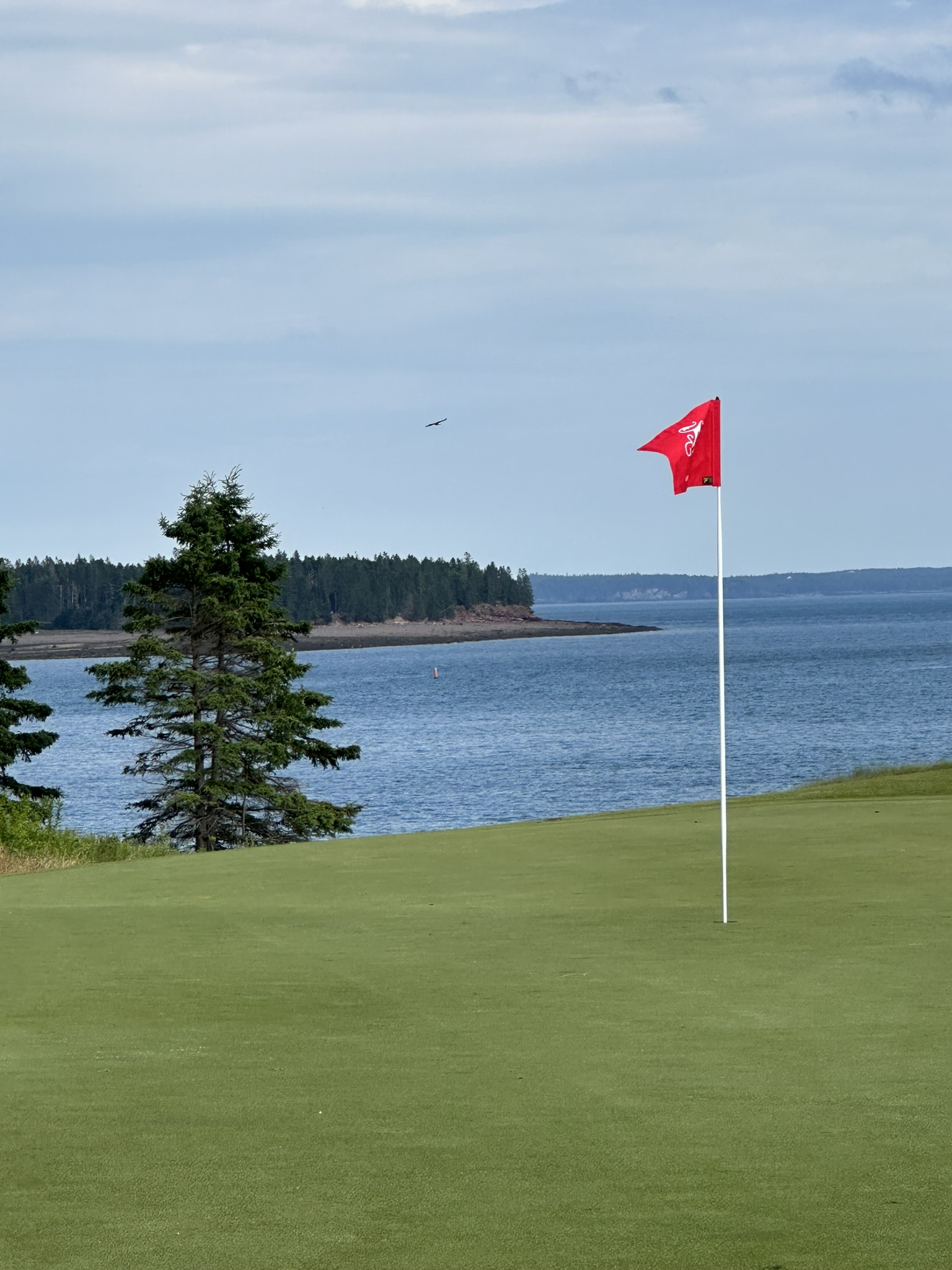
The Algonquin. Part of this revitalization came in the form of the Algonquin Resort, now a Marriott Bonvoy property, where we stayed and on whose golf course I played.
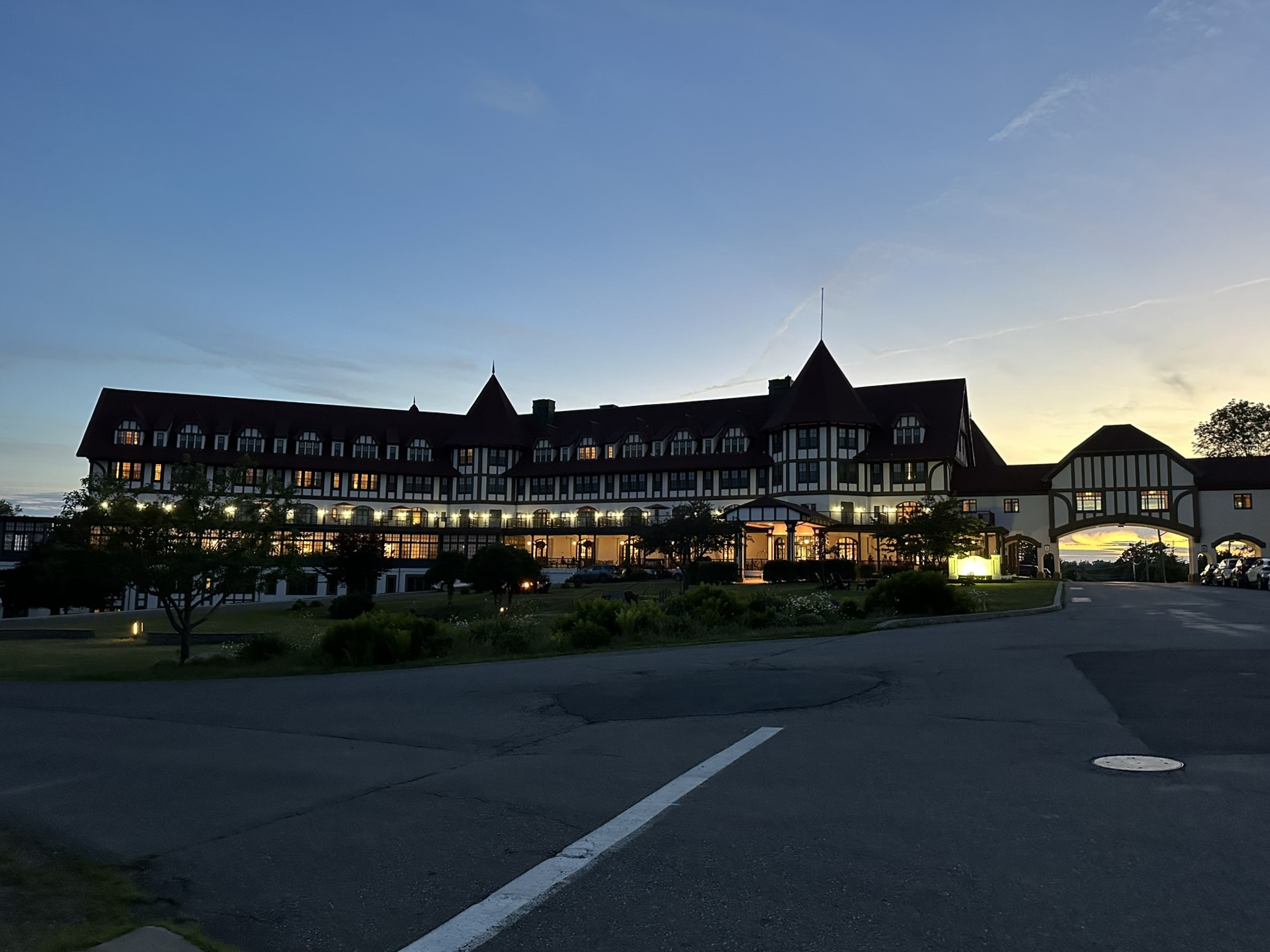
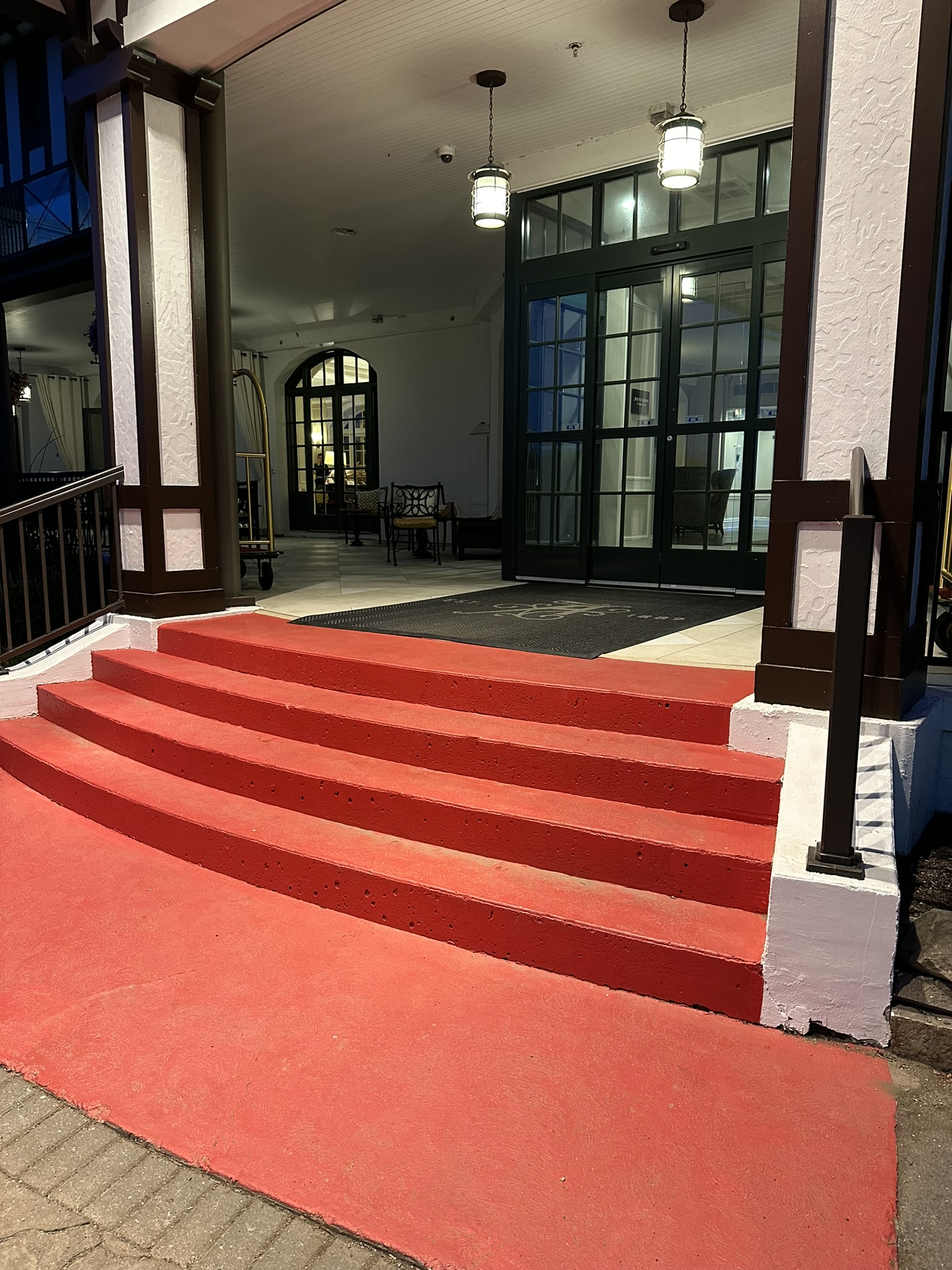

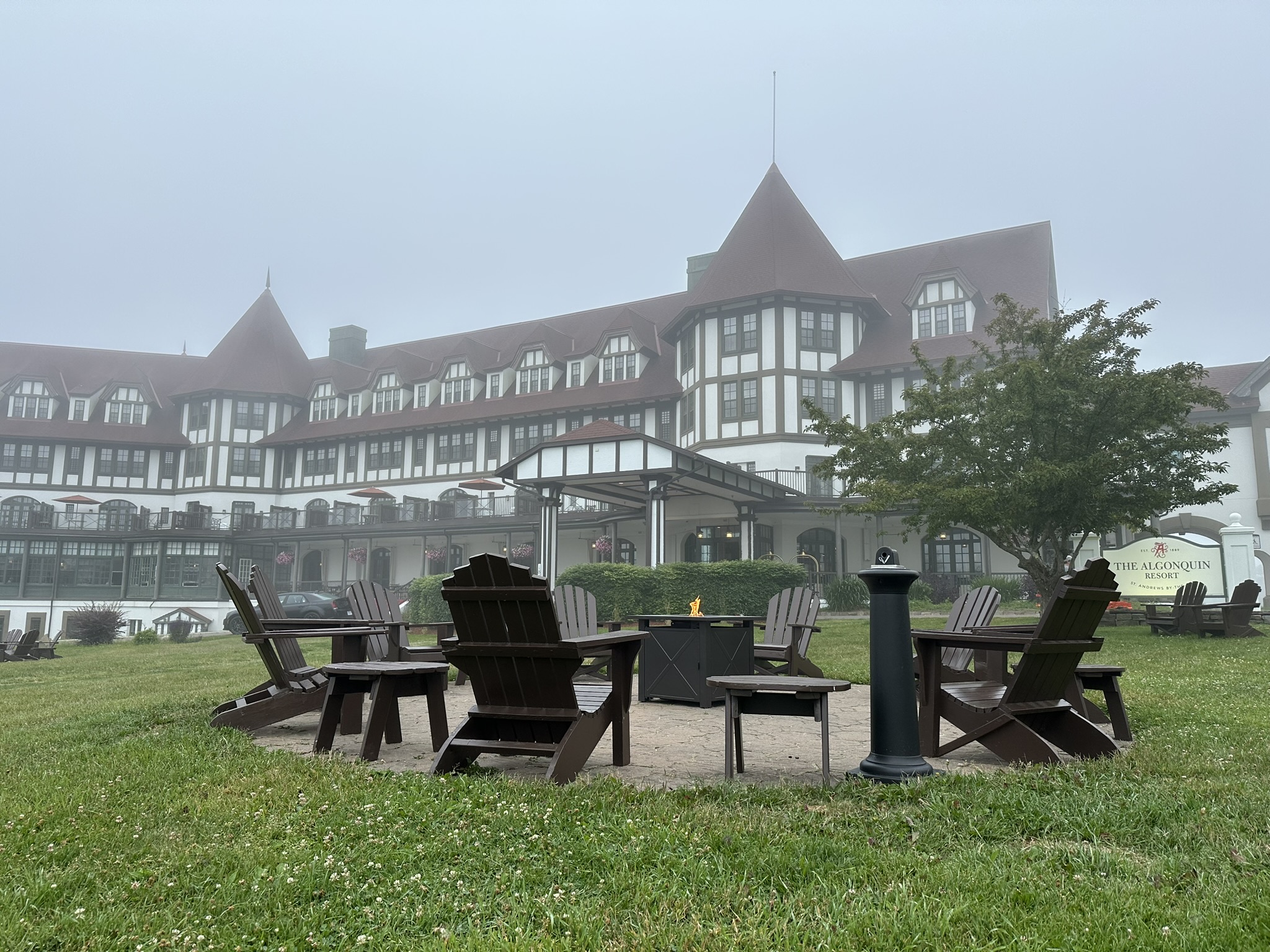
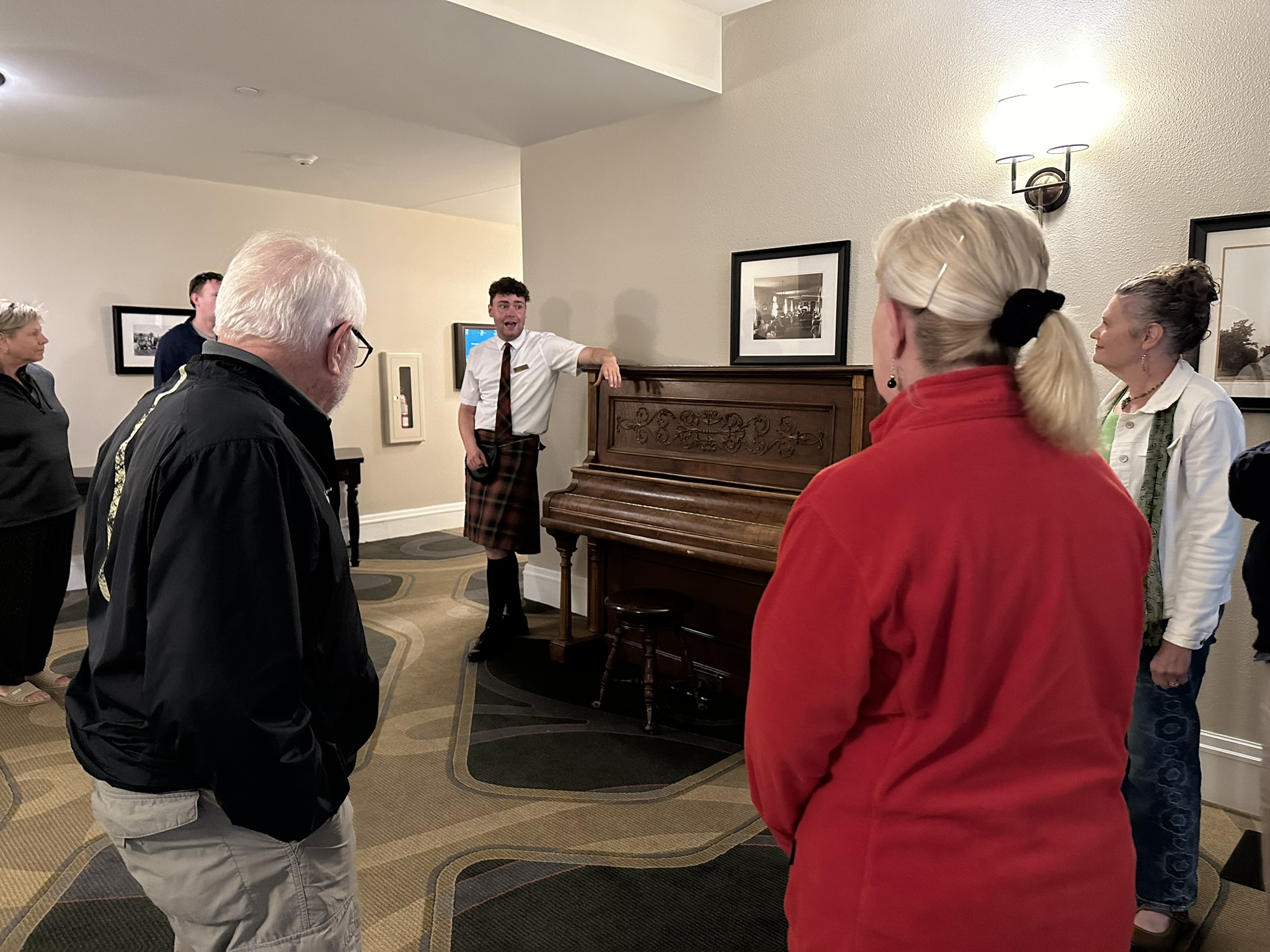
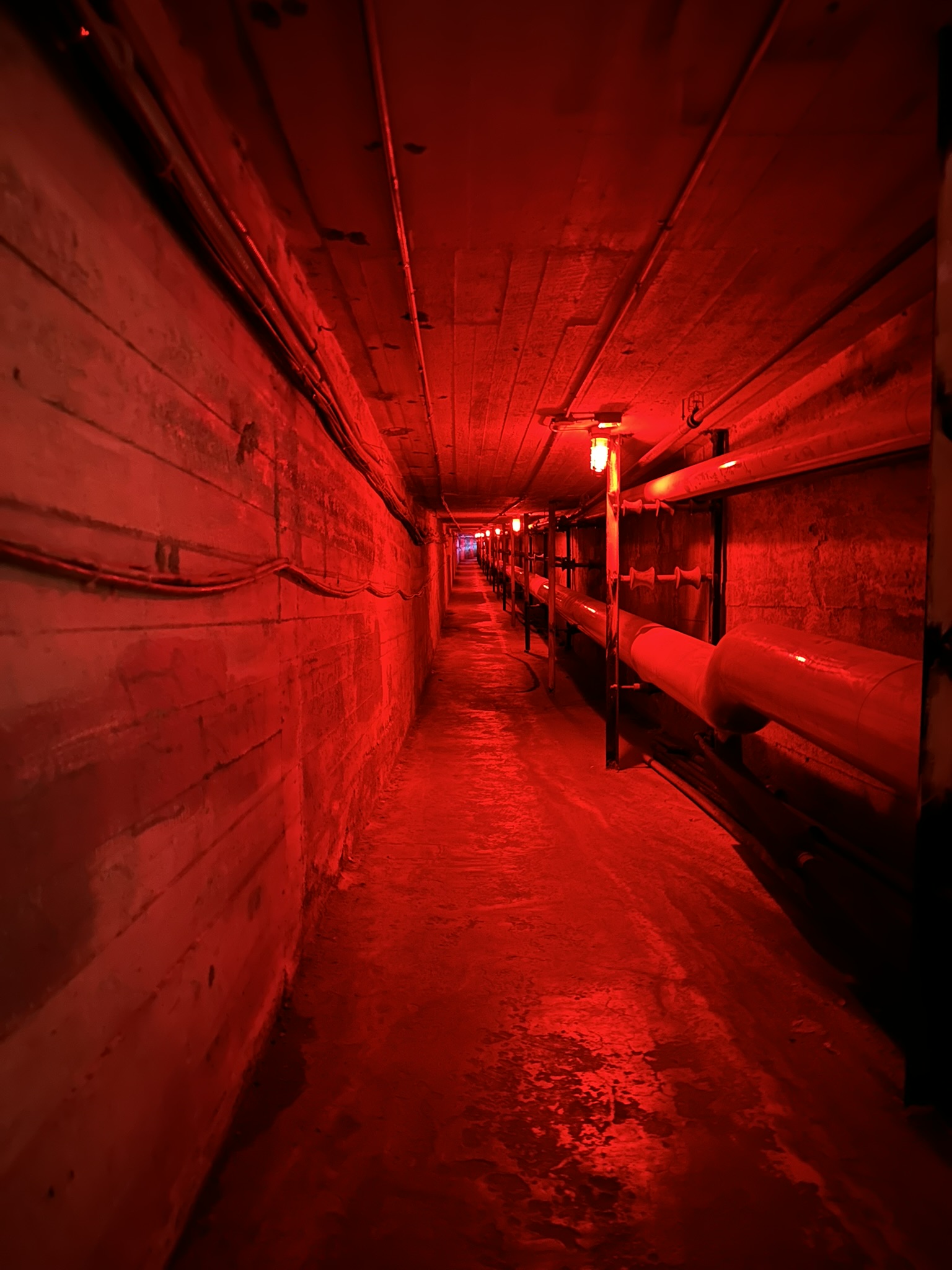
The Algonquin was built in 1889. It burnt down in 1914 and was rebuilt and reopened within six months. It has a long history and is haunted by guests and staff from its past including “little boy Ben” who fell out a window chasing a ball, “the bride” who lost her fisherman groom at sea on her wedding day and died in her room of a broken heart, the “night watchman” whose keys you can hear (or maybe it’s something in the pipes?) in the red-lit underground passage between the staff residence and the hotel and the bell hop who rescued a piano, which is still at the hotel, from the fire and can be heard playing throughout the hotel between 3 and 4am. Maybe it’s malarkey, but I was convinced by the affable Greg’s ghost tour delivered in an easygoing Canadian style. “So that’s what happened, eh?” Whether it was its haunted history that drew Stephen King or not, he allegedly wrote half of his classic novel The Shining here.
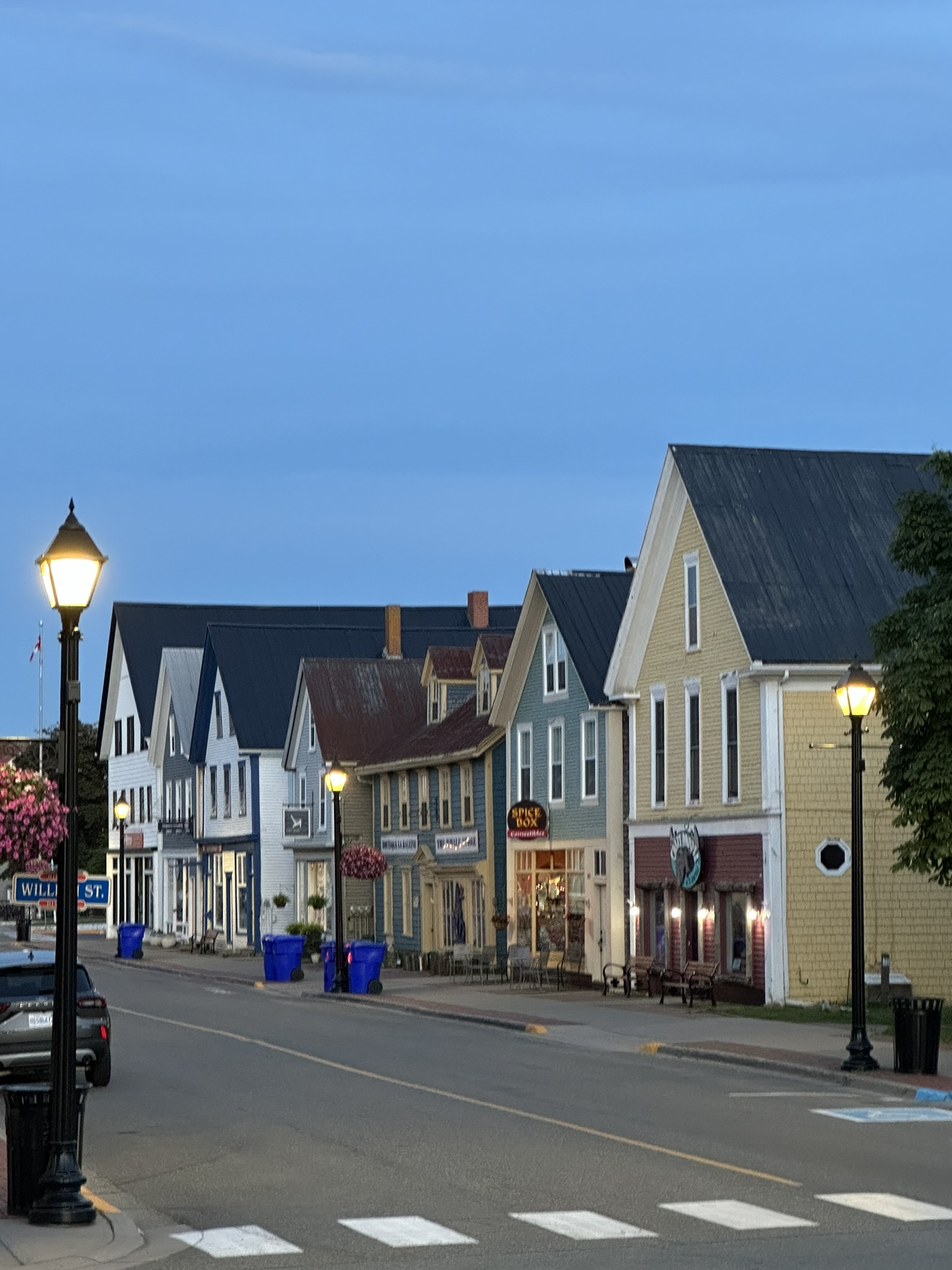
In town, we strolled its main street, Water, and poked into shops and ate surprisingly gourmet dinners at Water and William (at the corner of Water and, you guessed it, William streets) and at the The Chandler Room Wine Bar in the Treadwell Hotel both solid finds by my wife.
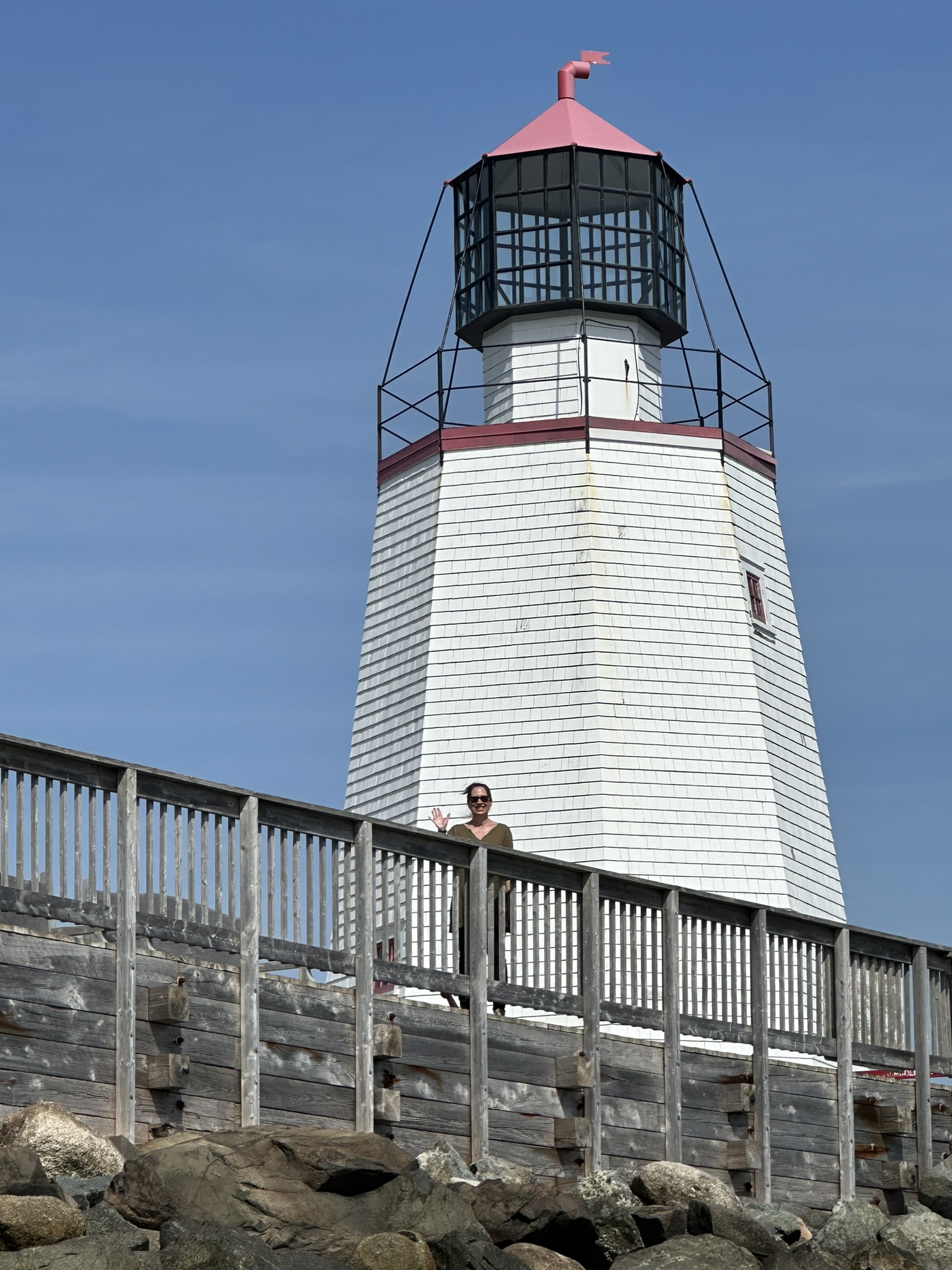

The Road Northwest. As we pulled out of town and pointed the car westward, we bid adieu to the Atlantic for a while. It was an eventful trip north and west.
In search of our first Tim Horton’s, Canada’s most popular chain restaurant, we pulled off at King’s Landing, which incidentally looked nothing like the one in Game of Thrones, and found only gas and a Denny’s. Not being in the mood for “Moons Over my Hammy”, we got back on the highway.
At the next stop, we settled for Subway in Nackawic, home to the world’s largest axe. With severe thunderstorms forecast we bypassed the axe viewing and left it for next time.
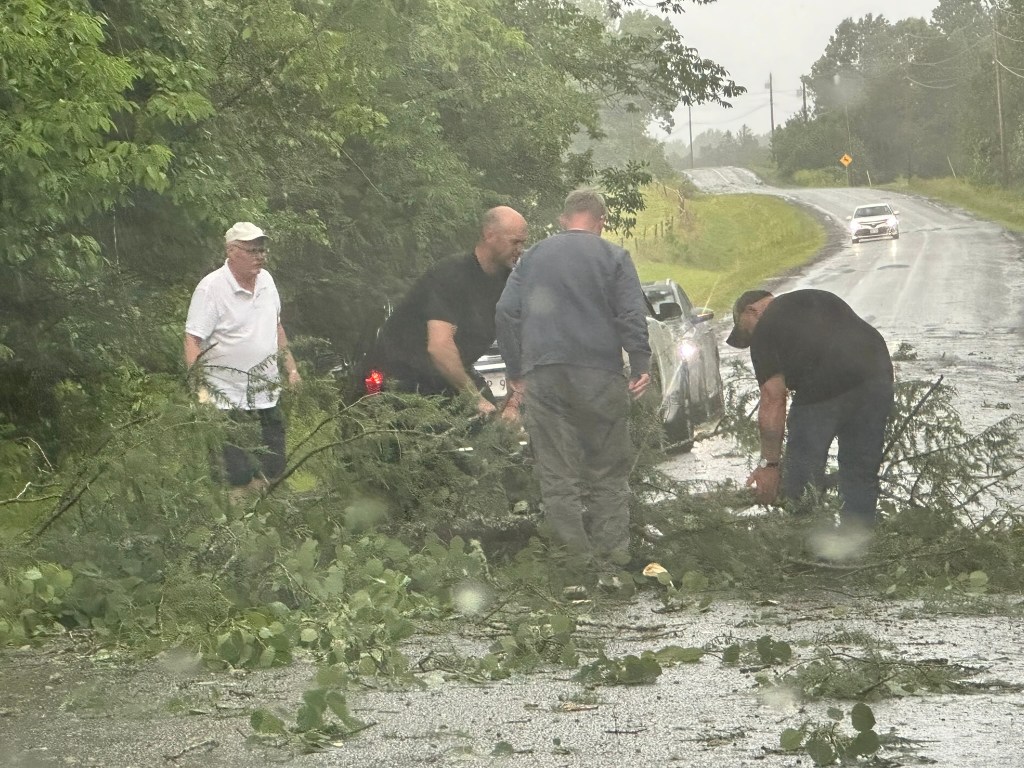
As the rain began, we exited the highway not wanting to hydroplane in the truck ruts. The severest of the weather had already passed through, blasting down a few trees and several branches in its wake, including one crossing the roadway. I joined my fellow New Brunswickers in breaking off enough of it and its branches to make the road passable, albeit in only one lane.
As the rain lightened, we followed the parallel road north through the beautiful St. John River Valley, destination: Florenceville.
The French Fry Capital of the World. Florenceville bills itself as such and that’s because McCain French Fries (of your frozen food case fame) was founded and is based here.
We beelined for “Potato World” at which we’d read you could spend up to three hours reading all of the placards and watching all of the films. That review must have been posted by a McCain. While three hours was a stretch it did hold some interesting history of potatoes and of McCain. For instance:
- Did you know that potatoes were first cultivated 4,000 years ago by the native peoples of Peru and Bolivia near Lake Titicaca? In the 1500s, this cultivation moved across the Atlantic to the Iberian peninsula and then north to France, what is now the UK and to Ireland and then to North America in 1719.
- Despite advances in technology to assist with the harvest, since the 1920s, area schools here close so that children can assist with the potato harvest.
- Did you know that the United Nations named 2008 the “year of the potato”?
- Did you know that McCain started producing frozen French fries in 1957 when Robert convinced his brothers to go in on this form of product and that McCain products are now available in 160 countries and McCain employs 20,000 people across 6 continents?
Well, if you’ve been to Potato World you would. Spud triviaed up, we headed across the parking lot to our adjacent accommodation to watch Portugal and France go (again, ugh) to Penalty Kicks and see Portugal, devastatingly, lose (infelizmente).

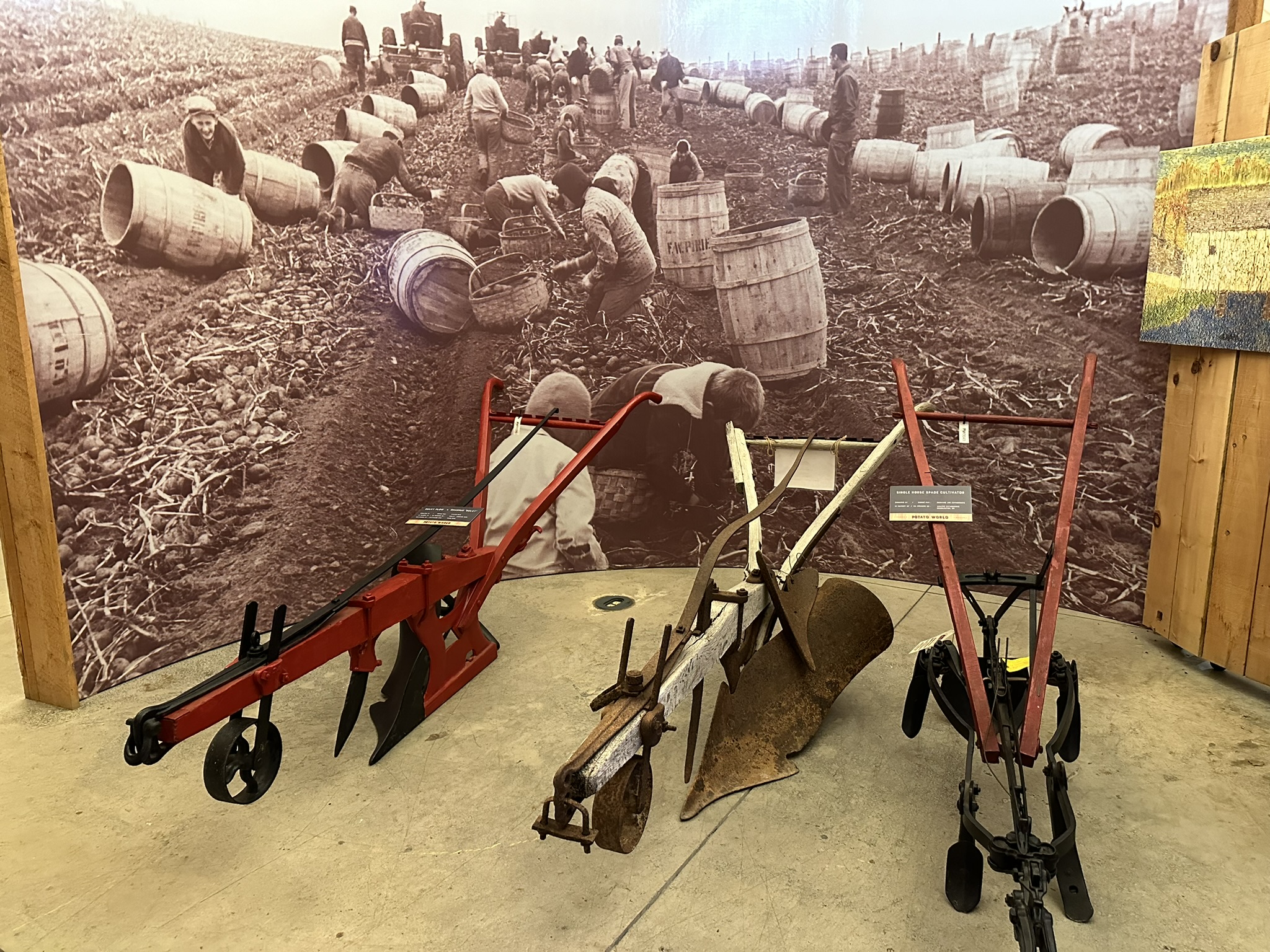
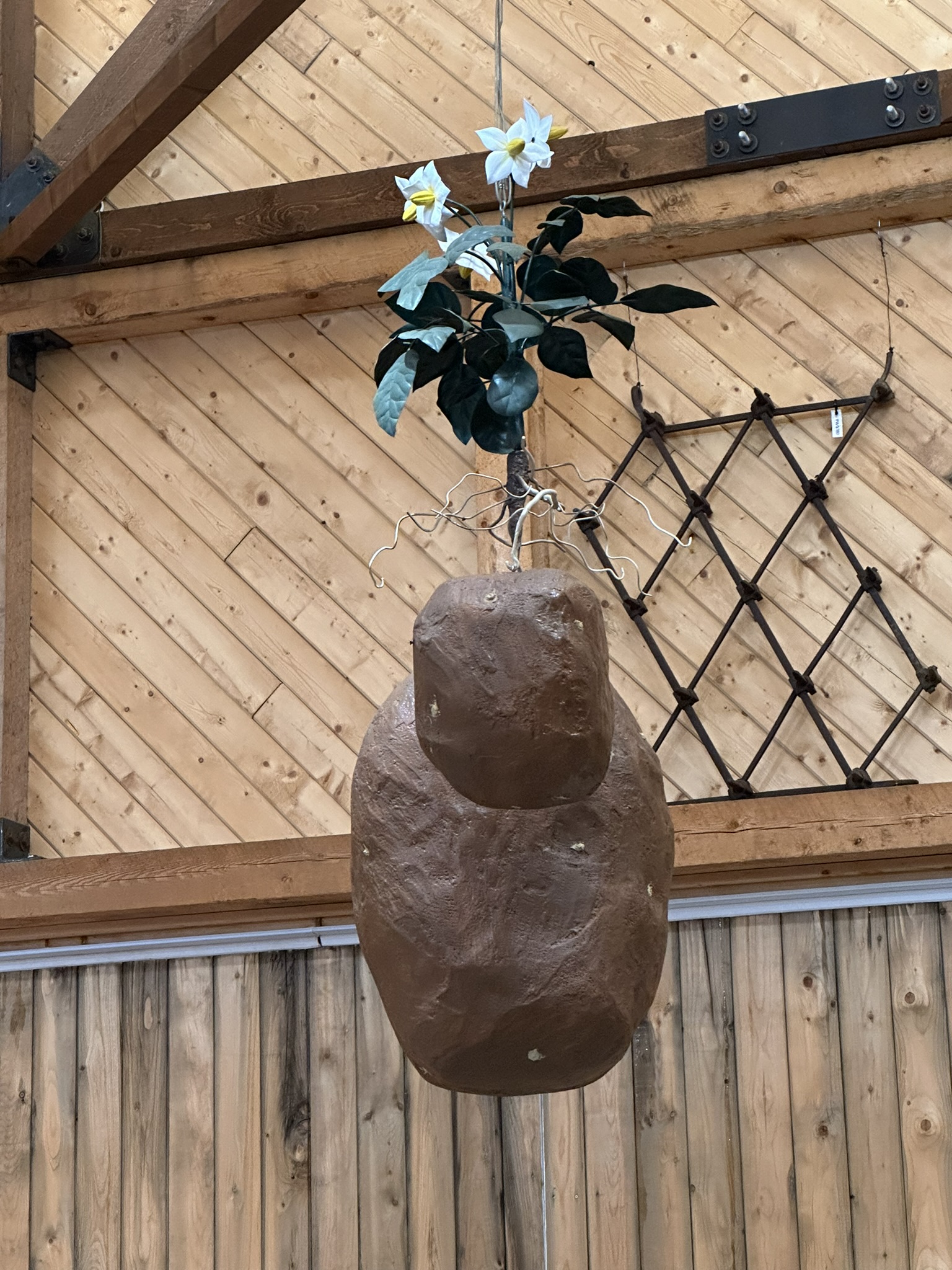
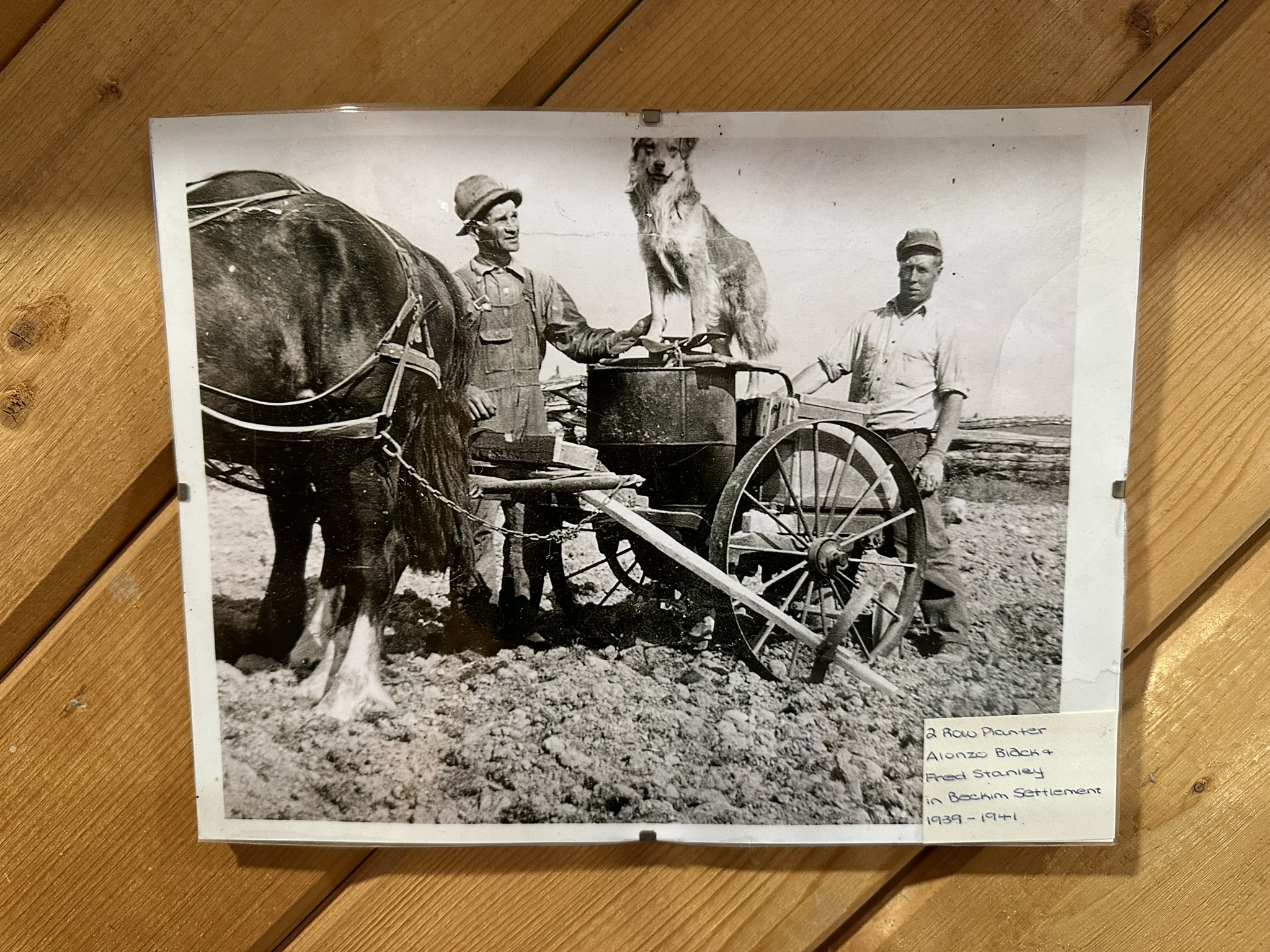
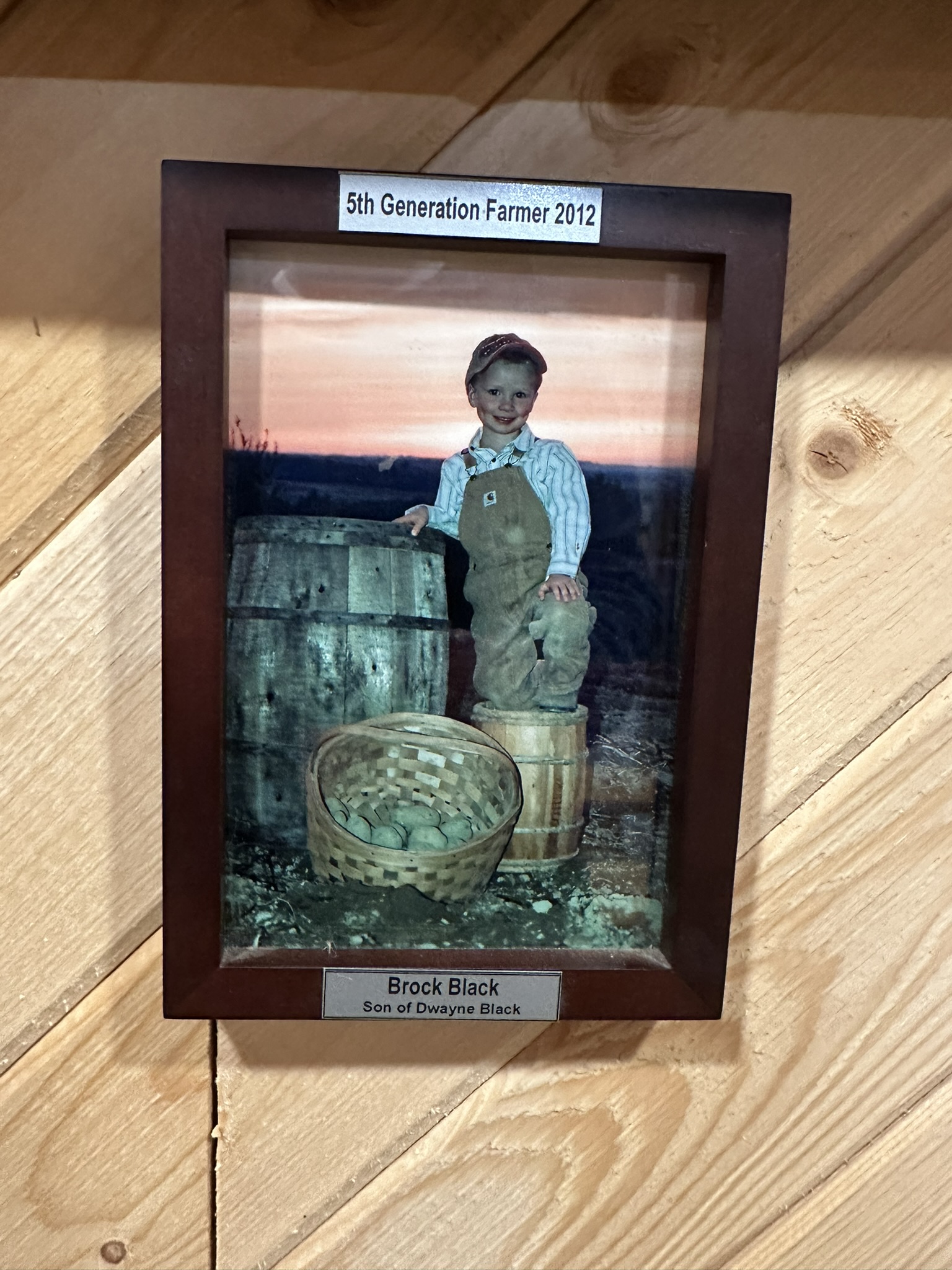
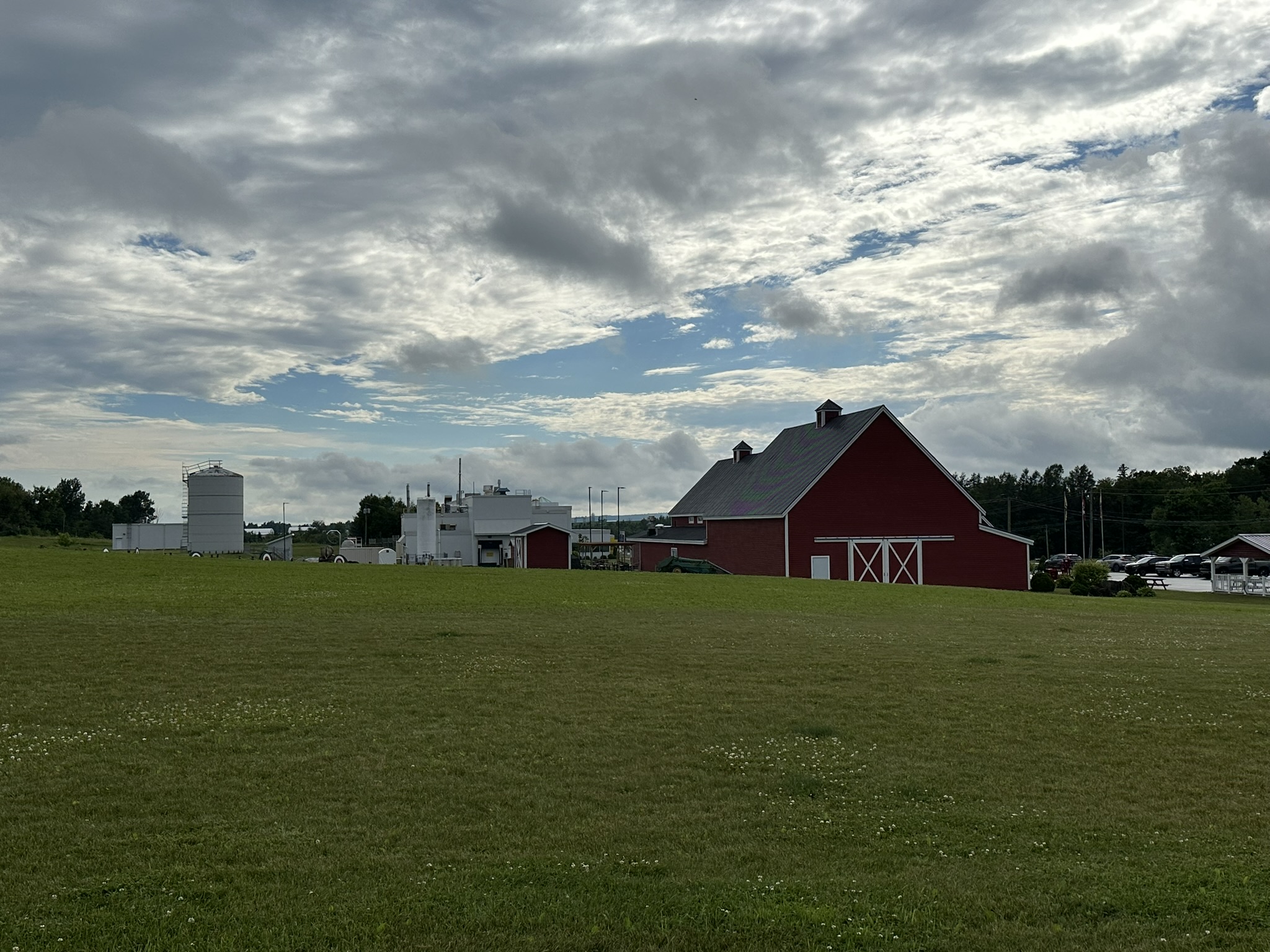
And yes, we of course had to have some fries with dinner, despite the fact that they aren’t typically in our dietary rotation, in the French Fry capital of the world.
The next morning, we were up with the sun and gone with the wind, as Bob Seger would say. We set out early to try to beat the forecasted severe weather and be north of it by the time it rolled through. We skirted the border of Maine up to the St. Lawrence River and into the heart of French Canada. Jusqu’a la prochaine fois, Nouveau Brunswick.
Sources:
 The Traveling Ridleys
0 comments on “Bordering Maine in New Brunswick, Canada”