

Taking time to be a tourist in your hometown is rare. For all the obvious reasons I guess: work, family, daily priorities and demands, etc., leave little room for touring. While Concord, Massachusetts isn’t exactly my hometown, I did grow up next door and did rock a blue and white checked rayon pullover at the local Concord Friendly’s for a while.
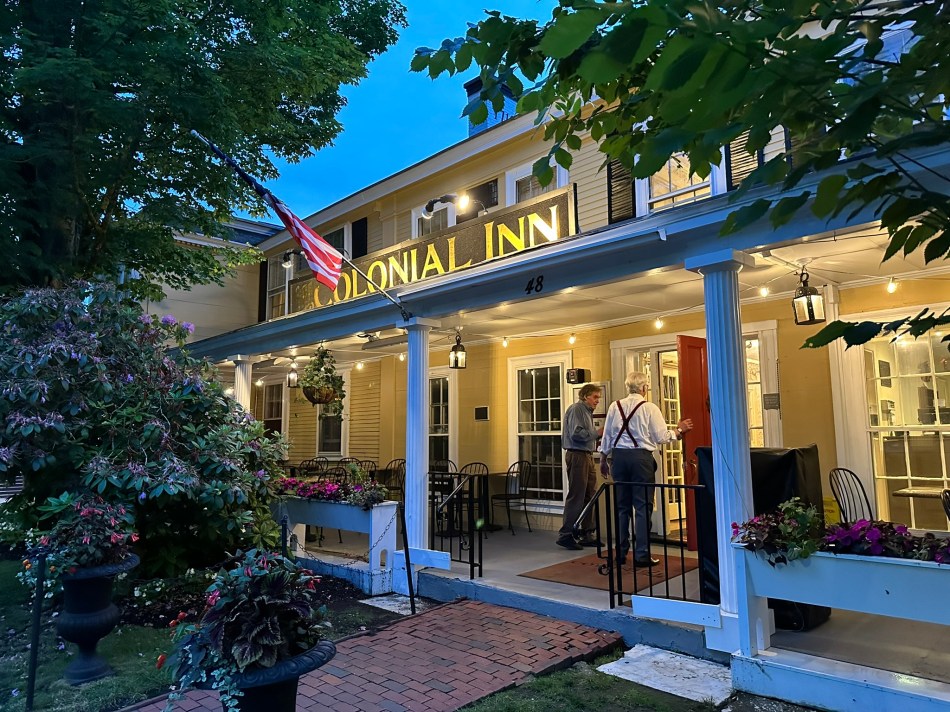
For the second time in just over as many years we returned to Concord, this time for two nights, to stay right on Monument Square at the quaint, bucolic, iconically small- town Massachusetts Colonial Inn.
The Colonial Inn. You practically expect Paul Revere to stride into the door of one of its pubs to quaff a pint after his midnight ride (had he not been captured a short distance from here). During the American Revolution, the Inn, built in 1716, was used to store munitions and the British regulars were en route to destroy them here when they were met by the Minutemen of Massachusetts at Concord’s North Bridge on April 19th, 1775, a day which is still commemorated there and is known as Patriot’s Day in the Bay State.
Nearby, you can visit that Concord Bridge (about a mile from the Inn) and Minuteman National Park (other parts of the park aside from the bridge require a car to explore properly) to take in a nice stroll and visit many of the historic sites of the beginnings of America’s quest for independence from the King.
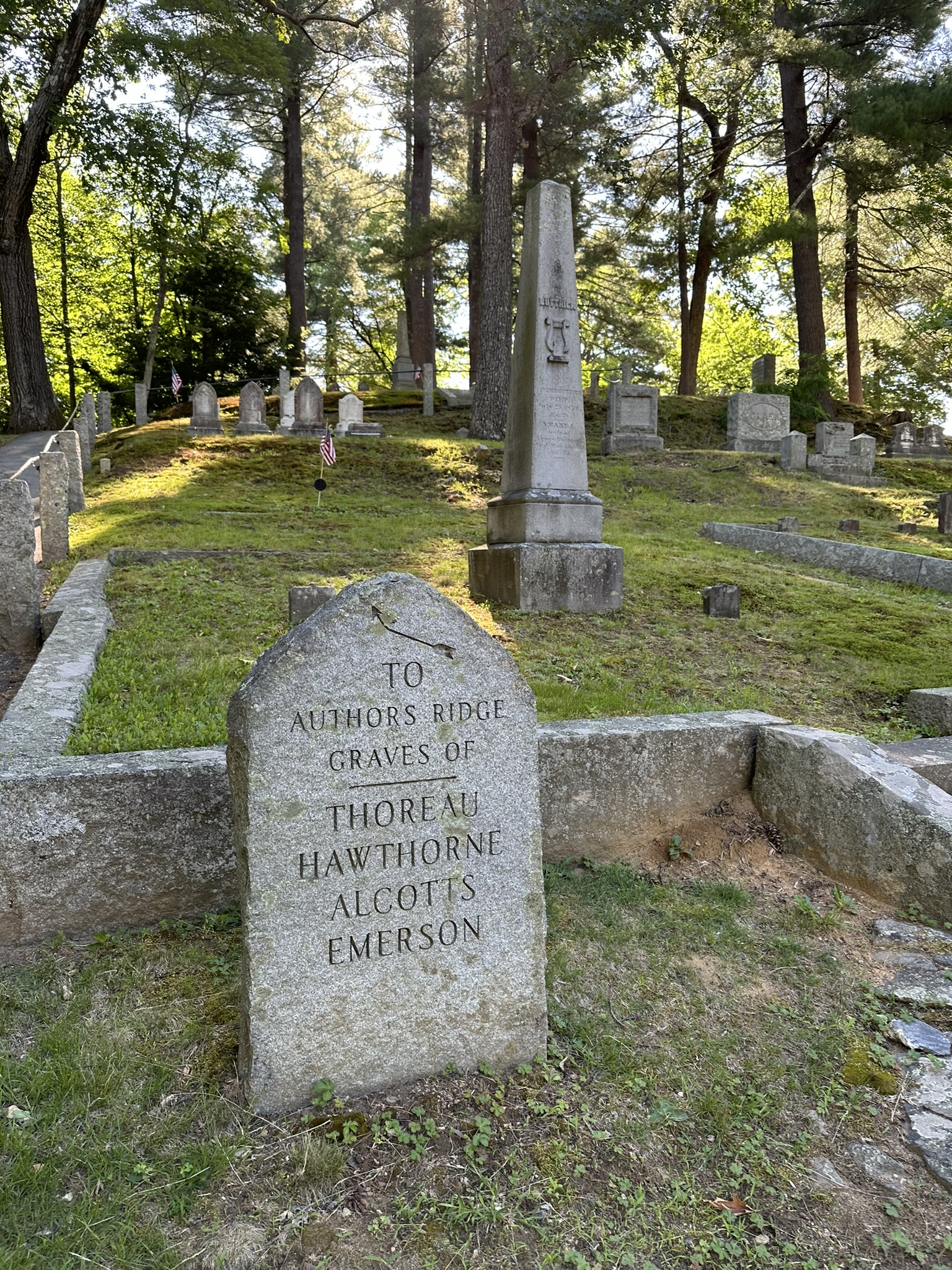
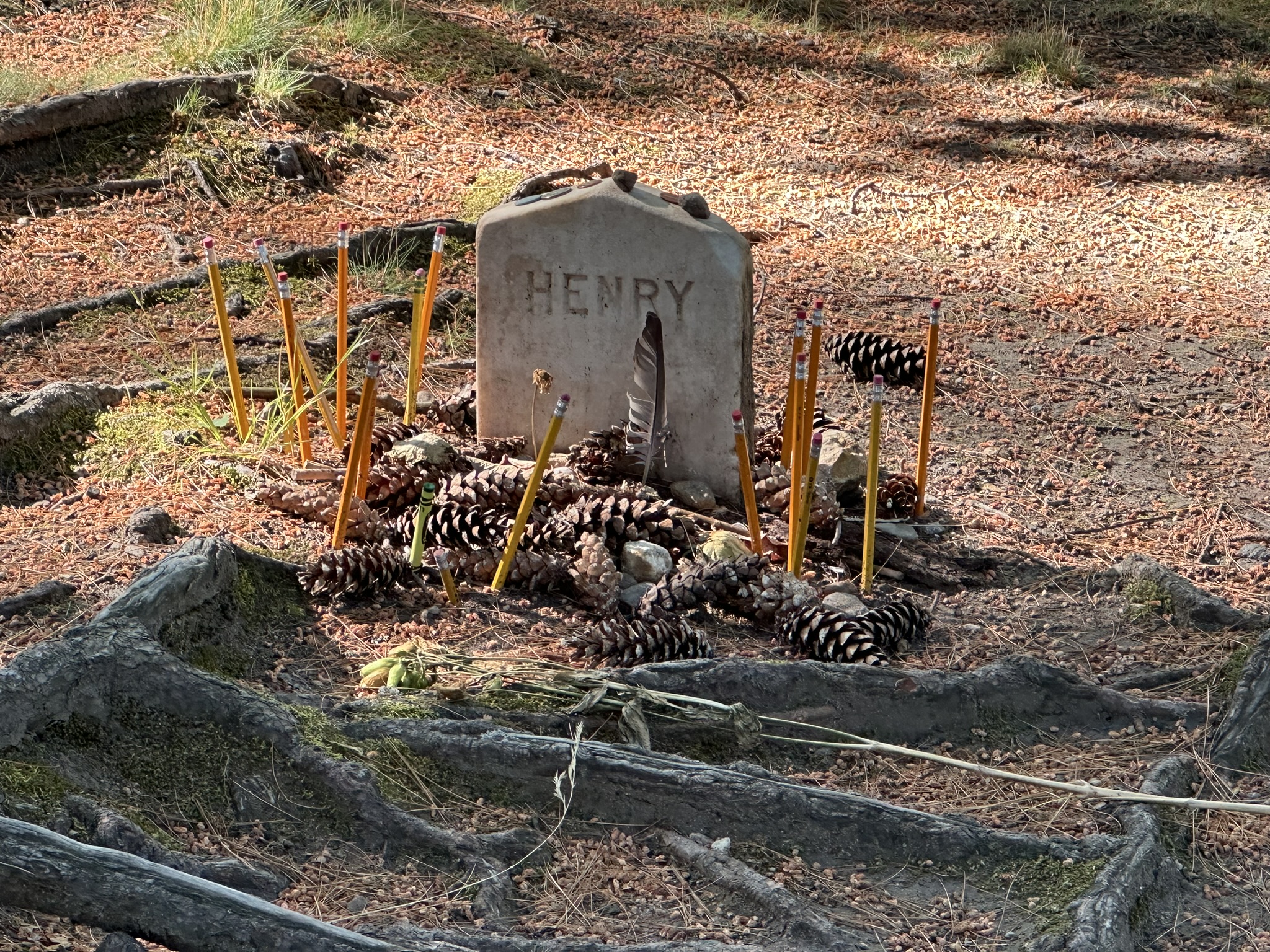
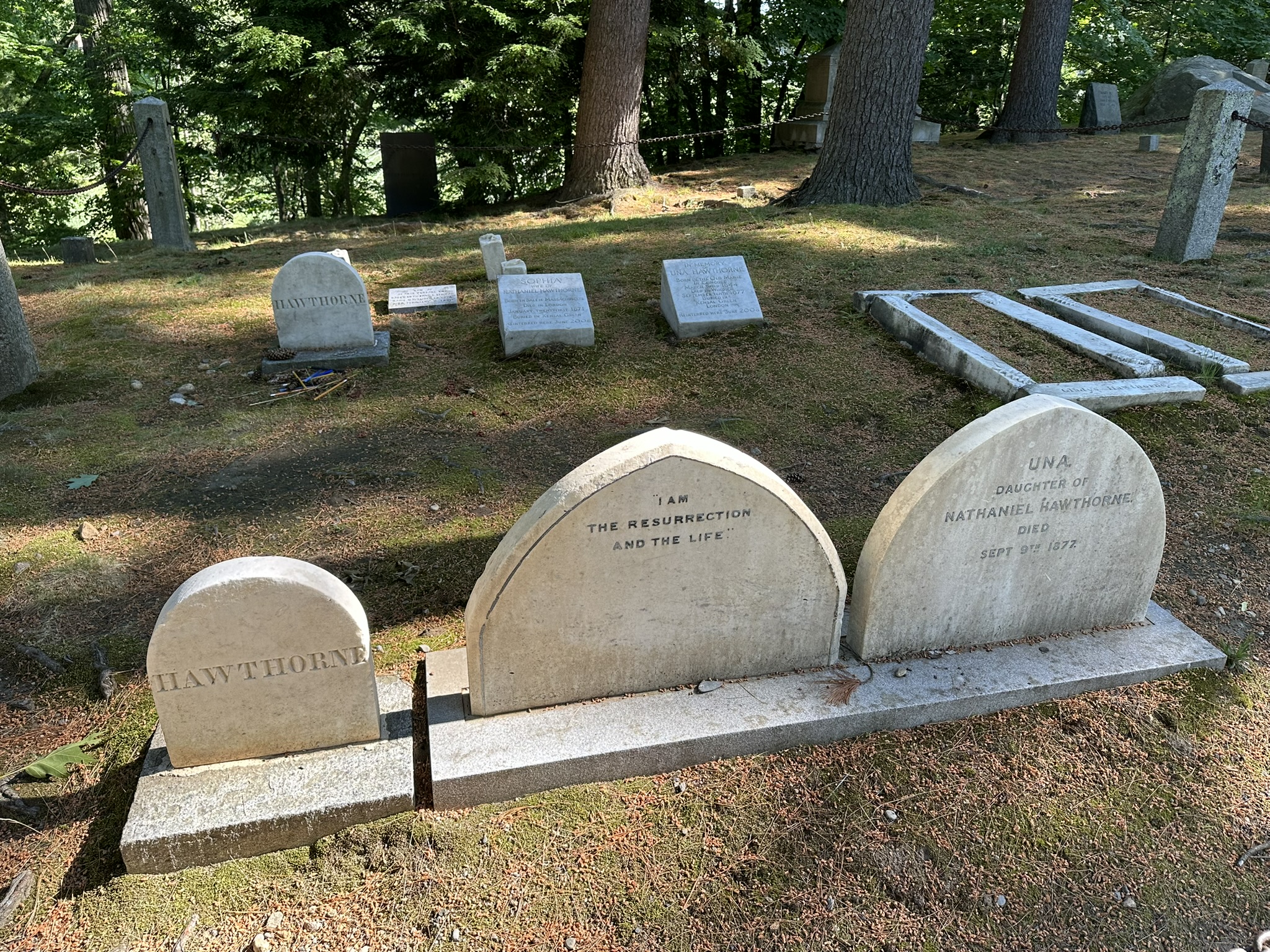
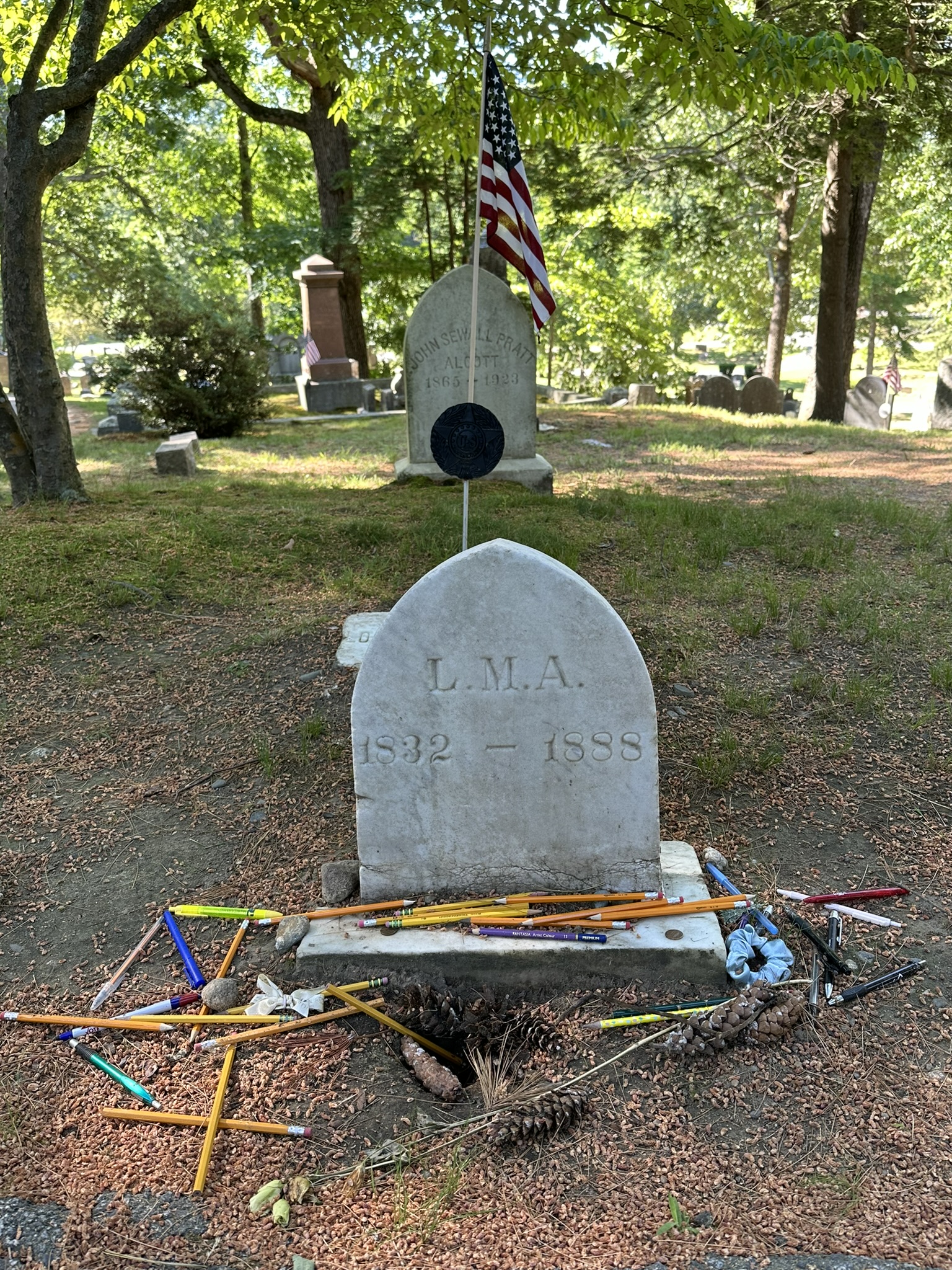
Concord’s Literary History. Fast forward to the 19th century, Concord was home to many literary giants of the era including Henry David Thoreau who lived at the Colonial Inn boarding house while attending Harvard and whose Walden Pond is easily visitable from Monument Square (if you have a car), friend and neighbors in life, neighbors in death the Alcotts, the Thoreaus, Ralph Waldo Emerson and Nathaniel Hawthorne are all buried at Author’s Ridge in nearby Sleepy Hollow Cemetery.
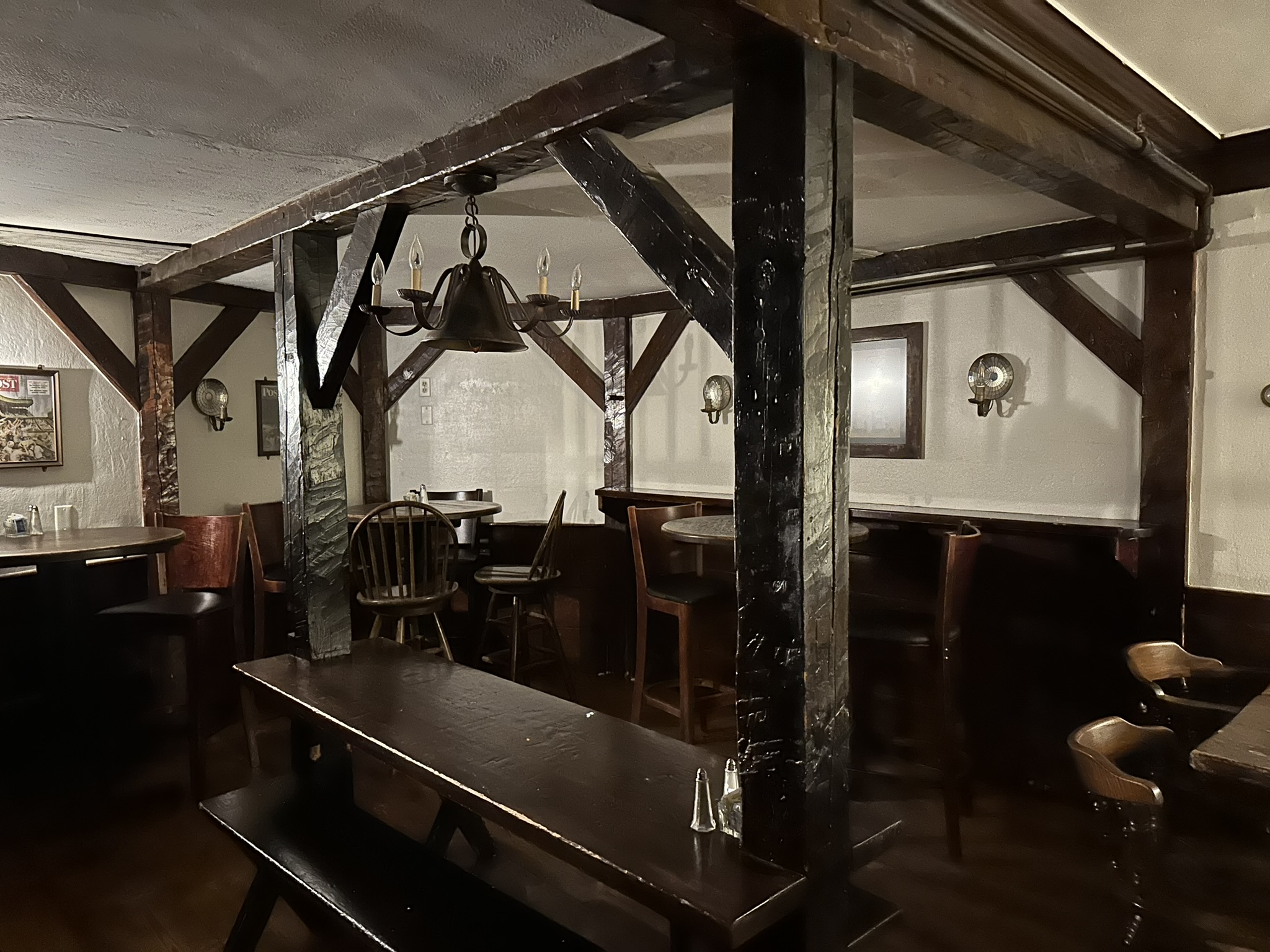
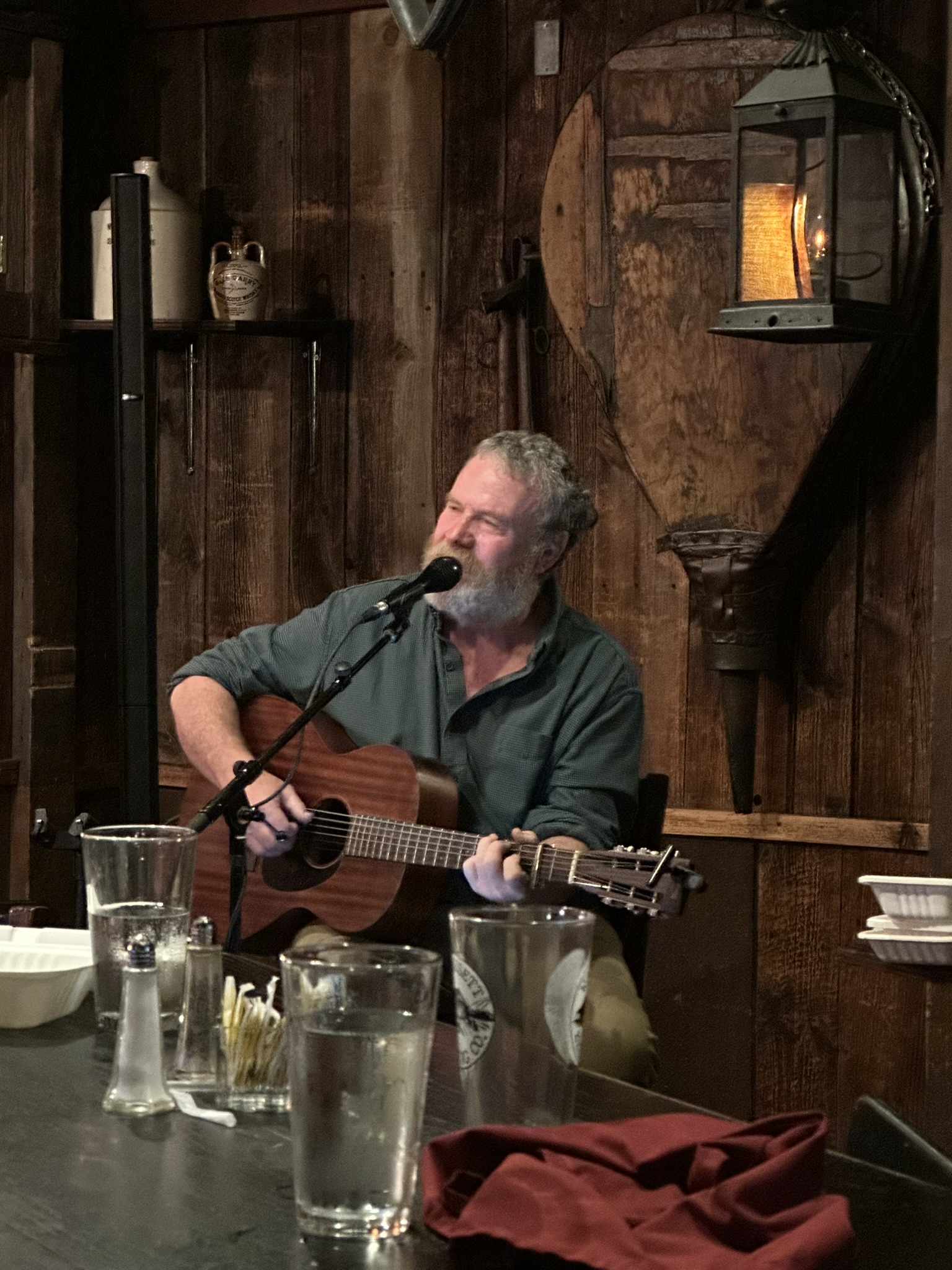
Last time we were here, we visited both Walden Pond and Minuteman Park. This time, we mostly just enjoyed the charming town, visiting the Inn’s pub where we were lucky enough to catch a performance by local legend John “Fitzy” Fitz, eating breakfast at Helen’s on Main Street and visiting Louisa May Alcott’s (Jo March from Little Women) Orchard House.
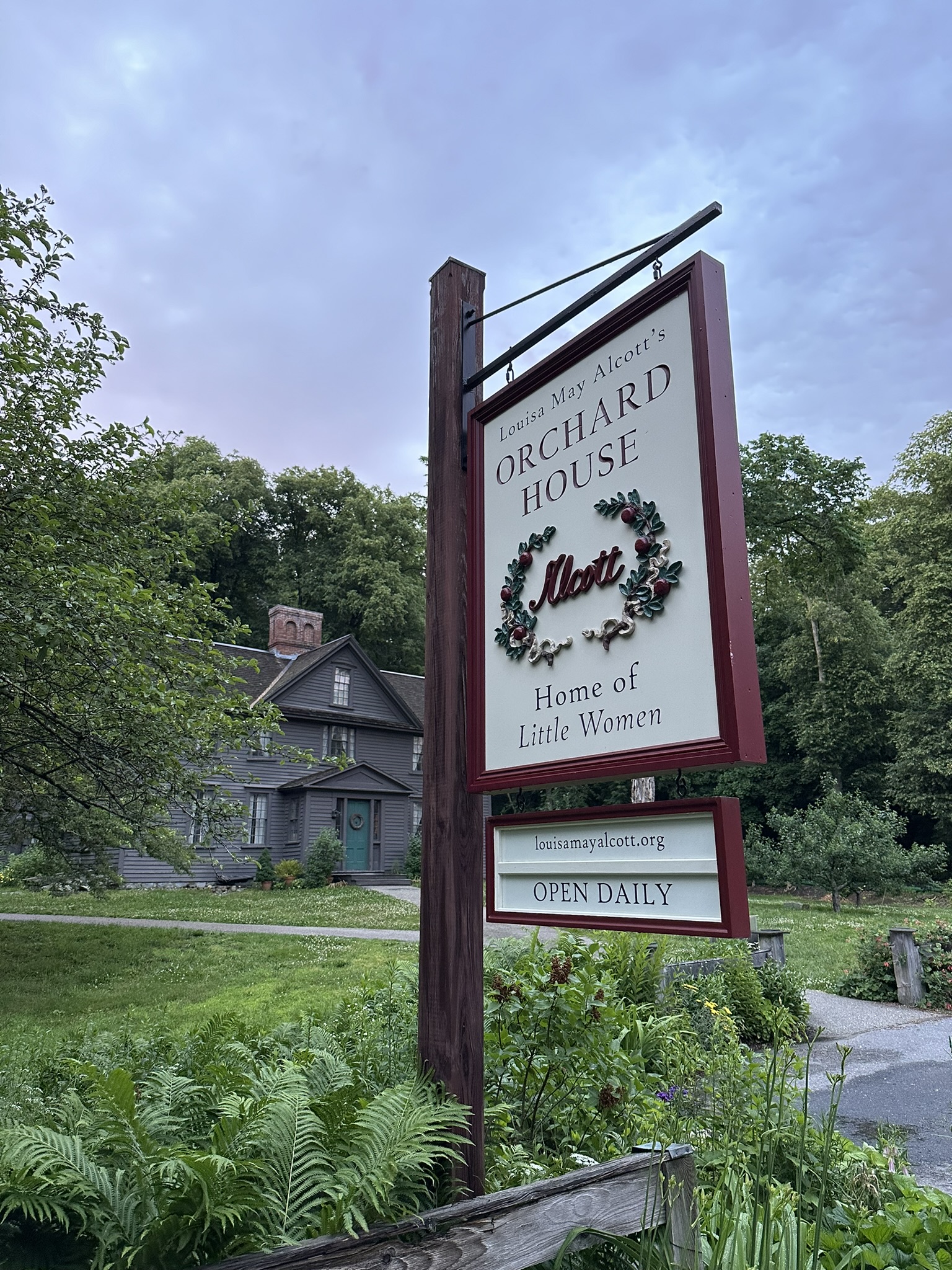
Alcott House tour. The house and tour are very well done. Judging by the pre-tour film and our guide, I’d say the staff are all certified Alcophiles. The house is decorated with many objects from the house when the Alcotts lived here, and art works done by May Alcott (Amy from Little Women) who studied art in Europe at the Paris Salon. The Alcotts were progressive for their time. Her father Amos Bronson Alcott was an educator who used unconventional methods to teach his students, including seeking their opinions, building models to understand how things worked and introducing the concept of recess to the school day. His methods were not always well received in the local communities where children were expected to memorize facts, figures and dates in their education, and he was run out of town and moved 30 times before landing in Concord, building and remodeling the house and founding his Philosophy School for adults.
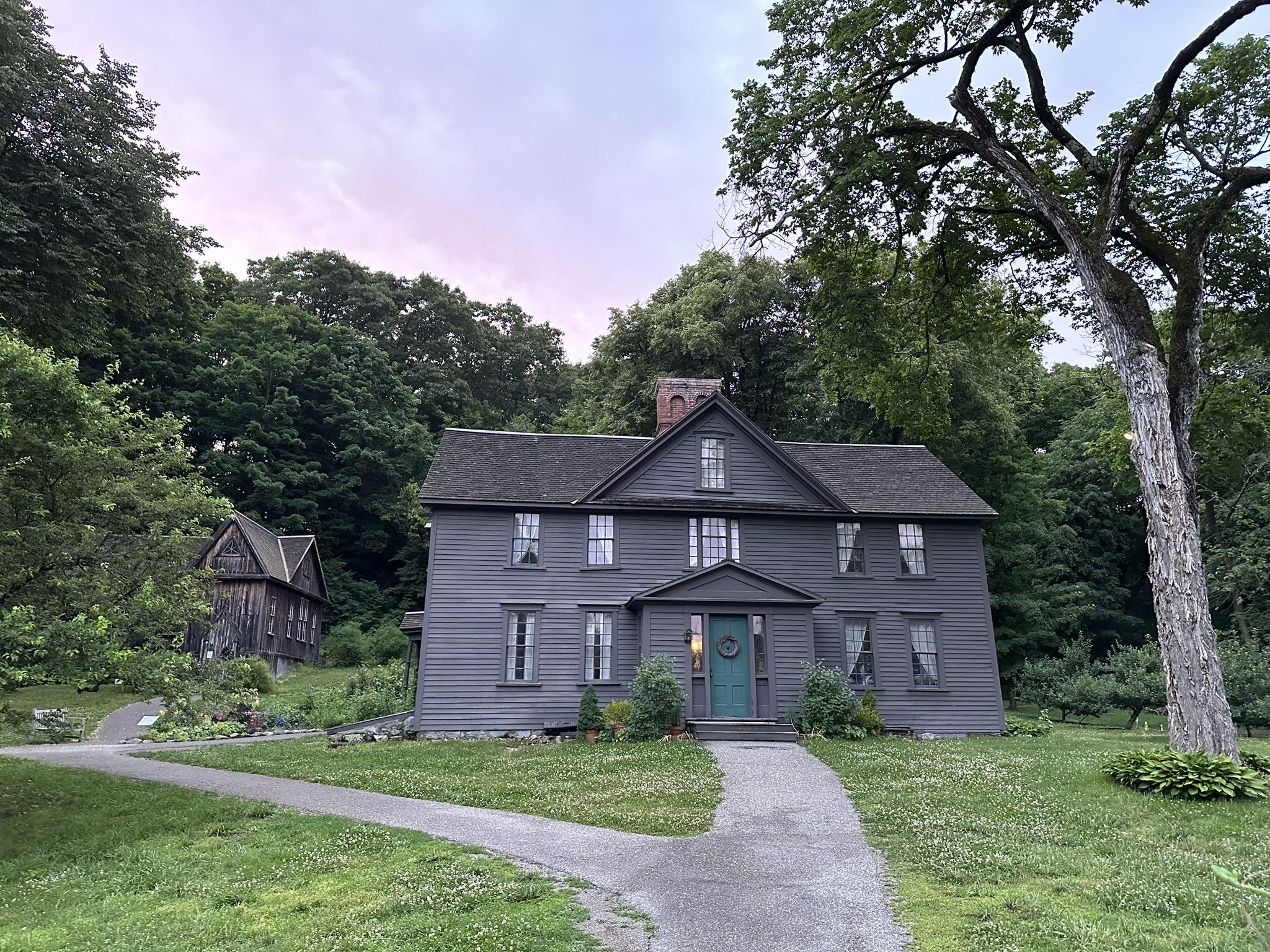
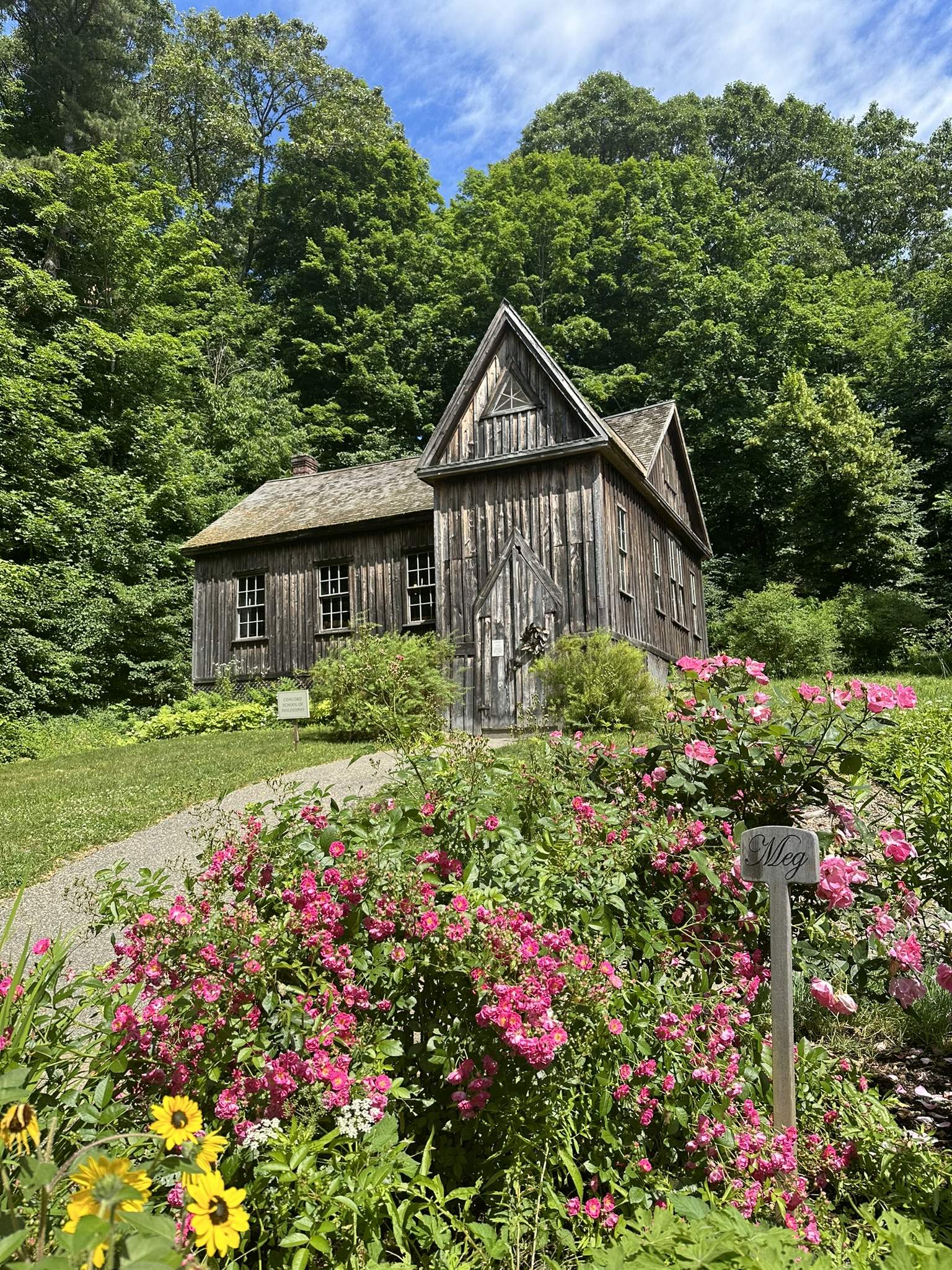
The Alcotts were before-their-time suffragettes, believed in women pursuing their passions and careers (building Louisa a desk for her writing and sending May off to Paris to study art, as examples). They were abolitionists, part of the temperance movement and Bronson studied transcendentalism with local friends Henry David Thoreau and Ralph Waldo Emerson.
A few other interesting Alcott tidbits:
- Louisa’s grandfather helped to found what is now Mass General Hoapital, building it as a hospital for the poor after becoming disillusioned with his business career after spending a sizable sum of his money to pay back people cheated by his business partners.
- Louisa May used to walk to Boston regularly (a distance of about 30 miles) and was an avid runner, long before the jogging craze swept the USA 100 years later.
- Daniel Chester French, who created the Minuteman statue at the Concord’s North Bridge and supervised the creation of the Lincoln Memorial in Washington DC was a student of May Alcott who taught art lessons in her studio at the house.
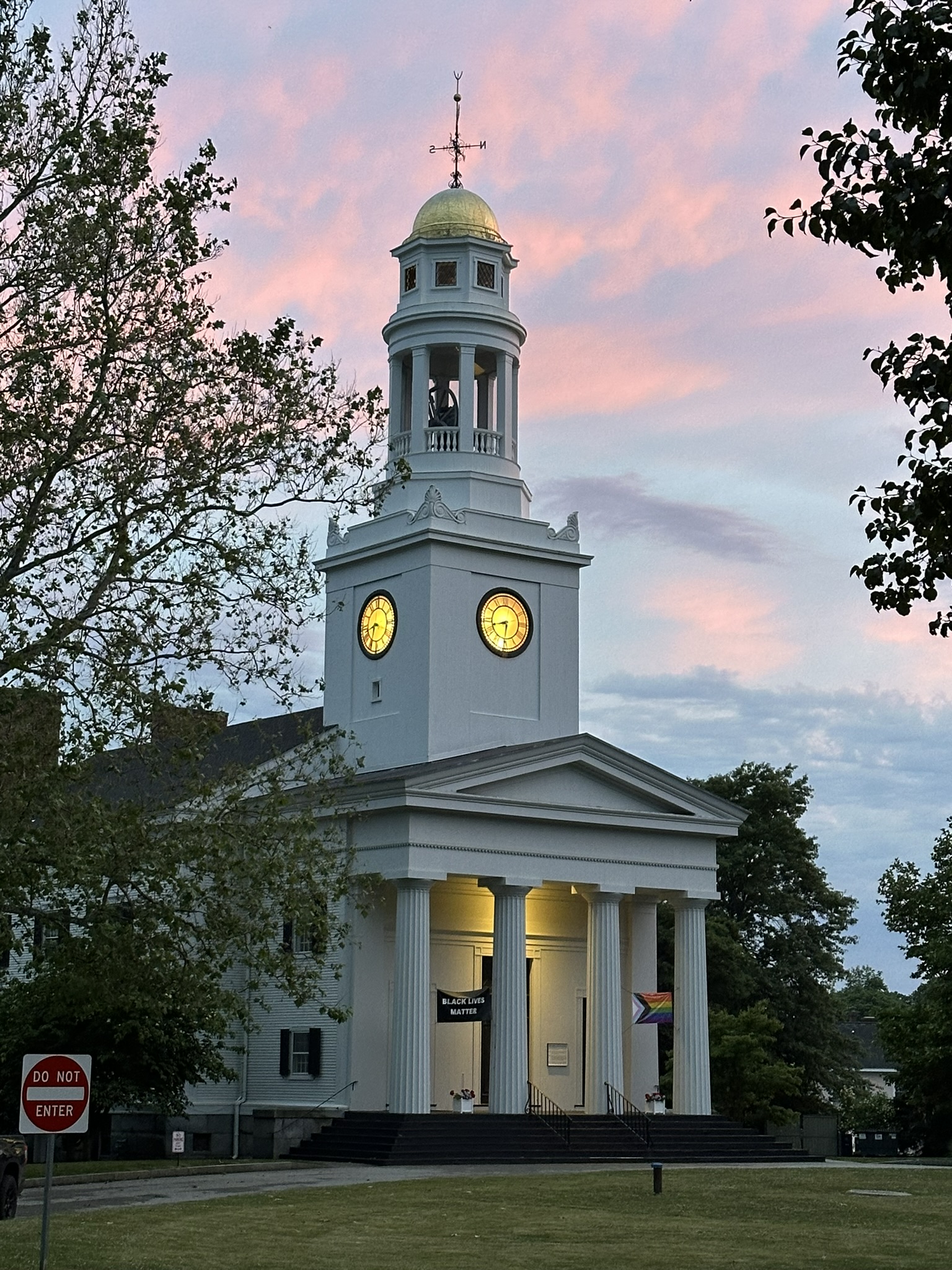
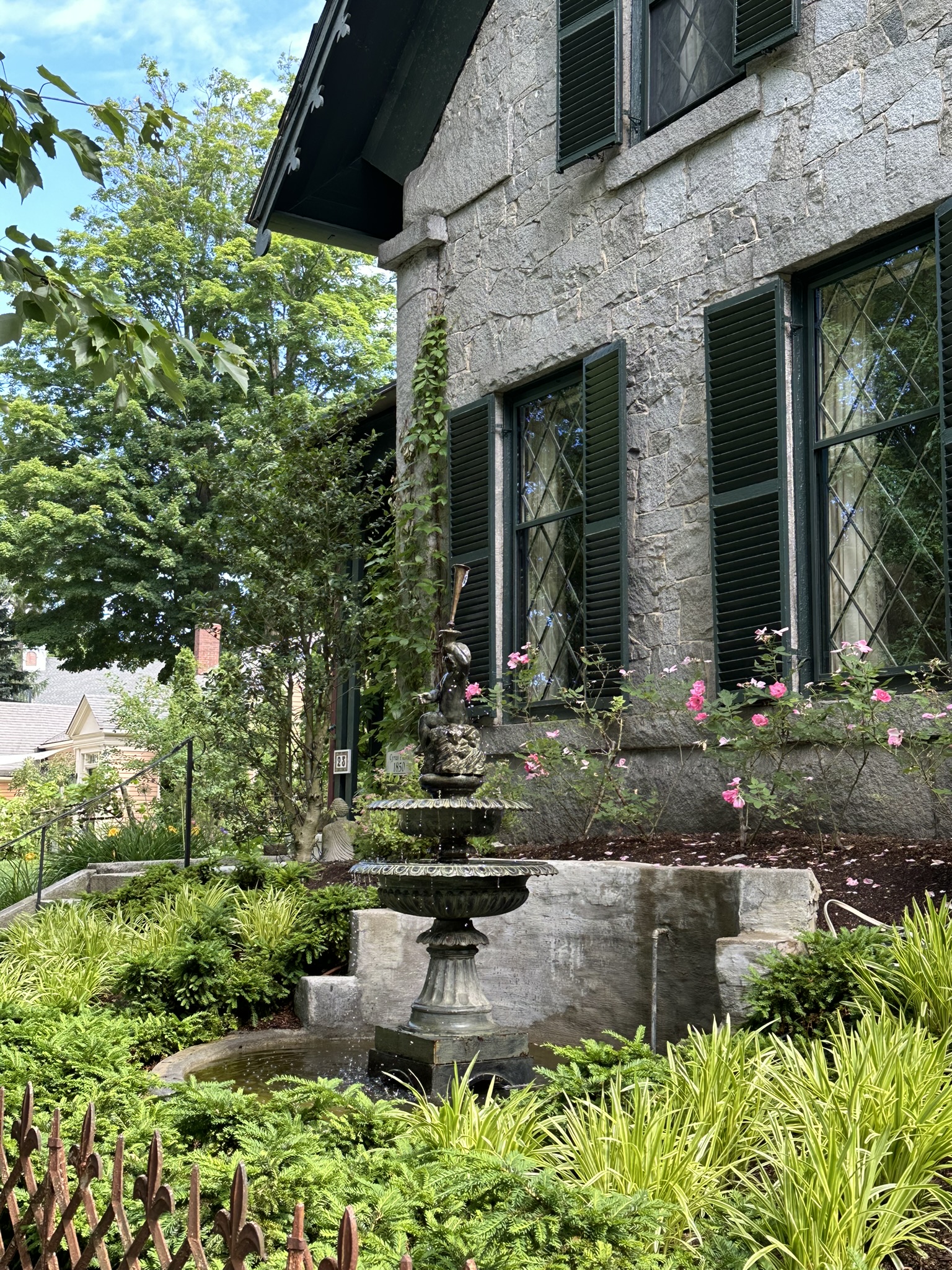
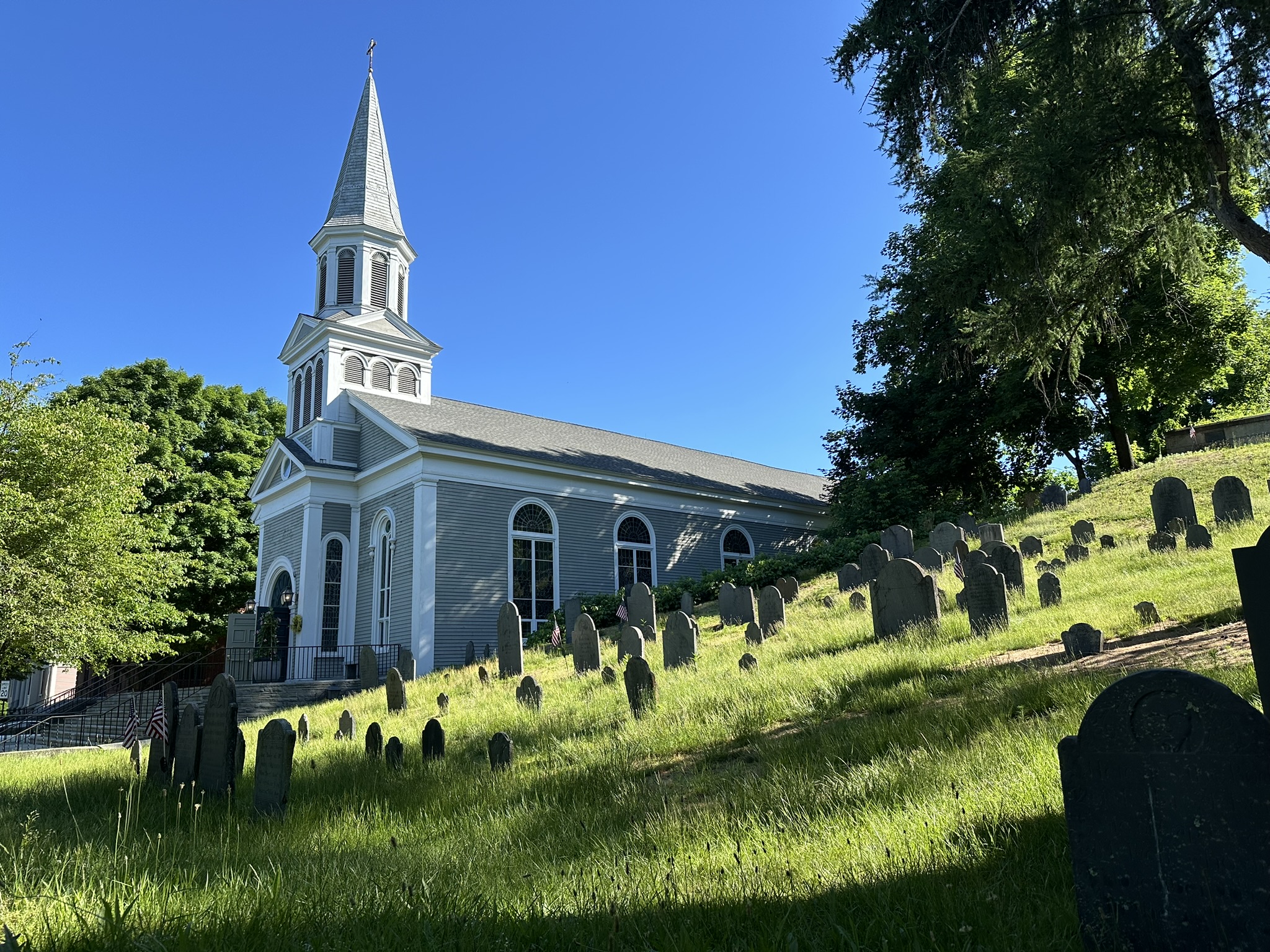
There is a lot to do here in Concord. In addition to what we wrote about here and last time, the Visitor’s Center offers walking tours, garden tours and holiday home tours. There’s the Concord Museum where you can see objects associated with Concord’s history and famous figures but mostly it’s fun just to stroll around the sleepy streets and admire local homes and their landscaping, many of which date back to and before the Revolution, and soak in the history of this quaint little town.
 The Traveling Ridleys
0 comments on “Living Like a Colonial in Concord Massachusetts”