

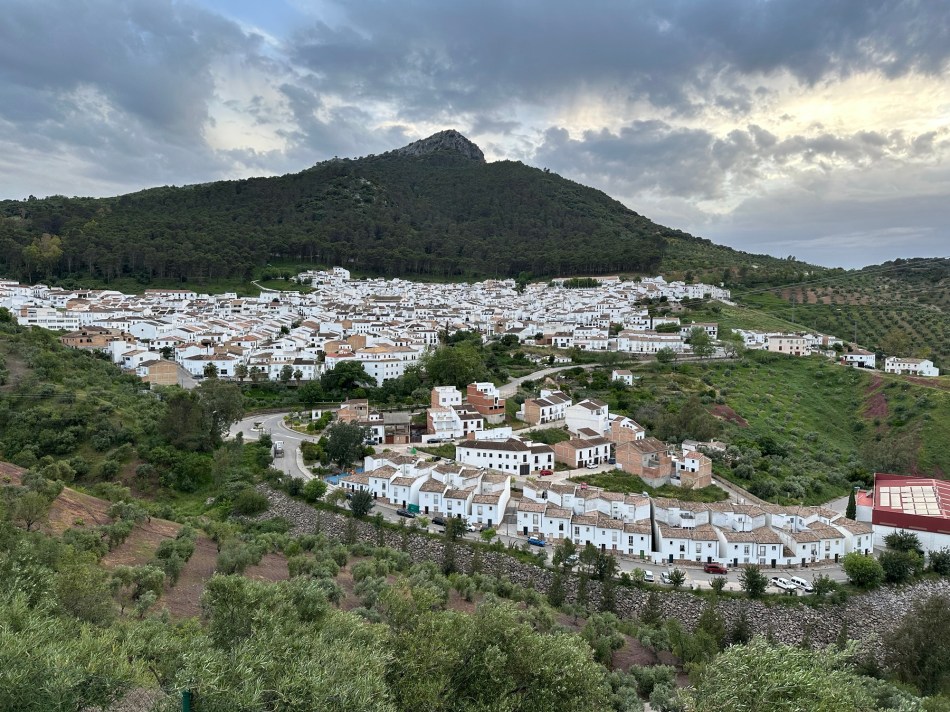
From the shores of the Mediterranean and Marbella, we climbed up and up into the mountains and hills of Andalucia. Initially surrounded by thickly grown forested slopes, we broke higher to white limestone peaks and wound our way through them enroute to Ronda.
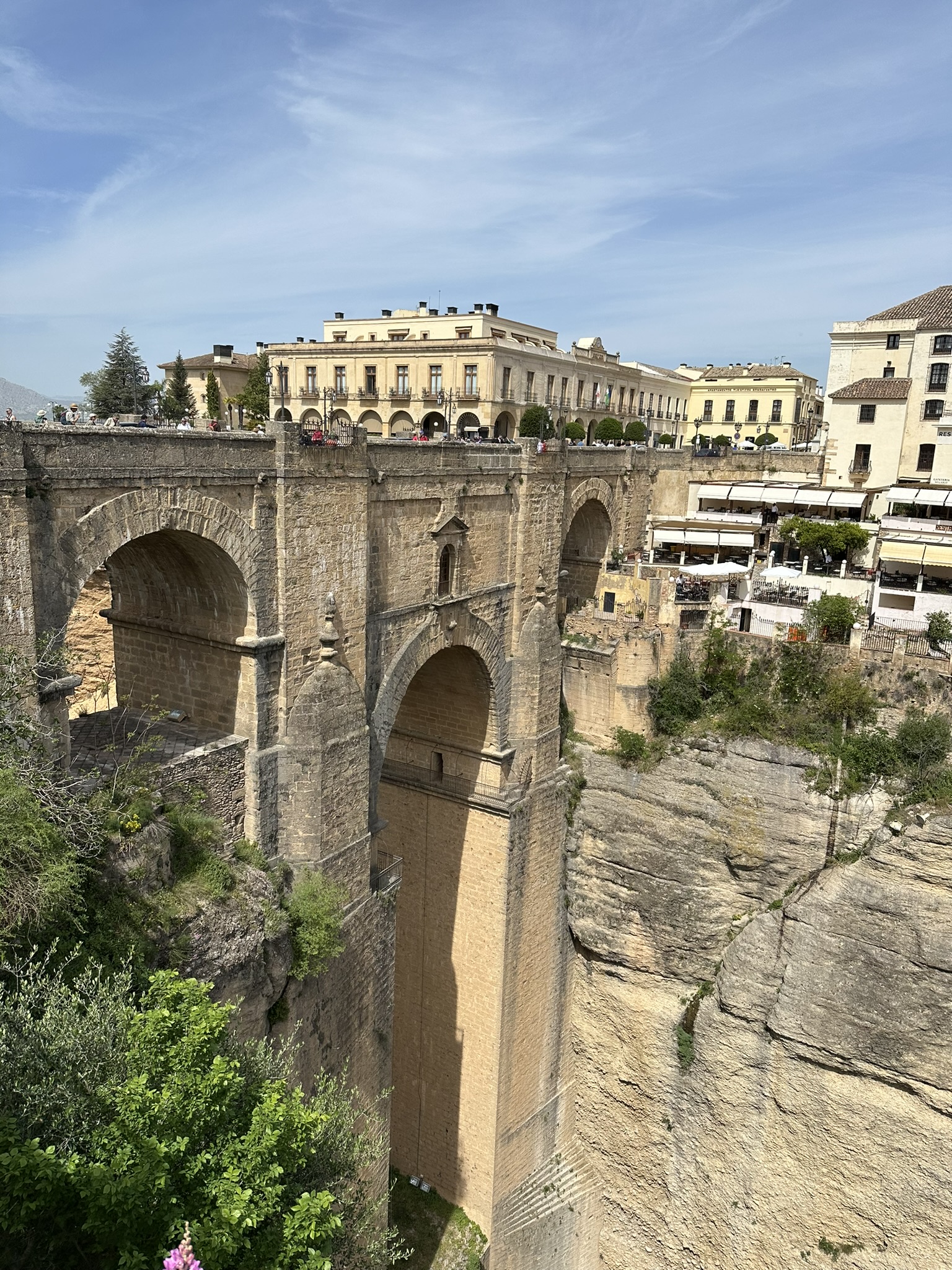
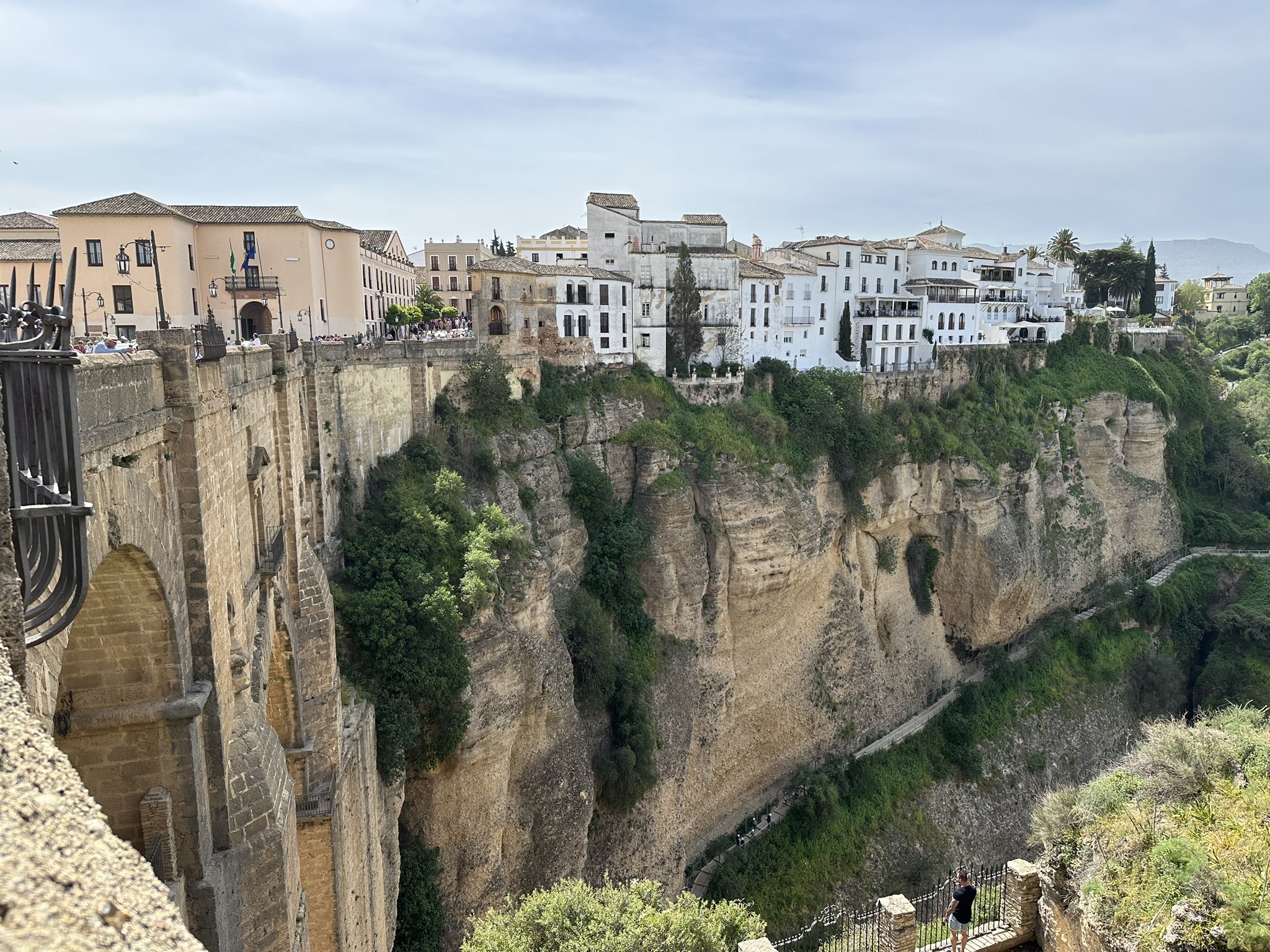
Ronda. It was a long time ago, as we planned our world touring, that we first laid eyes on photographs of Ronda whose bridge straddles its deep canyon connecting the old town and the new. Due to its location perched high above the Guadalevín River, Ronda was an impregnable Moorish fortress in this region making it one of the last places to fall to the Christian Reconquista. So, it seemed apt to begin our visit to old town with a tour of the gardens and the mine, where a waterwheel once drew water up to the palace, at the Casa del Rey Moro.
Ronda’s bridge, new town restaurants and viewpoints were bustling with tourists and selfie snappers (us included, of course) but dipping into the Moorish Kings’ house gardens was a piece of serenity and calm away from the hordes. Perhaps the €10 admission price helped thin the crowds. Just us and a few others enjoying the garden and peacocks.
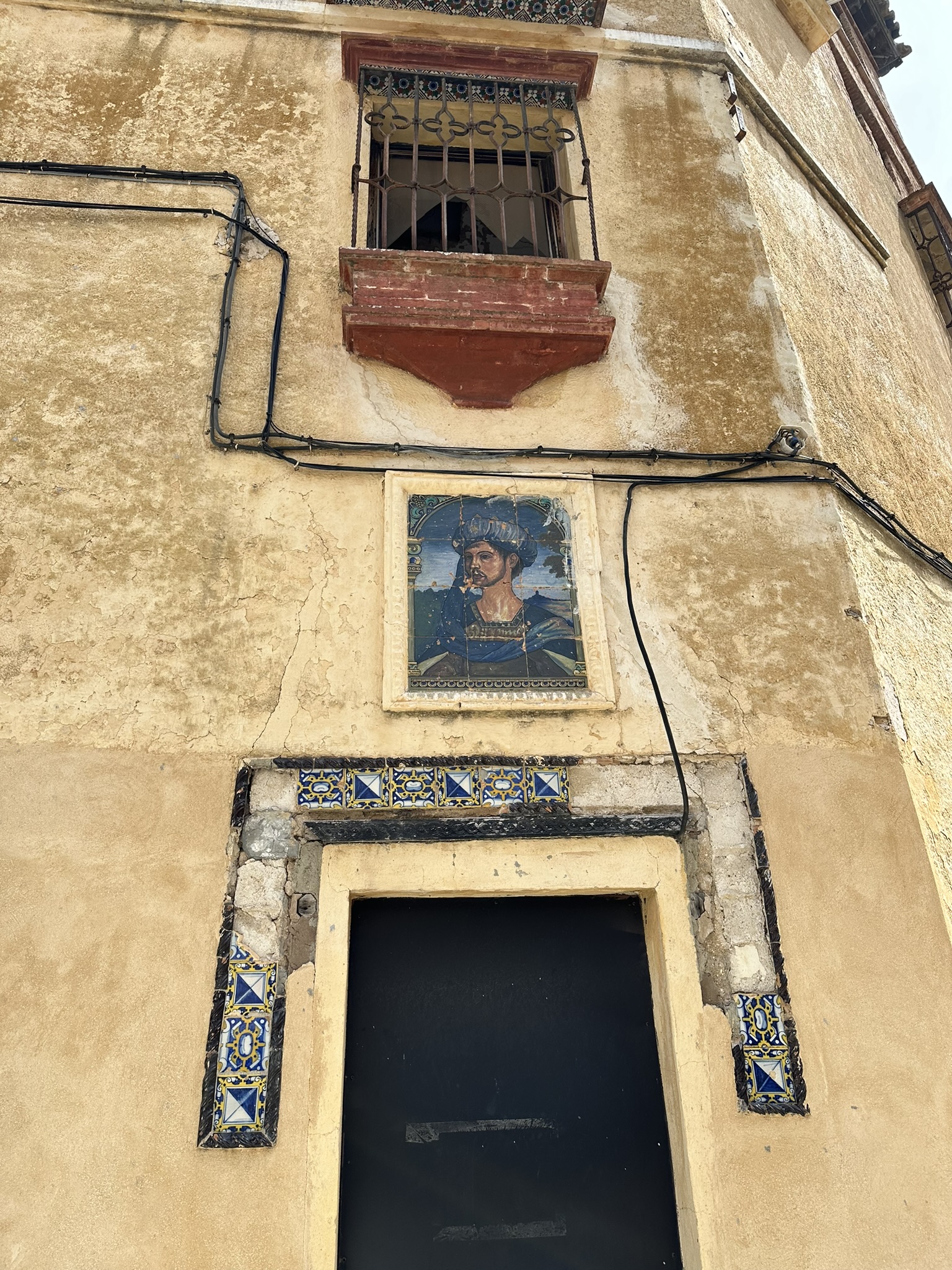

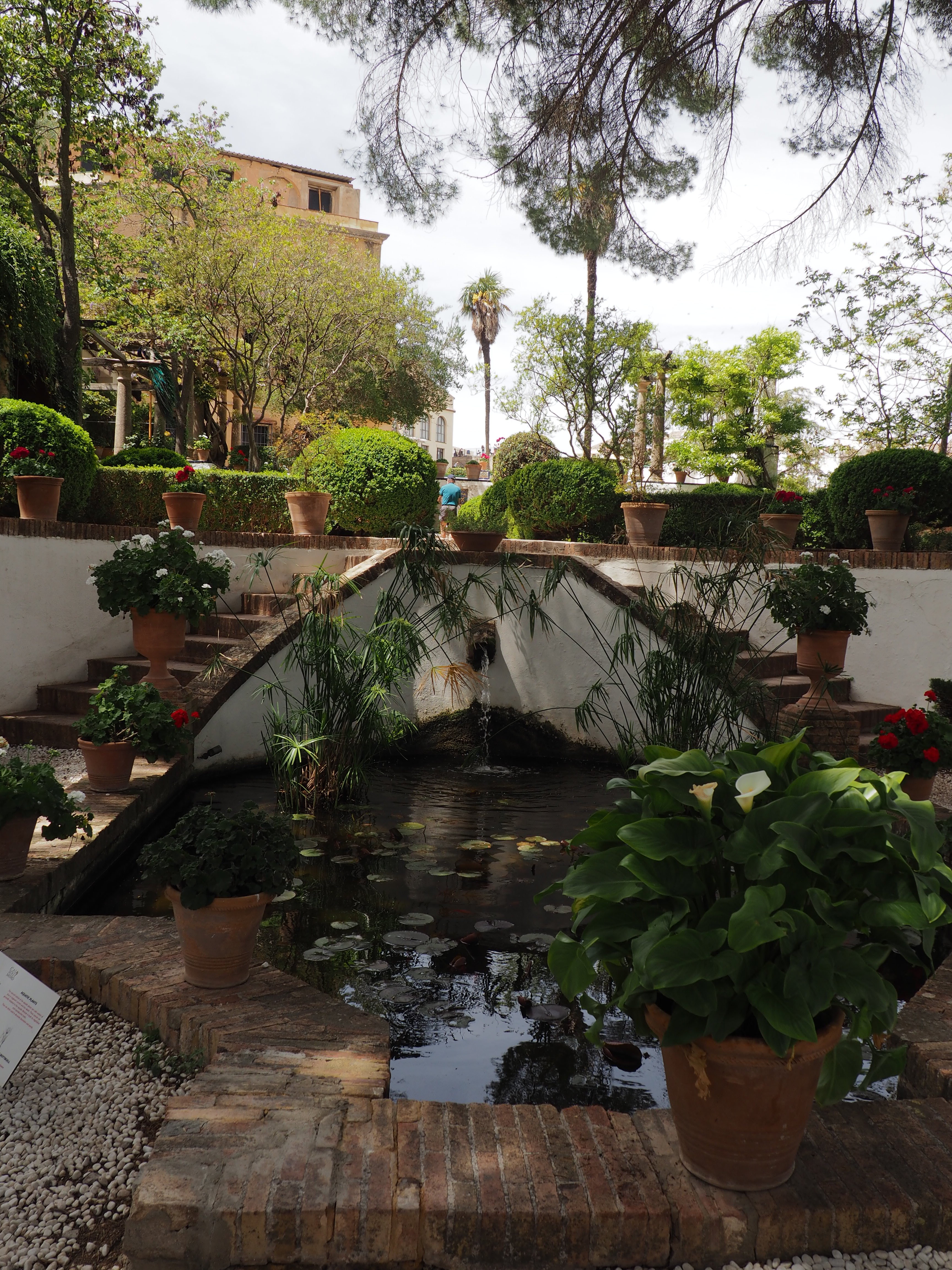
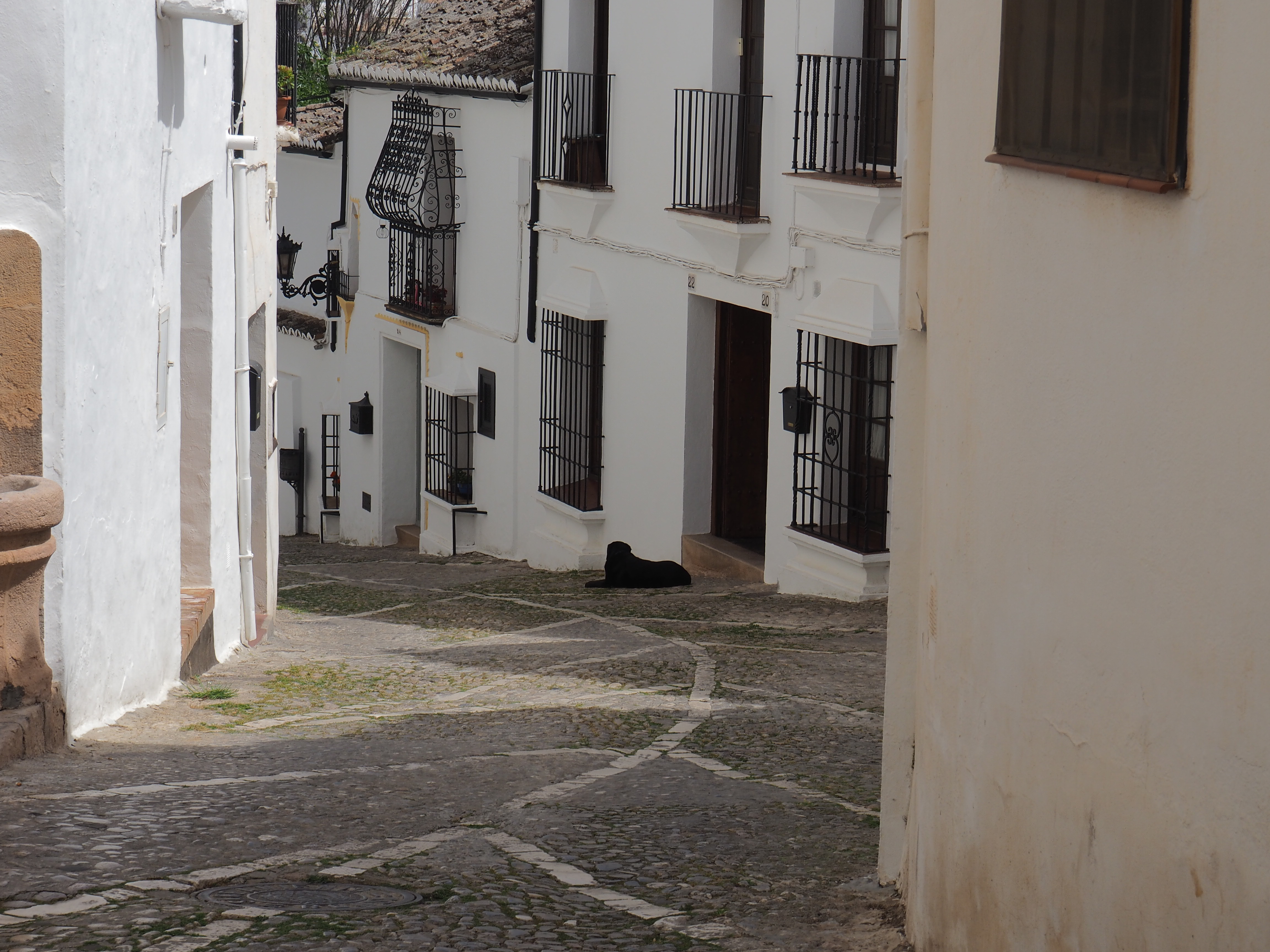
Much of old town was similar, with quiet, winding, hilly streets weaving through whitewashed homes to the main church and its Muslim era Minaret of San Sabastian (though that undoubtedly was not what the moors called it) and back.
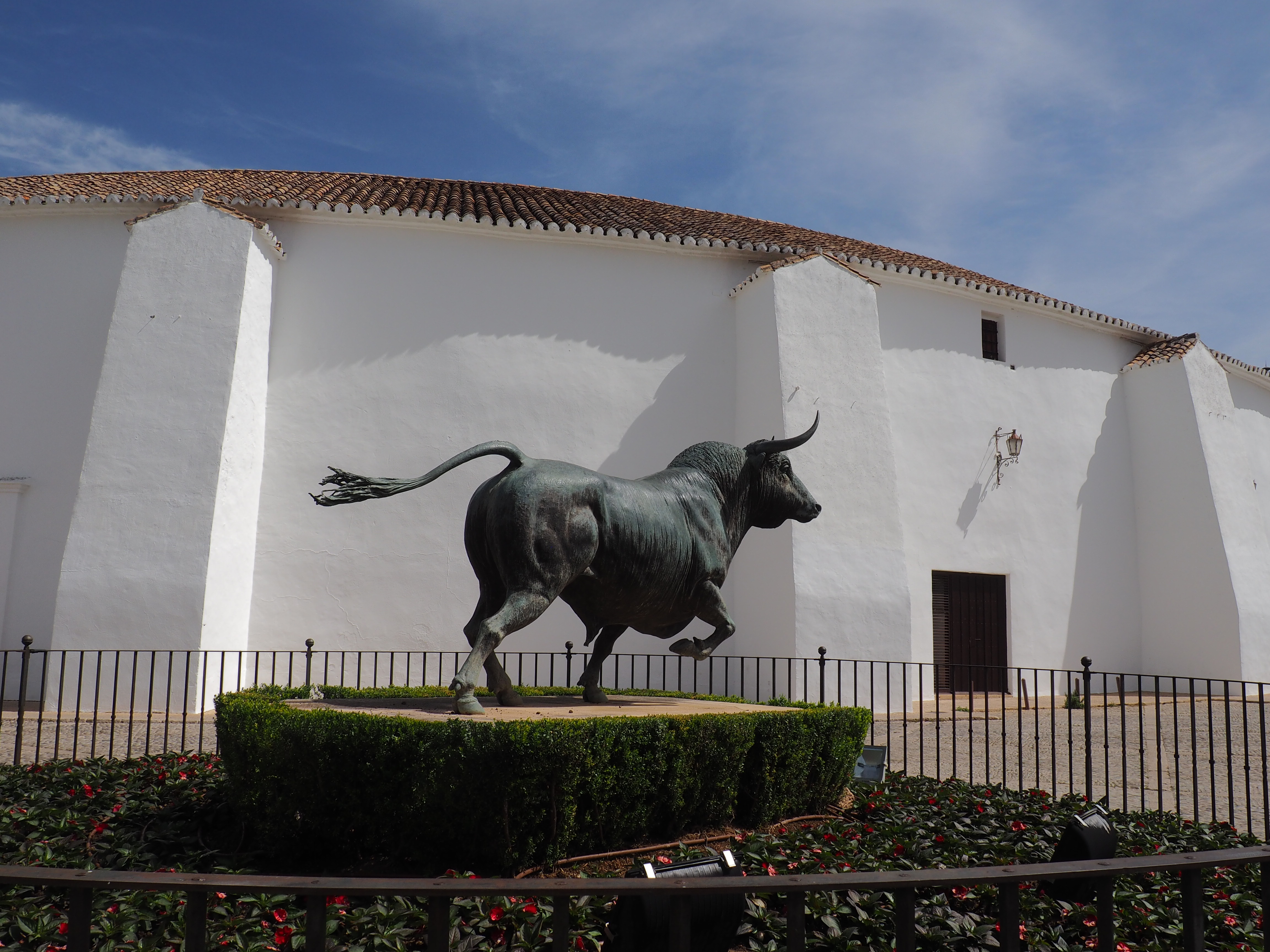
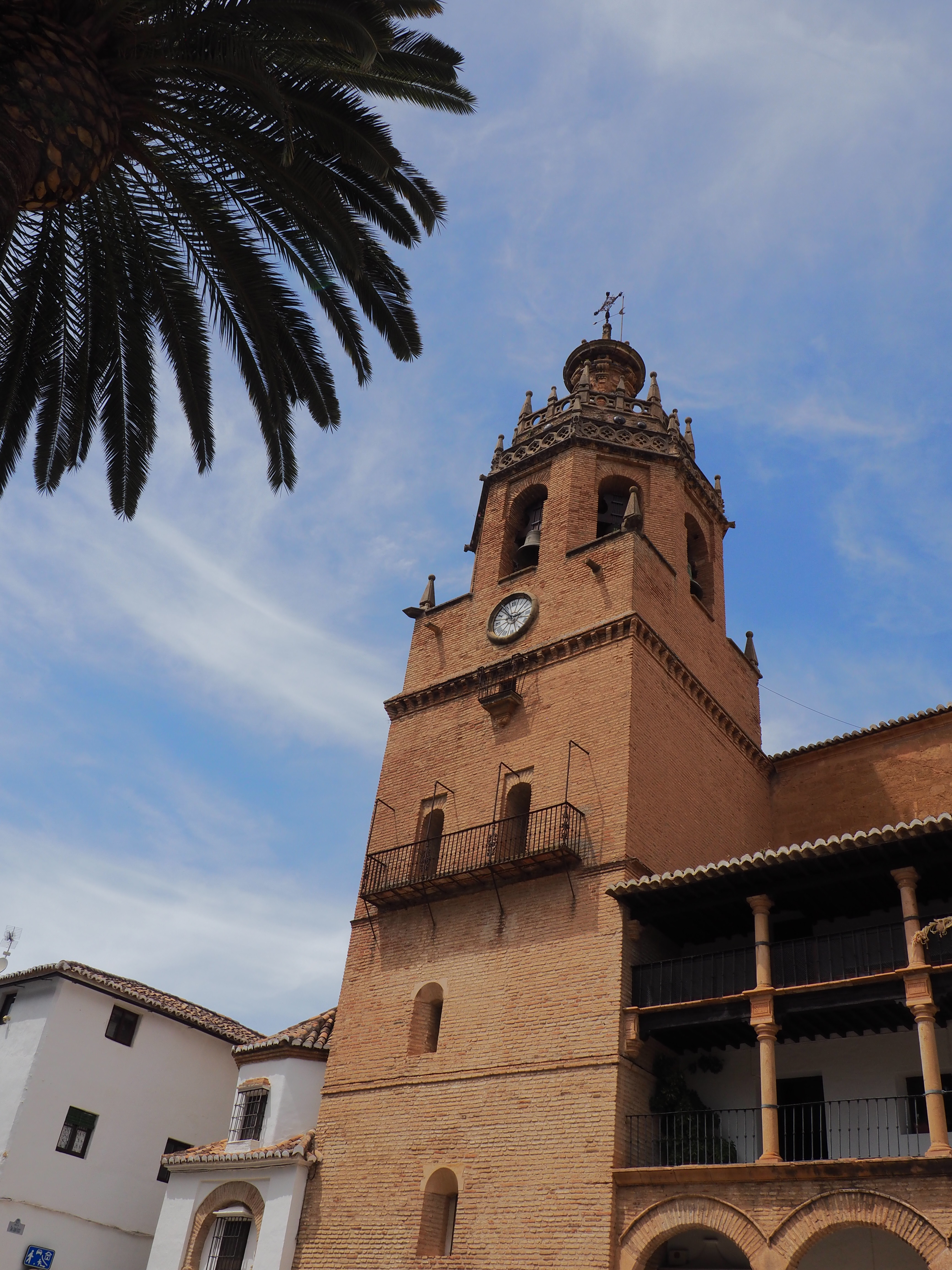
During the Spanish Inquisition, Ronda became one of the mountain-town safe havens of Andalucia for the “Moriscos” who had converted to Christianity for fear of having their possessions taken and being deported.
And it was Ronda that was the basis for the scene in Hemingway’s For Whom the Bell Tolls where fascist sympathizers are hurled over the cliff’s edge (allegedly based on actual hurlings-over-cliffs at Ronda during the Spanish Civil War).
Setenil de las Bodegas. On tips from both our Airbnb host and waitress in Marbella, we set out for Setenil early-ish on our first full day in the mountains. We wound through the dramatic hills covered with olive groves, yellow and purple wildflowers and bright red poppies and lush green fields which I imagine are products of a recent wet spring on the Iberian Peninsula.
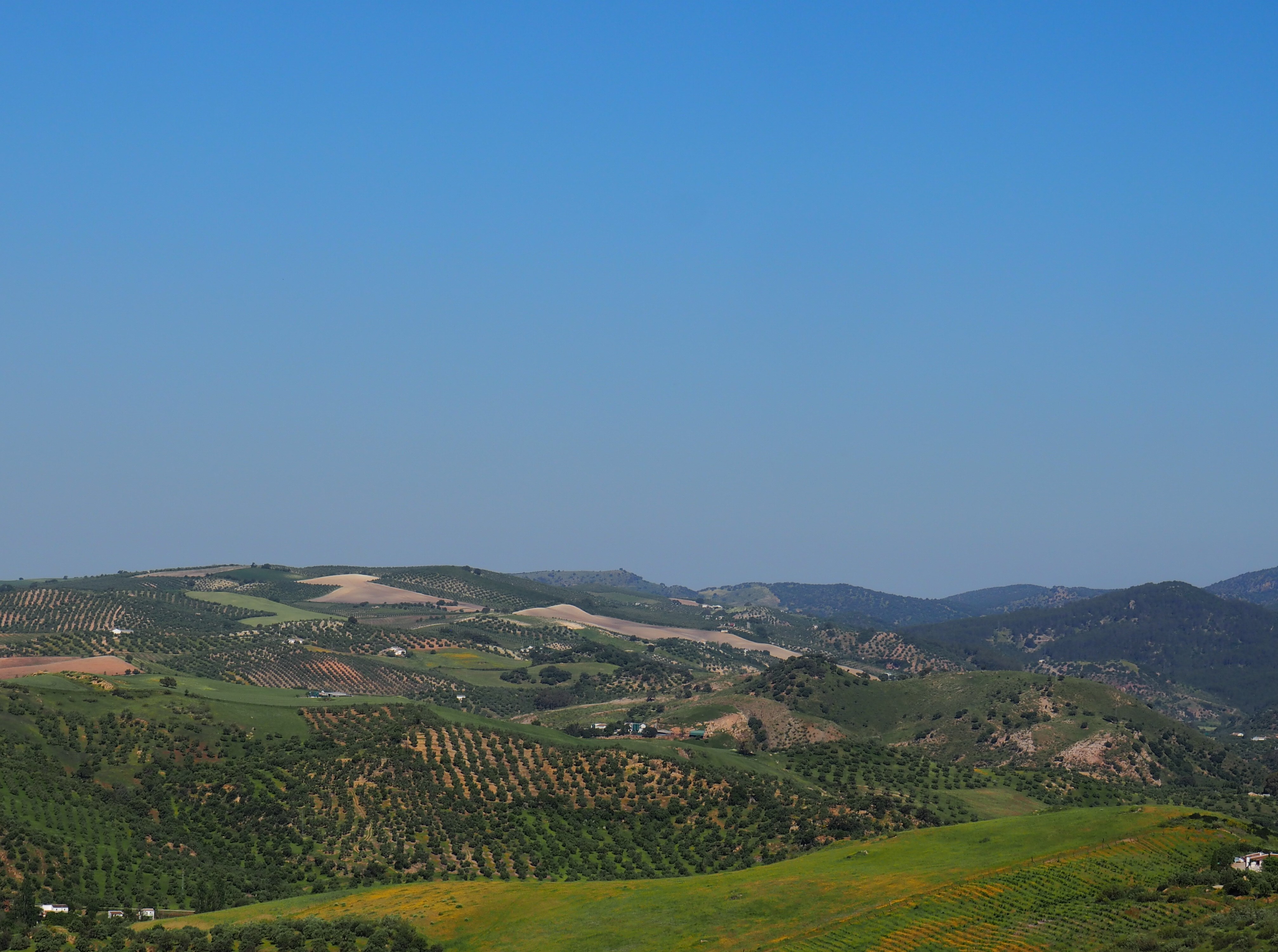
As we descended into town, I wasn’t sure what all the hubbub was about. It seemed an almost modern town built onto the hillsides. Pretty, but unspectacular. I was wrong, of course.
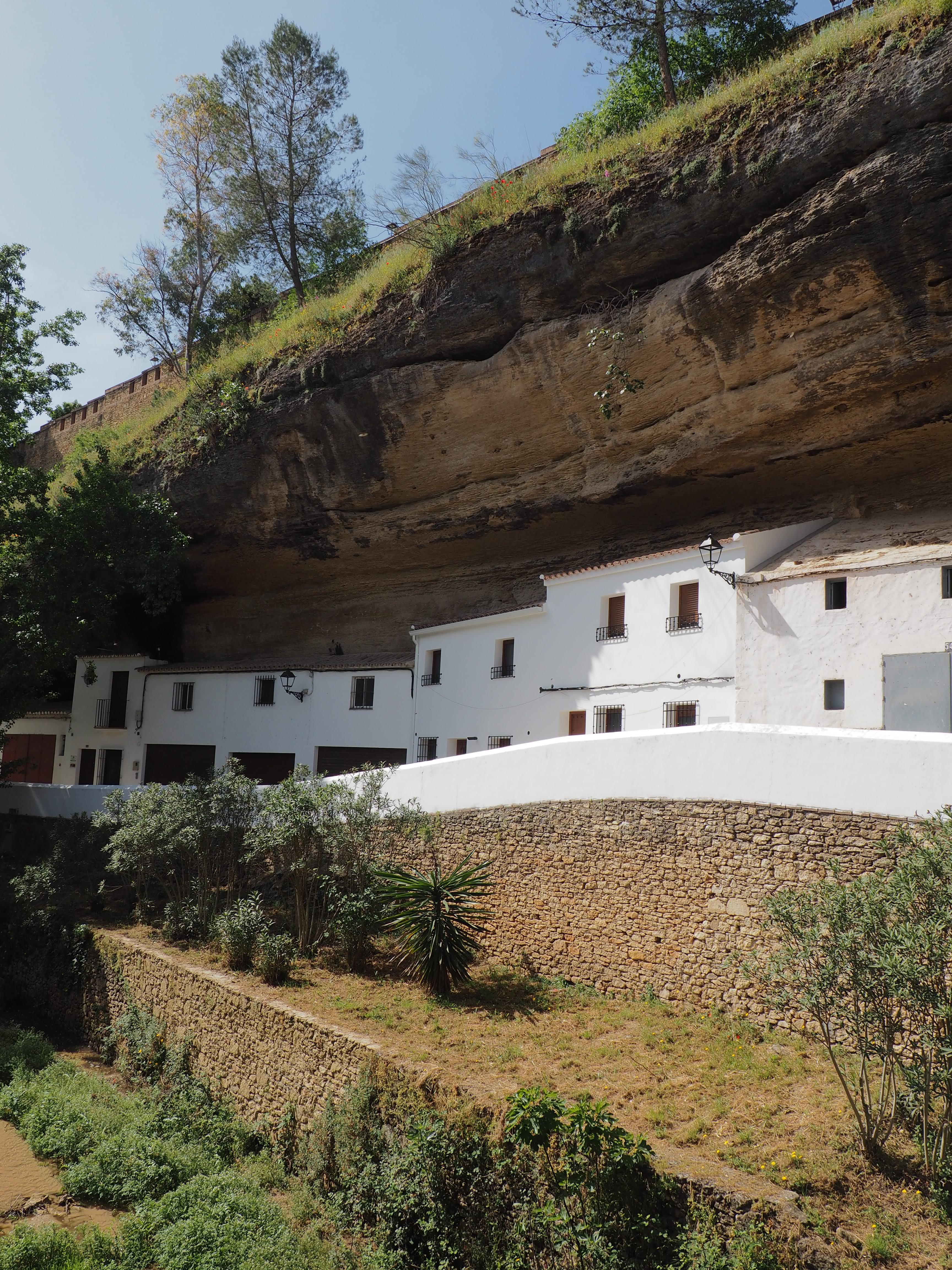
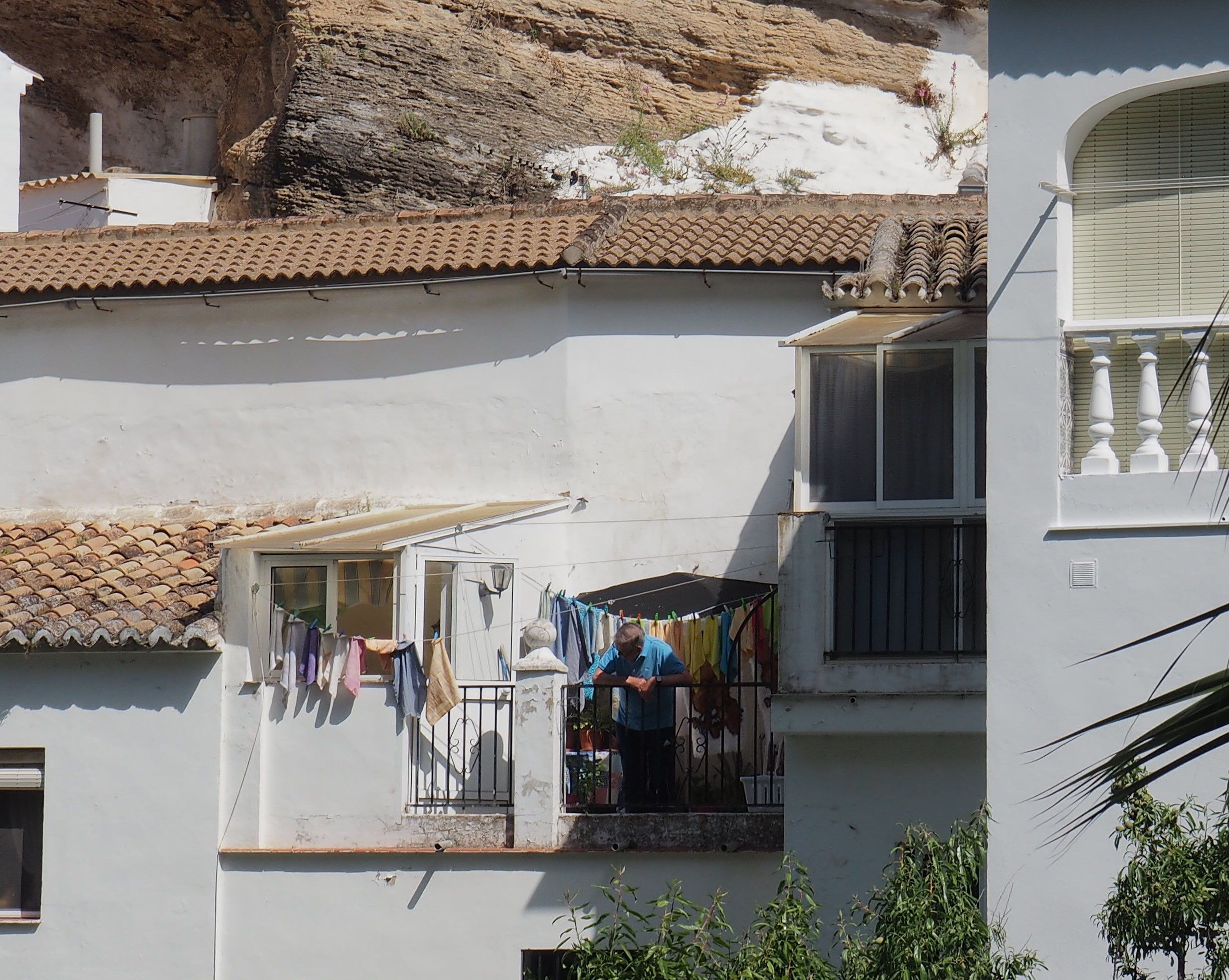
Underneath cliffs and inside caves which have housed dwellers since prehistoric times you’ll find whitewashed homes, tapas bars, shops and restaurants. Once you stray from the busy main drag of Calle Cuevas del Sol (Street of the Caves of the Sun), you can get away from the tourist crowd pretty easily as you wander alongside the river and then back up over the hill to the public parking lot. Once a Moorish stronghold the town’s name allegedly comes from the Latin “septum nihil” (seven times nothing) as it took the Christians seven times to defeat the moors here during the Reconquista. Add this one to your must-visit list of the Pueblos Blancos.


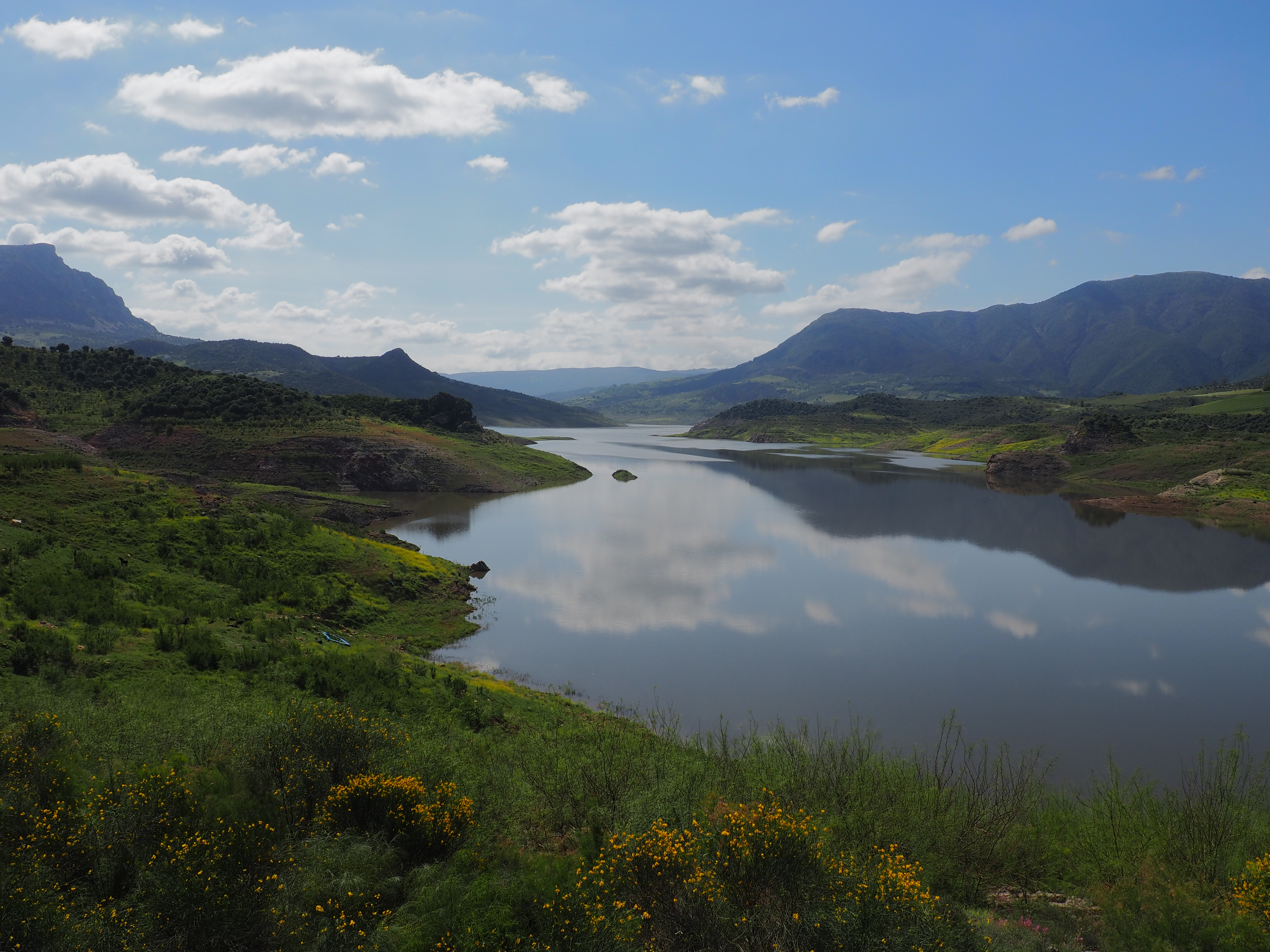
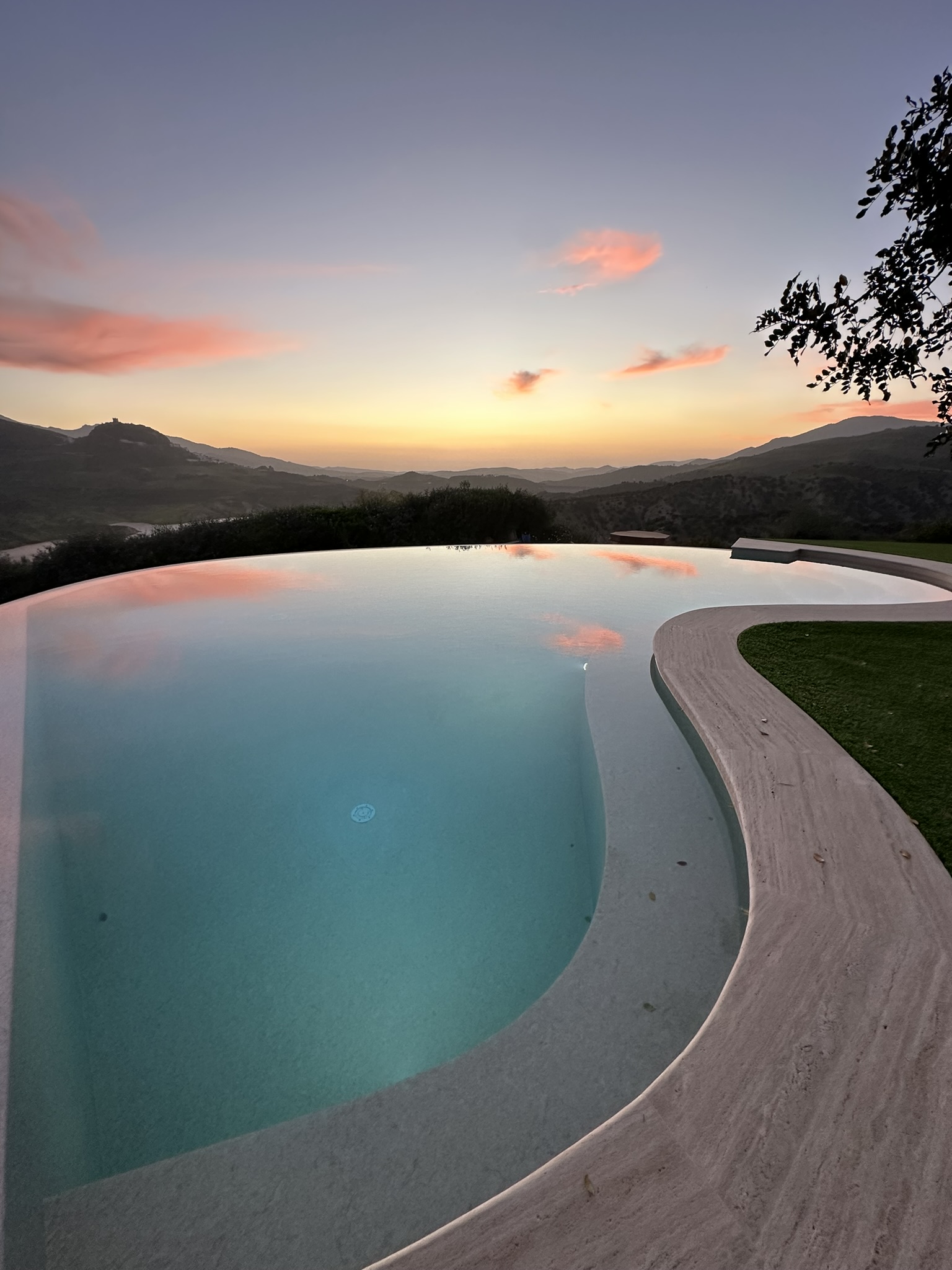
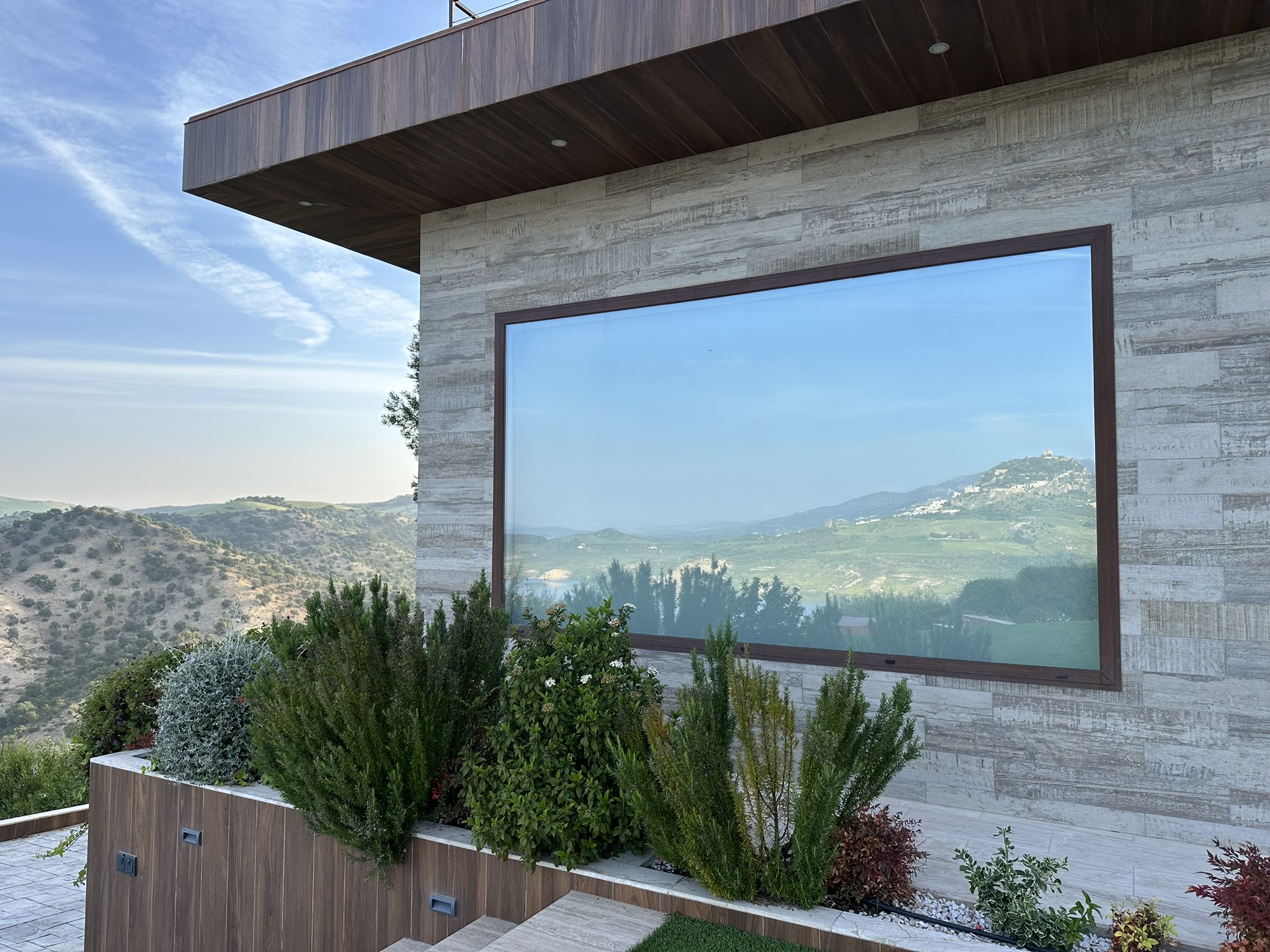
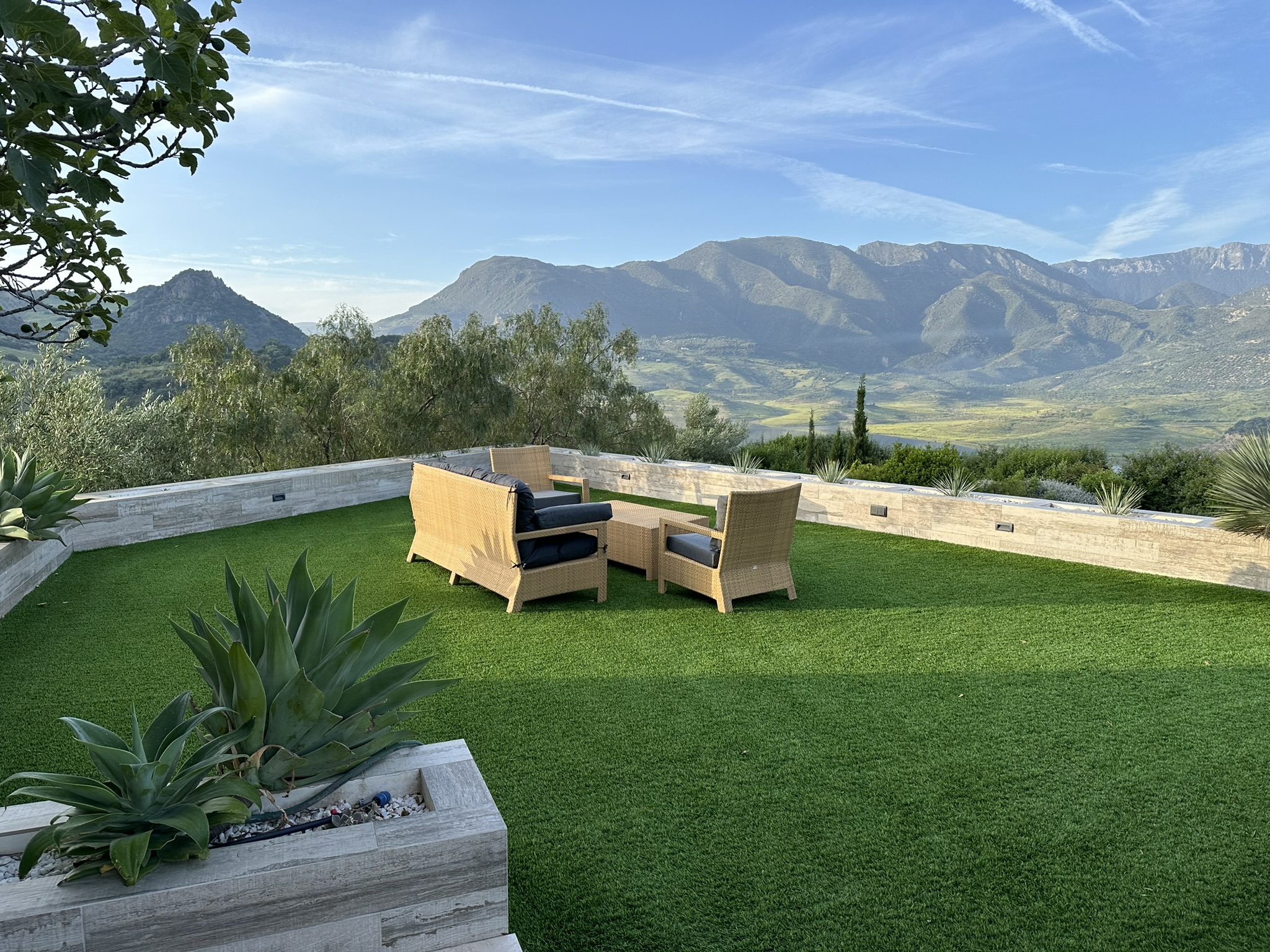
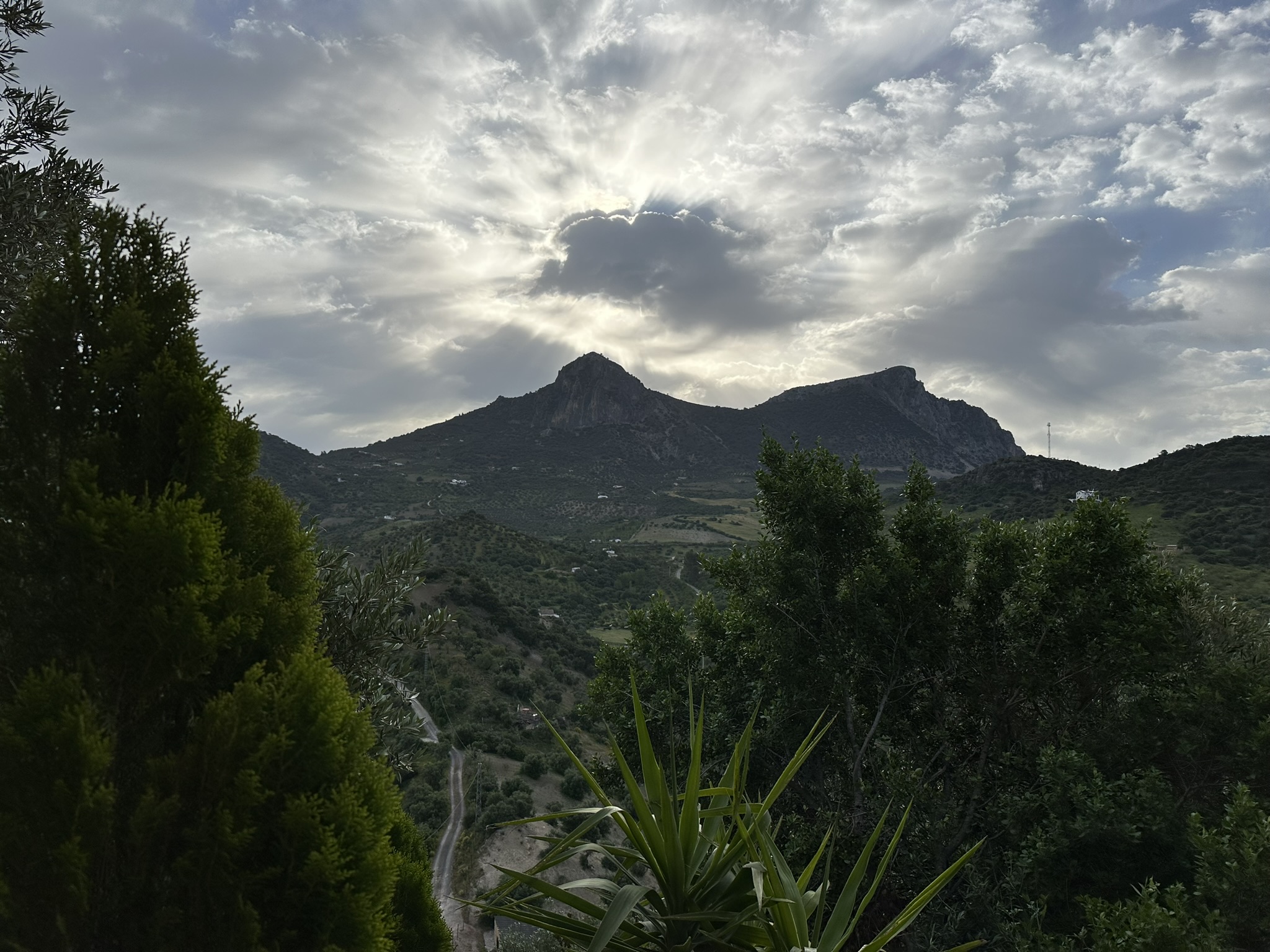
El Gastor. Our Airbnb was situated in the remote hills up a windy, rutted, mostly dirt, single track road on top of a hill overlooking Zahara de la Sierra and the Embalse de Sierra-Gastor (a man-made reservoir which serves the area). Our Airbnb’s infinity pool, outdoor dining bodega and views from its rocky outcrop made it difficult to leave, but we forced ourselves, sometimes. And for you subscribers who are keeping track, this one is absolutely going to land in our next list of favorite Airbnbs and the White Villages will edge out El Rocío for Spain’s position in our annual top 5 places we’ve visited in 2024 (for those interested these were our favorite places in 2022 and 2023 and these were our favorite Airbnbs so far from earlier this year).
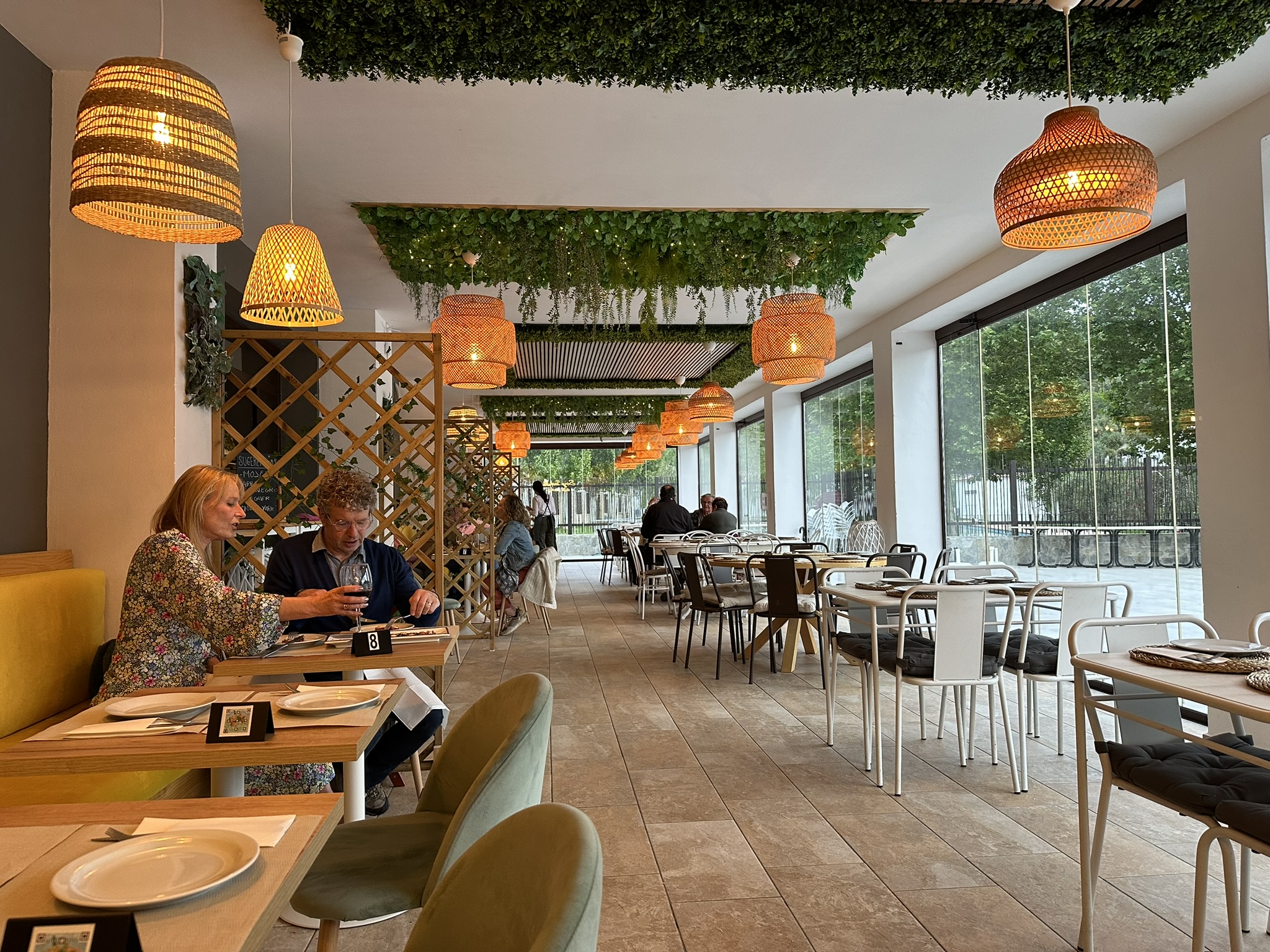
We went into sleepy El Gastor to buy local wines, delicious locally made (in Grazalema) Payoyo cheese and to have dinner at La Piscina, recommended by our host (relatively huge portions at tapas prices! We over ordered but at least we had dinner for the next night too).
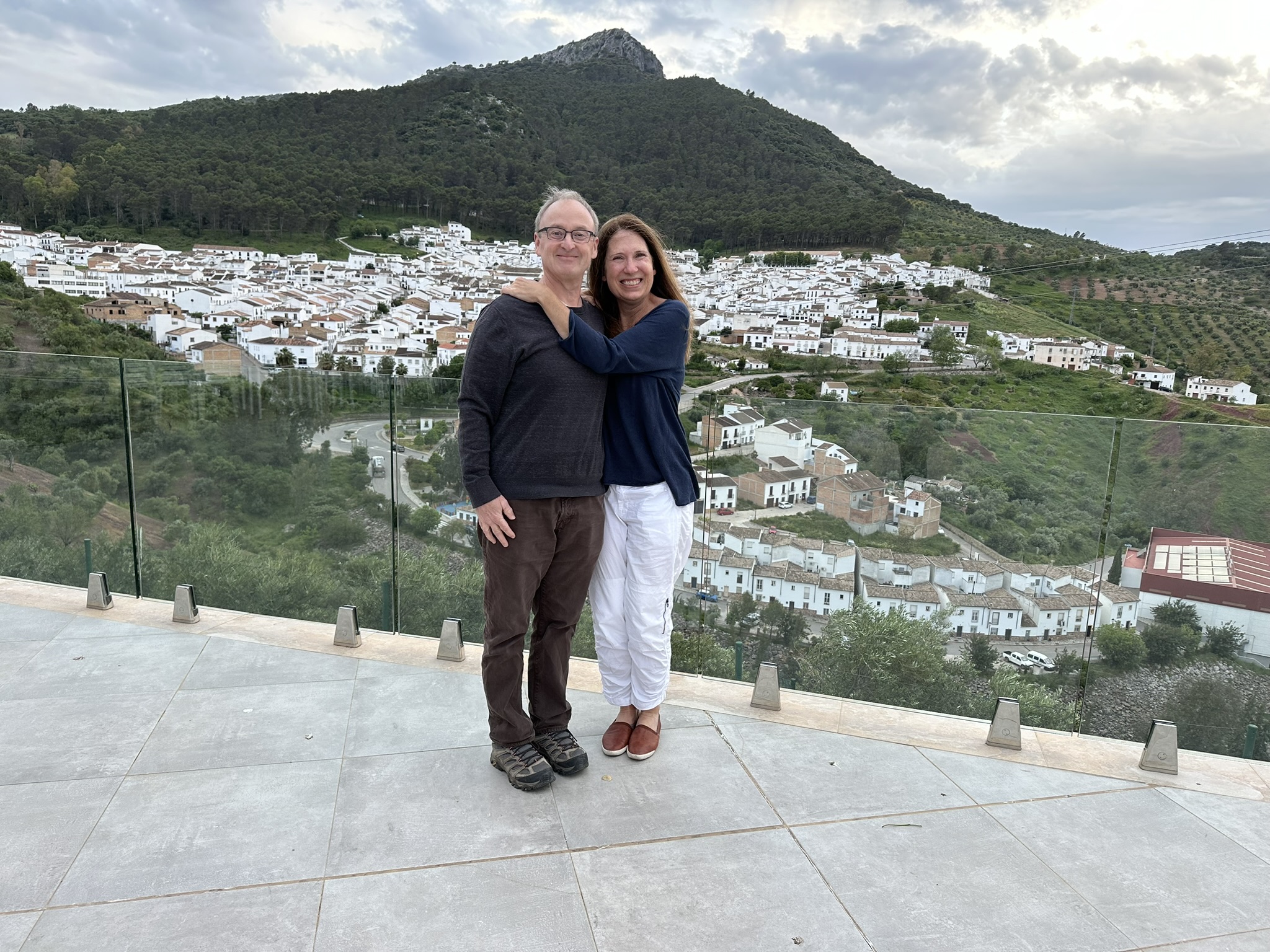
Such a friendly little town, full of holas and buenases and smiling people it made us feel relaxed and at home. It bills itself as the Balcony of the White Villages, but we just found it pleasant and welcoming.
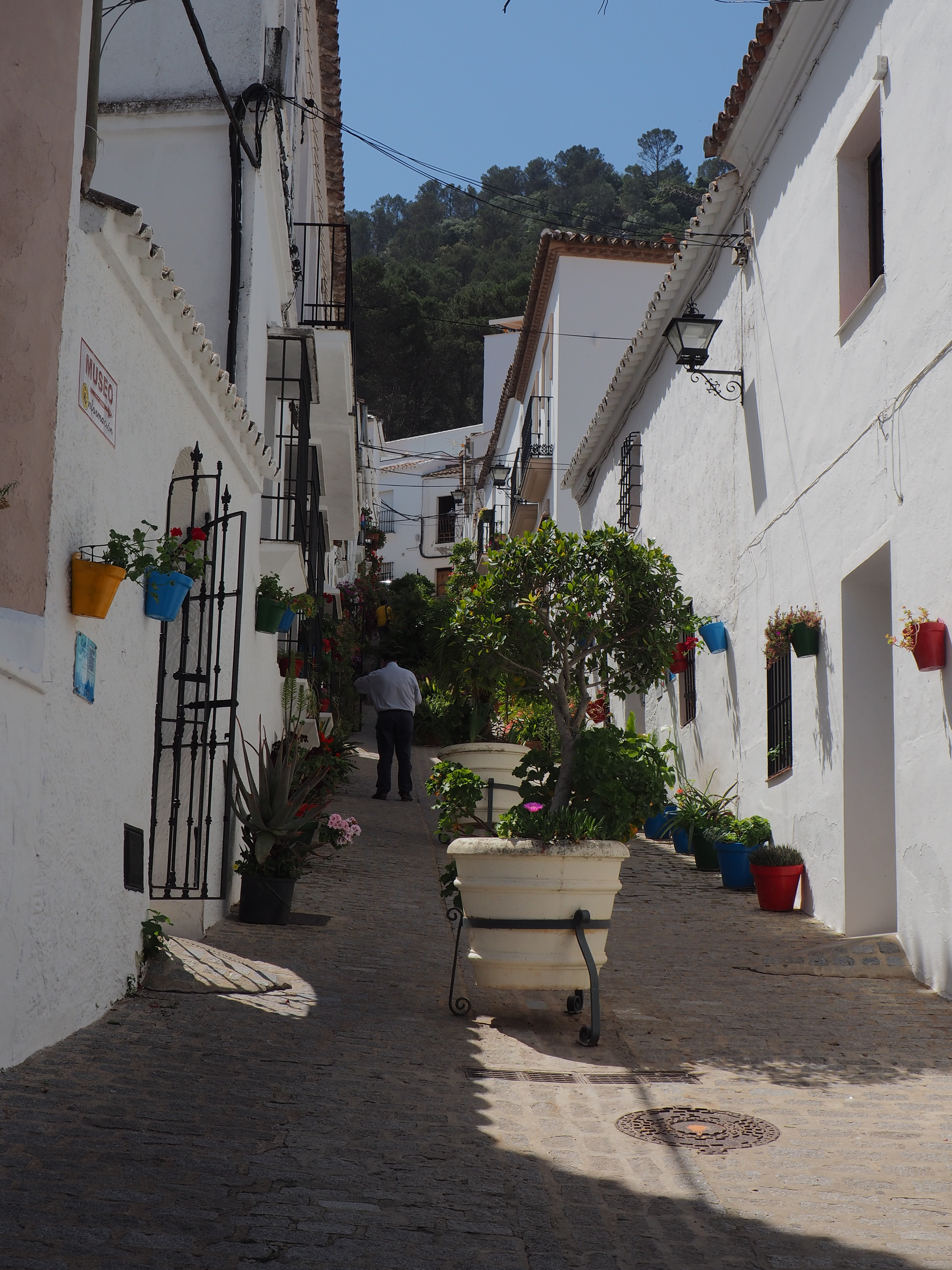
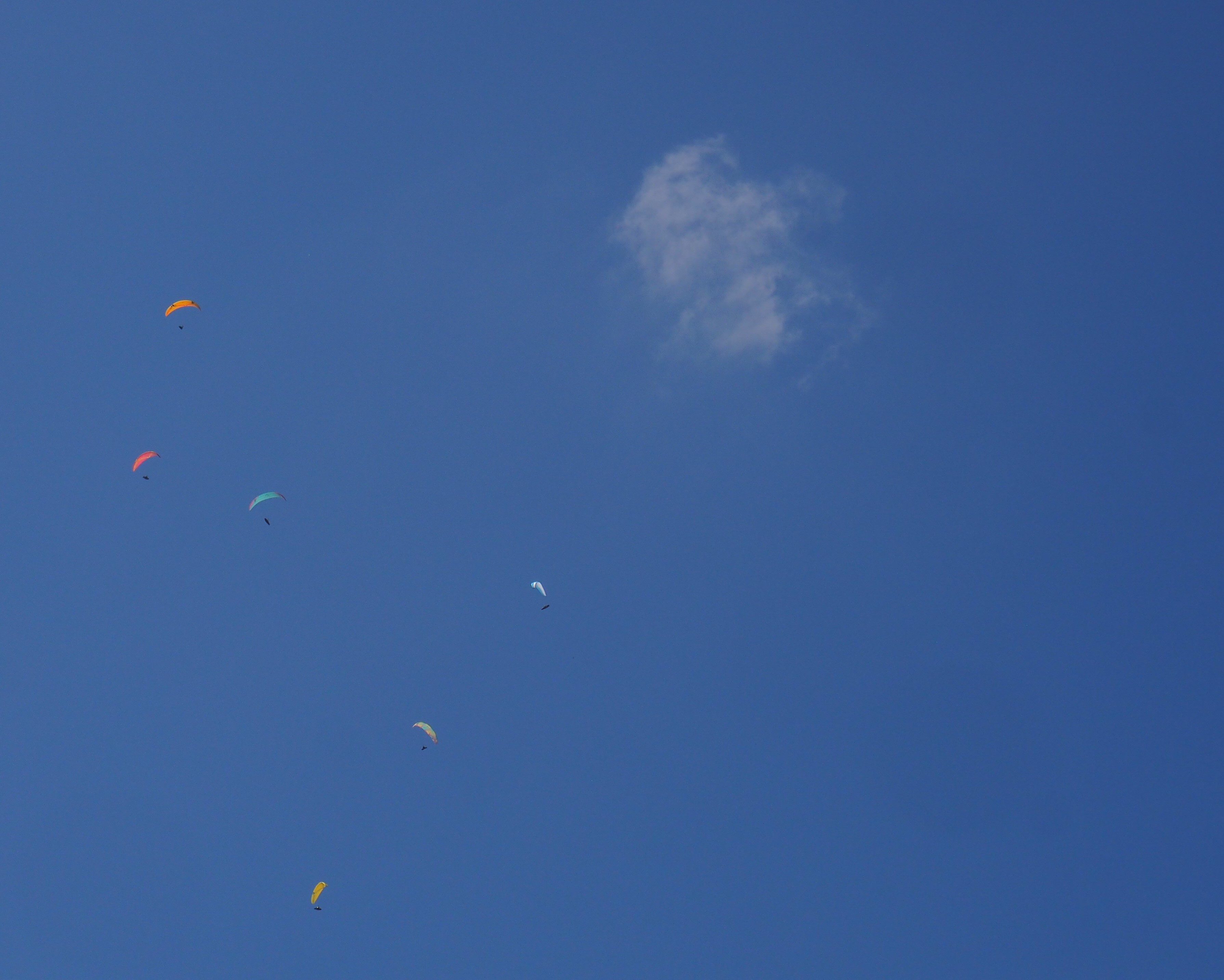
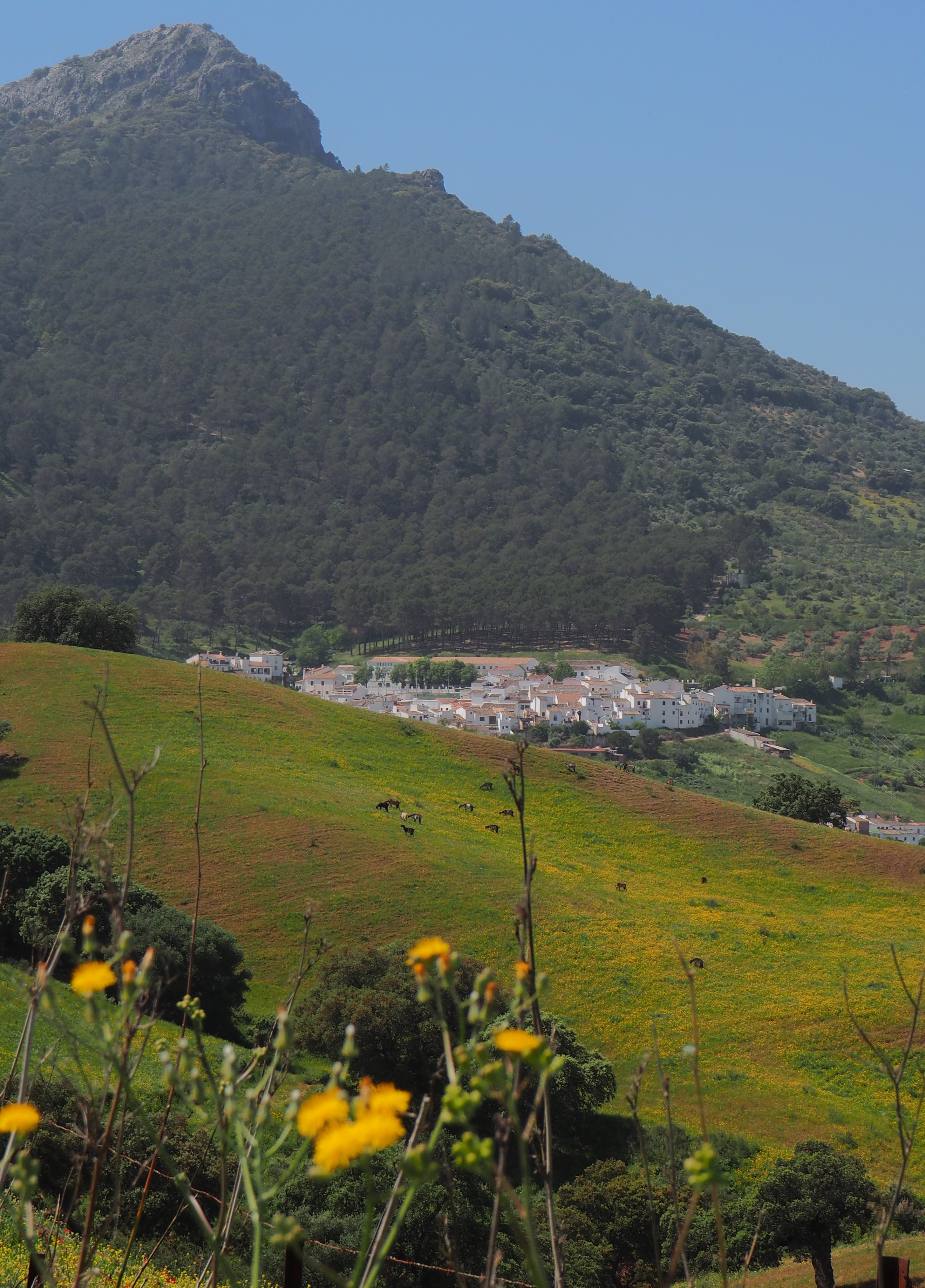
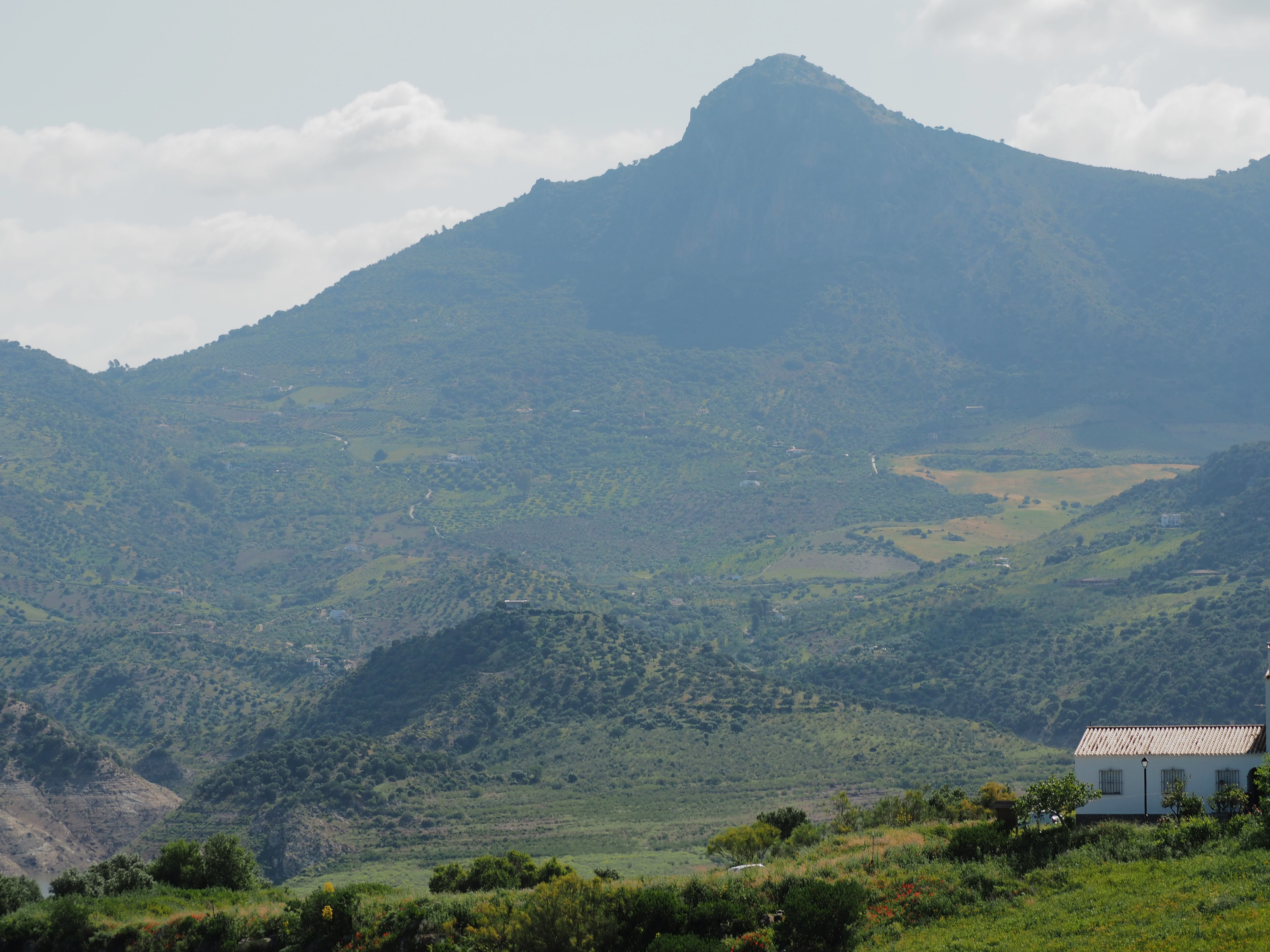
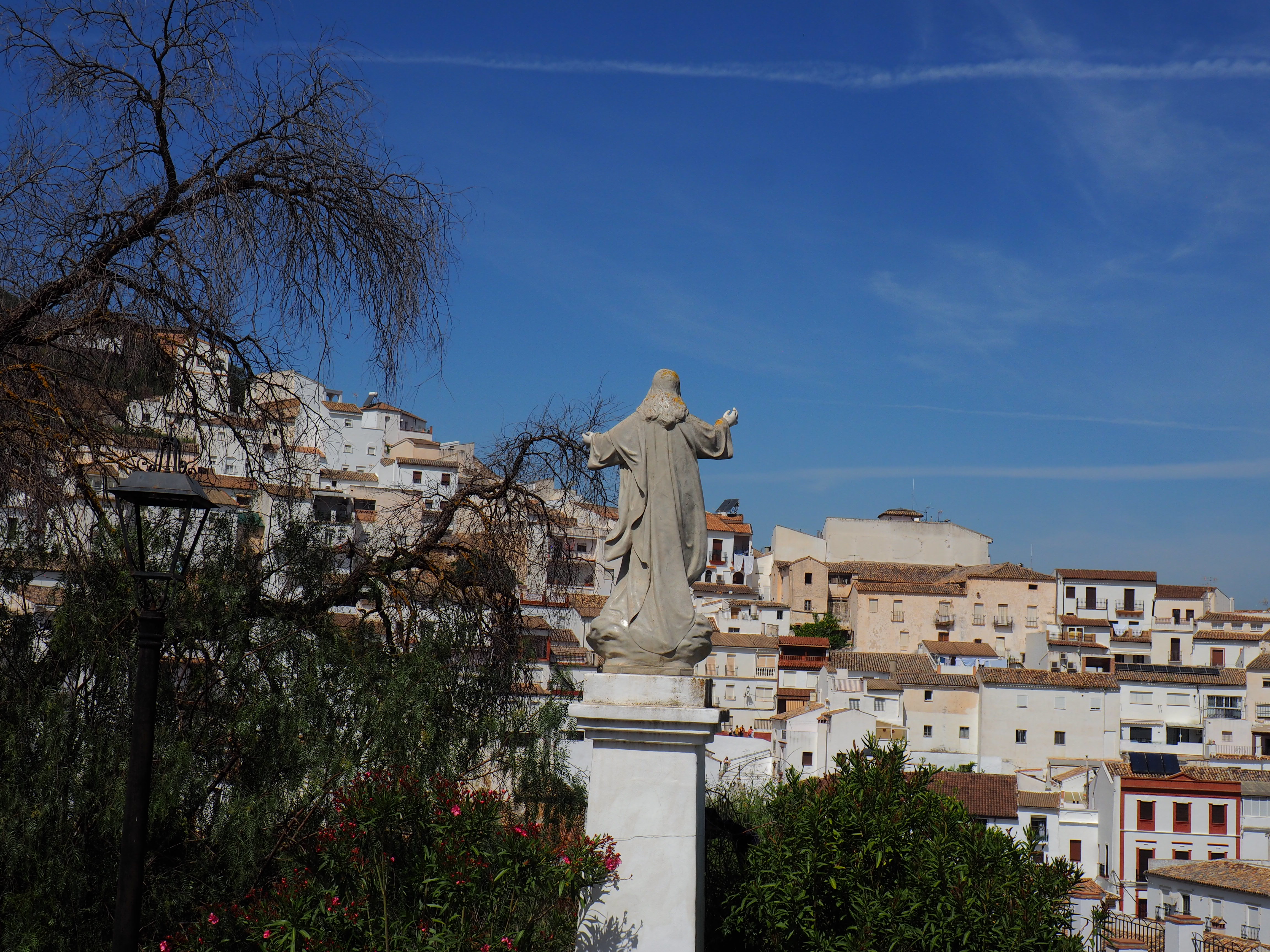
Zahara de la Sierra. And like some alphabetic bookend to our time in the Andalucian mountains and its white villages, we stopped by Zahara de la Sierra on our way out of town. Our Airbnb provided us a fantastic view of the profile of this village, so we were able to enjoy it morning, noon and night, but we of course had to go in as well, given our proximity.
“Zahara” comes from the Arabic word zahra, or flower. And this village sure is (one of the) prize blooms of the white villages. It was an important fortress between Ronda and Sevilla during the Moorish period, was captured by the Christians in 1407 then recaptured by the moors during the “surprise of Zahara” in 1481, which was a catalyst for the Christian campaign against the Kingdom of Granada. In 1483, the Christians retook Zahara. It later became part of the estate of Ponce de Leon. And after a period of declining population, “in 1983 it was declared a Village of Historic and Artistic Importance” (4) and you can sure see why.
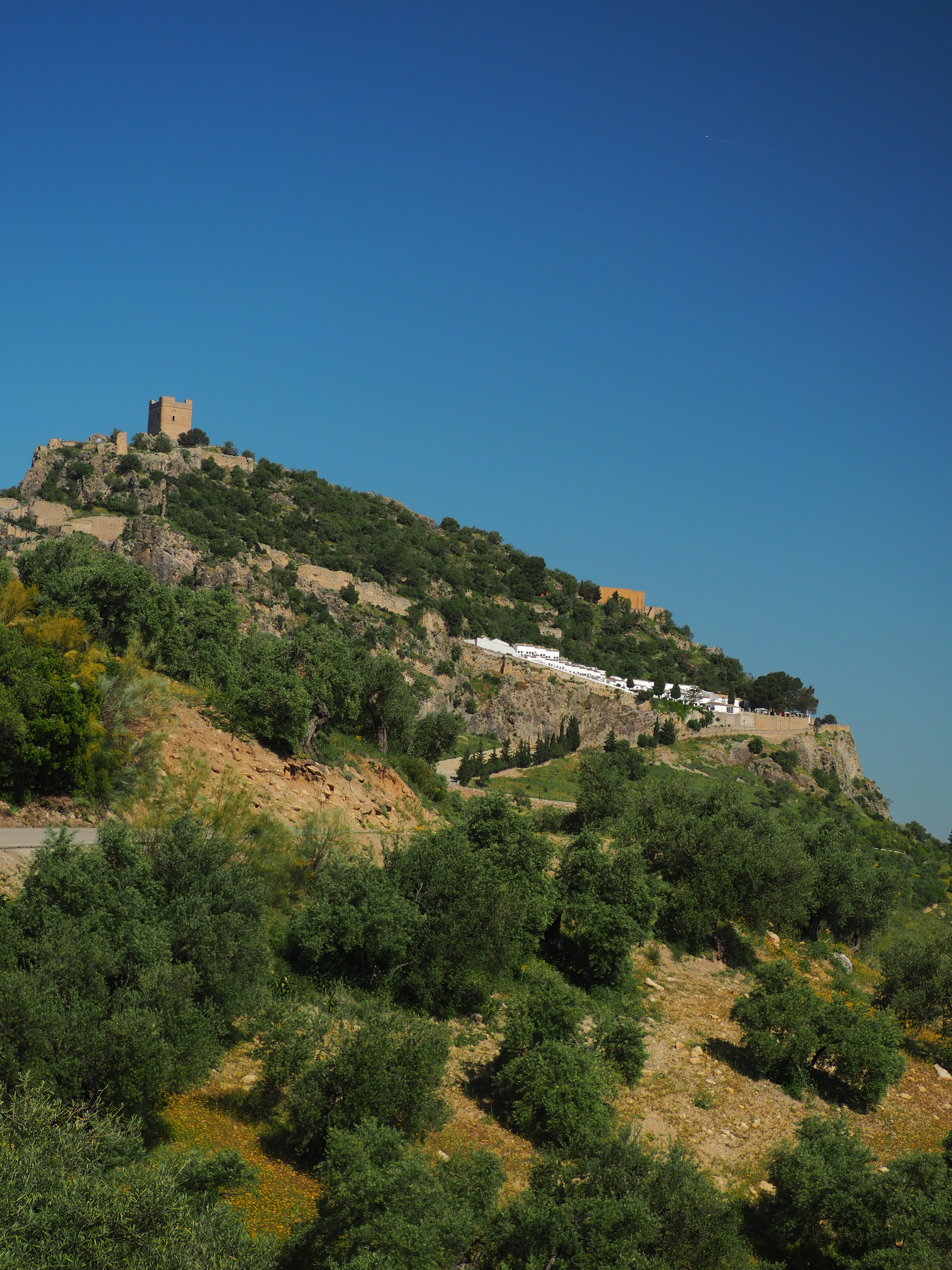
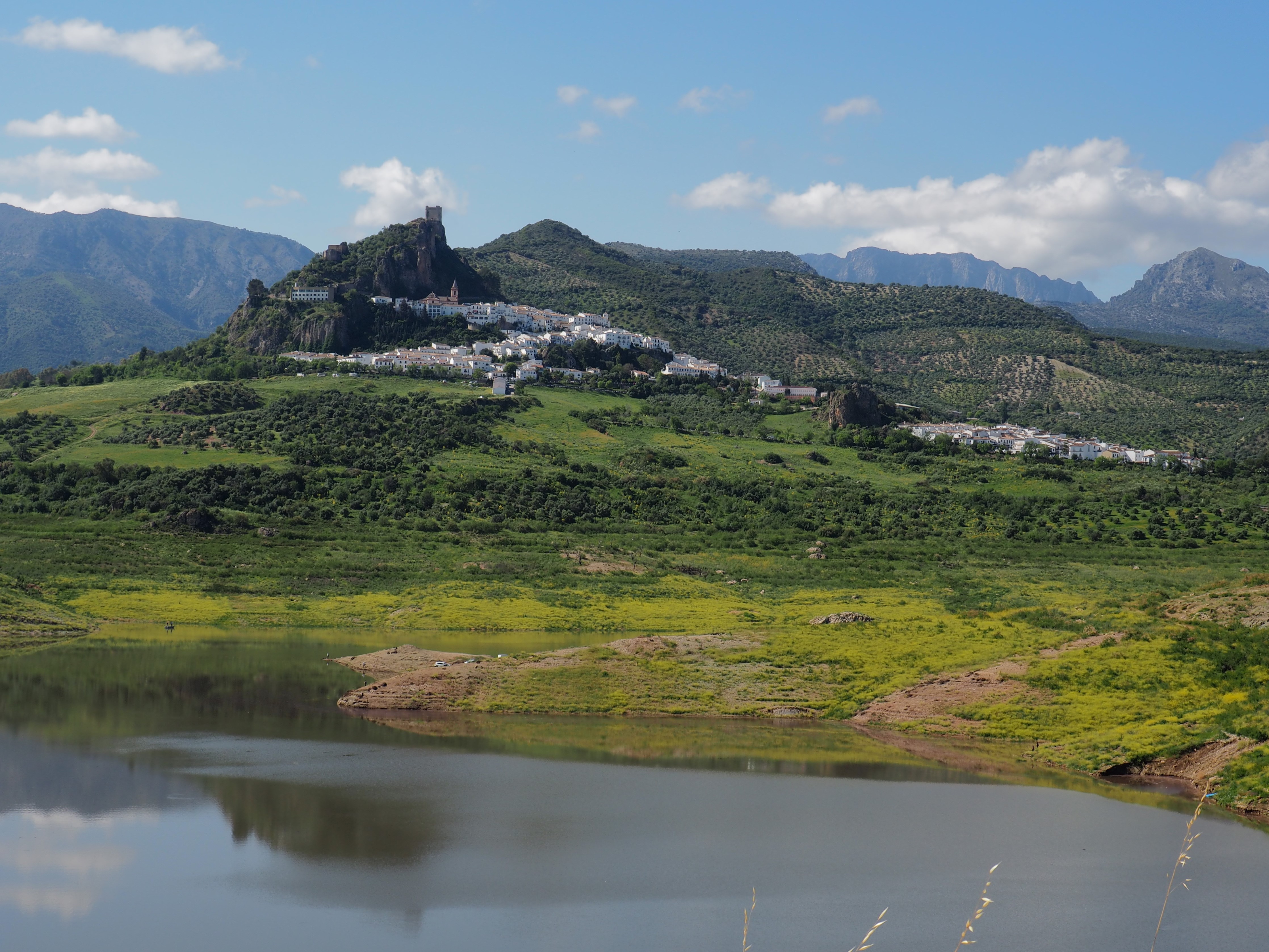
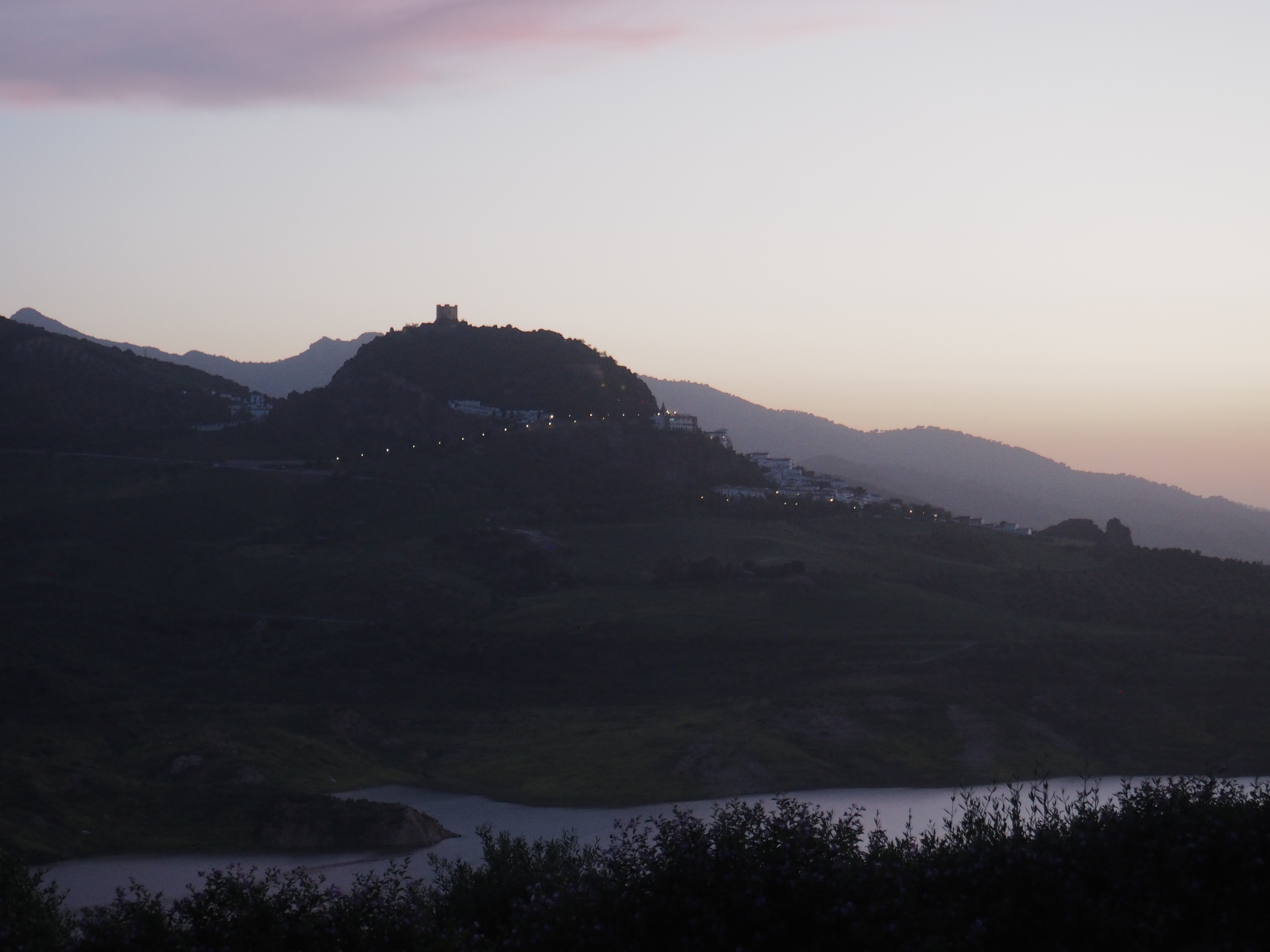
After our short stops of many views of Zahara de la Sierra we headed north and then west back into Portugal. And as we rolled along the highways with beautiful white, yellow, purple, pink and blue wildflowers and red poppies guiding our way we realized that spring had arrived in earnest which means that our next big trip this summer is just around the bend. And though we are always sad to leave our home in Portugal, this trip just made us all the more excited for that one to start.
Sources:
1. https://en.m.wikipedia.org/wiki/Ronda
2. https://www.andalucia.com/travel/itineraries/sanpedro-ronda.htm
 The Traveling Ridleys
Dave and Melissa, Such a beautiful journey. I love how you described each of the quaint villages. I cant wait for Yosuke and I to plan a trip. Thank you! Joe
Sent from the all new AOL app for Android
LikeLike
Pingback: Terramoto Taylor Takes Lisbon – The Traveling Ridleys: Sunday Journal