

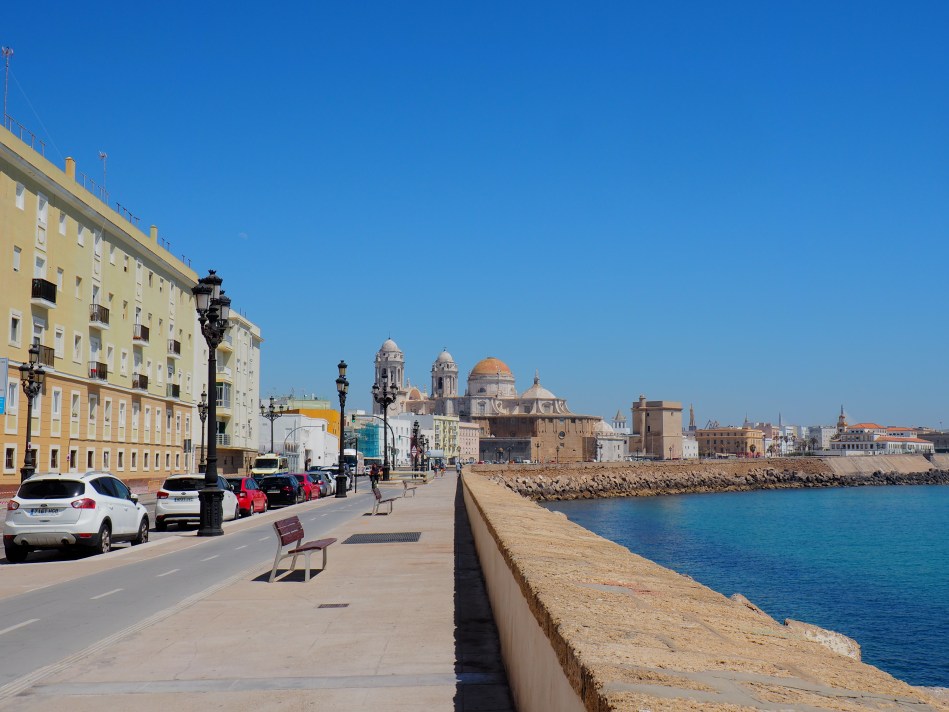
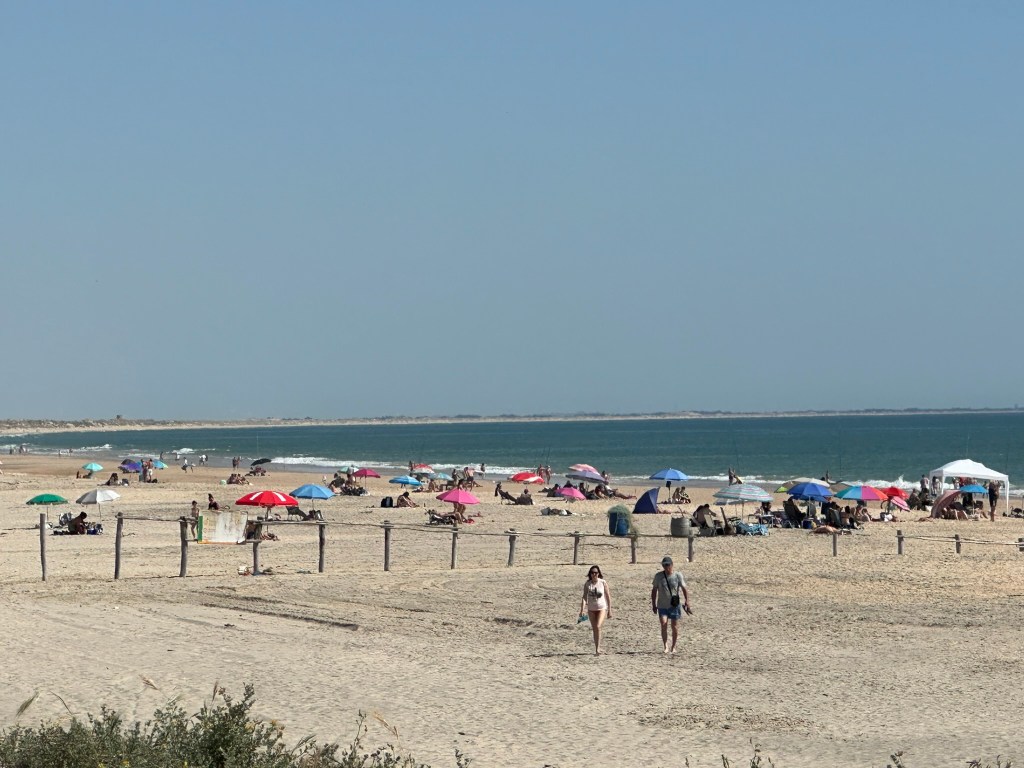
Costa de la Luz. Stretching from the Portugal border to Tarifa, the Costa de la Luz offers miles of beautiful, windswept, sandy beaches. In mid April, it also offered up some divine weather. Warm enough for beaching in flip flops and shorts in the day and cool enough for comfort at night.
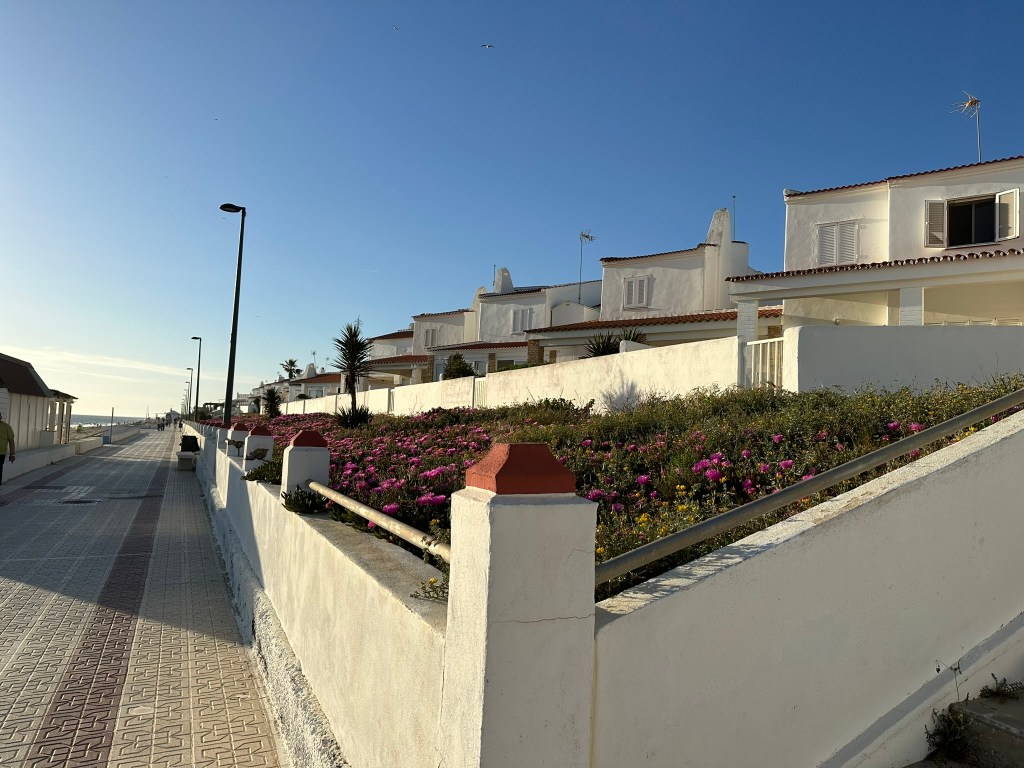
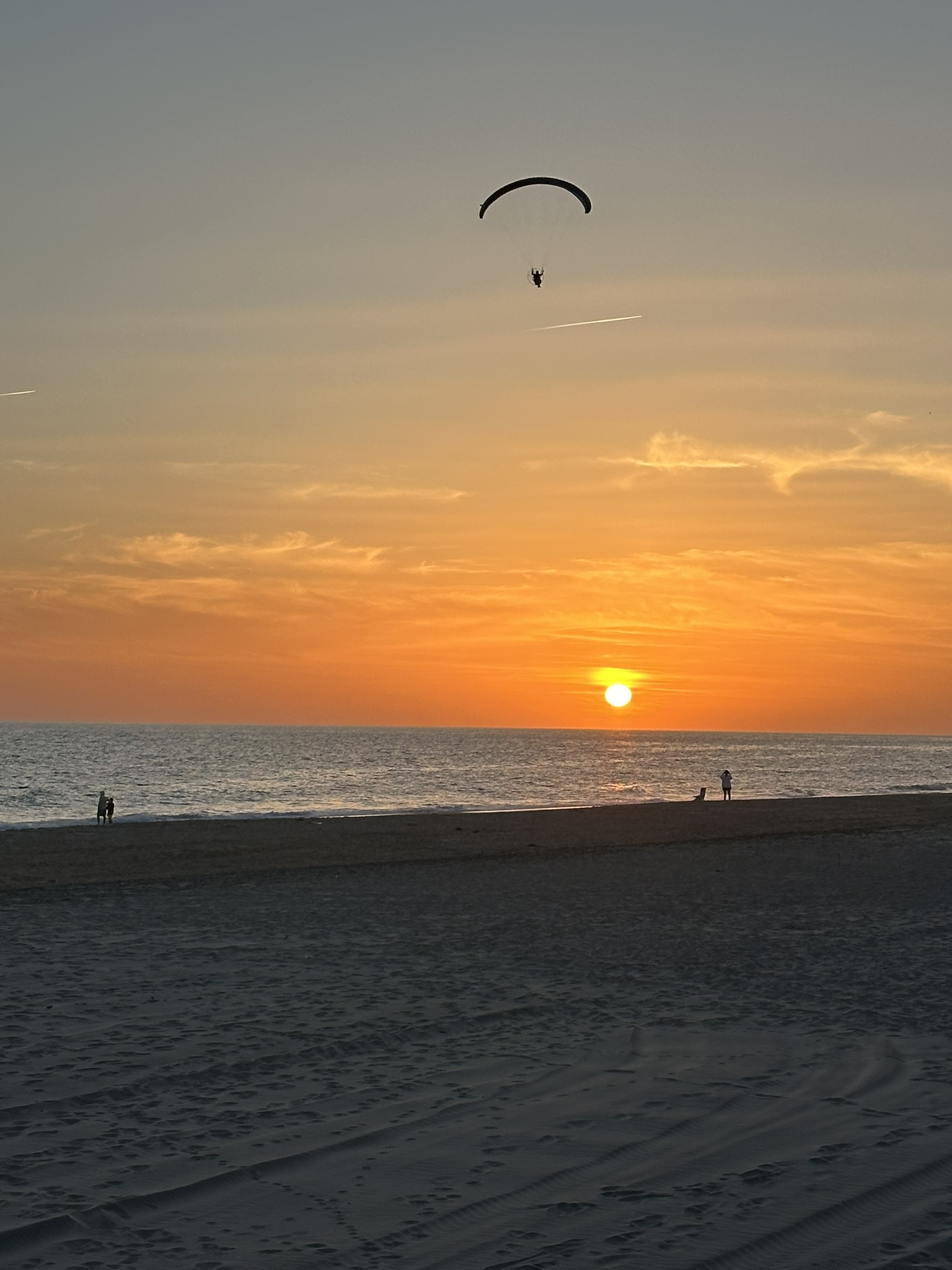
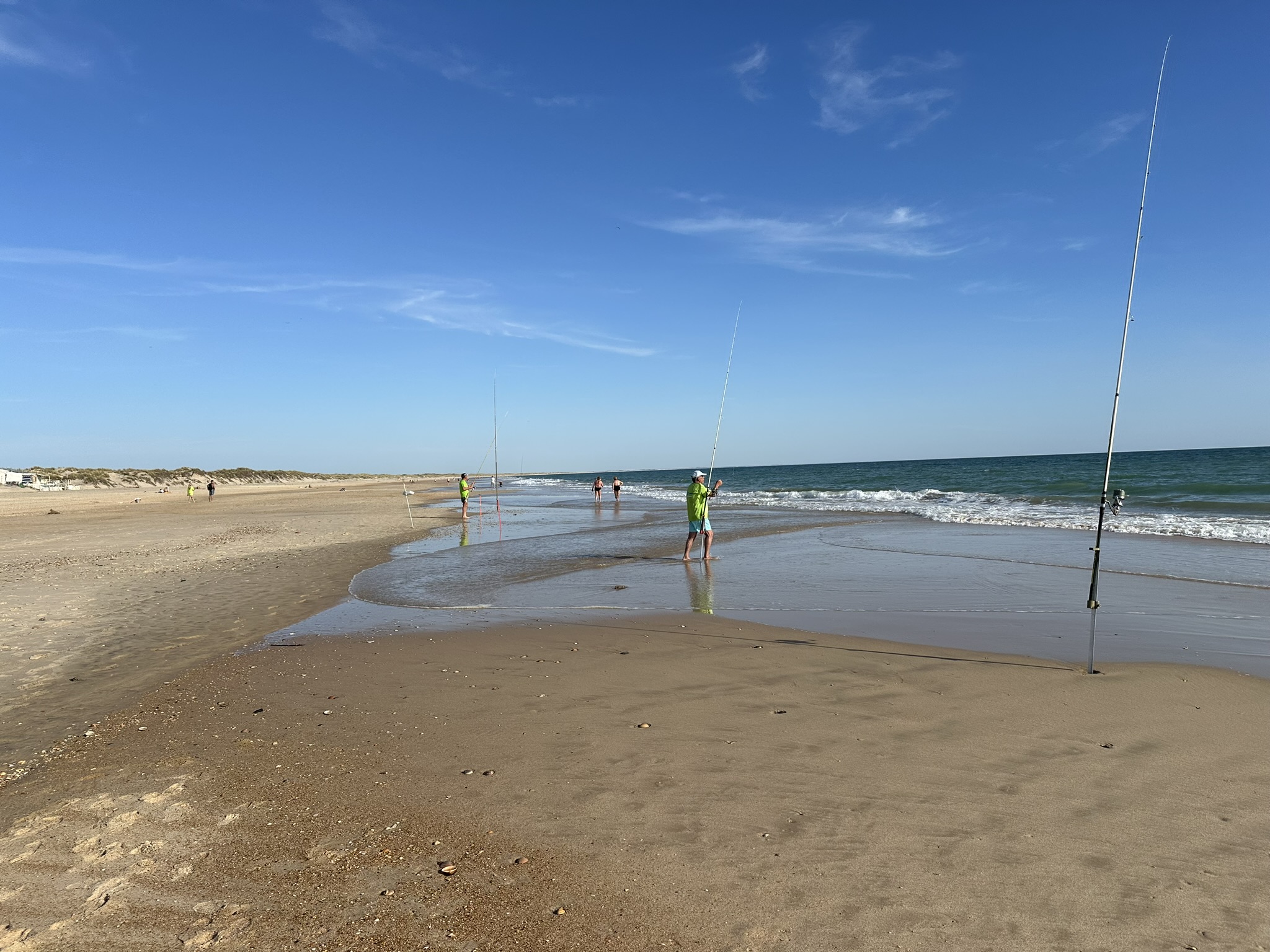
We began our stay in this southwestern most part of mainland Spain at Matascalañas Beach in a small beach cottage at the end of, and away from, all of the development. Families under colorful umbrellas punctuated the long sweeping view of beach on a brilliant cloudless Saturday. Fisherman dotted the coast with poles standing at attention in the early mornings and late afternoons into the evenings.
Matascalañas is well developed with many condos, hotels and private homes dotting the boardwalk without being overcrowded. Its proximity to Doñana National Park makes it a great spot to visit the park or just to chill out for a couple of days. And because of the large expanse of park which reaches the coastline it is a little less accessible from the Spanish coast to the east. As a crow flies it is only about 40 miles to the northwest of Cadiz, but the park requires you to drive around: north to Seville and then south to reach Jerez de la Fronterra and Cadiz.
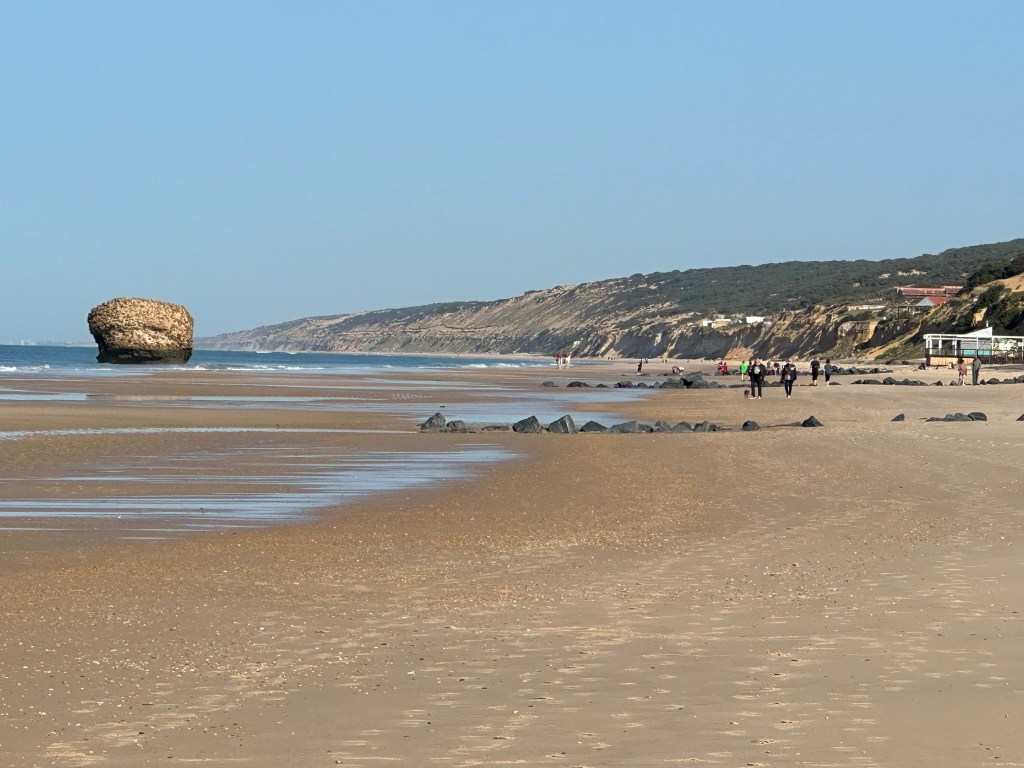
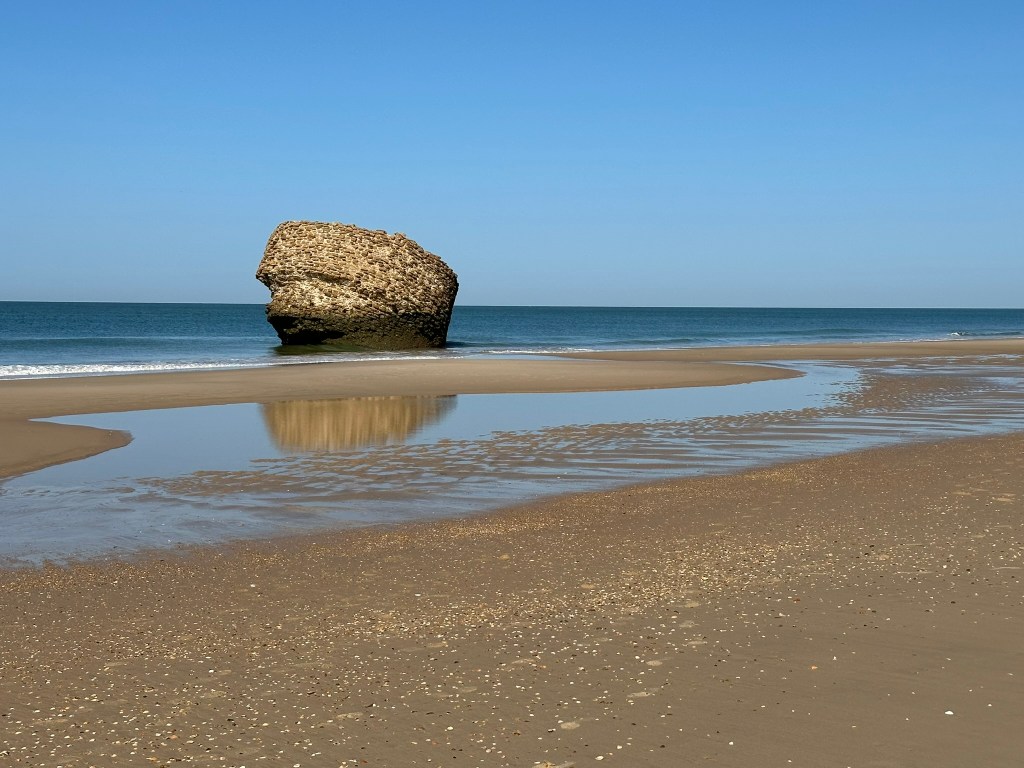
an old 13th century battlement tower destroyed by the 1755 Lisbon earthquake
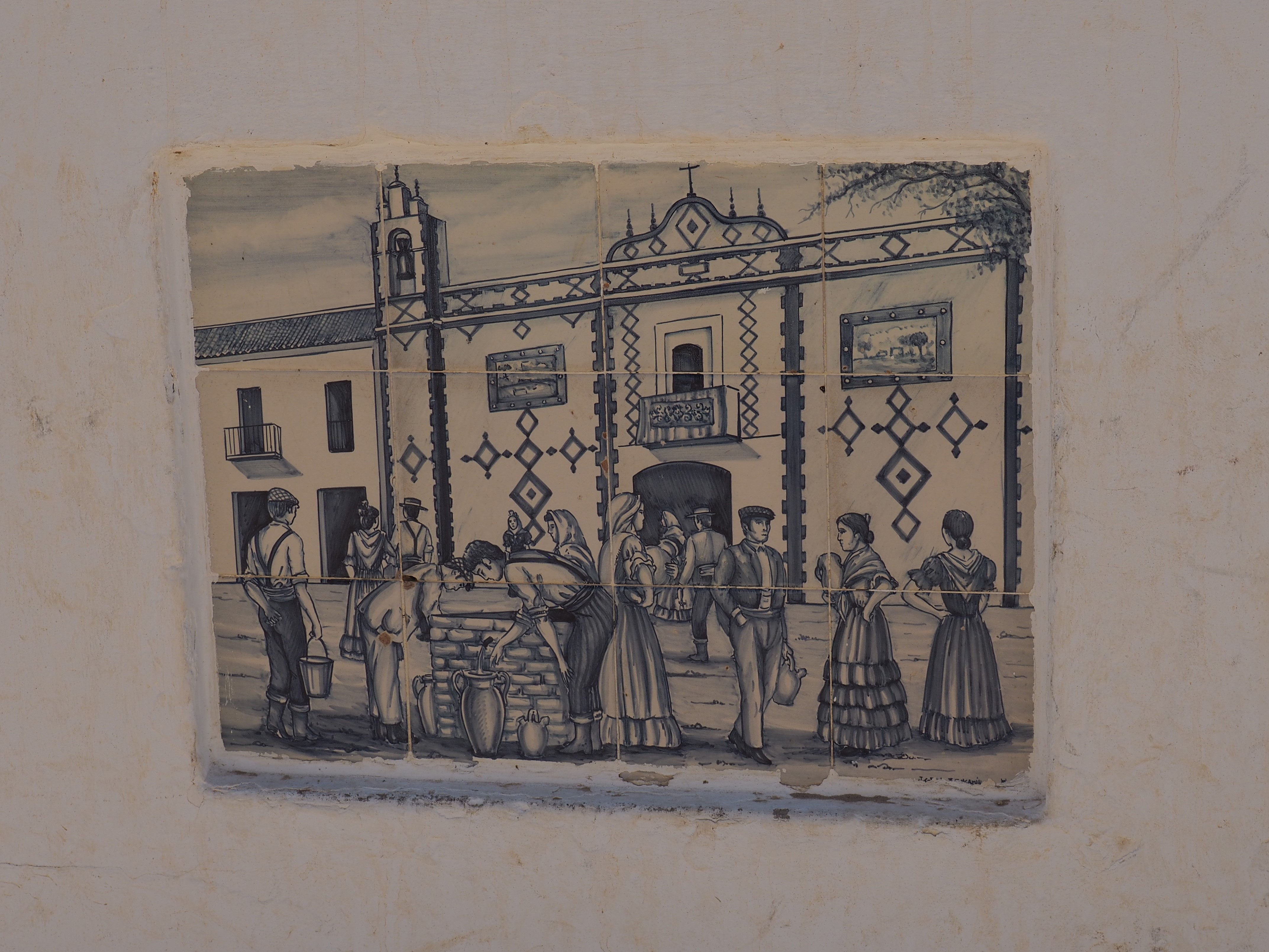
Return to El Rocío. We visited El Rocío (me for the second time, when I came over at Christmas-time when we were in Seville but Melissa was dealing with day one of our flu, which had not yet struck me down) within the National Park as I was enchanted with its dirt roads, horseback riding locals and Andalusian charm the last time.
This time, with more time, we spent a couple of hours wandering its dirt roads among the houses of the Hermandades, or “brotherhoods”, of the communes of El Rocío. I wrote about these brotherhoods and their annual procession with the El Rocío Virgin Mary at Pentecost here.
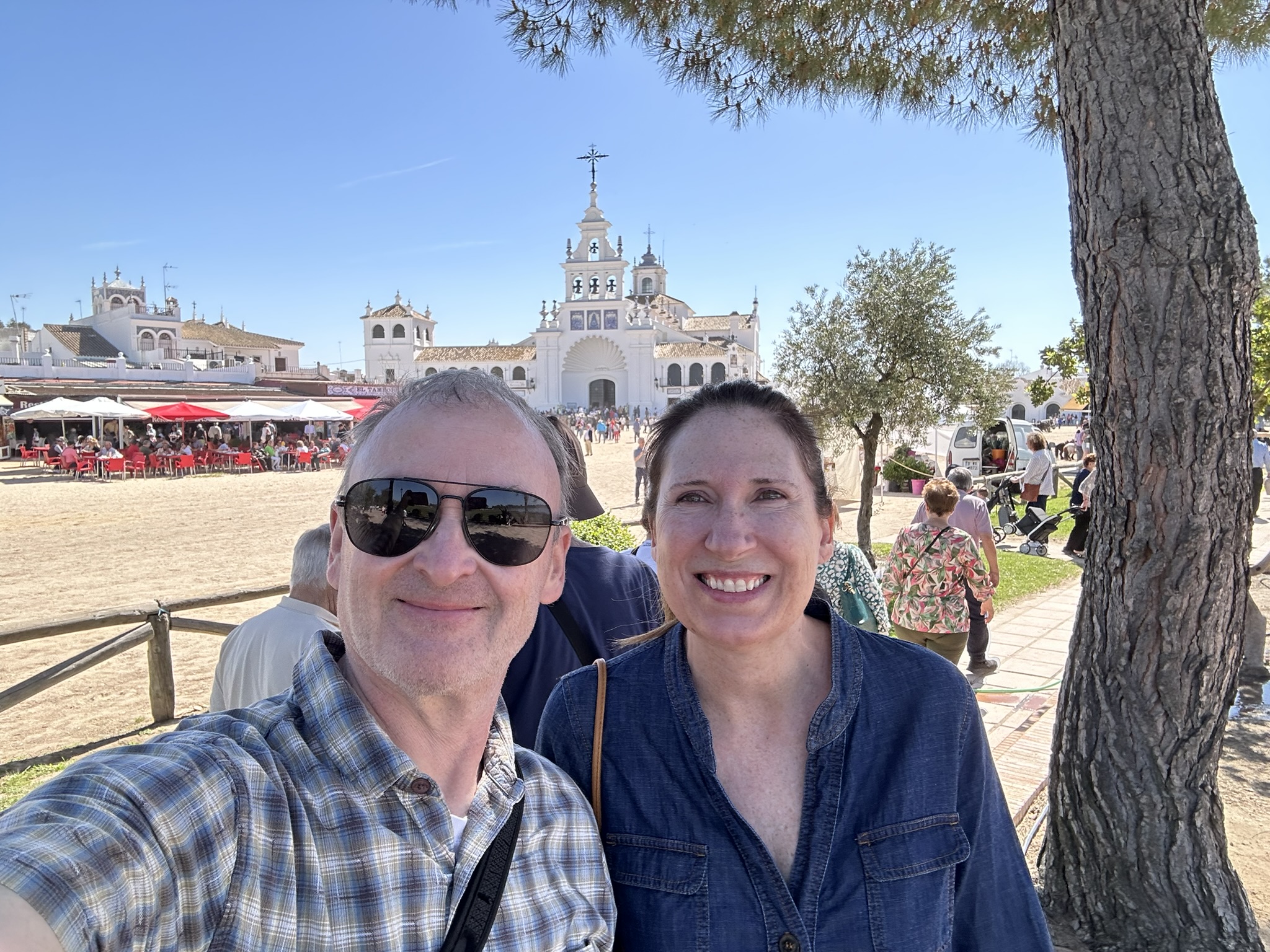
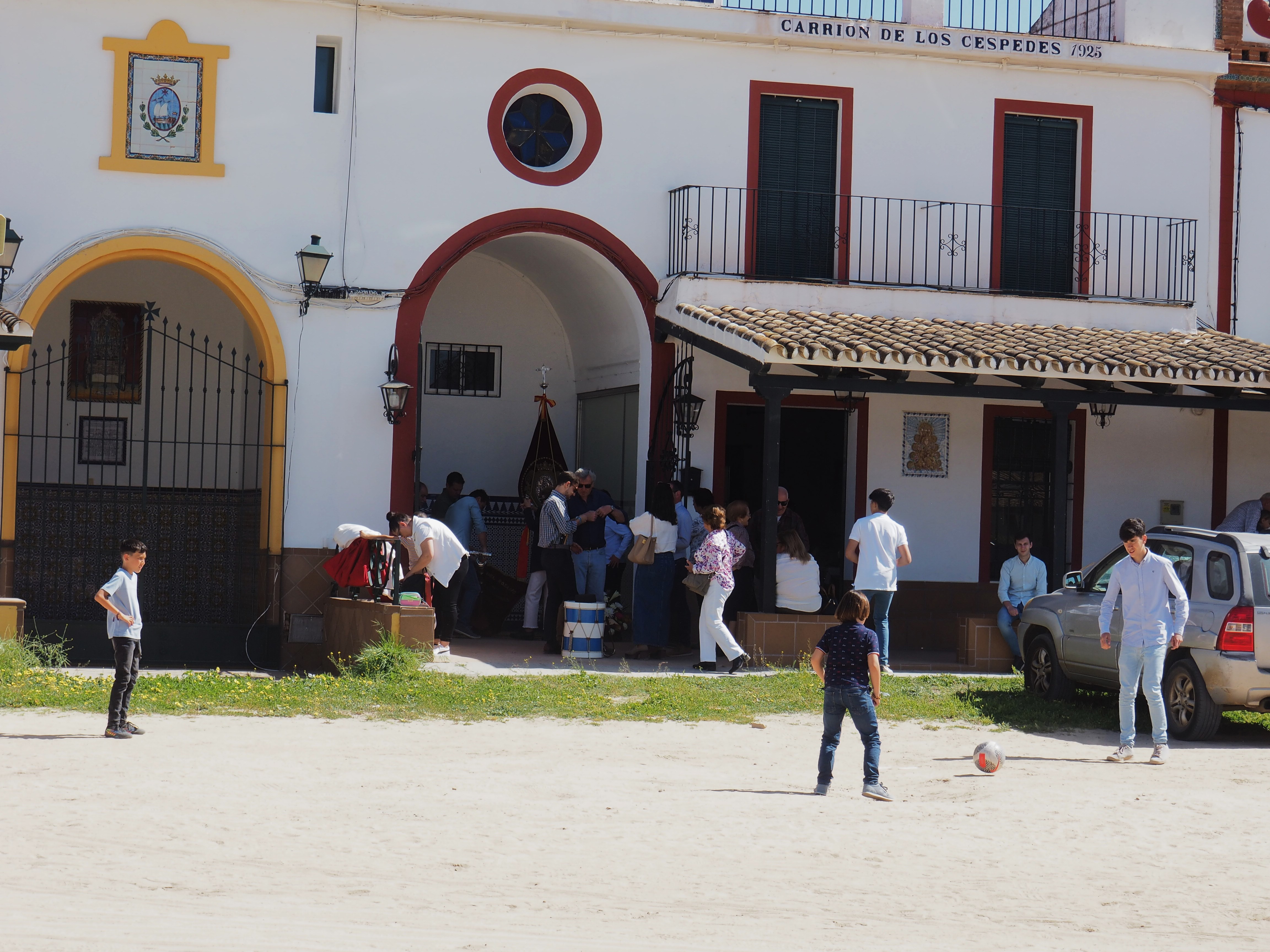
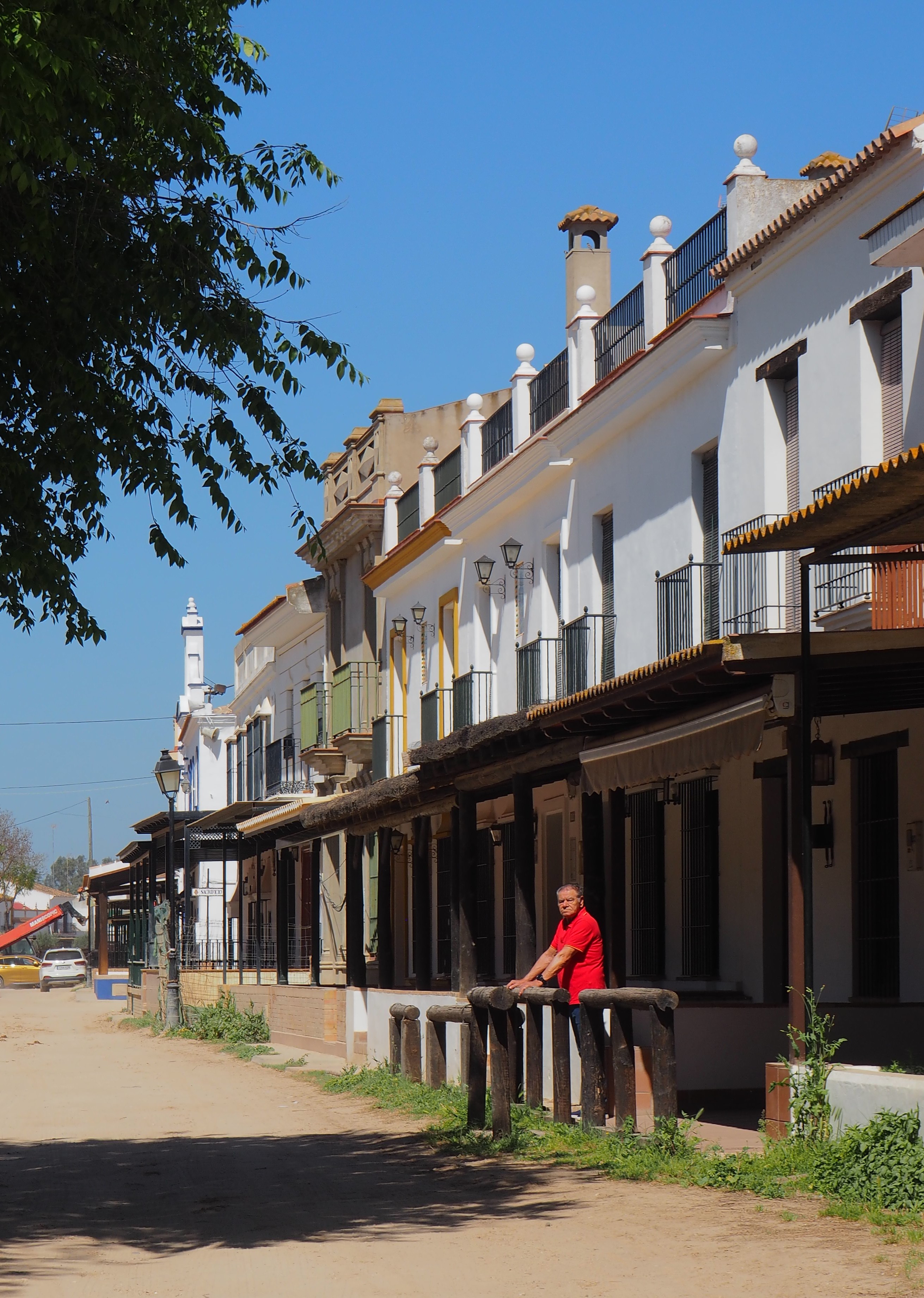
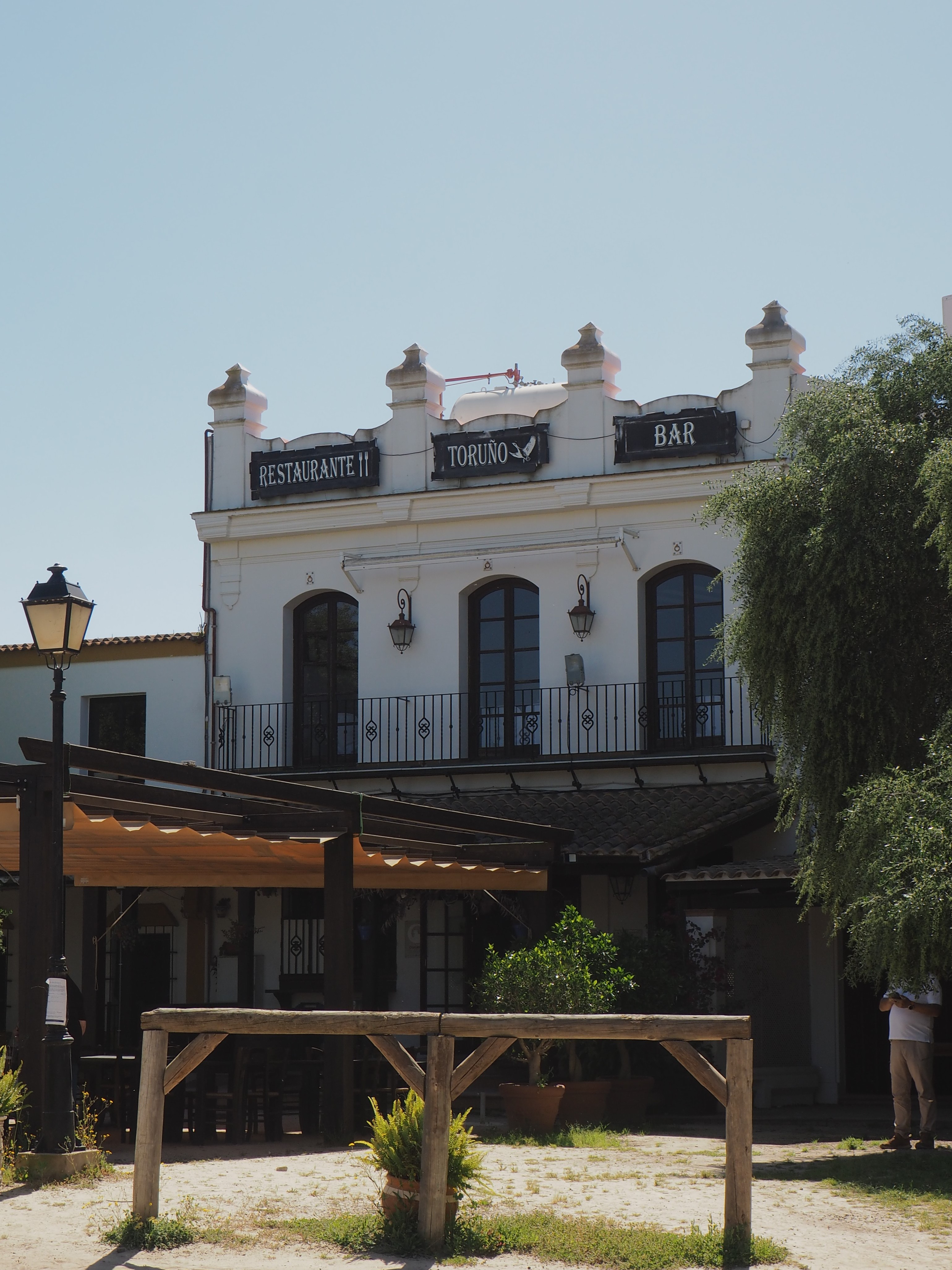
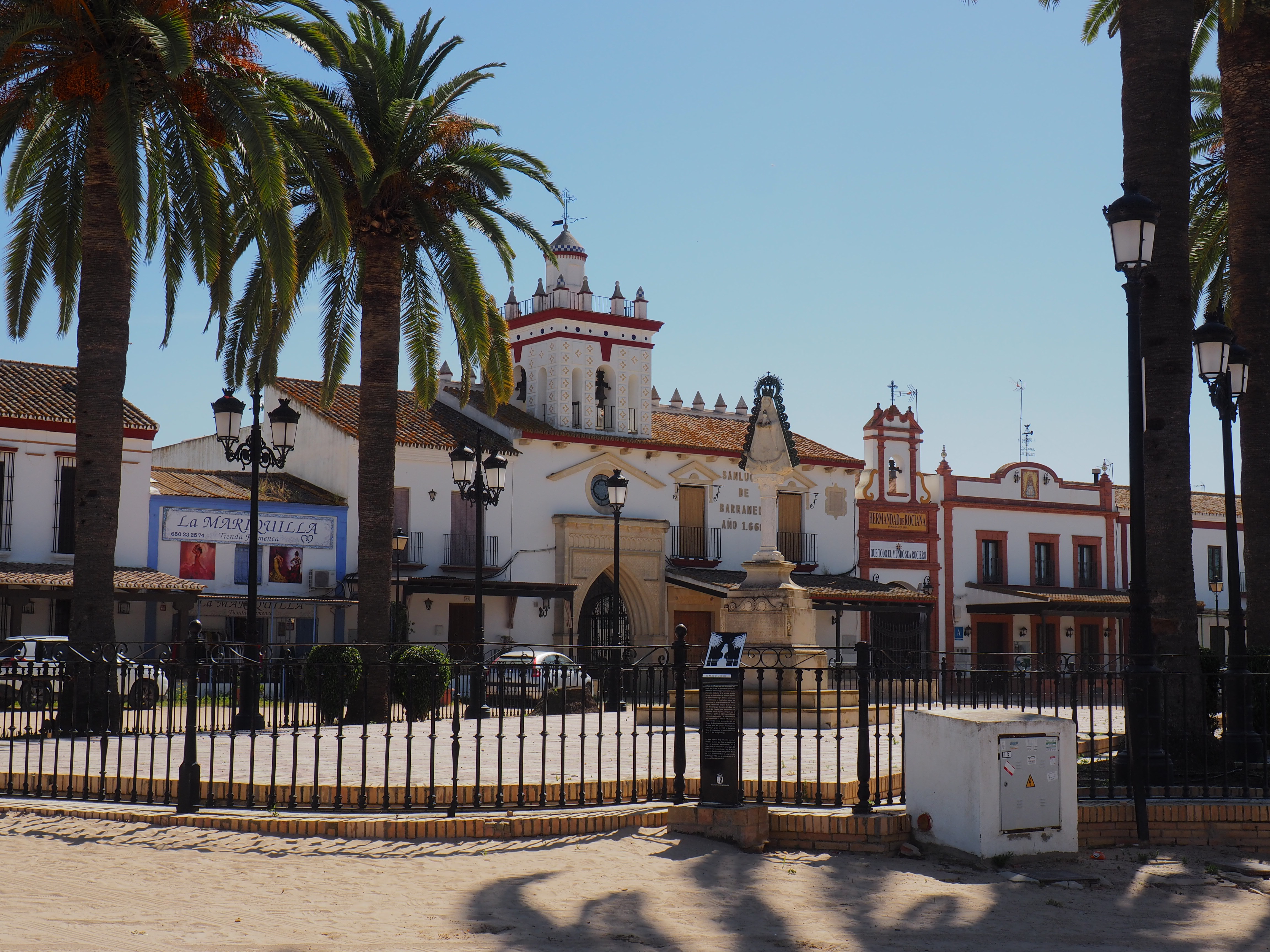
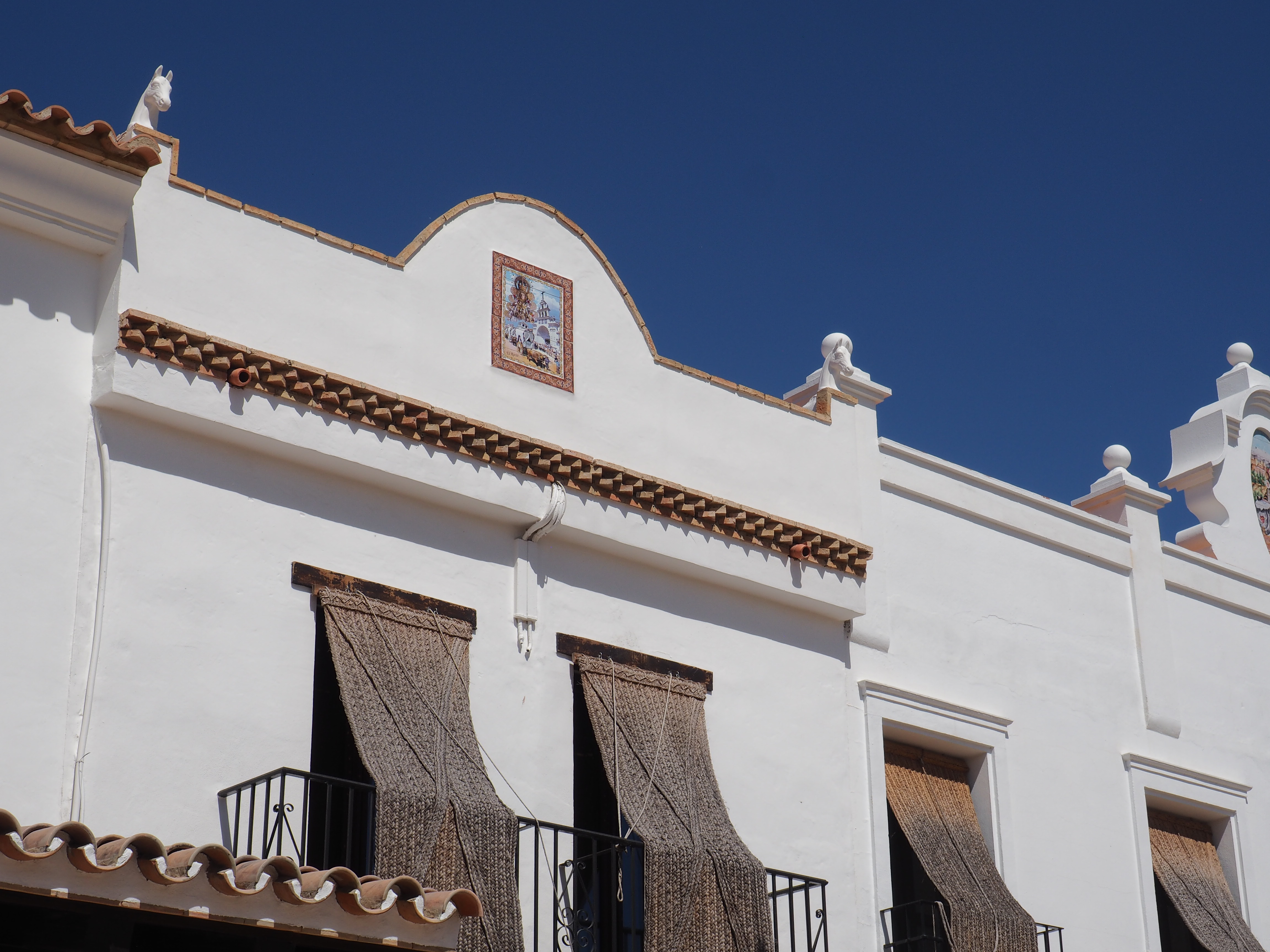
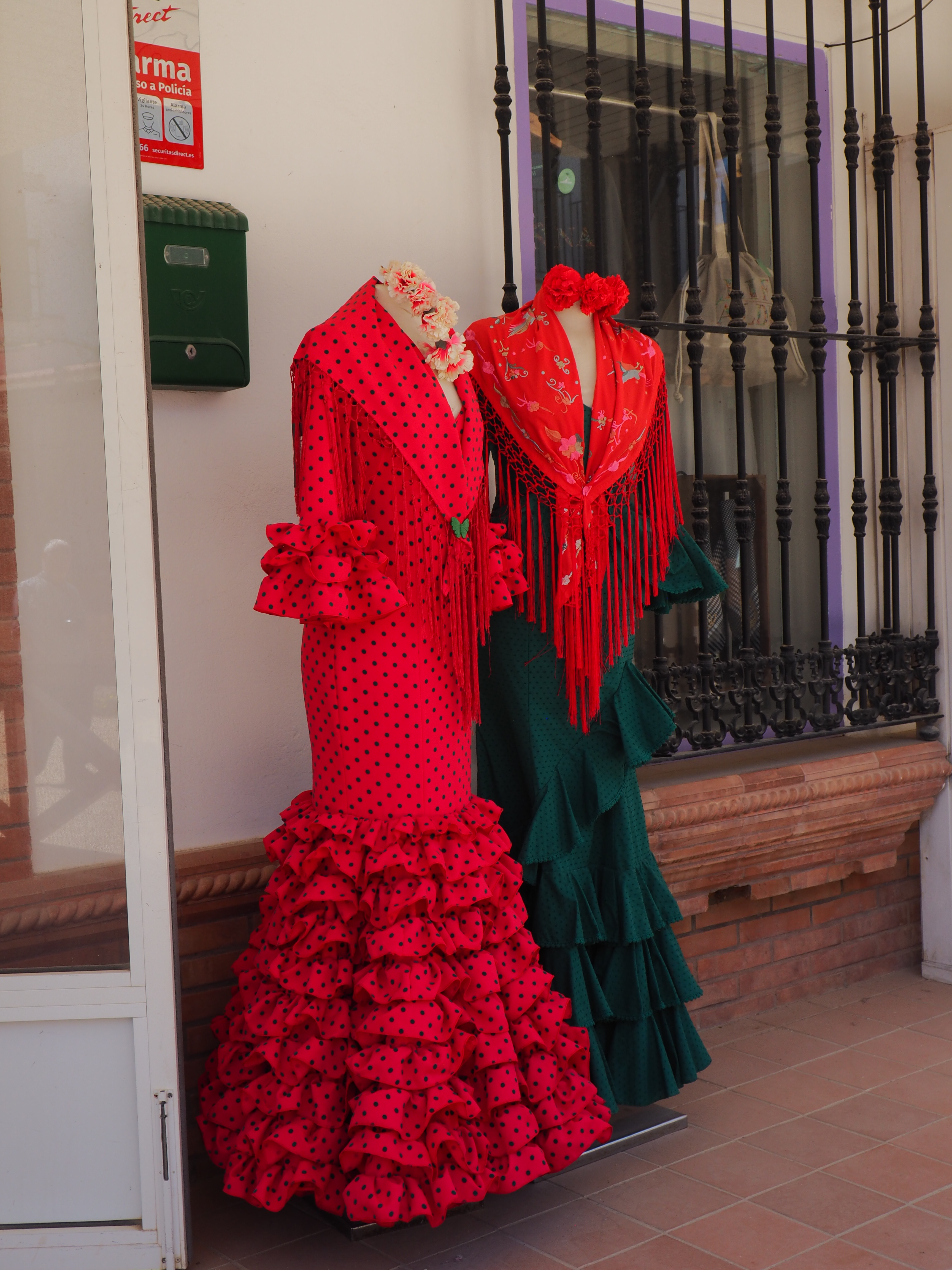

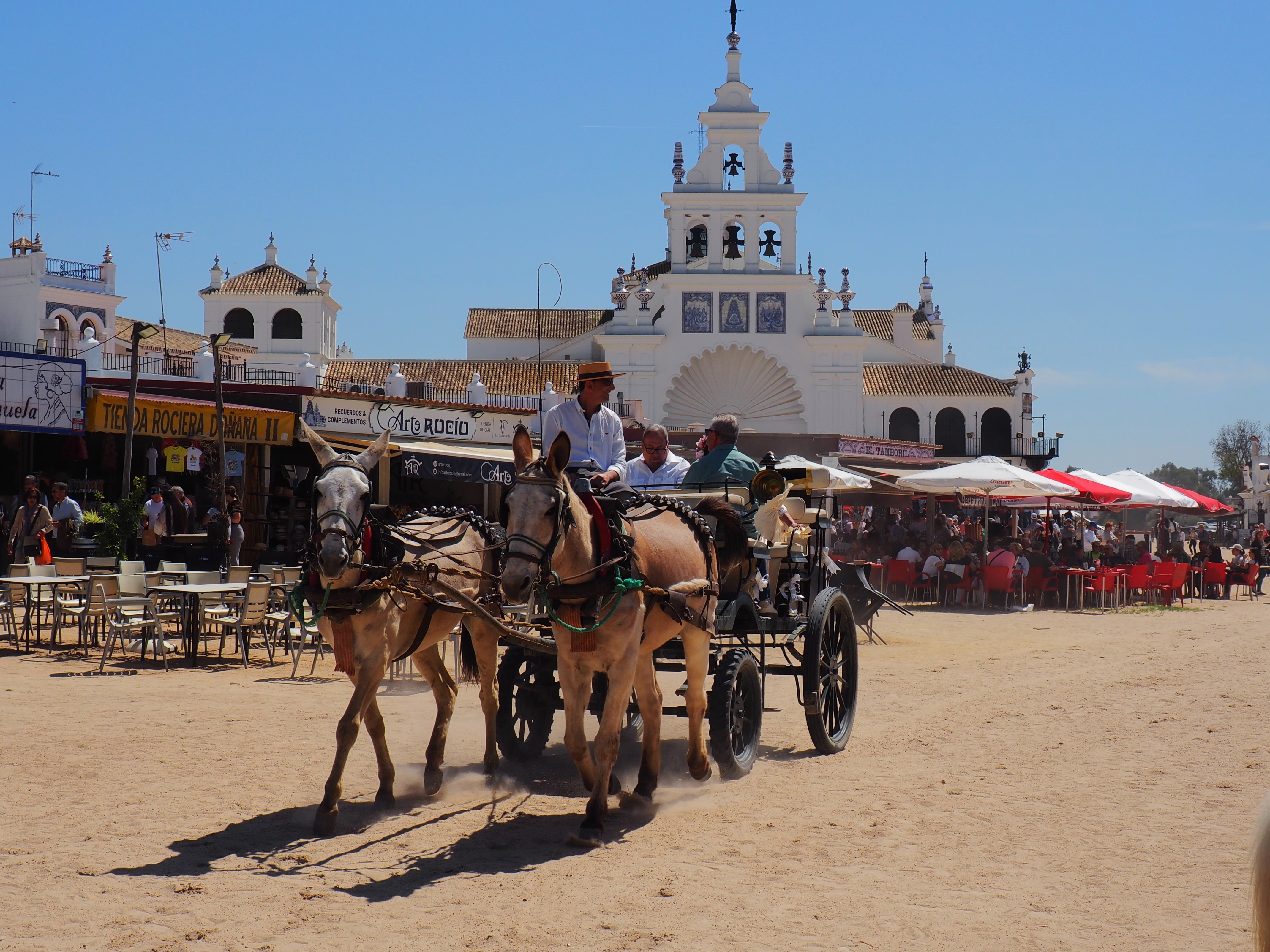
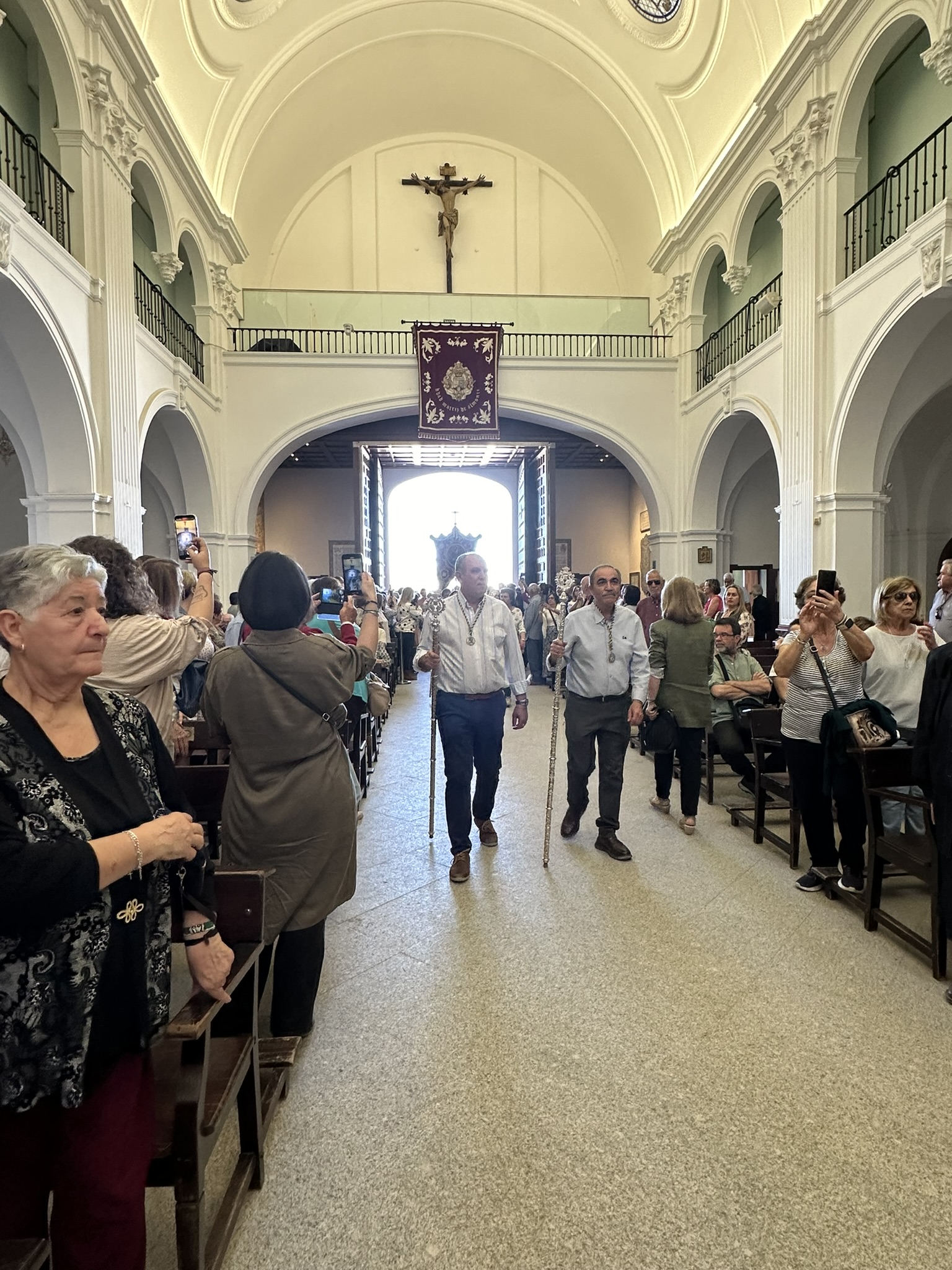
We visited on a Sunday and entered the church as service was ending just in time to catch a procession in and up to the altar. Then we wandered around the perimeter of the wetlands and ended up at Aires de Doñana for a delightful lunch on the outdoor patio overlooking the wetland and the town. It was clearly where the locals gather on weekends, and we were glad to have made a reservation in advance. The flan with raisin wine was most memorable but everything was muy delicioso.
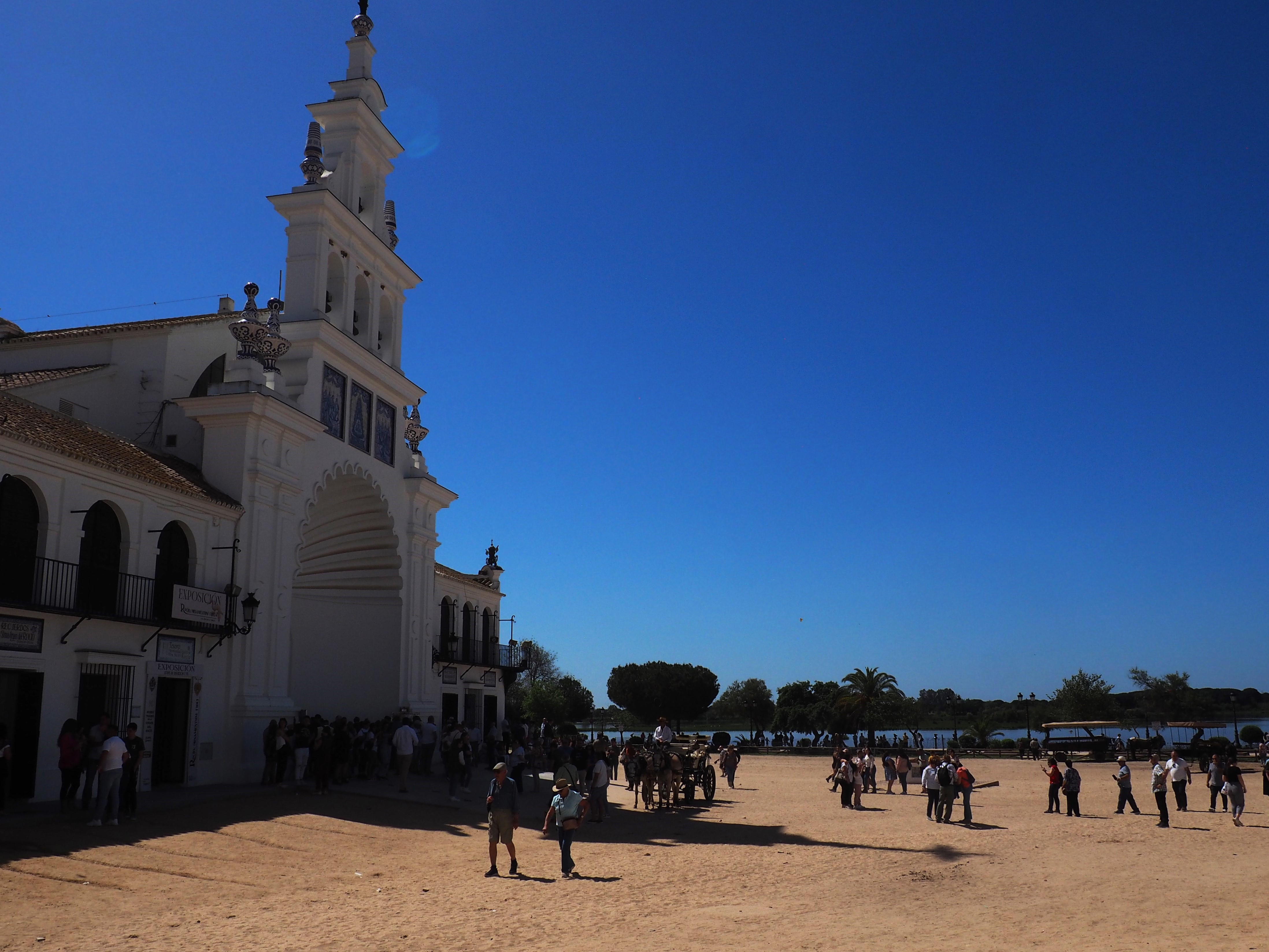


El Rocío is a unique place and well worth a stop. It’s a contender for a spot in our top five places for 2024 but we’ve got a long road trip ahead this summer, so you’ll just have to stay tuned in December to see where it lands, if at all.
Back to Matascalañas. The town isn’t remarkable and seems like it has had its heyday with a mix of boarded up and rundown homes, restaurants and apparently abandoned bull ring and newly remodeled and revitalized condos and stucco walled homes. But that didn’t matter to us as we mostly just spent a couple of days walking the sandy beach, the boardwalk, visiting local restaurants and enjoying brilliant sunny spring days in Spain.
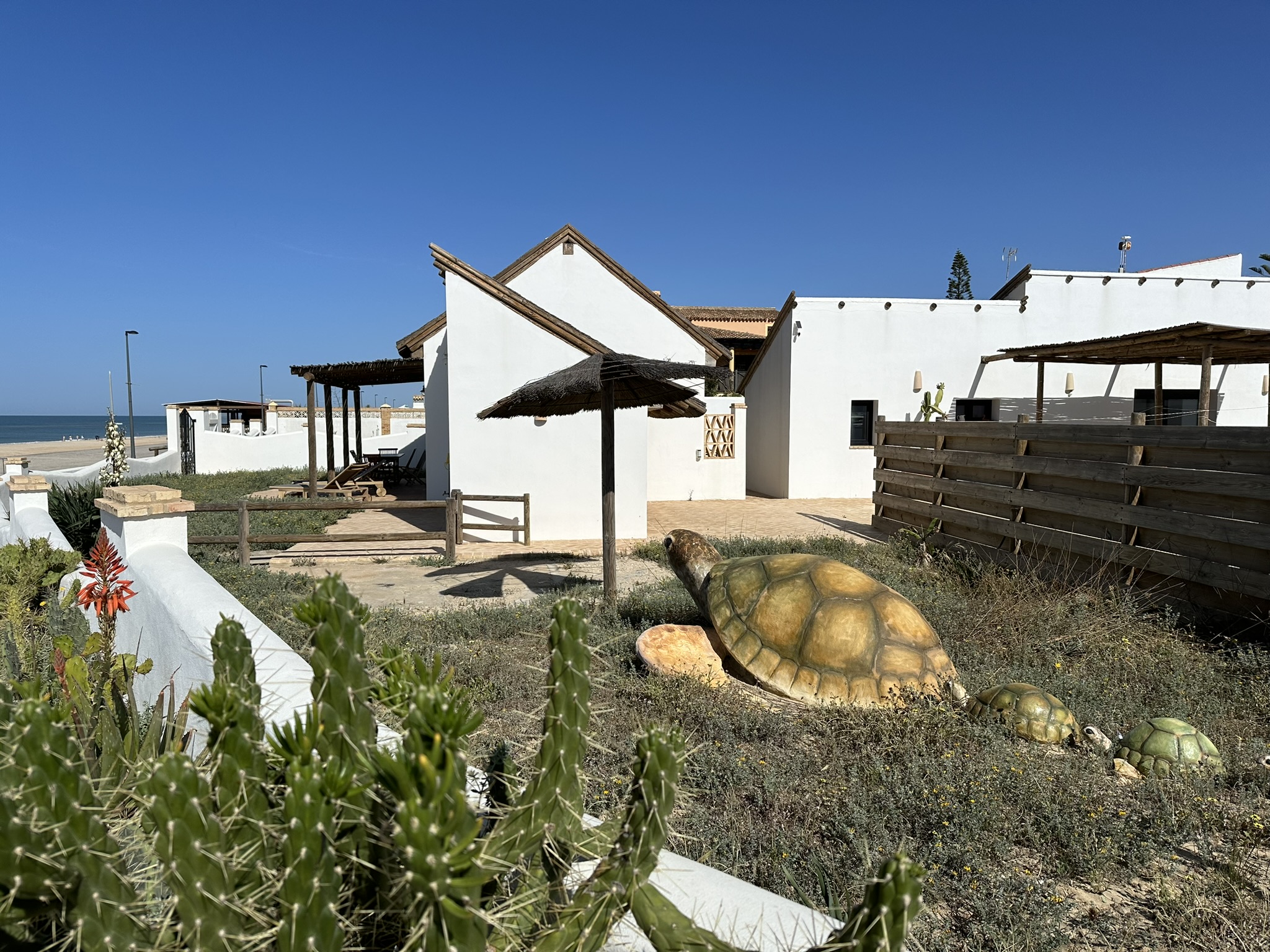
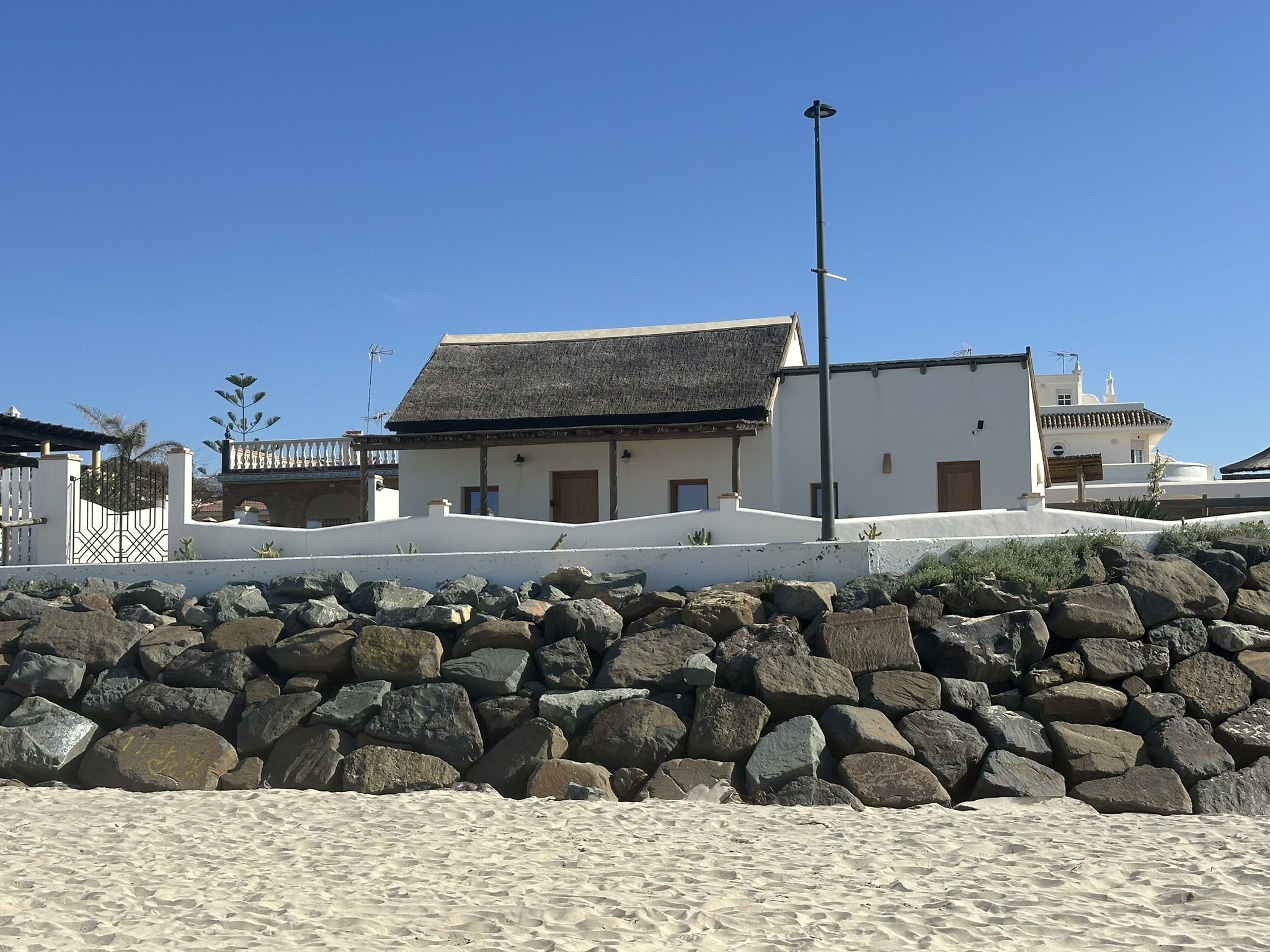
Our Airbnb was right on the beach, I mean, right on. With a lovely patio overlooking the boardwalk. It wasn’t fancy and a Spanish Armada of mosquitos sailed aggressively inside it on day two (day one was too windy on the patio for us to even notice their presence). But we did good battle and took them down like Sir Francis Drake and the British fleet in 1588. (Note to self: when your Airbnb provides five different cans of spray bug repellent and a fly swatter, don’t leave the screen-less doors and windows open to bring in the fresh evening air.)
To the Costa del Sol, via Cadiz. On our way to an overnight in Marbella, we stopped off for a visit to Cadiz. We started at the Museum of Cadiz which traces the history of Cadiz from its founding by the Phoenicians (making it one of the oldest cities in Europe) through the Romans to the moors. It has an amazing collection of artifacts from all of these periods.
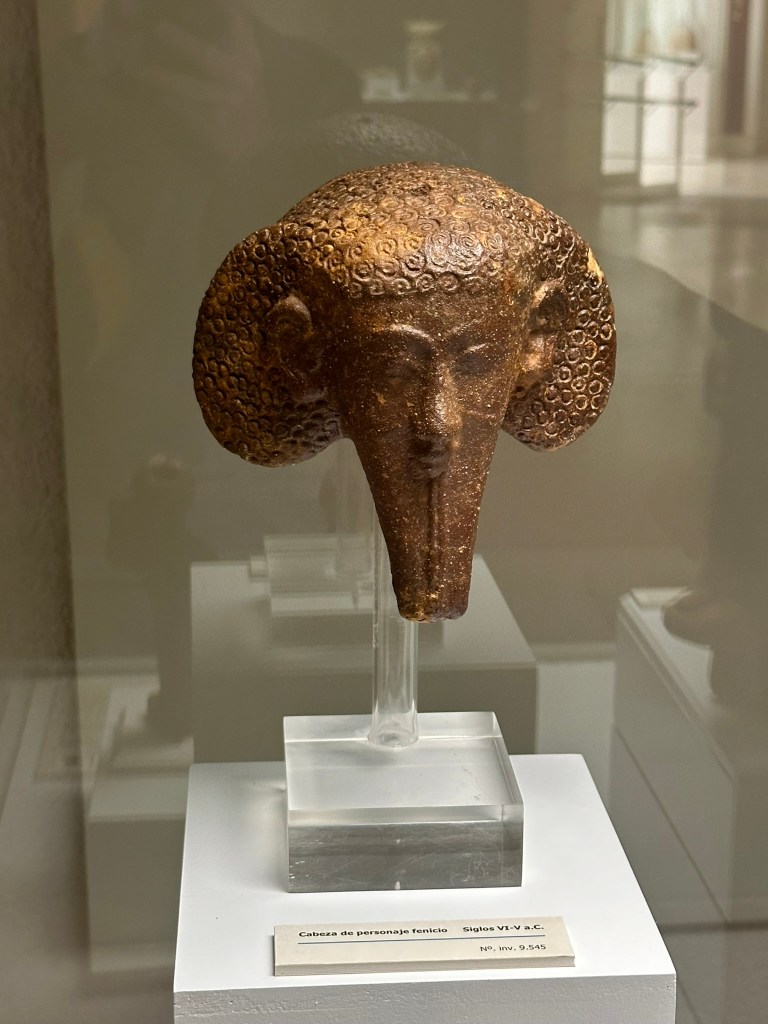
Circa 6th-5th century BC
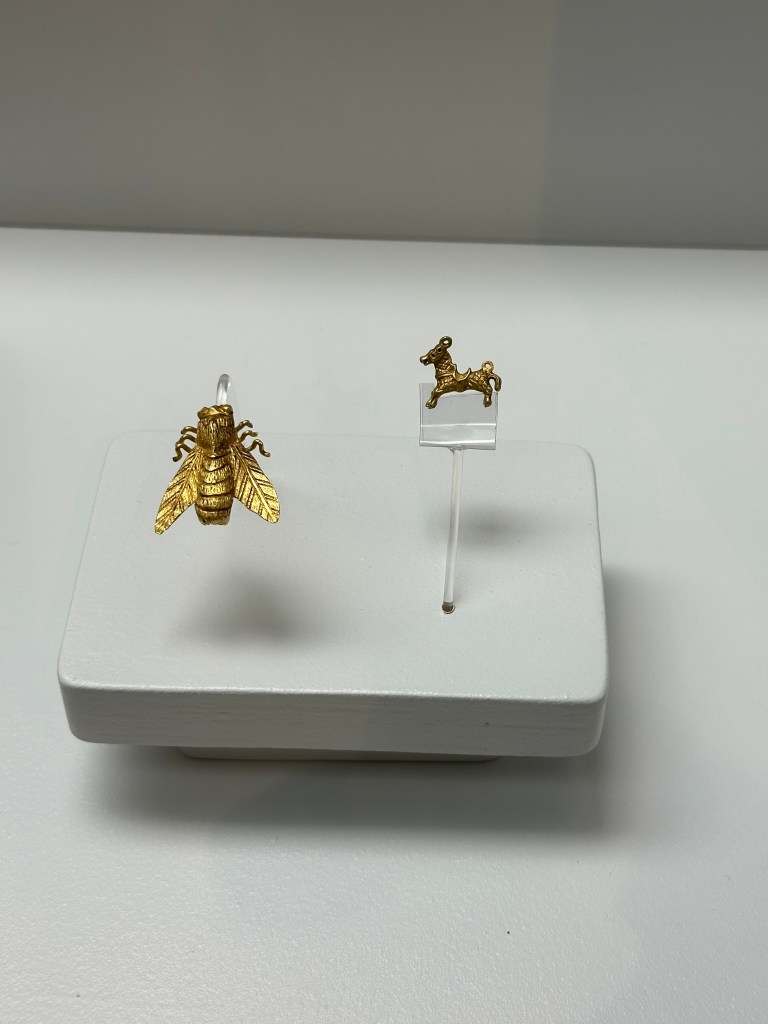
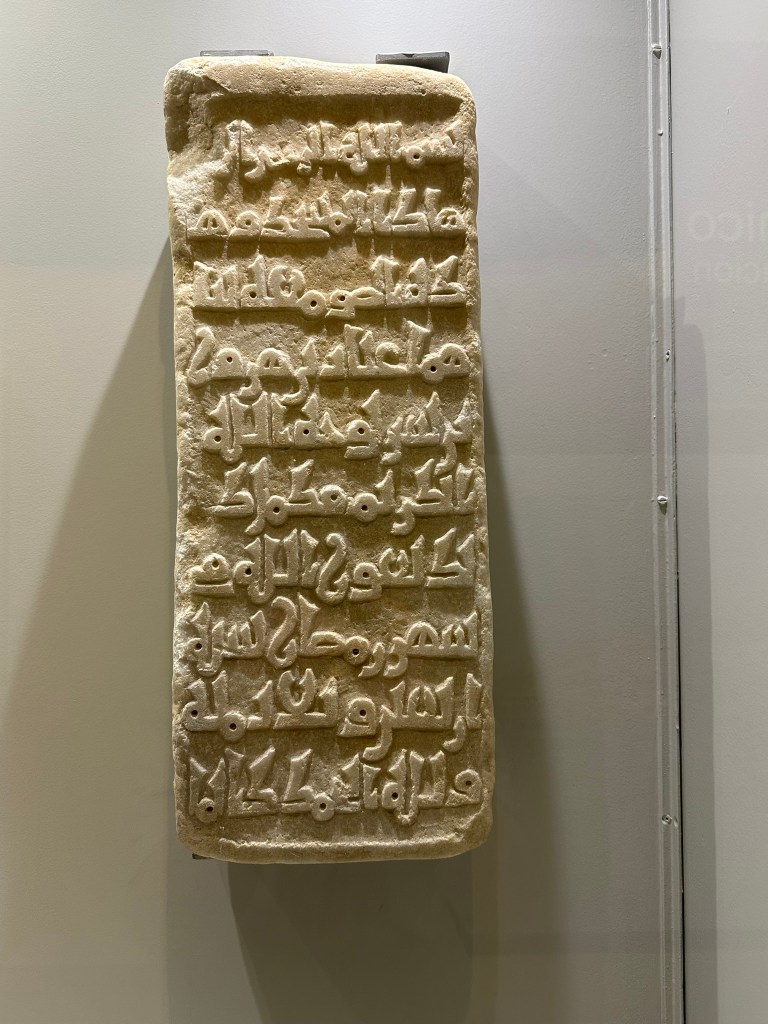
12th century AD
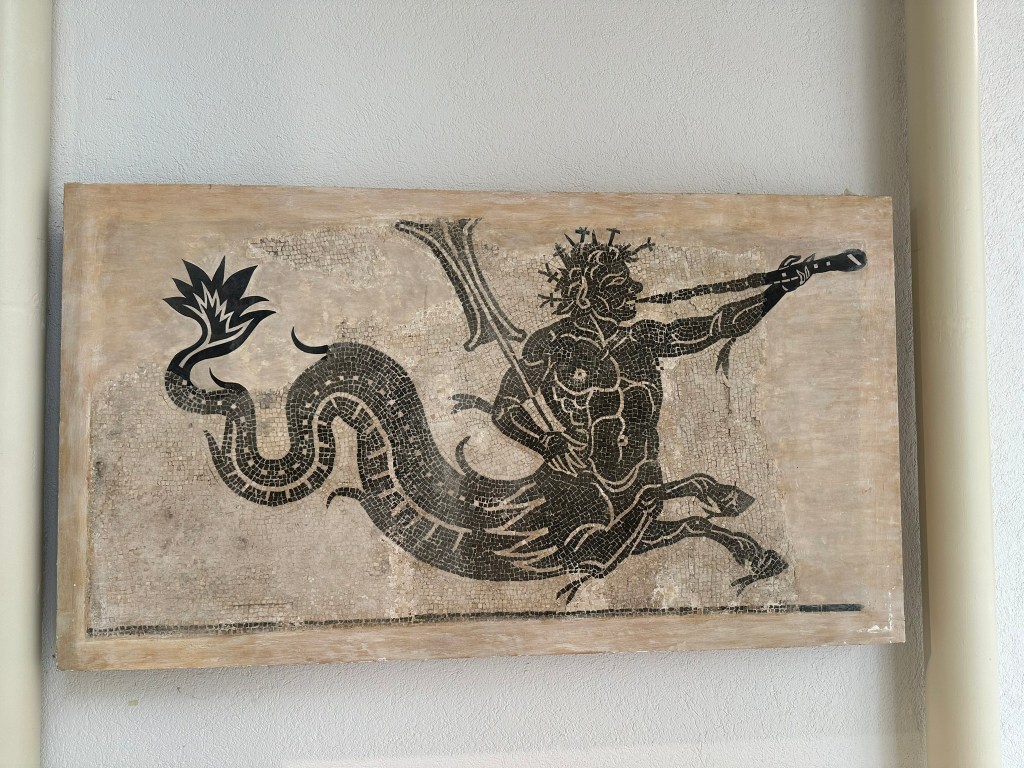
Roman period
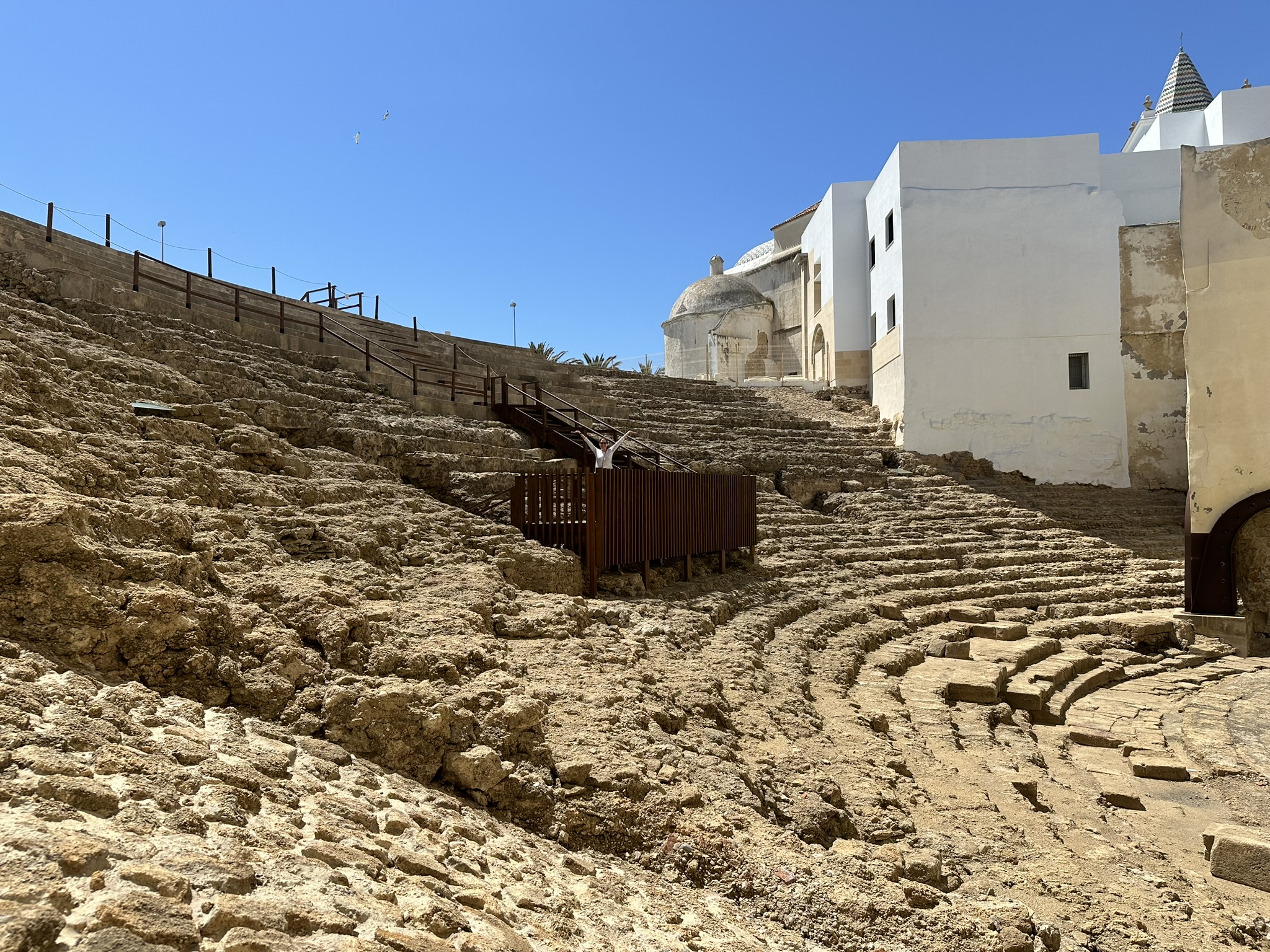
We had a tapas lunch at La Candela sitting outside at the Plaza Candelaria and spent the rest of the afternoon wandering around Cadiz and visiting its Roman amphitheater. This trip had been shortened and we were originally scheduled to spend a few nights in Cadiz and left thinking we would definitely come back for a couple or a few sometime, hopefully soon.
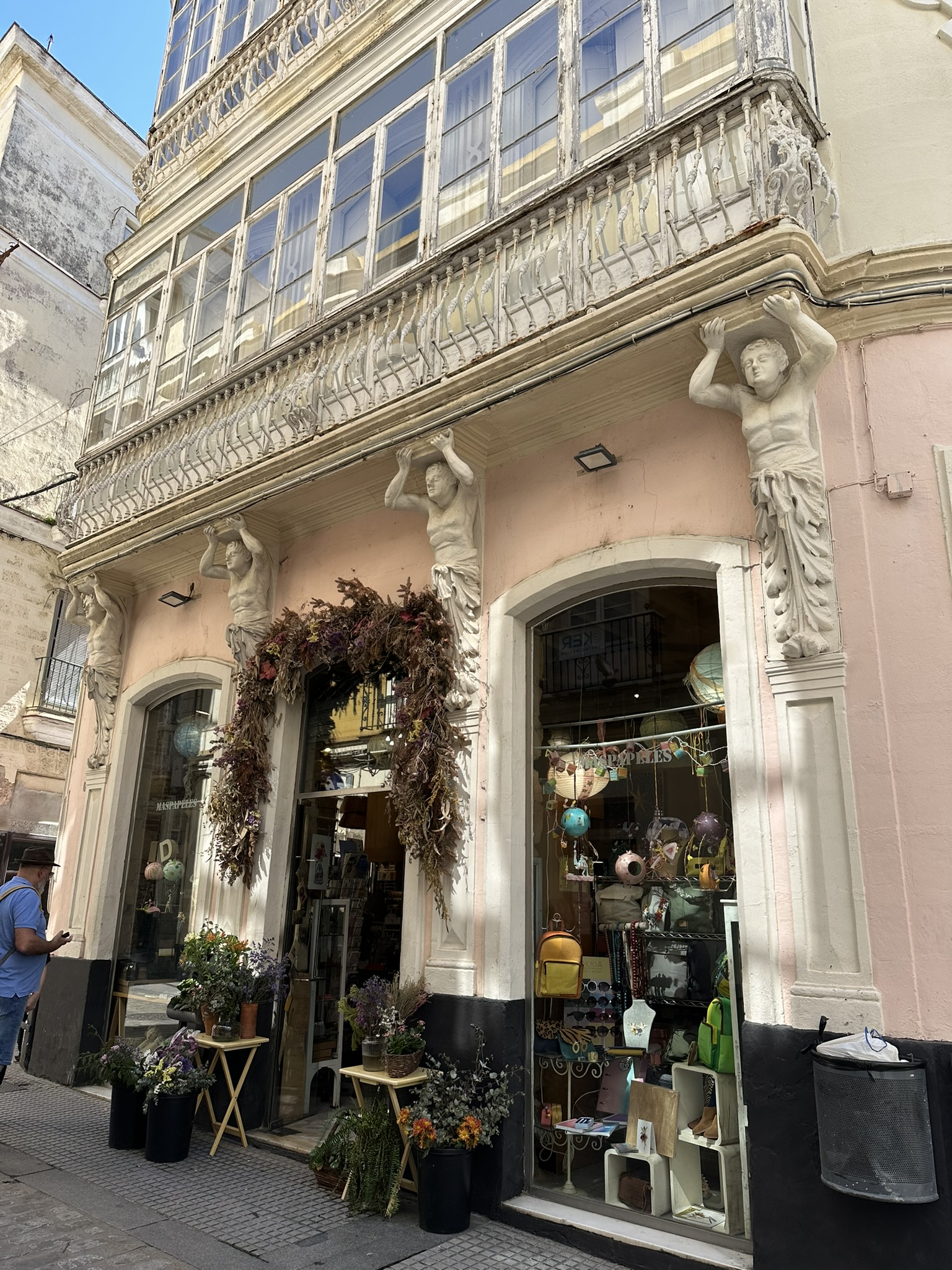
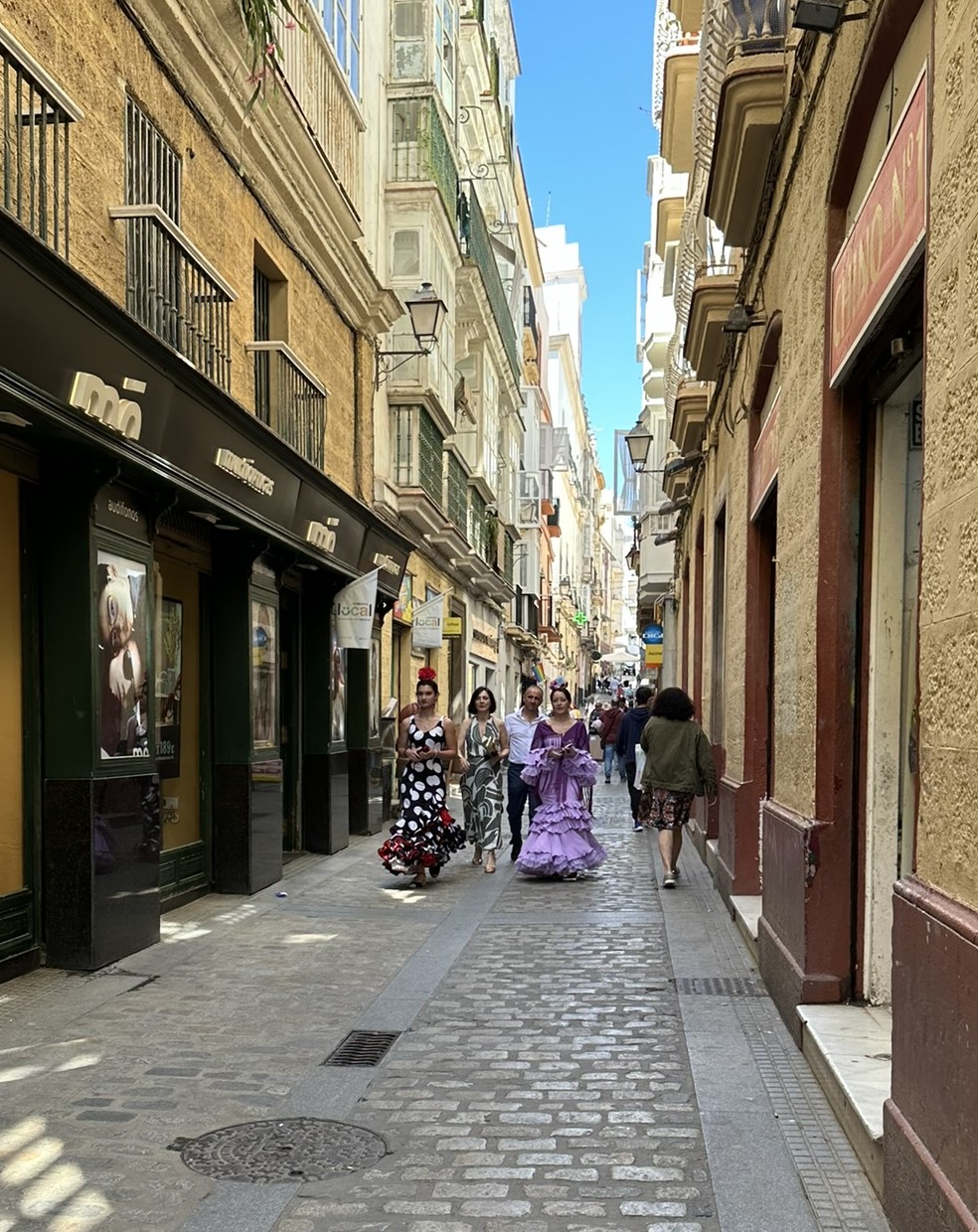
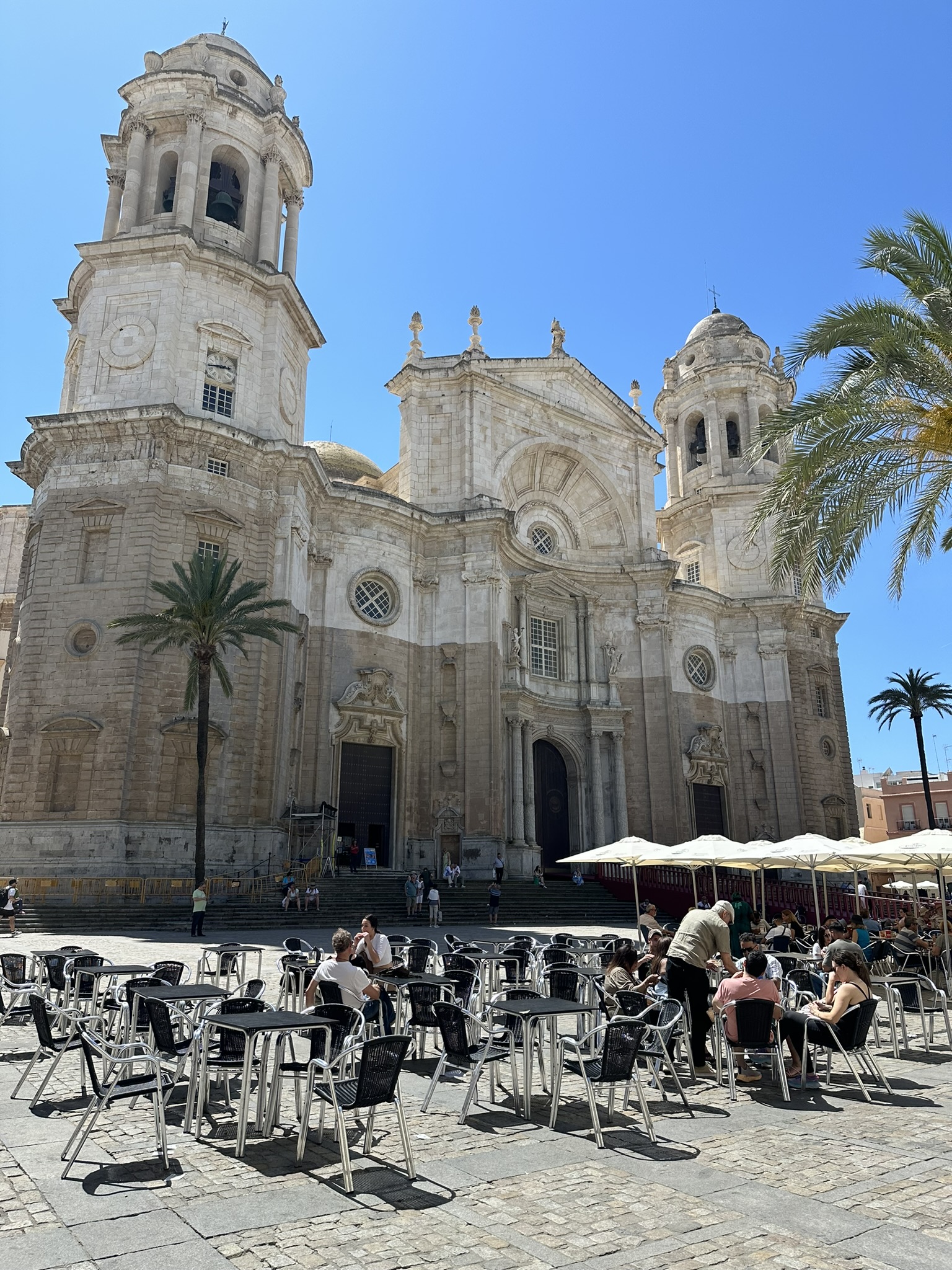
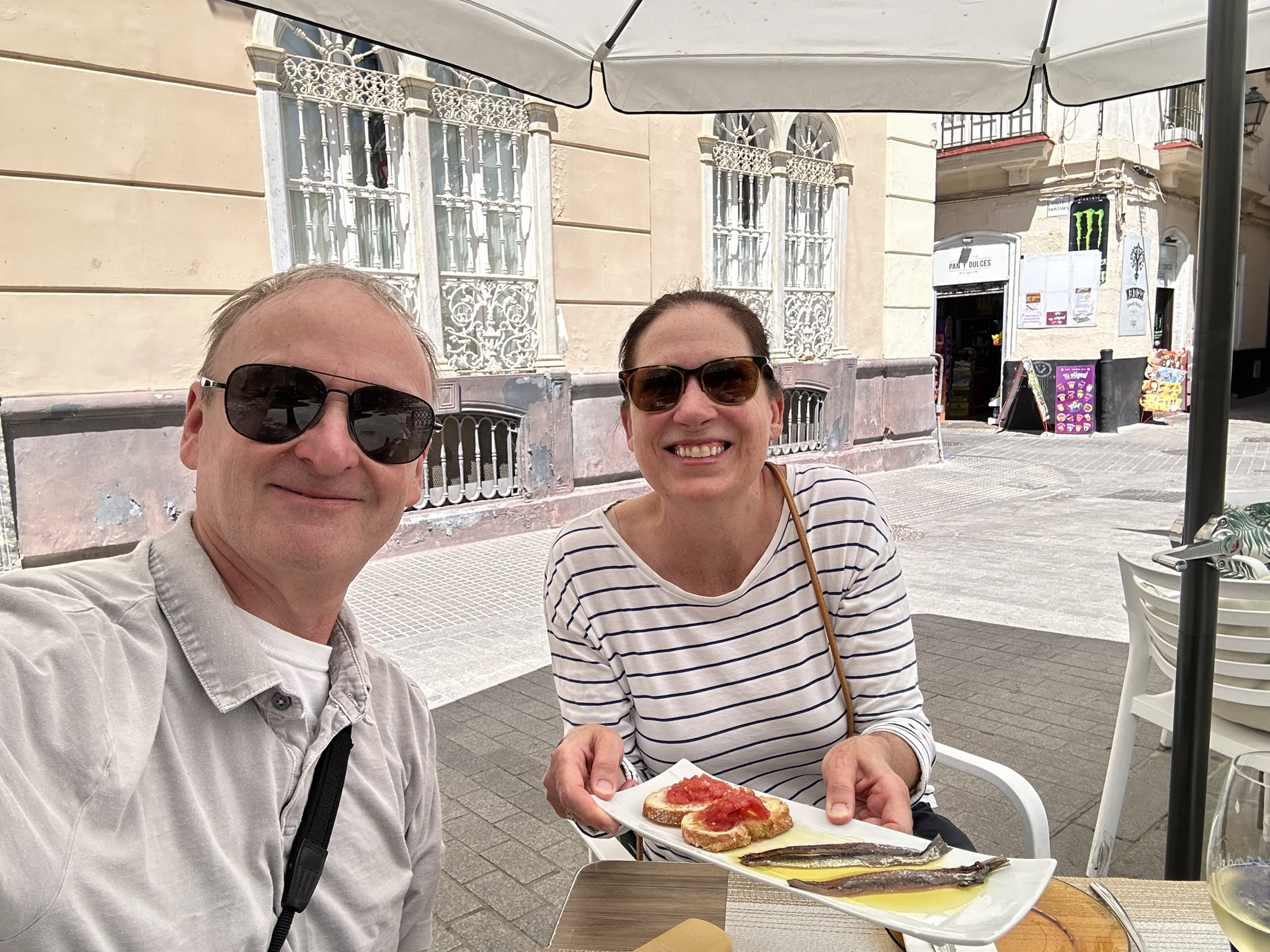
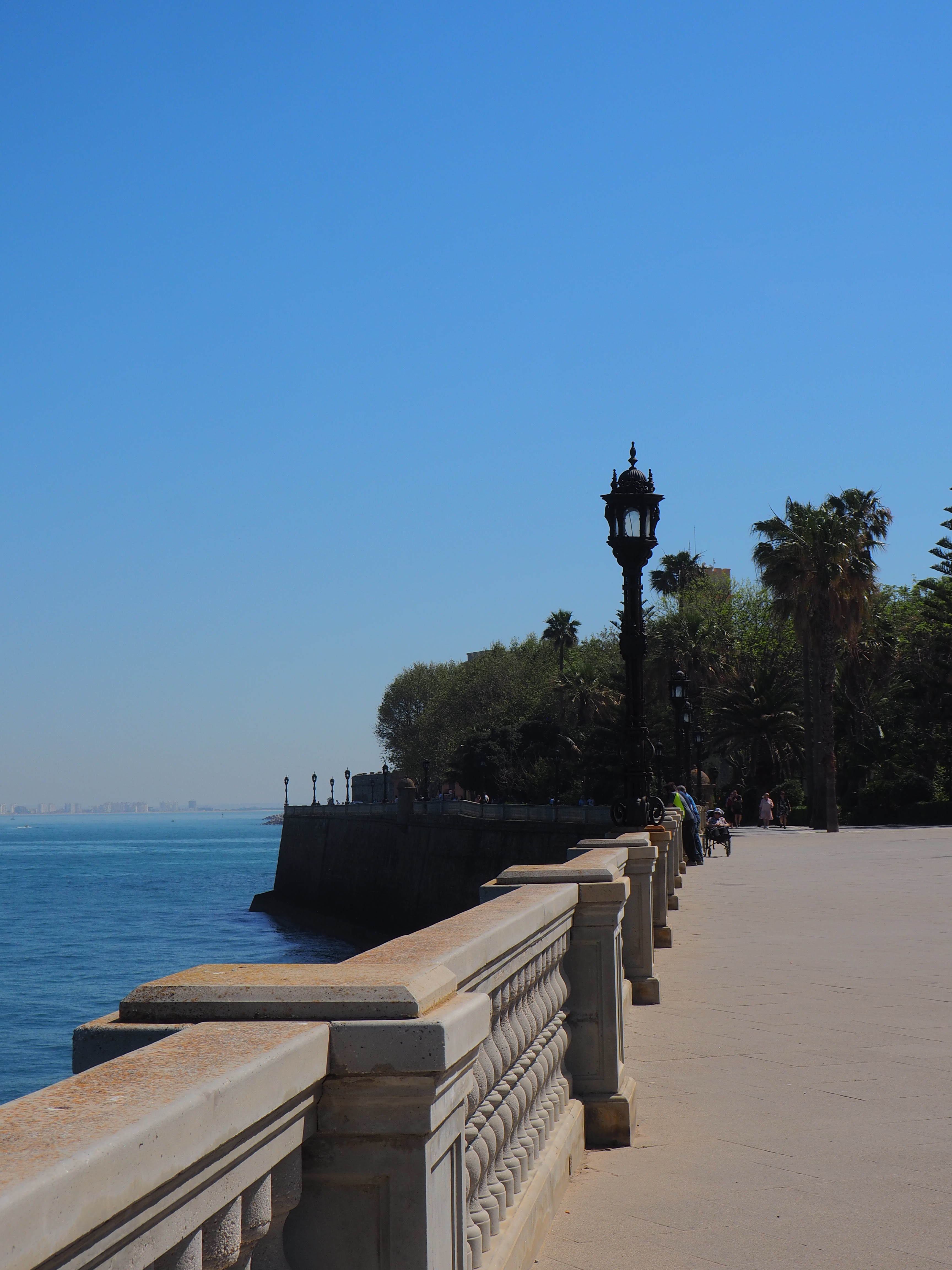
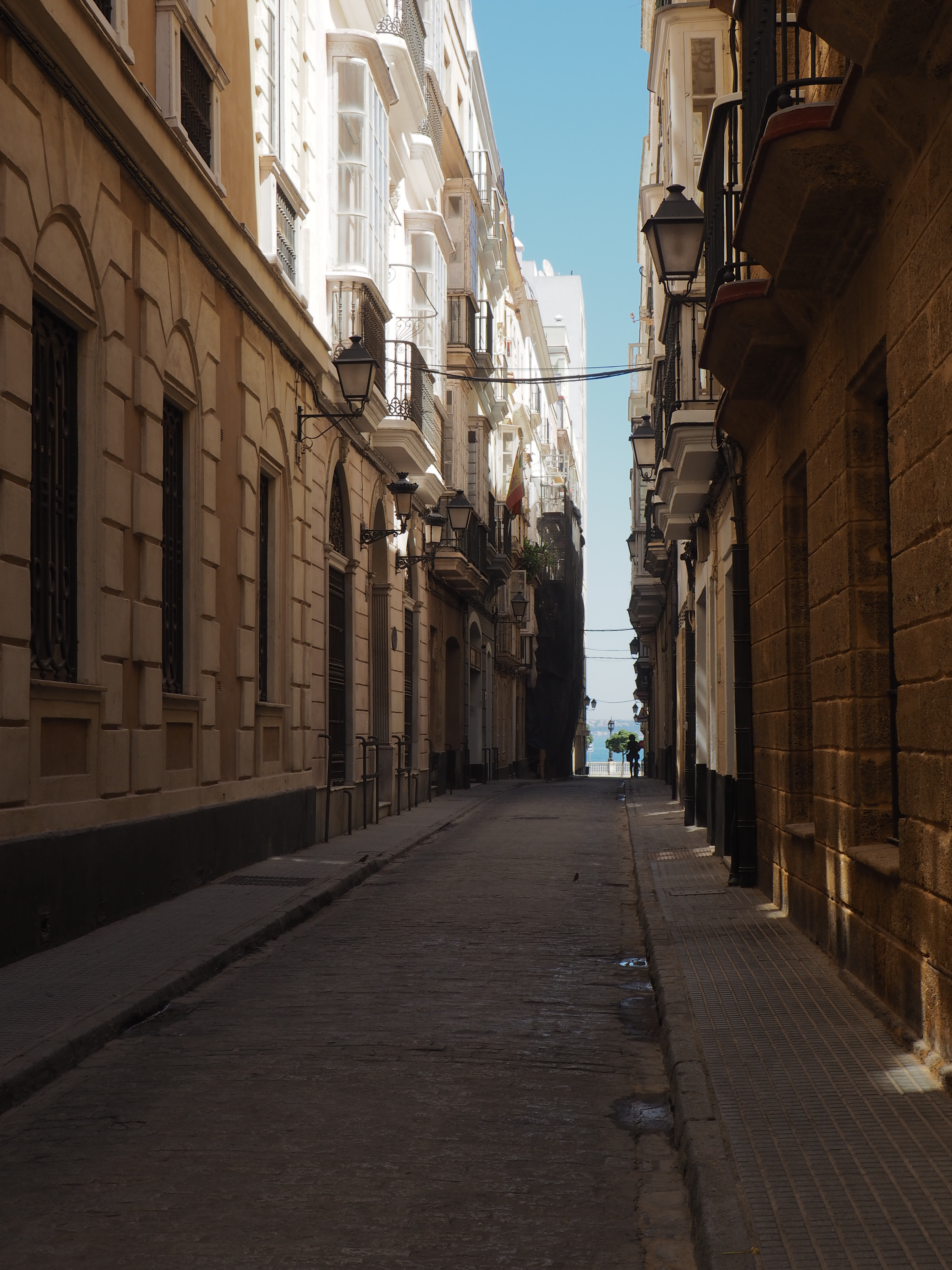
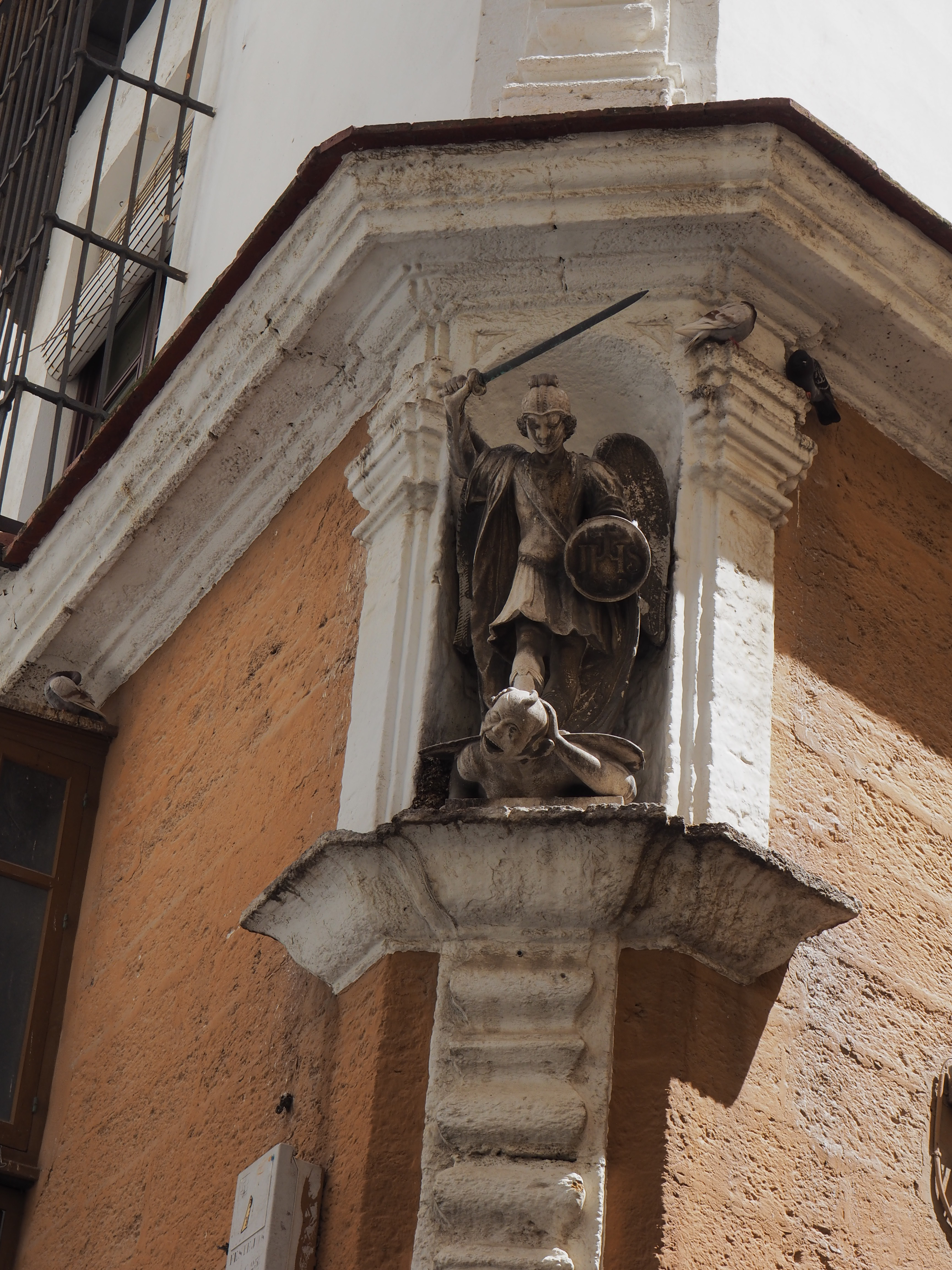

Marbella. The road to Marbella from Cadiz begins serenely through rolling farms of the olive, cattle and wind varieties. Then you ascend into the hills with Andalusian white villages dotting the hilltops as you roll across mountains and through them in tunnels. It drops you down to the Costa del Sol near Gibraltar where the serenity is replaced by high rise condos and Spain’s version of a chaotic New Jersey Turnpike which finally deposited into the arms of the sweet embrace of Marbella.
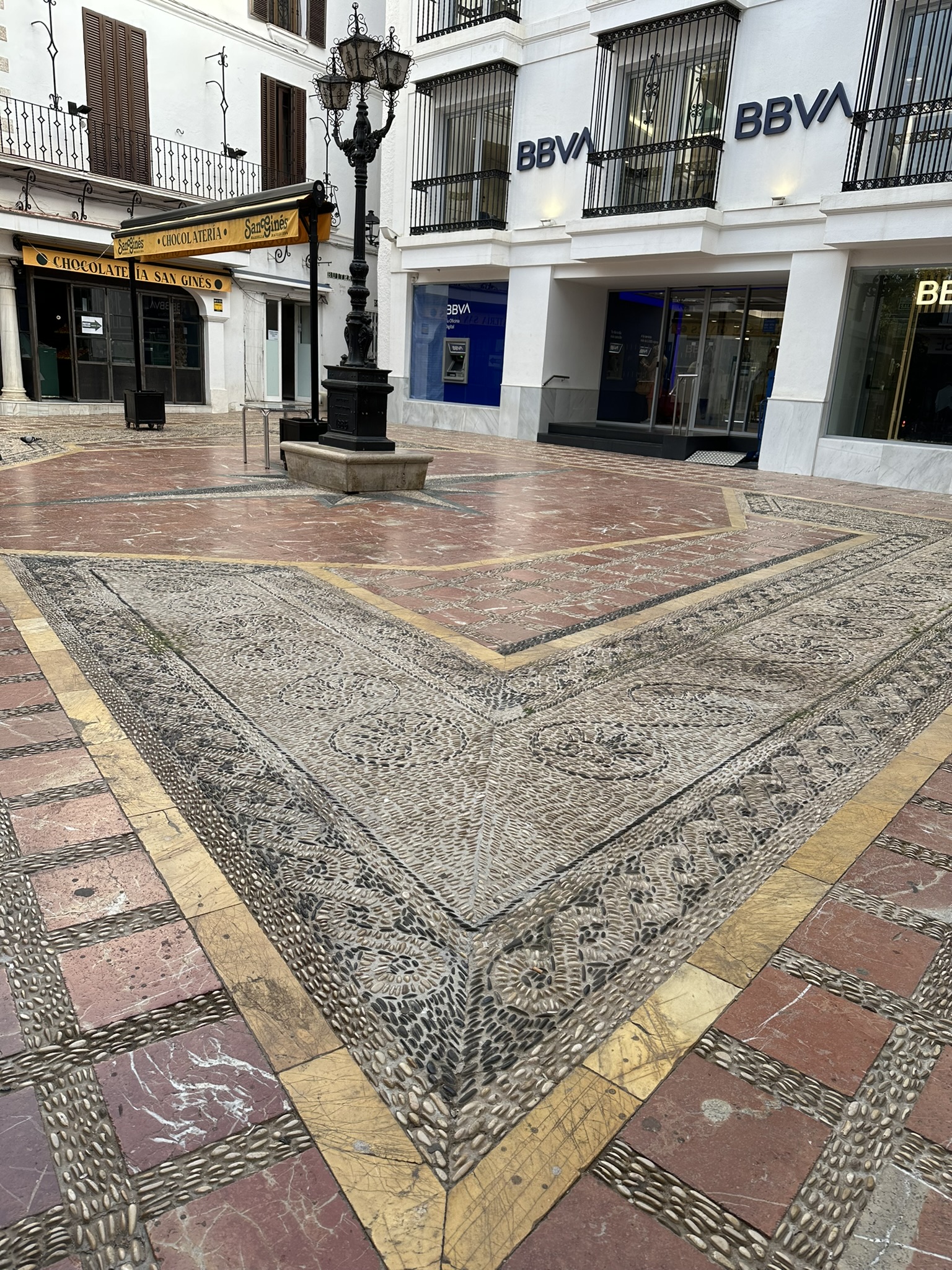
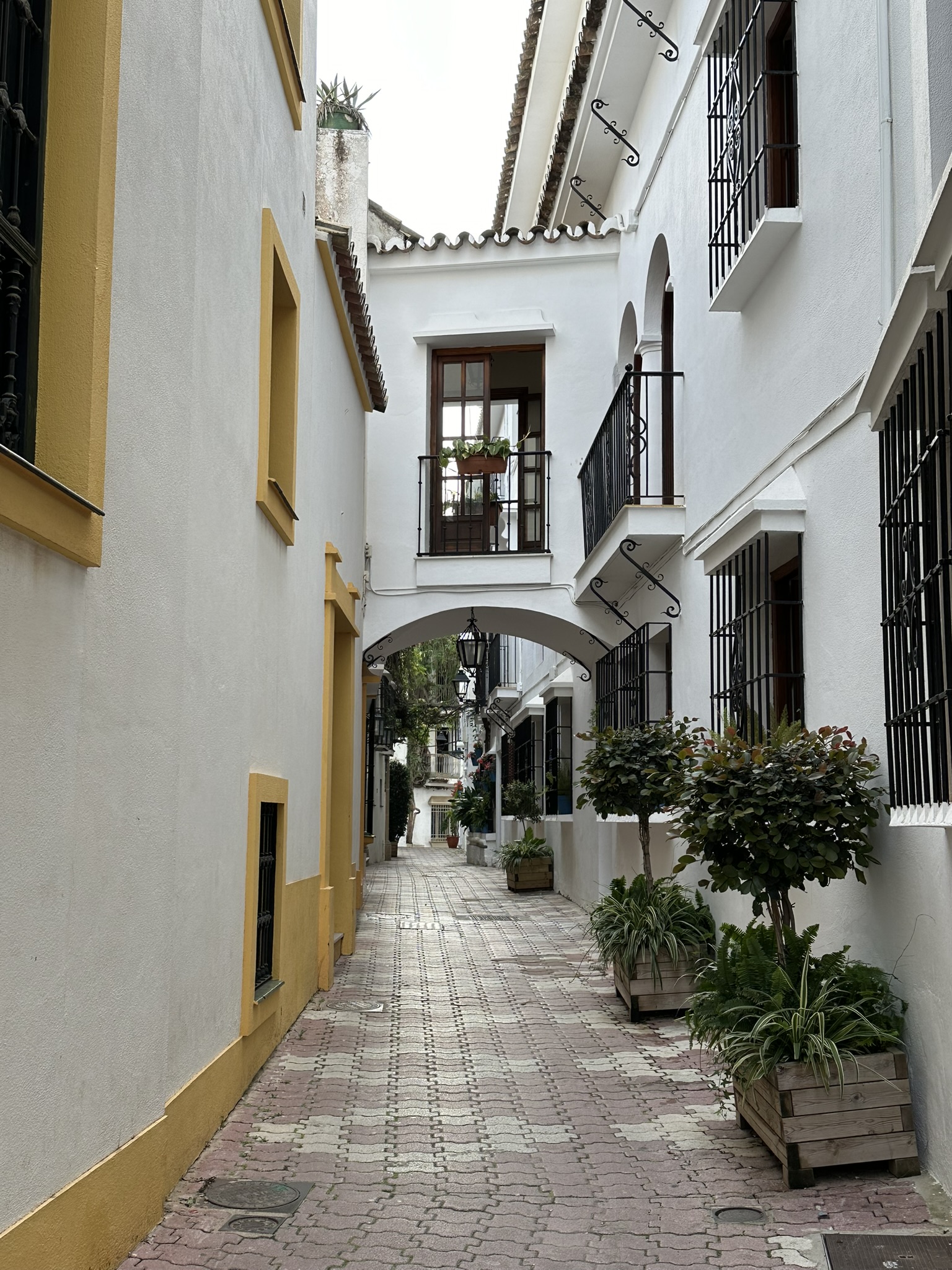
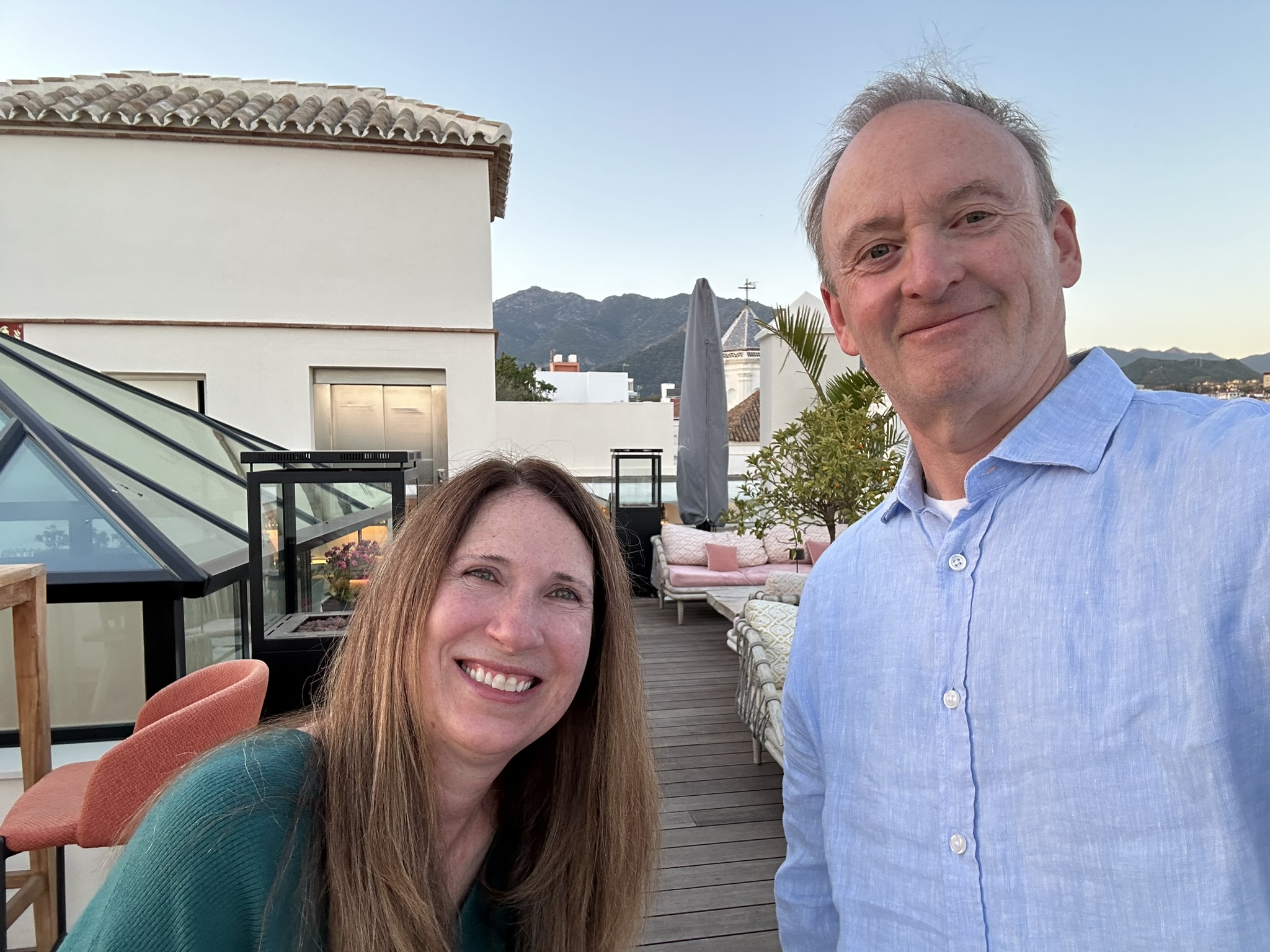
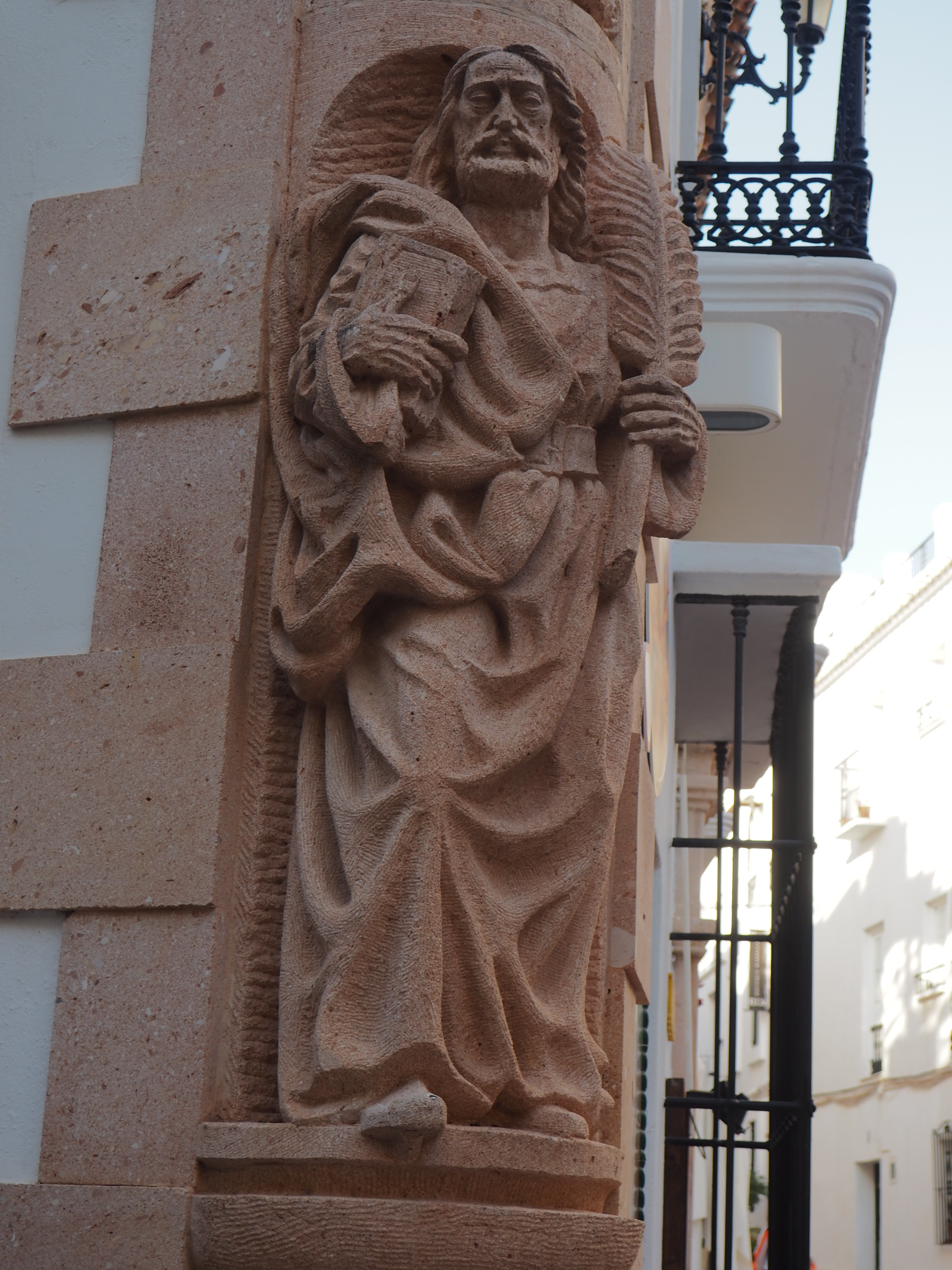
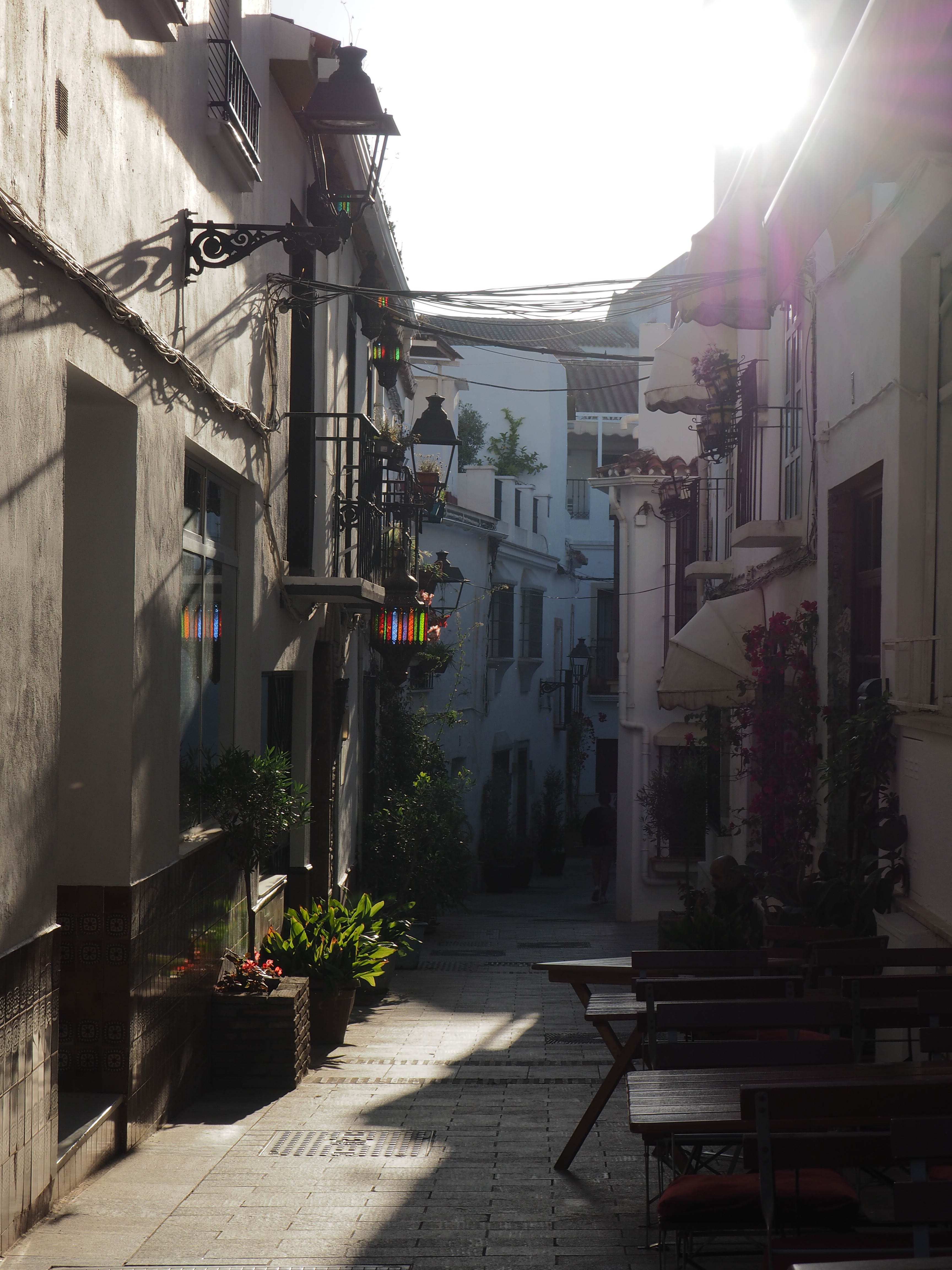
We spent only one night in the heart of old town Marbella and had low-ish expectations which were far exceeded. Like Cadiz, Marbella is a place we hope to return for longer as we only spent the one night having a delicious, and very reasonably priced tasting menu dinner and breakfast at our hotel (La Fonda Heritage Hotel) and wandering down to the beachfront and through old town in the morning before leaving for the mountains to Andalusia.
 The Traveling Ridleys
0 comments on “From Andalusia’s Costa de la Luz to the Costa del Sol”