

While in Seville, we booked a day trip to Doñana National Park. Ordinarily in a Western European country, we would have stuck out on our own for such a venture but there are parts of the park you can only visit with a hired guide, and I couldn’t find a way, easily anyway, to tour it without a tour from Seville.
Alas, Melissa was under the weather on the day of our visit (probably because I dragged her out of bed after a terrible night’s sleep the day before to wait in the cold for three hours for Alcazar tickets and also because just about everyone in Seville seemed to be sick and hacking up lungs everywhere we went. Even two overly hand washing germaphobes didn’t avoid this crud) so I struck out on my own with twenty of my new best friends from France, Spain, Italy and the USA (my sickness didn’t set in until the following day).
Doñana is about an hour from the heart of Sevilla. It expands across 543 square kilometers (210 square miles) of area. Part is a national park (since 1984) and part is a natural park (since 1960). This area was once a big hunting area and was taken over by the government to protect the wetland and species of wildlife. In addition to hunting, it was a big area for fishing, charcoal production, cork production and other crops like berries and honey. Today, its economy is mostly supported by the national park, organic farms and ecotourism.
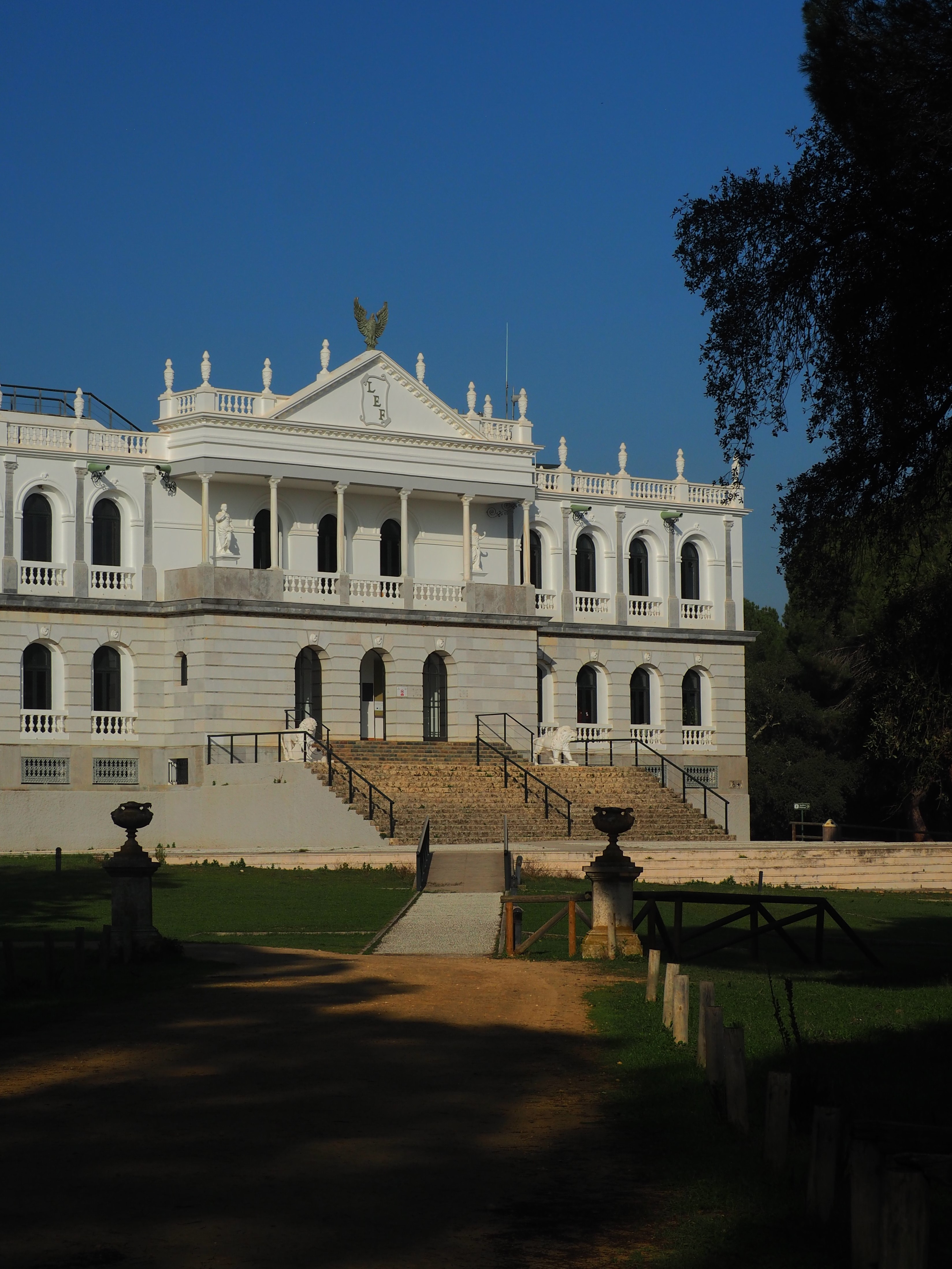
We began our tour at the Acébron Palace built as a hunting estate by Luis Espinosa Fontdevilly in 1961. The owner was an eccentric man, and, according to our guide, the palace was built to model the capitol building in Massachusetts (a poor replica, if I must say so). He spent extravagantly and had odd taste, parts of the ceiling of the dining room were painted, in a poorly done replica, to look like parts of the Sistine Chapel. Today, the palace is a visitor’s center and museum with some trails through the wetlands and is accessible with or without a guide.

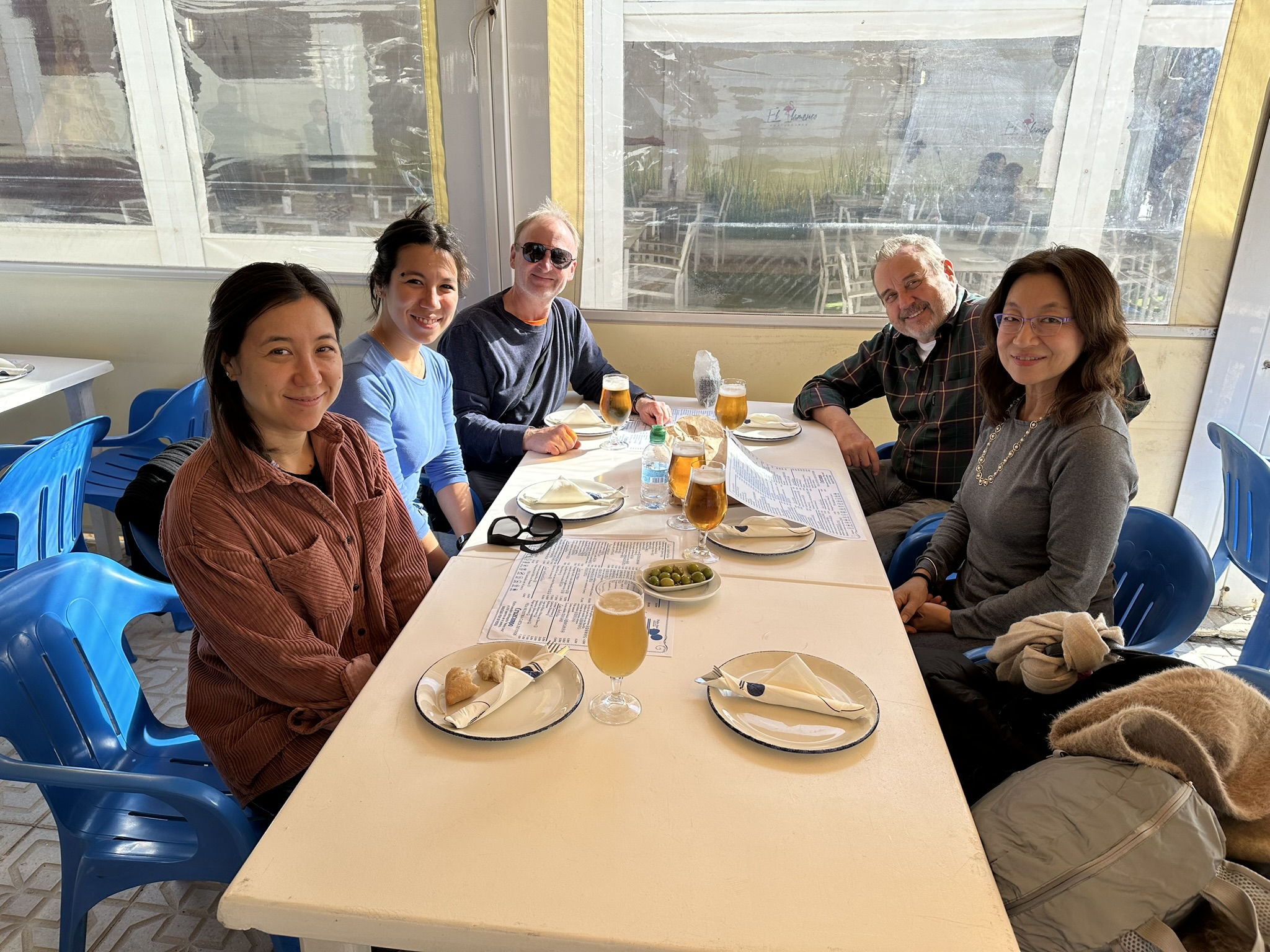
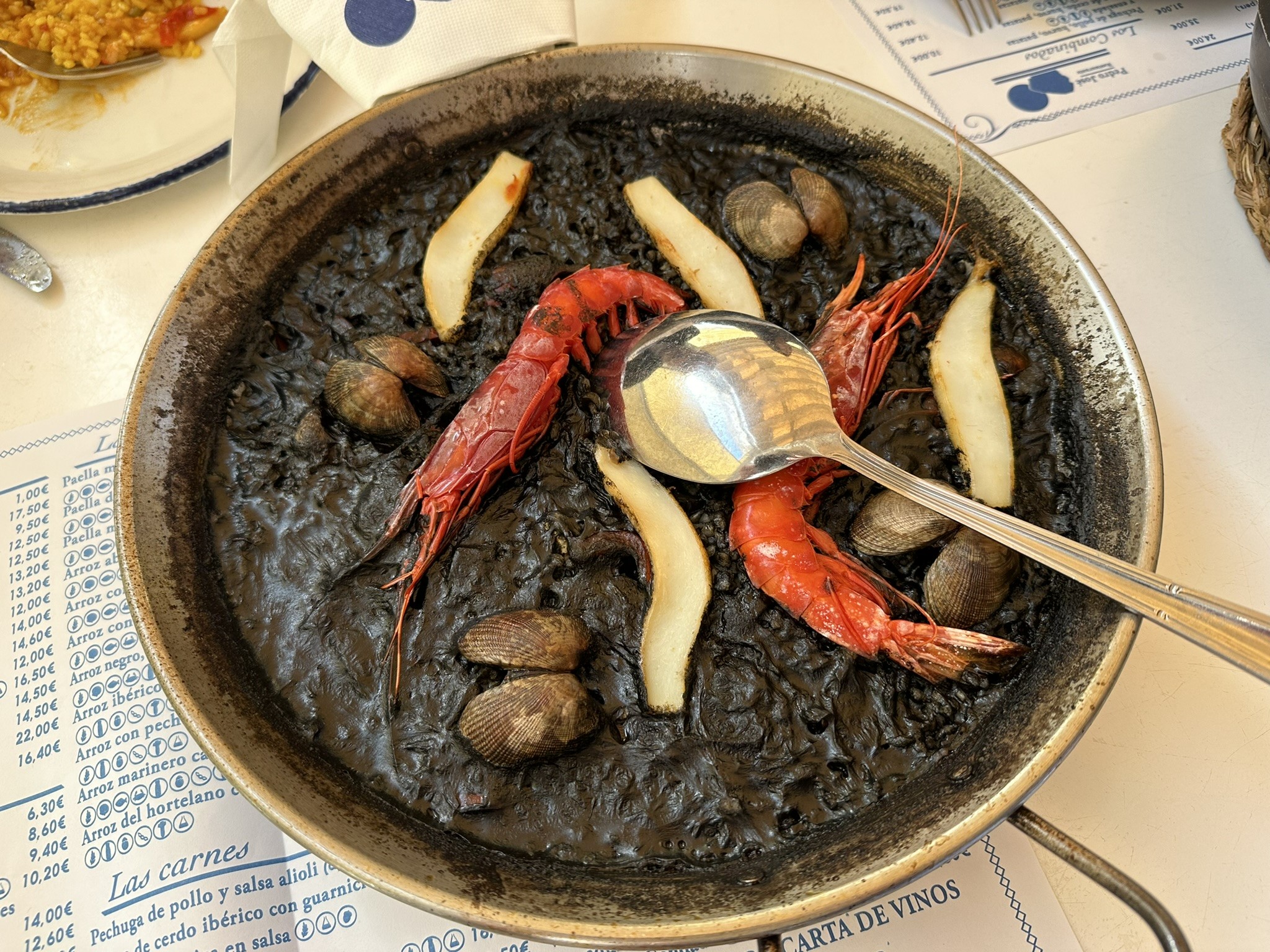
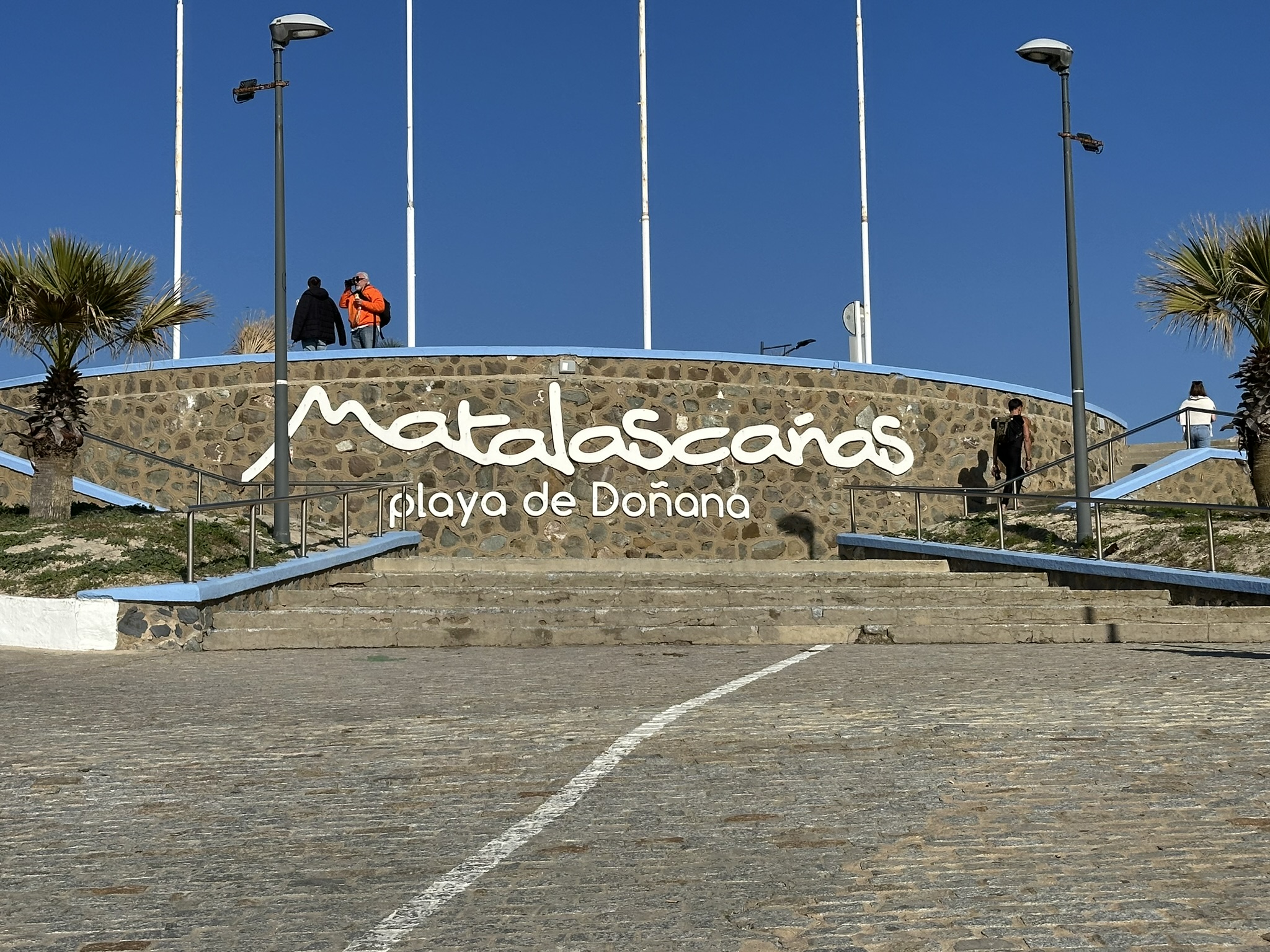
We stopped for lunch by the beach in Matalascañas where I was invited to join a lovely family in our group from Irvine California I’d sat next to on the bus where we ate delicious fried tapas and two kinds of paella and were surrounded by cats hoping for scraps throughout.

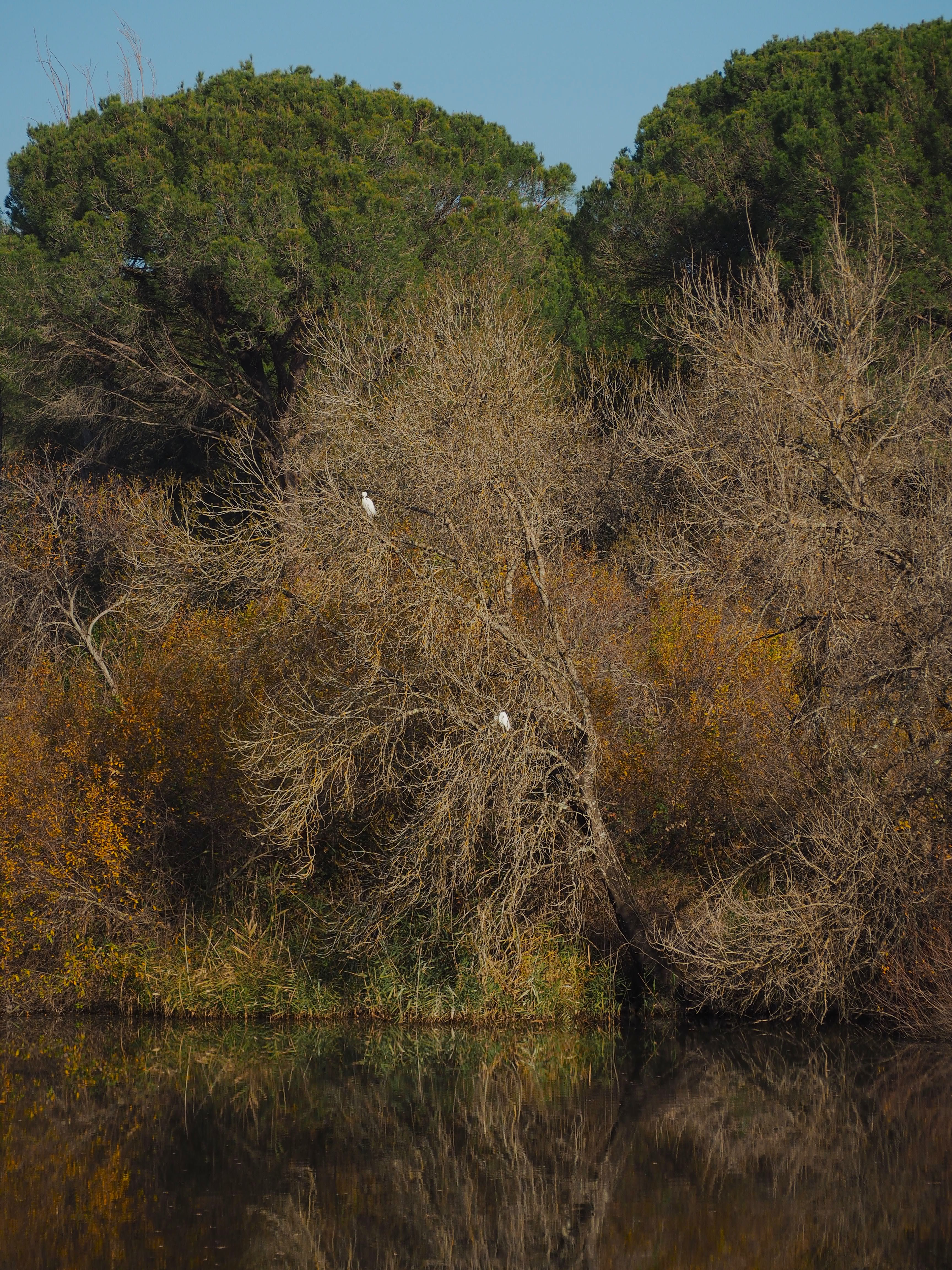
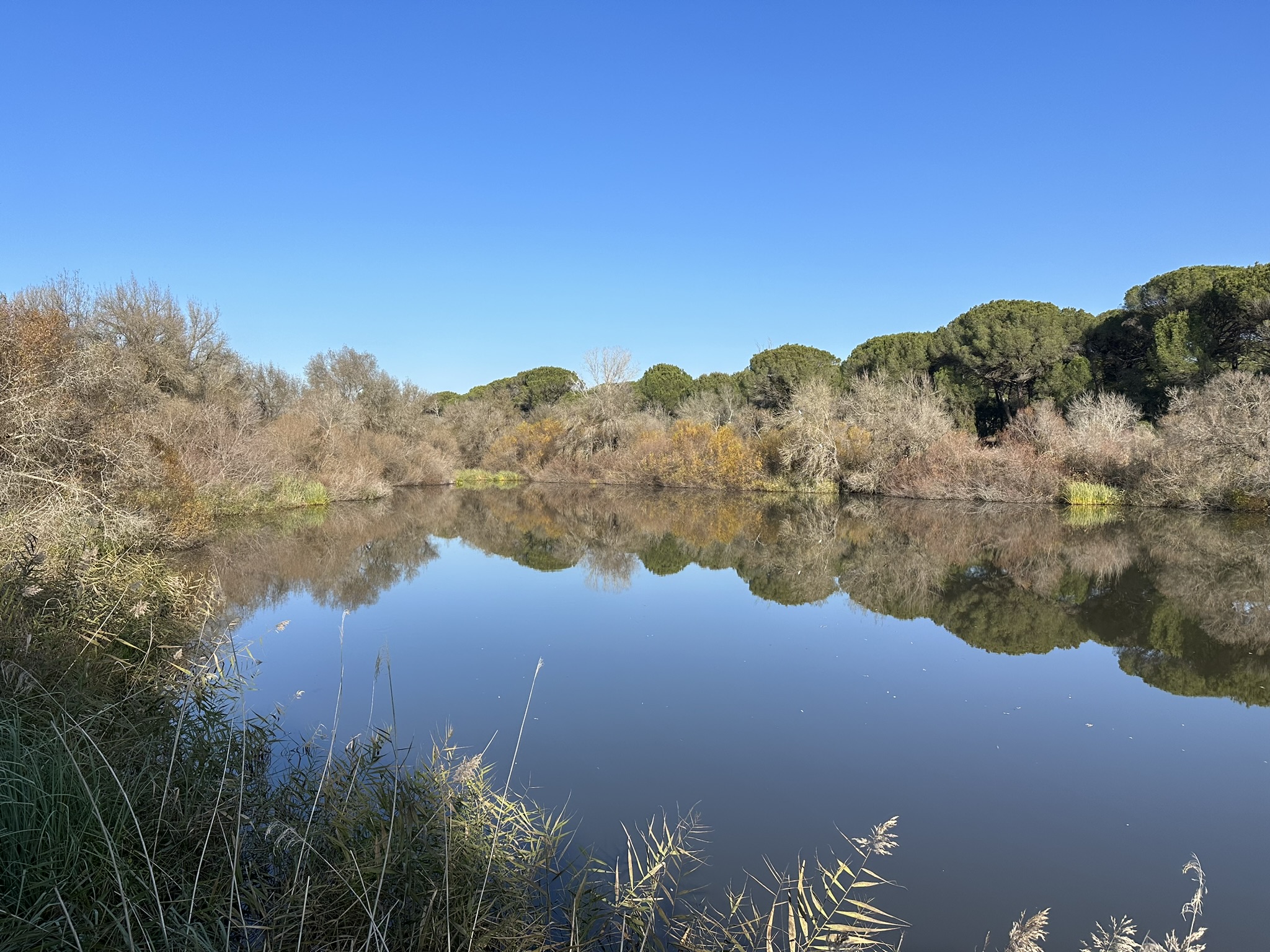
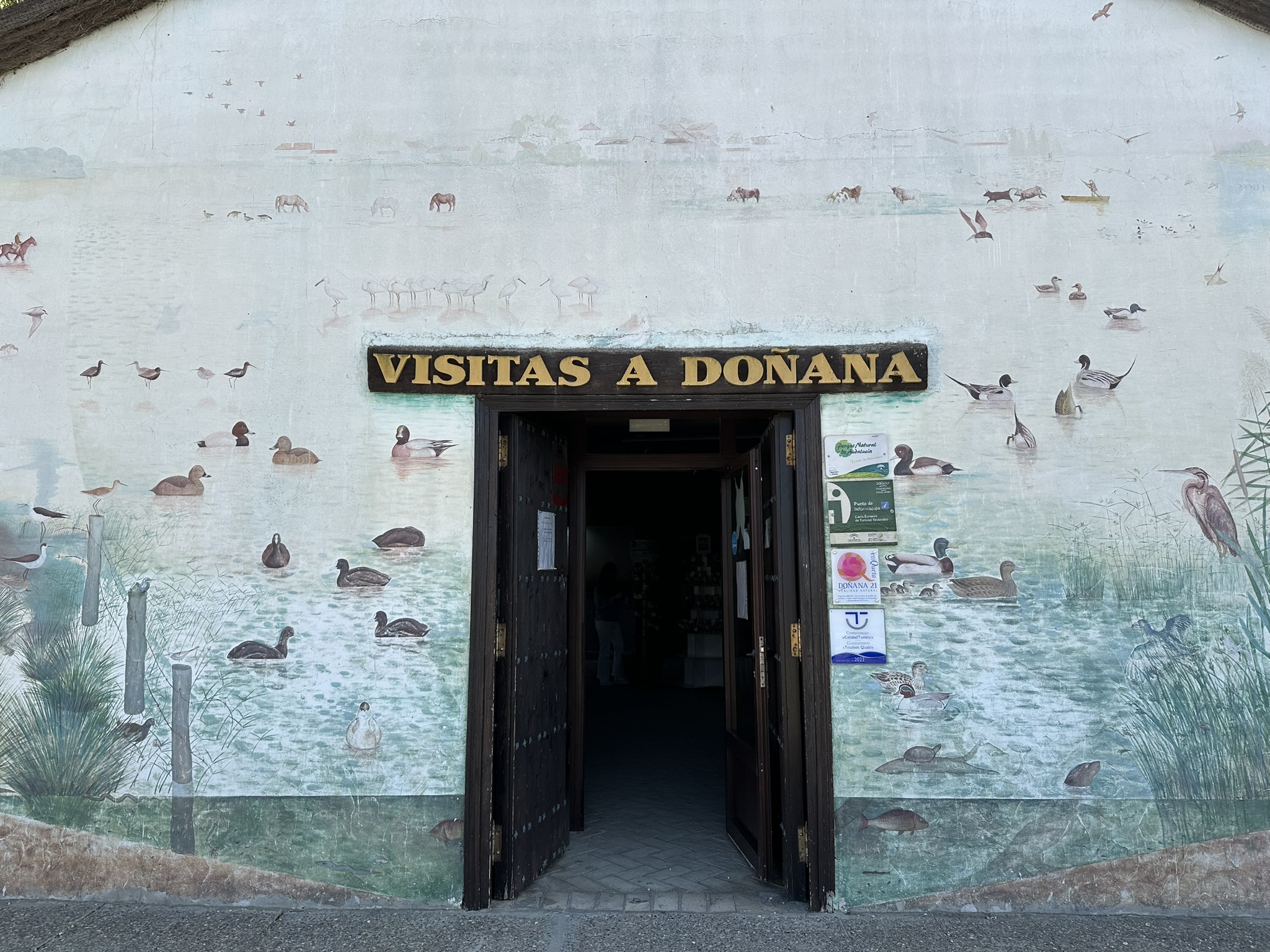
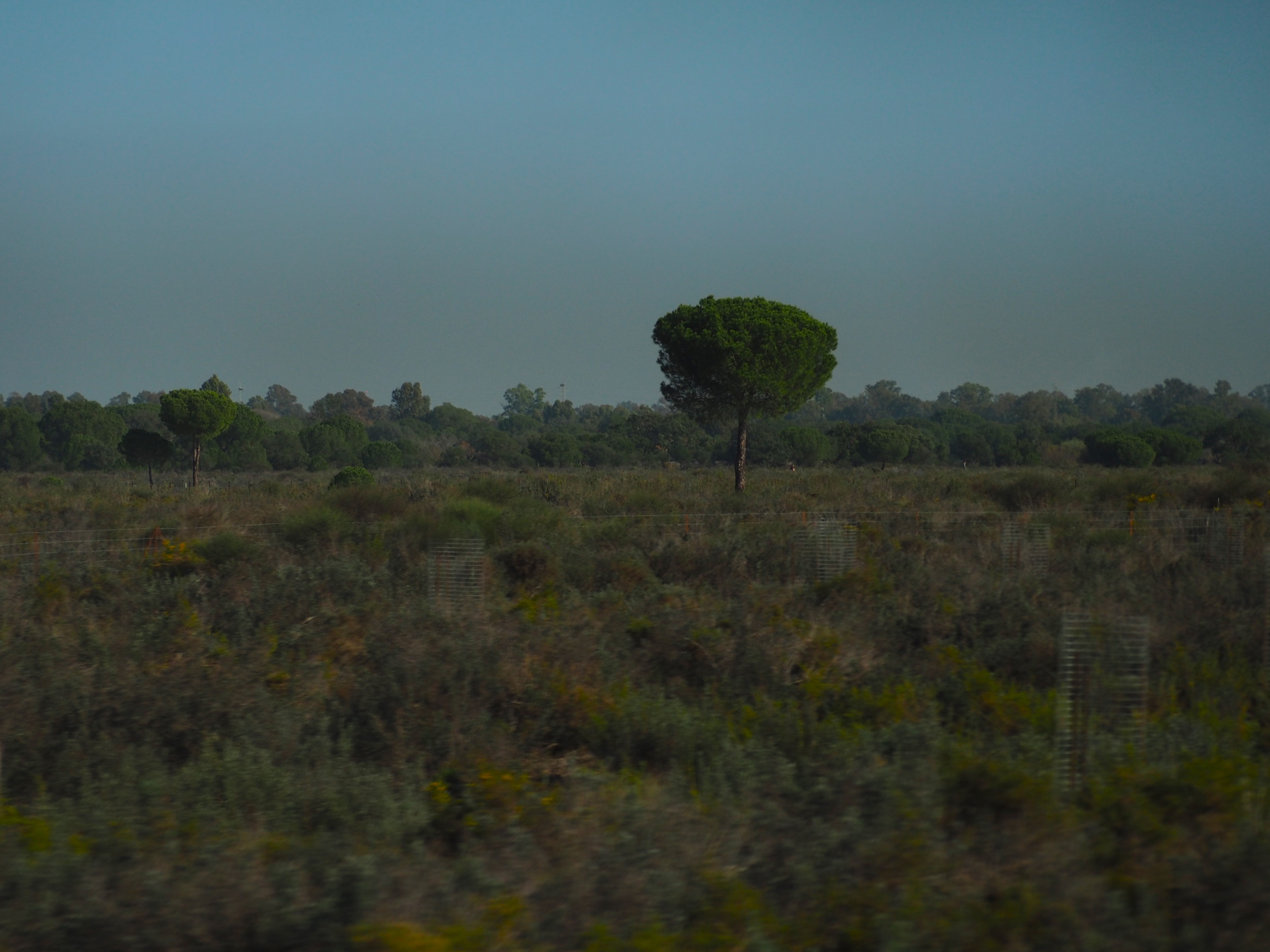
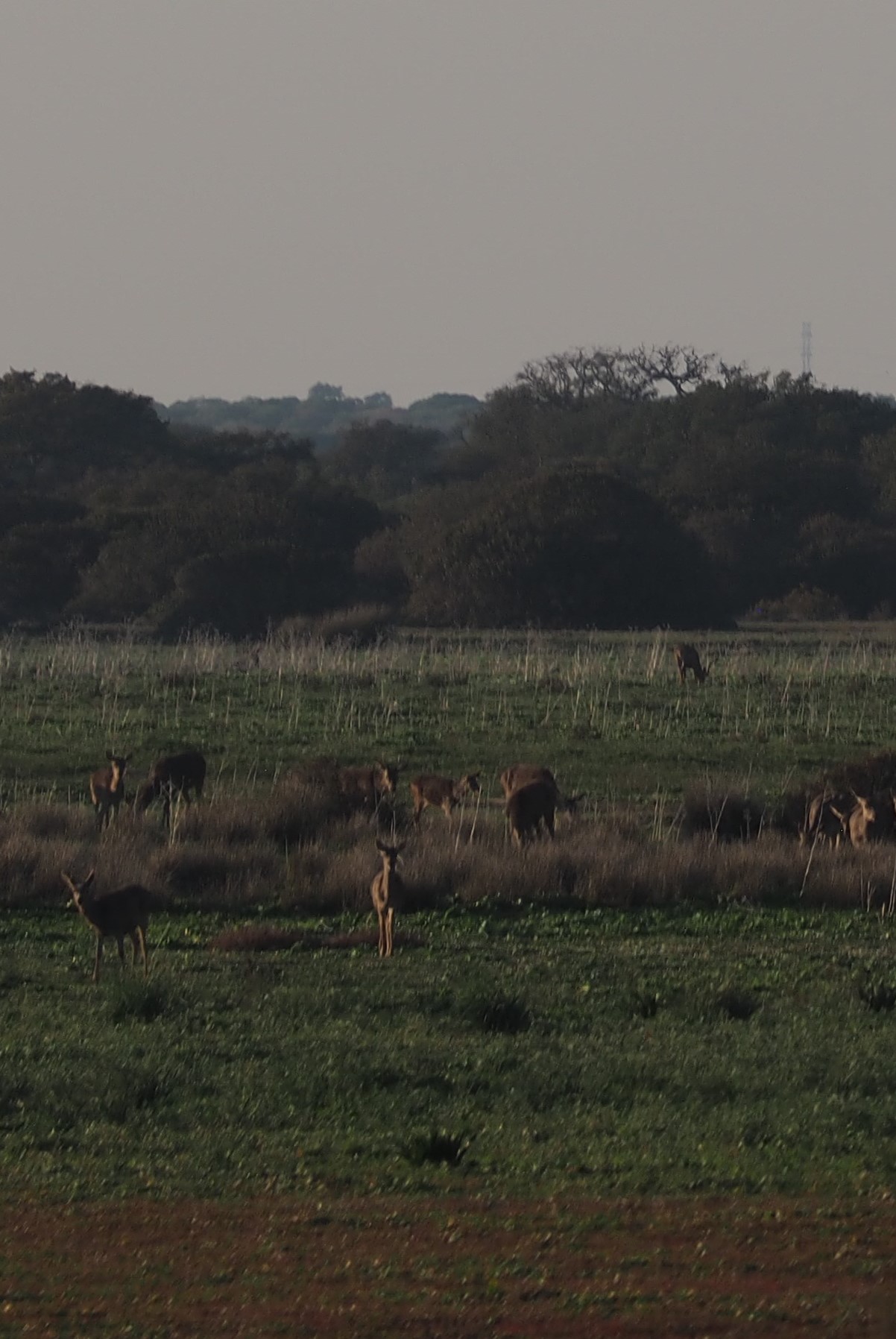
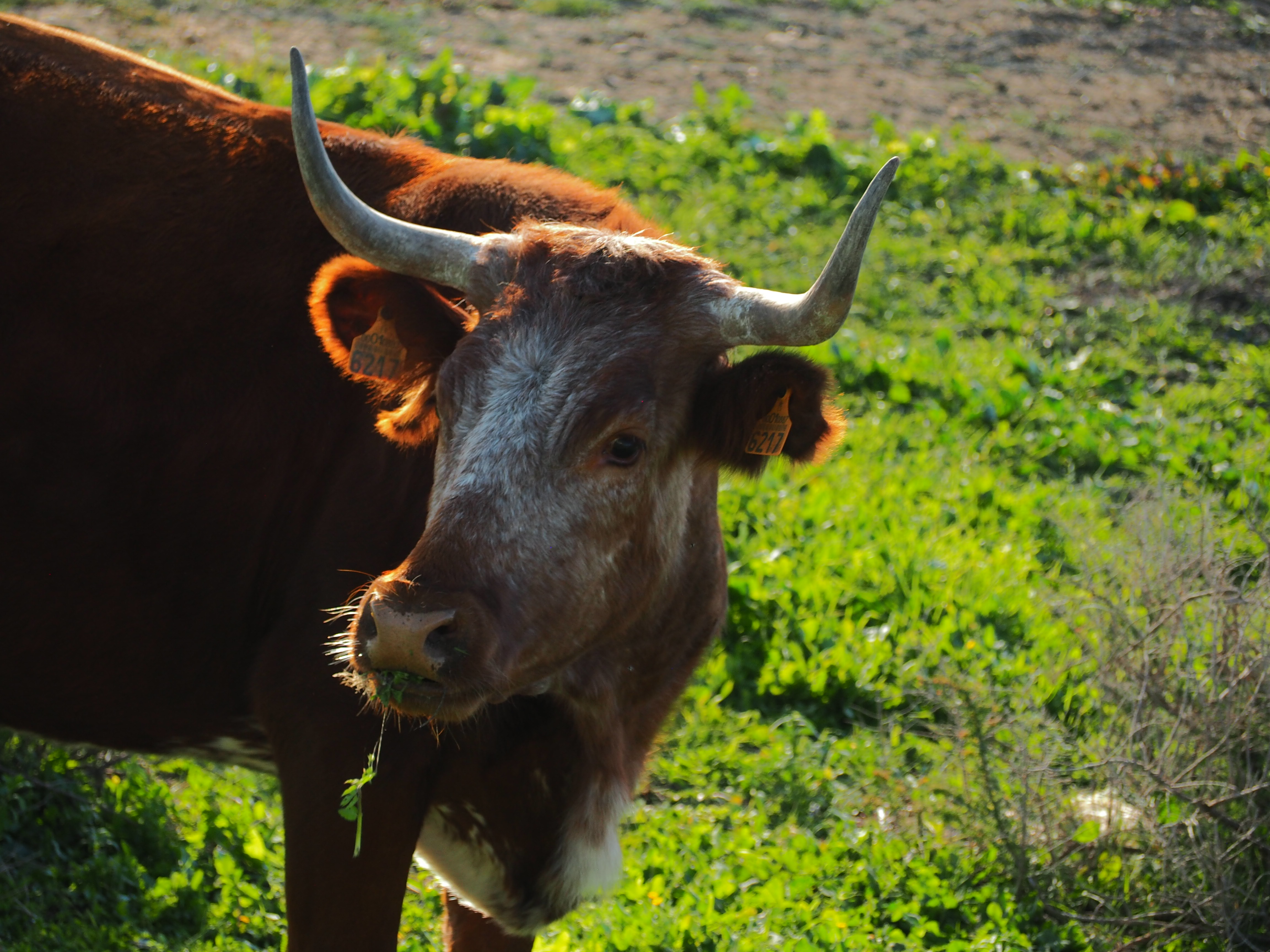
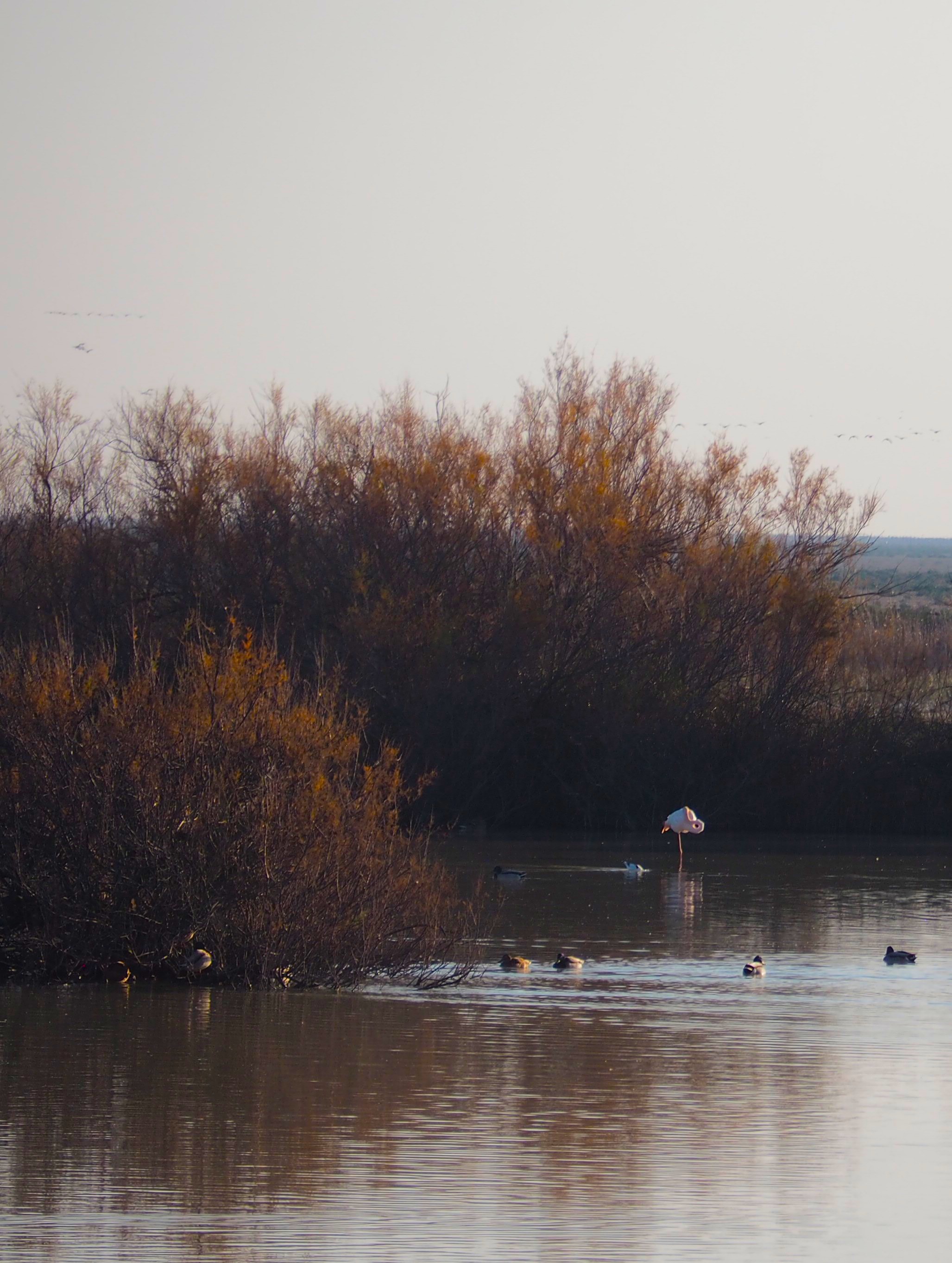
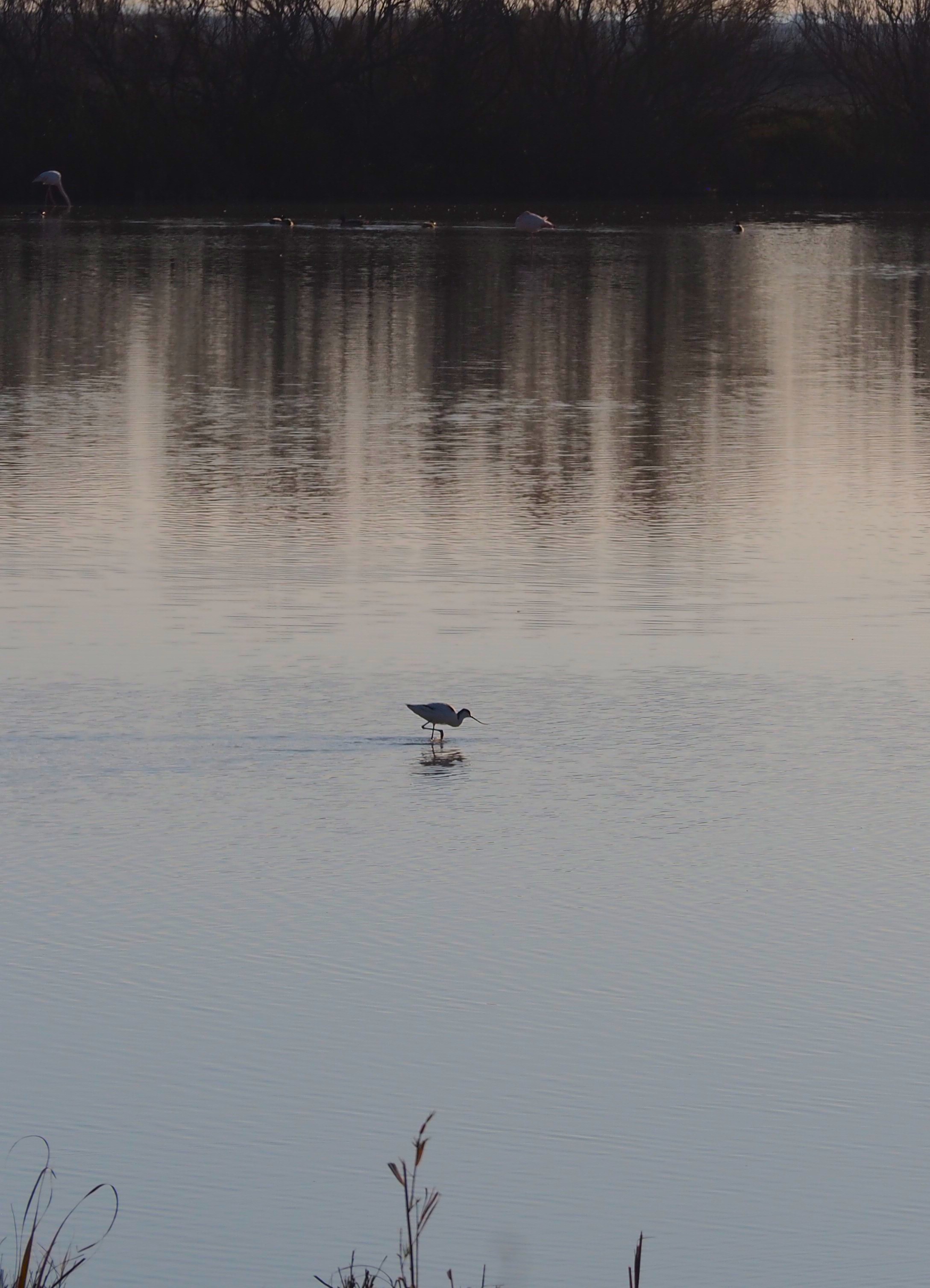
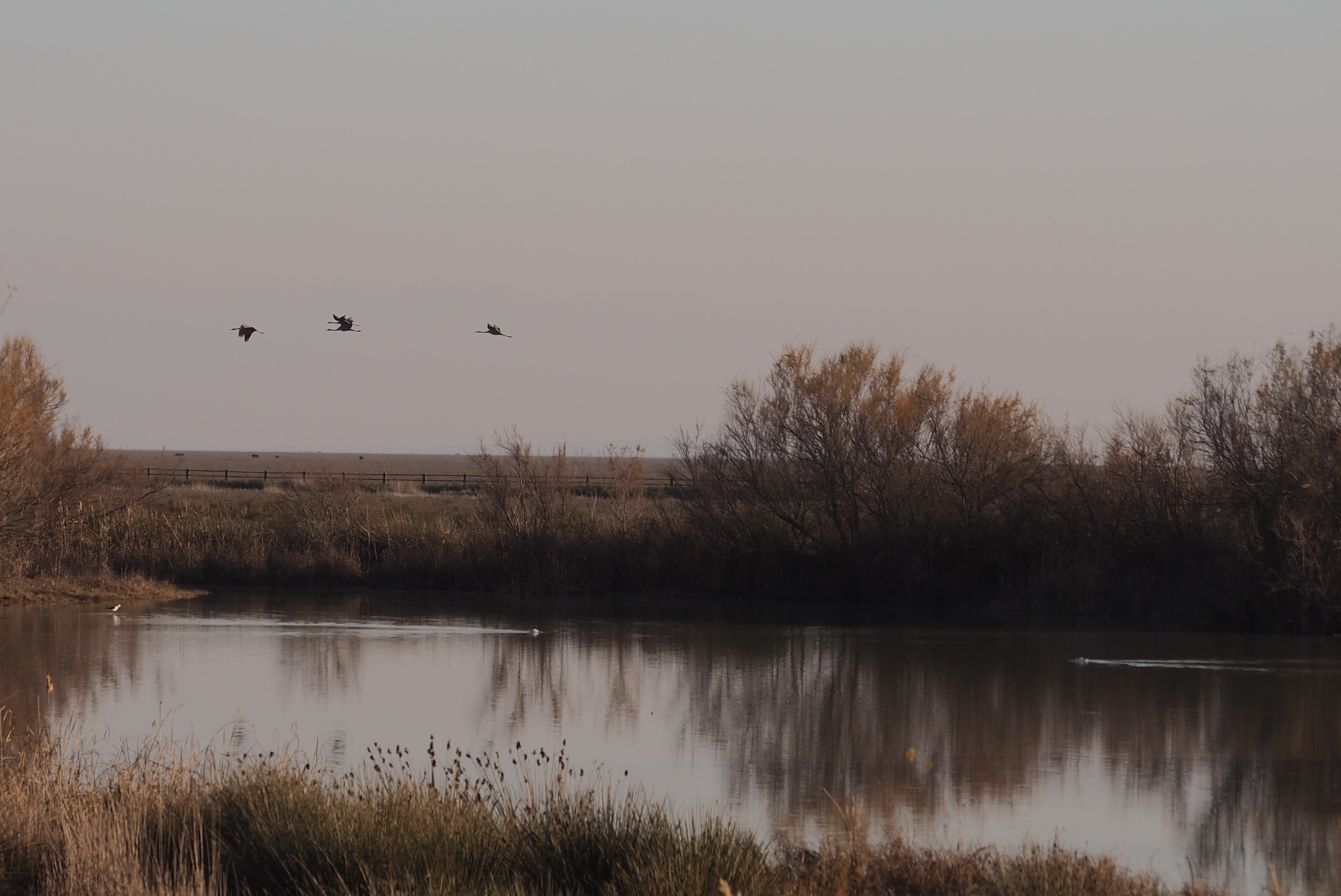
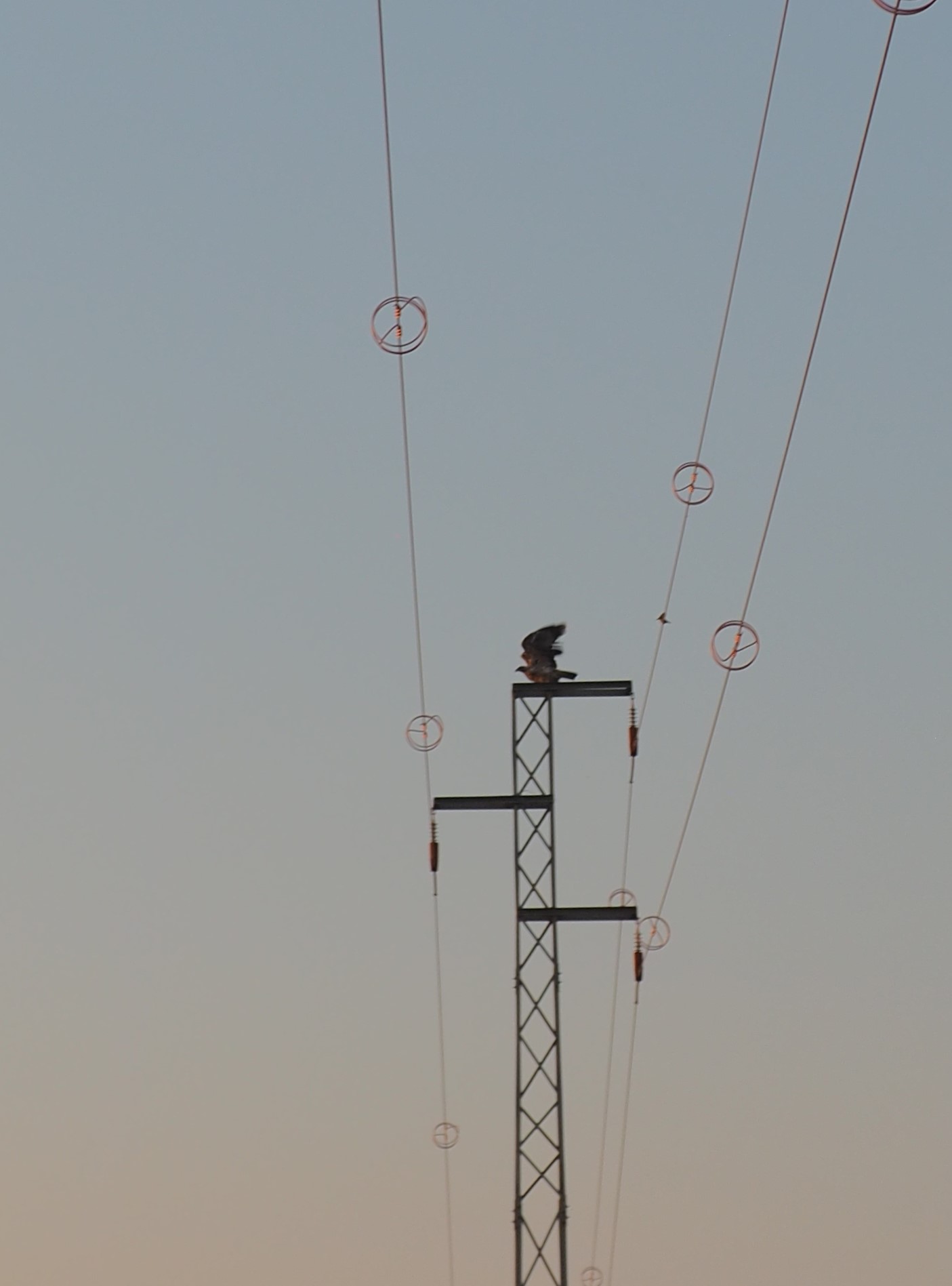
Then, it was off to the restricted part of the park. From El Rocío, it turns out, you can charter a tour (by 4×4 bus or by horseback, it seemed) of the park. The park has the topography of part wetland (much of it predominantly dry and looking more savanna-like at the time of my visit due to drought), “umbrella pine” forests, and a vast open countryside that looks like western U.S. ranch land dotted with cork trees and scrub and is home to migratory flamingos and storks, black ducks, egrets, wild boar, lynx and loads of deer. We saw all of the above except the lynx and boar, unfortunately, and had an exceptional guide from Visitas a Doñana which operates out of El Rocío.
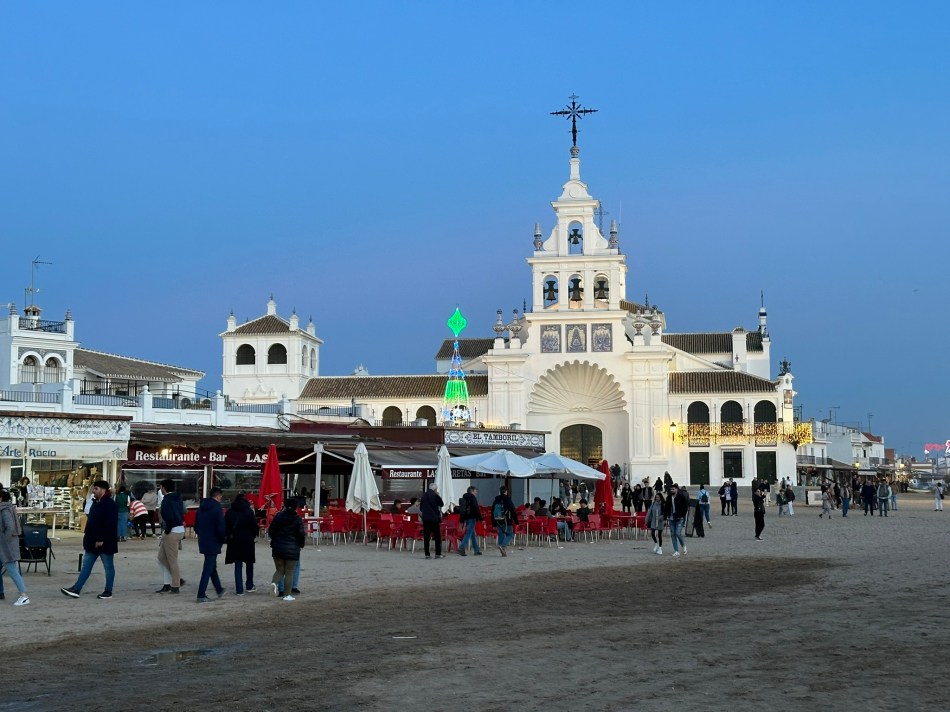
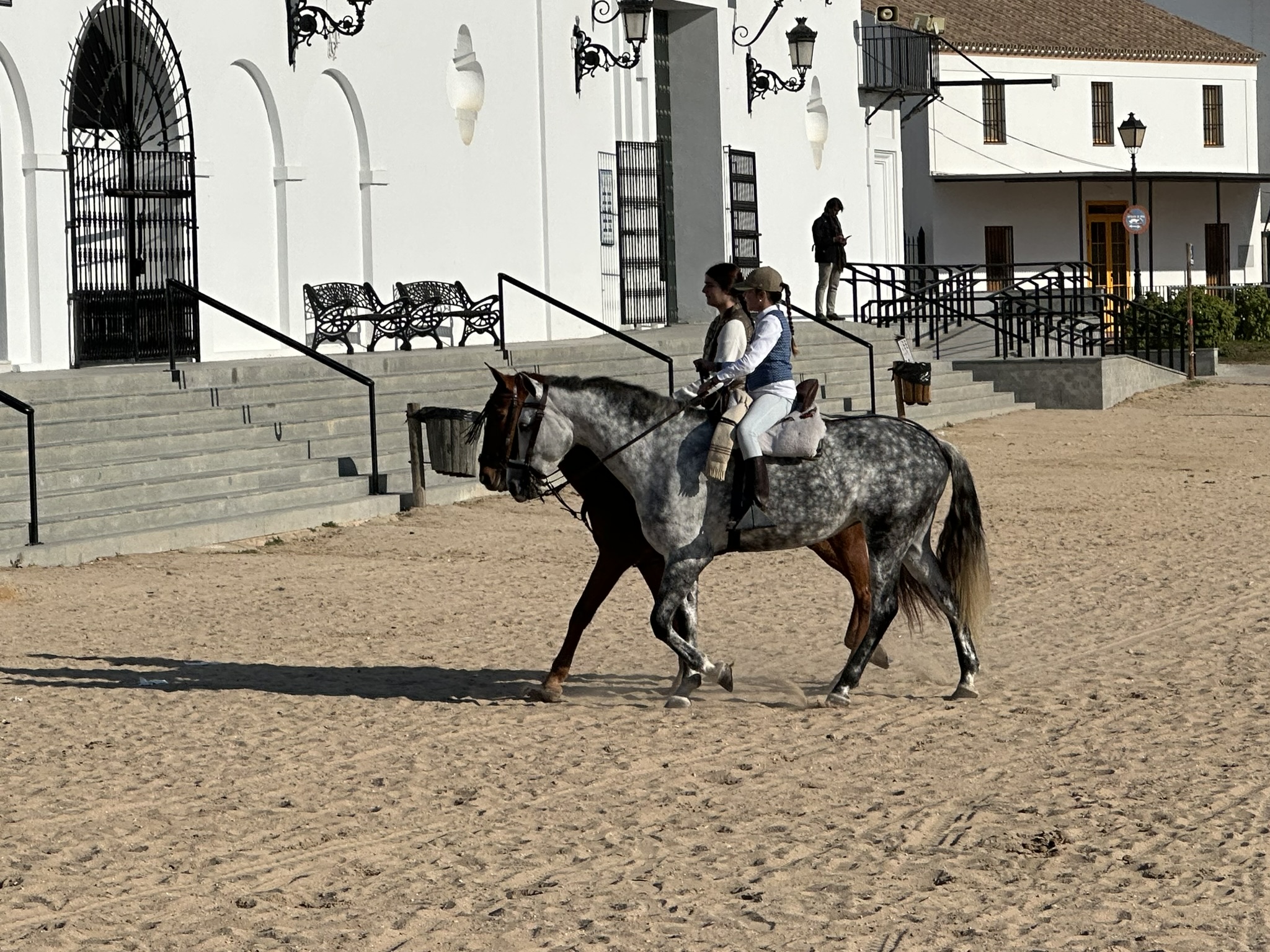
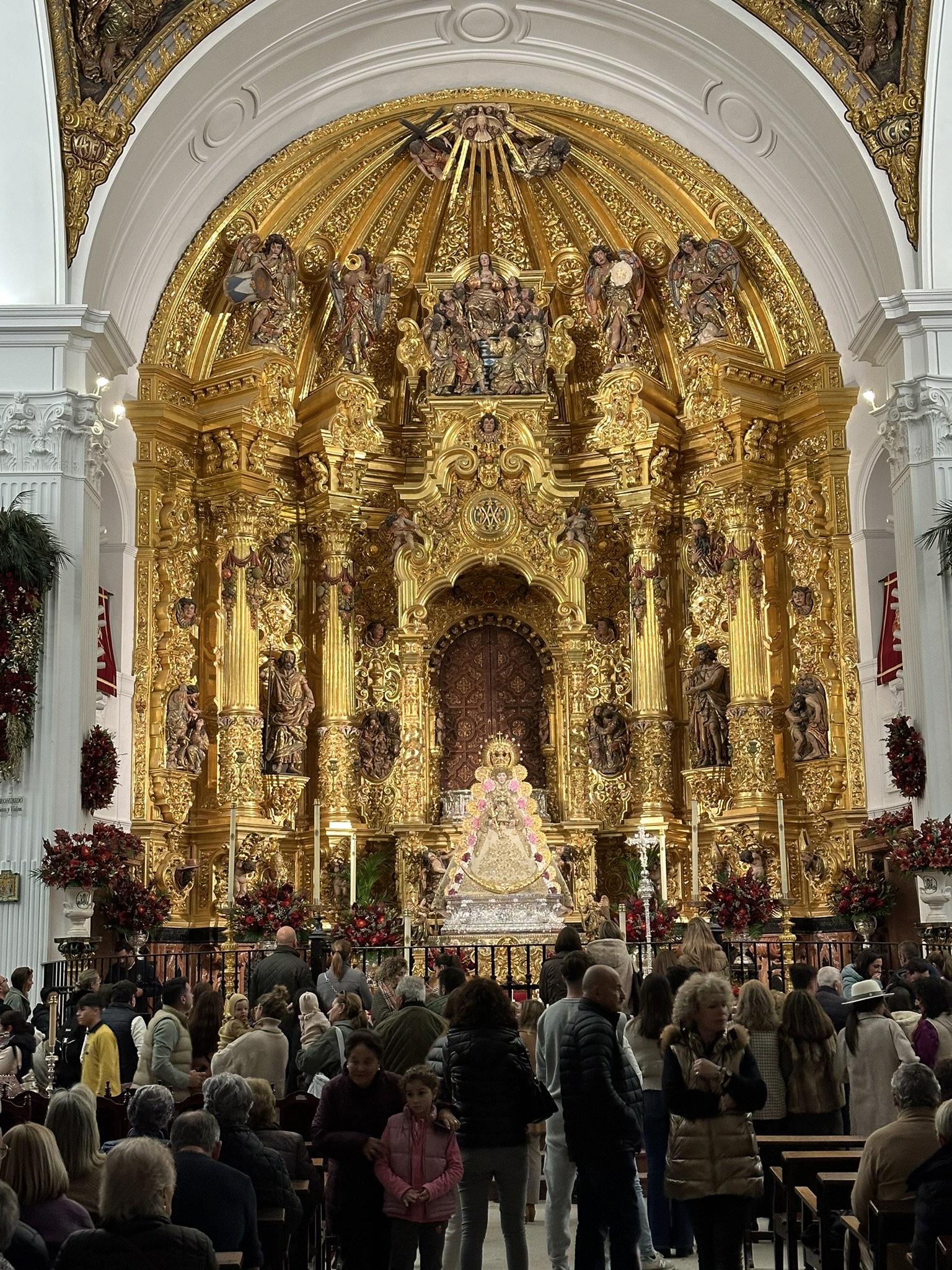
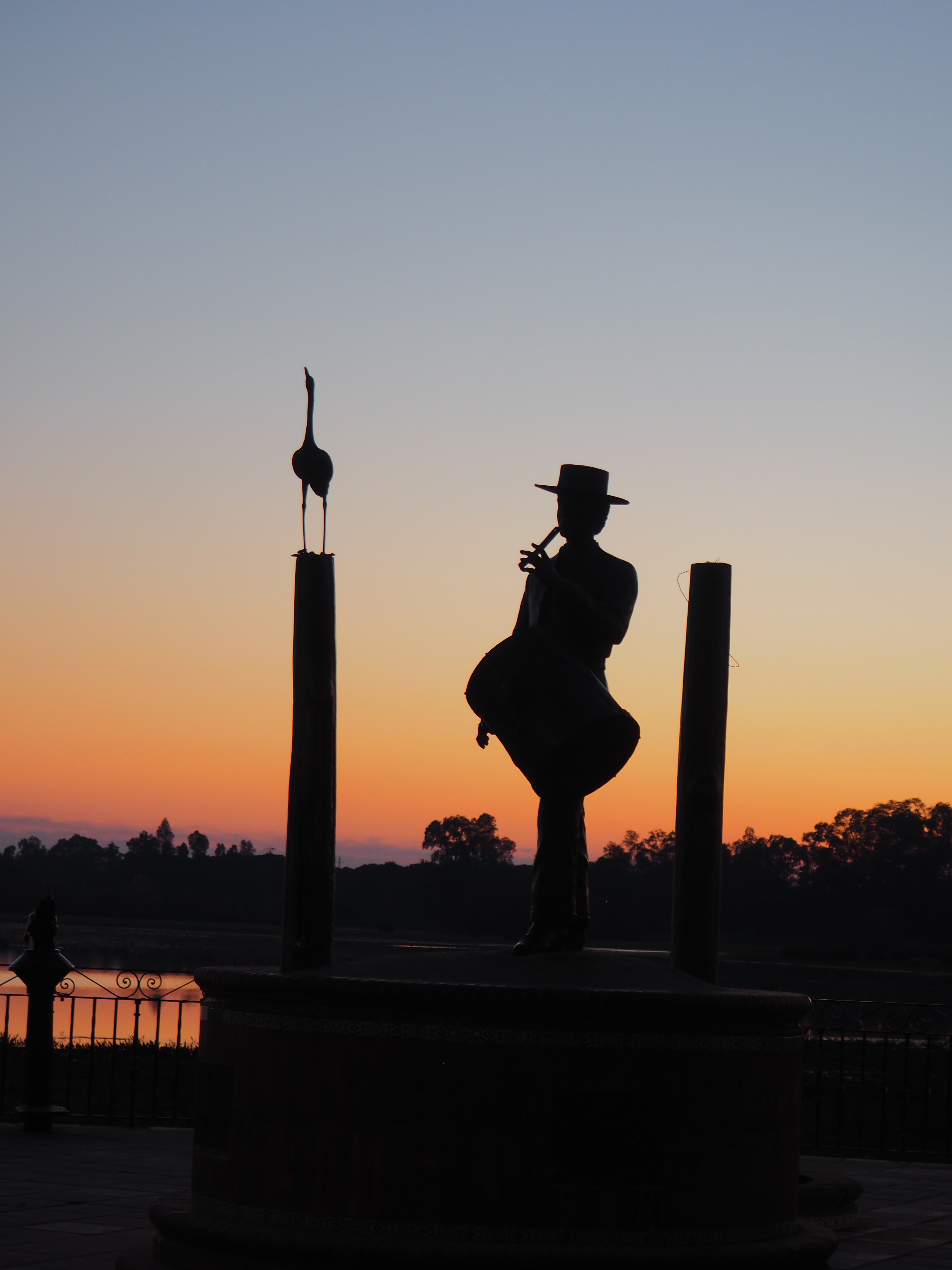
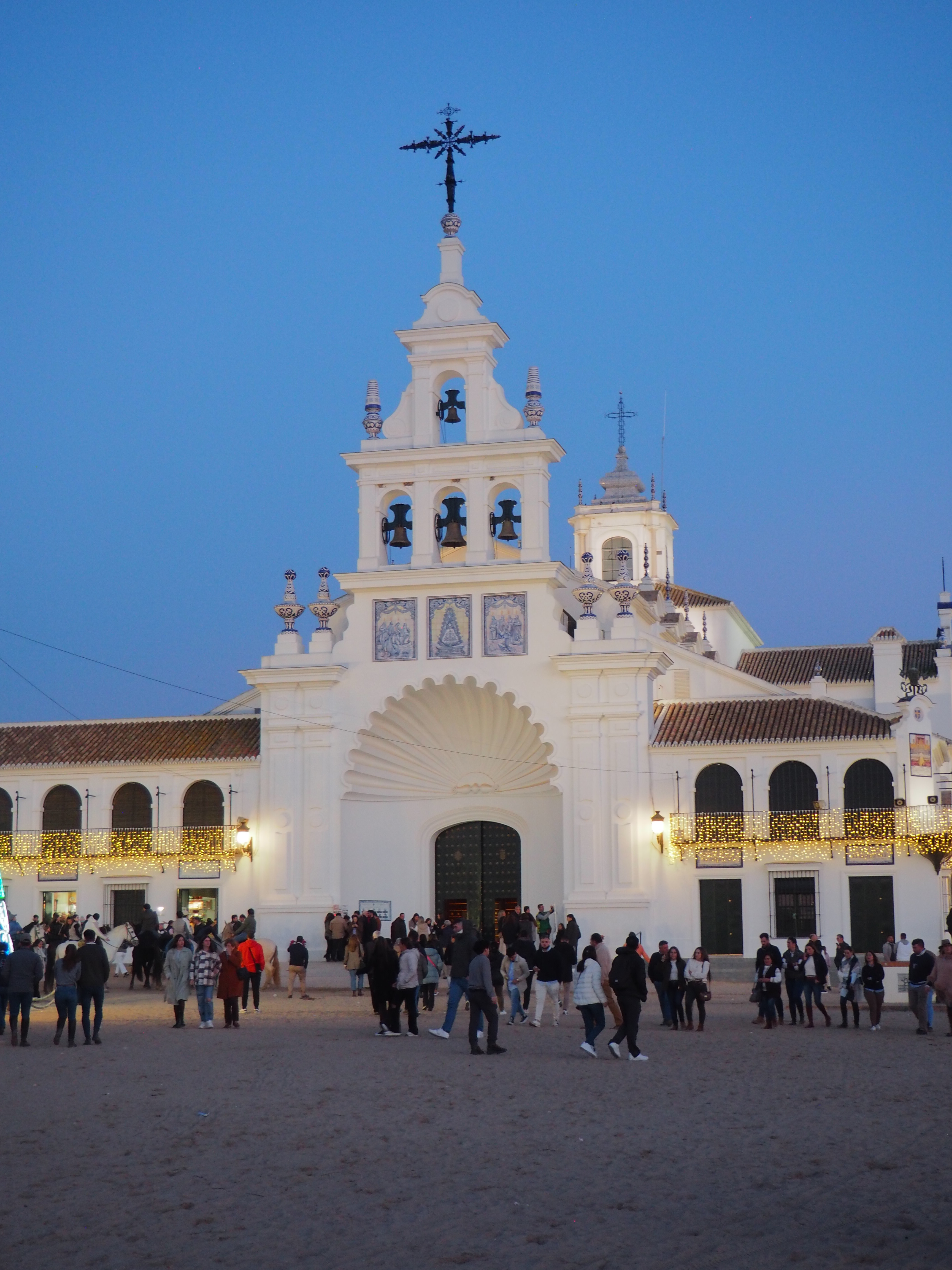
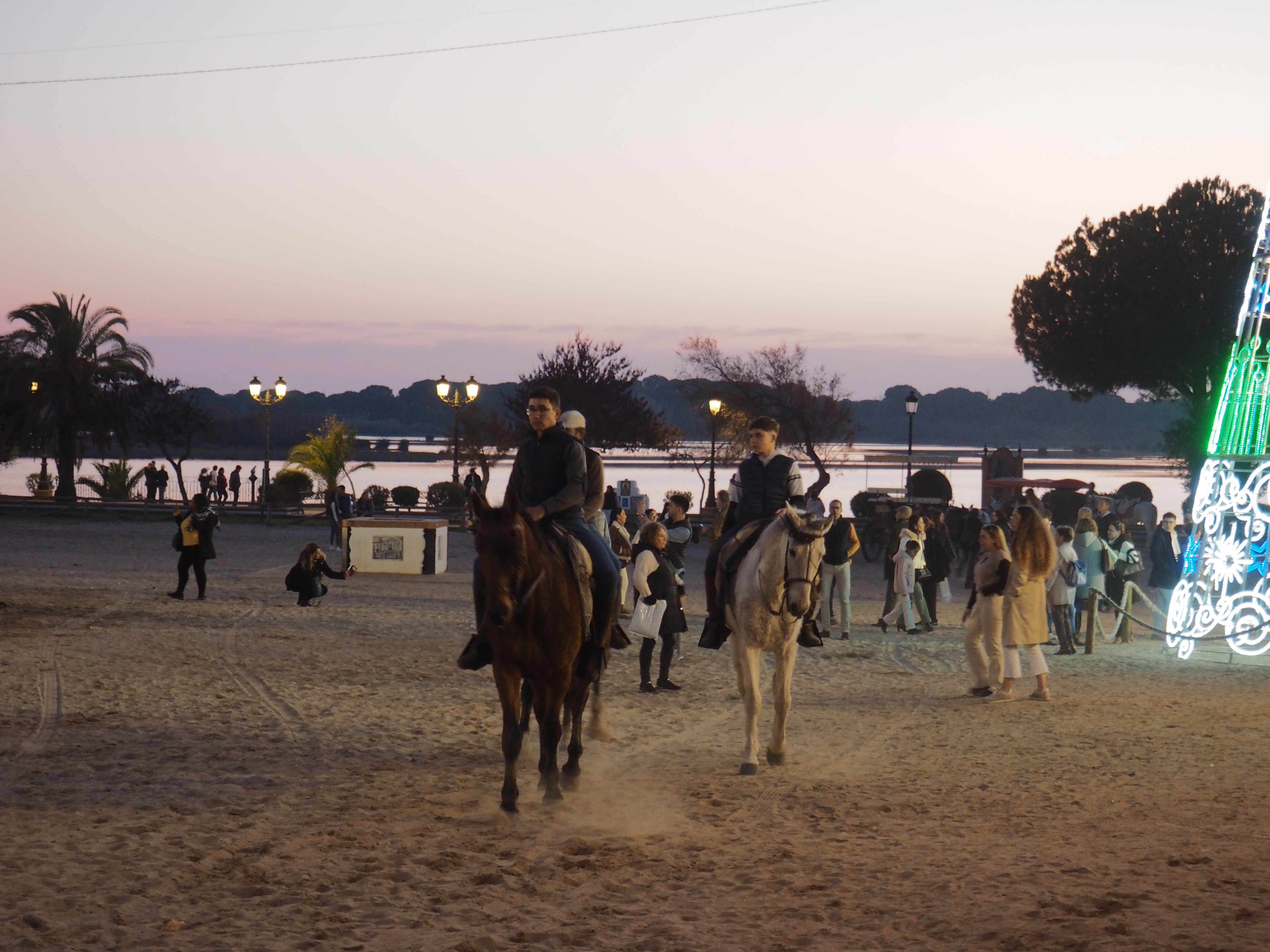
We returned for a much-too-brief visit to El Rocío at the end of our three-hour visit into the park. El Rocío is a place we will return together (soon and sans sickness). Horseback is the primary mode of transport around town. The roads are made of dirt, mud or sand. Families and friend groups had flocked here for New Year’s, renting houses throughout the community. The settlement dates back to the 13th century when a hunter allegedly discovered a statue of the Virgin Mary in a tree trunk. A church was built on the site of the tree. By the 17th century, hermandades (brotherhoods or confraternities) were making a pilgrimage trek from across Andalusia at the Pentecost (the 50th day after Easter).
Today, at the Pentecost the town is host to a procession (the Romería del Rocío) of the confraternities who make up the community and attracts millions. The pilgrims from the brotherhoods travel to town on foot or horseback and then process to the church with their own copy of the Virgin (their simpecado) which each bear the emblem of the Virgin of Rocío. At midnight, the original brotherhood carries their emblem to the shrine. The next day, mass is performed and on the second day of the Pentecost (Monday) the Virgin is carried out into the street. Men from the brotherhoods fight for the right to carry the Virgin.
The Virgin is said to date from the 13th century with modifications over the years and was blessed by Pope John Paul II in 1993. She is said to have performed miracles.
El Rocío was buzzing with activity, and I was disappointed that we didn’t have more time here. After only 45 minutes, we were back on the bus and steaming for Seville with my hopes for returning aloft without too much time passing.
Sources:
- https://www.andalucia.com/festival/rocio.htm#google_vignette
- https://en.m.wikipedia.org/wiki/Virgin_of_El_Rocío#:~:text=The%20Virgin%20of%20El%20Rocío,carved%20parts%20are%20the%20face%2C
- https://en.wikipedia.org/wiki/Romer%C3%ADa_de_El_Roc%C3%ADo#Structure_of_the_pilgrimage
- Guided Tour, Naturanda Turismo Ambiental. Doñana Park. December 28, 2023.
 The Traveling Ridleys
Pingback: Discover the Unique Traditions and Treasures of Seville Christmas Market 2024 | Kiki Journey
Pingback: Discover the Unique Traditions and Treasures of Seville Christmas Market 2025 | Kiki Journey