

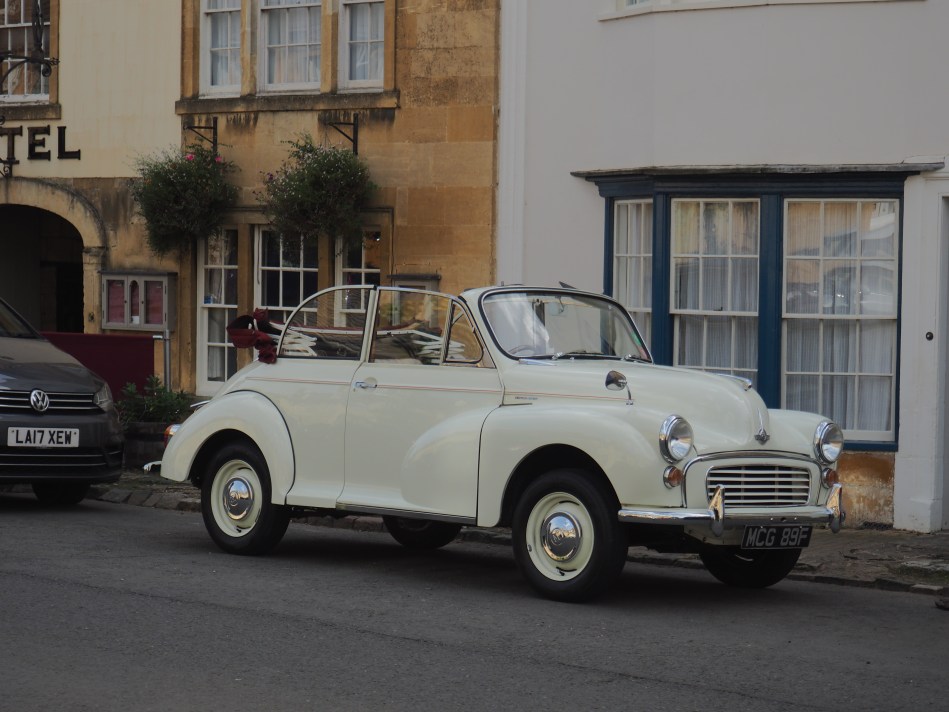
Summer finally arrived in October for the final stop of our three months in the UK. To be fair, summer did arrive in southern England in August when we were in Scotland, but a lovely Indian Summer blew north from the Iberian Peninsula and greeted us as we left Wales and arrived back in England.
If thatched roofs, quaint little villages intertwined by a network of winding roadways full of cute shops, cafes and pubs are up your alley then, my friend, you have arrived in nirvana.
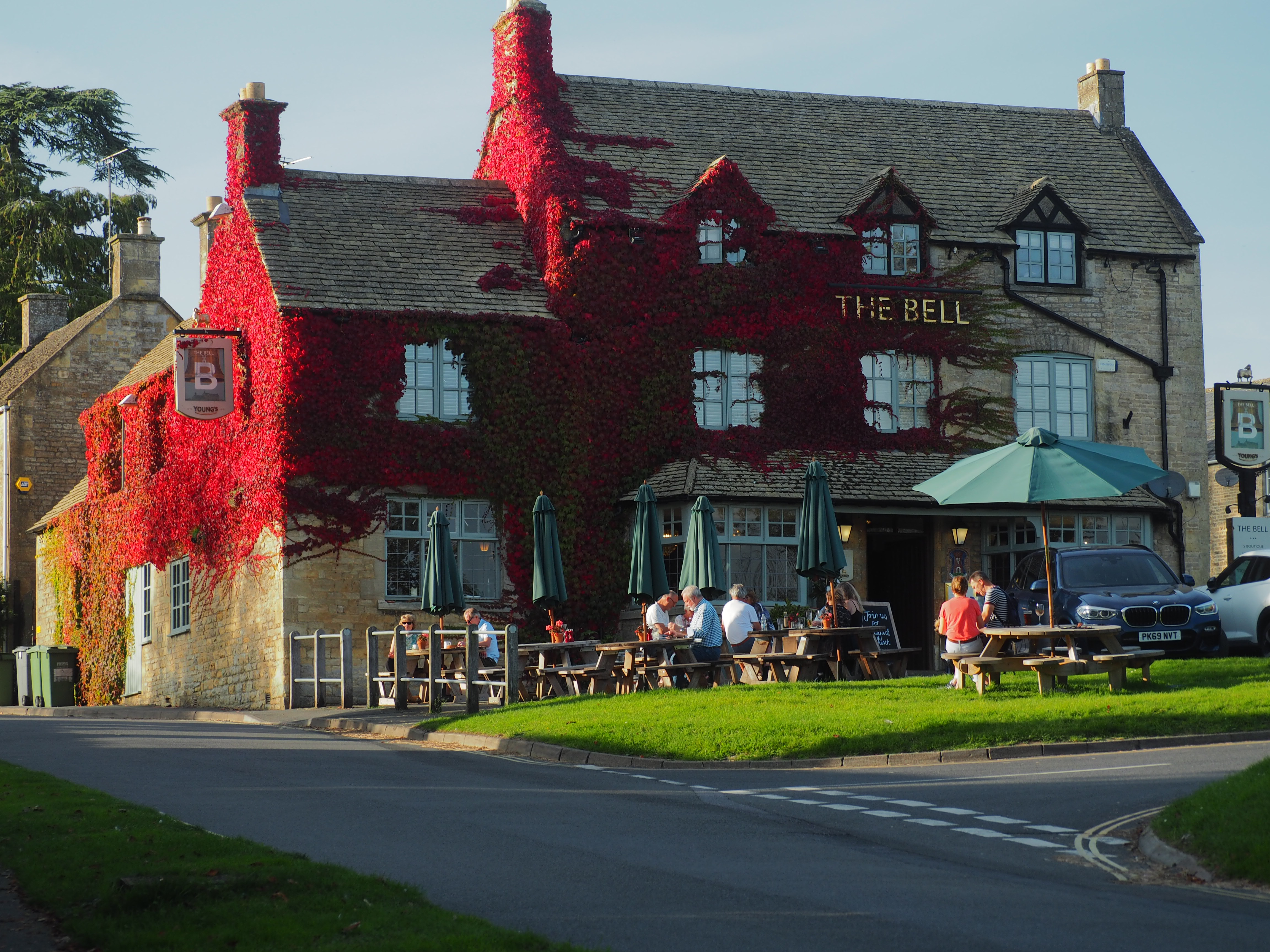
Our base of operations was Stow-on-the-Wold. I believe that the Cotswolds must be the epicenter of the village-on-hyphenated-rivername universe. And Stow is the Aphrodite of this Olympus. In addition to being adorable, Stow is also home to England’s oldest pub, the Porch House founded in 947 AD, and the fact checkers have carbon dated the timber to confirm this claim of age.
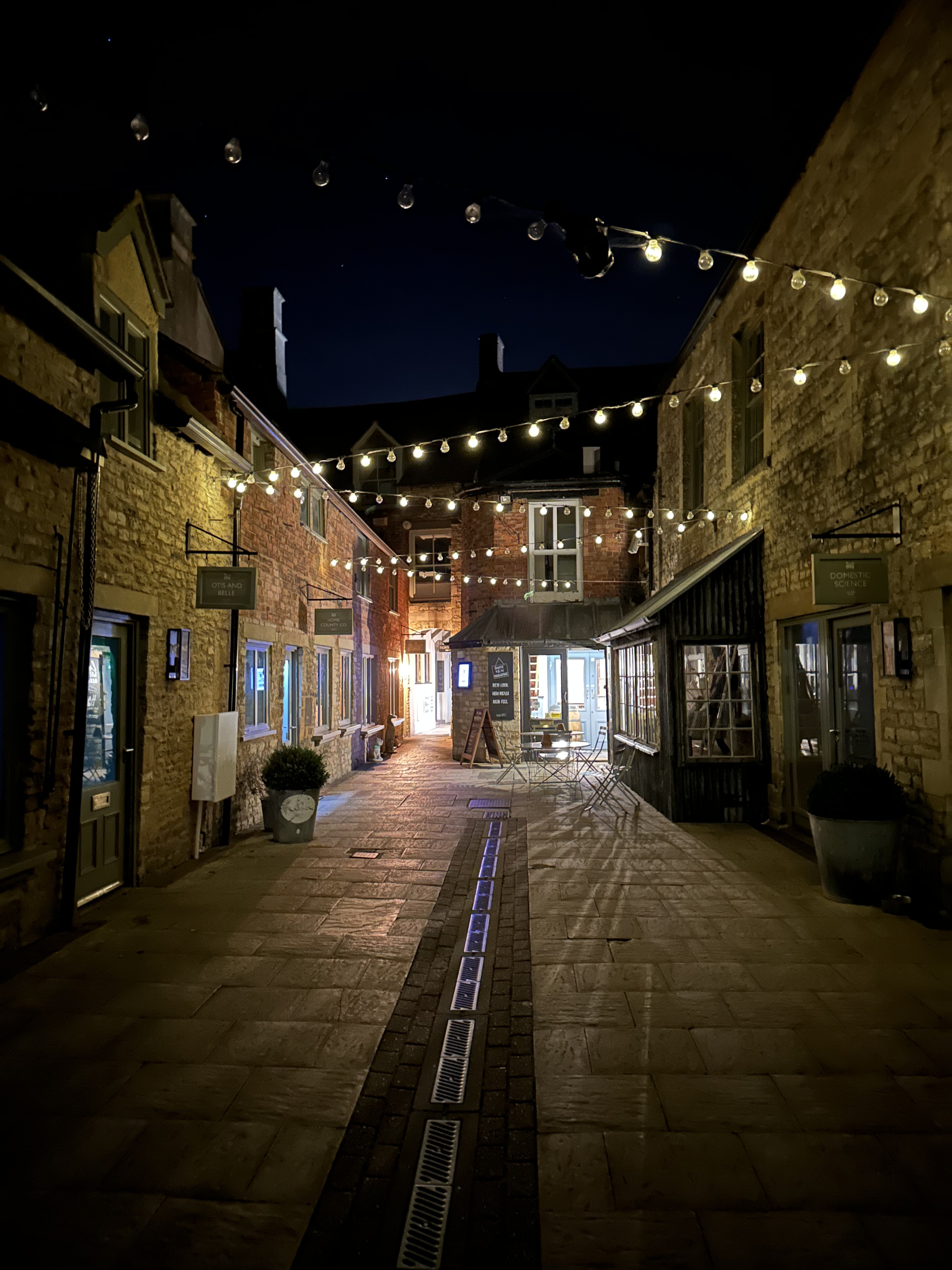
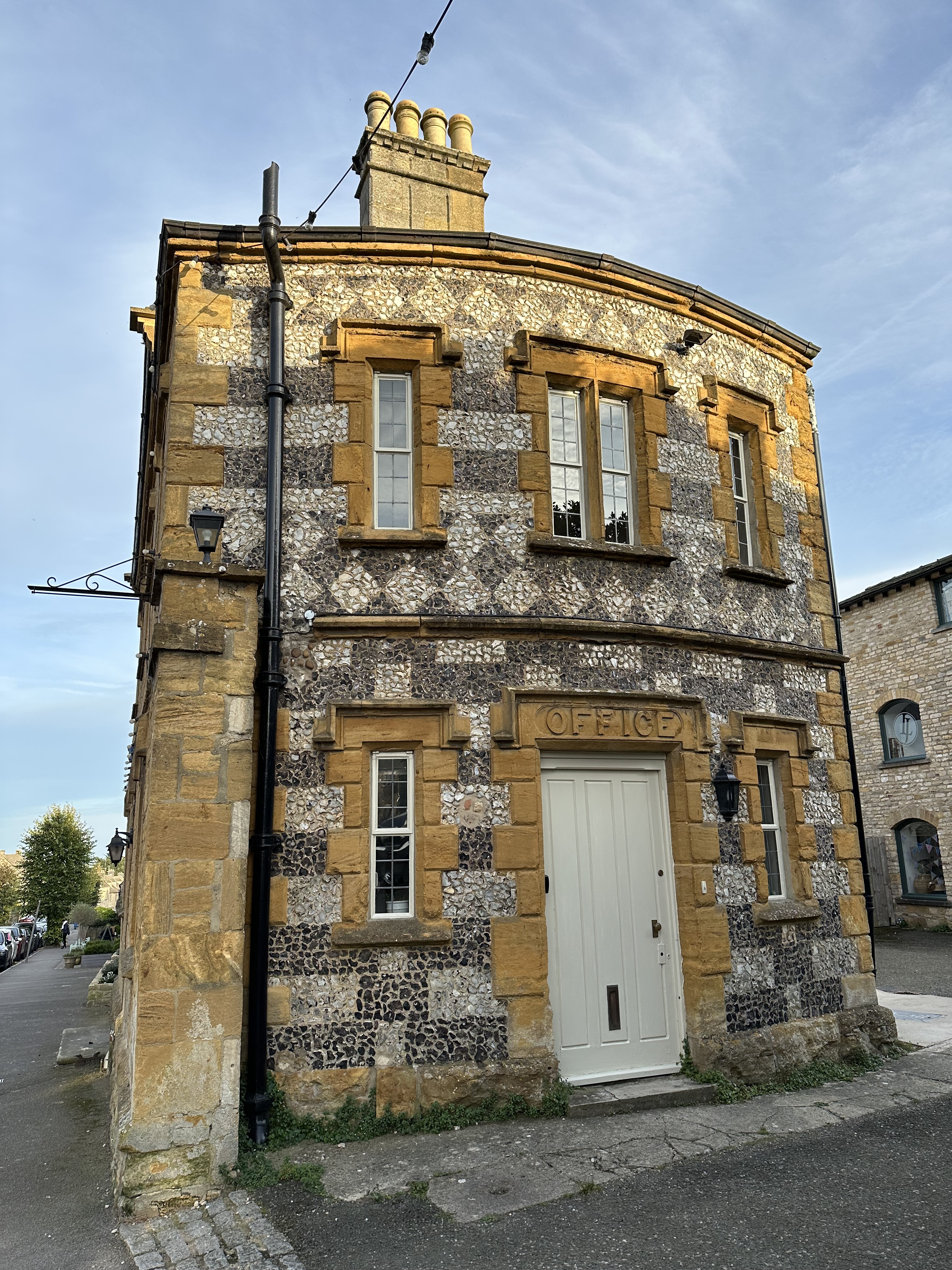
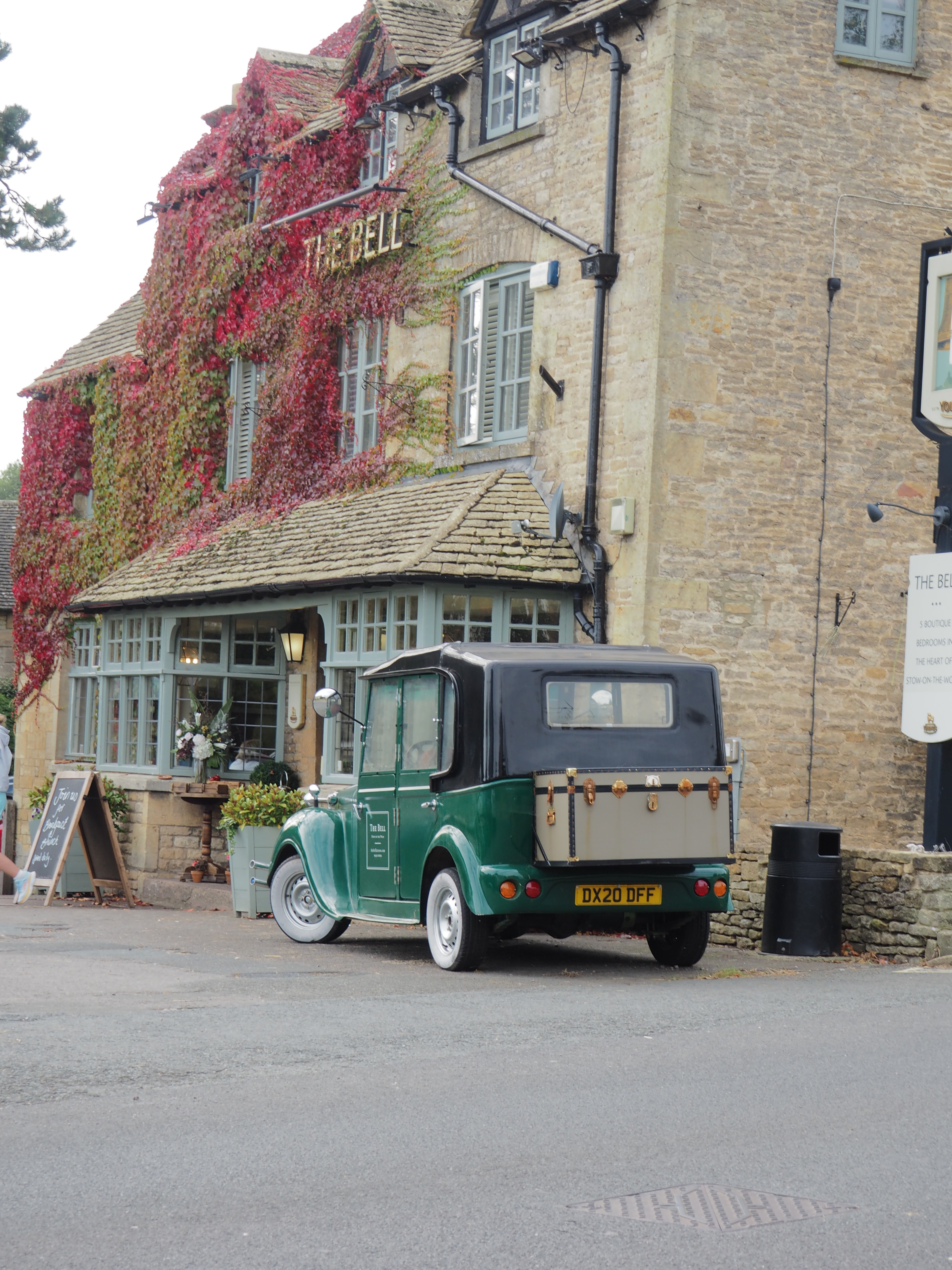
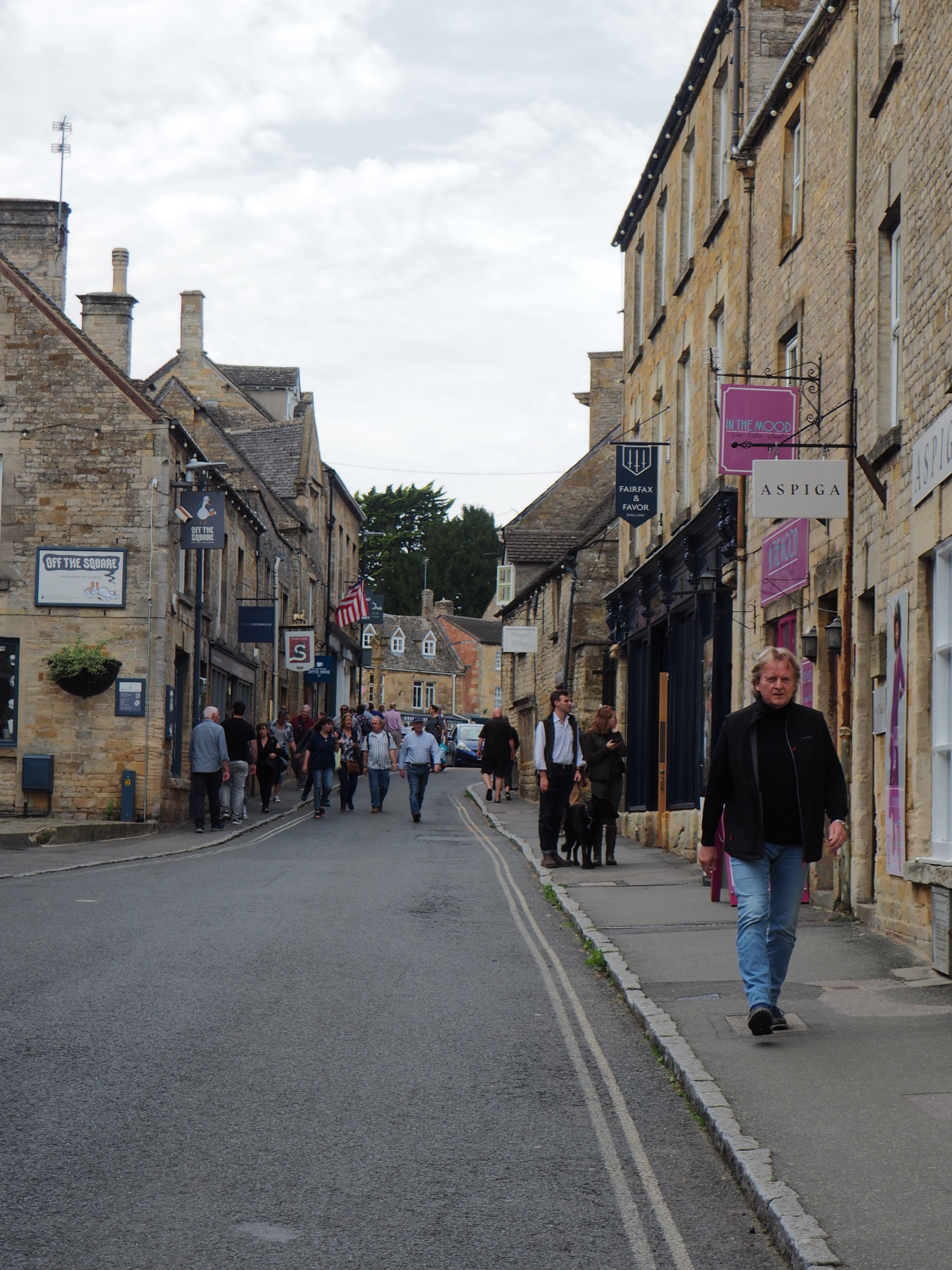
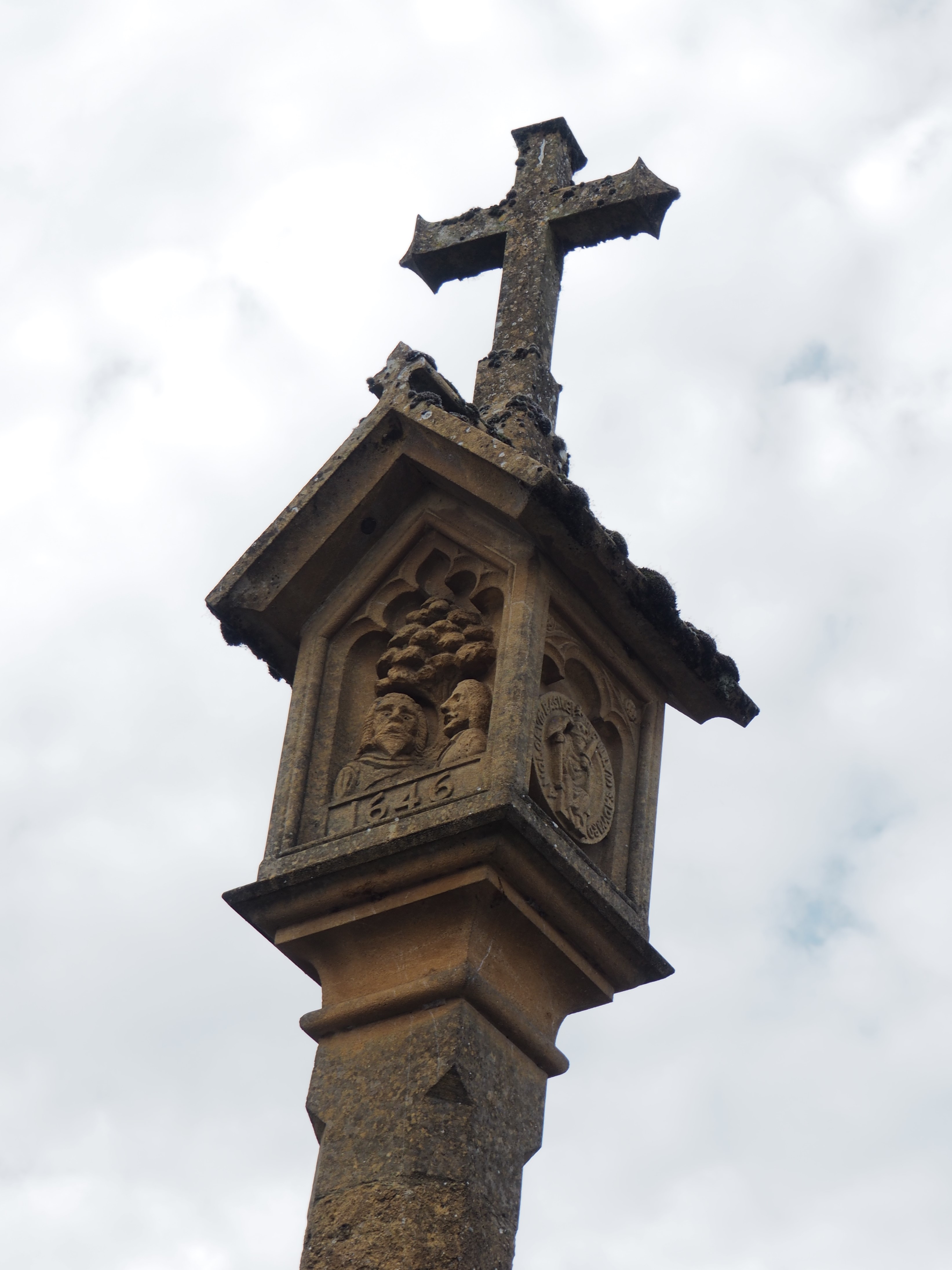
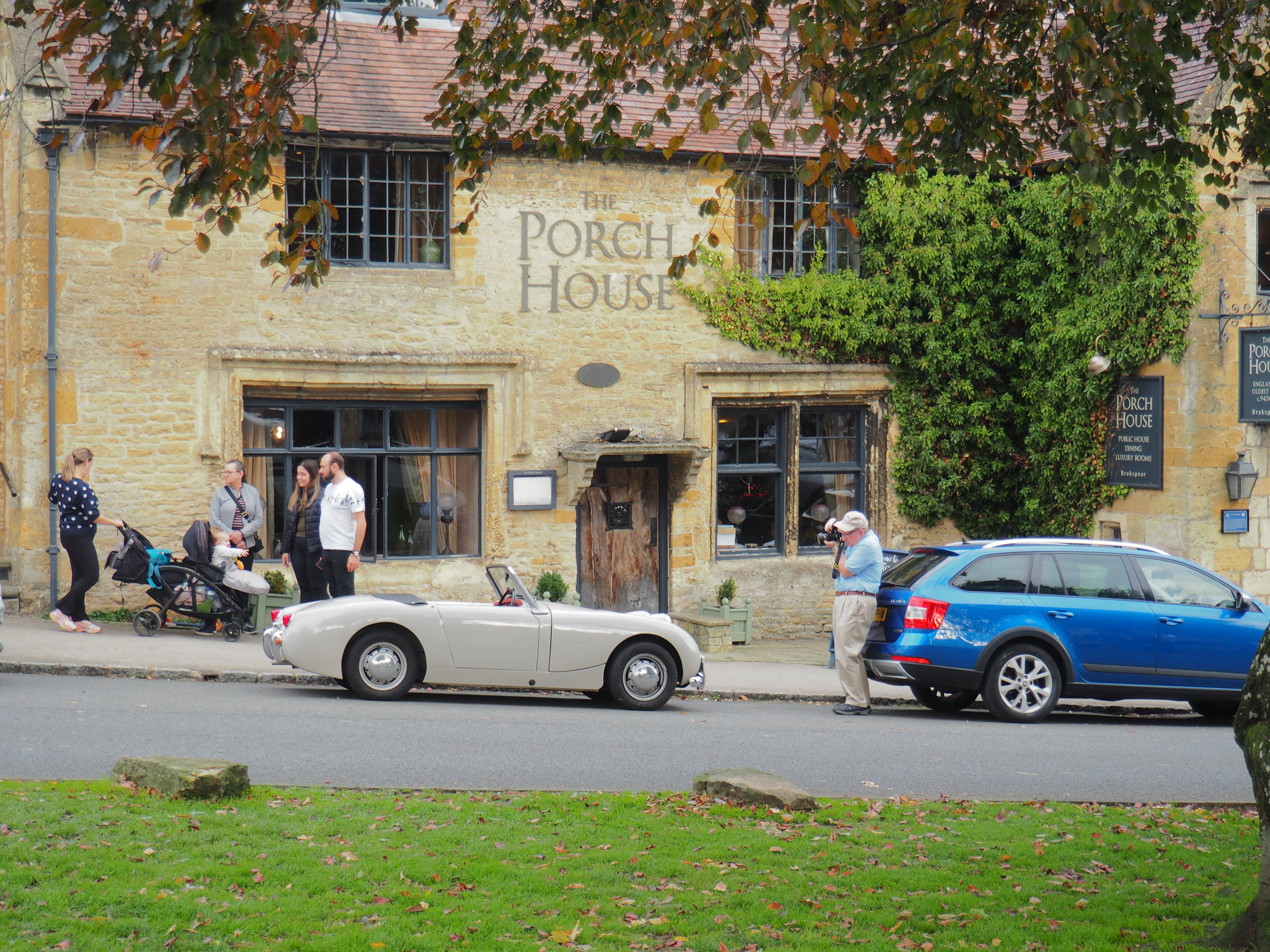
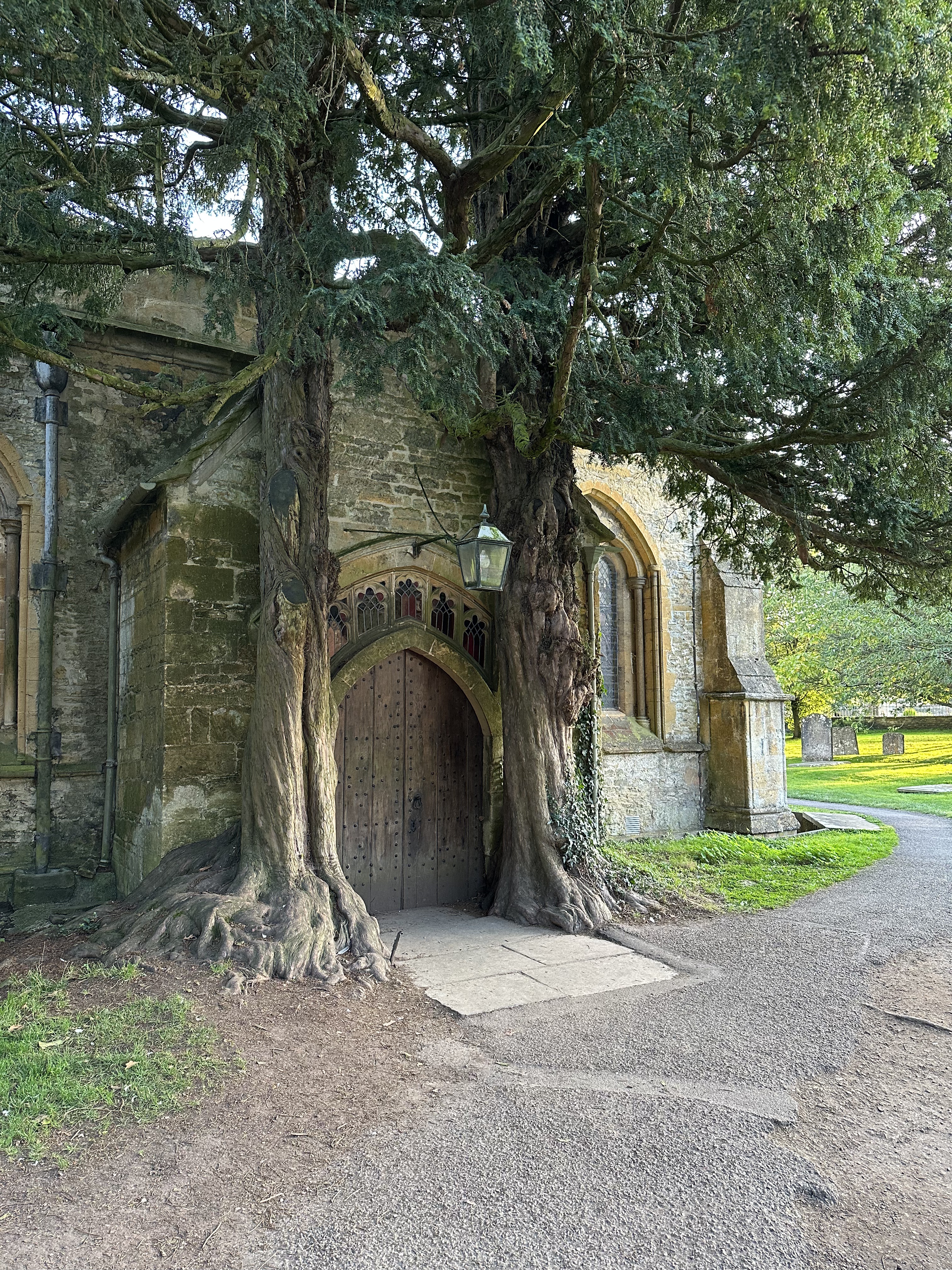
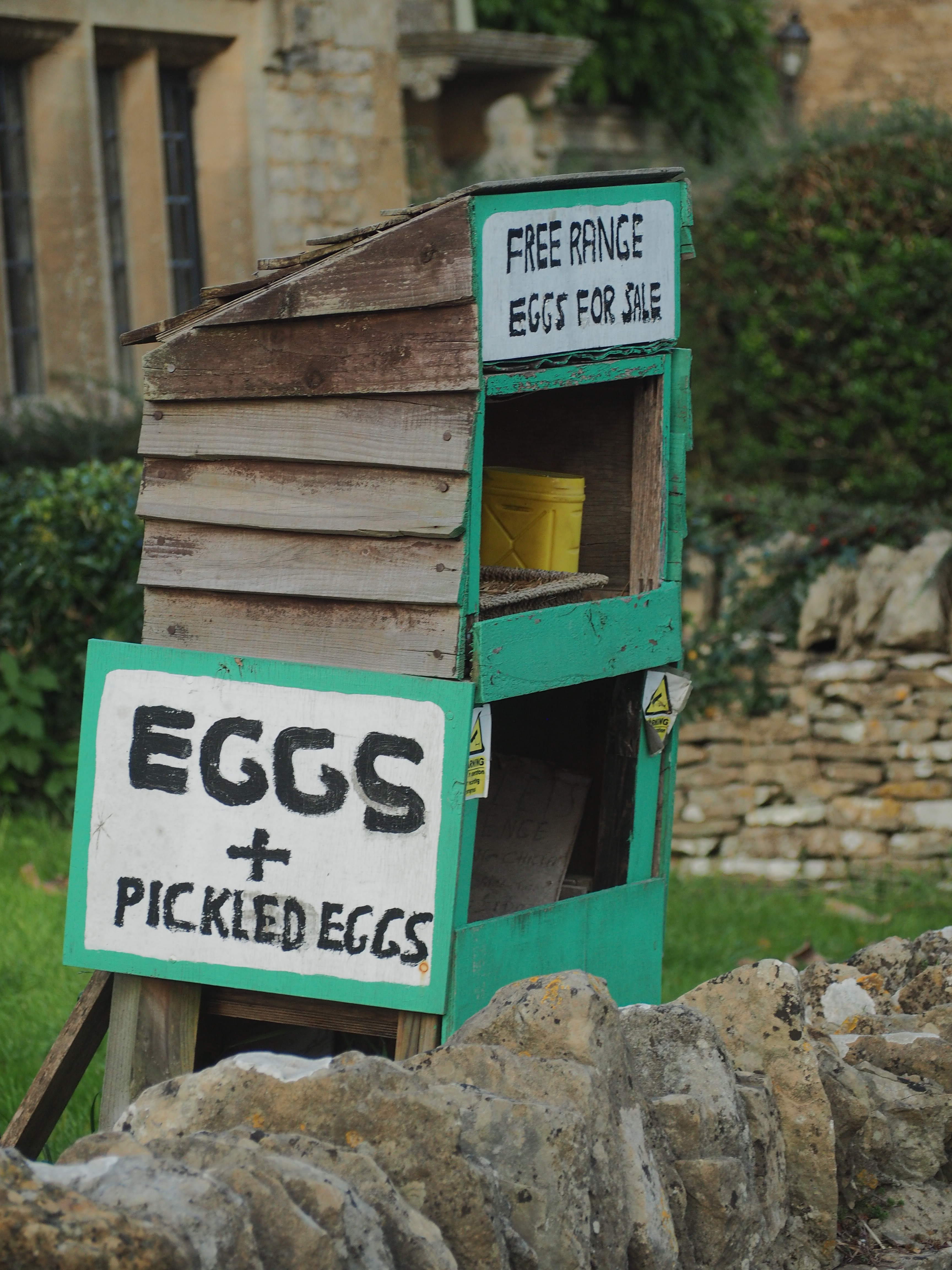
Stow was our favorite of the villages we visited and not just because we chose it for our home. It has lots to do, plenty of shops, art galleries, and places to stay, is immensely walkable and has great restaurants and nightlife for a little village.
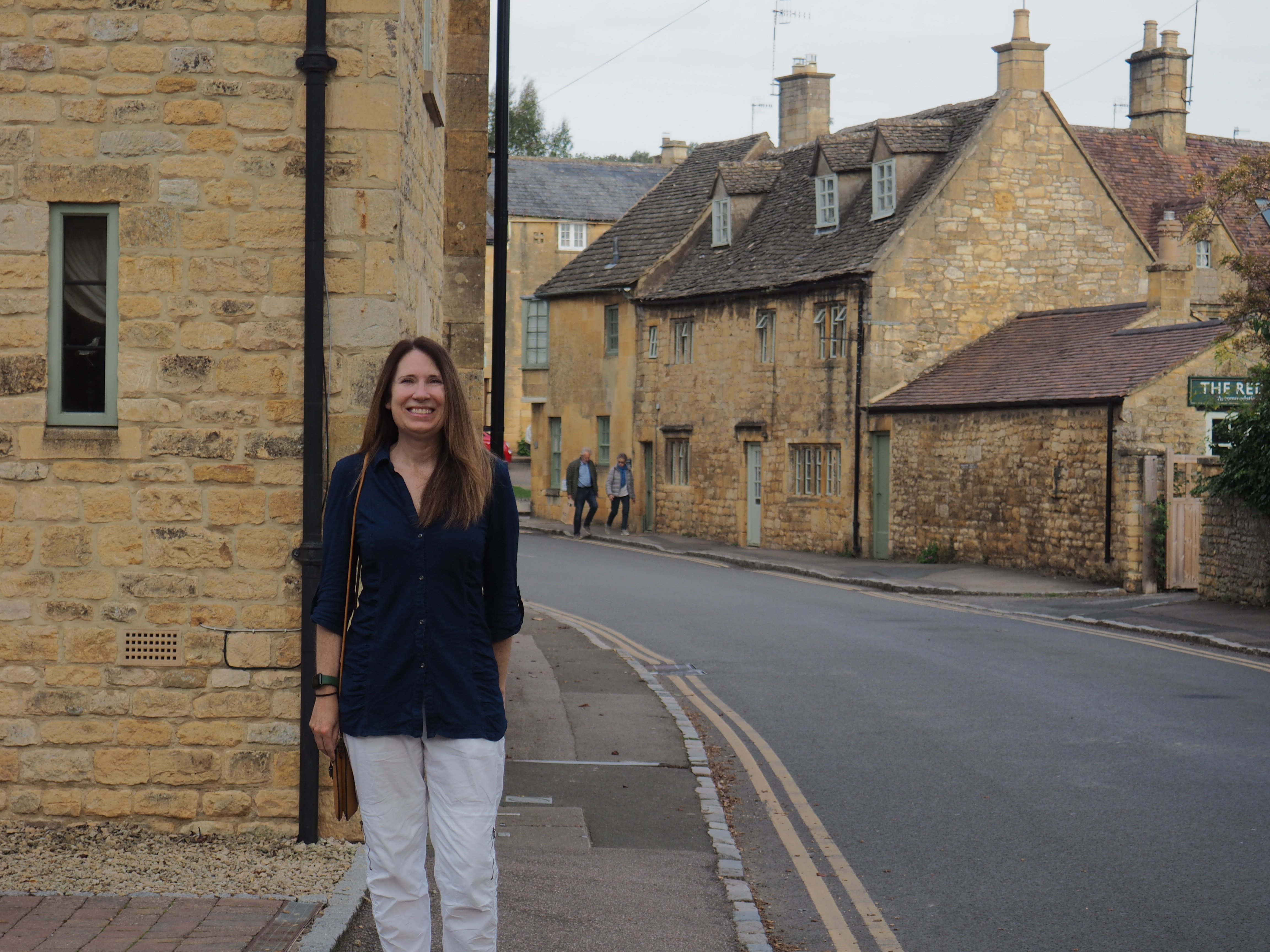
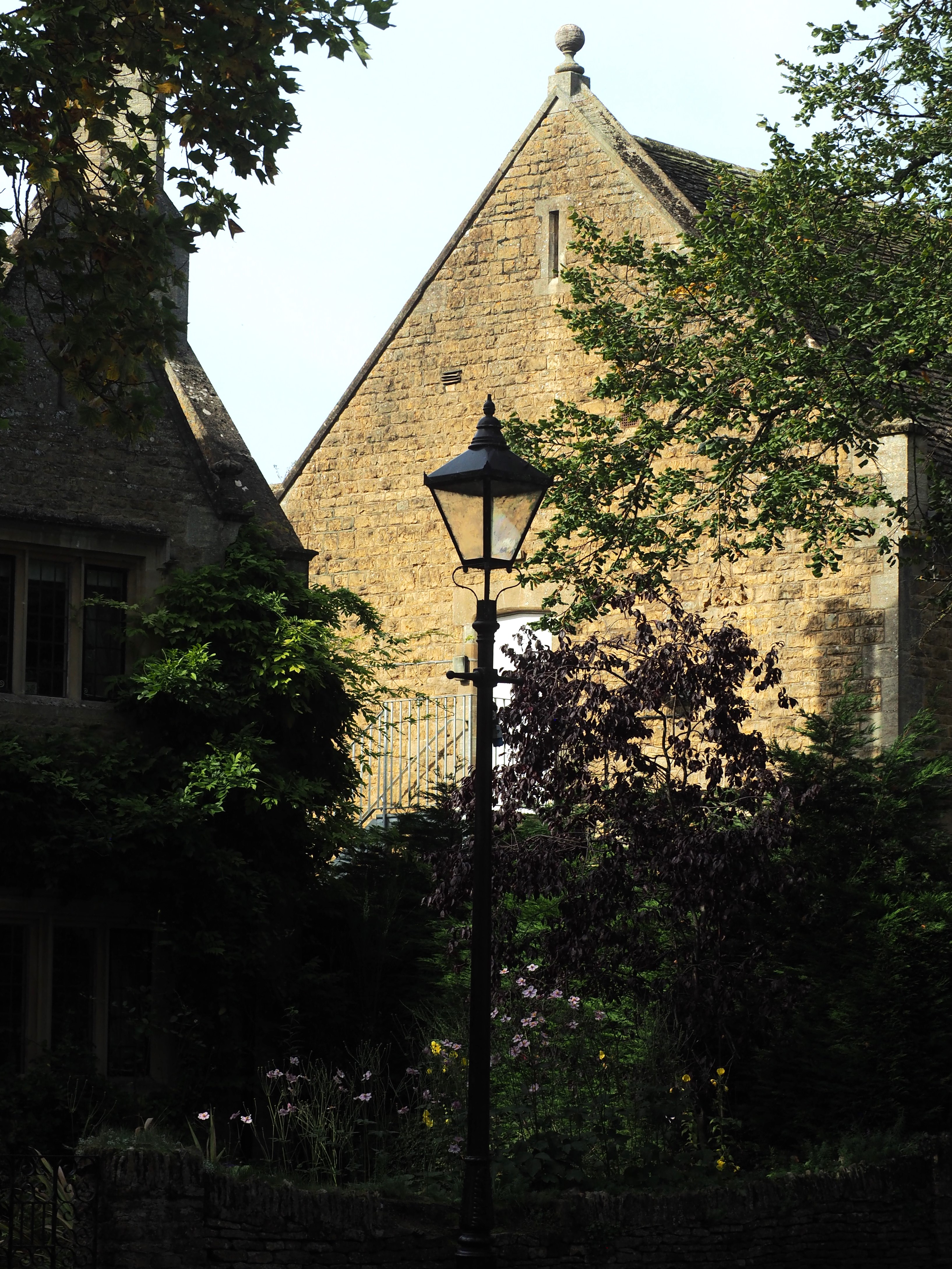
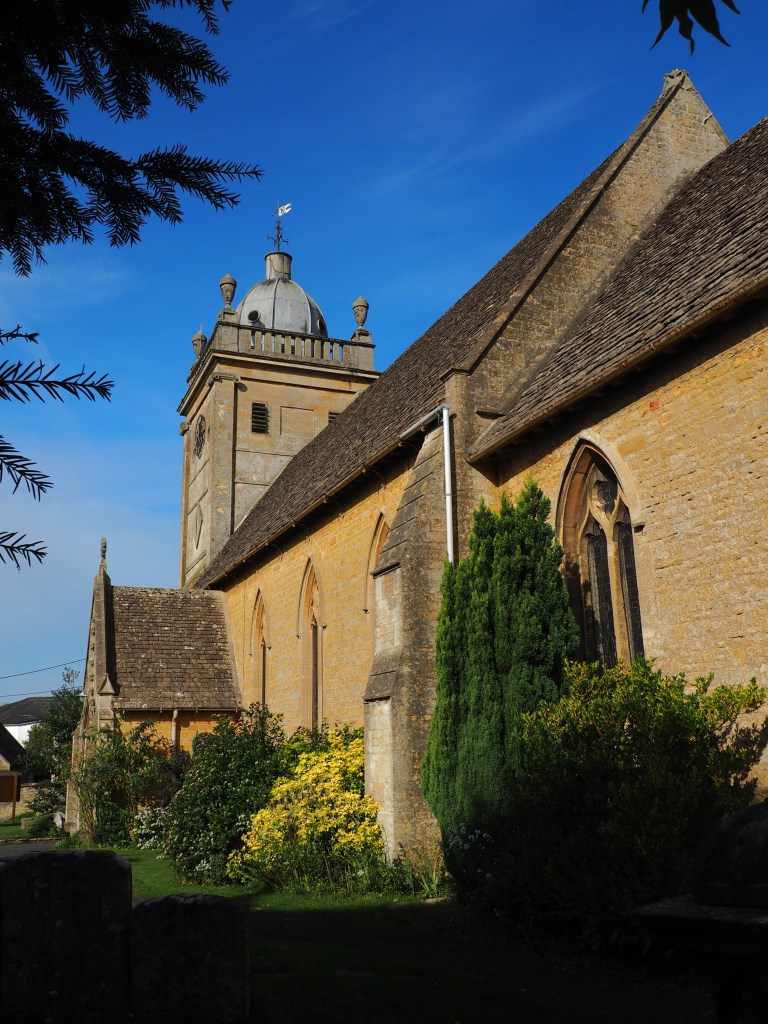
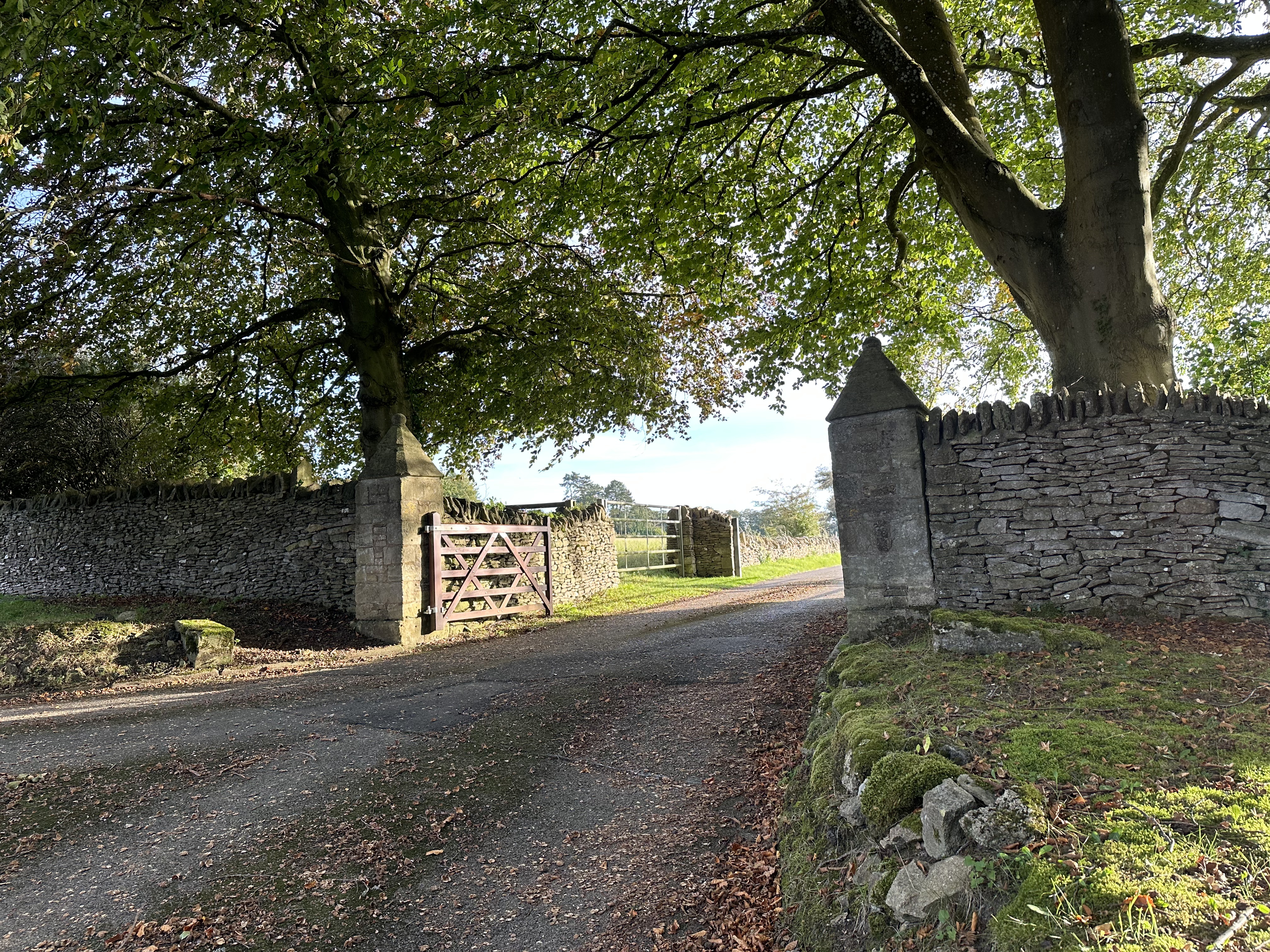
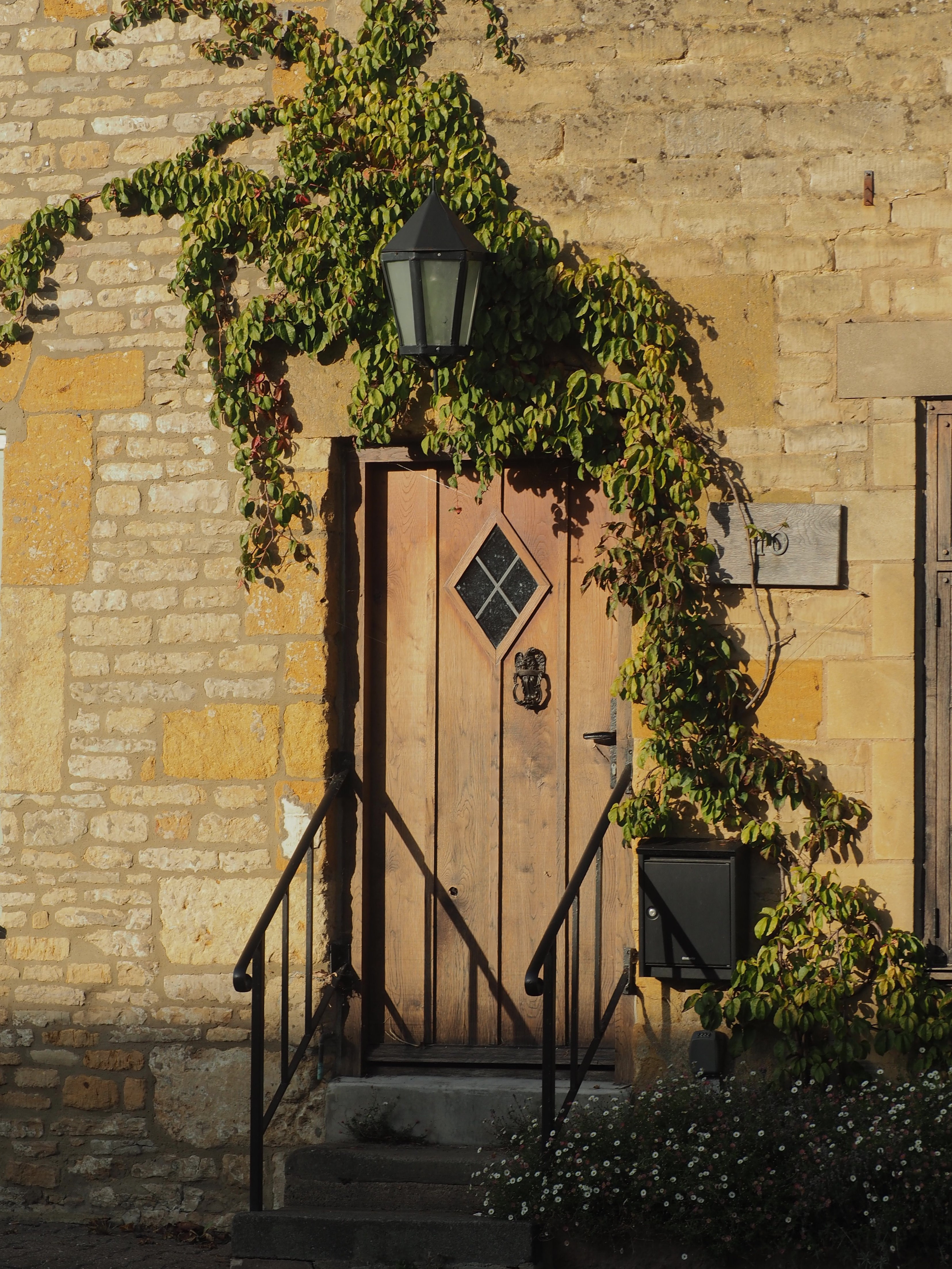
Many of the buildings in this region have a similar look and feel. Most are constructed from oolithic limestone, giving them a common warm, soft, tanned yellow-brown appearance. In the Cotswolds, there are more than 60,000 thatched roofs atop some of those lovely, faded limestone walls.
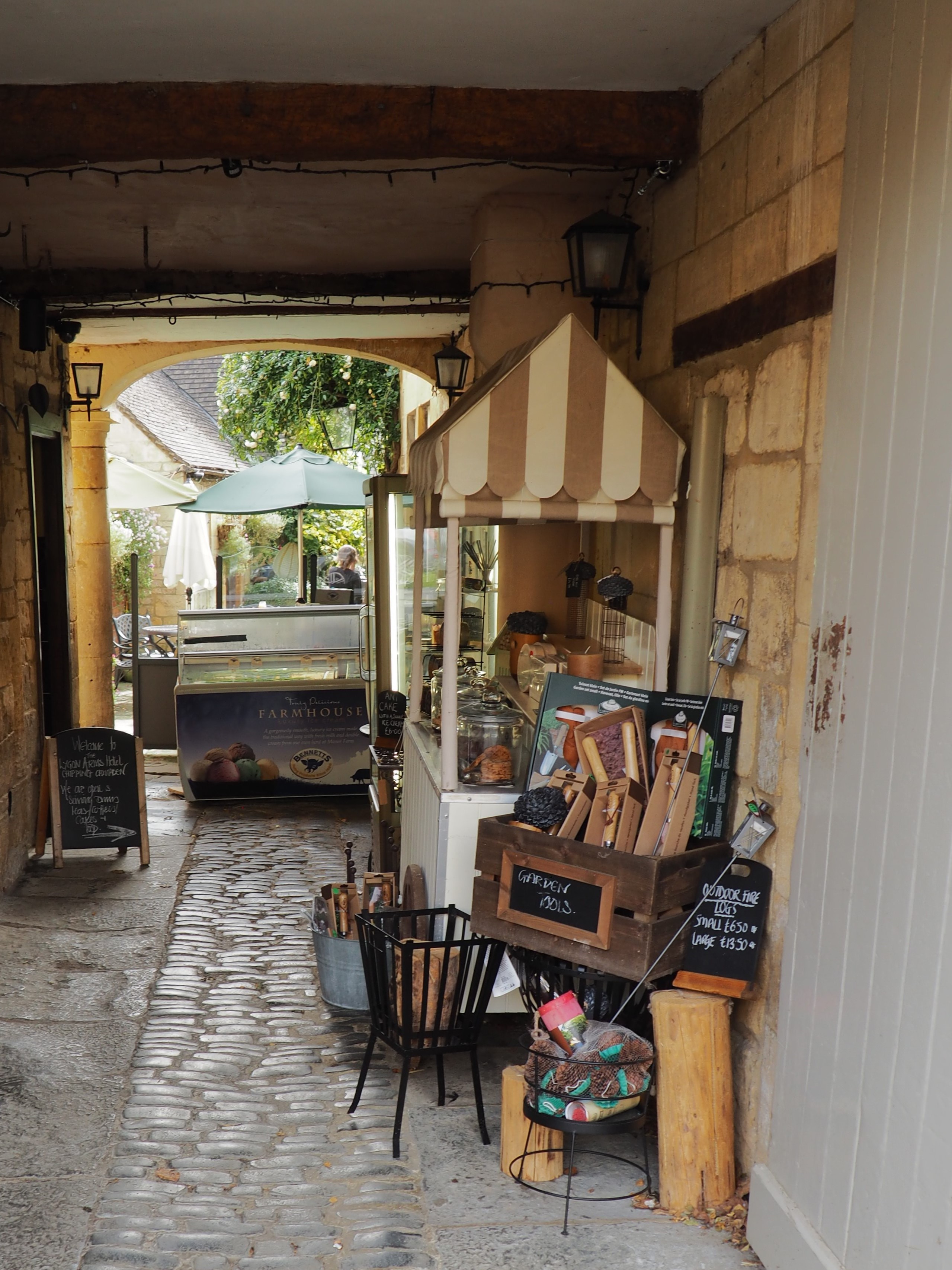
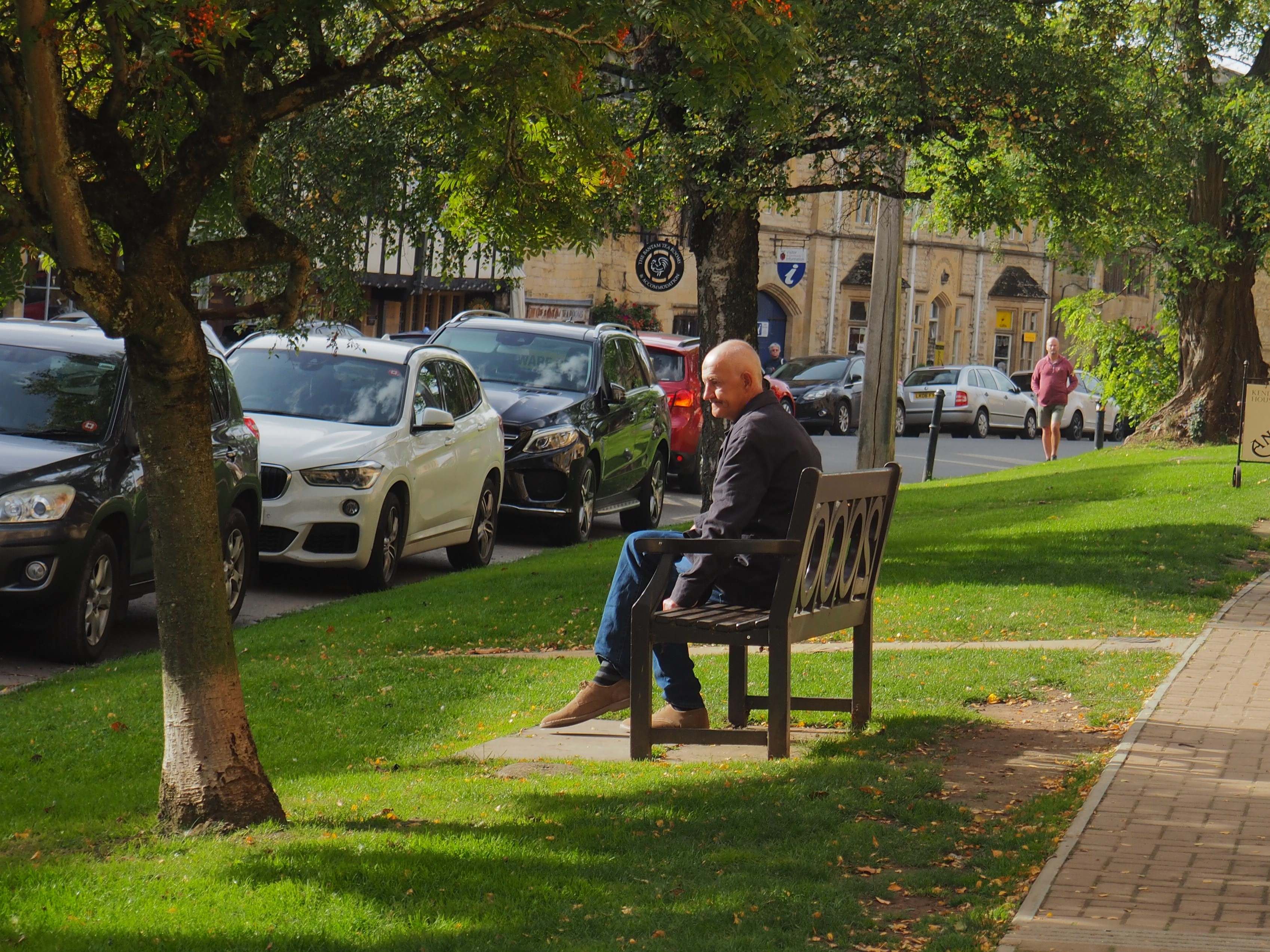
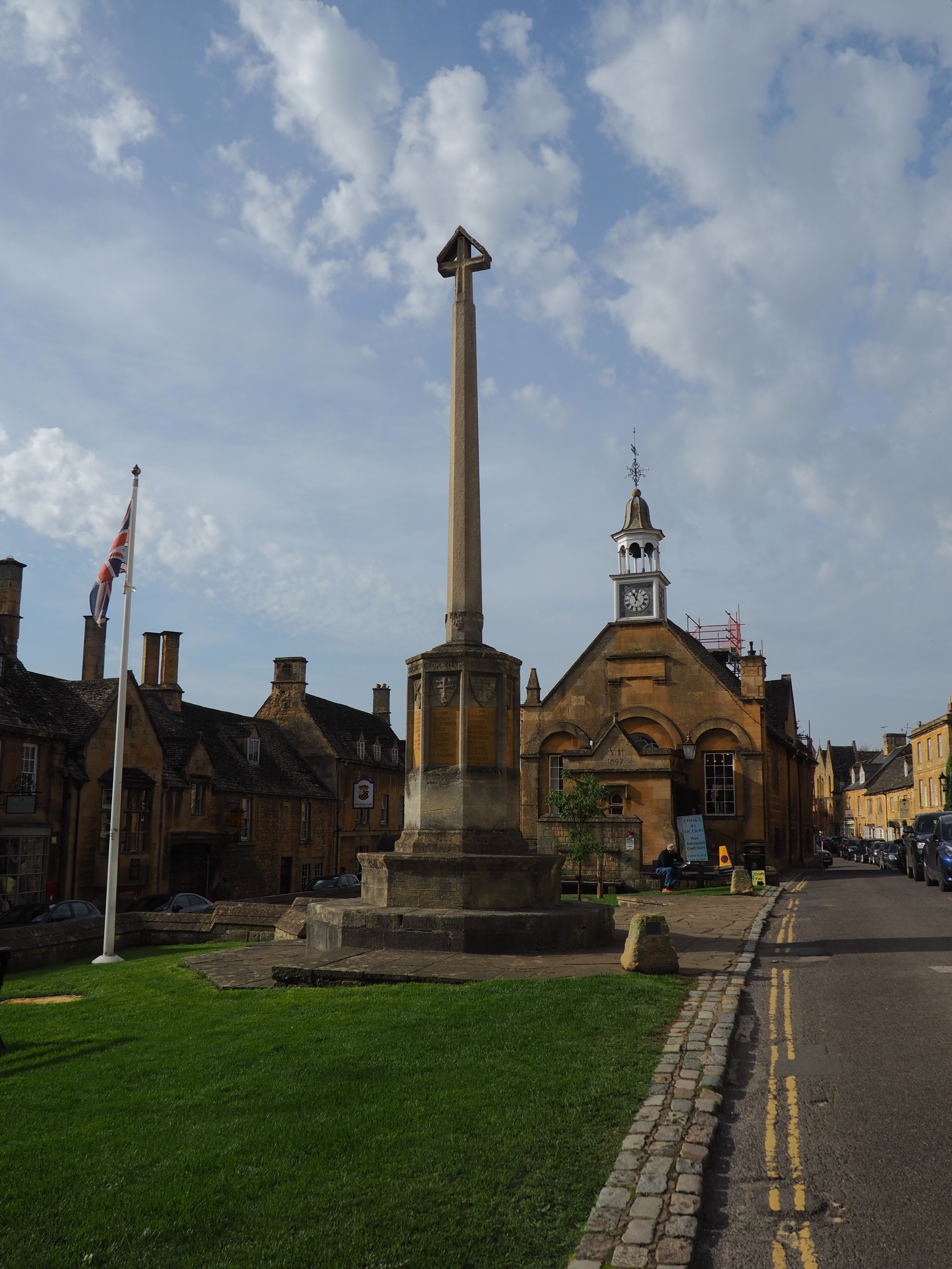
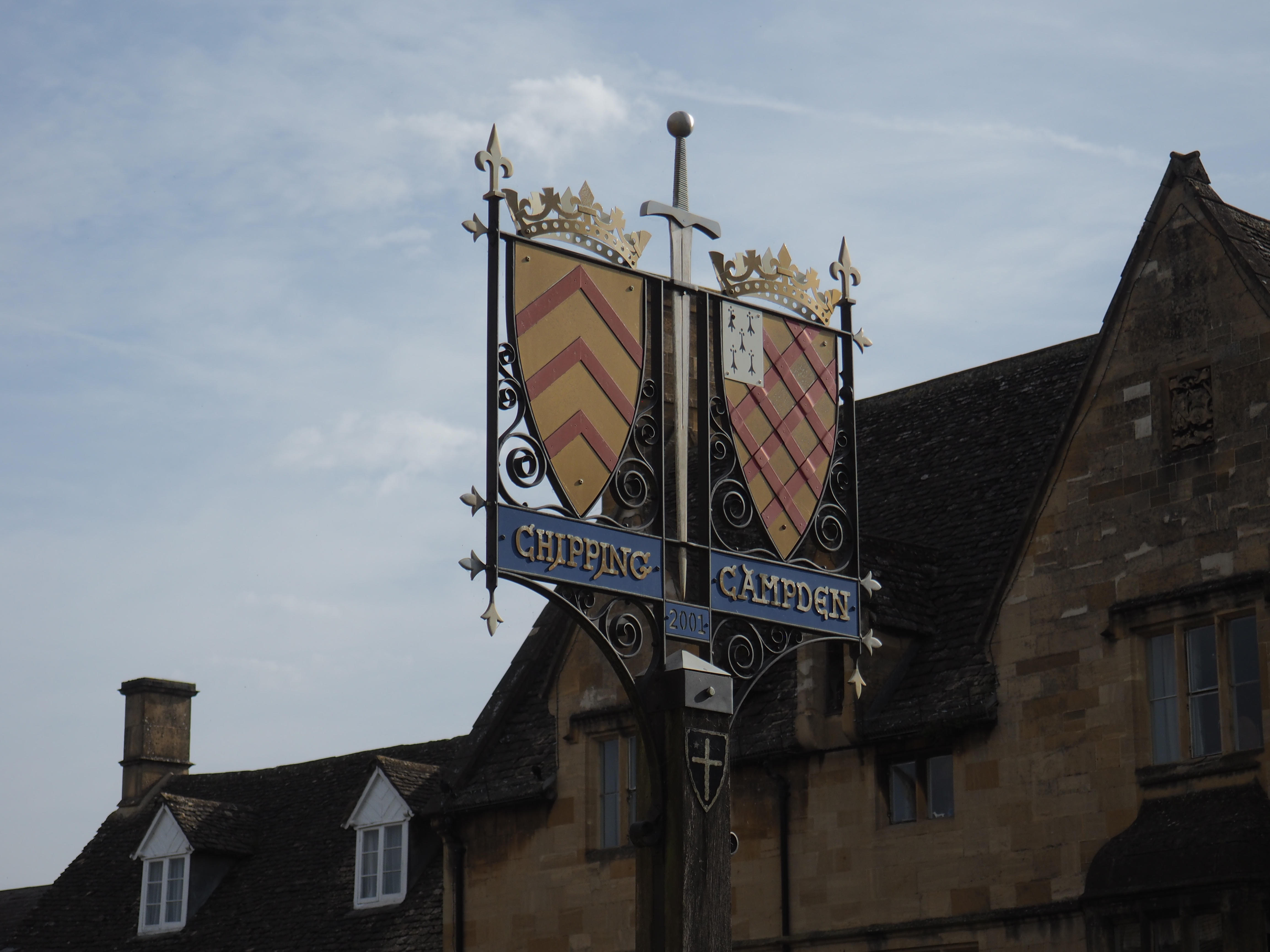
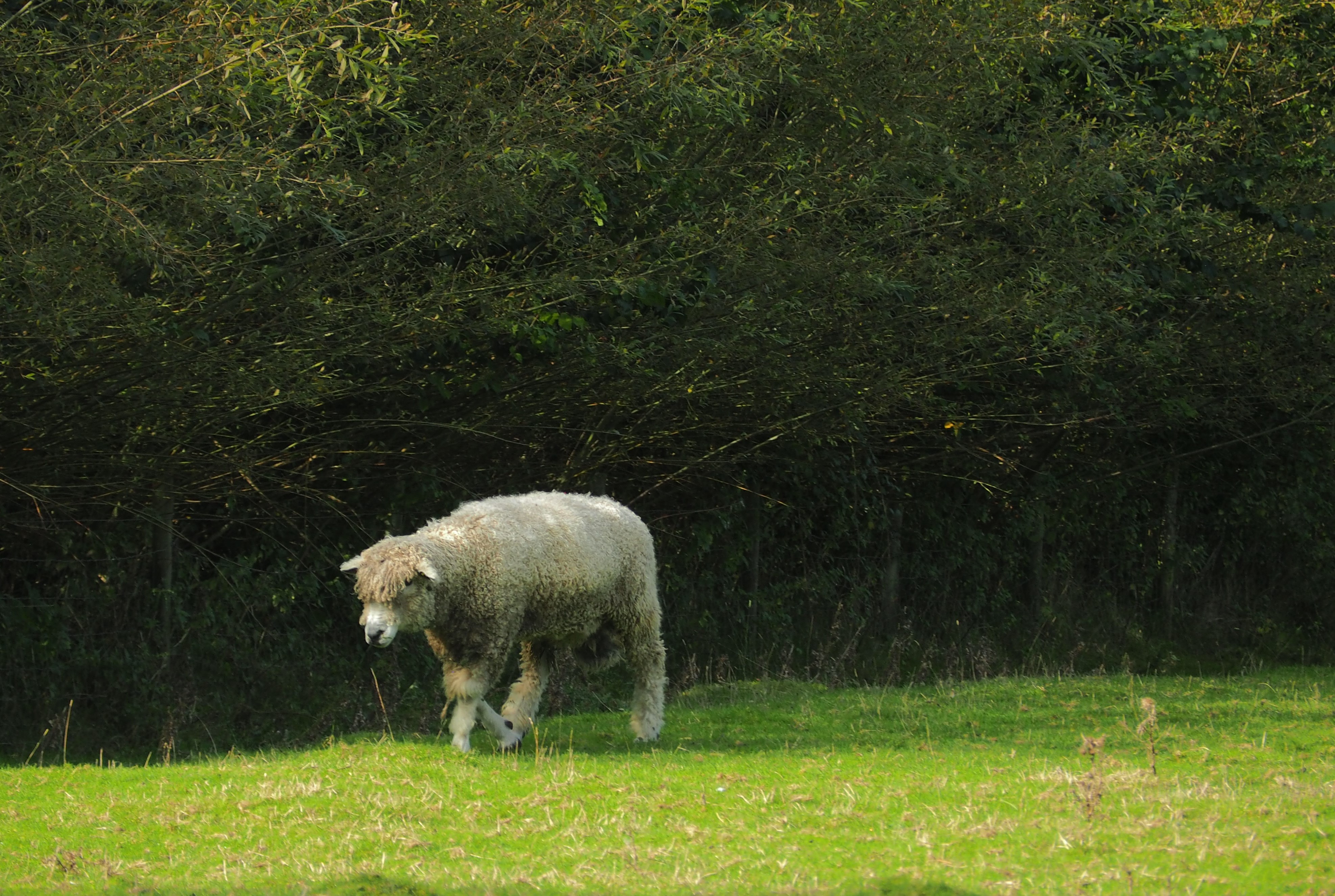
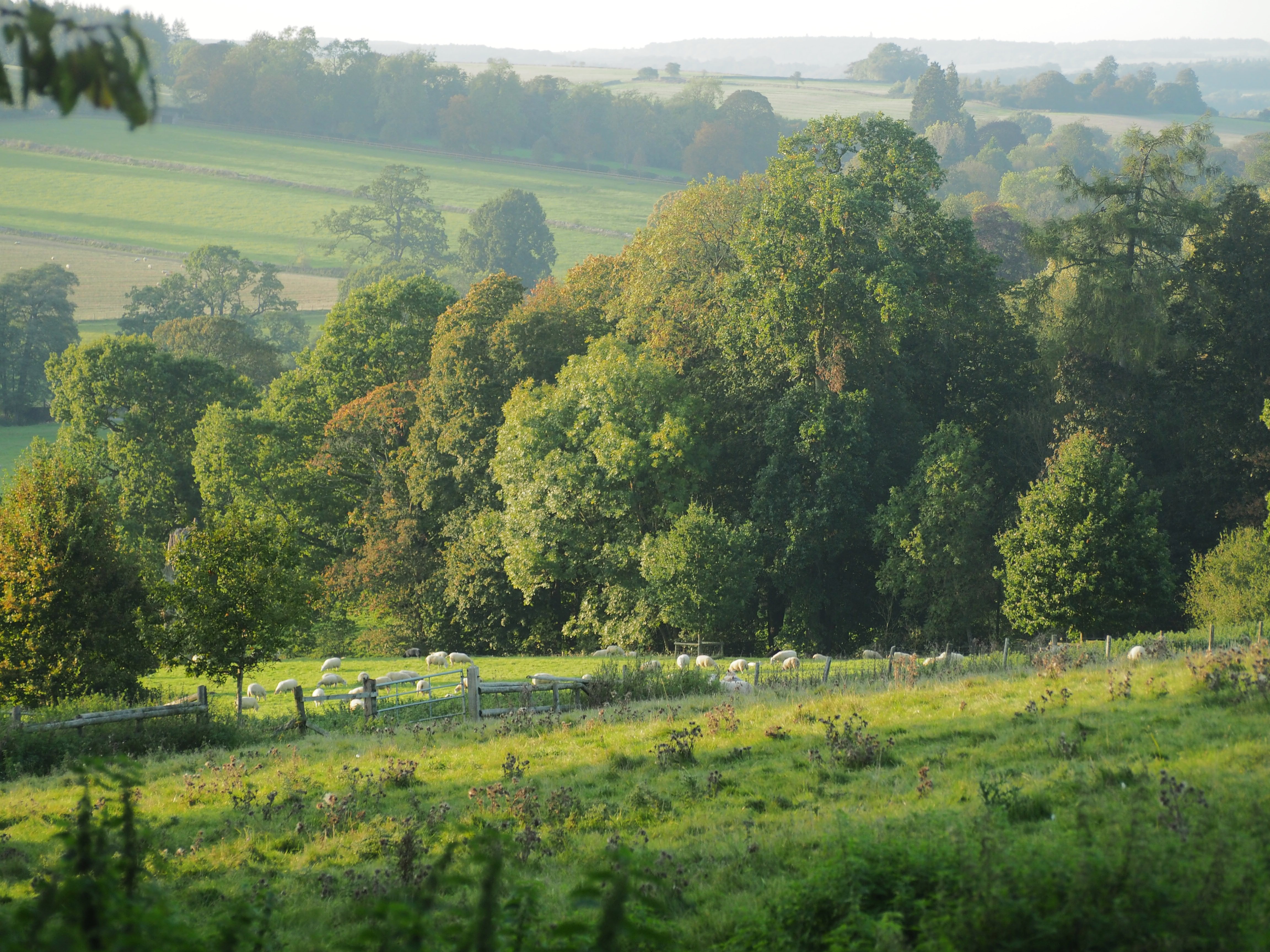
Chipping Campden. The first village we visited was Chipping Campden. If Stow is the Aphrodite of the Cotswold Olympus, then Campden is her Adonis. The word “chipping” is derived from the old English word “ceping” which meant market. Chipping Campden was an important market center for the wool trade. In fact, the word Cotswold is derived from two words: “cot” meaning “sheep enclosure” and “wold” meaning “hill”. And yes folks, plenty of sheep on them hills still thrive today. The locals refer to the breed of sheep in these parts as the “Cotswold Lion” which was nearly extinct but brought back through preservation and they do appear utterly lionesque: strong, sturdy and proud as they strut across the fields and pastures.
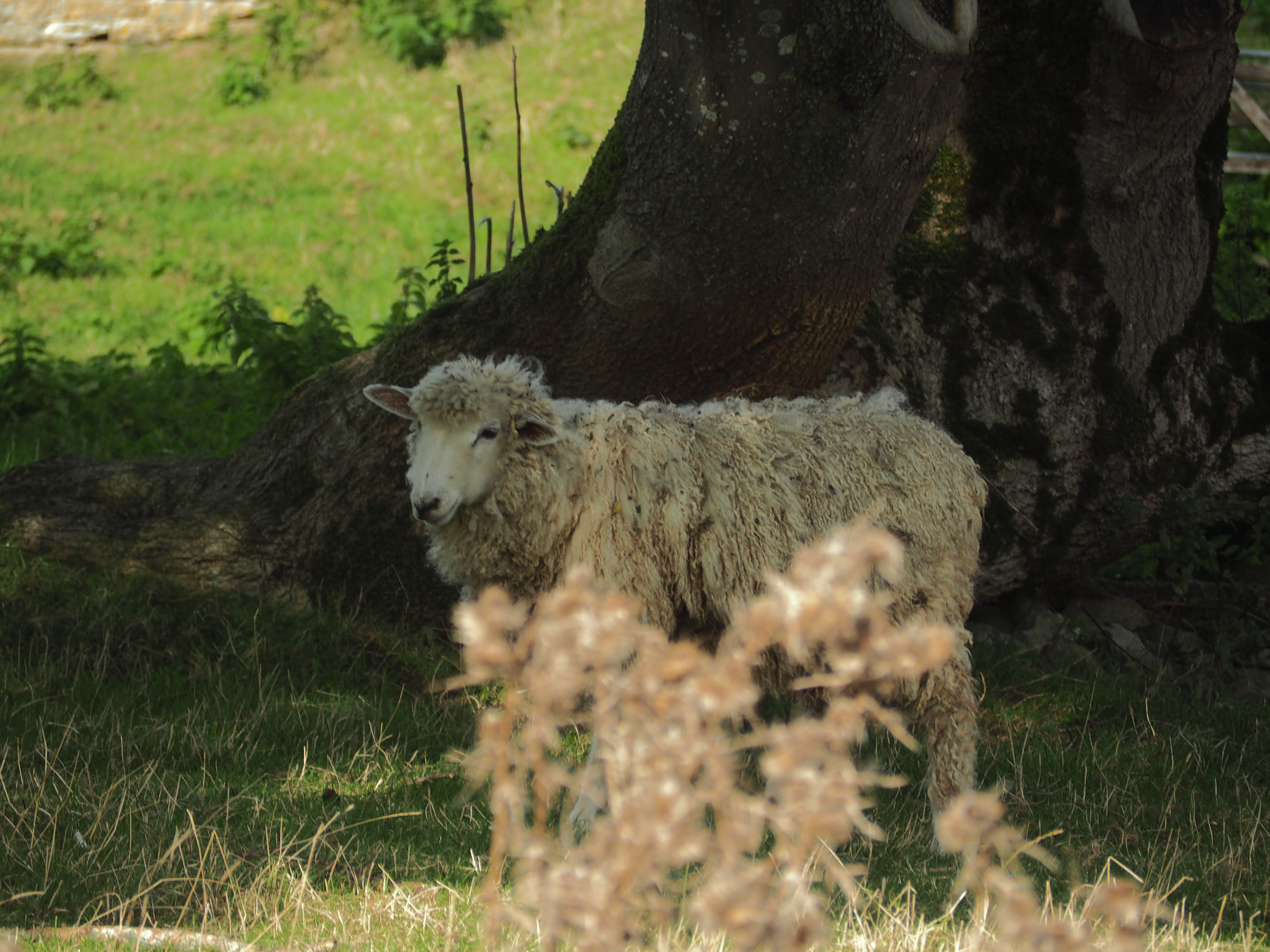
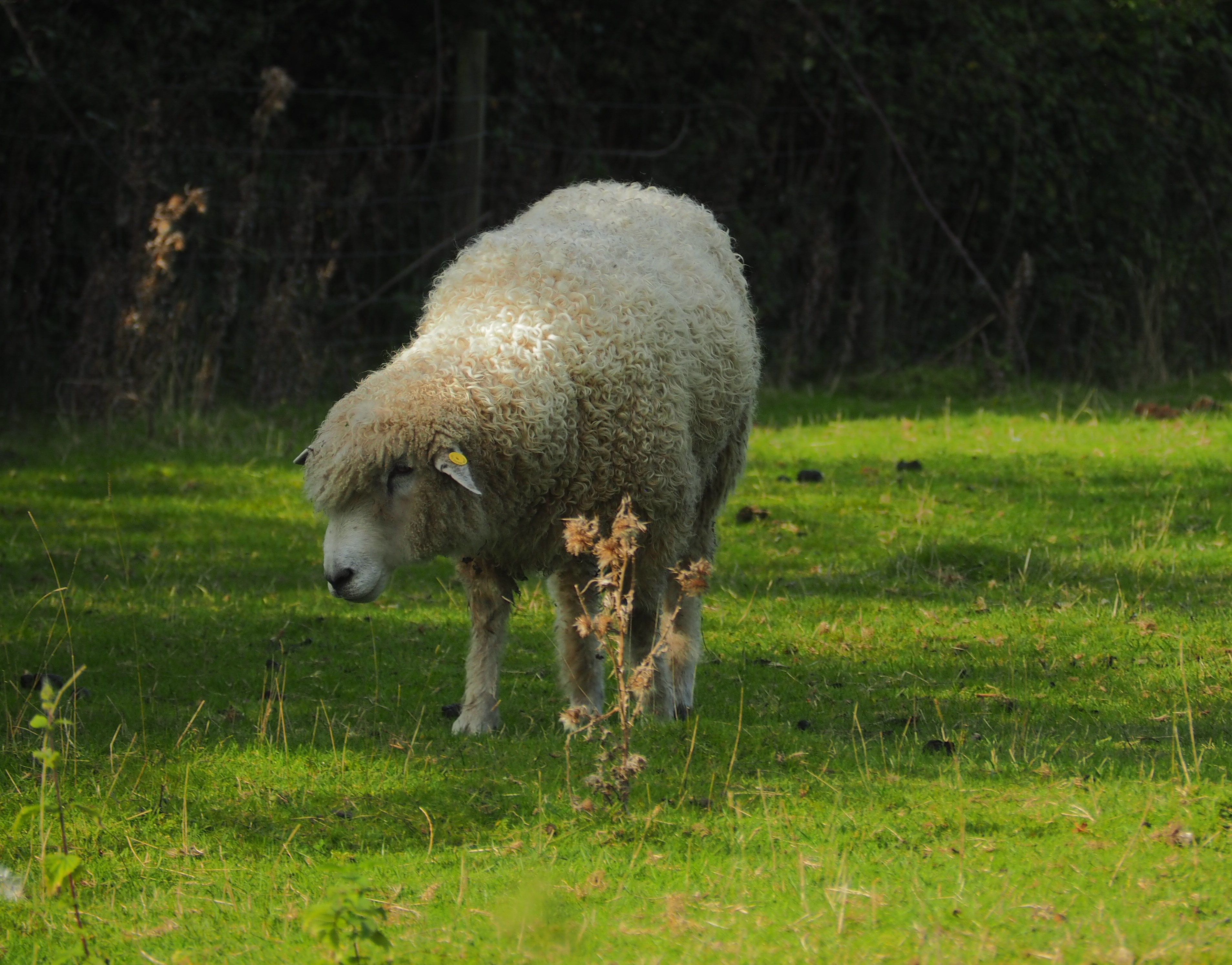
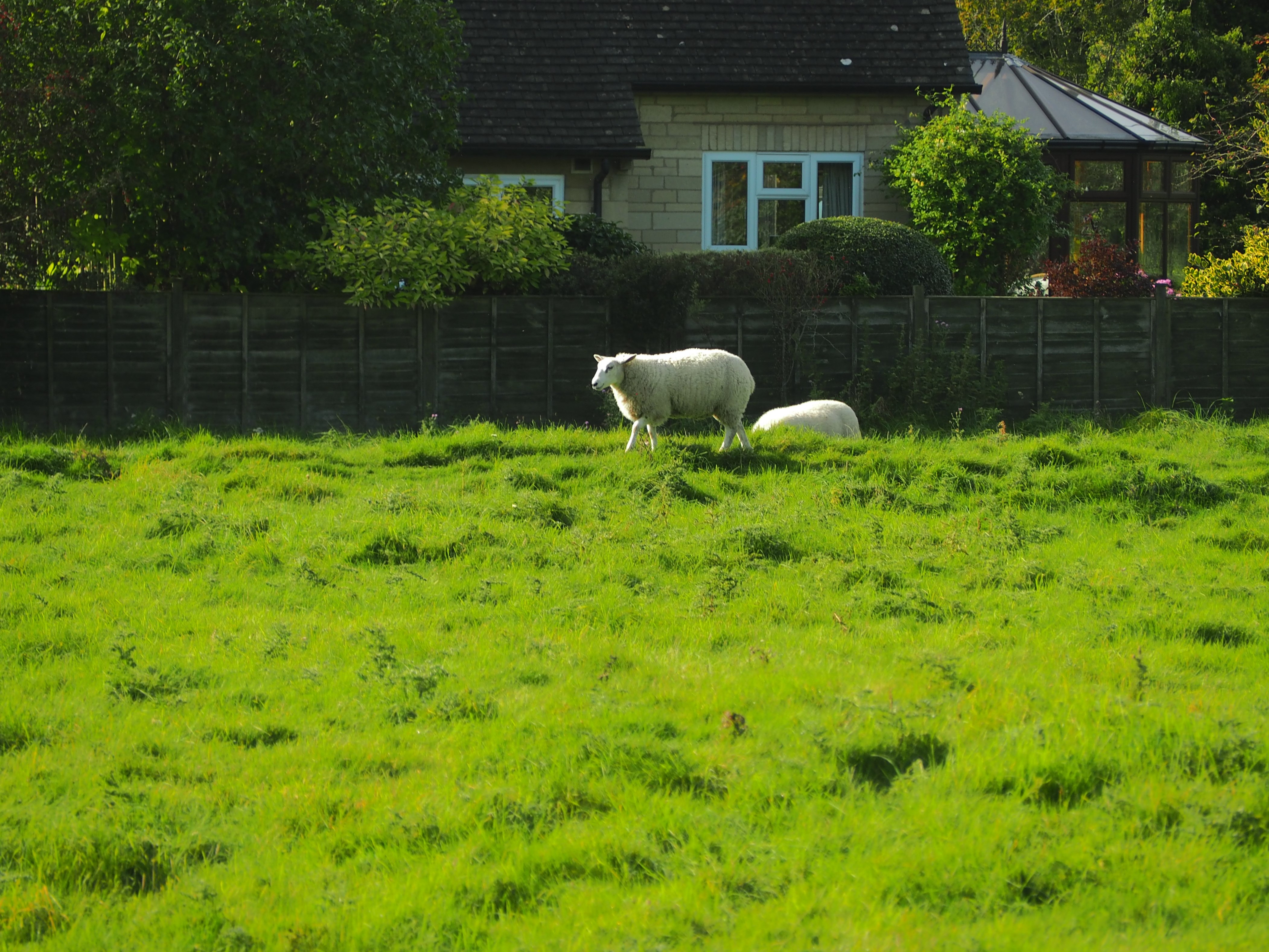
Chipping Campden is as attractive as Stow and also has lots to do in the way of shopping, staying, eating and drinking.



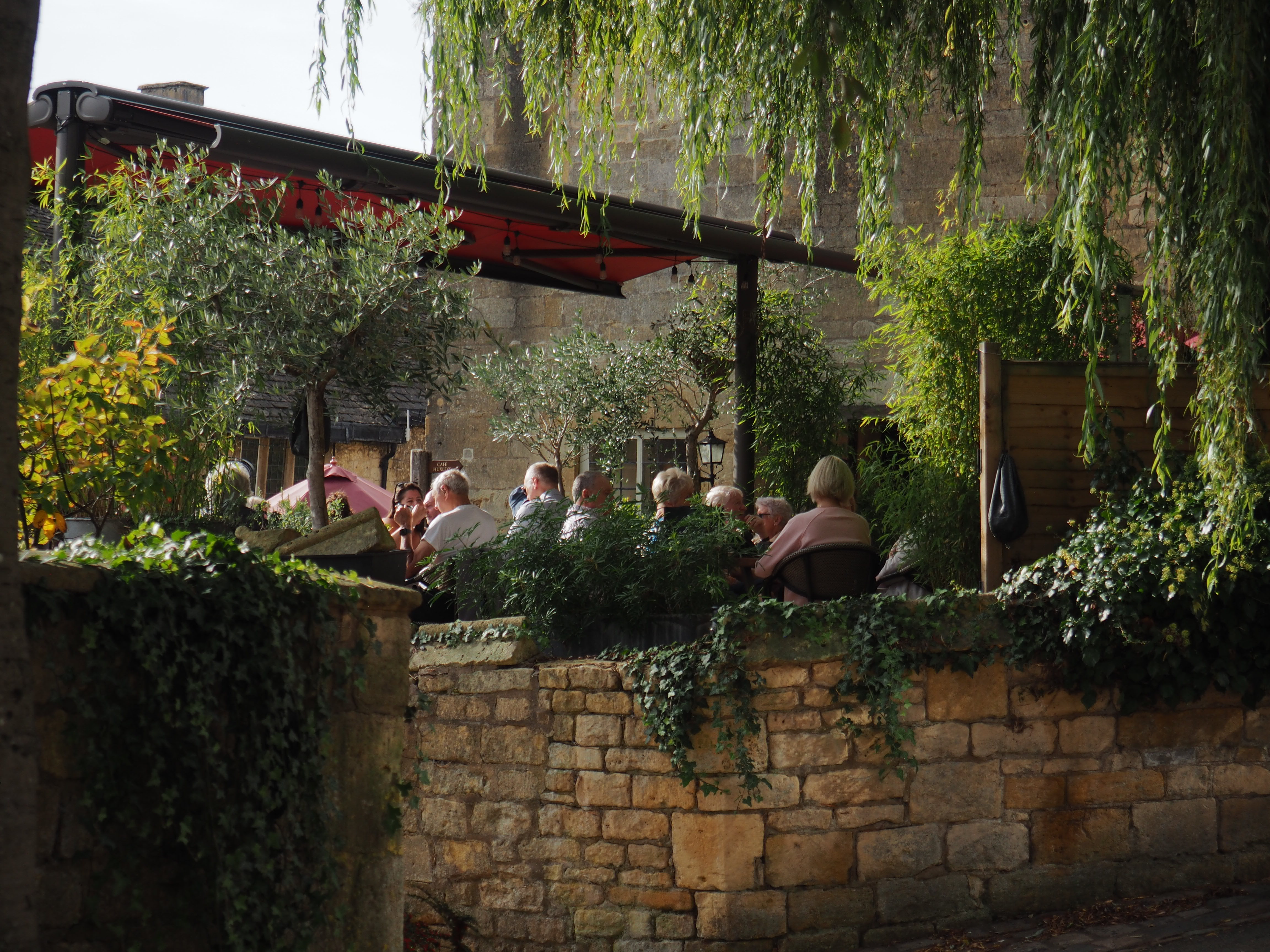
Stratford-Upon-Avon. “Some are born great, some achieve greatness, and some have greatness thrust upon them”. The birthplace and home of Shakespeare certainly makes hay of its most famous son with statues and monuments, his home of birth, the garden which now sits upon the site of the house where he died and the home of Anne Hathaway (his wife). It takes full commercial advantage of the greatness which was thrust upon it by the Bard of Avon.
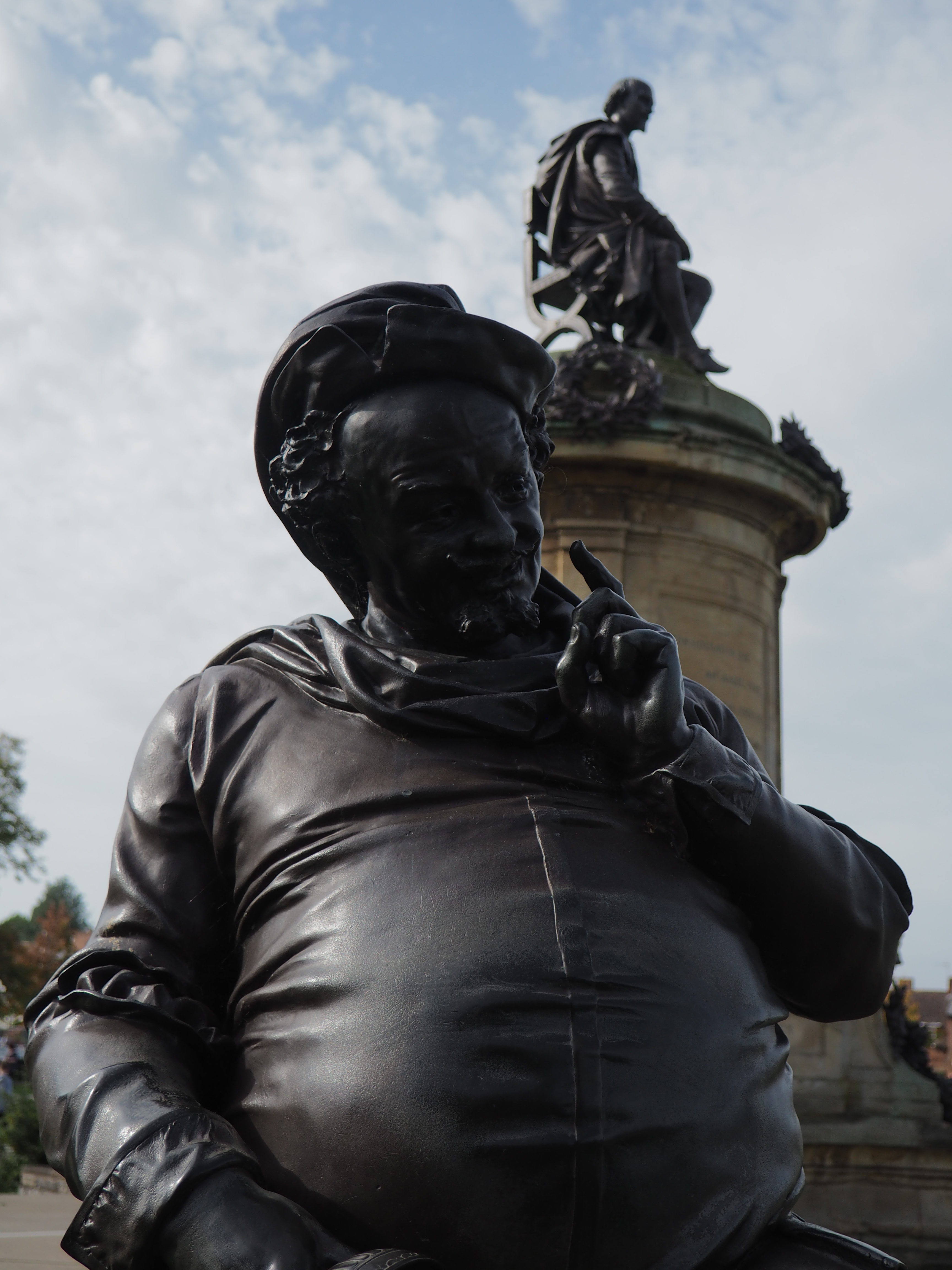
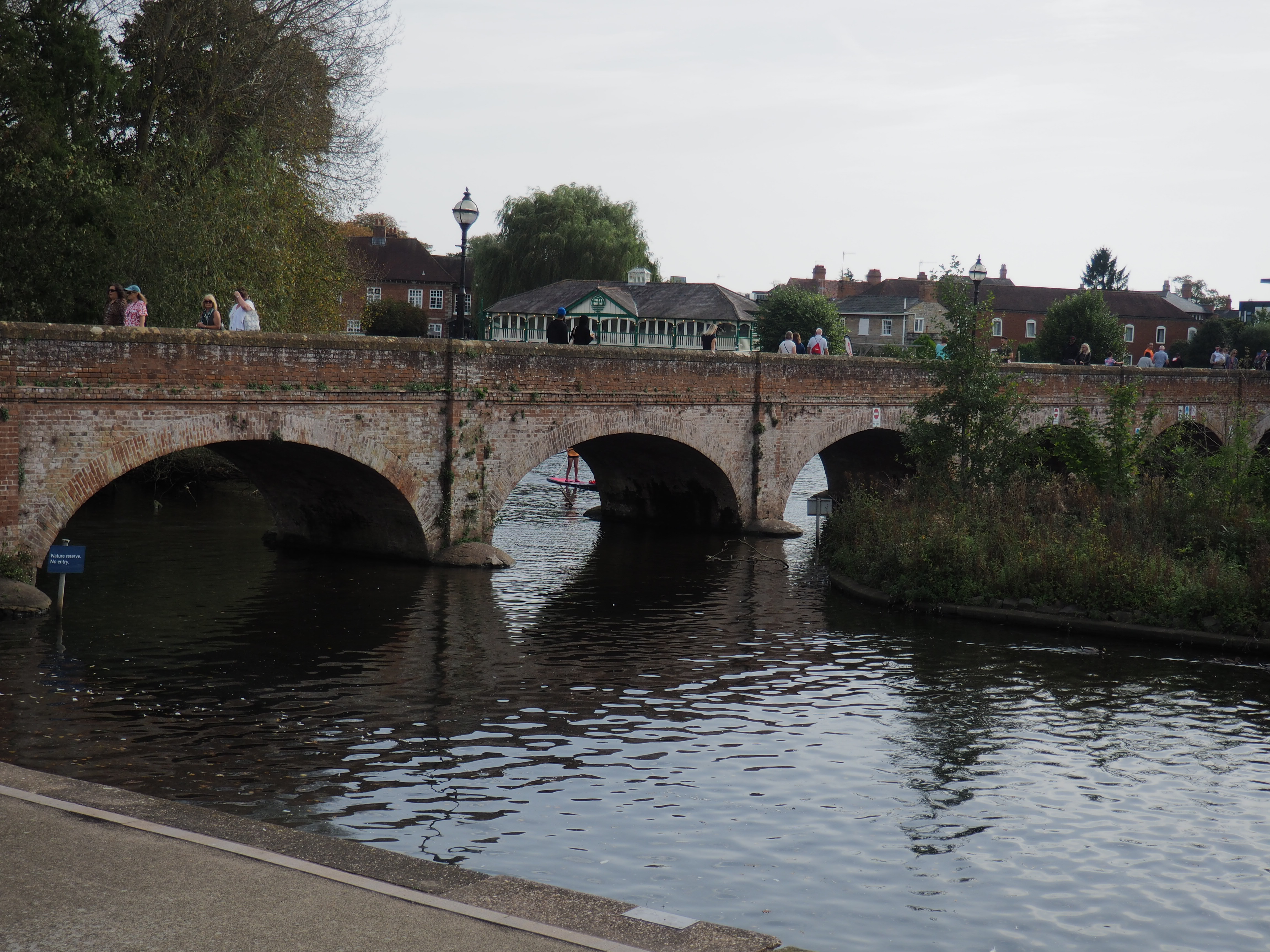
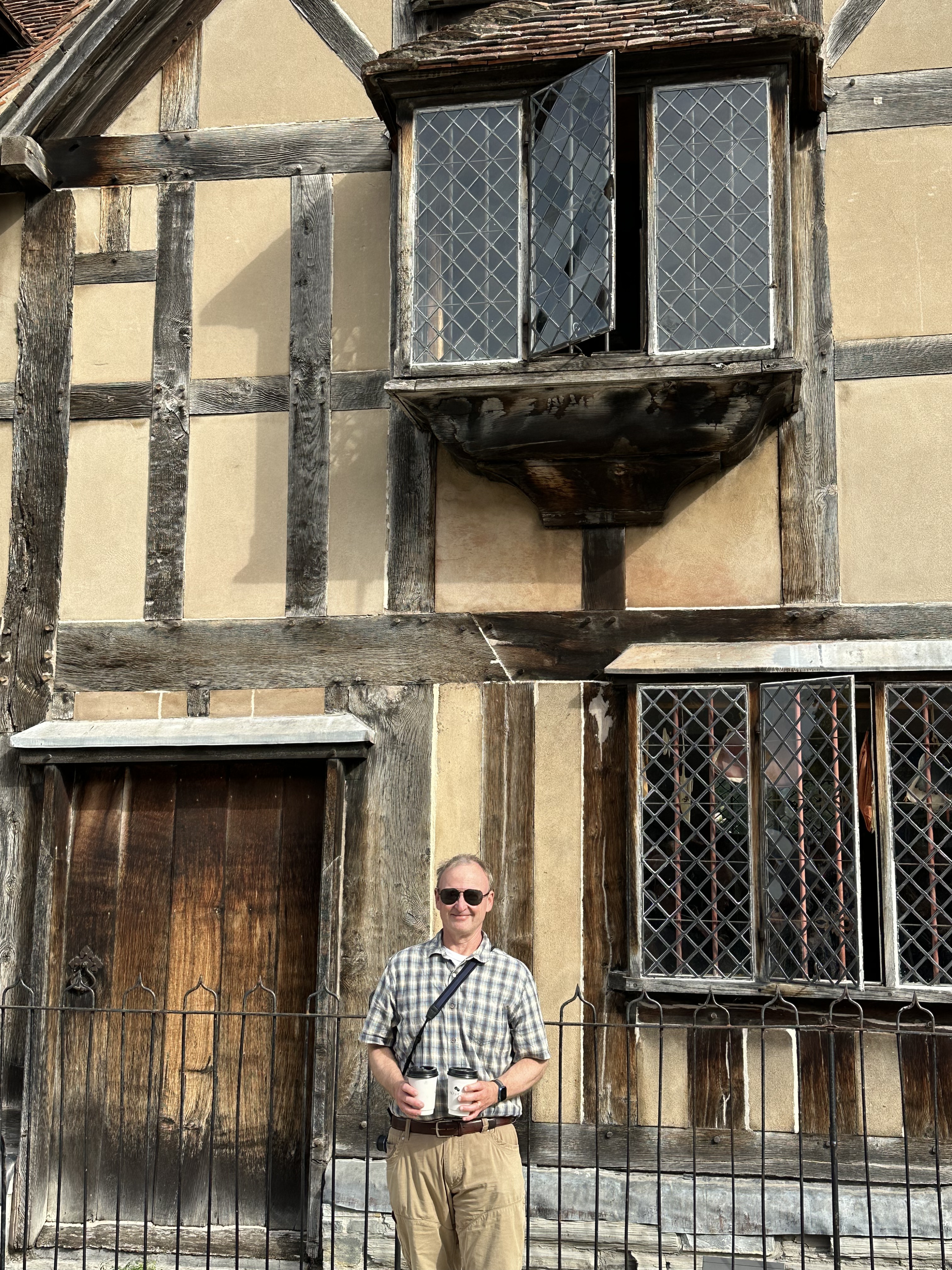
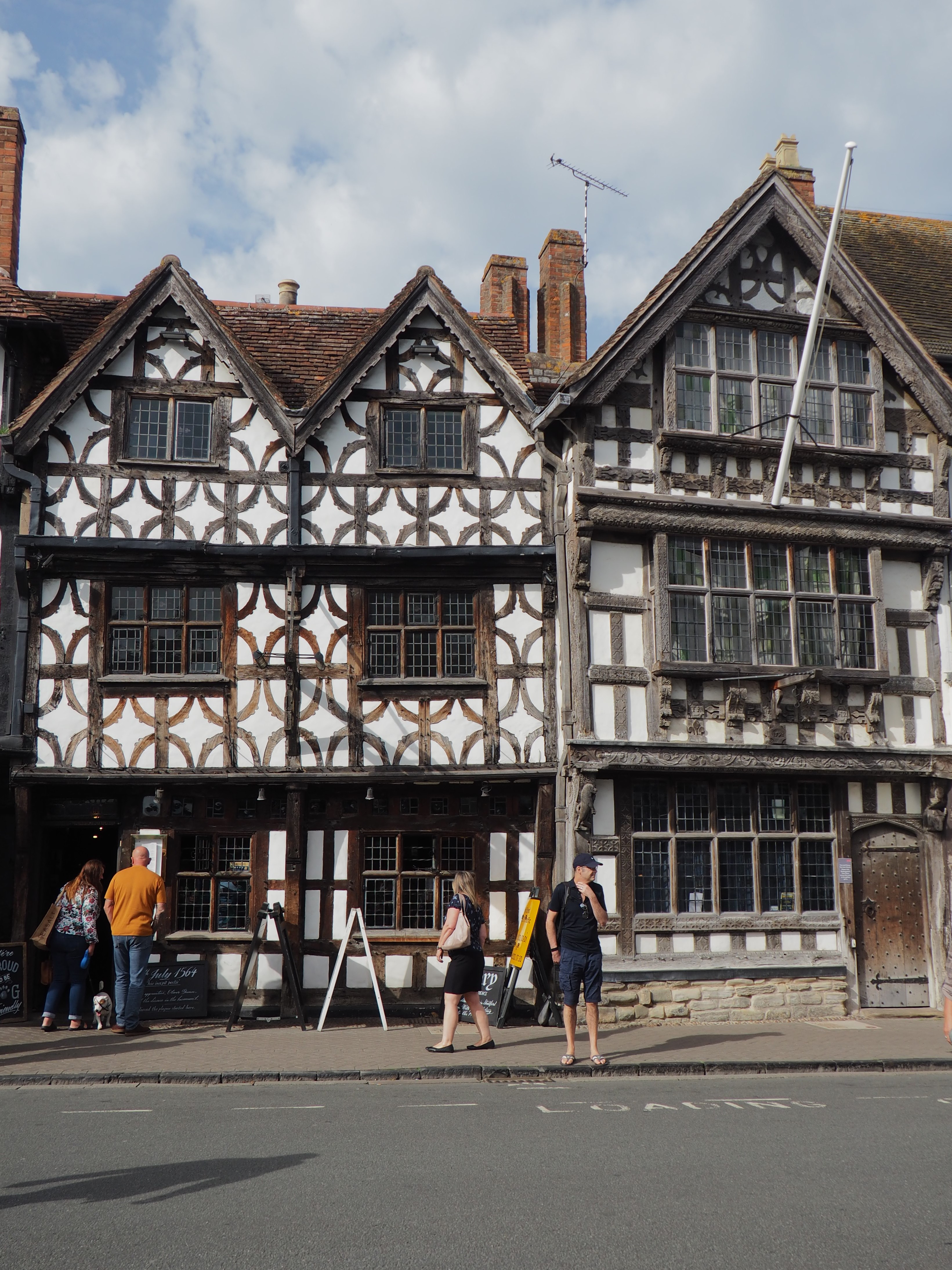
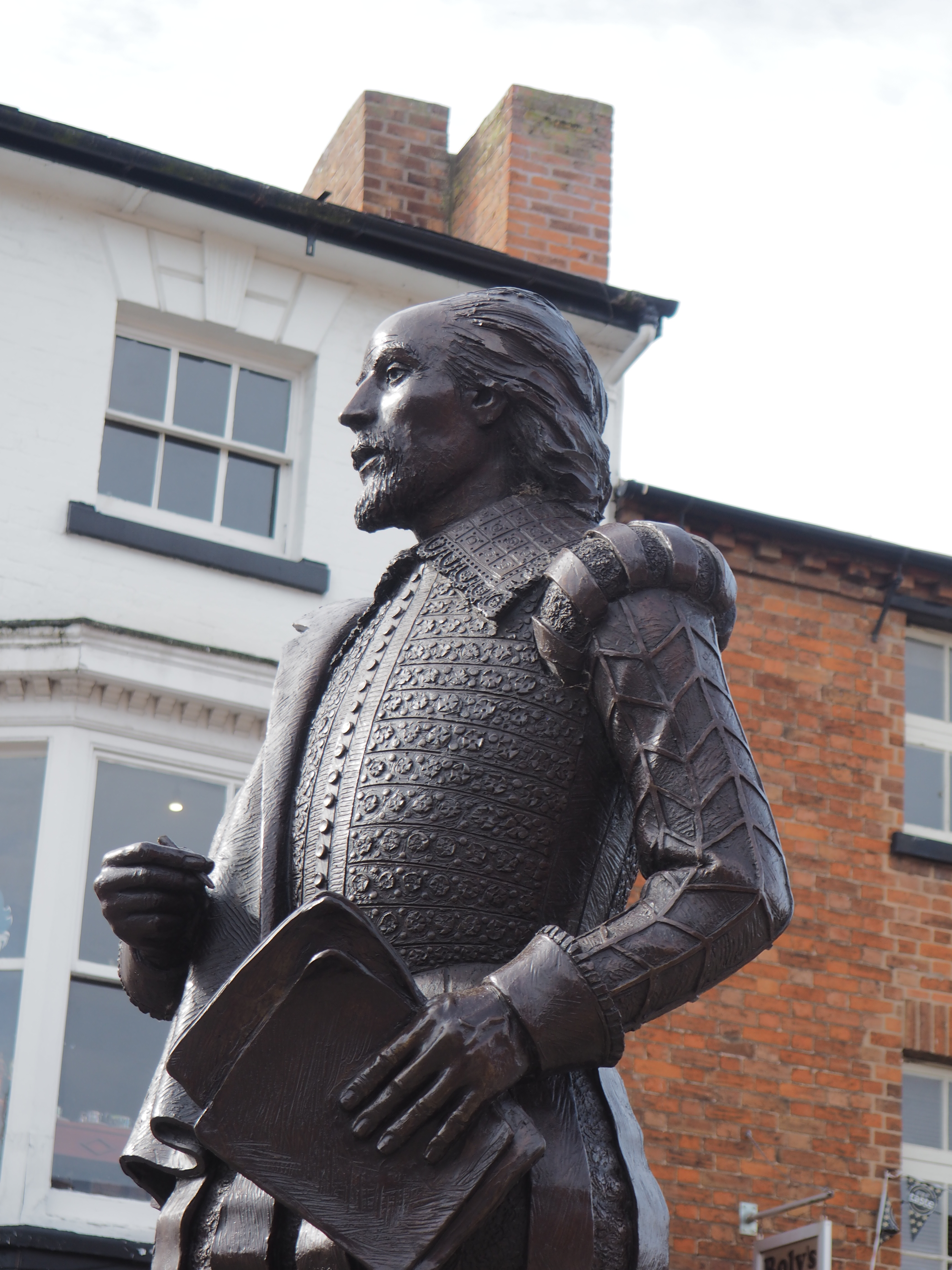
Prepare for traffic and for the masses, even off season of the midsummer madness. Technically, Stratford is north of the Cotswolds and it has a very different, more modern, feel with contemporary buildings surrounding those of the Tudor era. The limestone feel is completely absent in this village. With our appetites for homage to Quill Bill and crowds quenched, we returned home to the more peaceful, soft embrace of Stow.
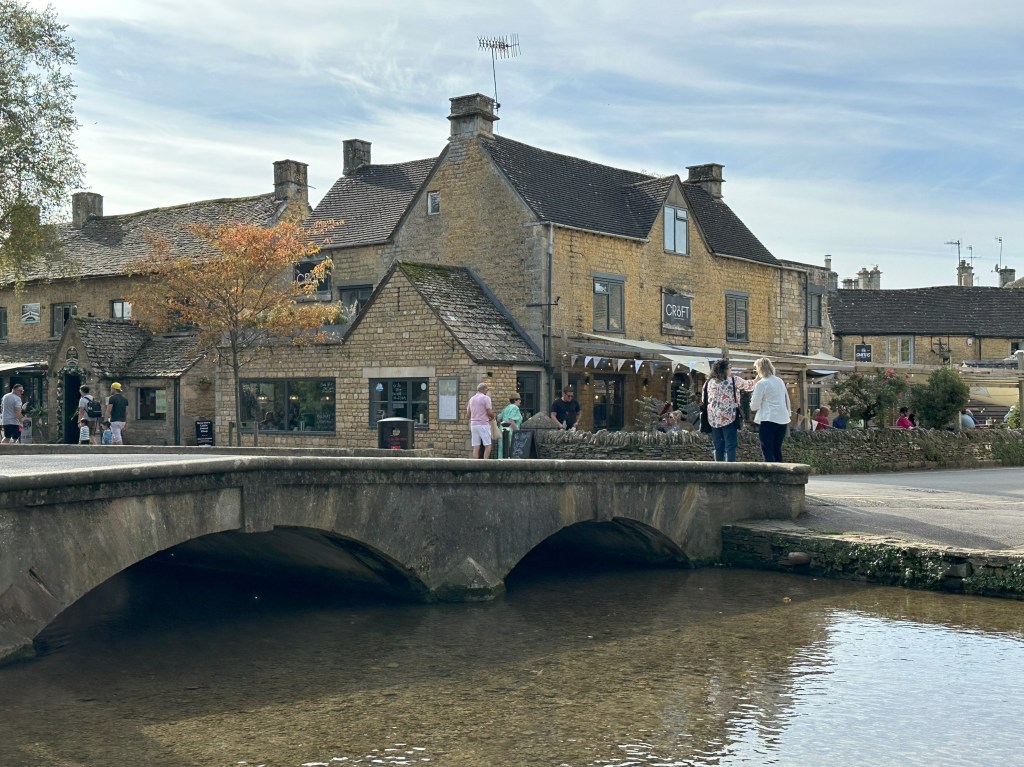
Bourton-on-the-Water. If you’re crafty or love kitsch this is the place for you. The shallow river Windrush trickles through town as tourists and weekenders stop and pose for selfies on its myriad of bridges. This is the Cupid of the Cotswolds.
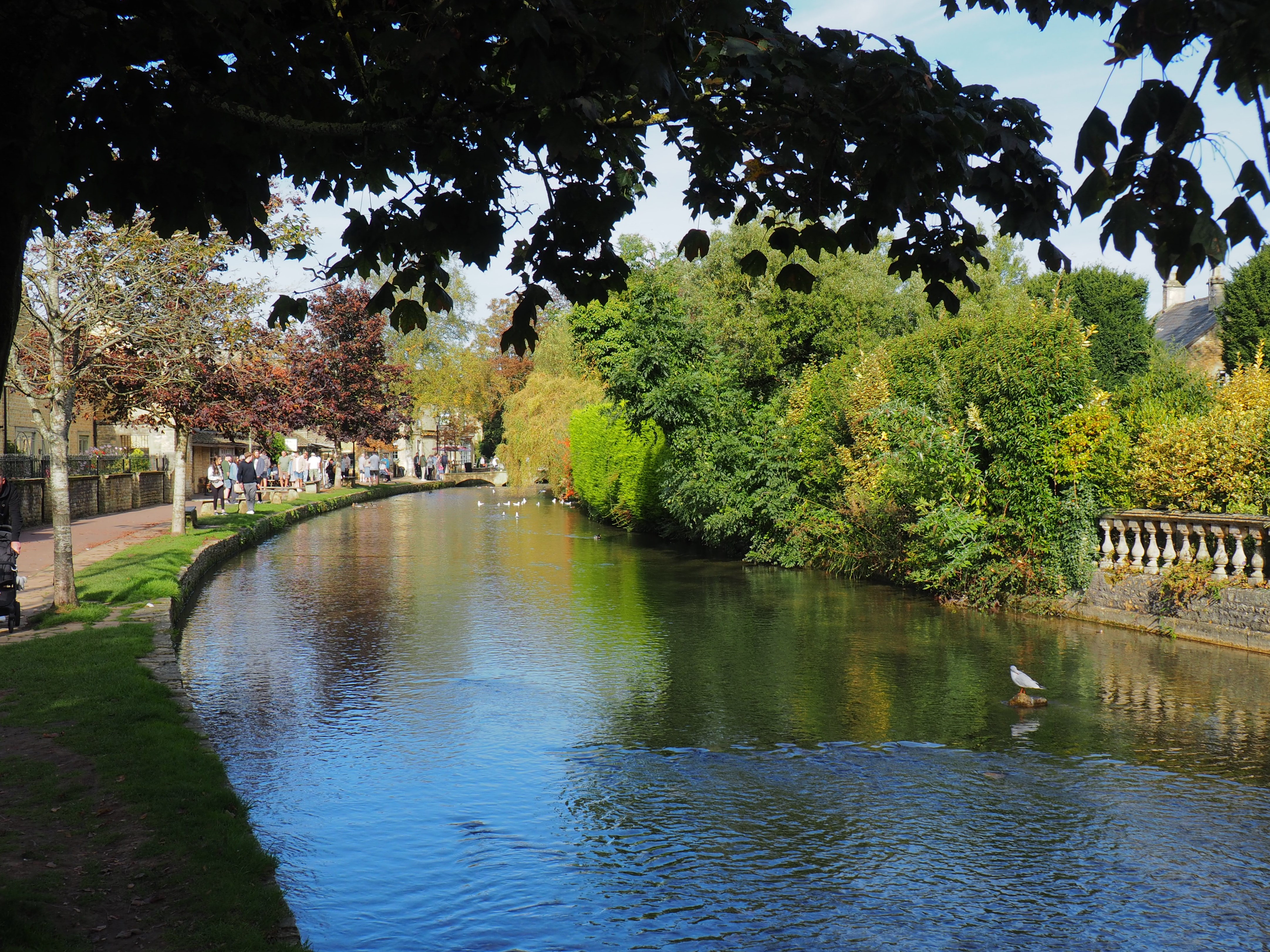
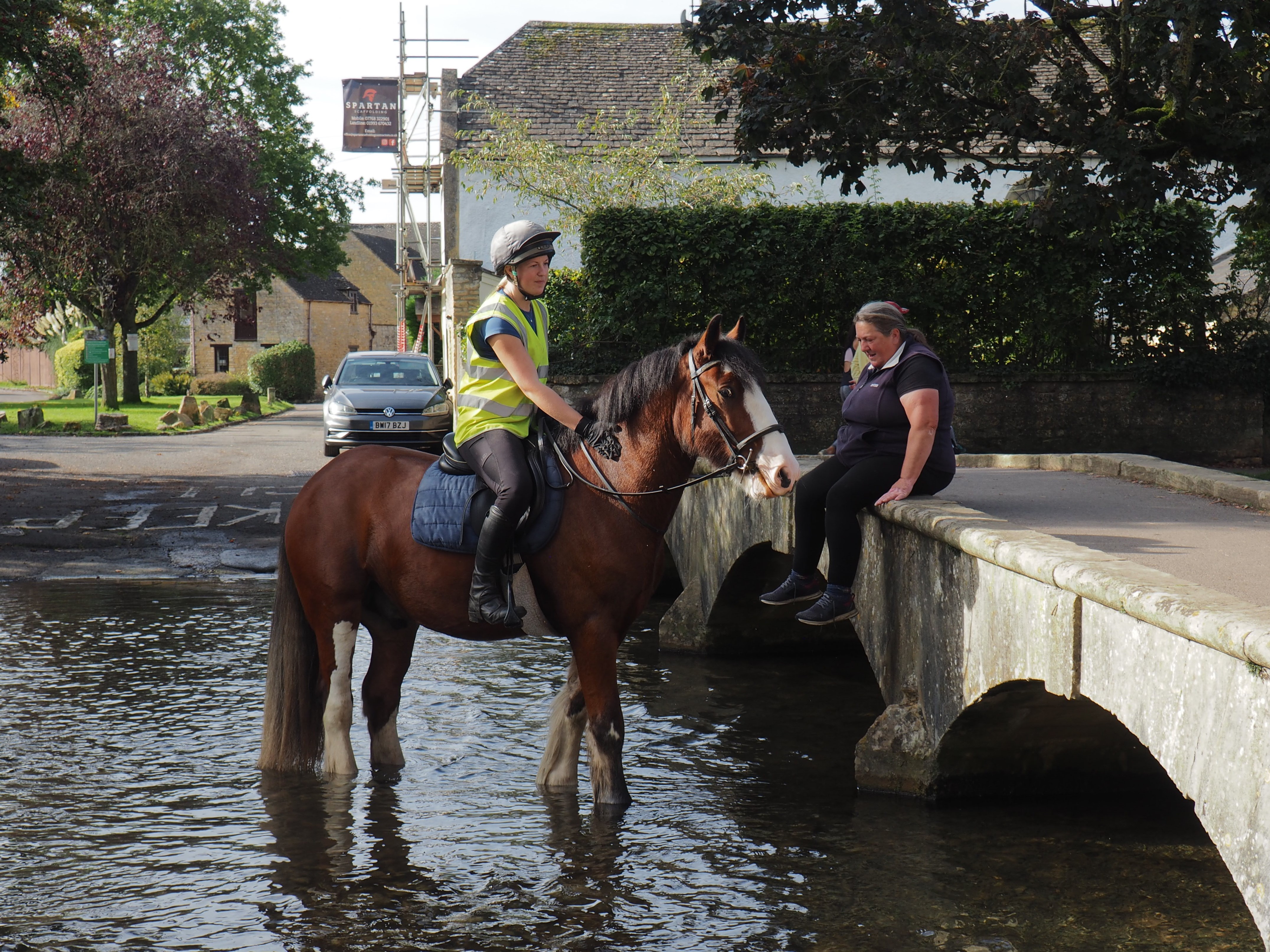
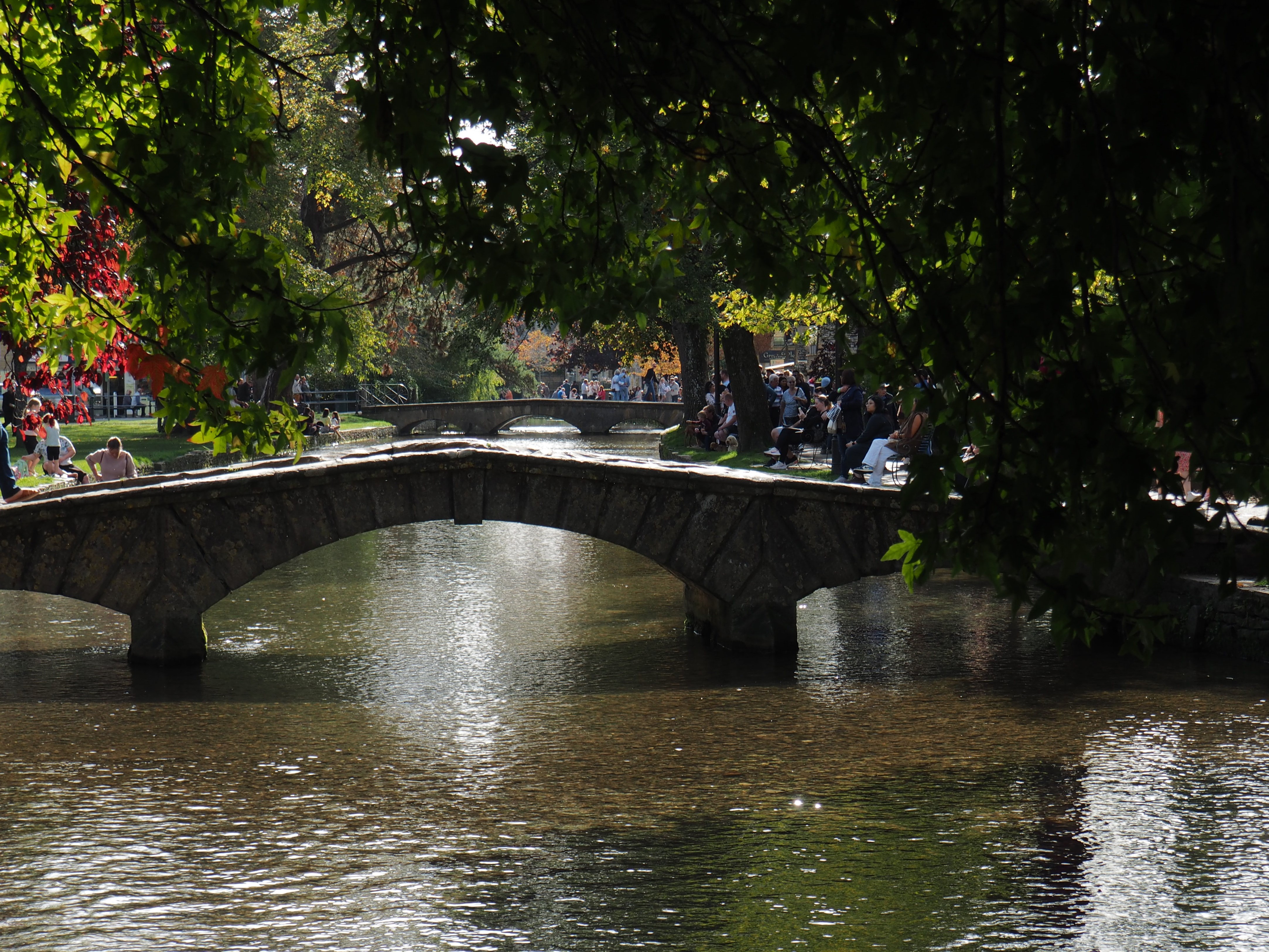
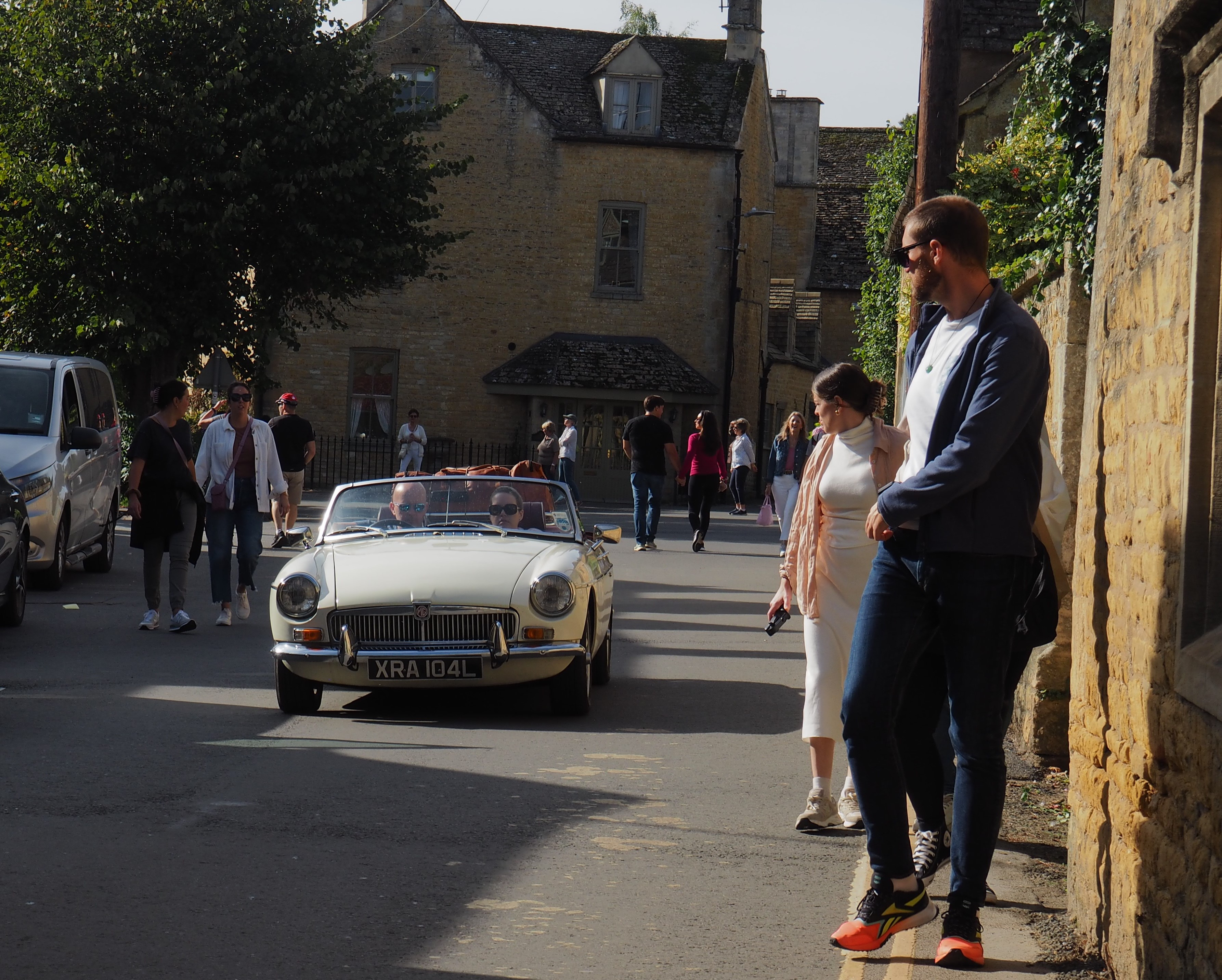
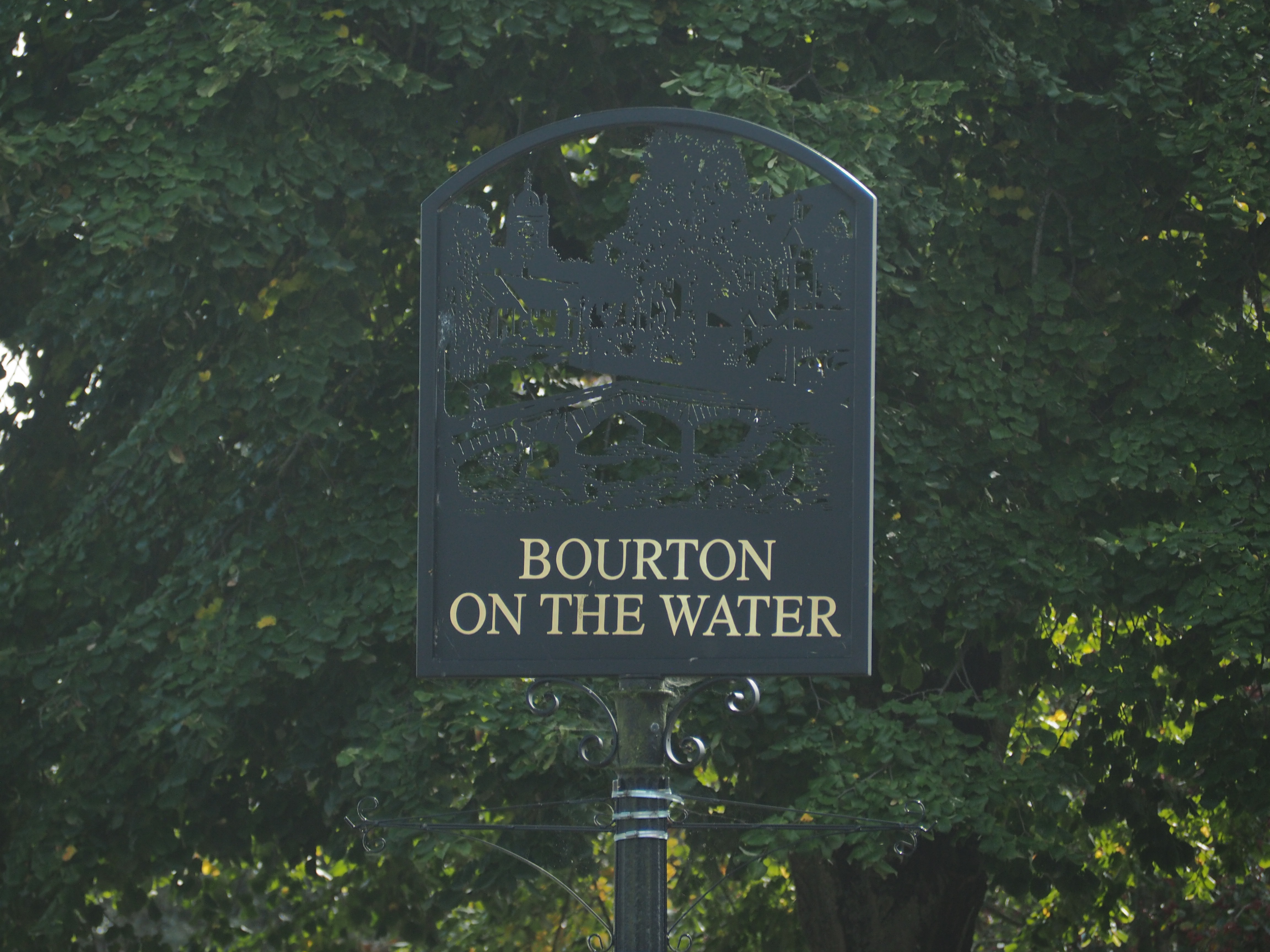
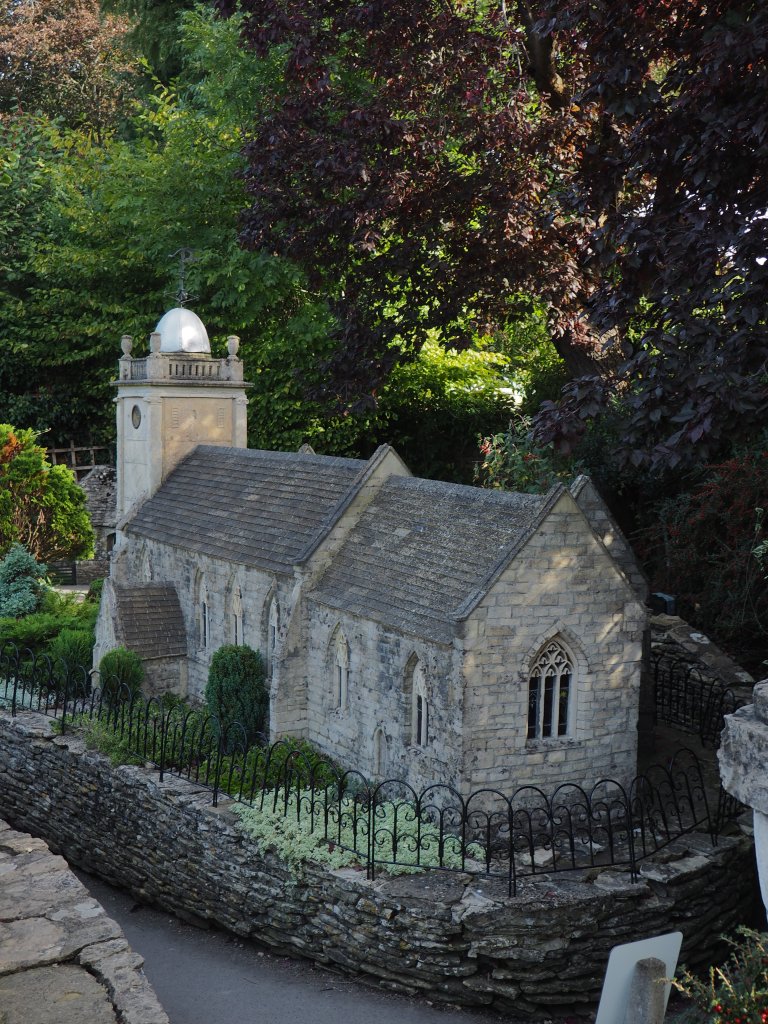
The miniature village, built in 1936, is worth it even if you are childless. There’s also an award winning Motor Museum and lots of cafes, shops and restaurants in which you can while away some time.


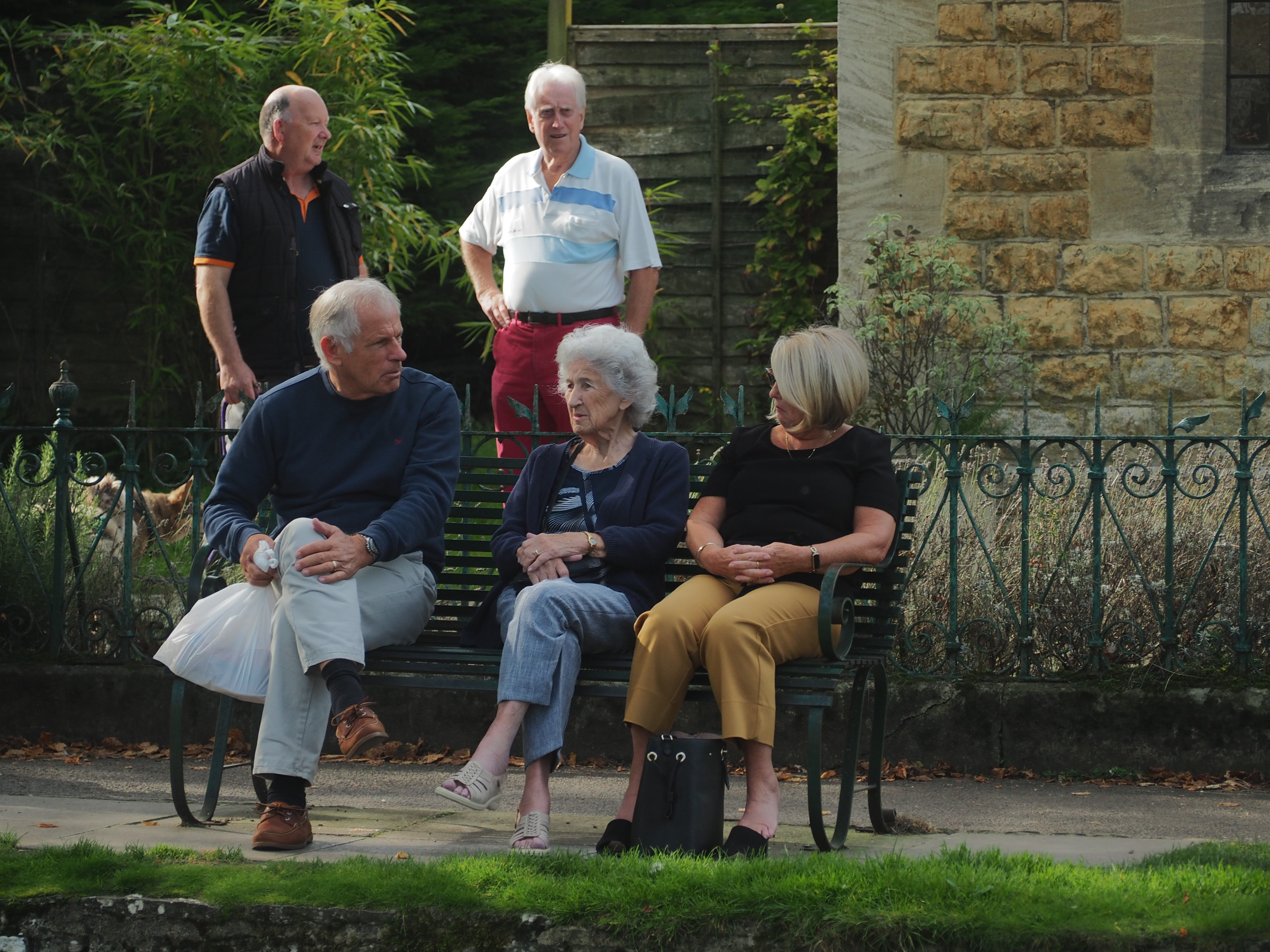
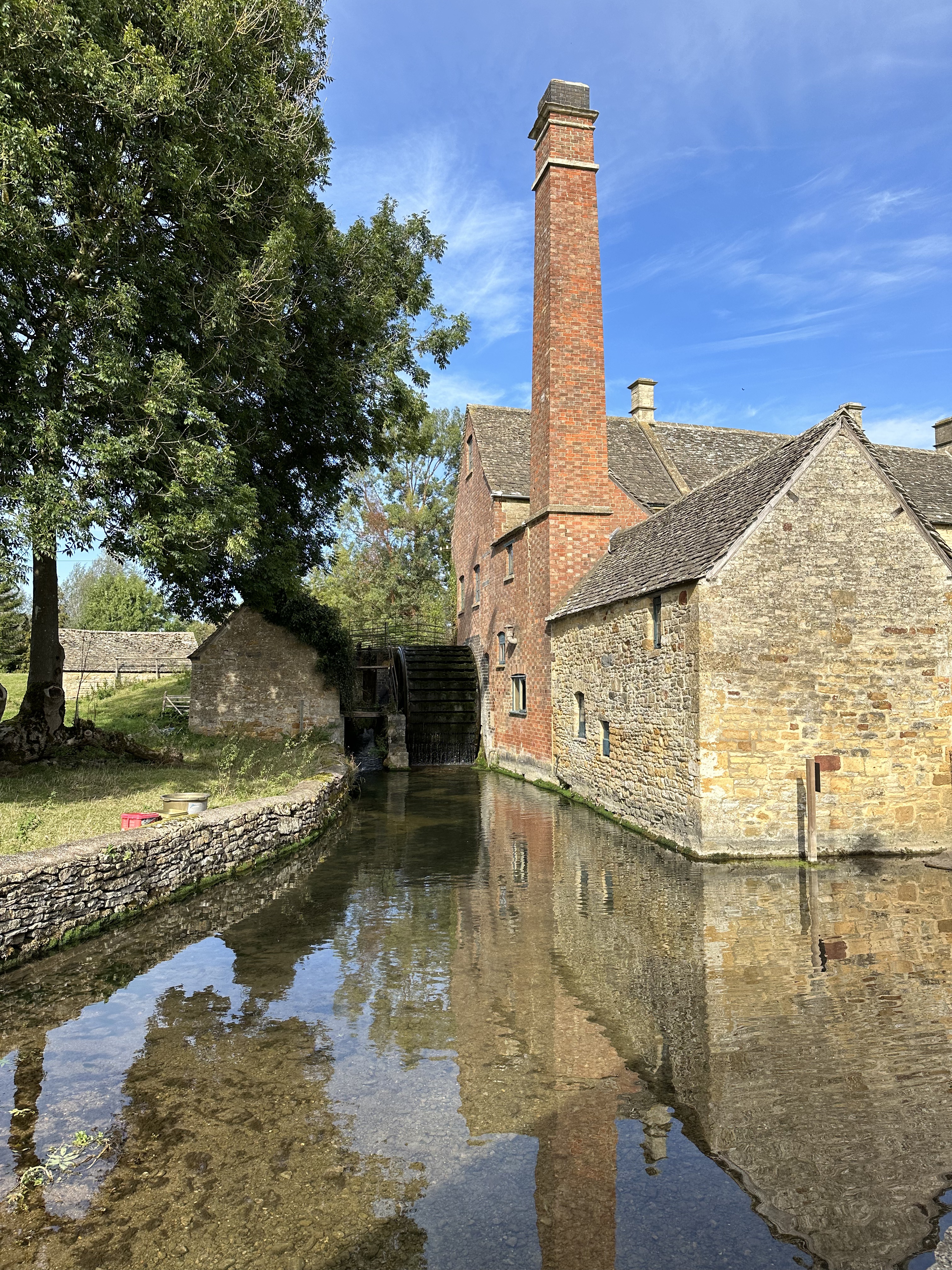
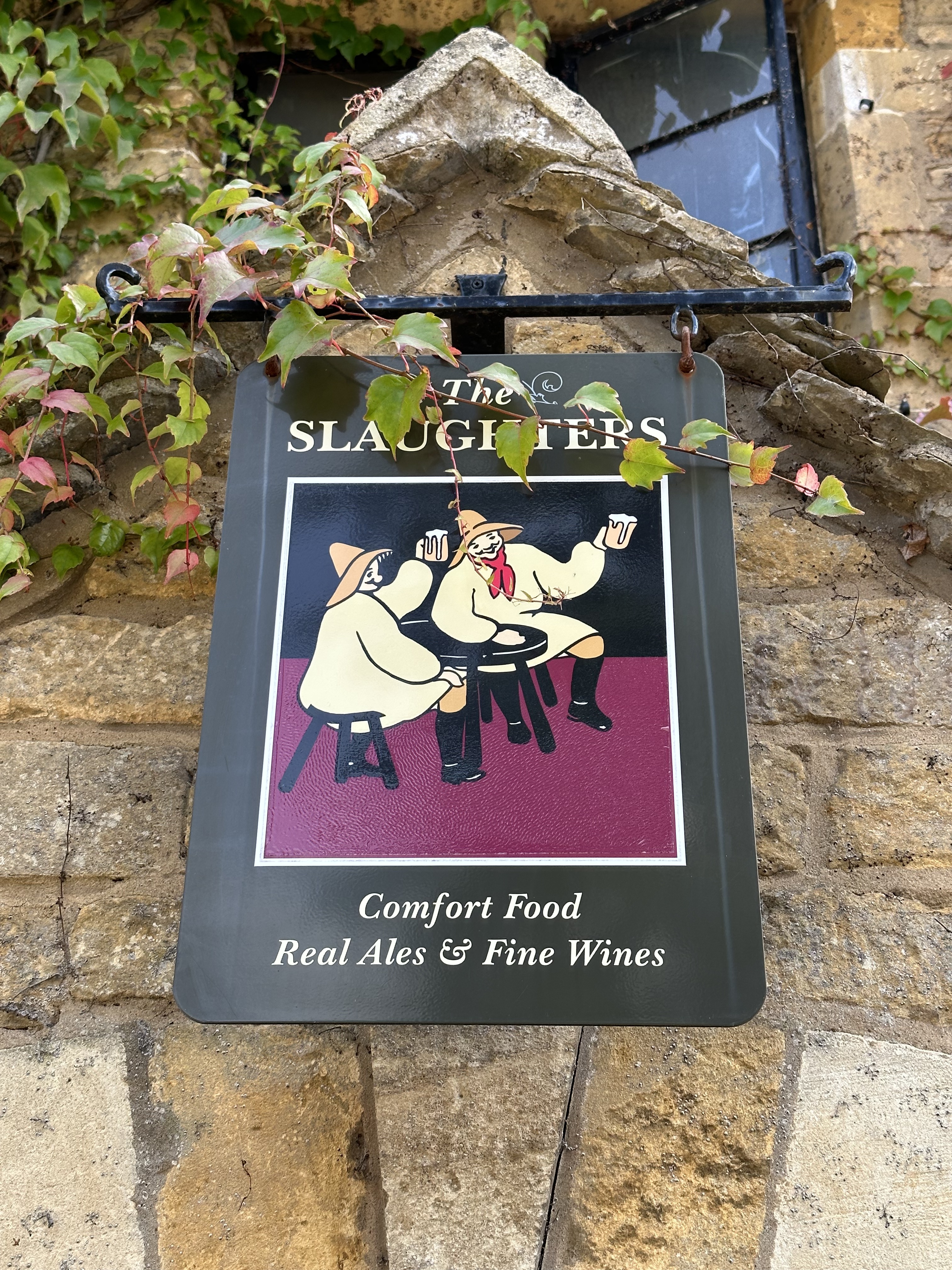
The Slaughters. Nope, these aren’t the Amityvilles, Salems or Newt, Texases of the Cotswolds, the name slaughter is derived from the old English word, “slothre”, for “muddy”. Today, the mud is gone but the charm remains. Much quieter than its next-door neighbors Bourton and Stow and, as such, there are limited shopping and dining options, so they are really more about a meal out at the local hotel pub, a walk around, strolling by the River Eye and seeing some local Cotswold lions.

Our tip for visiting the Cotswolds if you’re here on season or on a weekend, especially with brilliant weather, would be to get to the busier towns early. The parking lots fill up and the crowds descend. The villages are all so close to each other that you can hit a busy one first and then spend the rest of your time meandering to and walking around the less trafficked ones.
The busiest we visited were Broadway (where we tried to stop for lunch but it was so busy we couldn’t even find a spot to park on the street or in any of its three pay lots), Stratford (lots of sizable parking lots but we came here early and the queue to get into town was backed up considerably as we left) and Bourton (learning our Saturday lesson, we arrived mid-morning on Sunday but as we were leaving, the coaches had arrived and the parking was getting scarce). The rest were all manageable even on a shoulder season Saturday or Sunday with beautiful weather.
It was one of those perfect fall weekends, warm with slight breezes reminiscent of summer, where the fading autumn sunlight filtered down casting a golden hue on the limestone-walled buildings of the Cotswolds. And after three months and nearly 5,000 miles driven across England, Scotland, the Isle of Mann and Wales it, and our beautiful weather, were the perfect nightcap and dessert to our summer tour.

Sources:
1. https://www.discoverwalks.com/blog/london/top-10-unbelievable-facts-about-the-cotswolds/
2. https://www.guidelondon.org.uk/blog/beyond-london/top-10-facts-cotswolds/
3. https://wandereroftheworld.co.uk/the-prettiest-towns-and-villages-in-the-cotswolds/
 The Traveling Ridleys
0 comments on “Closing Out the UK in the Cotswolds”