


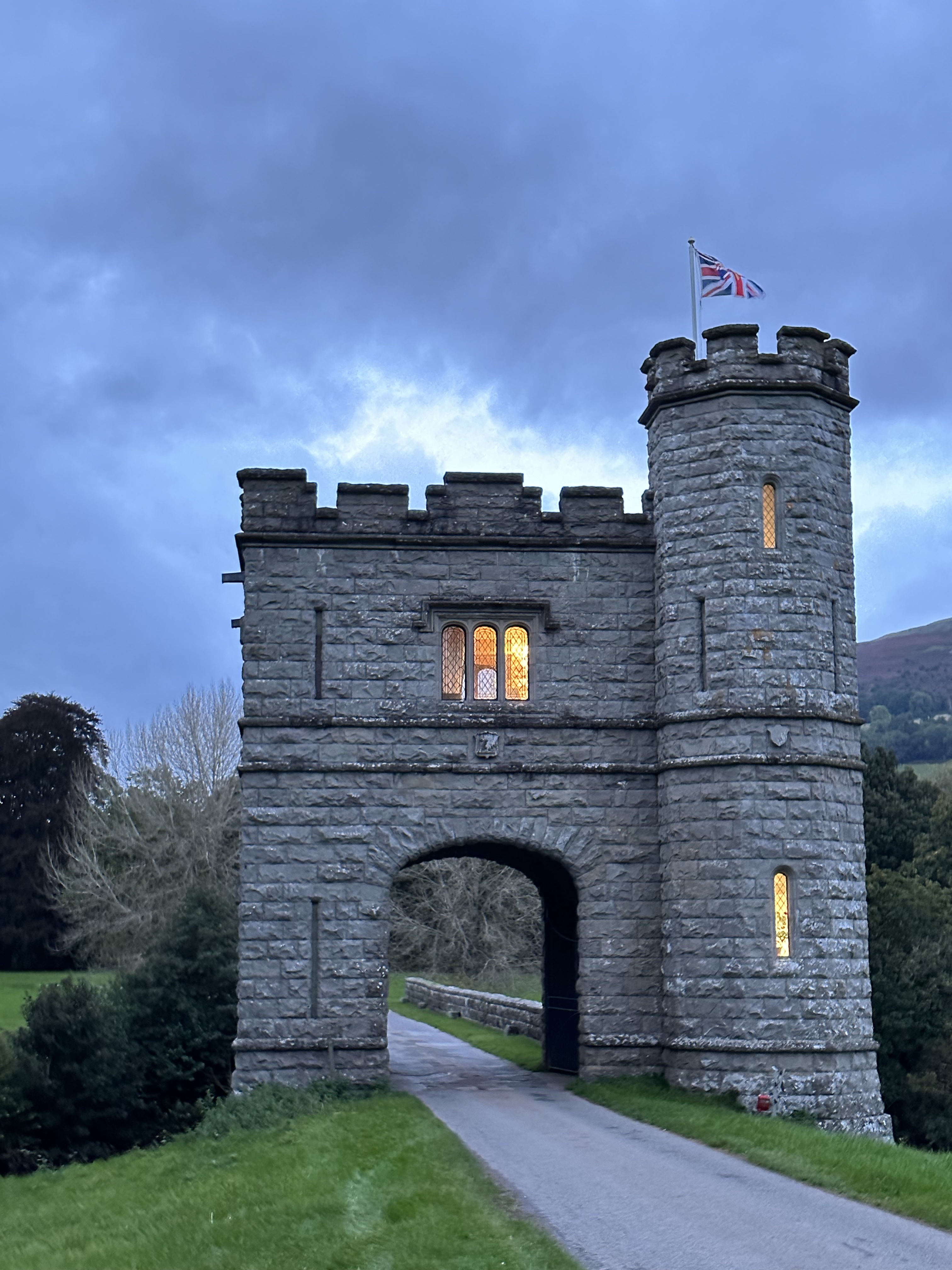
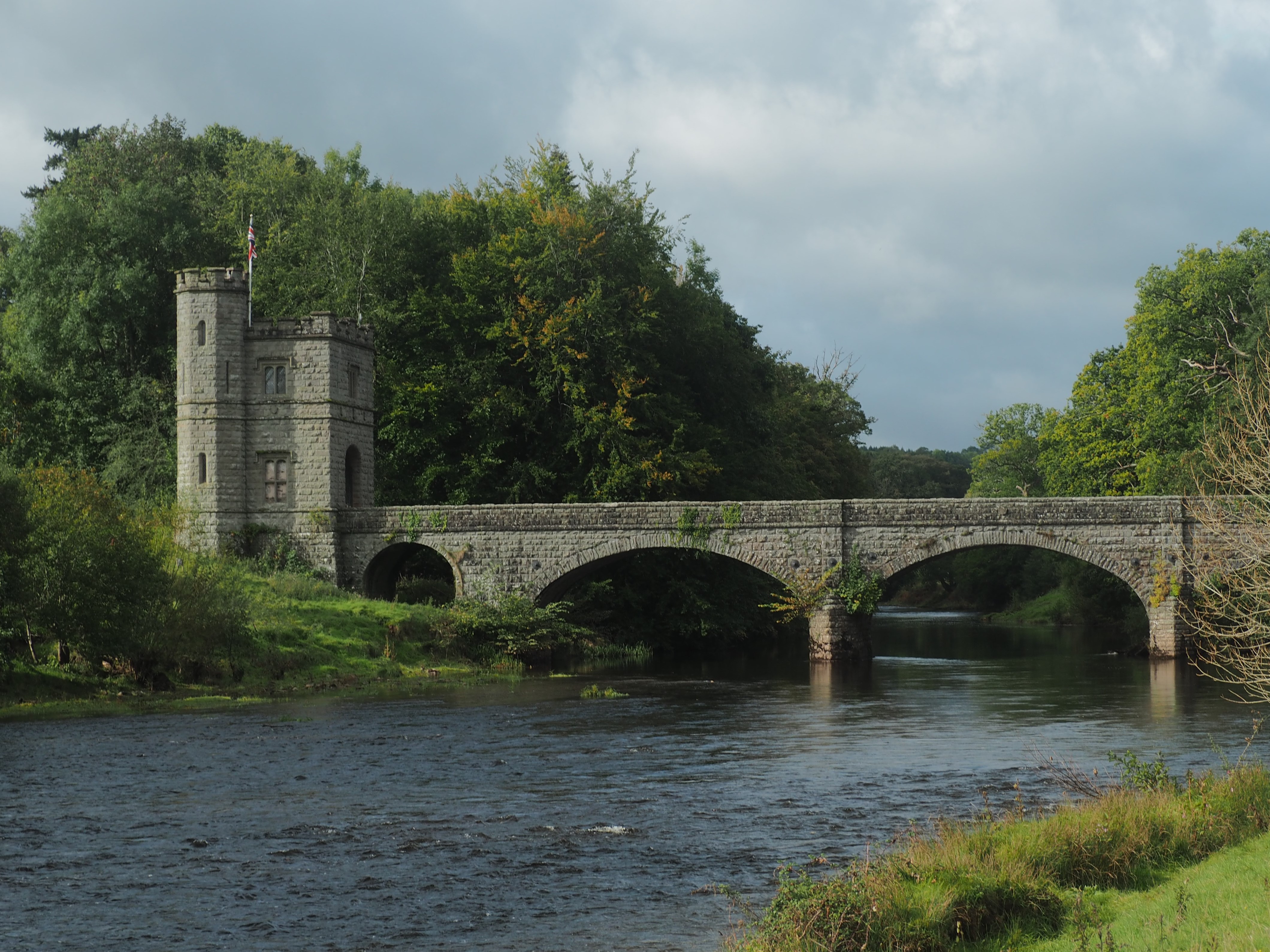
The county of Powys takes its name from the old Middle Ages Kingdom of the same name. We stayed in a two-room tower (small, quaint and unique but nowhere near grand) straddling a road next to the River Usk on the Glanusk Estate in the middle of the Bannau Brycheiniog (formerly known as Brecon Beacons) National Park.
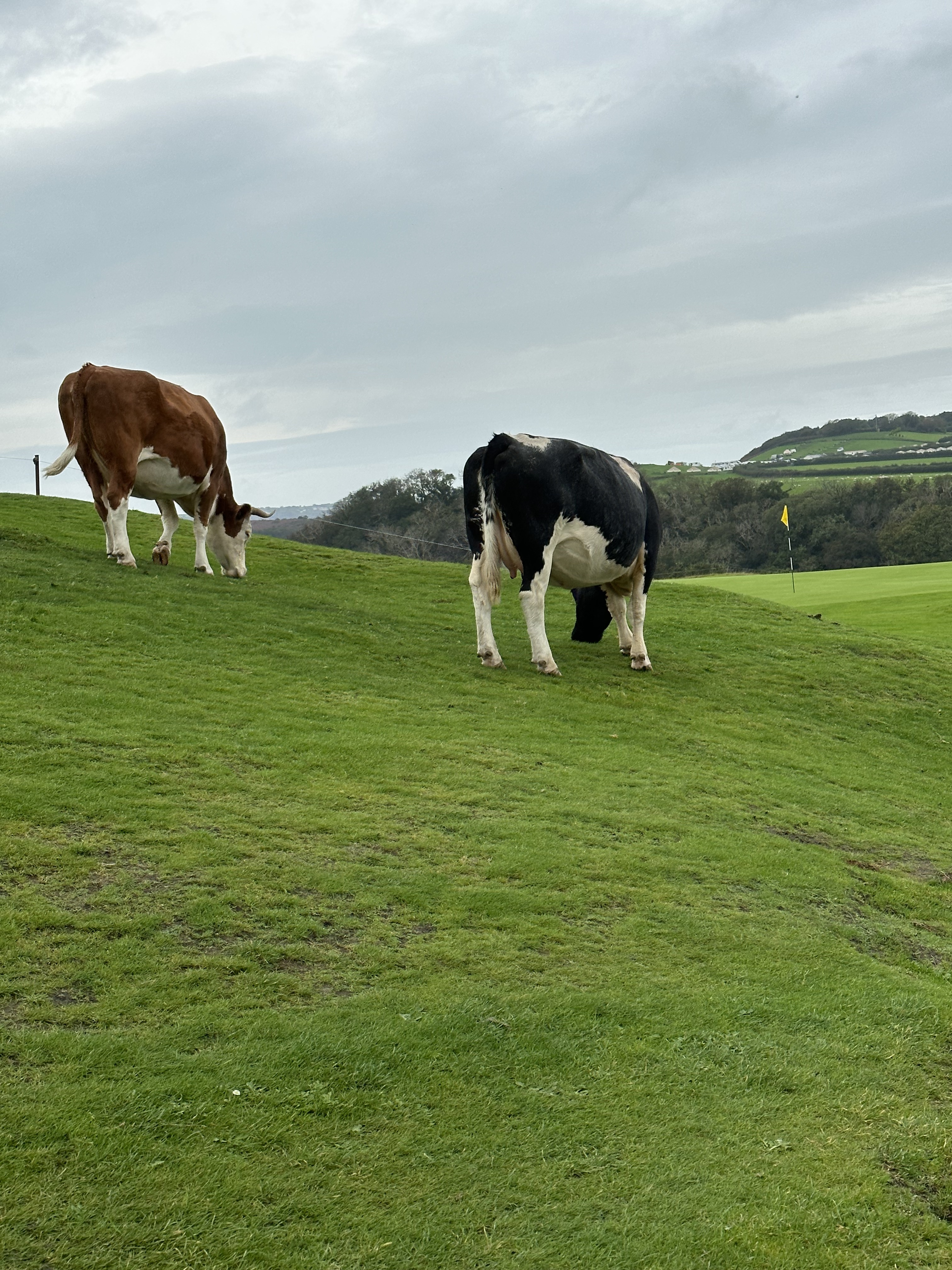
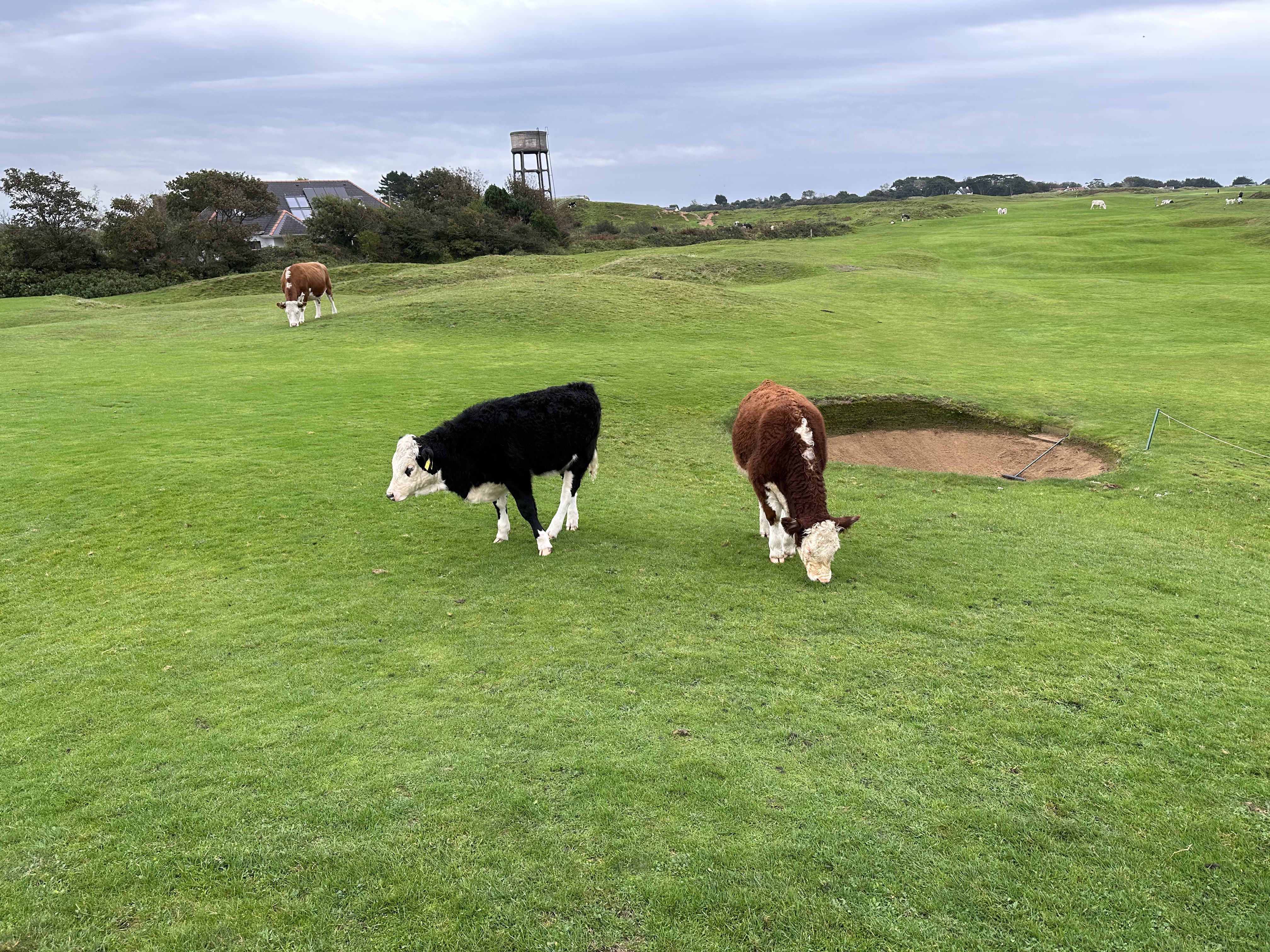
One change I’d noticed between our drives in England and Scotland and our trips through the Welsh countryside was the noticeable decline in the sheep population and the substantial increase in the population of dairy cows. It’s not that we were without sheep here or without cows there, it’s just that the ratio of each species of livestock seemed to be flipped between England/Scotland and in both northern and southwest Wales. There were even cows grazing on the golf course I played near Mwmblws for God’s sake (I’d never played a cow hazard before).
But, as we neared the English border, things seemed to come back into a proper sense of order with a preponderance of sheep around us everywhere. Ahhh…All felt right with the world again.
Crickhowell. This part of Wales is chocked full of small villages to visit. Our accommodation was near Crickhowell, whose main street was named the UK’s “Best High Street” in 2018 and is a good place to make your base for exploring the Brecon Beacons area. Several hotels and pubs, nice shops and a great little bookstore with a cafe inside (Book-ish) make it both convenient to hiking and exploring the park and having things to do. We wandered in along the riverside path from the Glanusk Estate down the banks of the River Usk for lunch and liked it much better than the other area towns we’d driven through on our way here.
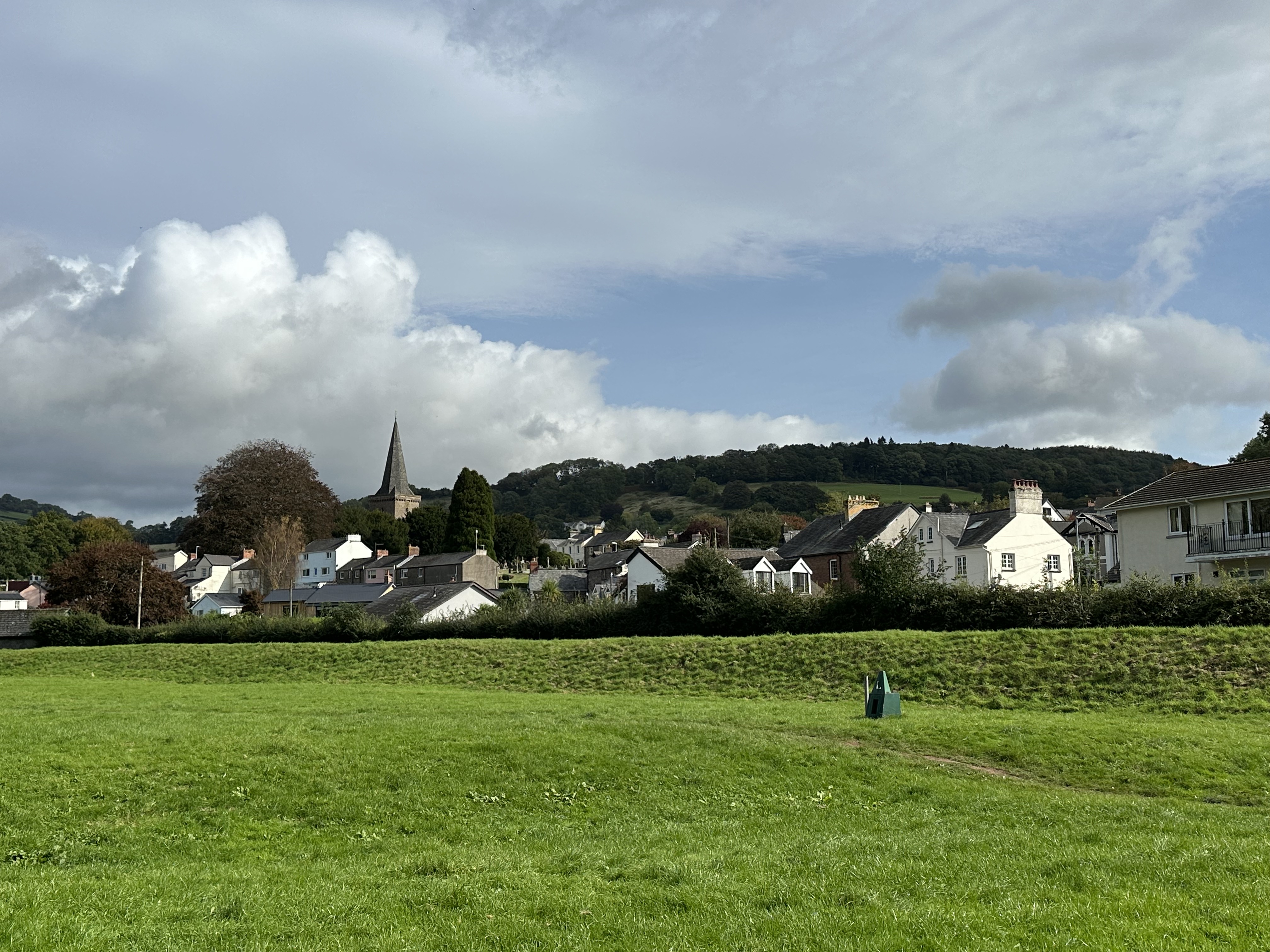
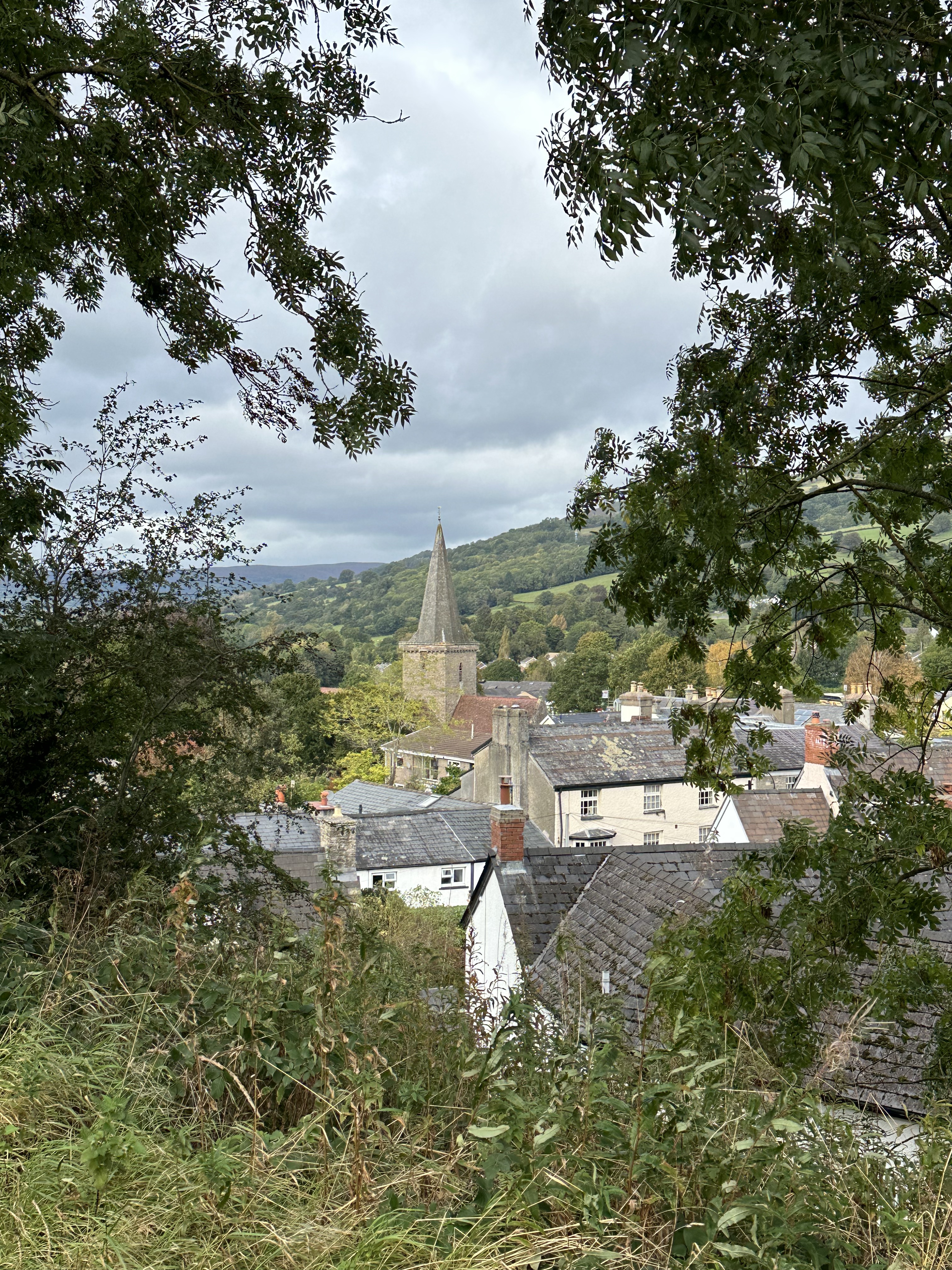
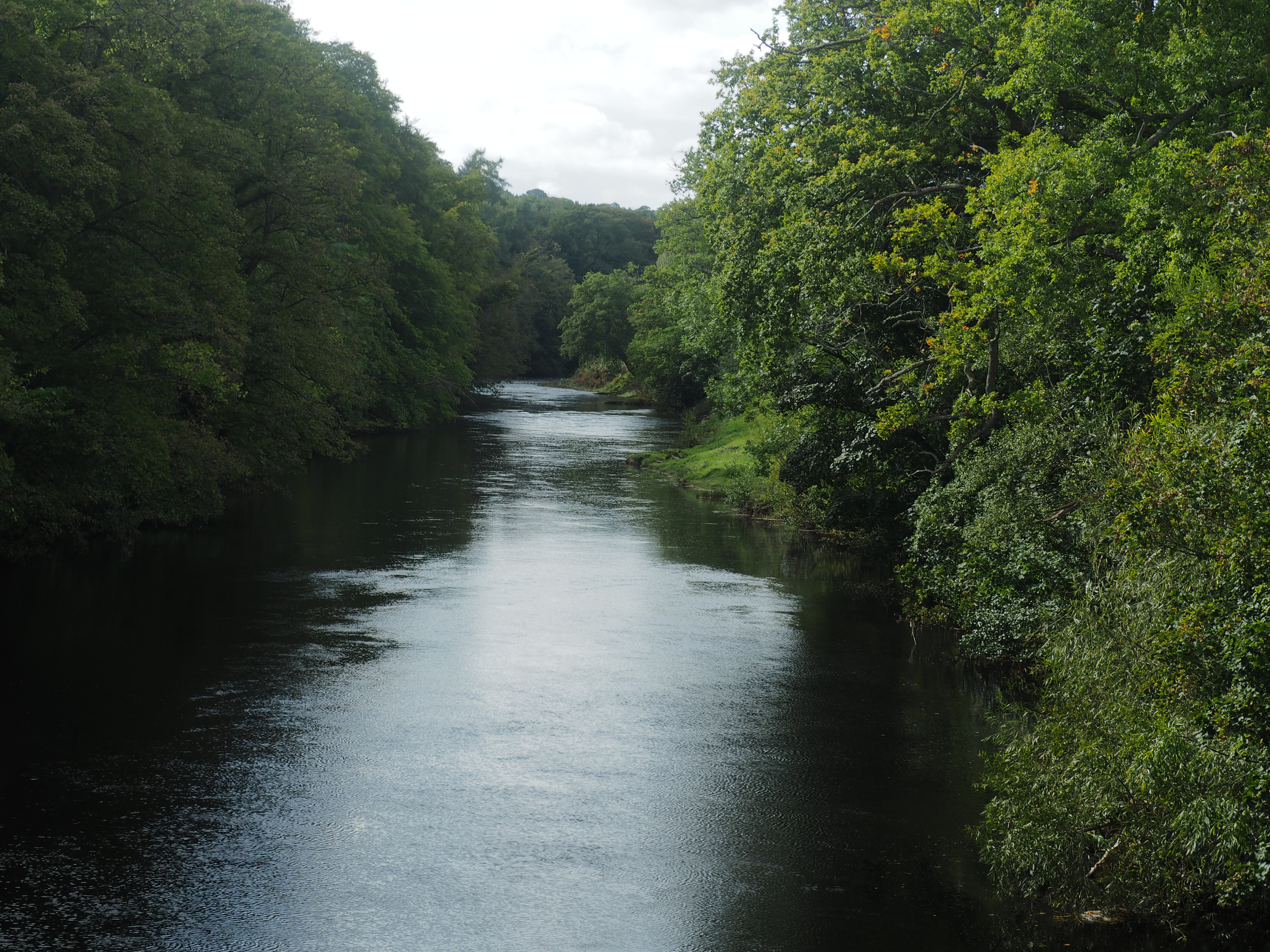
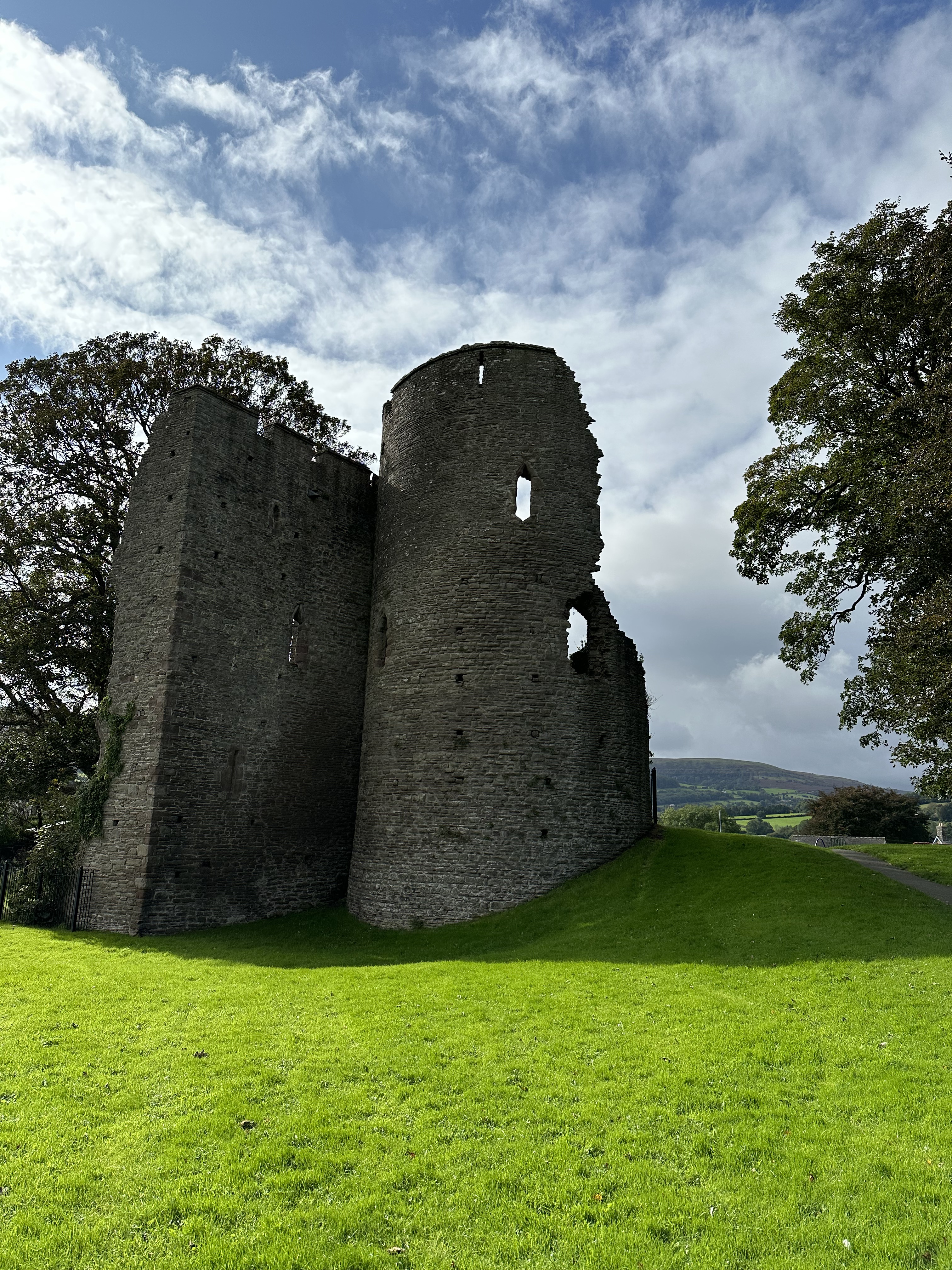
We also spent time exploring the extensive grounds of the Glanusk Estate on a beautiful autumn day. Glanusk holds the Green Man Music Festival in August, hosts weddings and has accommodations for making a stay (like ours).
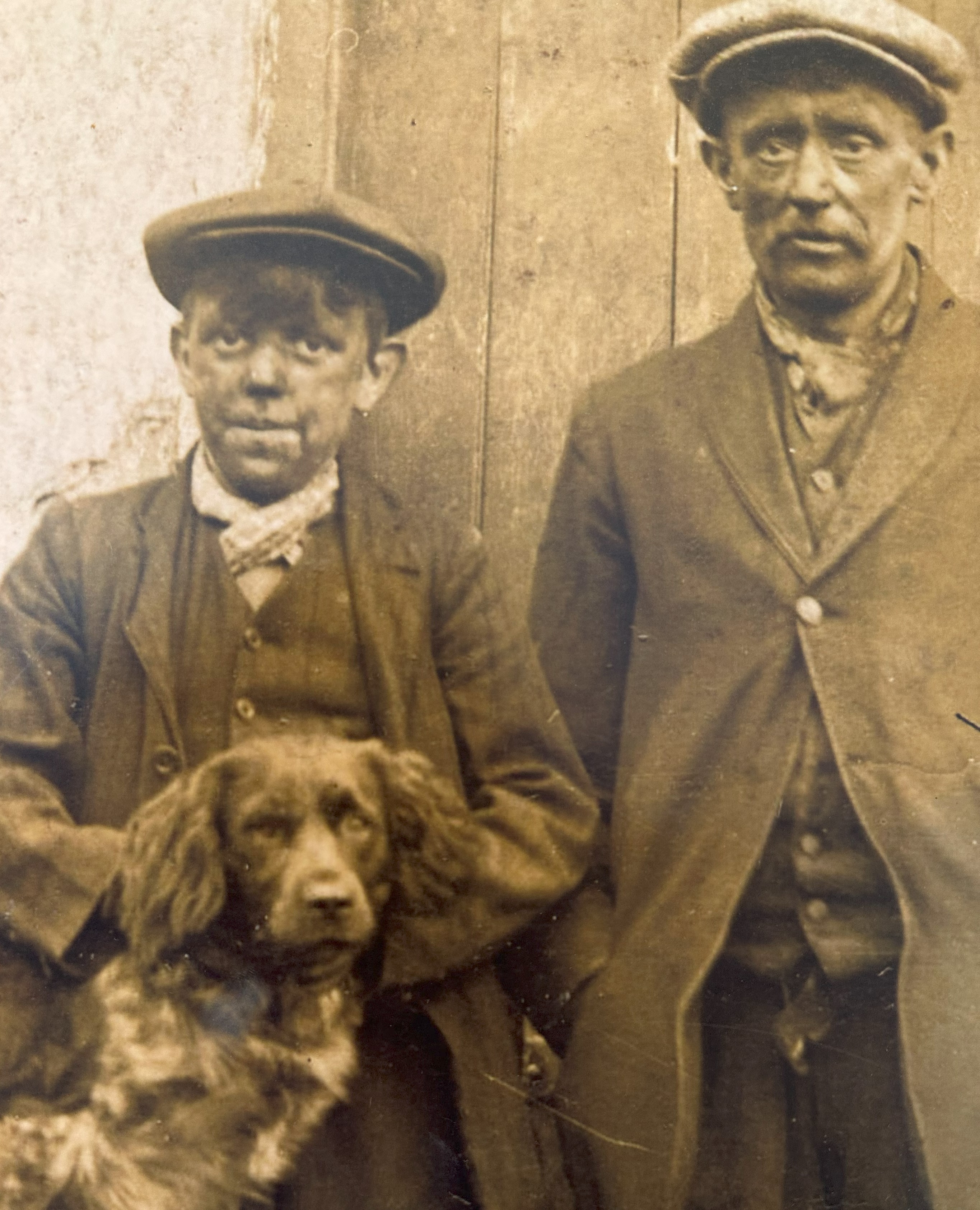
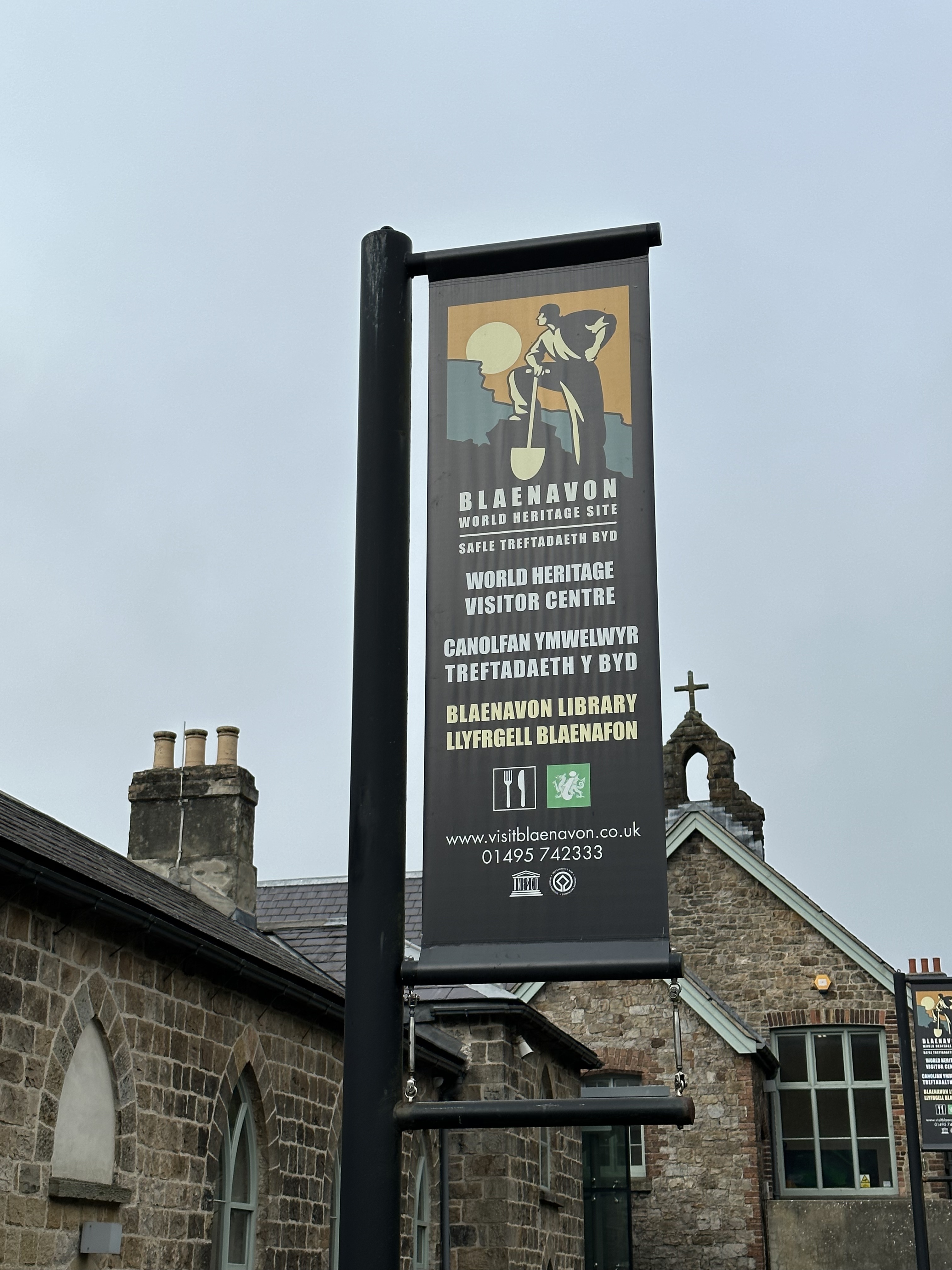
Blaenavon World Heritage Center. We had absolutely no idea that Wales was a powerhouse of the Industrial Revolution, but it was. And little Blaenavon was at the center of it all. We visited the Heritage Center Museum in the town library (free to visit and park) to get the quick history of the town and it’s role in both iron works and coal mining.
As rail replaced horses, iron to make locomotives, railway and carriages was in demand and South Wales became a leading supplier of iron to the world. For more than 50 years in the 19th century South Wales was the dominant, leading producer of iron.
But as coal became an even more important and profitable export, focus shifted to mining coal from the hills around Blaenavon and beyond. The tiny village’s population of a few hundred native Welsh people grew to more than 20,000 by 1890. Prior to 1842, children of all ages and women worked the mines alongside the men until a labor law was passed that year which prohibited women and children under 10 years old from working the mines. By 1913, a third of the world’s coal was produced in South Wales. But when demand for coal collapsed in the 1920s, so did Blaenavon’s economy.
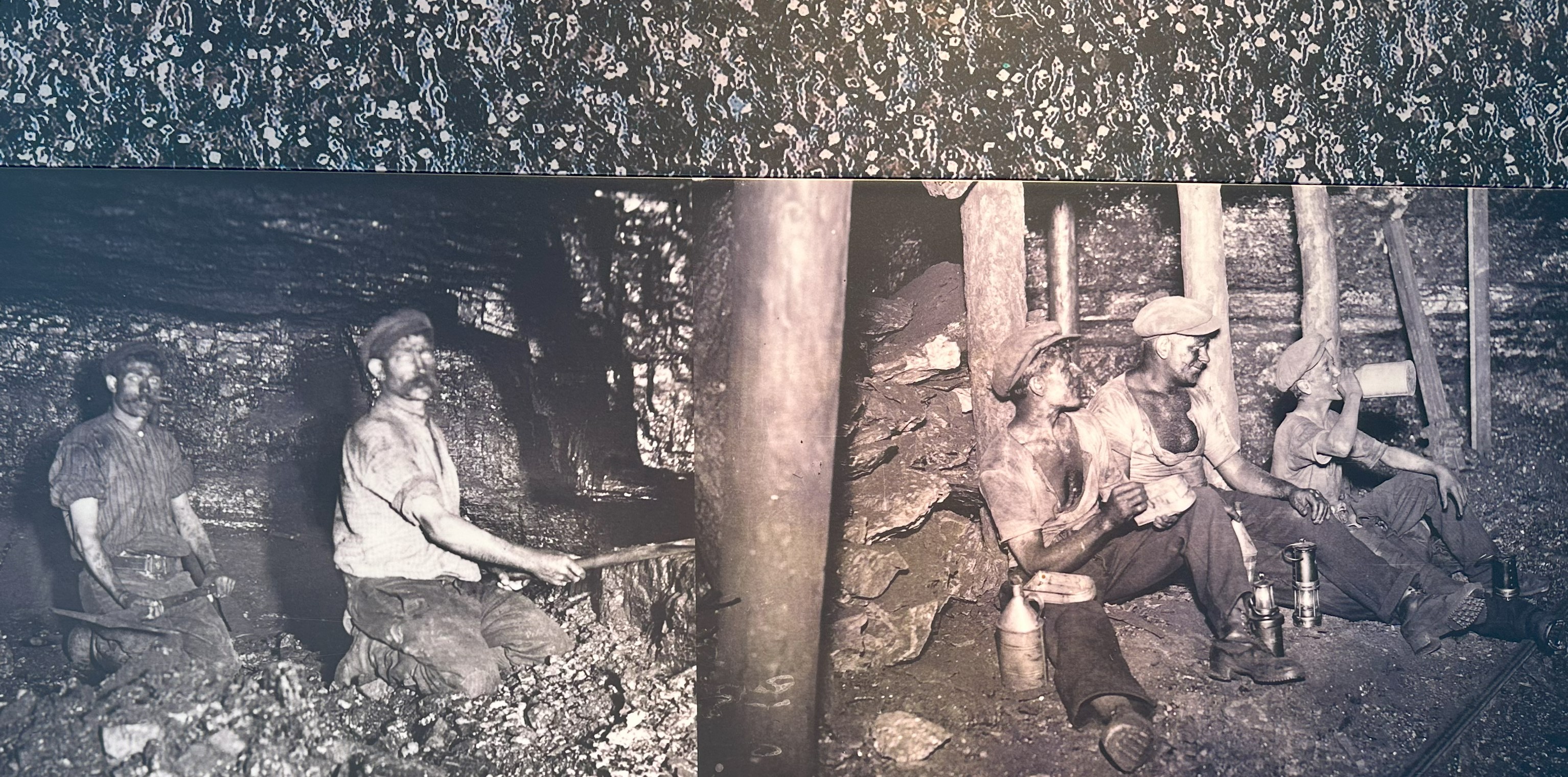
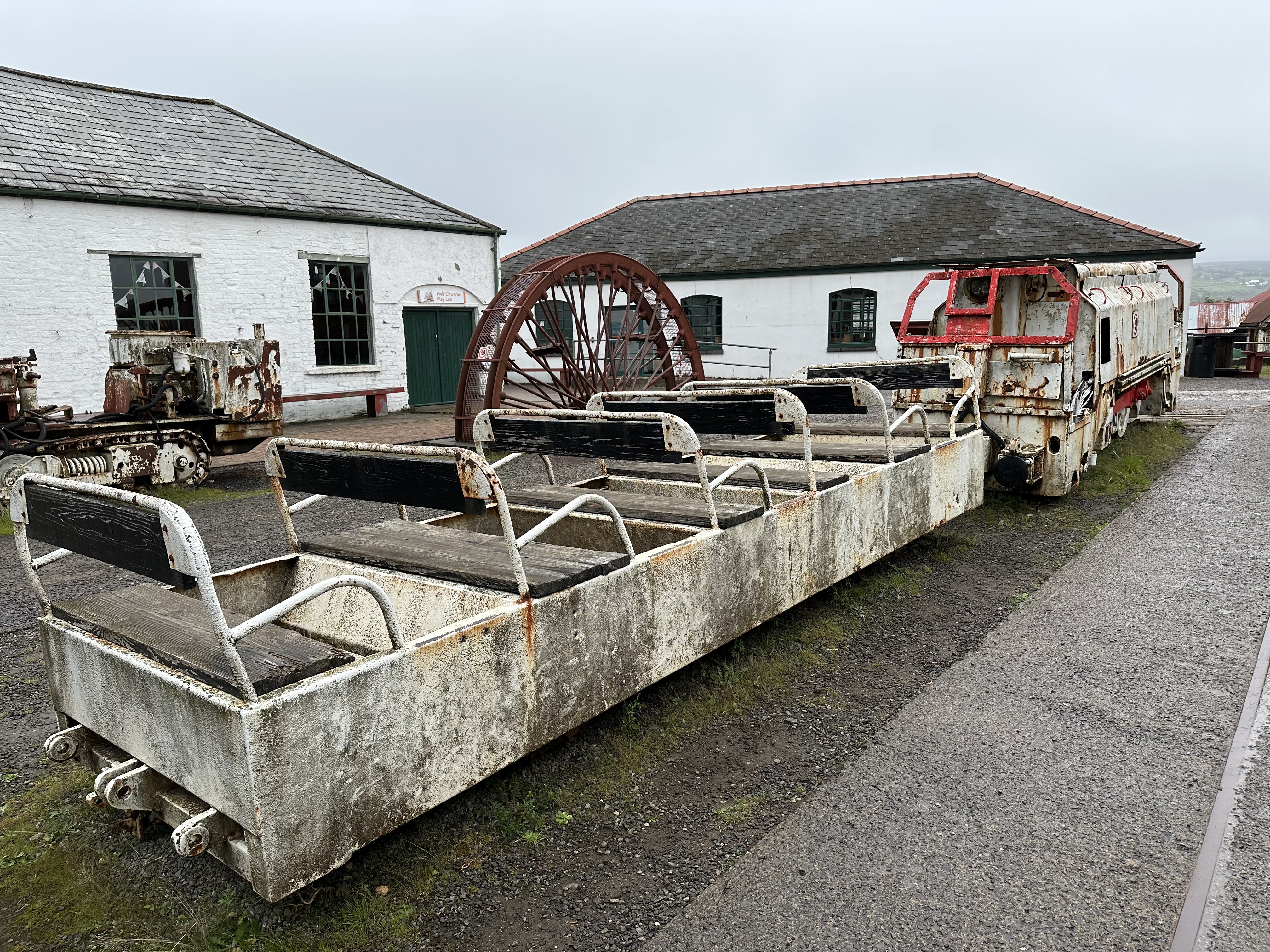
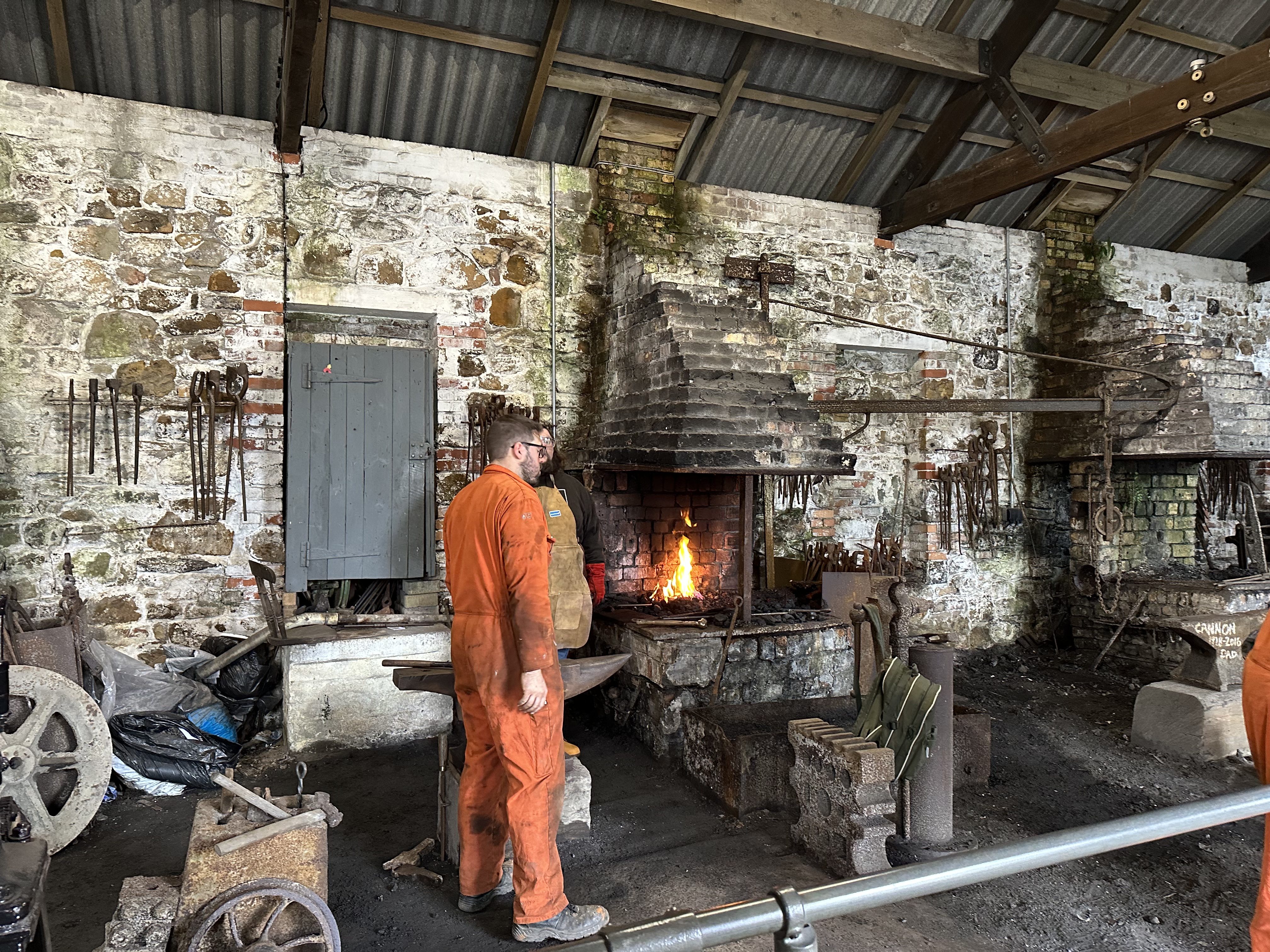
In addition to the library museum, you can visit the iron works site (free to park, nominal fee to visit) and the Big Pit coal mine where you can tour the above ground remnants and ride down into the mine in a coal mine elevator. Due to the queues of schoolchildren waiting to go down, we only toured above and skipped the mine visit.

And with our visit to Blaenavon complete, we hit the road back into England for our the conclusion of our nearly three-month tour of the UK in the Cotswolds.
 The Traveling Ridleys
0 comments on “Autumn in Powys: Our Last Stop in Wales”