

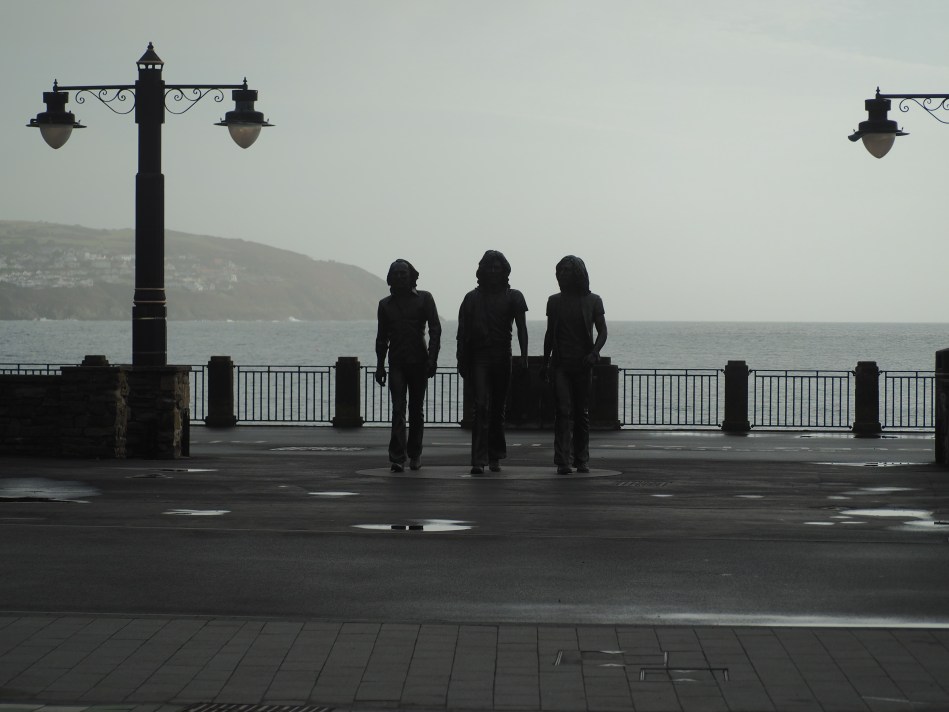
“Those guys look like the Bee Gees”, Melissa said, as we approached the statue on the Douglas promenade. It was, indeed, the Bee Gees. Though they were raised in Australia, they were born on the Isle of Man (or Mann). That was how our visit on Man (whose name is derived from the Celtic sea god Manannan) began.
As we made our way down the west coast of Scotland and England, island hopping and visiting the Lake District on our way to Wales, we baked in some time on the Isle of Man. We knew nothing about it other than it was an island off the English coast in the middle of the Irish Sea in between England and Ireland. In fact, we knew so little about it, we made a bit of a planning error on our trip here. The ferry takes a long time. A really long time. More than 4 hours when you include check-in time, embarking and disembarking (God forbid rough seas and any weather delays). That 3.5+ hour ferry ride dropped us in Douglas (the largest city and capitol of the island with a population of just under 30,000 people) on a Saturday evening and our return trip to English soil was booked for Monday morning first thing, leaving us Sunday (when much is closed) for our explorations.
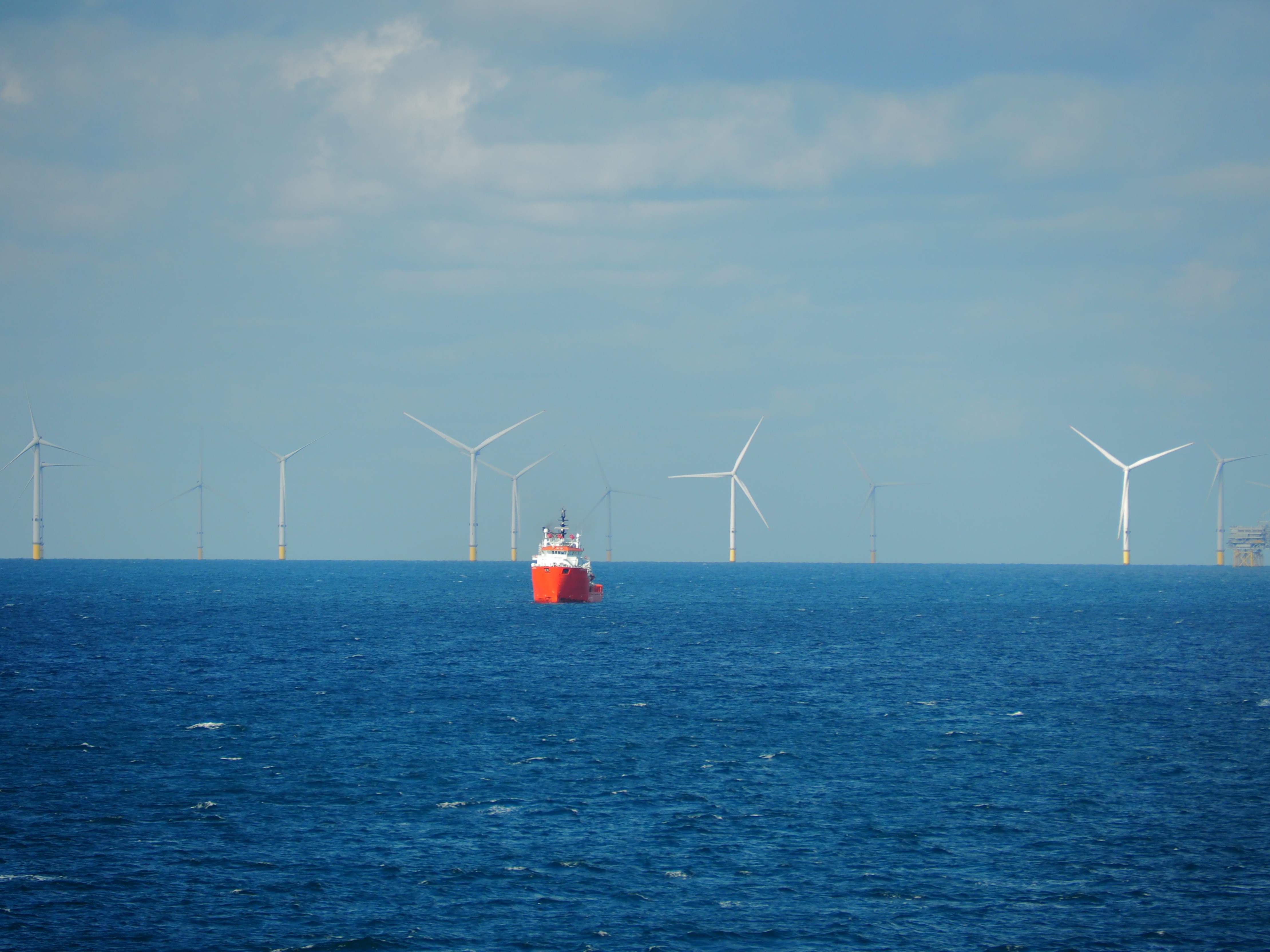
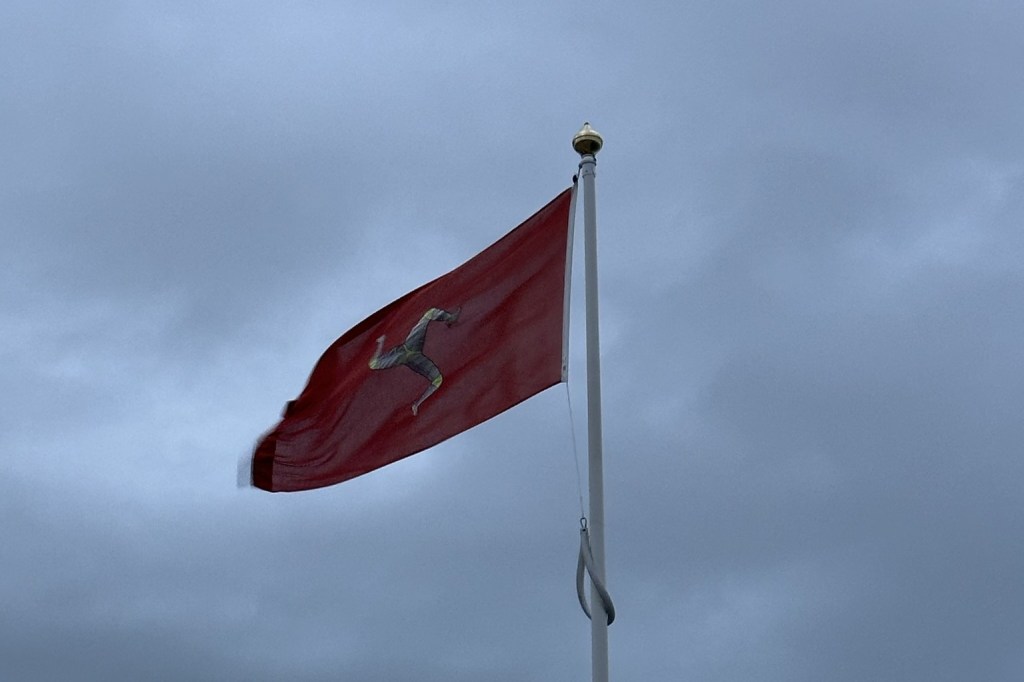
I say “English soil” on purpose. The Isle of Man is not part of England or the United Kingdom. Nor is it part of Scotland, or Ireland. It is “a self-governing British crown dependency” with its own government, language (Manx, a Celtic language), currency (the Manx pound) and tax rates (very low – no capital gains tax, no corporate tax, no inheritance tax and an average of approximately 10% personal income tax). The Manx pay the UK for things like army protection and their soldiers participate in the British army. Residents of the Isle of Man are entitled to British citizenship and are able to apply for British Isle of Man or full UK passports. Their flag depicts a spurred three-legged icon and may be derived from various origins. According to our Manx Museum Guidebook, it could derive from a three-pointed star symbol associated with the sun, or a Celtic iron-age circle divided by three arcs, or the Norse triple knot associated with the Norse god Odin (the spurs were added later).
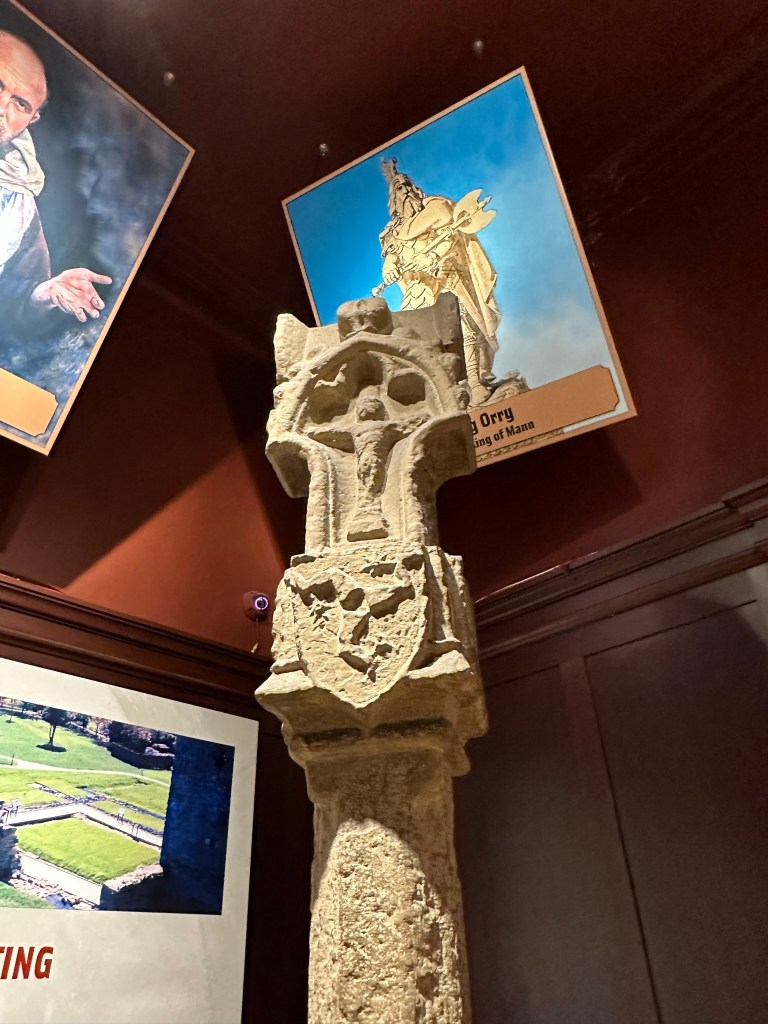
The island has a fascinating history. People have lived here since prehistoric times before the seas rose and separated the island from England. The Celts came here in the 5th century AD and as the Christian monks arrived, they started to convert them to Christianity. Then the bane of the early Christian monks’ existence, the Vikings, appeared on the scene and decided that Man should be theirs. Much like the Vikings who settled in France and became the Normans who overtook England, the Vikings who landed at Man decided the island was a place where they wanted to settle down. The Manx people became a combination of Viking and Celtic blood as they came together to form a society, including the oldest continuously operating parliament: the Tynwald, which still holds a ceremonial Tynwald Day each year in the original seat of government at Castletown. On Tynwald Day, the people gather for the swearing in of the government and a public reading of the new laws, a tradition dating back to the Vikings. The “Chronicles of the Kings of Man” is an early history of the island written by the monks in the 1200s documenting the time from 1100-1300 AD.
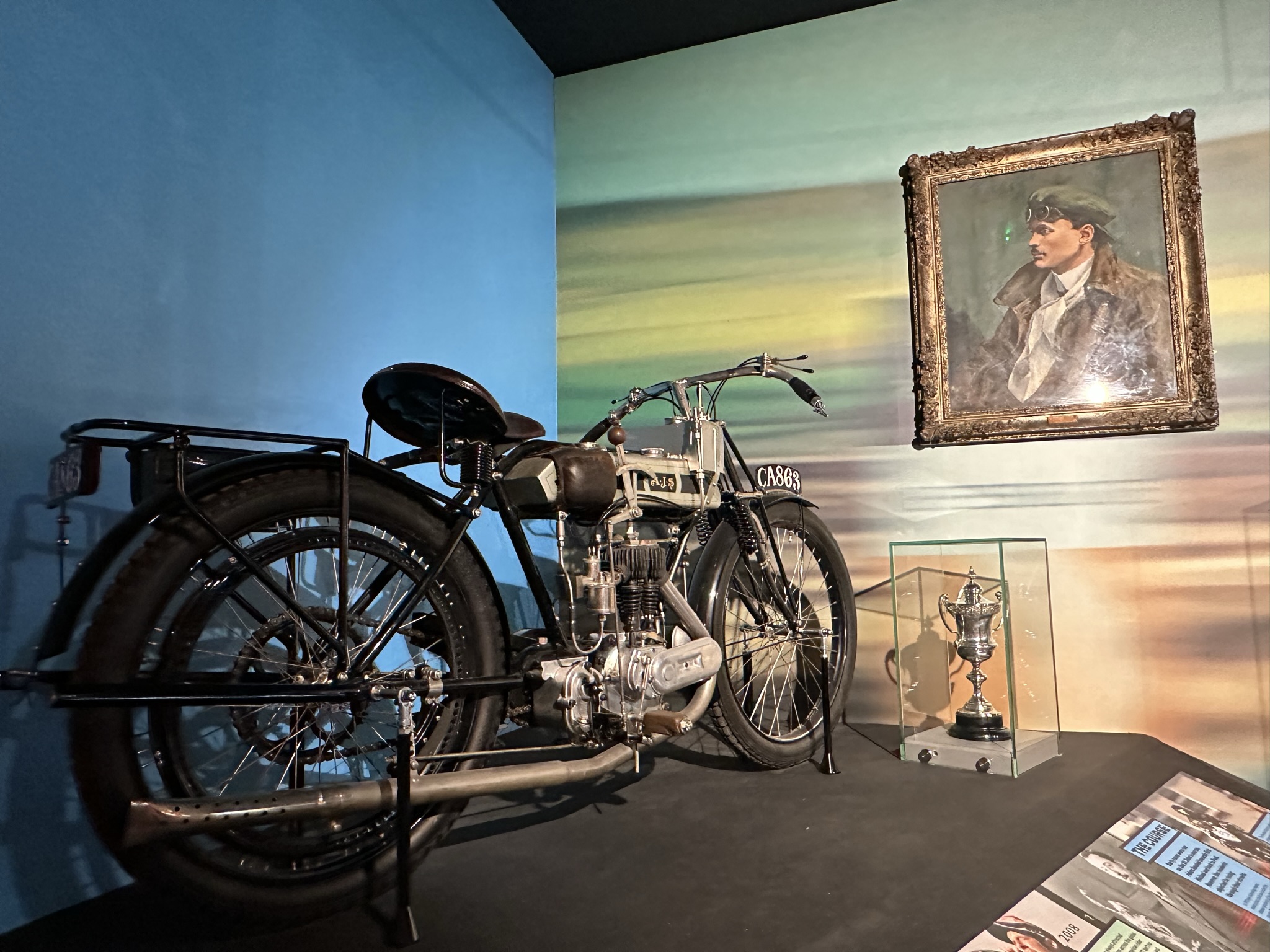
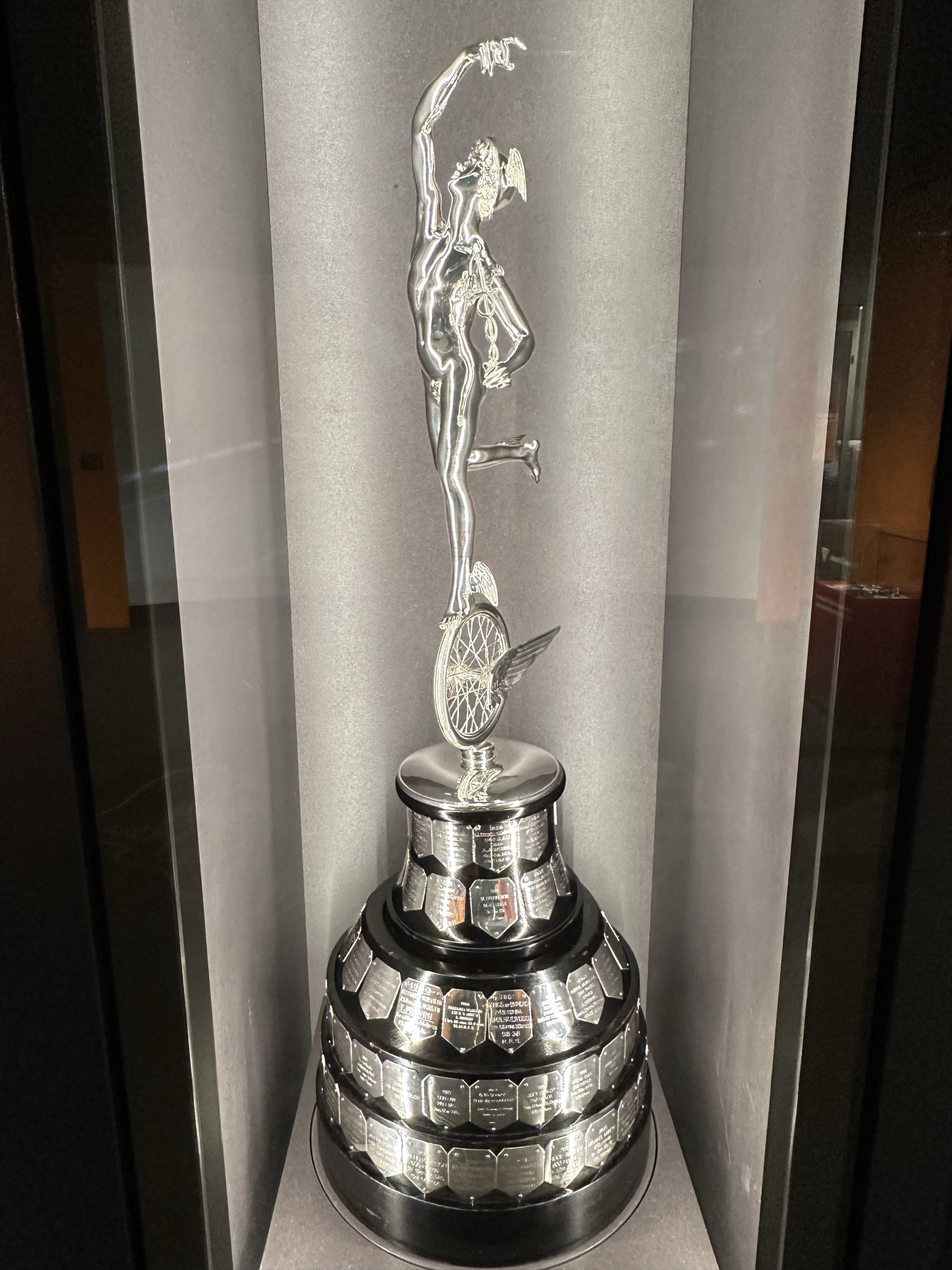
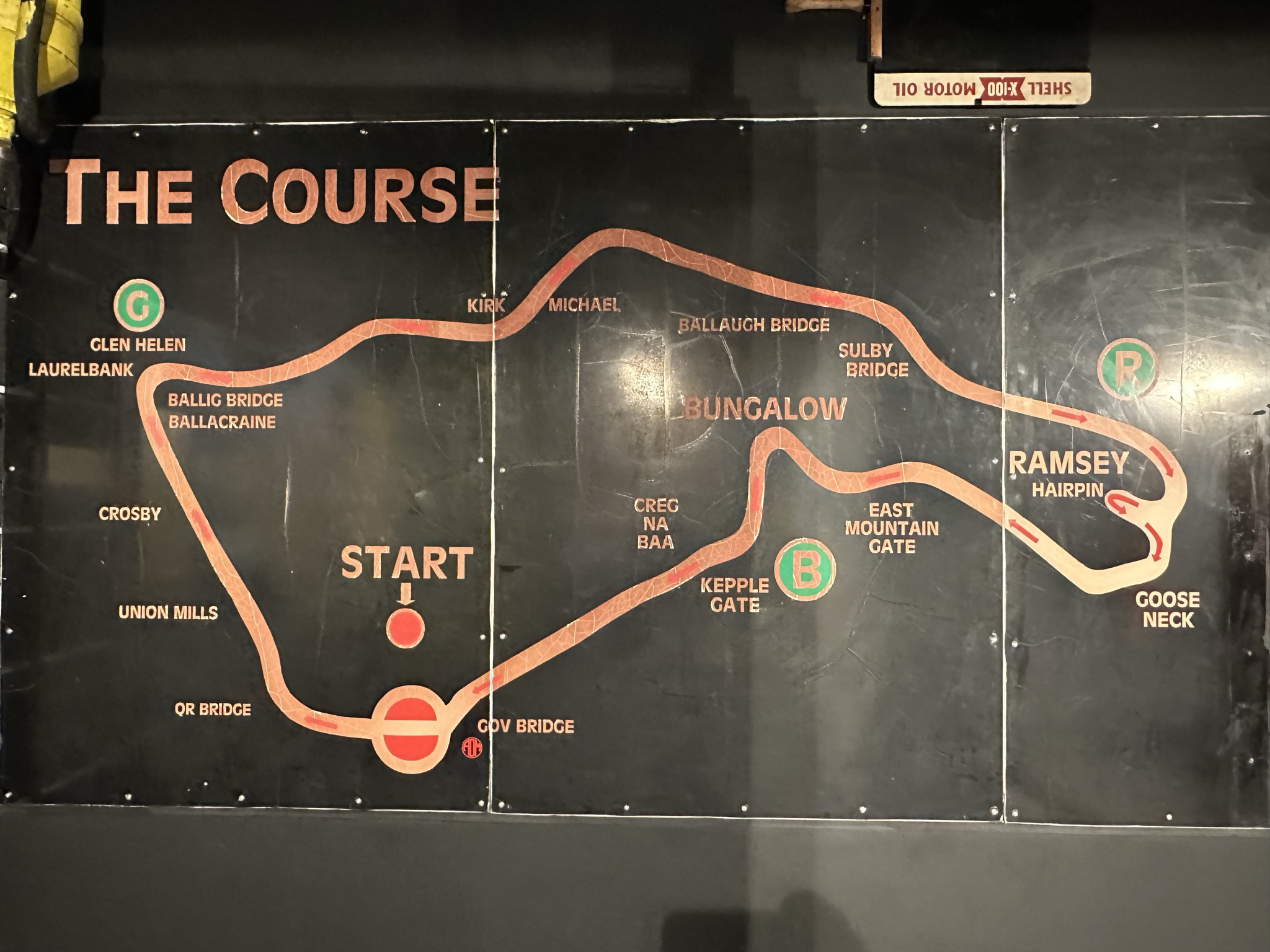
Present day, the Isle of Man is best known for its TT motorcycle race each summer which races a mountain course including a climb over Snaefell (snow mountain), its highest peak named by the Vikings. International racers from Japan, France, Switzerland, Czech Republic and Austria compete each year and the TT is part of the island’s cultural DNA. It is a dangerous enterprise. Our bartender on our final night told us that this year was a “good year” because “only 3 people died”. Only.
With limited time, we had to prioritize wisely. We took a morning walk before the wind and rain arrived then set out for Peel, across the island (about 30 minutes from Douglas). Interestingly, our European cell phones didn’t seem to recognize the Isle of Man network and, not having an international plan on our American phones, we navigated the old-fashioned way: with a map purchased at one of the few open stores on a Sunday morning.
Peel. Peel is smaller than Douglas and has a lovely promenade. We walked around the perimeter of the castle on St. Patrick’s Island, where the monks had originally created a settlement until the Vikings moved in and built the original fortress, now part of Peel Castle. We then set off for the House of Manannan museum (affiliated with the English Heritage pass, incidentally). This is an excellent museum. You begin with an interactive exhibit of life of the early settlers, the Celts and the Vikings and pass through time from prehistory to modern day as you ascend the three floors. The museum focuses quite a bit on the island’s early and maritime history and a visit is a great way to get an overview of the island’s past.
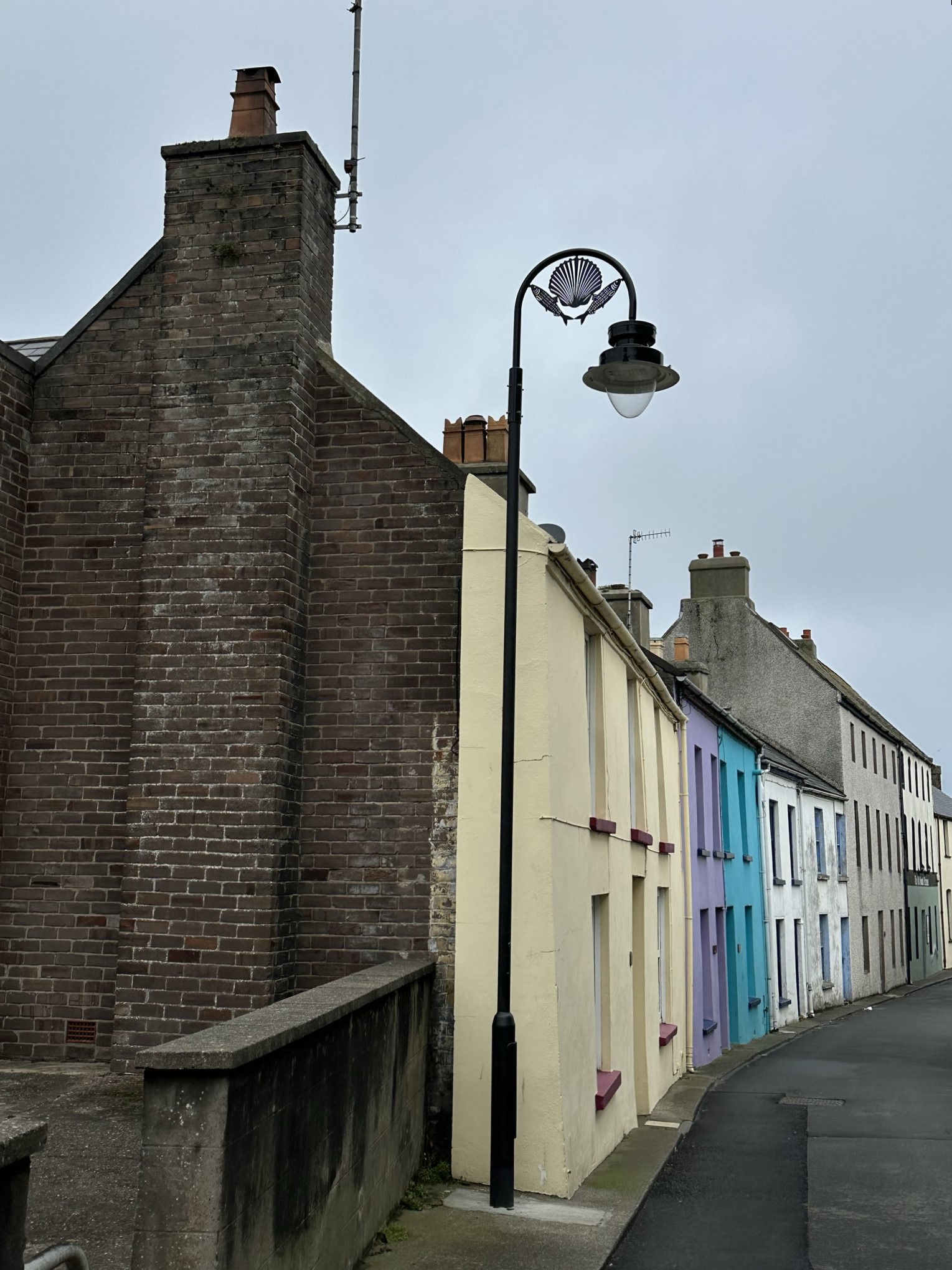
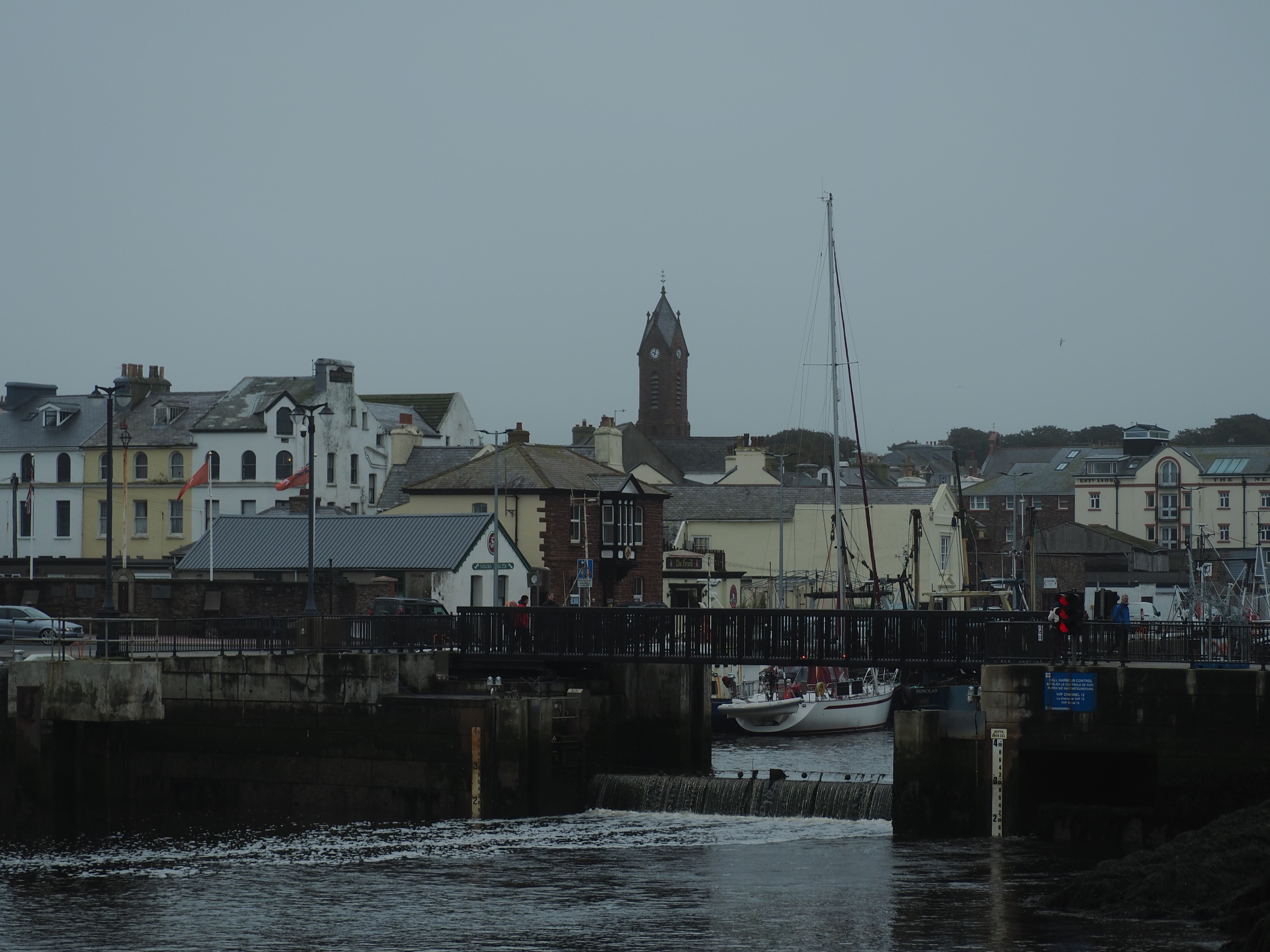

Peel and Peel Castle
Douglas. The main port town has a beautiful promenade and beach with Victorian era buildings lining the seaside road and a fabulous opera house. Blocks off of the promenade are rows of, primarily pedestrian, streets with shops, bars and restaurants. We stayed quayside just down from the ferry docks.
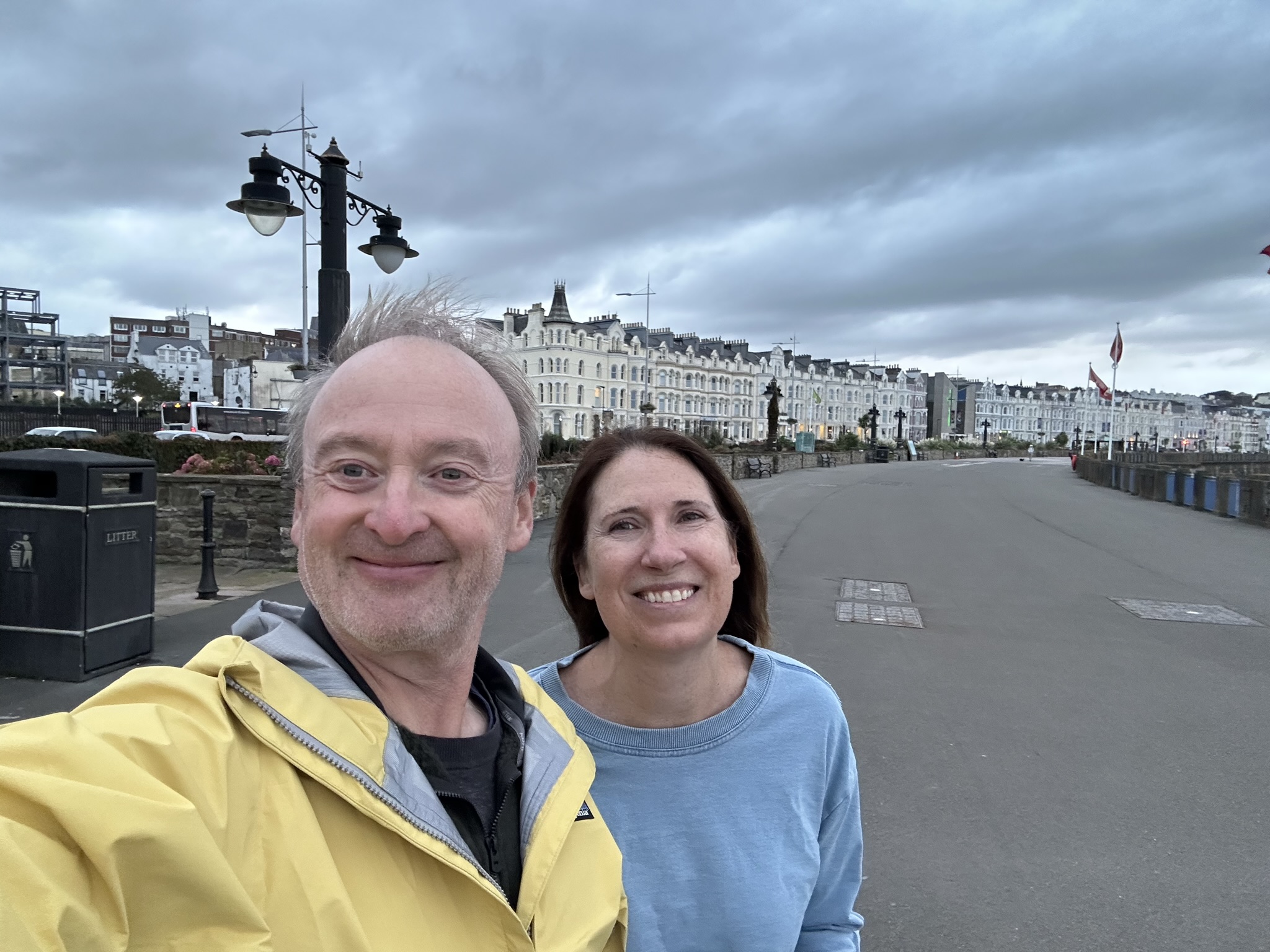
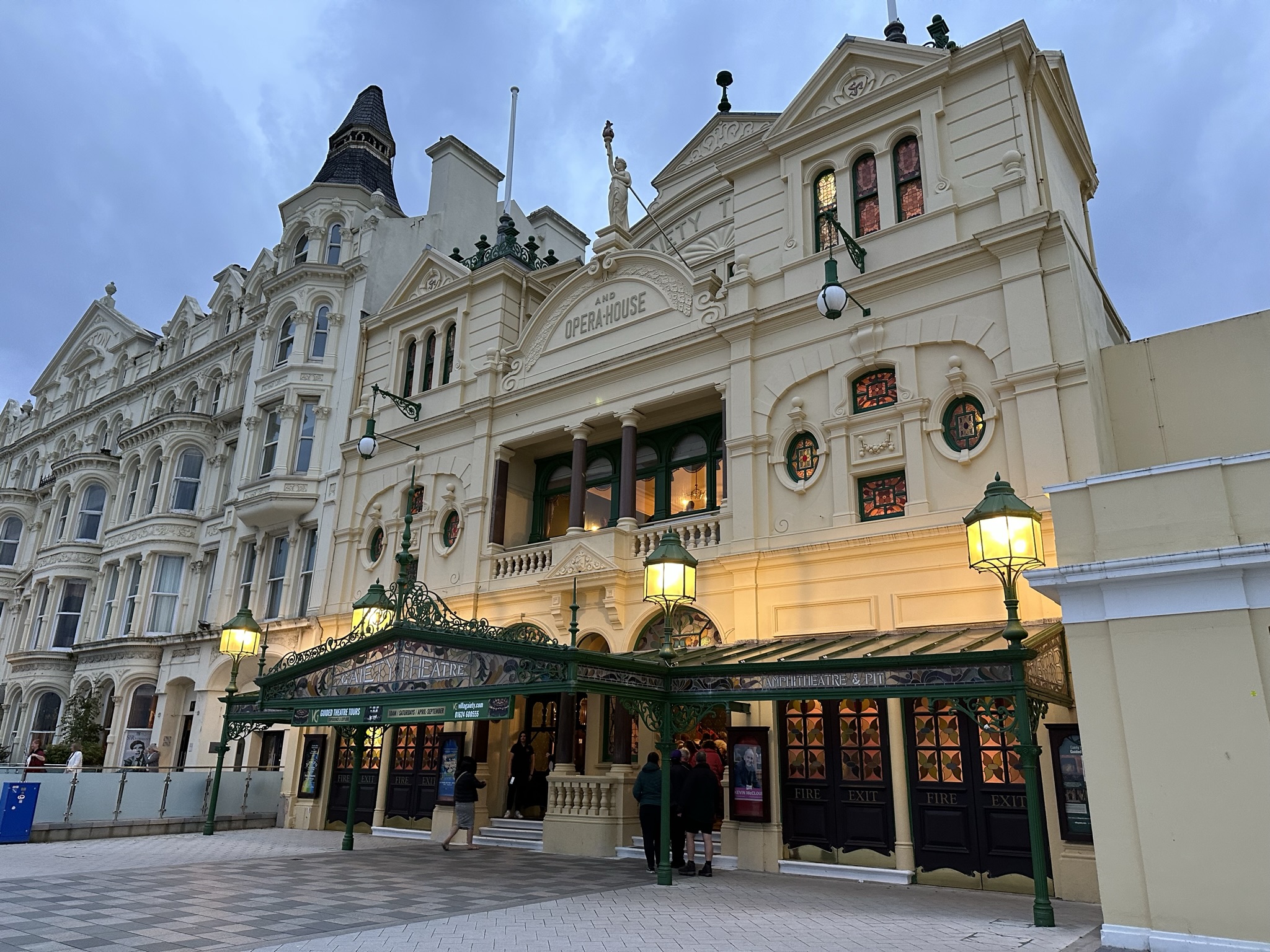
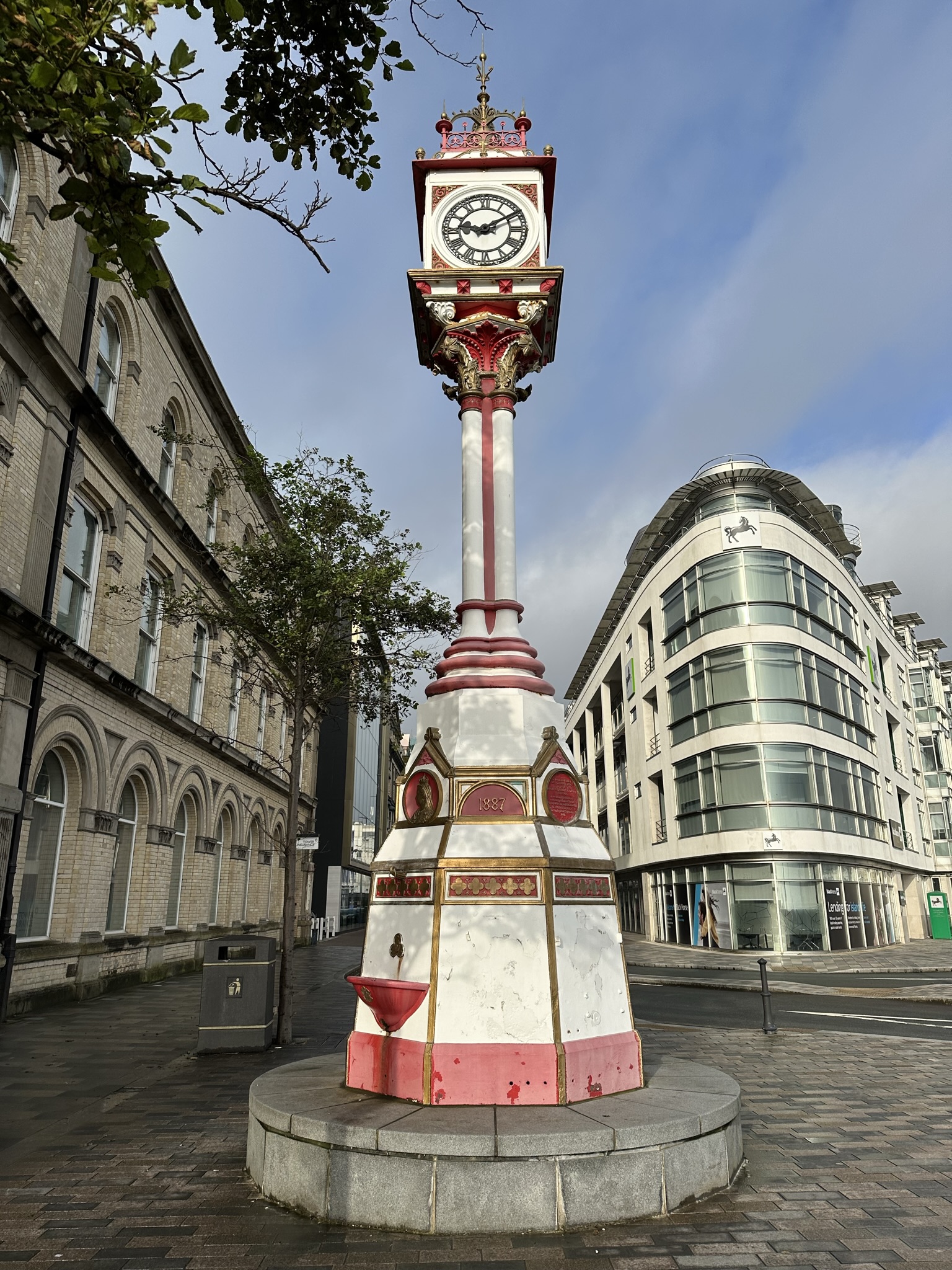
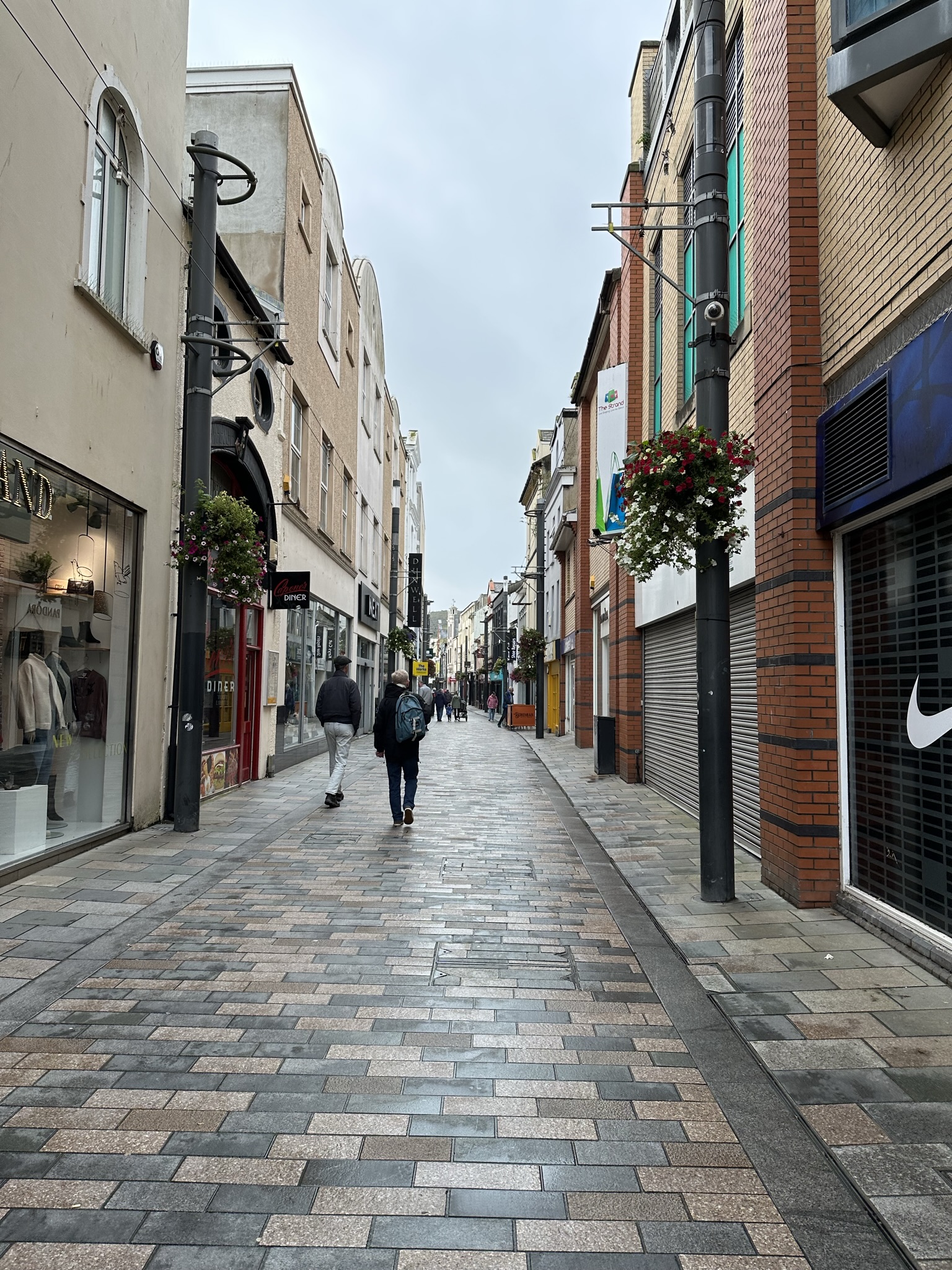
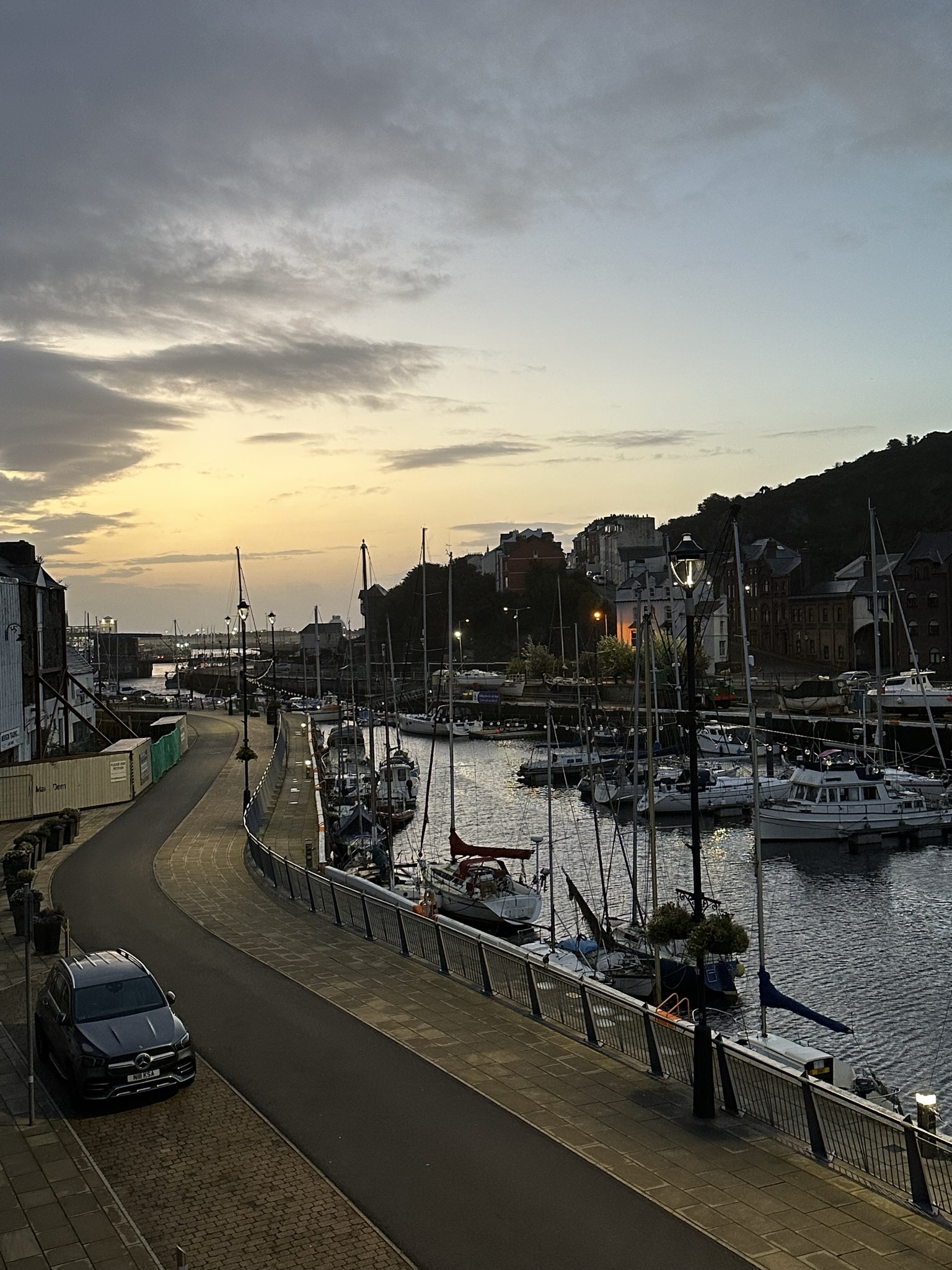
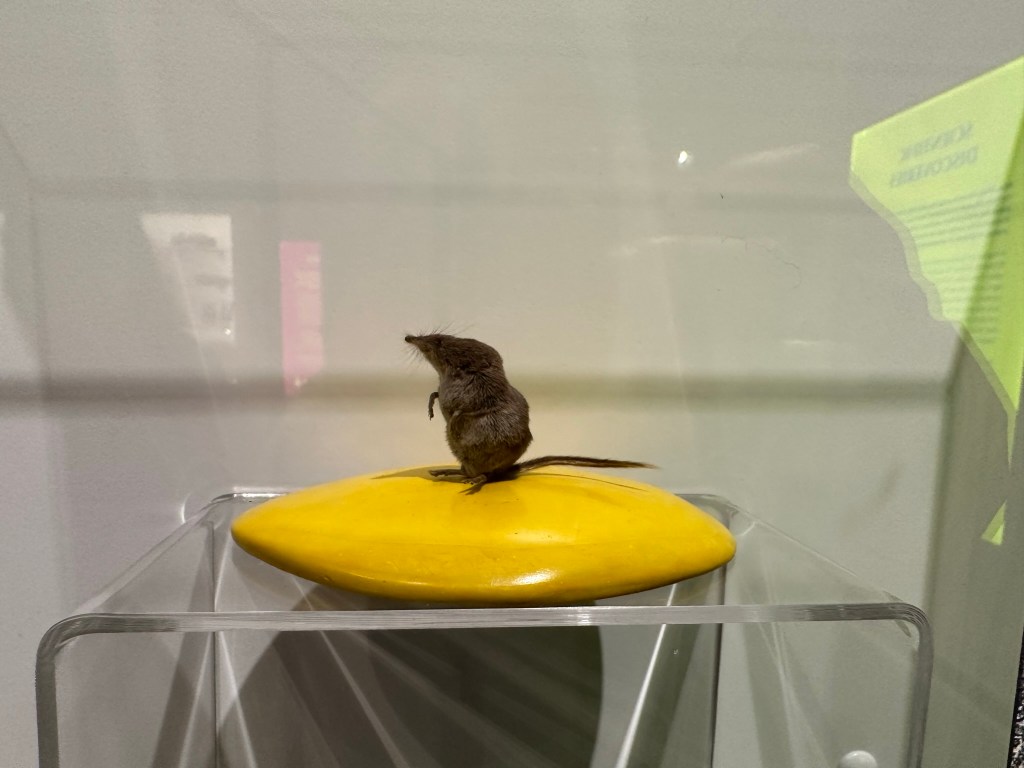
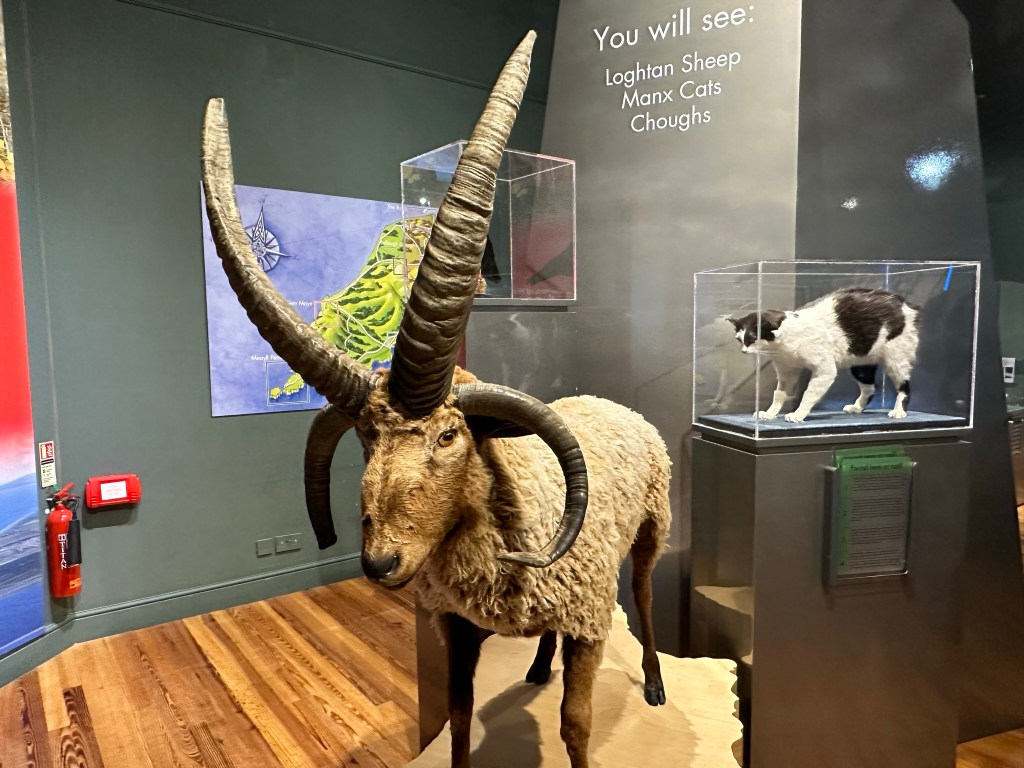
We visited the free Manx Museum which is a somewhat overwhelming hodgepodge of items from prehistoric time right up through present day (exhibits on COVID era memories and Black Lives Matter protests). The highlights, for us, were the section on the Tynwald, the TT and the natural history area. Man is home to some pretty interesting species of animals including the Manx Loaghtan, a 4-6 horned sheep, the tail-less Manx cat, the smallest mammal on earth (the Pygmy shrew) and the largest beetle on earth (the Royal Goliath beetle). Call me chicken, but I don’t want to run across one of those beetles in my cupboard or shower. Yikes.

Beginning and ending our visit on the Douglas promenade we have to admit we formed quite a little crush on affable, amicable and affluent Isle of Man and the Manx. And to quote the Brothers Gibb: “you don’t know what it’s like, to love somebody, the way I love you”. Mann, we love you babe and are excited to return someday.
Sources:
- https://www.bbc.com/news/world-europe-isle-of-man-57715366
- https://en.wikipedia.org/wiki/Tynwald_Day
- https://en.wikipedia.org/wiki/History_of_the_Isle_of_Man
- https://isolatedtraveller.com/30-interesting-facts-about-the-isle-of-man/
- House of Manannan visit, September 24th, 2023
- Manx Museum visit and Guidebook, September 24th, 2023
 The Traveling Ridleys
Pingback: The Affable Isle of Man (Mann) | Tourism Sights Europe