

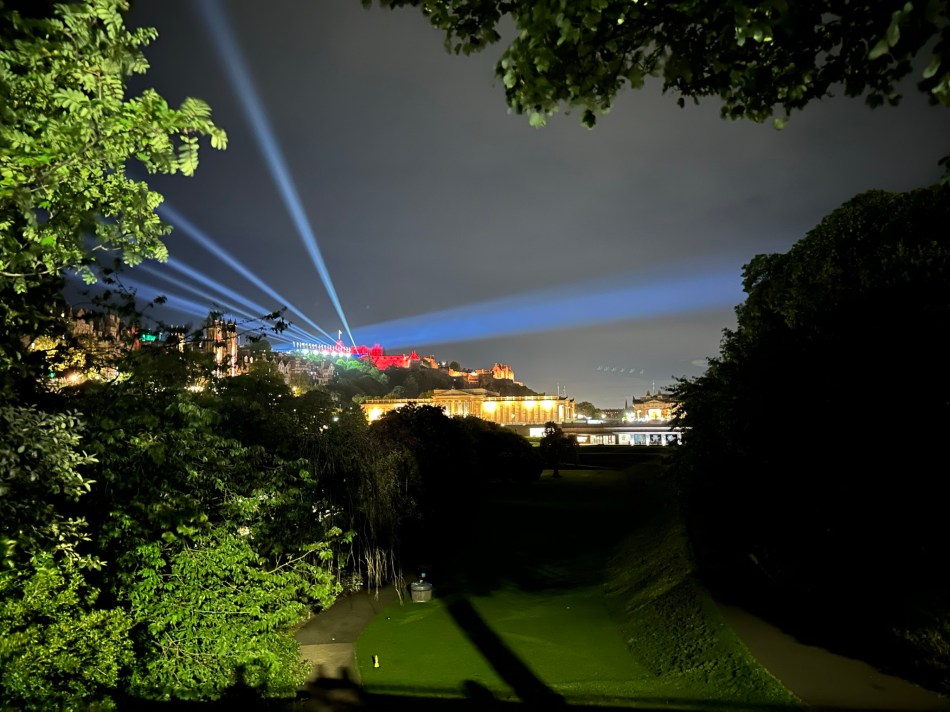
We arrived for five days in Edinburgh at the height of festival season. The famous Fringe Festival, founded by those who kept crashing the annual International Festival with their low budget acts performed at the fringes of the International, the more proper International Festival, the Book Festival, a flailing film festival and the Military Tattoo. The combination of these festivals makes it the largest arts festival in the world. Honestly, it was dumb luck to arrive in Edinburgh during festival season. We picked August because of the better chance for good weather and then began to discover that this is Edinburgh’s high season.
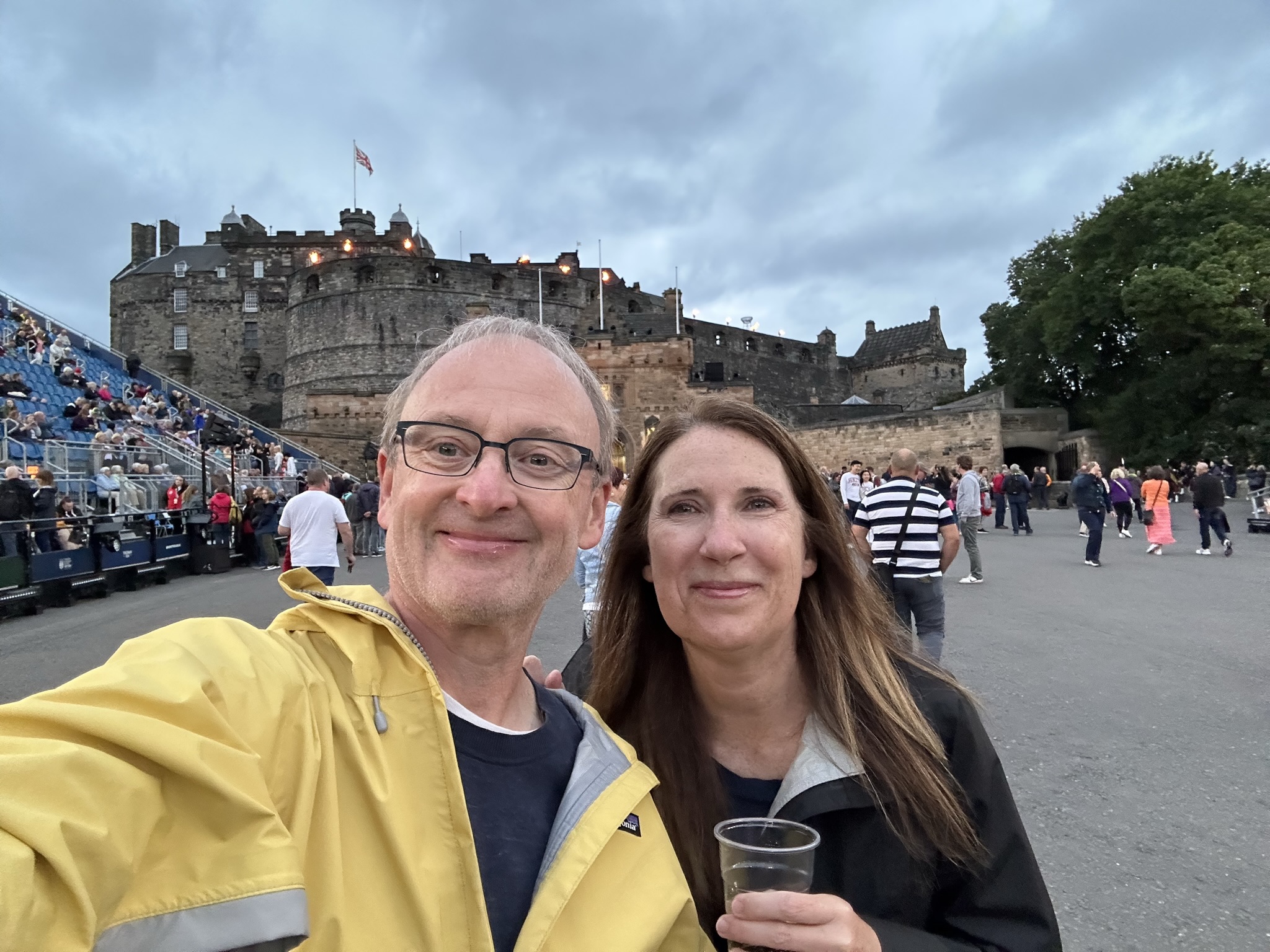
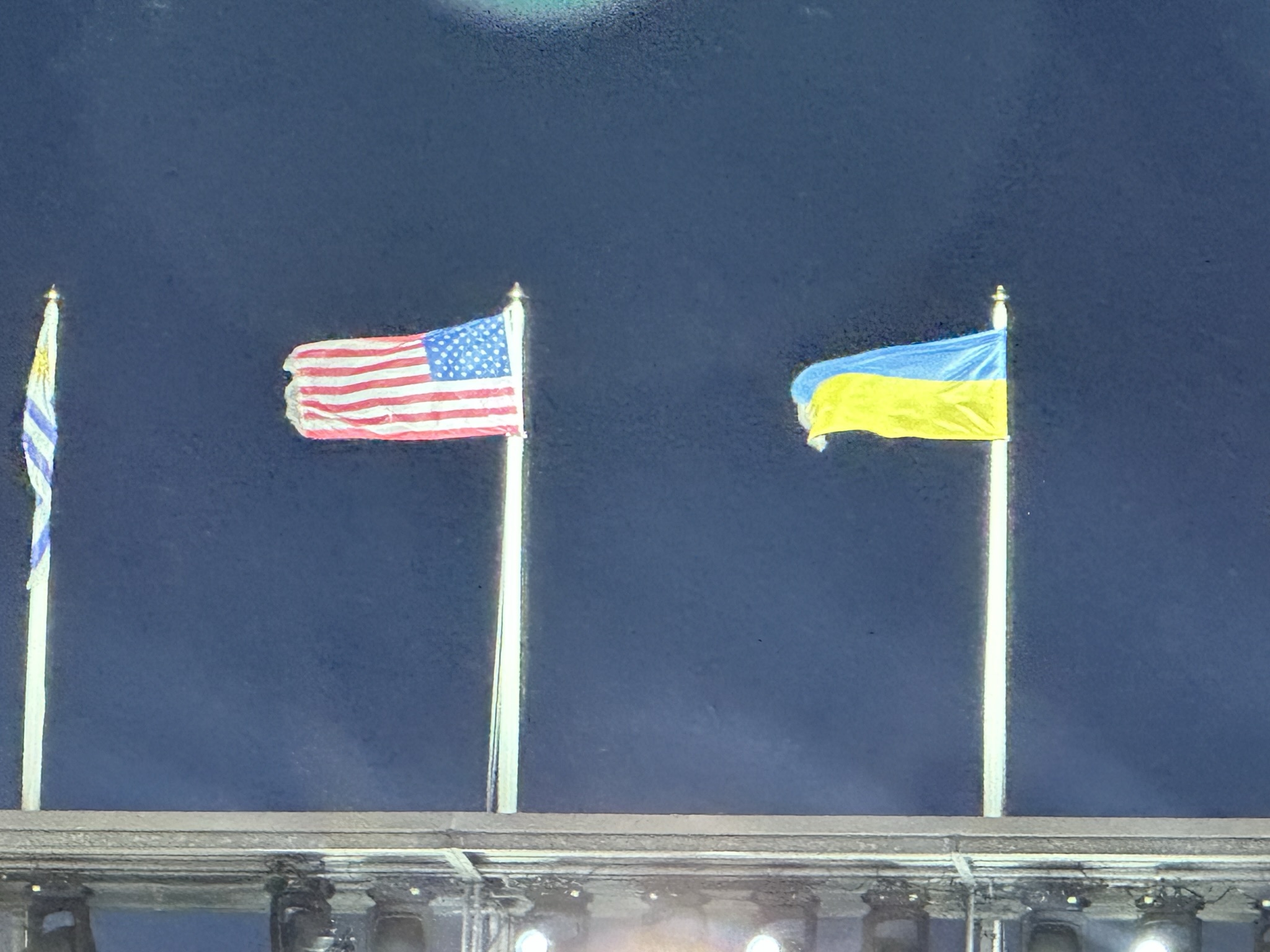
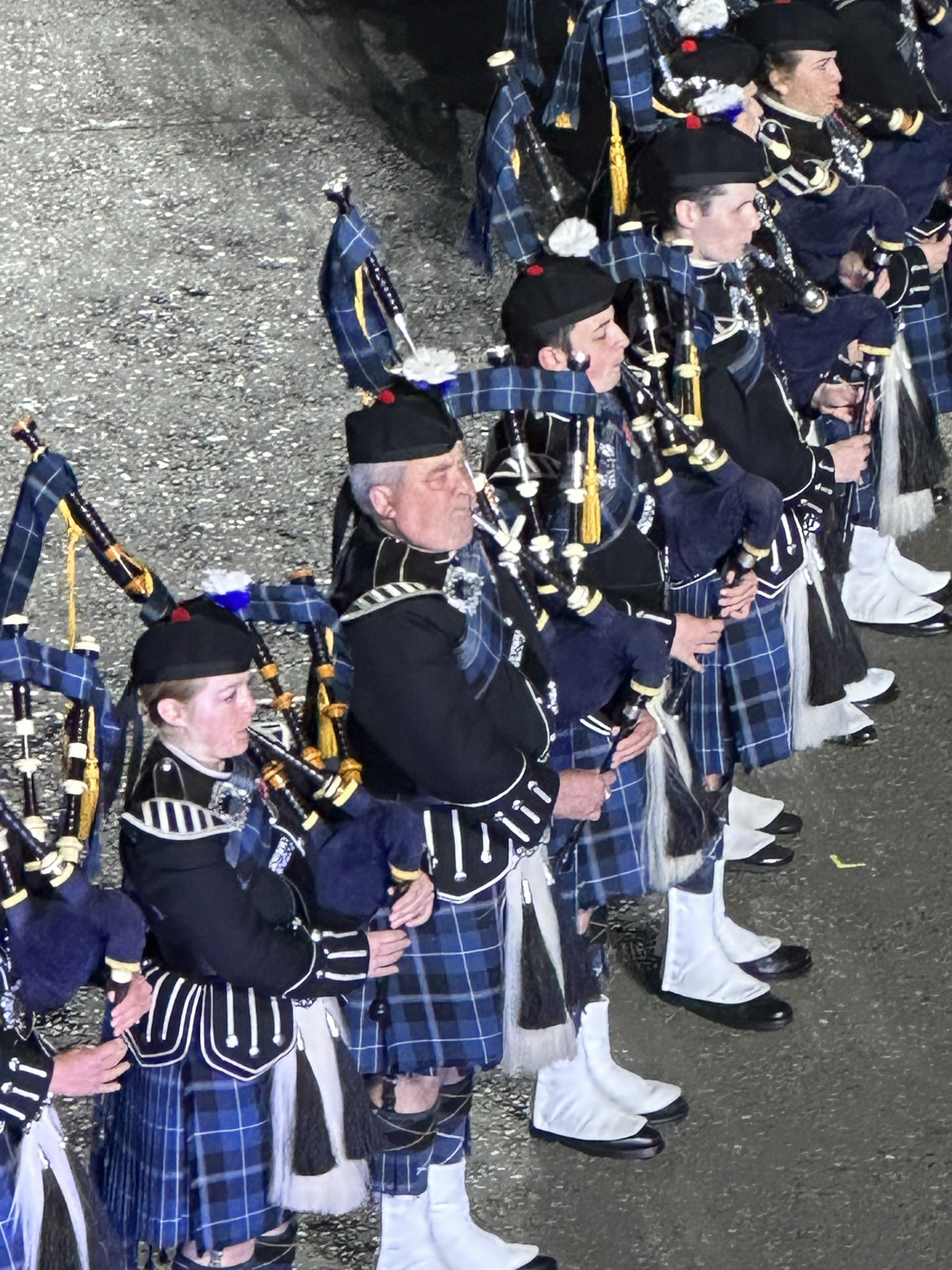
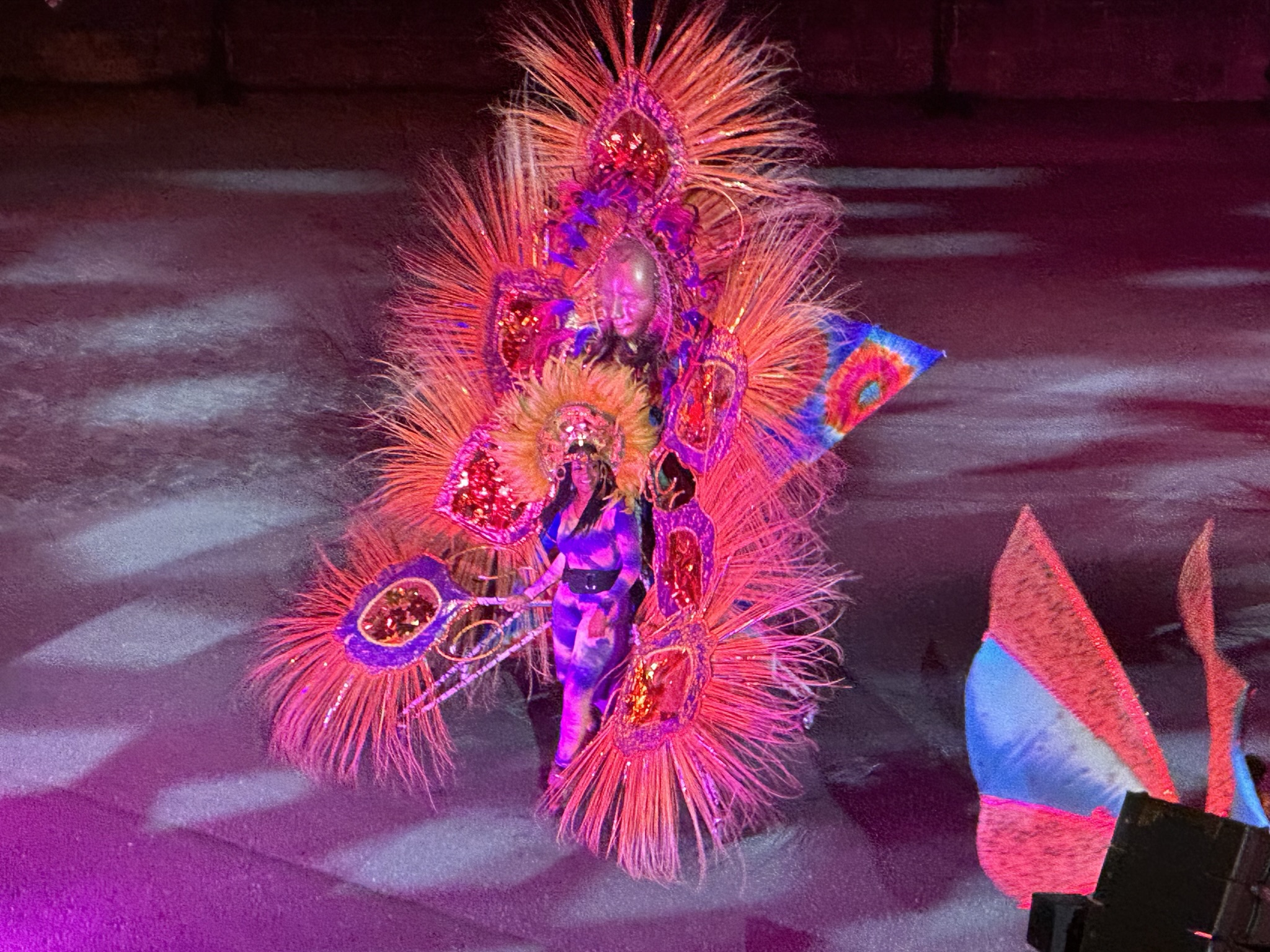
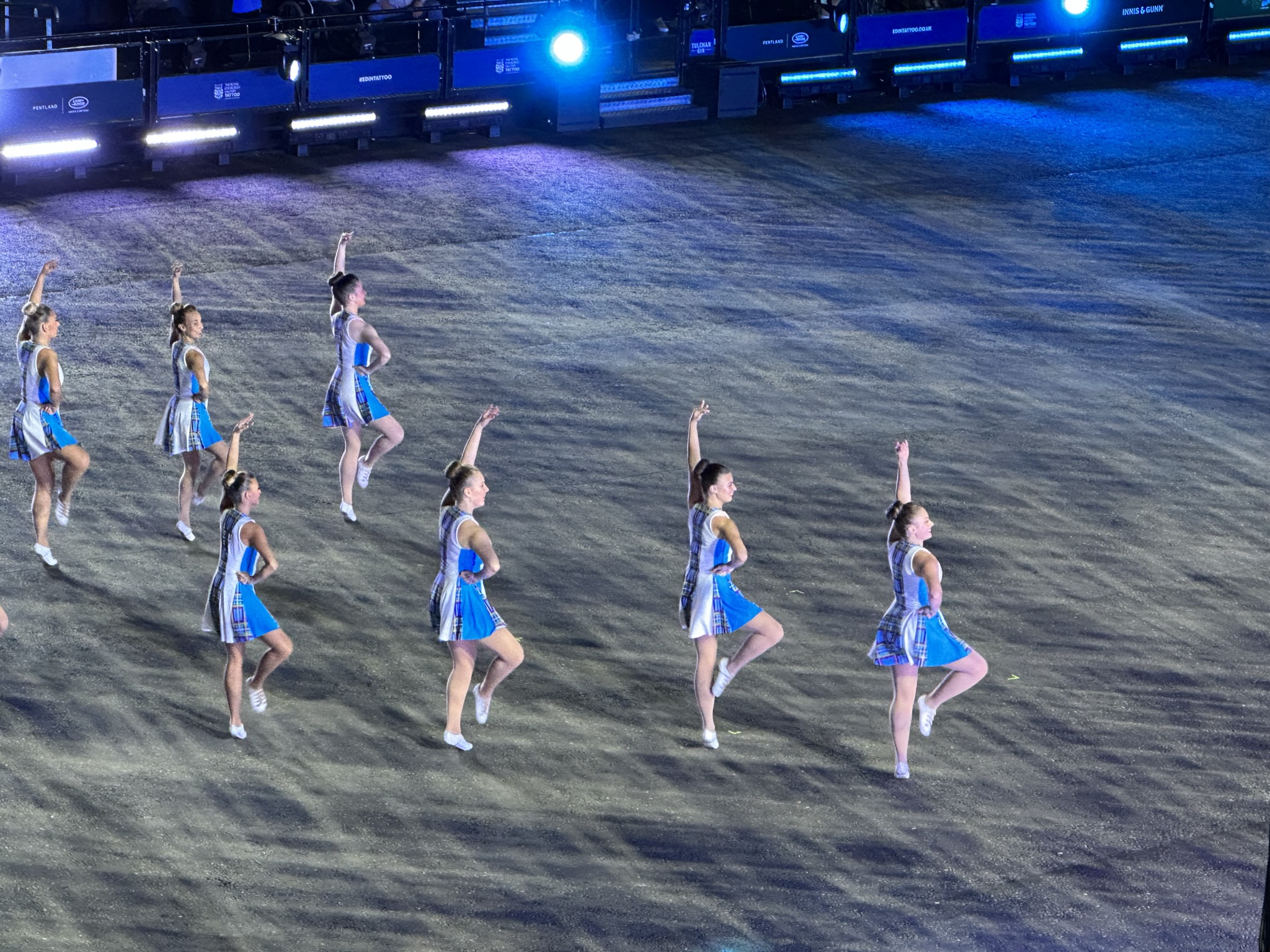
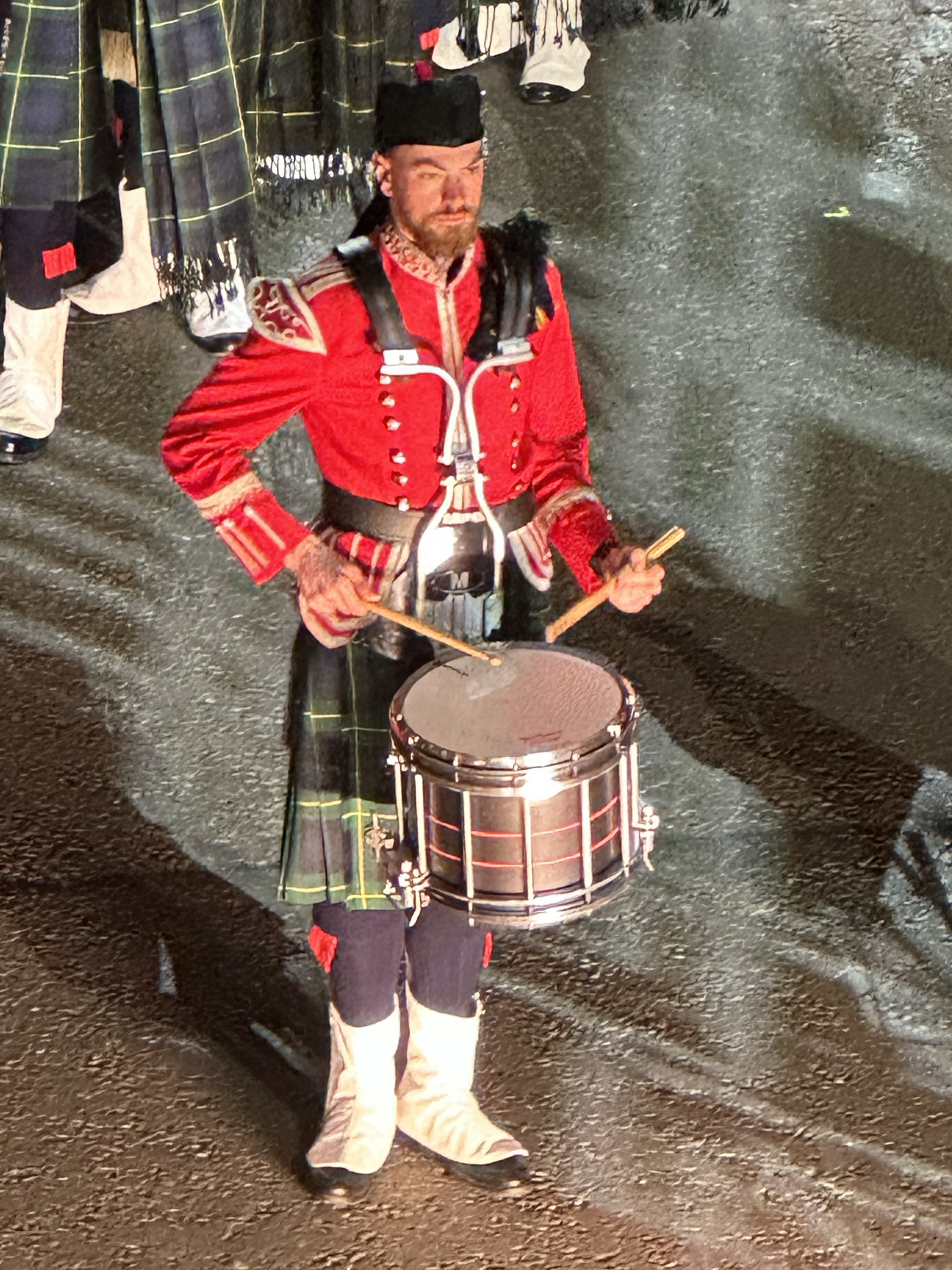
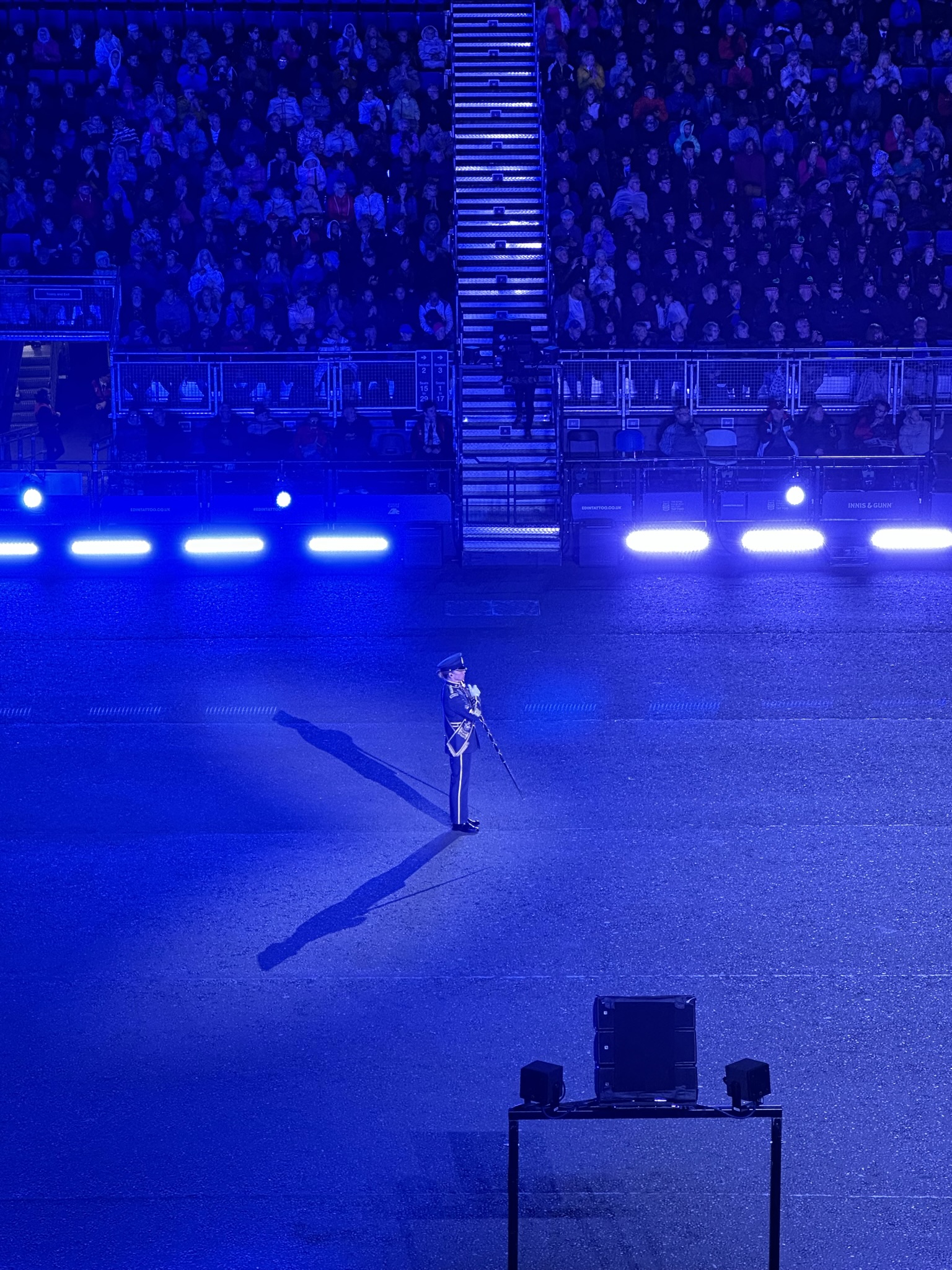
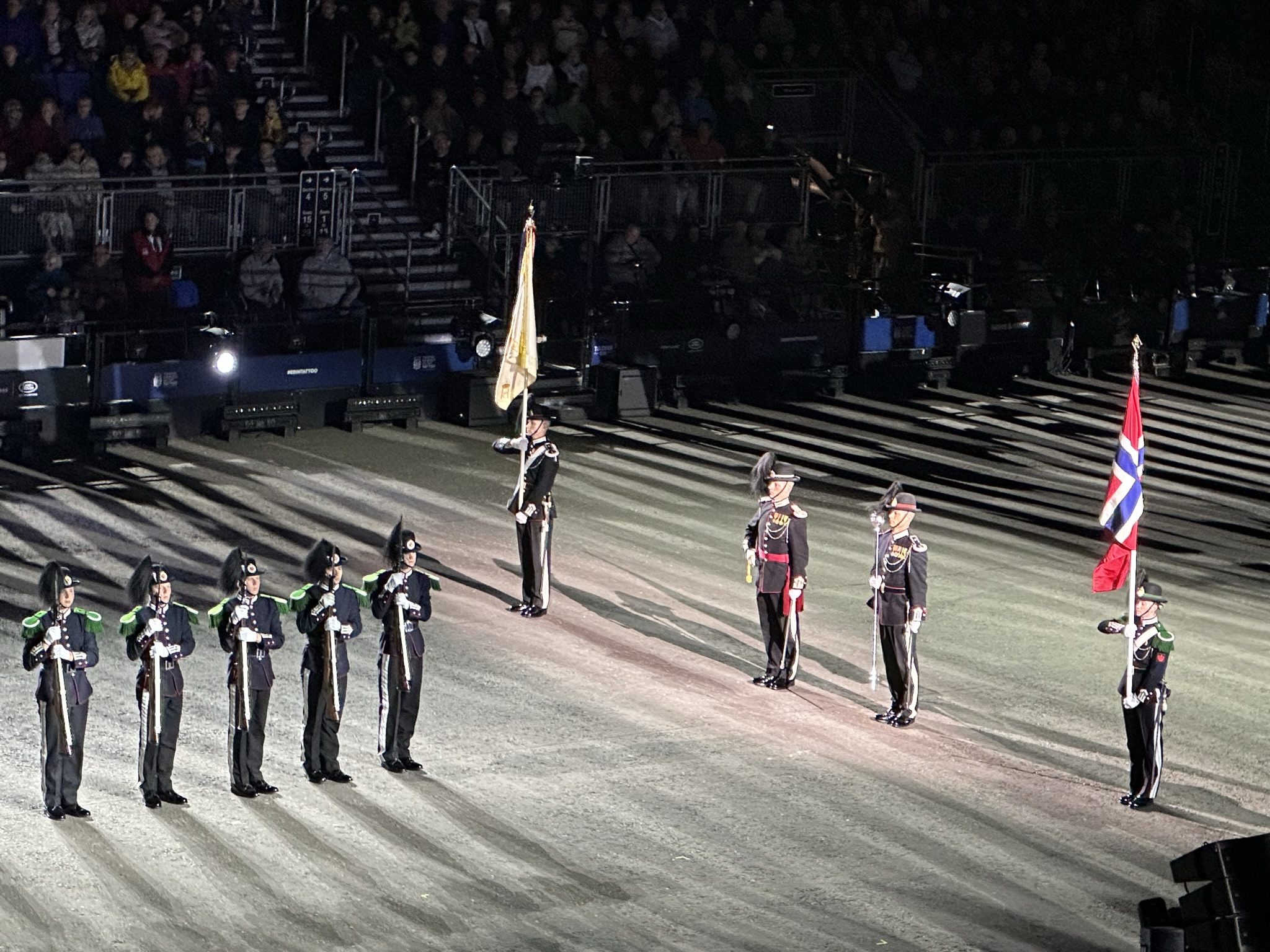
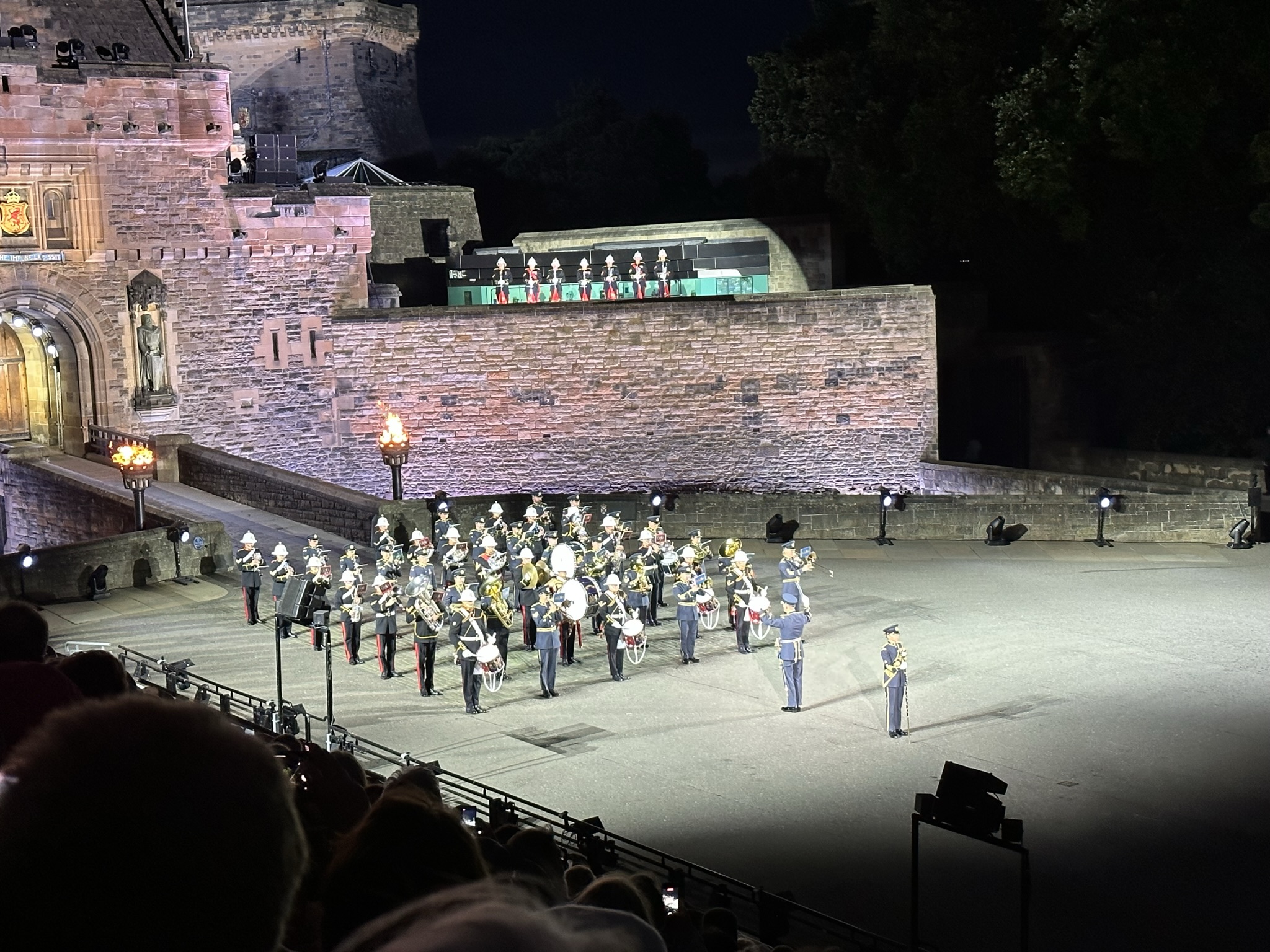
It began with our learning about the Tattoo. A symphony of light, sound and military precision filled with Scottish heritage and international harmony. I dare you to not be filled with pride when the pipes and drums play Scotland the Brave regardless of your heritage, or to not wipe away a tear during the finale’s lone piper and all he symbolizes, standing on that wall protecting us from harm. If you’re here in August, go. If you’re coming, it’s worth coming in August to go. If you’re not coming but want to, plan your trip to catch the Tattoo. For more on our Tattoo experience click here.


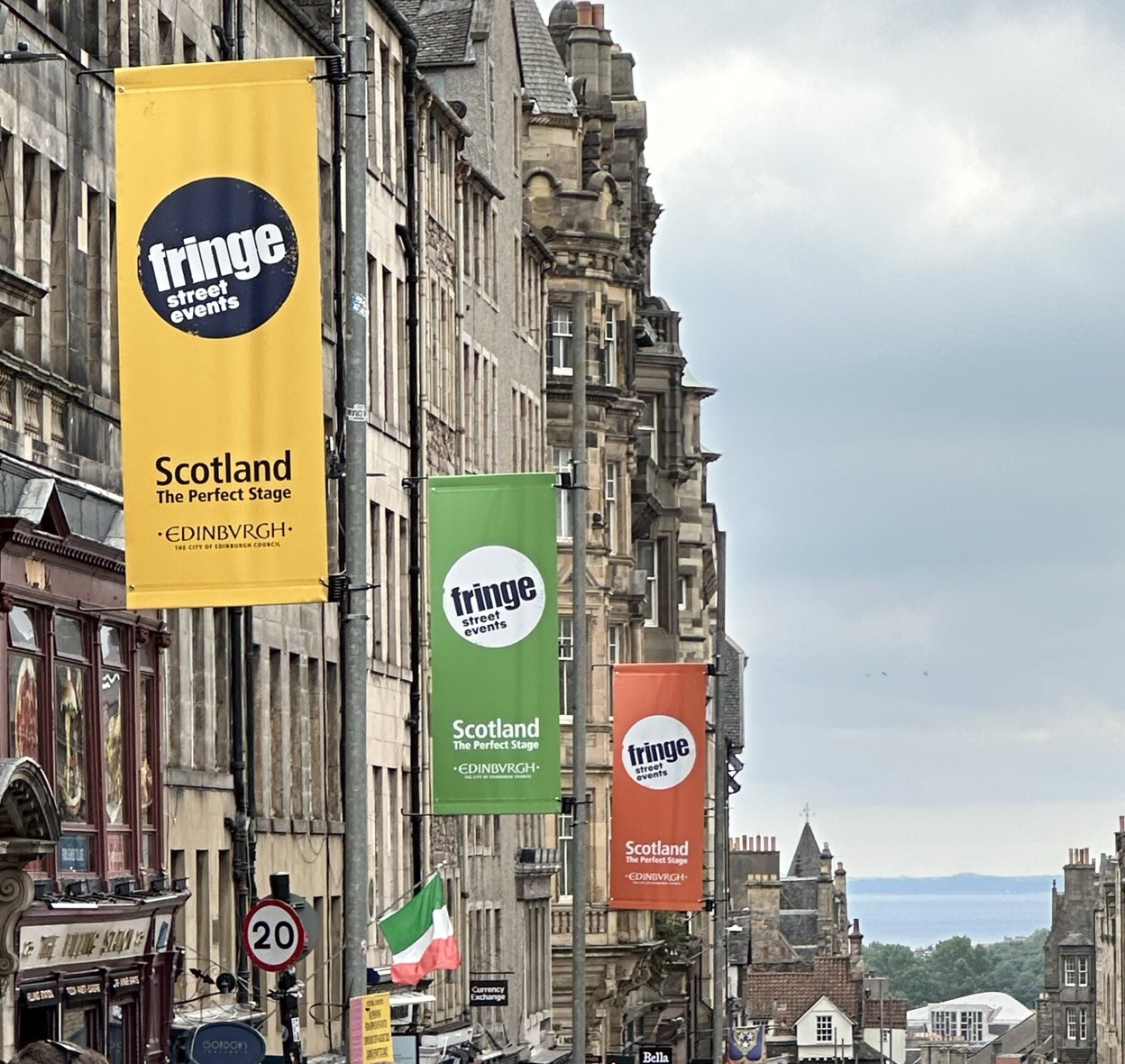
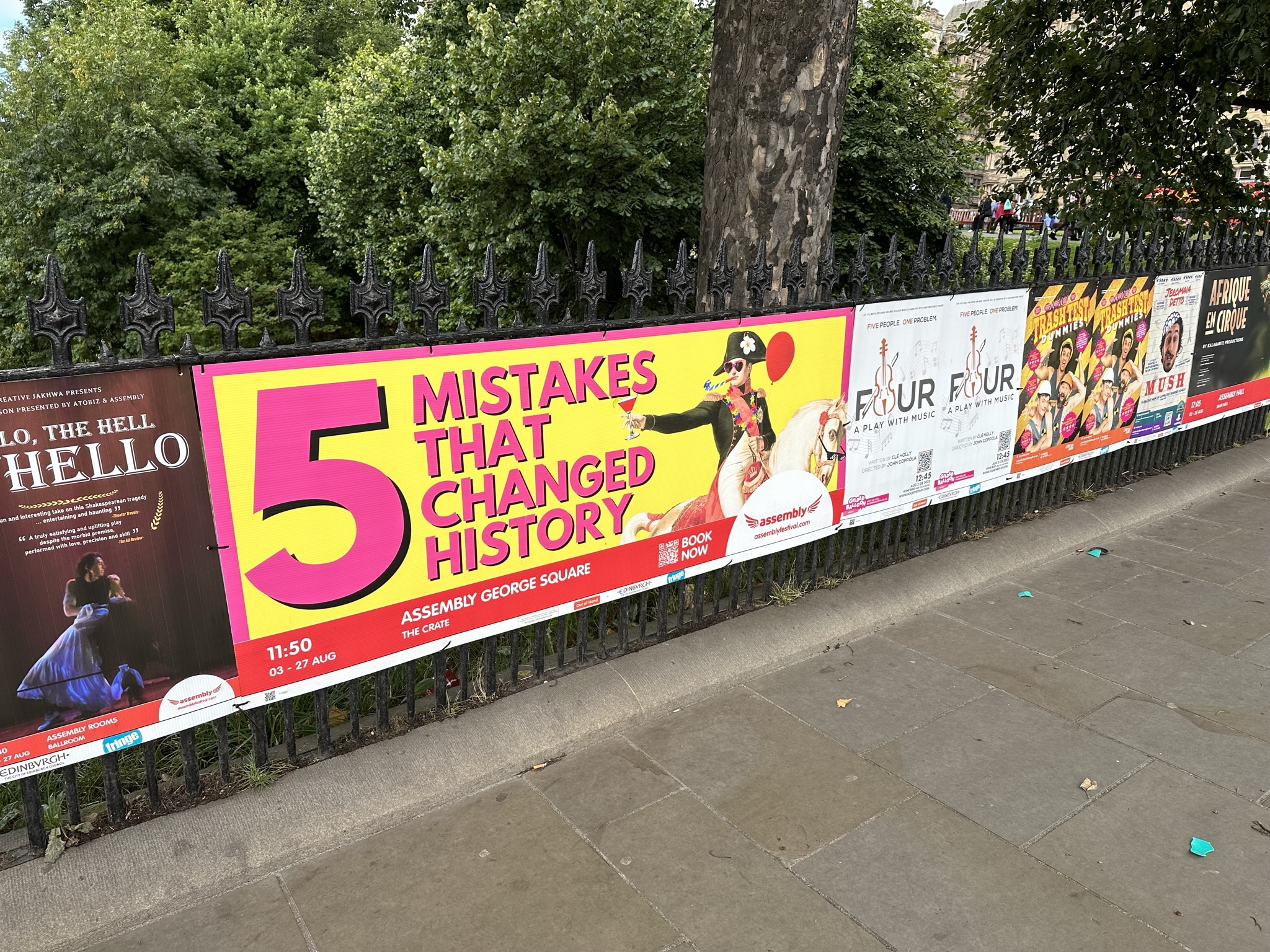
Then, as we learned that there was more stuff going on, I started to research the Fringe Festival at https://www.edfringe.com. With more than 3,000 acts this year, the quantity and variety of choices are, frankly, overwhelming. I narrowed it down to a couple of comedy acts, a couple of drag or burlesque shows, a play and a couple of musicals, and a walking tour. We chose Red Hot Kitties and Cockatoo (a low budget and creative burlesque show) and Tony!, a musical about Tony Blair which seems like it ought to be playing on the West End.
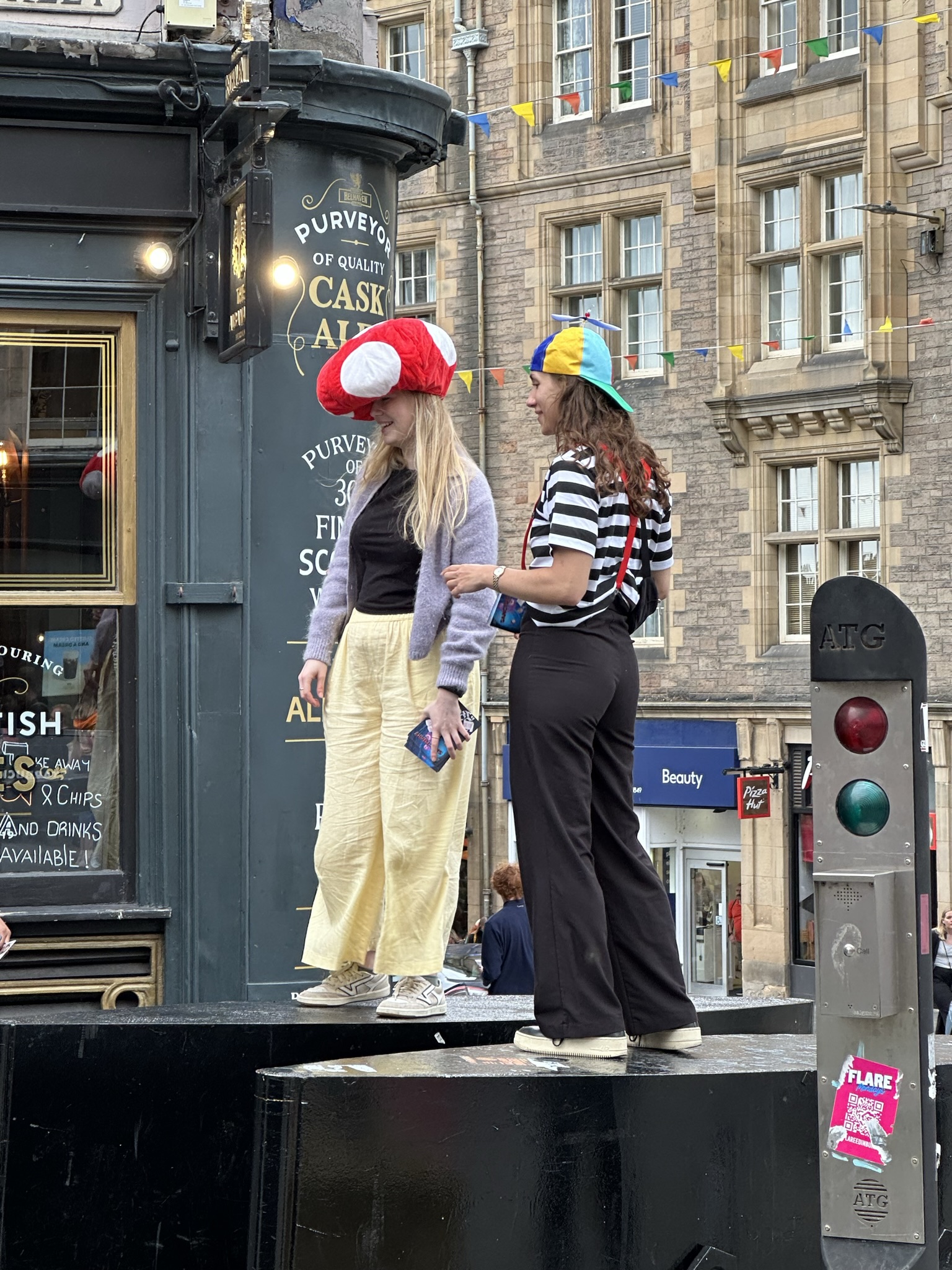
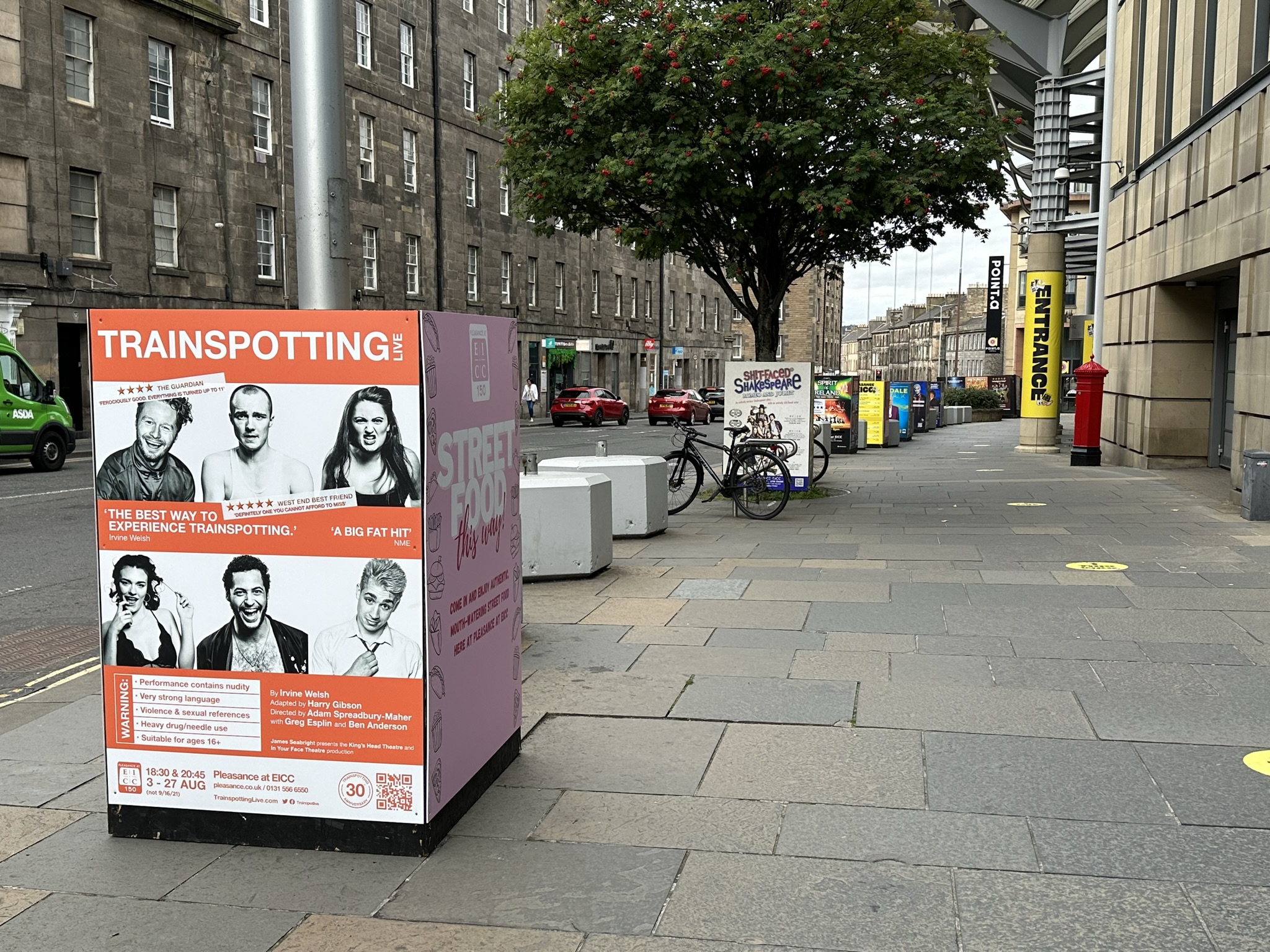
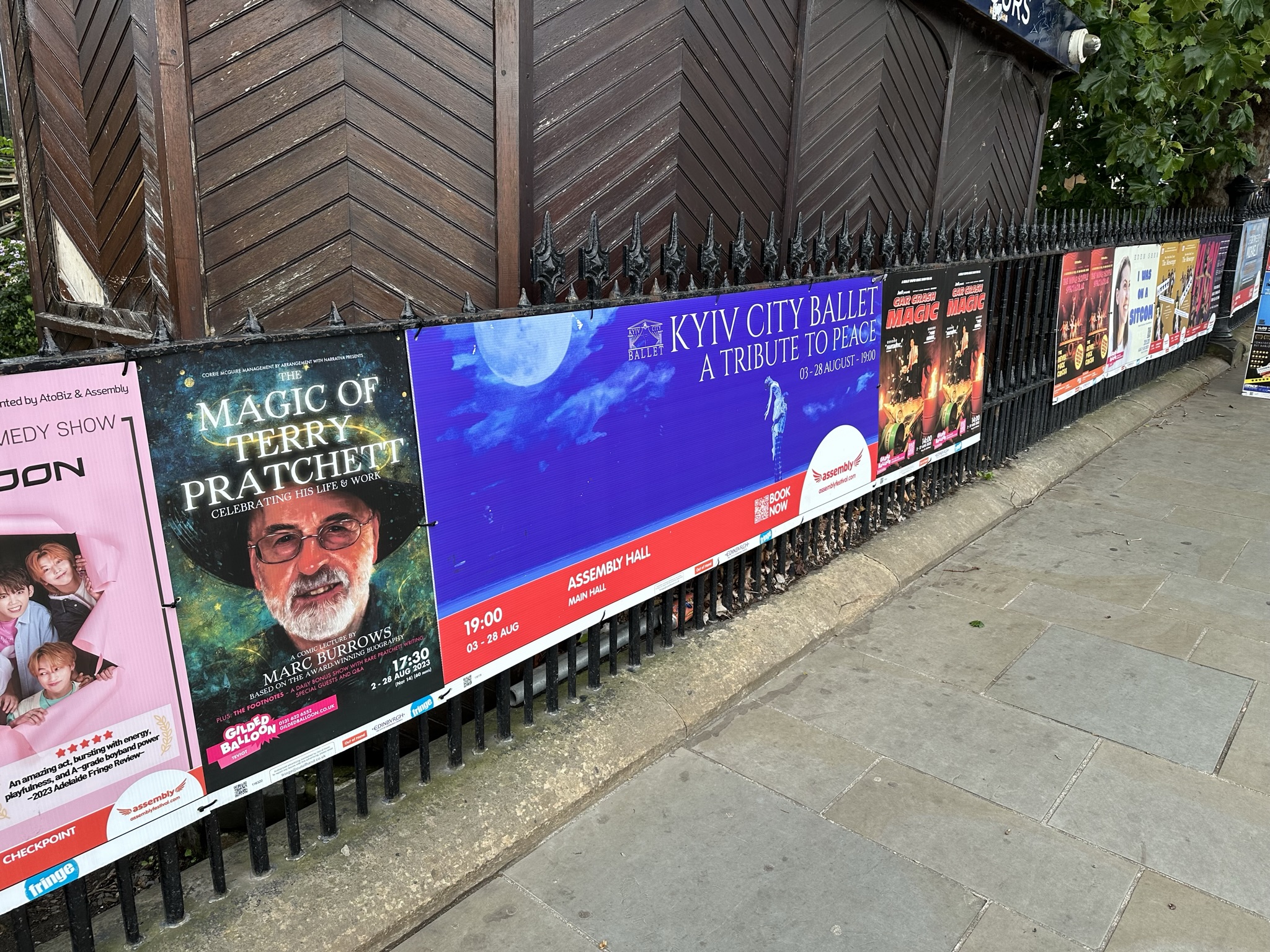
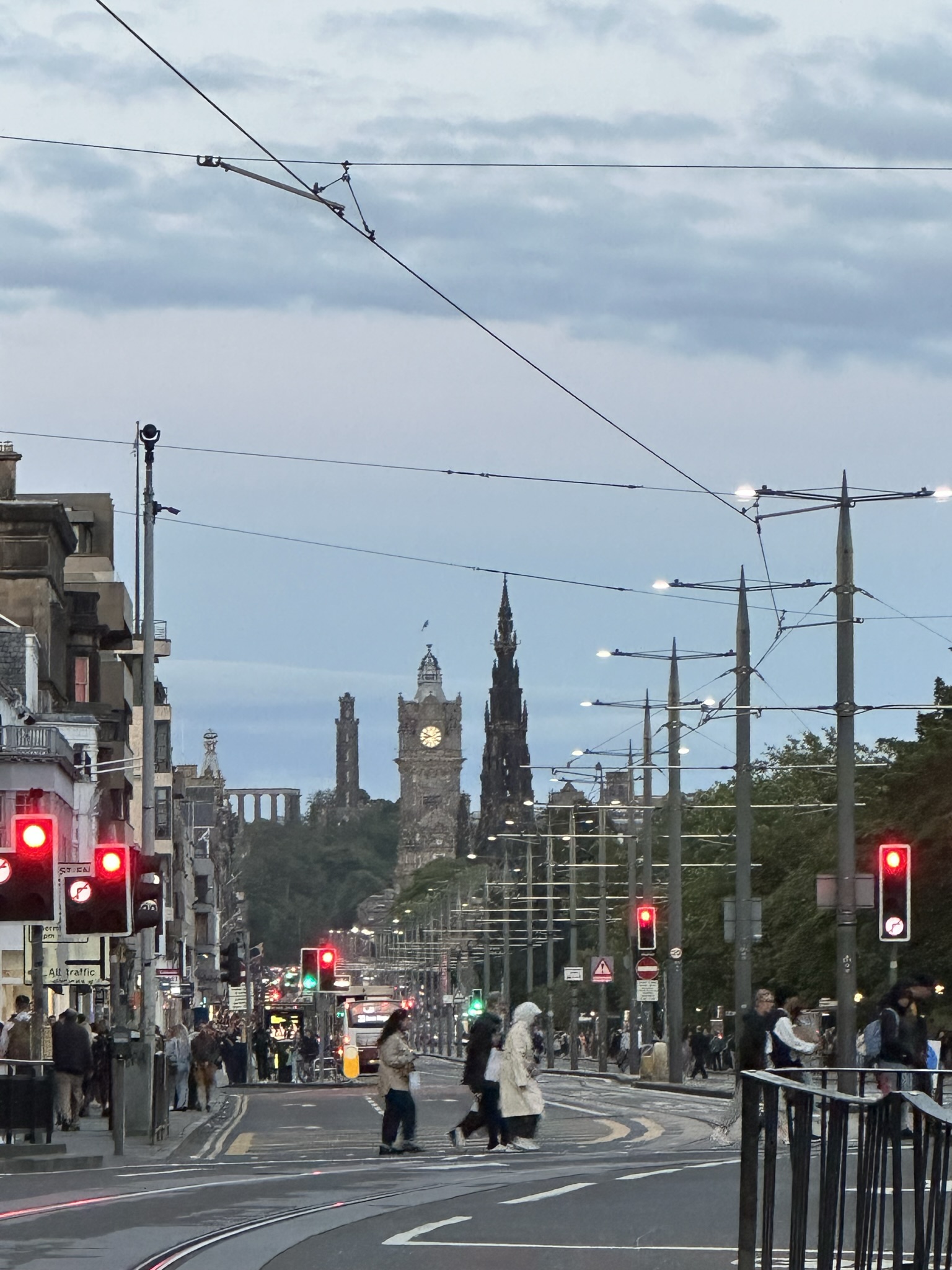
As you walk the streets of Edinburgh more choices bombard you on every lamp post, street corner and intersection. Posters advertise their shows, performers try to draw you in from atop rocks, walls and each other. And promoters and actors sing, call out or offer flyers to the shows as you pass by on the busy streets. Quirkiness abounds. The sideline “fringe” act is now the main event and seems to trump the formal International festival on whose tailcoat it once rode.
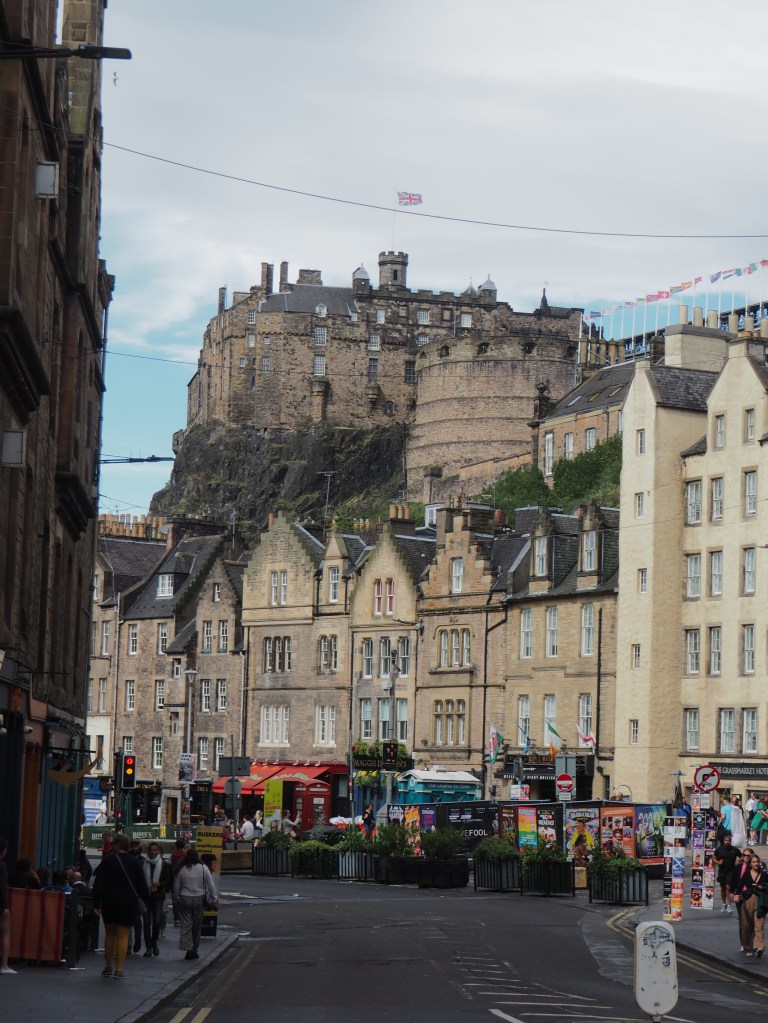
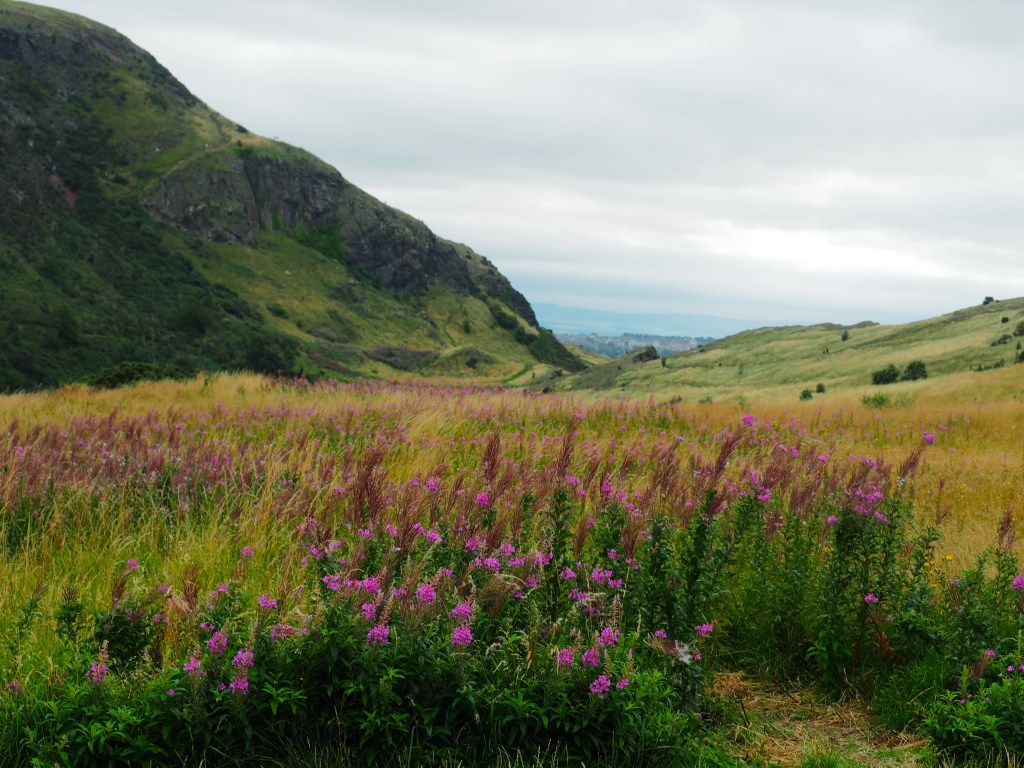
Edinburgh is built on top of a massive rock formation, deposited here by an extinct volcano, now know as Arthur’s Seat, a mountain in Holyrood Park within the city limits which you can climb for views of the city, the Firth of Forth (the river which dumps into the North Sea not far from here) and beyond. Glaciers carved out two steep edges and a prehistoric settlement was found here, atop the rock.
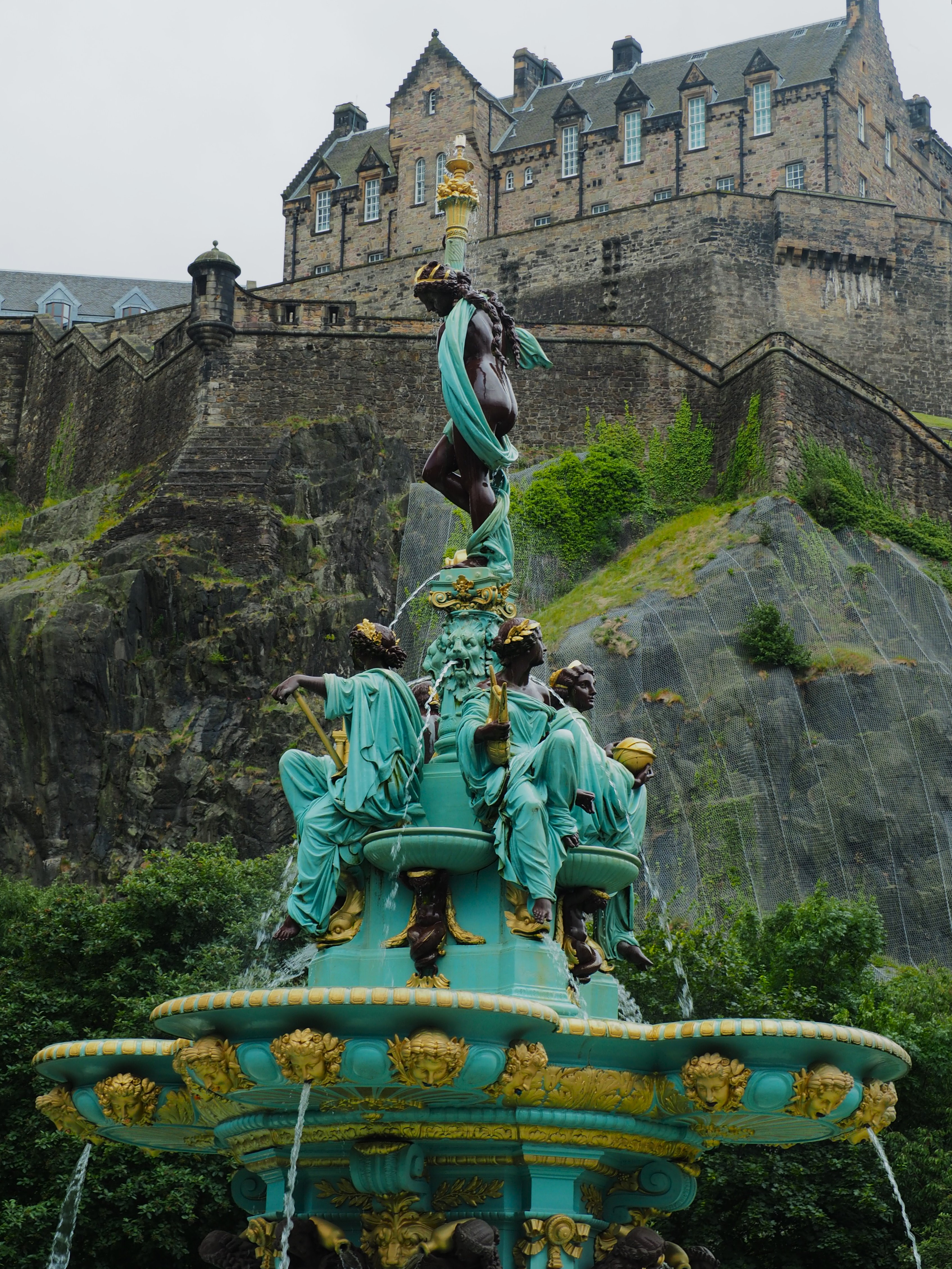
The town was founded as a trading village or “burgh” by the Welsh, Scots and Anglos in succession. The castle was built in 1103 and the city built up around it as Edinburgh grew wider, absorbing the settlements in its midst. Houses were built tall, ranging from five or six stories near the top of the hill to up to fourteen stories as you got lower. Mary, Queen of Scots resided at the castle until moving a mile down hill to the Palace at Holyrood, now the official British monarchy’s residence at Edinburgh (and a museum you can tour). The path between, a set of five connected streets is known as the Royal Mile and is lined with tourist shops, bars and restaurants and museums to visit as you make your way up or down the site of Royal processions between the two buildings at its ends.
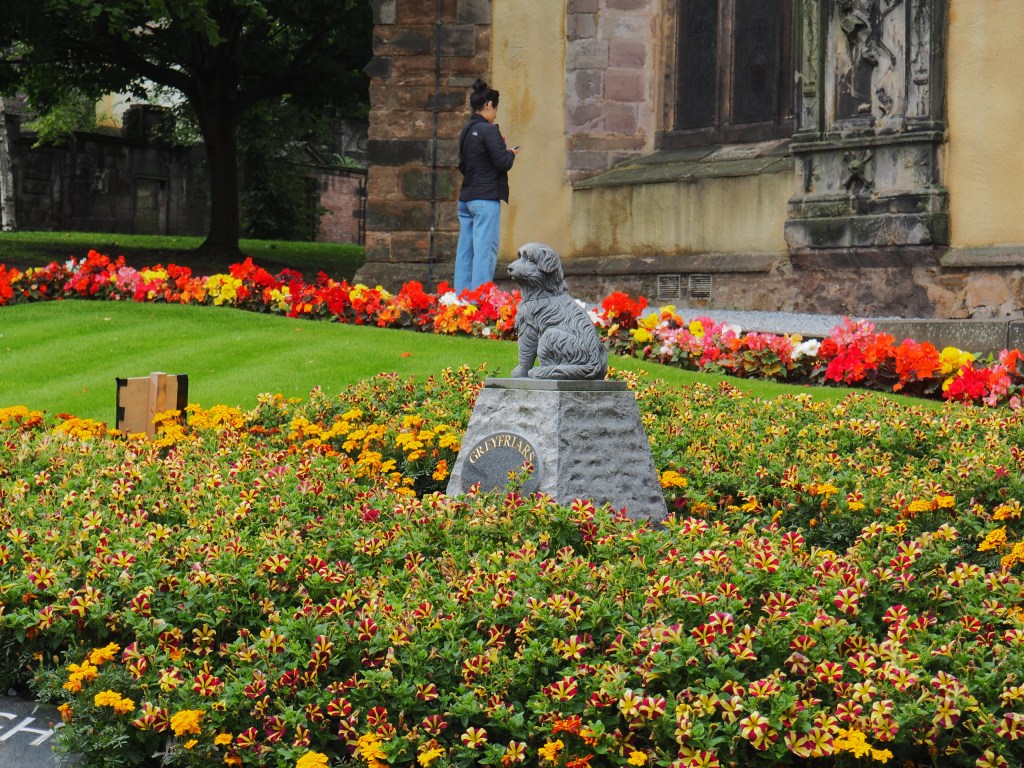
The old town of Edinburgh falls off to the left as you face uphill, and down to Grass Market, current and former market site and location of past executions. To its left is the cemetery where you’ll find Edinburgh’s favorite pup, Greyfriar’s Bobby, symbol of the bond between man’s best friend and the he or she over whom he reigns, after his posthumous vigil at his owner’s gravesite inspired books and films.
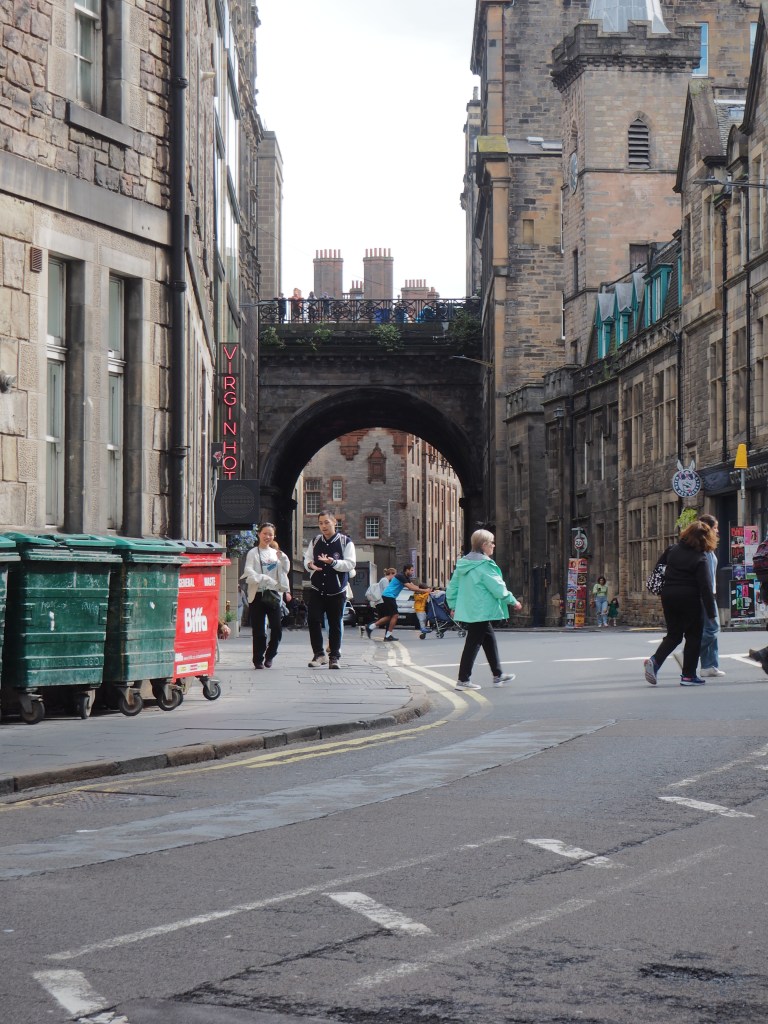
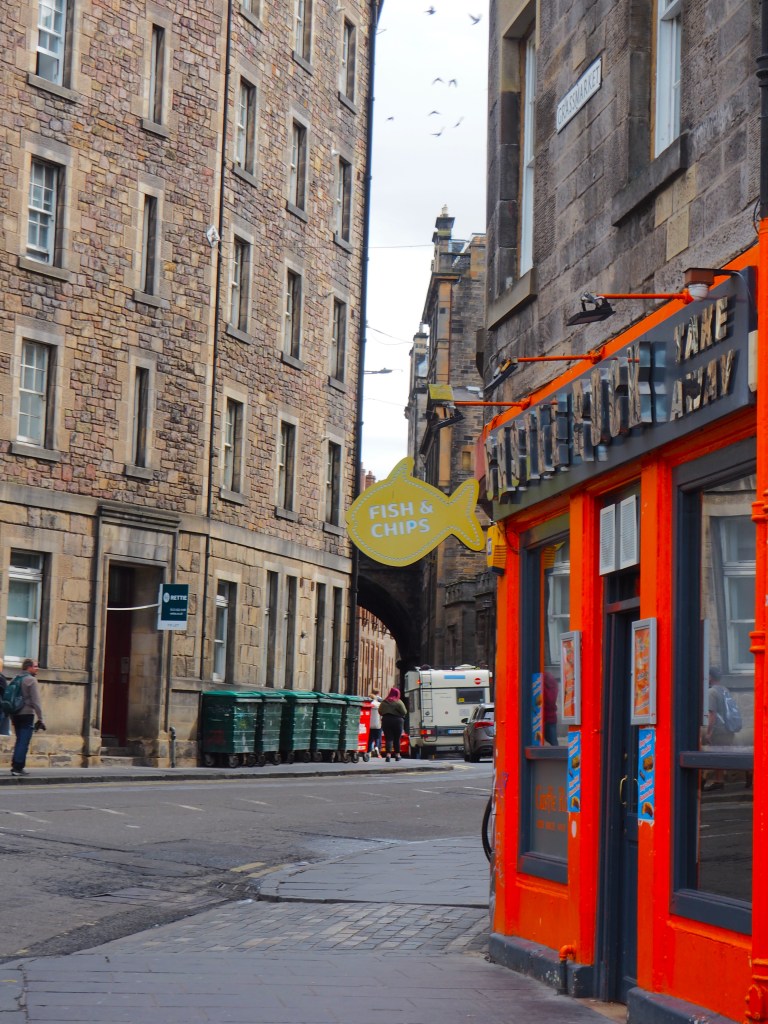
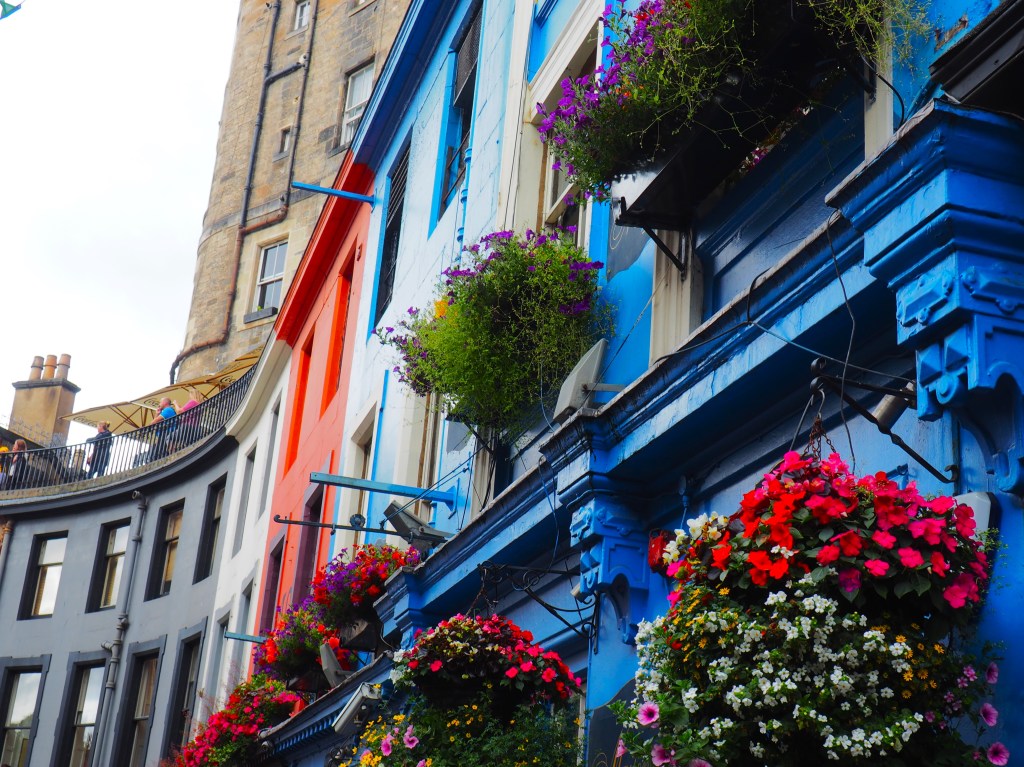
The whole of humanity once lived in the massive towers of old town, packed in like lemmings in shiny metal boxes, or stone as the case may be, in tight quarters where getting to know your neighbors was unavoidable. The rich would select the middle floors, above the stench of pre-sewer Edinburgh streets and below the long climb to the top with a pail full of water. The old city wall to the east is marked by the “End of the World” pub on the Royal Mile as to the residents of medieval Edinburgh, the world ended at the wall.
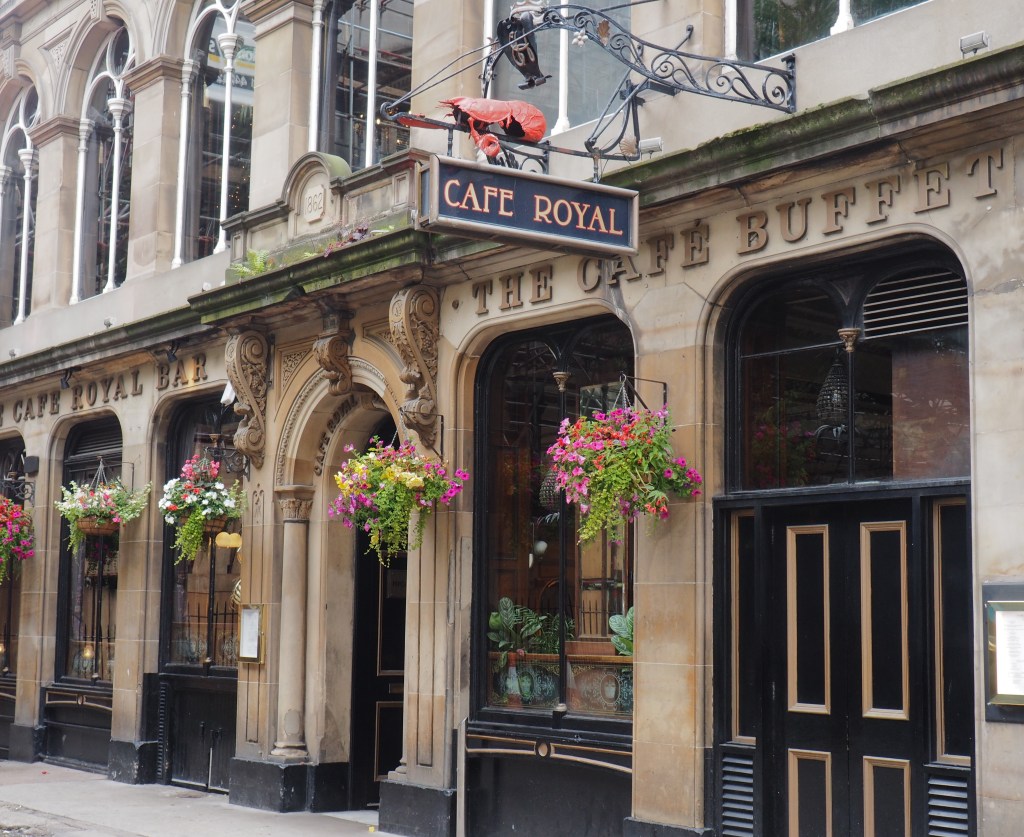
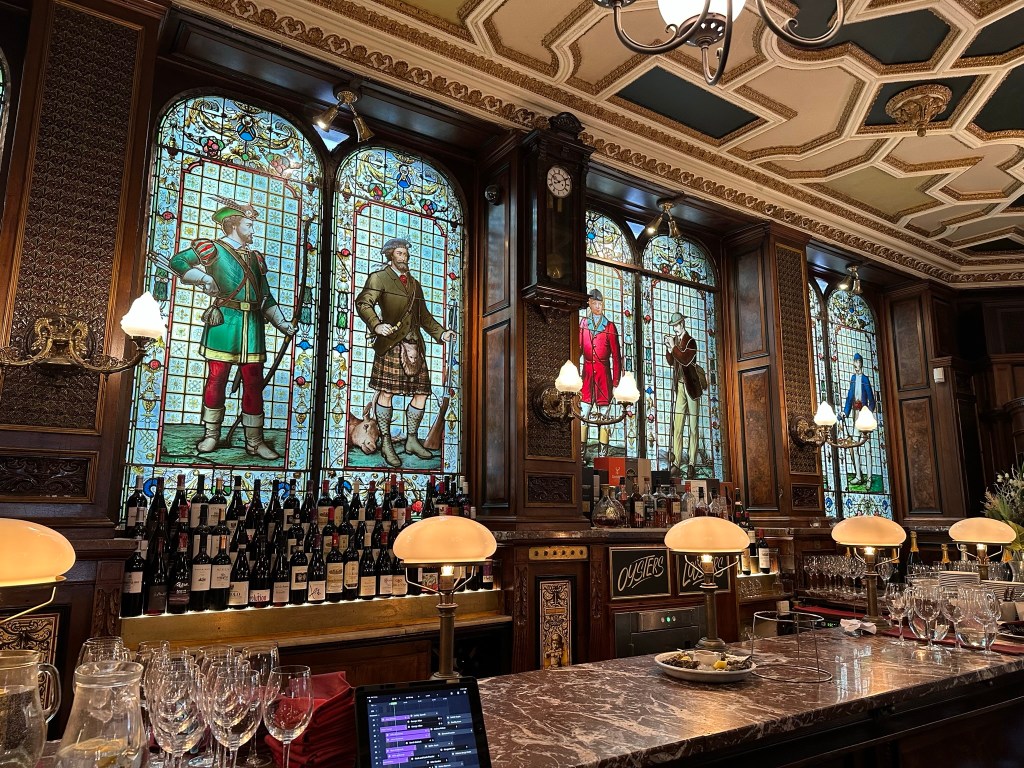
The new town was built under the reign of King George III, whilst he was being distracted by those rabble-rousing Americans across the pond. Laid out in a grid, it was designed by contest winner, James Craig in 1767, and curried favor of the King by naming its squares St. Andrews and St. Georges (patron saints of Scotland and England) and its streets George’s, Prince’s and Queen’s (the trick worked, the plan was approved). If you visit, pop into Cafe Royal, if you can find a seat, an authentically restored, continuously operating Victorian era pub.
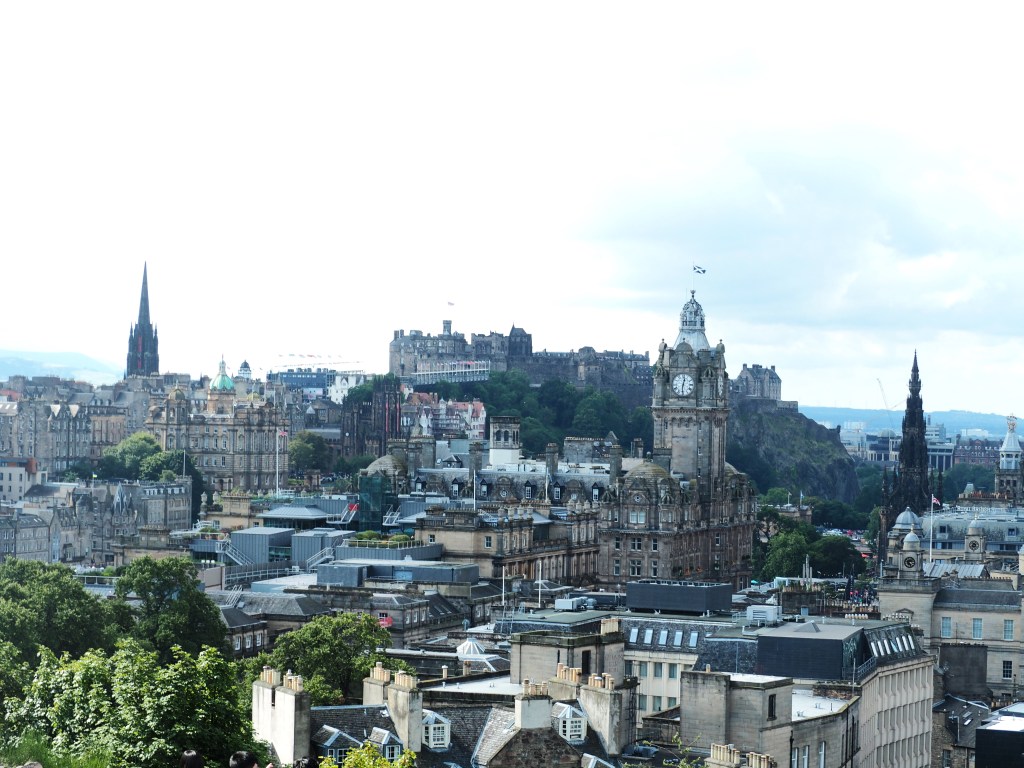
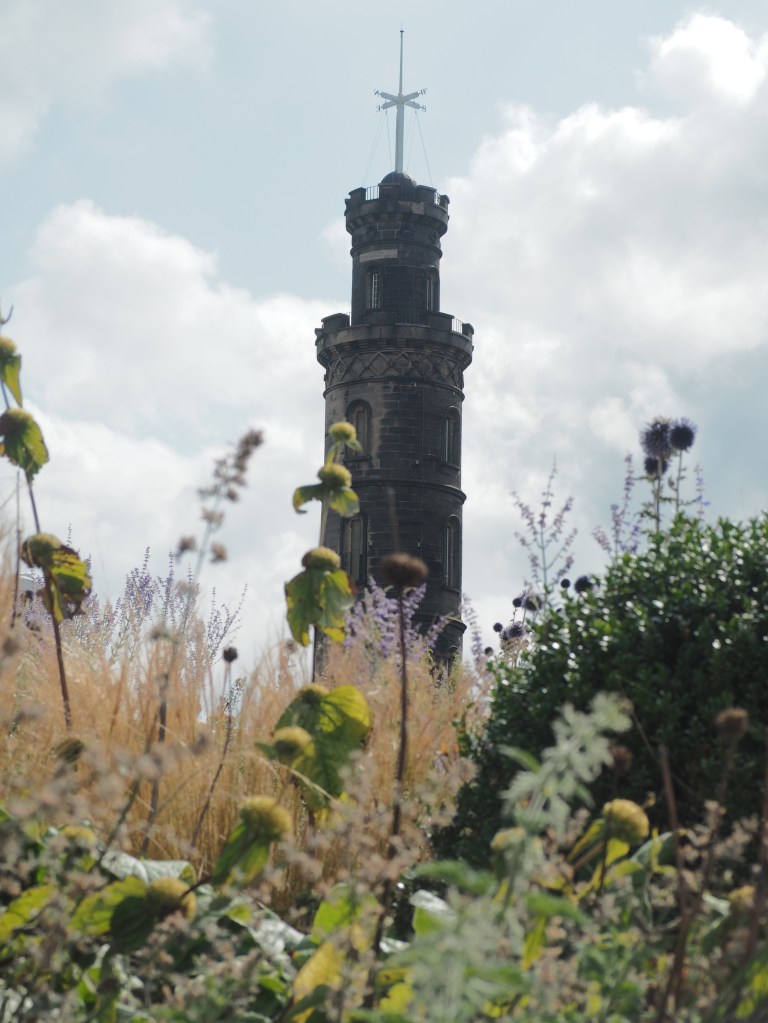
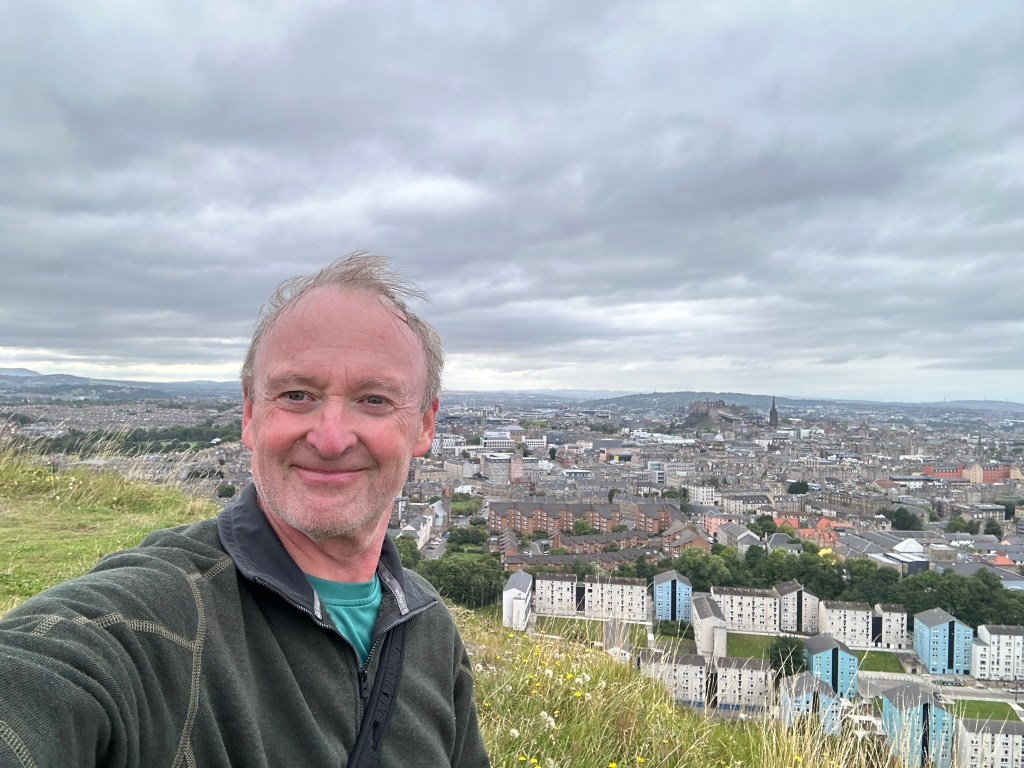
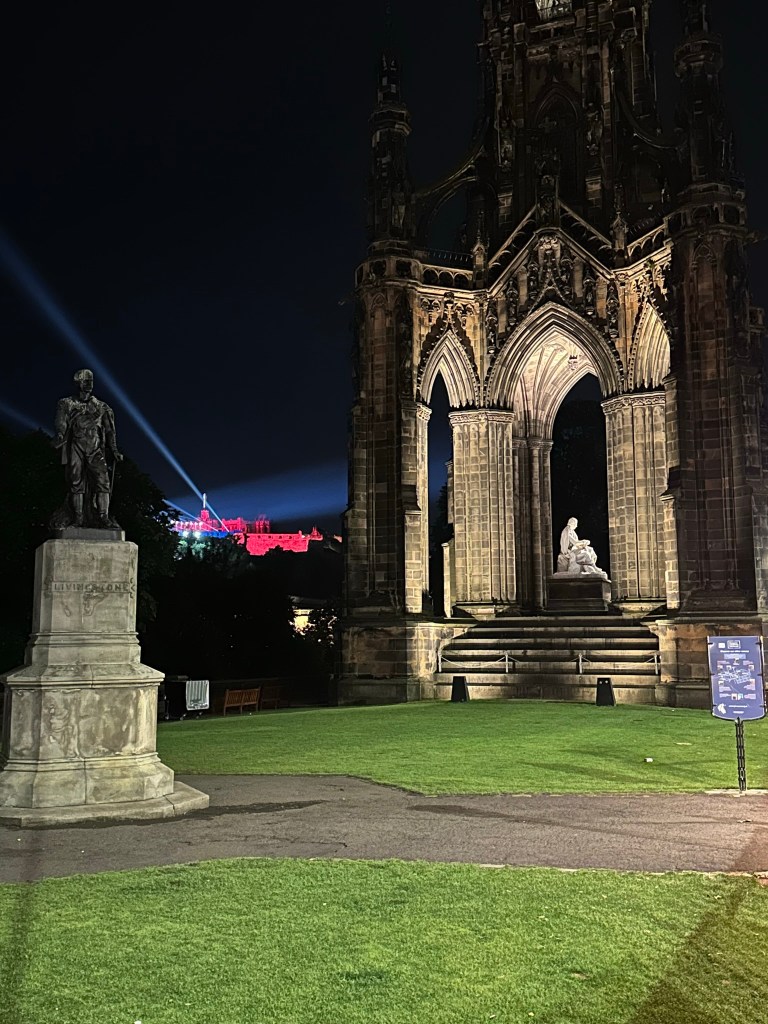
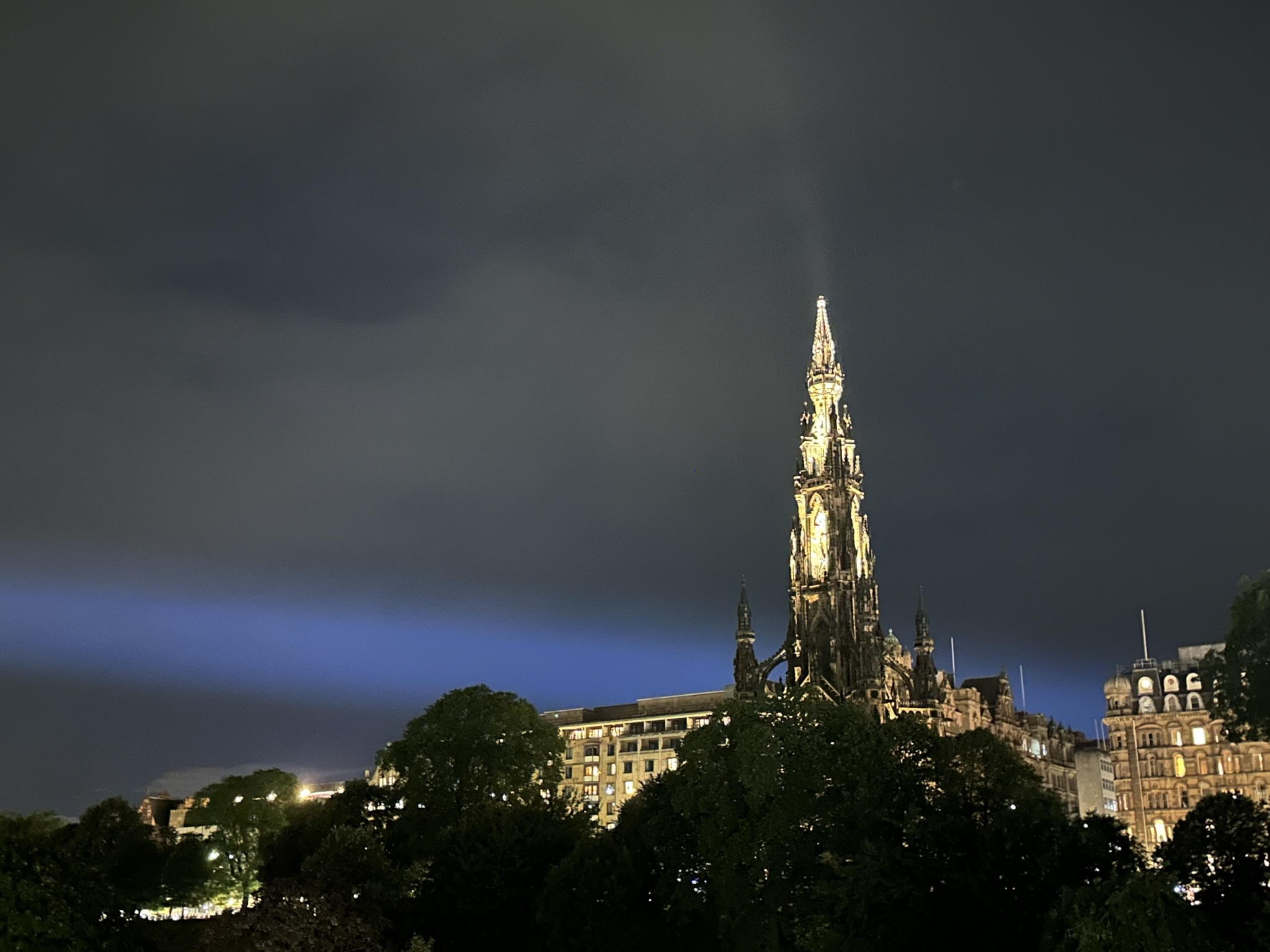
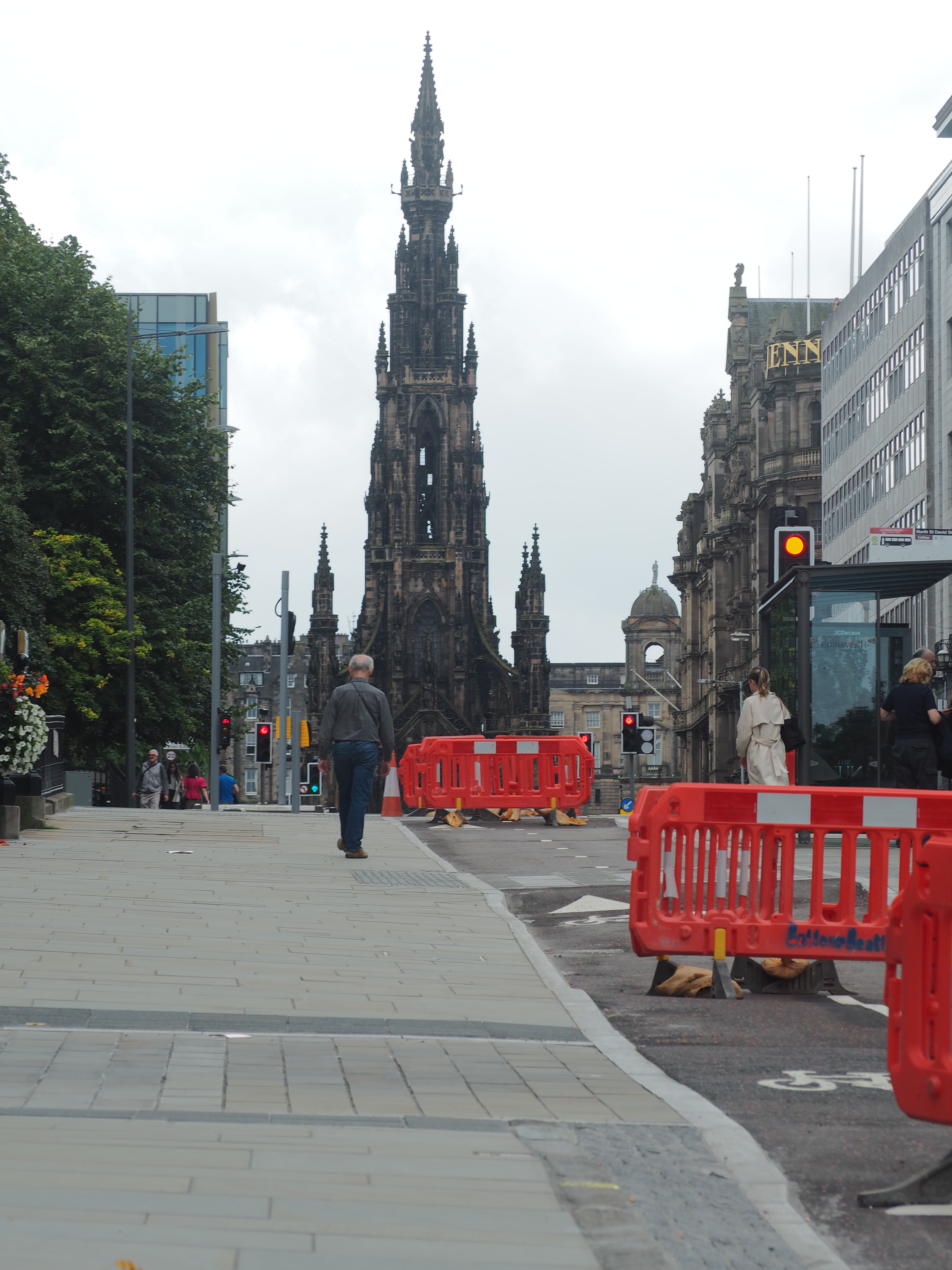
Climbing Carlton Hill and its tower (or the aforementioned Arthur’s Seat) offer sweeping views of the city. For a not so good view, you could climb the memorial tower of Sir Walter Scott for a fee of £8 which was added to stop the suicides by leaping from atop it (it worked).

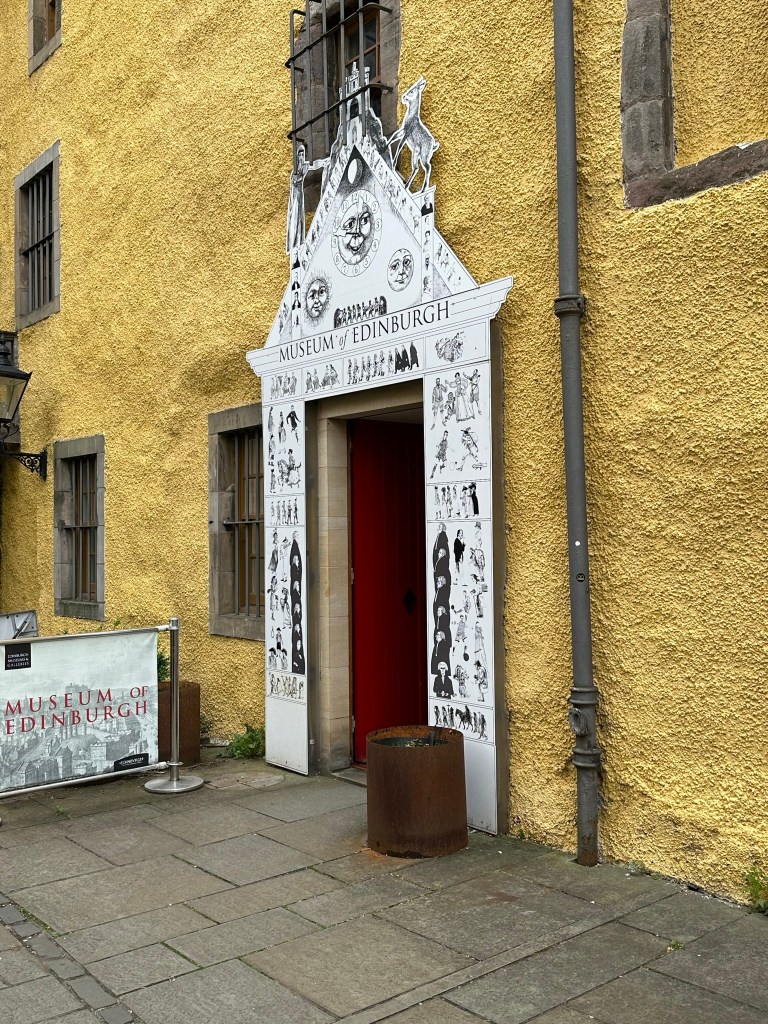
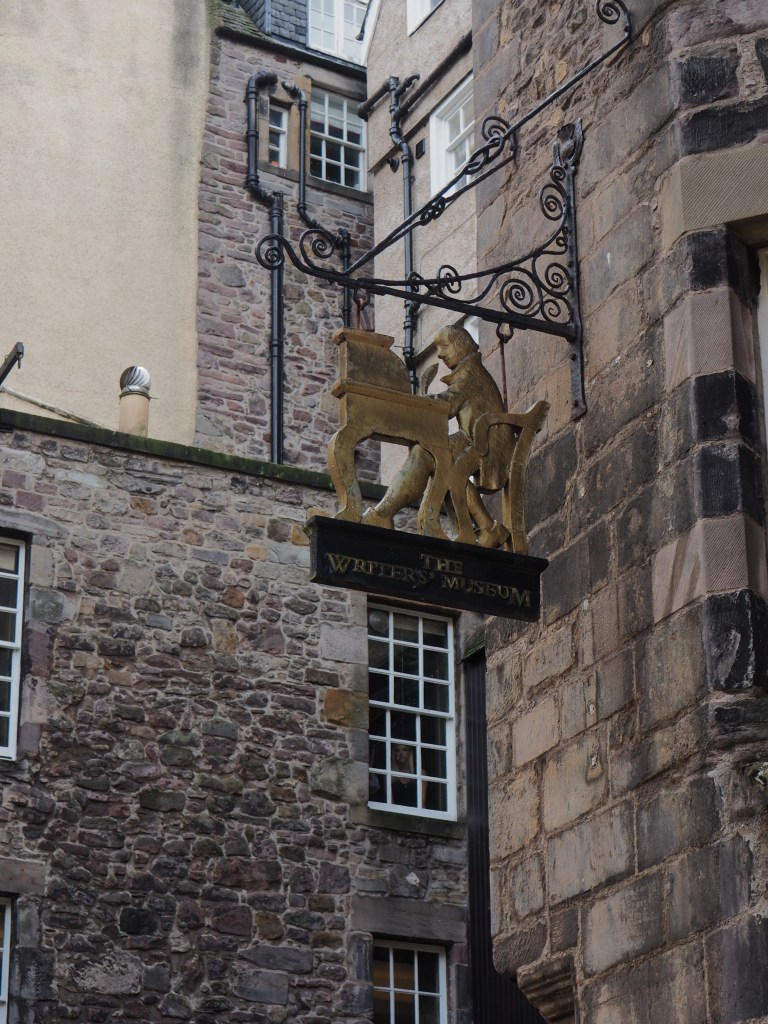
Most of Edinburgh’s museums are free to visit. Among them are the Museum of Edinburgh on the Royal Mile which traces its history, industry and a few of its famous residents. You can also visit the Writer’s Museum which pays homage to Sir Scott, Robert Louis Stevenson and Rob Roy, all Edinburgh natives or one-time residents. Edinburgh is a literary place where Adam Smith founded modern economics and he and his contemporaries created the Encyclopedia Brittanica, and where JK Rowling wrote the Harry Potter books.
Edinburgh is an innovative place. Home of Alexander Graham Bell and the creator of the video game Grand Theft Auto. The Surgeon’s Museum (which we skipped, being a bit museum-ed out on our final day) displays artifacts of another of Edinburgh’s claims to fame: healthcare. Early surgeons would look the other way with no questions asked when the grave robbers from Greyfriar’s cemetery would appear on the doorsteps with fresh cadavers and during the plague, so many people were being buried alive that legend has it a piece of string would be tied to the big toe with the other end affixed to an above-ground bell so that one could, quite literally, be “saved by the bell”.
Among the medicinal developments which can trace its roots to Edinburgh and its University are the original treatment for tuberculosis (still part of today’s standard of care), the use of anesthesiology during childbirth and the world’s most famous sheep: Dolly, the cloned one created from the breast tissue of another and named after the only other Dolly you likely know based on the tissue from whence she came. And there’s plenty more to visit as well (some for a fee, most not).
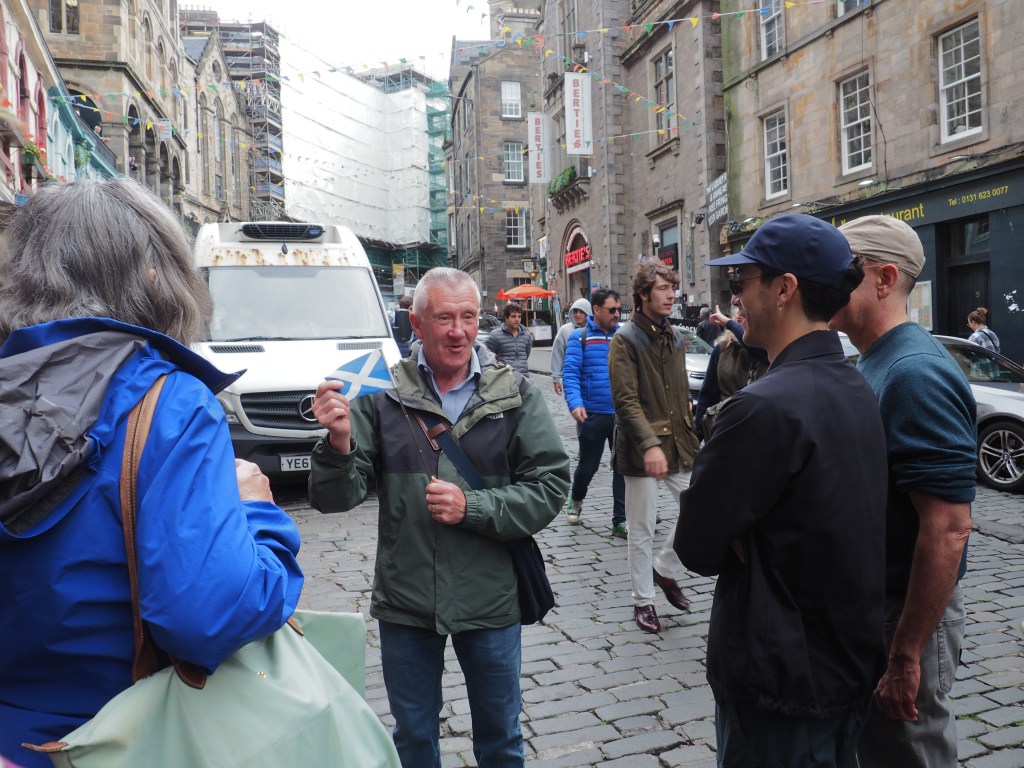
We took the Saints and Sinners Walking Tour with Peter where we learned most of the above. He’s a “tour guide, story teller and cardiac coach” who knows how to share just the right amount of history and facts with a wee bit of Scottish humor as he winds you from Greyfriar Bobby’s pub to Calton Hill through streets and alleys, wynds and closes from points A to B. There are free tours you can join but we strongly recommend this one.
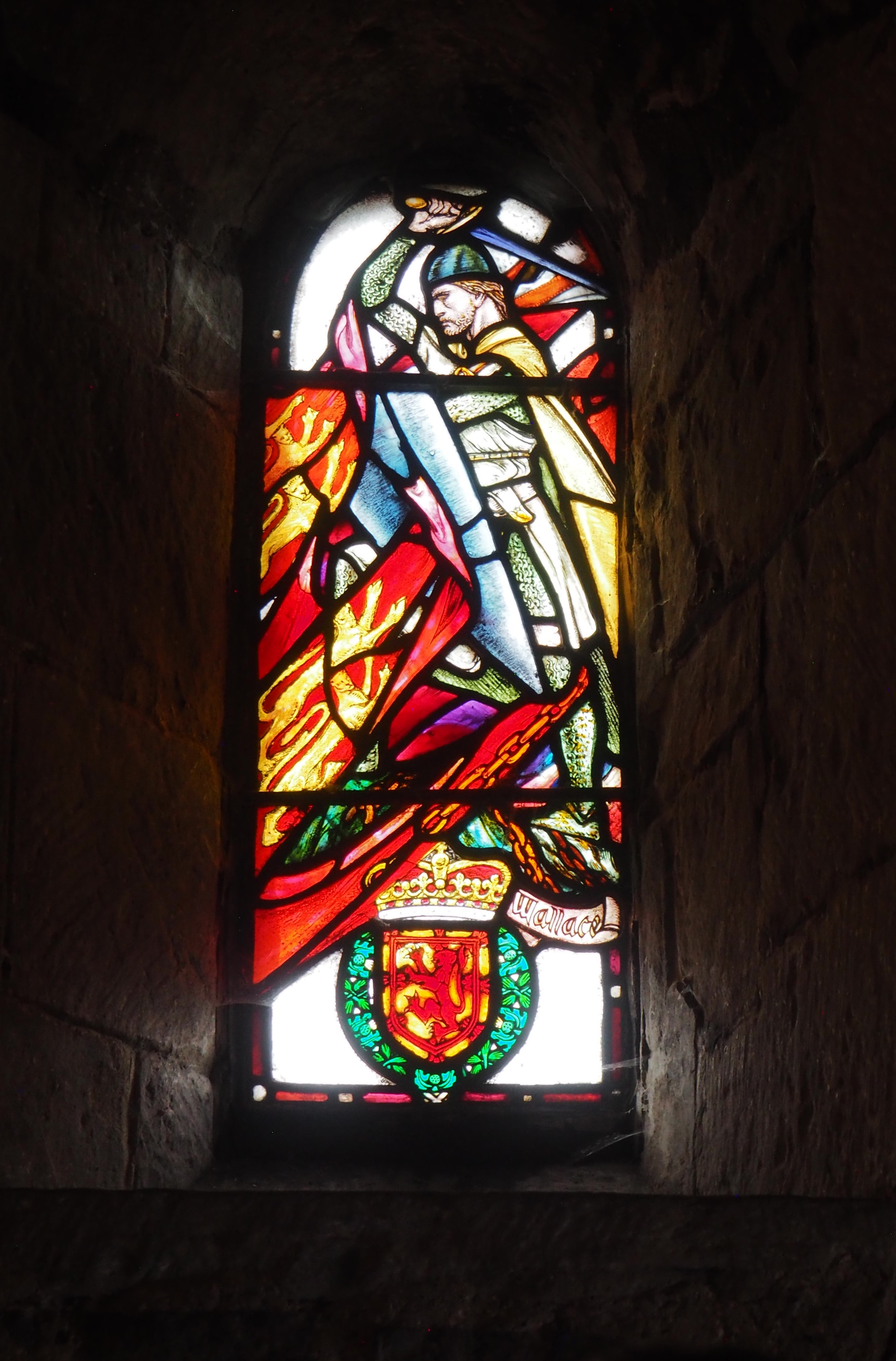
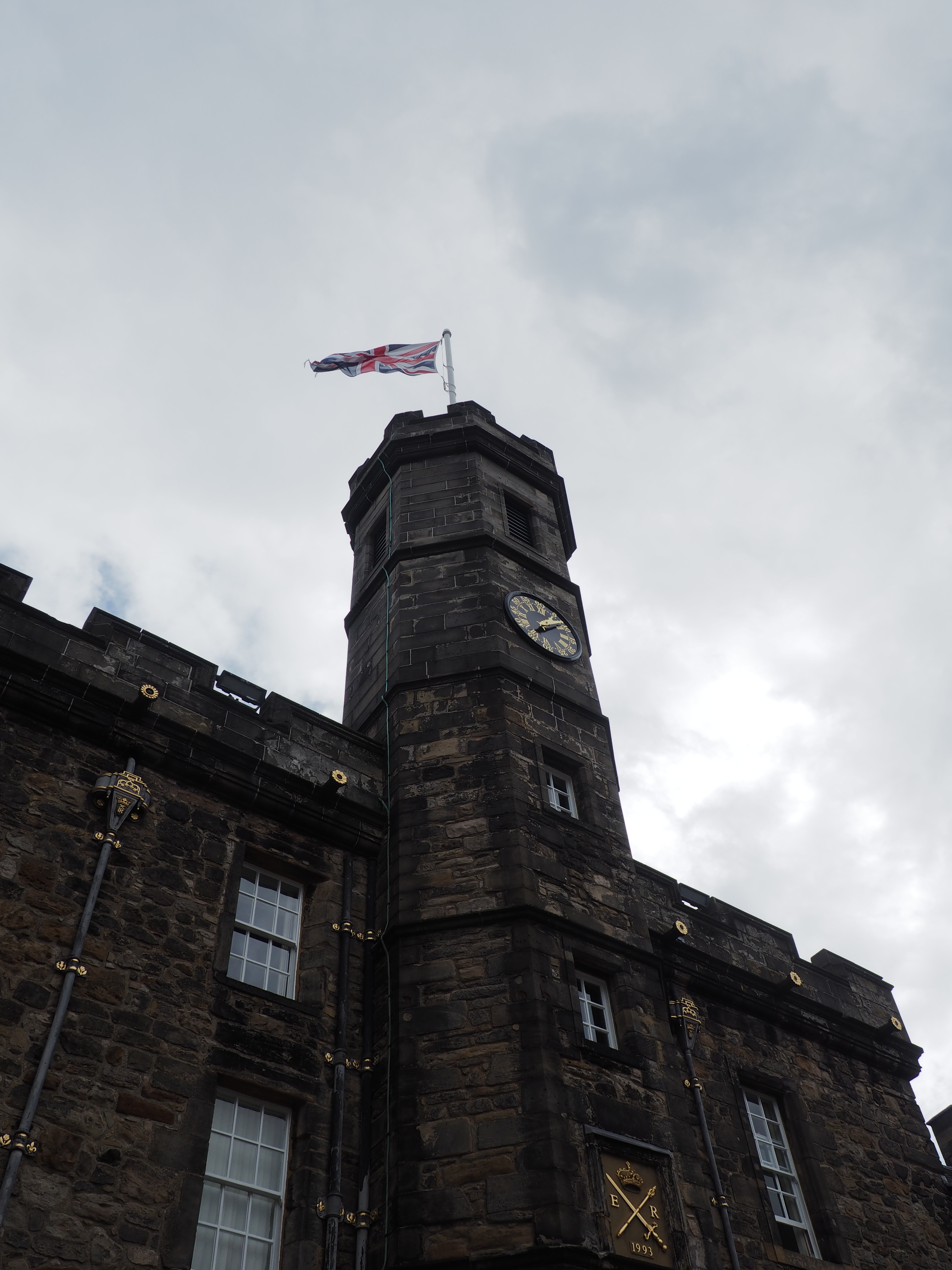
And after taking in its views from all sides for four days we toured the castle itself on our final full day. Frankly, after the Tattoo experience in the shadows of the castle and taking it in from below from all sides, the castle itself was a bit underwhelming. The One O’Clock gun wasn’t being fired (it was Sunday) and the guided tours were all booked up, but we did visit the Scottish Crown Jewels and the Stone of Destiny, the stone on which (or over which, now) the British monarch sits when being crowned. The queue to see it is long and the room is small, so pause and ask the guide to tell the story. It’s worth it. In high season, the castle admission tickets sell out days in advance, so plan accordingly.

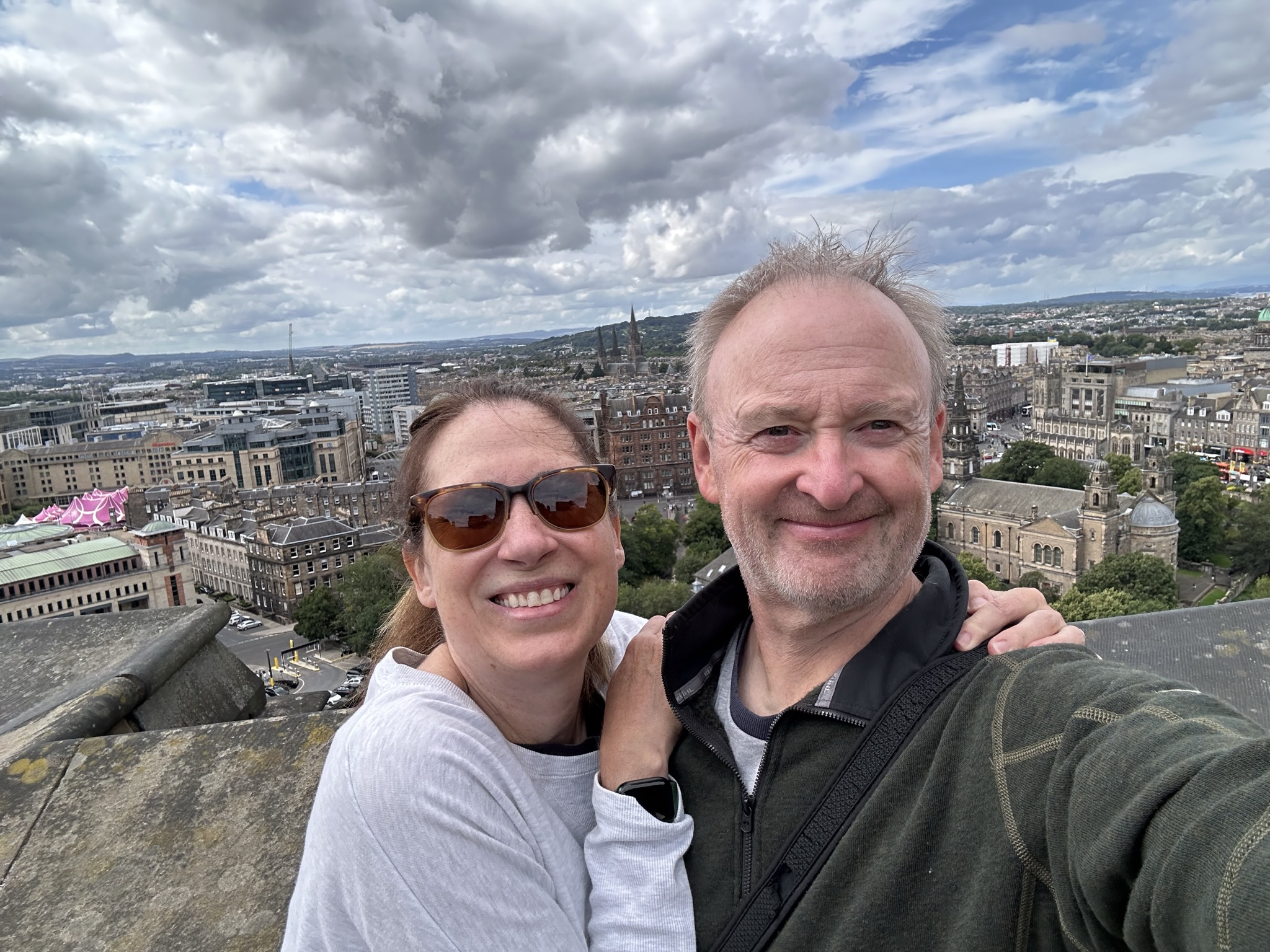
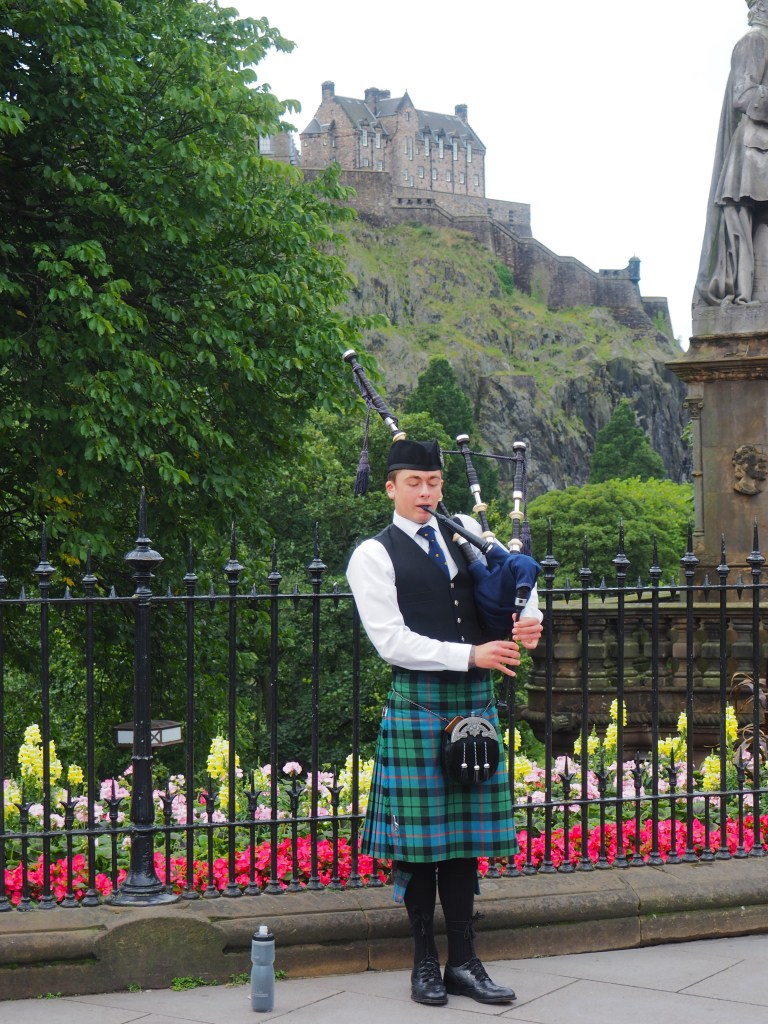
Most of all Edinburgh is a fun place to visit, to wind up its stairs and alleys, through its wide, packed streets or into its many green spaces and public gardens. Wafts of bagpipe drift up at you out of street corners and narrows as you roam, cementing this city as a special place in the world. It’s metropolitan where modernity clashes with ancient and austere buildings and yet still work together in concert. It’s hip, it’s fun, it’s friendly and it’s worth the visit on the fringe or off, but when we return, it’ll be on.


 The Traveling Ridleys
0 comments on “Edinburgh on the Fringe”