


We struck north from Bath as the rain rolled in and arrived in York as the skies were clearing. Like William Wallace and William the Conqueror we planned a good row in York but had no plans to sack it or burn it to the ground.
York was the place from which medieval England was defended to the north. The Romans created a fortification here, for similar reasons, just shy of Emperor Hadrian’s famous wall to the north. And it was on top of the site of this ancient Roman fortification where we began our tour, at York Minster, the largest Gothic Cathedral in Northern Europe. We’ve visited some beautiful and famous churches this summer (St. Paul’s in London, Canterbury Cathedral, Salisbury Cathedral) but York Minster stands out. We spent over two hours here just becoming increasingly fascinated on our scavenger hunt to locate the signs, symbols, stained glass and carvings noted in our guidebook.
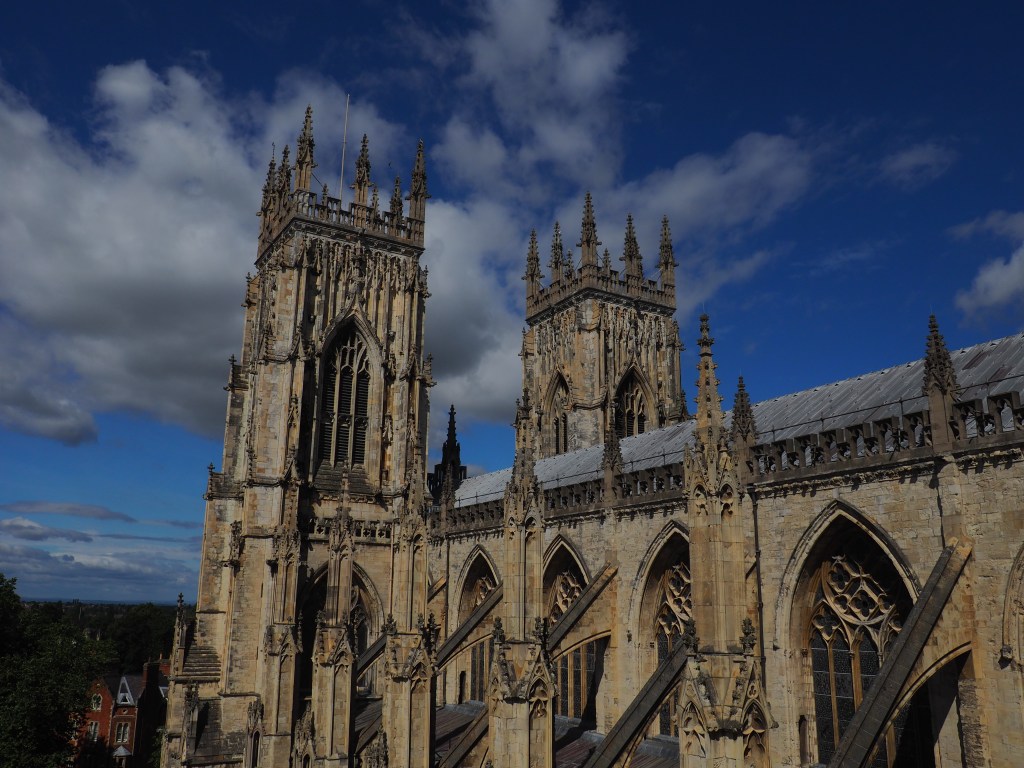
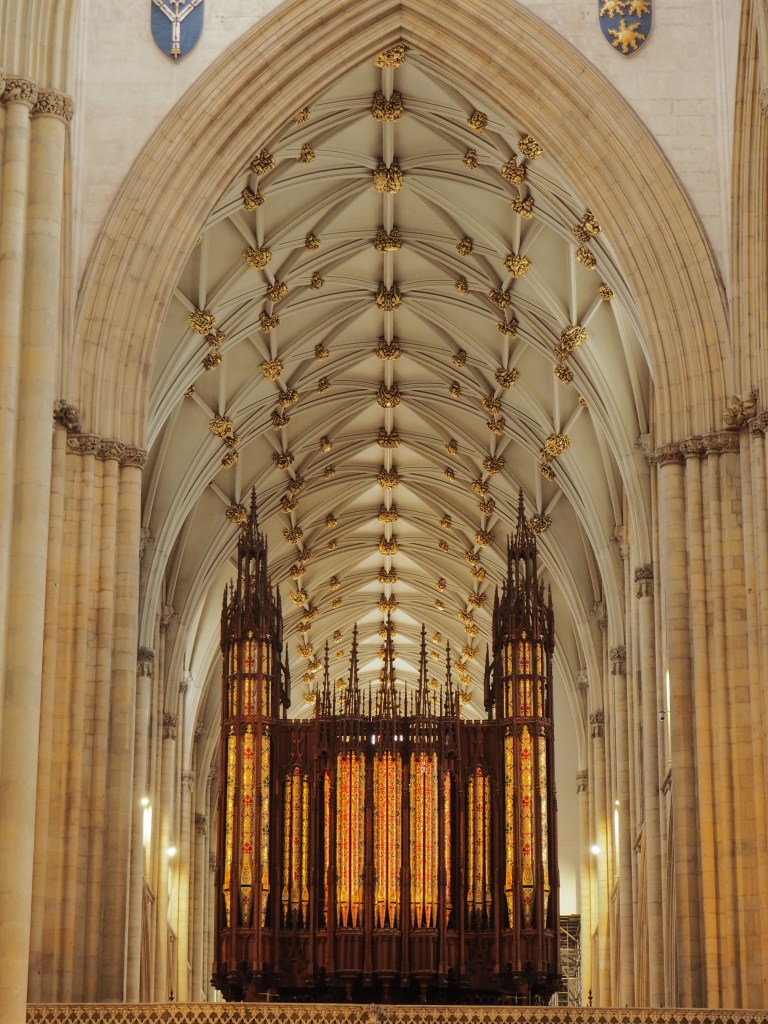
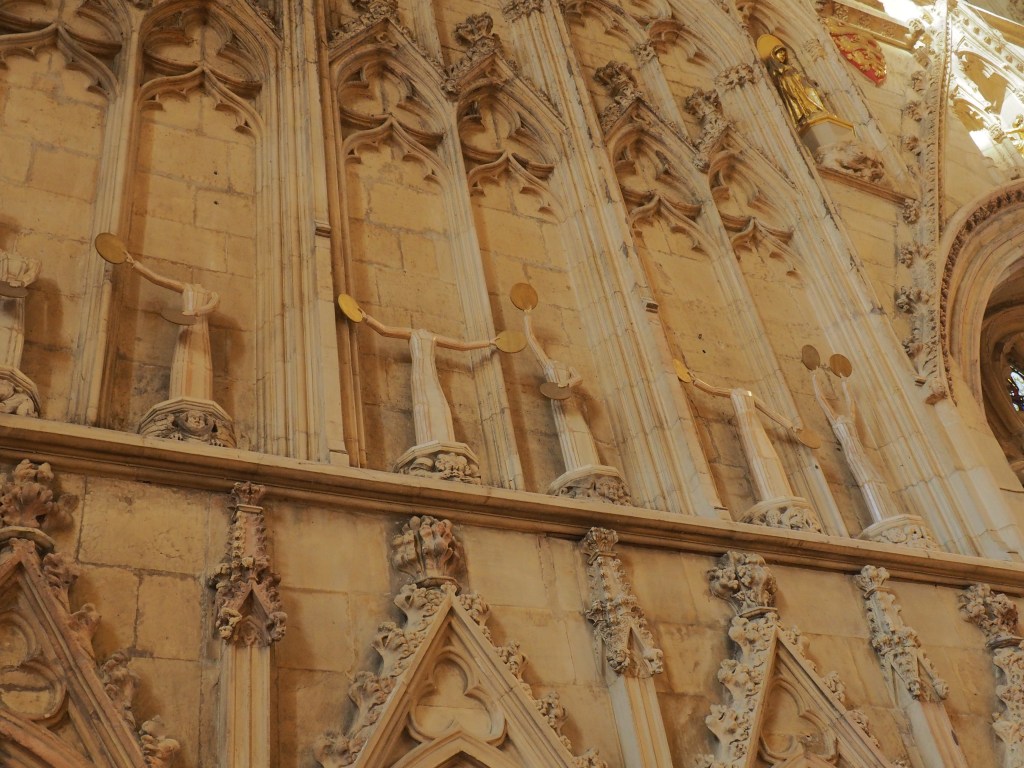
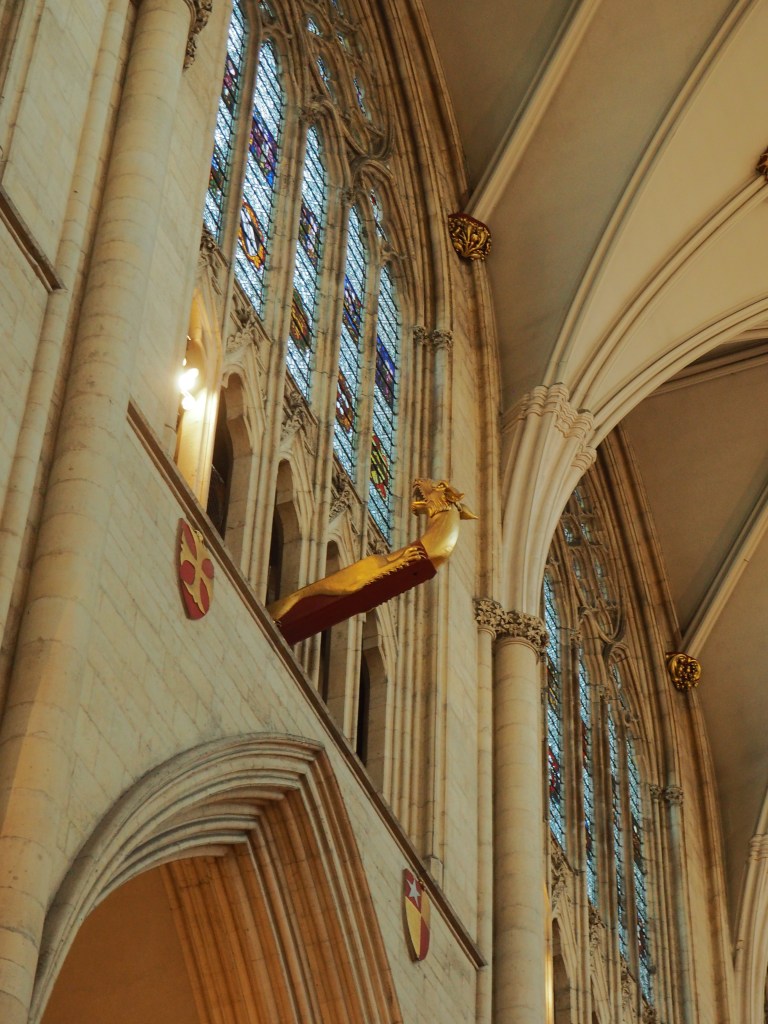
York Minster Tour. You enter through the nave. The Minster is built in the shape of a cross with the nave running to the choir and East End crossed by the north and south transepts. Within the nave, our guidebook pointed us to the ceiling first. The ceiling appears to be made of stone, but it is wood and painted to appear stony. Near the entry, there are “Semaphore Saints”, headless figures holding discs spelling out “Christ is Here” using semaphore smoke signals (except the one time that they were assembled incorrectly after being cleaned and spelled out “Chris is There”). Down the left side as you face the Quire, look for the dragon which may have been used as a winch and the beheaded saints, a sign of destruction during Henry VIII’s reclamation and his admonishment that the Pope could appoint sainthood.
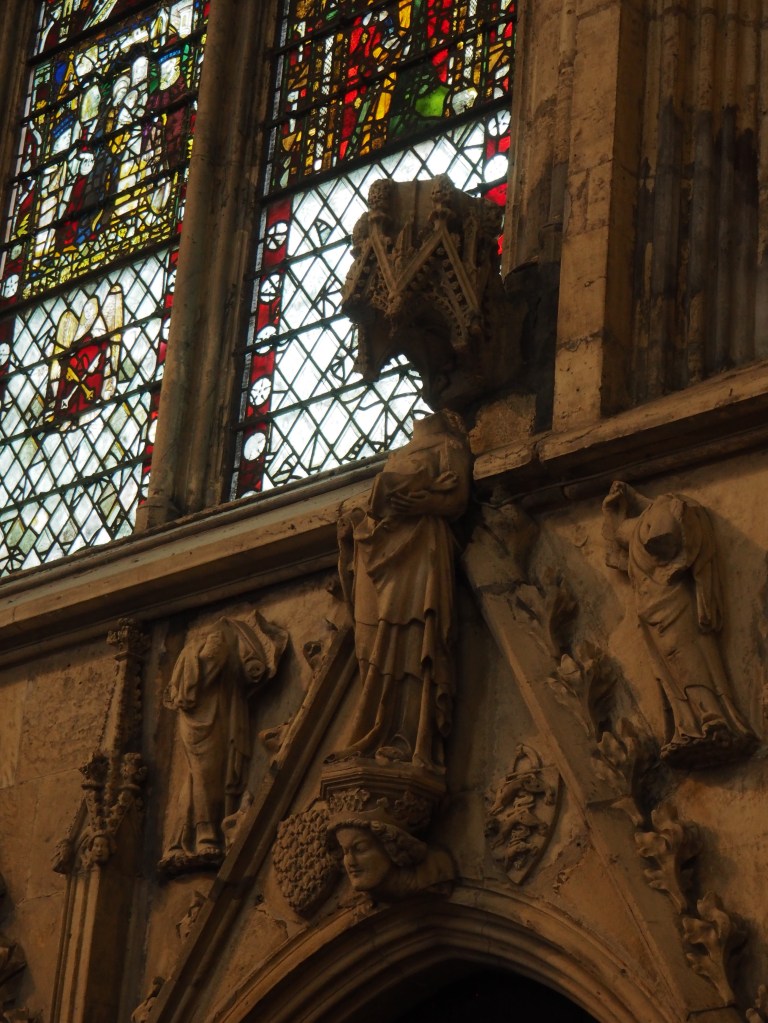
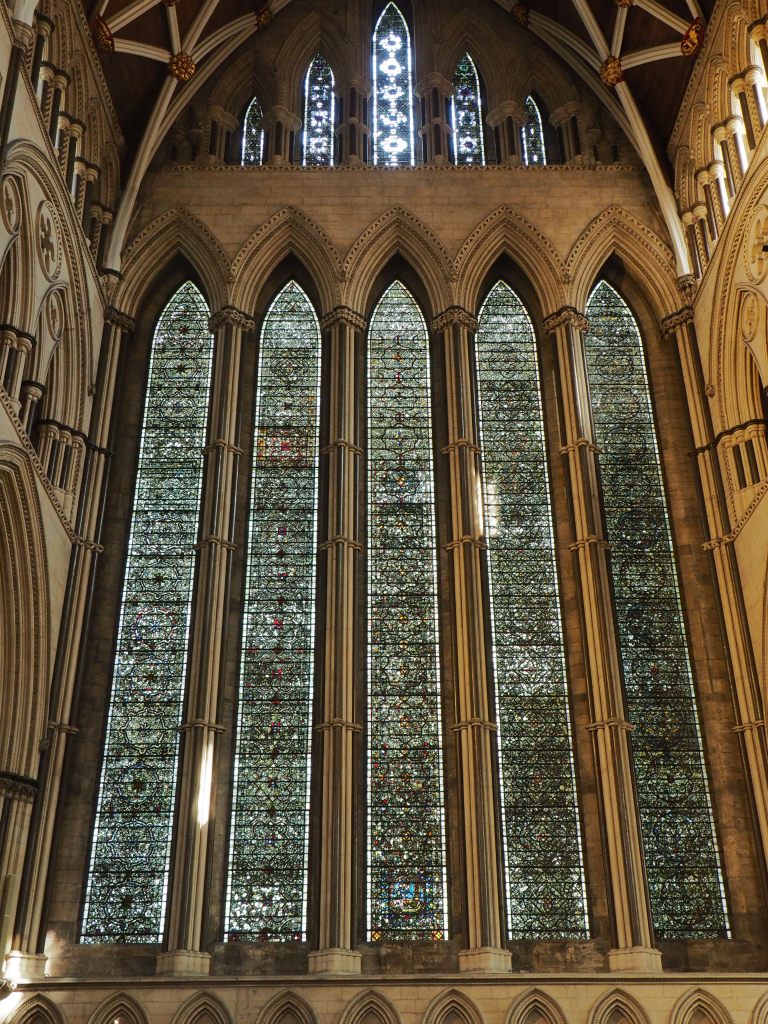
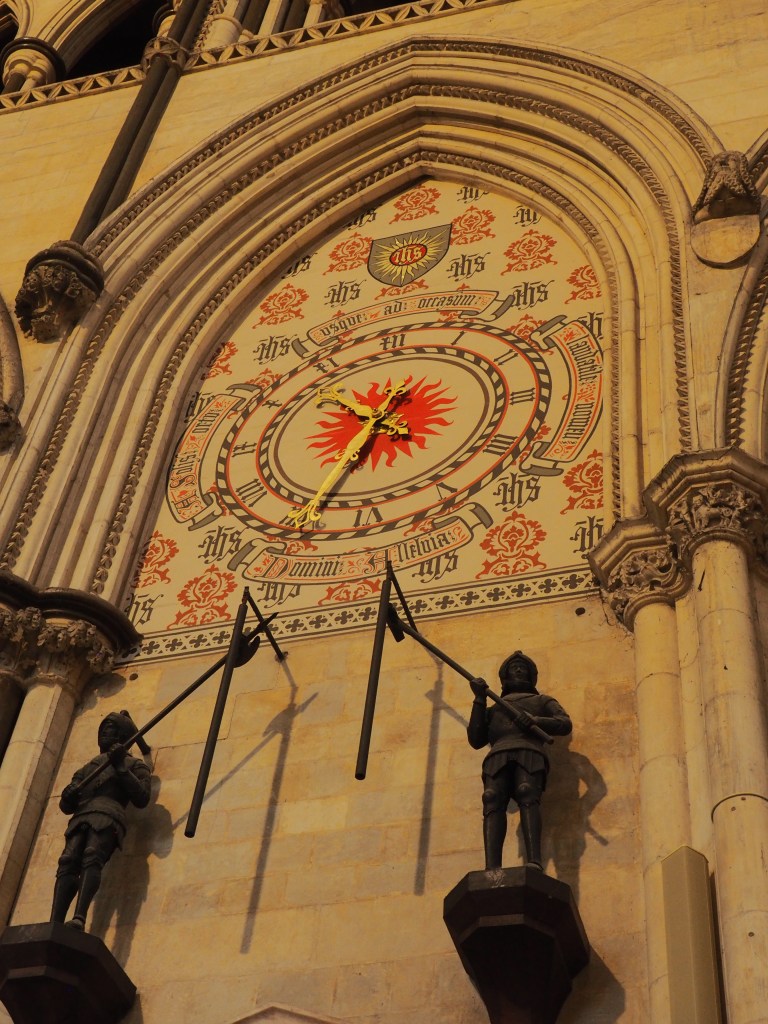
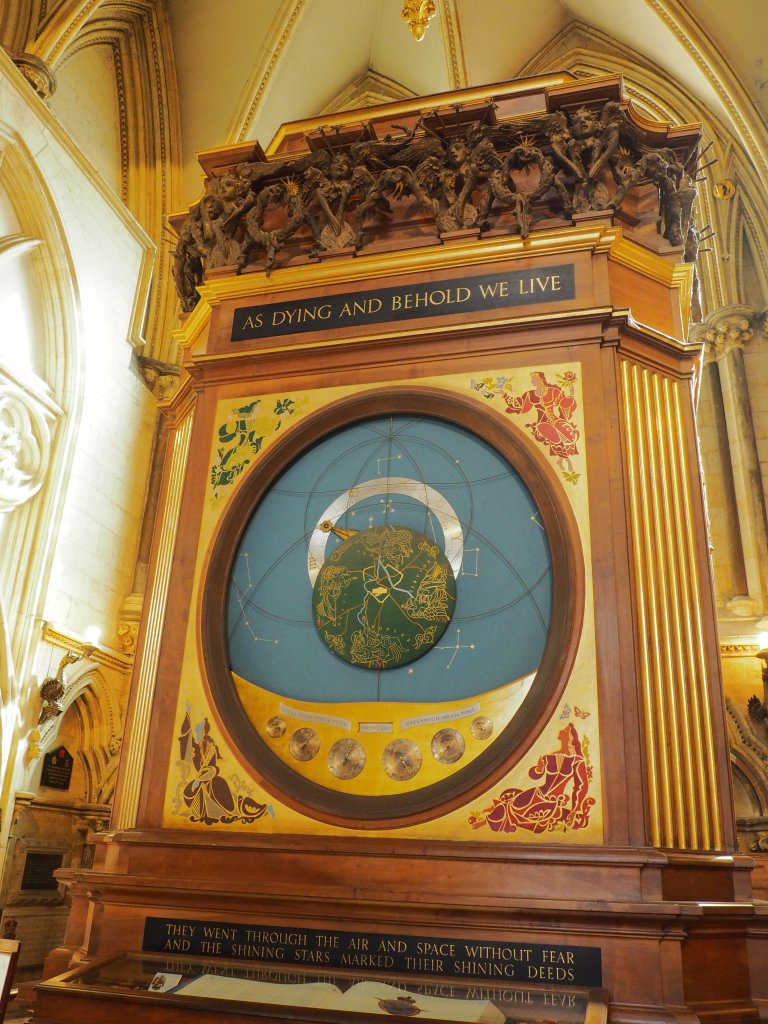
In the trancepts, you’ll find two clocks. The first you see is the quarter-knights clock where two metal knights bang into each other at the coming of each quarter hour and the Astronomical Clock which was created to honor the Royal Air Force members who lost their lives in World War II. The clock shows the view of York from high above, with the Minster in the center. The windows at the far end of the north side are known as the five sisters. There are 100,000 individual pieces of stained glass which were dismantled for safe-keeping during the First World War but required the donations of 32,000 people to re-assemble it afterwards. In the ceiling on the opposite side, look for a little painted boss honoring Neil Armstrong, first man on the moon.

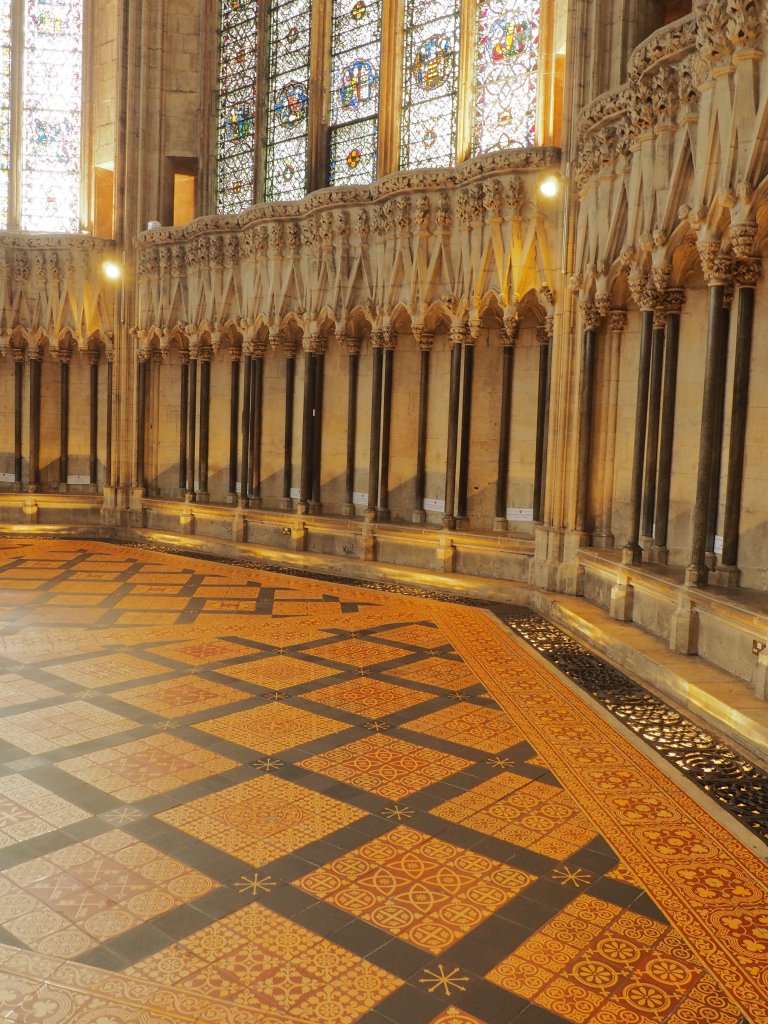
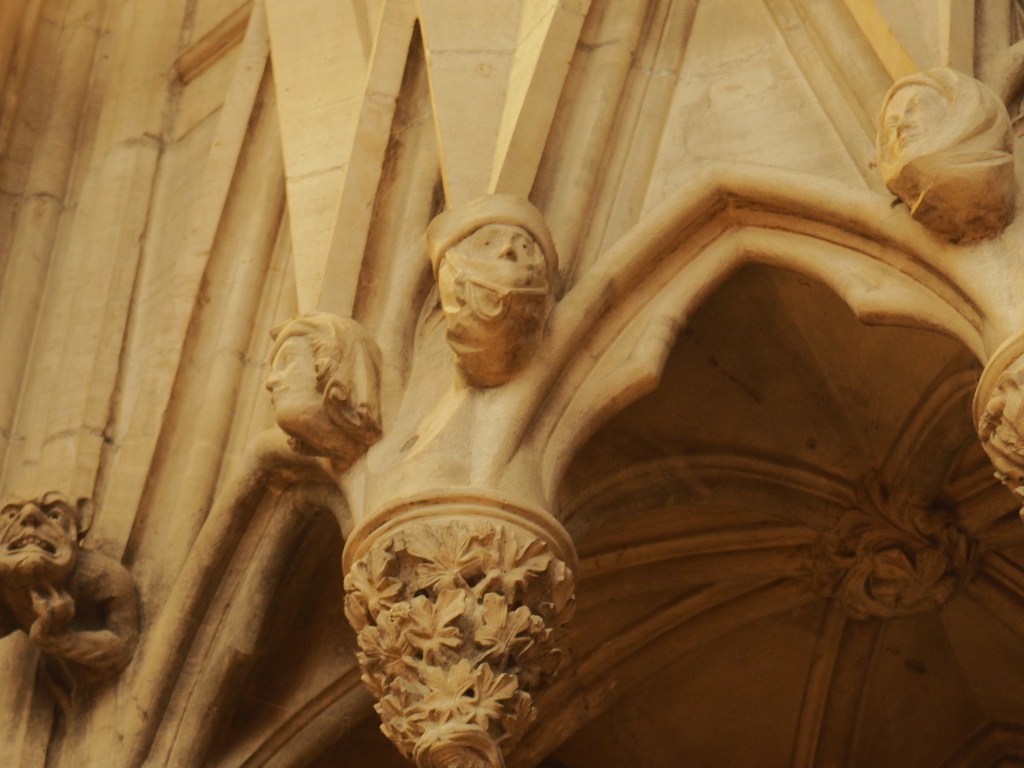
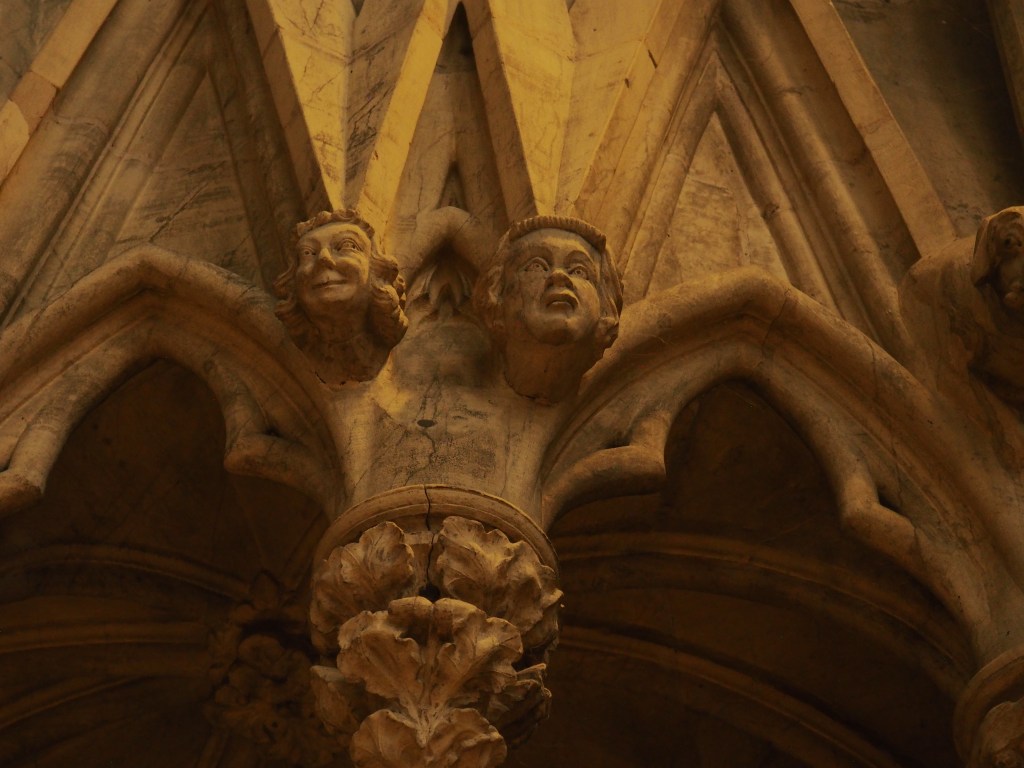
Down the hall from the North side, visit the octagonal Chapter House and take the time to admire the senses of humor of the stonemasons who carved interesting figures into the decorated walls. The more you look, the more you’ll see.
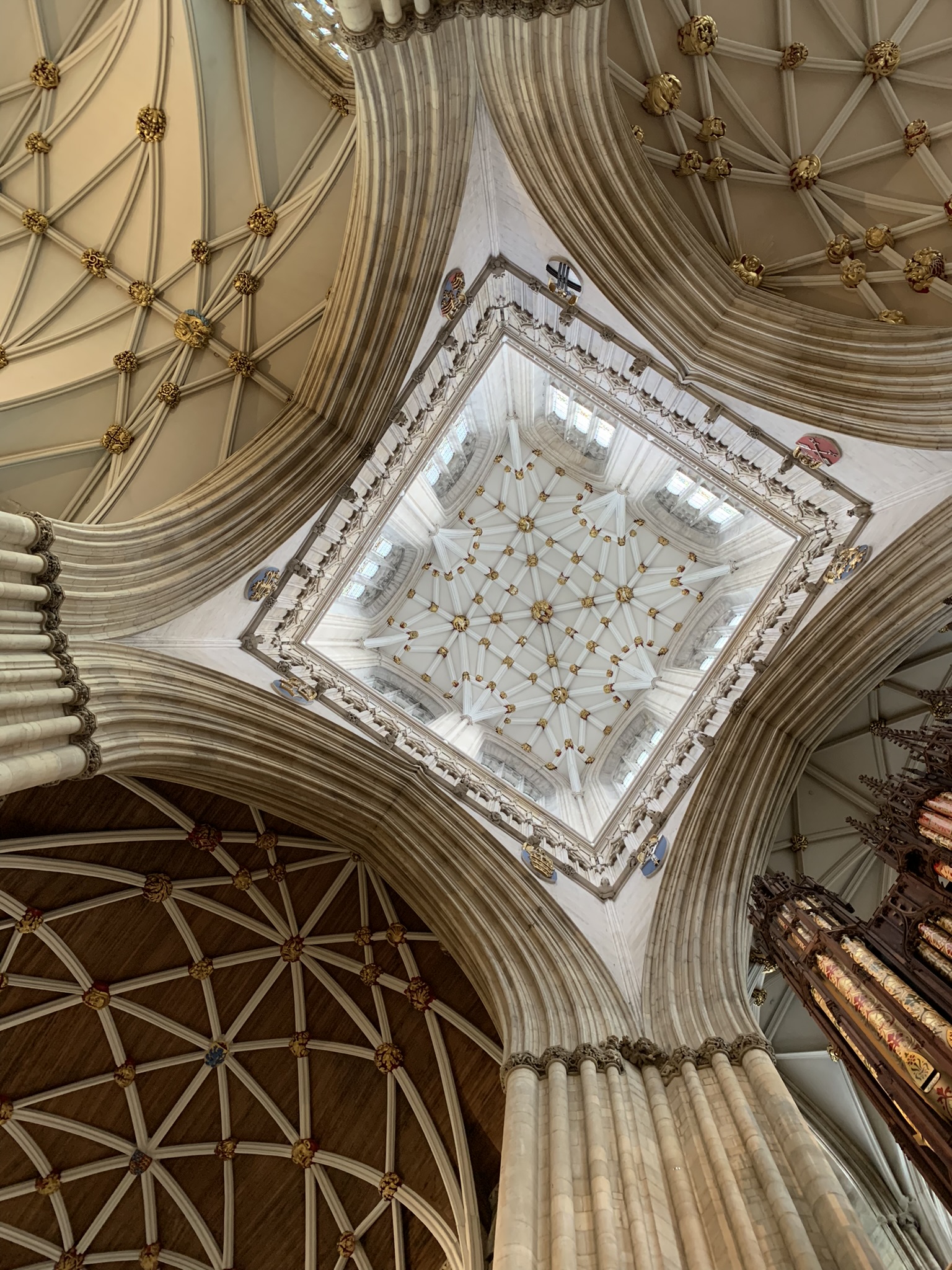
In front of the Quire, the statues of the first Kings of (Norman) England hold up the organ, which has pipes as small as a pencil and as large as 10 meters. Above you stands the Tower, which you can climb (and I did) in a timed entry they call the “Tower Challenge”. Fortunately, for this climb, I was able to get through the gates first given my unplanned proximity to the entryway compared to my group and was able to ascend and reach the roof well before any of my cohort which permitted me about 5 minutes or so sans crowds. Of course, it is a one-way affair and too narrow and winding for those going up and down simultaneously so I was required to wait for the last of our cohort to arrive before I could begin my descent down the 275 steps. The Tower had to be propped up in the 1960s when they noticed cracking and deterioration in the columns and drilled in to find dust inside. To preserve it, they pumped concrete inside, enabling climbers to admire it from both below and above today.

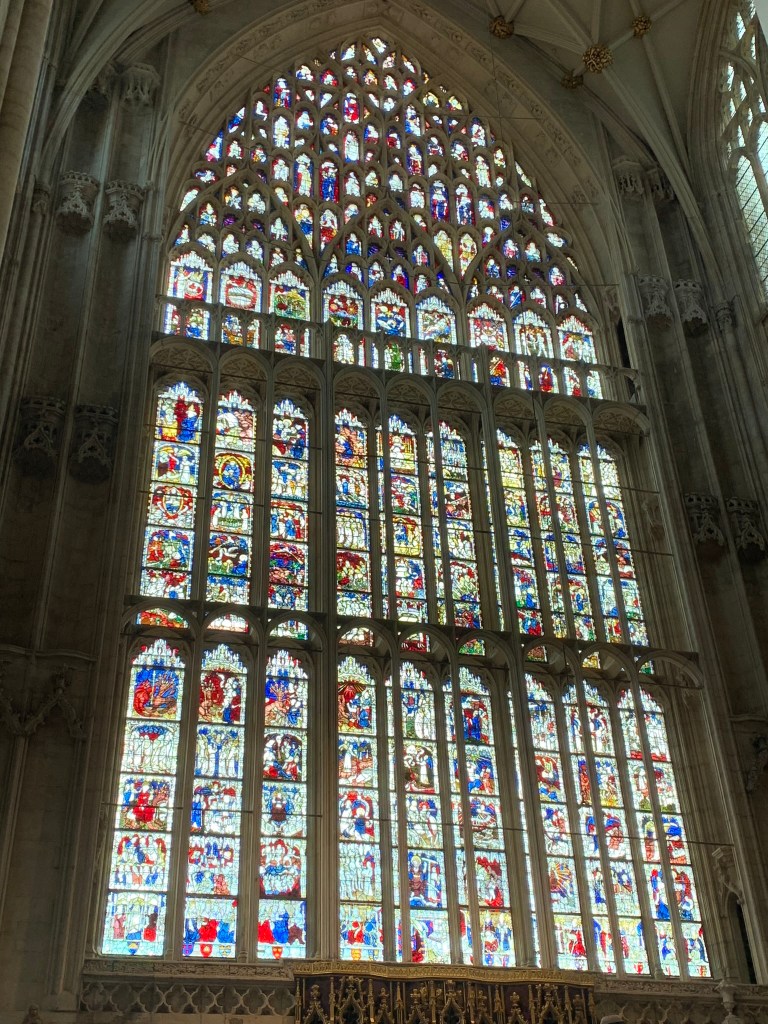
Back on ground level, we went to the East Window, which dates to the 1400s and at the size of a tennis court, is the largest window in the world. It is really a highlight. The main section of it depicts scenes from the first four books of the Old Testament and from the book of Revelation. We attached ourselves to a guided tour for a few minutes to listen to an extremely knowledgeable volunteer talk about the panels.
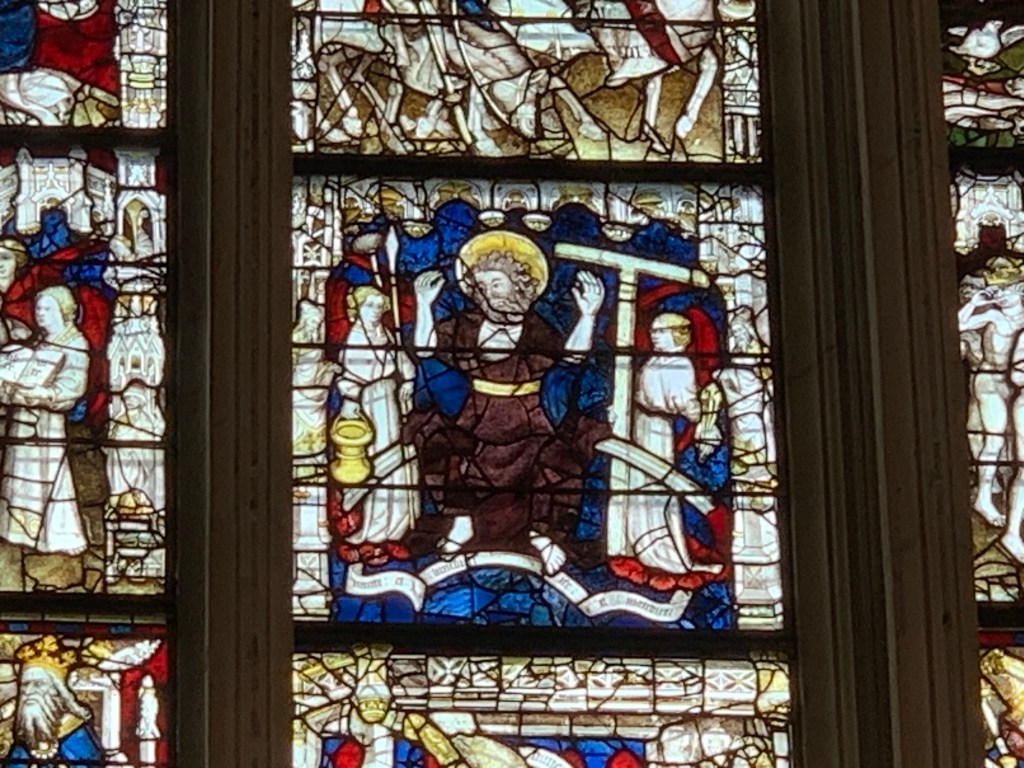
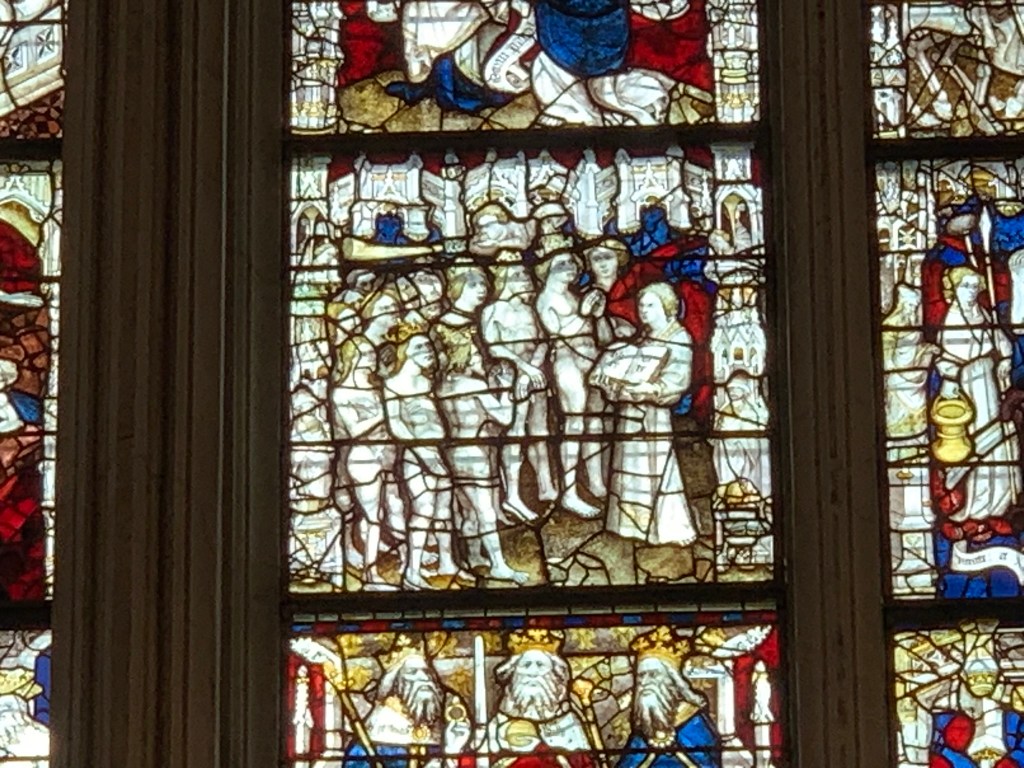
Below ground, in the crypts and undercroft you can see the Doomstone which depicts soldiers being burned in a cauldron in hell, or on a brighter note in the undercroft follow the history of York and the Minster through time from Romans to today.

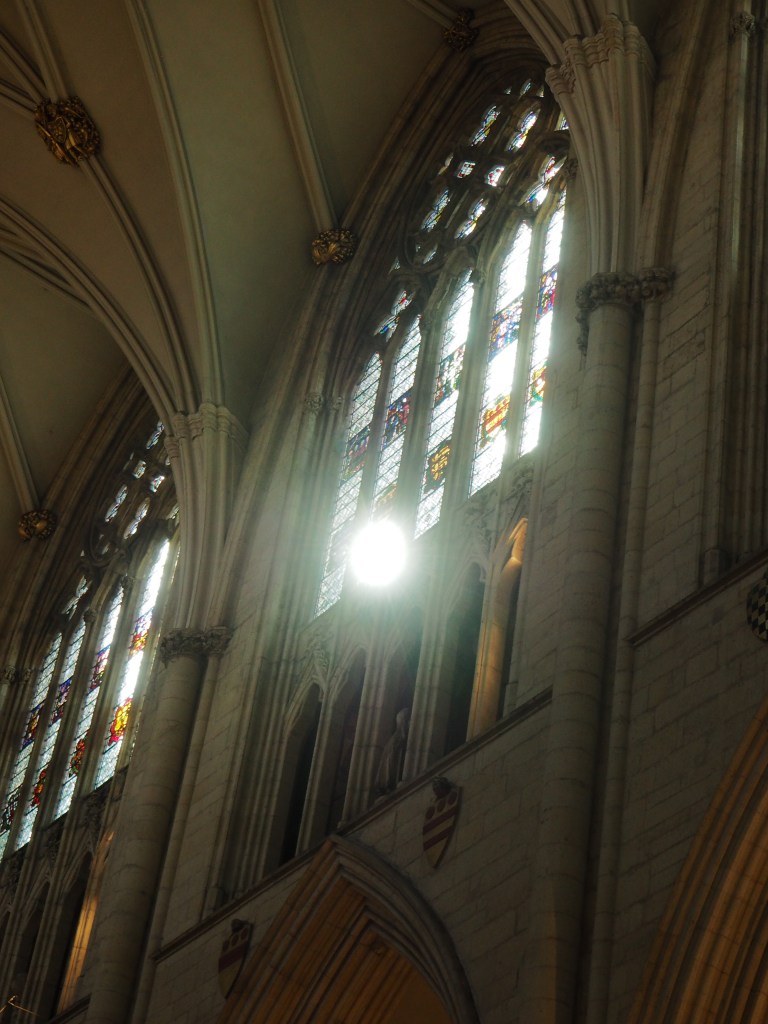
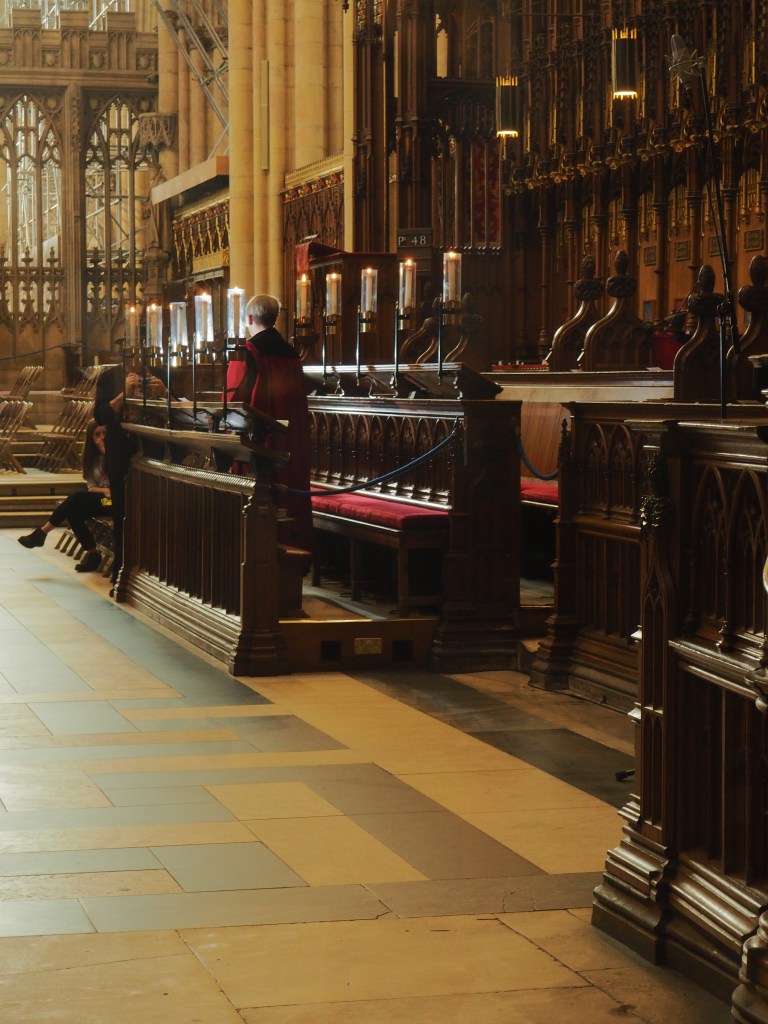
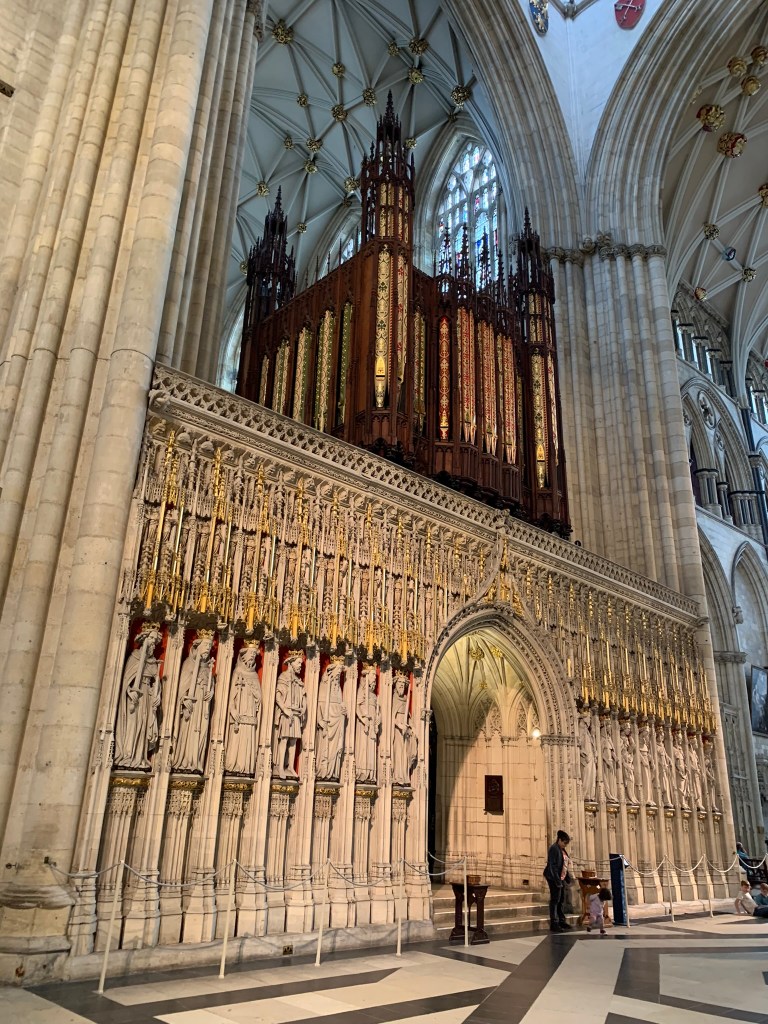
Our guidebook called York Minster a “symphony in stone” and that is the best description I can think of. Just admiring the work of stone masons and glaziers over the centuries as you stand inside this church which has sections representing all major Gothic styles: Early English, Decorated and Perpendicular puts you in awe of those who did these works. Aside from Sagrada Familia in Barcelona, I can’t remember us being as fascinated by a church, ever. Get the guidebook, listen in to a guided tour and (if you’re not vertiginous, claustrophobic or agoraphobic, ascend the tower). You’ll be glad you did.
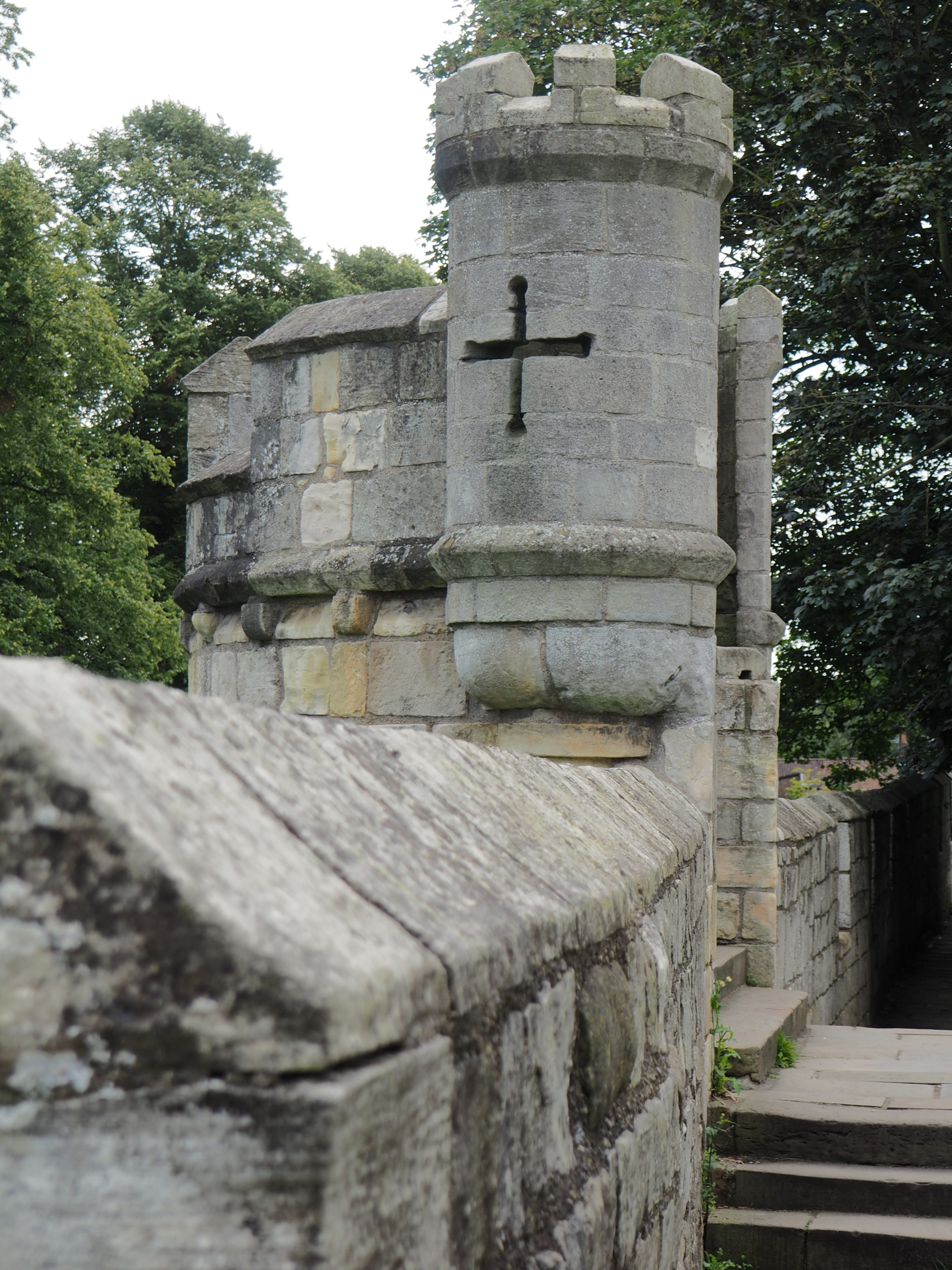
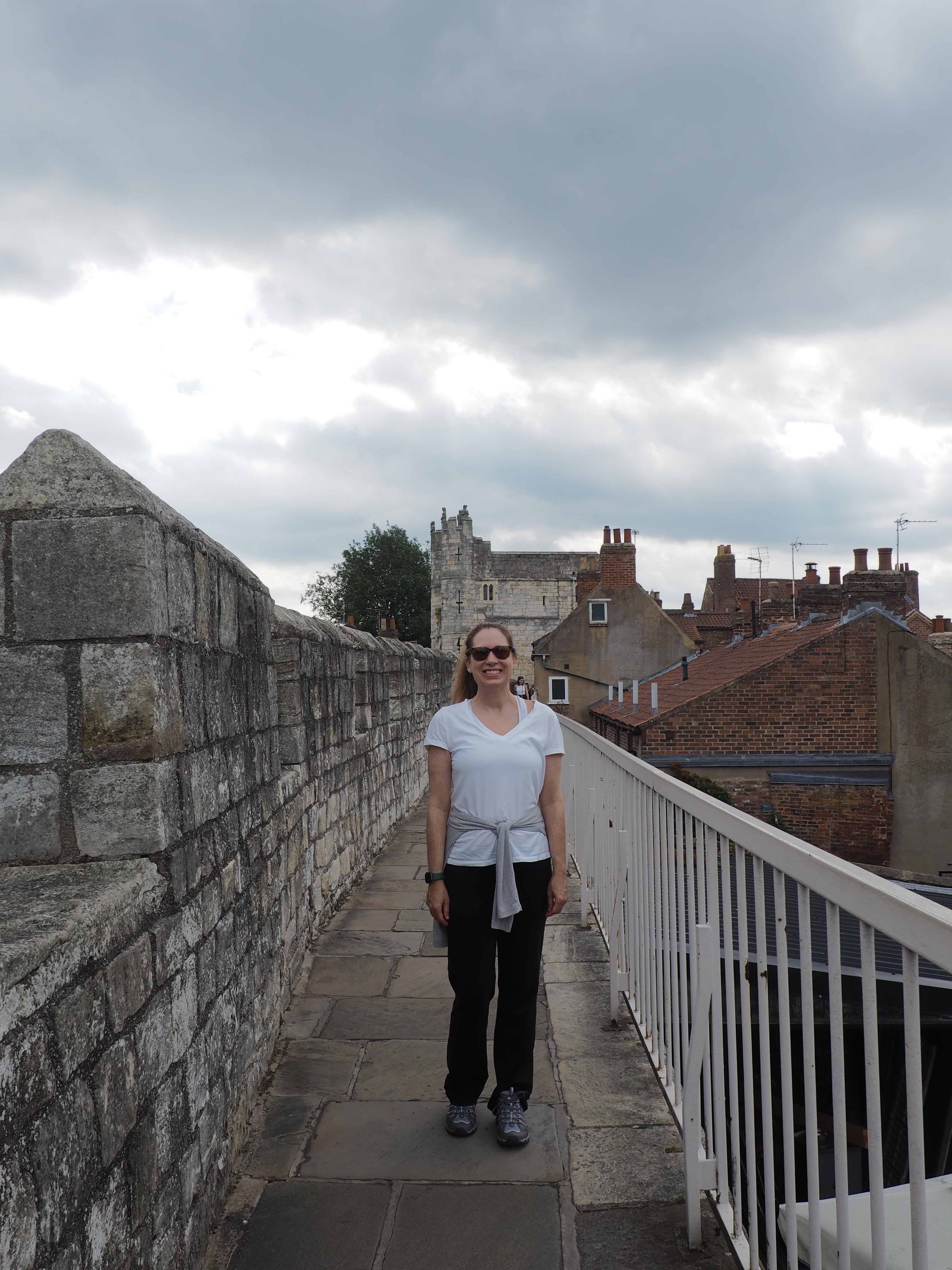
The Walls. 4.5-miles around, you can enter at several gates around the city and encircle it on the medieval walls. Unlike some medieval city walls, they are delightfully lower to the ground and even have a safety rail around much of them. Some of these European medieval city walls are terrifying even for those not inclined to heights-fear, but these are not some of them.
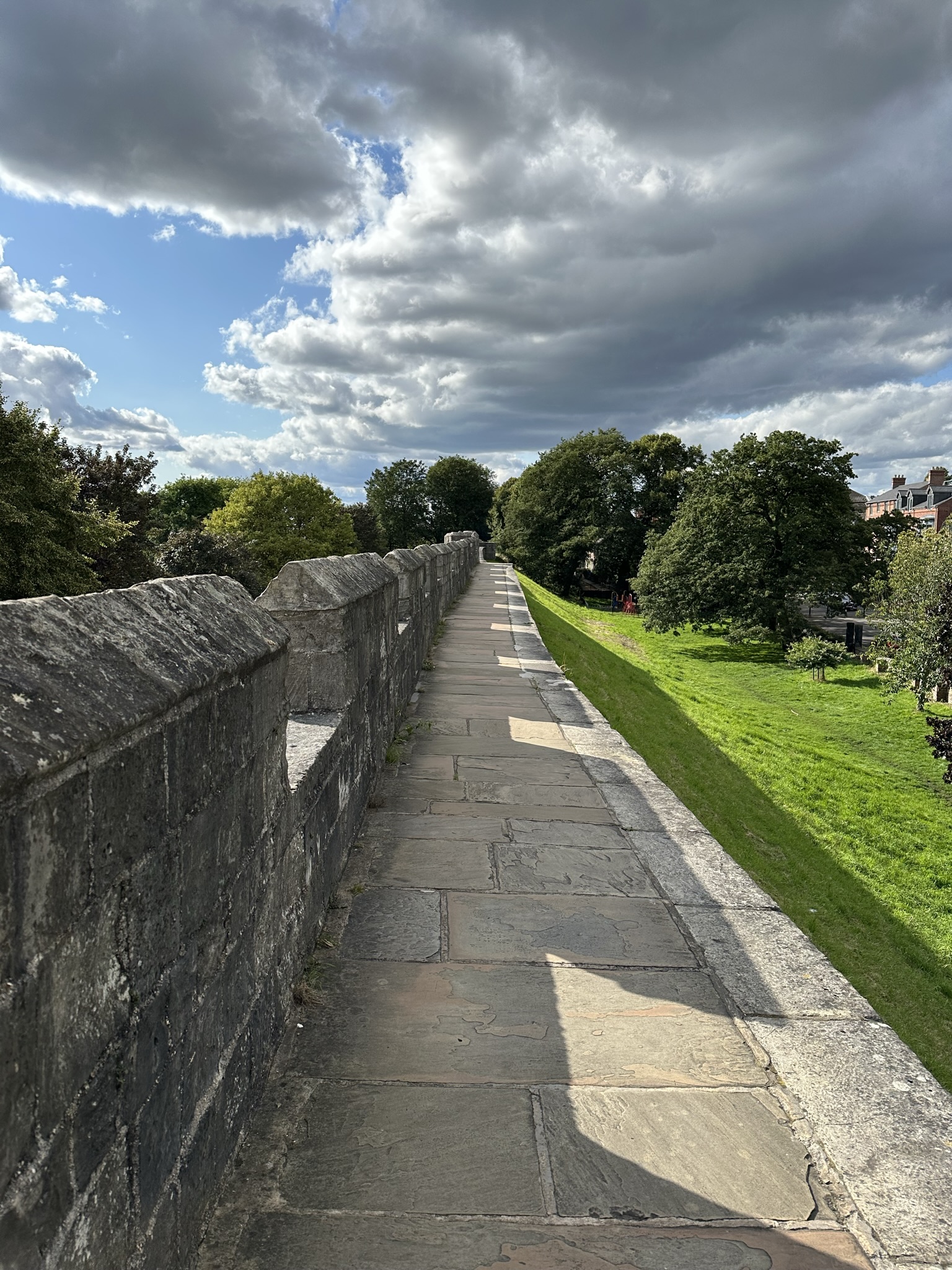
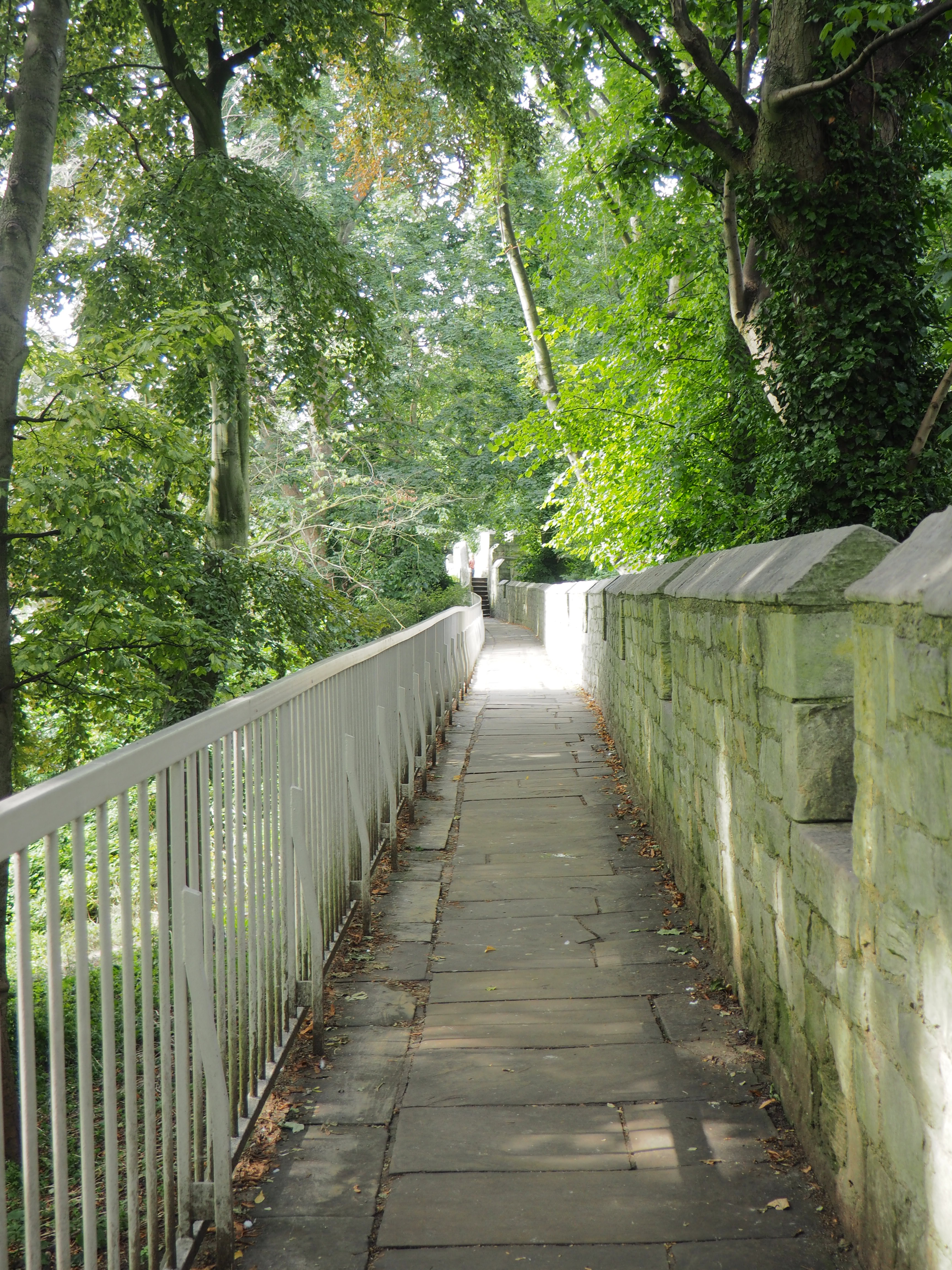
Half-way around, we stopped off at the York Castle Museum, which is a somewhat odd collection of exhibits. They range from seeing replicas of homes throughout the years in York, to a quite-good exhibit on York in World War I and an exhibit on the 1960s with no apparent connection to York. The Museum is inside the former York prison and as such, there is an extensive Prison exhibit. Very good for kids, if you’ve got them in tow.
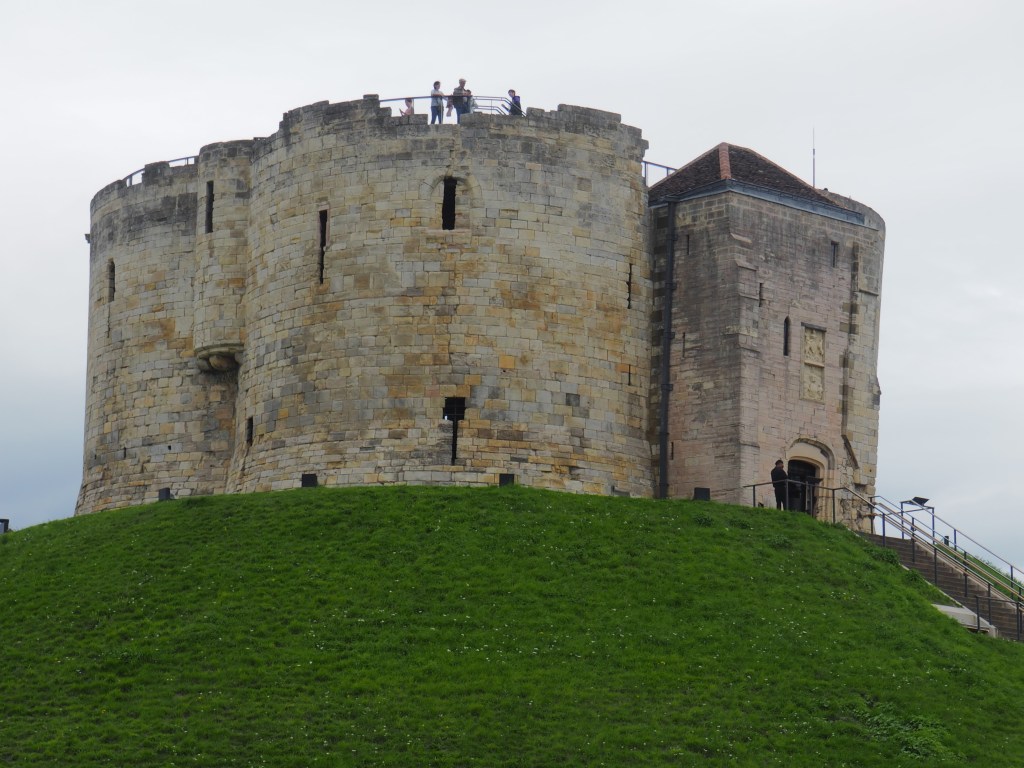
Clifford’s Tower. Exiting the museum, you can climb to the top of Clifford’s Tower, which is what remains of York Castle. This is an English Heritage site, if you’re a passholder. We’d watched the episode on York Castle on Dan Jones’ Secrets of Great British Castles episode on York before leaving home and what stuck out most was the story of persecution of the city’s Jews in 1190 when they were rounded up, went to the tower under the guise of it being under the protection of the King, were imprisoned there and ended up making a death pact to spare them from being burned alive. Those who did not commit suicide were killed anyway and burned inside. Today, more peaceful, you can climb to the top for excellent views of York and beyond.
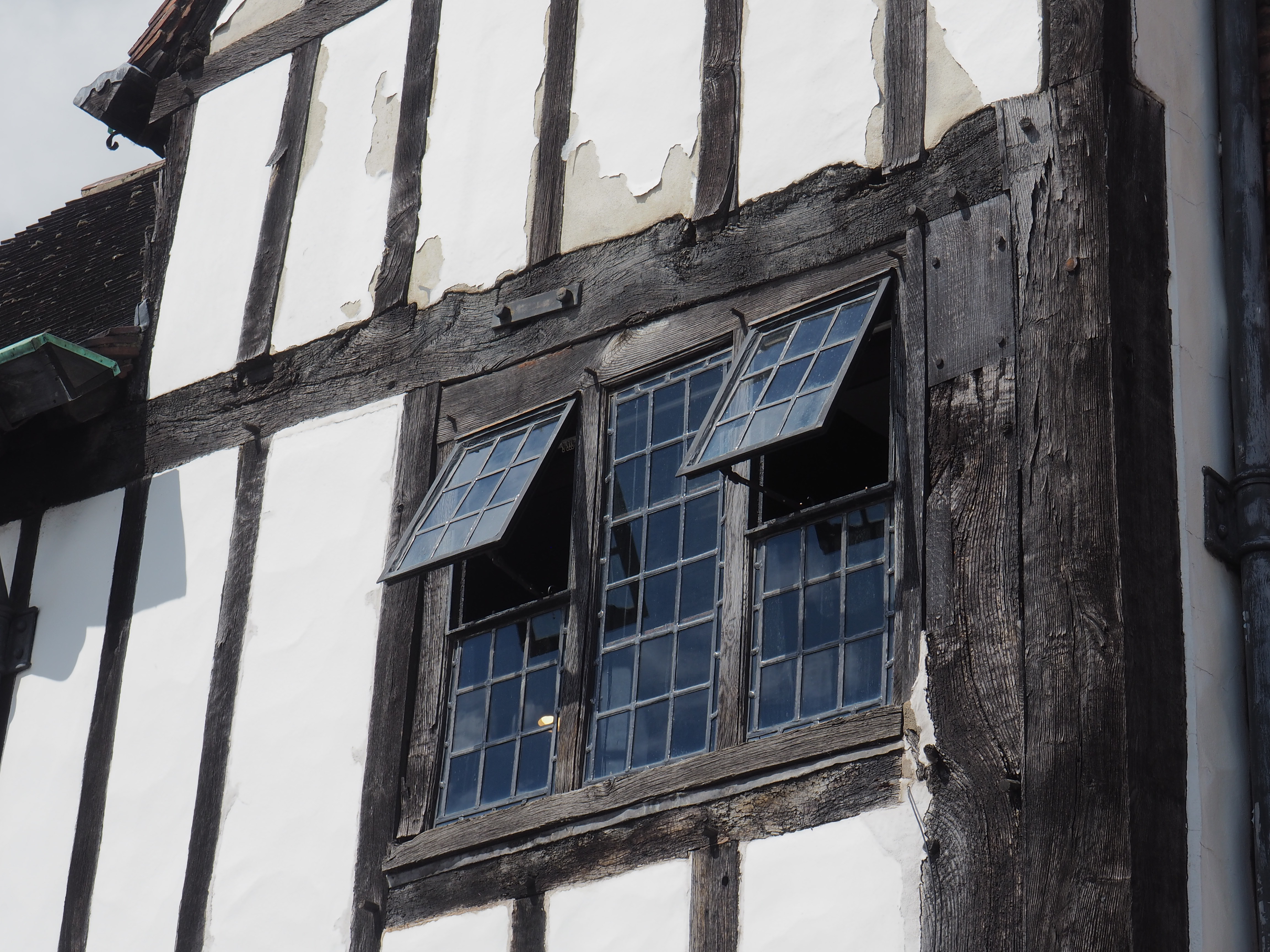
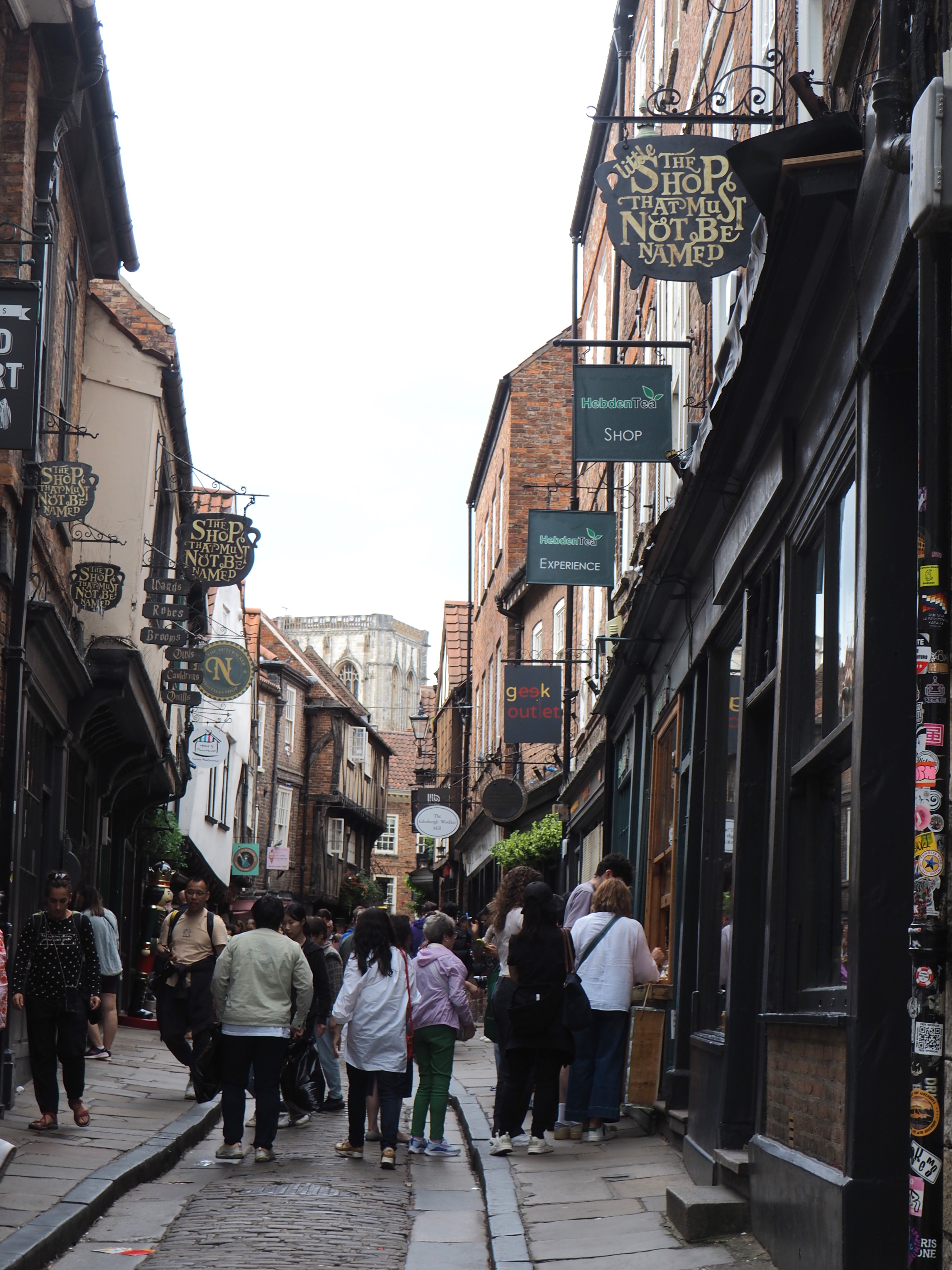
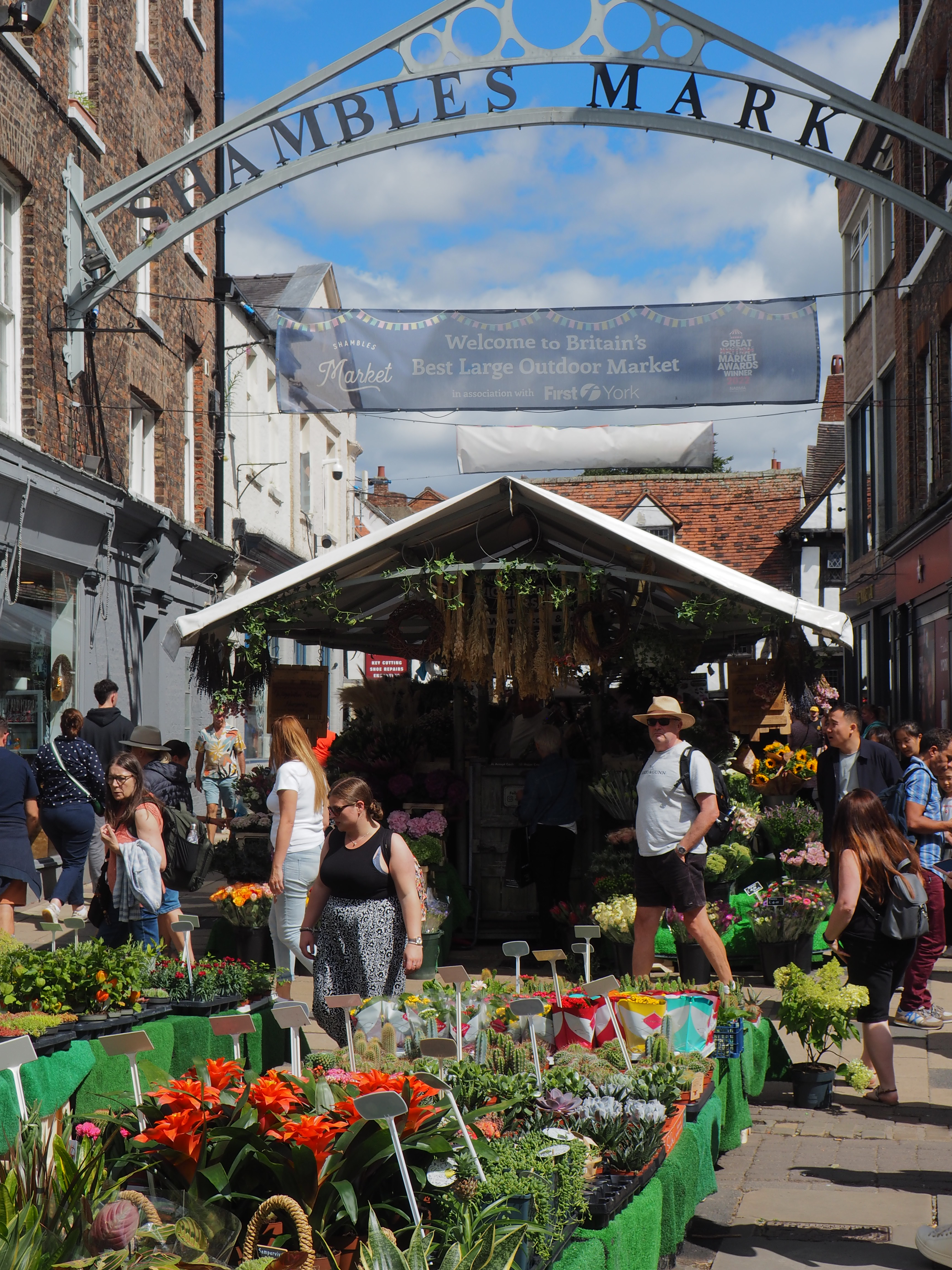
Rambling down the Shambles. The Shambles once was where the slaughterhouses of York were located. Now, it’s an open-air market with fruit and veggie vendors, flower stalls and other goods you can purchase. It’s in the heart of York, near the Minster, and is surrounded by other narrow, winding medieval city lanes where you can wander, explore, shop or stop off for a pint.

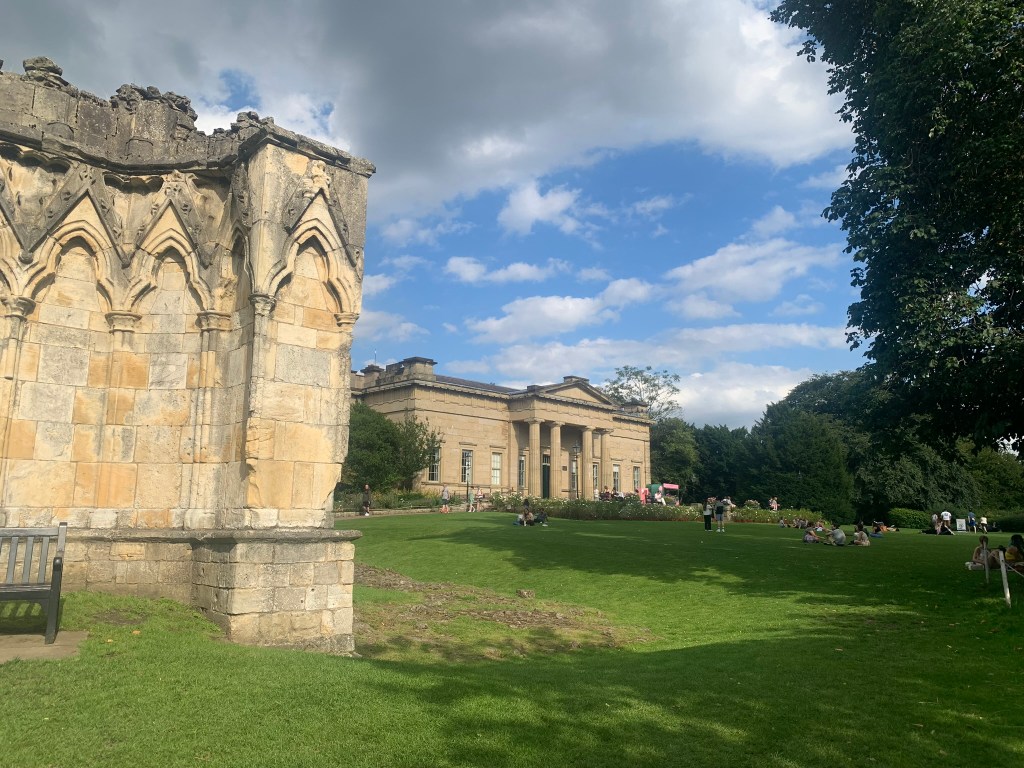
The Hidden Gem: The Yorkshire Museum and Gardens. If you like history and enjoy looking at artifacts dug up from generations before you, make time for the Yorkshire Museum and Gardens. You can trace York’s development from tribal to Roman to Viking to Norman and see all sorts of cool stuff. After, wander around the gardens where you’ll be able to find a nice, secluded spot to sit even on a beautiful day when it’s teeming with locals and tourists.
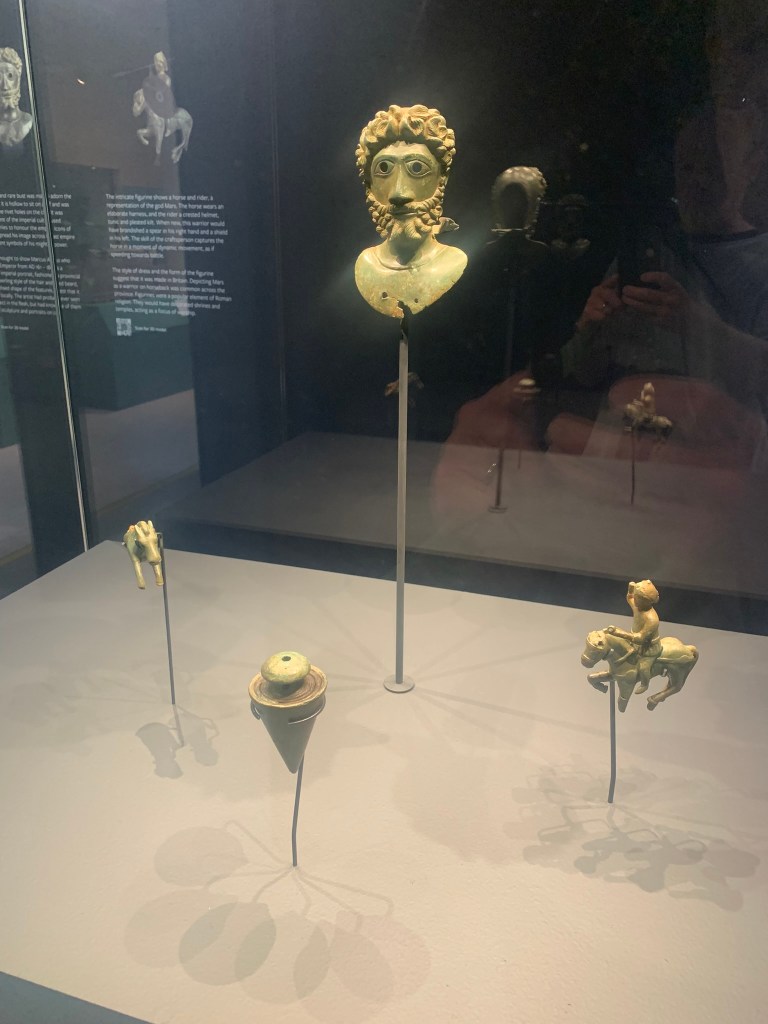
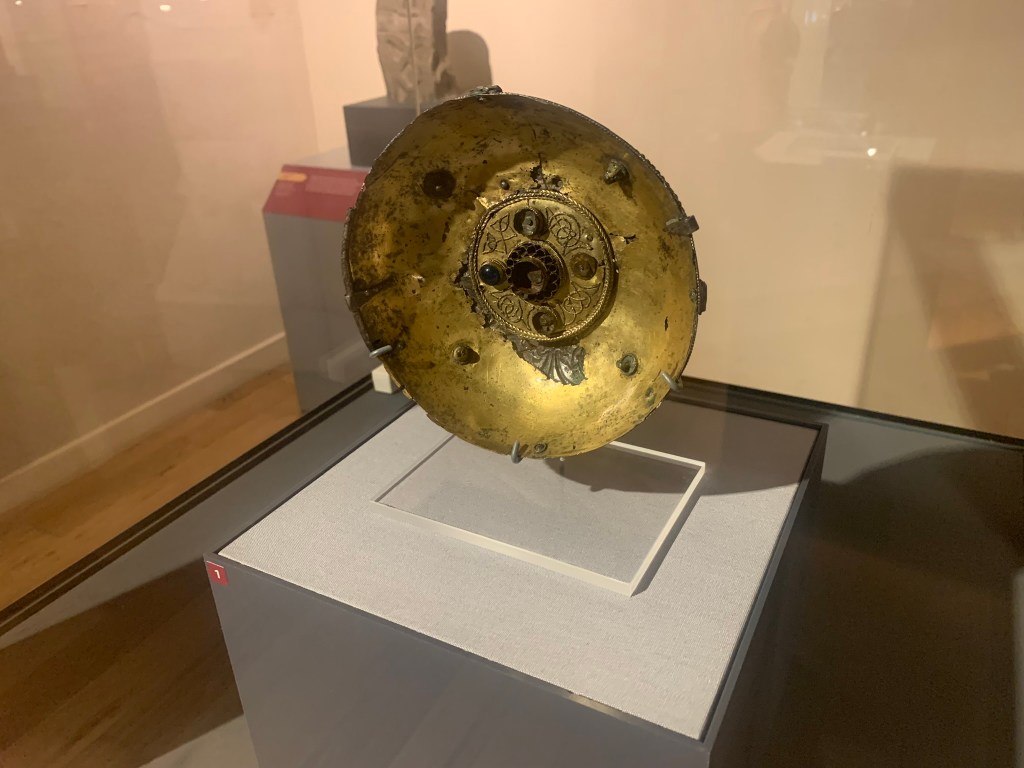
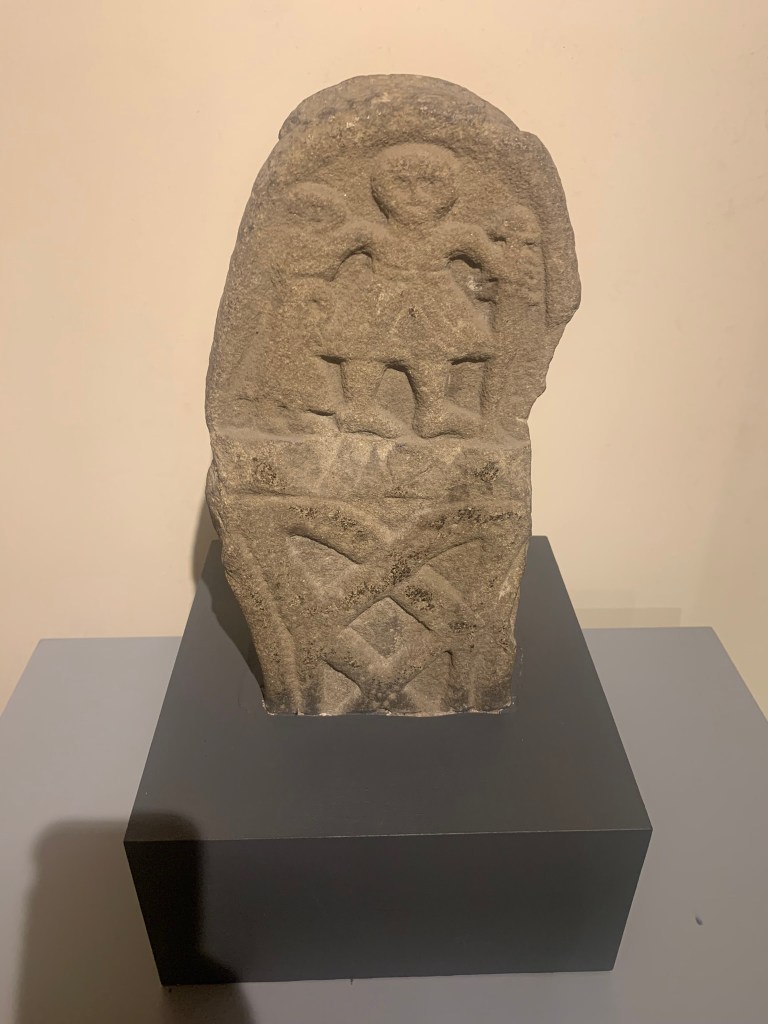

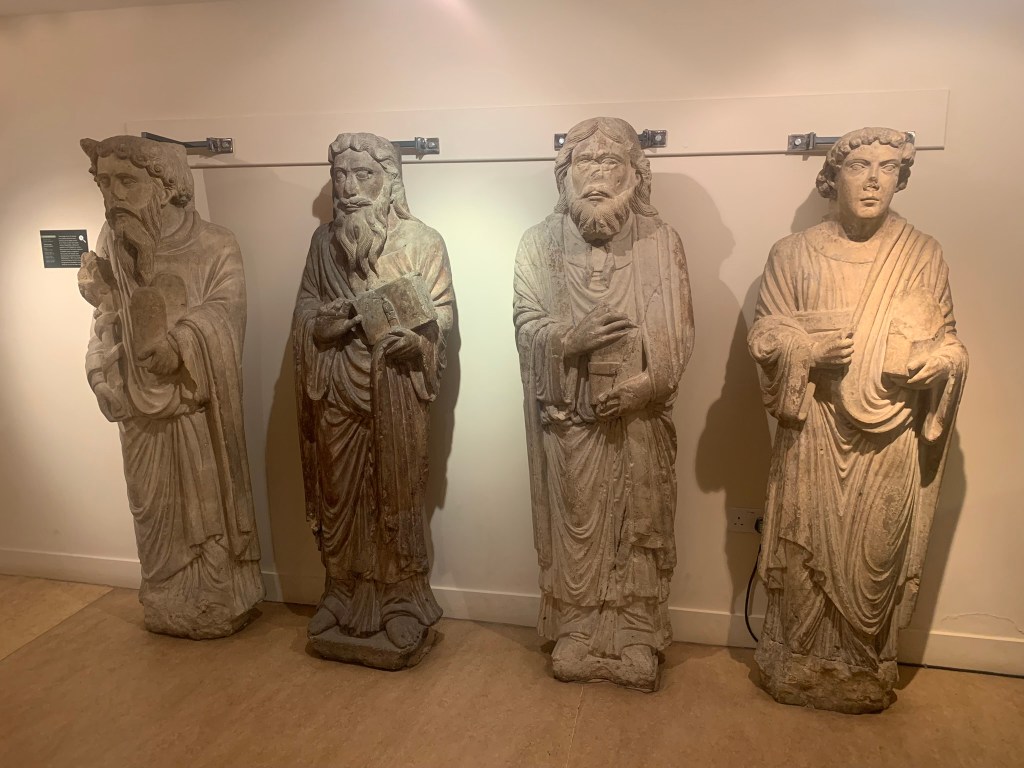
1180-1200 AD
The One We Missed: Jorvik. After our York Castle Museum experience, we skipped the last major tourist site on our list, the Jorvik Center, which sounds like a similar experience dedicated to the Vikings in York. We figured we’d made do with the Yorkshire Museum exhibits on Romans and Vikings.
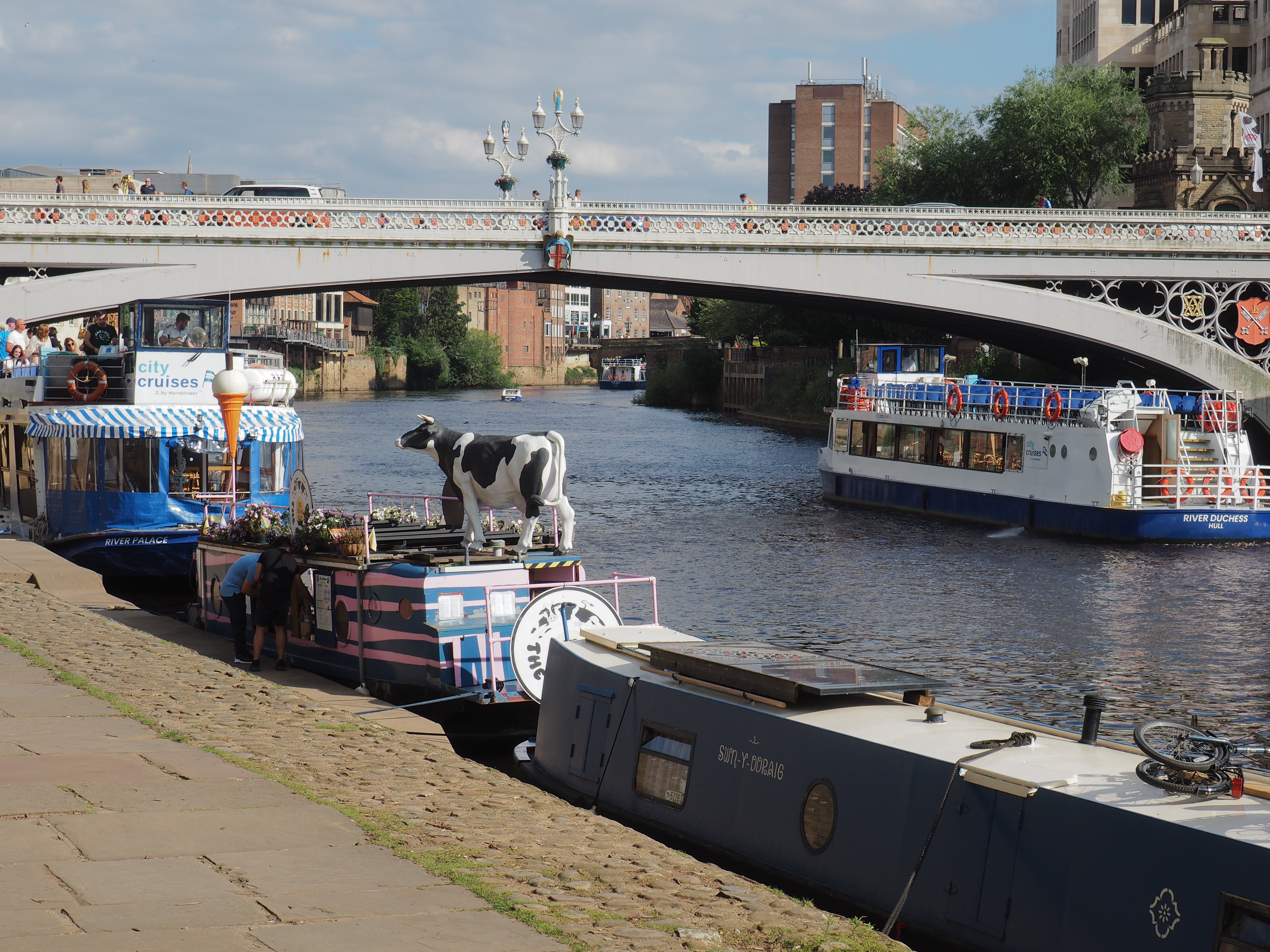
York has so much to offer: an amazing church, lots of shops, restaurants and pubs and loads of history. As we continue our trek northward, we were glad we’d made York a three-night stop and for a lot more reasons than to just cook in a few nights and do some much-needed laundry.
Sources:
- Great Britian, Lonely Planet, 2009.
- Souvenir Guide, York Minster.
- Guided Tour, York Minster, August 9, 2023.
- https://www.greatbritishbucketlist.com/york-minster-facts
- Secrets of Great British Castles, Netflix Series, Season 2, Episode 3.
 The Traveling Ridleys
0 comments on “York England: A City of Minsters, Walls and Vikings”