

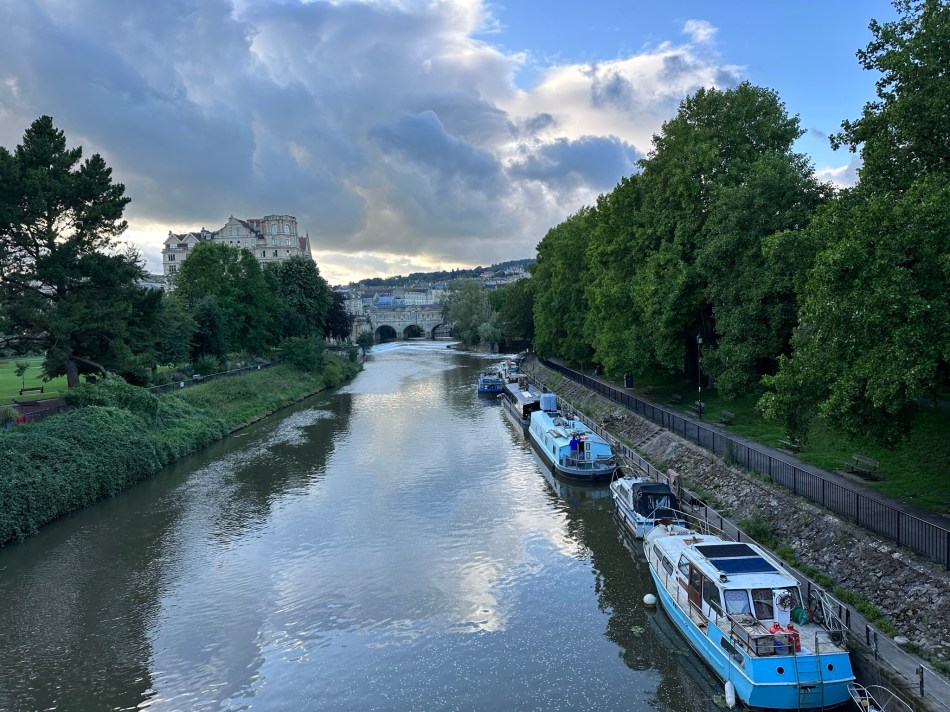
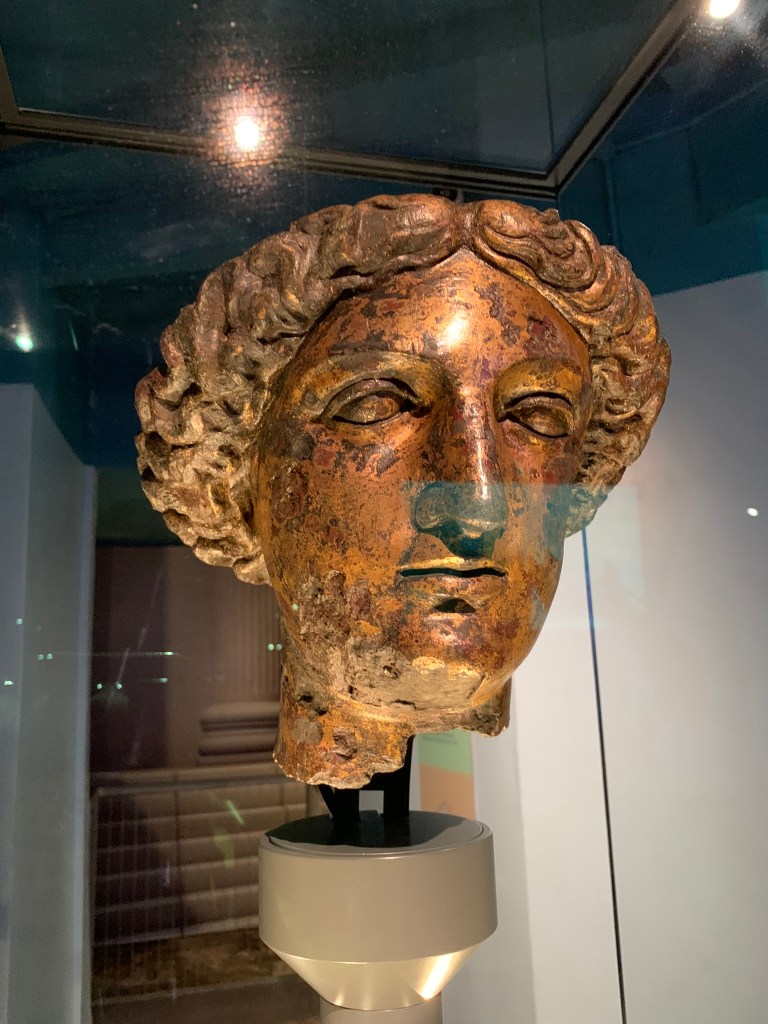
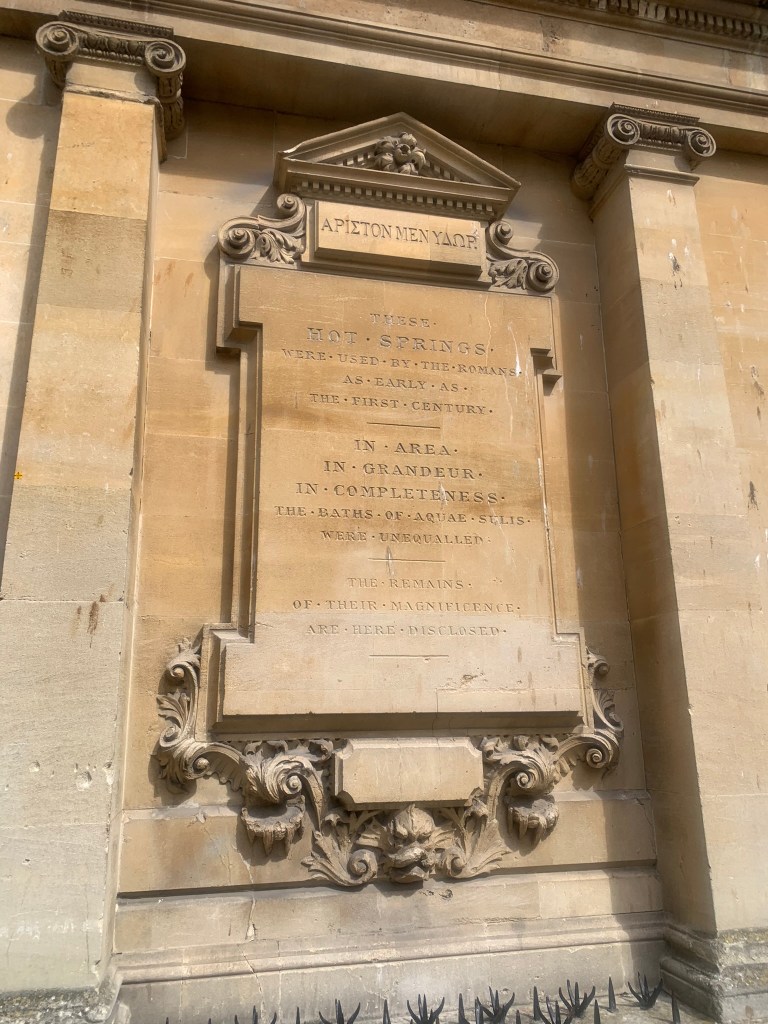
Built as early as 60 AD on the hot springs near a bend in the river Avon, Aquae Sullis (as the Romans called Bath) was the original English spa town. The Britons of the region treated the area as a shrine to the goddess Sullis, whom the Romans identified with Minerva. As such there’s Minervan symbology (how wise) throughout the discoveries of the temple and Roman baths.
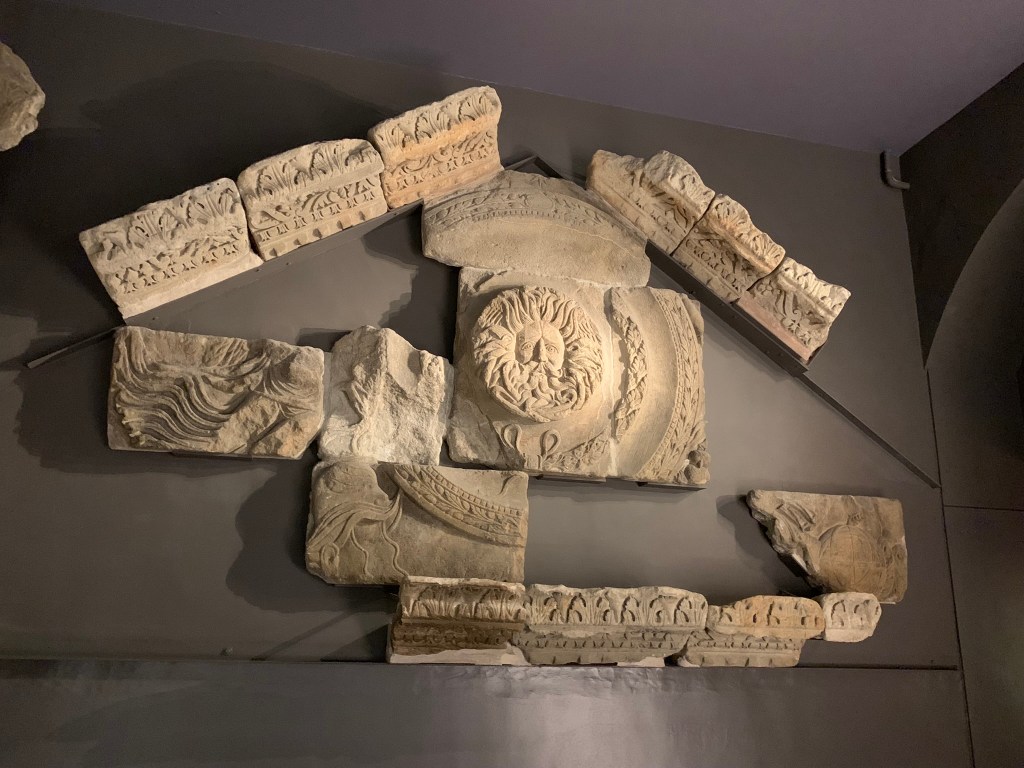
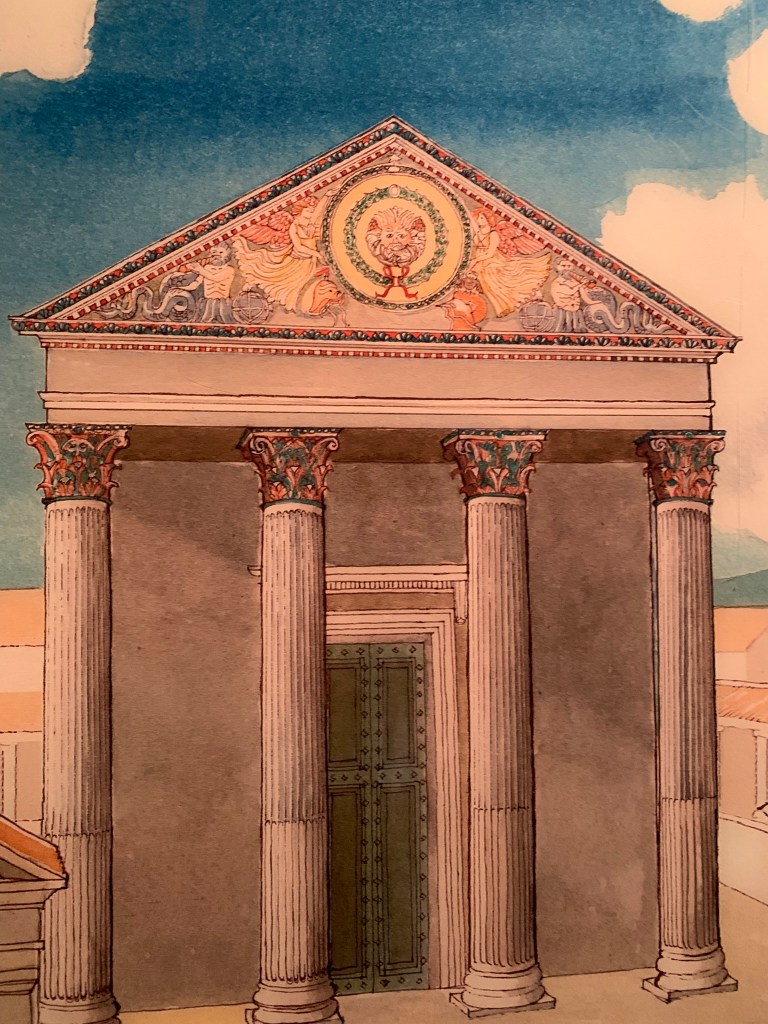
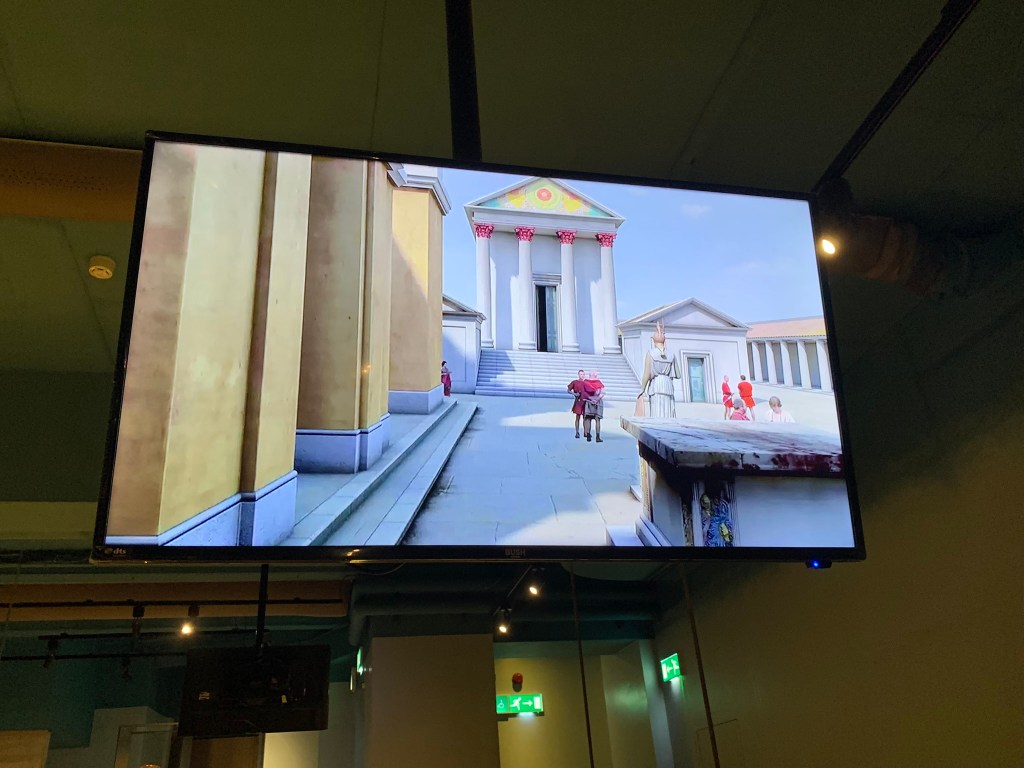
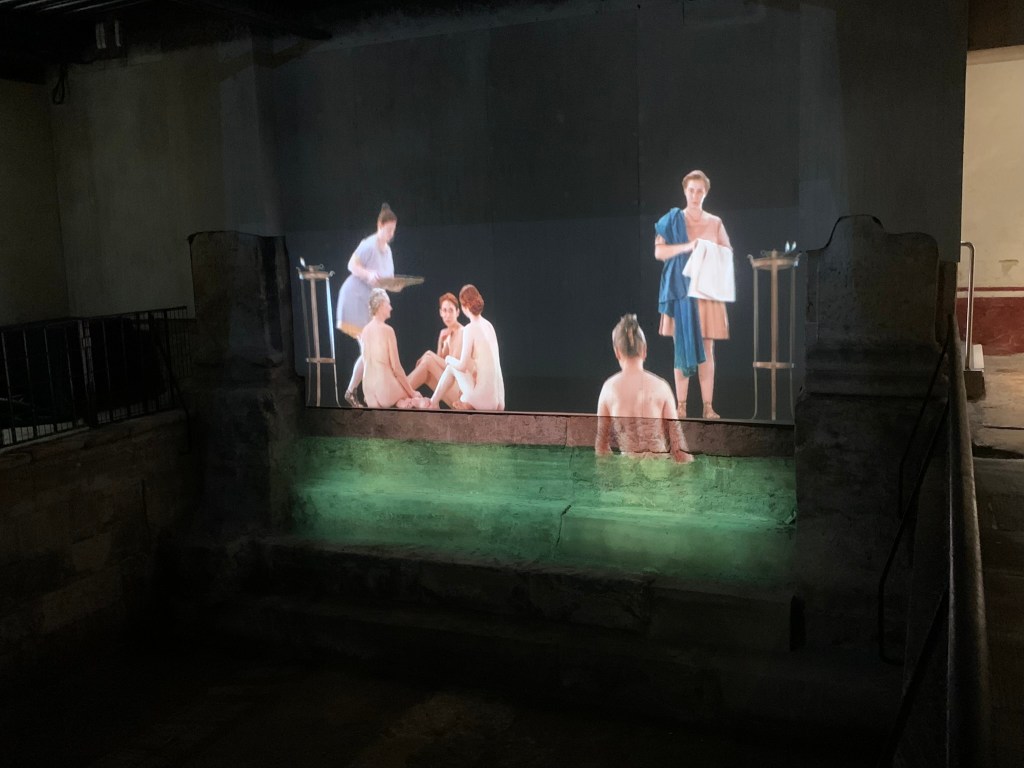
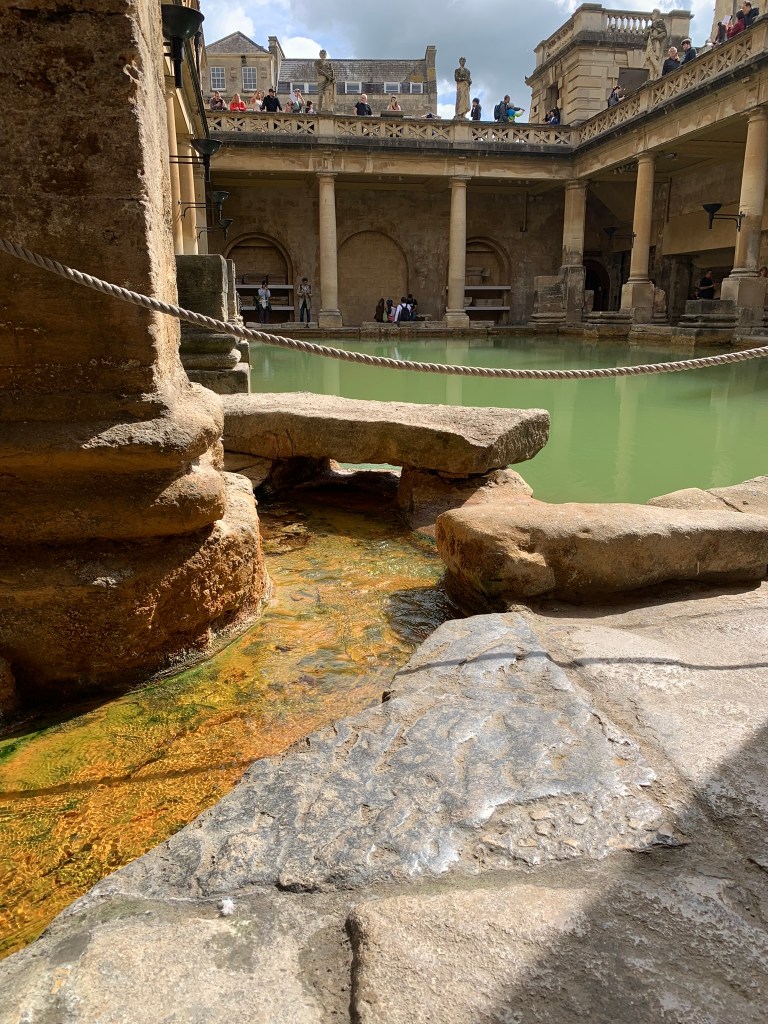
Touring the Roman baths, you begin above ground with views of the central Great Bath, where men and women would meet for socialization, business (and, well, other business) after spending time soaking, scrubbing and relaxing in the baths to the east for women and to the west for men. After viewing the site from above, you descend into and tour the east and west baths and have multiple viewpoints of the Sacred (hot) Spring, which bubbles up at 115 °F [46 °C]).
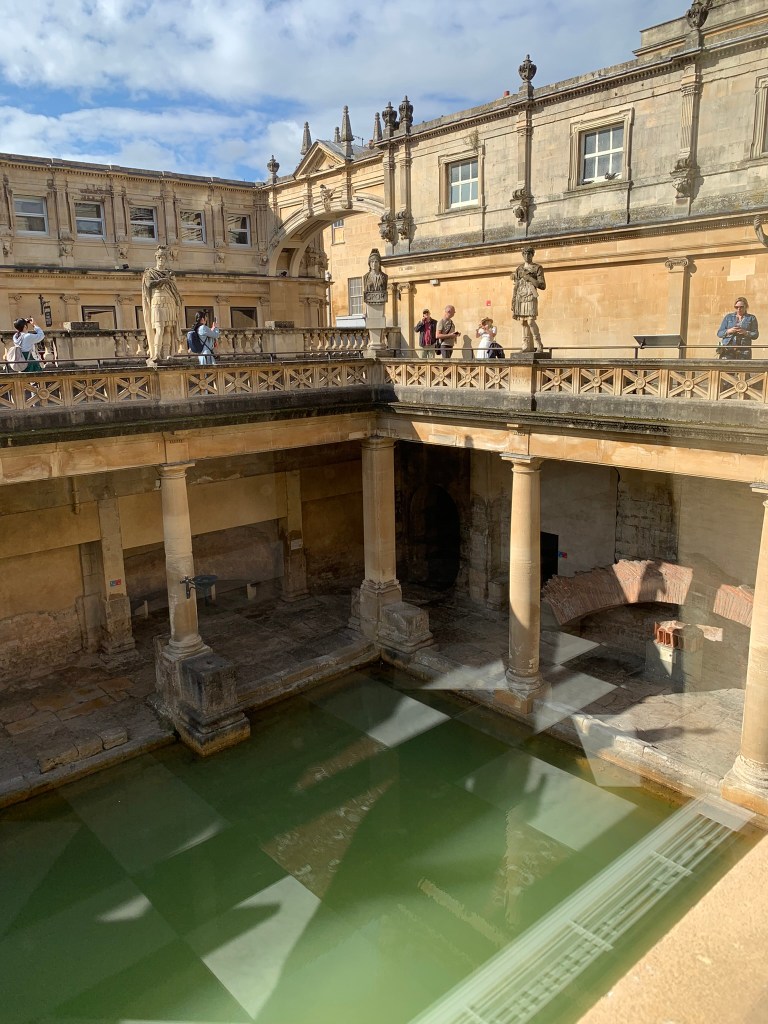
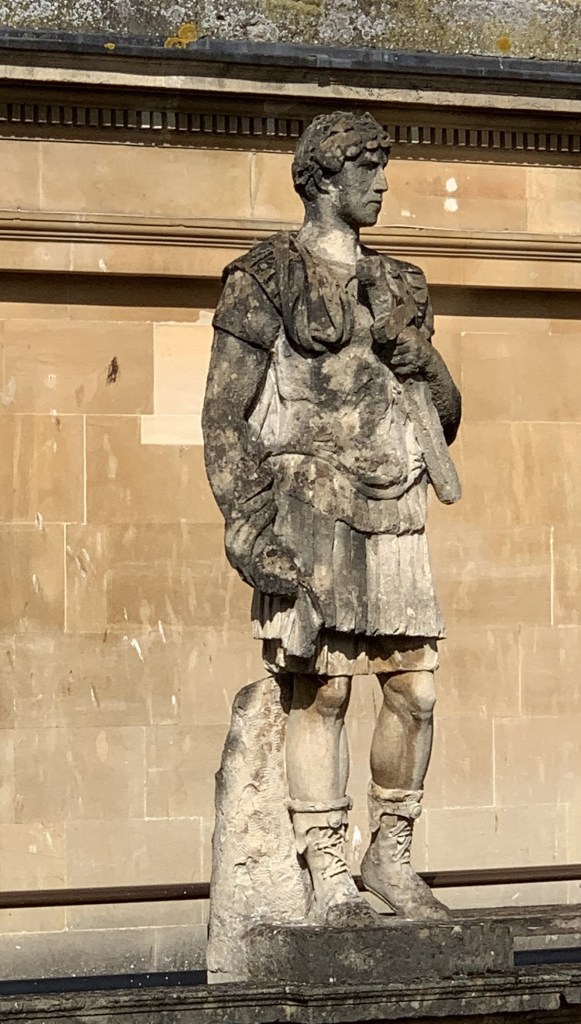

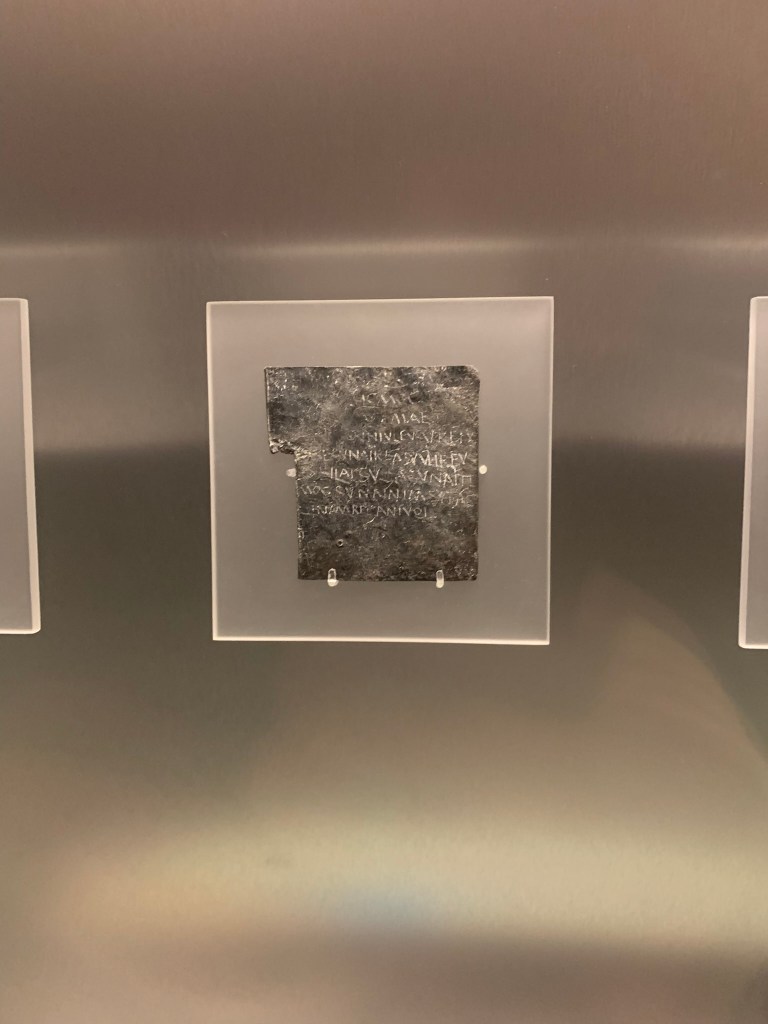
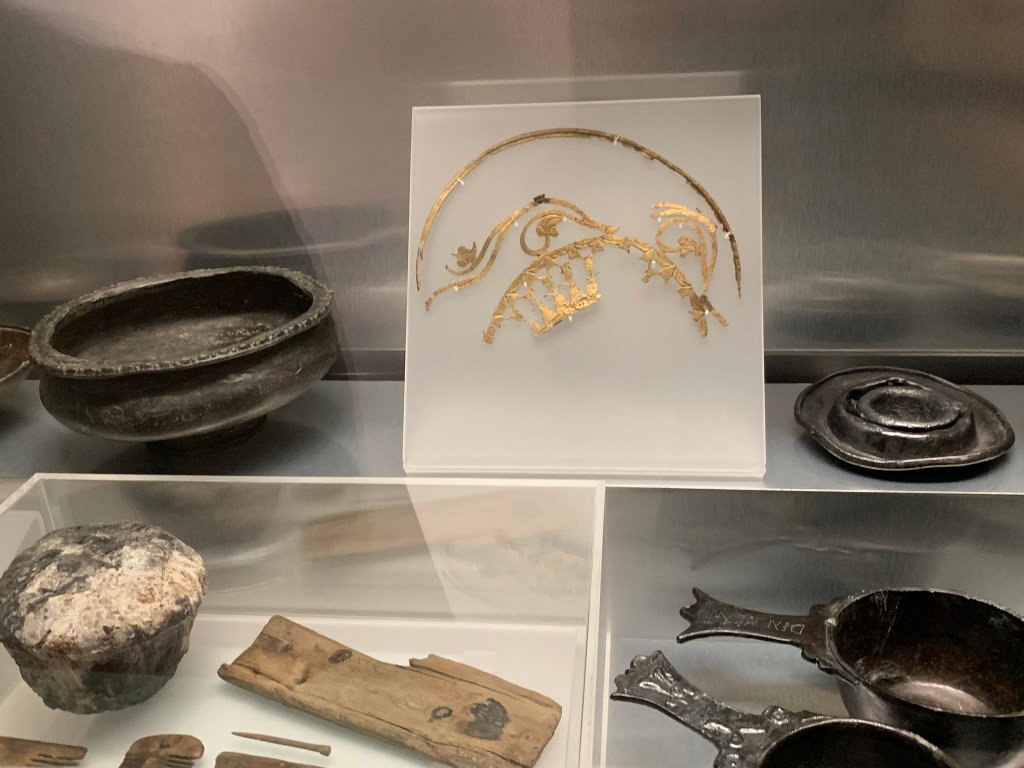
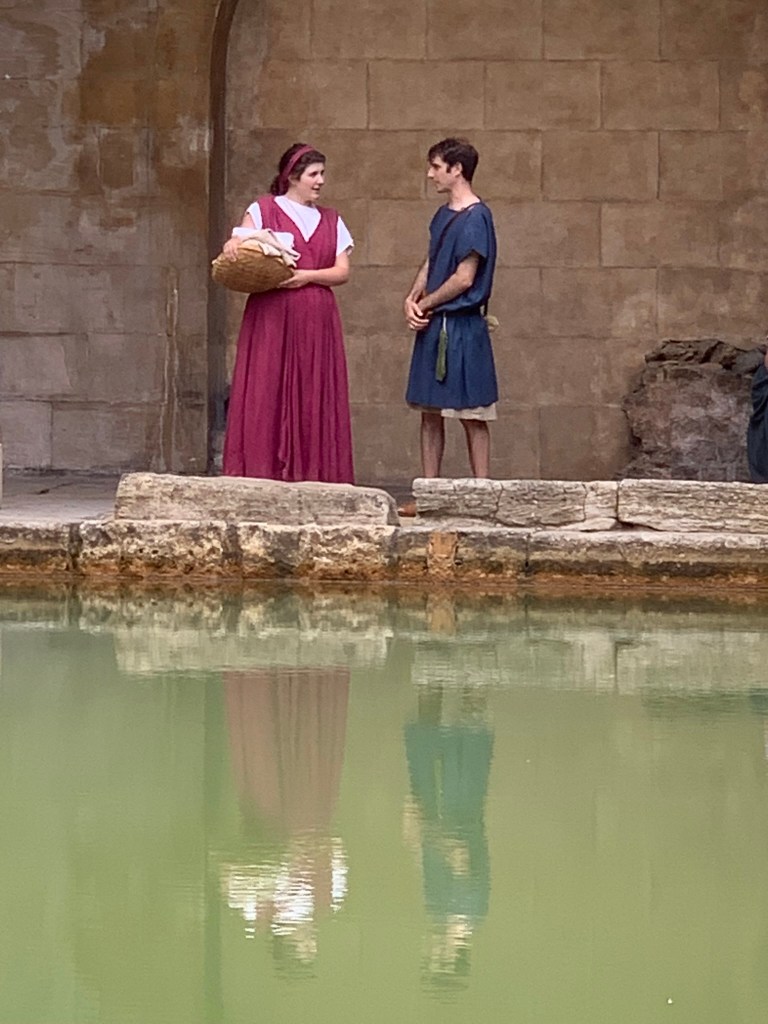
People would come to the Sacred Spring to pray to Sullis Minerva with both curses engraved on metal for those who had done them wrong (or a list of potential wrong-doers if the perpetrator of the wrong could not be properly identified) or gifts, coins and offerings to the gods tossed into the spring. The artifacts uncovered at Bath and all they’ve been able to discern about the site is quite amazing. They’ve interspersed video images and replications in various rooms to help the visitor visualize what the baths might have appeared like which, along with an excellent audio guide, are worth taking your time to immerse in Bath (pun intended).
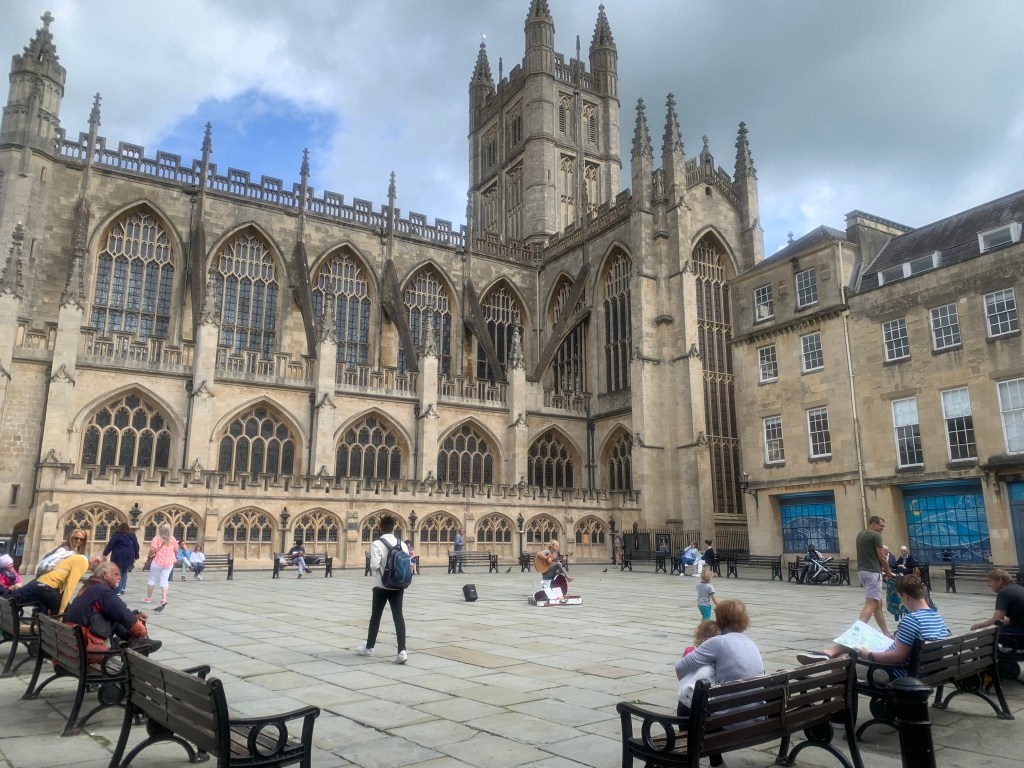
In later years, before the rediscovery of the Roman bath site (in 1755), the Christian churches (like many churches and mosques and then churches again in Europe) were quite literally built on top of the pagan Roman bath buildings and sites. In 973 AD, the Saxons built an abbey on the site where Edgar was crowned here as the “first king of all-England” (a coronation which set the stage for the modern coronations of kings and queens) and, later, on this same site the Catholics built the Church of St. Peter and St Paul which still stands today.
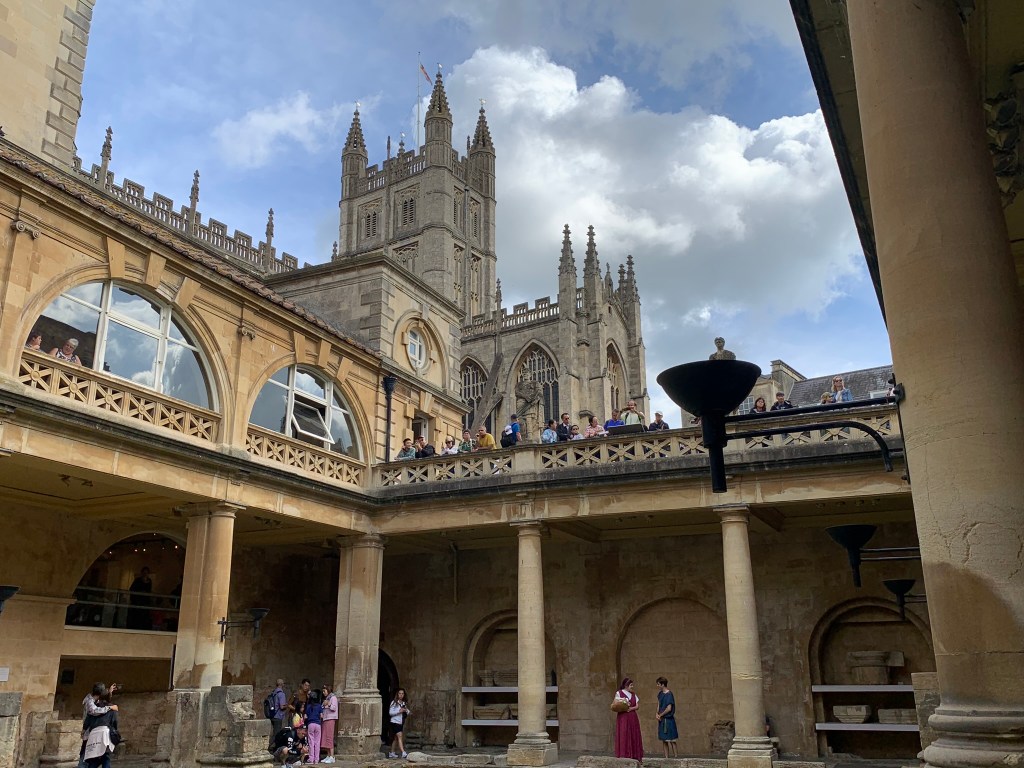
Bath became a spa town again in the 17th and 18th centuries when the lords, ladies and dandies of the day would come where a “modern day” pump house was built over the Roman baths (leading to their discovery) to soak and heal in the warming waters. Today, you can relive the baths of earlier times at the Thermae Bath Spa (pre-booking required) after soaking in the rich history below you. In this one tiny city block, you can immerse in the accumulated history of the area from Pagan to Roman to Anglo-Saxon and Norman to modern day all from the edges of the lapping mineral waters of the Roman bath.
Sources:
- https://www.britannica.com/place/Bath-England
- https://en.wikipedia.org/wiki/Bath,_Somerset
- https://visitbath.co.uk/
- Roman Bath Site Tour, Bath, England.
 The Traveling Ridleys
0 comments on “Soaking in the History of Bath, England”