

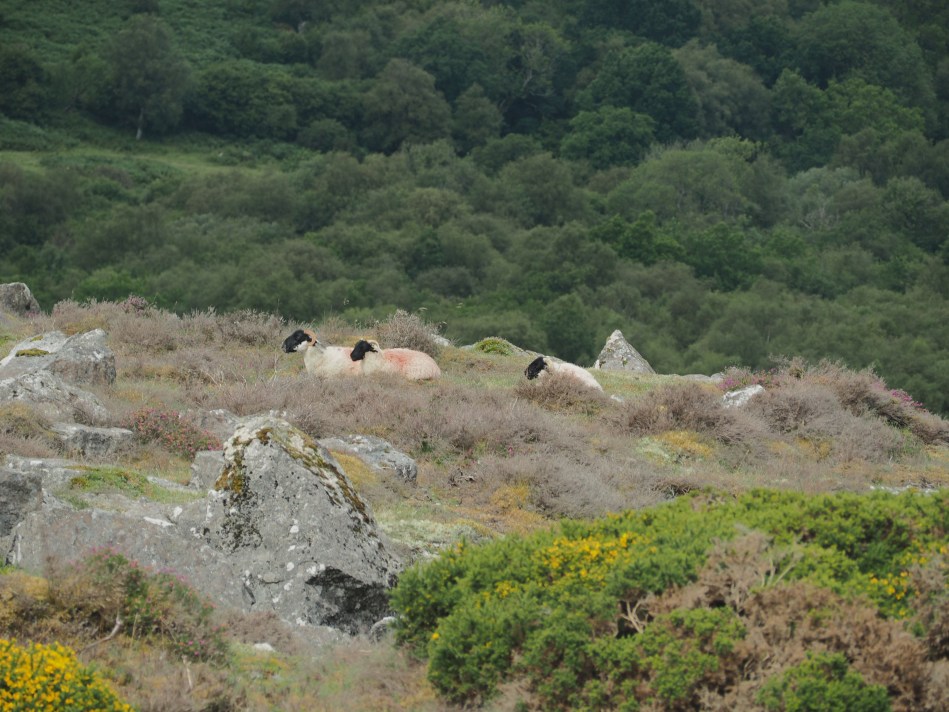
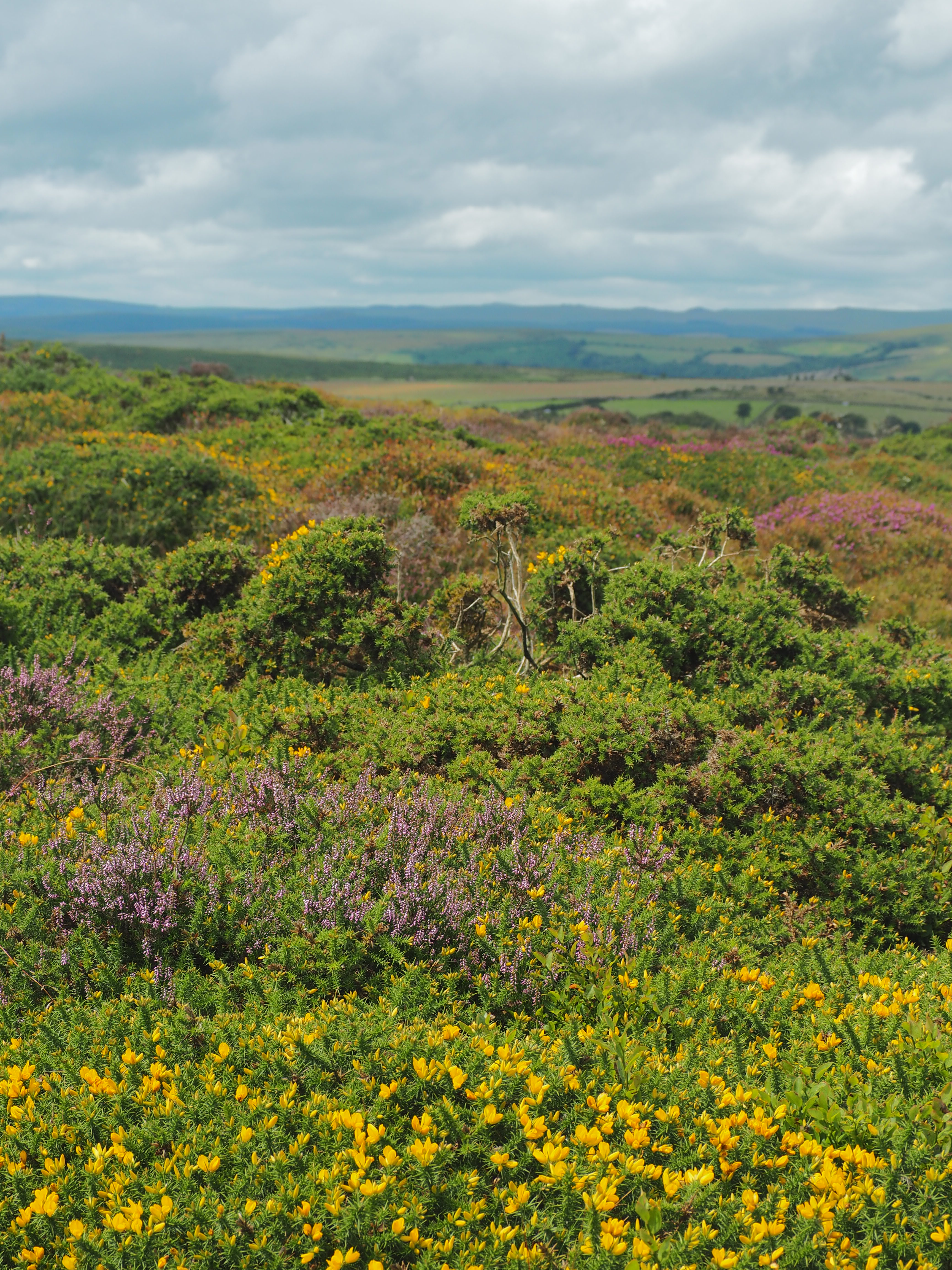
We set off from Salisbury for a week in southwest England and spent three nights in and around Dartmoor National Park. The atypical, we’re told, rainy July and early August weather made the moors, tors and bogs of Dartmoor all the more fitting for searching out witches, giants and pixies. So, like Sir Arthur Conan Doyle’s Baskervilles we set out on foot across the moors to explore.
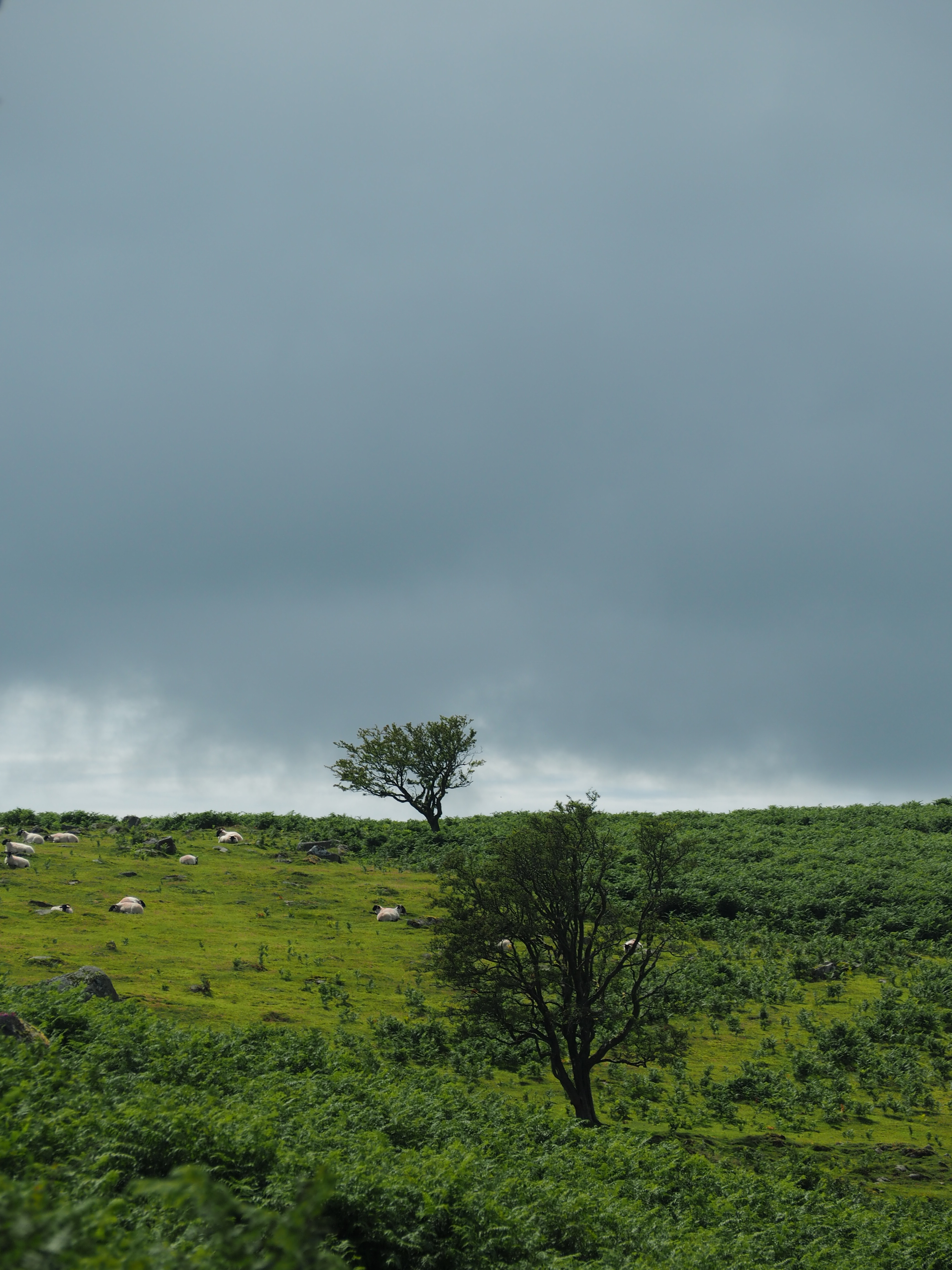
Dartmoor National Park. Dartmoor Park has 450 miles of public walking trails and 90% of it is used for farming. Grazing sheep, goats, cattle and ponies outnumber the cars along the winding roadways, some narrowed by forests with lush growth alongside and overhead or 15- to 20-foot-tall ivy and vegetation covered stone walls built long before the automobile made its way to southwest England.

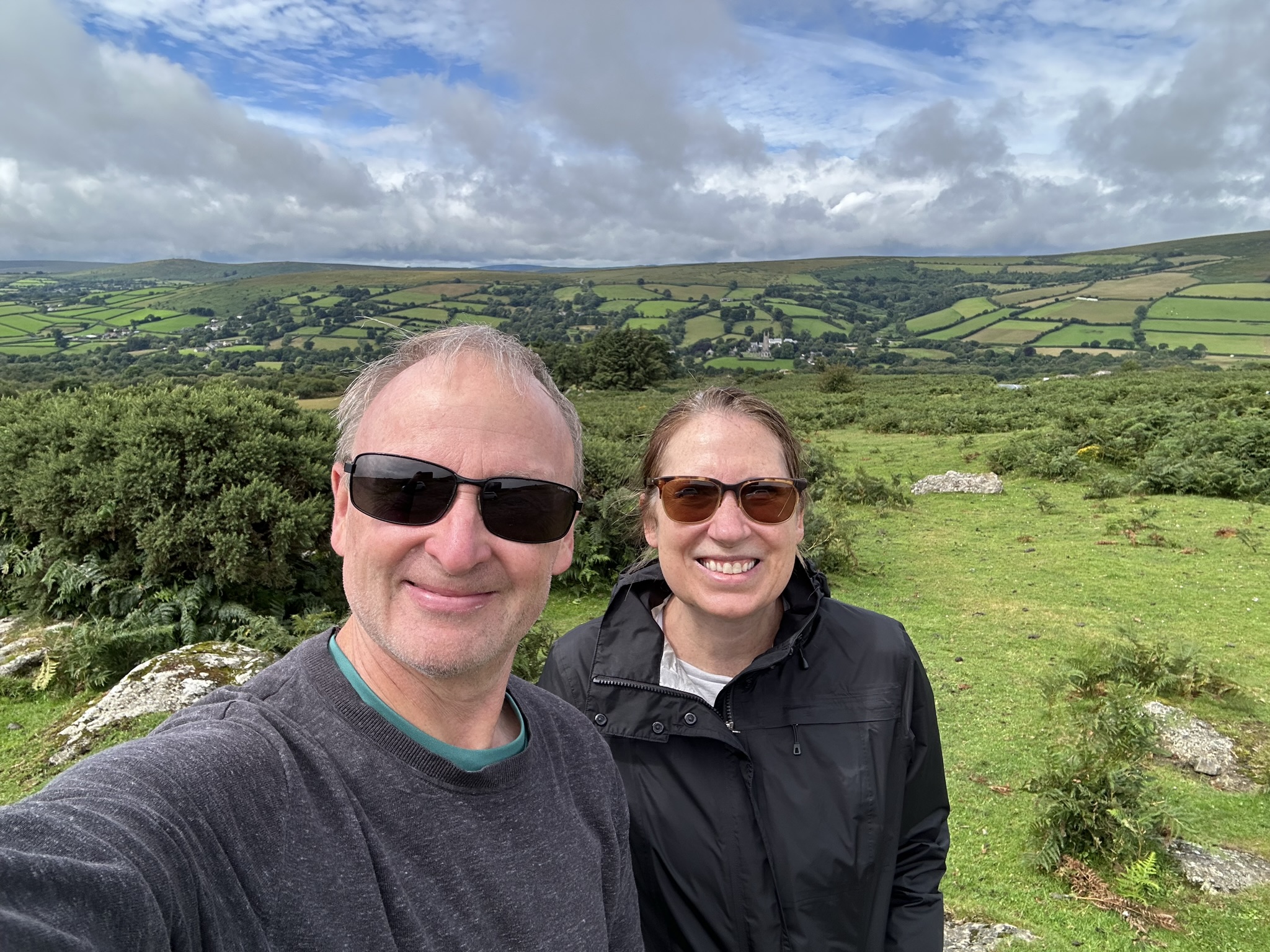
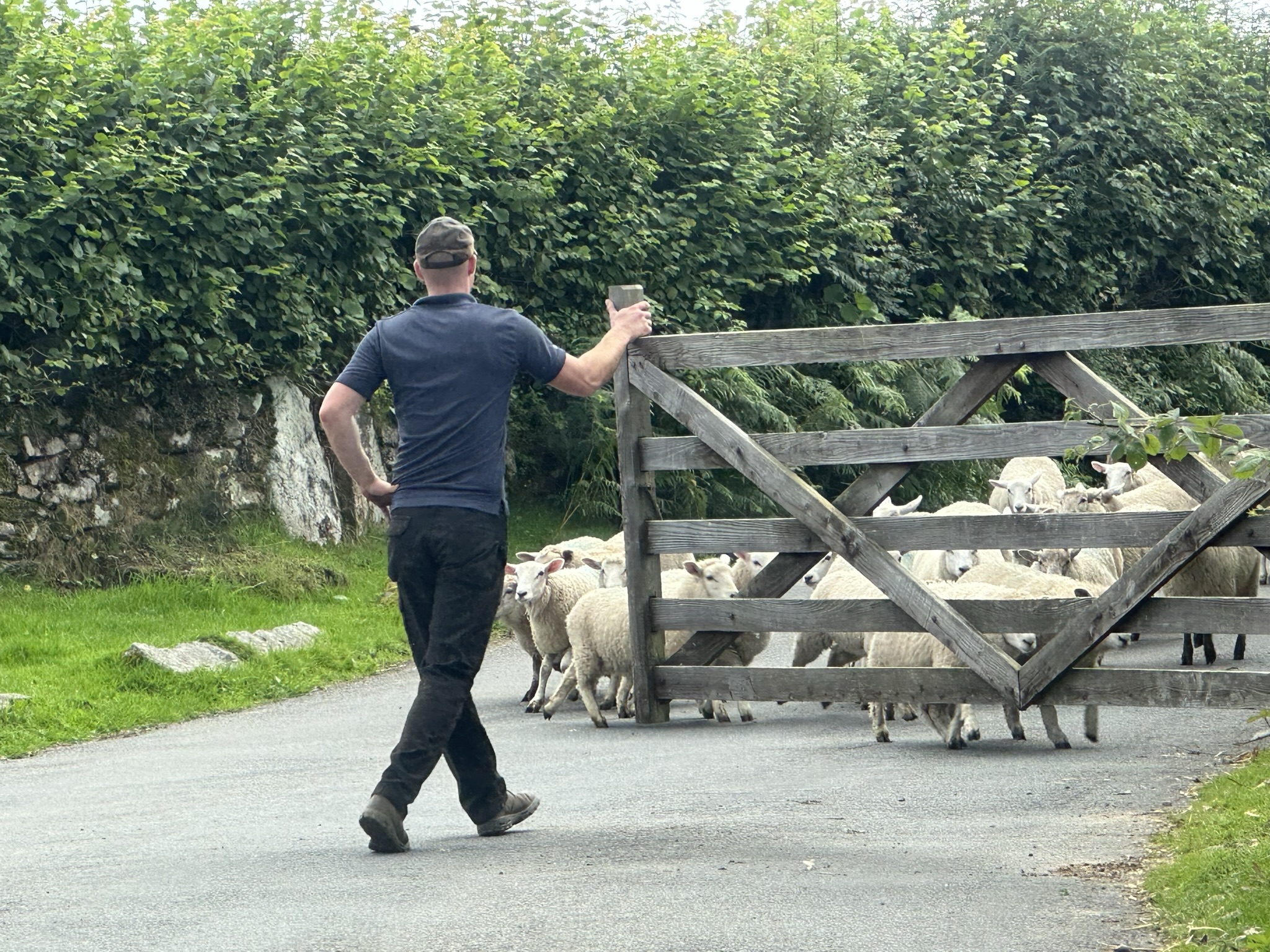


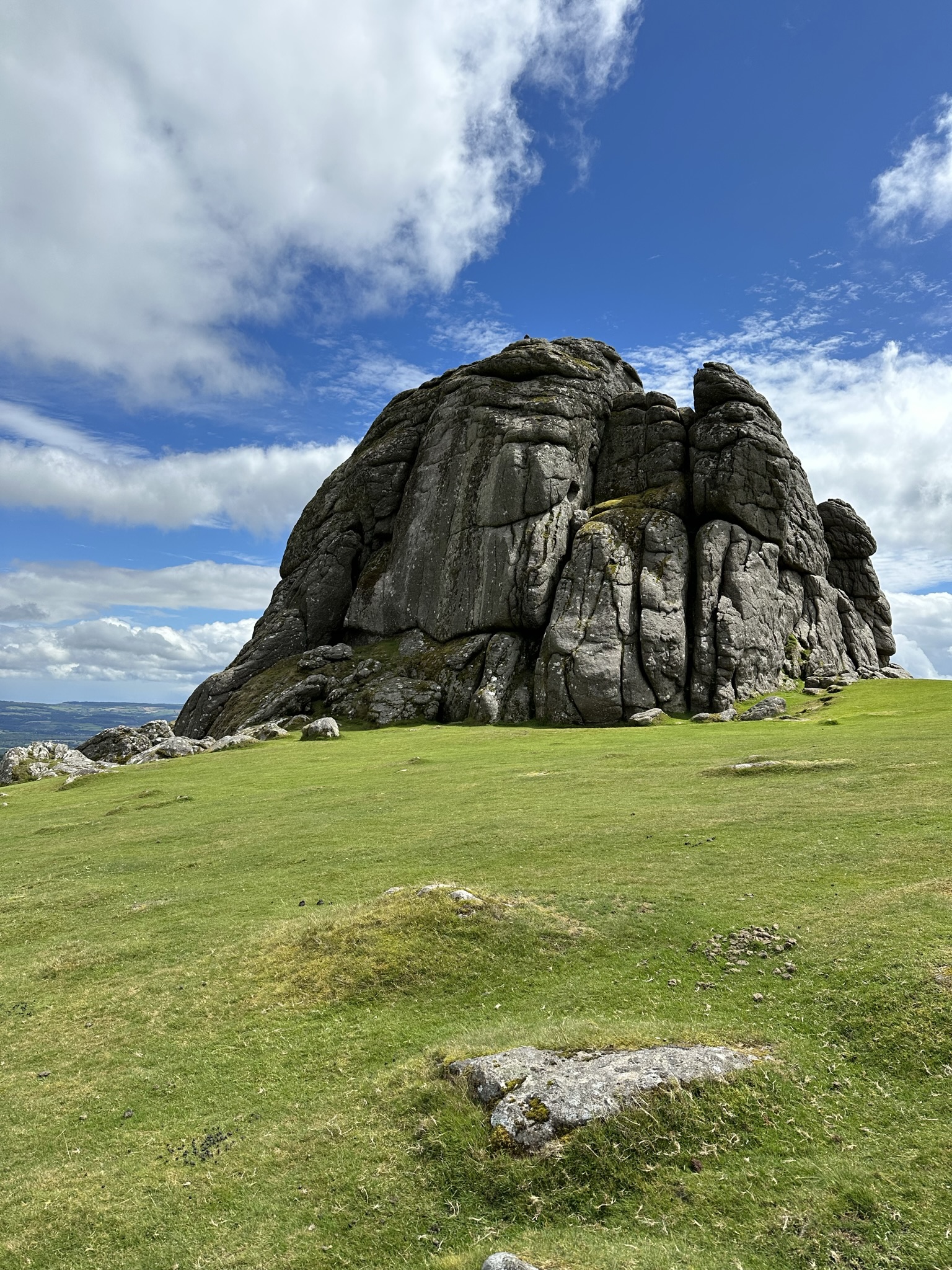
Early farmers (meaning really early – around 4000 to 800 BC) cleared woodlands here which transformed the landscape creating granite tors (a word I had to look up to make sure it was real and not just a fairy tale word – it means hillock or mound) and peat bogs. Years later, this area was used for mining granite, but nature has reclaimed much of the former mining land. We set out on an All Trails path near the lovely little village of Widecombe at Hound Tor. Frankly, there are so many little trails in this area, it was hard to find the actual one mapped on the app, but with Hound Tor as our guide back to the car, we just wandered rather aimlessly for several hours. As you roam through the moors, up the tors and around the bogs it is easy to see why so many legends of evil riders, headless horsemen, witches, giants and pixies cropped up in these parts. Fortunately for us, we found only sheep, goats and ponies and other hikers on our stroll (though according to this legend, we best be on the lookout when we land in Wales).

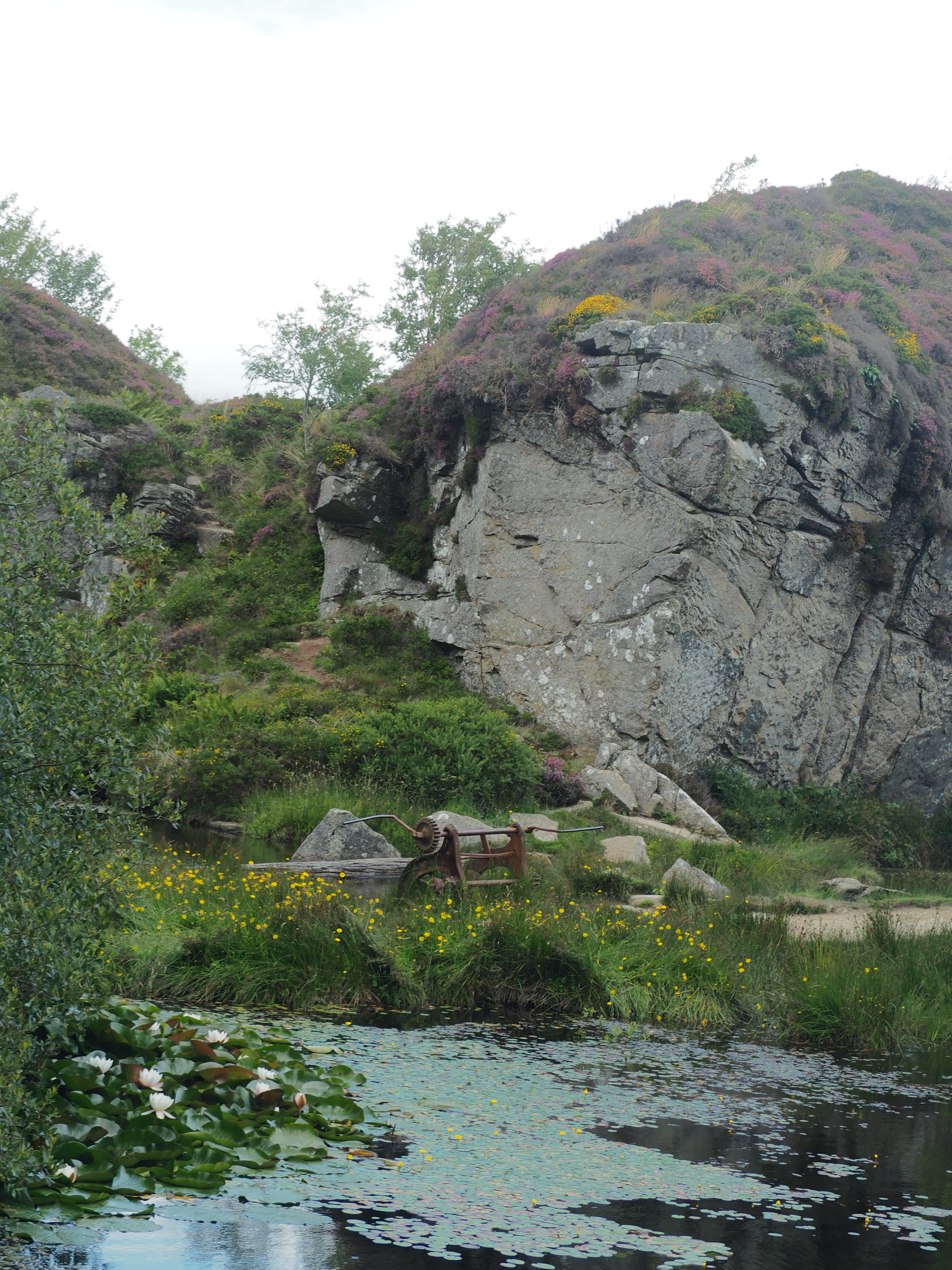
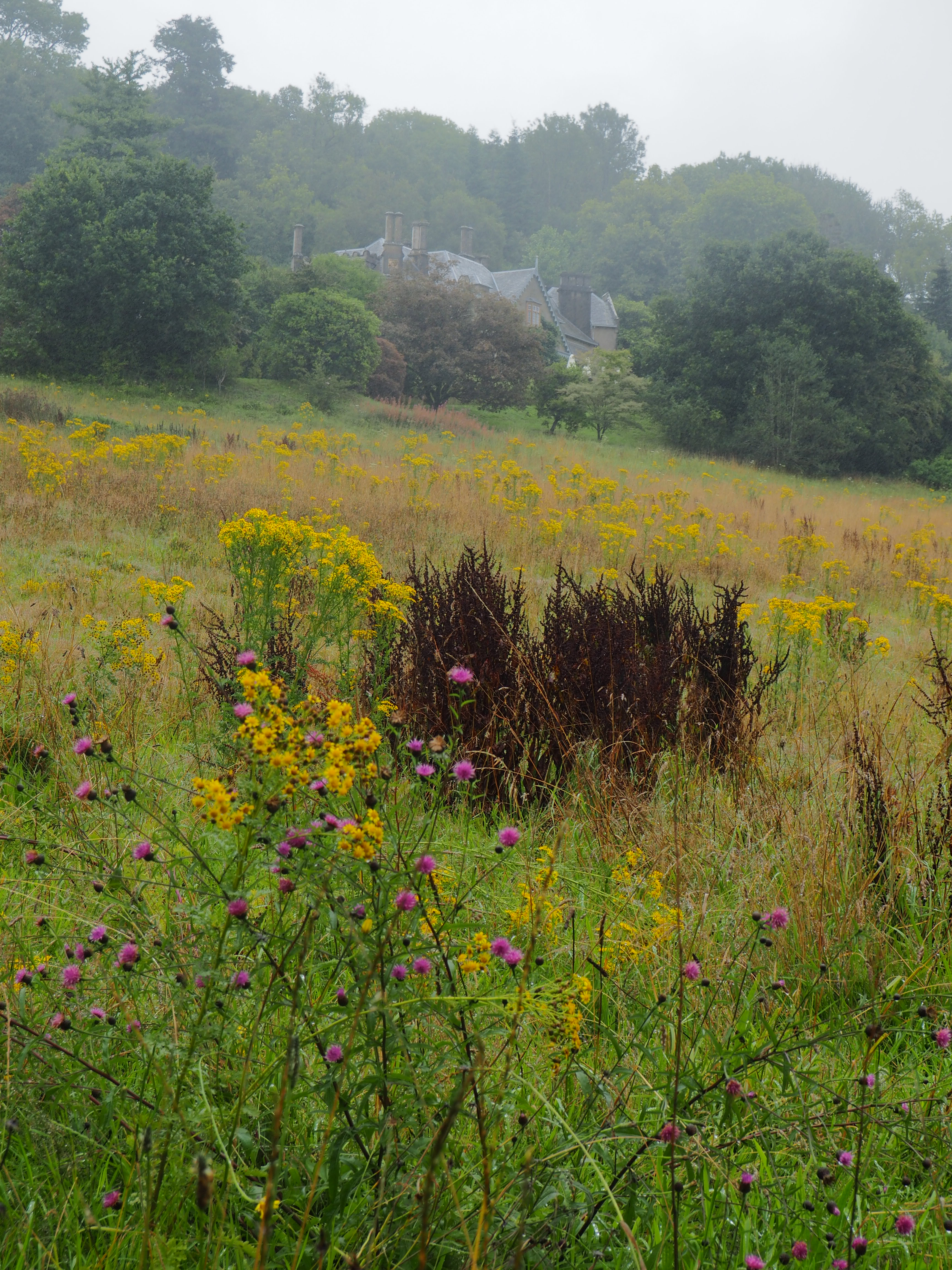
Bovey Castle and the Gardens of Hotel Endsleigh. I played golf on a beautiful little course set around the grounds of Bovey Castle and we spent time wandering around in the rainy August weather at the gardens of Hotel Endsleigh. Both experiences made us feel downright lordly and ladylike as we strode the grounds at these magnificent properties whose water bills are loving the rainier-than-usual summer. At Endsleigh, you can book a stay, dine or have tea and stroll the extensive gardens and grounds which are really quite remarkable. They even have a shell grotto, evidence of what we’d read about the aristocracy building them on their manor properties in the 18th and 19th centuries when we visited Margate’s shell grotto.



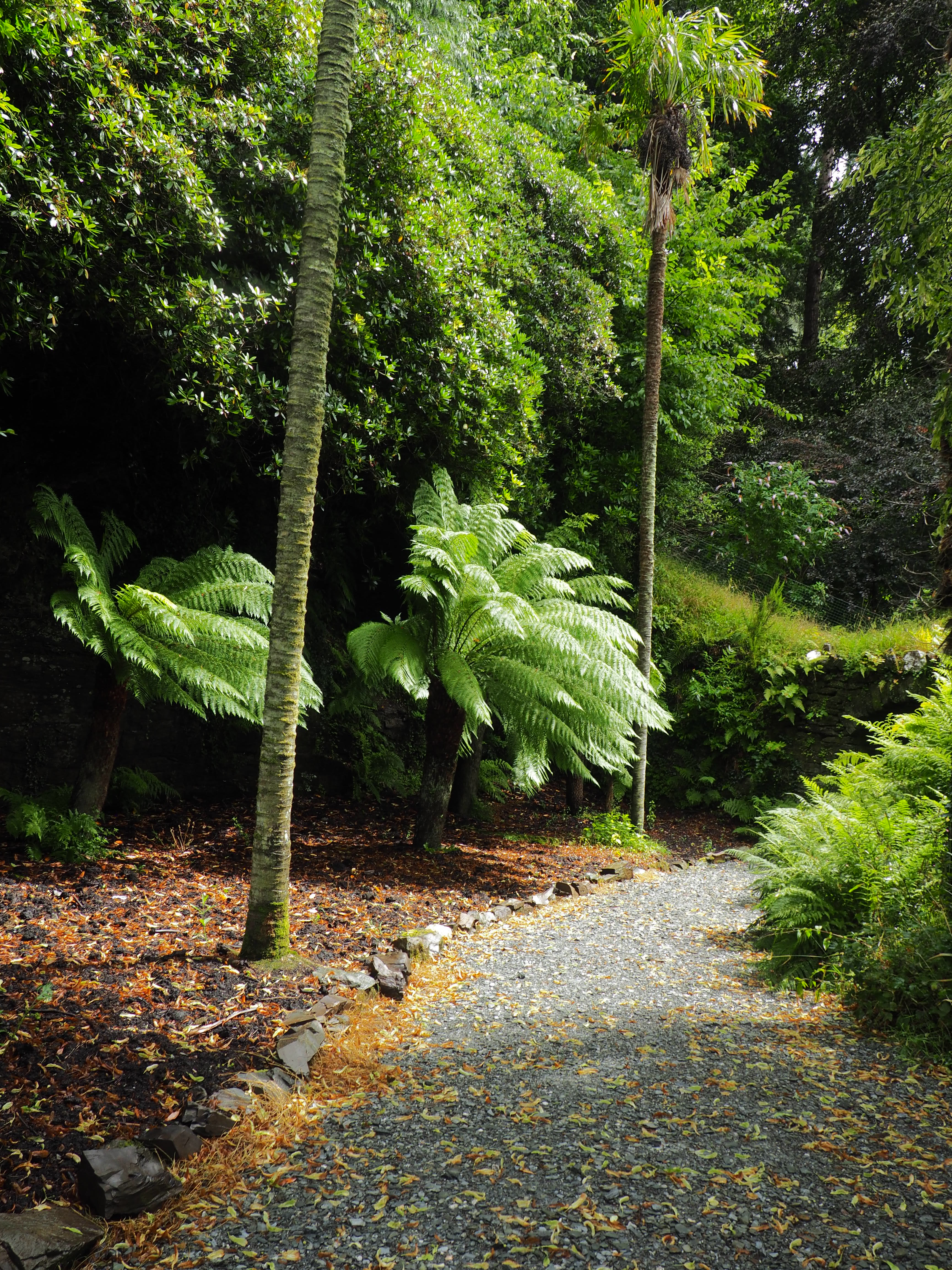
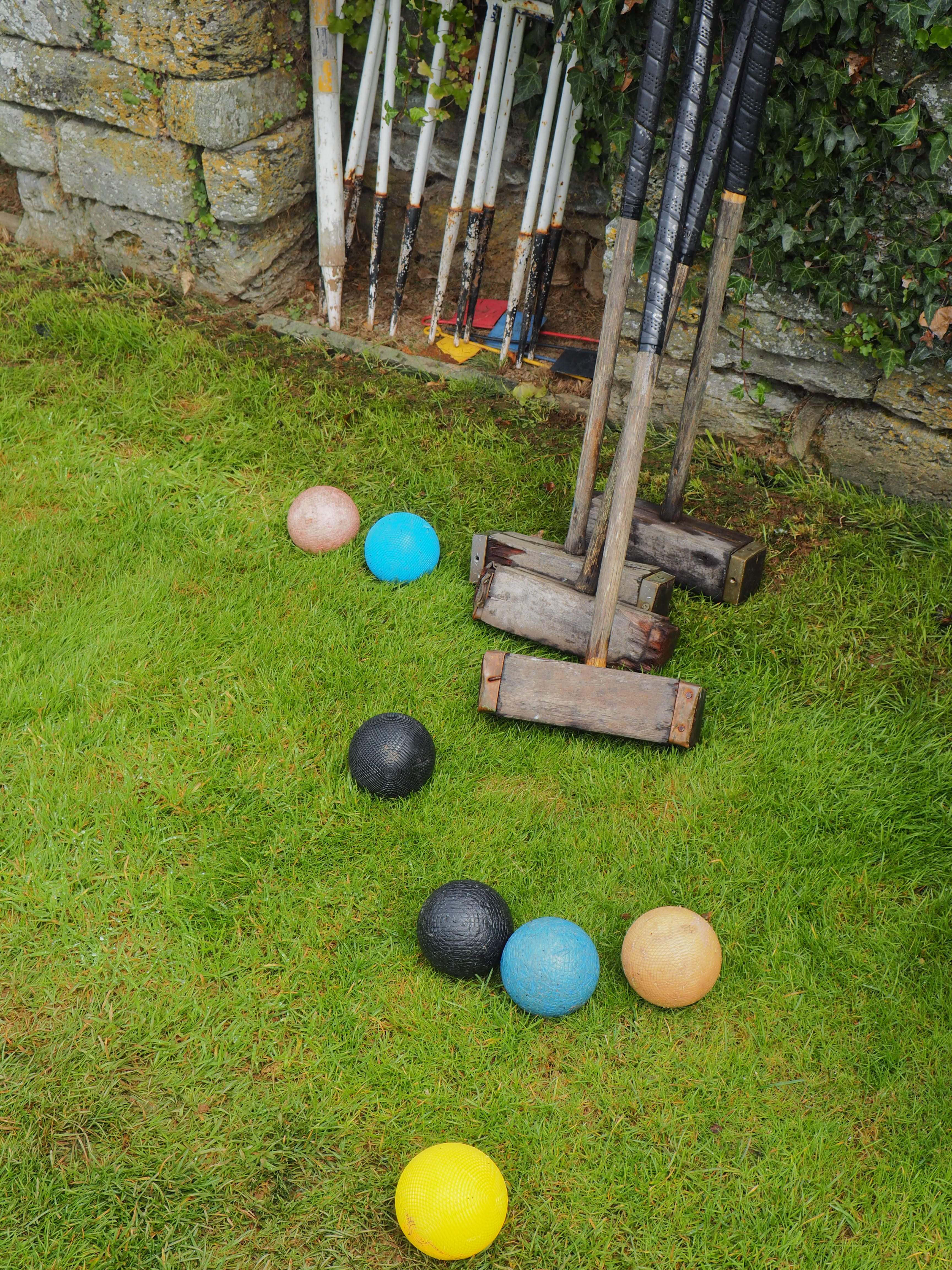

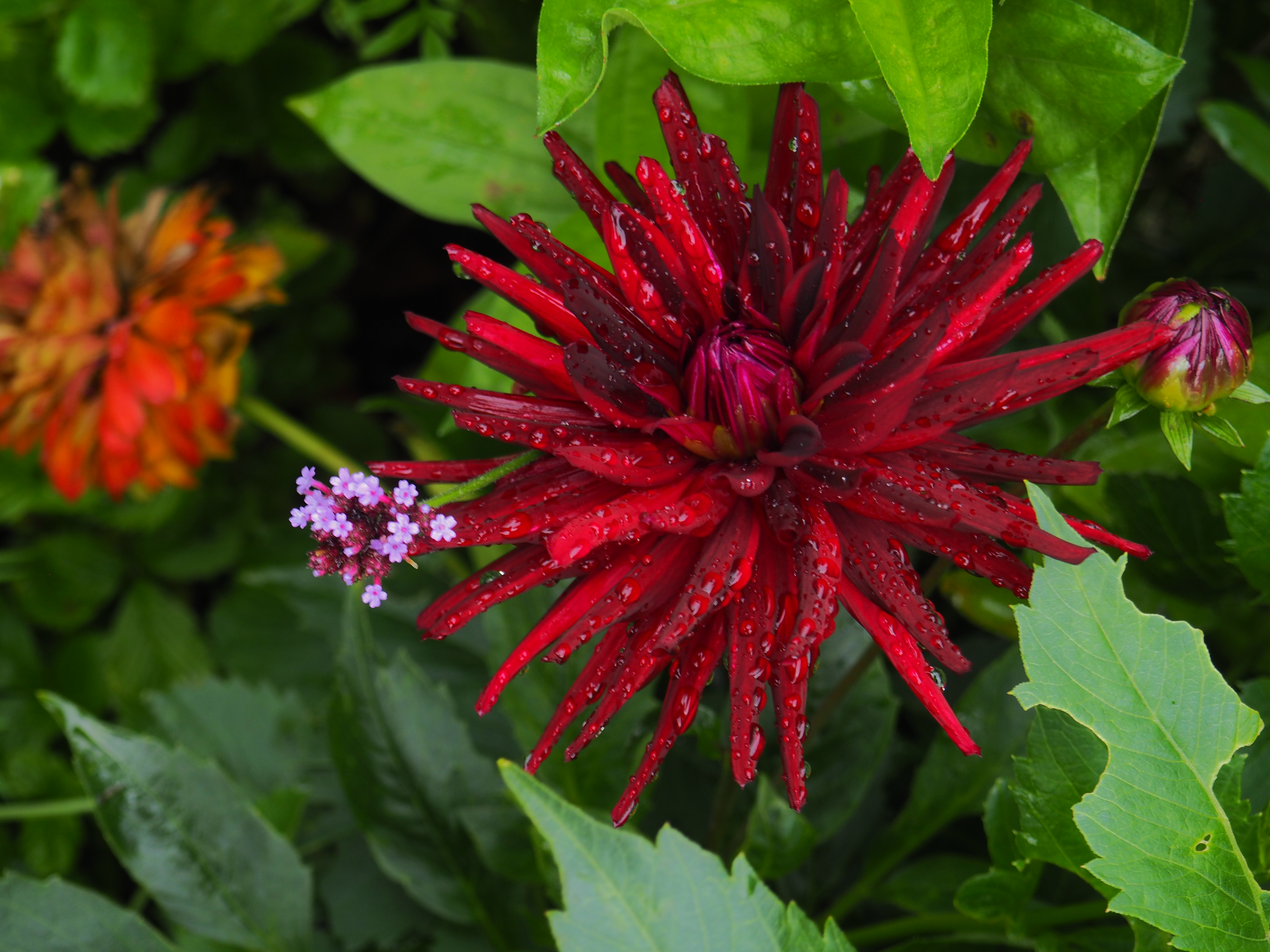
There is a lot to do in the Dartmoor area. More than we had time for. Widecombe is a lovely little town worth visiting with a great cafe on the green, there are tons of hikes on the moors and we were told to visit Castle Drogo, though we ran out of time. Much to do when we come back.

Southwest Cornish Coast. We made our base on the southwest coast in Penzance, in search of pirates. Arrrgh… they were a figment of the imaginations of Gilbert and Sullivan (and present-day marketers).
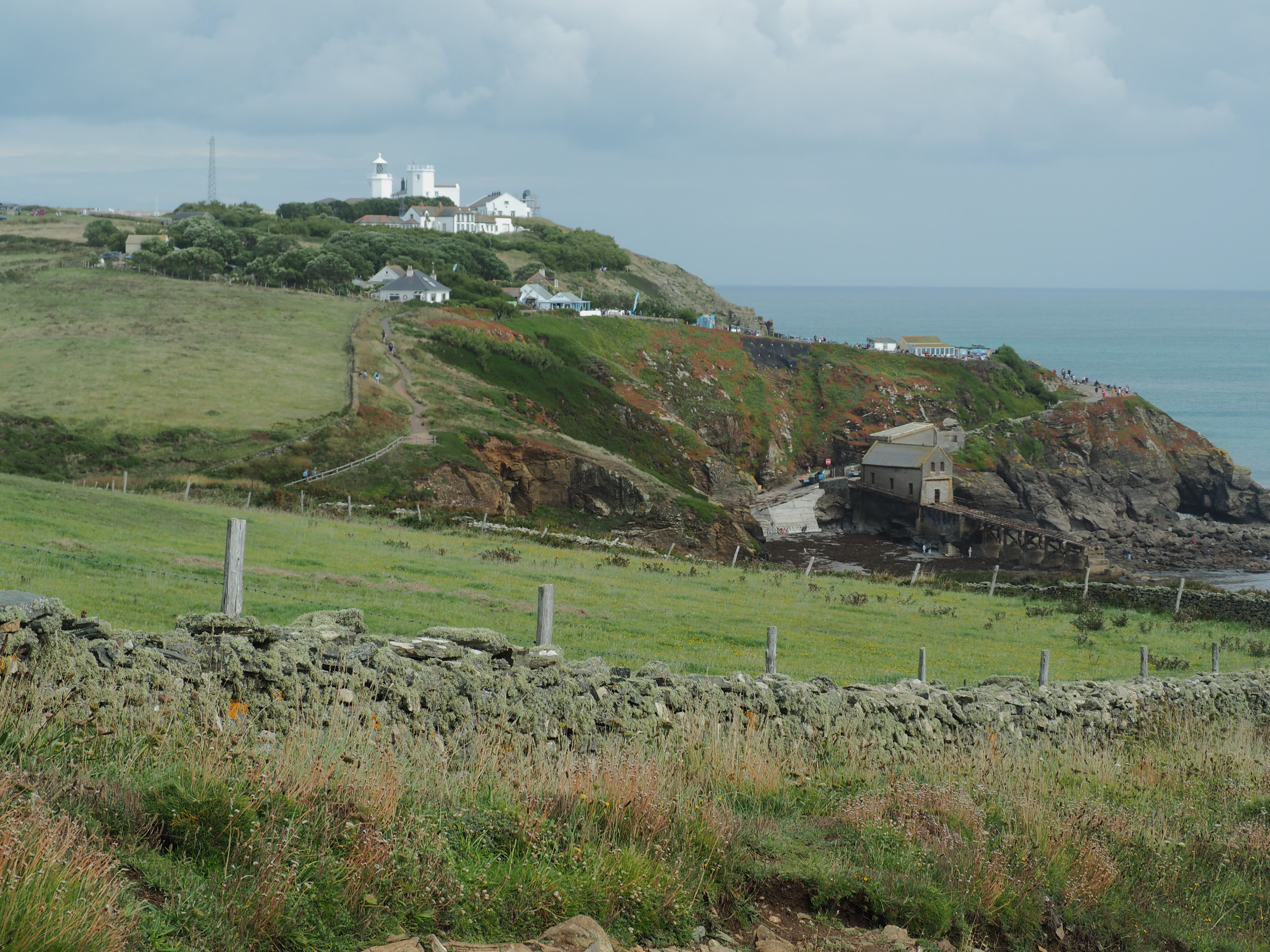
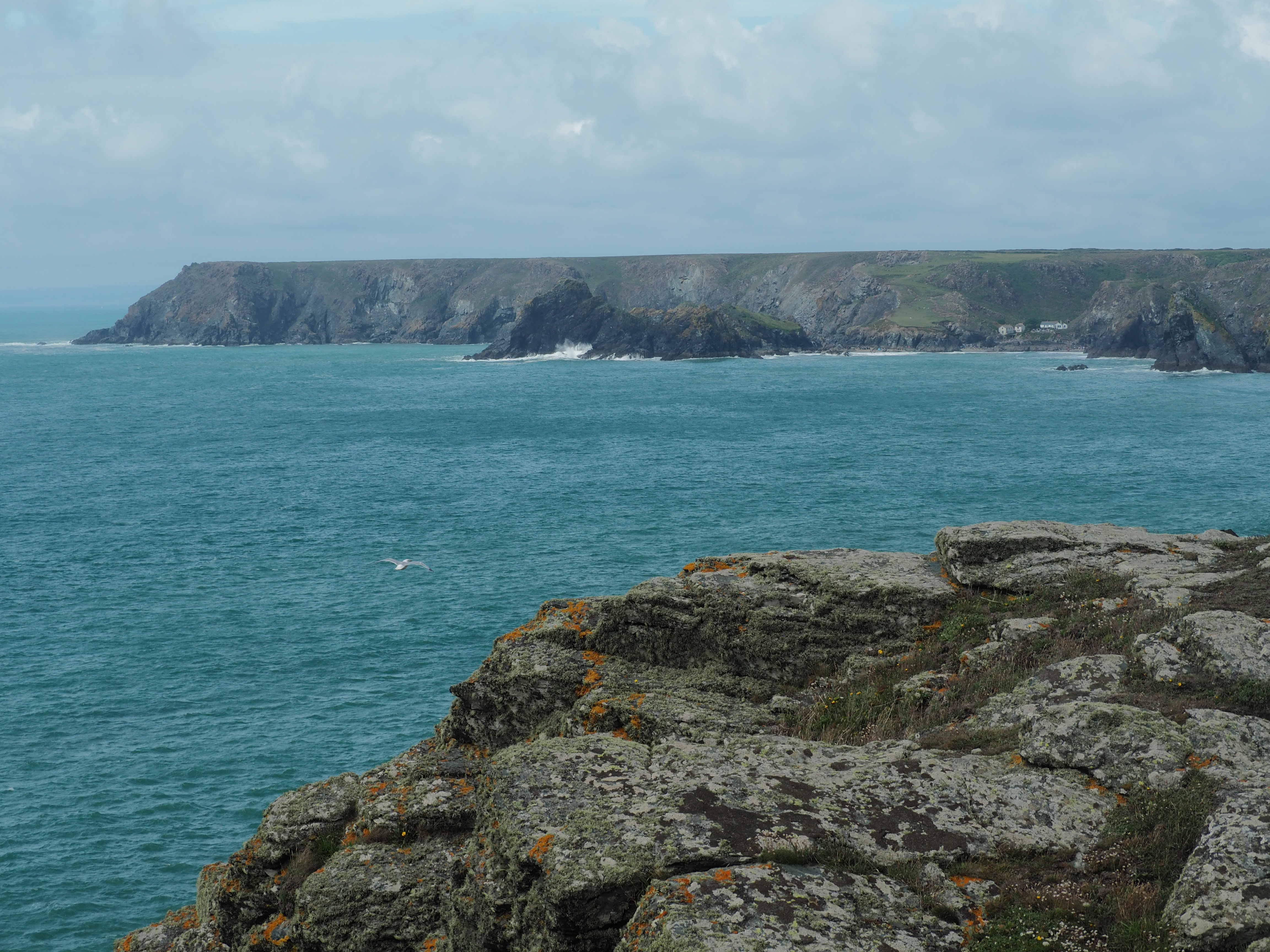
On the way to Penzance, we stopped off for lunch and a walk along the cliffs of Lizard Point. Colorful cliffs, a massive but otherwise unremarkable lighthouse and a delicious lunch later, we retraced our steps back up the peninsula and turned for Penzance.
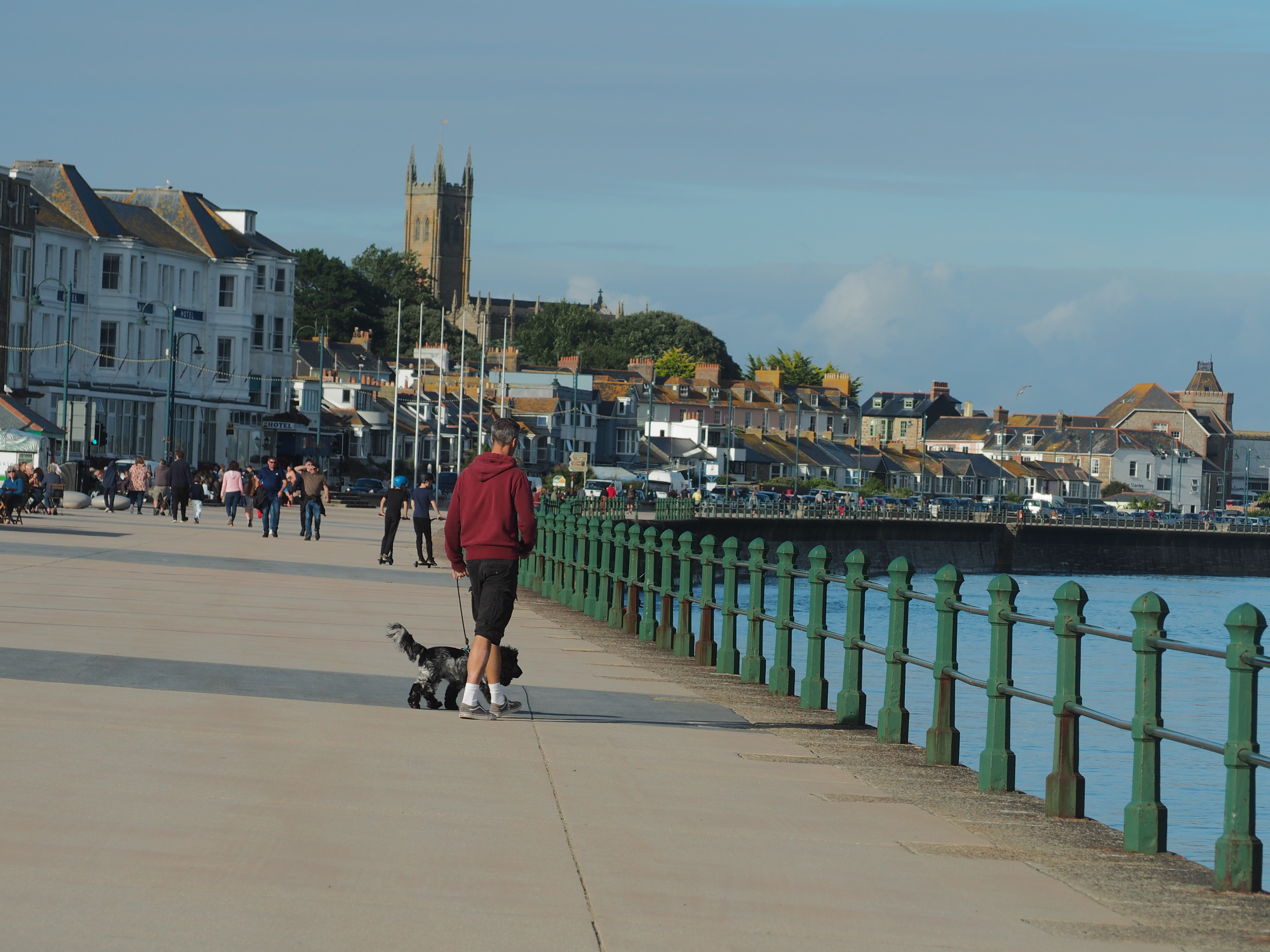
We didn’t really know what to expect of Penzance but quite liked it. It’s what we expected to find on the Isle of Wight (and didn’t). Seaside resort town, seagulls on every rooftop, narrow little shopping streets, a long promenade lining the coastline and rocky and long flat sandy beaches.


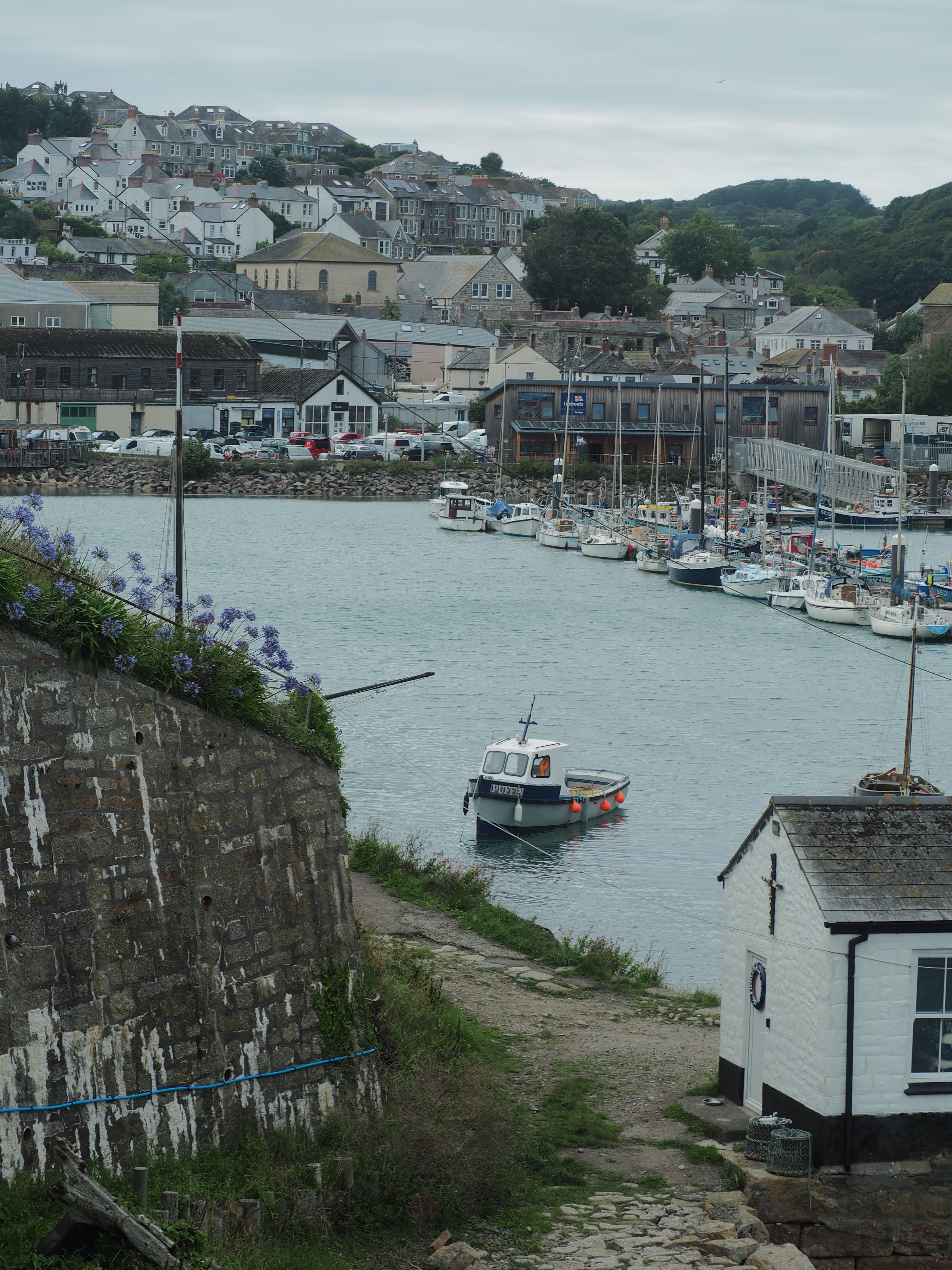
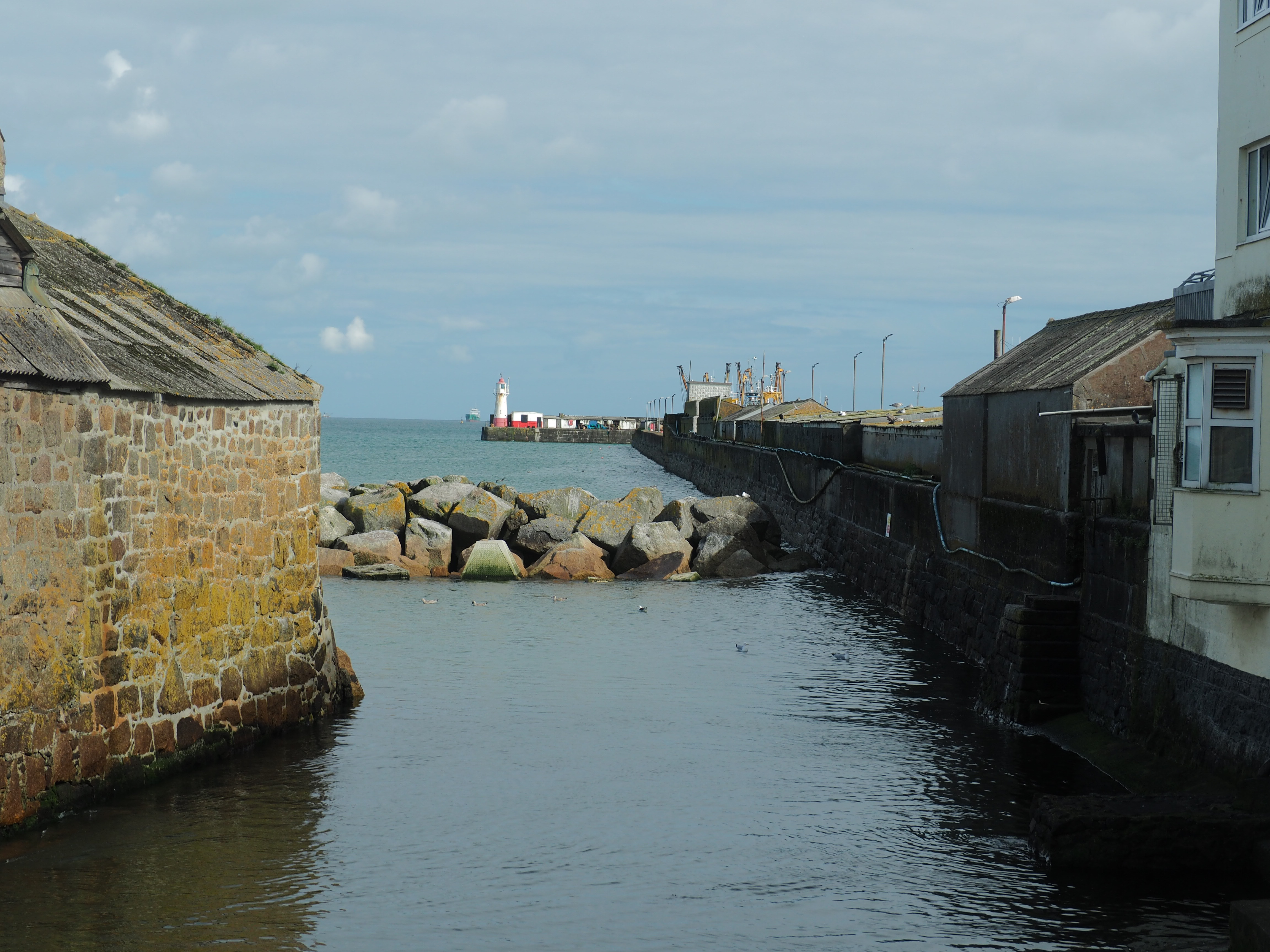
We strolled up to Newlyn, an authentic fishing village up the promenade where we walked around and enjoyed a pint and a Sauvignon Blanc and mostly enjoyed that it wasn’t raining on us for the first time in about a week.



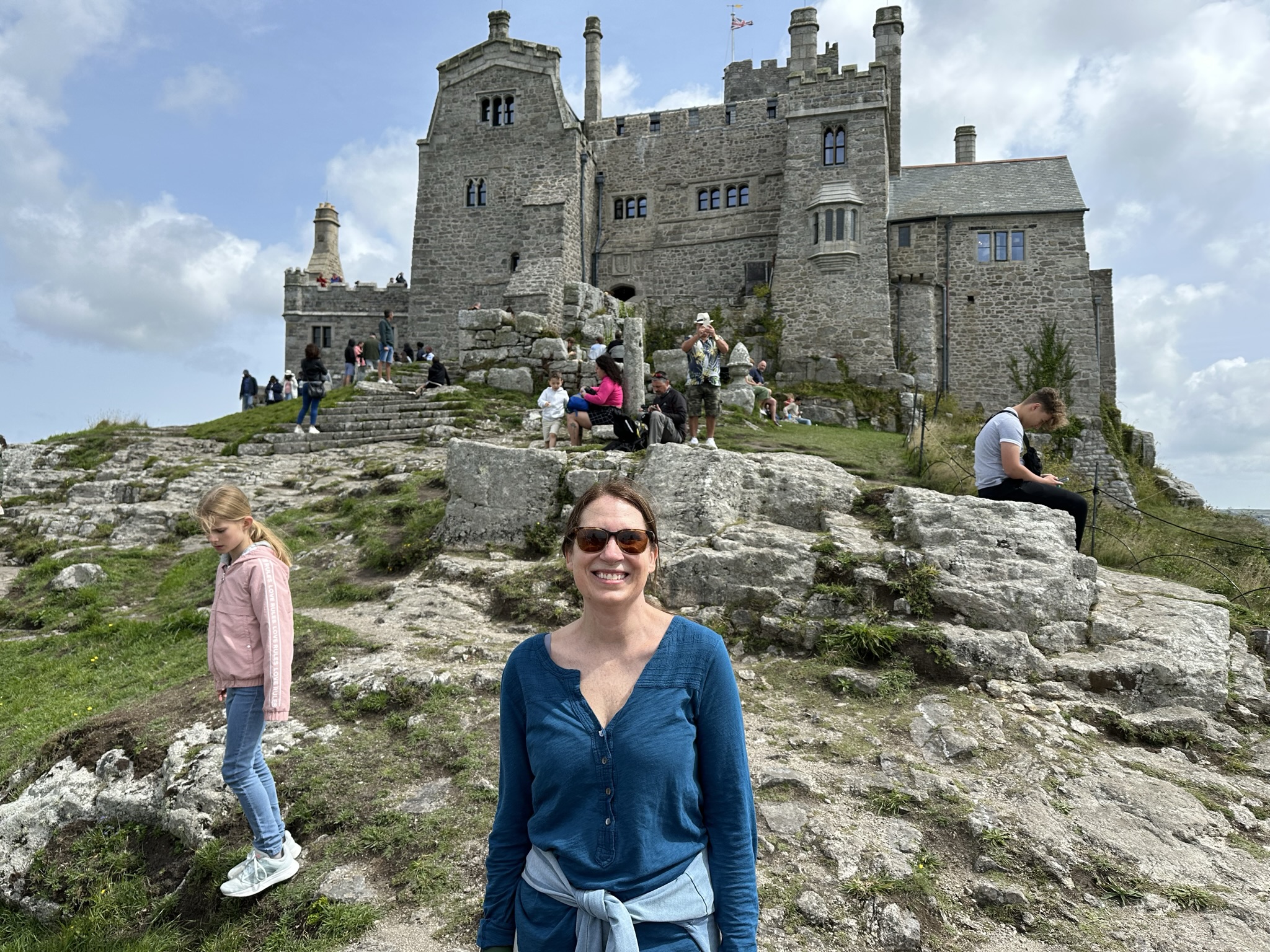
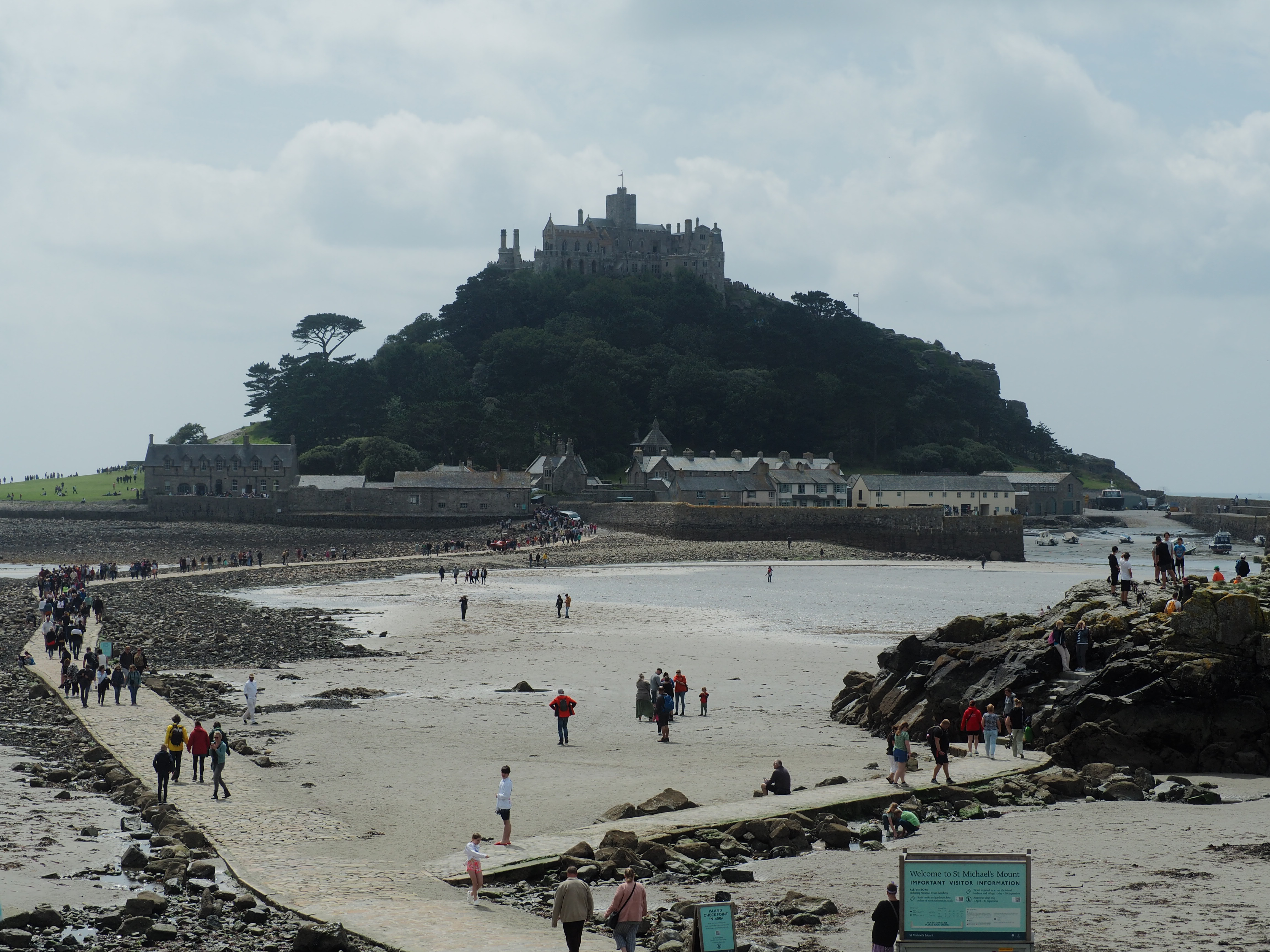
Then we strolled down the shoreline to St. Michael’s Mount and took advantage of low tide to cross the causeway and tour the gardens and castle with many other people. Originally a monastery in the 12th century, it became a fort under Henry VIII and is now a privately owned home which you can tour. I personally cannot imagine what it’s like to have people roaming around in your house and on your property all day, but hey, it’s a living.


As the earliest named storm (Antony) in English history raced ashore, we left Penzance with a planned stop in Bude on our way northeast. Bude was hopping, the wind was whipping, and we were off for slower shores to procure a quick bite, but all in all our trip to southwest England was a success be it shore or moor, coast or tor, this was a place we could return to on a pirate ship, broomstick or just a train from London.
Sources:
 The Traveling Ridleys
0 comments on “Giants, Pixies and Witches on the way to the seacoast of Land’s End”