

We arrived on the ferry from Portsmouth in the rain. A short drive into Ryde and we were at our Airbnb in time for a few video conference calls. After a stroll down to the closest supermarket we were kind of scratching our heads about Ryde. It seemed a little rough and tumble. Not the island resort retreat we’d expected. Our Airbnb was lovely and in a good neighborhood with a solid pub two blocks away. We ate dinner at the Duck, down by the water whose ambiance was lacking but whose service and food was excellent, and inexpensive. Melissa read, the next day, that the Isle of Wight has some of the lowest income areas in all of Britain, and its cities seemed to align with that image. But. The people were friendly. The scenery is breathtaking and while it feels like perhaps some of the best days on the island expired with Queen Victoria or, at a minimum the 1960s, we found it worth a visit.
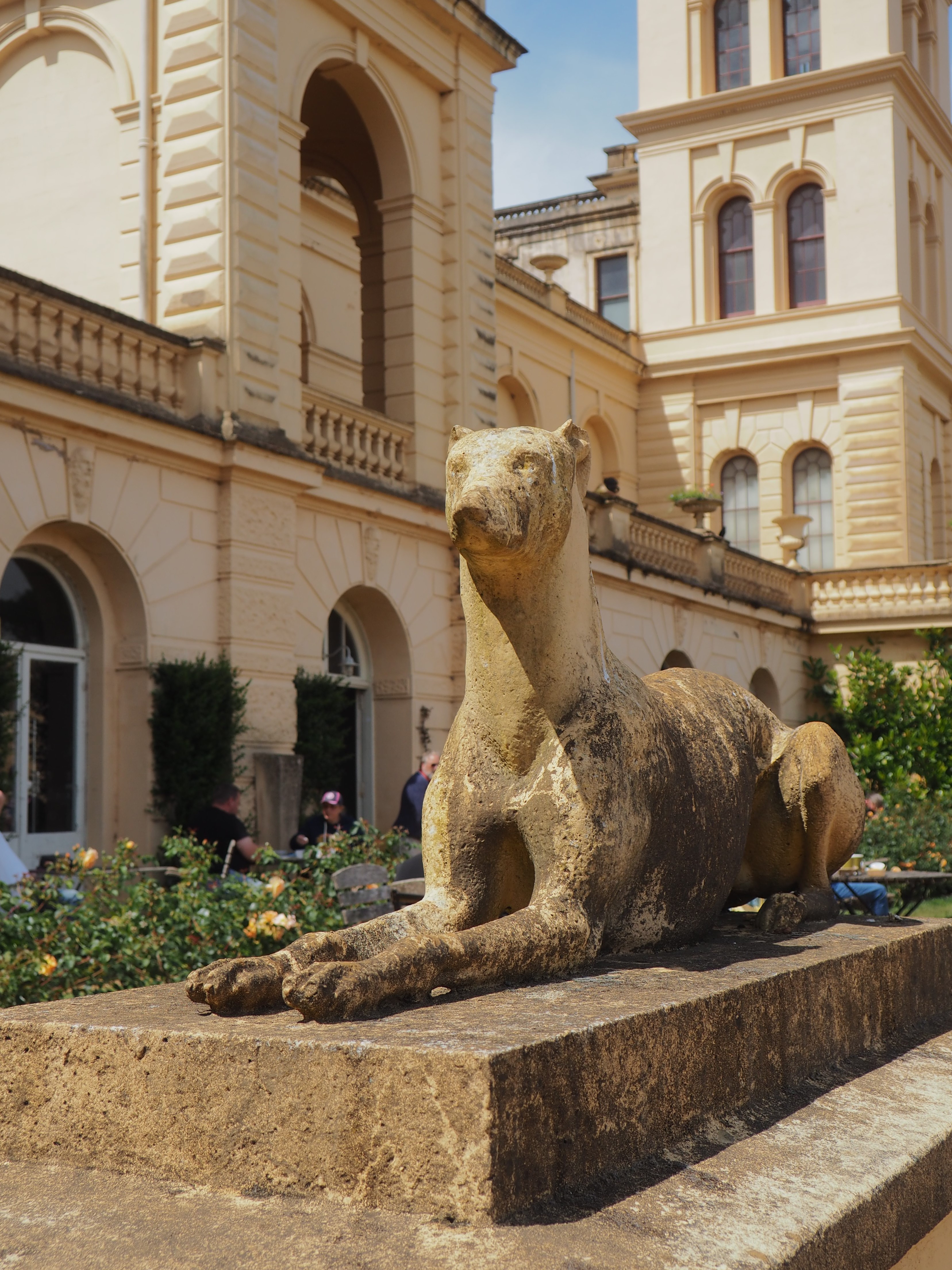
There are several English Heritage sites on the island. We were fast becoming fans of English Heritage and how well done their tourist sites are, and glad for the tip from a friend to join. After visiting four places (as of this writing) we’ve now more than paid for our annual memberships. On Wight, we visited Osborne House, Queen Victoria’s summer family retreat. Retreat, I should say.
At the East Cowes Heritage Center the next day, David and Sarah (more on them later) told me that the Queen and family had visited Brighton one summer and were so encircled and pestered by cameras of holiday goers there that the Victorian era paparazzi pushed them off the mainland and on to the island. We strolled the grounds, down to the beach and Swiss Chalet, built by Albert to reminisce about his German childhood, and back to the main house. Families with backpacks were setting up picnics and napping by the beach and it’s easy to imagine why a resident of the island would become an English Heritage annual member just to have access to this lovely property on beautiful summer days.

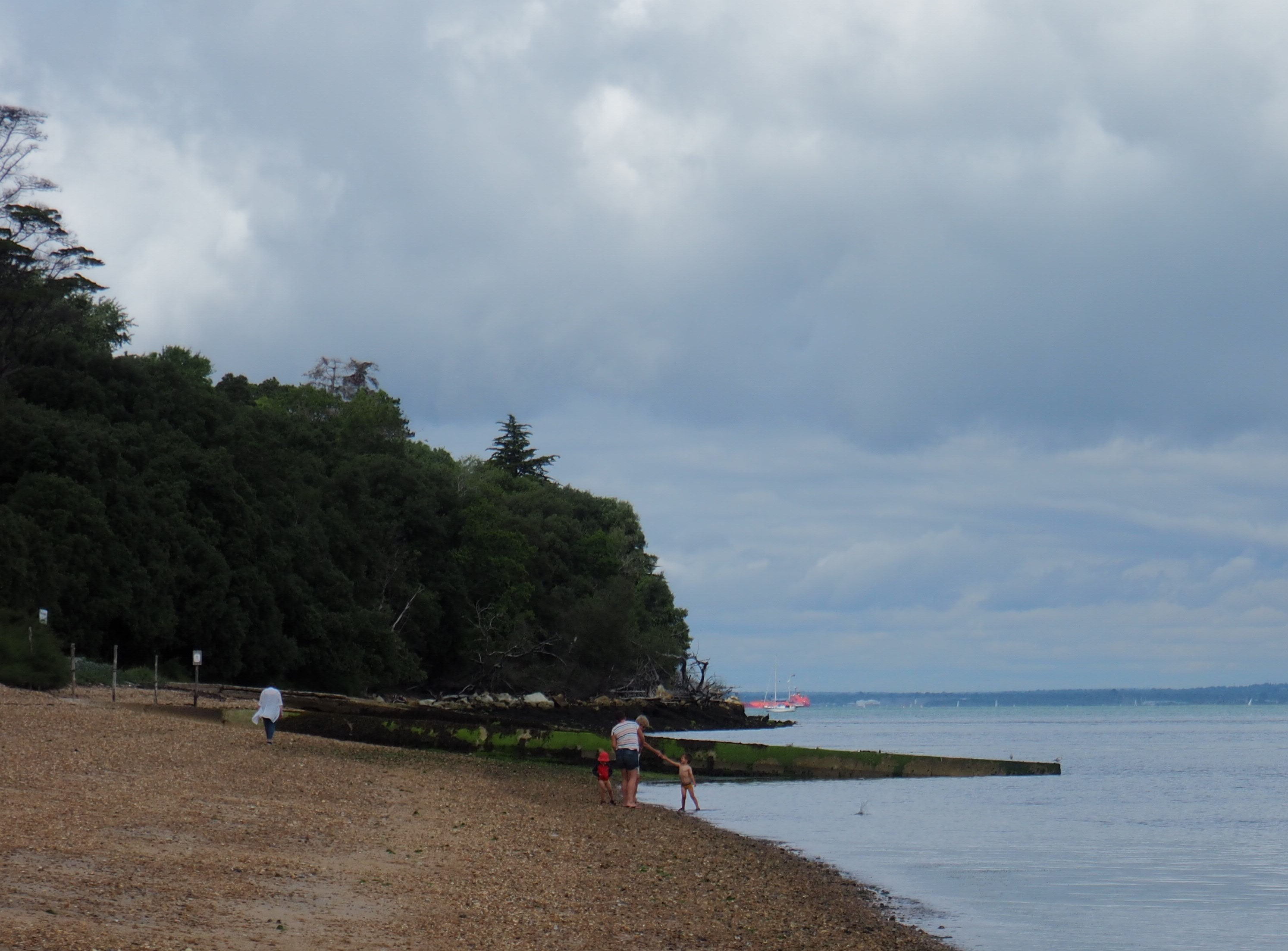
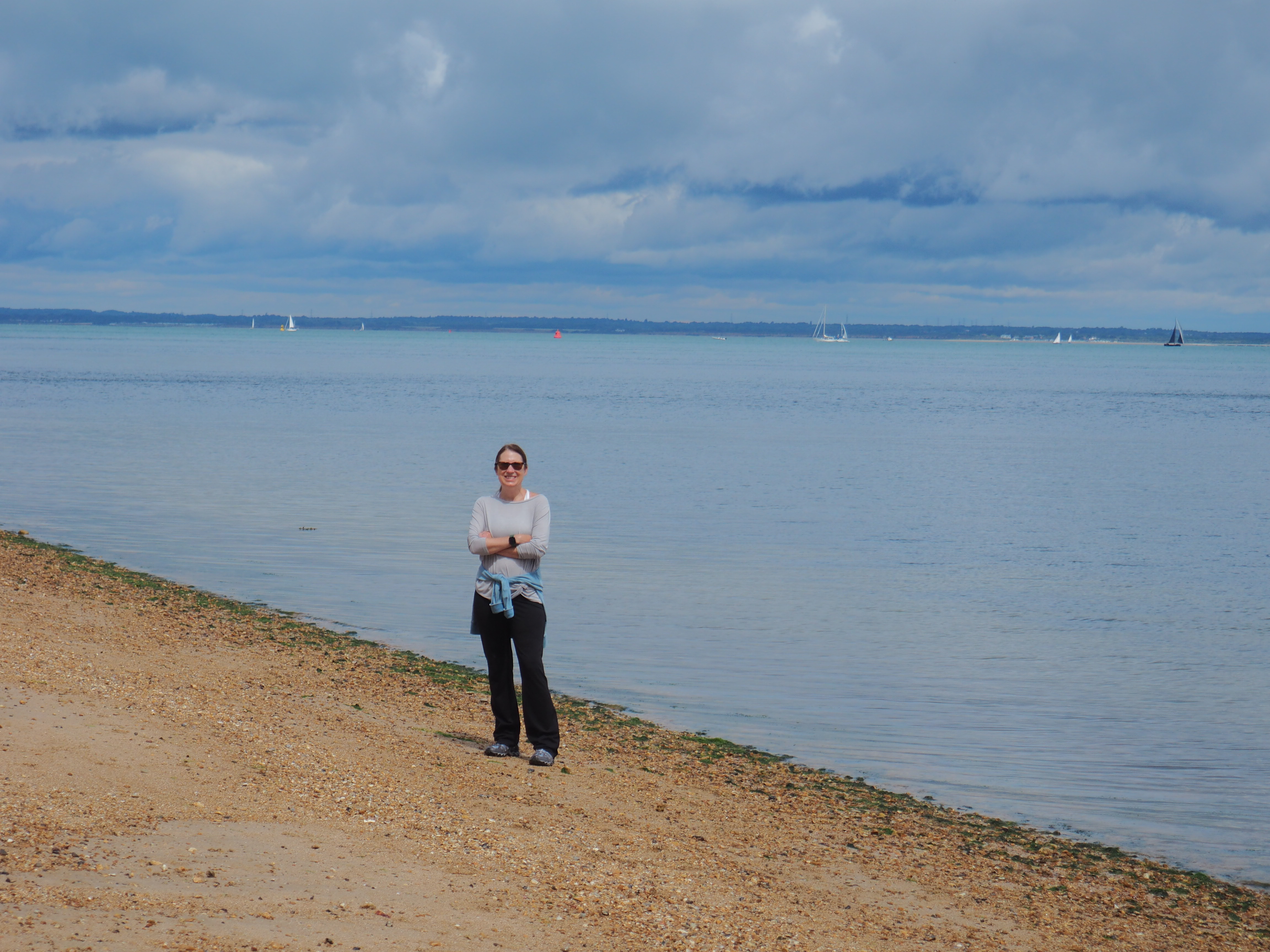
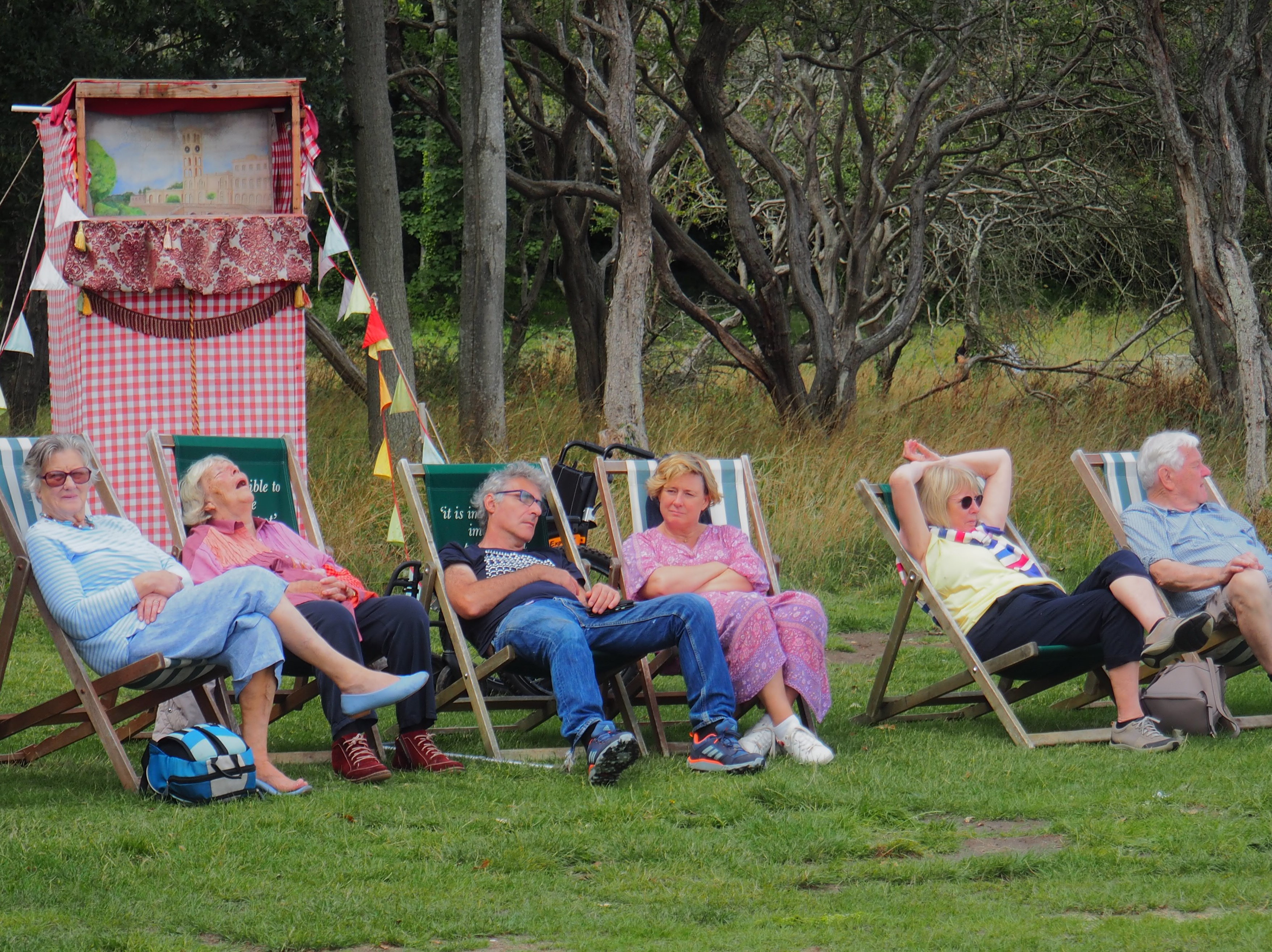
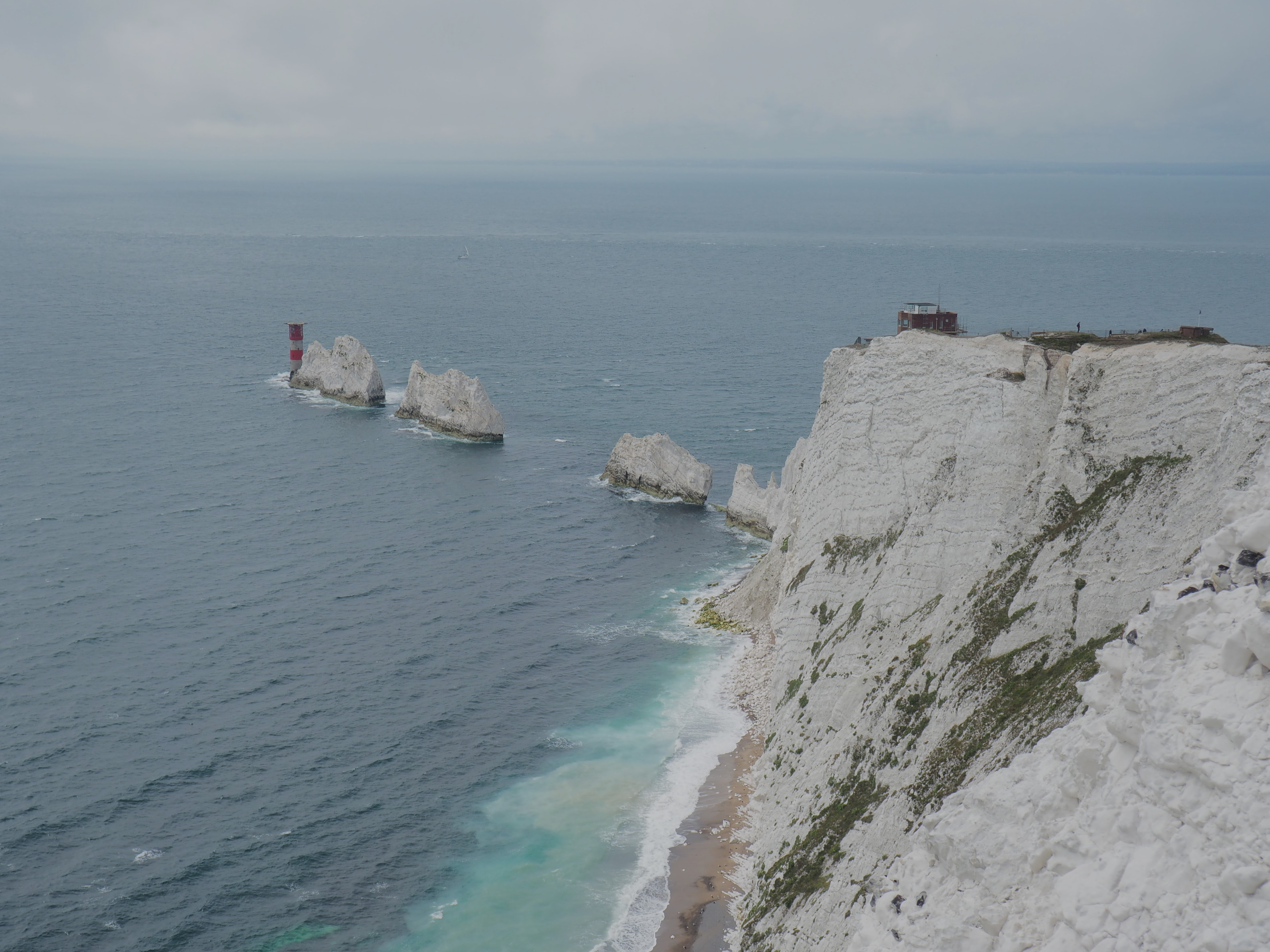
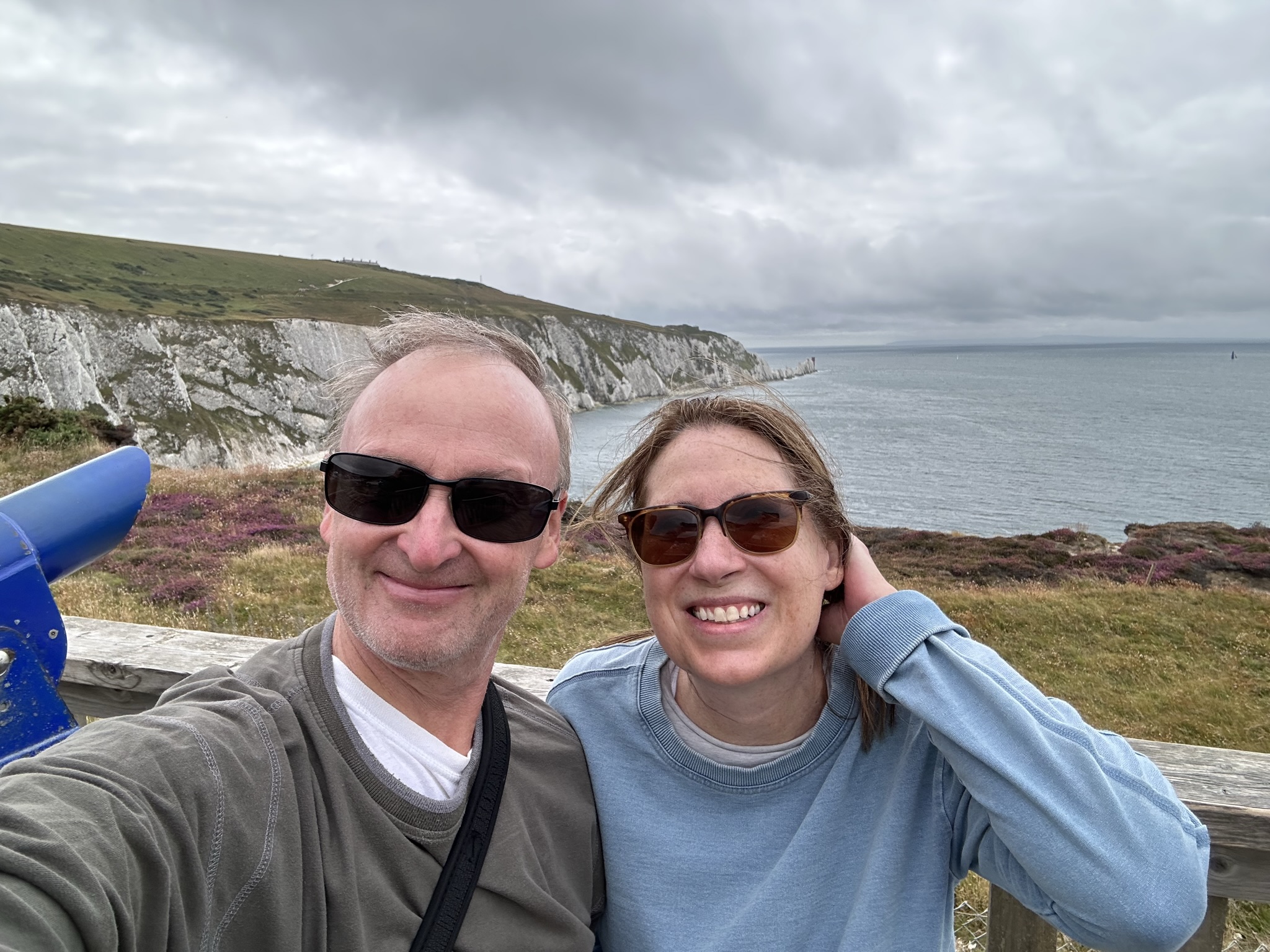
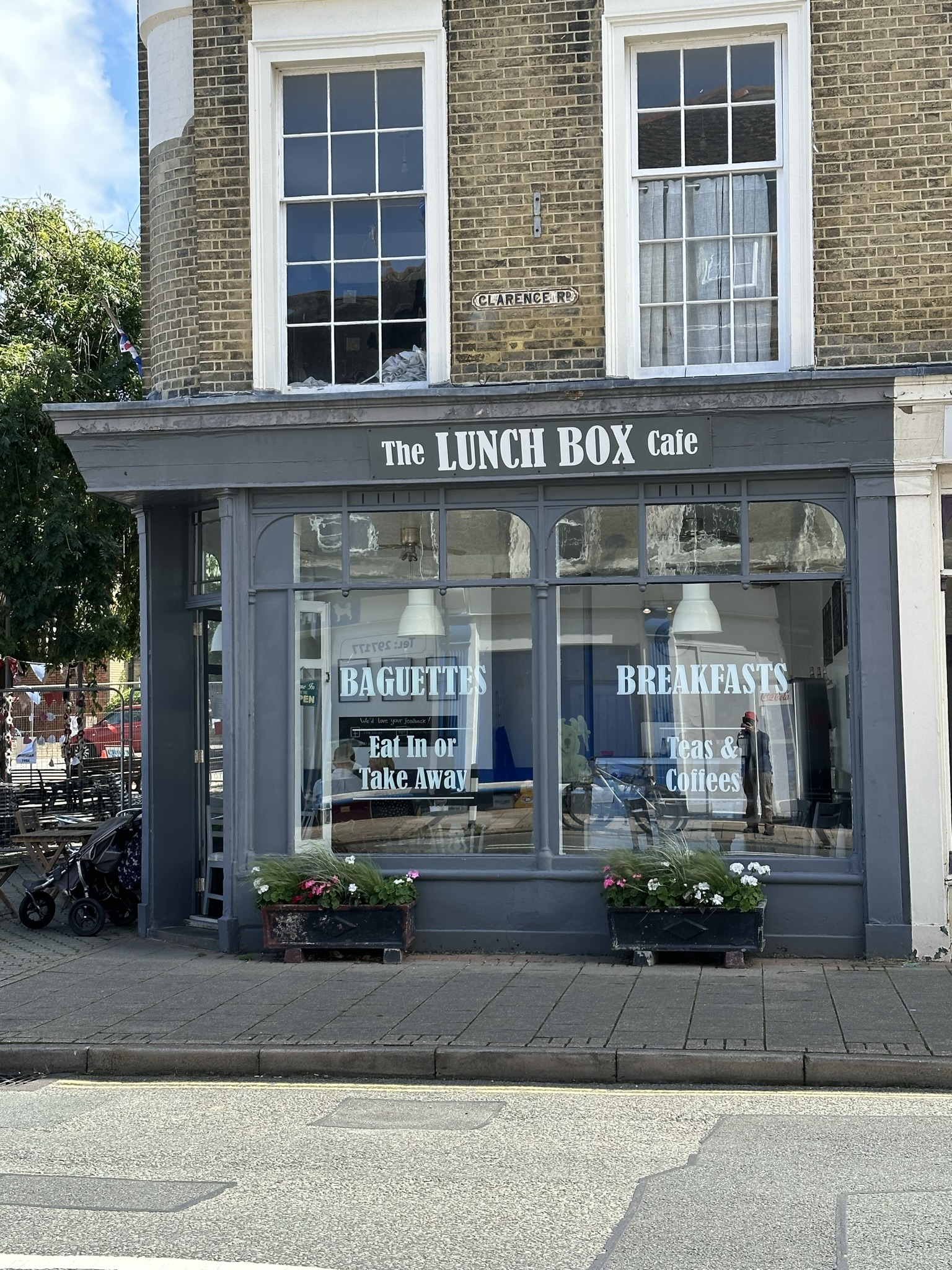
Leaving Osborne, we ate lunch at The Lunch Box in East Cowes and then set off for the Needles, a peninsula jutting into the sea with tall white chalky rocks standing perpendicular to the water at the land’s end. The site was once a battery used to defend this narrow strait between island and mainland and was used to test rockets manufactured in East Cowes. Now, it’s a National Trust tourist site with a functioning lighthouse which operates 8 hours daily with volunteers who receive calls from ships in distress off the coast.
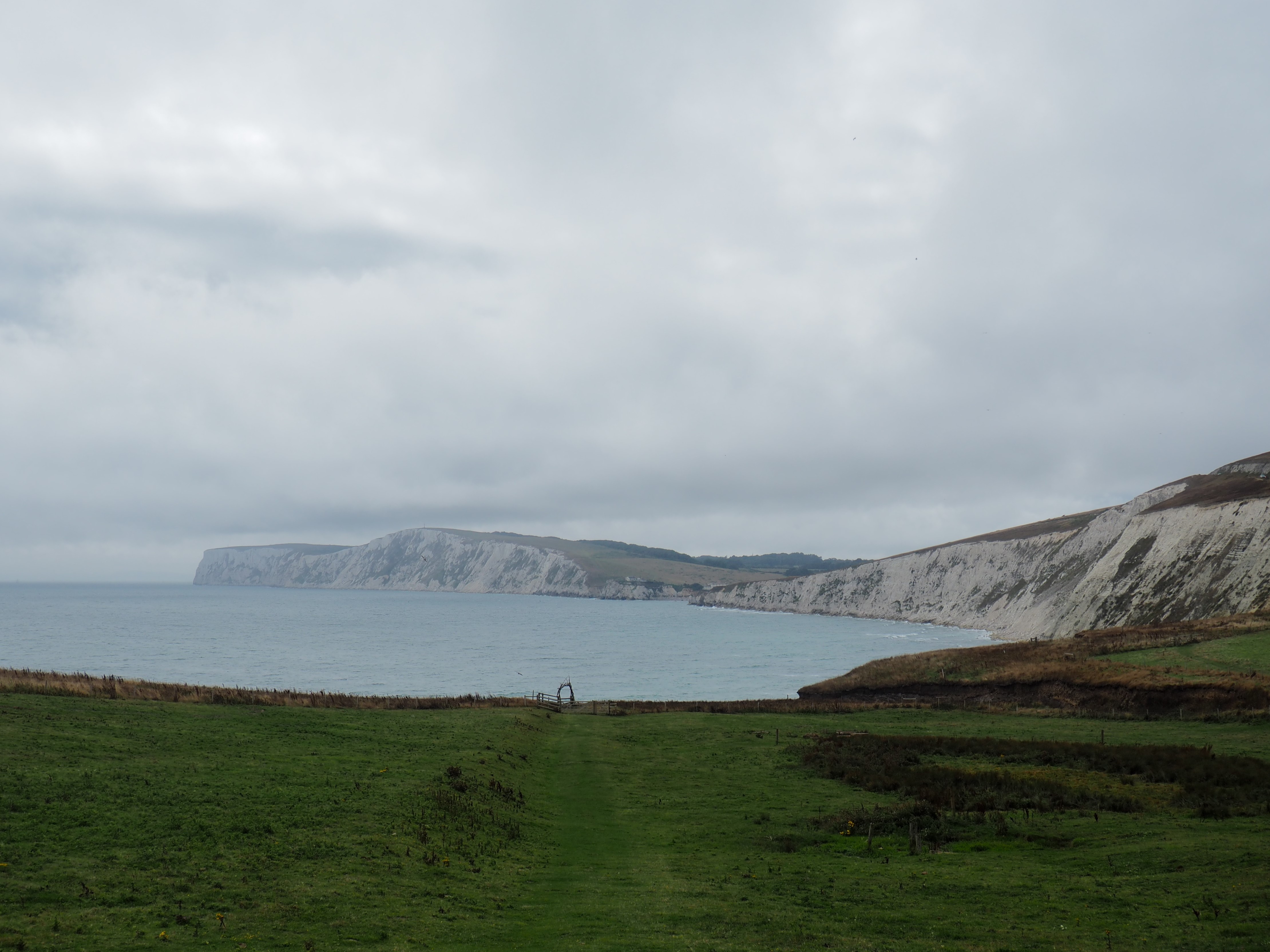
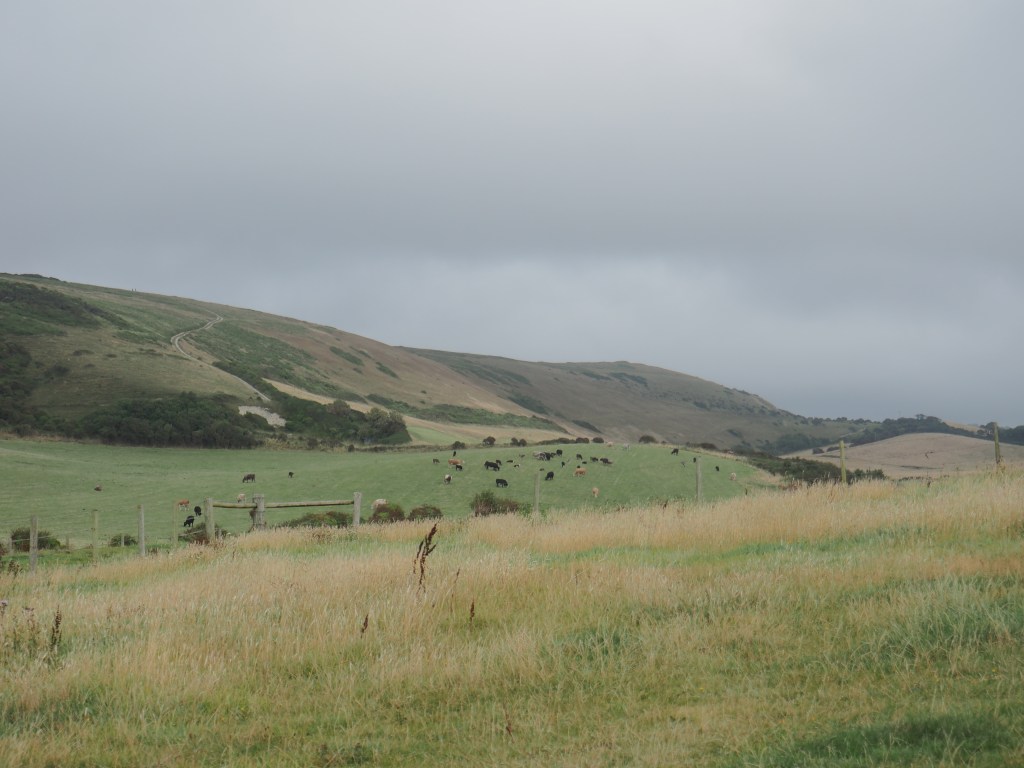
We turned east, headed for Ventnor which the guidebook said was an artist community. We had pictures of a quaint little seaside village chocked full of galleries which Ventnor was not, or at least the part we saw. So, we continued our drive east. I will say that the drive from the Needles to Ventnor on the south side of the island is stunning with views of the sea, cliffs and farmland.
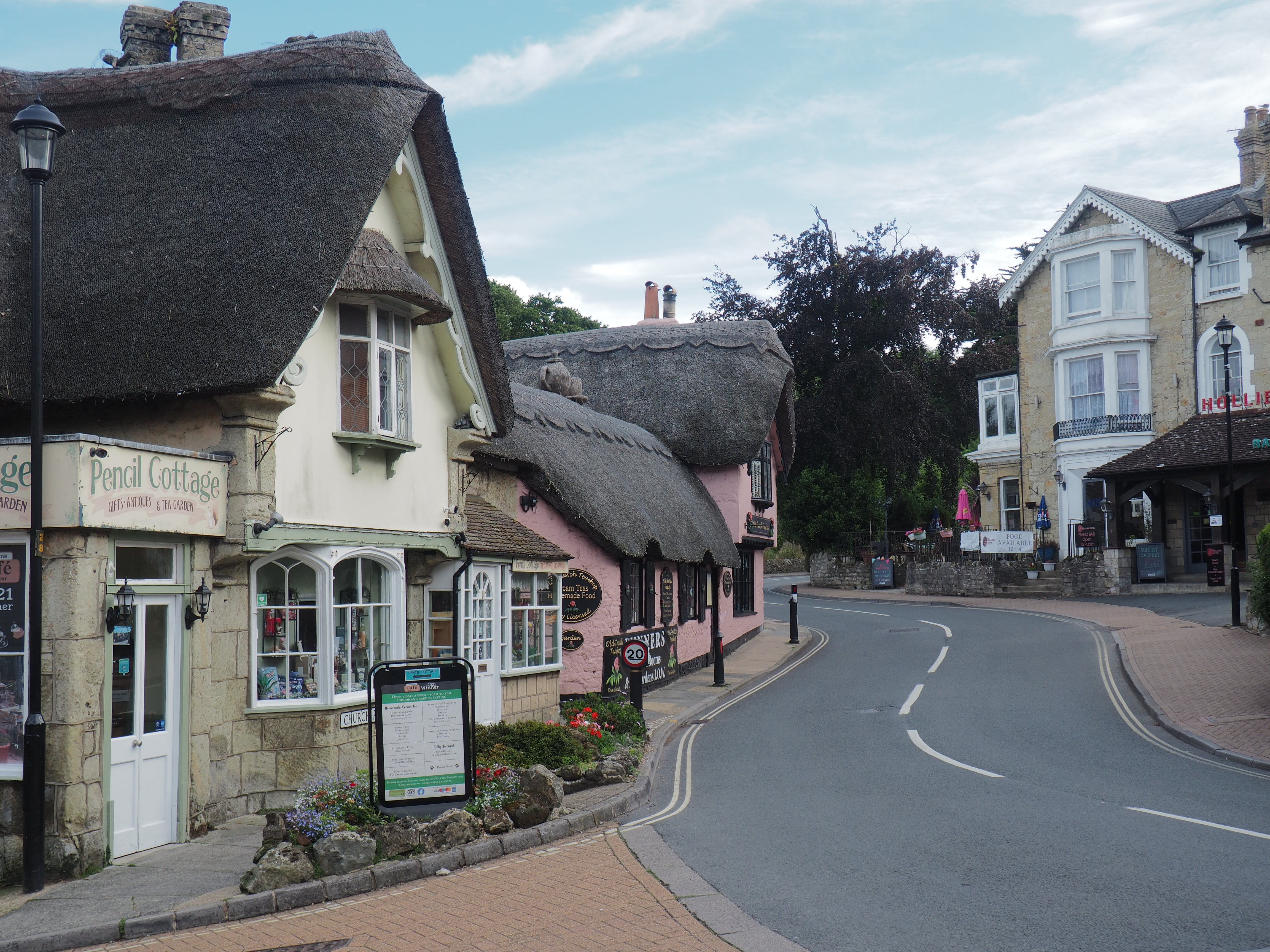
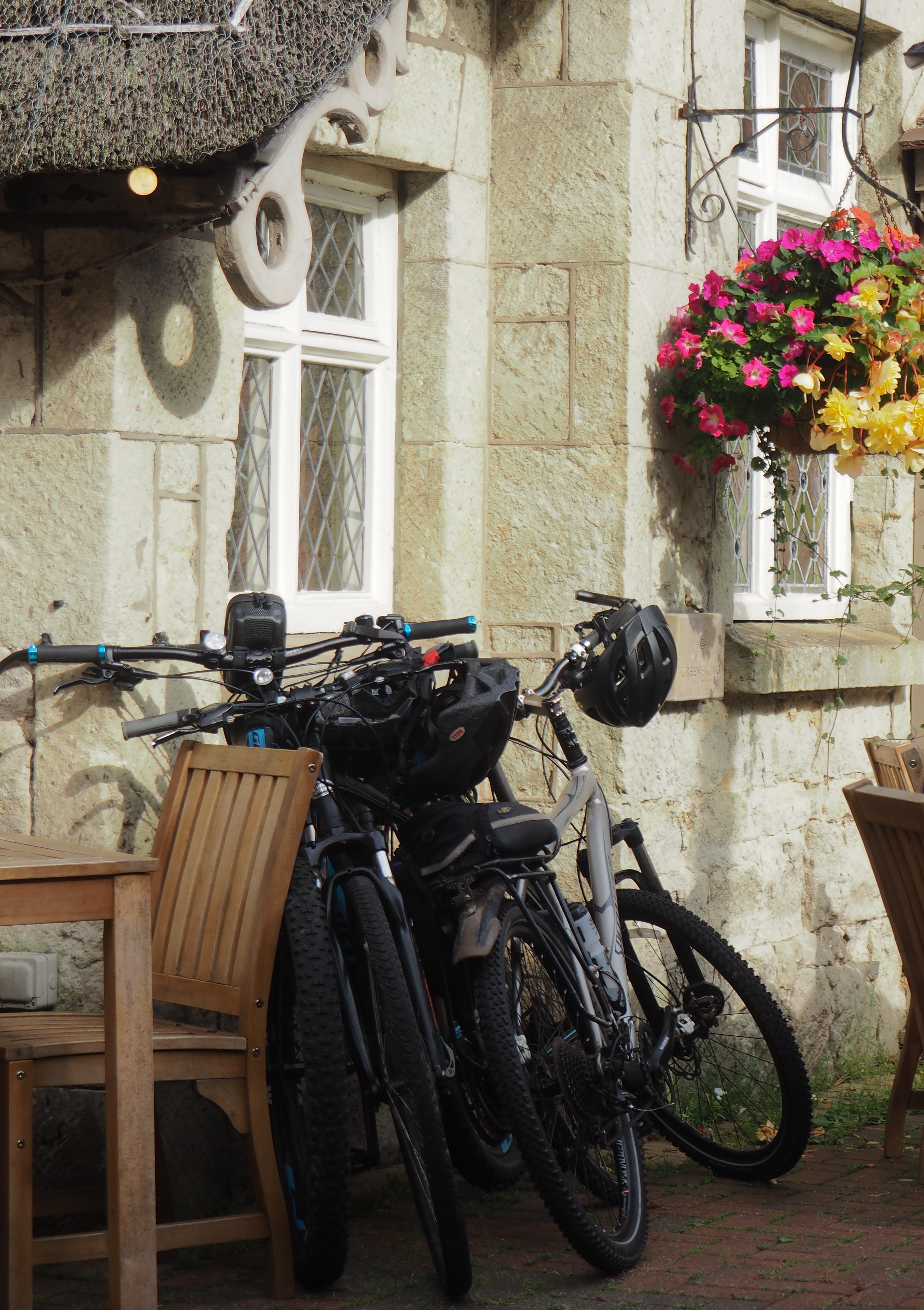
We landed in Shanklin for a pint. Shanklin is a small village of thatched roof huts with tea houses, pubs and shops which looks as though Bilbo Baggins designed it himself. On a sunny Friday afternoon everyone seemed to be at the pub and embracing the coming of the weekend.

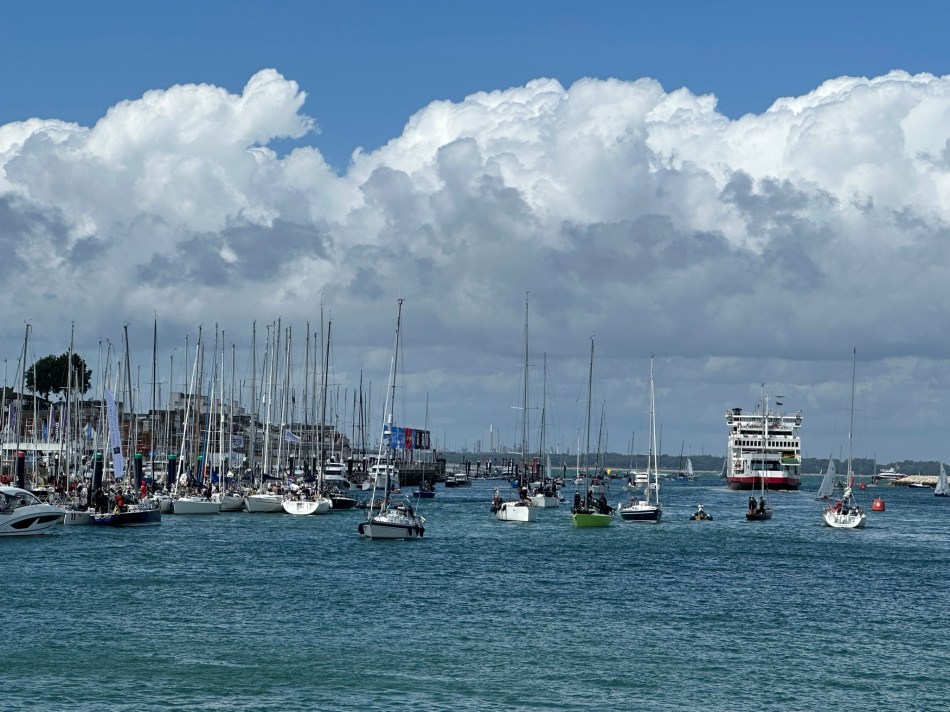
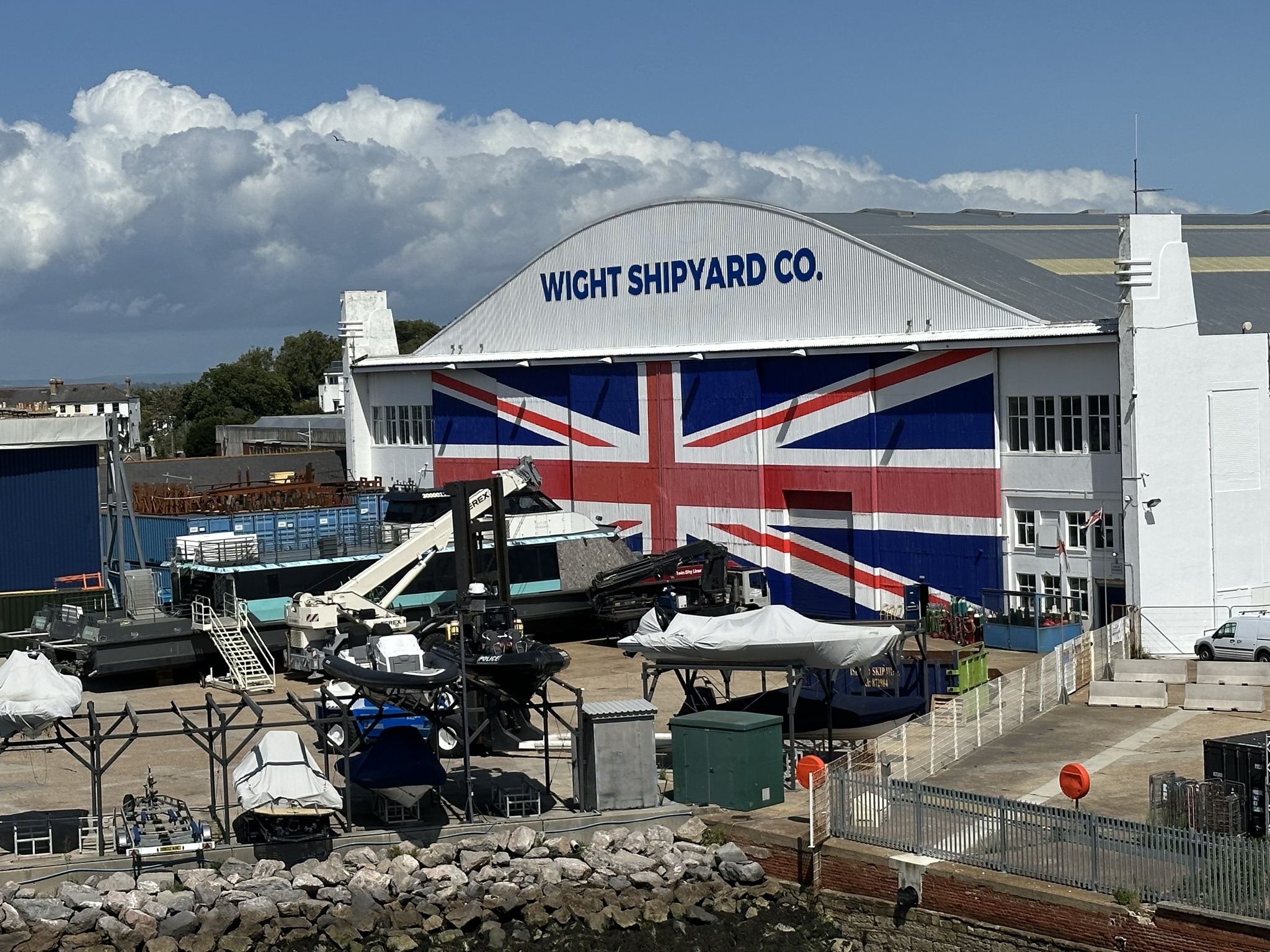
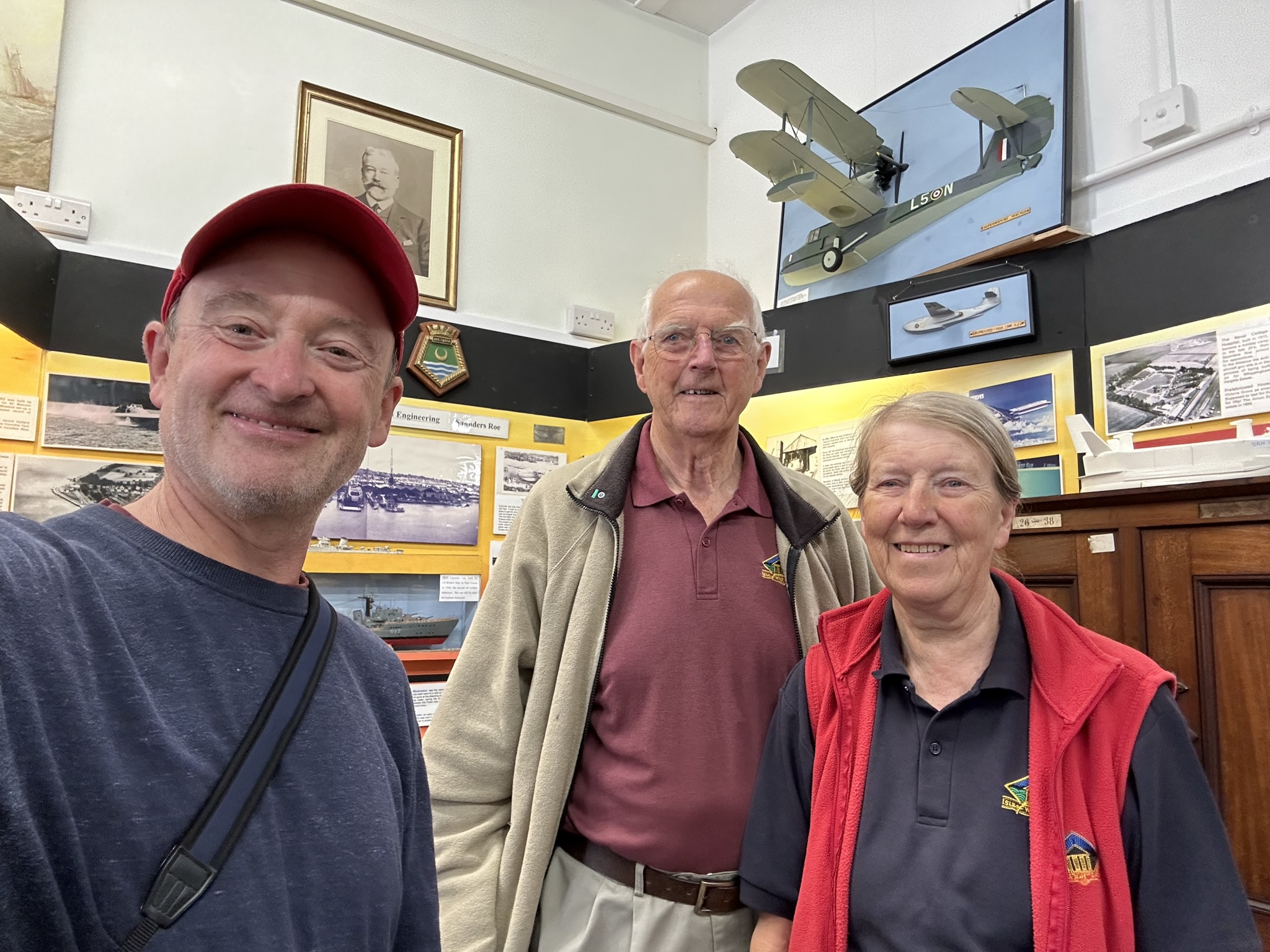
We visited during Cowes Week, an annual week of sailing races, food festivals and activities in Cowes. While we didn’t experience the downtown Cowes activities, it was clearly popular and we headed back to the Lunch Box for more BLTs and a wander about East Cowes, where I happened into the lovely little Cowes Historical Society museum for a chat on East Cowes history with fellow part-time Portuguese residents and ex-pats, David and Sarah, who helped found this little gem (open 10am-1pm except Sundays). East Cowes was a huge ship building port in the time of Queen Victoria and evolved over time from ships to sea planes to rockets to hover craft. I was impressed with the adaptability of the enterprise on East Cowes. When new technology came along rendering the current manufacturing process or product obsolete (for instance, concrete runways on land making seaplanes less profitable), they switched gears and began producing something new.
When the Nazis bombed Cowes during World War II, the destroyer in port for repairs had been rearmed (typically ships in port were disarmed during repairs for safety reasons) surprising the Germans with a stout defense. Rockets made here were tested at the Needles and fired into space from Australia helping the Brits lead the way in the satellite race. Alas, for East Cowes, the British government didn’t see much future in satellites and reduced funding. Perhaps a misstep, given the prevalence of all those satellites floating around above us now.
After a weekend on Wight, we developed a hearty appreciation for the island’s beauty, history and its people. Watching the regatta races from our ferry departing from Cowes for Southampton we were glad to have made it part of our itinerary. And if you happen to be in East Cowes, stop into the little Heritage Center Museum and if David and Sarah are there, tell them that David the American from Cascais says hello.
 The Traveling Ridleys
0 comments on “Encircling the Isle of Wight”