

We set off from London with big plans for the day. After retrieving our hired car, we were to visit the gardens and manor of Chartwell House, perhaps lunch there at the family home of Sir Winston Churchill with a possible stop at Leeds Castle then on to the proper Sainsbury supermarket in Hythe followed by a smooth check in at our townhouse in Rye.
Enroute to our contactless check-in to retrieve our car rental in Southwark the phone rang. Flat tyre on our designated rental. Redirect to Pimlico. After finally locating floor -2 and collecting our MG we set off like a rocket for Chartwell. The wrong one, very close to our car park. So, we rerouted through the winding exurbs and suburbs of London and headed southwards. When we arrived, it was a mob scene. Who knew that so many would do so much on a beautiful, sunny midsummer Sunday to visit the home of Sir Winston. On to Leeds! Then we decided Leeds Castle would fall into the “nice to have bin” and rerouted directly to the Sainsbury market arriving promptly at 4:05pm. “We’re closed”, they said. “4pm on a Sunday!” said the patron out front aghast like we were ghosts who had just appeared on the moor with a shrug of disgust like “how could you yanks not know such a fact”. On to Rye!
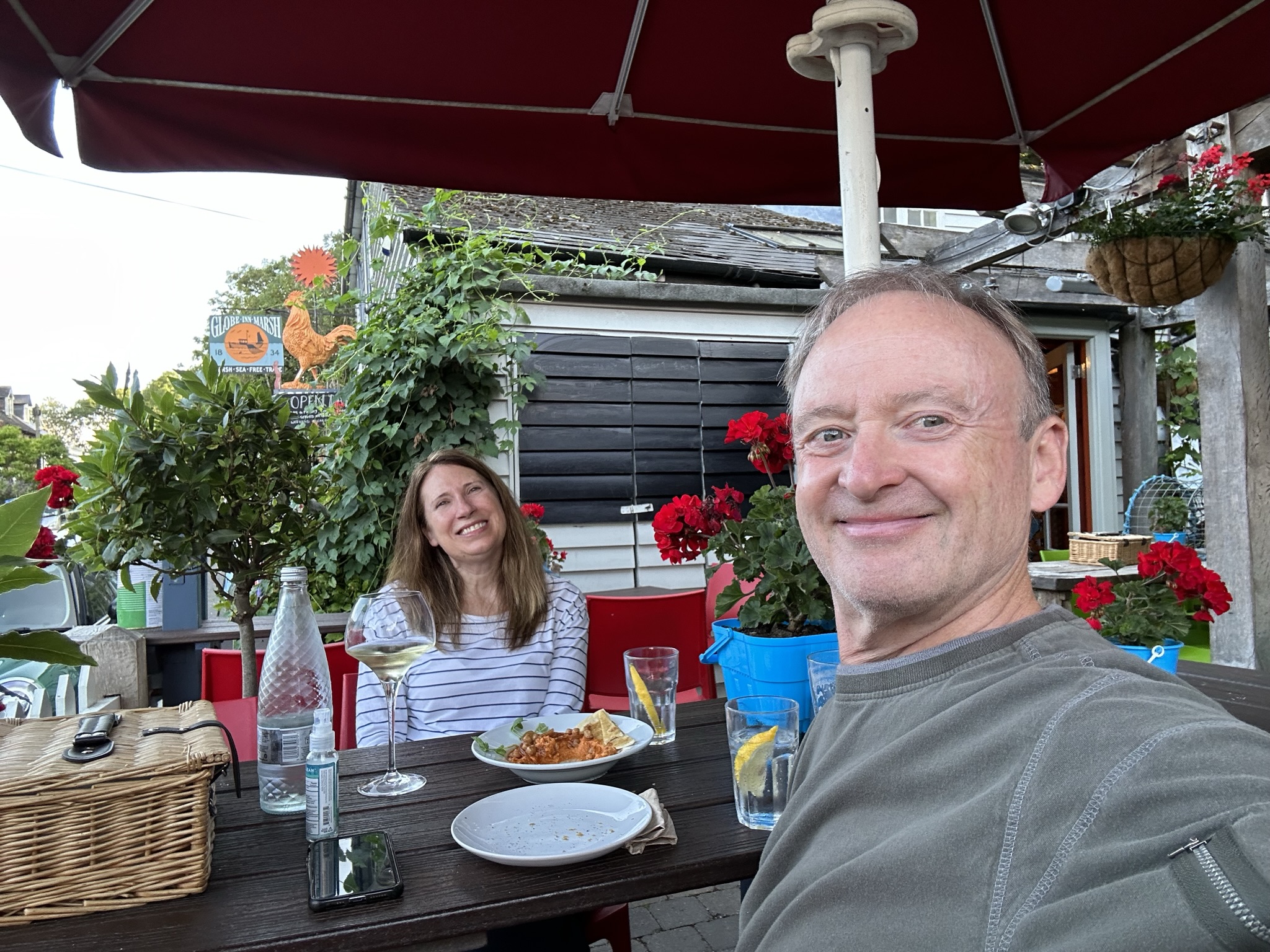
After a quick stop for groceries at a small convenience-sized Tesco, we arrived, and the promised private parking space was unobvious. The key in the lock box was not. So, we phoned our host whose son initially hung up on me thinking I was a crank call. Once I called back, our host guided me to our parking spot down a never-to-be-found-without-guidance-or-a-very-clear-map trail and into the house through the back door, to which we did, in fact, have a key. It was a quirky place with a lovely garden and kitchen, a claw foot tub and an extremely comfortable bed, but it wasn’t exactly well equipped, the window tie was broken, and the wind liked to bang it against the sill while we slept, and it was crammed full of personal stuff as the host lives here whilst it’s not being rented. It is also directly across the street from a great little pub (The Globe Inn Marsh). Lots of plusses and a couple of minuses. Such is the world of Airbnb.
Not all days are meant to be itinerized and executed as according to plan. But in Rye we are and ready to explore Southeast England!
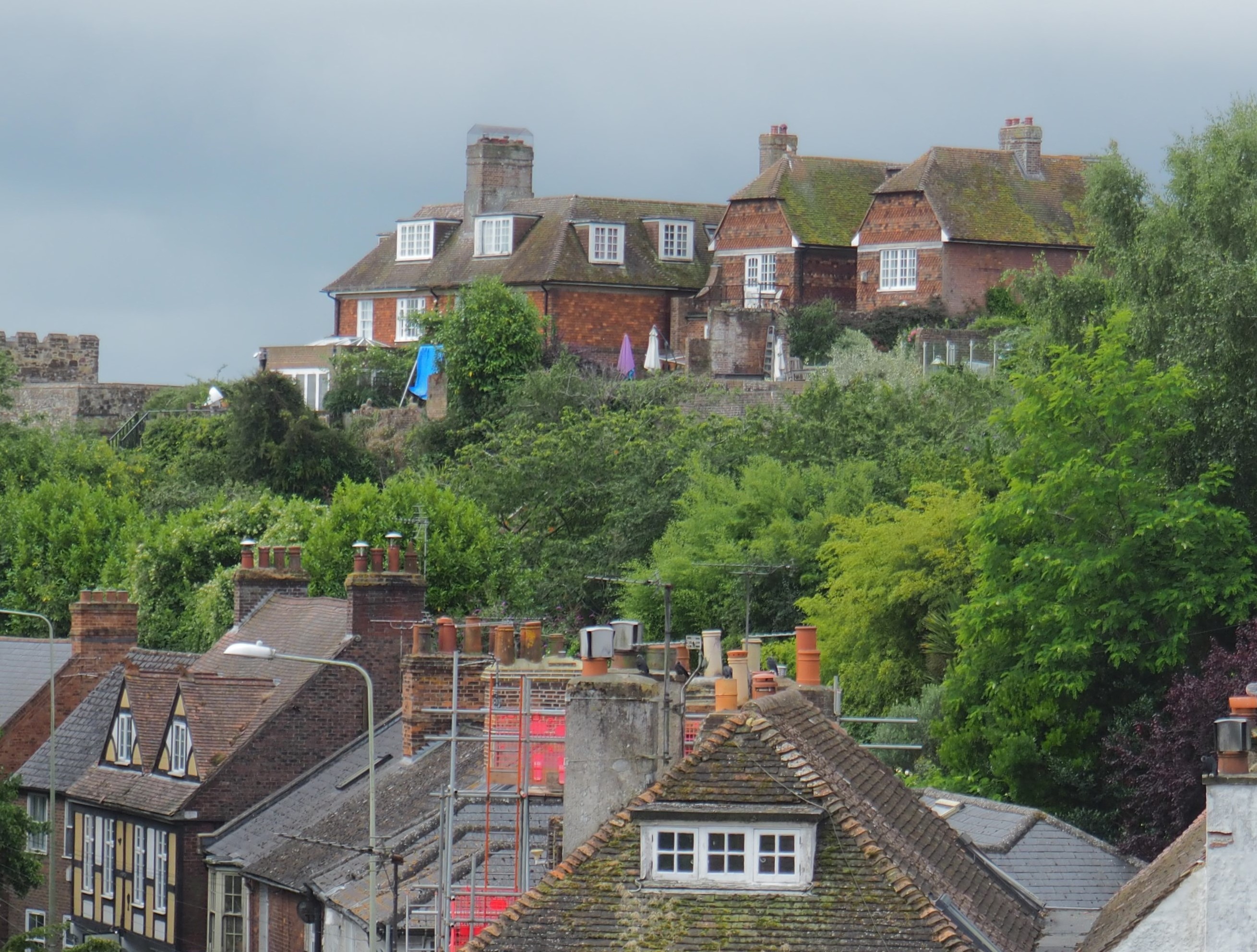
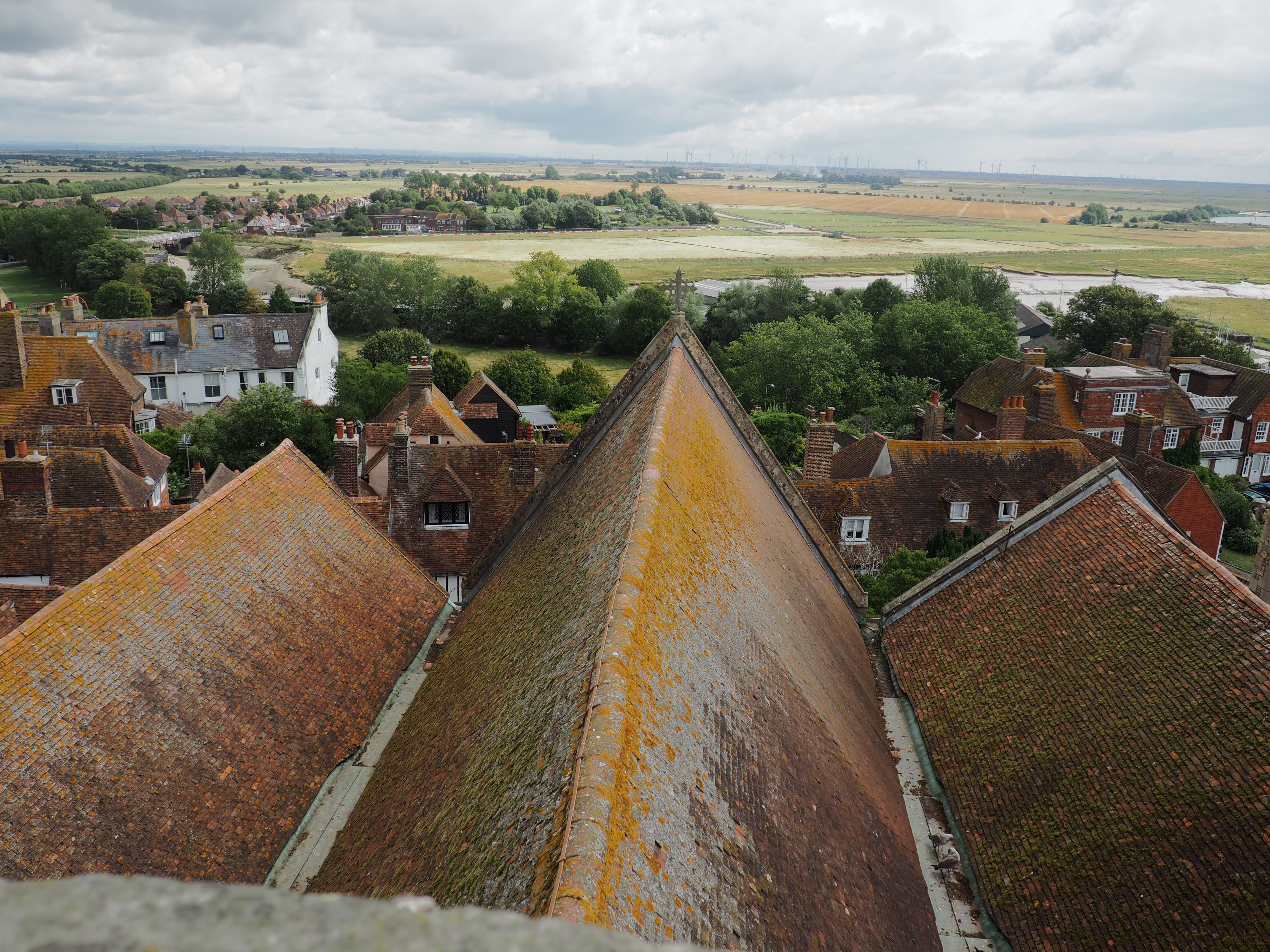
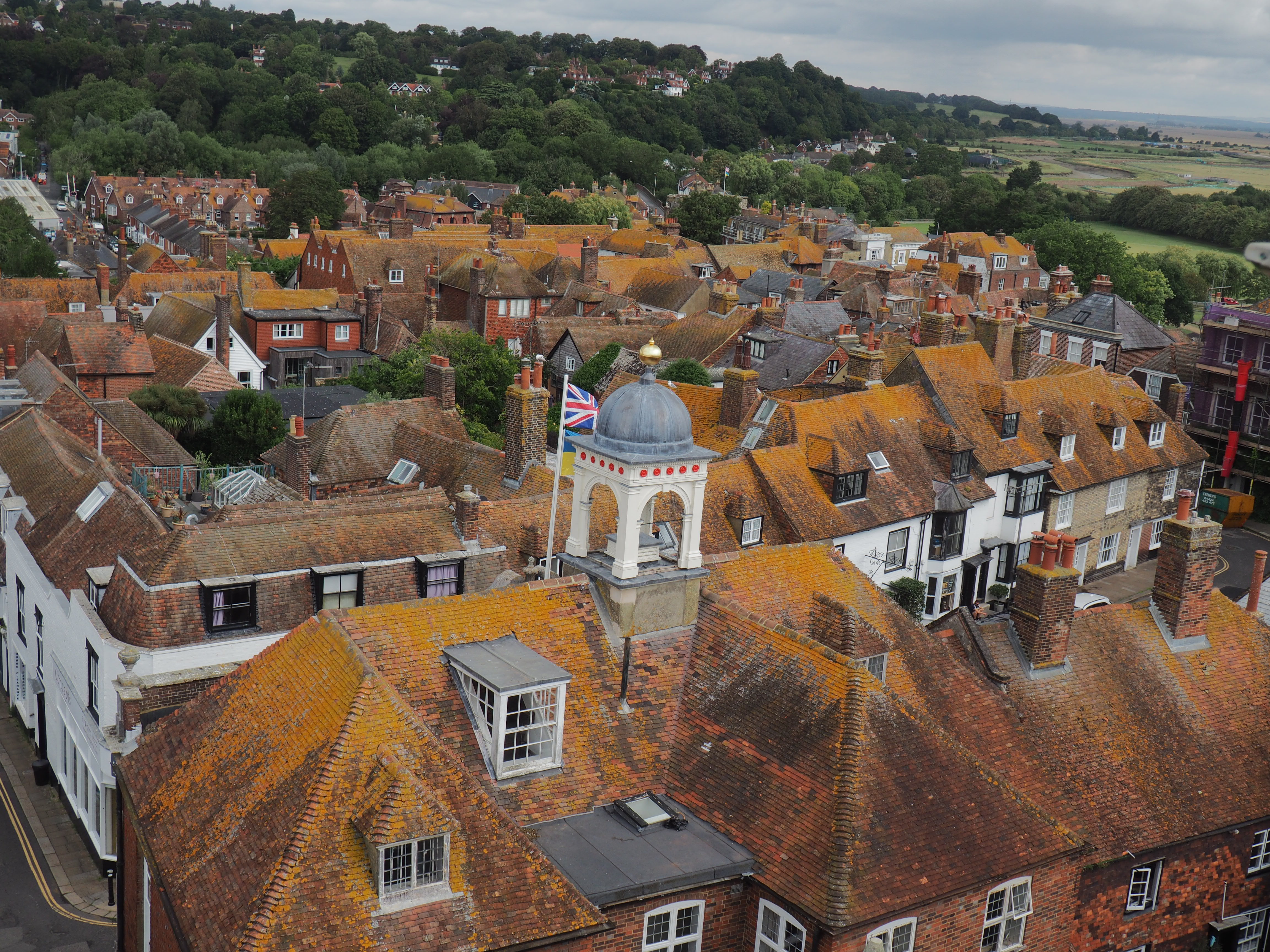
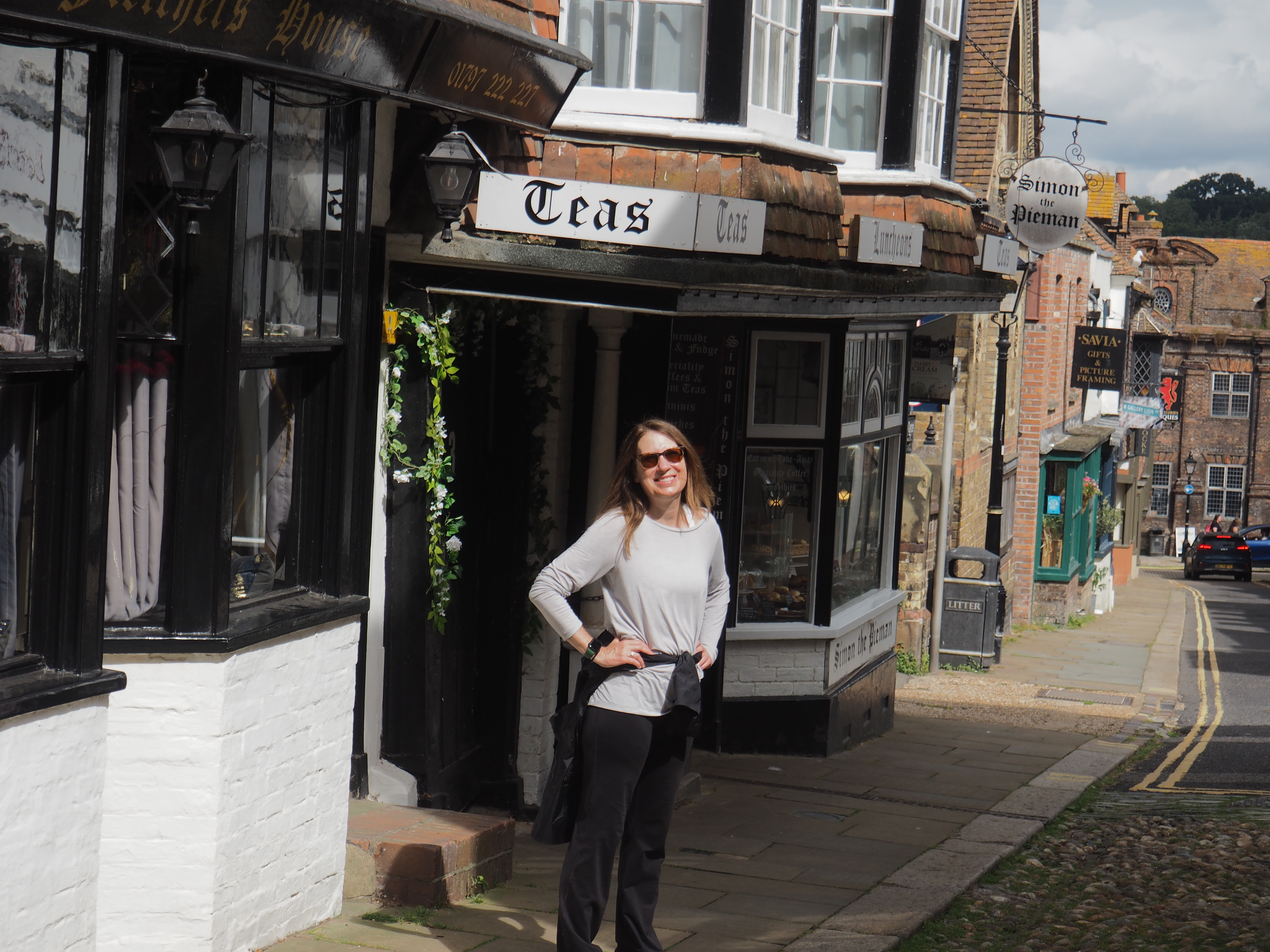
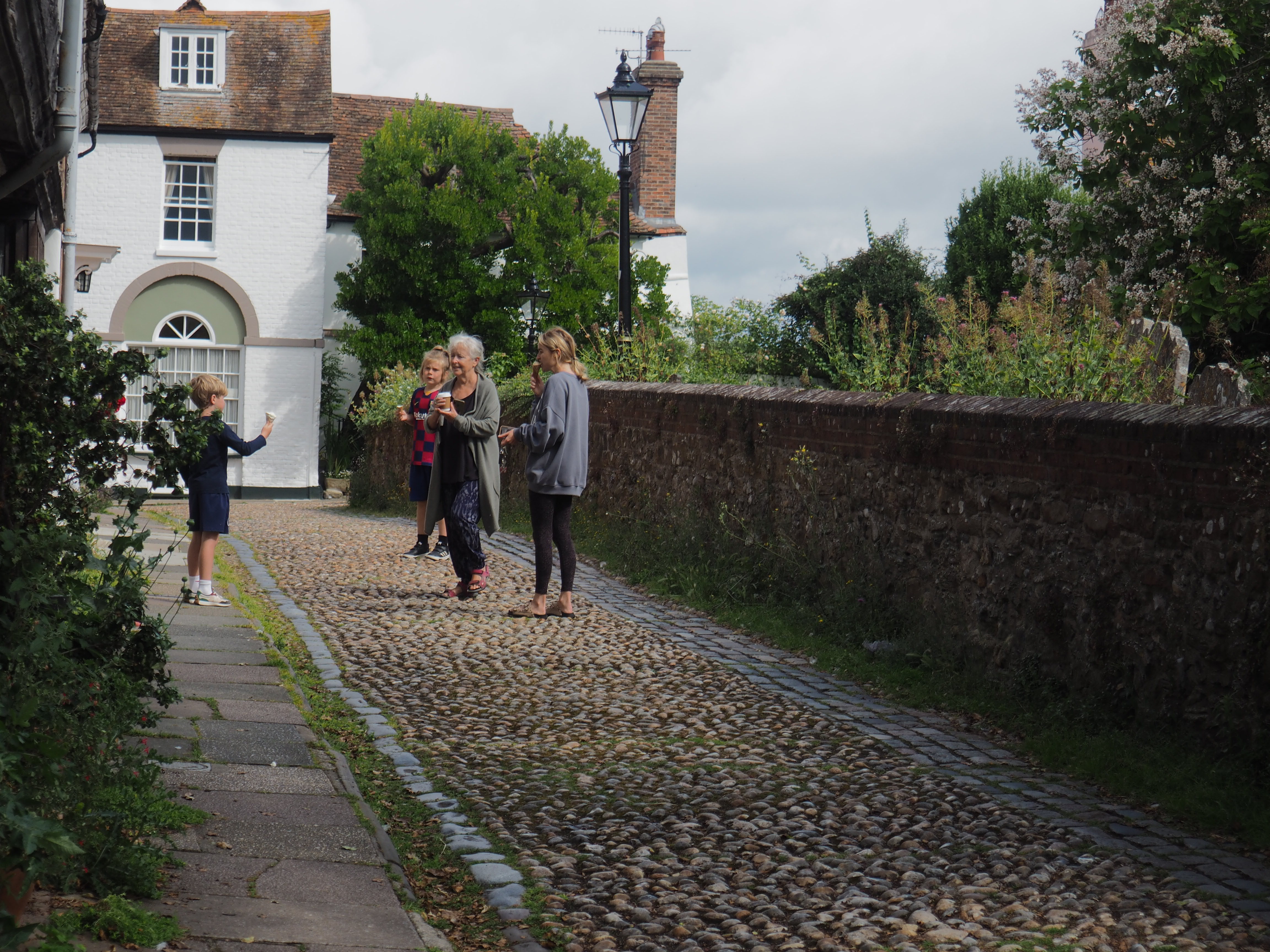
Rye. Our base for explorations was the aforementioned townhouse just outside of Rye Village. To quote our Lonely Planet guidebook, Rye “looks as if it’s been pickled, put on a shelf and promptly forgotten by old Father Time.” It is a beautifully preserved medieval village atop a rocky outcrop. The surrounding lands were once water, subsequently filled in by silt and now are covered with farmland with grazing sheep, villages and golf courses. Within town, you can wander up Mermaid Lane, past houses with interesting names, visit the Church of St. Mary the Virgin and climb its clock tower which still functions and is the oldest in England, dating back to 1561. You can also visit its castle museum. The castle has been used as a defensive fortress, a jail and a police station before becoming its present-day museum.
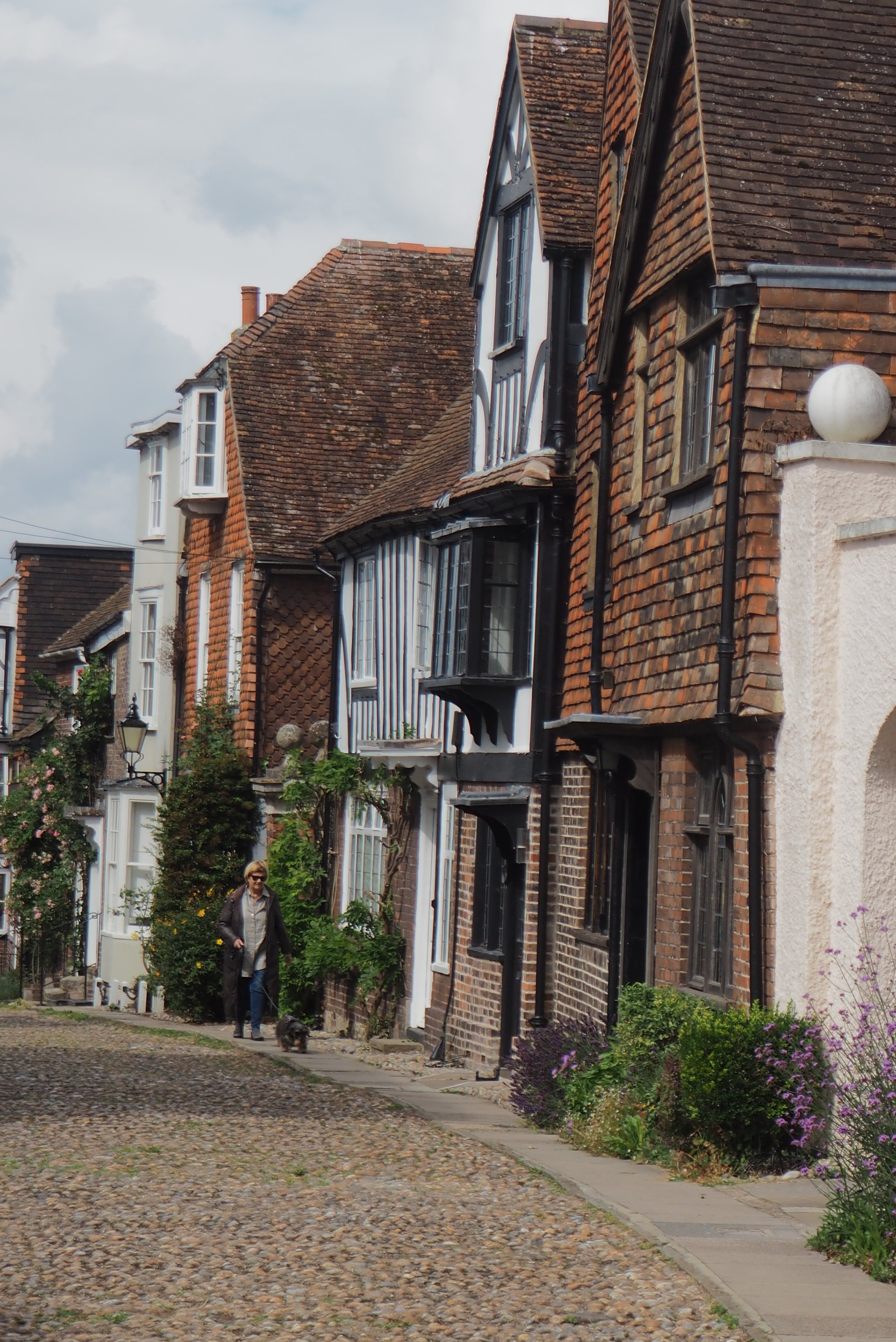
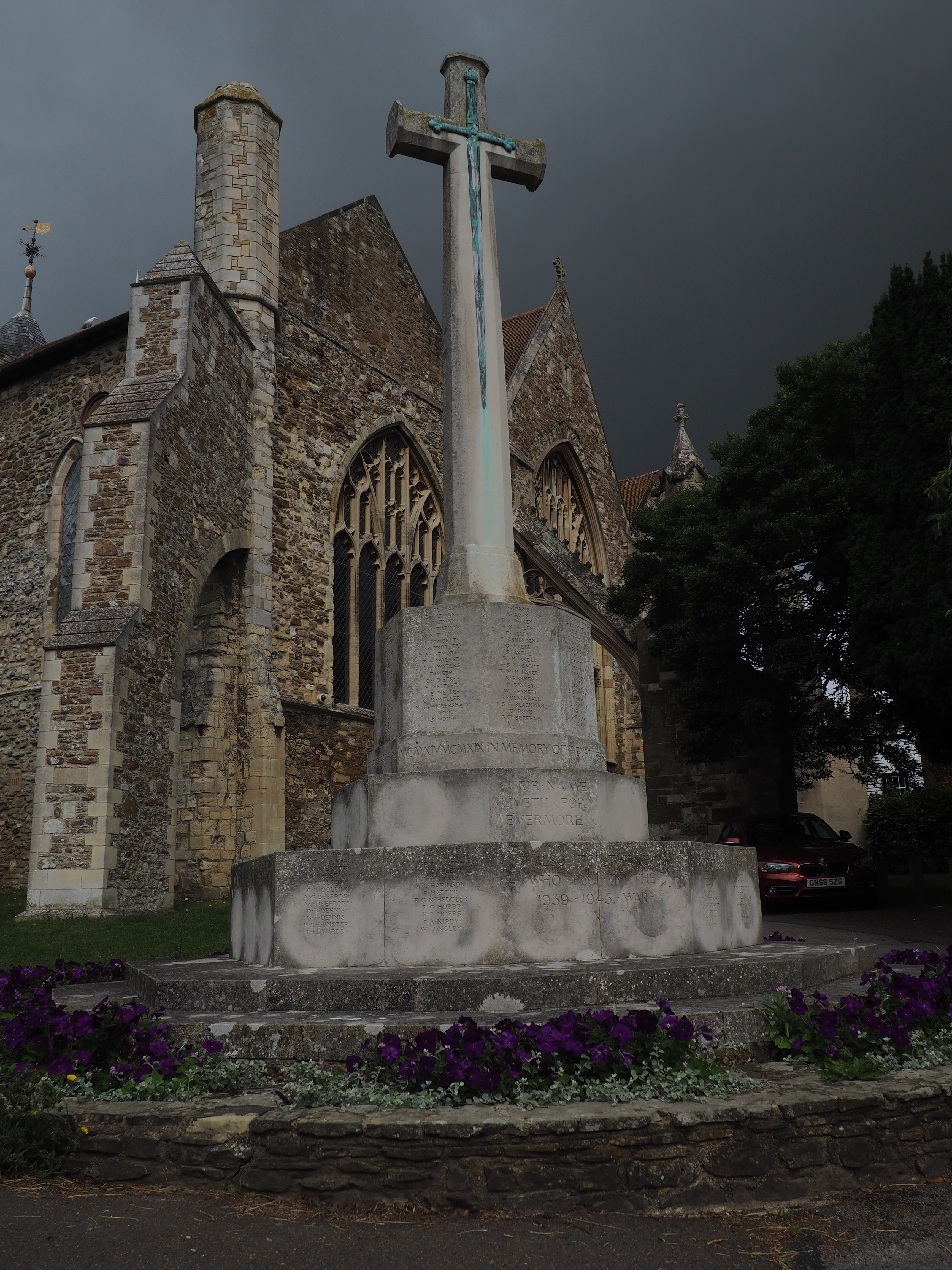
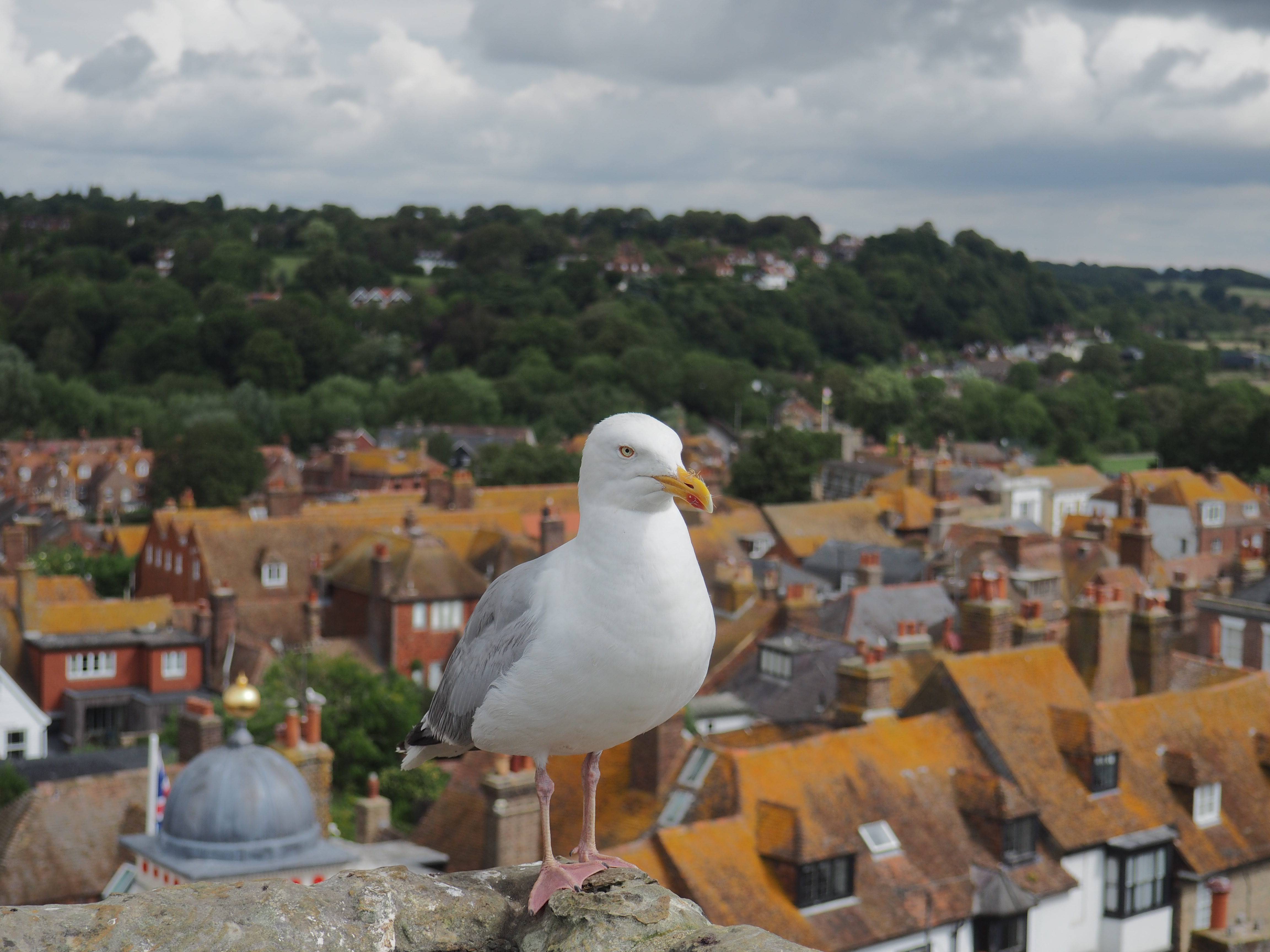
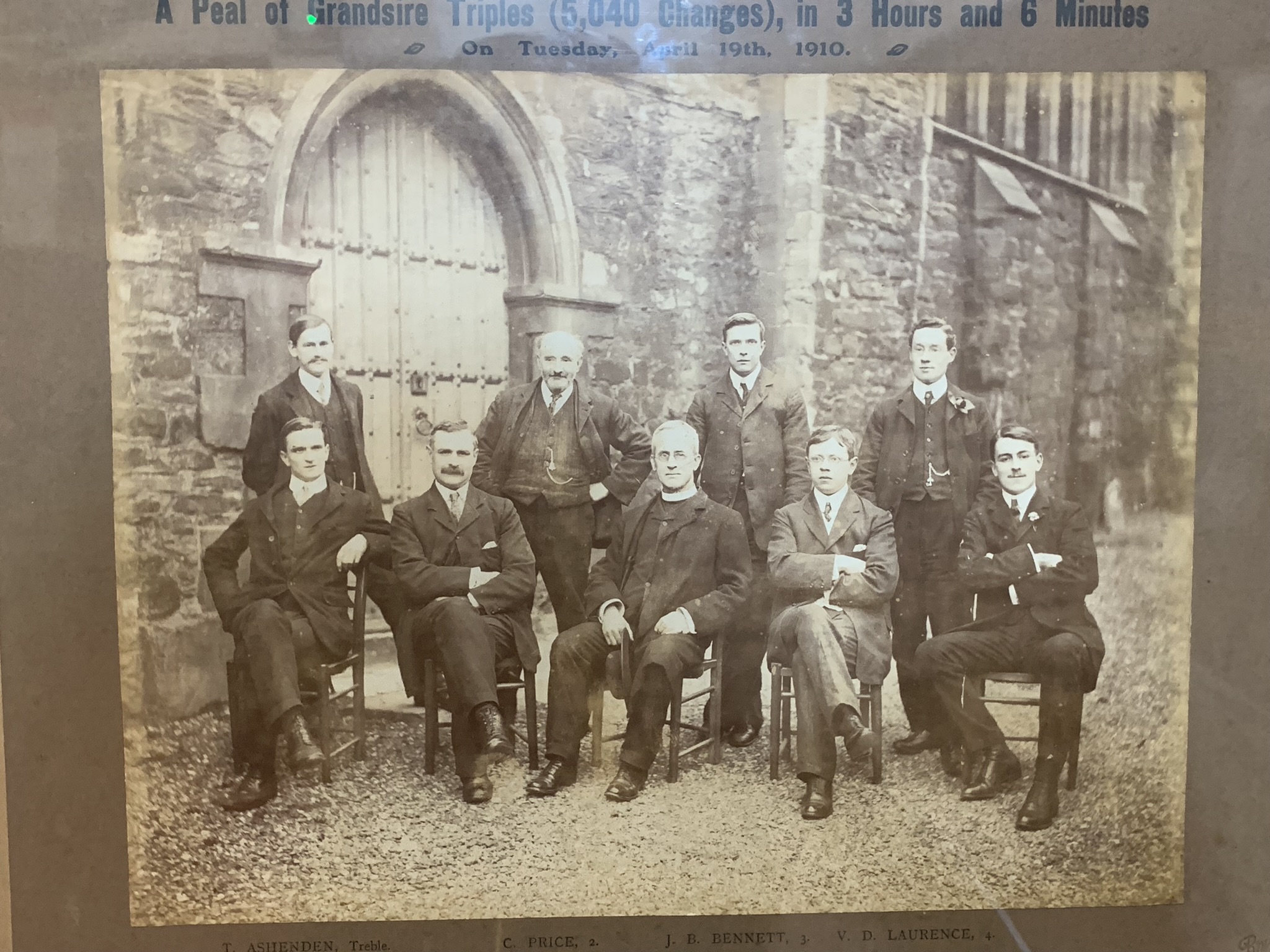
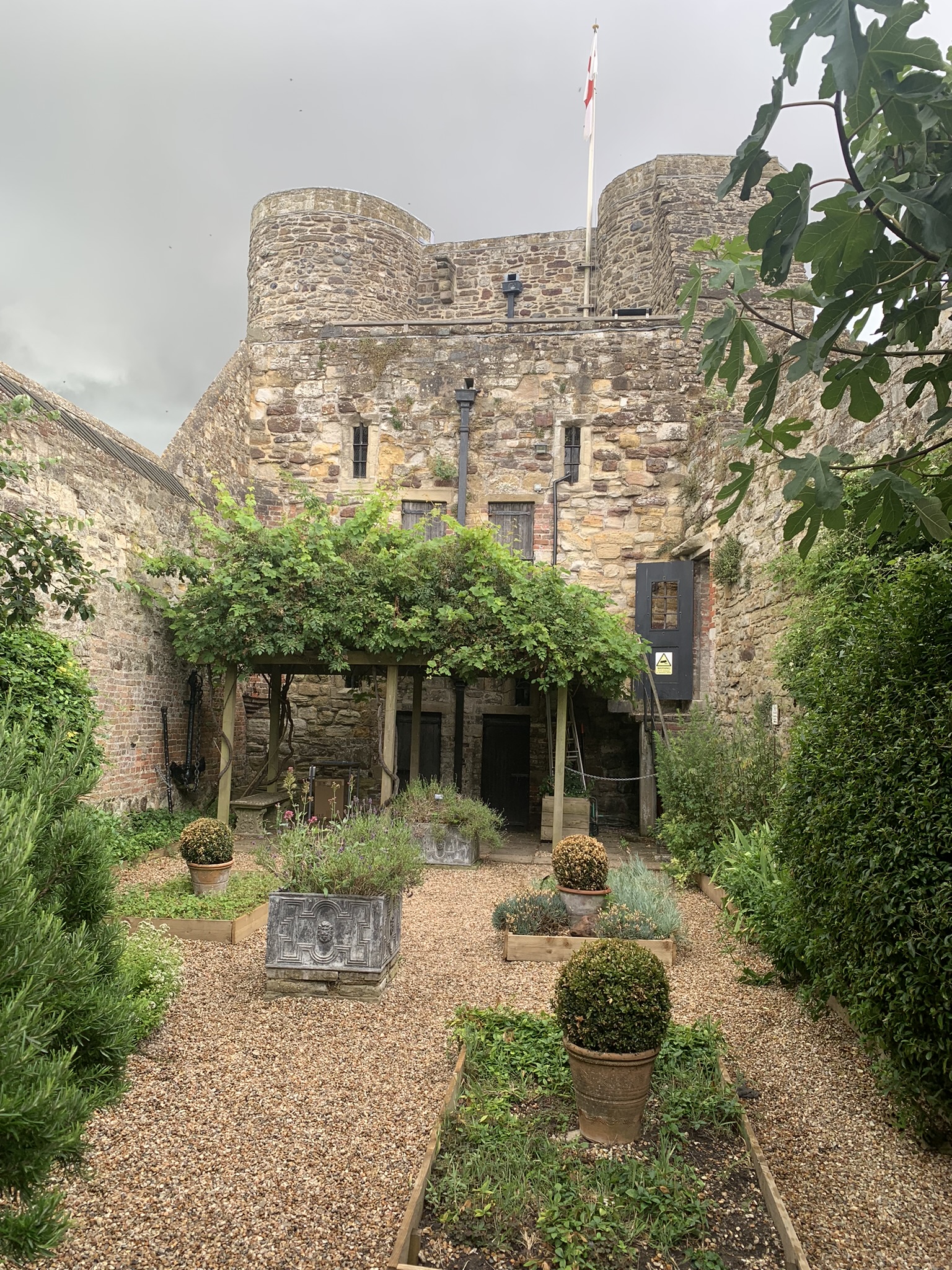
We did it all, including a sunset stroll on Winchelsea’s rocky beach overlooking sheep and cattle grazing to one side and the sea to the other.

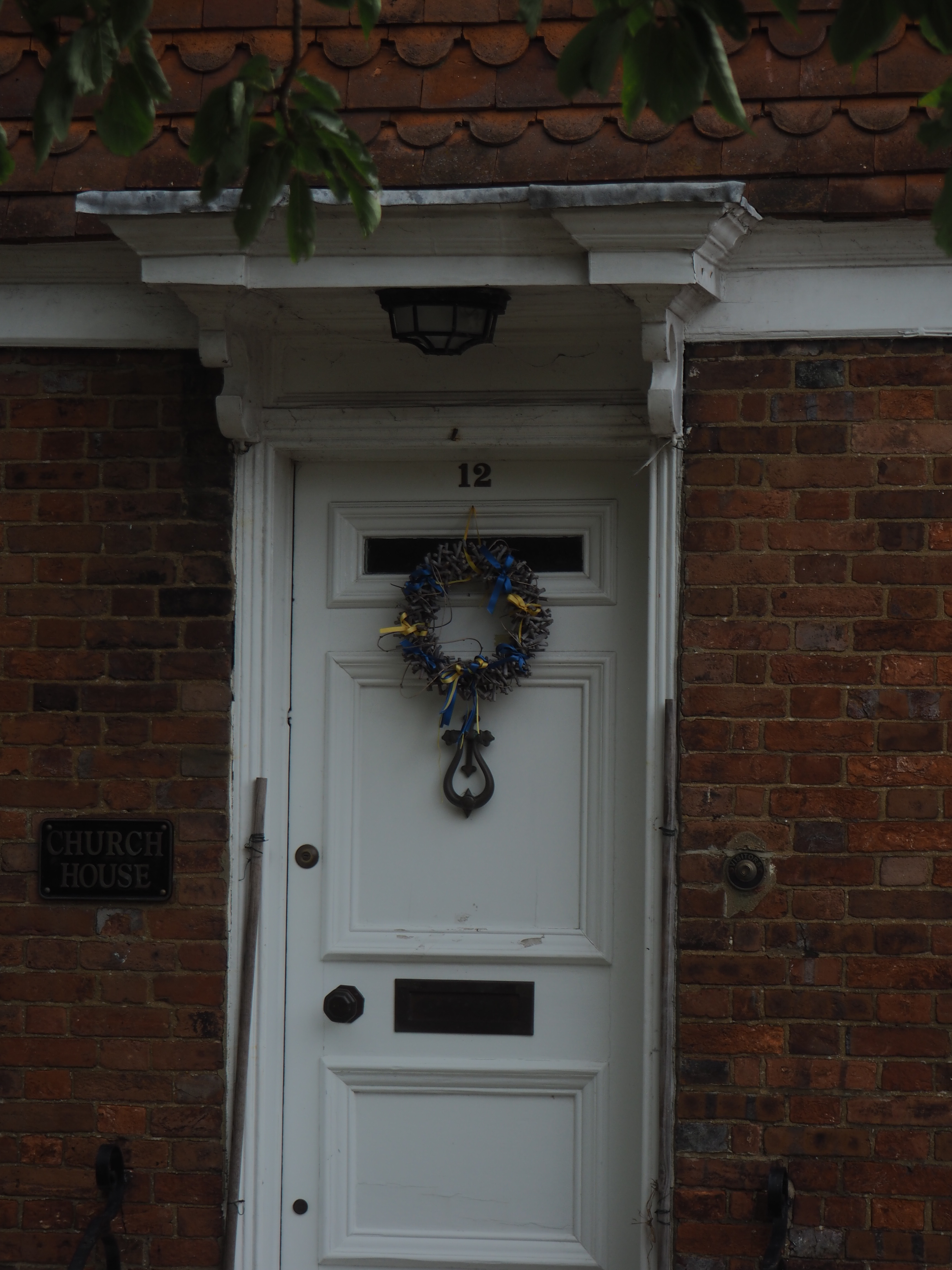
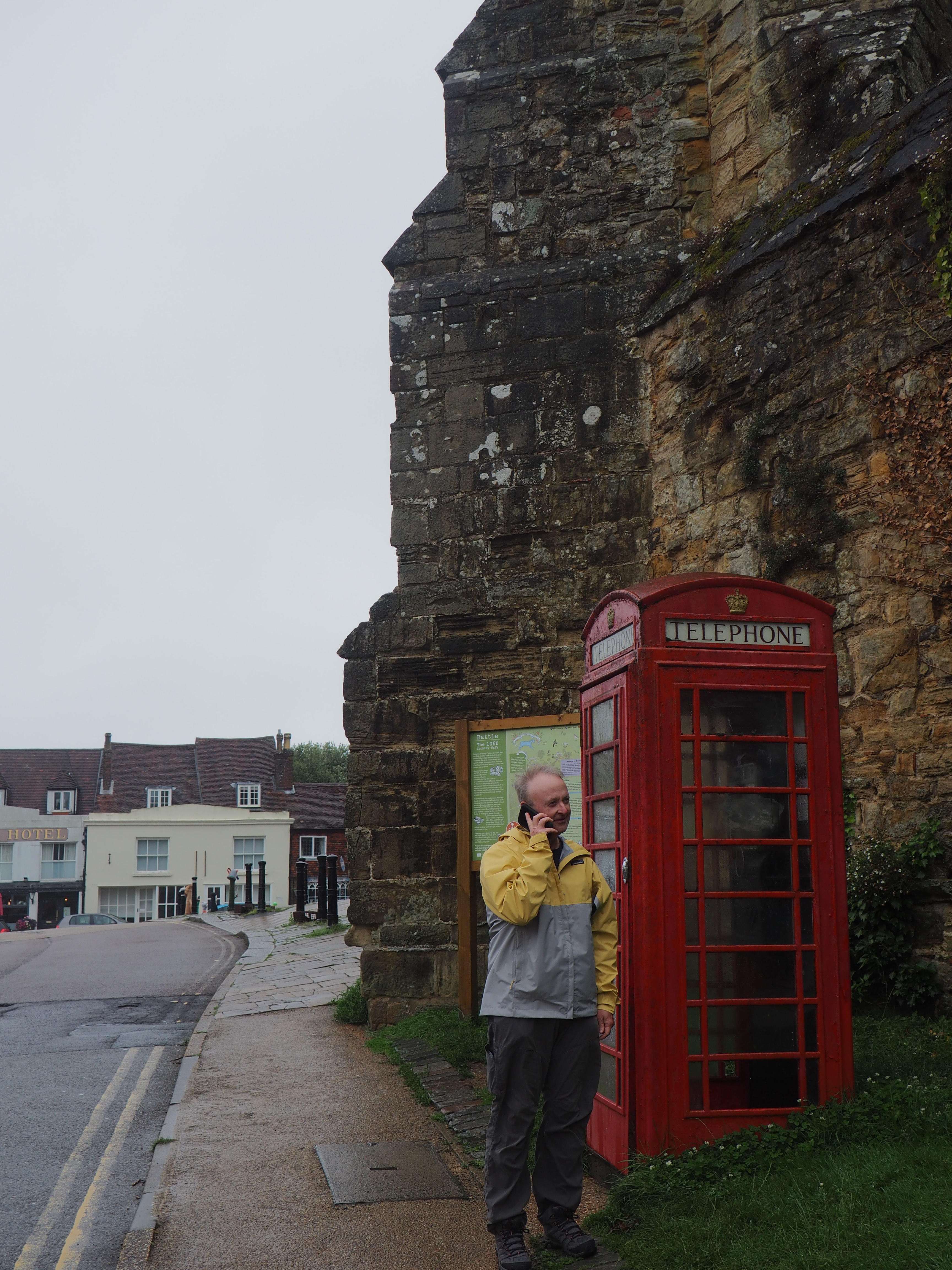
Reliving the Battle in Battle. Around the Kettle o’ Fish roundabout (for real) and up the road about a half an hour, is the English Heritage site of the Battle of Hastings. If you plan some extensive English countryside touring, check out the English Heritage Overseas Visitor’s Pass. It gives you free access to lots of sites, particularly outside of London and offers free parking (well, free cuz you paid for it with the pass). Their website customer service department is a bit lacking, and we never received our promised passes and materials in the mail (as a friend of mine didn’t) despite many attempts to reach them, but the onsite staff are lovely and helpful and provided us with the promised parking decal and temporary membership cards, which we will continue to use until they tell us we cannot.
The Battle of Hastings site is extremely well done. In 1066, King Edward I (Edward the Confessor, you’ve gotta love the names) died childless. England was ruled by the Anglo-Saxons at the time. Harold Godwinson, Earl of Wessex, was elected king. Harold’s rule was challenged by his exiled brother from Flanders and Norwegian King Harald. But King Harold resisted those challenges and defeated both. Enter: the Normans.
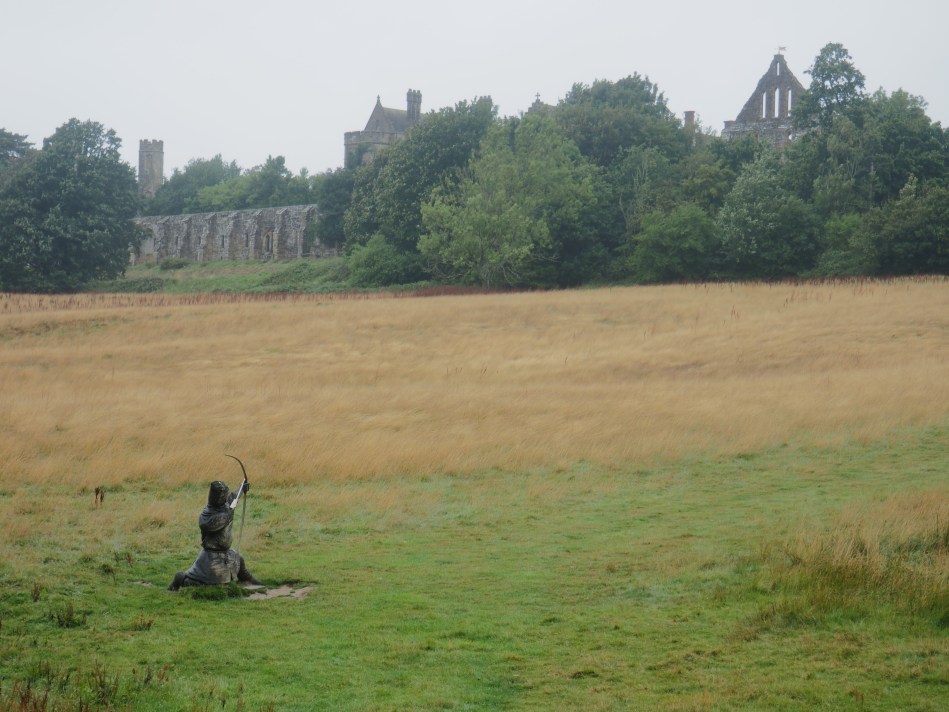
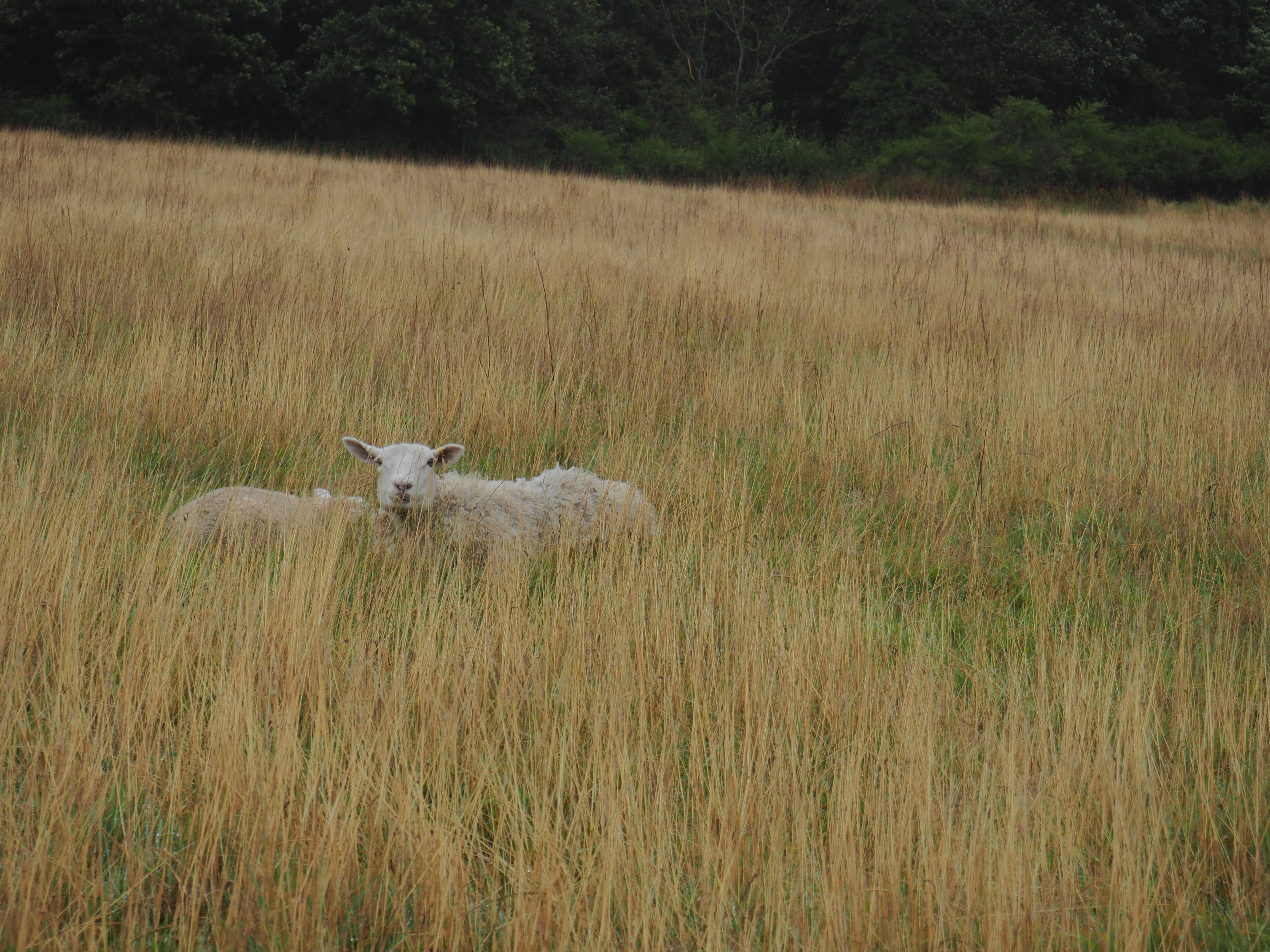
William the Bastard (again, the names), assembled a large force in France, allegedly obtained the Pope’s blessing and sailed north landing near Hastings in October, 1066. His army and cavalry marched north and met Harold’s army in a field near present-day Battle (though, according to Rick Steves’ South England recording, the actual site is somewhat disputed). While visiting the site in Battle, you can encircle the battlefield, through the woods, amidst grazing sheep, dodging sheep poop while listening to the audio guide describe the battle, Norman advances and retreats, English pursuits and slaughters and the eventual victory by William, changing his moniker from “the Bastard” to “the Conqueror” when Harold was struck down, allegedly, by a Norman archer’s arrow to the eye. William was crowned King of England in Westminster Abbey on Christmas Day setting up the roots for modern day Britain’s system of government, rule, law and society.
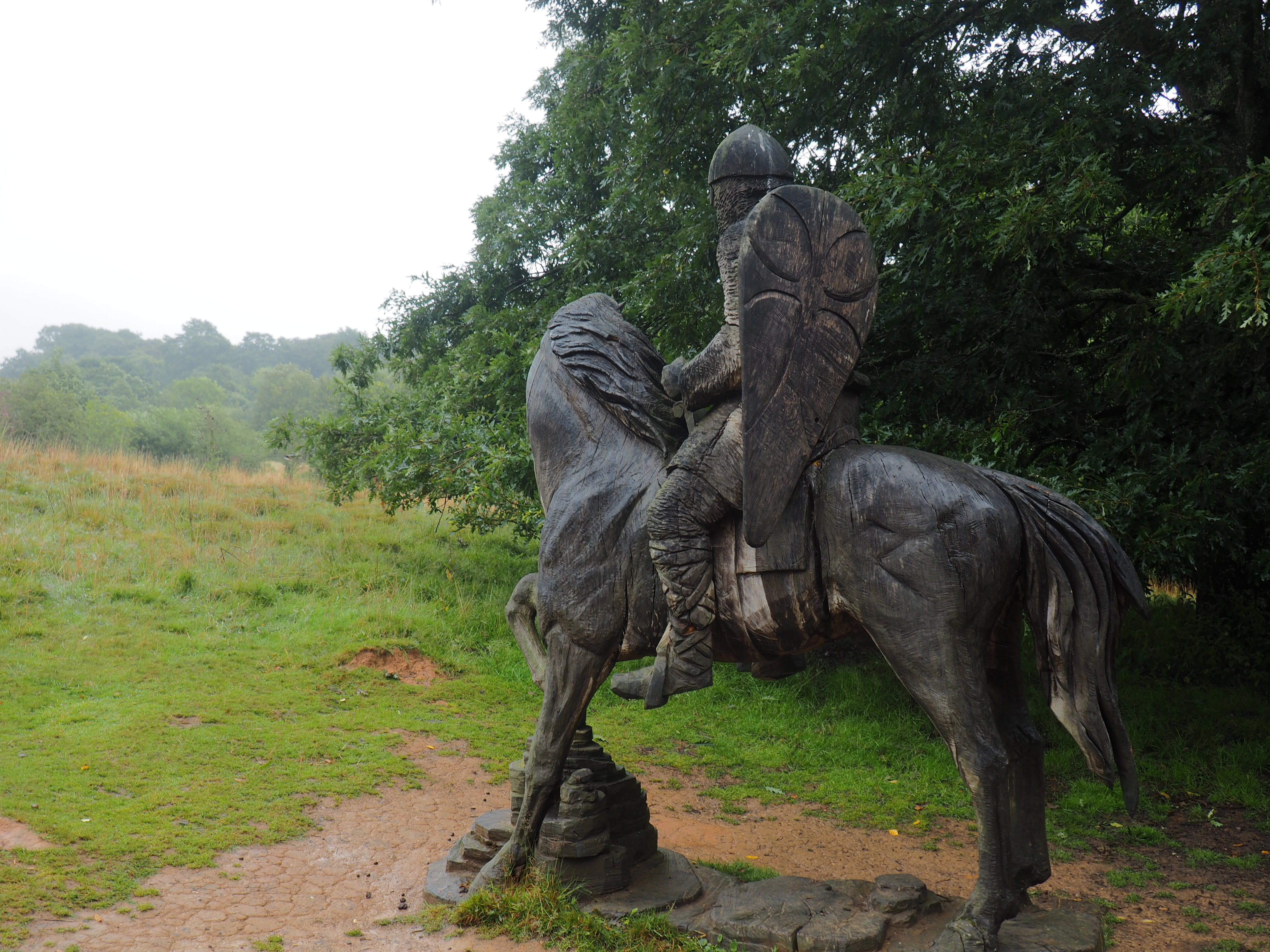
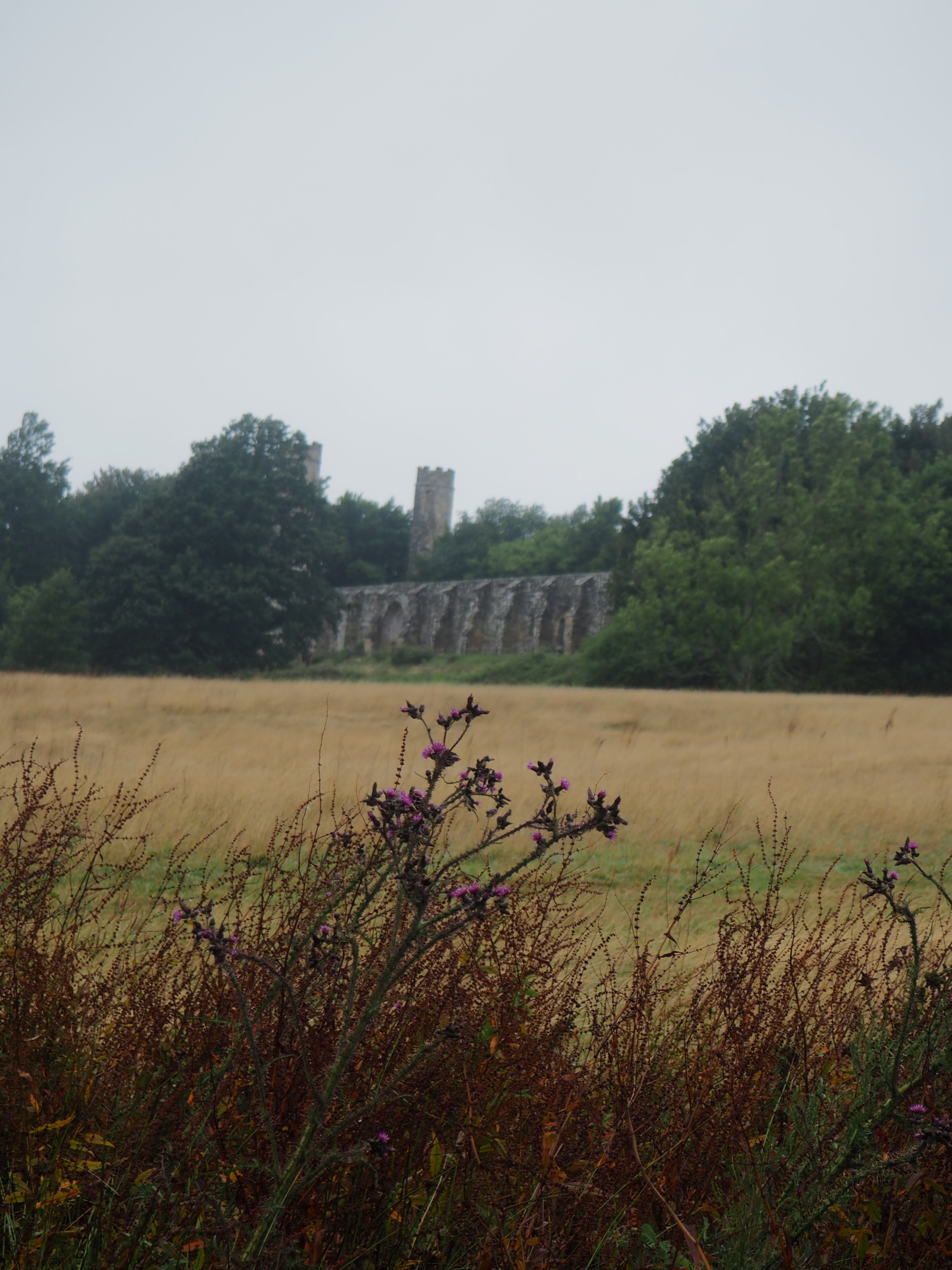
To commemorate the battle, William vowed to build Battle Abbey on the site where Harold was slain but William died before the Abbey was completed in 1094. Benedictine monks from France were the inhabitants until monasteries were dissolved by Henry VIII in 1538. At that time, the Abbey was taken over by private landowners. Today it is owned by The English Heritage charity.
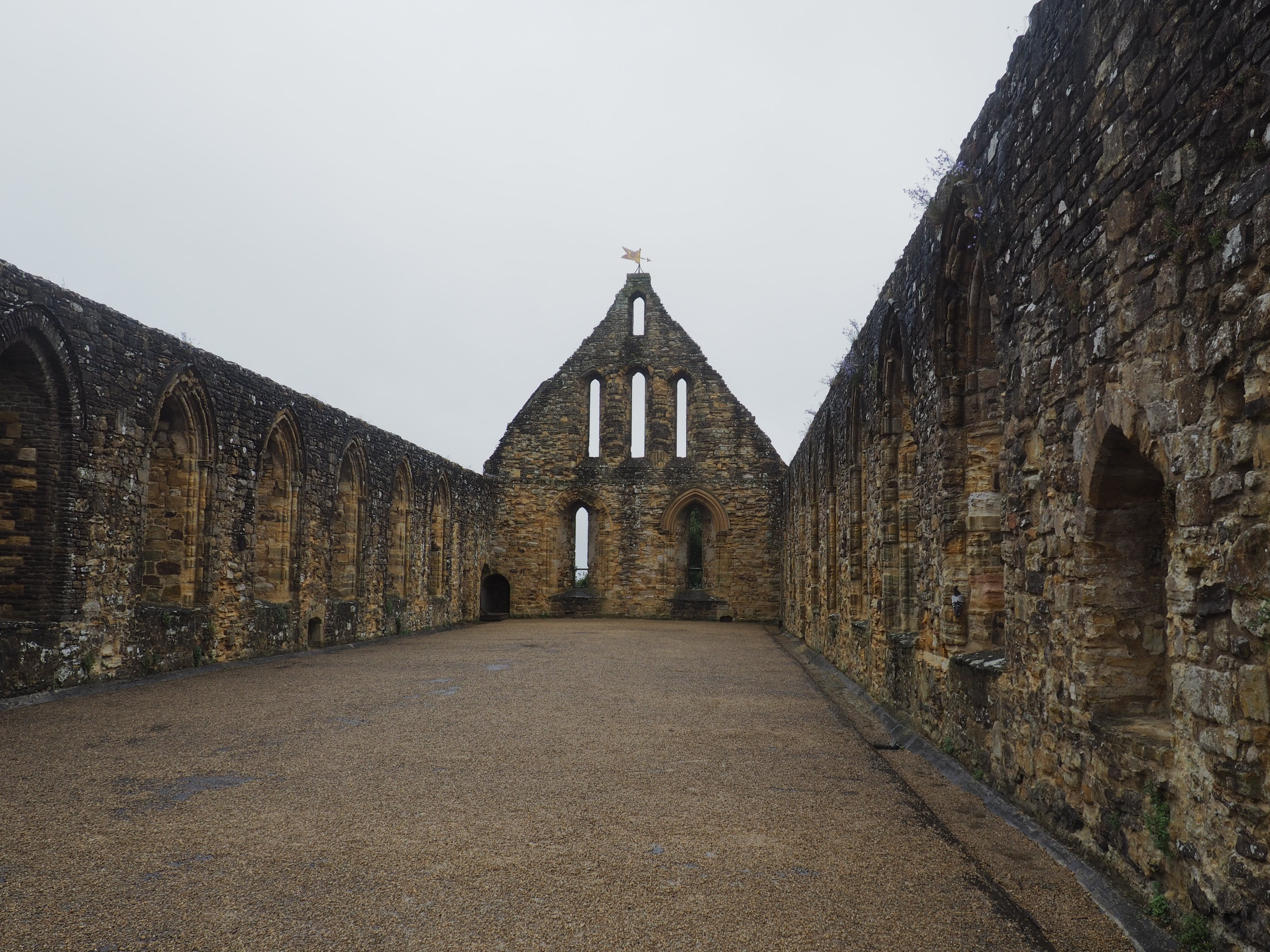

It was a well worthwhile visit in the south England fog and drizzle on our way west. If you’re in Bayeux France, check out the Bayeux Tapestry which depicts the story of the Norman invasion of England. We saw it in 2007 while visiting France, but are excited to return and see it again, now that we better know the story.
Back in Rye. Rye is an excellent place to make your base for southeast England. You can go northeast to Canterbury, east to Dover or west to Hastings, Brighton, and along the south coast. They also have a fantastic little local supermarket, if your accommodations allow for cooking. Its right across from the train station. If you don’t have a rental car, you can take a two-hour train straight down from London. Avoid weekends and bank holidays. We did and nearly had the place to ourselves despite it being mid-summer.
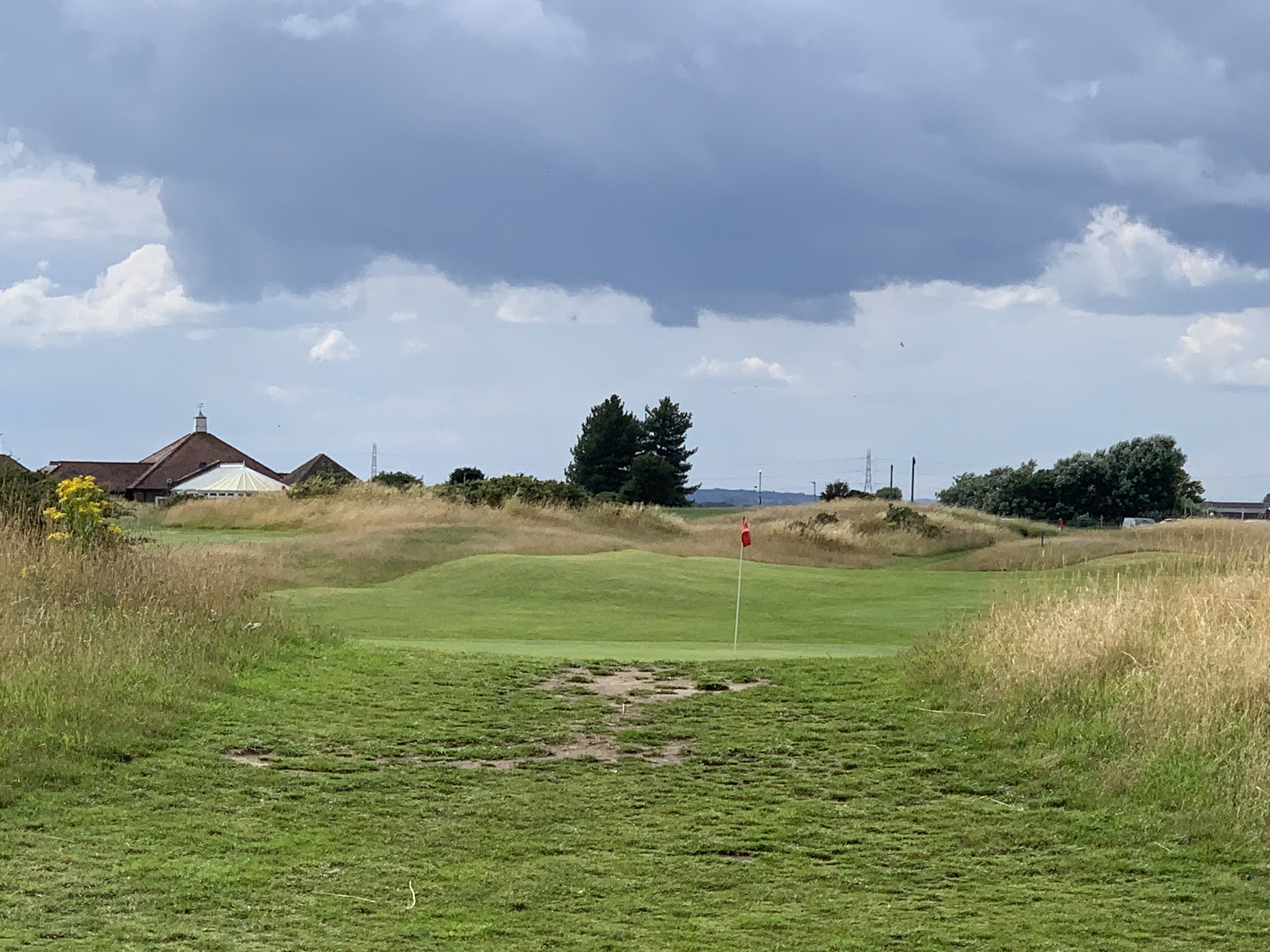
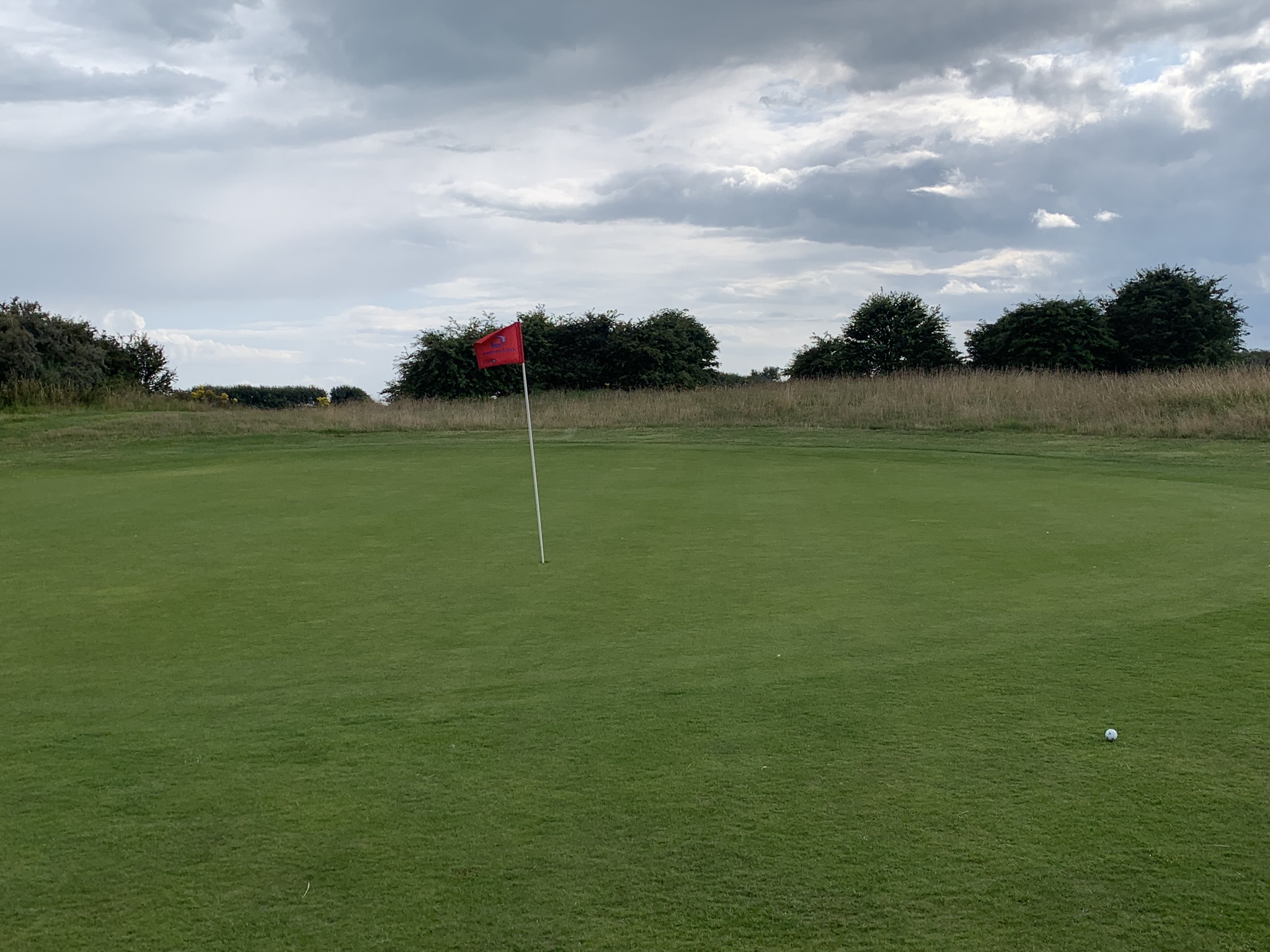
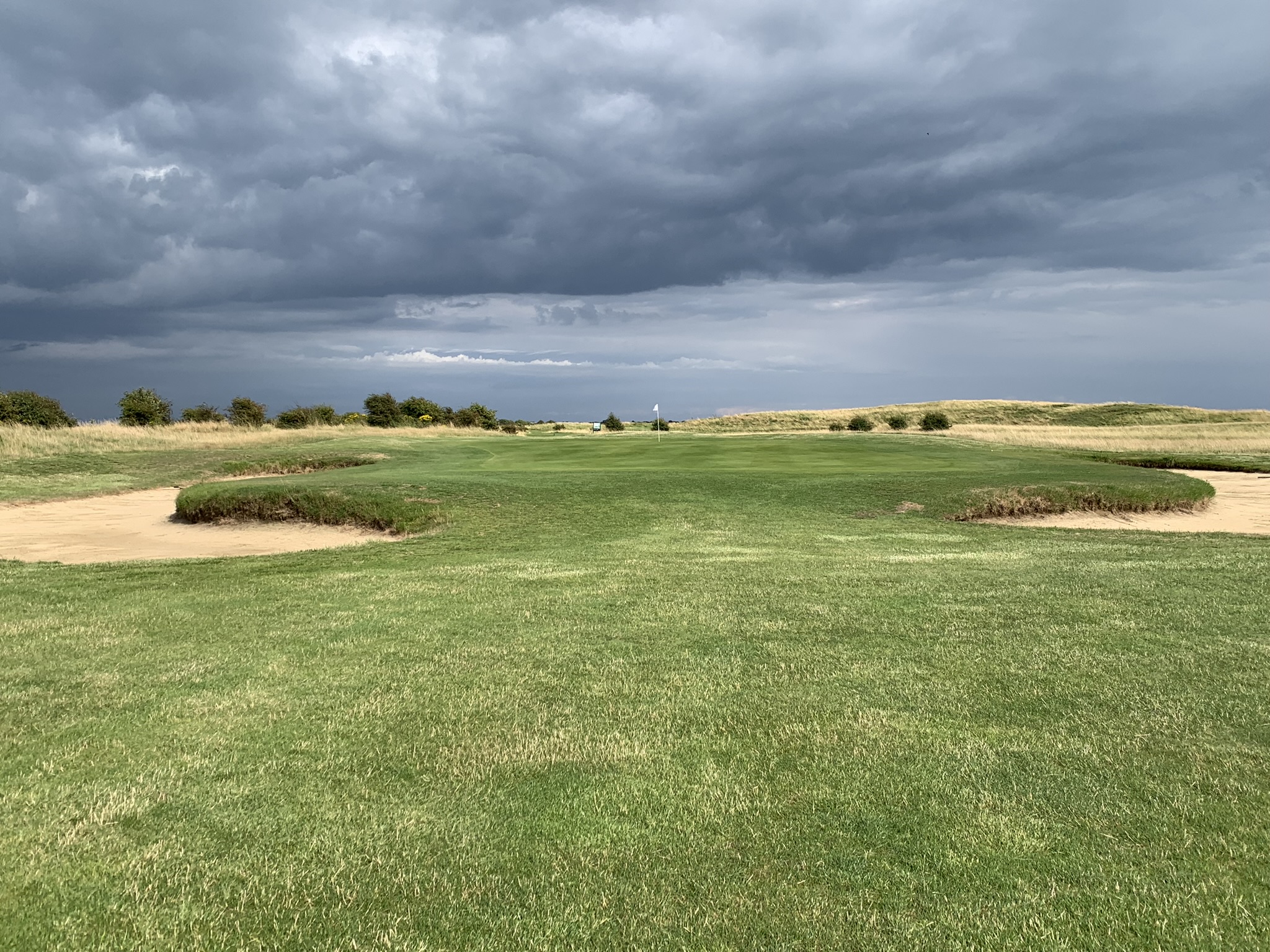
Shout out to Lydd Golf Course, a nice little 75 par links track where the wind and oddly assembled rental set tried hard to keep me from making par, but I managed to do it a few times under intermittently sunny and dark cloudy skies.
Sources:
- https://en.wikipedia.org/wiki/Battle_of_Hastings
- Rick Steves’ Audio Guide: Southeast England.
- https://www.english-heritage.org.uk/visit/places/1066-battle-of-hastings-abbey-and-battlefield/
- Lonely Planet Great Britain travel guide, 8th Edition, May 2009.
 The Traveling Ridleys
0 comments on “East Sussex County: Birthplace of Norman Rule of England”