

Amidst the winding roads of Rome and its many great ruins and artifacts of its living museum to Roman history you can also explore another of its most significant role in history: that of Christianity’s rise, acceptance and spread within the Roman Empire by visiting its many churches.
On our most recent brief trip to the Eternal City, we arrived nearly agenda-less. Having been to the Coliseum, the Palatine Hill, the Pantheon, the Vatican and its museum and to many of its other sights, we spent most of our days wandering around and popping into churches we’d been told about or wandered past. This is by no means and extensive guide, but if you happen to be in Rome, these are worth a visit.
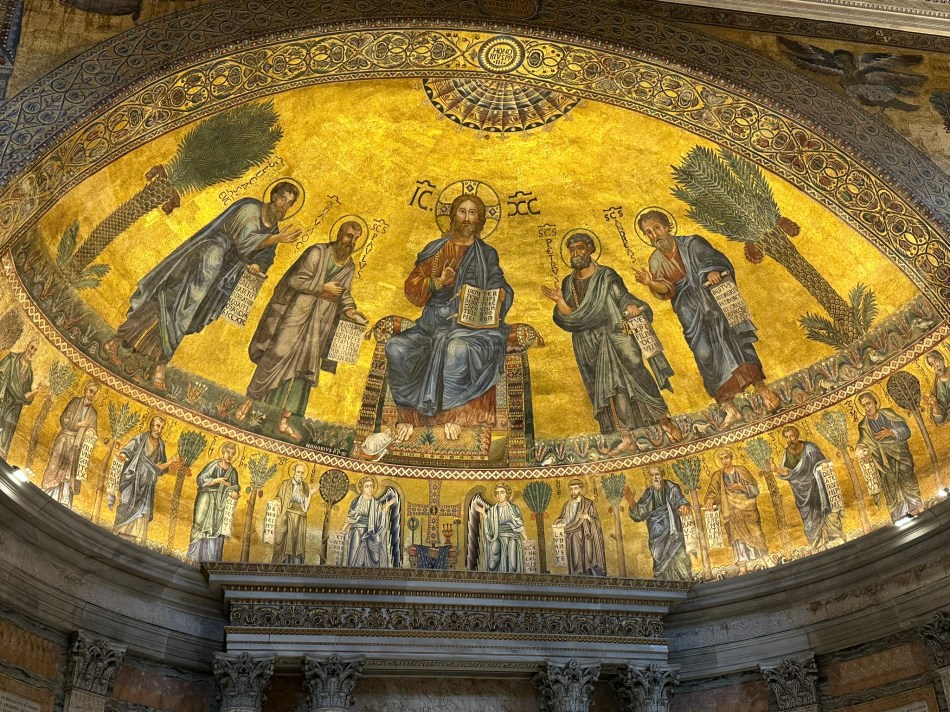
The Basilica of Saint Paul Outside the Wall. This one is just marvelous. The basilica was founded by Emperor Constantine I, who converted to Christianity and was instrumental in its spread across the Roman Empire, over the burial place of Saint Paul. By the 5th century, the church’s continued expansion made it larger than the old Basilica of Saint Peter. Over the centuries, expansions and repairs continued, but in 1823 much of the church was destroyed by fire. In 1825, Pope Leo XII began raising funds for its reconstruction which was done to try to replicate the way it had existed previously, with some success.
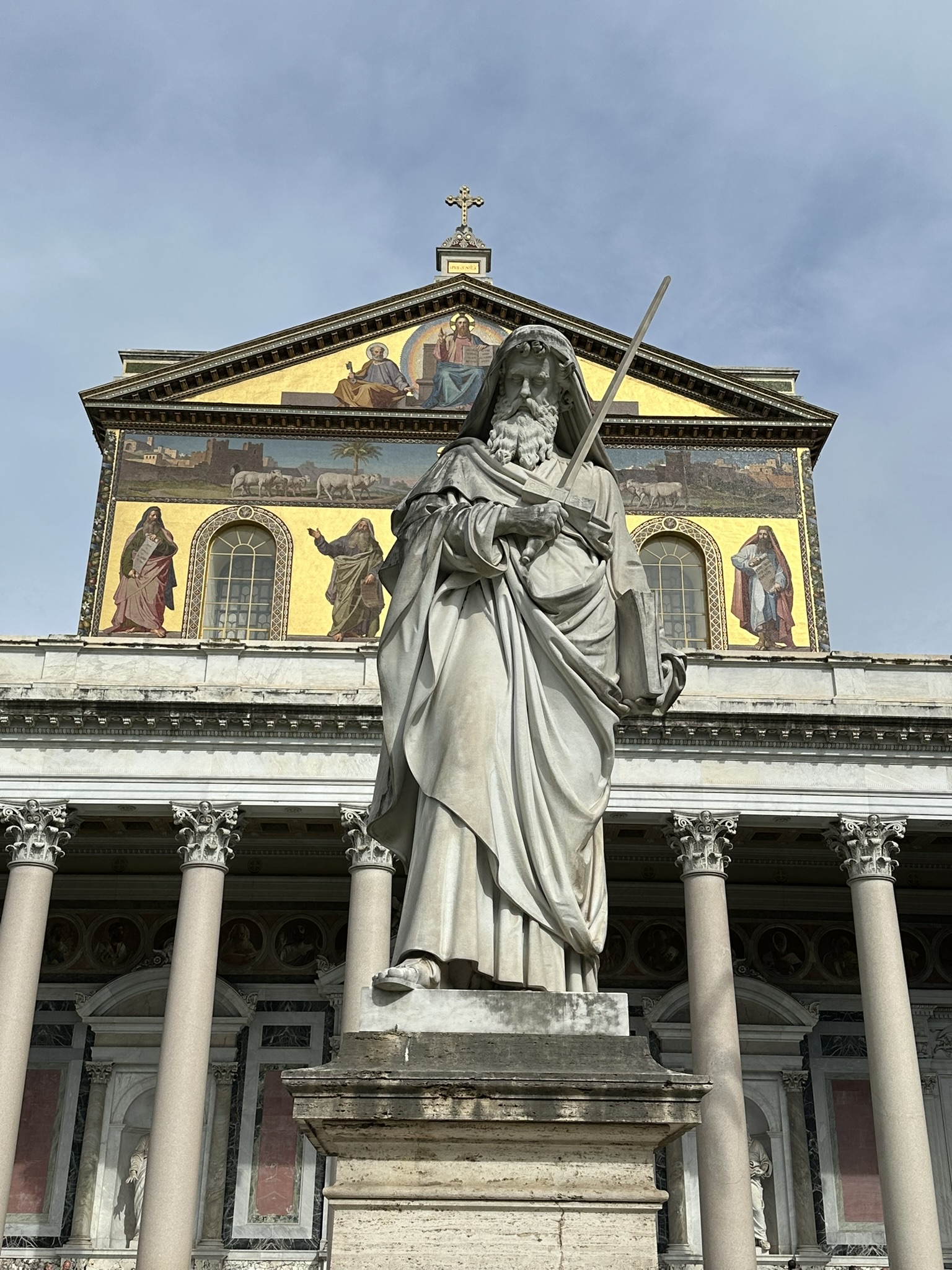
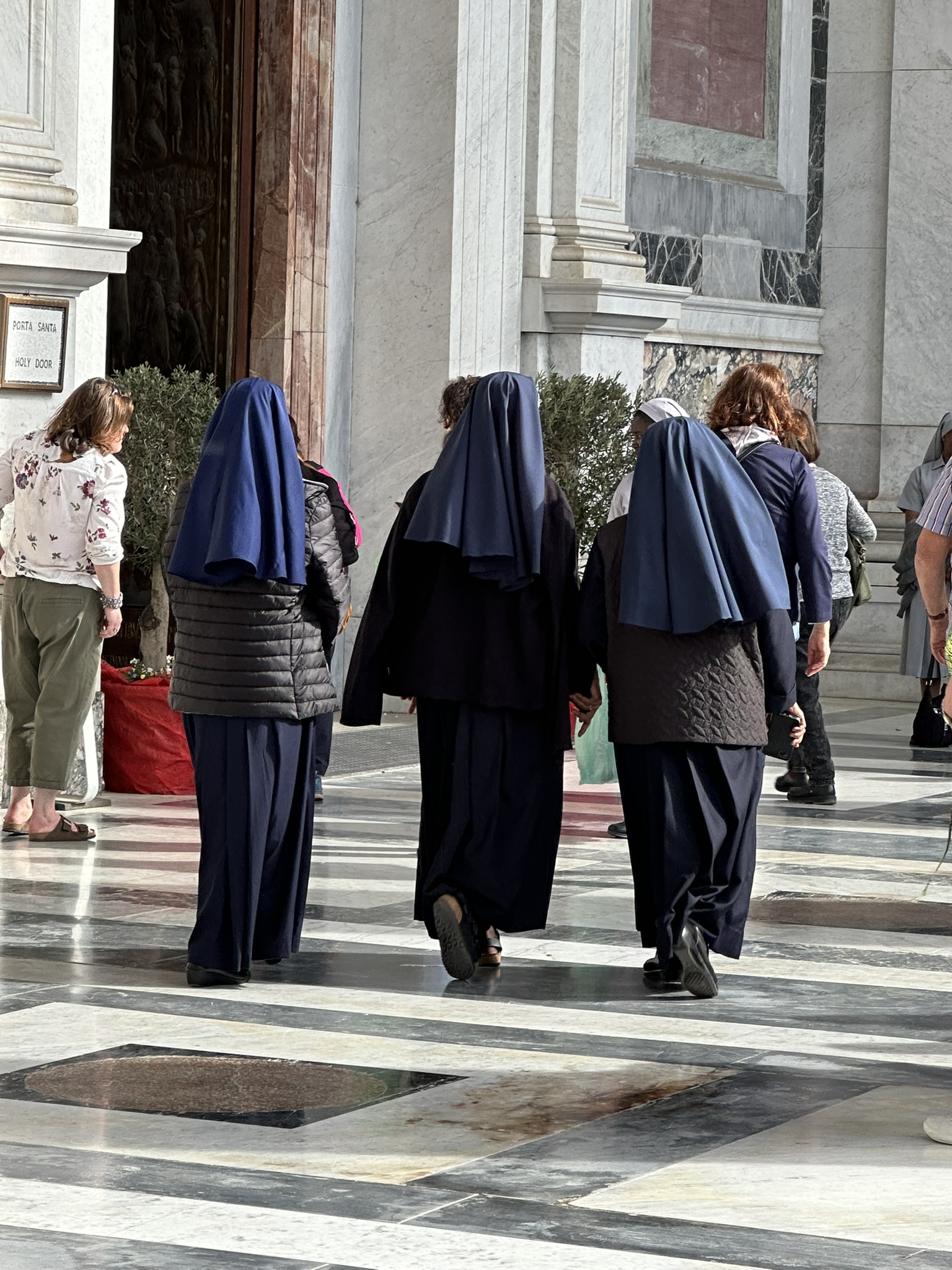
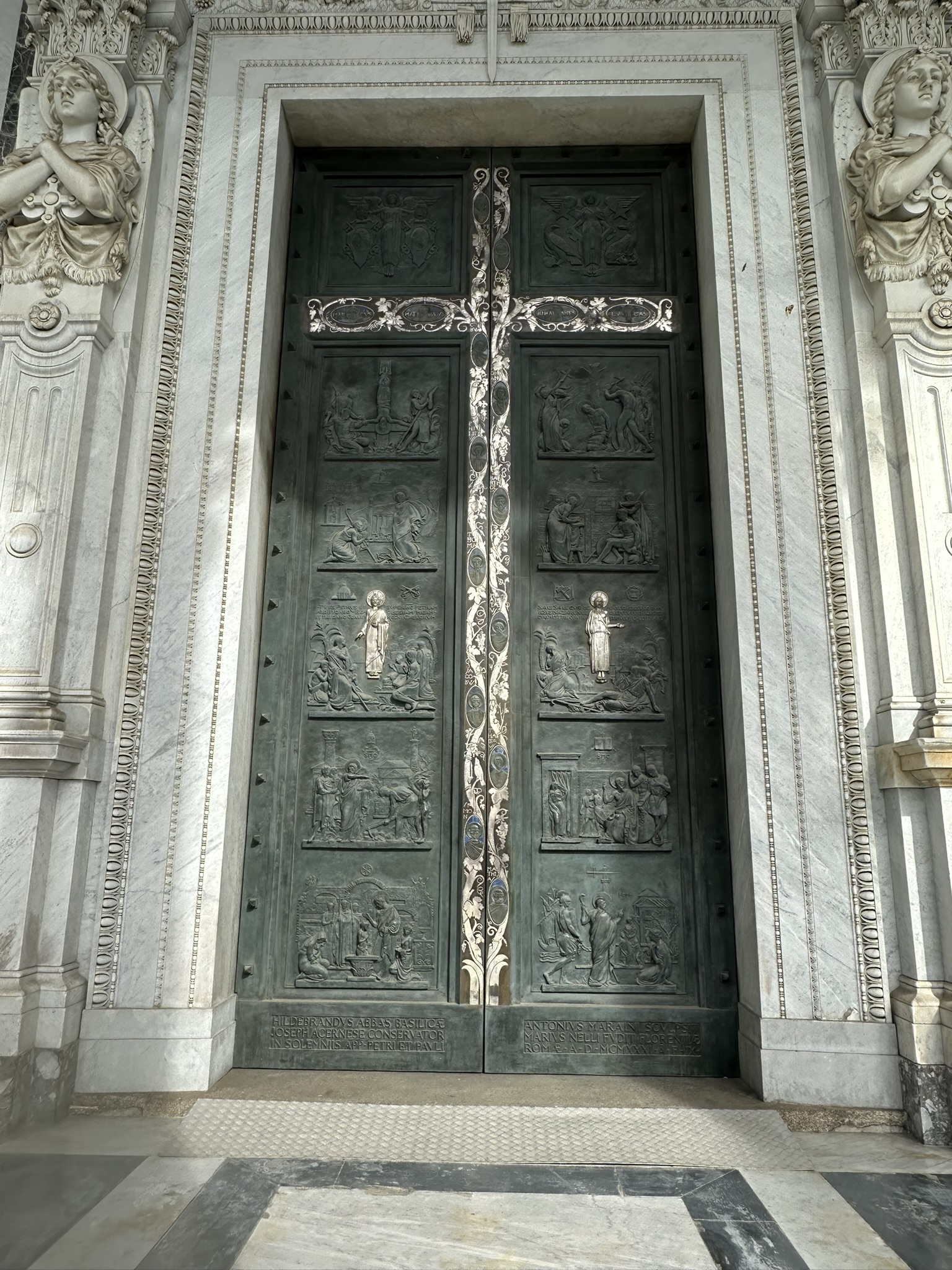
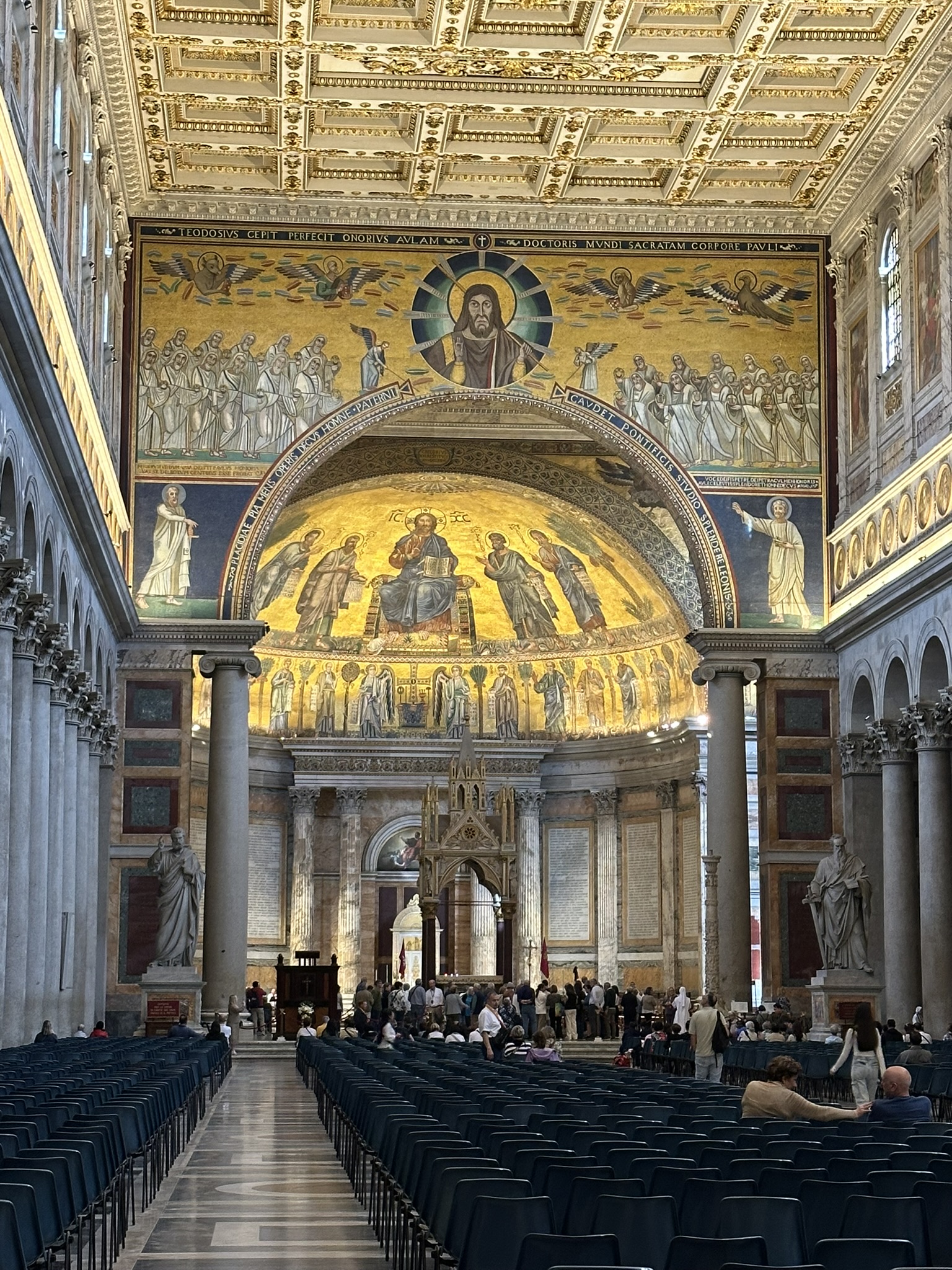
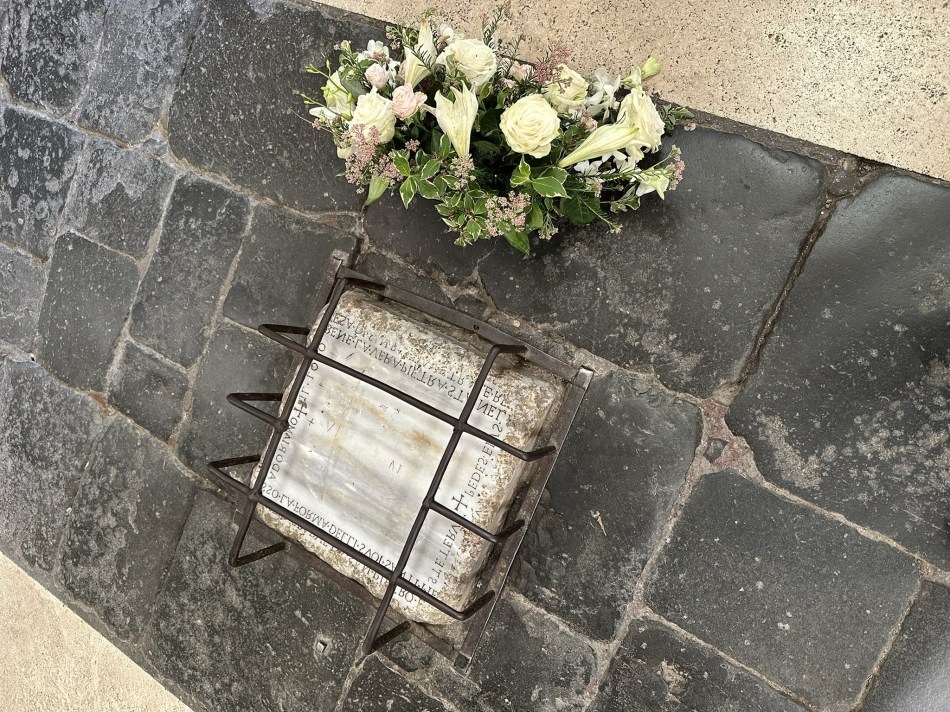
On the day of our visit, Catholic pilgrims flocked to the church and to the Tomb of Saint Paul, which Pope Benedict XVI announced had been carbon dated to confirm that the bones were from the 1st century, suggesting that the remains are, indeed Paul’s and then a service began with a beautiful singing of the Litany of the Saints (not being Catholic, we later learned that’s what this was as we recognized it watching the funeral for Pope Francis a few days later) in progression echoing throughout the church.
The church is free to visit but you must pass through a security queue.
Church of Domino Quo Vadis. While we are on the topic of the Saints, quiet and unassuming and off the beaten path, it was a stop on our tour of the Catacombs of Domitilla and the Appian Way. A sanctuary has existed here since the 9th century and the current church was built here in 1637 on the spot where Jesus allegedly appeared to Saint Peter and told him to return to Rome, where he was subsequently crucified and martyred. The footprints inside mark the spot where Jesus appeared and stood for their meeting.
The church is free to visit.
Basilica of Santa Maria in Trastevere. When we were here three years ago, we discovered Trastevere using the Rick Steves’ audio tour of the neighborhood, and on that day, the church was closed. This time, it was not. The current church was built starting in 340 AD and it claims to be the first Roman church dedicated to Mary, mother of Jesus.
The exterior portico is decorated with early Christian symbols from the catacombs of Rome and in the mosaic behind the main chapel Mary sits prominently at Jesus’ side in between the first two Popes with sheep representing Jesus and the apostles at their feet.
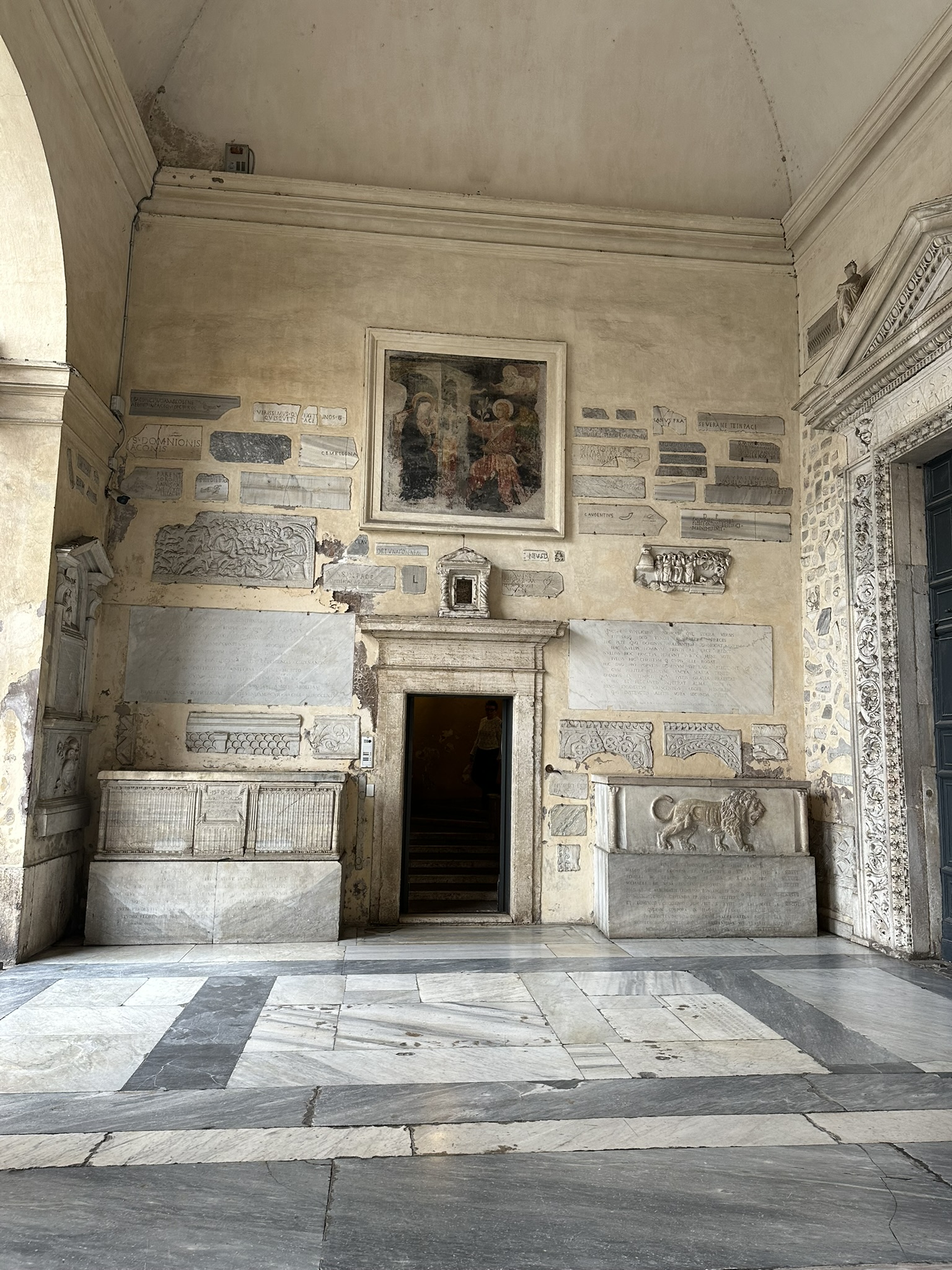
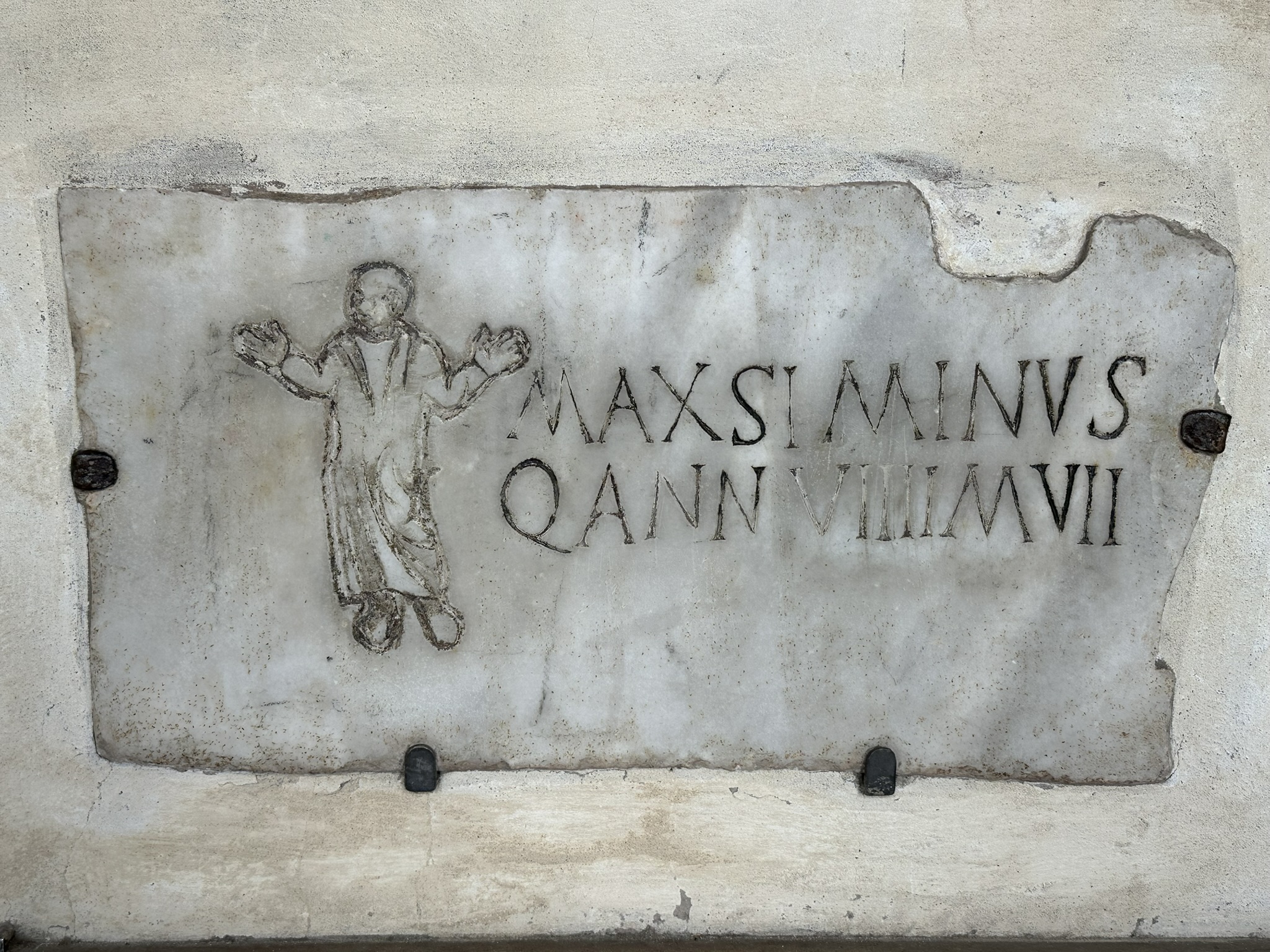
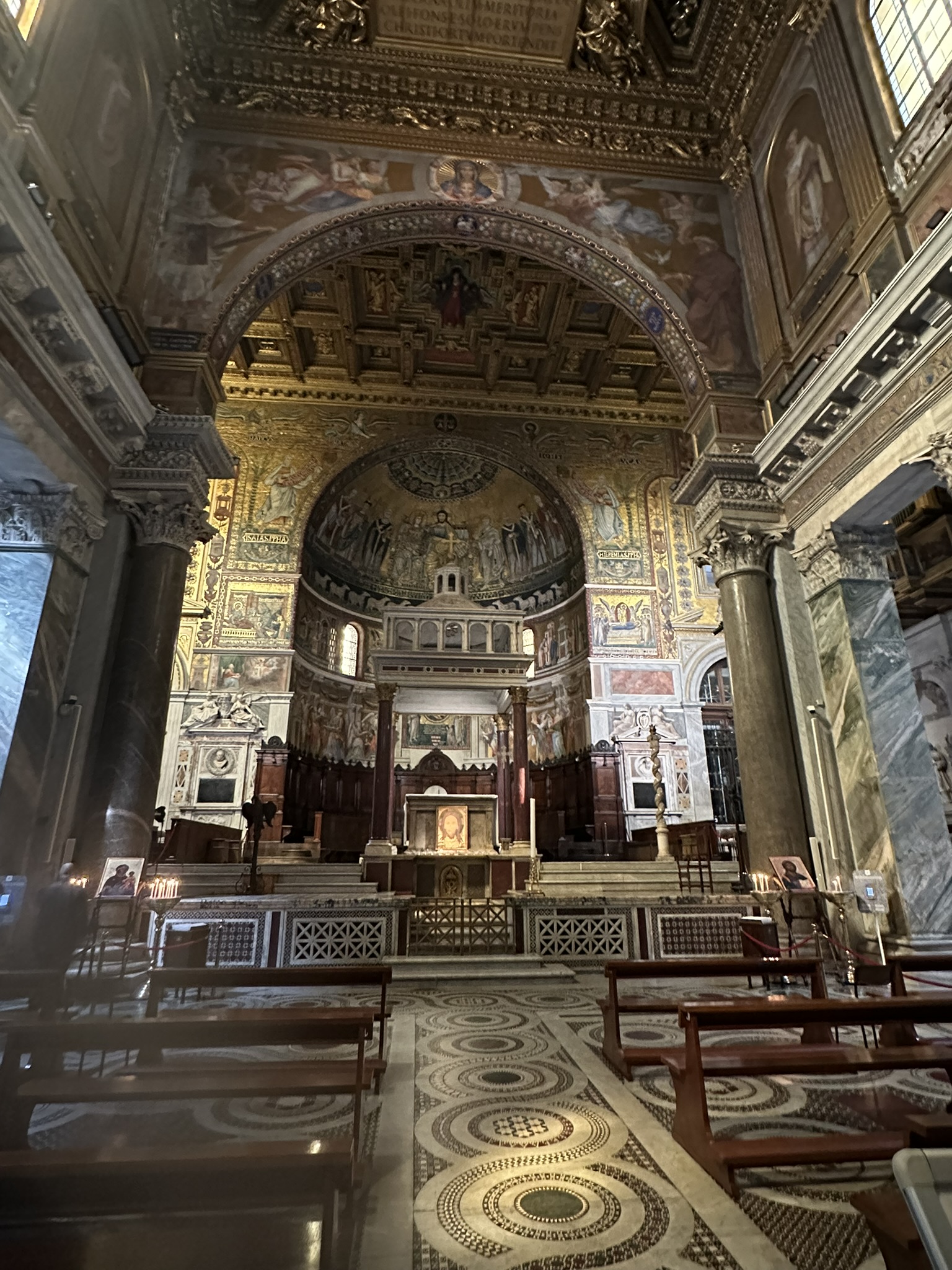
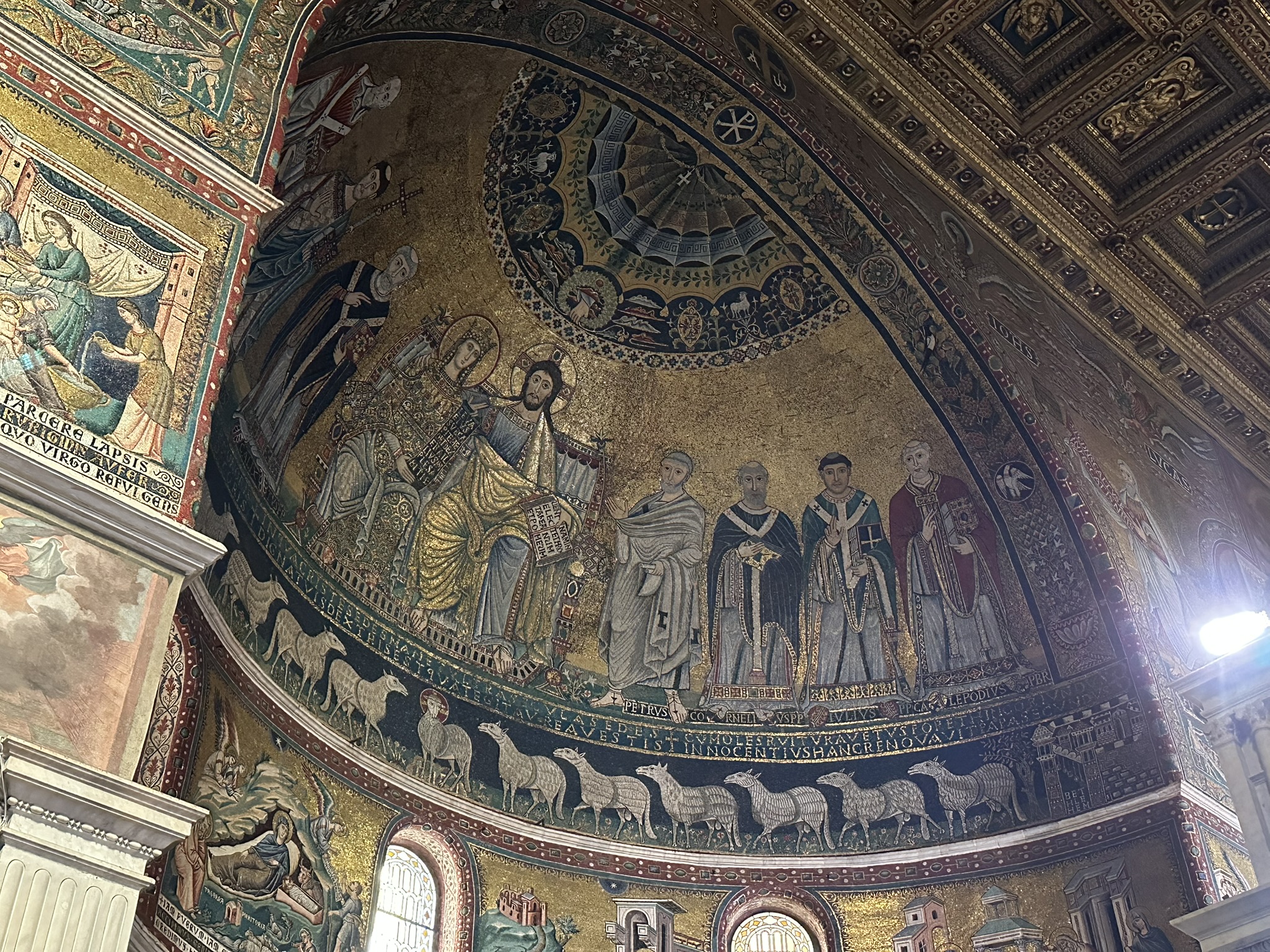
This church is also free to visit.
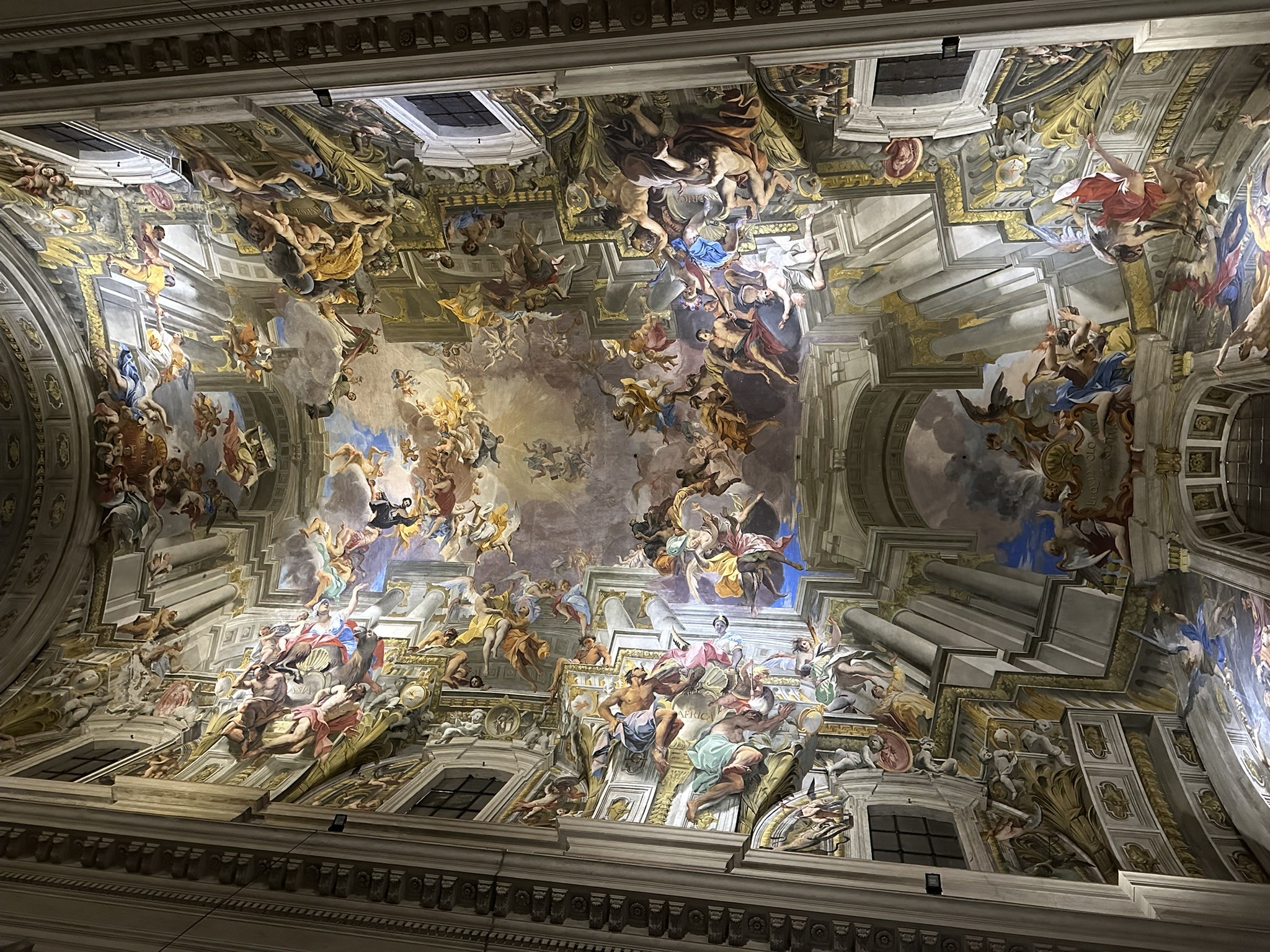
Saint Ignazio of Loyola Church. The church is constructed in the Baroque style. Construction of the current church (there were previous ones on this site) began in 1626 and it opened in 1650 for worship during the Jubilee of that year.
We came for the ceilings. Our guide of the Catacombs told us that the oil painted ceilings by Andrea Pozzo, a Jesuit lay brother, were worth seeing. While it is free to visit, long queues wrapped around the church for a viewing during the day, but after dinner, in the quiet of night when the church is open until midnight for viewing, we returned to take them in.
The Pantheon. This is our favorite site of ancient Rome in the city. Just to step inside brings a kind of solace and serenity from the madness of the world. The original Pantheon was built by Agrippa in 27 BC, but it was replaced by this one in 120 AD by the Emperor Hadrian. It is constructed of brick and concrete and is as tall as it is wide. The thickness of the walls are part of the engineering mystique of the place. At the top, the walls are narrower (5 feet wide) and lighter than at the base where they are 20 feet wide, enabling them to create a self-supporting structure. The dome of the Pantheon was the model for the dome of the cathedral in Florence, that for Michaelangelo’s dome at St. Peter’s in Rome and provided inspiration for the U.S. Capitol dome. Holes in the floor of the Pantheon drain away the rainwater which falls inside through the portico in the apex of the dome.
Allegedly, when Hadrian built the dome, he filled it with earth and gold coins while the concrete dried and invited Romans to come help empty the dirt, keeping any coins they found. The contrarian view is that scaffolding was used in construction.
Several famous Romans are buried here. Victor Emmanuel II, ruler when Italy unified in 1870 is entombed here as is the painter Raffael and the last bit of the day’s sunlight from the portico falls on his tomb.
In Roman times, all faiths were welcome to worship here (pan theon means “all the gods”), so long as they also worshiped the Emperor. The Pantheon was converted to a Catholic church, the Basilica of Santa Maria ad Martyres, by Pope Boniface IV in 608 AD when he moved the remains of many martyrs from the catacombs to the Pantheon.
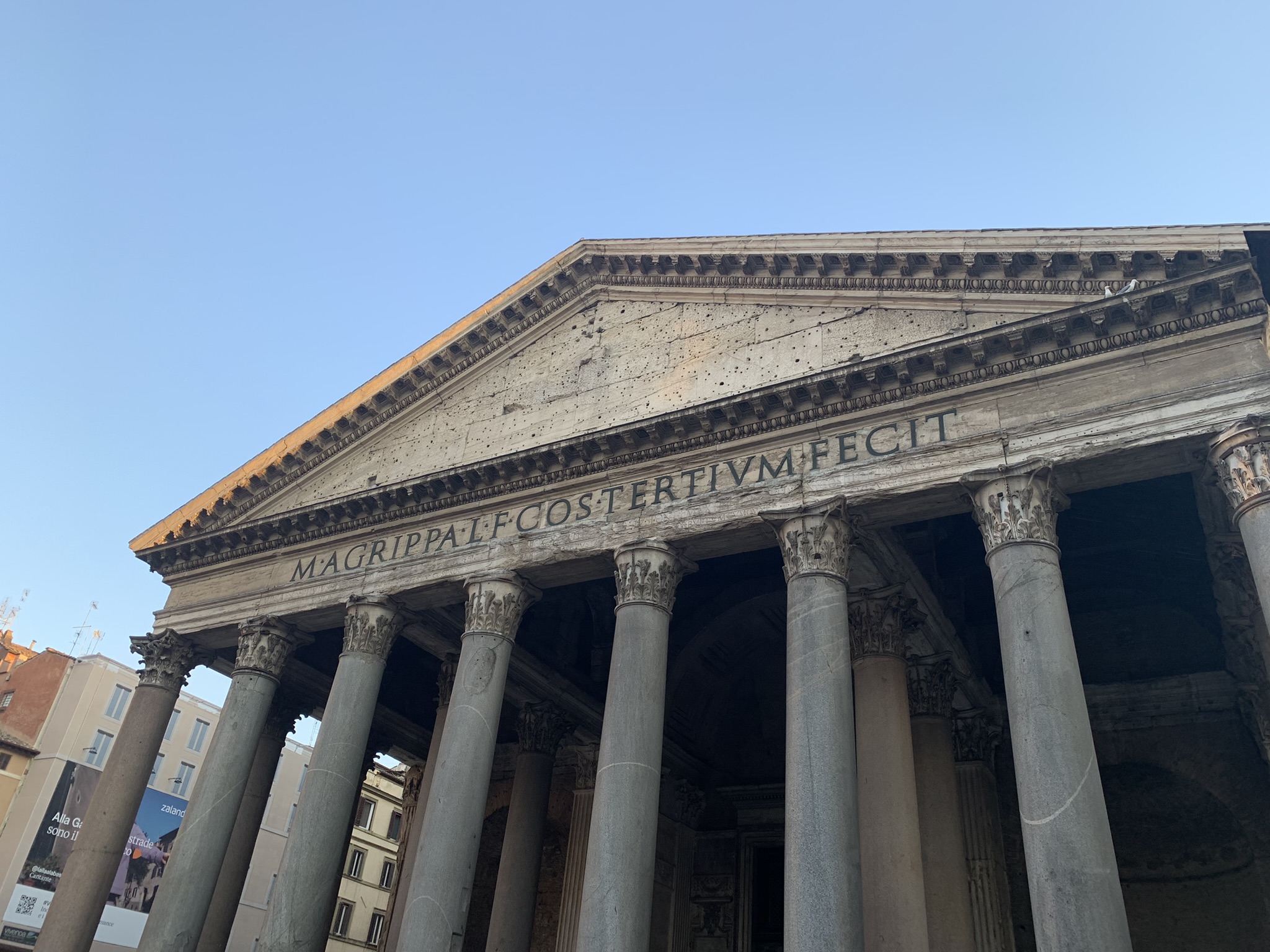
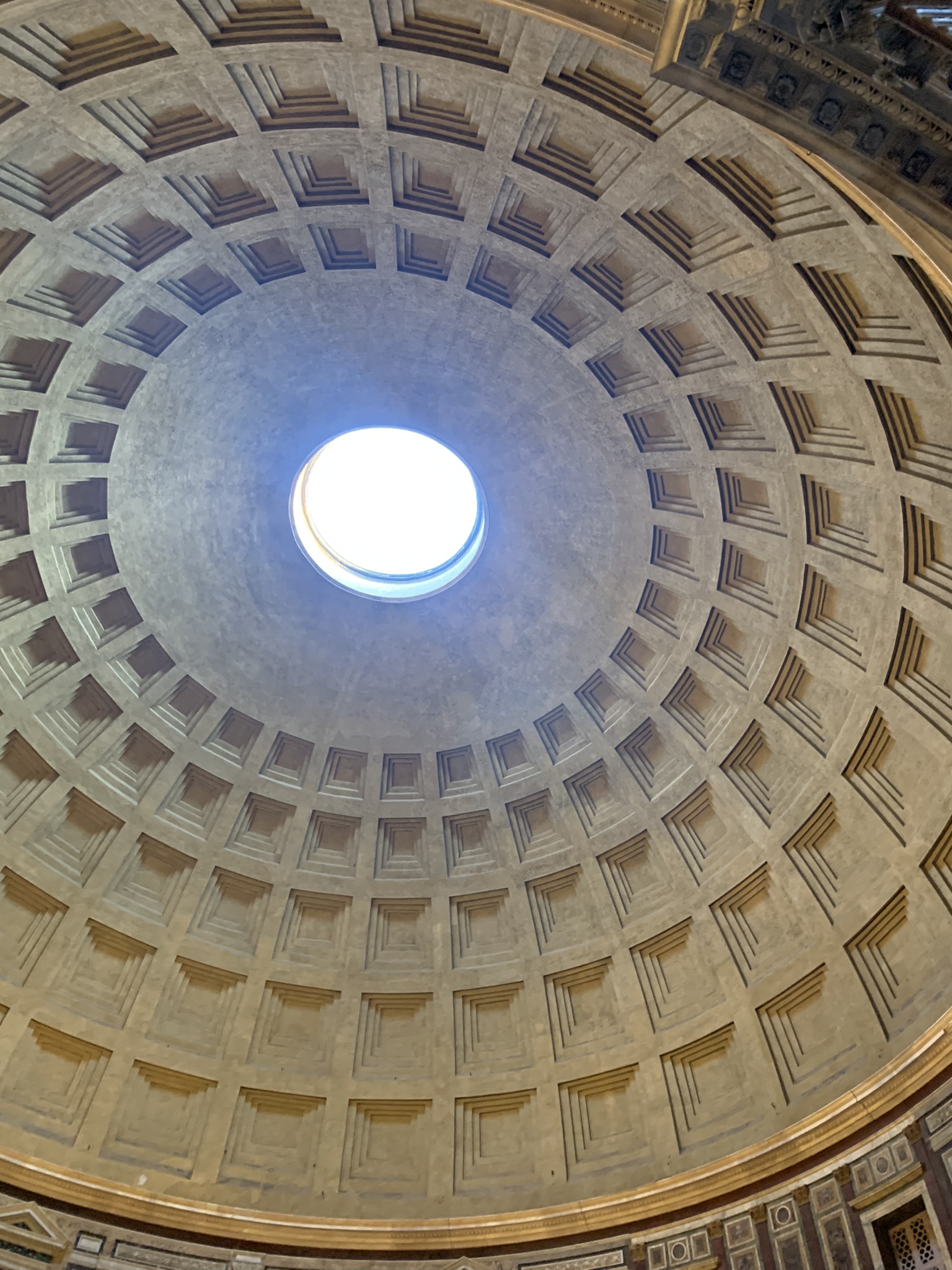
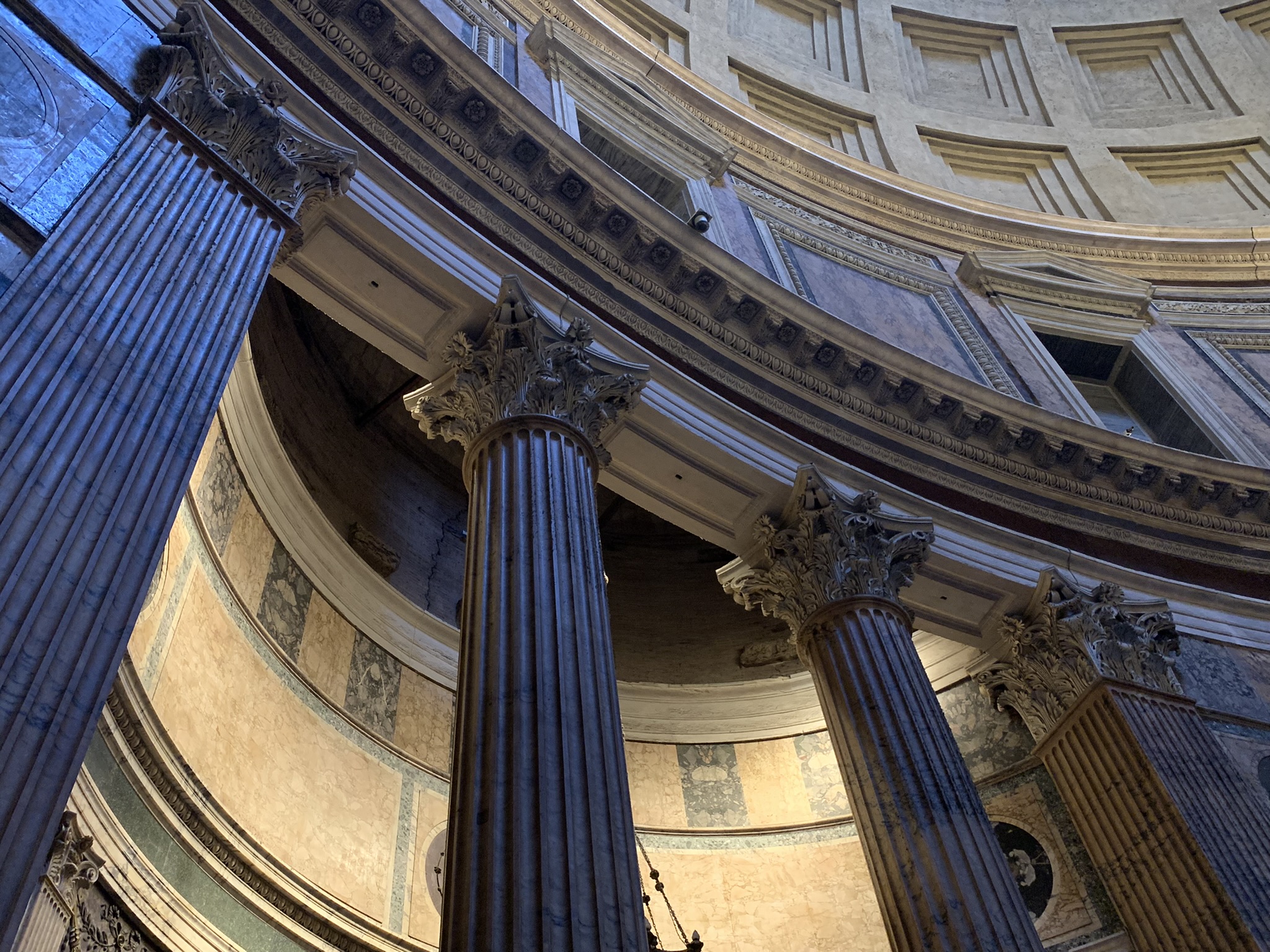
There is a small fee to visit the Pantheon. Best to go early or late to avoid long lines.
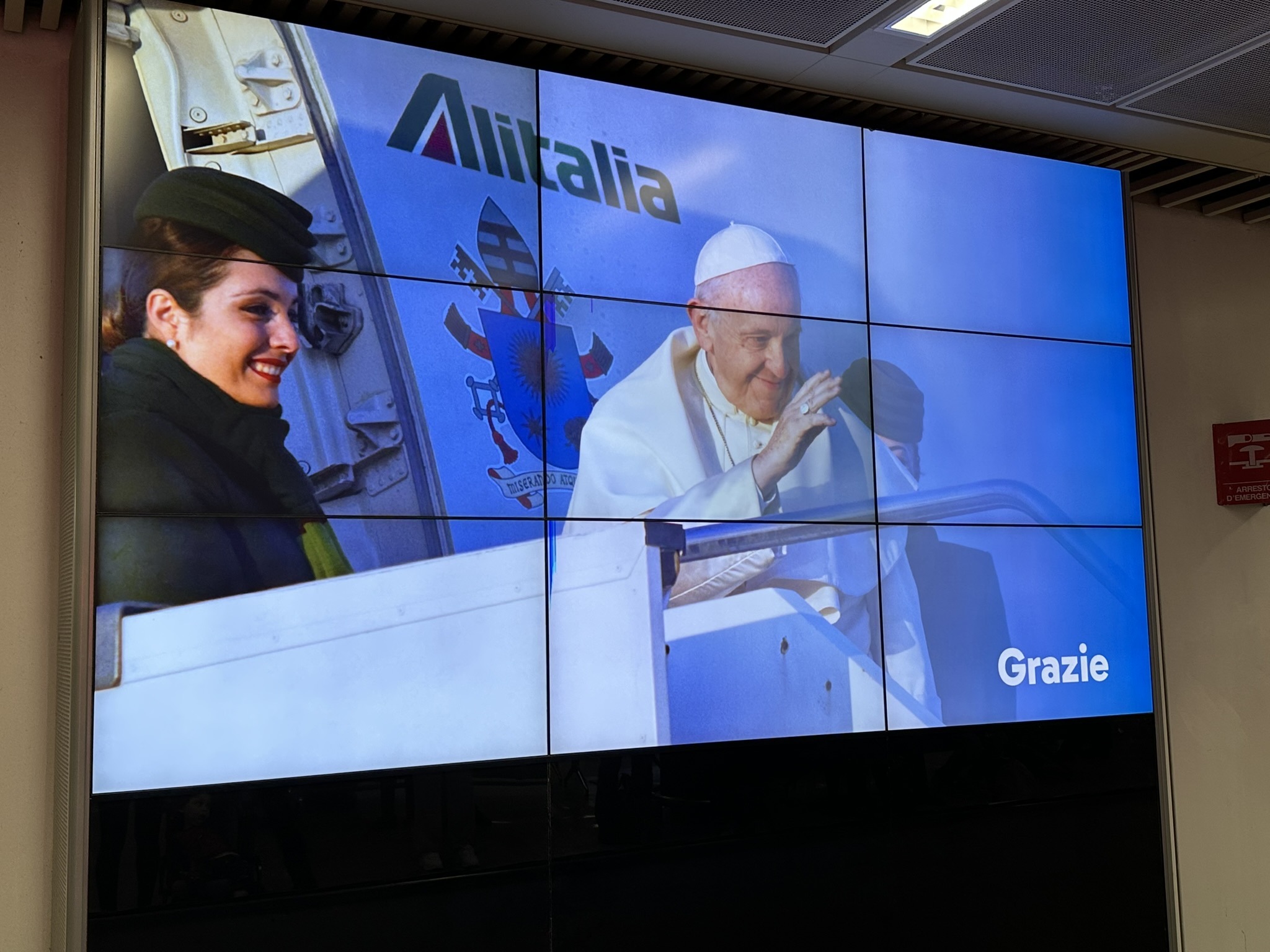
And as we’d arrived in the wake of Easter during a Jubilee year (the every 25 year-celebration when Catholic pilgrims flock to Rome to pray, reflect and seek penance) and the death of Pope Francis and on the cusp of his funeral and the Conclave gathering to elect a new Pope, reminders of Francis were everywhere. We visited Vatican City to experience the scene, skipping the five-hour wait to view his body, but were washed over with the sentiment and feeling not only of mourning but of celebration of his life. And whether it was in the airport or the small quiet solitude of the Chiesa Santi Apostoli, remembrances of Francis were everywhere.
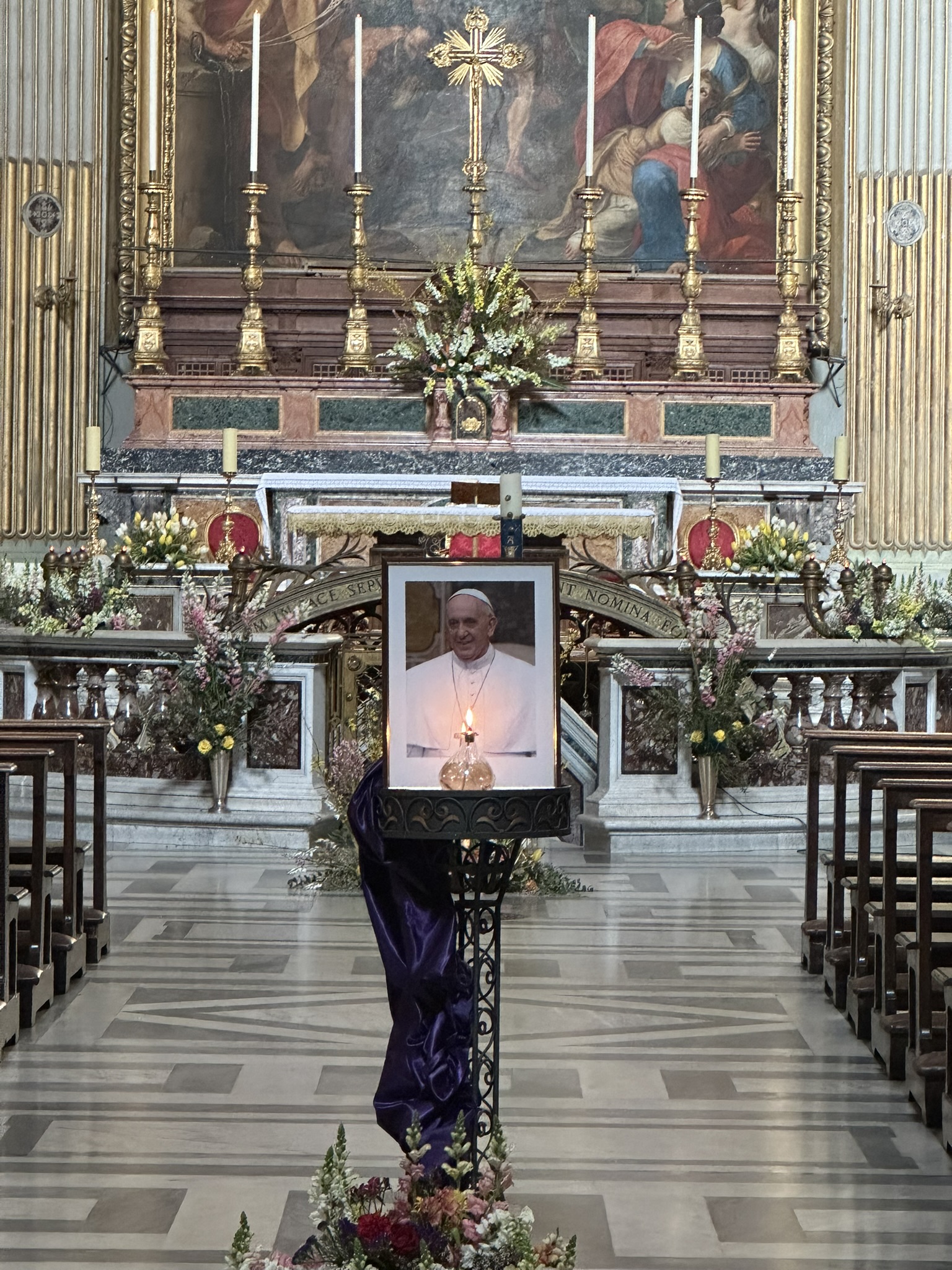
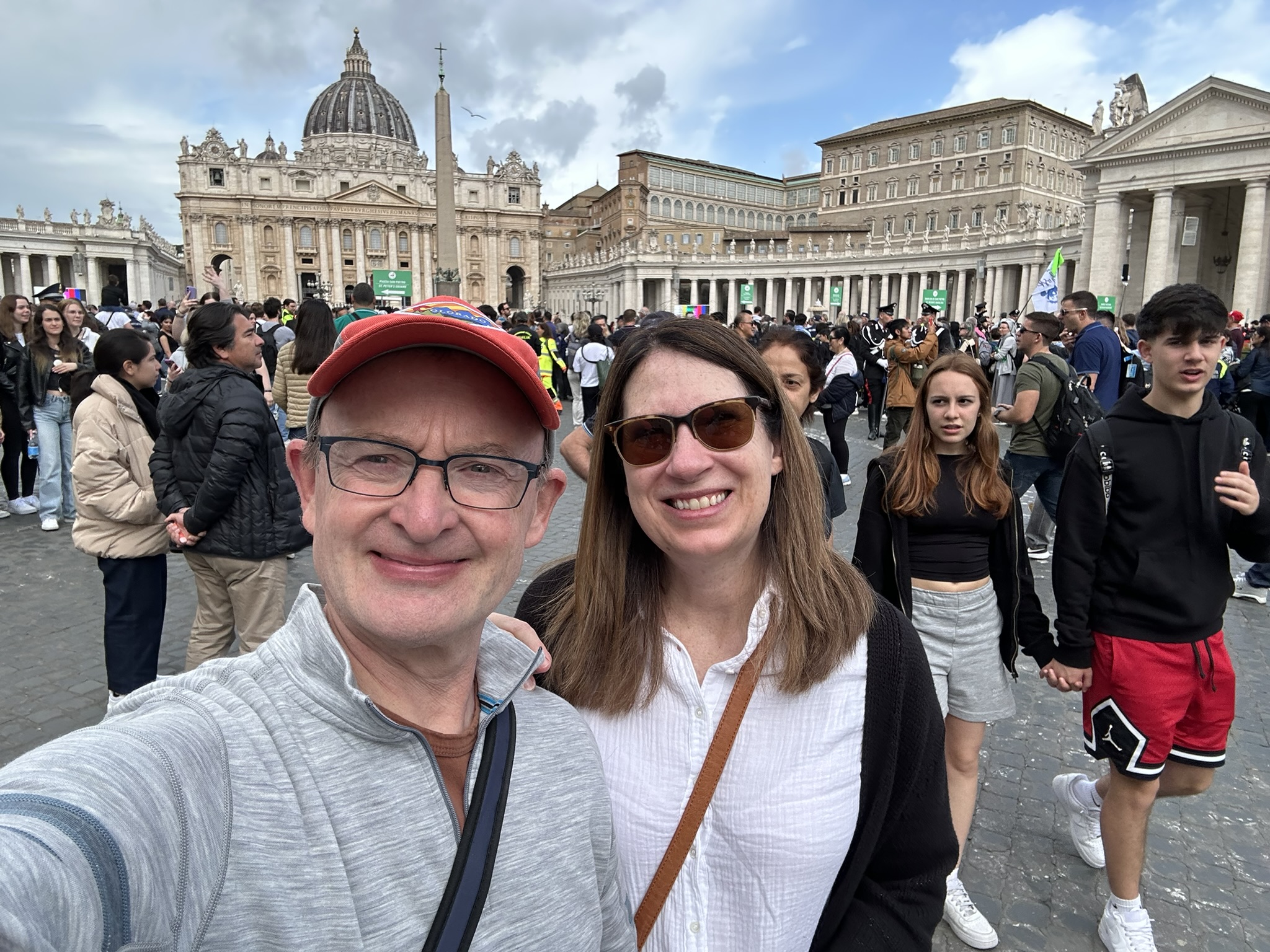
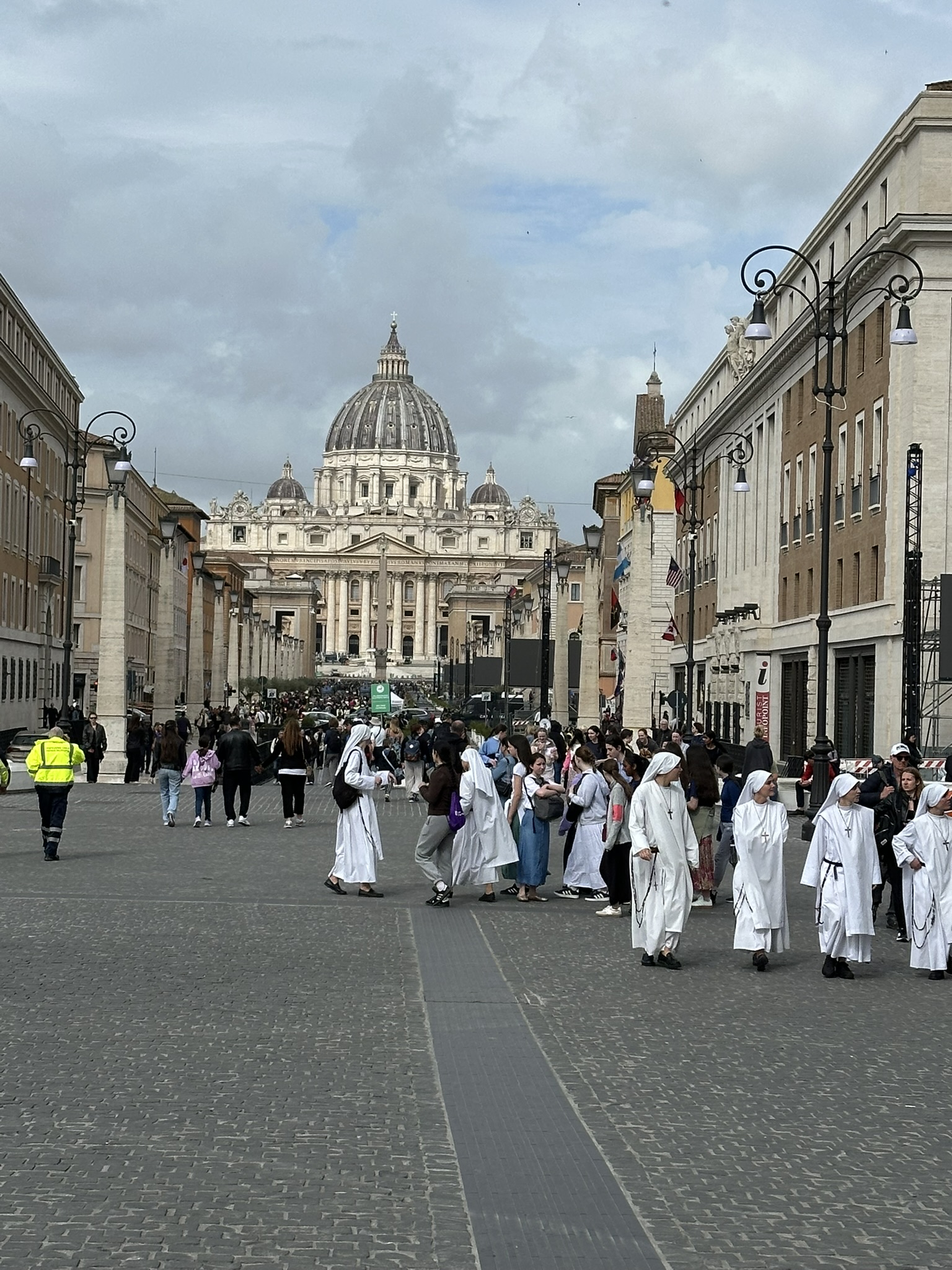
We’d hoped to take a special private tour of the Vatican Museums known as the Keymaster’s tour, but they are run infrequently and weren’t available on the days of our visit so we will just need to return. As luck would have it, the death of the Pope probably would have caused the tour to be canceled anyway. Gotta leave something for next time I guess.
Sources:
- Rick Steves Audio Tour of Trastevere, Rome Italy.
- https://en.m.wikipedia.org/wiki/Santa_Maria_in_Trastevere
- https://en.wikipedia.org/wiki/Sant%27Ignazio,_Rome
- https://www.pantheonroma.com/pantheon-history/
- Rick Steves Audio Tour of the Pantheon, Rome Italy.
 The Traveling Ridleys
0 comments on “The Magnificent Chiese of Rome”